Stanza · Audio guide
National Museum of Art of Romania Audio Guide
A place to remember. A story to take with you.
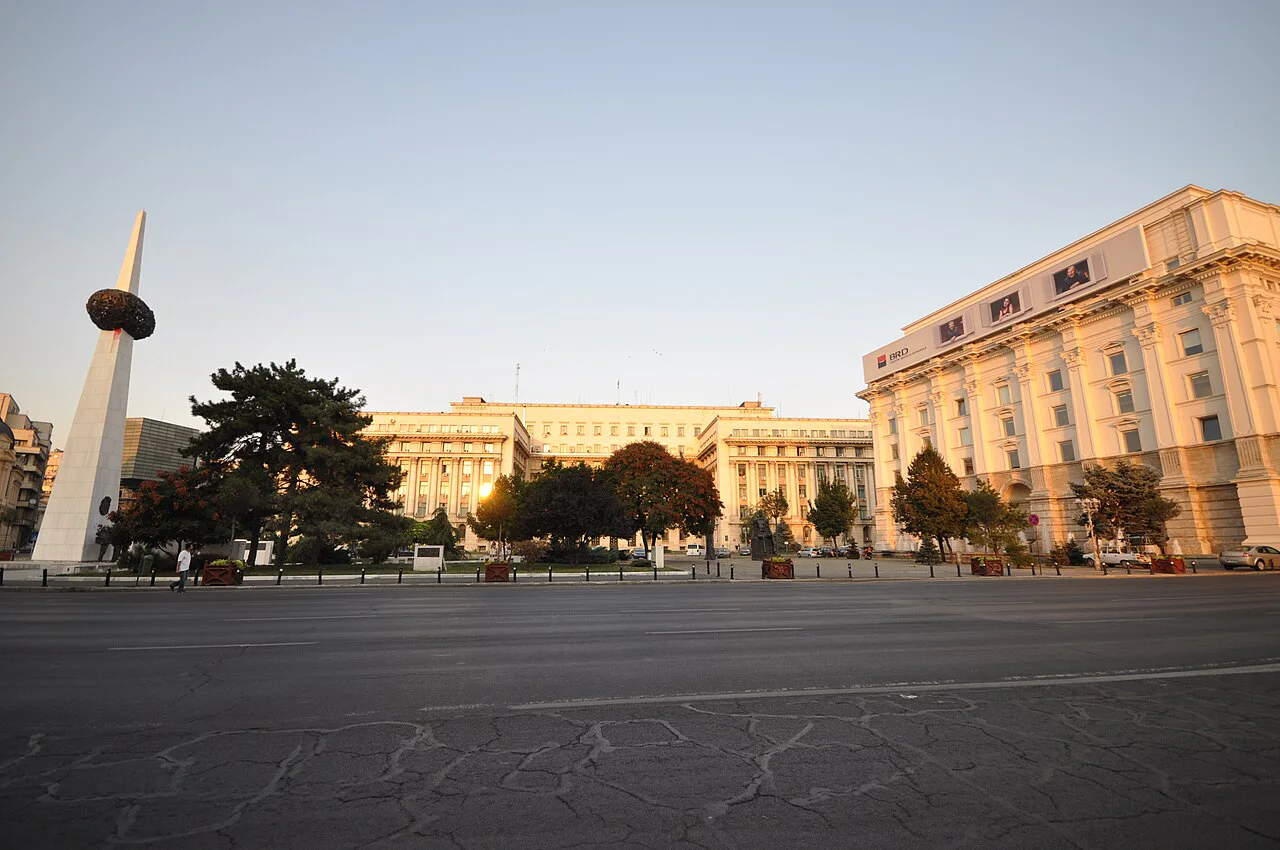
The National Museum of Art of Romania is located in the Royal Palace in central Bucharest. It features collections of medieval and modern Romanian art, as well as an international collection assembled by the…
Download Stanza, then search for “National Museum of Art of Romania”.
About the tour
One guide. Your kind of visit.
The National Museum of Art of Romania is located in the Royal Palace in central Bucharest. It features collections of medieval and modern Romanian art, as well as an international collection assembled by the Romanian royal family.
The National Museum of Art of Romania guide tells the stories of 28 artworks, including Adoration of the Shepherds (El Greco), The Marriage of the Virgin (El Greco), Girls Spinning at the Gate (Nicolae Grigorescu), Diptych with two donors (Hans Memling), The old lady with geese (Nicolae Grigorescu), Autoportret (Nicolae Grigorescu), Bătrână cârpind (Nicolae Grigorescu), and Hut (Nicolae Grigorescu). Every artwork is free to hear in the Stanza app until 1 January.
Ready when you are.
- 01Get the free Stanza app.
iOS & Android
- 02Find your guide.
“National Museum of Art of Romania”
- 03Download before you go.
Works offline
Audio guide / 28 artworks
Inside the guide
Get to know a few of the stories before you go. Open a stop to read more.
01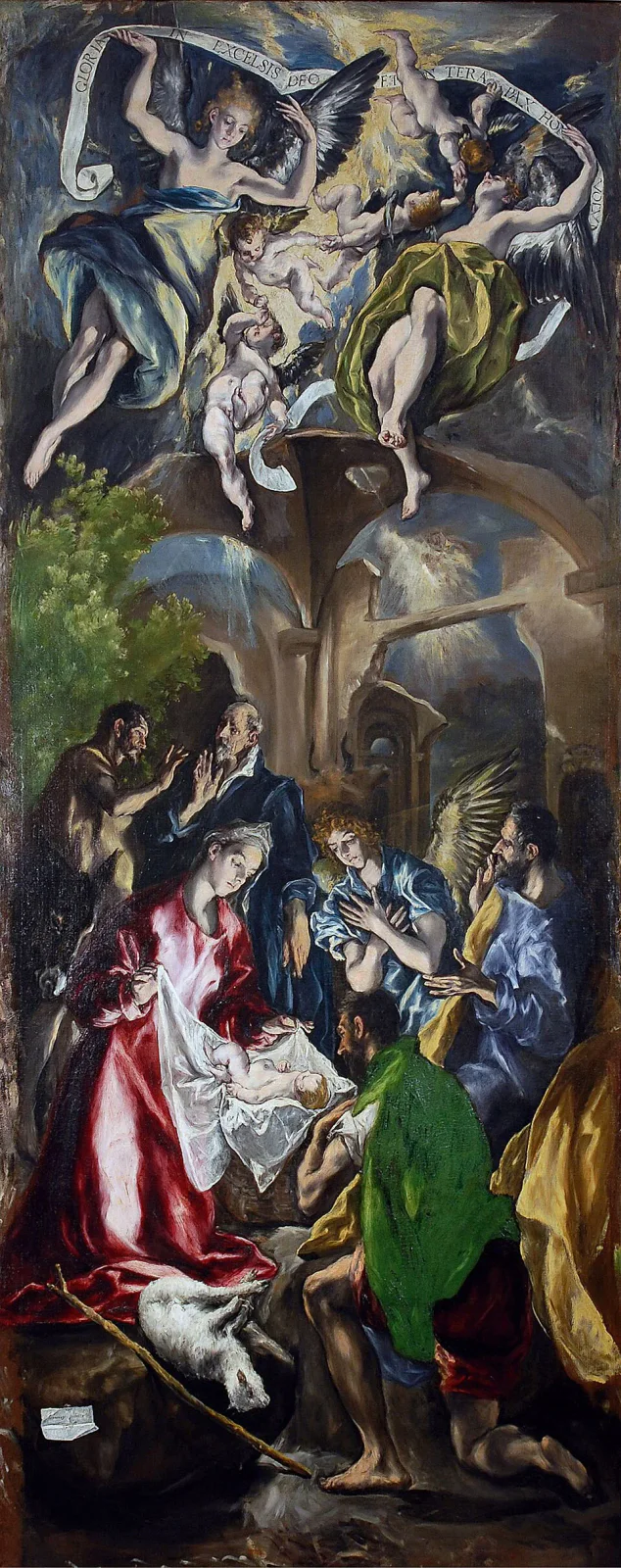
Adoration of the Shepherds
Why does this painting run so far above the people in it? Below, in the earthly half, are Saint Joseph, three shepherds and the newborn child. Above them, in the heavenly half, angels carry scrolls. The bodies are stretched, and light seems to lift away their solid weight. El Greco painted this for an altarpiece in Madrid, made for a college of Augustinian nuns. The whole altarpiece was built around God becoming human, the mystery the college took its name from. Doña María de Aragón, the lady who arranged it, died before the final payment in September of 1600. On the scrolls are the words from Luke, glory to God in the highest and peace on earth to people of goodwill. Among the animals, one lamb has its legs tied. The lamb stands for Christ, and those tied legs probably point to the Passion, the suffering waiting for the infant. When the altarpiece was taken apart during the French occupation, the sculptures were lost and the other five paintings went to the Prado. This one came away on its own, perhaps because the shepherds' adoration was his most popular subject.
Listen in the appEl Greco · Public domain
02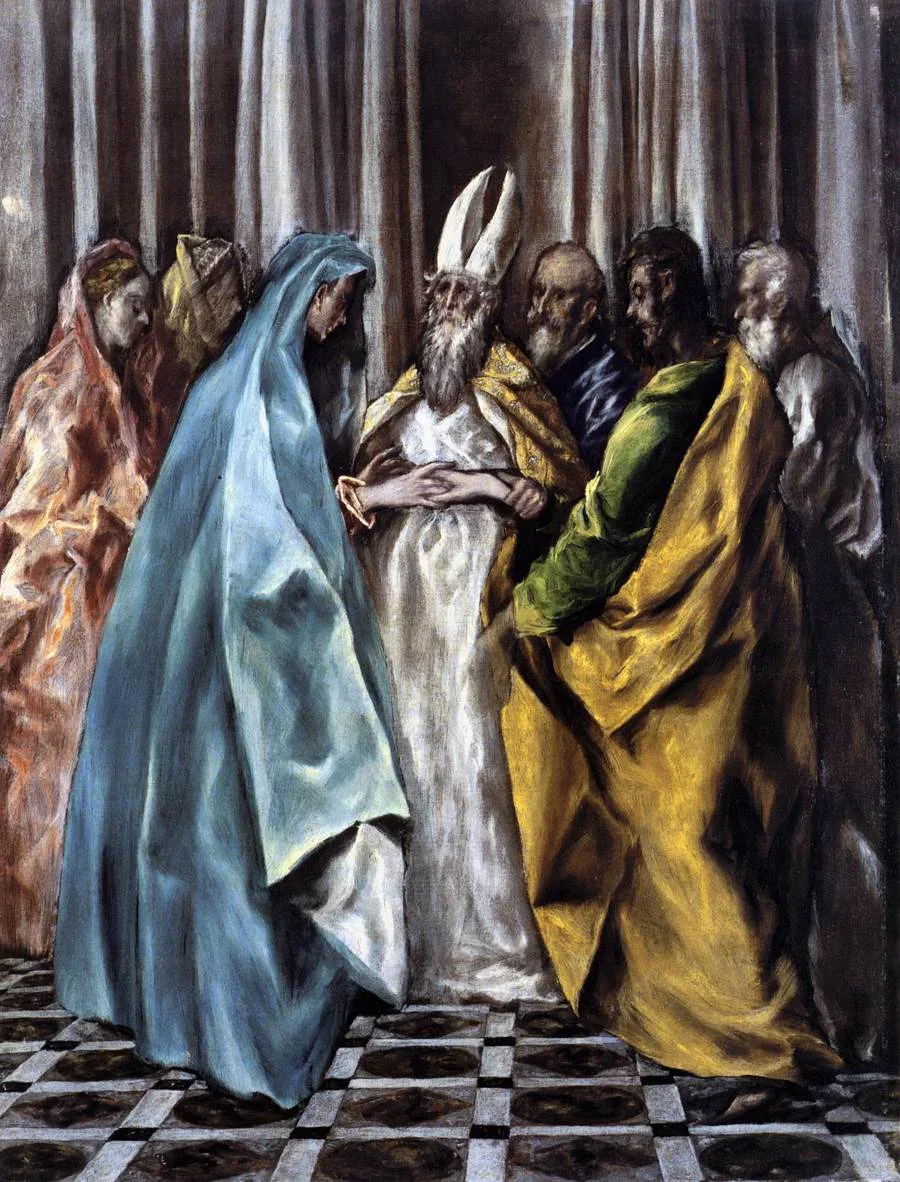
The Marriage of the Virgin
Third from the right, between the priest and Joseph, an old man's face is almost certainly the painter's own. He put himself into this wedding of Mary and Joseph near the end of his life. The marriage is not in the Gospels. It comes from older writings, where men were called to the temple carrying rods, and only Joseph's rod flowered. That miracle showed him to be Mary's husband. Joseph was old, and he held back because of the years between them, but he was persuaded. So Joseph, the old groom, is on the right with two other men. Mary and two women are on the left, and the priest is in the centre. It may have been painted for the high altar of a chapel at Illescas, one of five pictures honouring the Virgin. It is not named in the contract. Afterwards the painter and the hospital quarrelled about money for two years. He left the work unfinished. The forms dissolve into the paint, and the old face he set among them fades with everything else.
Listen in the appEl Greco · Public domain
03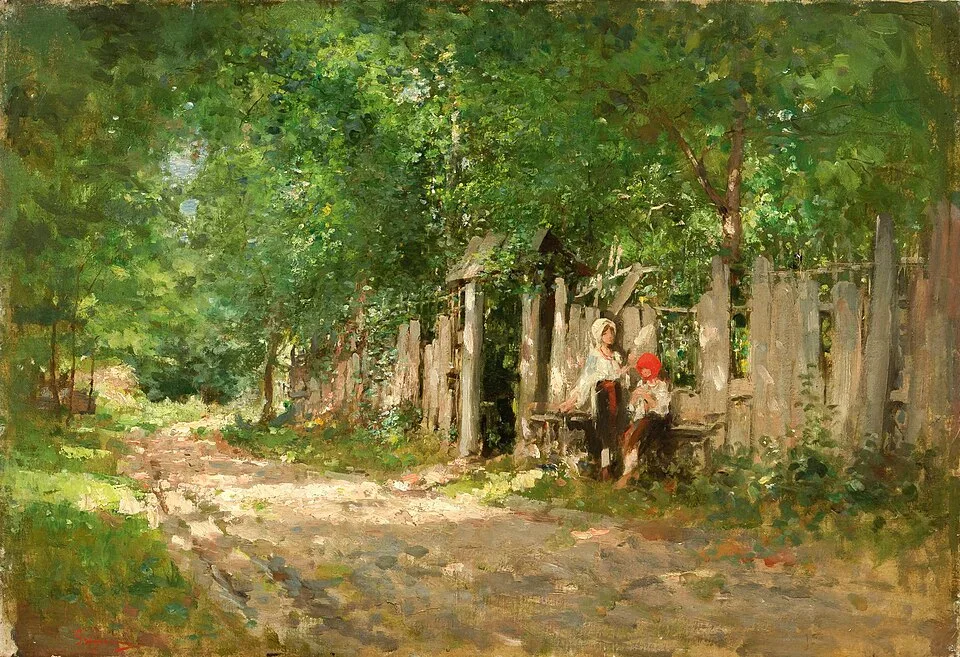
Girls Spinning at the Gate
The light here pulls the landscape forward, right into the front of the picture. The place around the two girls comes as close to you as they do. They are two girls in folk costumes, seated on a bench beside a gate in a wood fence, spinning. Country life was what Nicolae Grigorescu most often painted. He painted this between 1885 and 1890.
Listen in the appNicolae Grigorescu · Public domain
04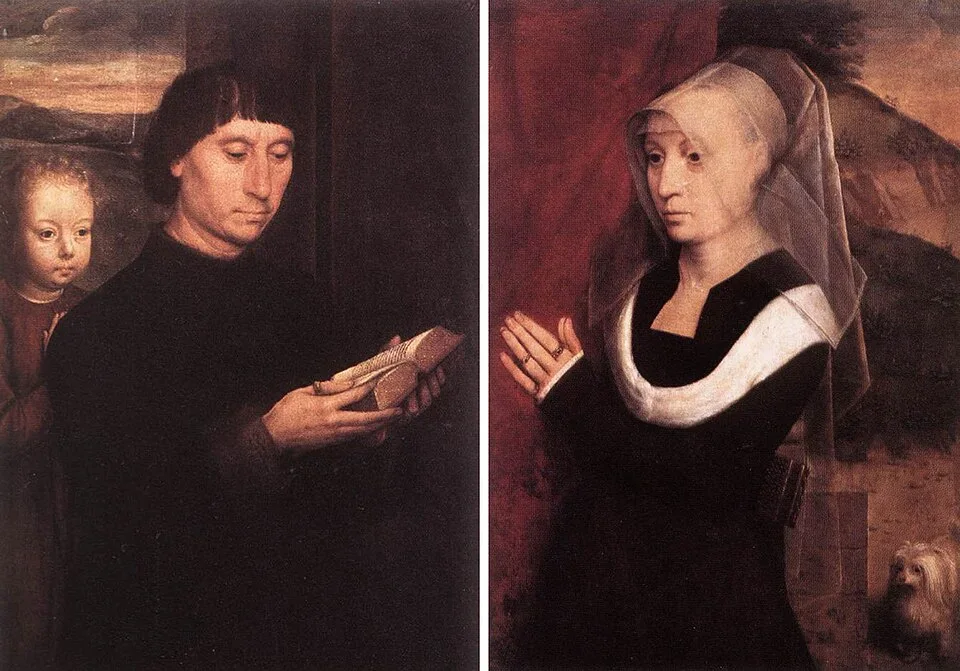
Diptych with two donors
These two panels are what is left of three. In the middle once stood the Virgin and Child, and the man and woman here knelt before her. Now that picture is not between them. Memling painted them kneeling, with their patron saints behind them to plead for them. Only traces of their clothing remain, clearest on the right panel. Above the hands of a child behind the man, a small cross was sketched in. It marks a death that came too early, and his workshop probably added it later. By the middle of the seventeenth century the three pictures were already apart, though all belonged to Archduke Leopold William of Habsburg. His seal still shows on the back of one panel. He left Brussels in 1656, but the three are not listed in an inventory made in 1659. They were not lost. The Antwerp art dealer Gilliam Forchondt sold them to Prince Charles the Second of Liechtenstein in 1676. Later they entered the collection of Baron Samuel von Brukenthal in Sibiu, and came here in 1948. Whether the Virgin and Child now in a private collection is the very panel these two knelt before is still not known.
Listen in the appHans Memling · Public domain
05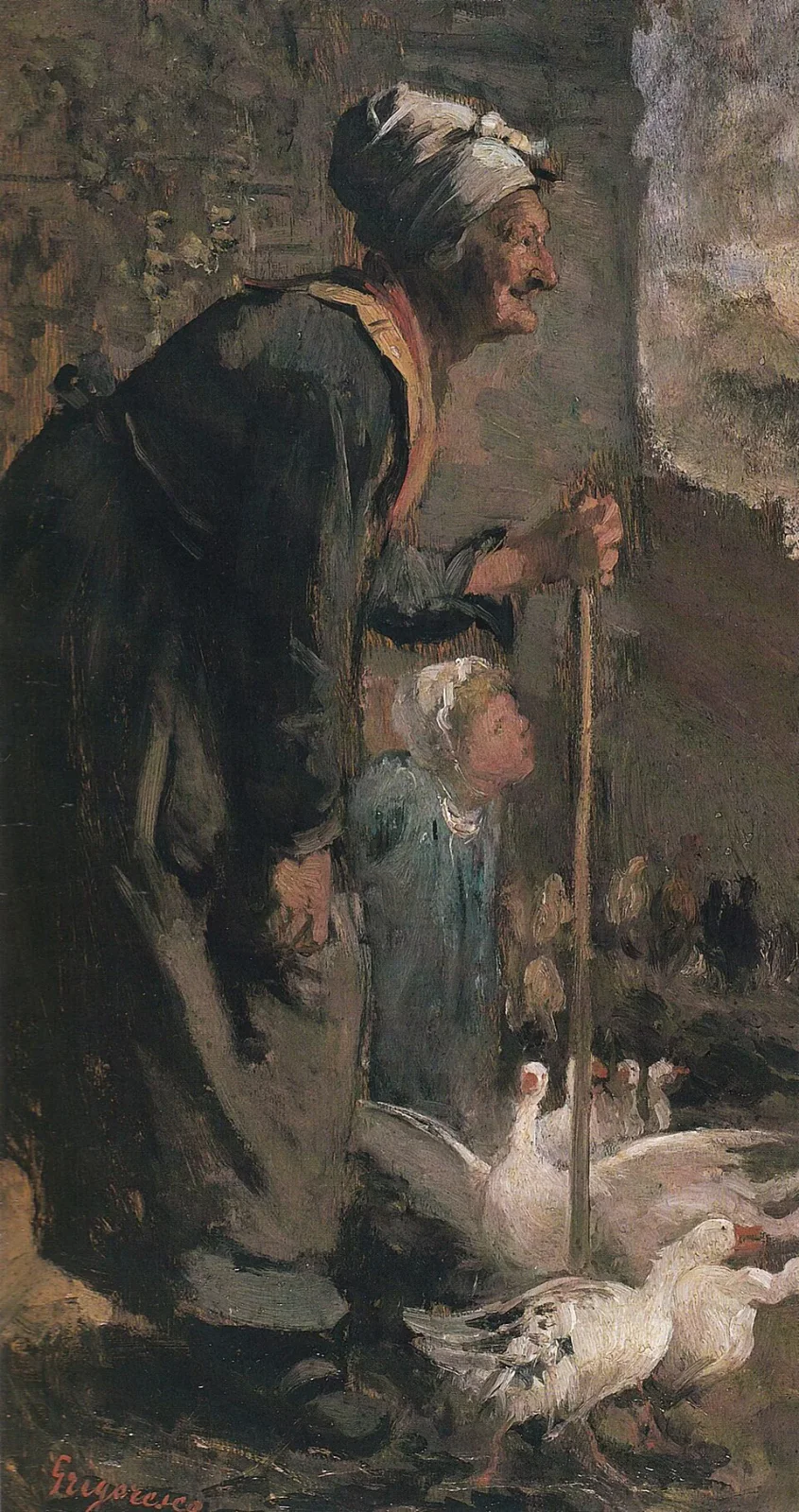
The old lady with geese
A monumental old woman fills the picture, wrapped in wide clothes. White geese fill the foreground. A little girl in blue is between the woman and her walking stick. Her face carries a mischievous, tender smile, and the features are pushed almost to caricature. Against that massive body, the face holds a real force of life, and the whole thing carries humor and strong, healthy laughter. That life took work. Grigorescu drew the woman again and again in pencil, and this was one of the paintings he cared about most. In one pen sketch she appears behind him as he sits at his easel. Another pencil study catches her monumental outline, the same as here, and it lies today in this museum's print room. He took the subject from the everyday life of peasants in a small village in the Fontainebleau forest.
Listen in the appNicolae Grigorescu · Public domain
06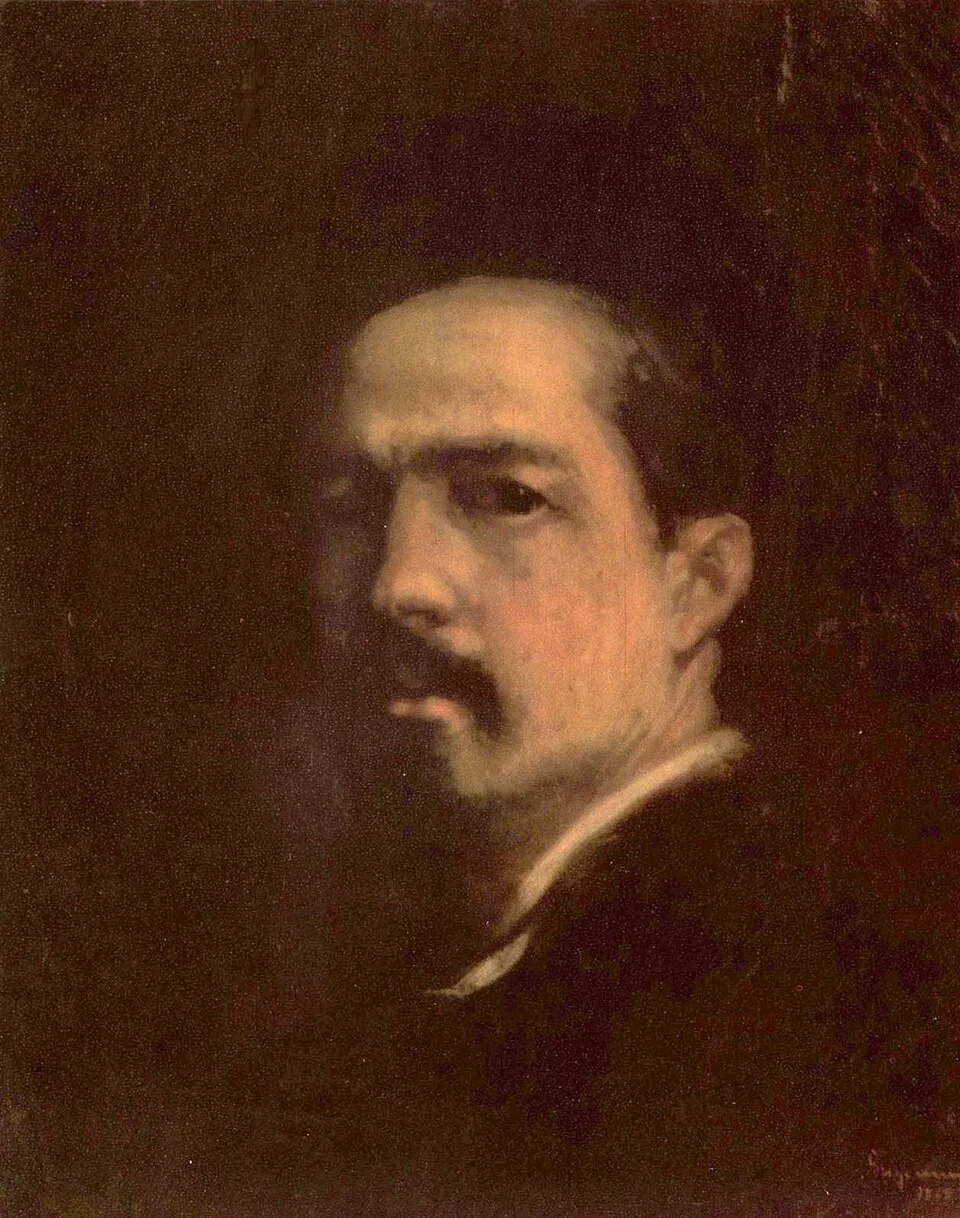
Autoportret
A man looks out at you, and there is nothing timid left in him. His gaze searches and holds firm, and he is done with being a student. This is Grigorescu at thirty, and the change had taken ten years. In 1857 he had painted himself as a shy young man, still under neoclassical influences. Then he went to Paris. At the Louvre he studied the old masters and saw how much they valued simplicity and honesty in scenes from real life. At Barbizon he worked alongside Courbet and Millet, and among them he discovered himself. He had begun as a young apprentice, learning only recipes, but a voice of his own kept coming through, stronger each year. And the light does the quiet work. He lays light against shadow in fine gradations, and in those delicate shades lie the finest nuances of an inner life.
Listen in the appNicolae Grigorescu · Public domain
07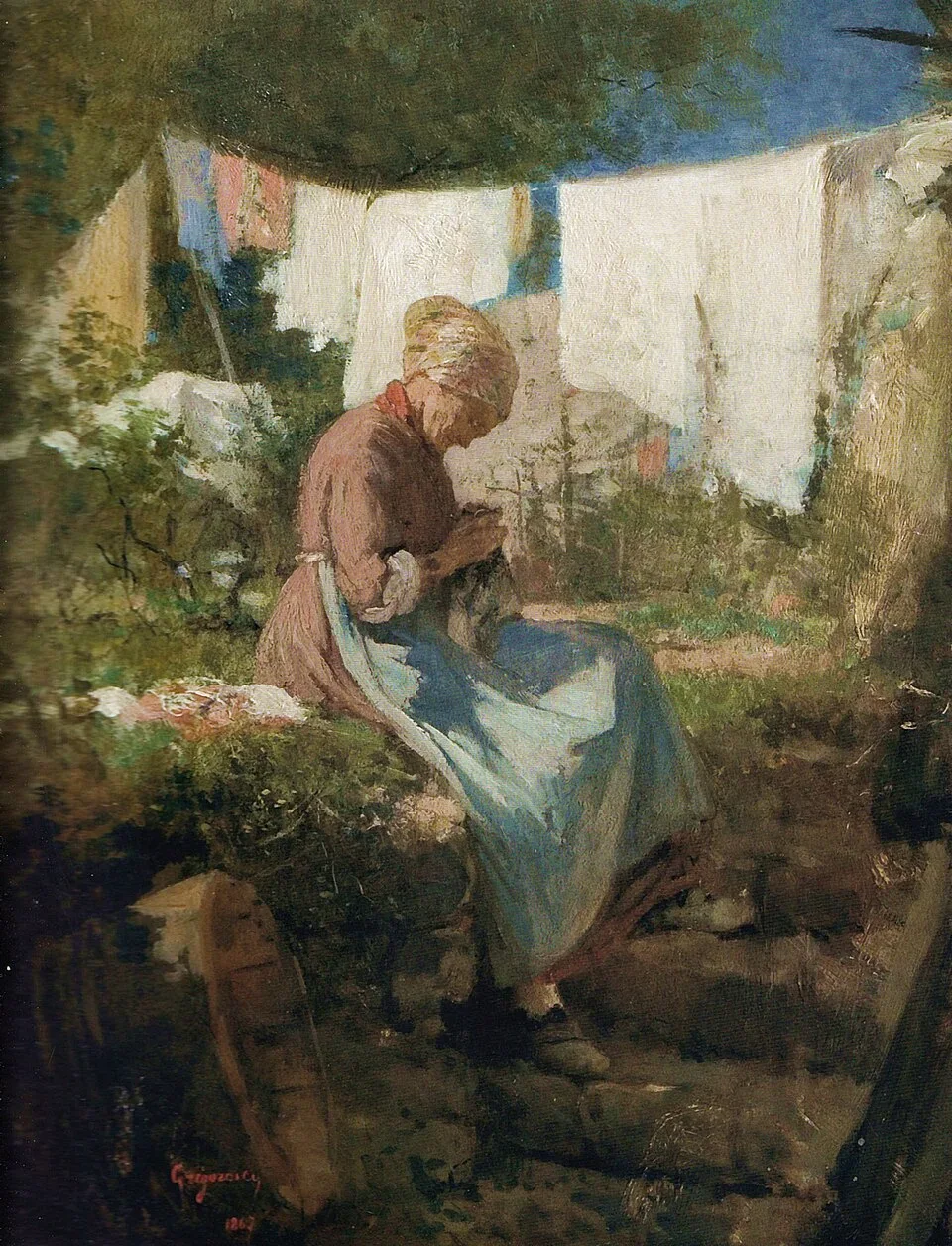
Bătrână cârpind
The colour in this painting was richer and more complex than anything Grigorescu had painted up to then. Blue, green and pink seem to speak to one another and come alive together. They are the colours of French country women's clothes at the time, and no other painting of his shows that clothing so clearly. The whole figure of the old woman is set within a landscape. He tried this in other pictures too, but never found the harmony that is here. The subject was modest and humble, an old woman mending, and he painted it with real conviction. That richer colour was only a faint hint of the bright, clear landscapes he would paint in the years ahead. Whether it really came from Millet is still an open question.
Listen in the appNicolae Grigorescu · Public domain
08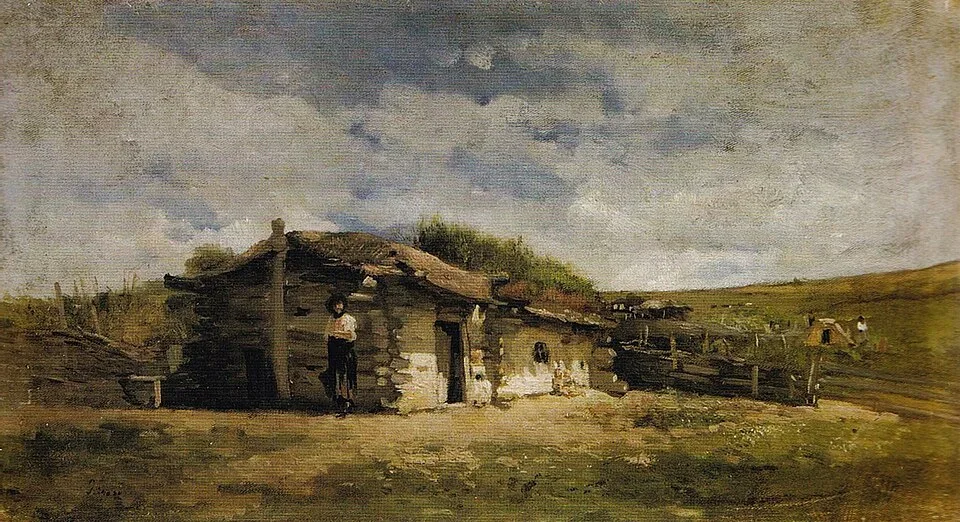
Hut
Sunlight catches a peasant woman's ragged clothes. It falls on the crumbling walls as well. You would think all that brightness would lift the scene. It does not. The light settles on the poverty and leaves it just as it was. Grigorescu filled his landscapes with light and colour, and little by little they built the image of a peaceful Romanian village. Yet at every exhibition he took part in, he brought a picture like this one. A poor person's home at the edge of a village, with the misery left in plain view. He would not leave the hard life of the peasant out of his work. The canvas is small, and the forms are broken up, and that is what gives the poverty its force. He signed it in the lower left corner in brown paint, but gave it no date. On the back, in the same brown, he wrote a note to his friend Bernath, and dated it 1873.
Listen in the appNicolae Grigorescu · Public domain
09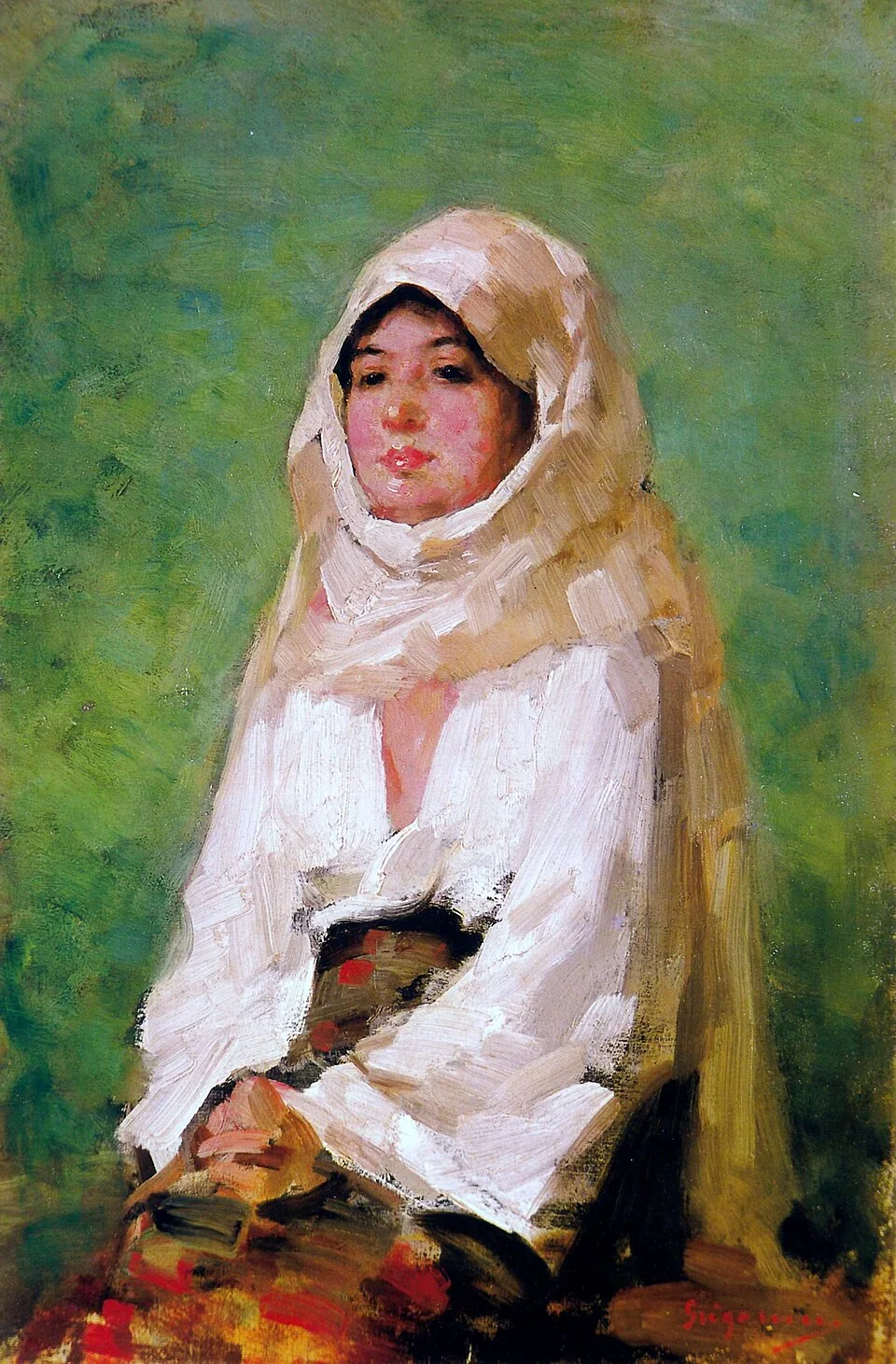
Țărancă cu maramă'
Grigorescu wanted one face to stand for all the Romanian peasant women he had known. A peasant's son himself, he studied them closely on his travels through Romania. Her lips are full, her eyebrows thick, and an intelligence shows in her gaze. She looks sure of herself. He painted all of that in fine detail, and left the rest, from the headscarf down to the hem, in broad strokes of colour. Green was unusual for him. He usually painted brown, near black, down to about the knees. The green lets her silhouette come forward clearly, without a harsh edge. In another of his peasant women, a paler background made parts of the headscarf blend into it. This one does not do that. Her folk costume is more than decoration. Its rich colours are part of the portrait itself, not a detail beside it. And her sleeves hang with real weight along her hands. He gave the cloth its full substance, and with it, her nobility.
Listen in the appNicolae Grigorescu · Public domain
10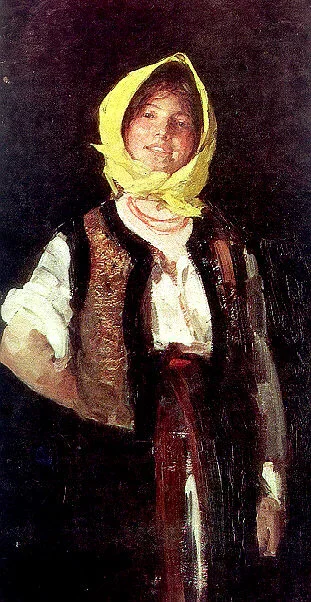
Cheerful peasant
She meets your eye straight on, her cheek healthy and coloured. But this cheerfulness is not simple happiness. That bold gaze is measuring you, working out how quick you are, ready to answer with an ironic joke. Young women carried on like this at village dances, at work gatherings, and on winter evenings when they sat together. Her costume matters here too. The traditional dress is painted in all its colours, not just to be pretty. It is part of the portrait itself, giving her real dignity and nobility. Her bold features were painted with broad strokes too. In places the strokes are two or three centimetres wide and ten to fifteen centimetres long, made with the flat of the brush. Grigorescu painted her this way to catch the personality of the country girls he met on his walks, and all he felt about them.
Listen in the appNicolae Grigorescu · Public domain
- 11
Ghergani Gypsy
Nicolae Grigorescu · 1872
- 12
River wash
Nicolae Grigorescu · 1863–1867
- 13
A flower among the flowers
Nicolae Grigorescu · 1870
- 14
Portretul marelui ban Năsturel Herescu
Nicolae Grigorescu · 1870
- 15
Portrait of Lady Roxanda
Dobromir · c. 1526
- 16
Portretul lui Nicolae Bălcescu
Gheorghe Tattarescu · 1851
- 17
Avram Iancu
Barbu Iscovescu · 1849
- 18
România Revoluționară
Constantin Daniel Rosenthal · 1847–1851
- 19
Jew with Goose - a Romanian Jew holding a petition and a goose for bribery
Nicolae Grigorescu · 1880
- 20
Luminiș
Nicolae Grigorescu · 1896
- 21
Hanul de la Orăţii
Nicolae Grigorescu
- 22
Chailly guard
Nicolae Grigorescu · 1867
- 23
Peasant reading,
Nicolae Grigorescu · 1896
- 24
Virgin and Child
Domenico Veneziano · 1432–1438
- 25
Venus and Cupid
Lucas Cranach the Elder · 1520
- 26
Standing Virgin and Child
Hans Memling · c. 1490
- 27
Portrait of a Male Donor
Hans Memling · c. 1490
- 28
Portrait of a Female Donor
Hans Memling · c. 1490
National Museum of Art of Romania
Frequently asked questions
How much does the guide cost?
Free app download. Free until 1 January. Listed guide price: $0.99. Audio guide only. Venue admission is separate.
Can I listen without internet?
Yes. Download the guide’s audio, images, and maps in the app before your visit. Your downloaded content is then available offline.
Can I listen in my language?
In English for now. More languages soon.
Do I need to follow a schedule?
No. This is a self-guided experience. Choose your stops, pause whenever you like, and return to a story at your own pace.
Which artworks are in the National Museum of Art of Romania audio guide?
28 artworks, including Adoration of the Shepherds (El Greco), The Marriage of the Virgin (El Greco), Girls Spinning at the Gate (Nicolae Grigorescu), Diptych with two donors (Hans Memling), The old lady with geese (Nicolae Grigorescu), Autoportret (Nicolae Grigorescu), Bătrână cârpind (Nicolae Grigorescu), and Hut (Nicolae Grigorescu). The full list is on this page.
Is this the museum’s official audio guide?
No. Stanza is an independent audio guide app and is not affiliated with National Museum of Art of Romania. Museum admission is separate.
At your own pace
Explore National Museum of Art of Romania.
Download Stanza, then search for “National Museum of Art of Romania”.
Free app download · Guide price shown in the app
Keep exploring
Audio guides — Romania
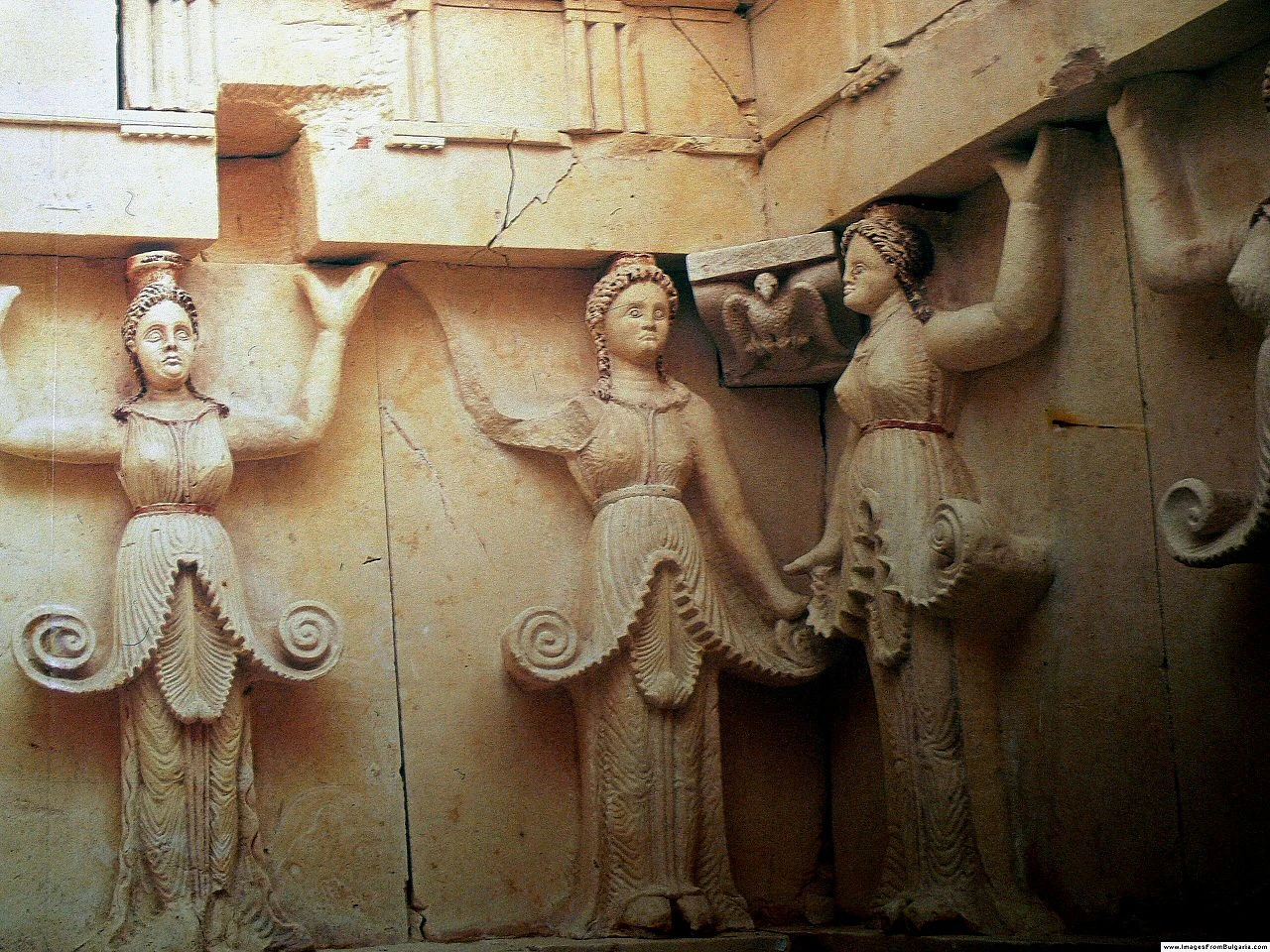
Malak Porovets · 94 km
Thracian Tomb of Sveshtari
Content & sources
Photo: Martyr · CC BY 2.5
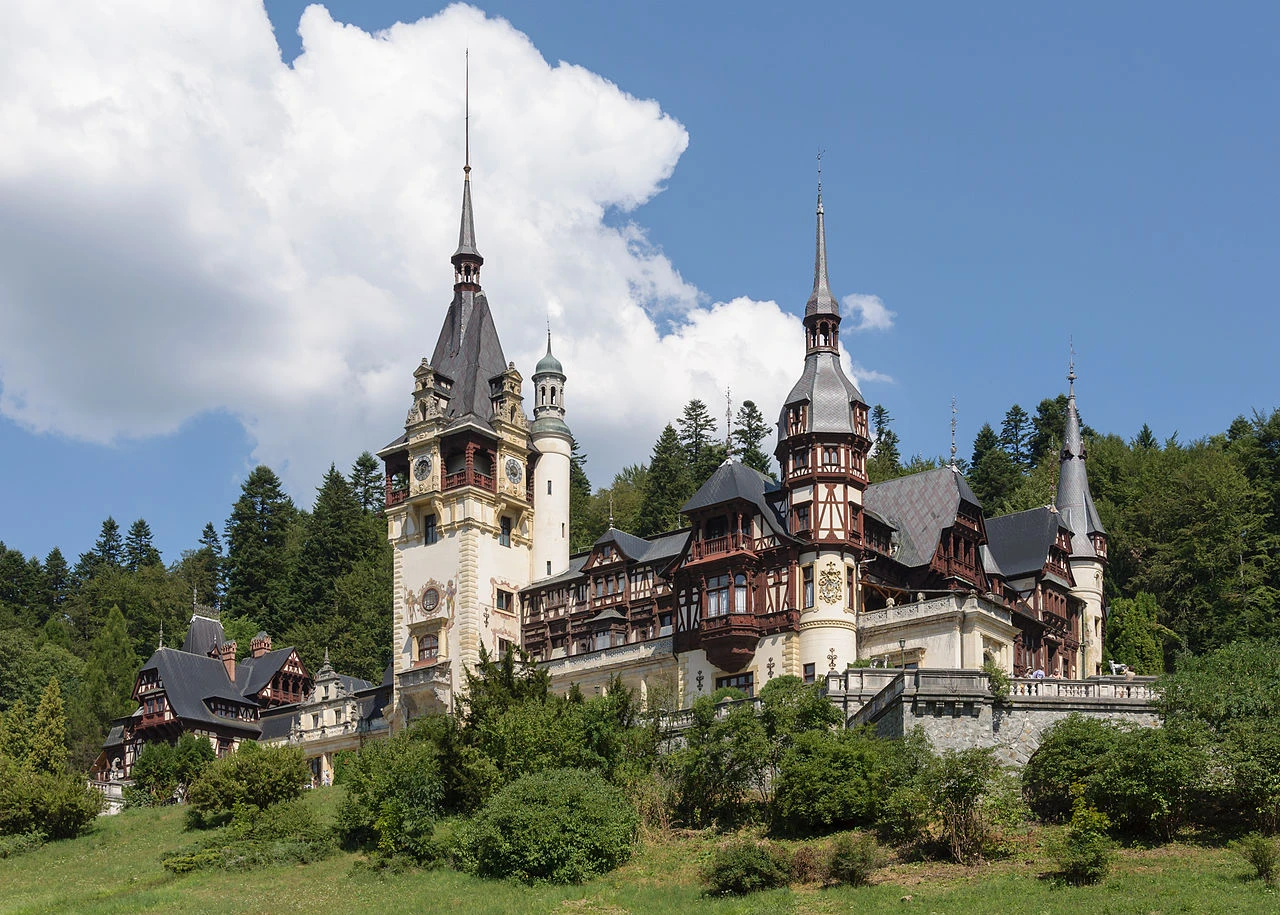
Sinaia · 111 km
Peleș Castle
Content & sources
Photo: Myrabella · CC BY-SA 3.0
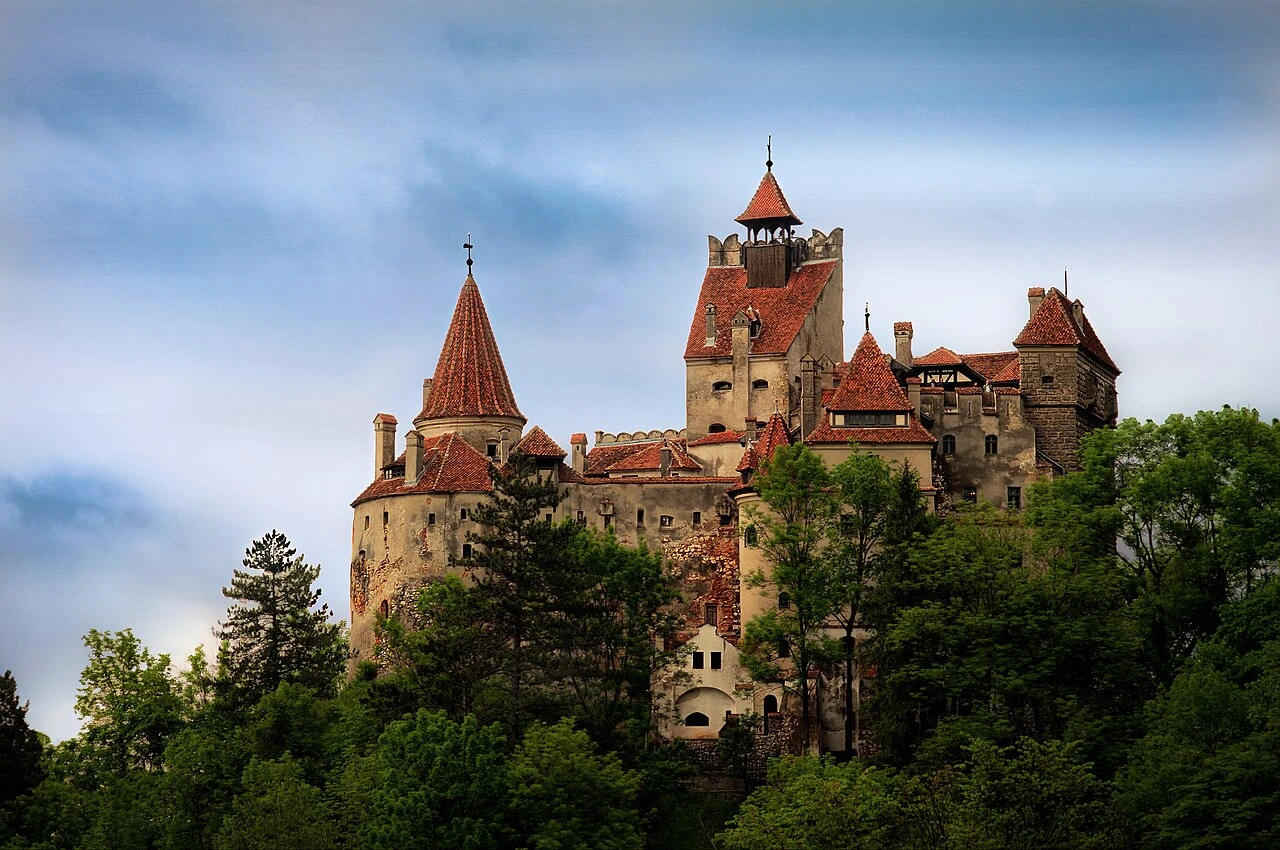
Bran · 133 km
Bran Castle
Content & sources
Dobre Cezar · CC BY-SA 3.0 ro
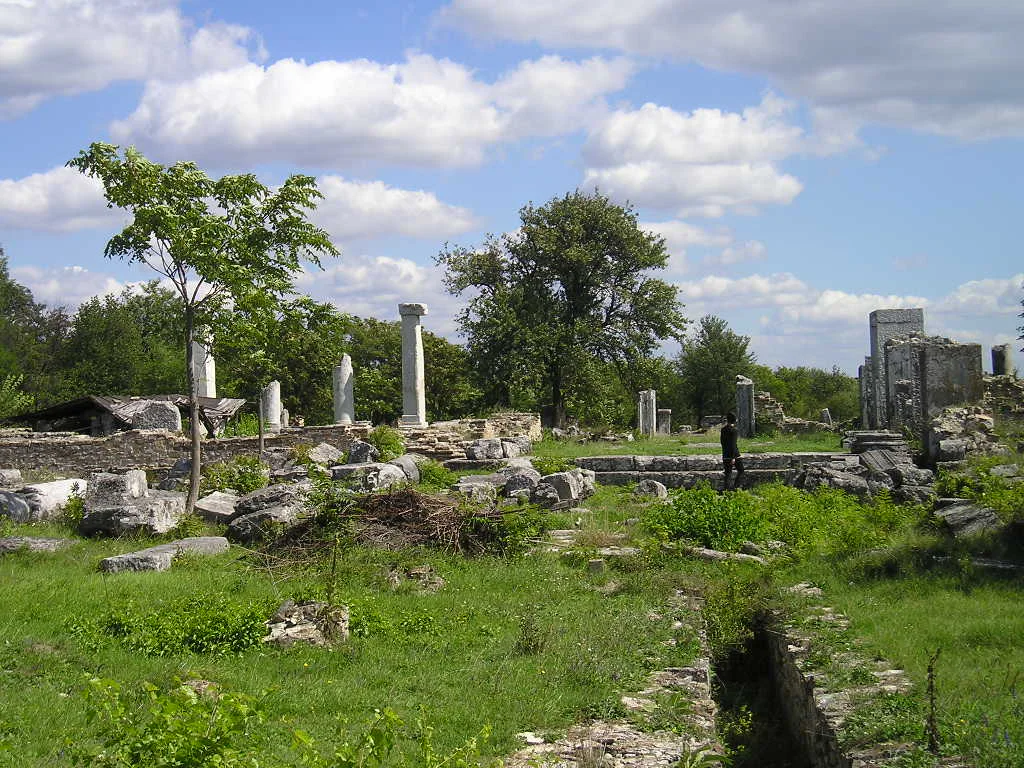
Polikraishte · 141 km
Nicopolis ad Istrum
Content & sources
Photo: Nk · Public domain
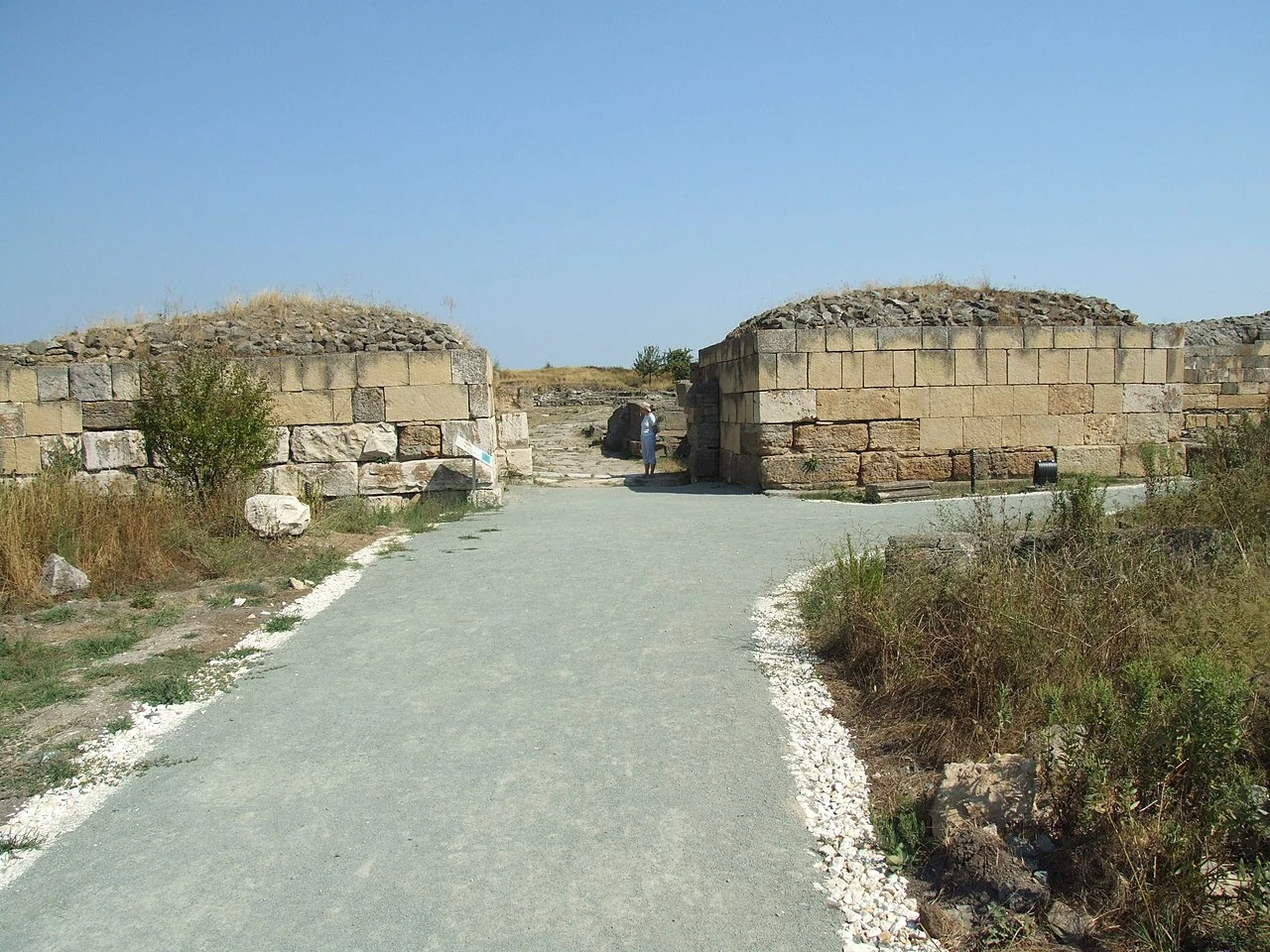
Istria
Cetatea Histria
Content & sources
Photo: CristianChirita · Public domain
Art museums
More art museum audio guides
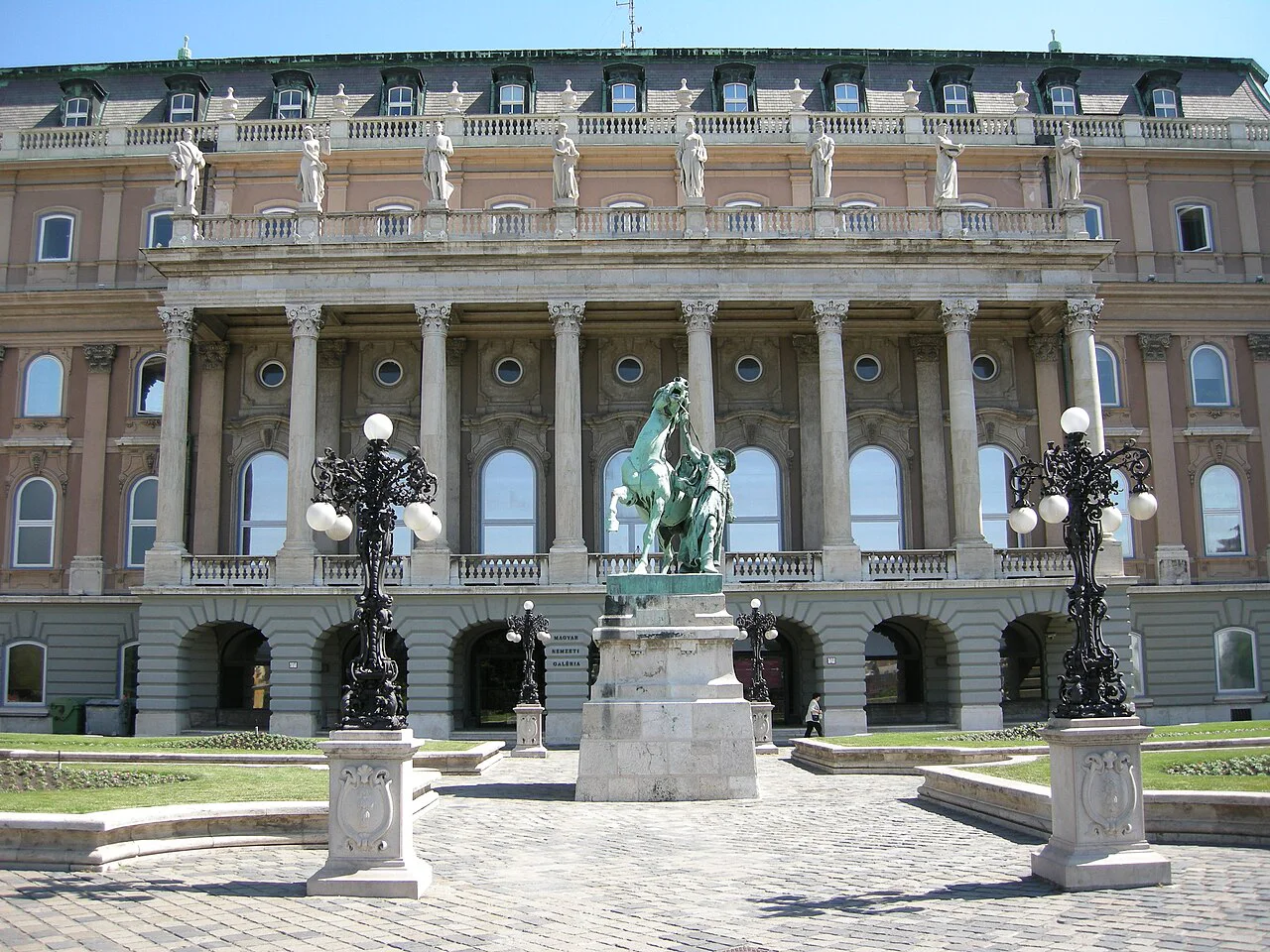
Budapest · 29 artworks
Hungarian National Gallery
Content & sources
Yoav Dothan · Public domain
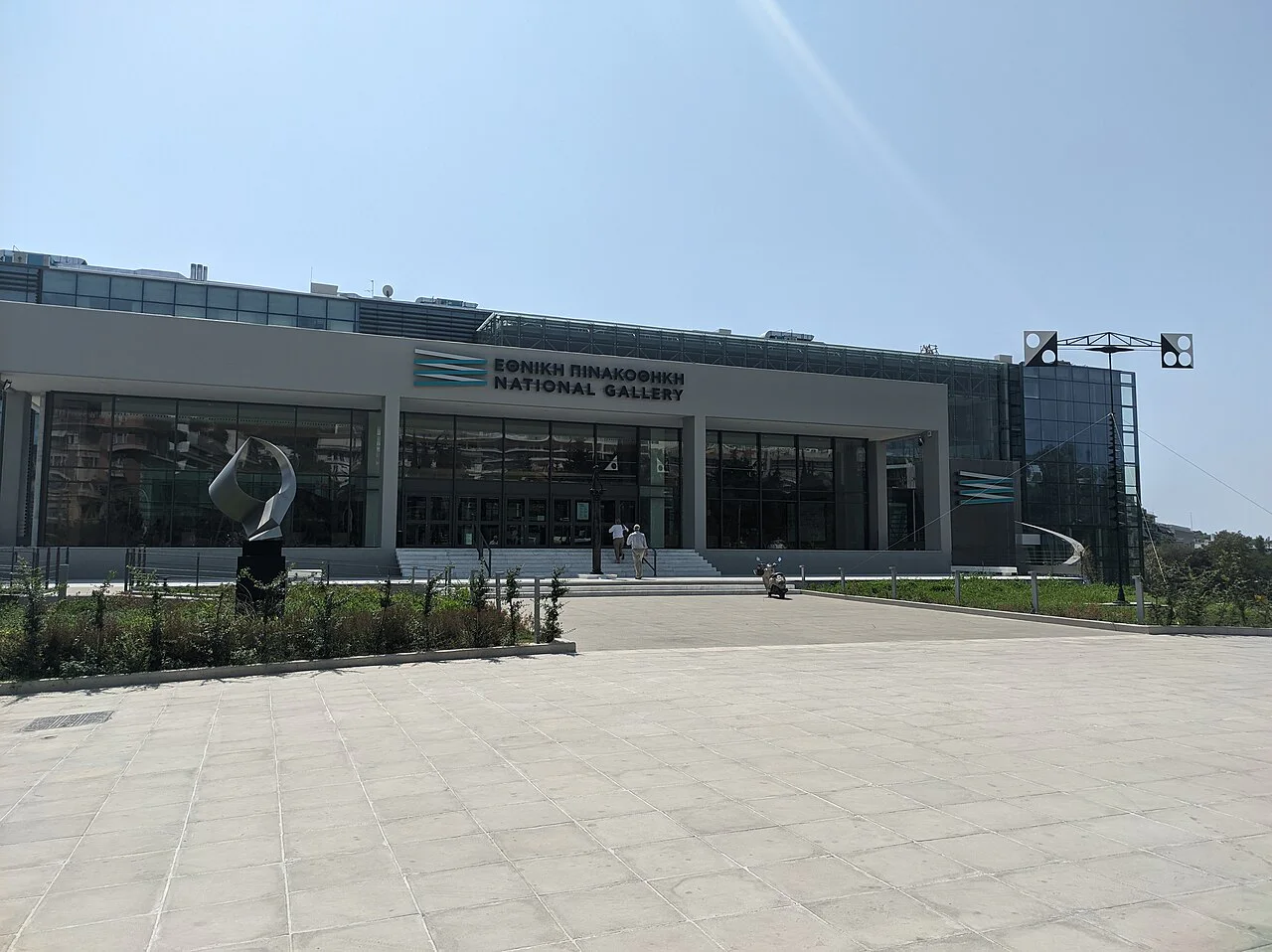
Athens · 25 artworks
Εθνική Πινακοθήκη-Μουσείο Αλεξάνδρου Σούτζου
Content & sources
Photo: Leeturtle · CC BY-SA 4.0
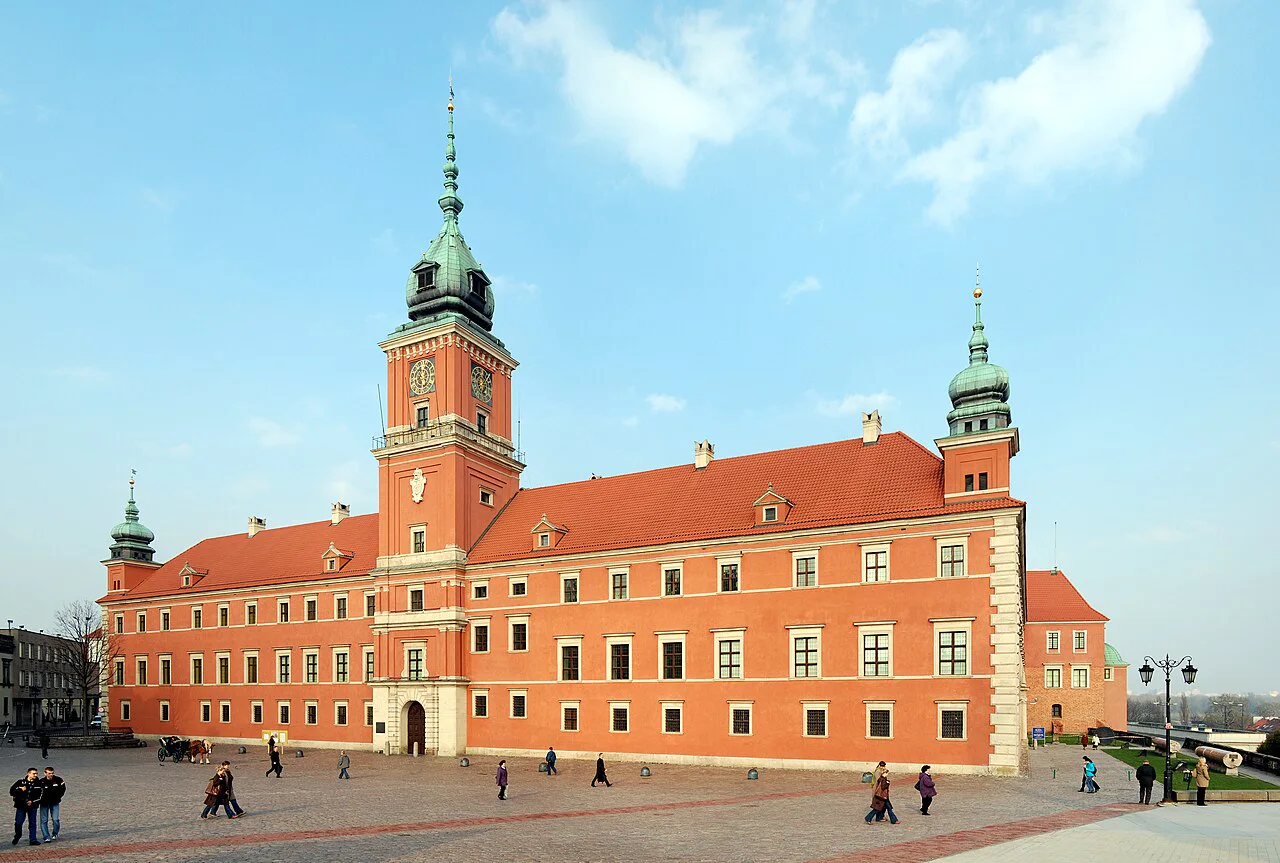
Warsaw · 17 artworks
Zamek Królewski w Warszawie
Content & sources
Marcin Białek · CC BY-SA 3.0
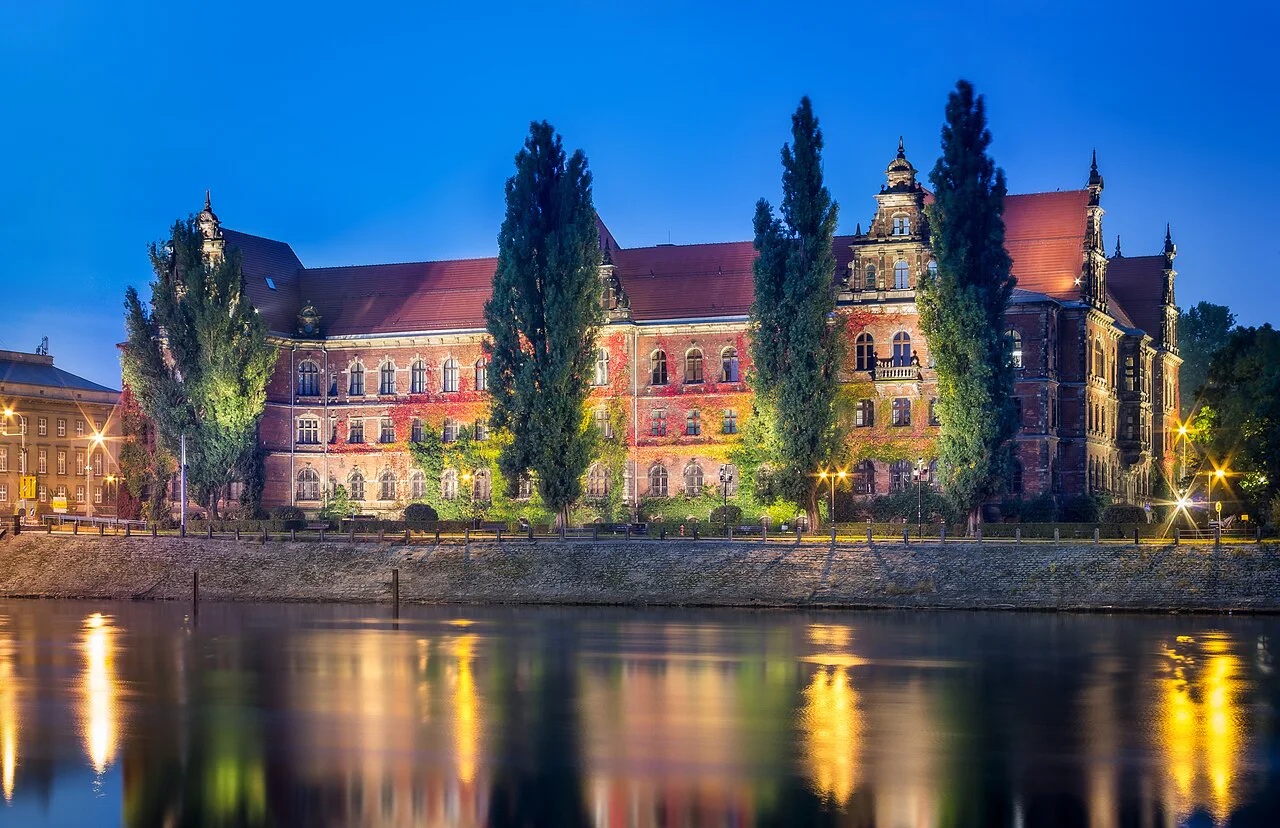
Wrocław · 44 artworks
Muzeum Narodowe we Wrocławiu
Content & sources
Photo: Jar.ciurus · CC BY-SA 3.0 pl
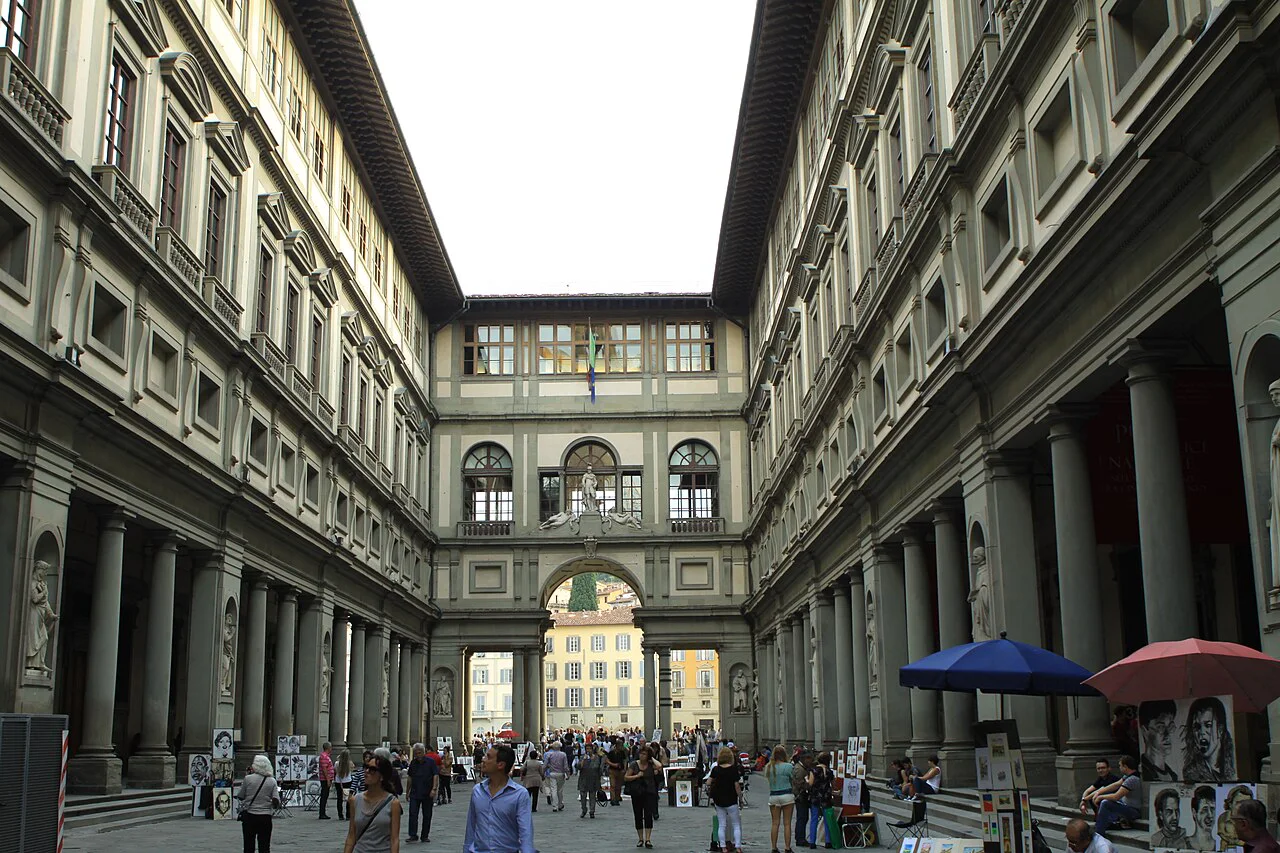
Florence · 70 artworks
Uffizi Gallery
Content & sources
Arek N. · CC BY-SA 3.0
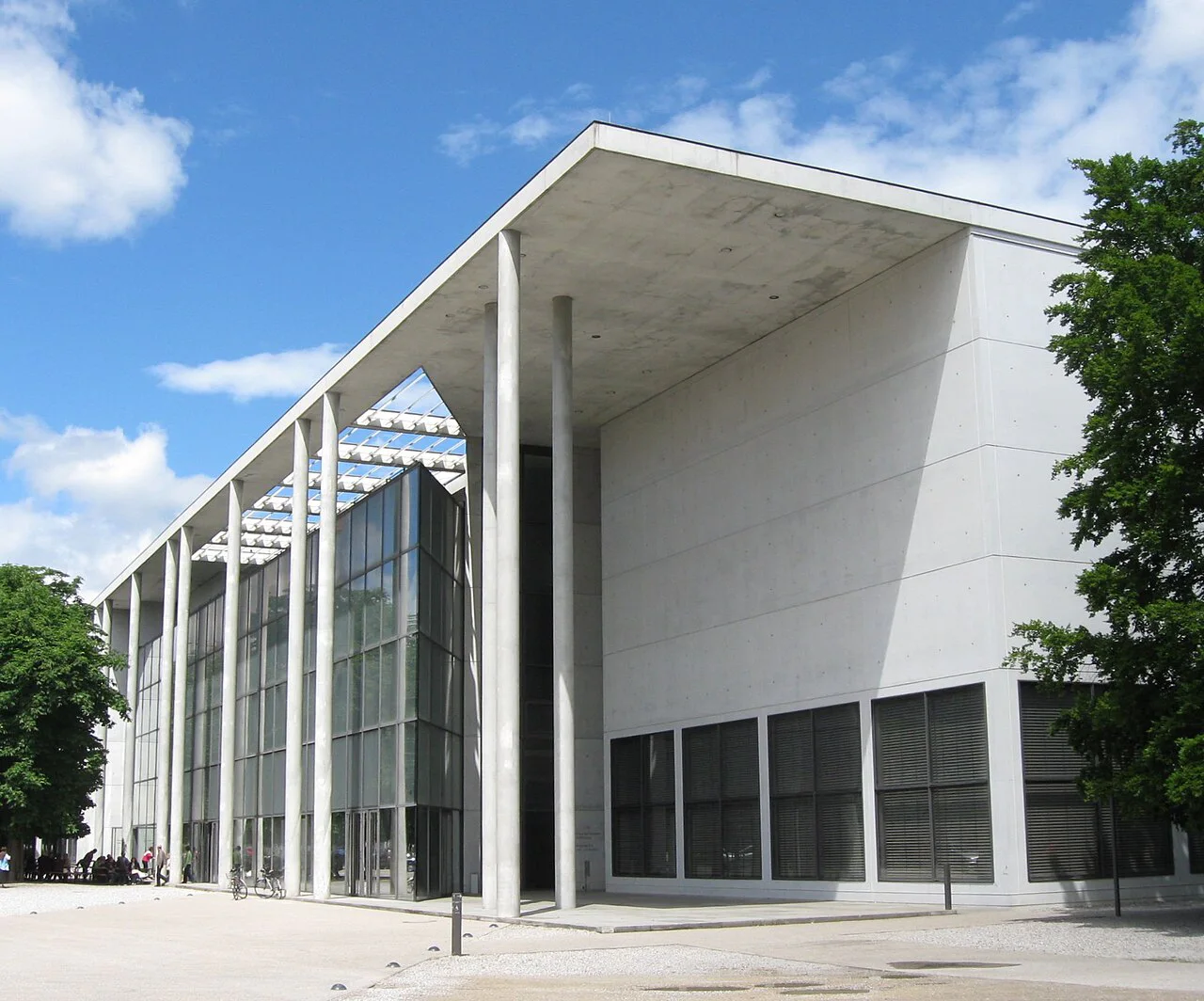
Munich · 6 artworks
Pinakothek der Moderne
Content & sources
Photo: Rufus46 · CC BY-SA 3.0