Stanza · Audio guide
Μουσείο Μπενάκη Audio Guide
A place to remember. A story to take with you.
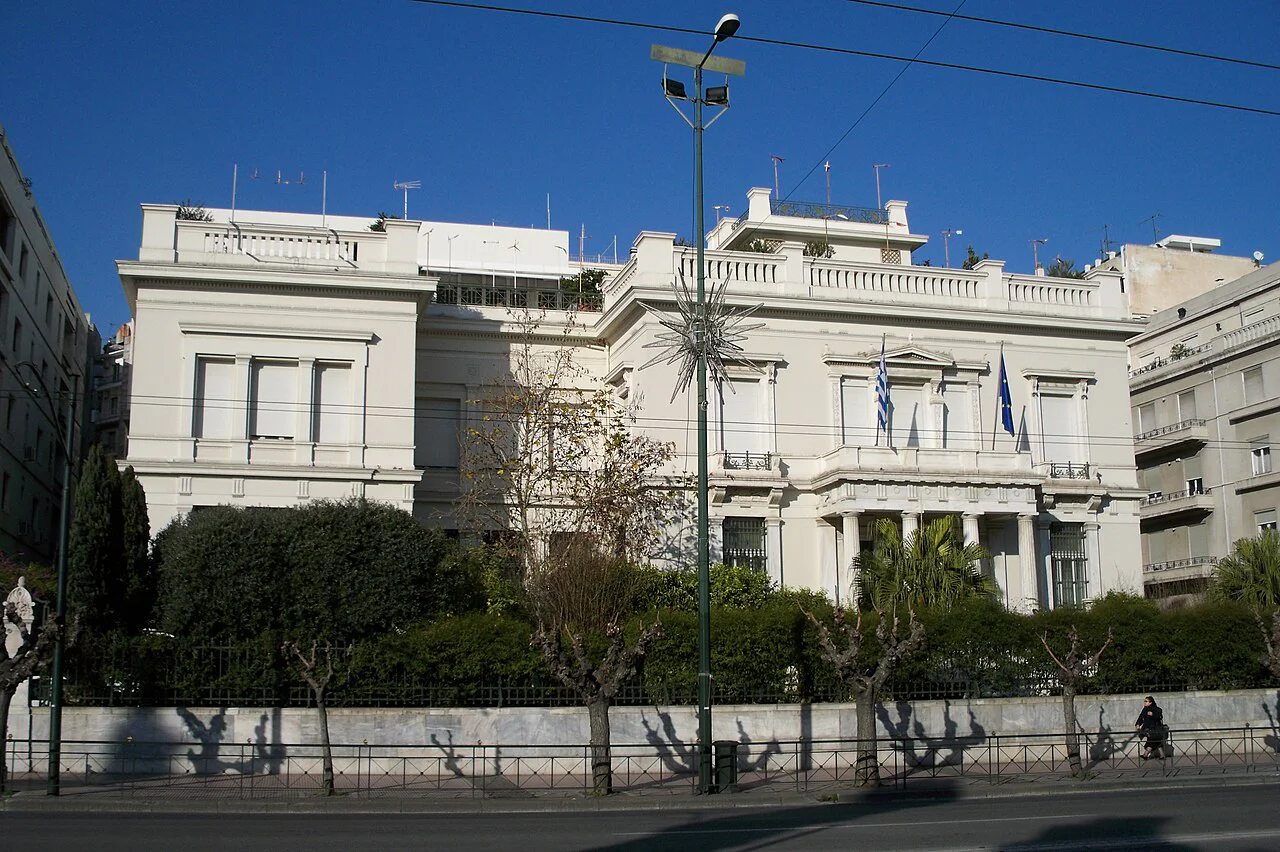
The Benaki Museum was established and endowed in 1930 by Antonis Benakis in memory of his father Emmanuel Benakis, and is housed in the Benakis family mansion in Athens, Greece. It houses over 100,000…
Download Stanza, then search for “Μουσείο Μπενάκη”.
About the tour
One guide. Your kind of visit.
The Benaki Museum was established and endowed in 1930 by Antonis Benakis in memory of his father Emmanuel Benakis, and is housed in the Benakis family mansion in Athens, Greece. It houses over 100,000 artifacts from Greek history, including Greek works of art from prehistoric to modern times and an extensive collection of Asian art.
The Μουσείο Μπενάκη guide tells the stories of 17 artworks, including Adoration of the Kings (El Greco), Athens Epidaurus Festival (Unknown Artist), Saint Anne with the Virgin (Angelos Akotantos), Saint Mark (Emmanuel Tzanes), The Dormition of the Virgin (Victor of Crete), Christ the Vine (Leos Moskos), The Archangel Michael (Poulakis) (Theodore Poulakis), and The Miracle of the Holy Belt (Theodore Poulakis). Every artwork is free to hear in the Stanza app until 1 January.
Ready when you are.
- 01Get the free Stanza app.
iOS & Android
- 02Find your guide.
“Μουσείο Μπενάκη”
- 03Download before you go.
Works offline
Audio guide / 17 artworks
Inside the guide
Get to know a few of the stories before you go. Open a stop to read more.
01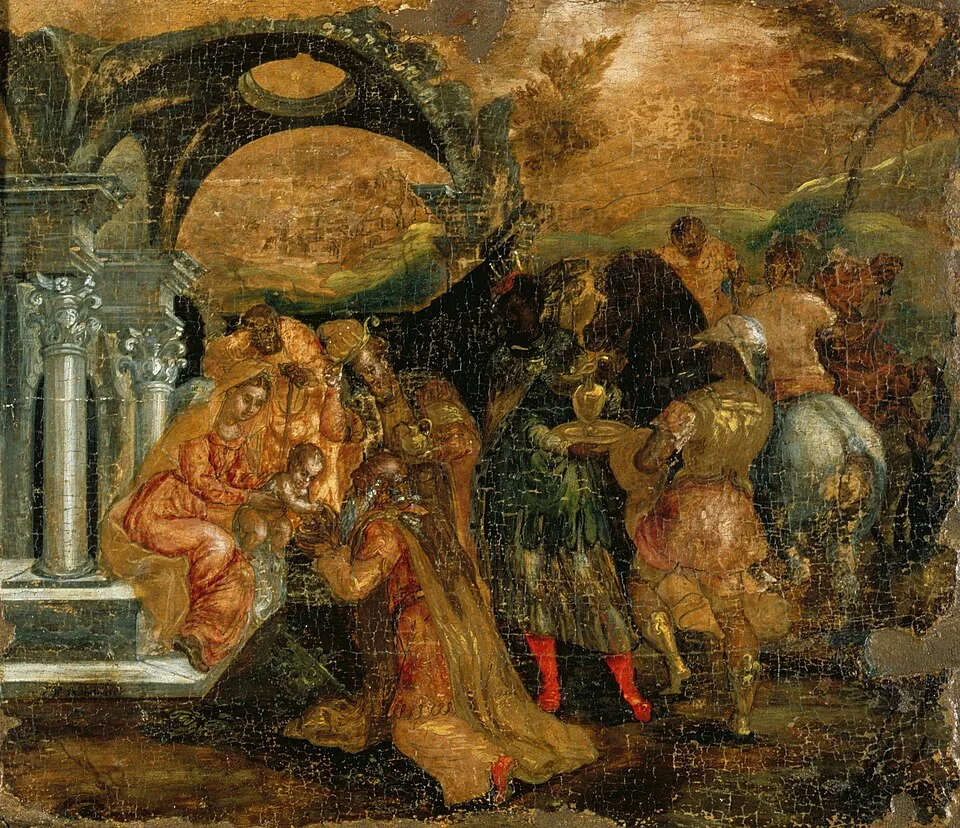
Adoration of the Kings
The three kings have followed a star and reached the child. One king is already kneeling at the child's feet, beneath a Roman portico where the Holy Family sits. The other two are about to give their gifts of gold, frankincense and myrrh. Behind them, the caravan they led is still arriving. At the bottom left, on a step, Greek letters say this was made by the hand of Domenikos. That was the name El Greco signed with. Yet when Antonis Benakis bought the picture in 1934, the signature alone did not make it his. Then, in 1936, a triptych turned up in a storehouse in Modena with the very same signature. Its style formed a bridge between this picture and works already accepted as his. Harold Wethey argued for a different painter, another Domenikos. At a symposium in Toledo in 1982, he accepted it after all. Where it was painted is still not known.
Listen in the appEl Greco · Public domain
02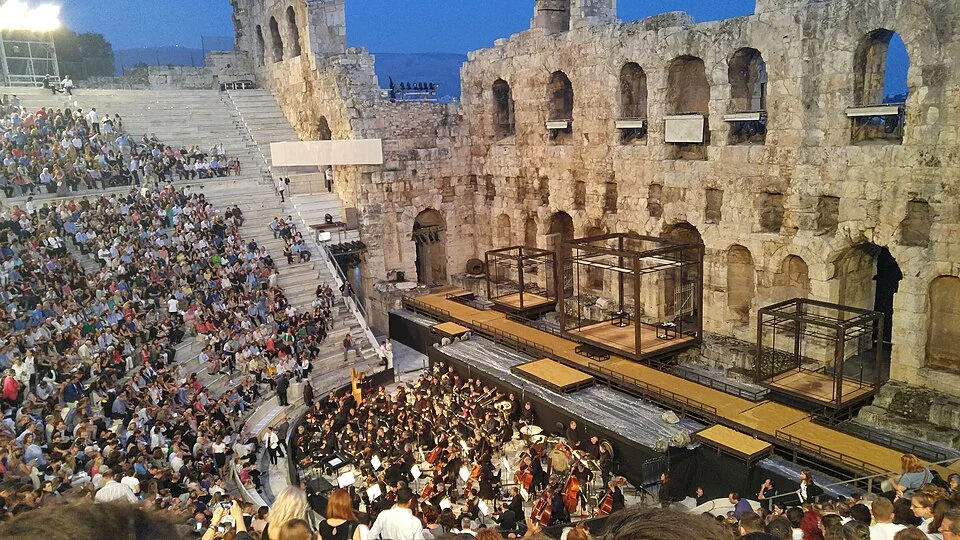
Athens Epidaurus Festival
A priest appears in a sacrifice scene wearing an Orthodox priest's hat, and part of the audience at Epidaurus was outraged. It was 1959. Karolos Koun was staging Aristophanes' Birds. The government stepped in and the production was withdrawn. The reason given was offense to religious feeling. But apparently the show was not ready. The costumes and sets were unfinished, and the chorus had not learned the songs. Konstantinos Tsatsos, the minister, did not want those running the festival excommunicated, so he stopped the show and let religion take the blame. A cartoonist has drawn him with a chicken ever since. The next year, with apparently better preparations, it was staged again, and the international press praised it and it won a prize.
Listen in the appPhoto: Gregor Hagedorn · CC BY-SA 4.0
03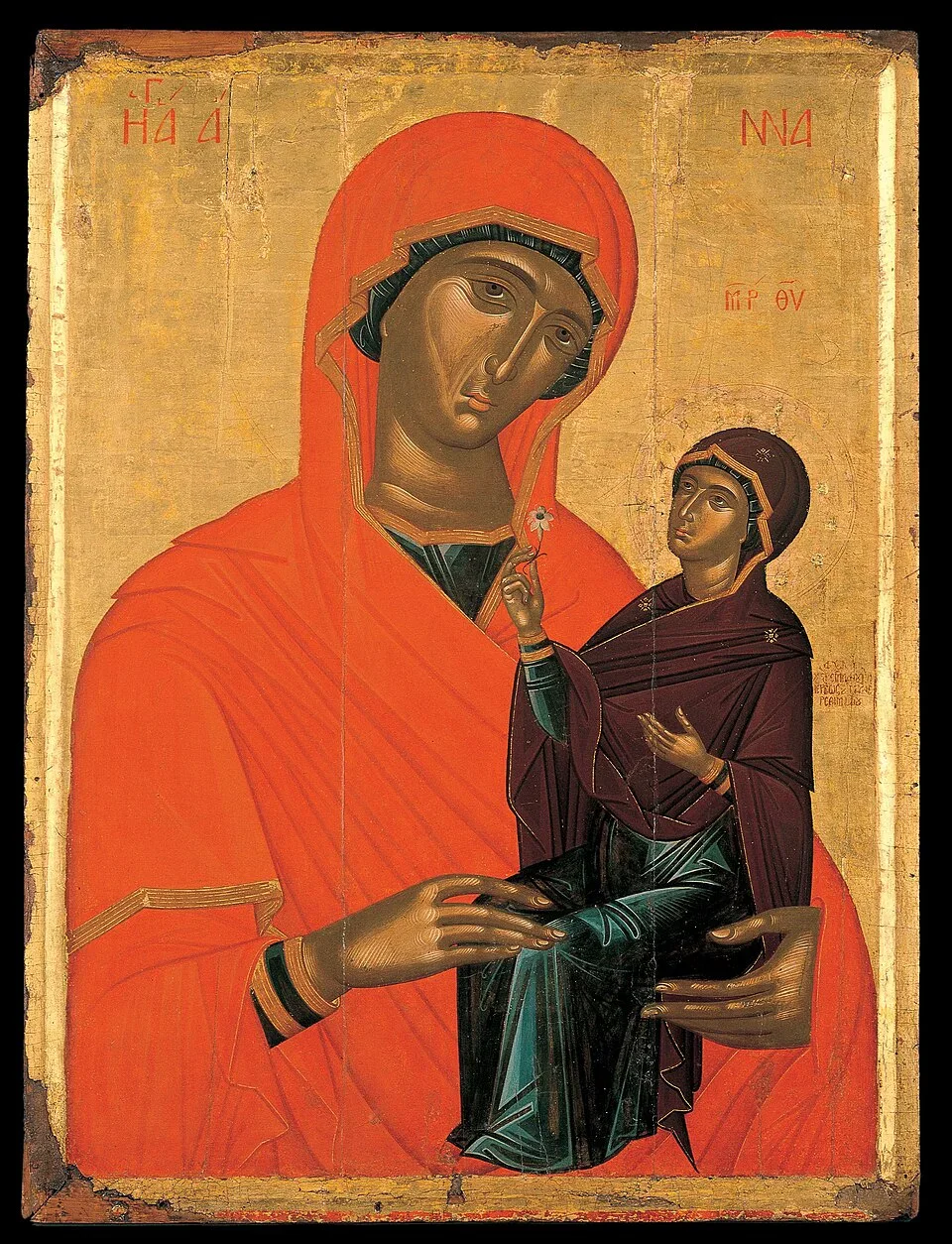
Saint Anne with the Virgin
At first you take this for the Virgin holding the baby Jesus. The child is Mary, and the woman holding her is Anne, Mary's own mother. Mary has been given the place Jesus usually takes, and Anne is the grandmother of Christ, holding her own daughter. Anne holds her daughter close and looks out at you. Her robe is bright, with fine grooves running through it and ornate gold patterns. The cuff of her shirt, her undershirt and her headdress are all clearly shown. That bright colour comes from a technique known in Italian Renaissance painting. Greek painters of the time still worked in the older Byzantine way. The child looks up at her mother and lifts a sacred lily in her right hand. It is the flower of the Annunciation. Legend says Gabriel carried a lily when he came to Mary, a sign of her purity. He told her she would have a son and call him Jesus. The flower had no scent until Mary touched it, and then a fragrance rose from it. It bloomed outside her window when she said yes to what God wanted. The icon is attributed to Angelos Akotantos, a Greek painter who made pictures people copied for more than five hundred years. This image of Anne and the Virgin was among the most copied.
Listen in the appchanter Angelos Akotandos (1400 - 1457) Details on Google Art Project · Public domain
04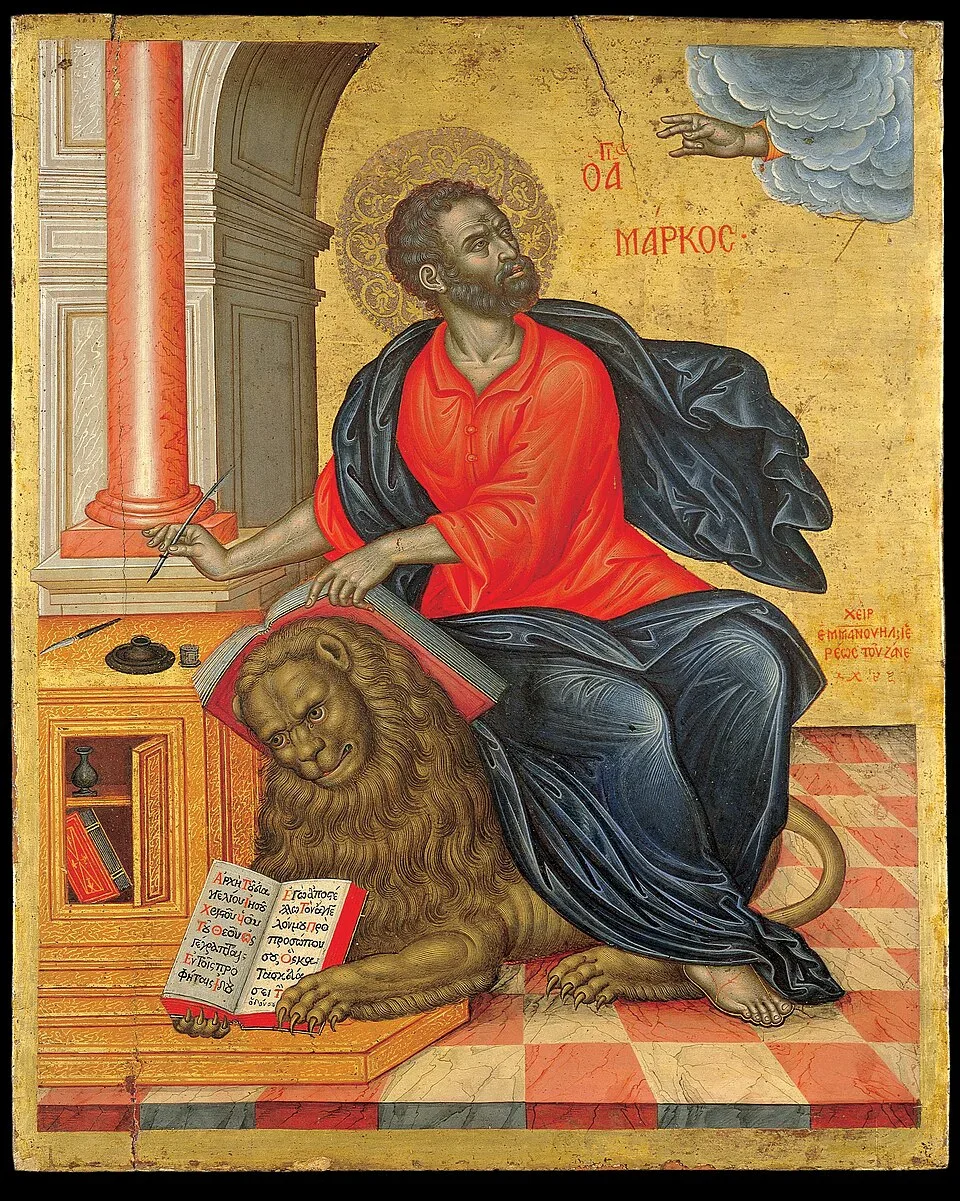
Saint Mark
Under the column on the left there is a small bookshelf, and inside it an ink jar and a book. Those are a writer's tools, and Mark was a writer. He holds a quill in his right hand and an open book in his left. He turns his eyes to his left, picturing the story of Jesus. He was one of the first to write the history of the new Christian faith. But he is also Venice's patron saint, whose remains were brought there from Egypt. Emmanuel Tzanes came from Crete and settled in Venice, and became priest of the Greek church of San Giorgio dei Greci. Painting the city's own saint in the bright colours of the Italian style was his way of belonging. Beneath Mark, the lion holds an open book with Greek letters. The lion is a symbol of Venice, and it also stands for the Greek Orthodox Church of Alexandria. Here it speaks the painter's own language.
Listen in the appEmmanuel Tzanes · Public domain
05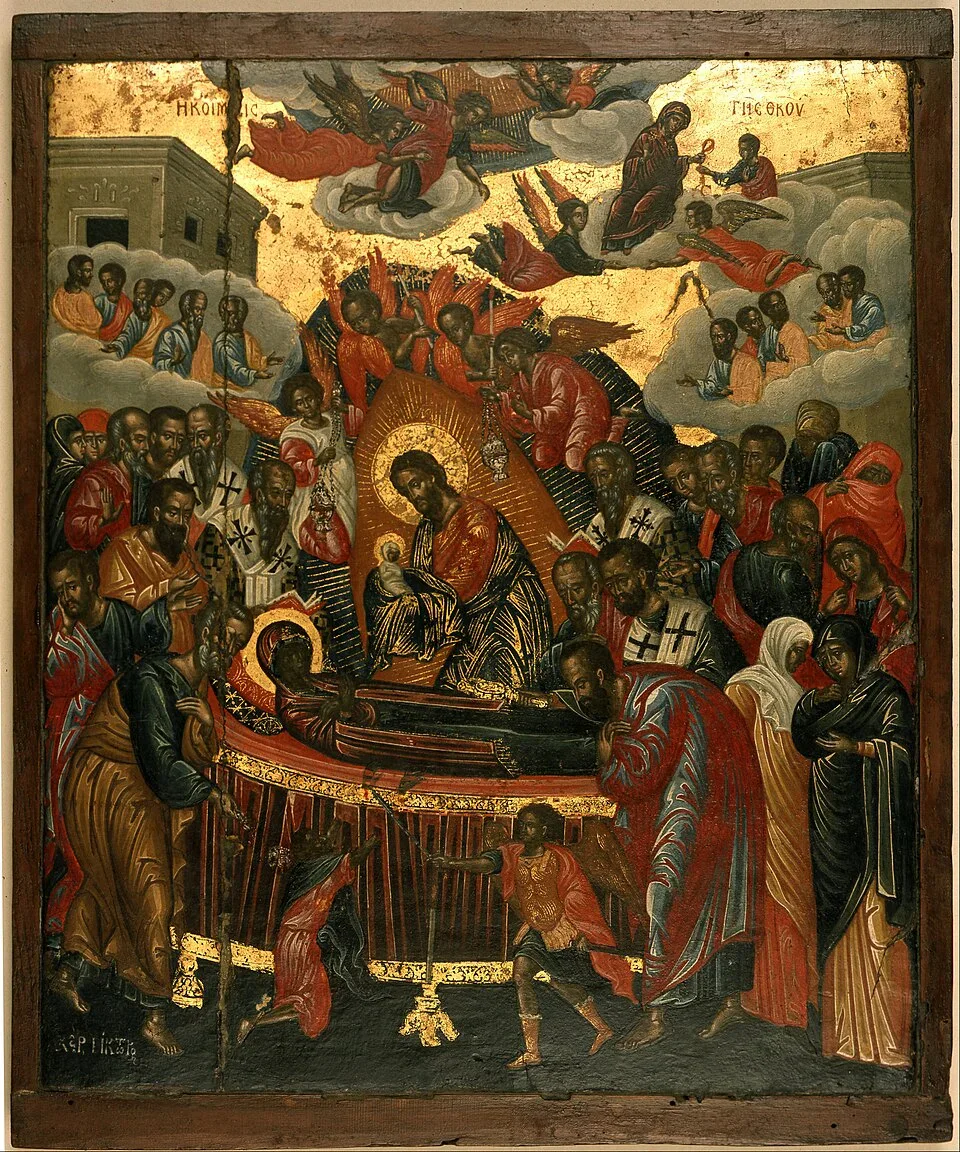
The Dormition of the Virgin
A man touches the funeral bier at the front of the scene. He is Iefonia, a priest of the Sanhedrin, and he has come to disturb the body of the Virgin. The Sanhedrin feared her body would vanish, and that she would rise again. An angel with a sword stops him. Victor, a priest as well as a painter, set that small struggle at the very front. Christ holds a swaddled infant, surrounded by angels, some with candles, others with incense. The infant is Mary's soul, shown as a newborn because she enters heaven with a soul made pure and new. Higher up, Mary appears again on a cloud held by two angels. She hands her girdle to Thomas, who missed her dormition by three days. The girdle is his witness that she rose.
Listen in the appVictor of Crete · Public domain
06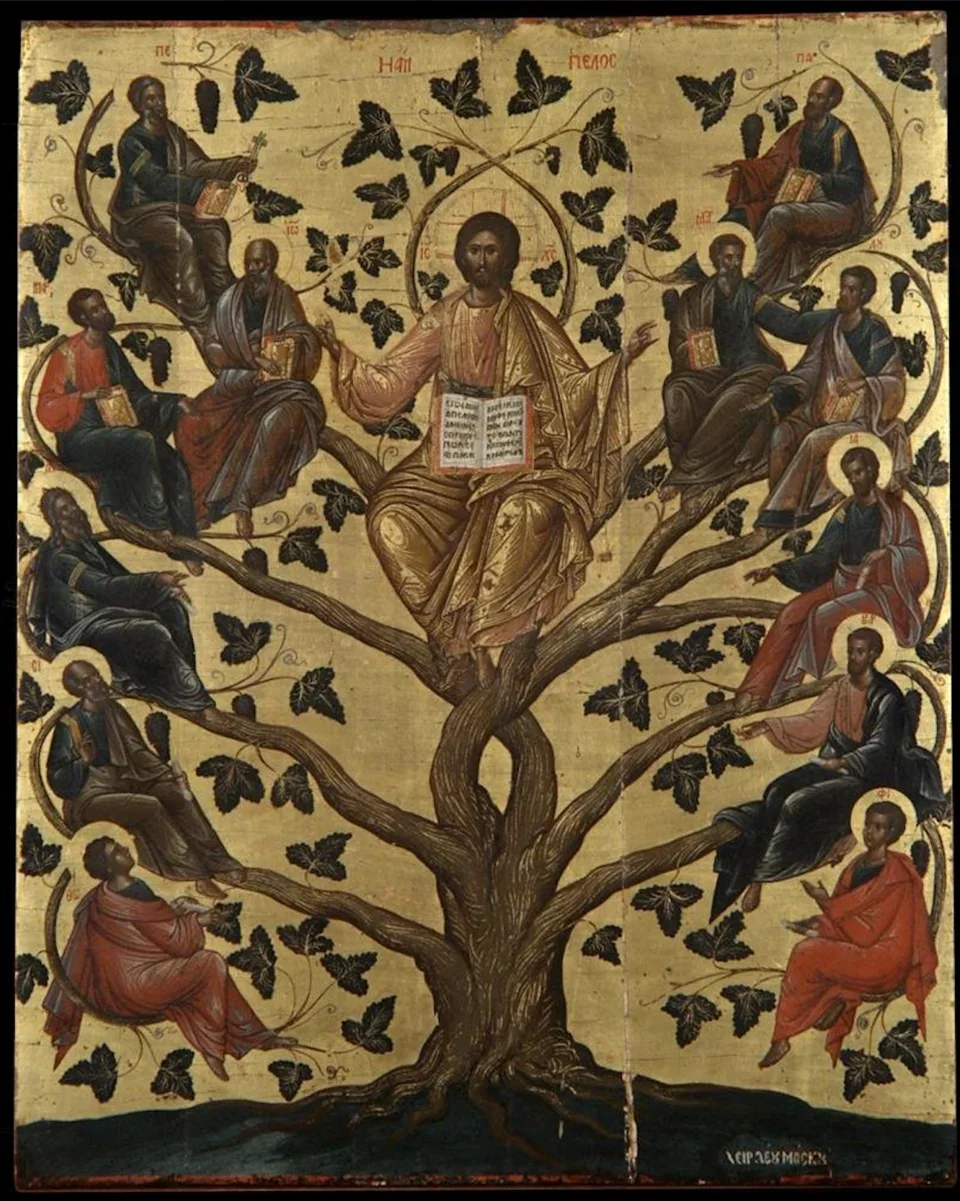
Christ the Vine
Figures sit in the branches of a tree, Christ at the centre with an open book turned toward you, and the rest in pairs. In the Gospel of John, Christ's followers are called branches of him, and here they are, right up and down the tree. But three of these figures are not apostles at all. They are evangelists, and each has taken an apostle's place. Mark is there instead of Judas, Paul instead of Andrew, and Luke instead of James, son of Alphaeus. Mark was the patron saint of Venice, where the painter worked. Paul sits across from Peter near the top, a book of his own in his hands. Moskos painted this by copying another icon, one made by an artist whose name we do not know.
Listen in the appLeos Moskos · Public domain
07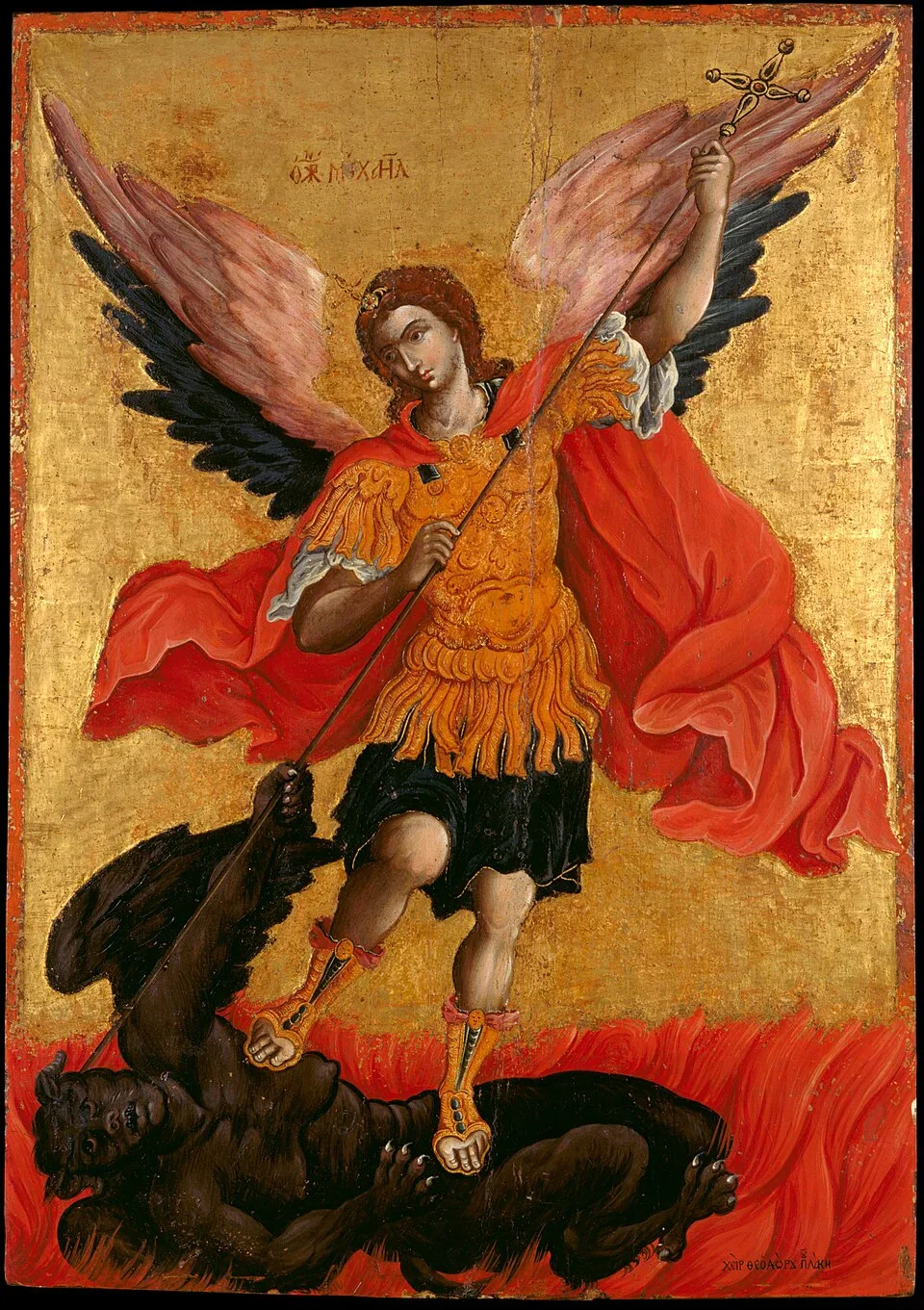
The Archangel Michael (Poulakis)
The archangel's legs have come down on a creature like a wolf. Its paw and nails reach for the lance held against it. Fright and terror show on its face, and a pool of fire burns beneath it. The lance will keep it down. The book of Revelation tells of Michael battling Satan. He is often called the chief of the angels, tied to the end of the world and trusted with the care of people. Theodore Poulakis had studied in Venice for over a decade and sat in its government. His archangel is a sculpture-like figure, and careful shadowing gives the shallow space depth. The cape floats, and the costume is covered in patterns and bright colours. Raphael and other painters were clearing away the gold background and giving angels a natural setting. The Greek painter kept the gold background intact. That puts the picture on the line between the late Cretan and early Heptanese schools of painting. The painter gives its fur grooves and lines, and several browns, so the enemy under the lance has a body as solid as the angel's.
Listen in the appPoulakis Theodoros (1620 - 1692) Details on Google Art Project · Public domain
08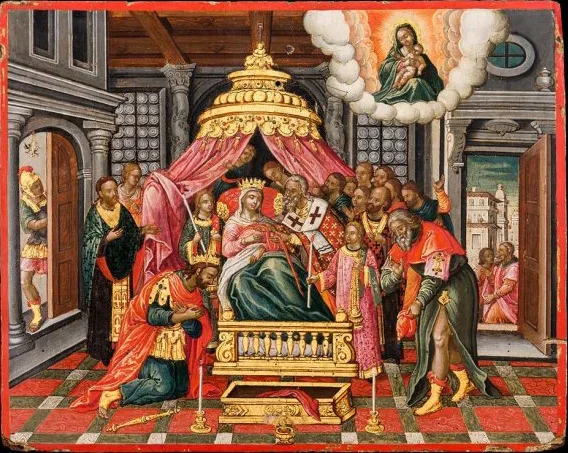
The Miracle of the Holy Belt
This looks like a room you could step into. That feeling comes from prints. Theodore Poulakis worked from French and Flemish engravings, and the arrangement here resembles one by Chrispijn van den Broeck. He took that foreign way of building a scene and used it for a Greek sacred subject. In the doorway with ancient Greek columns, a soldier peeks in. On the ceiling the Virgin appears a second time, holding the infant Jesus, with clouds layered around her. The room is rich with gold, and an empty casket waits at the foot of the bed. At the center the crowned Virgin lies on her deathbed, at the moment of her Assumption. Thomas had doubted the Resurrection, and he missed her Assumption because he was on his way back from India. So she appeared to him alone and dropped the girdle she was wearing, to give him physical proof. That belt is kept at Prato Cathedral in Tuscany.
Listen in the appTheodore Poulakis · Public domain
09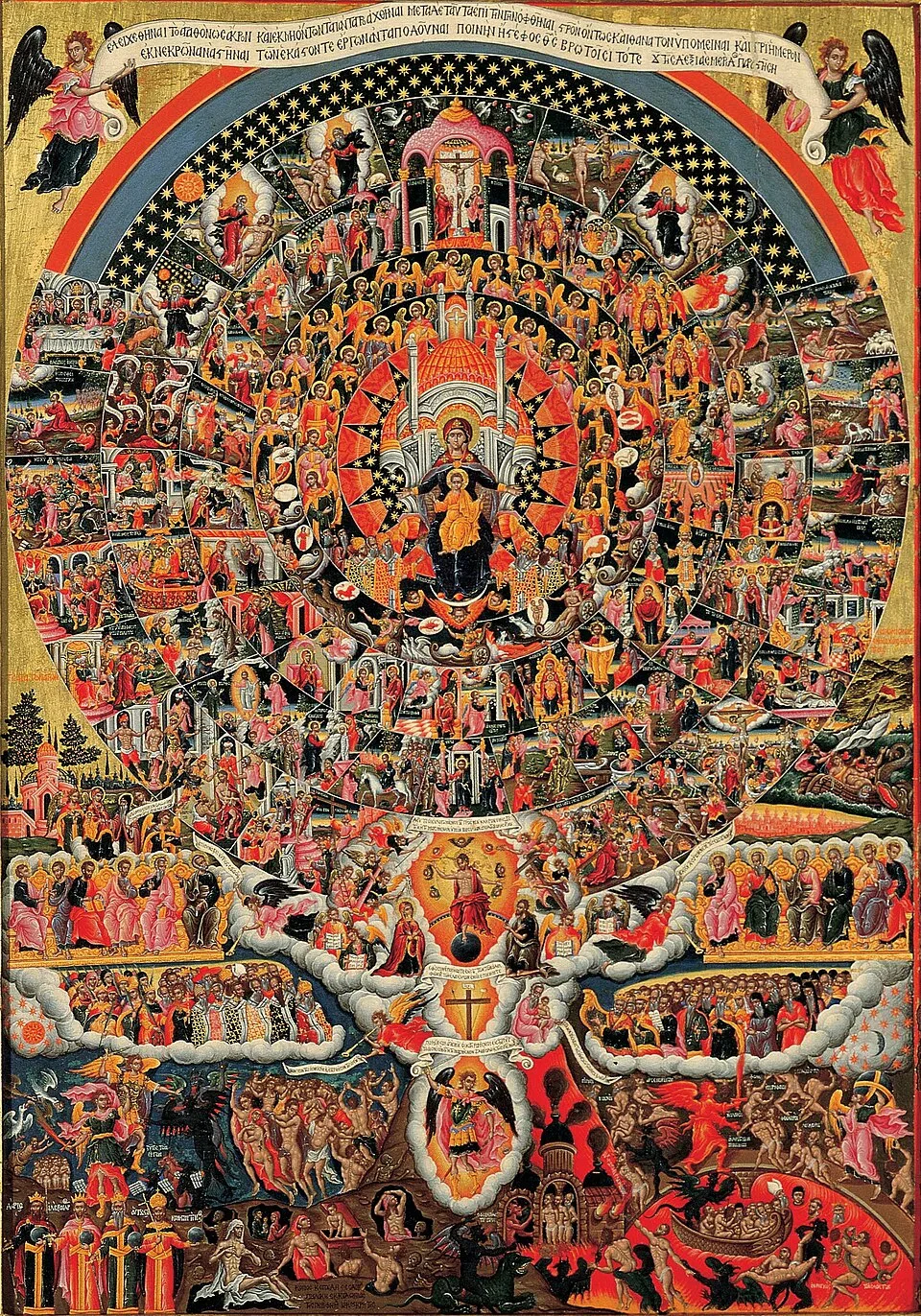
In Thee Rejoiceth (Poulakis)
Four rulers stand together in one corner of the picture. Alexander the Great is there, with Darius, Augustus and Constantine. They seem out of place among all the Bible scenes. But they belong here. This whole painting is a hymn made into images, and the hymn says that all creation rejoices in the Virgin. Even emperors have a place in her praise. The Virgin is at the center, and everything else turns around her. Above her, small scenes are arranged in a great circle. They show themes from the Old Testament, verses from the Akathistos Hymn, and the Twelve Great Feasts. Zodiac signs appear among them as well, part of the picture's hidden meanings. Below, the picture turns to the Last Judgement. A huge red angel bearing a sword approaches the sinners, and the demons are painted in careful detail. The hymn was written by the Syrian monk John of Damascus. It is sung in the Divine Liturgy of Saint Basil the Great, and people still sing it today. Poulakis took the idea from an older painting by Klontzas. Some parts of it were also inspired by engravings by the French engraver Étienne Delaune.
Listen in the appPoulakis Theodoros (1620 - 1692) Details on Google Art Project · Public domain
10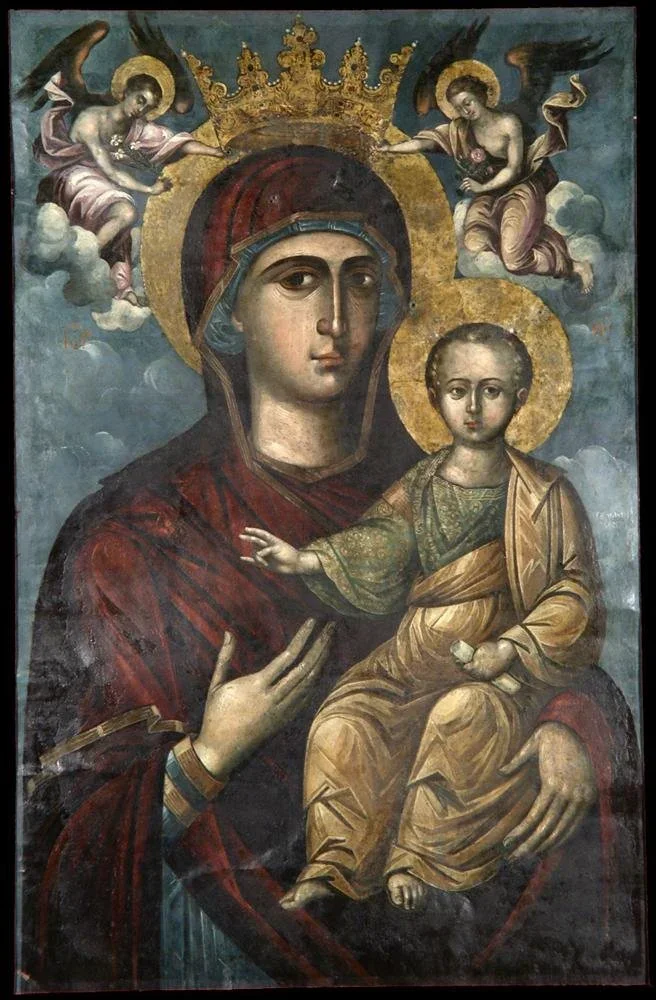
Virgin and Child on Bronze
Elias Moskos had left Crete for Zakinthos. There he painted the Virgin and Child in a new way, leaving the old Cretan manner behind. He kept the familiar parts, the Virgin holding the child in the traditional position, and the heavenly garment. But the rest he changed. Where other painters used gold leaf, he chose bronze, which almost nobody used. He shaded the faces, so the curve of the Virgin's face and the child's features come through fuller and clearer. The two angels crowning her are fully in view, their garments folded and drifting with their painted wings. They are weightless, with no space around them. And the background, where gold would normally fill it, is grey, in dark cloudy tones, like an overcast day.
Listen in the appElias Moskos · CC BY-SA 4.0
- 11
The Deposition from the Cross (Stavrakis)
Stylianos Stavrakis · 1729–1786
- 12
The Holy Towel
Emmanuel Tzanes · 1659
- 13
St Luke painting the Virgin
El Greco · 1560–1567
- 14
The hospitality of Abraham
Meister der Ikone der Trinität
- 15
The Spirit of Sorrow
Nikolaos Gyzis · 1896
- 16
The Virgin Hodegetria
Emmanuel Lombardos · 1570–1599
- 17
Gold-thread embroidered Aer, a liturgical cloth used to cover the vessels of the Eucharist
Unknown Artist · 14th century
Μουσείο Μπενάκη
Frequently asked questions
How much does the guide cost?
Free app download. Free until 1 January. Listed guide price: $0.99. Audio guide only. Venue admission is separate.
Can I listen without internet?
Yes. Download the guide’s audio, images, and maps in the app before your visit. Your downloaded content is then available offline.
Can I listen in my language?
In English for now. More languages soon.
Do I need to follow a schedule?
No. This is a self-guided experience. Choose your stops, pause whenever you like, and return to a story at your own pace.
Which artworks are in the Μουσείο Μπενάκη audio guide?
17 artworks, including Adoration of the Kings (El Greco), Athens Epidaurus Festival (Unknown Artist), Saint Anne with the Virgin (Angelos Akotantos), Saint Mark (Emmanuel Tzanes), The Dormition of the Virgin (Victor of Crete), Christ the Vine (Leos Moskos), The Archangel Michael (Poulakis) (Theodore Poulakis), and The Miracle of the Holy Belt (Theodore Poulakis). The full list is on this page.
Is this the museum’s official audio guide?
No. Stanza is an independent audio guide app and is not affiliated with Μουσείο Μπενάκη. Museum admission is separate.
At your own pace
Explore Μουσείο Μπενάκη.
Download Stanza, then search for “Μουσείο Μπενάκη”.
Free app download · Guide price shown in the app
Keep exploring
Nearby audio guides
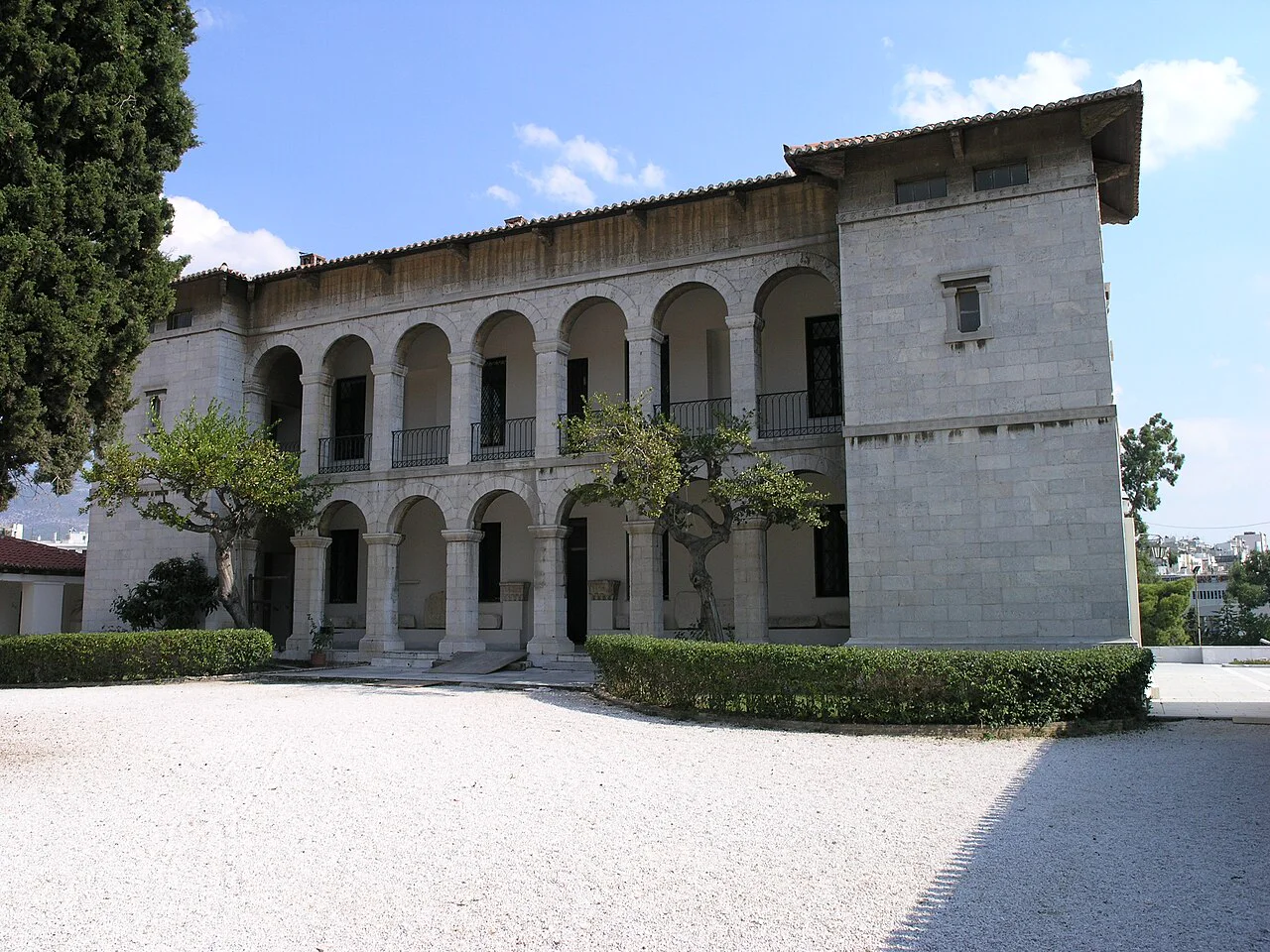
Athens · 1 km
Βυζαντινό και Χριστιανικό Μουσείο
Content & sources
Photo: Marsyas · CC BY-SA 3.0
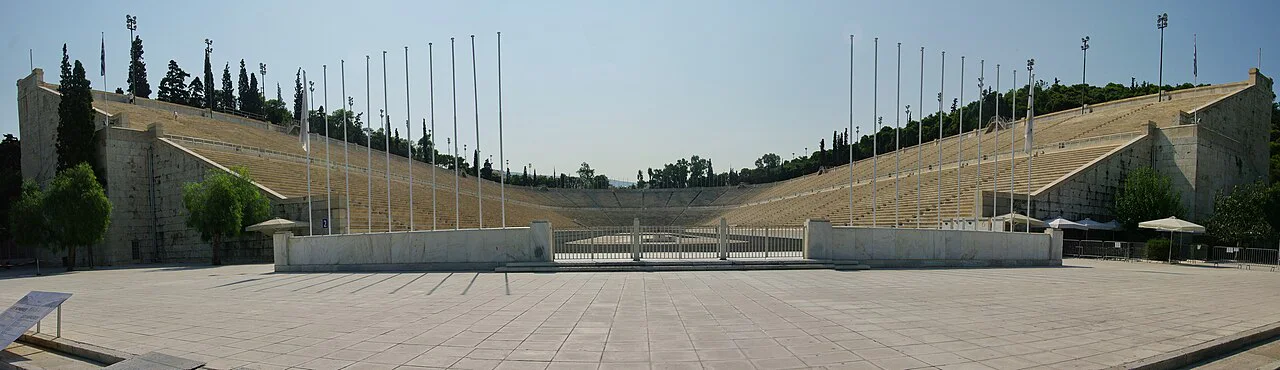
Athens · 1 km
Παναθηναϊκό Στάδιο
Content & sources
Bgabel · CC BY-SA 3.0
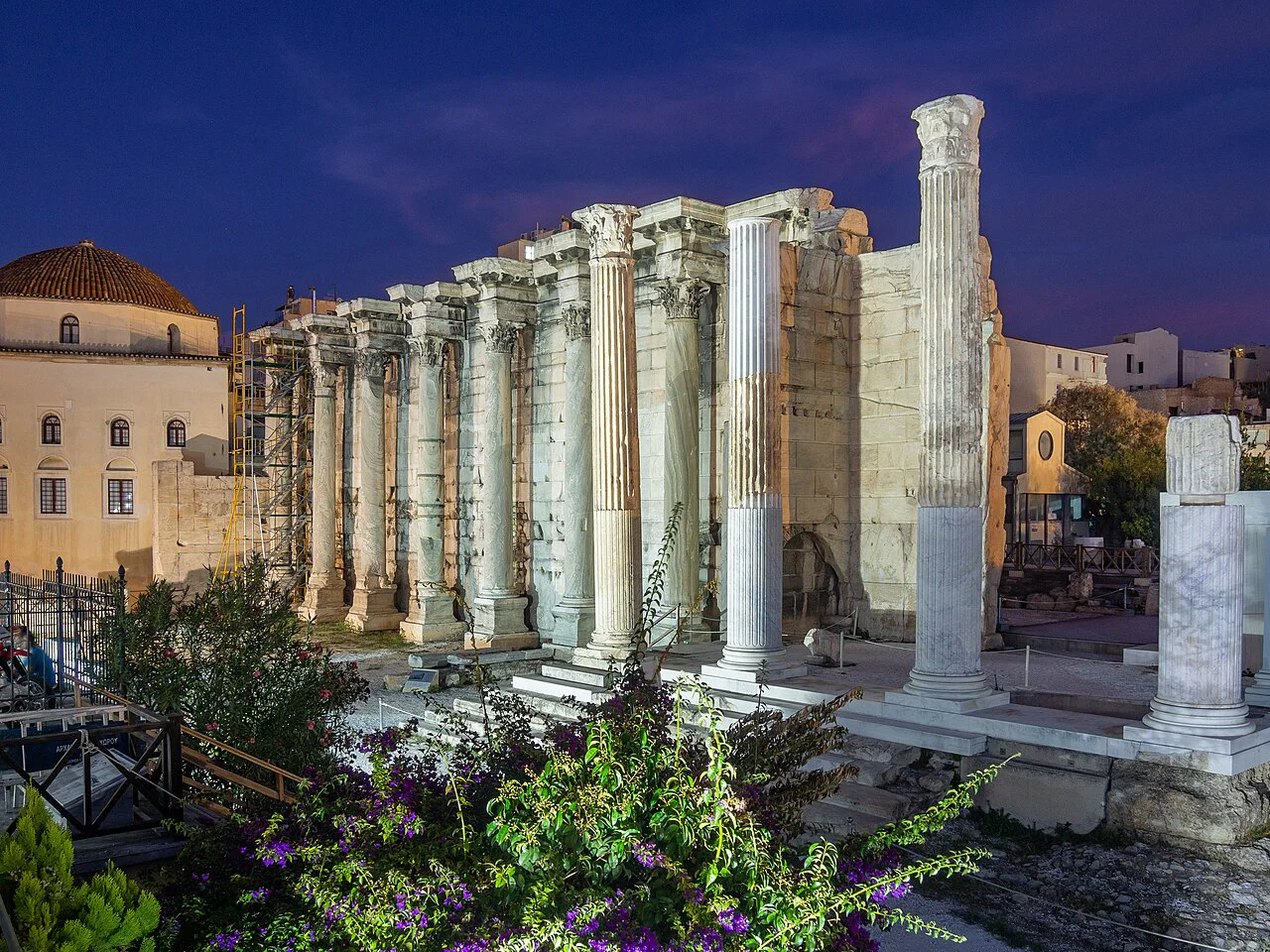
Athens · 1 km
Βιβλιοθήκη του Αδριανού
Content & sources
Photo: C messier · CC BY-SA 4.0
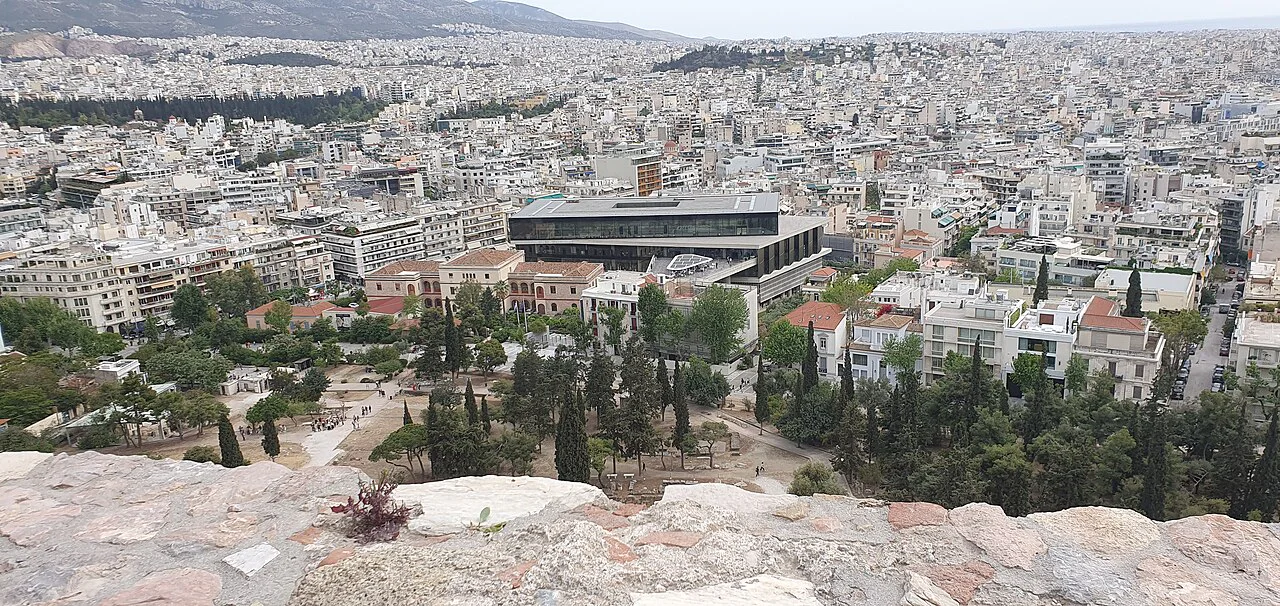
Athens · 1 km
Μουσείο Ακρόπολης
Content & sources
Photo: Yair-haklai · CC BY-SA 4.0
Art museums
More art museum audio guides
Athens · 19 artworks
Βυζαντινό και Χριστιανικό Μουσείο
Content & sources
Photo: Marsyas · CC BY-SA 3.0
Athens · 35 artworks
Μουσείο Ακρόπολης
Content & sources
Photo: Yair-haklai · CC BY-SA 4.0
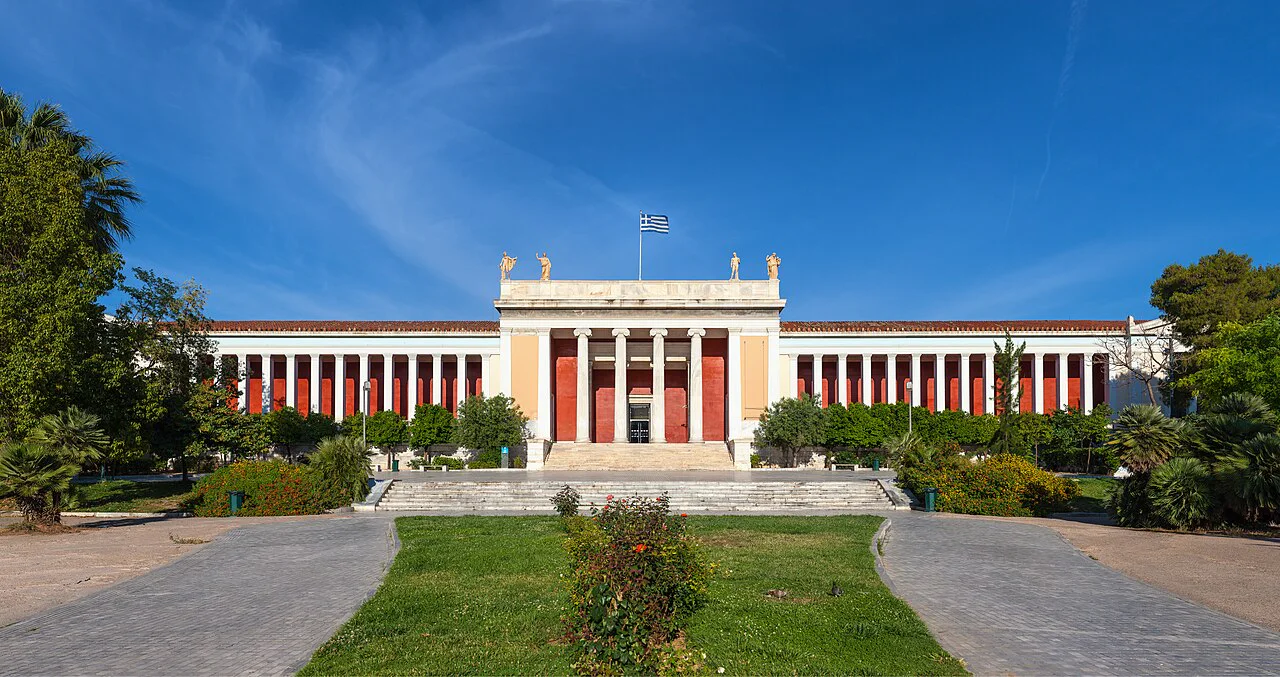
Athens · 91 artworks
Εθνικό Αρχαιολογικό Μουσείο
Content & sources
Thomas Wolf, www.foto-tw.de · CC BY-SA 3.0 de
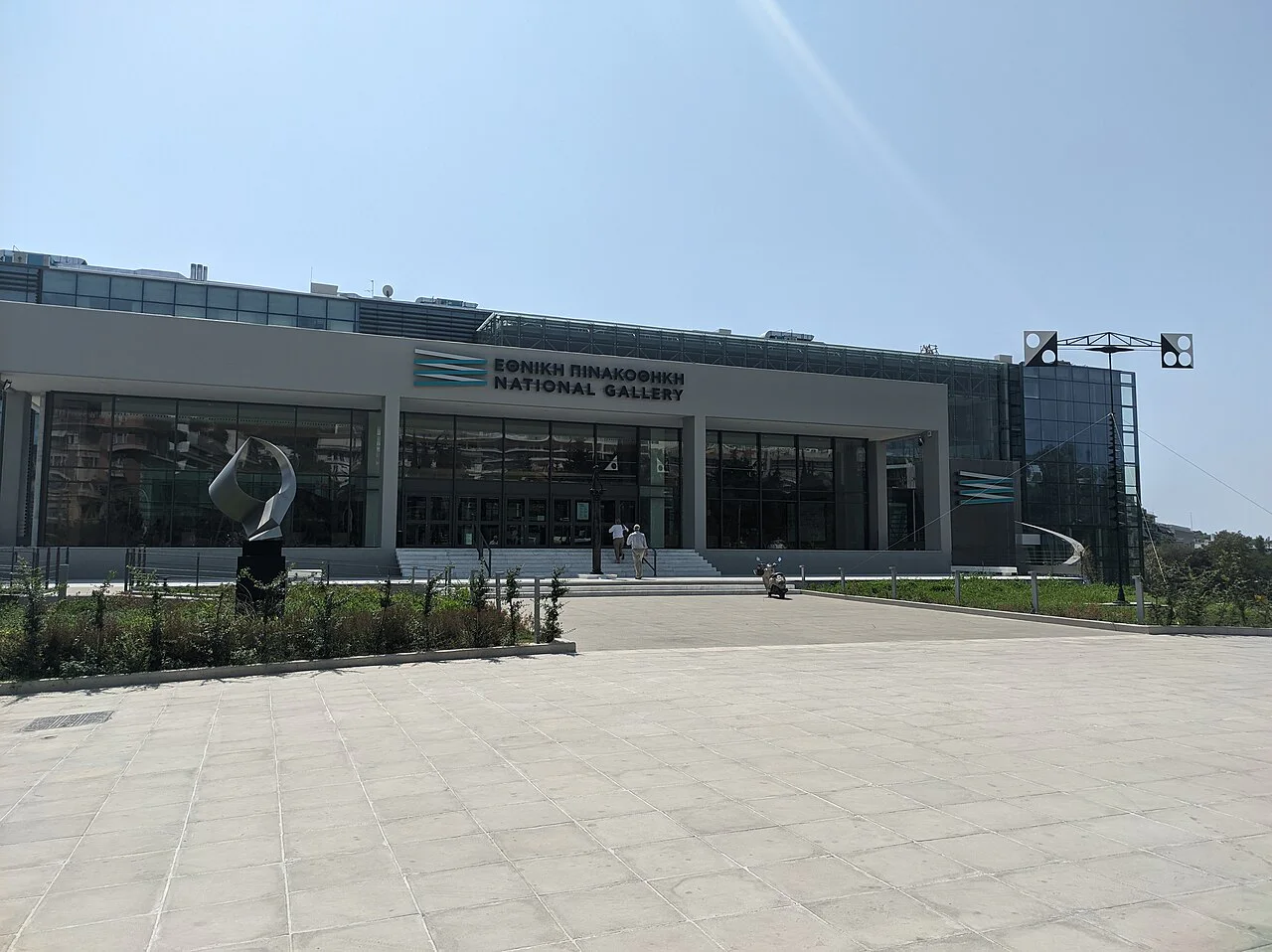
Athens · 25 artworks
Εθνική Πινακοθήκη-Μουσείο Αλεξάνδρου Σούτζου
Content & sources
Photo: Leeturtle · CC BY-SA 4.0
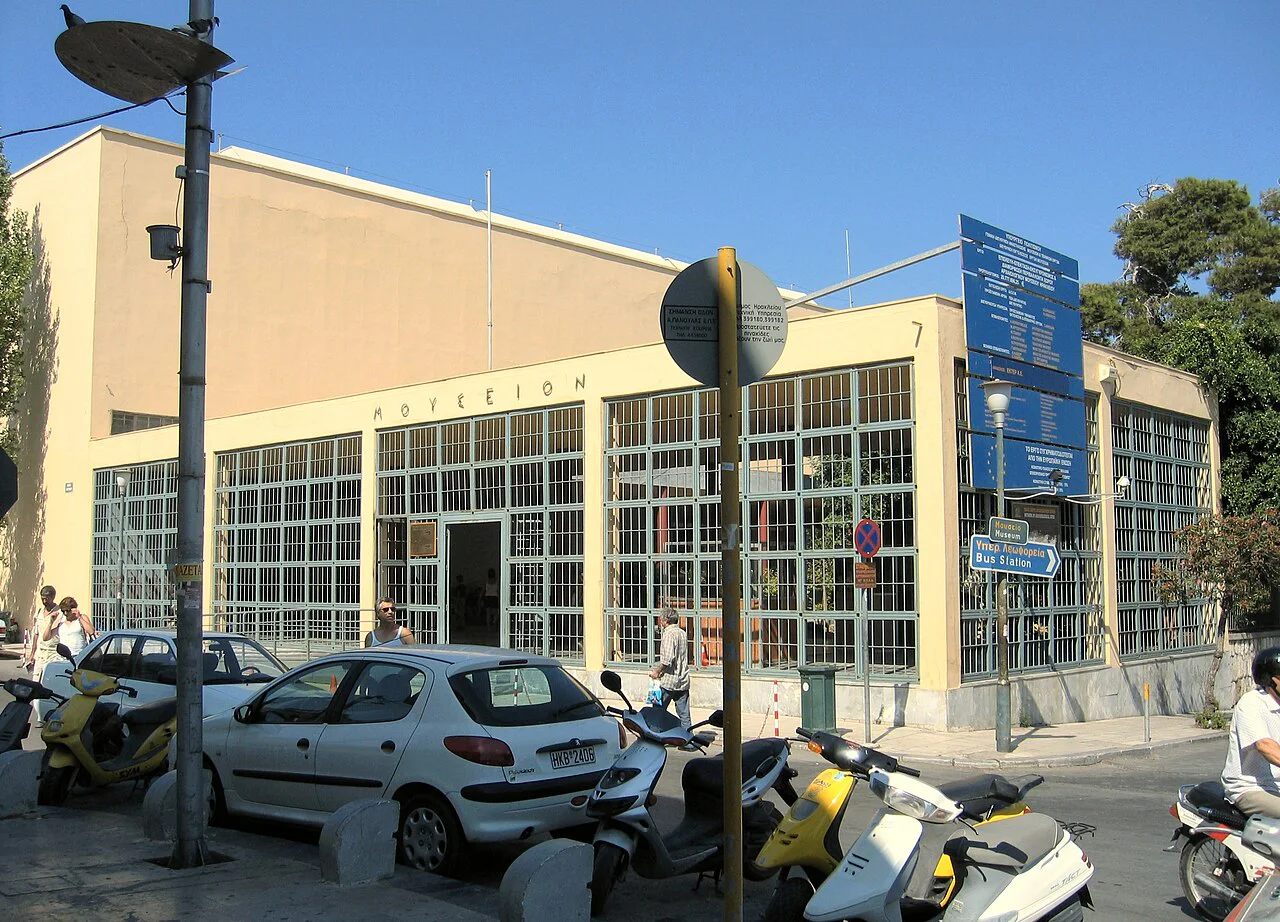
Heraklion · 13 artworks
Αρχαιολογικό Μουσείο Ηρακλείου
Content & sources
Photo: Zde · CC BY-SA 4.0
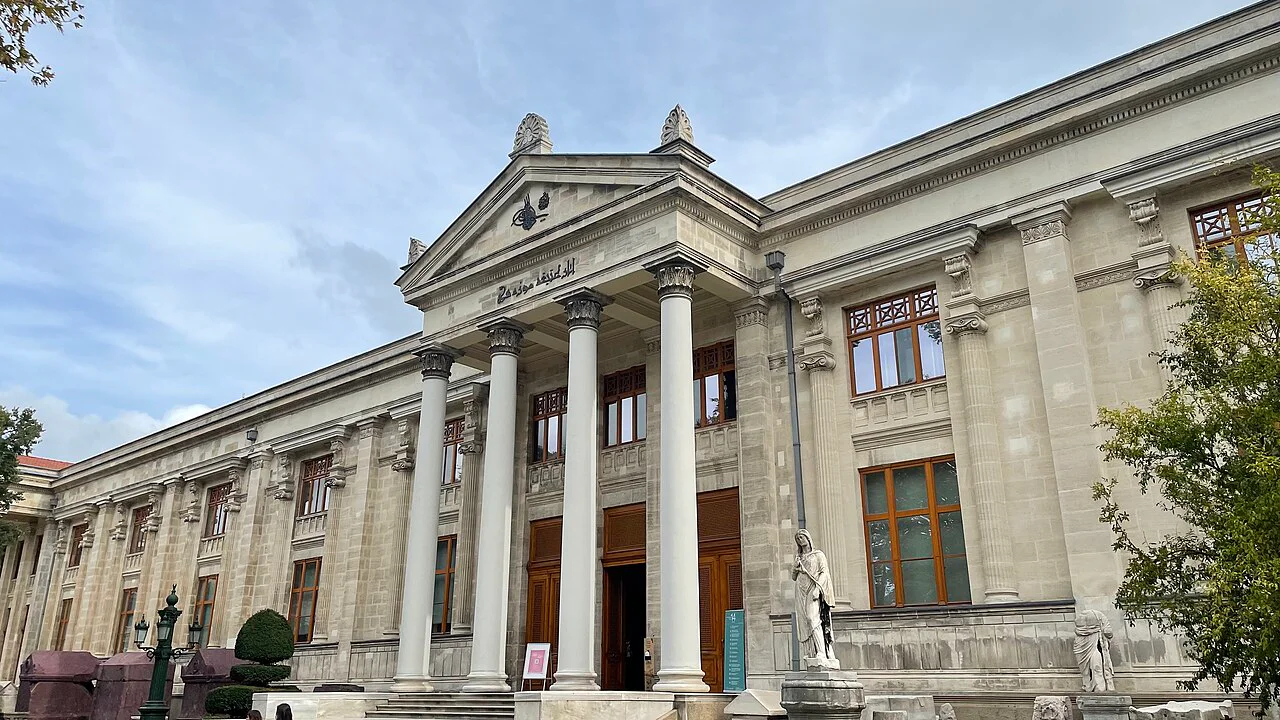
Istanbul · 16 artworks
İstanbul Arkeoloji Müzeleri
Content & sources
Photo: Metuboy · CC BY-SA 4.0