Stanza · Audio guide
Παναθηναϊκό Στάδιο Audio Guide
A place to remember. A story to take with you.
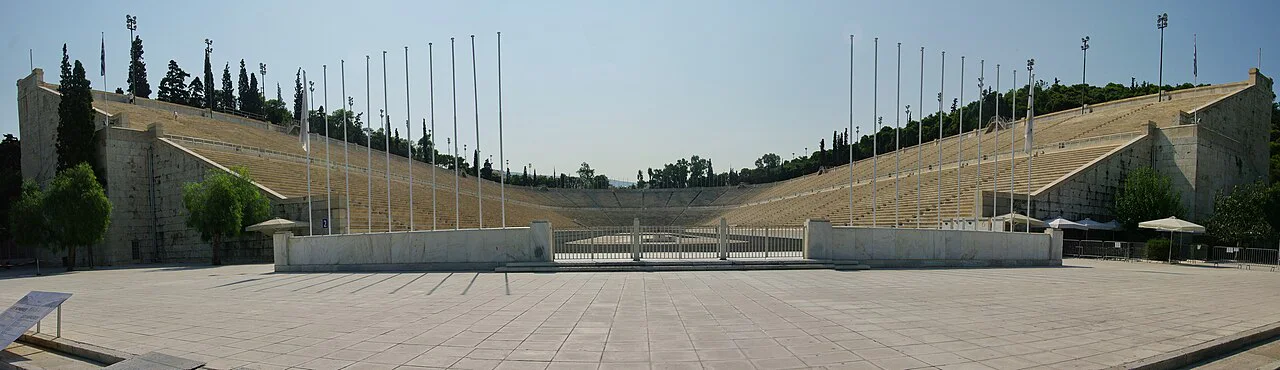
The Panathenaic Stadium is a multi-purpose stadium located in Athens, Greece. It is the only stadium in the world built entirely of marble.
Download Stanza, then search for “Παναθηναϊκό Στάδιο”.
About the tour
One guide. Your kind of visit.
The Panathenaic Stadium is a multi-purpose stadium located in Athens, Greece. It is the only stadium in the world built entirely of marble.
Ready when you are.
- 01Get the free Stanza app.
iOS & Android
- 02Find your guide.
“Παναθηναϊκό Στάδιο”
- 03Download before you go.
Works offline
Audio guide / 12 narrated stops
Inside the guide
Get to know a few of the stories before you go. Open a stop to read more.
01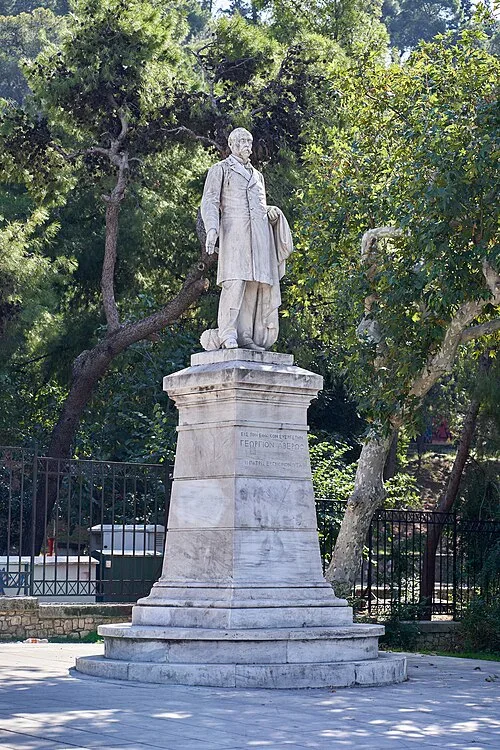 Grand Forecourt and George Averoff Statue
Statue of George Averoff
Welcome to the Panathenaic Stadium in Athens. This tour follows the stadium from an ancient racecourse to the modern Olympic Games. The man on the tall pedestal is George Averoff, a Greek businessman based in Egypt. Before the 1896 Olympics, the Greek government asked him to pay to rebuild the stadium in marble. The request came through Crown Prince Constantine. Averoff gave nine hundred and twenty thousand drachmas to the work. In April 1896 a statue of him was unveiled outside the stadium, and it has stood there ever since.
Photo: George E. Koronaios · CC0
02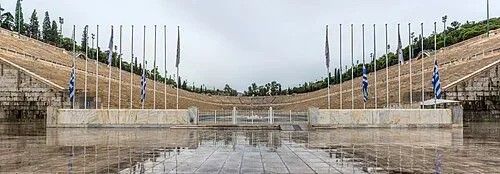 Grand Forecourt and George Averoff Statue
View of the Stadium Basin from the Forecourt
Before there was any marble, this hollow was a racecourse. From the sixth century BC it hosted the Panathenaic Games. The festival was held every four years in honour of the goddess Athena. There were no proper seats. Spectators sat on the natural slopes of the ravine, which lies between the Agra and Ardittos hills. Around 330 BC the Athenian statesman Lykourgos built a stadium here, mainly for those Games. One scholar suggests he may only have improved an older facility. An old inscription, dated to 329 BC, names a man from Plataea called Eudemus. He gave a thousand yoke of oxen, pairs of animals harnessed together, for the building work. The marble tiers curving around the hollow came much later.
Bengt Nyman from Vaxholm, Sweden · CC BY 2.0
03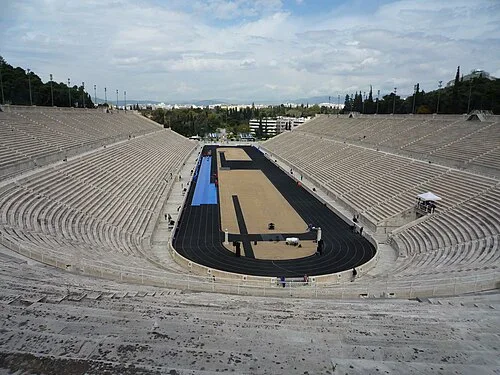 Main Entrance Threshold and Pentelic Marble Architecture
Pentelic Marble Tiers at the Threshold
Kallimarmaro, the stadium's other name, means beautiful marble in Greek. The stadium is described as the only one in the world built entirely of marble. Its stone is Pentelic marble, cut into ashlar blocks. Ashlar means smooth, squared stones laid in neat rows. Very little concrete was used. In the 1890s the stadium was rebuilt in Pentelic marble. The architect Anastasios Metaxas drew up the plan, using the findings of earlier digs. He copied the dimensions and design of the second-century structure. A scholar judged the rebuild to follow its ancient model very closely. The work was finished in 1900.
Listen in the appSjaak Kempe from Groningen, The Netherlands · CC BY 2.0
04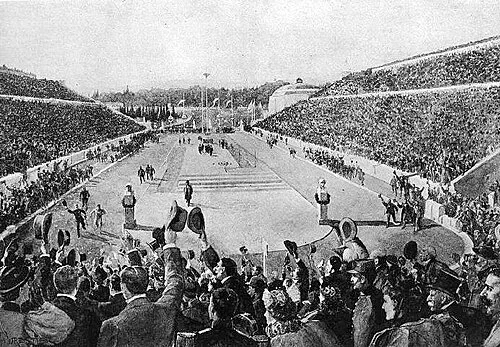 Main Entrance Threshold and Pentelic Marble Architecture
Athletics Scene at the 1896 Olympic Games
The first modern Olympic Games opened in this stadium in 1896. Greece still used the older Julian calendar, so the opening day was the twenty-fifth of March. On the calendar used today, it was the sixth of April. It was Easter Monday for both the Western and Eastern churches, and the anniversary of Greece's independence. The stands held an estimated sixty thousand spectators, including the royal family. Crown Prince Constantine, president of the organising committee, gave a speech. Then his father, King George the First, officially opened the Games. Most athletes stood on the infield, grouped by nation. Athletics, gymnastics, weightlifting and wrestling were all contested here. Only the marathon was run outside the stadium, and it finished inside.
Listen in the appUnknown author · Public domain
05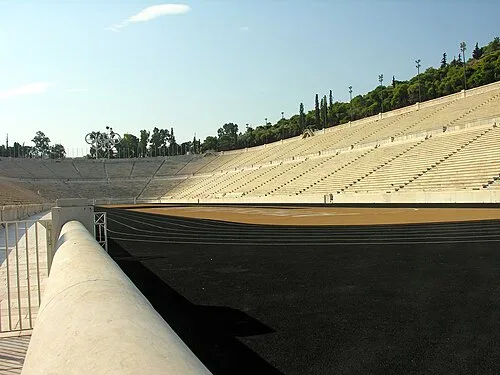 The Marble Running Track and Ancient Double Herms
Running Track and the Roman-Era Stadium
By 144 AD the stadium had been rebuilt in marble by Herodes Atticus. He was an Athenian who rose to the highest ranks of power in Rome and became a Roman senator. The design was a classic Greek type, but its size was Roman. It could seat fifty thousand spectators, roughly the same as the Stadium of Domitian in Rome. The track kept traditional building methods, yet it had newer features designed for Roman entertainments. During a festival honouring the emperors, wild animals were killed on the track, and gladiators fought and died there. Athletic contests remained its main use, even so.
Listen in the appDennis G. Jarvis · CC BY-SA 2.0
06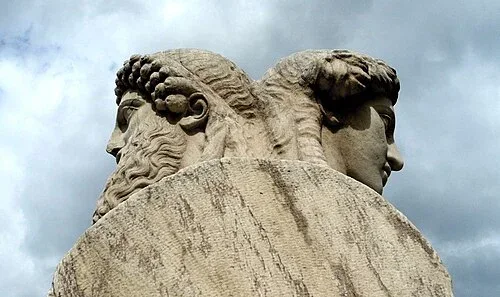 The Marble Running Track and Ancient Double Herms
Double-Headed Herm Sculpture
After Greece won its independence, digging as early as 1836 uncovered traces of the stadium. Later, the German-born architect Ernst Ziller excavated the site more thoroughly, around 1870. His dig found some of the stadium's marbles, along with four herms. A herm was a pillar topped with a carved head, often used to mark a boundary. This carved stone block has two heads facing opposite ways, one bearded with curled hair, the other younger. From the stone alone, it is not clear who they represent. Nor is it clear whether this block is one of those four herms. In the 1870s the stadium hosted the Zappas Olympics, an early attempt to revive the ancient Games. The benefactor Evangelis Zappas sponsored them. The games had an audience of about thirty thousand.
Listen in the appPhoto: LBM1948 · CC BY-SA 4.0
07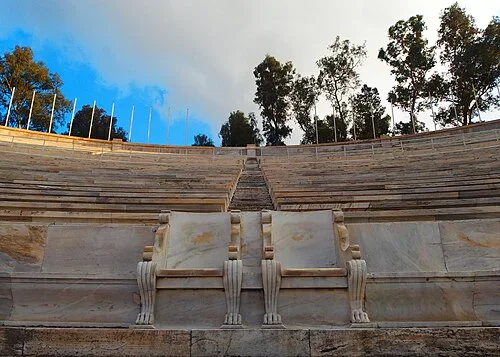 The Royal Box and Carved Owl Marble Thrones
Front-Row Marble Thrones (Prohedria)
The front rows of seating were called the prohedria. One marble throne from the prohedria is kept in the British Museum, in London. One side of it shows an olive tree. The same carving shows a table holding wreaths and a Panathenaic amphora, a jar linked to the festival. The throne's front leg is carved in the shape of an owl. Owls were a symbol of Athena, and the stadium's seats were decorated with owls in relief. Ten similar thrones have been found around Athens.
Listen in the appPhoto: FANPICGEO · CC BY-SA 4.0
08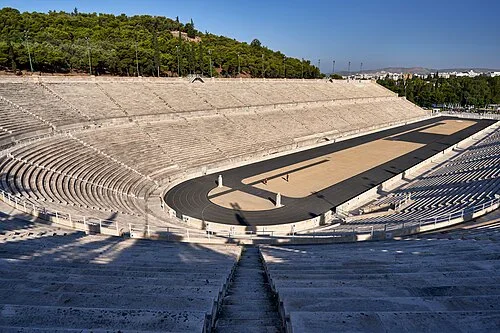 The Sphendone Curve and Acropolis Viewpoint
U-Shaped Track and Curved End
The scholar Katherine Welch described the stadium as a great marble flight of steps, terraced into a U-shaped ravine. Her verdict was that it was splendid in materials but ostentatiously simple in construction technique. At the far end the track turns in a semicircle, and architects call that curved end a sphendone. Along the straights, the tiers step down toward the track. Pine-covered hills still rise on either side of the ravine.
Listen in the appPhoto: George E. Koronaios · CC BY-SA 4.0
09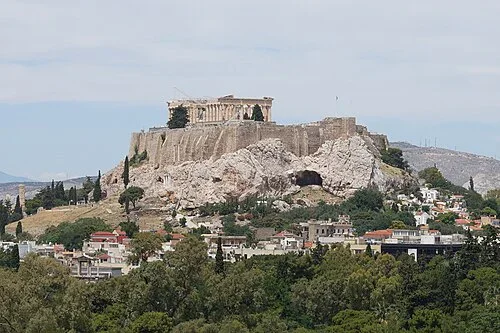 The Sphendone Curve and Acropolis Viewpoint
View of the Acropolis
The Acropolis is a rocky summit that Athenians linked with their goddess Athena. From the stadium you can look across to the summit, with its walls and a classical temple. Houses and trees fill the slopes at the foot of the rock.
Listen in the appPhoto: George E. Koronaios · CC0
10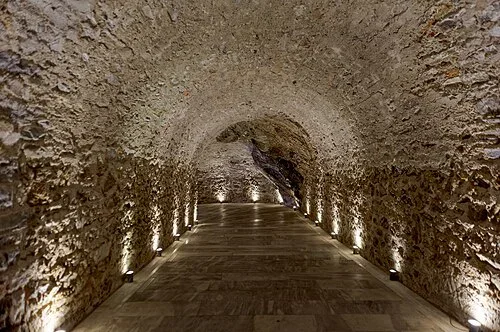 The Vaulted Tunnel ('Hole of Fate')
Vaulted Tunnel
The Roman emperor Theodosius the First banned festivals and bloody spectacles in the late fourth century. Afterwards the stadium was abandoned and fell into ruin. Its meaning was gradually forgotten, and wheat grew across the site. Marbles from the stadium were built into other buildings. Crusader knights held feats of arms among the ruins during the Latin rule of Athens. Later, European travellers wrote about a vaulted passage in the ruins, now lit by low lights along its walls. They wrote that young Athenian women performed magical rites in the passage, hoping to find a good husband.
Listen in the appJakub Hałun · CC BY 4.0
- 11
Olympic Torch Display Room
Why the stadium is the last place in Greece to hand over the Olympic flame, and what its torch room holds.
- 12
Discus Thrower Statue
A bronze discus thrower outside the stadium, and the Greek contest it honours.
Παναθηναϊκό Στάδιο
Frequently asked questions
How much does the guide cost?
Free app download. Listed guide price: $0.99. Guide price shown in the app. Audio guide only. Venue admission is separate.
Can I listen without internet?
Yes. Download the guide’s audio, images, and maps in the app before your visit. Your downloaded content is then available offline.
Can I listen in my language?
This audio guide is available in 15 languages, including English.
Do I need to follow a schedule?
No. This is a self-guided experience. Choose your stops, pause whenever you like, and return to a story at your own pace.
At your own pace
Explore Παναθηναϊκό Στάδιο.
Download Stanza, then search for “Παναθηναϊκό Στάδιο”.
Free app download · Guide price shown in the app
Keep exploring
Nearby audio guides
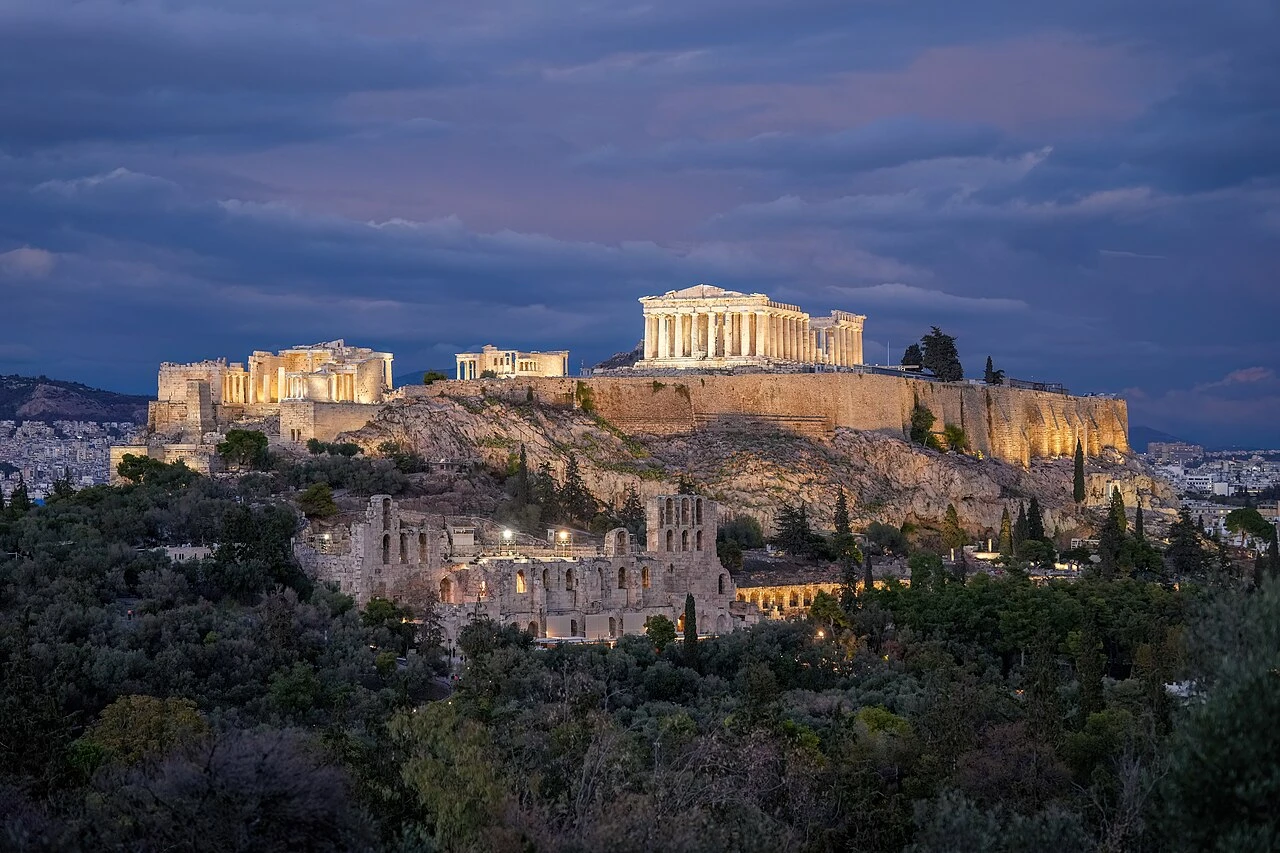
Athens · 1 km
Acropolis of Athens
Content & sources
Photo: Giles Laurent · CC BY-SA 4.0
Athens · 2 km
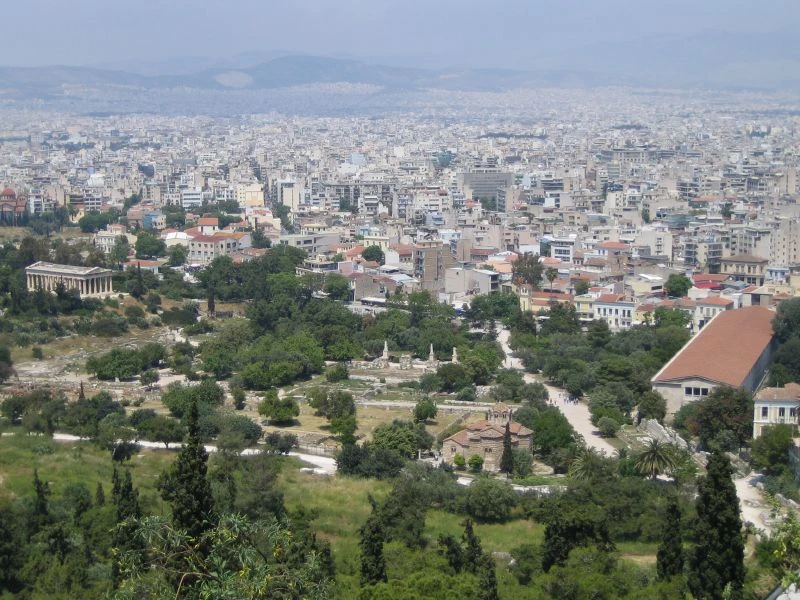
Ancient Agora of Athens
Content & sources
https://www.flickr.com/people/jonezes/ · CC BY-SA 2.0
Chaidari Municipality · 10 km
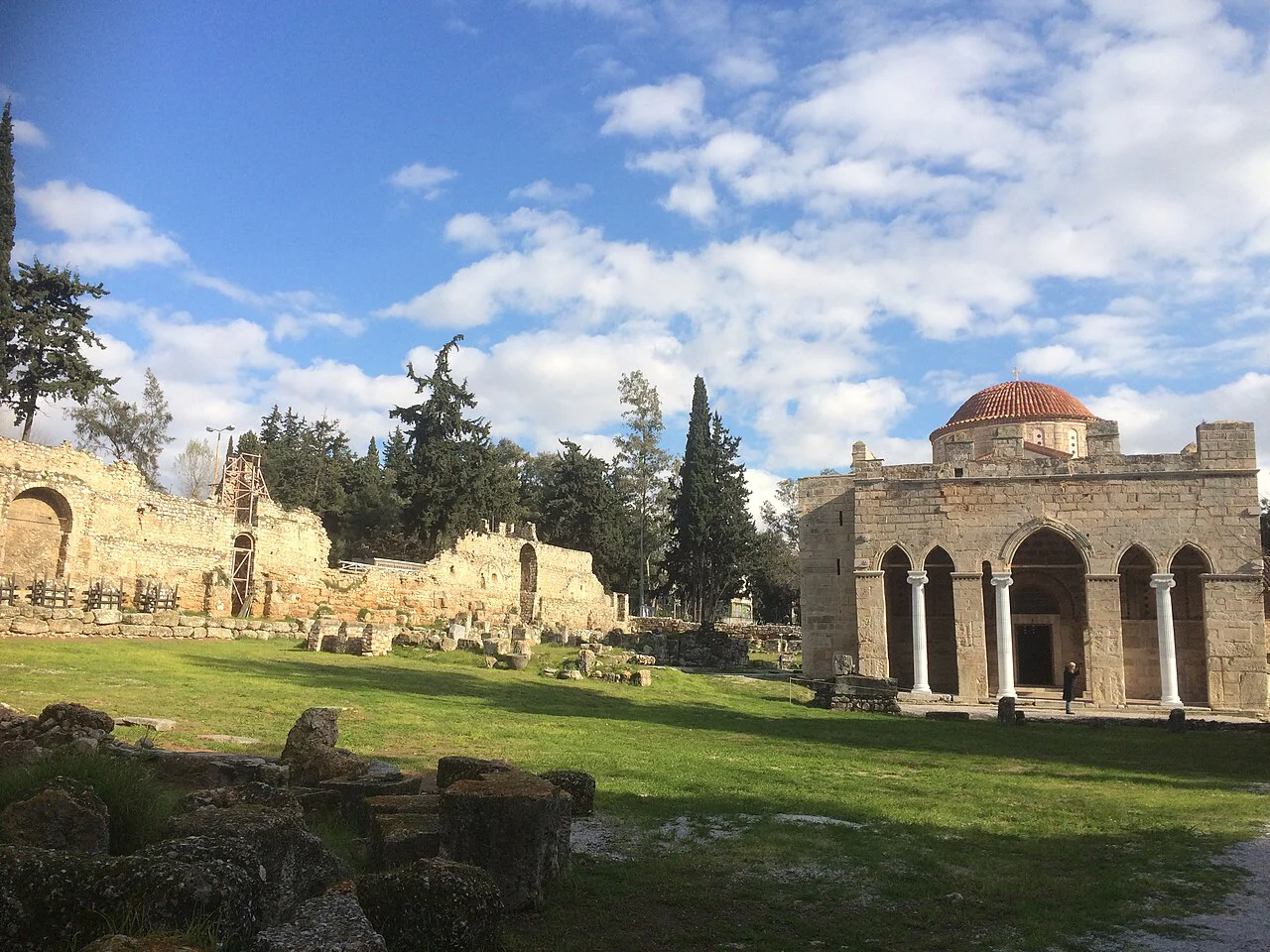
Μονή Δαφνίου
Content & sources
Photo: Sp!ros · CC BY-SA 4.0
Mesagros · 30 km
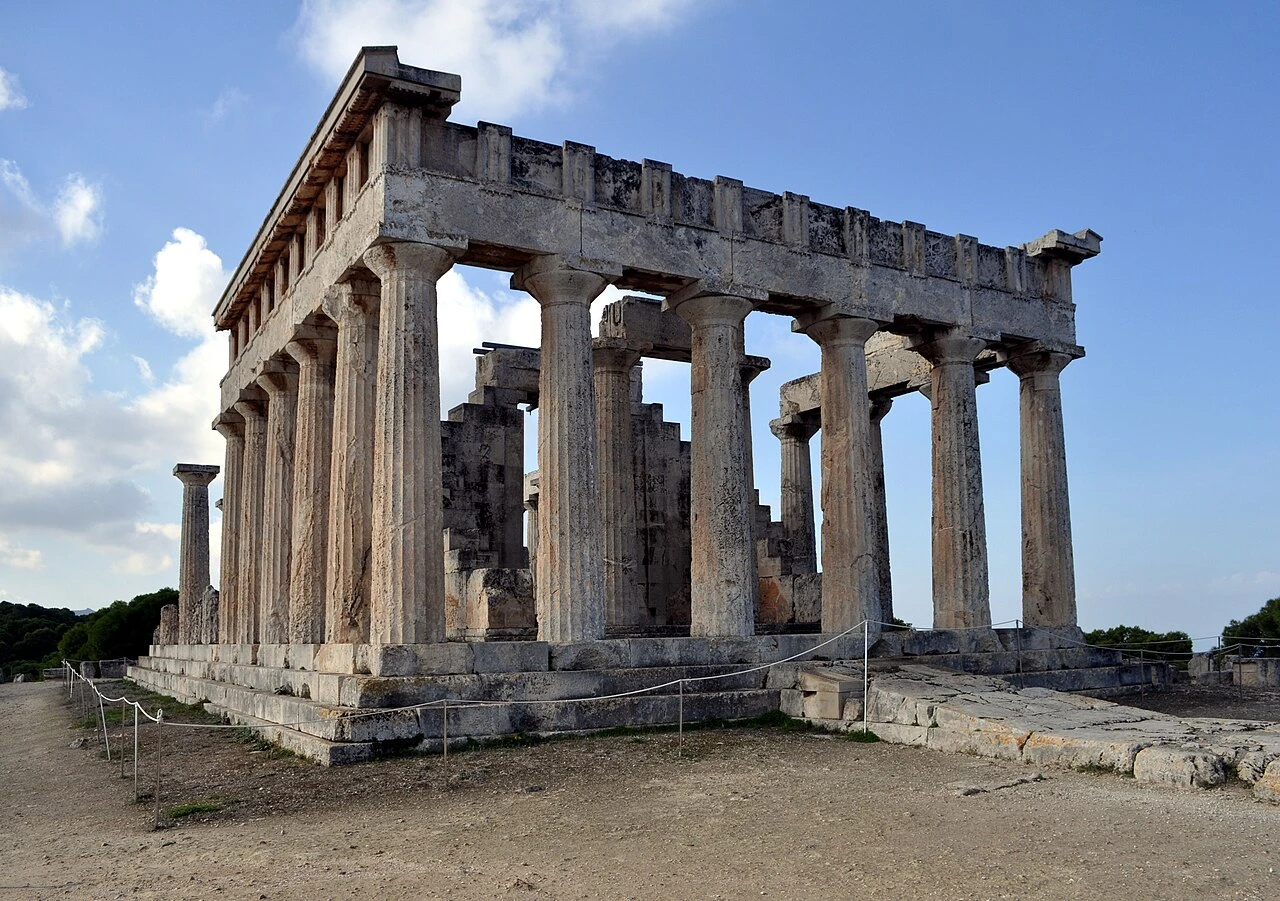
Temple of Aphaea
Content & sources
Paweł 'pbm' Szubert (talk) · CC BY-SA 3.0