Stanza · Audio guide
Εθνικό Αρχαιολογικό Μουσείο Audio Guide
A place to remember. A story to take with you.
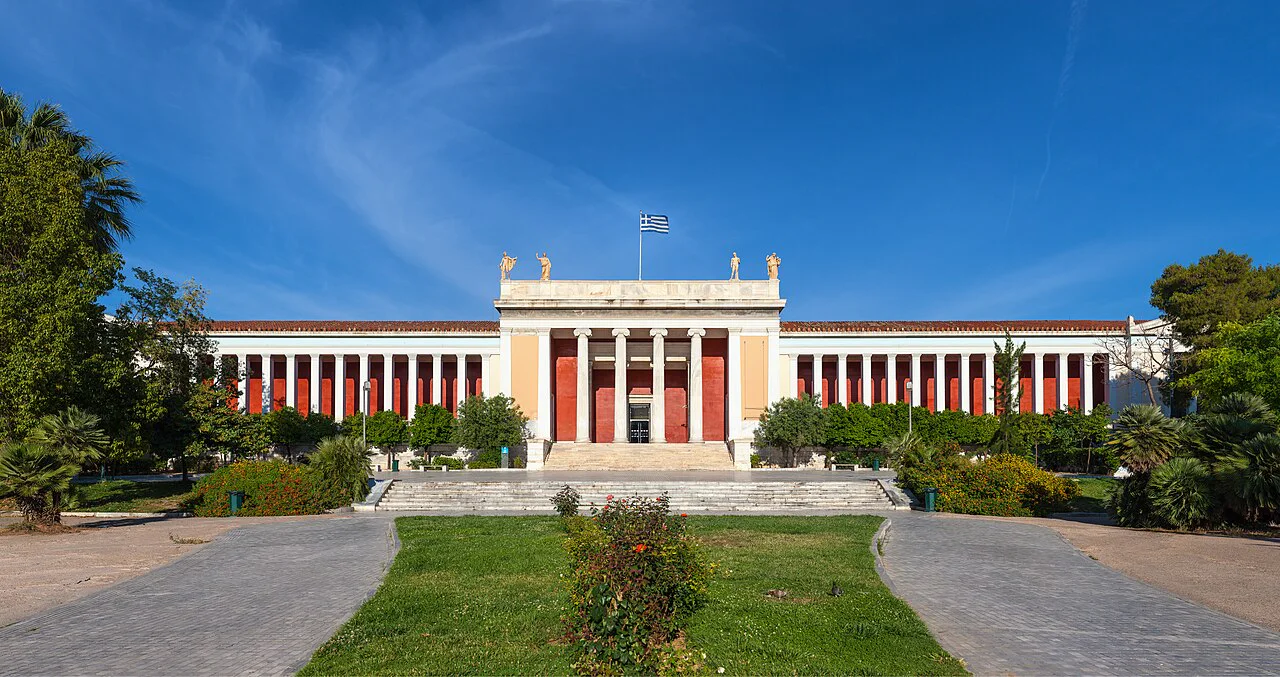
The National Archaeological Museum in Athens houses important artifacts from archaeological locations around Greece from prehistory to late antiquity. It contains the richest collection of Greek Antiquity…
Download Stanza, then search for “Εθνικό Αρχαιολογικό Μουσείο”.
About the tour
One guide. Your kind of visit.
The National Archaeological Museum in Athens houses important artifacts from archaeological locations around Greece from prehistory to late antiquity. It contains the richest collection of Greek Antiquity artifacts worldwide.
The Εθνικό Αρχαιολογικό Μουσείο guide tells the stories of 91 artworks, including Antikythera mechanism (Unknown Artist), Mask of Agamemnon (Unknown Artist), Artemision Bronze (Unknown Artist), Dipylon amphora (Dipylon Master), Phrasikleia Kore (Aristion of Paros), Sounion Kouros (Unknown Artist), Jockey of Artemision (Unknown Artist), and Antikythera Ephebe (Unknown Artist). Every artwork is free to hear in the Stanza app until 1 January.
Ready when you are.
- 01Get the free Stanza app.
iOS & Android
- 02Find your guide.
“Εθνικό Αρχαιολογικό Μουσείο”
- 03Download before you go.
Works offline
Audio guide / 91 artworks
Inside the guide
Get to know a few of the stories before you go. Open a stop to read more.
01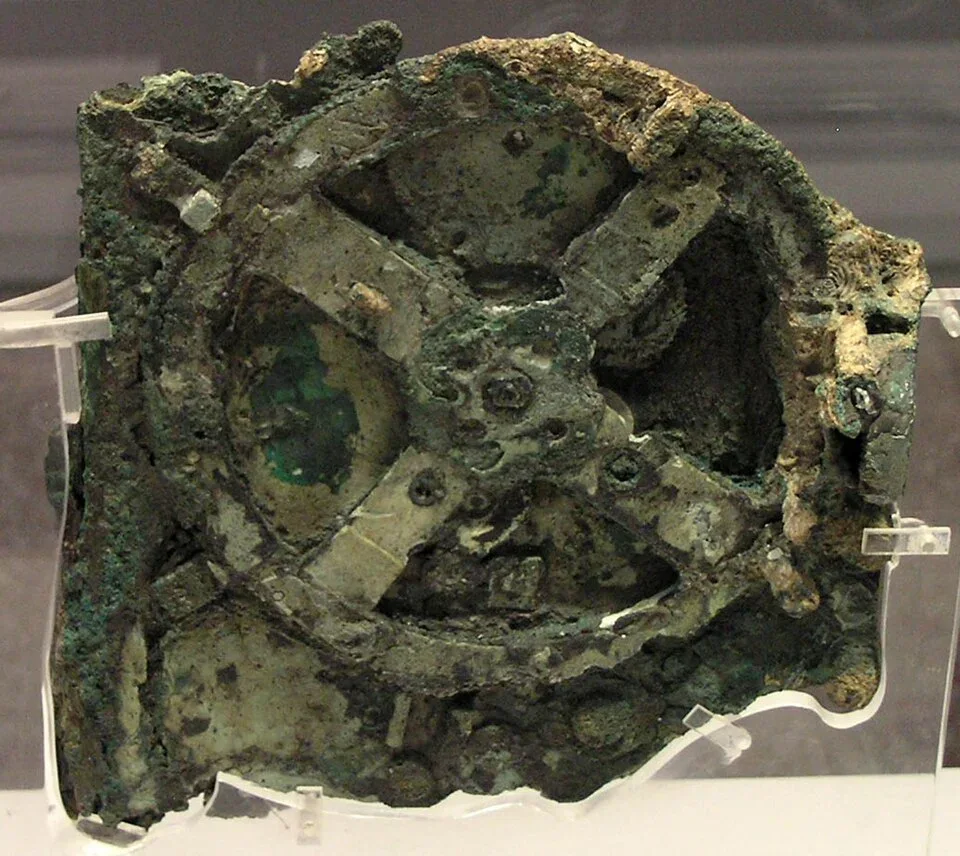
Antikythera mechanism
Buried in one of these corroded lumps is a toothed wheel. That small wheel is why we know this was once a machine. It came up from a shipwreck in 1901, a single lump of corroded bronze and wood. For two years it went unnoticed. The staff were busy piecing together the statues and the finds that were easier to make out. Then, on the seventeenth of May 1902, the archaeologist Valerios Stais spotted the wheel inside one piece. Beside it were inscriptions about the stars. He took it for an astronomical clock. Others said it was far too complex to have been made in that period. But it is the oldest known analogue computer, worked by hand. With about thirty bronze gears it could follow the Sun and the Moon across the sky and predict eclipses decades ahead. Nothing of similar complexity appeared in western Europe again until the fourteenth century. How it came to be on that cargo ship is still unknown.
Listen in the appNo machine-readable author provided. Marsyas assumed (based on copyright claims). · CC BY 2.5
02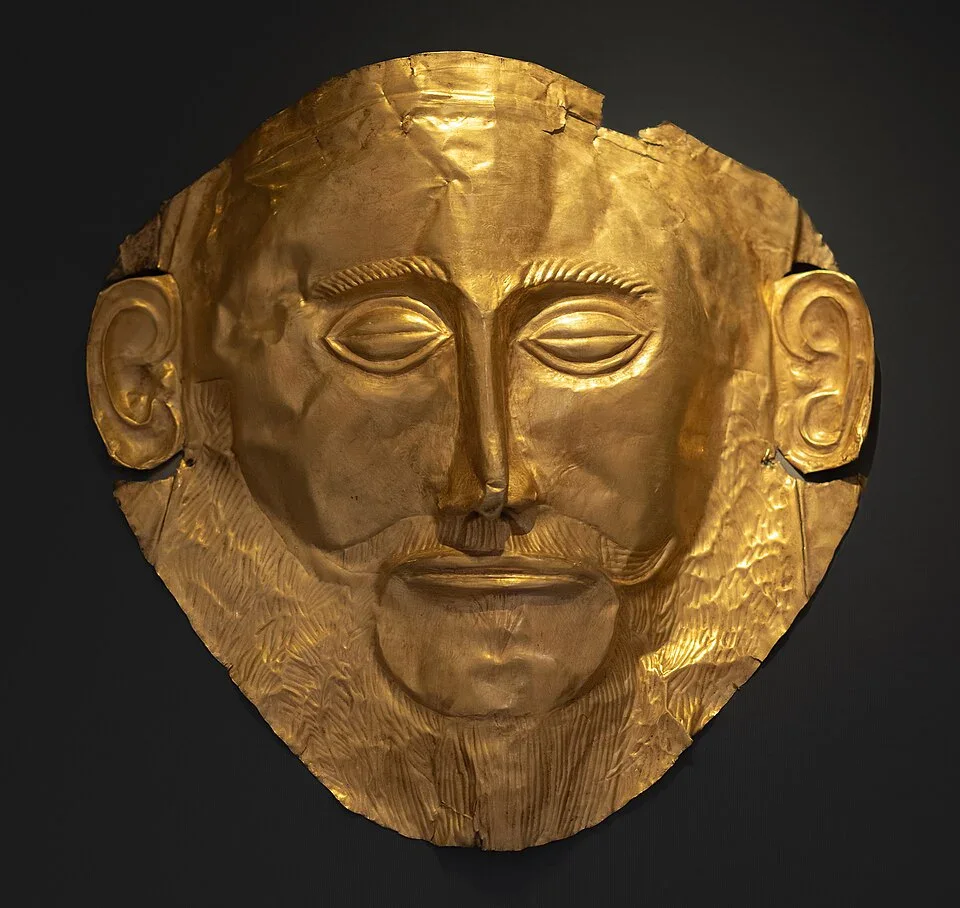
Mask of Agamemnon
Heinrich Schliemann wanted to prove that the Trojan War had really happened. Digging at Mycenae, he took this gold mask from a dead man's face, certain that a king lay under it. The face is unlike any other in Mycenaean art, the only one with a full pointed beard and a handlebar moustache. The brows arch twice and the mouth is clearly defined. The eyes are shown open and shut at once, with open lids and a line of closed lids across the middle. This was the face he called Agamemnon, the king who led the Greeks to Troy. He took it as proof the war was real. He apparently telegraphed the king that he had seen Agamemnon's face. He even named his own son after the king. But the man beneath the gold lived three or four centuries before the war he had in mind. No one knows who made the face. Near the end of his life, Schliemann accepted the doubt. He said they might as well call the man Schulze. The name stayed.
Listen in the appGleb Simonov · Public domain
03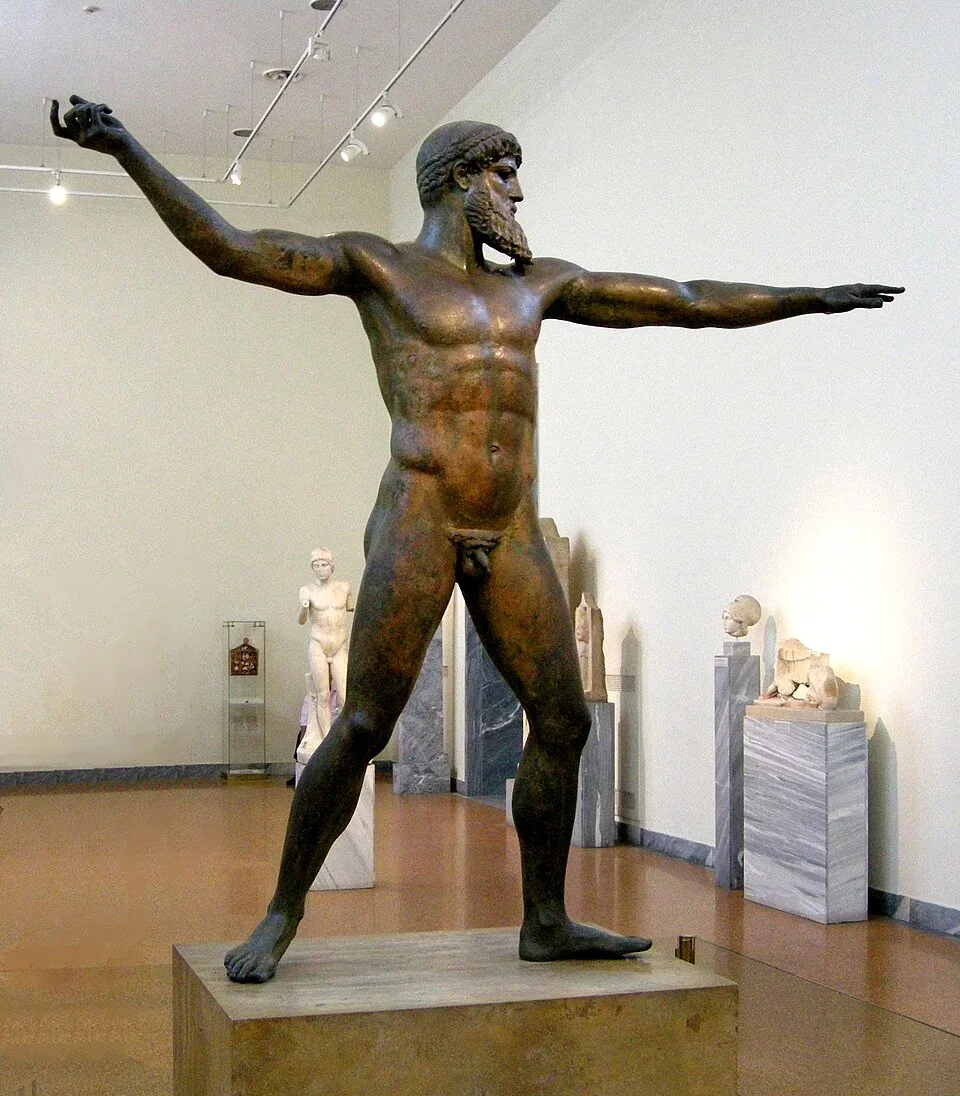
Artemision Bronze
One arm is raised overhead, and the whole figure is ready to throw. The hand is empty. Whatever he held is lost. What he held would tell us who he is. A thunderbolt makes him Zeus. A trident makes him Poseidon. The bronze came out of the sea off Cape Artemision, and that is where the idea of the sea god began. But it went into the water only because its ship went down, probably carrying Greek works toward Italy. The raised arm points to Zeus. Small bronze figures of him hurling a thunderbolt match this position, and vase paintings from the time agree. Poseidon's trident was more often a forward stab. And held overhead, a trident would cut across his face in profile, the view that mattered most. Opinion stays divided still, and no one knows who made this. His eye sockets were once filled, probably with bone. His brows were silver, his lips and nipples copper.
Listen in the appsailko This is a retouched picture, which means that it has been digitally altered from its original version. Modifications: cut, removed tourists. Modifications made by Shakko. · CC BY 2.5
04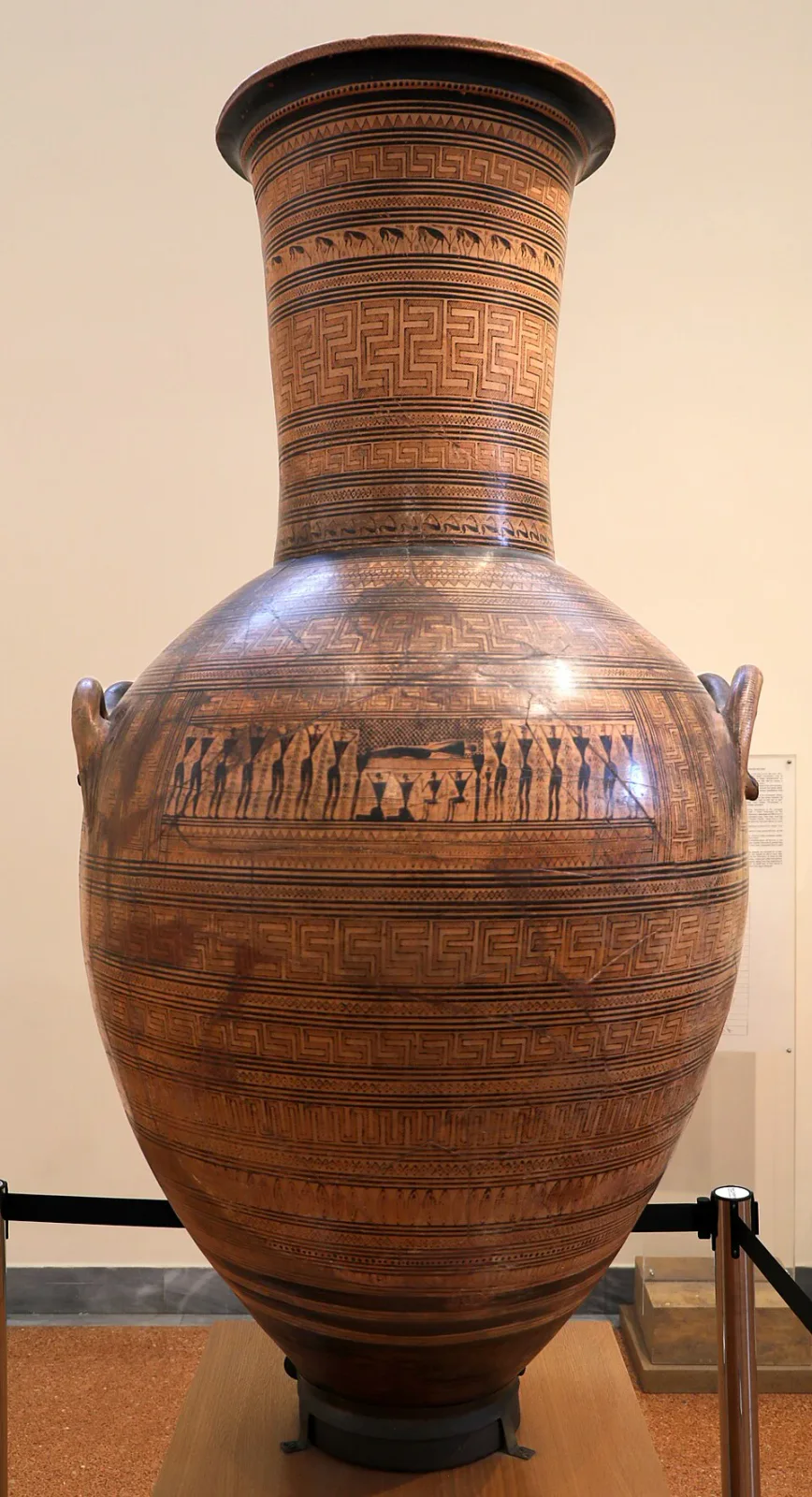
Dipylon amphora
After Athens was destroyed in 490 BC, this vase may have been carried to the Dipylon cemetery from somewhere else. It was set down at the very spot where, in 1891, it was found, still whole. So it stood over an aristocratic woman's grave. That shape was the marker for a woman. A man's grave got a different vessel. It rises more than five feet, with a small hole in its base. Offerings were poured through that hole, down to the dead. Its size spoke of her high rank. Between the two little handles, where the clay is thinnest, lies the woman herself. A checkered shroud covers her from head to foot. Around her, mourners raise their hands to their heads, the gesture of grief. It is her funeral, painted on the vase that stood over her. An artist we call the Dipylon Master painted this scene. It is only a name we gave someone we cannot identify. We still do not know whether this vase was ever made for her.
Listen in the appFrancesco Bini · CC BY-SA 4.0
05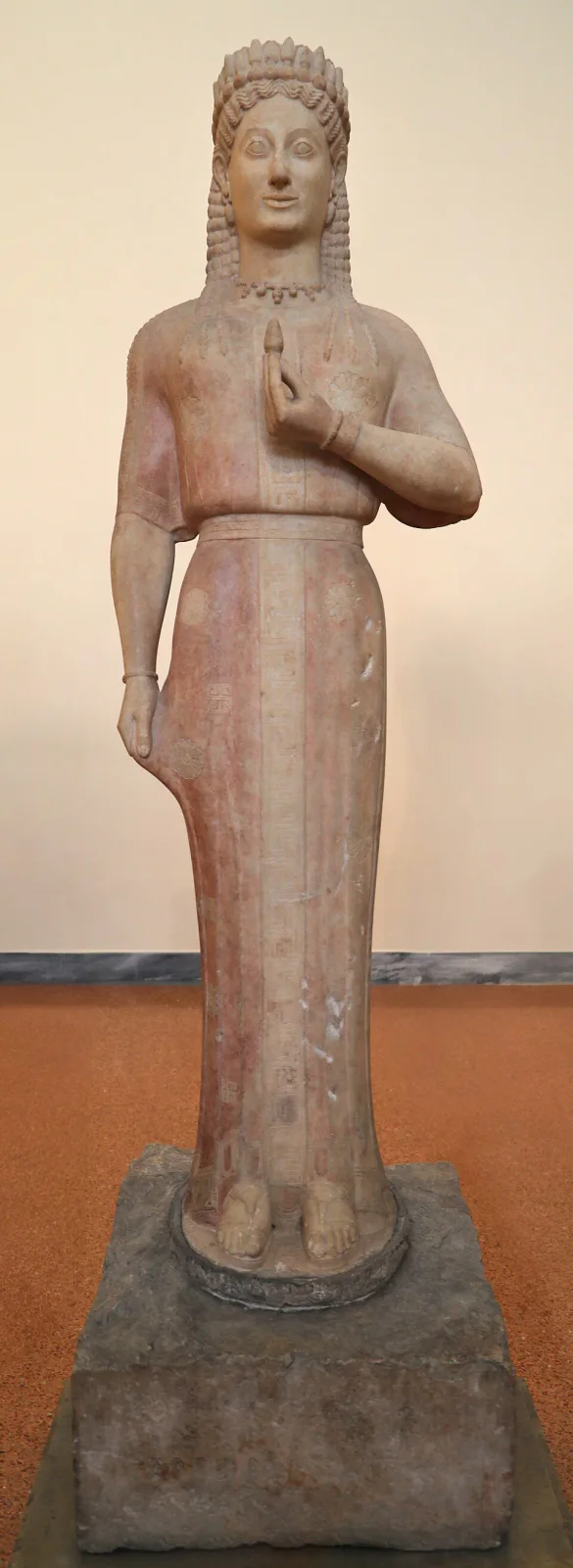
Phrasikleia Kore
She holds a lotus bud out in front of her chest, and it has not opened. The bud seems to be Phrasikleia herself, picked before it could bloom. She died young and unmarried. The words on her base say the gods gave her the name maiden in place of a wedding, and she must keep it forever. Her family, the Alcmaeonids, likely had the statue made for her grave and put it in a pit dug just for her. Peisistratos had come back to Athens and was trying to drive out families who opposed him. His followers tore down the Alcmaeonids' houses and opened their graves. No one cut or damaged her, and that is why her colour is still here. She lay there until 1972. Four years earlier, a block of marble with an inscription had been taken from a church wall. Its writing had been made unreadable before it was built into the church. An irregular ring of lead fixed the statue to that base, and it fitted exactly. The two were joined again after twenty-five years, and the writing gave back the name of the man who made her. Until then, Aristion of Paros was known from inscriptions alone, with no single work to call his own.
Listen in the appFrancesco Bini · CC BY-SA 4.0
06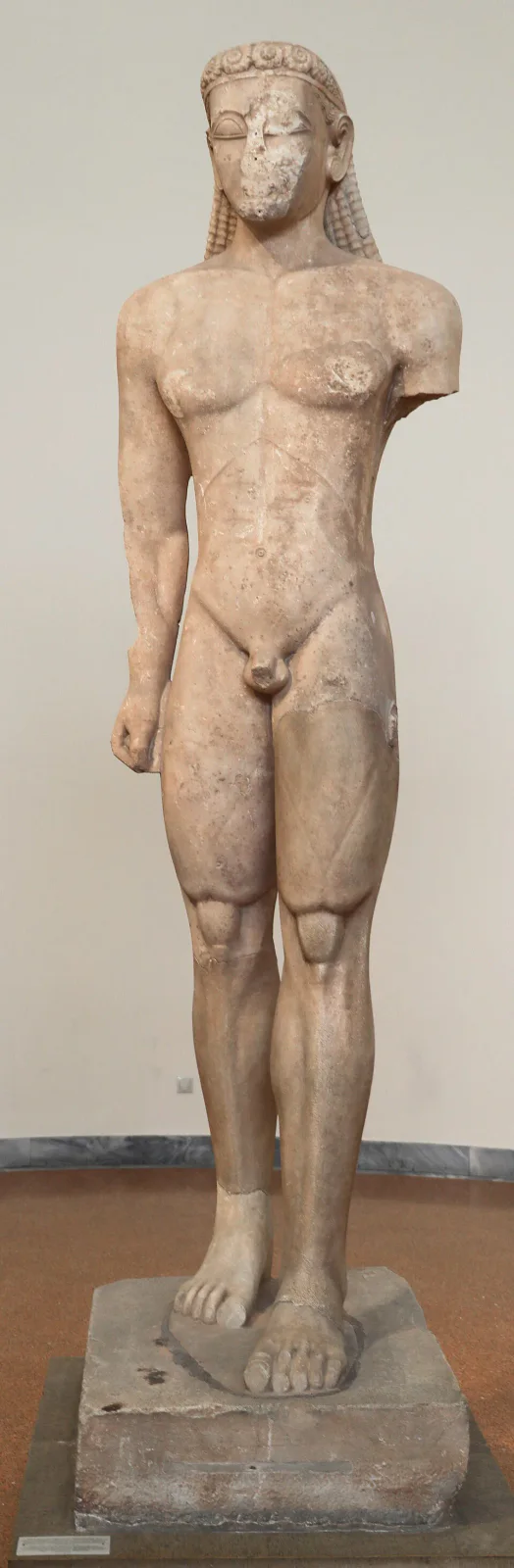
Sounion Kouros
No one knows who this young man was, who he was meant to represent, or who carved him. His shoulders are wide, his waist narrow, his fists closed at his thighs. His lips curve into a smile, and his eyes are larger than they should be. One foot is set ahead of the other, yet his weight falls evenly on both, so he seems perfectly still. He was shaped from an ideal, not from any one person. The upright, frontal pose came from Egypt. Around 600 BC, he was set up near the temple of Poseidon at Cape Sounion, probably as an offering to the god. In 480 BC the Persians destroyed the sanctuary and its offerings. The youth was most likely left among the ruins, badly damaged, and buried. He lay in the ground until 1906. He was found in a pit with his base and the fragments of other statues dedicated to Poseidon.
Listen in the appFrancesco Bini · CC BY-SA 4.0
07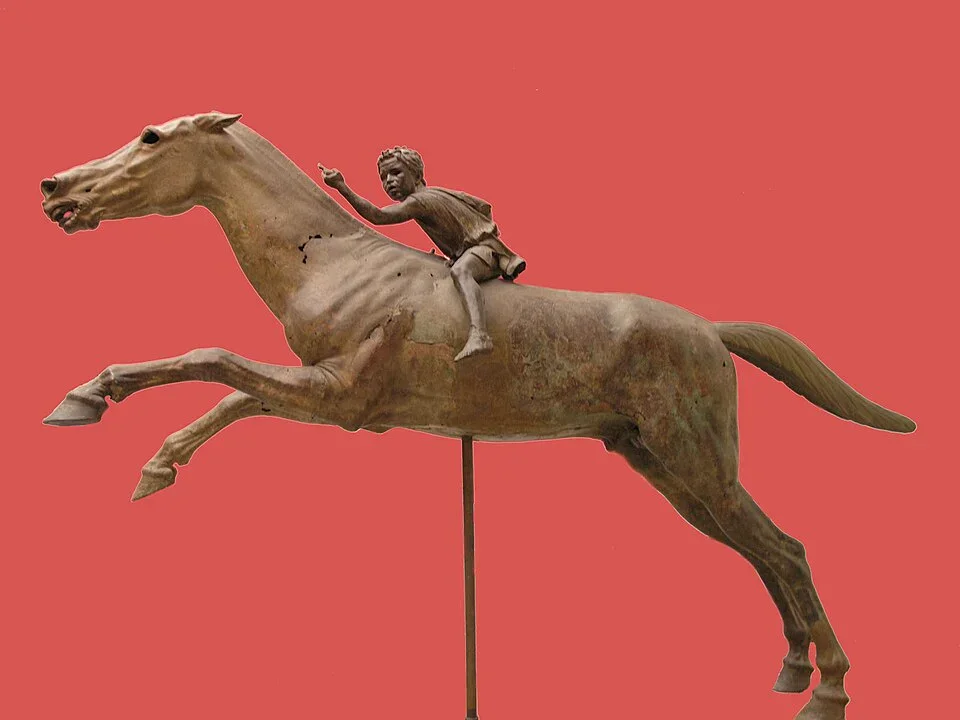
Jockey of Artemision
No single mould made this horse and rider. They were cast in separate pieces, each shaped around a wax model that was then melted away, and the pieces were welded together. The care shows in the back legs. The bronze there is thicker, because those two legs carry most of the weight. The front legs are raised, and the horse is caught mid gallop, as if it has just sprung forward. Most ancient bronzes were melted down for their metal. This one survived because it was lost at sea, in a shipwreck off Cape Artemision. The wreck was found in 1926. Pieces of horse and rider came up in 1928, and more in 1936 or 1937. Once the tail and body were restored, it went on display in 1972. On the horse's right thigh is the goddess Nike, holding a wreath in raised hands. That is a racehorse's brand. It may have been dedicated to the gods to honour victories in the races, probably the single horse race. The horse is far bigger than the boy on its back. He is perhaps ten years old, and he looks back over his left shoulder. No one knows who made it.
Listen in the appUnknown artist · CC BY 2.5
08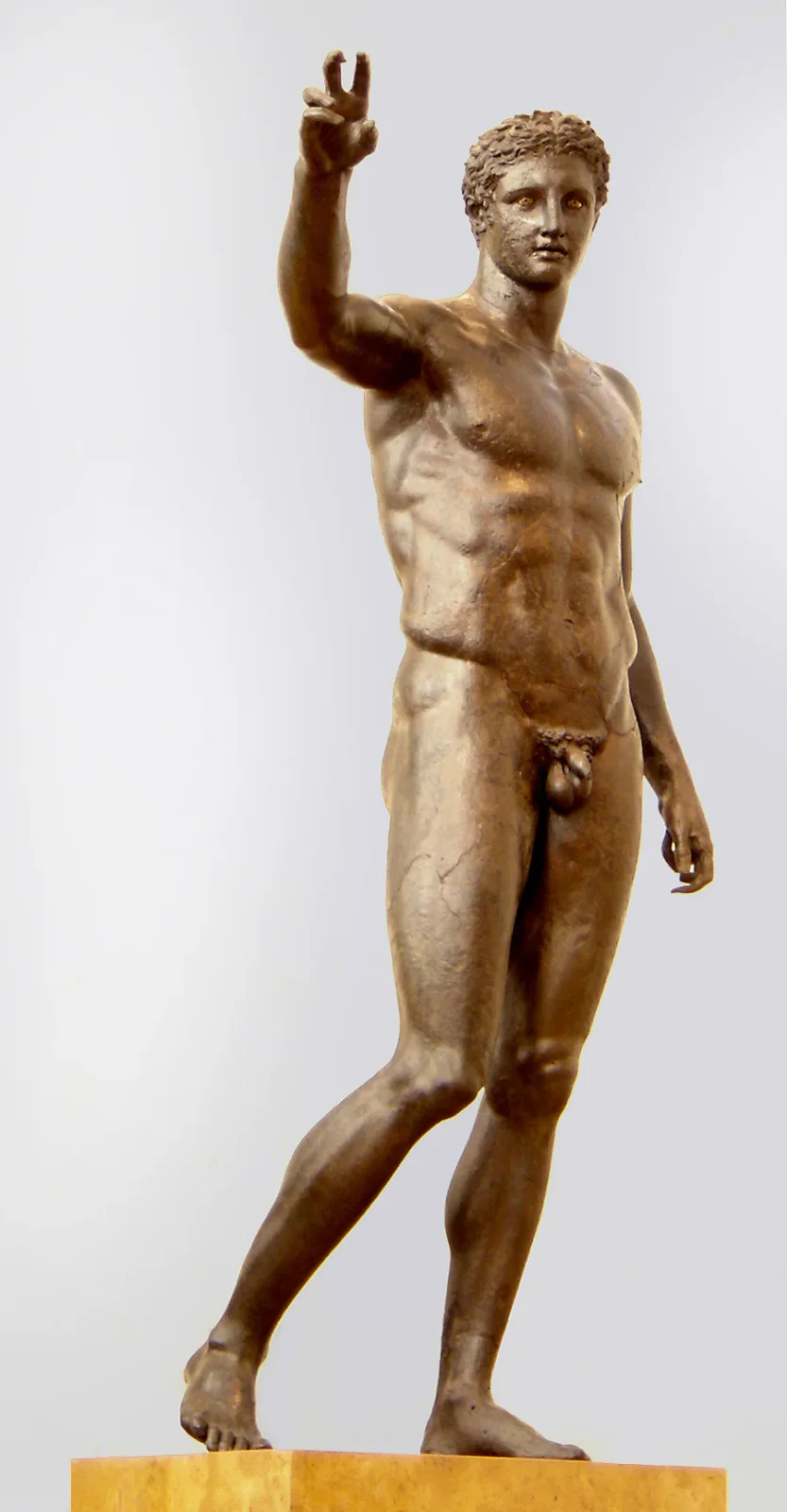
Antikythera Ephebe
The right hand is held out to the side and raised, and there is nothing in it. He once held something round, and that object is gone. Without it, no one can say who this young man was meant to be. He came out of the sea in pieces. Sponge divers found him in 1900, near a shipwreck off the island of Antikythera, and brought him up in fragments. The wreck, dated to between 70 and 60 BC, also held coins and an astronomical calculating device. He was the first of the Greek statues pulled from the sea in the twentieth century to change how people saw Greek sculpture. He was put together once. Then, in the 1950s, under Christos Karouzos, that restoration was revised. The abdomen was reshaped. The join between the torso and the right upper thigh was reworked. The right arm was set at a new angle. That second restoration is the one in place today, and no other statue like him has ever been found. He fits no known type, and the sculptor is not known either. Even the focus of his eyes was changed in that second restoration.
Listen in the appRicardo André FrantzUser:Tetraktys · CC BY-SA 3.0
09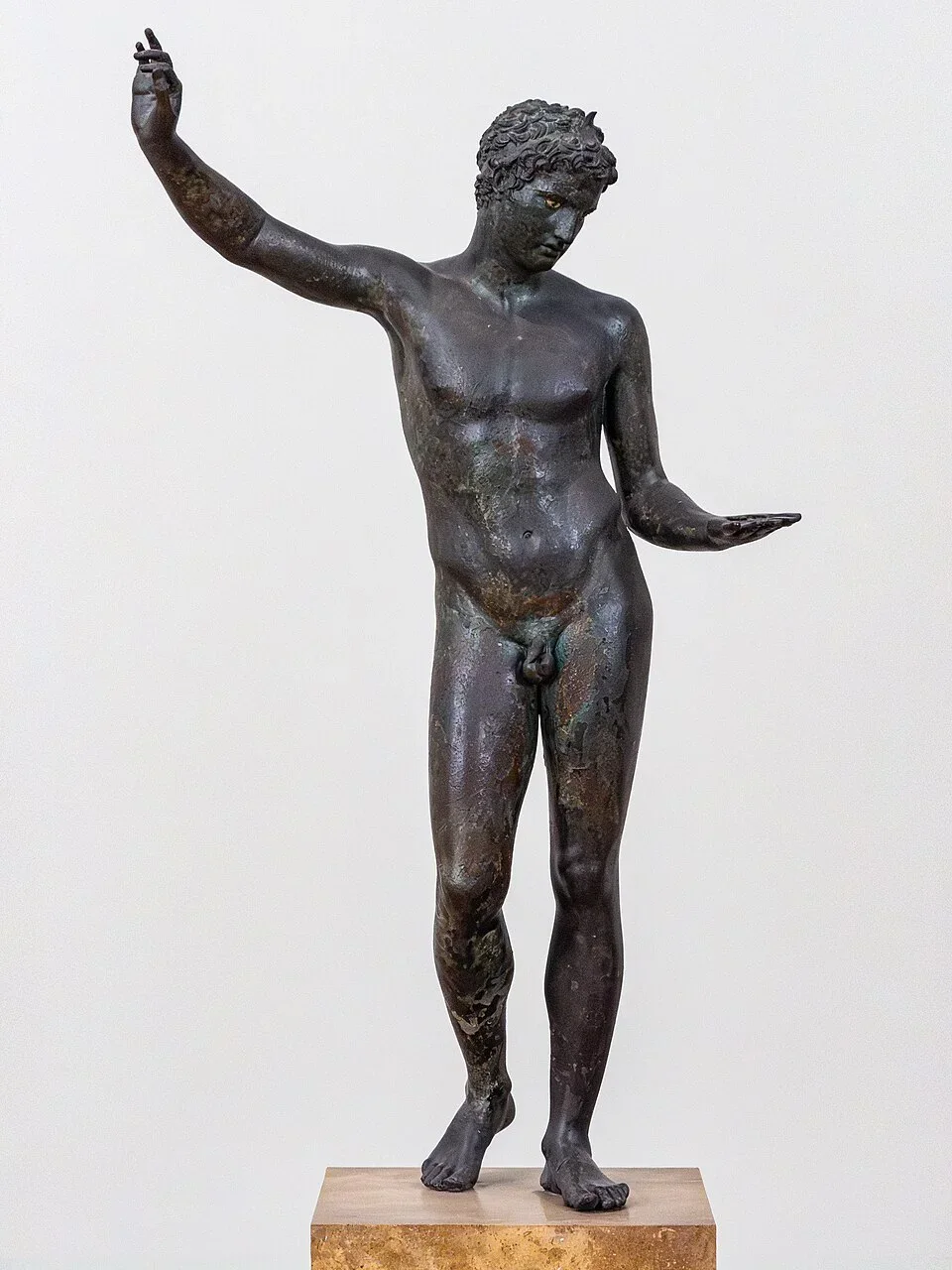
Marathon Boy
He is no longer a boy, and not yet a man. We do not know who made him, but he may be a young athlete who won his competition. His weight rests on one leg, and one arm is lifted, as if it once rested on a column. His head tilts toward his left hand. That hand once held something flat, and it is lost. Perhaps it was a disc with tools for a sacrifice. His eyes are still in place, inlaid, the whites in stone, the irises in yellowish glass with dark edges. Only the pupils are missing. They were once metal. The bronze survived unusually well. In June of 1925, fishermen found him in their nets in the bay of Marathon, between the shore and a small island. Before scuba diving, that chance recovery suggested that underwater sites might hold art and treasure safe from human destruction.
Listen in the appNikos Kitsakis · CC BY 4.0
10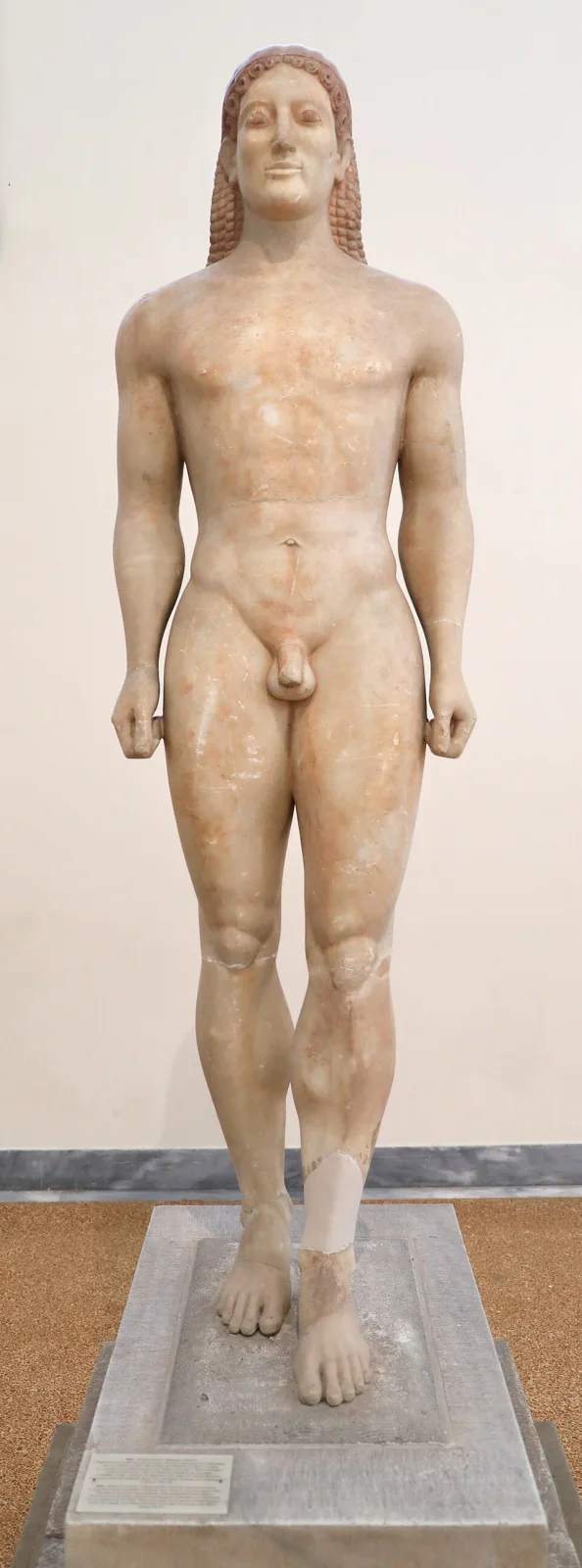
Kroisos Kouros
A young man steps forward with his left foot leading. His arms hang down, his hands closed into loose fists with the thumbs forward. A band holds his hair, and fine locks fall to his shoulders. His face is calm, with a slight smile. But this figure marks a grave. Only the middle section of the base survives, and the words are carved there. They tell anyone passing by to stop and feel pity for Kroisos. He died fighting in the front ranks, cut down by raging Ares. He gave his life for his homeland. No one knows the name of the sculptor who carved him.
Listen in the appFrancesco Bini · CC BY-SA 4.0
- 11
Pitsa panels
Unknown Artist · 550–500 BC
- 12
Warrior Vase
Unknown Artist
- 13
Varvakeion Athena
Unknown Artist
- 14
Group of Aphrodite, Pan and Eros
Unknown Artist · c. 100 BC
- 15
Nike of Epidauros
Timotheos · -379
- 16
Mantineia Base
Archaeological Institute of America
- 17
Aphrodite of Syracuse
Antonio Canova · 2nd century AD
- 18
Poseidon of Melos
Unknown Artist
- 19
Kouros
Unknown Artist · c. 540–530 BC
- 20
Stele of Aristion
Aristokles · -509
- 21
Decree of Themistocles
Unknown Artist
- 22
Young boxers fresco
Unknown Artist · -1575
- 23
Apollo Omphalos
Onatas, Calamis
- 24
Statue of the priestess Aristonoe
Unknown Artist · -300
- 25
Themis of Rhamnous
Unknown Artist · c. 300 BC
- 26
Nike of Megara
Andrea Gasparini · -300
- 27
Frying pan
Waldviertler · -2500
- 28
Harpist of Keros
Unknown Artist · 2800–2300 BC
- 29
Ninnion Tablet
Unknown Artist · c. 370 BC
- 30
Kouros statue
Unknown Artist · c. 600 BC
- 31
Funerary naiskos of Aristonautes
Unknown Artist · 350–309 BC
- 32
Horses Amphora
Unknown Artist · -659
- 33
Rider Amphora
Unknown Artist · -659
- 34
Lycosoura Artemis
Damophon
- 35
Pseudo-athlete of Delos
Unknown Artist · -110
- 36
Lycosoura Demeter
Damophon · 180 BC
- 37
Grave pinakes by Exekias
Exekias · 540–529 BC
- 38
stele of Lemnos
Unknown Artist · 6th century BC
- 39
Kouros of Aristodikos
Unknown Artist · c. 510–500 BC
- 40
Antelopes Fresco from Akrotiri
Unknown Artist · -1575
- 41
Ship procession fresco (Akrotiri)
Unknown Artist · -1575
- 42
Attic funerary relief
Unknown Artist · -400
- 43
PY Ta 641
Unknown Artist · c. 1180 BC
- 44
Grave stele
Unknown Artist · c. 550–540 BC
- 45
Nessus amphora
Nessos Painter · 620–605 BC
- 46
Karditsa Thinker
Unknown Artist · 4500–3300 BC
- 47
Hirschfeld Krater
Hirschfeld Painter · 750–735 BC
- 48
Pediment of the temple of Asclepius in Epidaurus
Timotheos · 380–375 BC
- 49
Pediments of the Athena Alea temple
Scopas · -345
- 50
Mycenaean palace amphora with octopus
Unknown Artist · 15th century BC
- 51
Statue of Hygieia by Timotheos
Timotheos · c. 380–70 BC
- 52
Flutist of Keros
Unknown Artist · -2550
- 53
Statuette of a woman
Unknown Artist · late 7th century BC
- 54
Heracles amphora
Unknown Artist · -619
- 55
Artemis Diadoumena
Unknown Artist · c. 100 BC
- 56
Amphitrite
Unknown Artist · -200
- 57
Table Support with a Dionysiac Group (AD 170-180)
Unknown Artist · 170
- 58
Large Retouched Cycladic Idol
Unknown Artist · 2800–2300 BC
- 59
Head of a boxer in the National Archaeological Museum of Athens
Unknown Artist · c. 330 BC
- 60
Vaphio gold cups
Unknown Artist · -1600
- 61
Bearded bronze head
Boetticher, Adolf, 1842-1901
- 62
Grave relief of Skopas
Scopas · c. 340 BC
- 63
Statue of a youth wearing a chlamys
Unknown Artist · 140
- 64
Statuette of Nike
Unknown Artist · late 4th century BC
- 65
Statue of Kleoneikos
Unknown Artist
- 66
Statuette of Nike
Unknown Artist · late 4th century BC
- 67
Statuette of Nike
Unknown Artist · late 4th century BC
- 68
Head of Hygeia
Marsyas · c. 360 BC
- 69
Head of a Korai
Unknown Artist · late 6th century BC
- 70
Funerary banquet type from Eleusis
Unknown Artist
- 71
Thera Kouros
Unknown Artist
- 72
Statuette of a Youth
Unknown Artist · late 1st century BC
- 73
Bronze statue of the emperor Augustus (NAMA X 23322)
Unknown Artist · c. 10 BC
- 74
Kouros head
Unknown Artist · -539
- 75
Relief of a Runner
Unknown Artist · c. 500 BC
- 76
grave stele from Grave Circle A, Mycenae
Unknown Artist · 16th century BC
- 77
The lady from Mycenae
Unknown Artist · 13th century BC
- 78
cylindrical base with a scene of fishermen
Unknown Artist · 16th century BC
- 79
Marble Disk NAMA 3635
Unknown Artist
- 80
Bronze ephebe in the National Archaeological Museum of Athens
Unknown Artist · 4th century BC
- 81
Spring (mural)
Unknown Artist
- 82
Fresco of a woman sitting on a throne
Unknown Artist · -1575
- 83
Krater of the Painter of Athens 877
Unknown Artist
- 84
NAMA Statue of a Sphinx
Unknown Artist · c. 570–550 BC
- 85
Hercules statue (Athens archaeological museum)
Unknown Artist
- 86
Head of a cycladic statue
Unknown Artist
- 87
Mycenean amphora with representation of palm trees
Unknown Artist · 15th century BC
- 88
Statue of Silenus
Unknown Artist
- 89
Mycenaean bull rhyton
Unknown Artist · 16th century BC
- 90
Flying fish fresco
Unknown Artist
- 91
Inlaid Mycenaean Dagger, 16th Century BC, NAMA 394
Unknown Artist · 16th century BC
Εθνικό Αρχαιολογικό Μουσείο
Frequently asked questions
How much does the guide cost?
Free app download. Free until 1 January. Listed guide price: $1.99. Audio guide only. Venue admission is separate.
Can I listen without internet?
Yes. Download the guide’s audio, images, and maps in the app before your visit. Your downloaded content is then available offline.
Can I listen in my language?
In English for now. More languages soon.
Do I need to follow a schedule?
No. This is a self-guided experience. Choose your stops, pause whenever you like, and return to a story at your own pace.
Which artworks are in the Εθνικό Αρχαιολογικό Μουσείο audio guide?
91 artworks, including Antikythera mechanism (Unknown Artist), Mask of Agamemnon (Unknown Artist), Artemision Bronze (Unknown Artist), Dipylon amphora (Dipylon Master), Phrasikleia Kore (Aristion of Paros), Sounion Kouros (Unknown Artist), Jockey of Artemision (Unknown Artist), and Antikythera Ephebe (Unknown Artist). The full list is on this page.
Is this the museum’s official audio guide?
No. Stanza is an independent audio guide app and is not affiliated with Εθνικό Αρχαιολογικό Μουσείο. Museum admission is separate.
At your own pace
Explore Εθνικό Αρχαιολογικό Μουσείο.
Download Stanza, then search for “Εθνικό Αρχαιολογικό Μουσείο”.
Free app download · Guide price shown in the app
Keep exploring
Nearby audio guides
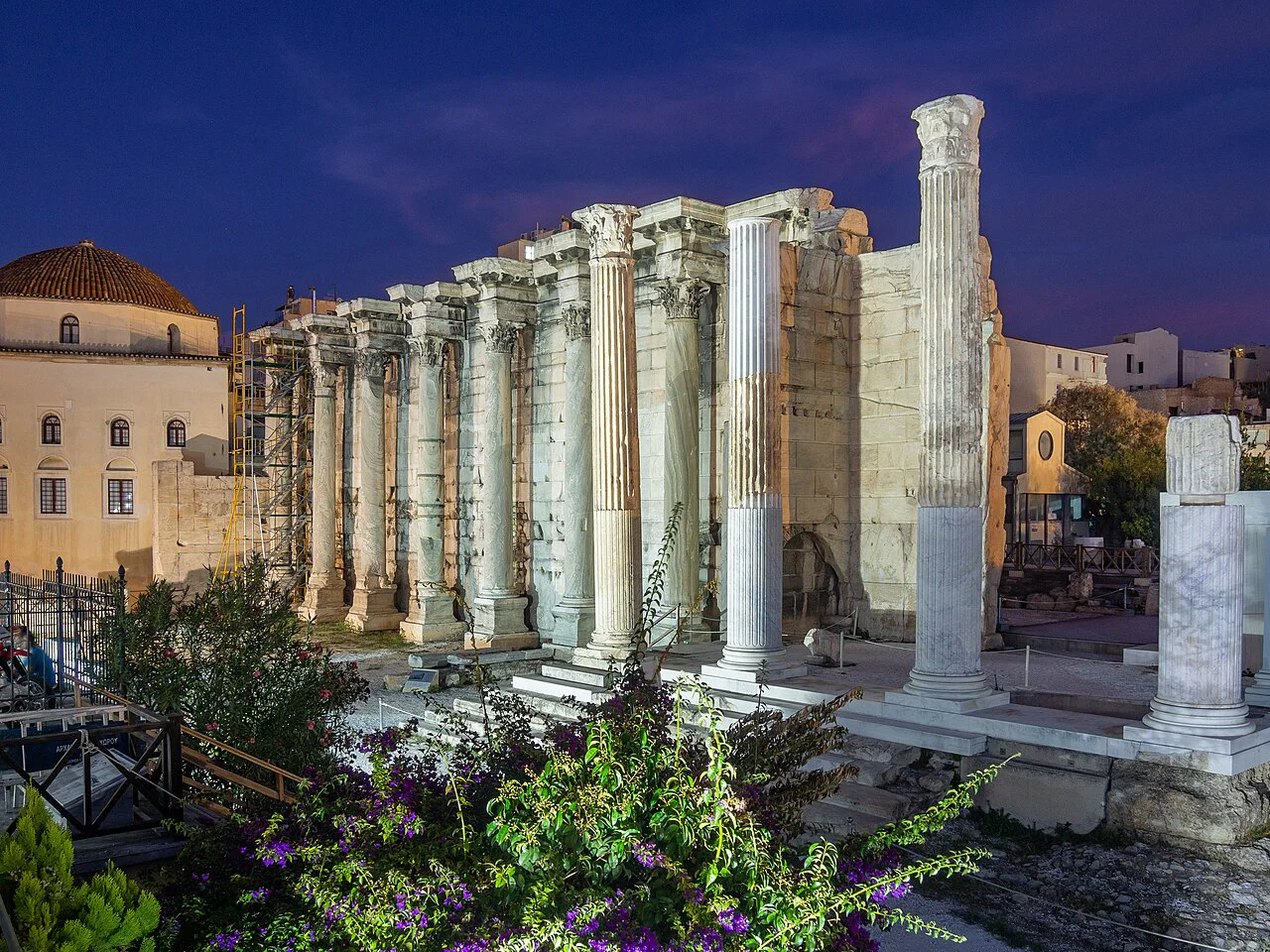
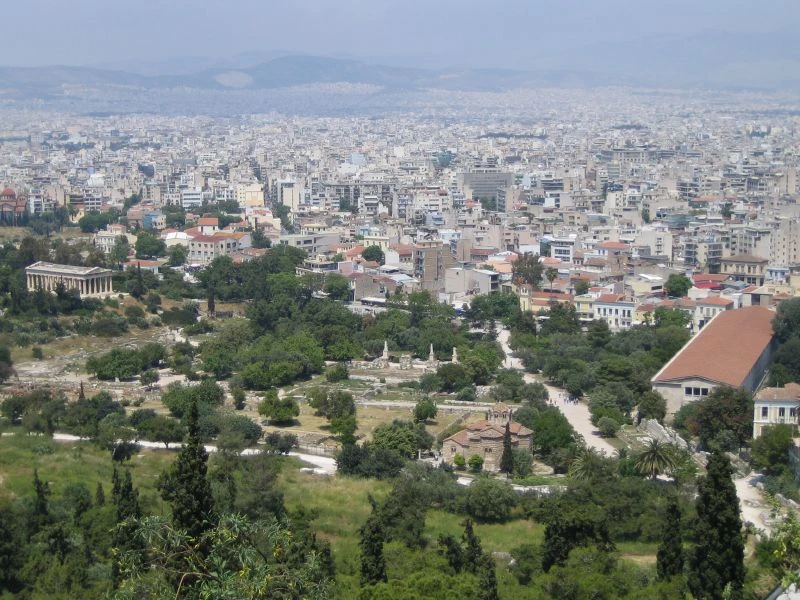
Athens · 2 km
Βιβλιοθήκη του Αδριανού
Content & sources
Photo: C messier · CC BY-SA 4.0
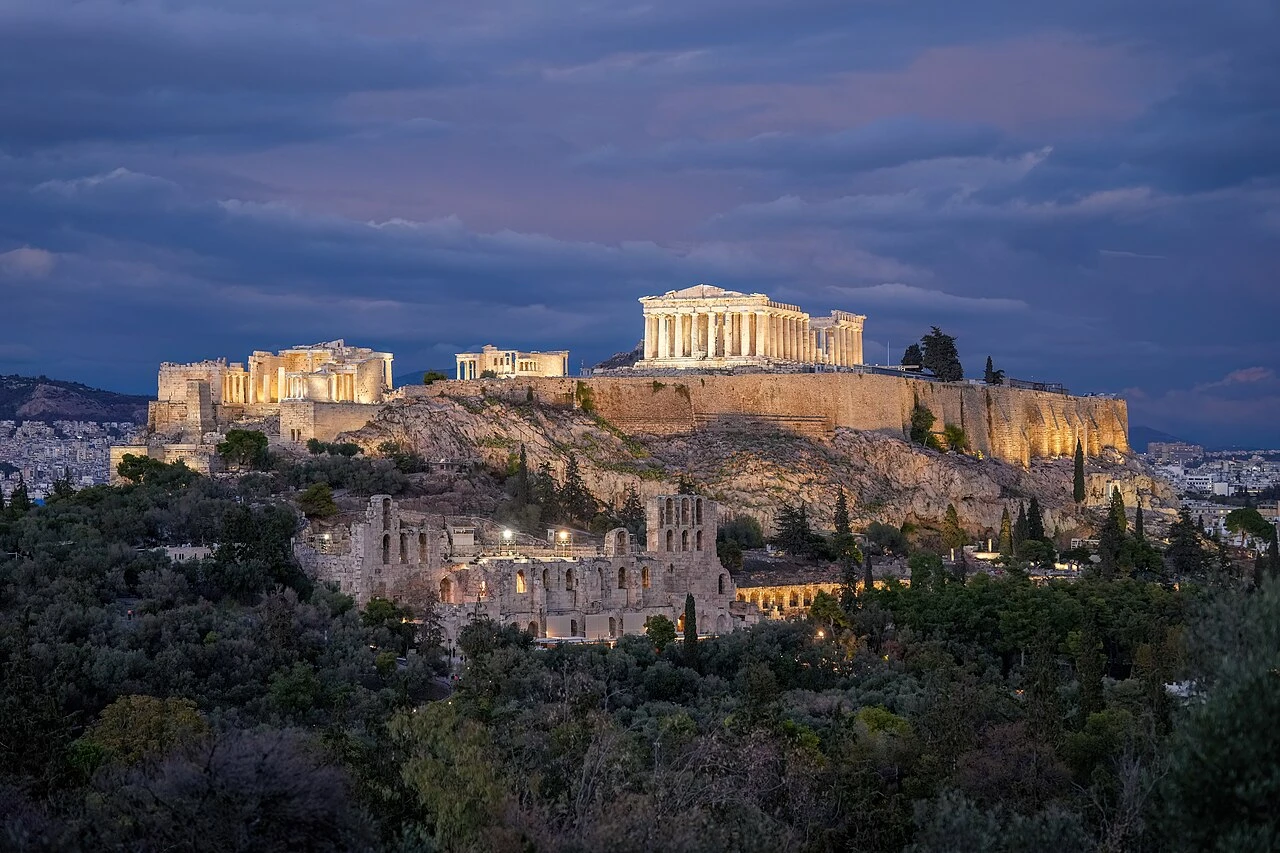
Athens · 2 km
Ancient Agora of Athens
Content & sources
https://www.flickr.com/people/jonezes/ · CC BY-SA 2.0
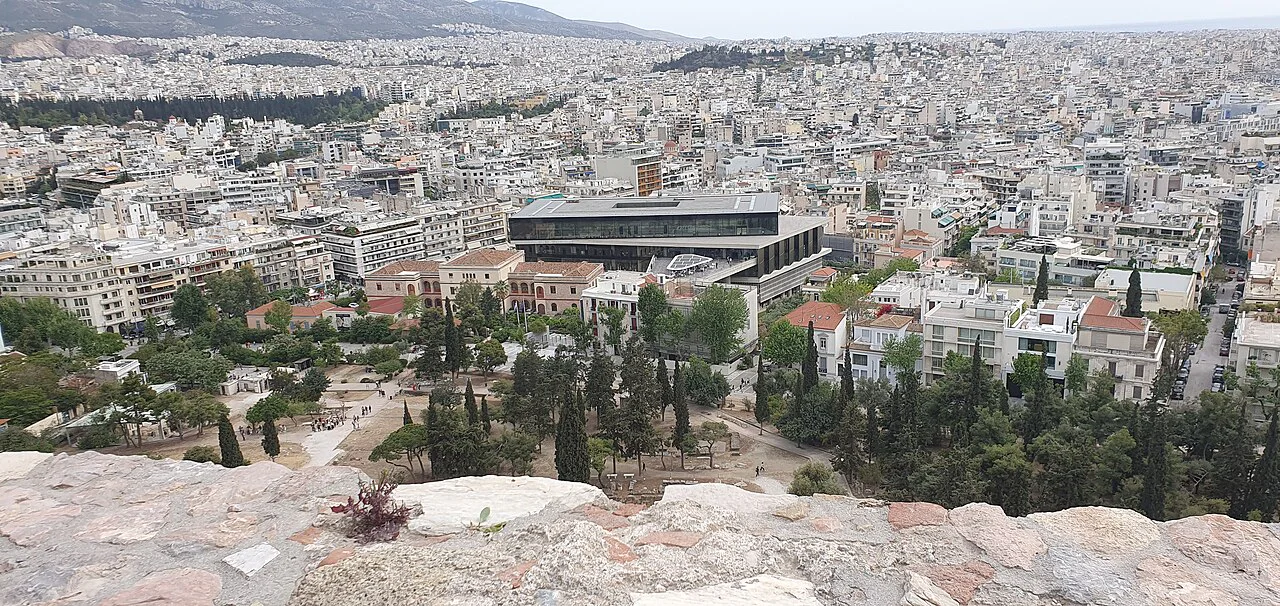
Athens · 2 km
Acropolis of Athens
Content & sources
Photo: Giles Laurent · CC BY-SA 4.0
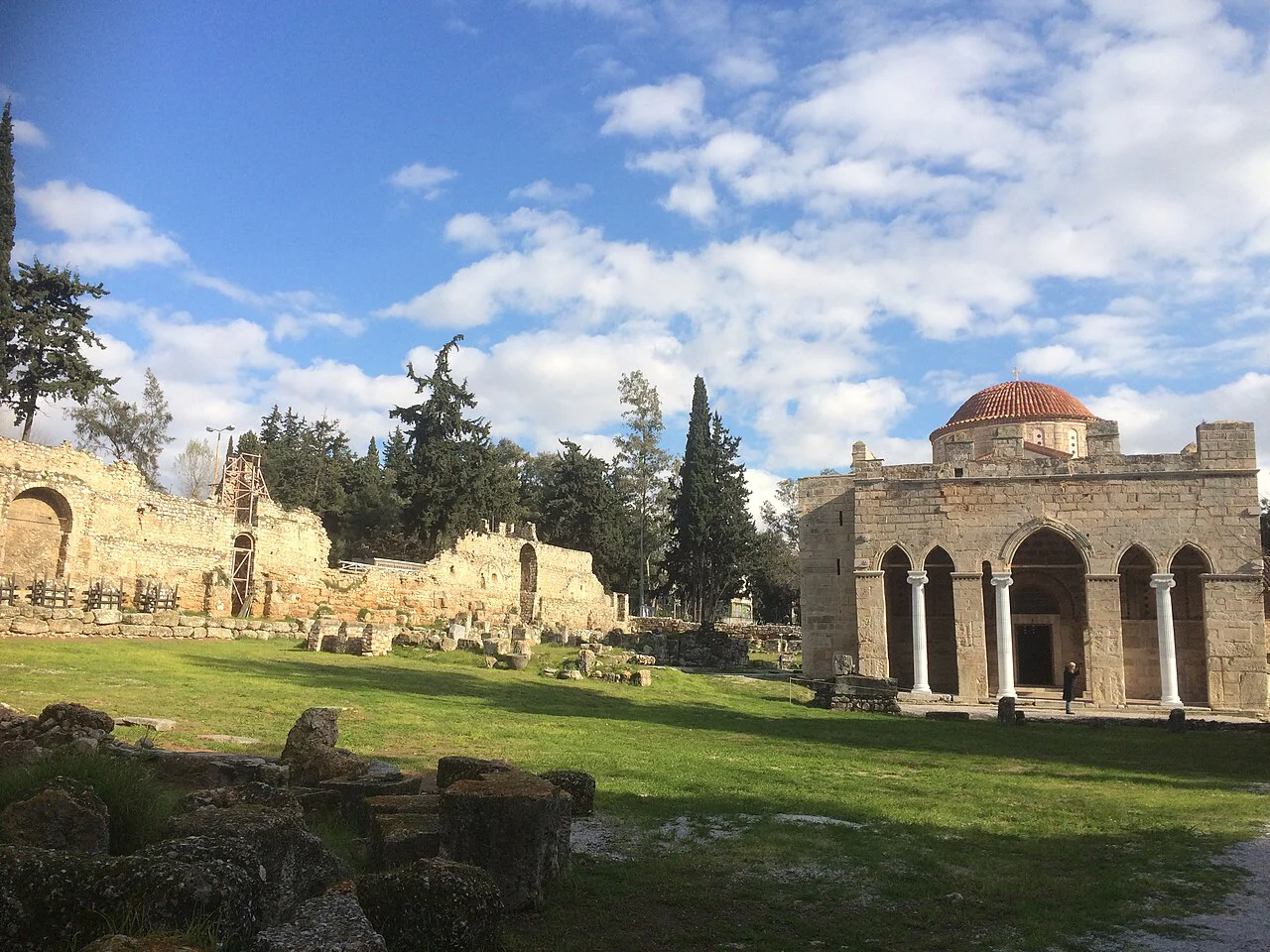
Athens · 2 km
Μουσείο Ακρόπολης
Content & sources
Photo: Yair-haklai · CC BY-SA 4.0
Chaidari Municipality · 9 km
Μονή Δαφνίου
Content & sources
Photo: Sp!ros · CC BY-SA 4.0
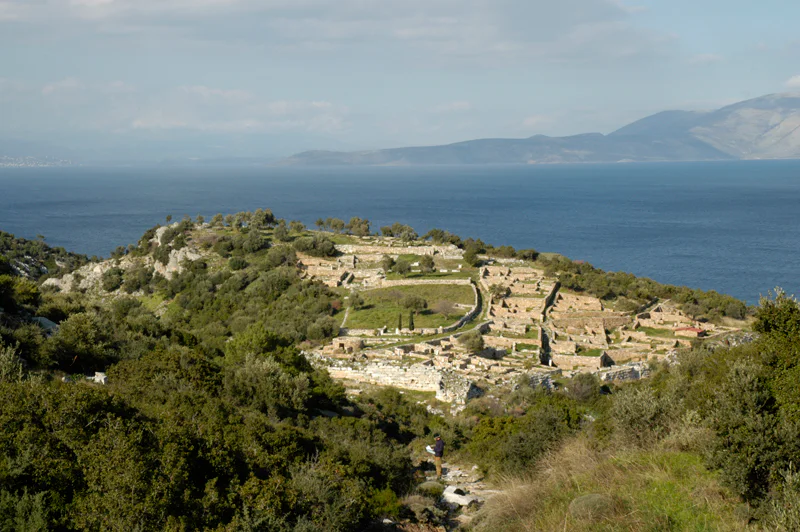
Municipality of Marathonas · 36 km
Ραμνούντας
Content & sources
Nefasdicere at English Wikipedia · CC BY 2.5
Art museums
More art museum audio guides
Athens · 35 artworks
Μουσείο Ακρόπολης
Content & sources
Photo: Yair-haklai · CC BY-SA 4.0
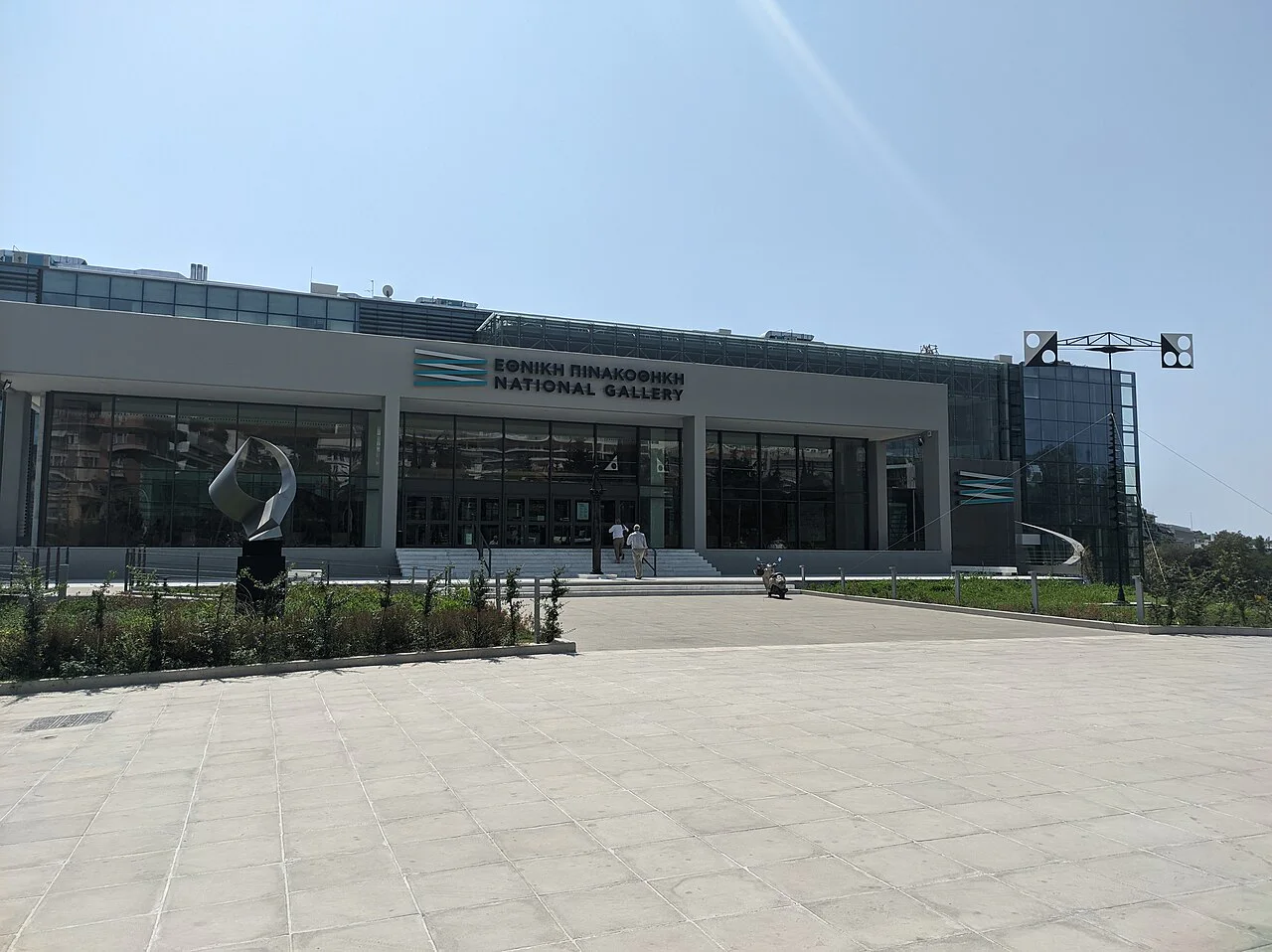
Athens · 25 artworks
Εθνική Πινακοθήκη-Μουσείο Αλεξάνδρου Σούτζου
Content & sources
Photo: Leeturtle · CC BY-SA 4.0
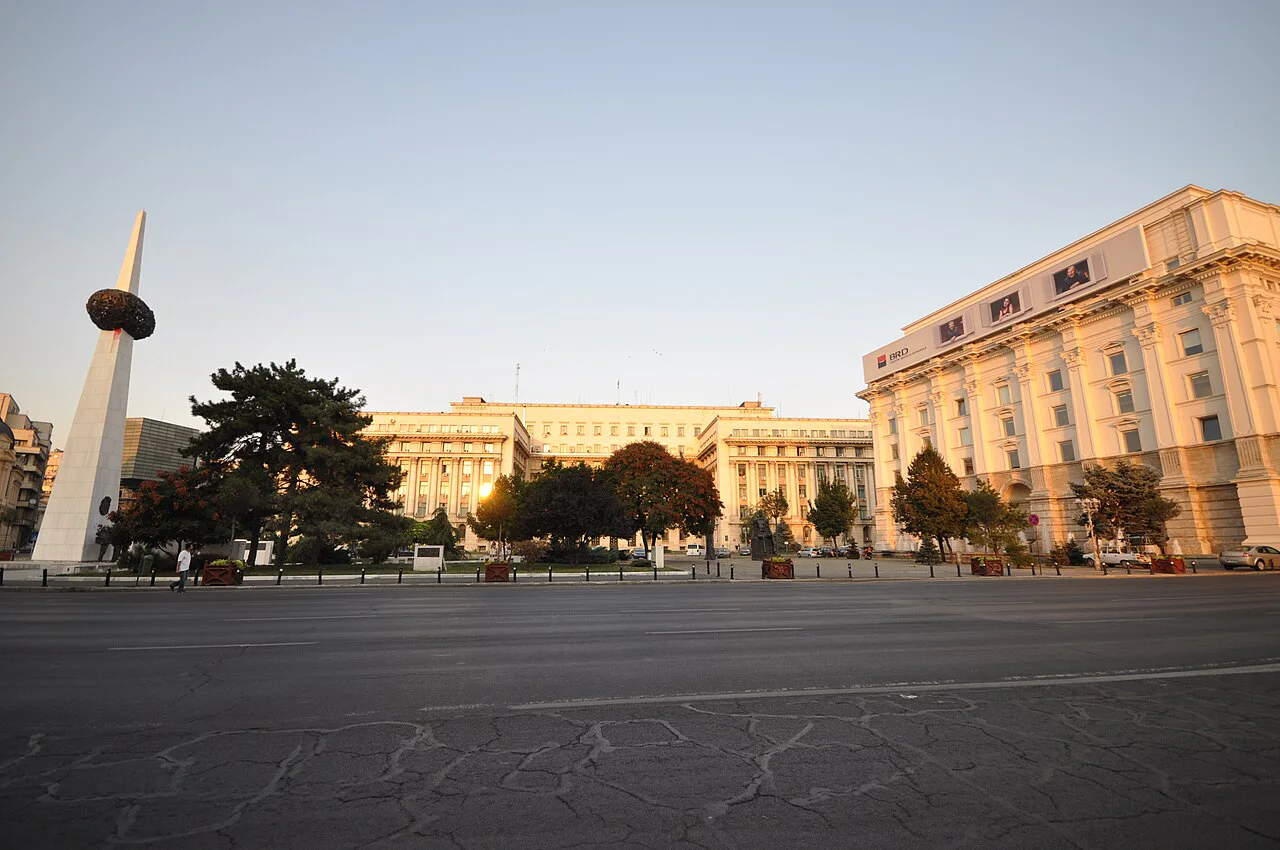
Bucharest · 28 artworks
National Museum of Art of Romania
Content & sources
Jorge Láscar from Australia · CC BY 2.0
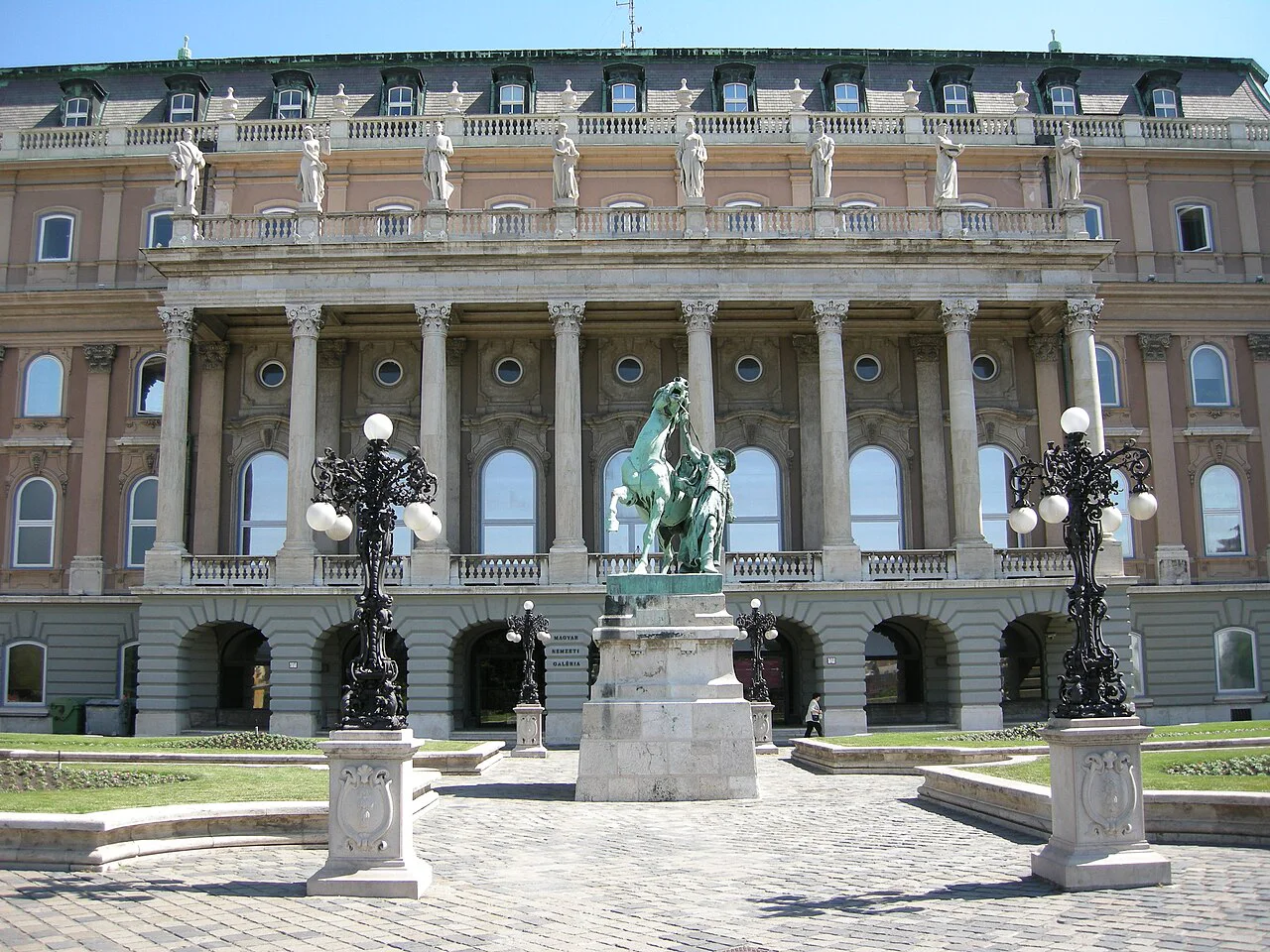
Budapest · 29 artworks
Hungarian National Gallery
Content & sources
Yoav Dothan · Public domain
Florence · 70 artworks
Uffizi Gallery
Content & sources
Arek N. · CC BY-SA 3.0
Vienna · 46 artworks
Albertina
Content & sources
C.Stadler/Bwag · CC BY-SA 4.0