Stanza · Audio guide
Tate Britain Audio Guide
A place to remember. A story to take with you.
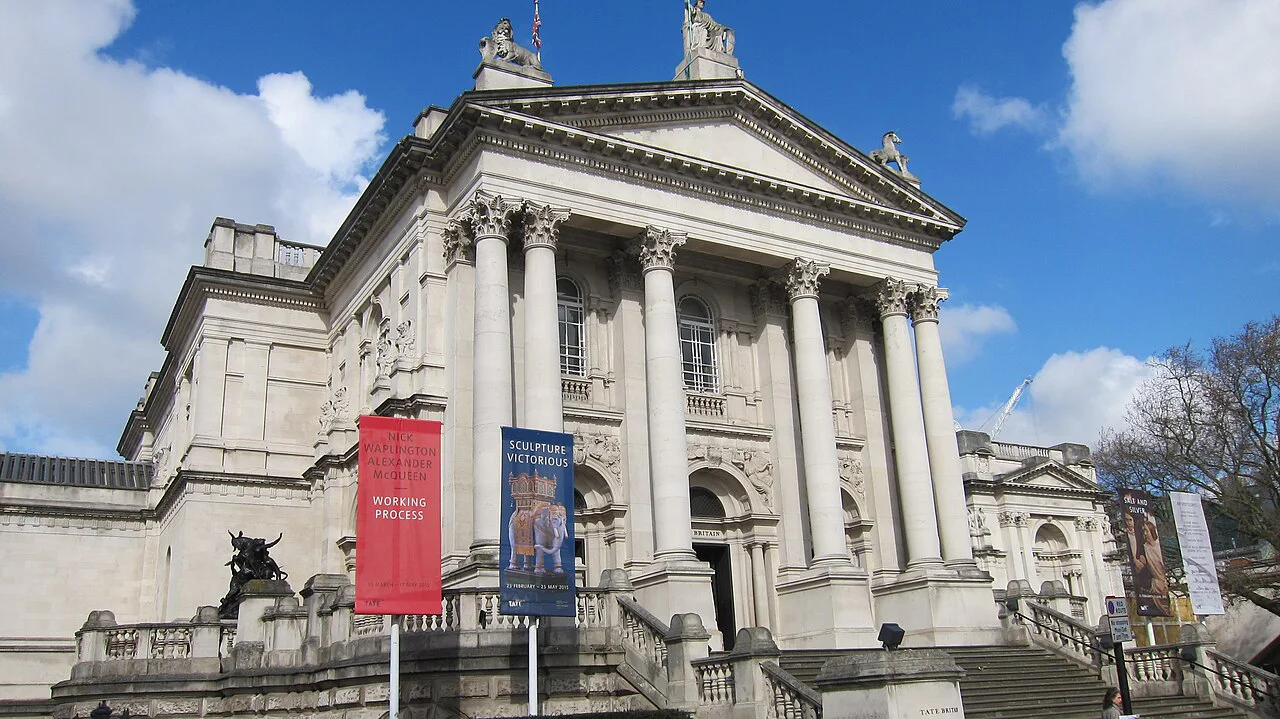
Tate Britain is an art museum located on Millbank in the City of Westminster in London. It houses a substantial collection of art from the United Kingdom dating back to Tudor times.
Download Stanza, then search for “Tate Britain”.
About the tour
One guide. Your kind of visit.
Tate Britain is an art museum located on Millbank in the City of Westminster in London. It houses a substantial collection of art from the United Kingdom dating back to Tudor times.
The Tate Britain guide tells the stories of 133 artworks, including Ophelia (John Everett Millais), Carnation, Lily, Lily and Rose (John Singer Sargent), The Vale of Rest (John Everett Millais), The Order of Release (John Everett Millais), Christ in the House of His Parents (John Everett Millais), Proserpine (Dante Gabriel Rossetti), Hope (George Frederic Watts), and Snow Storm: Steam-Boat off a Harbour's Mouth (J. M. W. Turner). 10 of the most famous are longer stories that move across the picture detail by detail, set to music. Every artwork is free to hear in the Stanza app until 1 January.
Ready when you are.
- 01Get the free Stanza app.
iOS & Android
- 02Find your guide.
“Tate Britain”
- 03Download before you go.
Works offline
Audio guide / 133 artworks
Inside the guide
Get to know a few of the stories before you go. Open a stop to read more.
01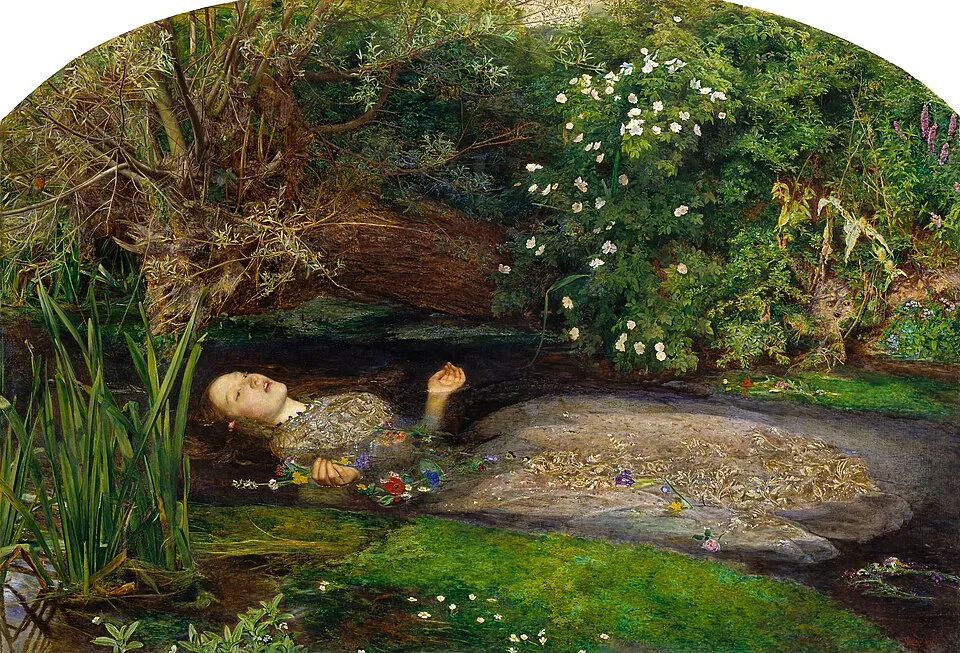
Ophelia
A garden. Green and soft and full of flowers, a place you could walk into. Then you see her, lying in the water. She is Ophelia, and Millais painted her in 1851. Her mouth is open. She is singing. Her eyes are turned up, as if she does not know she is in any danger. In Shakespeare's play, nobody sees this moment. A queen describes it, and that is all. One hand lifts out of the water, open, and her face is turned up. It is a pose that recalls saints and martyrs. Grief has broken her mind. She has been making garlands of wildflowers. One flower stands out. A red poppy. It is not in Shakespeare's description of the scene, and it stands for sleep and death. Her dress spreads wide on the water, patterned with gold. In the play, her clothes hold air and carry her for a while. Then they grow heavy, and pull her down. Now look at what surrounds her. An old willow leans over the stream. In the story, she climbed one like it to hang her garlands. A branch broke. Millais painted this bank first, from life, beside a river in Surrey. Up to eleven hours a day, for five months. Wild roses, painted in close detail. Growth and decay sit side by side on this bank. The colours are bright, so that she stands out, pale. Only then did he paint her, in London, in winter. Elizabeth Siddal was the model. She lay in a bath, in an old dress. Oil lamps warmed the water. He was so absorbed that they went out. She caught a bad cold. A garden, a song, and a drowning, all in one frame. The whole bank is alive around her.
Listen in the appJohn Everett Millais · Public domain
02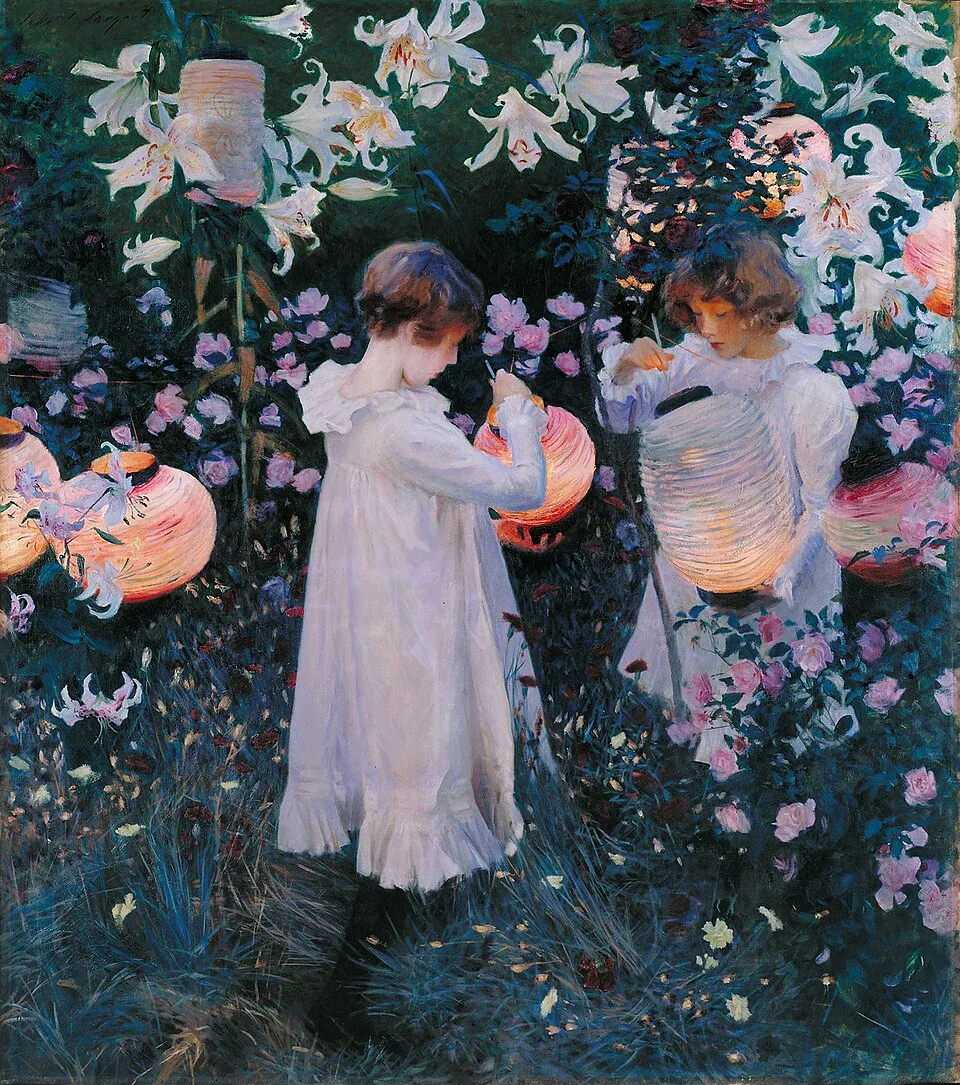
Carnation, Lily, Lily and Rose
This picture took two summers to paint, and yet Sargent worked on it for only a few minutes a day. He wanted the exact light of dusk, that brief moment when day tips into evening. So every evening he posed the two girls in the garden, brushes ready, waiting for the light to turn right. Then he painted fast, and often scraped the evening's work off again, to redo it the next dusk. As autumn came, the real flowers died and he replaced them with artificial ones. By November the girls wore long white sweaters under their dresses, hidden by the white you see. He had found the idea in September 1885, boating on the Thames, when he saw Chinese lanterns hanging among trees and lilies. The girls are Dolly and Polly, the daughters of his friend Frederick Barnard, chosen for their blonde hair. The last brushstroke went on in October 1886.
Listen in the appJohn Singer Sargent · Public domain
03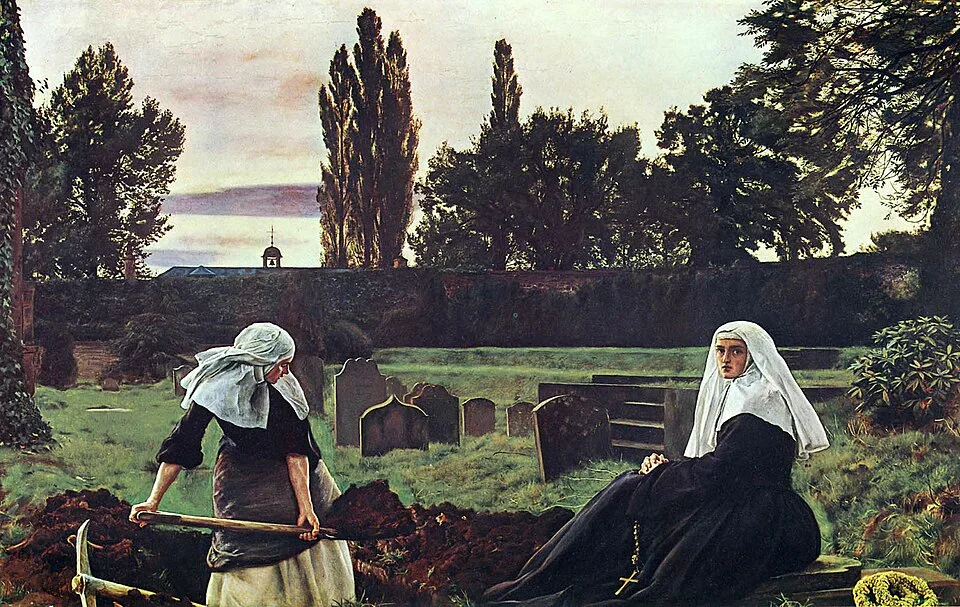
The Vale of Rest
Evening. A soft sky, a quiet garden. Then you see what the woman on the left is doing. John Everett Millais called it The Vale of Rest. The title promises rest. It comes from a song about where the weary find repose, and Millais felt it caught the mood exactly. But this nun is not resting. Her forearms strain under a heavy shovelful of earth. Her habit swings with the effort of every throw. She is digging a grave. The other nun just sits, hands folded. And she looks straight at you. No smile. Only a steady, serious look. From her robes hangs a rosary, ending in a cross. And a tiny skull. Beside her lies a funeral wreath. Now see how their heads sit at the same height, balanced across the picture. One digs. One sits. Both are here. Gravestones lean in the grass behind them. Millais painted them in a real churchyard in Perth. Years later, his wife Effie was buried there. Beyond the wall, a low chapel and its small bell. That glowing sky lasted only a short while. He painted outdoors, fast as lightning, before it faded. It all invites you to think about your own mortality. Rest, said the title. But the earth is open, and she is looking at you.
Listen in the appJohn Everett Millais · Public domain
04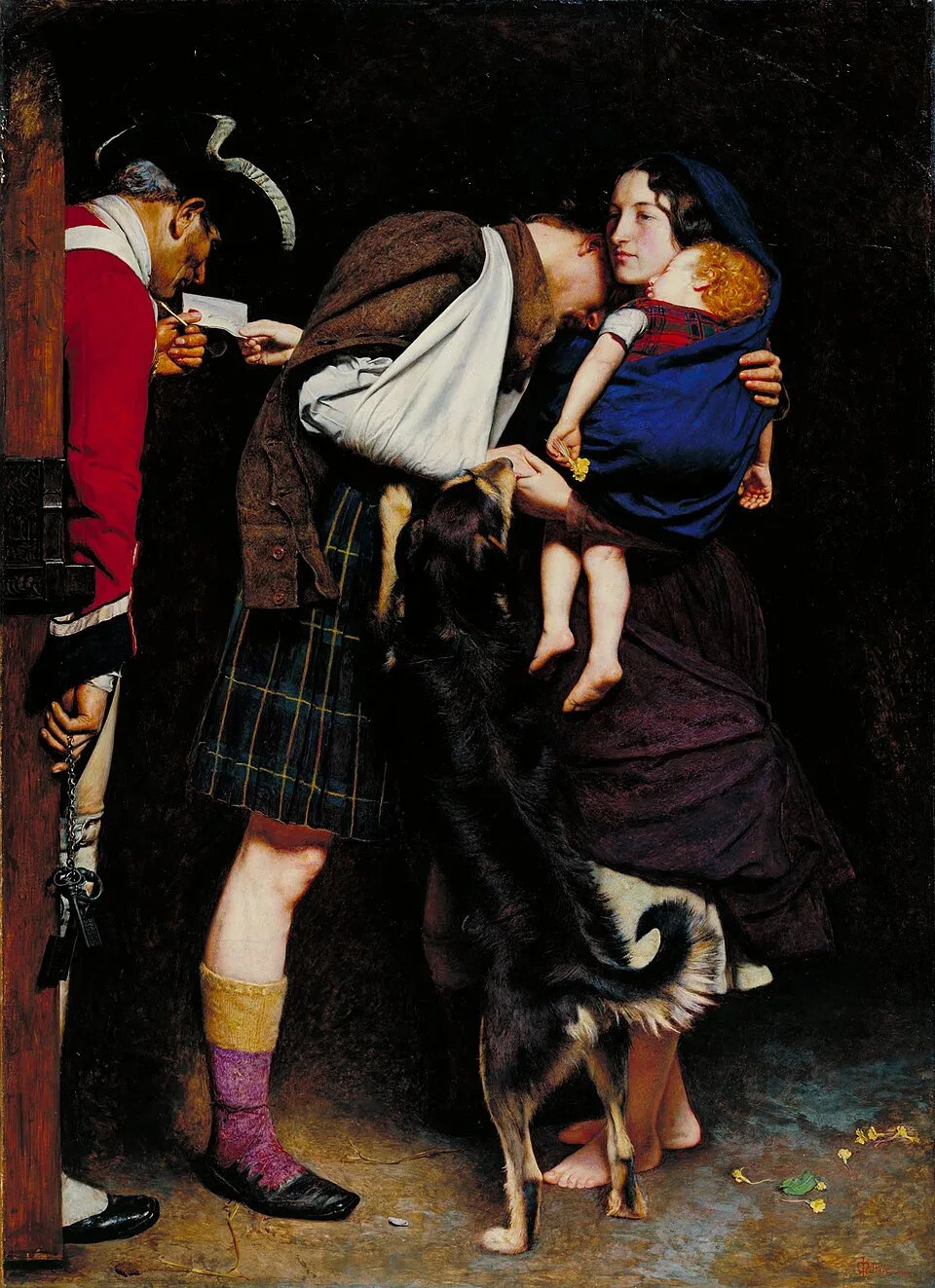
The Order of Release
Almost everyone in this picture is bowed. Except one. A man bends until his forehead rests against her cheek. He leans right into her. She stands straight, a child in her arms. John Everett Millais called this painting The Order of Release. A Highland soldier was locked away after the Jacobite rising. She has brought the order that frees him. Now look at the edge. A small white paper, held out. The order. One sheet that opens the door. The guard bends close to read it. His other hand hangs behind him, holding the keys on their chain. The soldier's arm is in a sling. He is wounded, and weak, and all he can do is fall on her neck and weep. She does not weep. Her eyes are red and heavy, but she has already done her crying. And she is not looking at him. She looks at the guard. Proudly. The woman is modelled on a real person, Effie Gray, who posed for the painter. Between them, a child sleeps in a blue shawl, a small yellow flower in one hand. A dog stands on its hind legs, its nose up to their clasped hands. Everything round them is dark. The light is strong, and it falls on their faces. So who is released here? He is. The paper in her hand says so. But everyone else bends. She stands firm, and this is her victory.
Listen in the appJohn Everett Millais · Public domain
05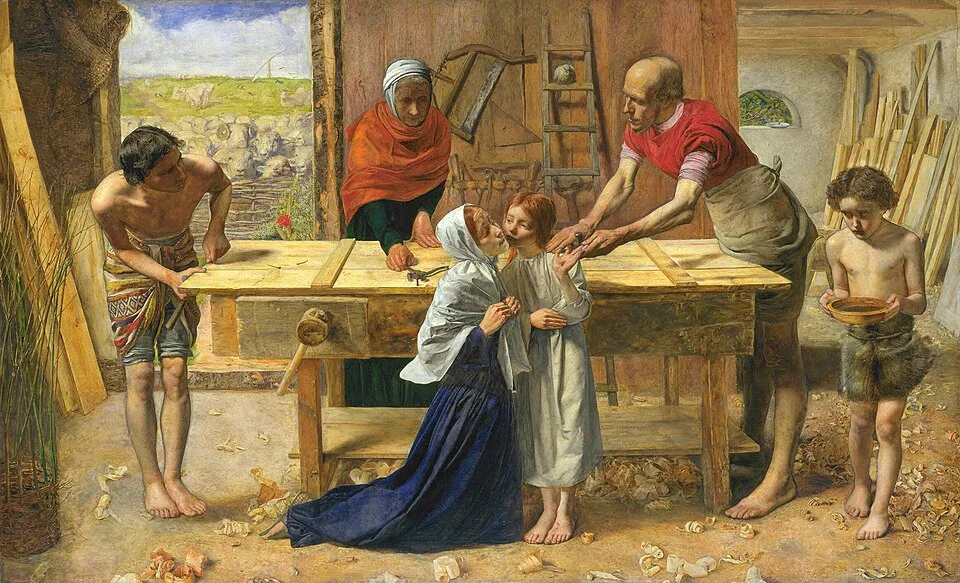
Christ in the House of His Parents
Nobody in this room is looking at you. Almost every eye in this room is on one small hand. It could be any family, in any workshop, on a bad afternoon. Millais called it Christ in the House of His Parents, and he painted it in 1849. The boy in the white gown has cut his hand on a nail. See the red mark on his palm? His mother kneels and offers him her cheek to kiss. No halo. No glow. Just a worried woman, her hands clasped tight. Behind the bench, his grandmother Anne has pulled the nail out with a pair of pincers. The pincers lie on the wood beside her hand. She watches the bench, quietly. Joseph leans across the bench, sleeves pushed up, and looks over the child's hand. Now go down, to the floor. Under the gown, bare feet. And on one foot, a drop of blood. This small accident points ahead to the cross. On the right, a smaller boy walks in with a bowl of water. He is John, the one who will baptise him. Water to wash a wound. And water for a baptism, years ahead. Up behind Joseph, a ladder leans on the wall. A dove sits on it. The ladder recalls Jacob's ladder, and the dove stands for the Holy Spirit. Through the open door, a flock of sheep. They stand for the Christian flock to come. Now look at the floor again. Curled wood shavings everywhere. Real dirt, in a real workshop. When it was first shown, the dirt on that floor caused an uproar. Critics also hated the way Jesus was shown. Even Queen Victoria asked to see it, in private. A holy child. A cut hand. A worried mother, leaning in close.
Listen in the appJohn Everett Millais · Public domain
06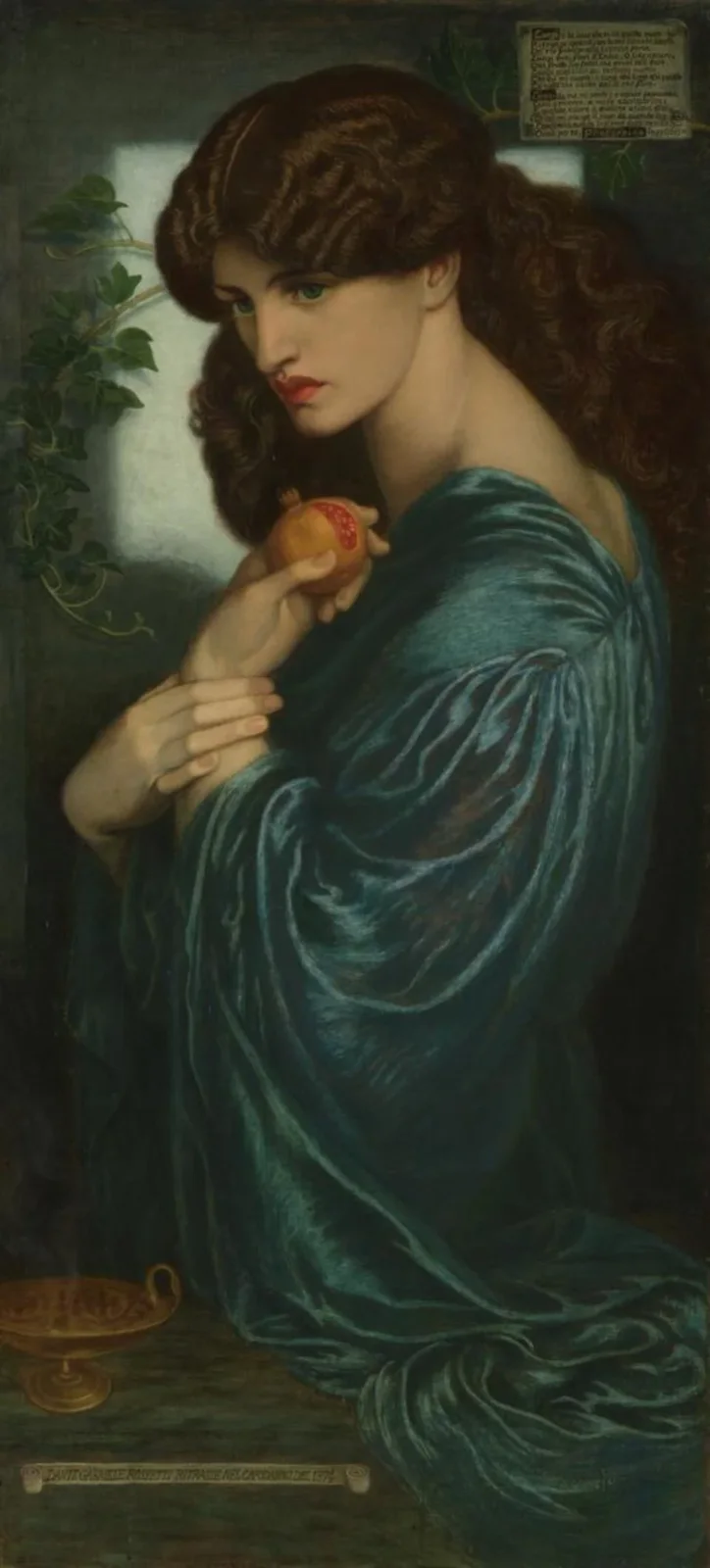
Proserpine
She does not look at you. She looks away, her face quiet and still. Heavy dark hair, a robe of blue-green cloth. It feels like a portrait of a beauty. Perhaps it is something sadder. Dante Gabriel Rossetti painted her as Proserpine in 1874. Start with what she holds. A pomegranate, cut open, pressed close to her chest. In the old story, she ate six of those seeds in the underworld. So she must spend six months of every year down there. Rossetti called it the fatal fruit. Now her face. Her eyes are a cold blue-green, and they slide away from you. Her lips are red, the same red as the seeds. Behind her, a pale patch of daylight lies on the wall. Through some opening, for one moment, the world above shows itself. She glances at it, lost in thought. Then it is gone. Rossetti wrote a sonnet for this painting, and it opens with light far away, there for one instant. It is inscribed in the corner, in Italian. Ivy climbs beside the light, and it may stand for clinging memory. A memory that will not let go. Her robe falls in heavy folds, in the same cold blue as most of the painting. In the corner, a gold burner for incense. It marks her as a goddess. She stands in a gloomy corridor of her palace. Her face is that of Jane Morris, the wife of Rossetti's fellow painter William Morris. Rossetti's love for her was obsessive. He painted this subject at least eight times. She does not look at you. Her thoughts are somewhere else.
Listen in the appDante Gabriel Rossetti · Public domain
07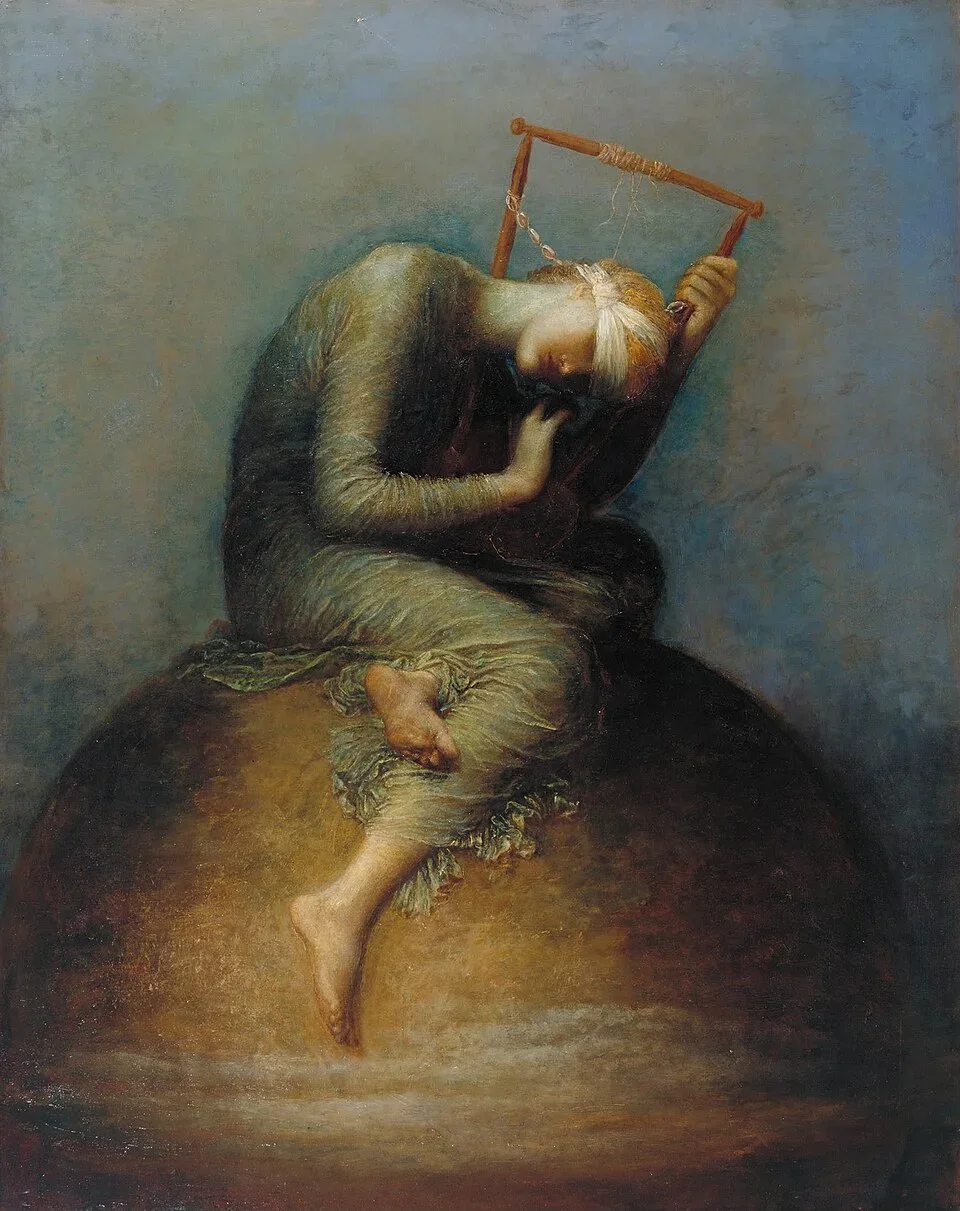
Hope
At first it looks like despair. A woman folded in on herself, head bowed, eyes covered, alone on a world with almost nothing around it. Then you notice what she is doing. Watts called her Hope. Not the Hope people expected. For centuries she was usually a young woman with a flower or an anchor. Watts gave her neither. Instead, a white cloth tied over her eyes. She cannot see. In late 1885, as he set out to imagine her, Watts wrote to a friend that he saw nothing but uncertainty. Now the lyre. Threads hang loose from the crossbar. Every string has gone but one. And her head is bowed low, right beneath the lyre. She is listening as hard as she can to the one small sound left. Her fingers close tight round the frame. She is holding on. Her other hand draws in against her body. Watts took the pose from a figure by Michelangelo, and meant it to look strained. Her feet are bare. One is tucked under her, the other dangles, toes pointing down. The world she sits on is small and imperfect, with wisps of cloud around it. Above her, almost nothing. Just blue, and one small star. And light falls on her from the front, as if it came from you. It looks like despair. But one string is left, and a woman leans in to hear it. That is hope.
Listen in the appGeorge Frederic Watts and workshop · Public domain
08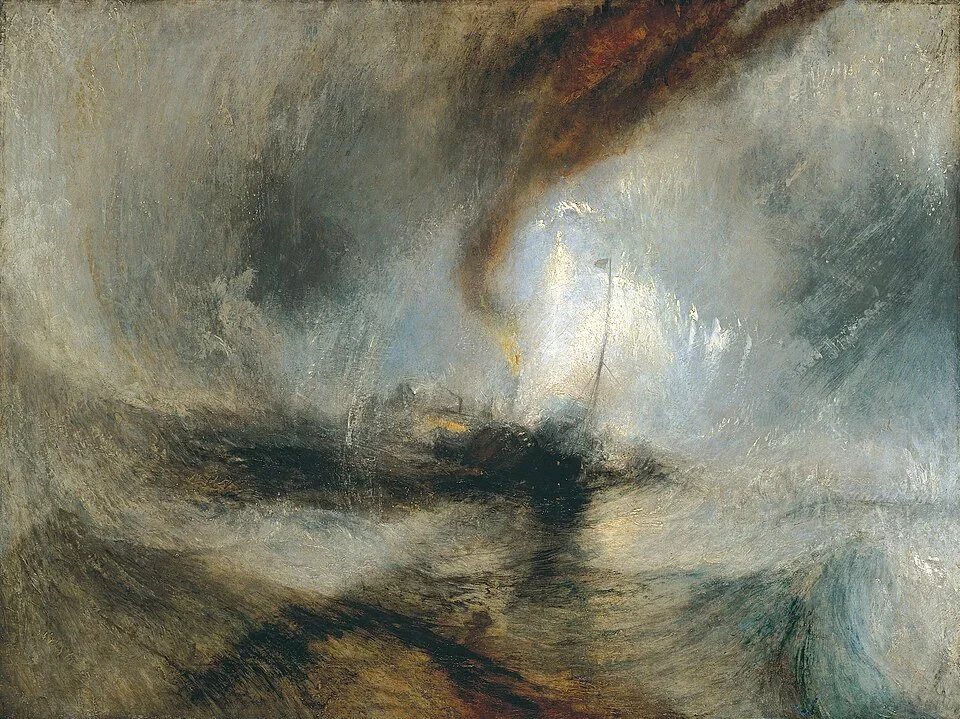
Snow Storm: Steam-Boat off a Harbour's Mouth
You came to see a ship. Where is it? There is only weather. A storm that seems to turn and turn, and pull your eye inward. Turner showed his Snow Storm, a steam-boat off a harbour's mouth, at the Royal Academy in 1842. Now find the boat. Low in the middle, a dark hull. A mast leaning over it. Hardly a shape at all. The title says it is a steam-boat. The paint barely shows it. Here the machine is small and lost, and the storm is stronger than any engine. Around the boat, a pale, silvery light. A thin mast rises into it, with a tiny dark flag. Still there. Still flying. Your eye clings to that light, because it is the brightest spot in the picture. Now follow the smoke. A brown and rust-red streak sweeps down from the top edge. That is the steamer's own smoke, and Turner lets it merge with the storm. Smoke and snow and wind twist into one great spinning funnel. The ship's breath becomes part of the storm that threatens it. Turner wanted to paint wind, which he called the greatest difficulty of a painter's art. Here you feel it. On the left, the grey whirl bends round and round, like a wheel turning. Move to the right. The paint is thick, and the strokes are forceful. Wind, spray and smoke swirl in those strokes, and the brush moves the way the storm moves. He broke the old rules. No straight-line perspective, and no smooth, hidden brushwork. Turner meant to show that even the machines of his day are helpless against nature. Turner kept this picture all his life. Now look for the ship again. Is it still there?
Listen in the appJ. M. W. Turner · Public domain
09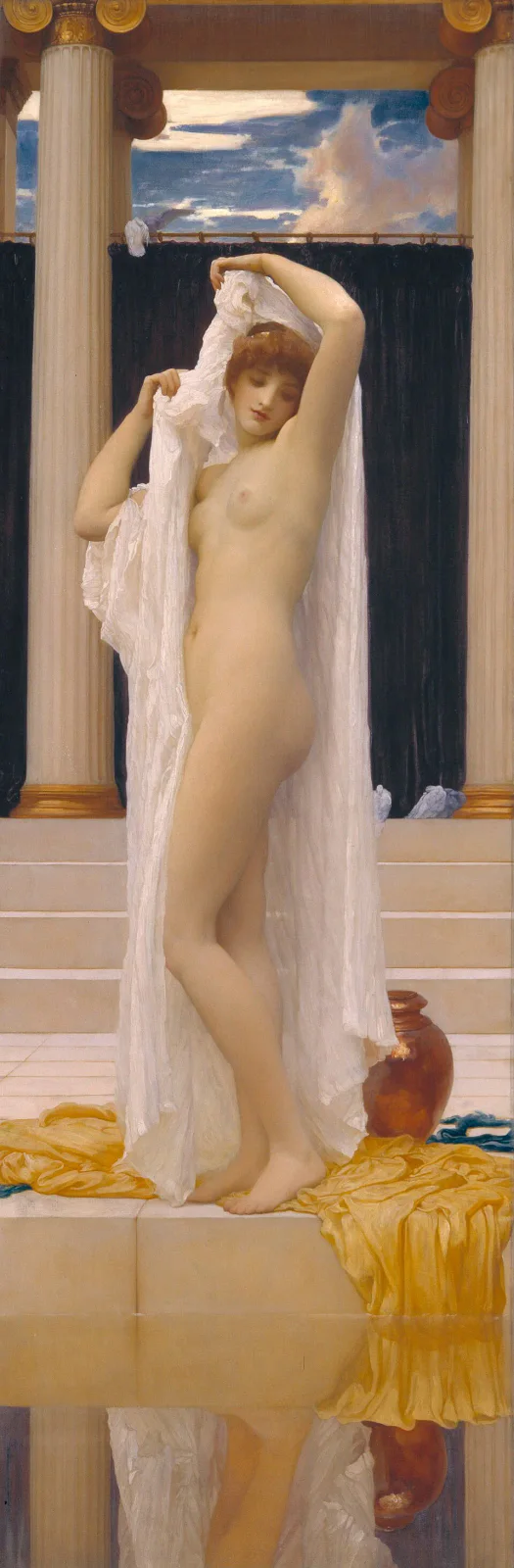
The Bath of Psyche
You step up to this picture, and it feels like walking into a room you should not be in. She has not noticed you. She seems alone. Frederic Leighton called her Psyche, and the picture The Bath of Psyche. Look at her face. Her eyes are lowered. Her lips are soft. She is looking down at herself, and nothing else exists for her. Both arms lift the white veil away from her body, one high over her head, one at her shoulder. She is undressing to bathe. That pose is old. It echoes a famous ancient statue of Venus. Down at her feet, bare toes at the very edge of the stone. She has not stepped into the water yet. Beside her, a copper jar and a heap of gold cloth. Behind her hangs a heavy dark curtain, and her white veil stands out against it. Above it, open sky, framed by pale columns. Those columns came later. Leighton added them to widen the space. The picture grew out of a joke at a dinner table. A friend wanted a very narrow panel for his wall. Leighton picked up a long, narrow dessert knife and asked what he was meant to paint on that. The first panel was tall and slim, and the painting grew from it. And why is she here, undressing? In the old story, a god of love visits Psyche every night, in the dark, and never shows who he is. Here she is, just before he arrives. Now look at the water below. It is perfectly still. It gives back the veil, the gold, the jar. A mirror, for a woman so absorbed in herself. She seems alone. The only one watching is you.
Listen in the appFrederic Leighton · Public domain
10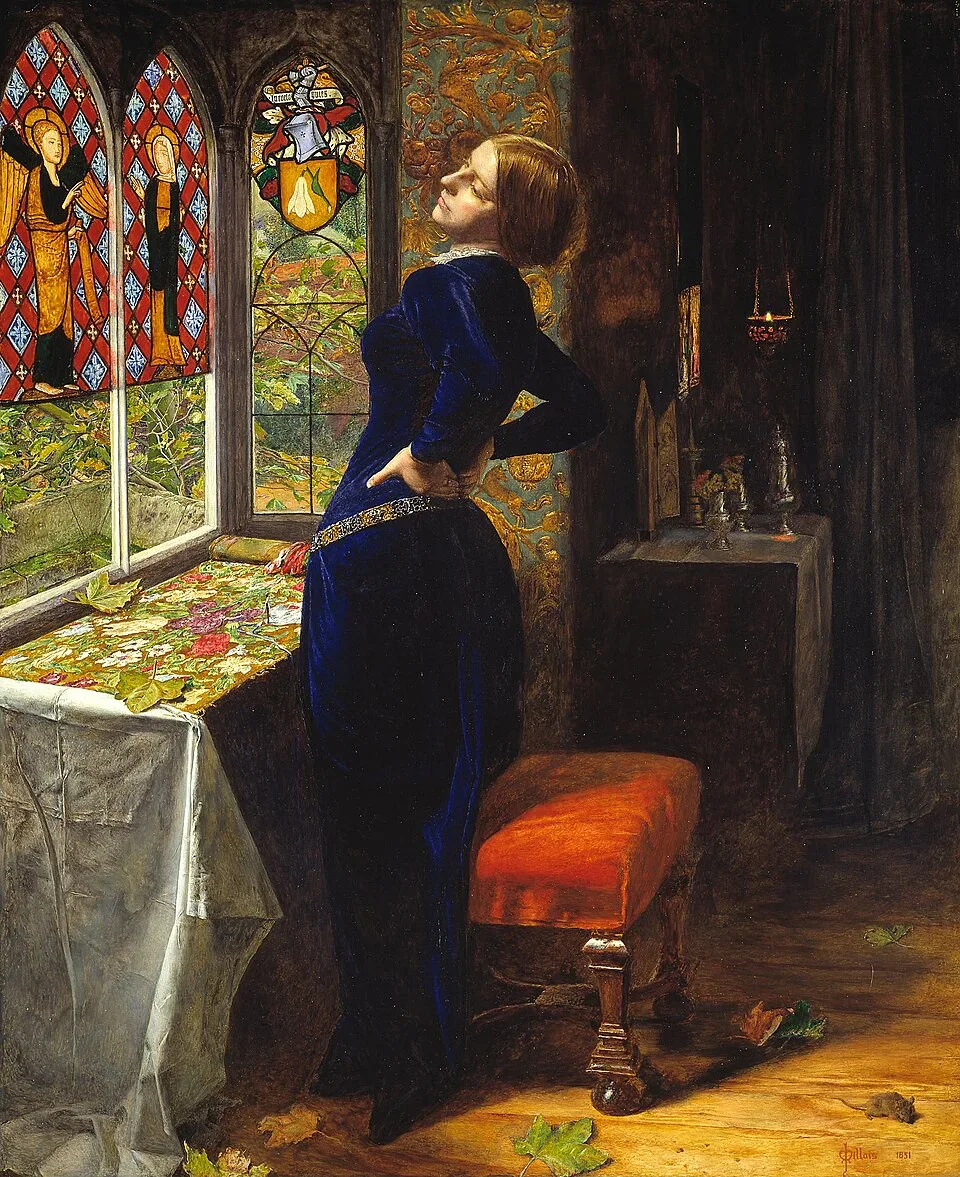
Mariana
Such a warm, rich room. Jewel colours and golden light fill it, and a woman in velvet stands at the centre. But watch what she is doing. One hand is pressed into the small of her back, and her head is thrown back. It looks like the stretch of someone who has been sitting far too long. Her name is Mariana, and Millais painted her in 1851. In Shakespeare's story, her fiancé turns her away when her dowry is lost in a shipwreck. She retreats to a moated house, and lives alone. Now go to the table by the window. Her embroidery is a meadow of flowers, and a blue thread still hangs from the needle. The rolled cloth beside it is the part she has finished. See how much there is. Fallen leaves lie scattered on the stitching. Autumn. Time passing, while she works. Her dress is blue velvet, painted with two different blues, Prussian blue and ultramarine. It is so deep that it nearly swallows the light. Now the window. In the coloured glass, an angel brings news to the Virgin Mary. Beside them, a shield with a snowdrop, an invented coat of arms. Its Latin motto says, In Heaven there is rest. Far back in the shadows, a small altar. A folded triptych, silver vessels, a lamp with one flame. Perhaps this is where she prays. Then down to the floor. A mouse. It comes straight from Tennyson's poem about her, where a mouse peers out from the walls. But in the poem she lives in a crumbling house, and Millais surrounds her with colour. It looks like beauty. It is waiting. She seems to have been sitting a very long time.
Listen in the appJohn Everett Millais · Public domain
- 11
King Cophetua and the Beggar Maid
Edward Burne-Jones · 1884
- 12
The Beloved
Dante Gabriel Rossetti · 1865–1866
- 13
Nocturne: Blue and Gold – Old Battersea Bridge
James McNeill Whistler · c. 1872–1875
- 14
Our English Coasts
William Holman Hunt · 1852
- 15
Salisbury Cathedral from the Meadows
John Constable · 1831–1834
- 16
Nocturne: Blue and Silver – Chelsea
James McNeill Whistler · 1871
- 17
Ecce Ancilla Domini
Dante Gabriel Rossetti · 1850
- 18
Beata Beatrix
Dante Gabriel Rossetti · 1872
- 19
The Lament for Icarus
Herbert James Draper · 1898
- 20
April Love
Arthur Hughes · 1855–1856
- 21
The Awakening Conscience
William Holman Hunt · 1853
- 22
Paolo and Francesca da Rimini
Dante Gabriel Rossetti · 1855
- 23
The Magic Circle
John William Waterhouse · 1886
- 24
The Death of Chatterton
Henry Wallis · 1856
- 25
The North-West Passage
John Everett Millais · 1874
- 26
Wertheimer portraits
John Singer Sargent · 1898–1908
- 27
Snow Storm: Hannibal and his Army Crossing the Alps
J. M. W. Turner · 1812
- 28
Regulus
J. M. W. Turner · 1828–1837
- 29
The Doctor
Luke Fildes · 1891
- 30
Youth on the Prow, and Pleasure at the Helm
William Etty · 1830–1832
- 31
Britomart Redeems Faire Amoret
William Etty · 1833
- 32
Sunrise with Sea Monsters
J. M. W. Turner · c. 1845
- 33
Titania and Bottom
Henry Fuseli · c. 1790
- 34
Monna Vanna
Dante Gabriel Rossetti · 1866
- 35
Claudio and Isabella
William Holman Hunt · 1850
- 36
Love Locked Out
Anna Lea Merritt · 1890
- 37
The Little Peasant
Amedeo Modigliani · 1918–1919
- 38
The Minotaur
George Frederic Watts · 1885
- 39
Rome, from the Vatican. Raffaelle, Accompanied by La Fornarina, Preparing his Pictures for the Decoration of the Loggia
J. M. W. Turner · 1820
- 40
Norham Castle, Sunrise
J. M. W. Turner · c. 1845–1850
- 41
Before and After
William Hogarth · 1730–1731
- 42
Peace – Burial at Sea
J. M. W. Turner · 1842
- 43
Ancient Rome; Agrippina Landing with the Ashes of Germanicus
J. M. W. Turner · 1839
- 44
Flatford Mill
John Constable · 1816
- 45
The end of the world
John Martin · 1851–1853
- 46
Hearts are Trumps
John Everett Millais · 1872
- 47
The Golden Stairs
Edward Burne-Jones · 1876–1880
- 48
Chichester Canal
J. M. W. Turner · 1828
- 49
The Ghost of a Flea
William Blake · 1819–1820
- 50
Merry-Go-Round
Mark Gertler · 1916
- 51
War. The Exile and the Rock Limpet
J. M. W. Turner · 1842
- 52
Mammon
George Frederic Watts · 1885
- 53
Totes Meer (Dead Sea)
Paul Nash · 1941
- 54
Sappho and Erinna in a Garden at Mytilene
Simeon Solomon · 1864
- 55
Percival Delivering Belisane from the Enchantment of Urma
Henry Fuseli · 1783
- 56
Disaster at Sea
J. M. W. Turner · c. 1835
- 57
The Sun of Venice Going to Sea
J. M. W. Turner · 1843
- 58
The Battle of Camperdown
Philip James de Loutherbourg · 1799
- 59
The Battle of the Nile
Philip James de Loutherbourg · 1800
- 60
London: the Old Horse Guards from St James's Park
Giovanni Antonio Canal · 1749
- 61
Portrait of Sir William Killigrew
Anthony van Dyck · 1638
- 62
Portrait of Mary Hill, Lady Killigrew
Anthony van Dyck · 1638
- 63
The Opening of the Modern Foreign and Sargent Galleries at the Tate Gallery, 26 June 1926
John Lavery · 1929
- 64
Frosty morning
J. M. W. Turner · 1813
- 65
An Athlete Wrestling with a Python
Frederic Leighton · 1877
- 66
The Expedition in Pursuit of Rare Meats
Rex Whistler · 1926–1927
- 67
The Grand Attack on Valenciennes
Philip James de Loutherbourg · 1794
- 68
The Last Voyage of Henry Hudson
John Collier · 1881
- 69
Mrs James Wyatt Jr and her Daughter Sarah
John Everett Millais · 1850–1853
- 70
England: Richmond Hill, on the Prince Regent's Birthday
J. M. W. Turner · 1819
- 71
Forum Romanum, for Mr Soane's Museum
J. M. W. Turner · 1826
- 72
Zonnebeke
William Orpen · 1918
- 73
La Mitrailleuse
C. R. W. Nevinson · 1915
- 74
All Hands to the Pumps
Henry Scott Tuke · 1888–1889
- 75
Harmony in Grey and Green: Miss Cicely Alexander
James McNeill Whistler · 1872–1874
- 76
A School
John Opie · 1784
- 77
King Lear Weeping over the Dead Body of Cordelia
James Barry · c. 1788
- 78
Gordale Scar
James Ward · 1811–1814
- 79
The Shipwreck
J. M. W. Turner · 1805
- 80
Fishing upon the Blythe-Sand, Tide Setting In
J. M. W. Turner · 1809
- 81
View of Richmond Hill and Bridge
J. M. W. Turner · 1808
- 82
The Dogano, San Giorgio, Citella, from the Steps of the Europa
J. M. W. Turner · 1842
- 83
Venice, the Bridge of Sighs
J. M. W. Turner · 1840
- 84
The Meeting of Dido and Aeneas
Nathaniel Dance-Holland · 1766
- 85
Llyn-y-Cau, Cader Idris
Richard Wilson · 1774
- 86
Endymion Porter Around
William Dobson · 1642–1645
- 87
The Coronation of Queen Victoria
John Martin · 1839
- 88
The Reading Girl
Théodore Roussel · 1886
- 89
Crossing the Brook
J. M. W. Turner · 1815
- 90
The Chain Pier, Brighton
John Constable · 1827
- 91
Cupid and Psyche
Alphonse Legros · 1867
- 92
Pylades and Orestes Brought as Victims before Iphigenia
Benjamin West · 1766
- 93
An Avalanche in the Alps
Philip James de Loutherbourg · 1803
- 94
An Iron Forge
Joseph Wright of Derby · 1772
- 95
Portrait of Master Crewe as Henry VIII
Joshua Reynolds · 1775
- 96
The Yeoman of the Guard
John Everett Millais · 1876
- 97
Morning amongst the Coniston Fells, Cumberland
J. M. W. Turner · c. 1798
- 98
London from Greenwich Park
J. M. W. Turner · 1809
- 99
Cliveden on Thames
J. M. W. Turner · c. 1807
- 100
The Bay of Baiae, with Apollo and the Sibyl
J. M. W. Turner · 1823
- 101
Caligula's Palace and Bridge
J. M. W. Turner · 1831
- 102
Thoughts of the Past
John Roddam Spencer Stanhope · 1859
- 103
The Two Crowns
Frank Bernard Dicksee · 1900
- 104
Beatrix Knighting Esmond
Augustus Egg · 1857
- 105
The Sempstress
Richard Redgrave · 1844–1846
- 106
The Last Day in the Old Home
Robert Braithwaite Martineau · 1862
- 107
Pandora
Harry Bates · 1890
- 108
The Arrival
C. R. W. Nevinson · 1913
- 109
Phryne Going to the Public Baths as Venus: Demosthenes Taunted by Aeschines
J. M. W. Turner · 1838
- 110
Pegwell Bay, Kent – a Recollection of October 5th 1858
William Dyce · 1860
- 111
The Gate of Calais
William Hogarth · 1748
- 112
The Child’s Problem
Richard Dadd · 1857
- 113
Nameless and Friendless. “The rich man’s wealth is his strong city, etc.” - Proverbs, x, 15
Emily Mary Osborn · 1857
- 114
Fazio's Mistress
Dante Gabriel Rossetti · 1863
- 115
Sancta Lilias
Dante Gabriel Rossetti · 1873–1874
- 116
The Damsel of Sanct Grael
Dante Gabriel Rossetti · 1857
- 117
La Belle Iseult
William Morris · 1858
- 118
The Cholmondeley Ladies
Unknown Artist · 1600
- 119
Dantis Amor
Dante Gabriel Rossetti · 1860
- 120
The Scarlet Sunset
J. M. W. Turner · 1830–1840
- 121
Woman in Yellow
Dante Gabriel Rossetti · 1863
- 122
Portrait
James Tissot · 1876
- 123
George Stubbs - Mambrino c. 1790
George Stubbs · 1793
- 124
Lucrezia Borgia
Dante Gabriel Rossetti · 1860–1861
- 125
The Body of Abel Found by Adam and Eve
William Blake · c. 1826
- 126
Elohim creating Adam
William Blake · 1795
- 127
Satan Smiting Job with Sore Boils
William Blake · 1826
- 128
Shade and Darkness
J. M. W. Turner · 1843
- 129
Monna Pomona
Dante Gabriel Rossetti · 1864
- 130
Beatrice Addressing Dante from the Car
William Blake · 1824–1827
- 131
The Wife of William St Quintin
Thomas Gainsborough · 1767–1768
- 132
Mary Rogers, Lady Harington
Marcus Gheeraerts the Younger · 1592
- 133
The Lady of Shalott
John William Waterhouse · 1888
Tate Britain
Frequently asked questions
How much does the guide cost?
Free app download. Free until 1 January. Listed guide price: $1.99. Audio guide only. Venue admission is separate.
Can I listen without internet?
Yes. Download the guide’s audio, images, and maps in the app before your visit. Your downloaded content is then available offline.
Can I listen in my language?
In English for now. More languages soon.
Do I need to follow a schedule?
No. This is a self-guided experience. Choose your stops, pause whenever you like, and return to a story at your own pace.
Which artworks are in the Tate Britain audio guide?
133 artworks, including Ophelia (John Everett Millais), Carnation, Lily, Lily and Rose (John Singer Sargent), The Vale of Rest (John Everett Millais), The Order of Release (John Everett Millais), Christ in the House of His Parents (John Everett Millais), Proserpine (Dante Gabriel Rossetti), Hope (George Frederic Watts), and Snow Storm: Steam-Boat off a Harbour's Mouth (J. M. W. Turner). The full list is on this page.
Is this the museum’s official audio guide?
No. Stanza is an independent audio guide app and is not affiliated with Tate Britain. Museum admission is separate.
At your own pace
Explore Tate Britain.
Download Stanza, then search for “Tate Britain”.
Free app download · Guide price shown in the app
Keep exploring
Nearby audio guides
London · 1 km
Westminster Abbey
Content & sources
Σπάρτακος · CC BY-SA 3.0
London · 1 km
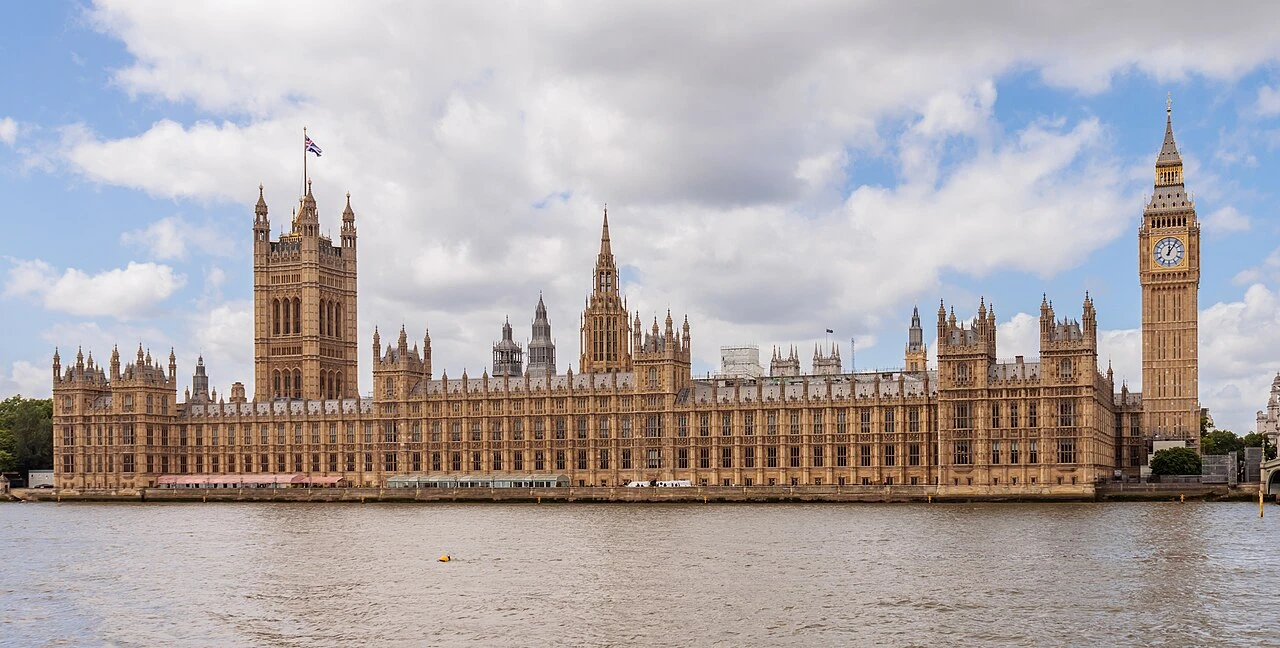
Palace of Westminster
Content & sources
Terry Ott from Washington, DC Metro Area, United States of America · CC BY 2.0
London · 1 km
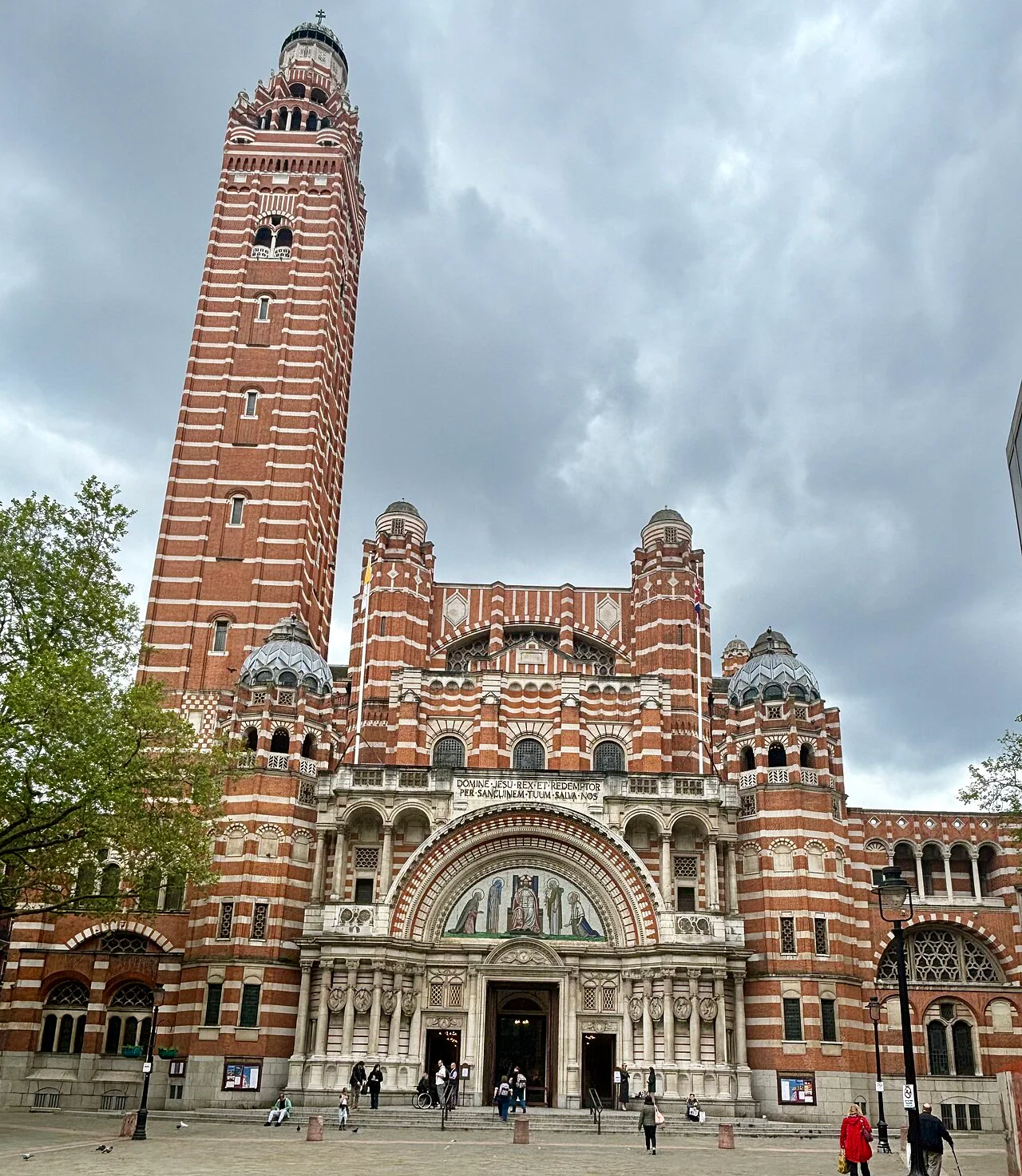
Westminster Cathedral
Content & sources
Frank Kovalchek · CC BY 2.0
London · 1 km
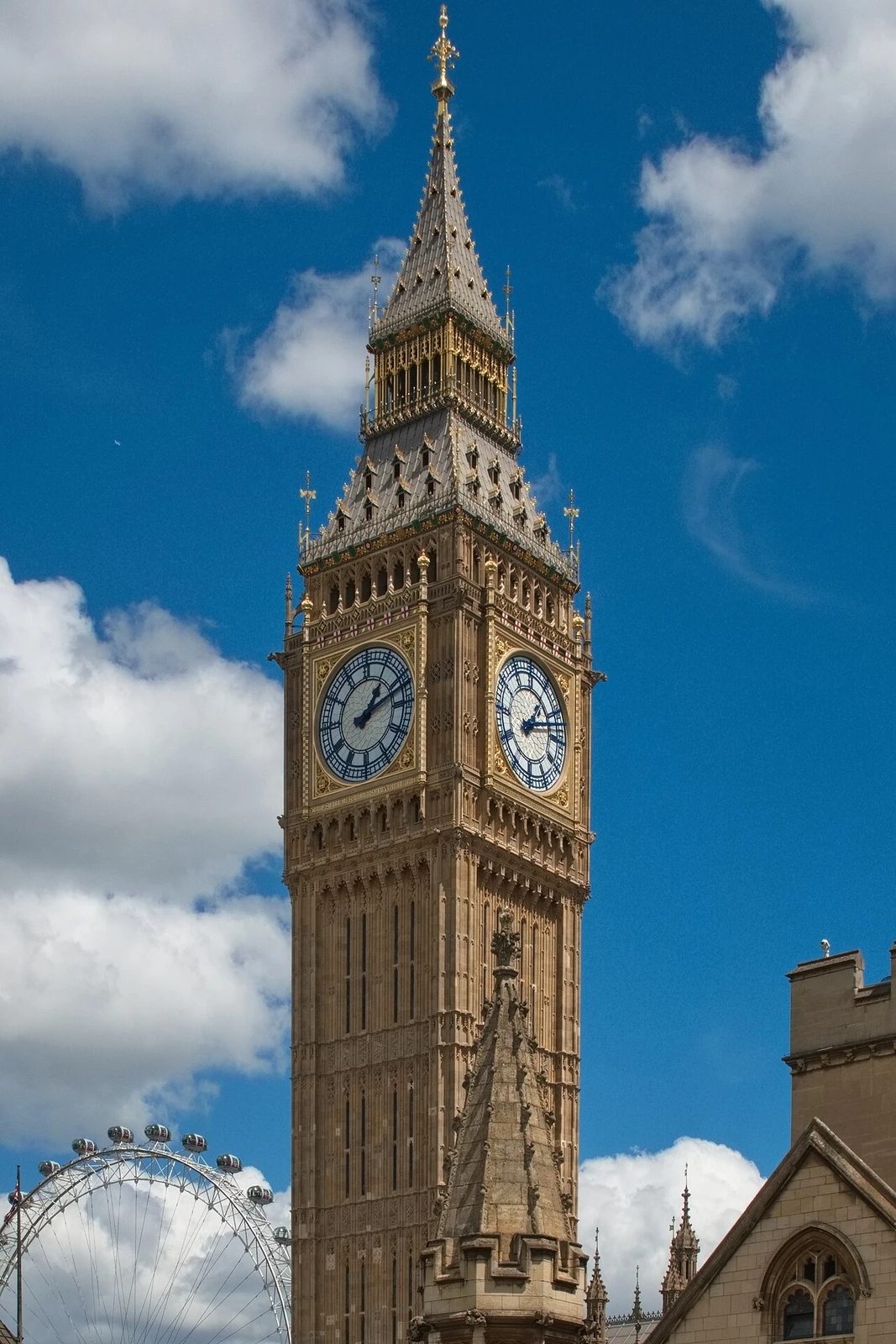
Big Ben
Content & sources
Dave Bezaire · CC BY-SA 2.0
Art museums
More art museum audio guides
London · 171 artworks
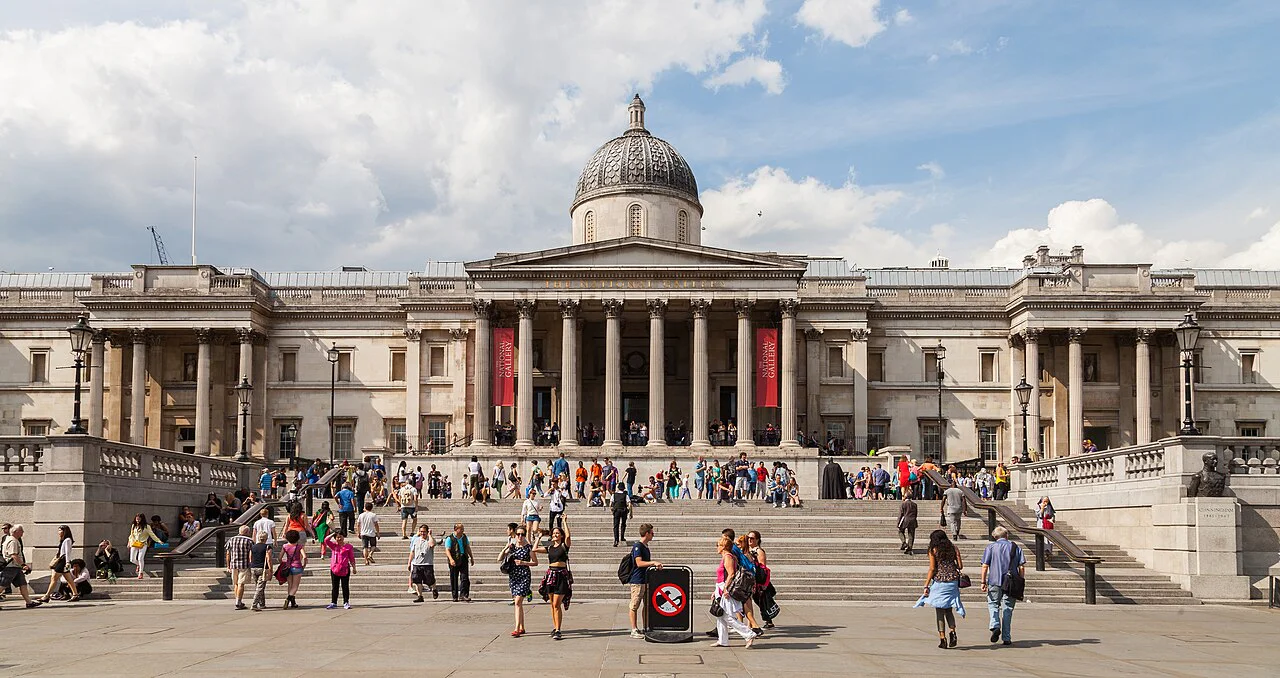
National Gallery, London
Content & sources
Diego Delso · CC BY-SA 4.0
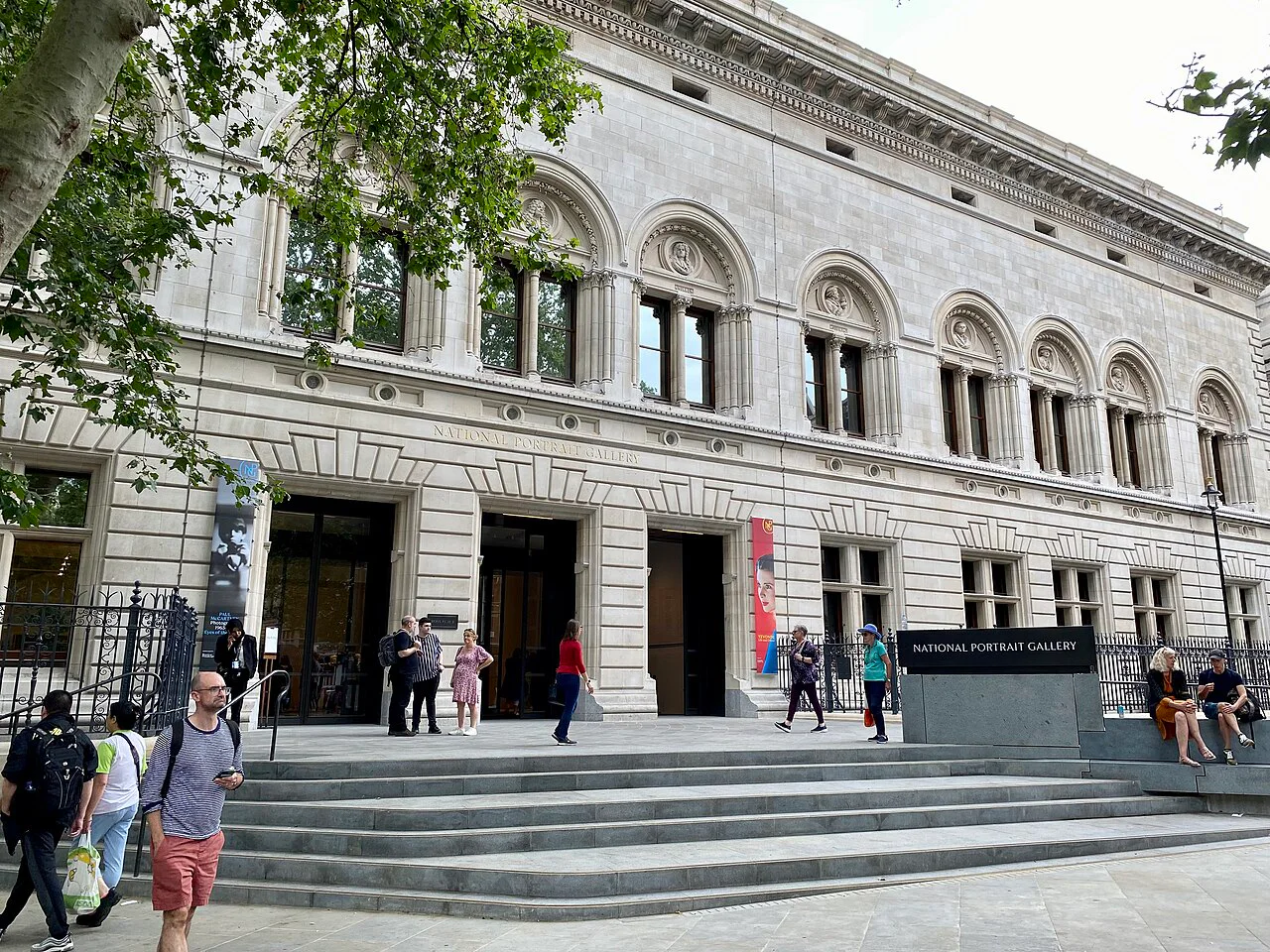
London · 164 artworks
National Portrait Gallery, London
Content & sources
Photo: No Swan So Fine · CC BY-SA 4.0
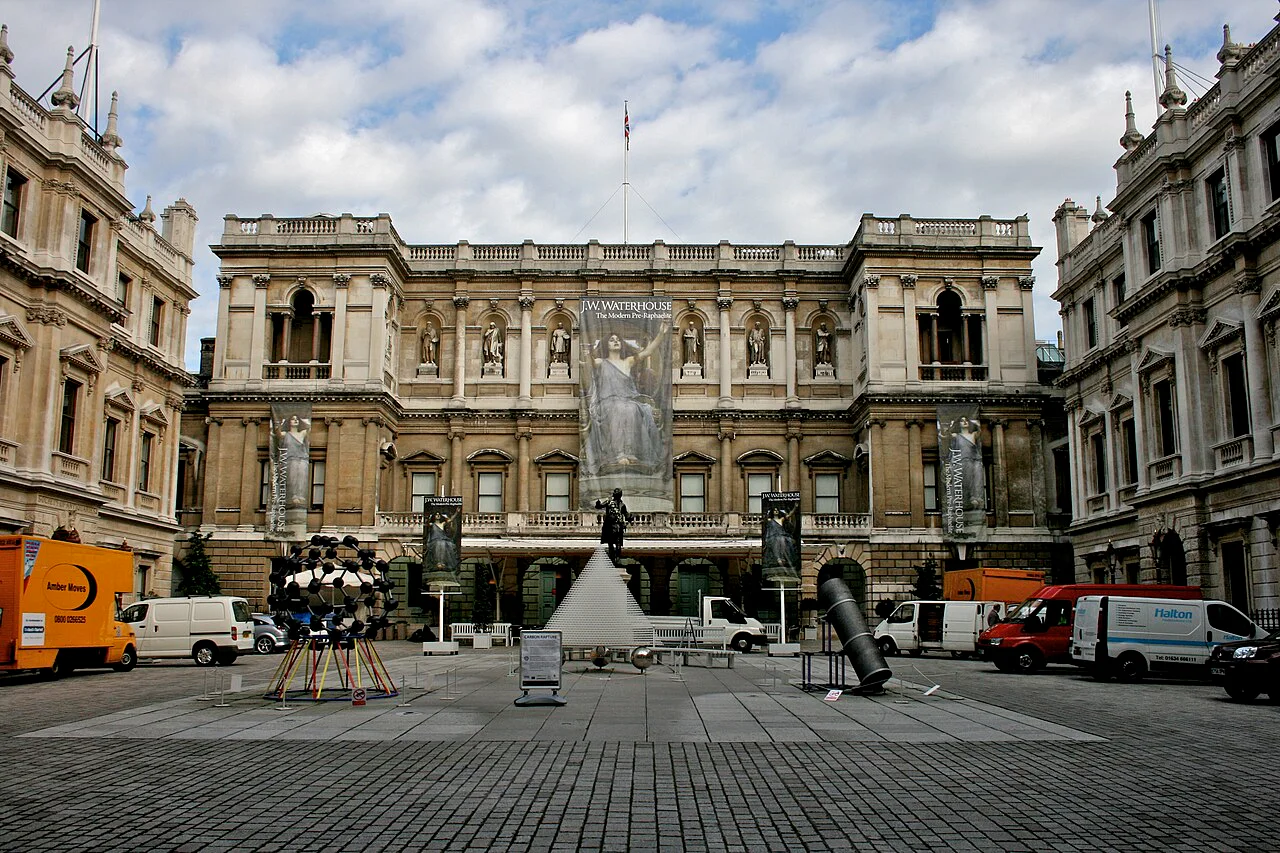
London · 50 artworks
Royal Academy of Arts
Content & sources
Photograph by Mike Peel (www.mikepeel.net). · CC BY-SA 4.0
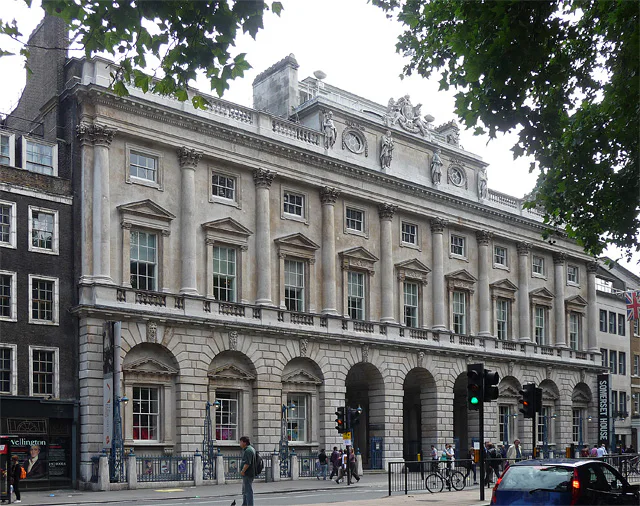
London · 33 artworks
Courtauld Gallery
Content & sources
Stephen Richards · CC BY-SA 2.0
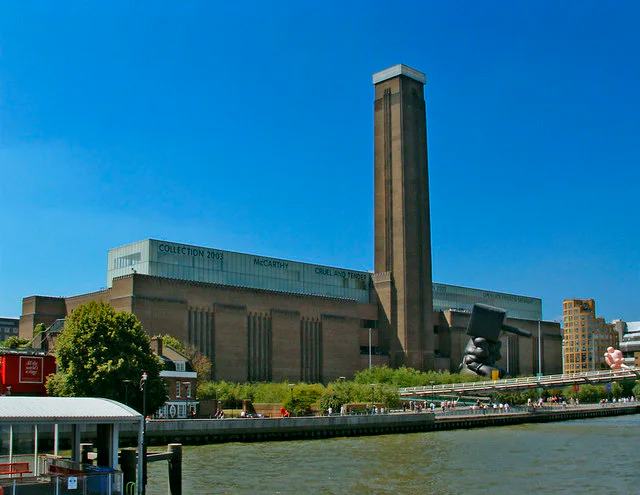
London Borough of Southwark · 15 artworks
Tate Modern
Content & sources
Christine Matthews · CC BY-SA 2.0
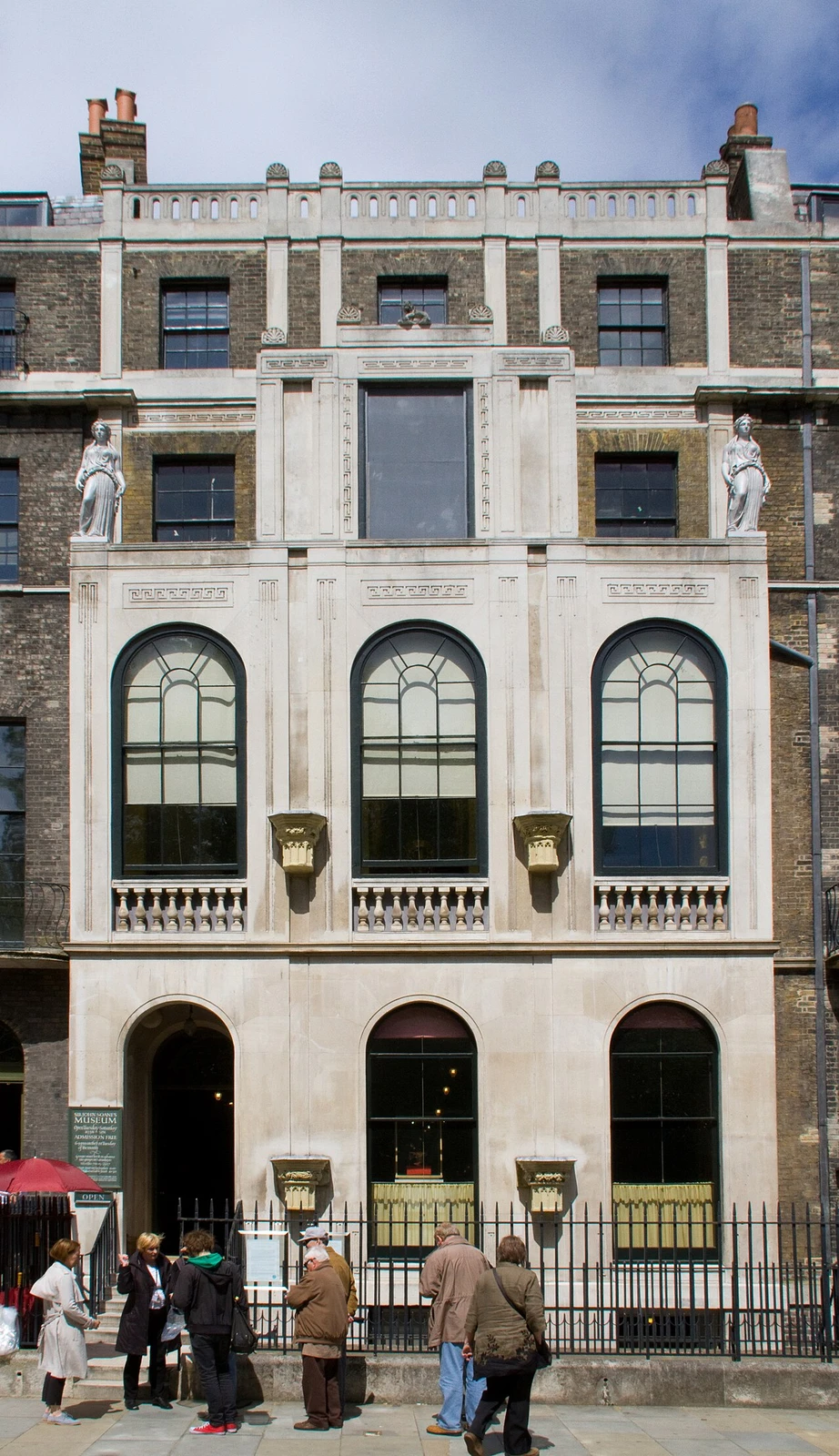
London · 8 artworks
Sir John Soane's Museum
Content & sources
Tony Hisgett from Birmingham, UK · CC BY 2.0