 Stanza / Audio guide
Content & sources
Stanza · Audio guide
Tate Modern Audio Guide
A place to remember. A story to take with you.
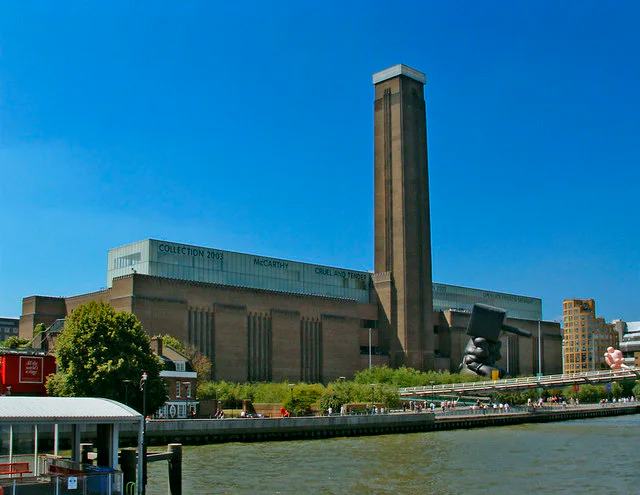
Tate Modern is an art gallery in London that houses the United Kingdom's national collection of international modern and contemporary art. It is located in the former Bankside Power Station in the Bankside…
Download Stanza, then search for “Tate Modern”.
About the tour
One guide. Your kind of visit.
Tate Modern is an art gallery in London that houses the United Kingdom's national collection of international modern and contemporary art. It is located in the former Bankside Power Station in the Bankside area.
The Tate Modern guide tells the stories of 15 artworks, including Artist's Shit (Piero Manzoni), Whaam! (Roy Lichtenstein), The Snail (Henri Matisse), Secret Painting (Art & Language, Mel Ramsden), Portrait of Jacques Nayral (Albert Gleizes), André Derain (Henri Matisse), Index: Incident in a Museum (Art & Language) (Art & Language), and Swinging (Wassily Kandinsky). Every artwork is free to hear in the Stanza app until 1 January.
Ready when you are.
- 01Get the free Stanza app.
iOS & Android
- 02Find your guide.
“Tate Modern”
- 03Download before you go.
Works offline
Audio guide / 15 artworks
Inside the guide
Get to know a few of the stories before you go. Open a stop to read more.
01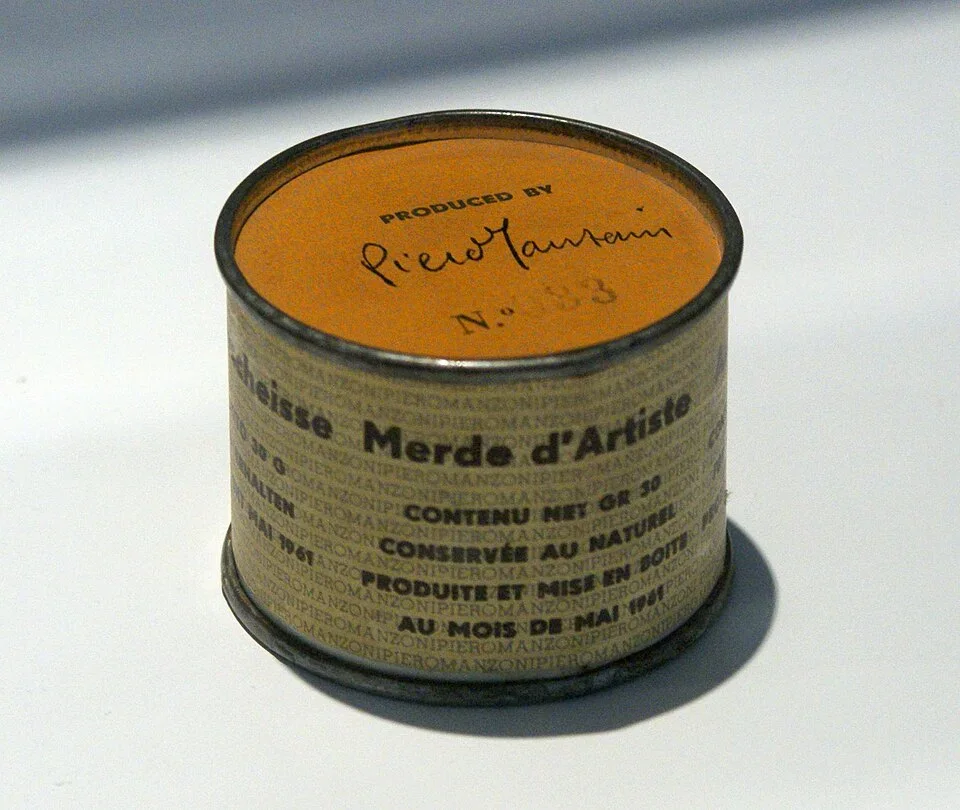
Artist's Shit
For a moment in the mid-nineties, one of these tins leaked. It was on display in Randers, Denmark, in 1994. Its collector said the museum stored it too hot and sued. The museum paid two hundred and fifty thousand Danish kroner in settlement. That can was one of ninety. Piero Manzoni made them in 1961. The label is printed in four languages. It reads Artist's Shit, contents thirty grams net, freshly preserved, produced and tinned in May 1961. He priced them at their weight in gold, about thirty-seven dollars each then, with the price following the market. In a letter that December, he wrote that collectors who wanted something truly personal to the artist could have the artist's own shit. A friend of his called the tins a mocking attack on the art world. One of the tins sold in Milan in 2016 for two hundred and seventy-five thousand euros. A former friend said they hold plaster, not waste. They are steel, so no scan can tell what is inside. Opening one would destroy its value. No one can know for certain what those tins contain. On the lid he put his signature and a number.
Listen in the appJens Cederskjold · CC BY 3.0
02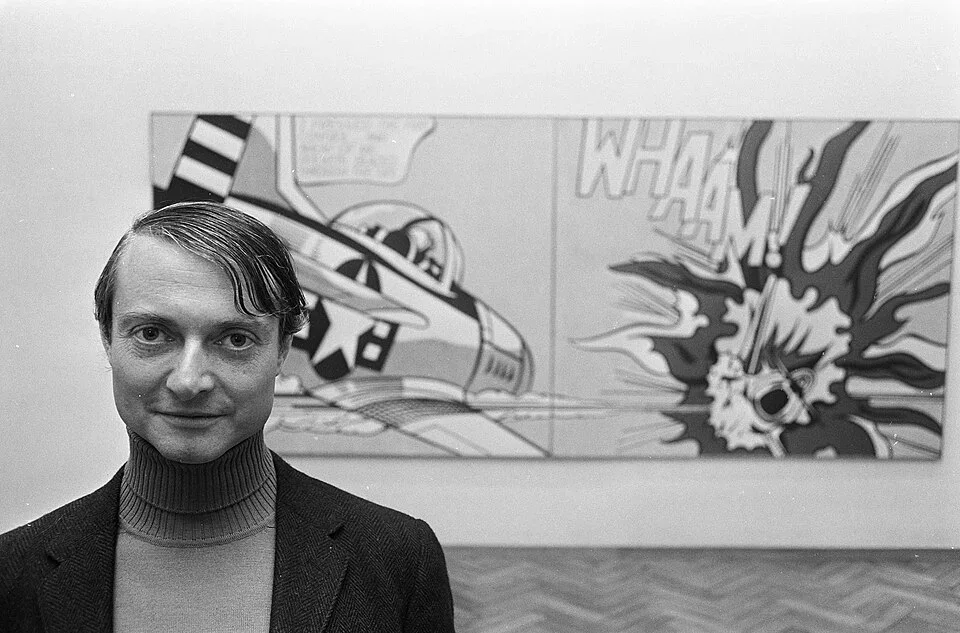
Whaam!
A rocket leaves the fighter plane on the left. It crosses to the other panel and strikes a second plane. That plane bursts into flames. The two panels hold a single unbroken moment, the firing and the hit. In the right panel, the word Whaam spells out the sound of the impact. The scene began as a dream. In a war comic from 1962, a pilot called Johnny Flying Cloud, the Navajo ace, dreams of flying a jet. He shoots down other jets. Lichtenstein lifted that small panel and made it enormous, as big as the canvases the abstract painters were making then. Comics were looked down on then, dismissed as cheap reading, and that was part of the draw. He was taken by the strong feeling in those pictures, and by the cool, detached way they handled love and hate and war. He kept his own distance from fighting. In the war he drilled against aircraft. He was sent for pilot training, but the program was canceled, so he served in noncombat jobs. He later said the comic heroes were fascist types he did not take seriously, and that there might be a political point in that. Where the two planes came from is still not fully known.
Listen in the appEric Koch for Anefo · CC0
03
The Snail
Matisse was after the movement of a snail, the way its spiral opens out. Here the colored pieces form a spiral, squares and rectangles of intense color across a pale, almost white center. Each color is placed beside its opposite. His health was failing, with arthritis, and a serious operation in 1941 left him much weaker. By 1950 he had stopped painting. Cutting colored paper was something he could do sitting in bed. In his studio in Nice he pinned the pieces straight onto the wall and moved them around. He fixed them down only when the whole arrangement felt right. His daughter said that around this time he drew snails over and over. He was watching a real animal, then taking away everything except the spiral. What was left was that opening movement, the snail filtered into color and rhythm. He gave the work a second name too, La Composition Chromatique, the color composition. In 1978 the edges of the colored pieces were lifted, and the colors underneath matched the ones that had been out in the light.
Listen in the appHenri Matisse · Public domain
04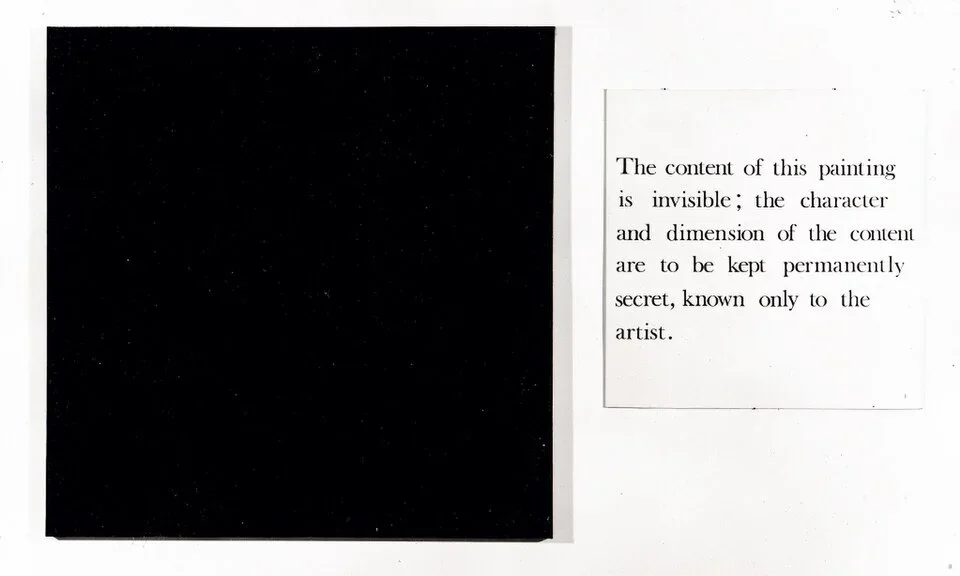
Secret Painting
A painting in one colour, and beside it a panel of text. The text says the content of the painting is invisible. Its subject, even its size, must stay secret forever, and only the artist knows what it is. So the colour gives you nothing to read, and the words carry the whole work. You are left wondering which of the two is really the artwork. And the artist is playing a game with you over a content that could be revealed but never is. That is what sets it apart from the usual painting in a single colour. Take the words away and only the colour is left. Ramsden made the whole series as an answer to the paintings of Ad Reinhardt.
Listen in the appArt & Language · CC BY-SA 4.0
05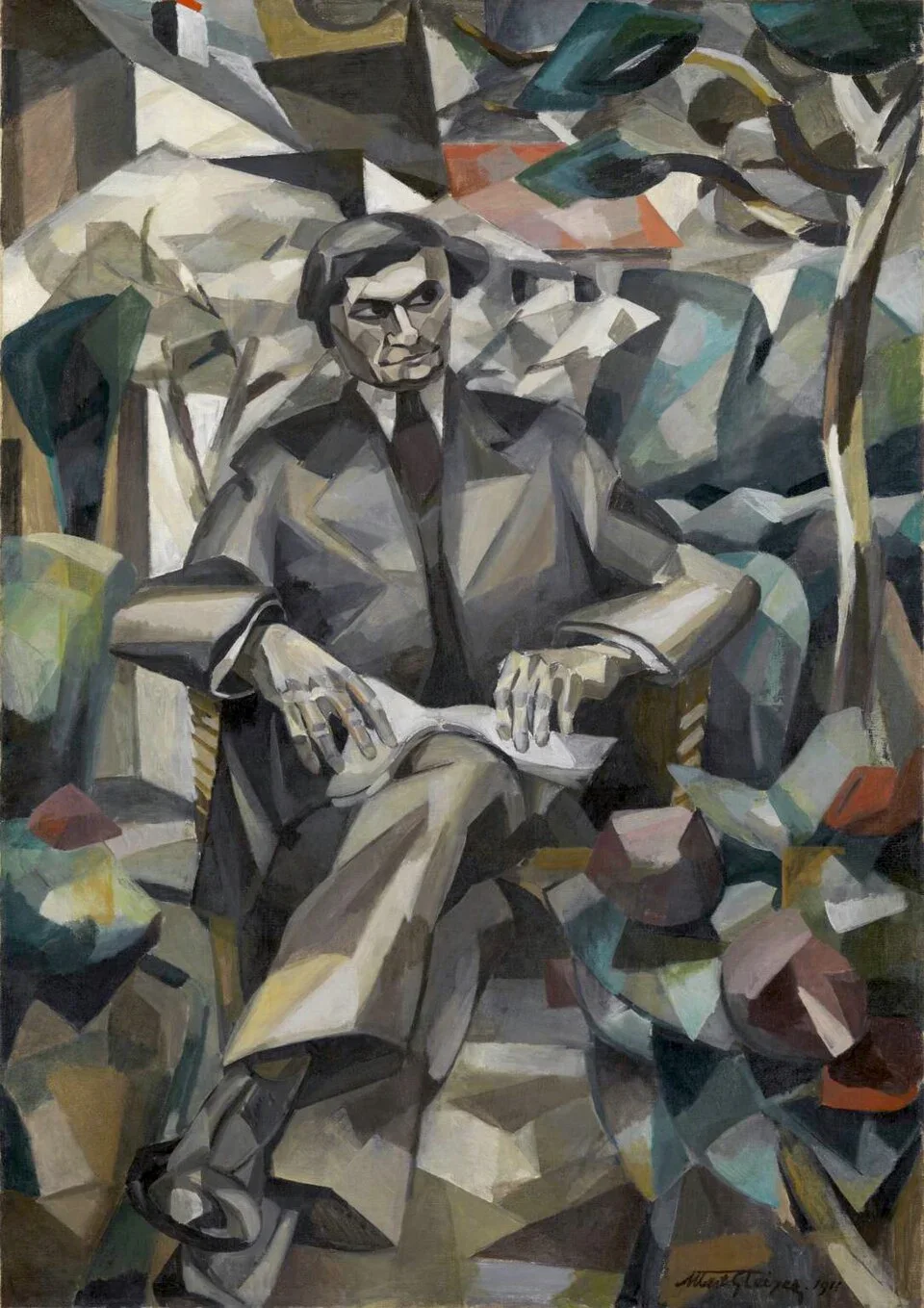
Portrait of Jacques Nayral
His face is built from the same solid, faceted shapes as the houses and trees behind him. He is a young man seen from several angles at once. The poet Jacques Nayral asked his friend to paint him. The two men shared a passion for the ideas of Henri Bergson, for whom experience happens all at once. That is why the garden seems to run right through him. Albert Gleizes worked from memory, over several months, and was glad of this face, whose solid, architectural quality suited the shapes he wanted. When the picture was shown in Paris, a magazine mocked it with a headline asking what the cubes were saying. Works like this stirred public anger against Cubism. The painting is huge, the size of the grand pictures at the official exhibitions. It borrows their scale only to break their rules.
Listen in the appAlbert Gleizes · Public domain
06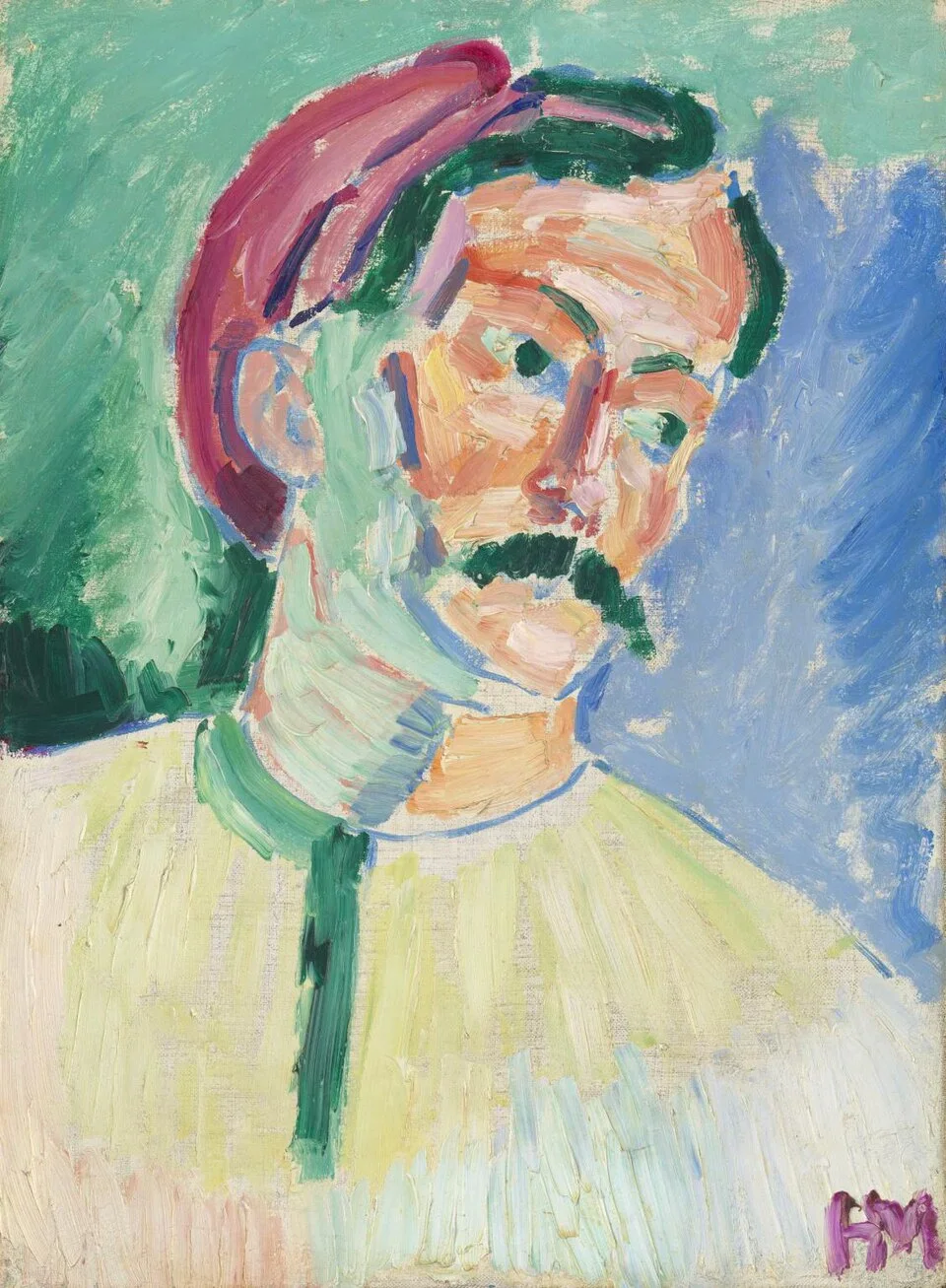
André Derain
There is almost no shadow on this face. Matisse built it from strong, pure colours, and he meant it that way. Colour, for him here, was a way of expressing something on its own, not just describing light. He painted it in Collioure, a small Mediterranean port in the south of France, in the summer of 1905. André Derain was there too, a younger friend Matisse had met in 1899 in Eugène Carrière's studio in Paris. Together they were driving painting somewhere new, with fierce colours that did not copy nature and a freer brush. That year, at the Autumn Salon in Paris, people began calling painters like them Fauves, wild beasts. In 1925, this portrait was listed as Bust of a Moroccan. But the man is Derain. Matisse had helped him win his parents' permission to become an artist. That summer, each man painted the other. The two portraits came out of the experiments they were making together in colour and texture.
Listen in the appThierry Caro (?) · Public domain
07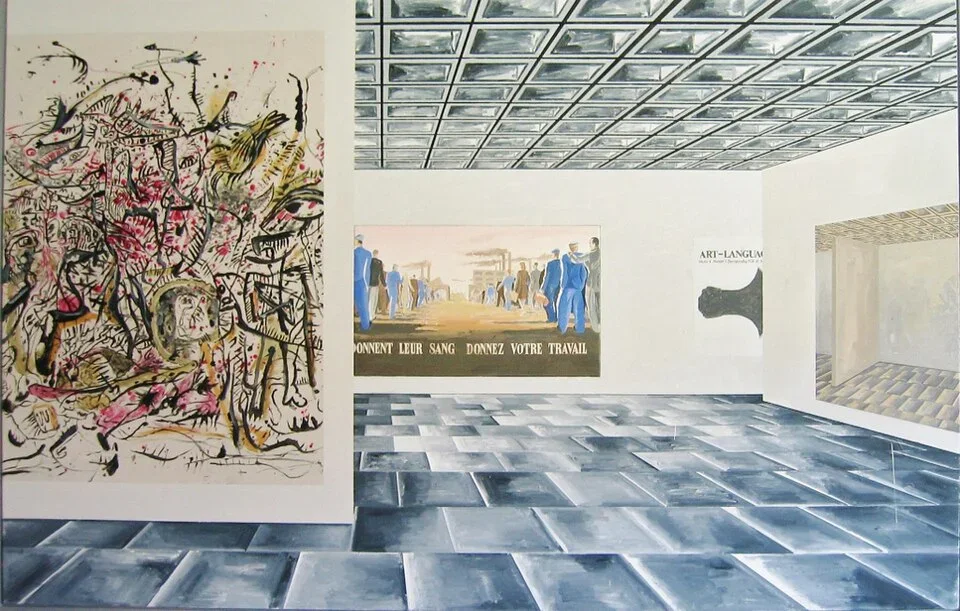
Index: Incident in a Museum (Art & Language)
An exhibition that never happened, painted as though it were real. That is what Michel Baldwin and Mel Ramsden made between 1985 and 1988. They pictured their own work hanging in the Whitney Museum in New York. But the Whitney collected only work by American artists, and Art and Language was a British group. So the show they pictured could never have stood in those rooms. And the pieces on those walls do not exist as the paintings show them. The series raises questions about where art is made and consumed, and about representation and abstraction. By the end, it seems to drift towards emptiness. The last paintings are called An Incident in a Museum, Study for Hostage. The series that followed was called Hostage.
Listen in the appArt&language · CC BY-SA 4.0
08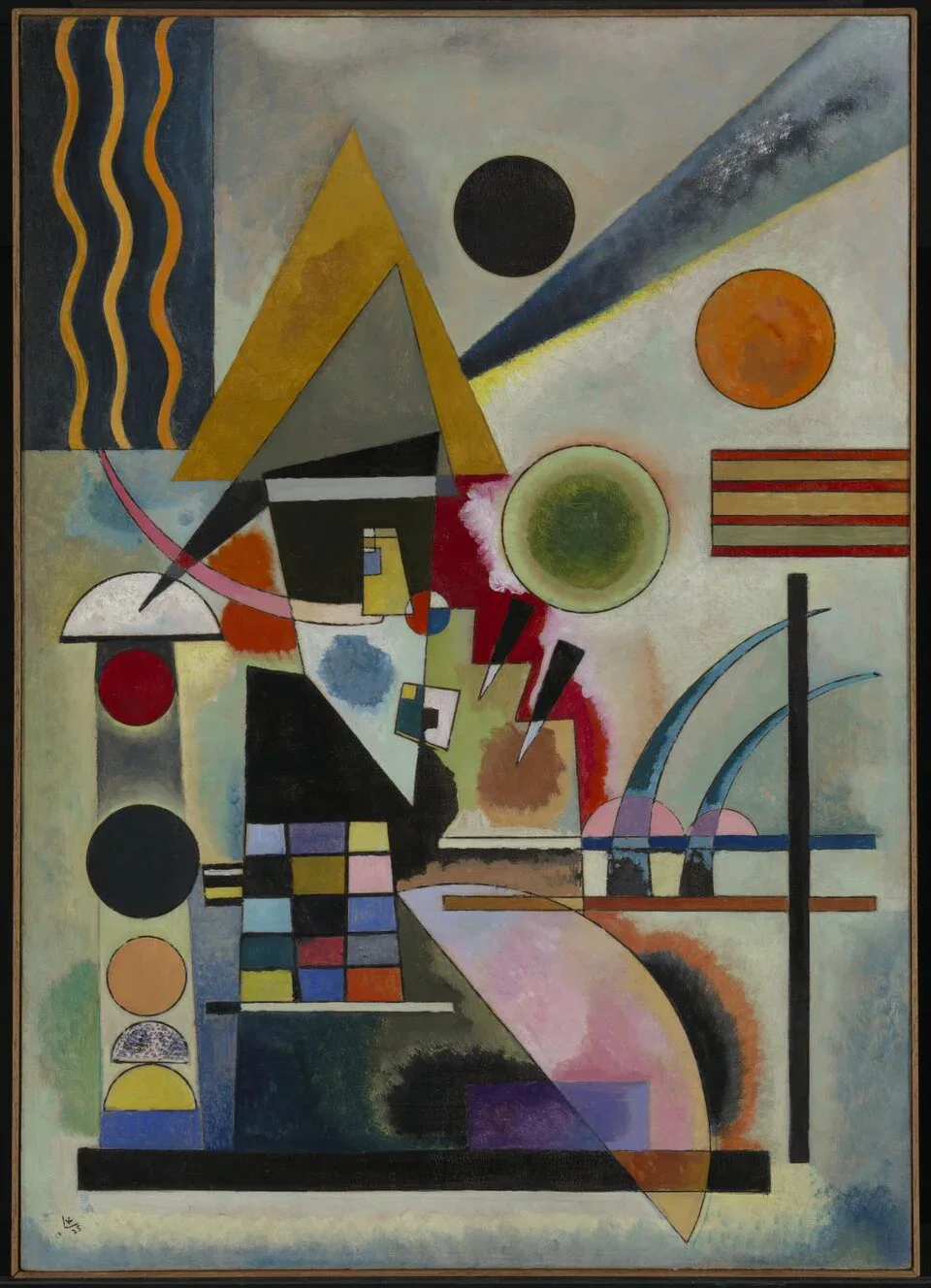
Swinging
Wassily Kandinsky wanted a painting to behave like music. Not a picture of something, but something that drew you in the way music does. He wanted art with no reference to the material world at all, and above all he wanted it to move. The title gives it away. Swinging. He wanted a feeling of movement rather than something to recognize. And ironically, this turning away from objects came out of his disgust with the materialism of modern life. Painting that showed nothing seemed to offer him a way through a spiritual crisis. The colors here are quieter than in his other works of the time. It is a calmer range, closer to his later paintings than to the bright chessboard colors of his early years. It is also a more considered, more complete painting than the other works of its time.
Listen in the appWassily Kandinsky · Public domain
09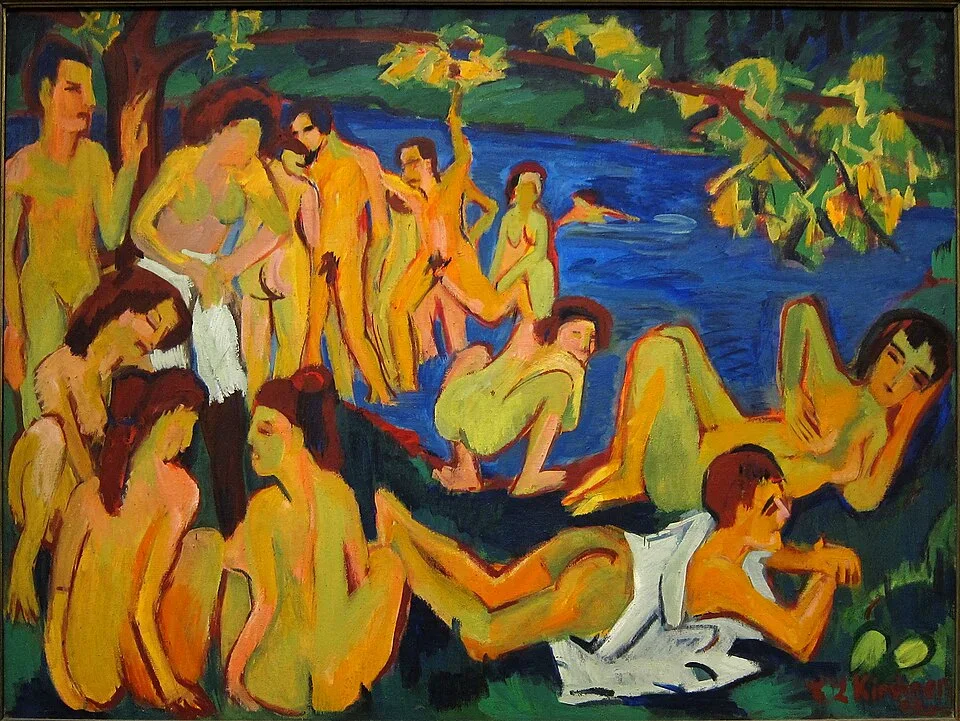
Bathers at Moritzburg
At the left, a man rests one hand on a tree, a little apart from the group. Two lines of bathers come out of the water and meet at him, then carry on through the background. It is quite possible this is Kirchner himself, not a portrait exactly, but a link between you and the scene. They had slipped out of the cramped, pressing life of the city for a little while, back to the freedom of nature. This is their meeting with it, and the whole scene hums with energy. He spent part of his summers between 1909 and 1911 at the lakes at Moritzburg, near Dresden. He swam naked there with friends from Die Brücke, The Bridge in German. That easy, shared life was part of a love of nature growing in Germany at the time. This is the largest of all his bathers pictures. Yellow and orange skin is set against blue water, and the contrast throws the nakedness at you. But that first effect may have been too strong. He went back over parts of the painting in 1926 and made the colours lighter and flatter, more even.
Listen in the appErnst Ludwig Kirchner · Public domain
10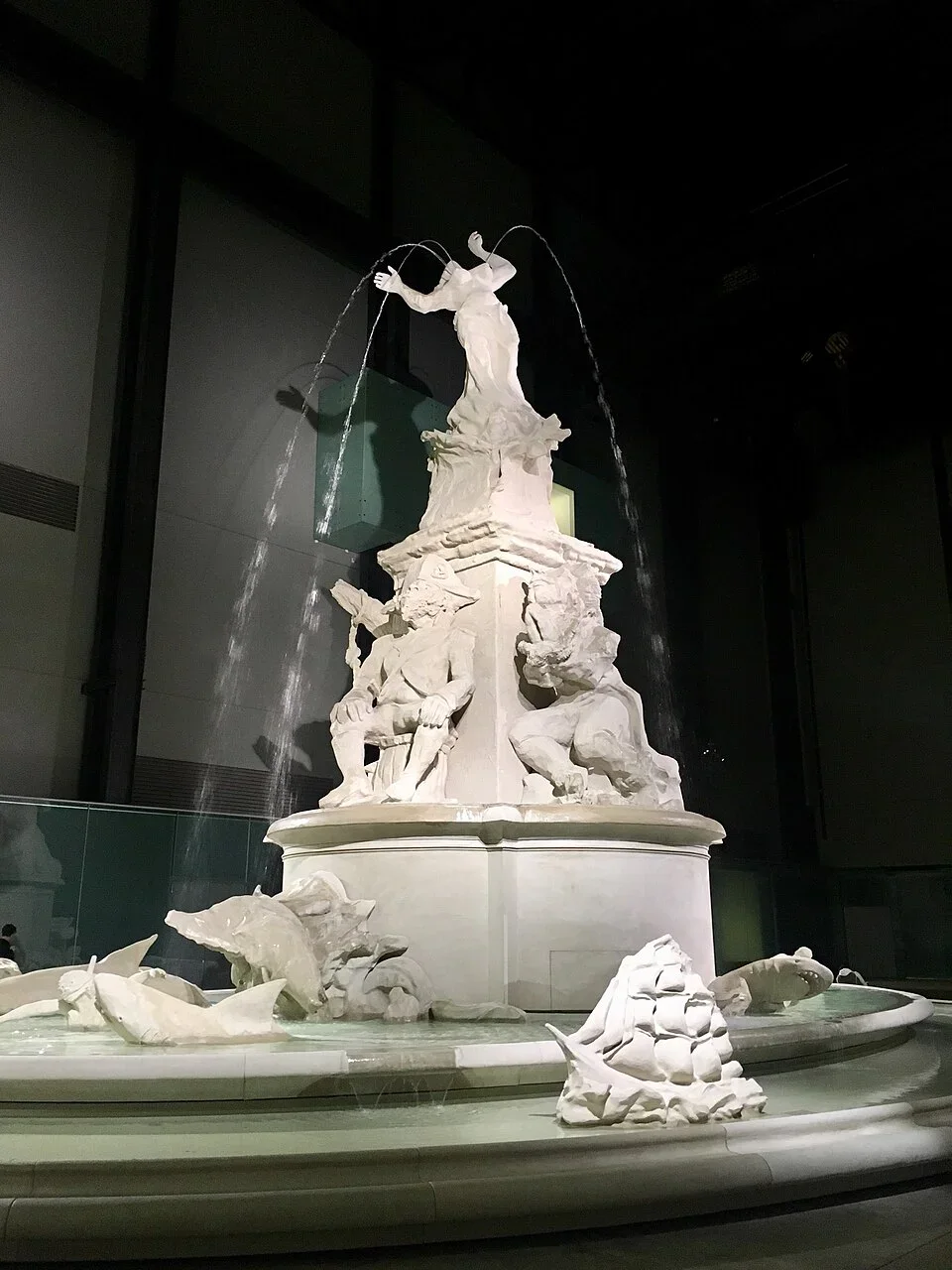
Fons Americanus
Water runs through a fountain crowded with figures and scenes. At the very top, the water begins with a woman. It pours from her breasts and from a slash in her throat. What those figures show is the Atlantic slave trade, and what European settlement and exploitation did to Africa and the Caribbean. Some of them echo paintings, Watson and the Shark and The Gulf Stream. The form was inspired by the Victoria Memorial on The Mall, which Kara Walker first saw from the window of a car. She designed the models for the figures herself. The fountain was built so it could be recycled, and it was destroyed when its time in the Turbine Hall ended.
Listen in the appPhoto: No Swan So Fine · CC BY-SA 4.0
- 11
Dynamic Suprematism
Kazimir Malevich · 1915–1916
- 12
Composition with Red, Yellow and Blue
Piet Mondrian · 1937–1942
- 13
Henri Matisse
André Derain · 1905
- 14
Endless Rhythm
Robert Delaunay · 1934
- 15
Émile Bernard
Henri de Toulouse-Lautrec · 1886
Tate Modern
Frequently asked questions
How much does the guide cost?
Free app download. Free until 1 January. Listed guide price: $0.99. Audio guide only. Venue admission is separate.
Can I listen without internet?
Yes. Download the guide’s audio, images, and maps in the app before your visit. Your downloaded content is then available offline.
Can I listen in my language?
In English for now. More languages soon.
Do I need to follow a schedule?
No. This is a self-guided experience. Choose your stops, pause whenever you like, and return to a story at your own pace.
Which artworks are in the Tate Modern audio guide?
15 artworks, including Artist's Shit (Piero Manzoni), Whaam! (Roy Lichtenstein), The Snail (Henri Matisse), Secret Painting (Art & Language, Mel Ramsden), Portrait of Jacques Nayral (Albert Gleizes), André Derain (Henri Matisse), Index: Incident in a Museum (Art & Language) (Art & Language), and Swinging (Wassily Kandinsky). The full list is on this page.
Is this the museum’s official audio guide?
No. Stanza is an independent audio guide app and is not affiliated with Tate Modern. Museum admission is separate.
At your own pace
Explore Tate Modern.
Download Stanza, then search for “Tate Modern”.
Free app download · Guide price shown in the app
Keep exploring
Nearby audio guides
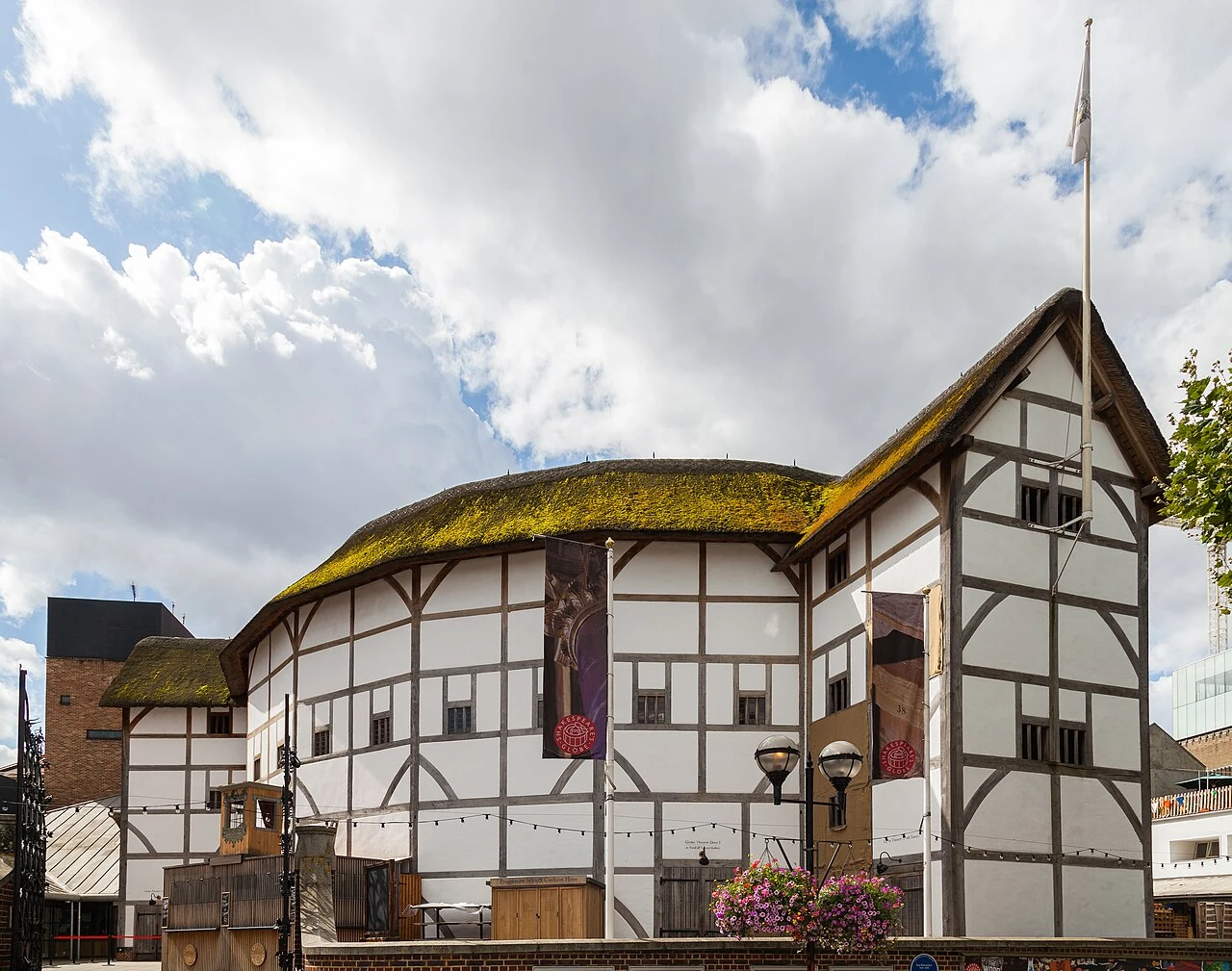
Greater London · 1 km
Shakespeare's Globe
Content & sources
Diego Delso · CC BY-SA 4.0
City of London · 1 km
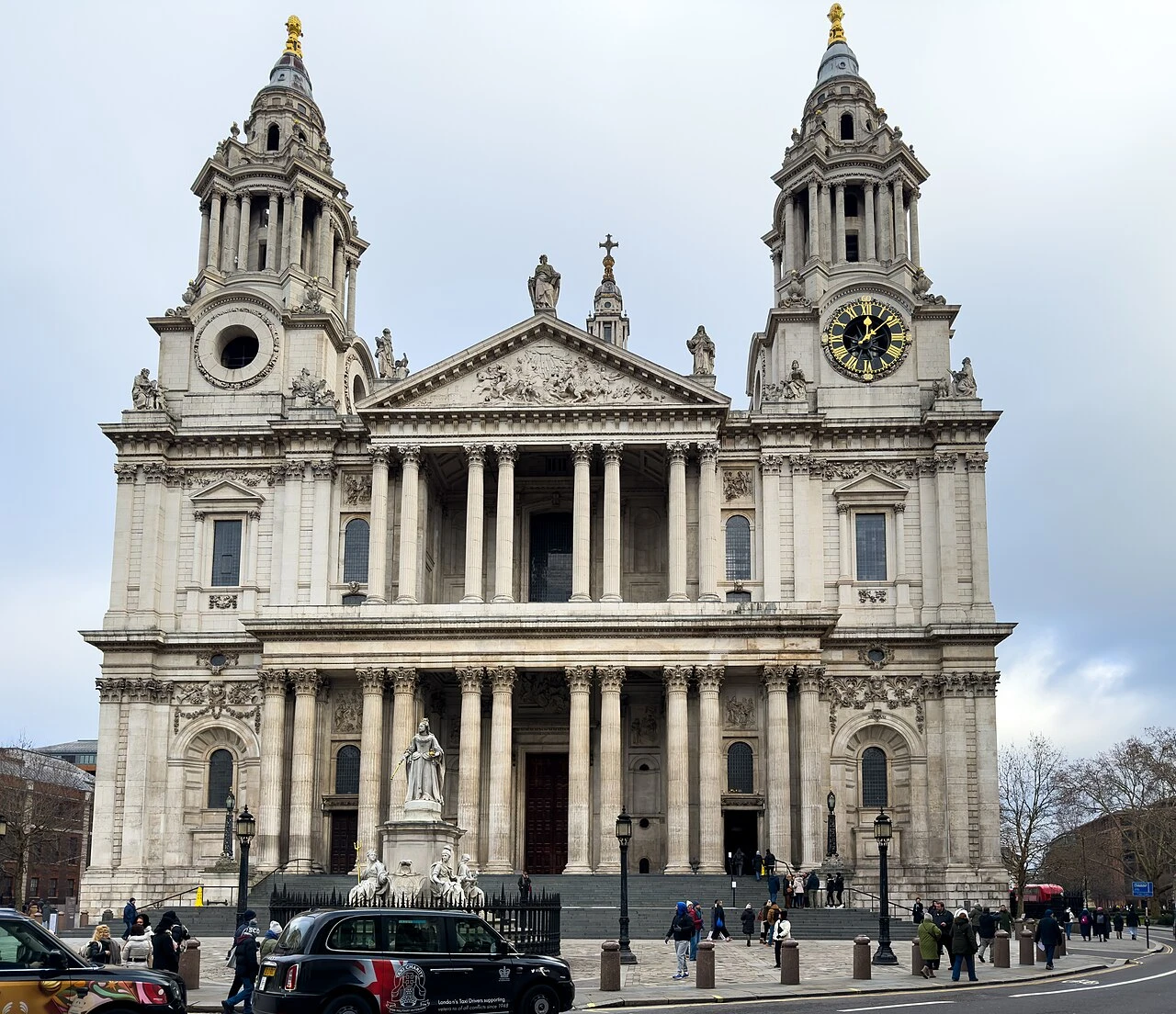
St Paul's Cathedral
Content & sources
Photograph by Mike Peel (www.mikepeel.net). · CC BY-SA 4.0
London · 1 km
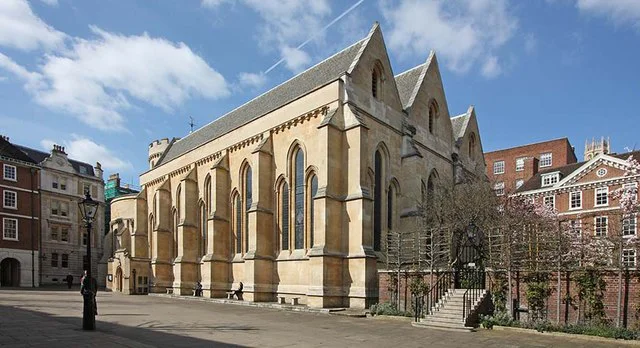
Temple Church
Content & sources
John Salmon · CC BY-SA 2.0
London · 1 km
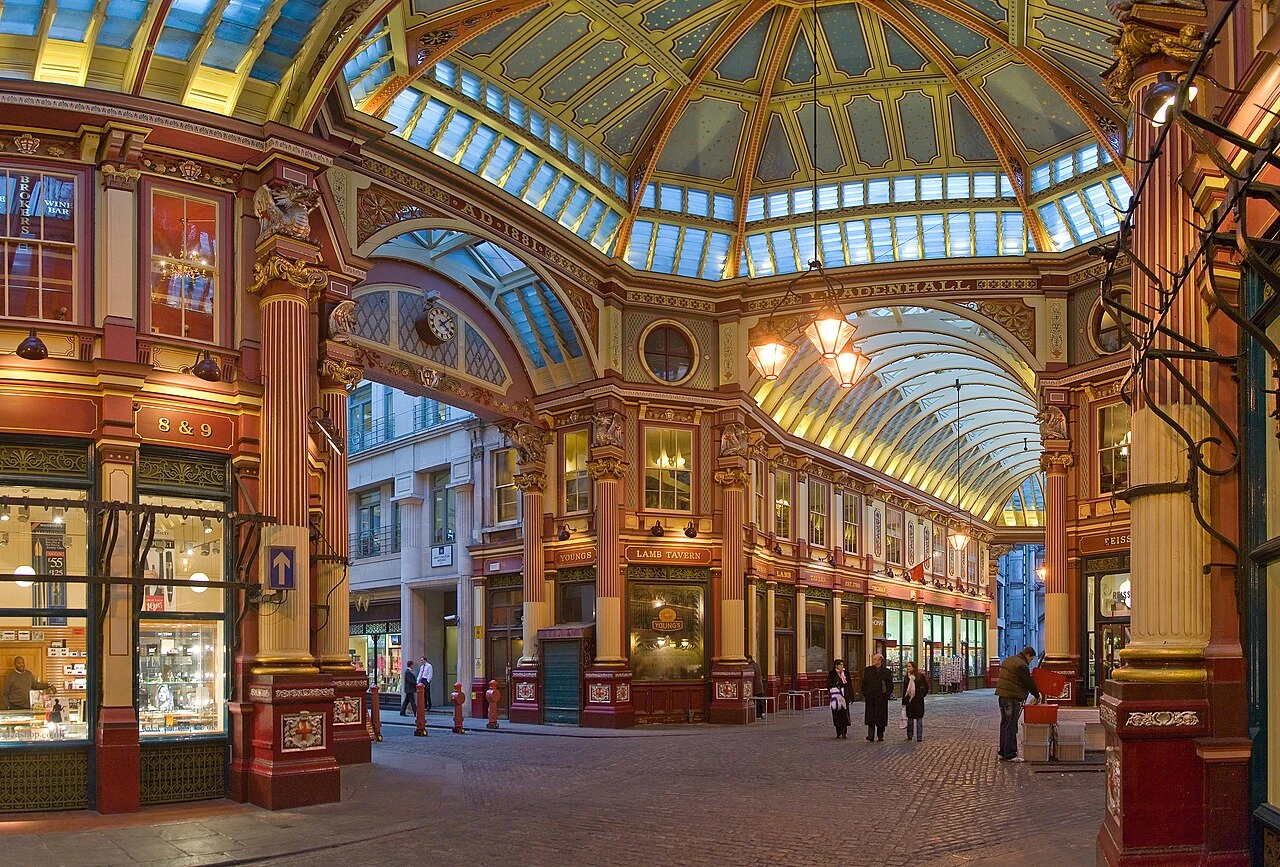
Leadenhall Market
Content & sources
Diliff · CC BY 2.5
Art museums
More art museum audio guides
London · 8 artworks
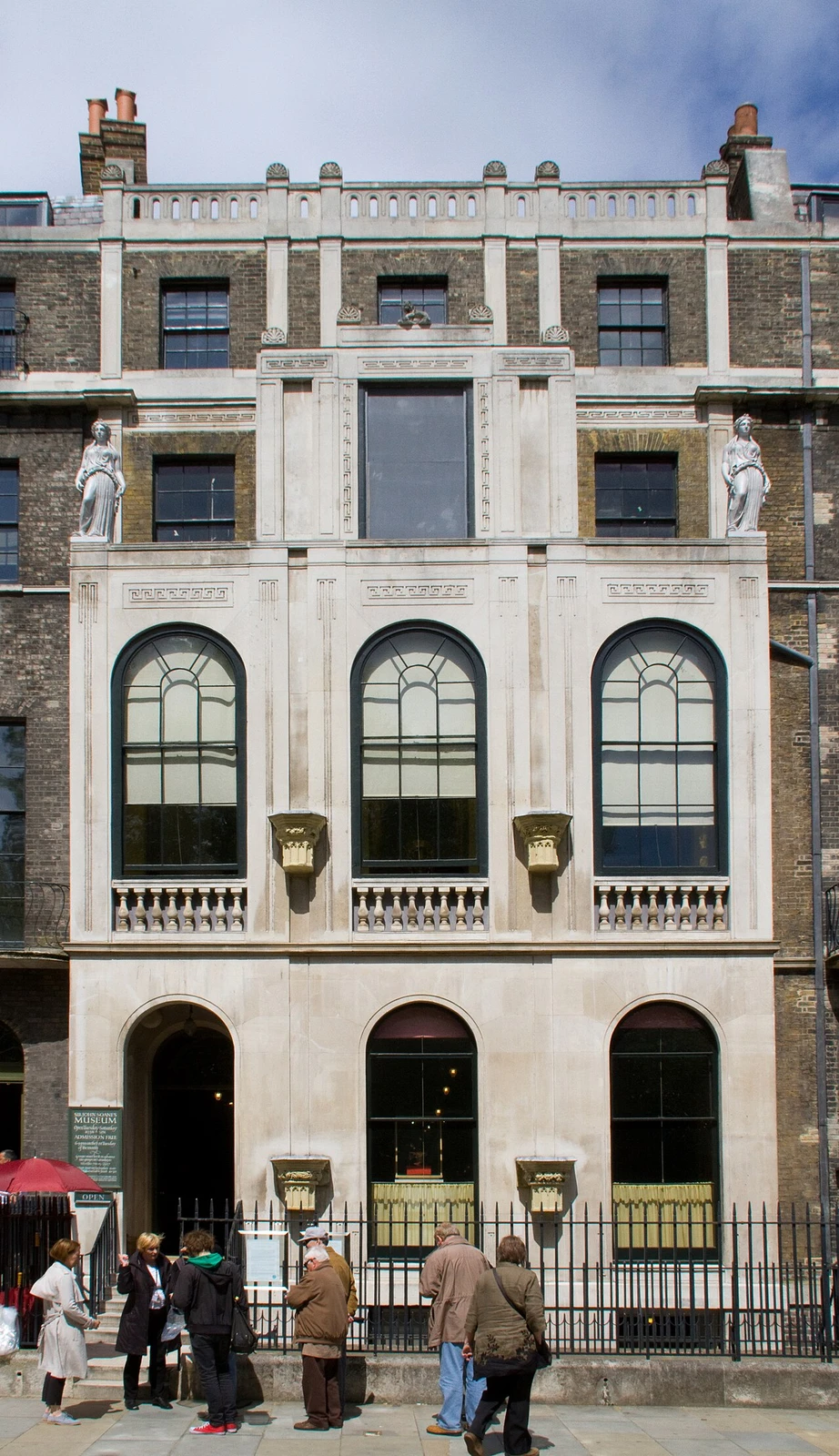
Sir John Soane's Museum
Content & sources
Tony Hisgett from Birmingham, UK · CC BY 2.0
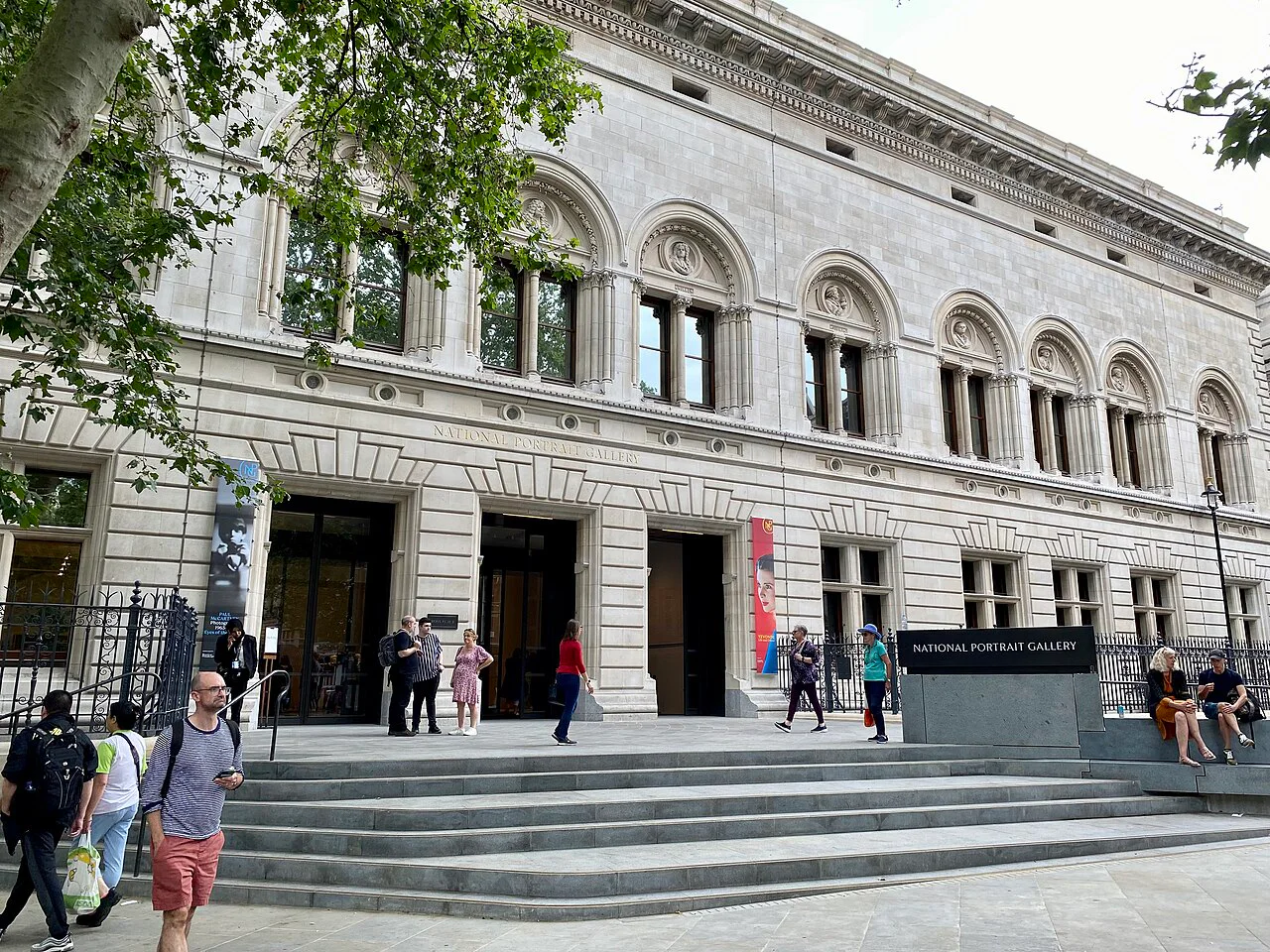
London · 164 artworks
National Portrait Gallery, London
Content & sources
Photo: No Swan So Fine · CC BY-SA 4.0
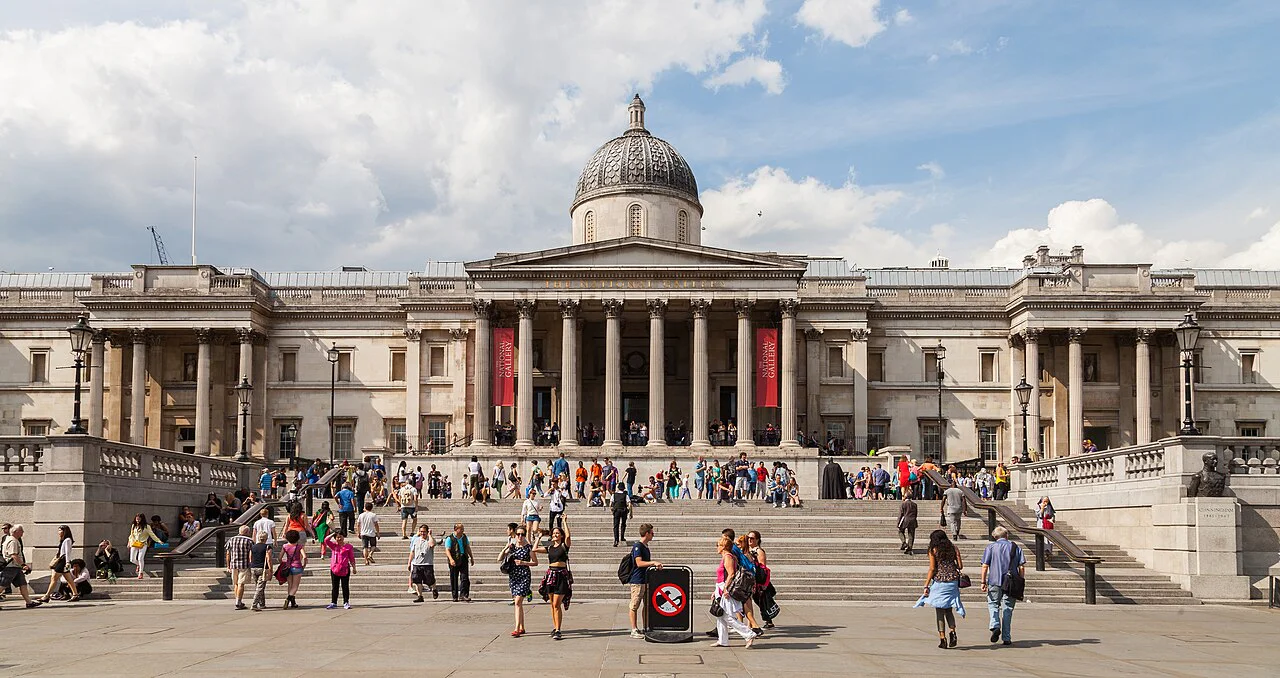
London · 171 artworks
National Gallery, London
Content & sources
Diego Delso · CC BY-SA 4.0
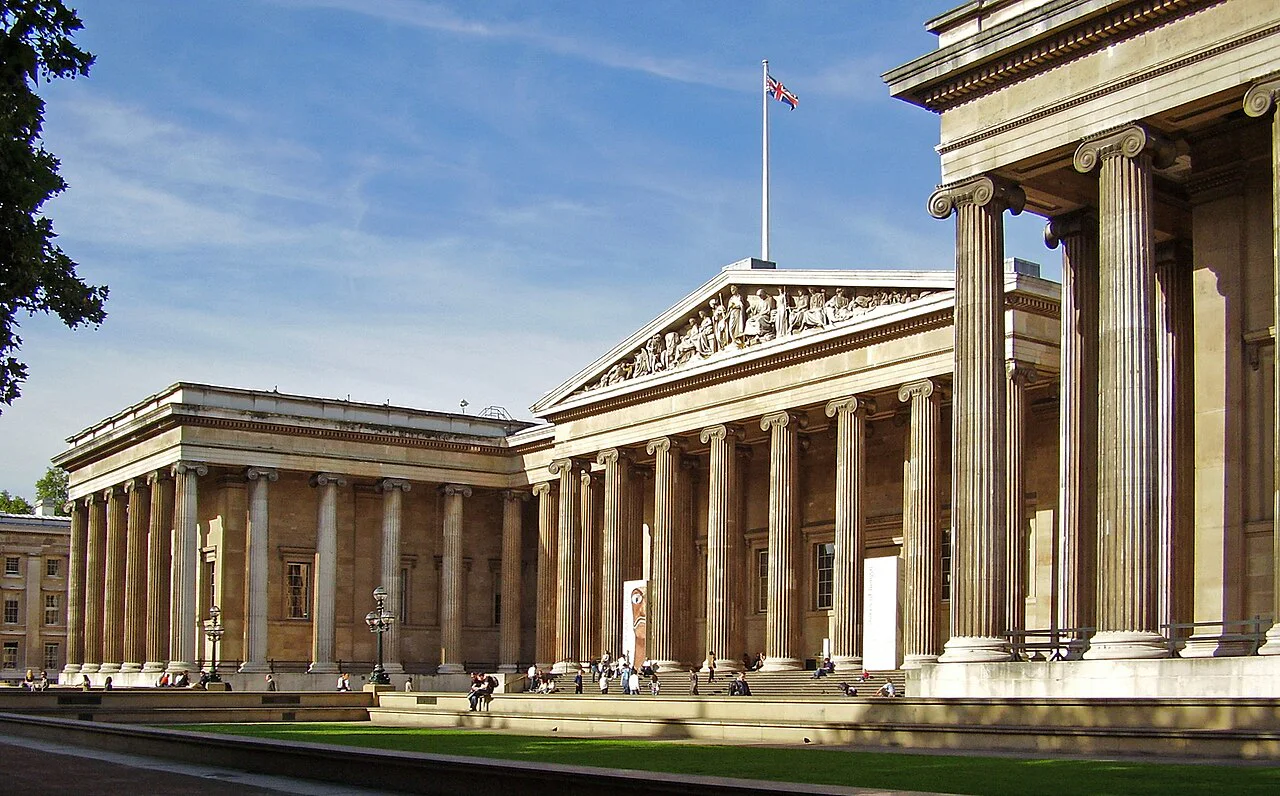
London · 68 artworks
British Museum
Content & sources
Ham · CC BY-SA 3.0
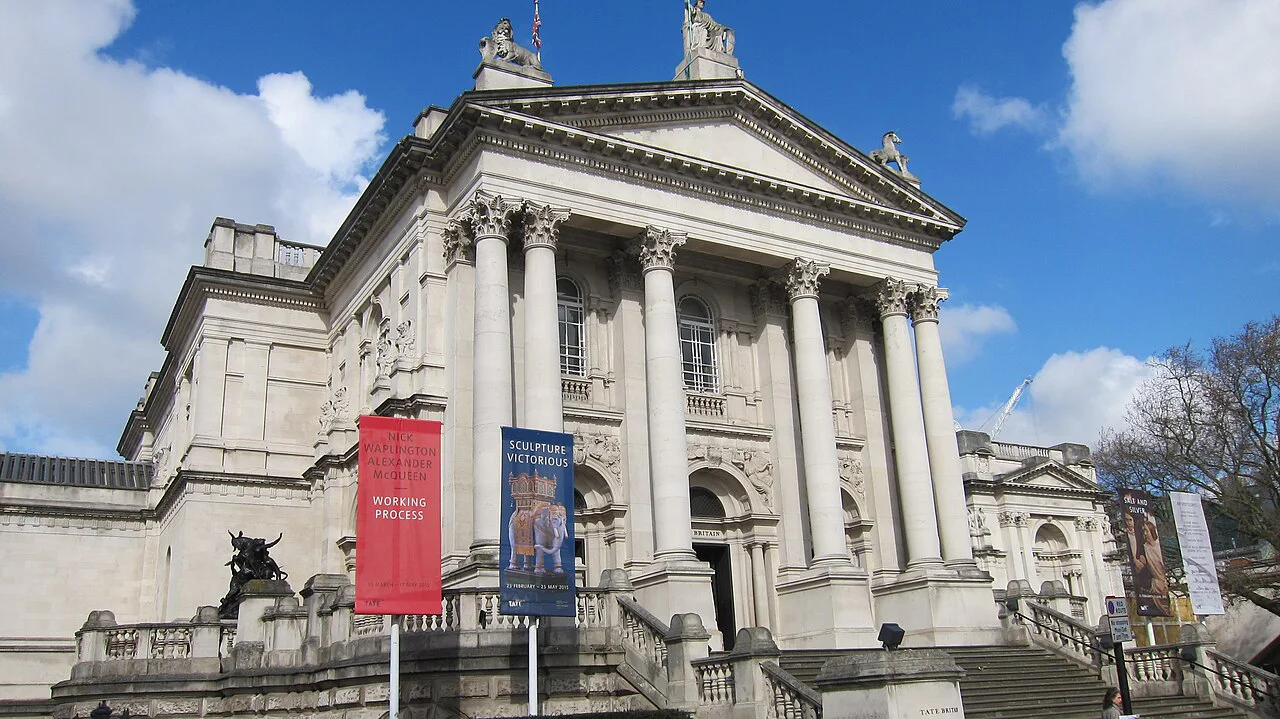
London · 69 artworks
Tate Britain
Content & sources
Carlos Cunha · CC BY-SA 3.0
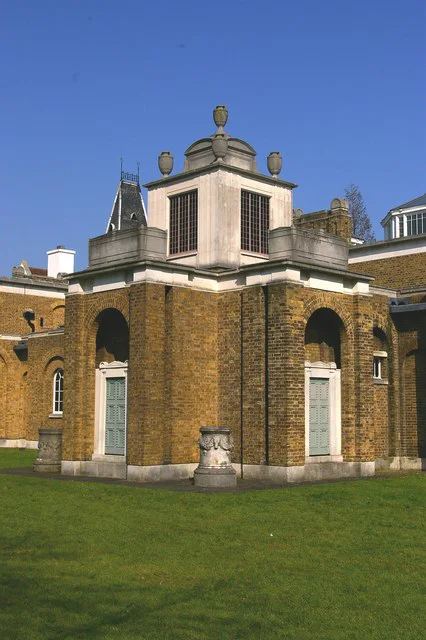
London · 24 artworks
Dulwich Picture Gallery
Content & sources
Julian Osley · CC BY-SA 2.0