Stanza · Audio guide
Dulwich Picture Gallery Audio Guide
A place to remember. A story to take with you.
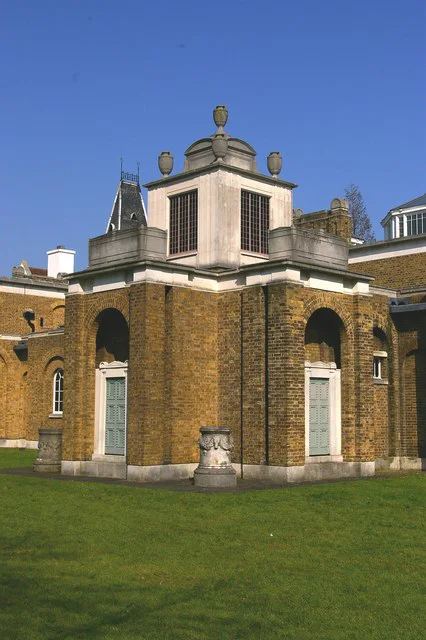
Dulwich Picture Gallery is an art gallery in Dulwich, south London, and the oldest public art gallery in England. It opened in 1817 and became a landmark in museum architecture through its innovative use of…
Download Stanza, then search for “Dulwich Picture Gallery”.
About the tour
One guide. Your kind of visit.
Dulwich Picture Gallery is an art gallery in Dulwich, south London, and the oldest public art gallery in England. It opened in 1817 and became a landmark in museum architecture through its innovative use of natural light.
The Dulwich Picture Gallery guide tells the stories of 24 artworks, including Portrait of Jacob de Gheyn III (Rembrandt), The Flower Girl (Bartolomé Esteban Murillo), A View of Walton Bridge (Giovanni Antonio Canal), Elizabeth and Mary Linley (Thomas Gainsborough), Girl at a Window (Rembrandt), Portrait of a Young Man, possibly Titus (Rembrandt), Bucintoro at the Molo on Ascension Day (Giovanni Antonio Canal), and Mrs Margaret Desenfan (Moussa Ayoub). Every artwork is free to hear in the Stanza app until 1 January.
Ready when you are.
- 01Get the free Stanza app.
iOS & Android
- 02Find your guide.
“Dulwich Picture Gallery”
- 03Download before you go.
Works offline
Audio guide / 24 artworks
Inside the guide
Get to know a few of the stories before you go. Open a stop to read more.
01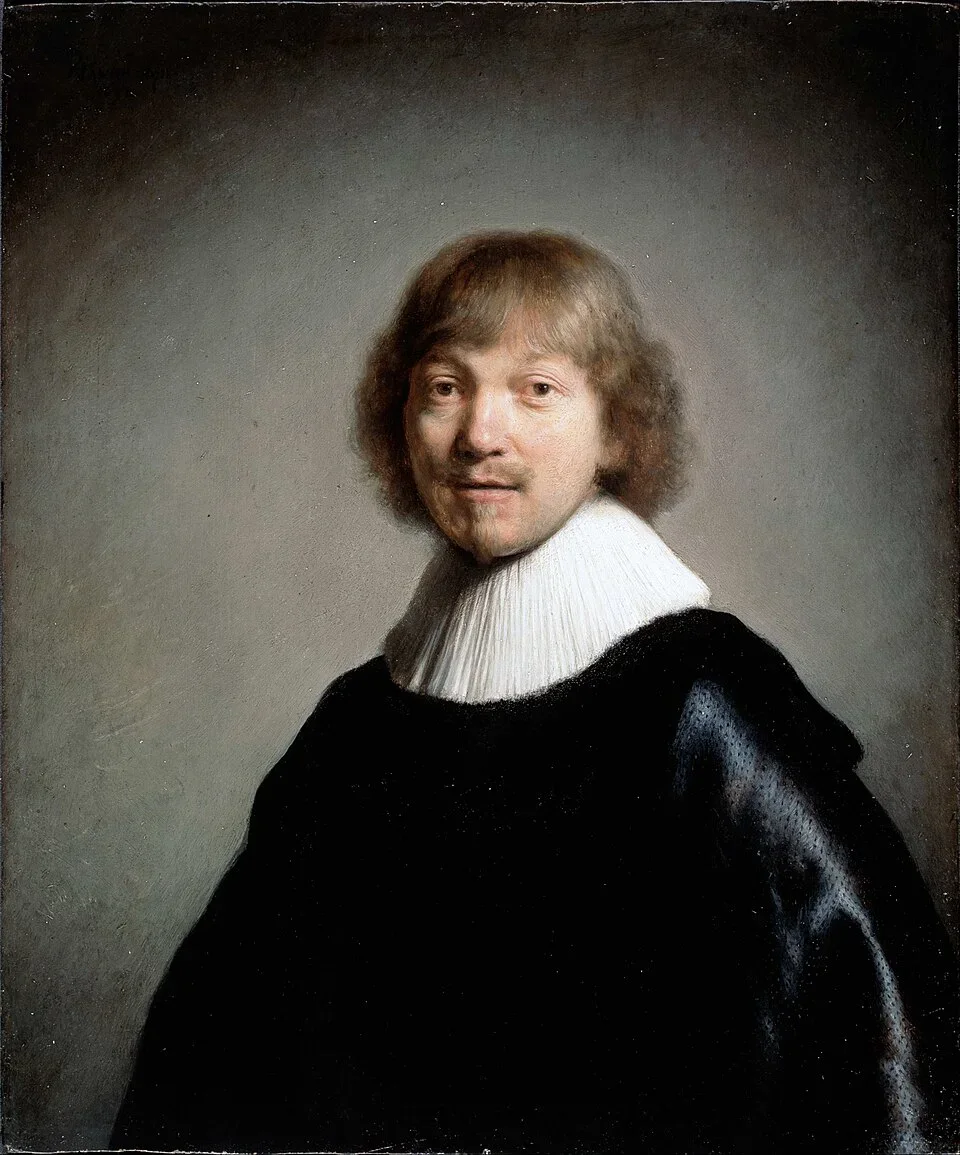
Portrait of Jacob de Gheyn III
Close to his right eye, the paint has been scratched into fine little lines. The wrinkles are cut right into the surface. The light on this face is fierce. On one cheek the detail disappears in it. And still it lifts him out of the dark behind him. The glow around him seems to be his own vitality. The man was an engraver named Jacob de Gheyn. He and his friend Maurits Huygens asked Rembrandt to paint them both, in the same format and almost the same size. This one takes the right place and faces left. Huygens's takes the left and faces right. The two were made to face each other. On the backs of the panels, the friends set down an agreement. Whichever of them died first would leave his portrait to the other. De Gheyn died first, in 1641, and Huygens came to own both pictures. He lived less than a year longer. His brother Constantijn was so heartbroken that he stopped writing for a long time. The picture is small, smaller than most of his work. That size suited the friendship between the two men.
Listen in the appRembrandt · Public domain
02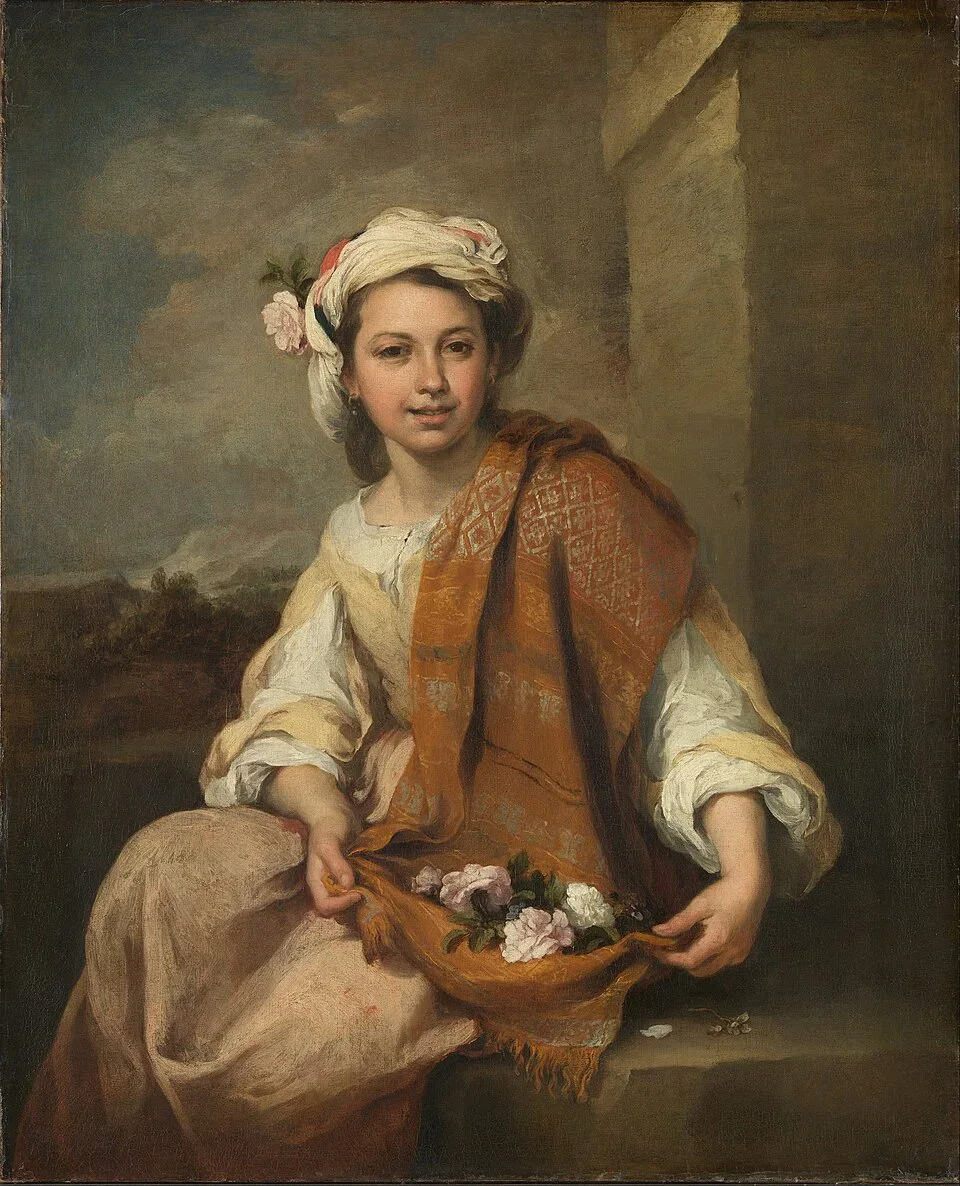
The Flower Girl
A rose. Murillo had only one child, a daughter named Francisca Maria, born deaf. In 1671 she became a Dominican nun and took the name Sister Francis Maria de Santa Rosa. Rosa means rose. So perhaps the flower girl in front of you is Francisca, the rose standing for her new name, a family occasion joined to a religious one. Soft light spreads over the cut sleeves of her dress, the light he used between 1665 and 1670, at the height of his career. Alongside his religious paintings, he made portraits of the flower girls and street children of his time. Underneath the girl, running at a right angle to her, lies the lower half of a Virgin Mary. It matches the Virgin in his Immaculate Conception. He painted this flower girl over the top of it.
Listen in the appMurillo, Bartolomé Estéban (1617 - 1682) – Artist Details on Google Art Project · Public domain
03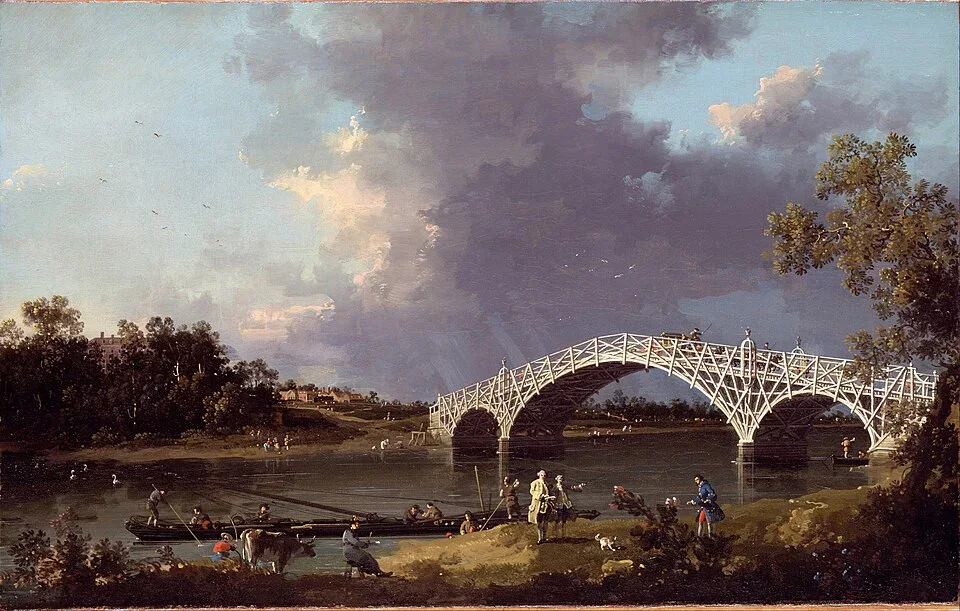
A View of Walton Bridge
On the back of this painting, where no one here can read it, the painter wrote that he made it in London in 1754. He said he took great care over it, and for the first and last time, because his patron asked. That patron was Thomas Hollis. What Hollis wanted was a view of a new bridge over the Thames at Walton. It had been finished in 1750, only a few years before, to replace an old ferry. The view is from the north bank, looking upstream. A carriage crosses the bridge, and below it a boat has lowered its mast to pass under the arches. Three men stand in the foreground, with a small dog between them, Hollis's pet, Malta. One is Hollis, in yellow. Beside him stand his friend Thomas Brand, who would one day inherit the picture, and his Italian servant, Francesco Giovannini. A little apart, a man sits sketching the scene. That is Canaletto, who left Venice for England to be nearer to wealthy British patrons, and put himself into the view. On the far bank at the left, among the buildings, stands the house of Samuel Dicker. He was the Member of Parliament who paid for the bridge in 1747.
Listen in the appGiovanni Antonio Canal · Public domain
04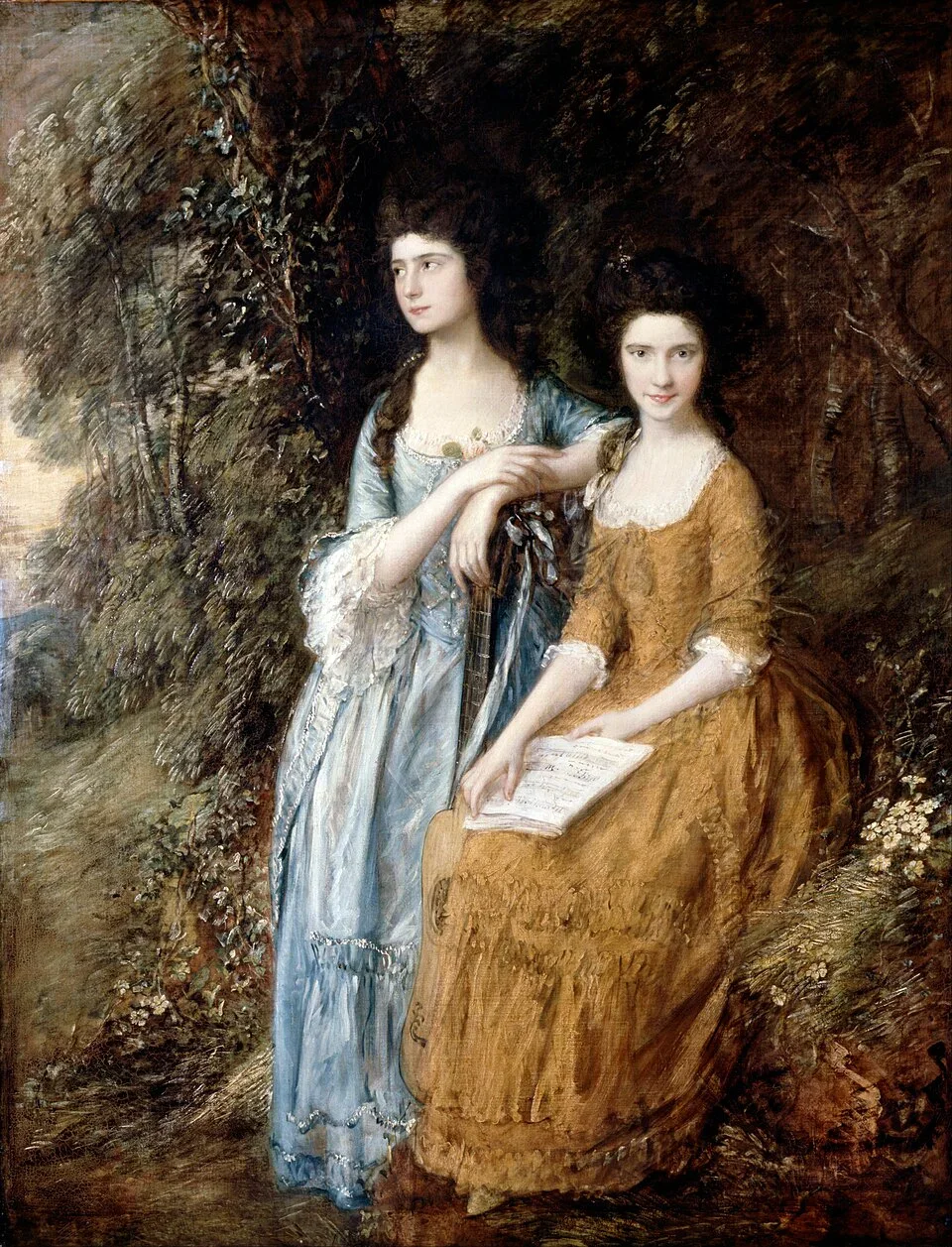
Elizabeth and Mary Linley
The dresses in this portrait were painted thirteen years after the faces. Gainsborough finished the picture in 1772, working in Bath. Then the family asked him back. In 1785 he repainted what the sisters wore. The family wanted their dresses brought up to date, because the sisters cared about fashion. The two women are outdoors in a natural setting. Mary, the younger, sits with a music book on her knees and smiles out at you. Elizabeth stands, resting a shoulder on her sister, and looks off to the left. Those are the faces from 1772, before the dresses were changed. The sisters were singers from a musical family in Bath, known as the Nest of Nightingales. This is the only painting known to show them together. Their brother William gave the portrait to this gallery in 1835.
Listen in the appThomas Gainsborough · Public domain
05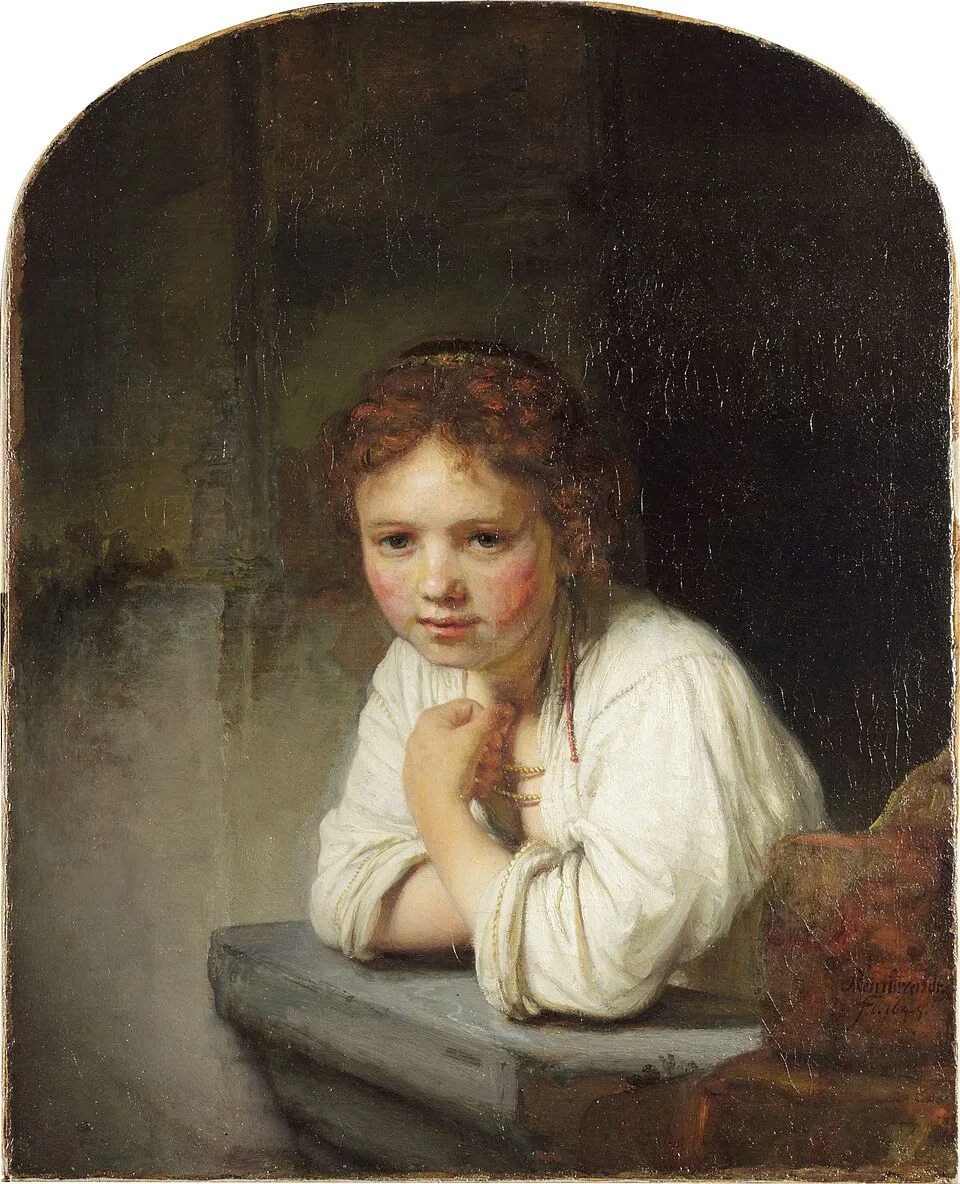
Girl at a Window
Nobody knows who she is. Over the years she has been called a courtesan, a Jewish bride, a figure from history or the Bible. Most people take her for a maid, but it stays a guess. She leans on a stone window sill, with a dark space behind her that you cannot place. She looks straight at you, the trace of a smile on her lips. Her left hand plays with the necklace at her neck and, at the same time, points at herself. Both movements pull her toward you, as if the space between you had gone. That was a trick Rembrandt loved, making a painted figure seem to come into your space. The paint on her cheeks is laid on so thick it almost stands forward. A small touch of white at the tip of her nose lifts her out of the shadows. She seems completely there, and still she tells you nothing about herself. A later cleaning took away the dark varnish that covered her face, and the rich colours came back.
Listen in the appRembrandt · Public domain
06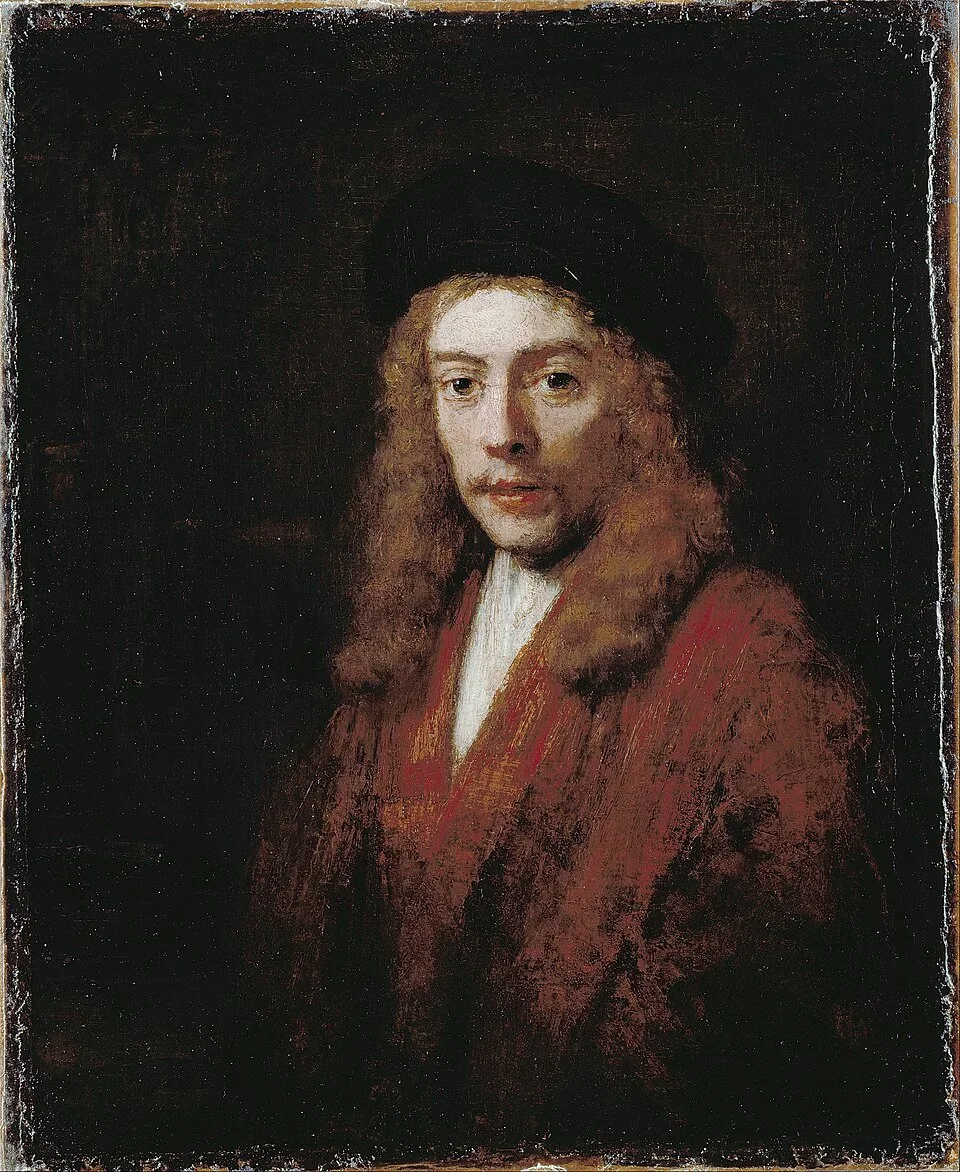
Portrait of a Young Man, possibly Titus
A young man's face looks out at you, still clear. The coat around it is worn. Behind him, a few books are only vaguely there, hard to make out. He was once taken for Titus, the painter's own son. But those books make a scholar more likely, a man of learning. The picture was mistaken again when it changed hands. In 1807, Sir Peter Francis Bourgeois bought it at a London sale of William Harris's collection, where it was listed as a portrait of Philip Wouvermans. He paid fifty-two pounds and ten shillings. In 1811 he left it to Dulwich College. Rembrandt painted it in 1663, in his late years, with broad strokes and paint so thick the brush marks show.
Listen in the appAttributed to Rembrandt · Public domain
07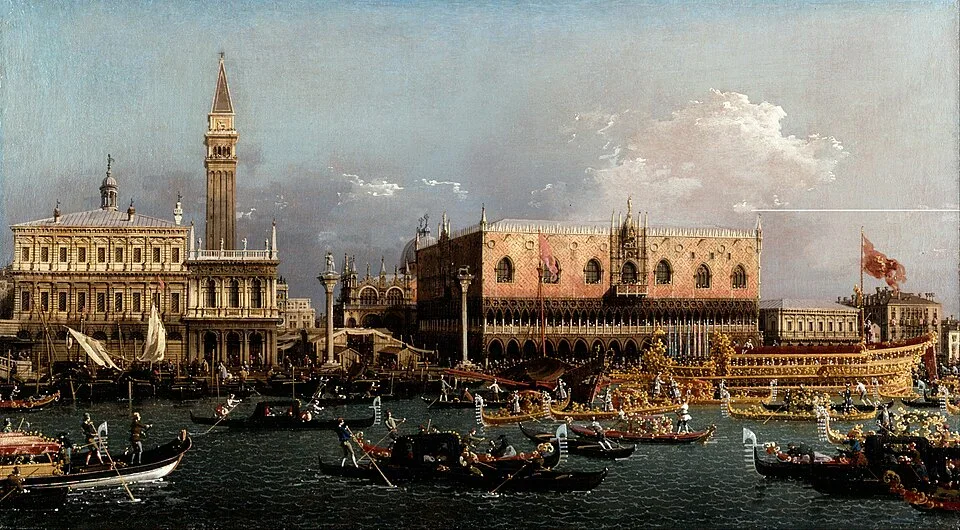
Bucintoro at the Molo on Ascension Day
A ceremonial barge is docking at the mole, the quay near Piazza San Marco. This is the bucintoro, the Doge of Venice's barge, and it has come back to shore. Each year the Doge sailed out into the Adriatic for the Marriage of the Sea, and this is the moment the barge came back. Coming home was something the man who painted it knew well. Canaletto spent nine years in Britain, where he was greatly admired. He returned to Venice in 1755 and painted this in 1760, near the end of his working life. But the republic he was born in did not value him as Britain had. Here he struggled for the recognition he had enjoyed abroad. The bucintoro was a subject he painted again and again, from different angles. The first of those pictures he made in 1731, for the British prime minister Sir Robert Walpole. That earlier version was sold at auction in 2025 for more than thirty one million pounds.
Listen in the appGiovanni Antonio Canal · Public domain
08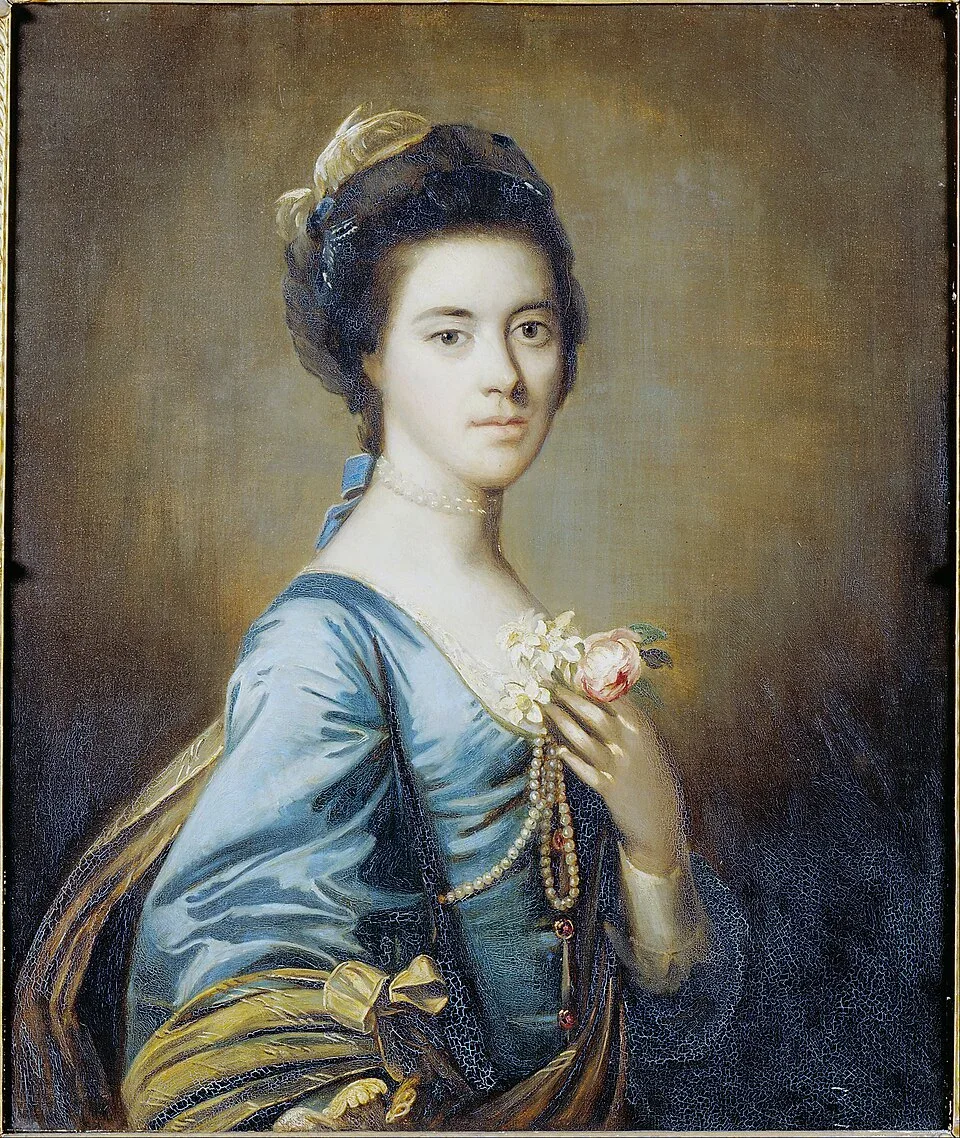
Mrs Margaret Desenfan
Margaret Desenfans was one of the three people who founded this gallery. Noel, her husband, put the collection together, largely with her money. And in 1811, when the plans for the building ran short of funds, she paid the missing sum. The portrait in front of you is a copy. Reynolds painted the original in 1757. It was listed among Noel's paintings, stayed in her family, and went to auction in 1930. After that it disappeared from public view. For more than seventy years it appeared at no sale and no exhibition. The year it was sold, Dulwich College asked Moussa Ayoub, a painter born in Syria and working in Britain, to copy it. His Margaret wears a flowing blue dress. Her dark hair is gathered up, with a lace cap on her head and a golden yellow shawl across her shoulders. This is the face the gallery kept of her while the original was gone. In 2013 the original came back on loan for the gallery's two hundredth birthday. For the first time since 1930, visitors could compare the real painting with this copy. The original still belongs to a private owner who has not been named.
Listen in the appMoussa Ayoub / After Joshua Reynolds · Public domain
09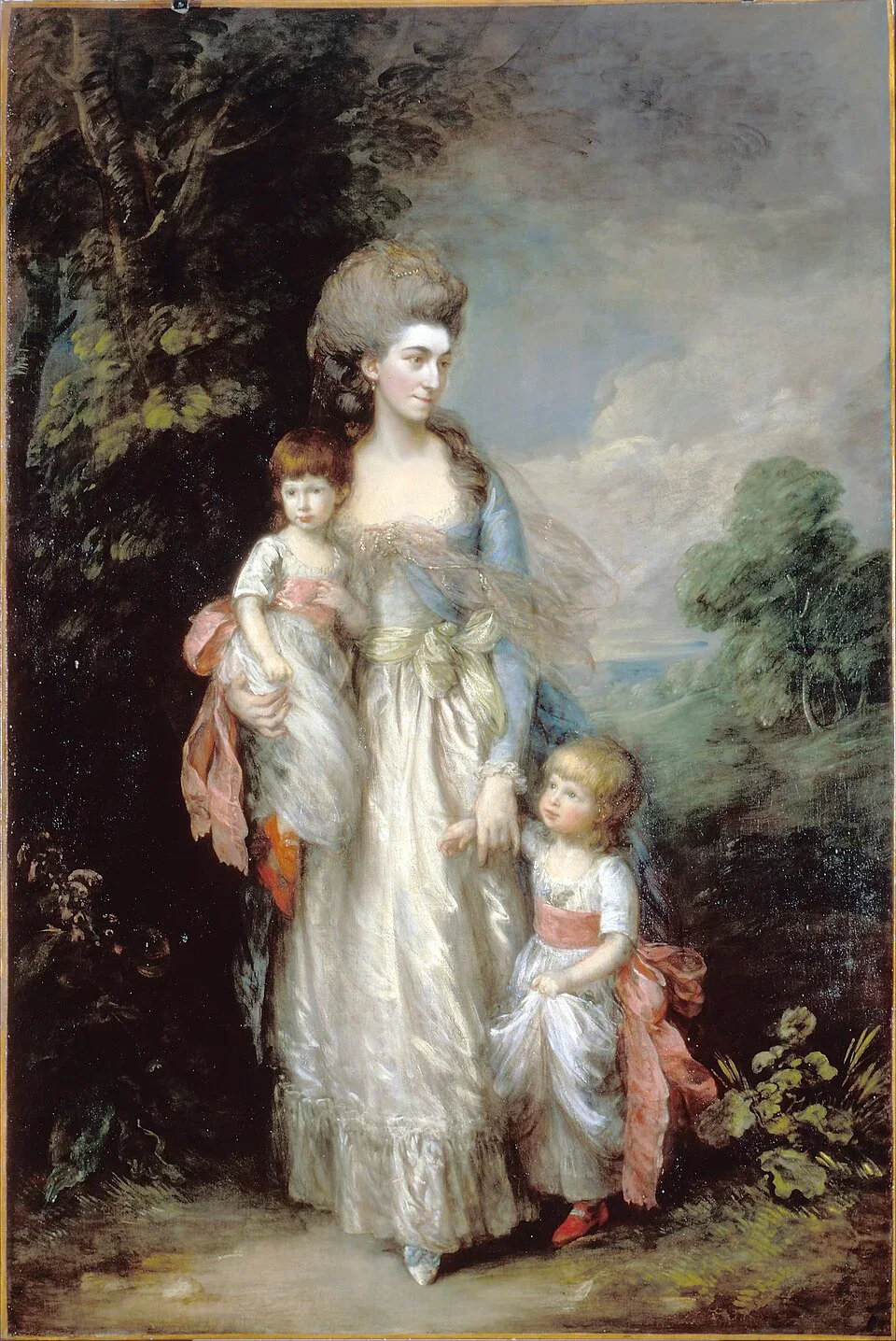
Mrs Elizabeth Moody with her sons Samuel and Thoma
To the left of the shoe beneath the mother's dress, there is a faint trace where her foot first sat. The picture was changed years after it was first painted. It began as a portrait of Elizabeth Moody alone, made for the husband she had just married. Her right hand was raised to her neck, touching a strand of pearls. Then she died in 1782, soon after her younger son Thomas was born. A few years later, in about 1785, Gainsborough was asked to add her two sons, and he changed her pose so she holds them. Mother and children never quite look at one another, and that stiffness is still there. On the right, in the folds of the boy's dress, look for tiny blue flowers, like forget-me-nots, barely visible. They carry the feeling of a bond that was already gone. Then in 1831 that younger son gave the picture here, perhaps to keep it from his stepmother, with whom he was not friendly.
Listen in the appThomas Gainsborough · Public domain
10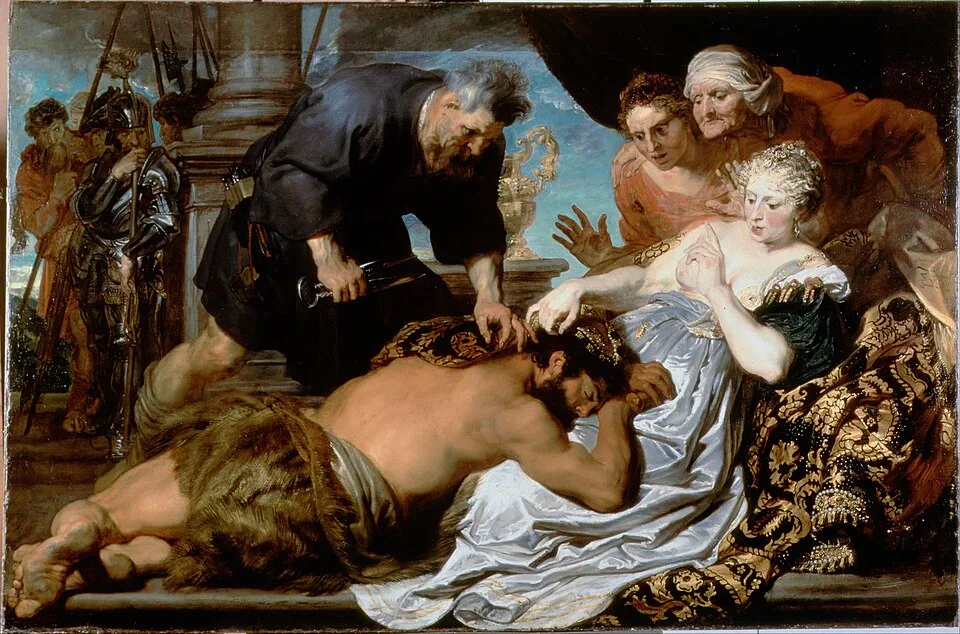
Samson and Delilah
What is about to happen to the sleeping man? He lies asleep on a woman's knees. Above him looms a barber holding a knife you can barely make out, ready to cut his hair. The woman is Delilah. With one hand she signals for quiet, and with the other she points to his hair. She was sent by the Philistines to learn where Samson's strength came from and hand him over to his enemies. Three times she asked and got nothing. At last she learned the secret. His strength was in his hair. That is why the men who sent her are here. Philistine soldiers crouch to one side beneath dark clouds. Van Dyck gave Delilah chalk-white skin and heavily rouged cheeks, the makeup of a Parisian prostitute. It echoes the Venetian painters who painted such women. On the other side, two servants watch, the older eager for what follows, the younger afraid. In one telling, Delilah cuts the hair herself.
Listen in the appvan Dyck, Sir Anthony (1599 - 1641) – Artist Details on Google Art Project · Public domain
- 11
Saint Sebastian
Guido Reni · 1620–1639
- 12
Thomas Linley the younger
Thomas Gainsborough · c. 1772
- 13
Philippe Jacques de Loutherbourg
Thomas Gainsborough · 1777–1778
- 14
Thomas Linley the elder
Thomas Gainsborough · c. 1770
- 15
John Philip Kemble
William Beechey · 1799
- 16
William Linley
Thomas Lawrence · 1788
- 17
Saint Cecilia
Guercino · c. 1649
- 18
Nymphs by a Fountain
Peter Lely · c. 1650
- 19
The Woman taken in Adultery
Guercino · 1619–1621
- 20
Saint John the Baptist in the Wilderness
Guido Reni · 1640
- 21
Rinaldo and Armida
Nicolas Poussin · c. 1628–1630
- 22
Les Plaisirs du Bal
Jean-Antoine Watteau · c. 1715–1717
- 23
A Farrier and Peasants near Roman Ruins
Nicolaes Pieterszoon Berchem · 1650
- 24
Halt of a Hunting Party
Philips Wouwerman · c. 1665
Dulwich Picture Gallery
Frequently asked questions
How much does the guide cost?
Free app download. Free until 1 January. Listed guide price: $0.99. Audio guide only. Venue admission is separate.
Can I listen without internet?
Yes. Download the guide’s audio, images, and maps in the app before your visit. Your downloaded content is then available offline.
Can I listen in my language?
In English for now. More languages soon.
Do I need to follow a schedule?
No. This is a self-guided experience. Choose your stops, pause whenever you like, and return to a story at your own pace.
Which artworks are in the Dulwich Picture Gallery audio guide?
24 artworks, including Portrait of Jacob de Gheyn III (Rembrandt), The Flower Girl (Bartolomé Esteban Murillo), A View of Walton Bridge (Giovanni Antonio Canal), Elizabeth and Mary Linley (Thomas Gainsborough), Girl at a Window (Rembrandt), Portrait of a Young Man, possibly Titus (Rembrandt), Bucintoro at the Molo on Ascension Day (Giovanni Antonio Canal), and Mrs Margaret Desenfan (Moussa Ayoub). The full list is on this page.
Is this the museum’s official audio guide?
No. Stanza is an independent audio guide app and is not affiliated with Dulwich Picture Gallery. Museum admission is separate.
At your own pace
Explore Dulwich Picture Gallery.
Download Stanza, then search for “Dulwich Picture Gallery”.
Free app download · Guide price shown in the app
Keep exploring
Nearby audio guides
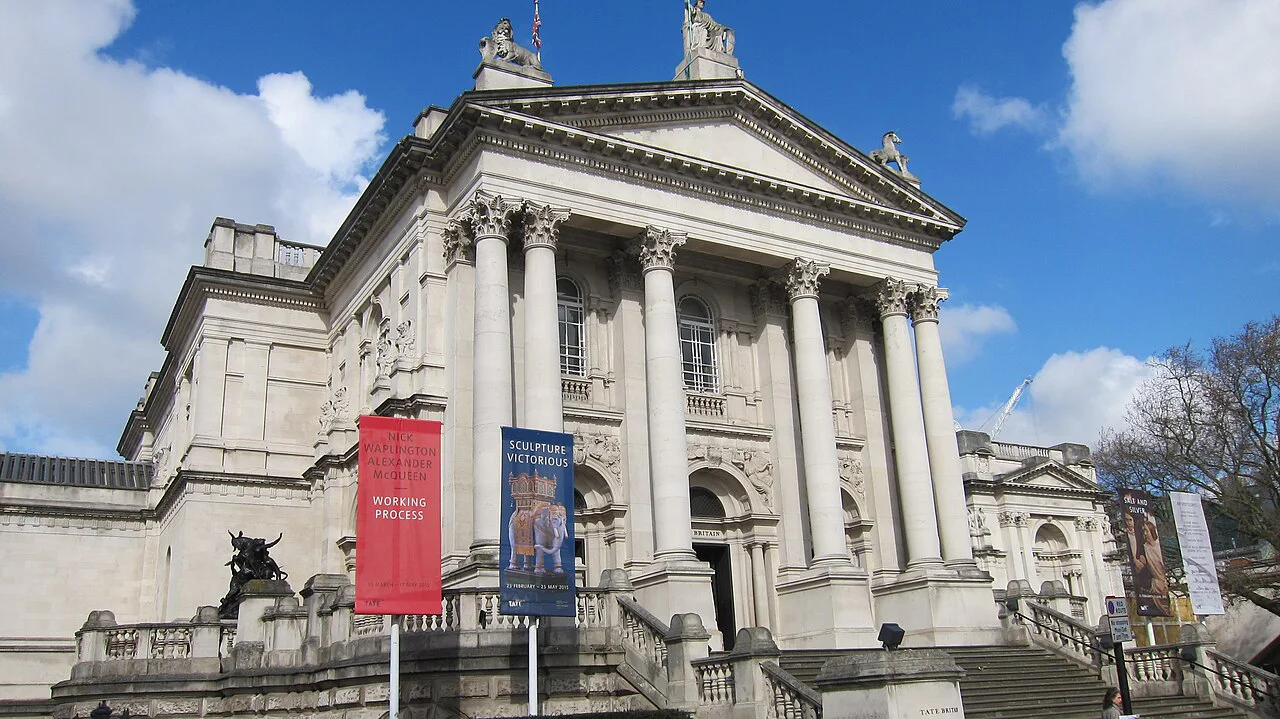
City of Westminster · 6 km
Tate Britain
Content & sources
Carlos Cunha · CC BY-SA 3.0
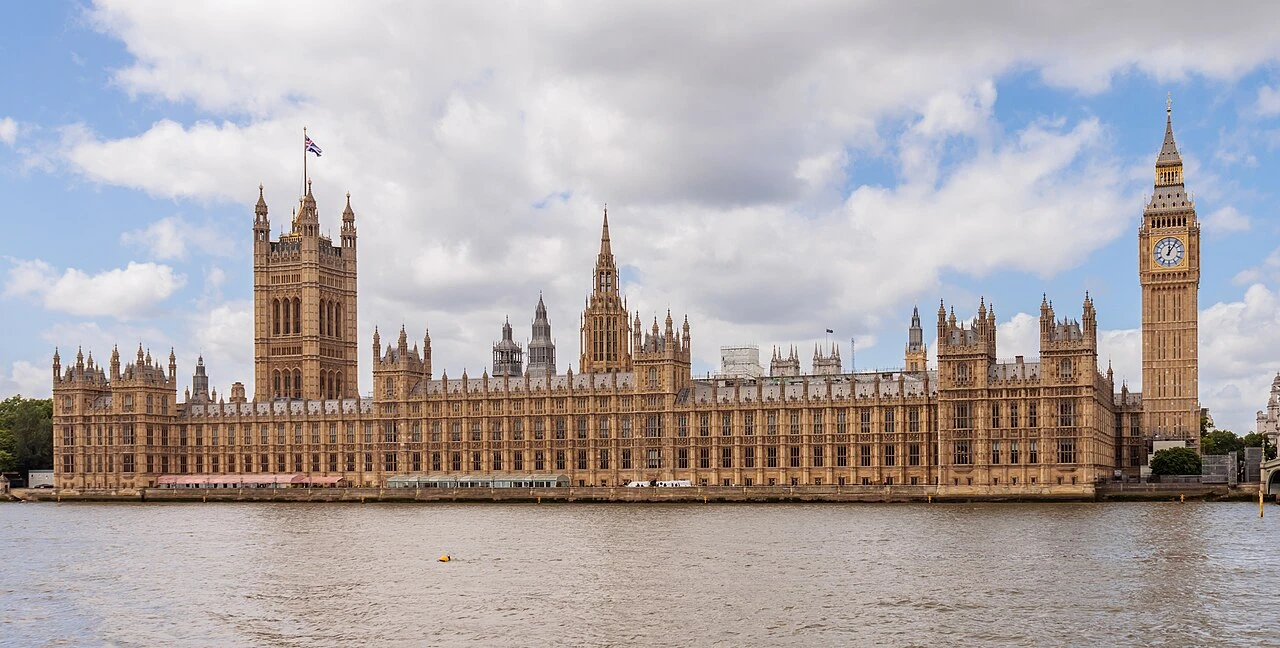
London · 6 km
Palace of Westminster
Content & sources
Terry Ott from Washington, DC Metro Area, United States of America · CC BY 2.0
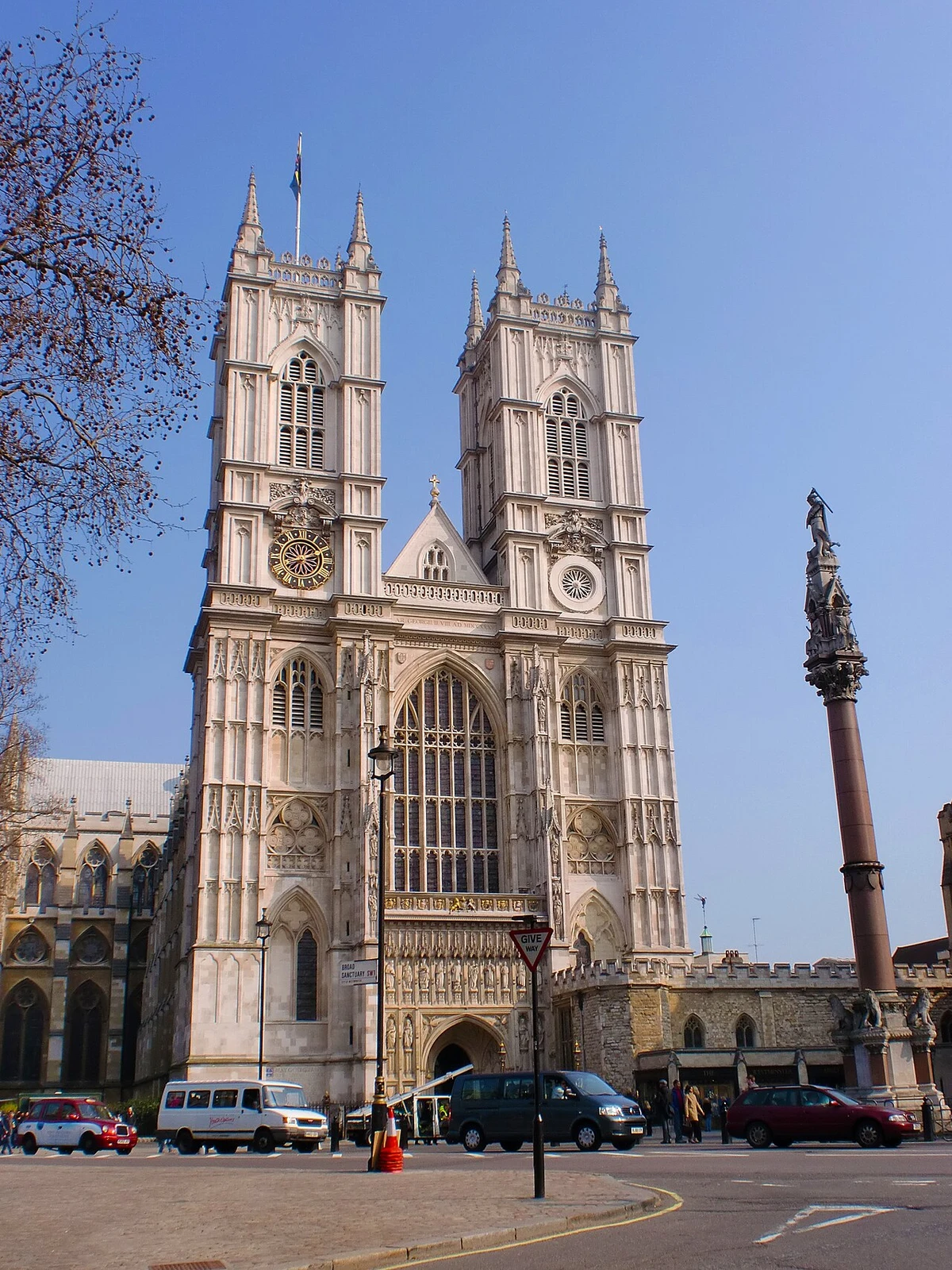
London · 7 km
Westminster Abbey
Content & sources
Σπάρτακος · CC BY-SA 3.0
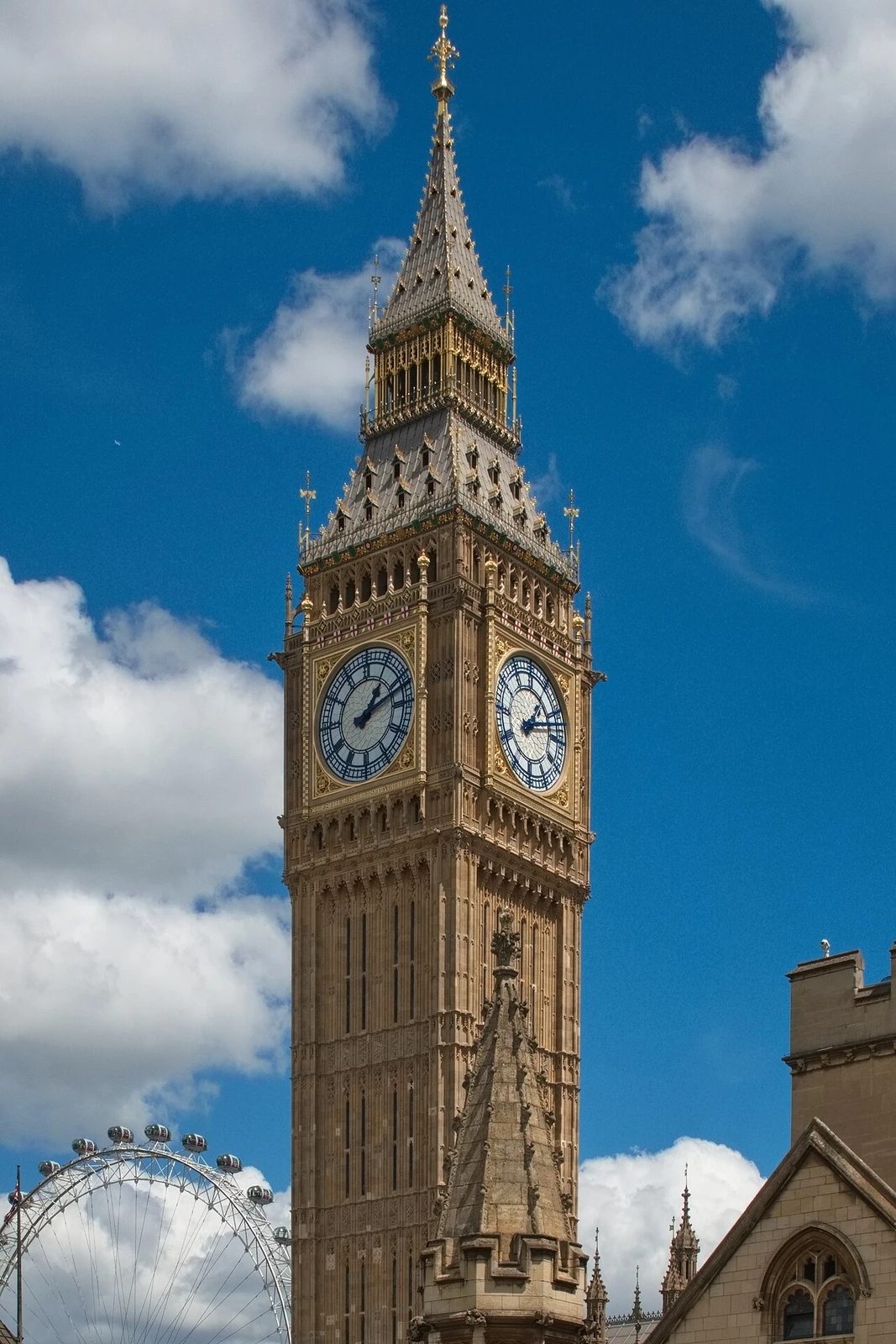
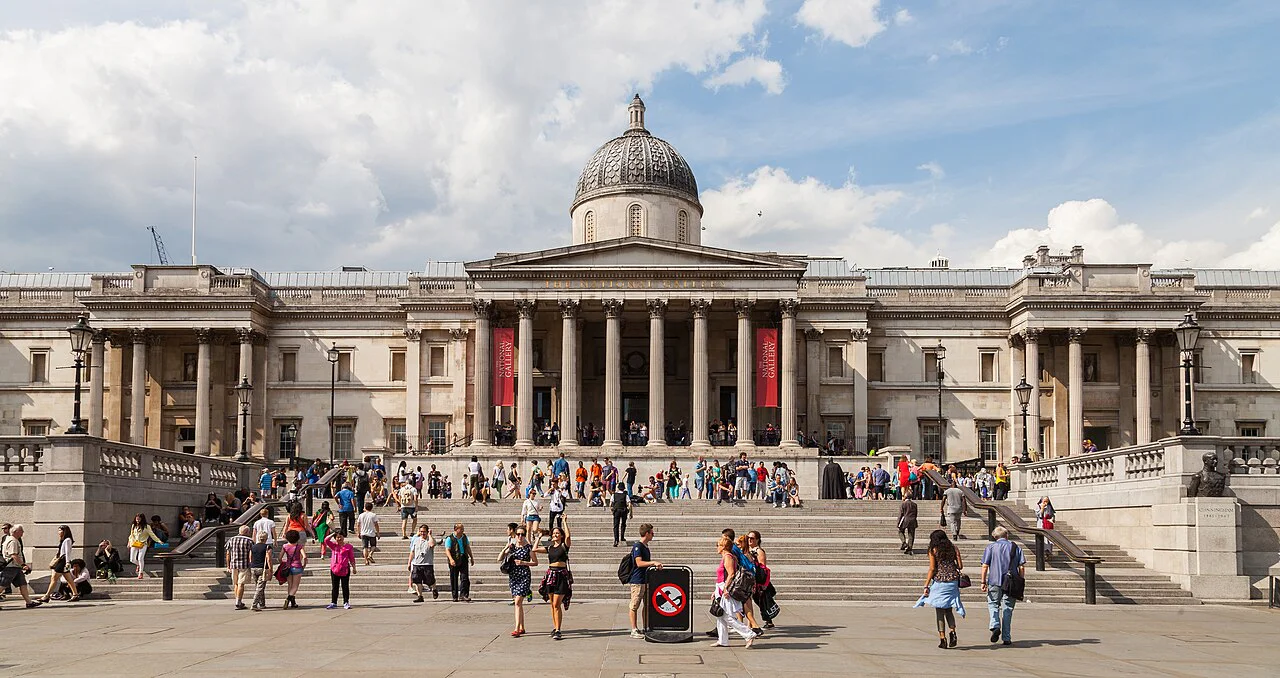
London · 7 km
Big Ben
Content & sources
Dave Bezaire · CC BY-SA 2.0
Art museums
More art museum audio guides
London · 69 artworks
Tate Britain
Content & sources
Carlos Cunha · CC BY-SA 3.0
London · 171 artworks
National Gallery, London
Content & sources
Diego Delso · CC BY-SA 4.0
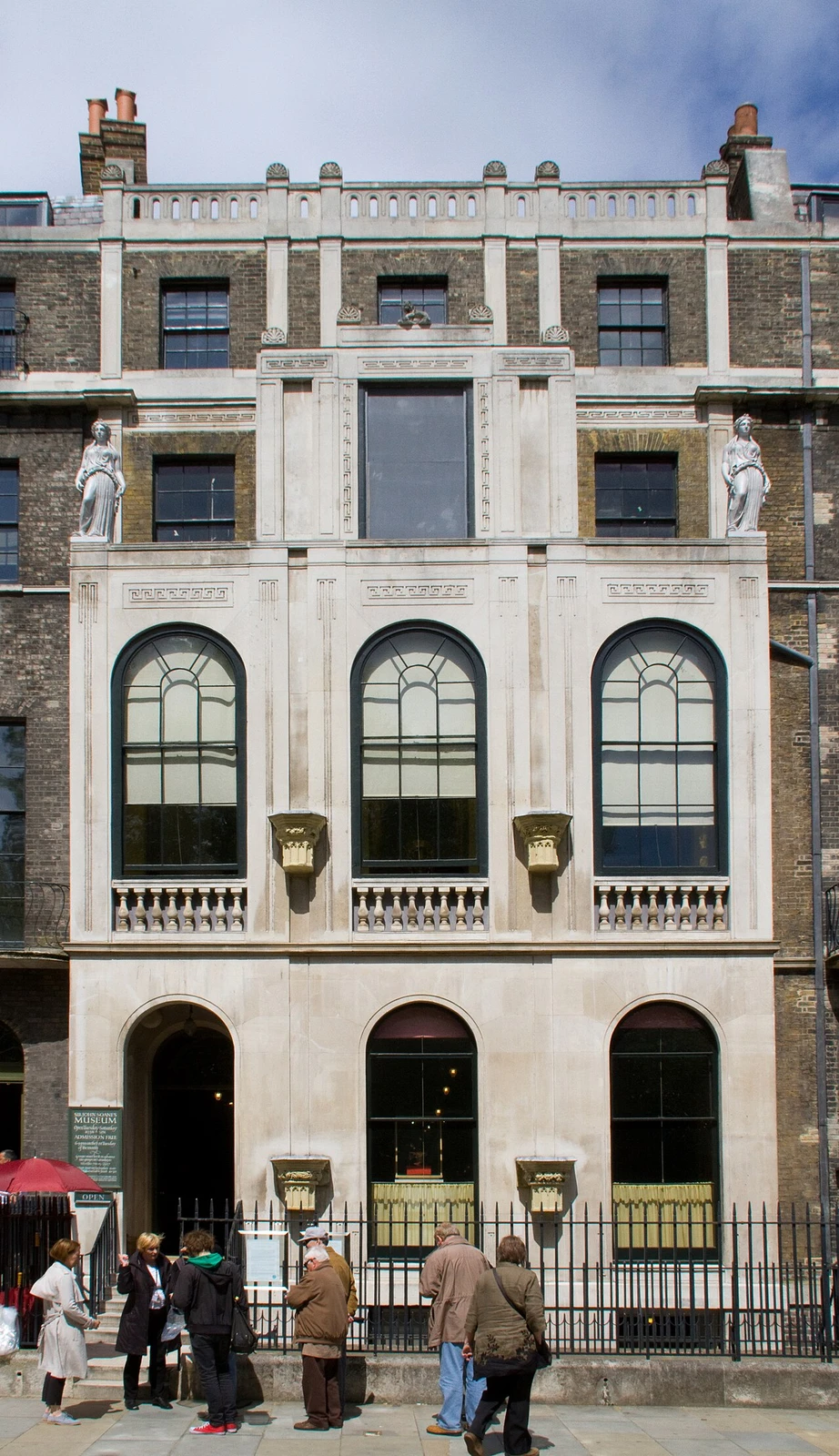
London · 8 artworks
Sir John Soane's Museum
Content & sources
Tony Hisgett from Birmingham, UK · CC BY 2.0
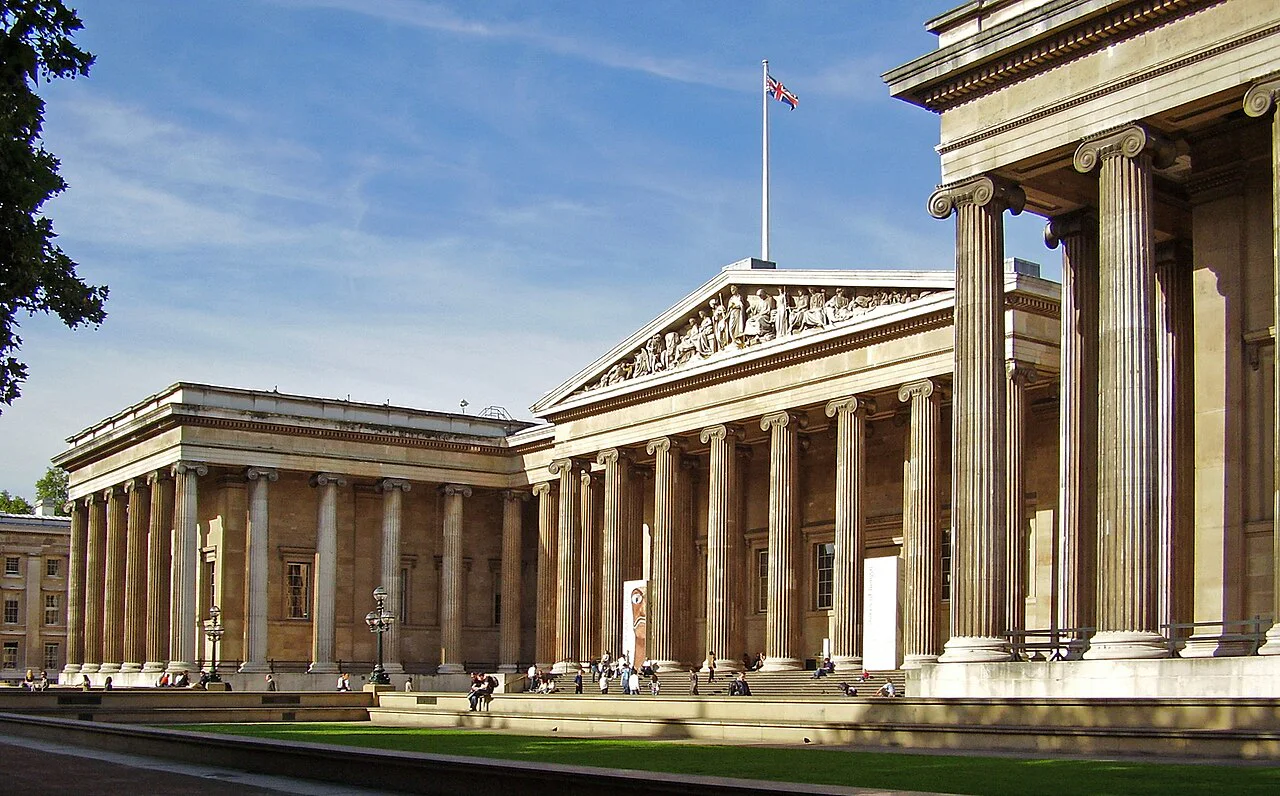
London · 68 artworks
British Museum
Content & sources
Ham · CC BY-SA 3.0
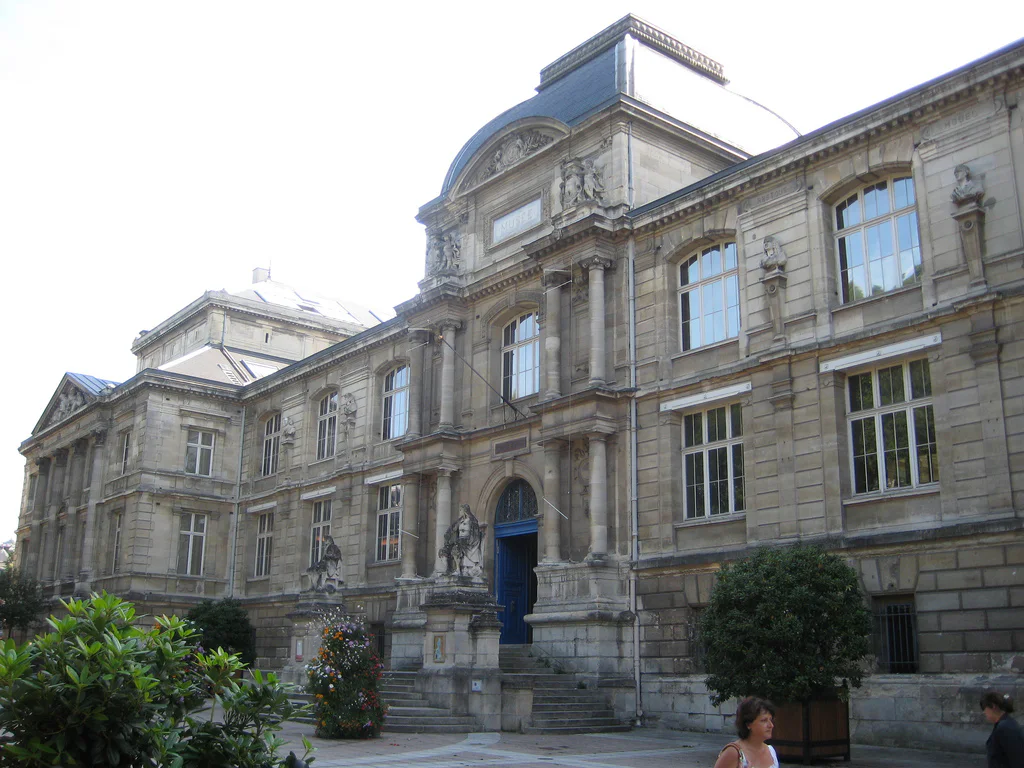
Rouen · 45 artworks
Musée des Beaux-Arts de Rouen
Content & sources
Allie_Caulfield · CC BY 2.0
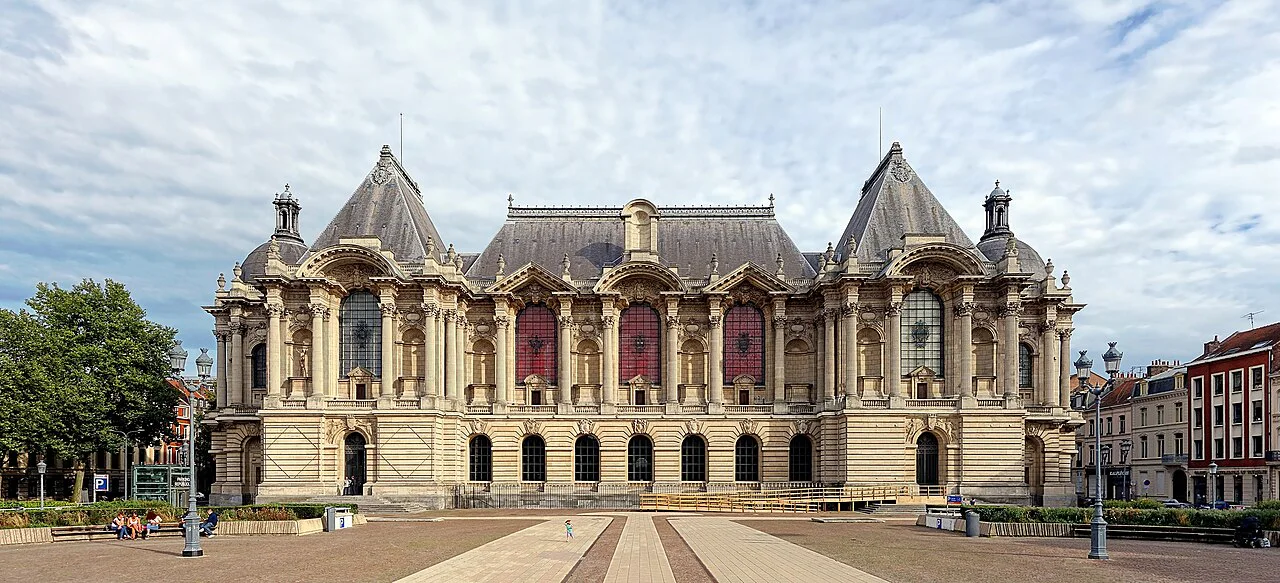
Lille · 96 artworks
Palais des Beaux-Arts de Lille
Content & sources
Photo: Velvet · CC BY-SA 3.0