Stanza · Audio guide
Chatsworth HouseAudio guide
A place to remember. A story to take with you.
Chatsworth House is a grand English country house located in Derbyshire, serving as the seat of the Duke of Devonshire. It is renowned for its extensive art collections, opulent interiors, and expansive…
Download Stanza, then search for “Chatsworth House”.
About the tour
One guide. Your kind of visit.
Chatsworth House is a grand English country house located in Derbyshire, serving as the seat of the Duke of Devonshire. It is renowned for its extensive art collections, opulent interiors, and expansive landscaped parkland.
Ready when you are.
- 01Get the free Stanza app.
iOS & Android
- 02Find your guide.
“Chatsworth House”
- 03Download before you go.
Works offline
Audio guide / 24 narrated stops
Inside the guide
Get to know a few of the stories before you go. Open a stop to read more.
01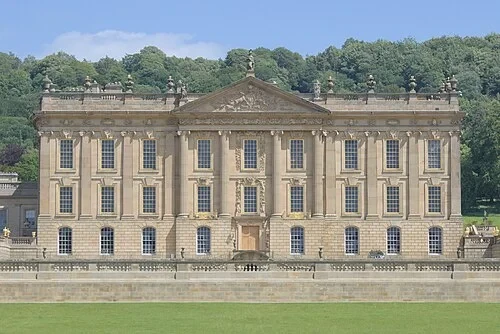 The West Front and Grand ArrivalThe West Front
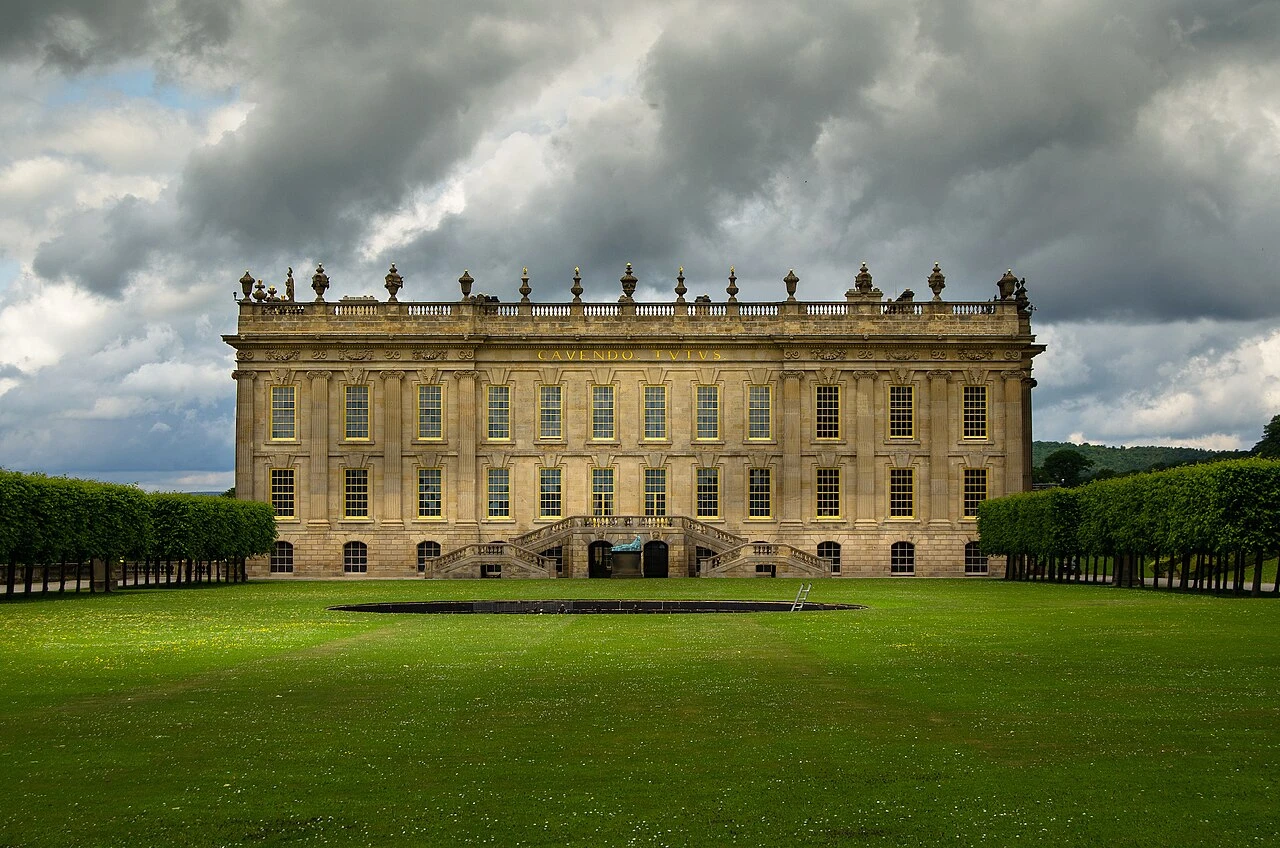
Welcome to Chatsworth House, a place that has served as the seat of the Duke of Devonshire for nearly five centuries. The Cavendish family first acquired this land in 1549, but the structure you see today is largely the result of a massive rebuilding project that began in the late 17th century. In 1687, the 4th Earl began replacing the original Elizabethan manor with this current Baroque house. The construction process was extensive, spanning over two decades before finally reaching completion in 1708. Looking at the facade, it is easy to be overwhelmed by the sheer scale of the estate. The house covers approximately 81,000 square feet and contains around 300 rooms. This massive footprint allows it to house one of Europe's most significant private art collections and serve as a functioning family home. The honey-colored stone and classical proportions of the West Front set the tone for the grandeur found throughout the interior, representing a major shift in English architectural ambition during the transition from the 17th to the 18th century.
Photo: Aethonatic · CC0
02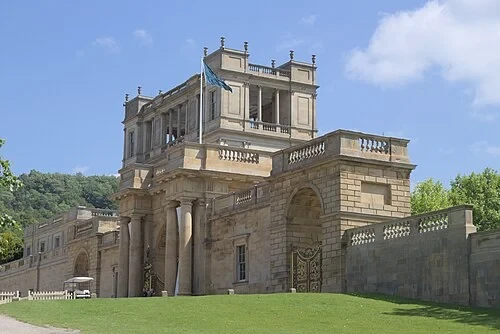 The Painted HallThe North Entrance
The North Entrance serves as a grand architectural transition between the parkland and the inner world of the house. Unlike the main structure, this gatehouse was added in the 19th century by the 6th Duke of Devonshire. His goal was to provide a more formal and dignified point of arrival for his visitors, reflecting the social standards of the Victorian era. When looking at the entrance, you can see a distinct architectural shift. While the 17th-century main house is defined by its elegant Baroque lines and open classical windows, this later addition possesses a more fortress-like quality. Its heavy, defensive appearance was intended to evoke a sense of history and permanence, greeting guests with a display of the family's standing. This entrance redefined how people experienced their first moments at Chatsworth, moving away from the more modest arrivals of previous centuries toward a highly choreographed greeting point. The gatehouse remains a functional part of the estate today, acting as the primary threshold for those entering the North Wing and the private areas of the house.
Photo: Aethonatic · CC0
03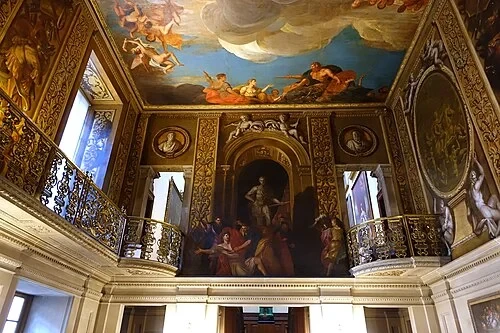 The Painted HallThe Painted Hall
Entering the Painted Hall brings you into one of the most visually dense spaces in the house. The walls and ceilings are covered in sprawling murals by Louis Laguerre, which depict significant scenes from the life of the Roman leader Julius Caesar. These paintings were far more than just decorative choices; the 1st Duke commissioned them in the late 17th century as a bold political statement. By illustrating the triumphs of Caesar, the Duke was publicly signaling his unwavering loyalty to King William III during a time of significant political upheaval in England. Looking up at the ceiling, you can see the narrative reach its climax as Caesar is depicted being received into the clouds, a classic Roman apotheosis. This elevation of the leader was a clear metaphorical nod to the divine right and authority of the reigning monarch. The use of vibrant colors and dramatic lighting in these paintings helped transform a functional hall into a grand theatre of power. Every figure and gesture in the murals served to remind guests of the Cavendish family’s prominent role in the political life of the nation.
Listen in the appPhoto: Daderot · Public domain
04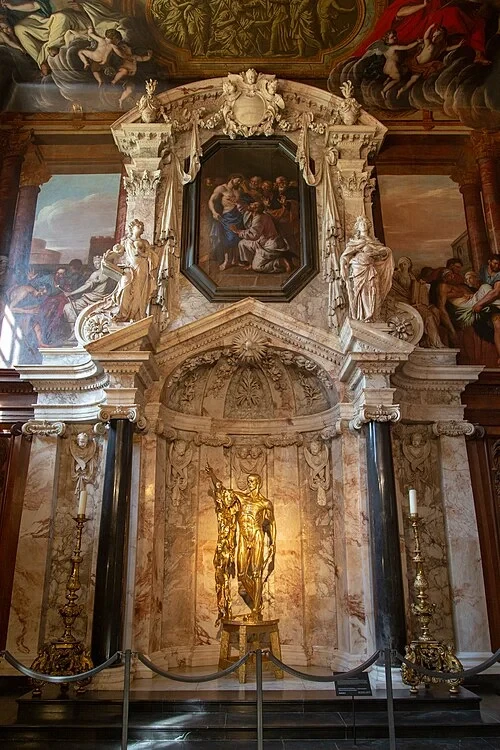 The ChapelThe Chapel
The Chapel is a rare survivor within Chatsworth, remaining exactly as it was designed and finished in the late 17th century. Unlike many other rooms that were modernized by later generations, this space retains its original character and architectural integrity. At the front of the room, the marble altar provides a focal point, flanked by a gilded statue of St. Bartholomew. This figure is a precise copy of an original work by the renowned sculptor Gabriel Cibber. Encircling the room are the incredibly detailed wood carvings of Samuel Watson. These carvings feature delicate floral motifs, ribbons, and heraldic symbols, all rendered with such precision that they seem almost organic. The combination of the heavy stone altar and the light, intricate woodwork creates a contrast typical of the best English Baroque interiors. The 1st Duke intended this room to be a showcase of the finest craftsmanship available in the 1690s, and because it has been so carefully preserved, it remains one of the most authentic late-Stuart interiors in England. Notice the way the natural light interacts with the gilded surfaces, a detail intended to heighten the spiritual atmosphere during morning services.
Listen in the appTom Parnell from Scottish Borders, Scotland · CC BY-SA 2.0
05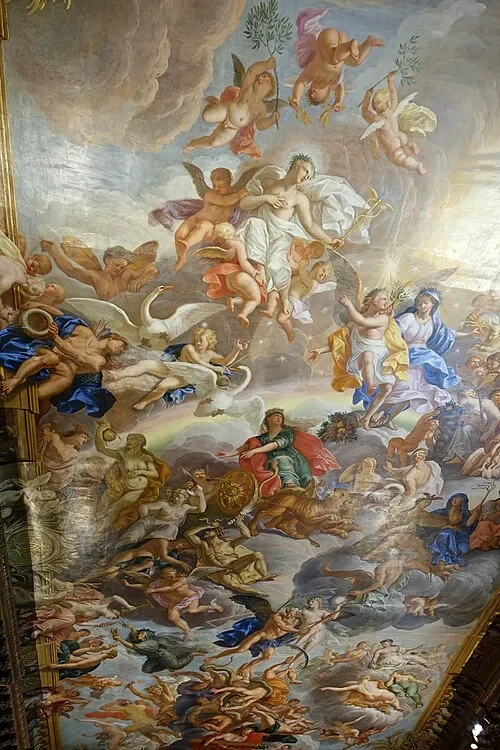 The State ApartmentsThe Great Chamber Ceiling
Looking upward in the Great Chamber, you are greeted by Antonio Verrio's massive ceiling painting titled 'The Return of the Golden Age'. This vibrant work is filled with mythological figures and allegorical symbols representing peace, prosperity, and the flourishing of the arts. The room itself was constructed as part of a grand suite of State Apartments specifically designed to host King William III and Queen Mary II. During the late 17th century, aristocratic families frequently built these lavish suites in the hopes of receiving a royal visit, which was the ultimate sign of social and political favor. However, in this instance, the royal pair never actually stayed at Chatsworth. Despite the vacancy of the royal beds, the ceiling remains as a permanent marker of the 1st Duke’s ambition. Verrio, who was one of the most famous decorative painters of his day, used a palette of rich blues and golds to create an expansive sense of depth. The figures seem to float in a limitless sky, reinforcing the idea of a new, enlightened era under the crown. It is one of the most significant examples of French-style decorative painting found in a private English residence.
Listen in the appPhoto: Daderot · Public domain
06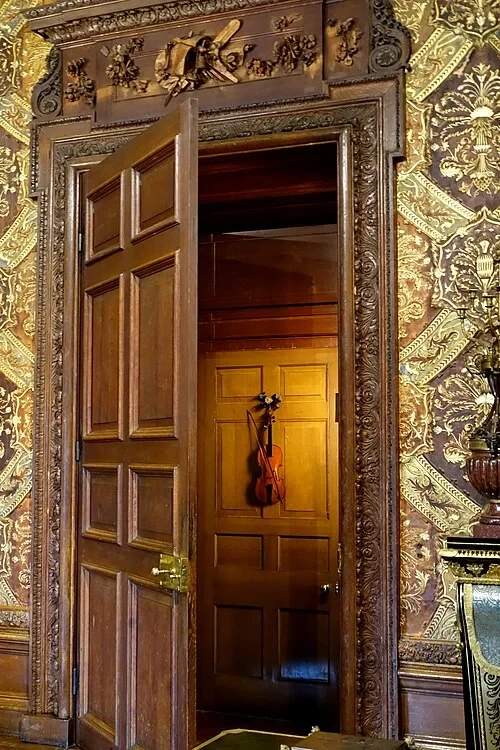 The State ApartmentsThe Violin Door
The door of the State Music Room features one of the most famous visual jokes in any English country house. Known as a 'trompe l’oeil', or 'trick of the eye', this painting by Jan van der Vaart depicts a violin hanging from a silver knob. The level of detail is so precise, from the wood grain of the instrument to the shadows it supposedly casts against the door panels, that many people initially believe they are looking at a three-dimensional object. This type of illusionistic painting was a popular form of wit in the 18th century, designed to surprise and delight guests as they moved through the formal rooms of the house. It serves as a reminder that these grand spaces were often intended for entertainment and play as much as for formal display. Van der Vaart was a specialist in this technique, and his work here has become a beloved fixture of the Chatsworth experience. Even though you know it is a two-dimensional surface, the perspective remains convincing from multiple angles, demonstrating the high level of technical skill required to pull off such a sophisticated visual deception.
Listen in the appPhoto: Daderot · Public domain
07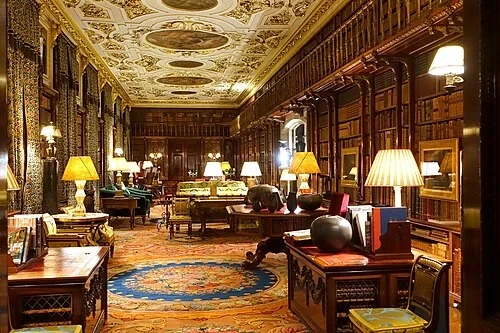 The Library and Cavendish LegacyThe Library
The Library at Chatsworth is often considered the intellectual heart of the estate, containing a collection of over 30,000 volumes. While there has been a library here since the house was first built, the room as you see it today is largely the work of the 6th Duke. He transformed the space into its current grand appearance, focusing on creating an atmosphere that was both impressive and comfortable for long hours of study. The walls are lined from floor to ceiling with dark, lamp-lit wood shelving, which holds centuries of accumulated knowledge ranging from rare medieval manuscripts to 19th-century scientific journals. The room features a warm, inviting glow that comes from the combination of rich wood, colorful book spines, and soft lighting. This was intended to be a lived-in space rather than just a formal gallery. The shelves also contain concealed doors, covered in false book spines, which allowed servants to move discretely through the room without disturbing the Duke or his guests. As one of the largest private libraries in Britain, the collection remains an active resource for researchers and a testament to the family's long-standing commitment to education and the arts.
Listen in the appPhoto: Daderot · Public domain
08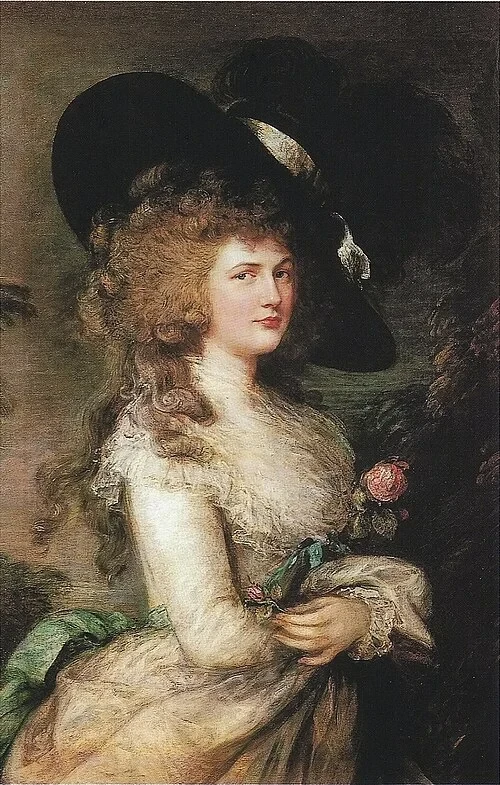 The Library and Cavendish LegacyPortrait of Georgiana, Duchess of Devonshire
This portrait by Thomas Gainsborough features Georgiana Cavendish, the 5th Duchess of Devonshire, who was undoubtedly the most famous socialite of the late 18th century. Georgiana was a woman of immense influence, known not only for her beauty but also for her sharp mind and political activism. She was a leading campaigner for the Whig party and a close friend to many of the most powerful figures of her day. Gainsborough’s painting captures her in the height of her signature style, most notably featuring one of the famously large hats that she made a fashion staple of the era. These hats were so large and elaborate that they frequently appeared in satirical cartoons of the time. Beyond her fashion choices, Georgiana was a central figure in the intellectual and social circles of London and Derbyshire. She lived a life of great drama and public fascination, often making headlines for her gambling debts and complicated personal relationships. This painting remains one of the most recognizable images of the Duchess, embodying the elegance, charisma, and slight defiance that defined her public persona during a time of great cultural change in Britain.
Listen in the appThomas Gainsborough · Public domain
09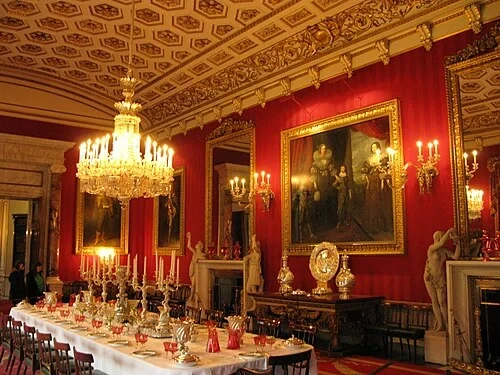 The Great Dining RoomThe Great Dining Room
The Great Dining Room represents the peak of 19th-century hospitality and social display. This space was redesigned by the 6th Duke of Devonshire specifically to accommodate the grand dinner parties that were a central part of aristocratic life. During the Victorian era, a dinner at Chatsworth was a major social event, governed by strict etiquette and immense wealth. To impress his guests, the Duke filled the room with massive silver pieces and intricate table settings, some of which are still on display today. The walls are hung with portraits of the Cavendish family, providing a sense of historical continuity and prestige for those dining at the table. The scale of the room allowed for dozens of guests to be seated at once, served by a small army of staff who moved through the house via a dedicated network of corridors. The room’s decor was intended to create an atmosphere of permanence and power, reflecting the social expectations of the time. Even today, the space conveys the incredible resources required to maintain such a high level of formal entertaining, offering a glimpse into the lifestyle of one of Britain's most influential families during the height of their prosperity.
Listen in the appFlavio Ferrari · CC BY-SA 2.0
10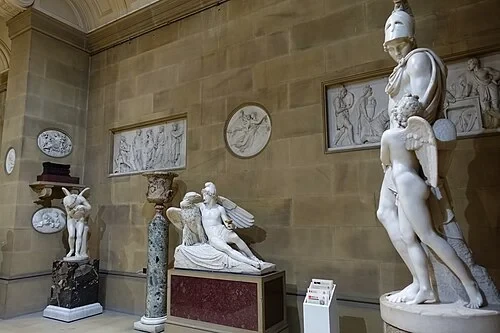 The Sculpture GalleryThe Sculpture Gallery
The Sculpture Gallery was a major architectural project commissioned by the 6th Duke to provide a dedicated home for his vast collection of neoclassical art. Completed in 1834, the gallery is a long, top-lit space designed to showcase three-dimensional works in the best possible natural light. The Duke was an avid traveler and a passionate collector, particularly of works from Italy. His frequent trips to Rome inspired the classical aesthetic of this room, which features high ceilings and clean architectural lines that do not distract from the art itself. The gallery houses masterpieces by some of the most famous sculptors of the early 19th century. By building this dedicated space, the Duke was following a tradition of grand tours where British aristocrats would bring back classical treasures to display in their country estates. However, the scale and quality of this particular collection placed it among the finest in the world. The top-lighting system was highly innovative for its time, ensuring that the subtle textures and details of the stone carvings could be appreciated throughout the day. It remains one of the most significant and well-preserved private sculpture galleries in Europe.
Listen in the appPhoto: Daderot · Public domain
Chatsworth House
Frequently asked questions
How much does the guide cost?
Free app download. Listed guide price: $3.99. Guide price shown in the app. Audio guide only. Venue admission is separate.
Can I listen without internet?
Yes. Download the guide’s audio, images, and maps in the app before your visit. Your downloaded content is then available offline.
Can I listen in my language?
Stanza supports 15 languages. Check the app for the languages available for this guide.
Do I need to follow a schedule?
No. This is a self-guided experience. Choose your stops, pause whenever you like, and return to a story at your own pace.
At your own pace
Explore Chatsworth House.
Download Stanza, then search for “Chatsworth House”.
Free app download · Guide price shown in the app
Keep exploring
Nearby audio guides
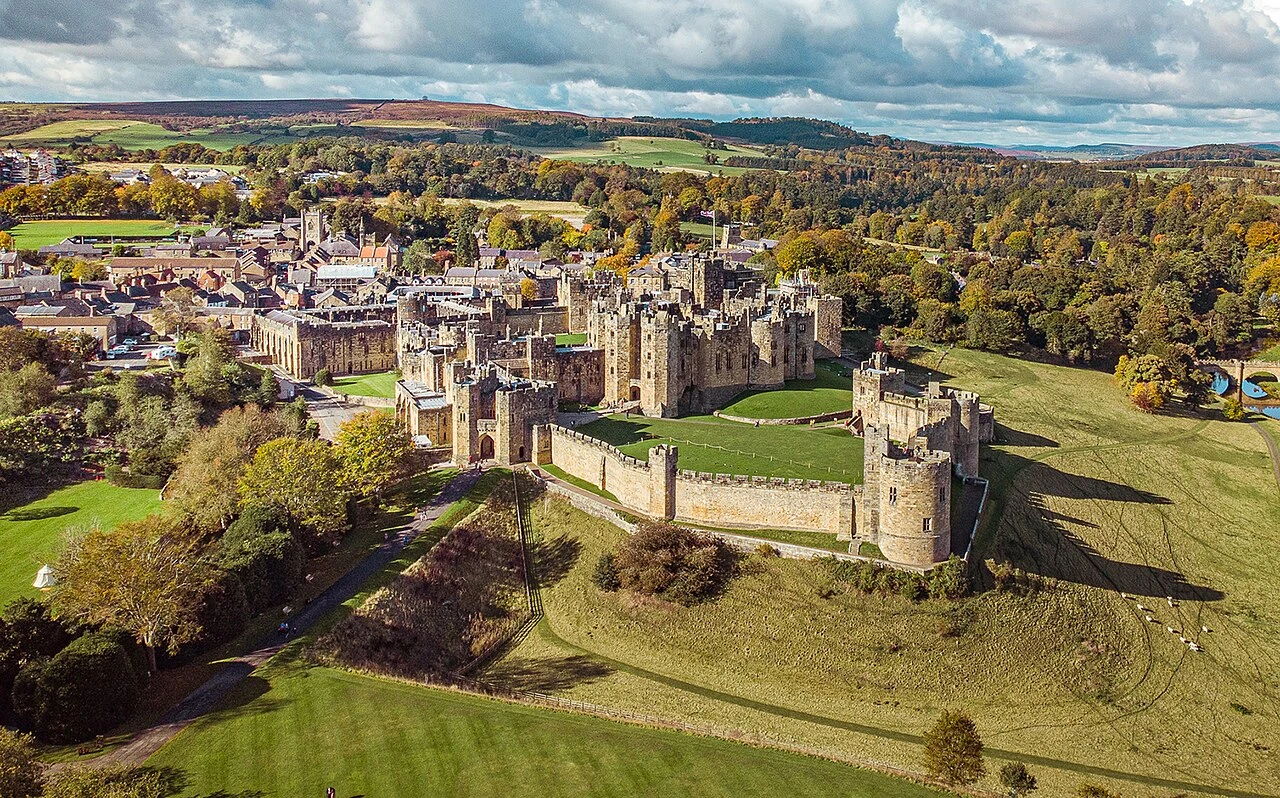
Alnwick
Alnwick Castle
Content & sources
Clementp.fr · CC BY-SA 4.0
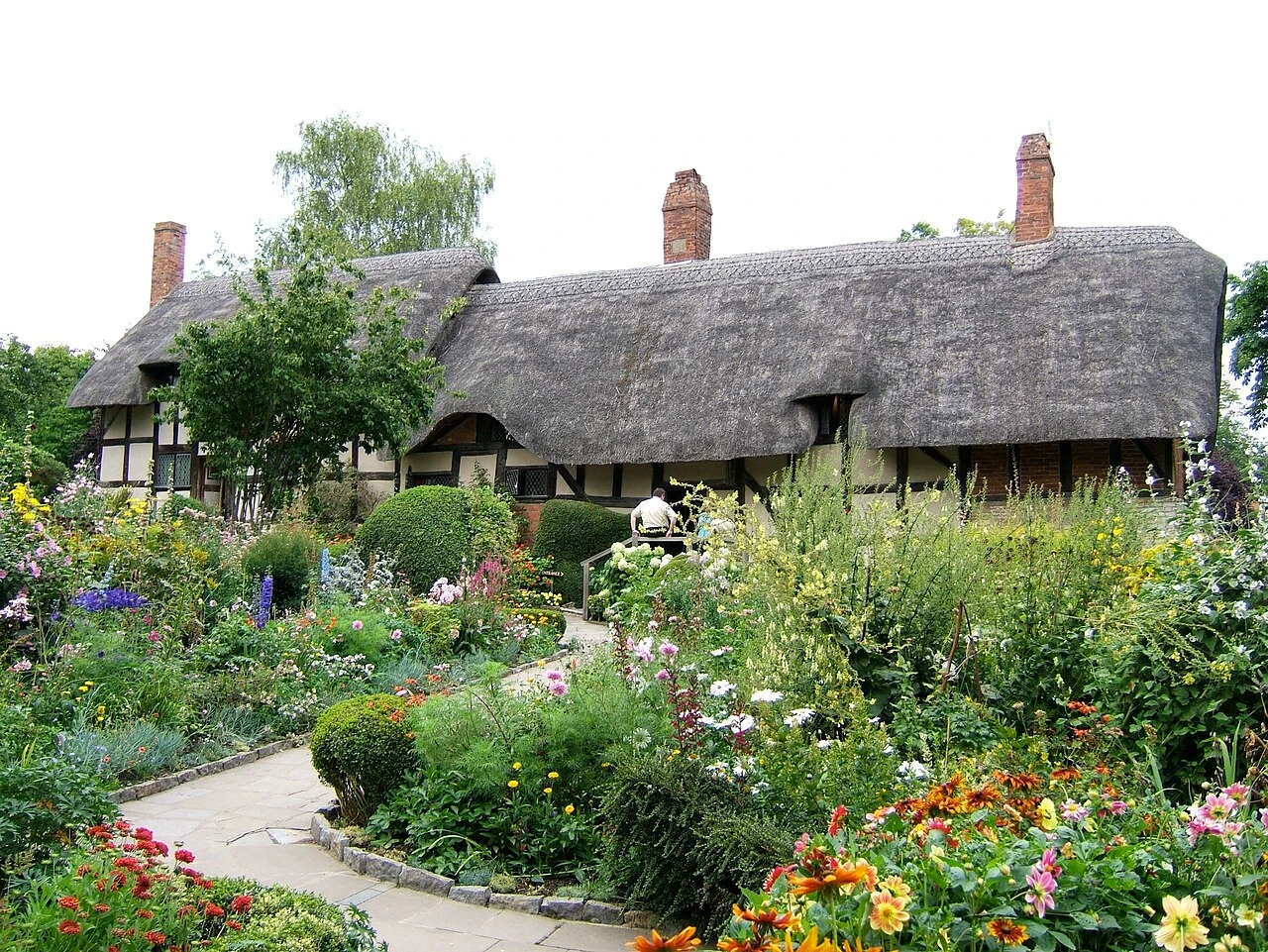
Stratford-on-Avon
Anne Hathaway's Cottage
Content & sources
Richard Peat · CC BY-SA 2.0
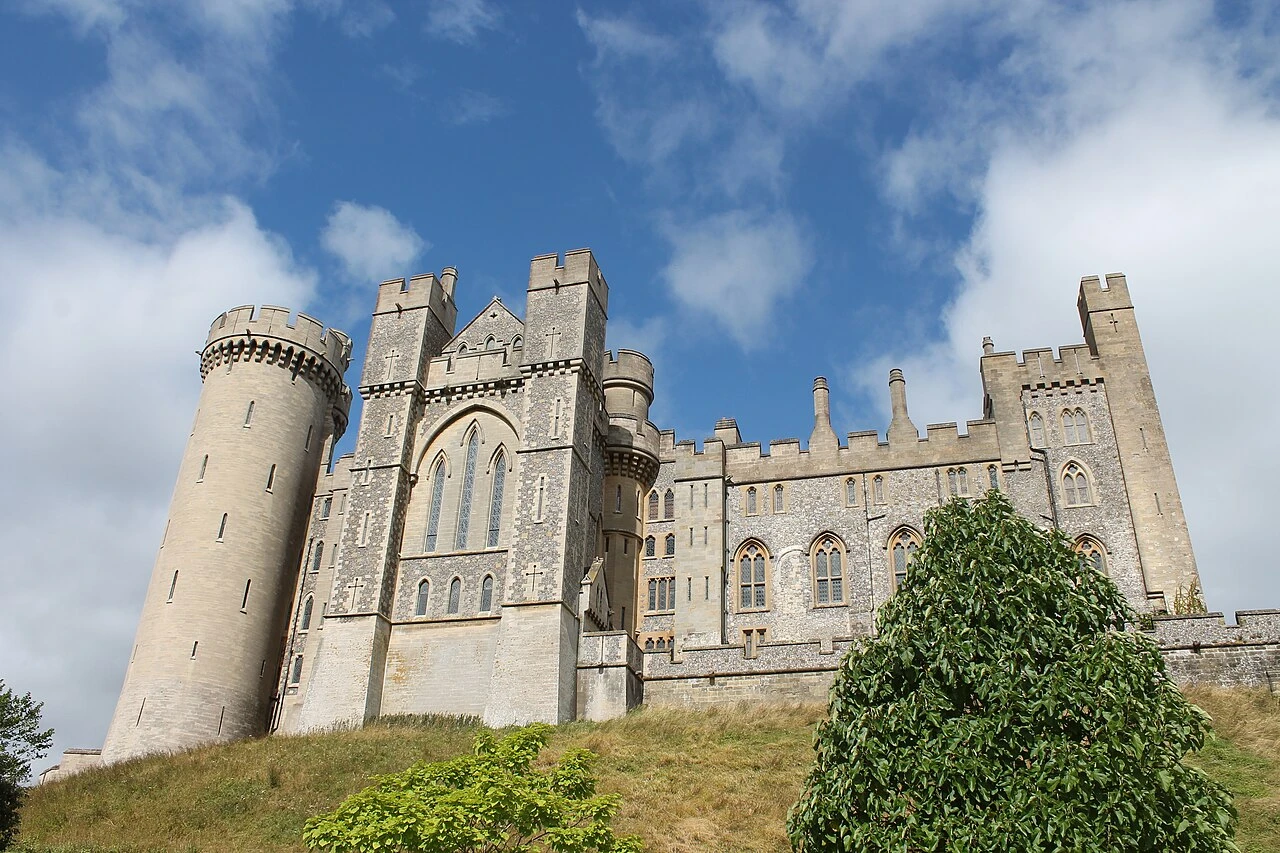
Arun
Arundel Castle
Content & sources
Photo: Egjoni98 · CC BY-SA 4.0
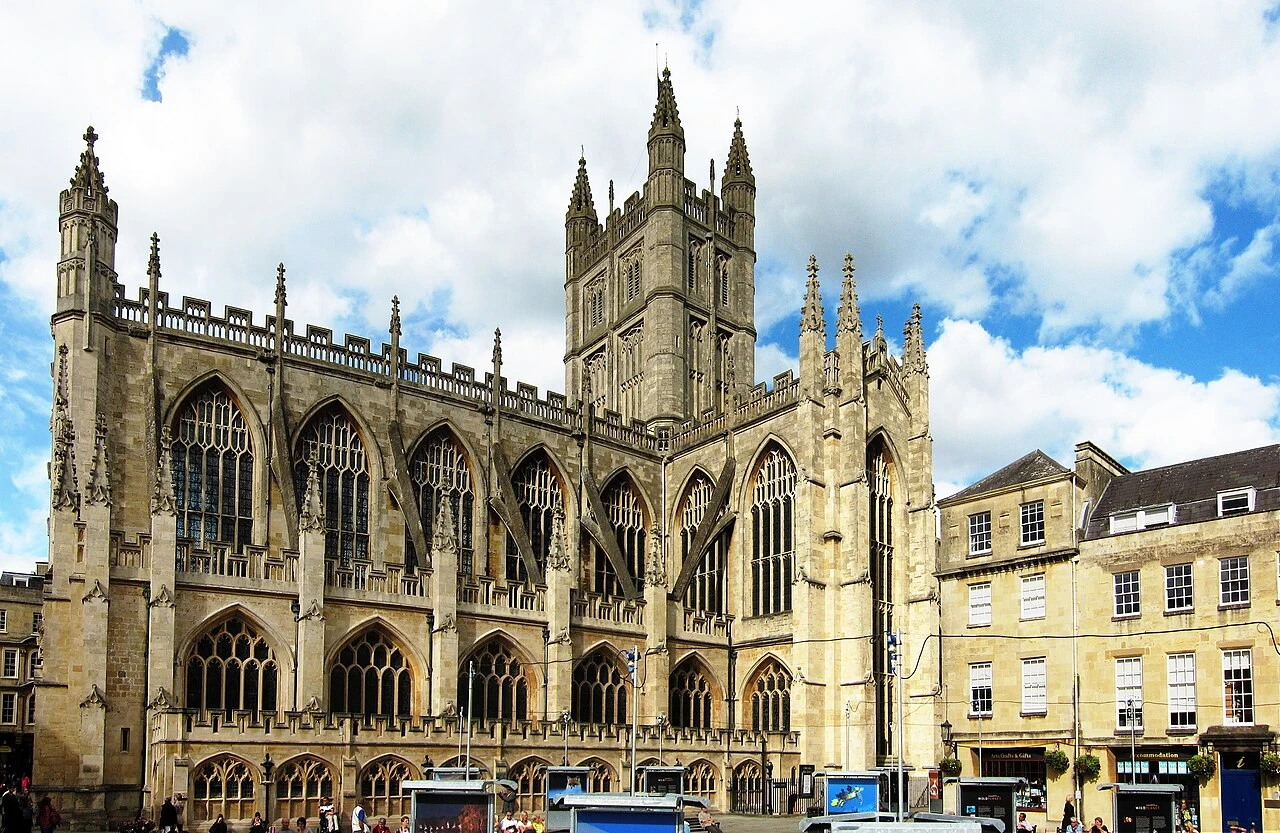
Bath
Bath Abbey
Content & sources
Photo: Velvet · CC BY-SA 3.0