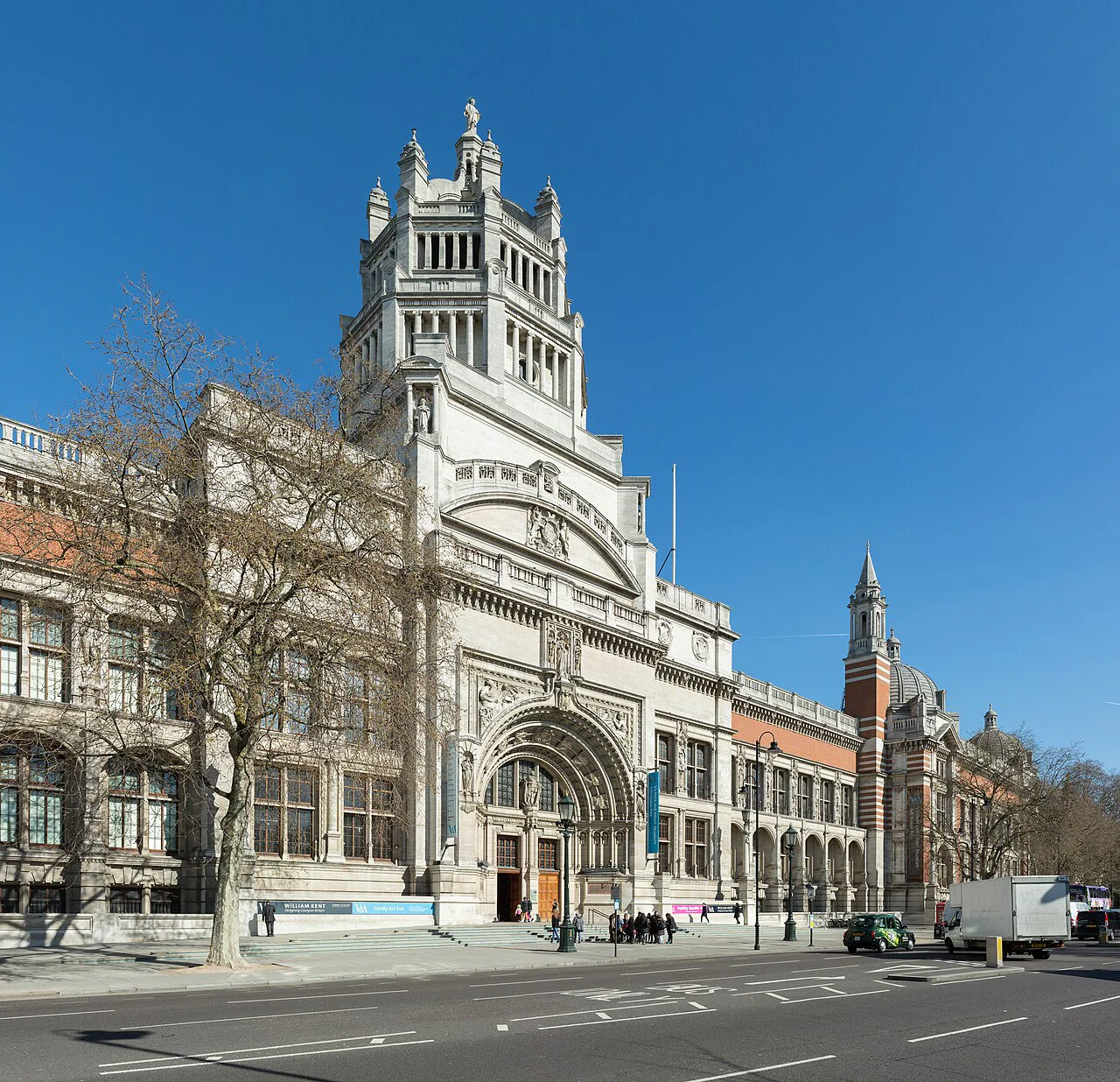
 Stanza / Audio guide
Content & sources
Stanza · Audio guide
Victoria and Albert Museum Audio Guide
A place to remember. A story to take with you.
The Victoria and Albert Museum is the world's largest museum of applied arts, decorative arts and design. It houses a permanent collection of over 2.8 million objects across six sites in the United Kingdom.
Download Stanza, then search for “Victoria and Albert Museum”.
About the tour
One guide. Your kind of visit.
The Victoria and Albert Museum is the world's largest museum of applied arts, decorative arts and design. It houses a permanent collection of over 2.8 million objects across six sites in the United Kingdom.
The Victoria and Albert Museum guide tells the stories of 181 artworks, including Tipu's Tiger (Victoria and Albert Museum), bean bag chair (Daniela De Ponti), Neptune and Triton (Gian Lorenzo Bernini), The Age of Bronze (Auguste Rodin), Portrait of a Lady known as Esmeralda Brandini (Sandro Botticelli), The Four Stages of Cruelty (William Hogarth), Ardabil Carpet (Unknown Artist), and Salisbury Cathedral from the Bishop's Grounds (John Constable). Every artwork is free to hear in the Stanza app until 1 January.
Ready when you are.
- 01Get the free Stanza app.
iOS & Android
- 02Find your guide.
“Victoria and Albert Museum”
- 03Download before you go.
Works offline
Audio guide / 181 artworks
Inside the guide
Get to know a few of the stories before you go. Open a stop to read more.
01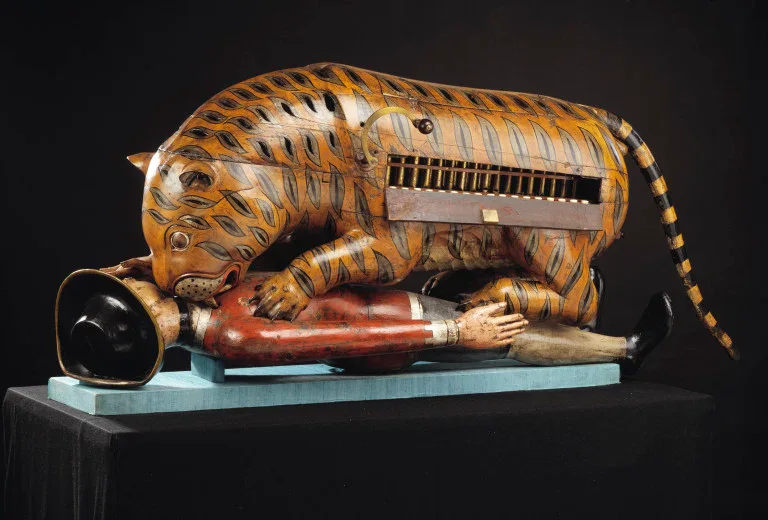
Tipu's Tiger
A crank sets the whole thing going. Air is pushed through a pipe in the man's throat, and a wail comes out of his mouth. His left arm rises and falls, and that changes the pitch of the cry. A pipe in the tiger's head makes a regular grunt. The openings in the tiger's head are cut to match its painted stripes, and they let the sound out. Under a flap in the tiger's side lies a small keyboard, so tunes could be played. On the outside, a tiger mauls a man in European dress. No one knows who built it. Around 1795, Tipu Sultan, who ruled Mysore, had it made. He used the tiger as his emblem, on his weapons, on his soldiers' uniforms, in his palaces. He had grown up hating the British, and here they were, brought low under a tiger. Then in 1799 British troops stormed his capital. Tipu was killed, and this machine was taken as plunder and sent to London. From 1808 it was on public display. British visitors could turn the crank and hear the man cry out and the tiger growl. It became a popular attraction. The crying and roaring went on for years, to the annoyance of the students working in the library. Then the crank disappeared, and they were relieved.
Listen in the appVictoria and Albert Museum · CC BY-SA 3.0
02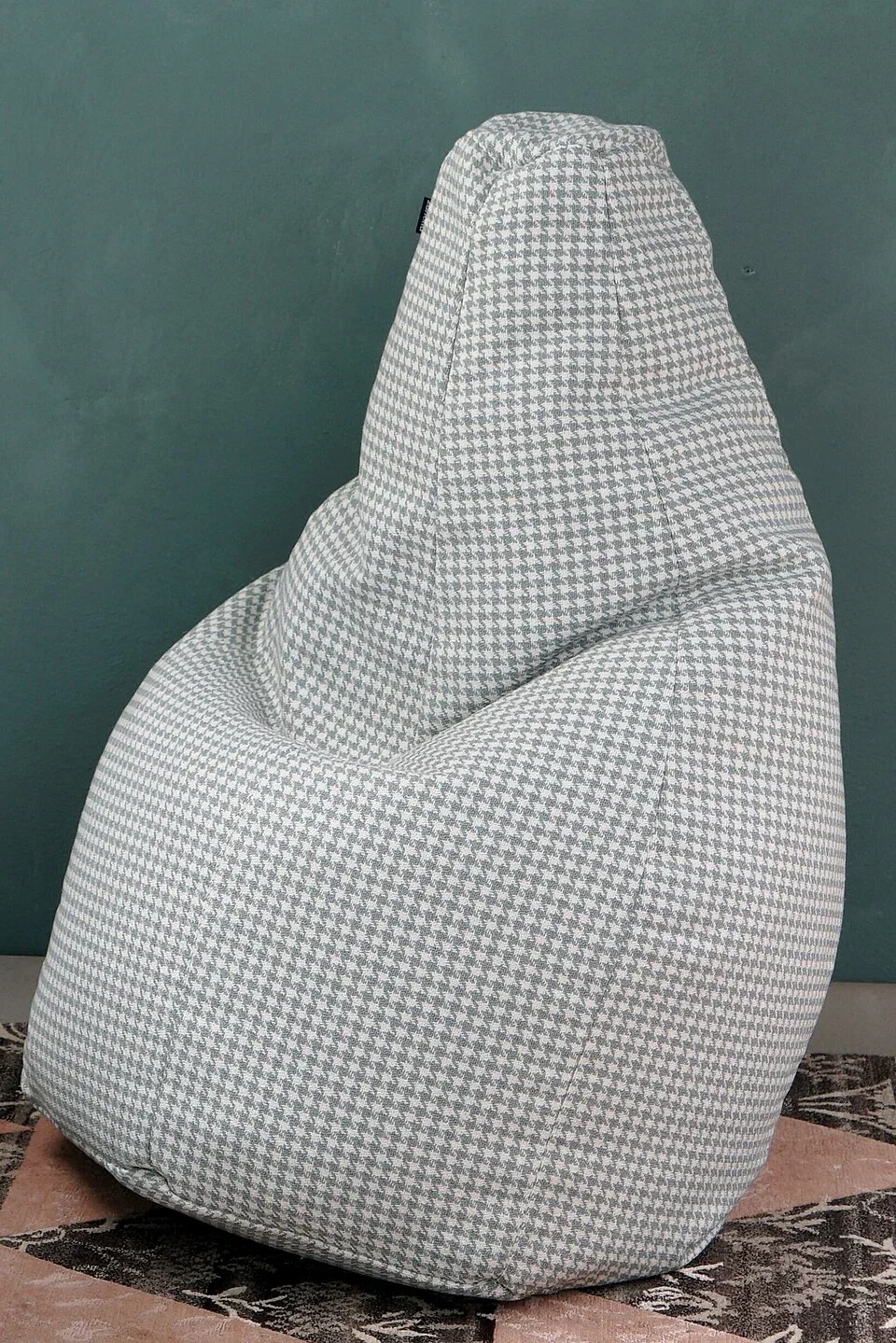
bean bag chair
There is a zipper at the bottom of this chair. Undo it and you can take out what is inside and change it. This is a chair built to be opened and filled again. Inside are thousands of small polystyrene balls. Nothing in there is rigid, so nothing decides how the chair looks. Your body does. You throw yourself onto it and your own weight decides where you sit. No legs, no back, no proper seat, just a sack that takes the shape of whoever is on it. Three young designers in Turin, Piero Gatti, Cesare Paolini and Franco Teodoro, made it in 1968 for the furniture maker Zanotta. Instead of building some complicated mechanism, they decided on a form that gave way to the body. They had the hippie community in mind, whose values suited a chair with no fixed shape. The first version was shown to a chemical company, which turned it down. Zanotta took it, reworked it, and five months after that first prototype it went into production. The covering was leather, chosen deliberately, because at the time leather was a source of national pride in Italy.
Listen in the appDaniela De Ponti · CC0
03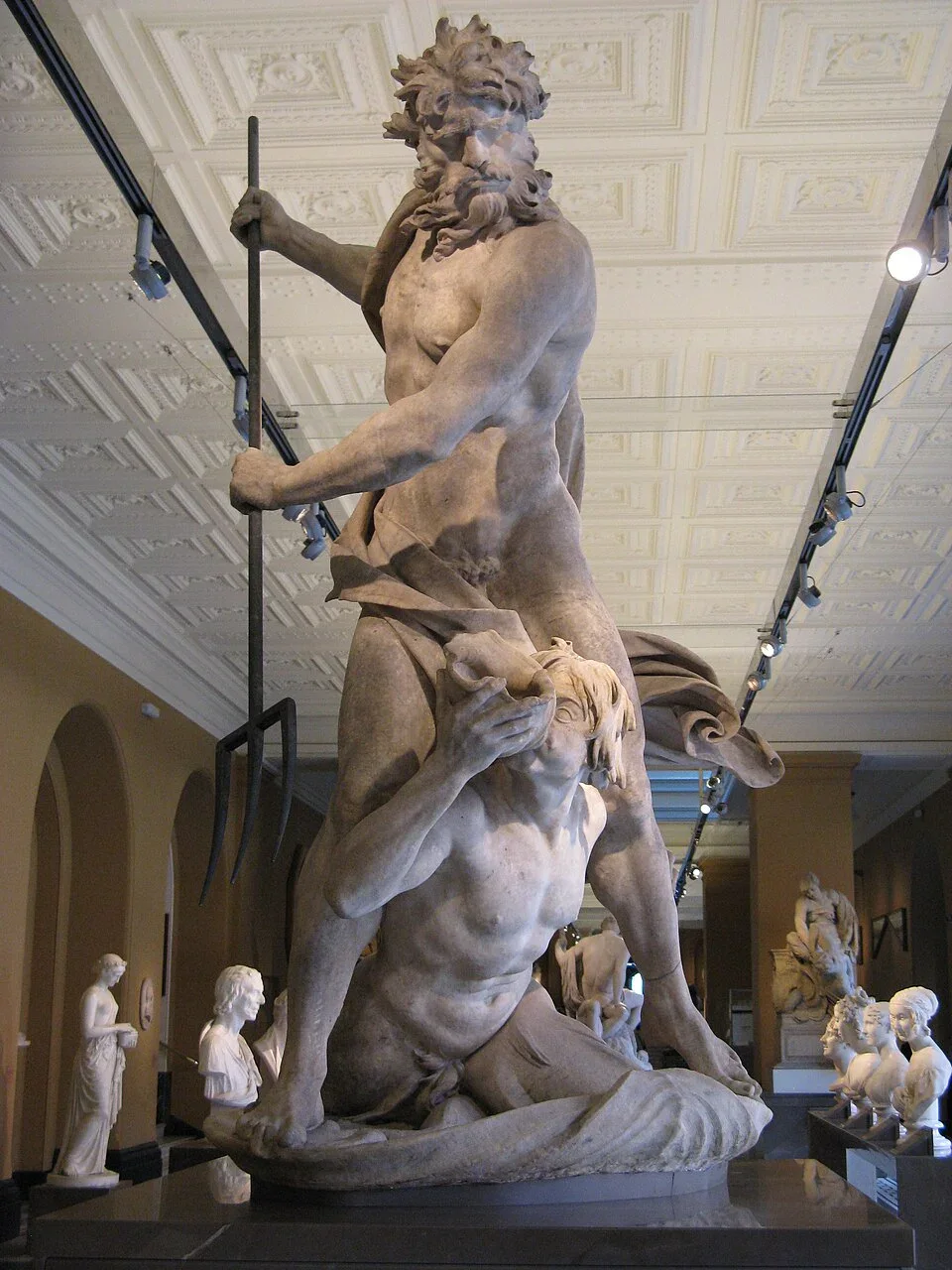
Neptune and Triton
Nobody is sure which old story these two figures are acting out. Neptune twists, hair and beard wild, brow furrowed, raising his trident to thrust it down toward the water. Below him, his son Triton pushes forward and blows a conch like a horn, gripping Neptune's leg and ducking a shoulder between his thighs. His tail is split in two, shaped like a pair of human legs. Both rest on a great half shell. The scene seems to recall Neptune and Triton helping the ships of Troy. But the old stories do not fit neatly. In Virgil, Neptune calms the waves, then Triton and a sea nymph shove Aeneas's ships off the rocks. There is no nymph here, and no ships. In Ovid, Neptune only tells Triton to blow his shell to quiet the waves. Yet Neptune scowls in anger, a strange way to calm a sea. So Bernini must have stitched a version together himself. He made it for a cardinal's garden lake in Rome, with water meant to gush from Triton's shell. The ends of Neptune's drapery are shaped like a dolphin's head. Perhaps that is an echo of Ovid's stories of change.
Listen in the appYair Haklai · CC BY-SA 3.0
04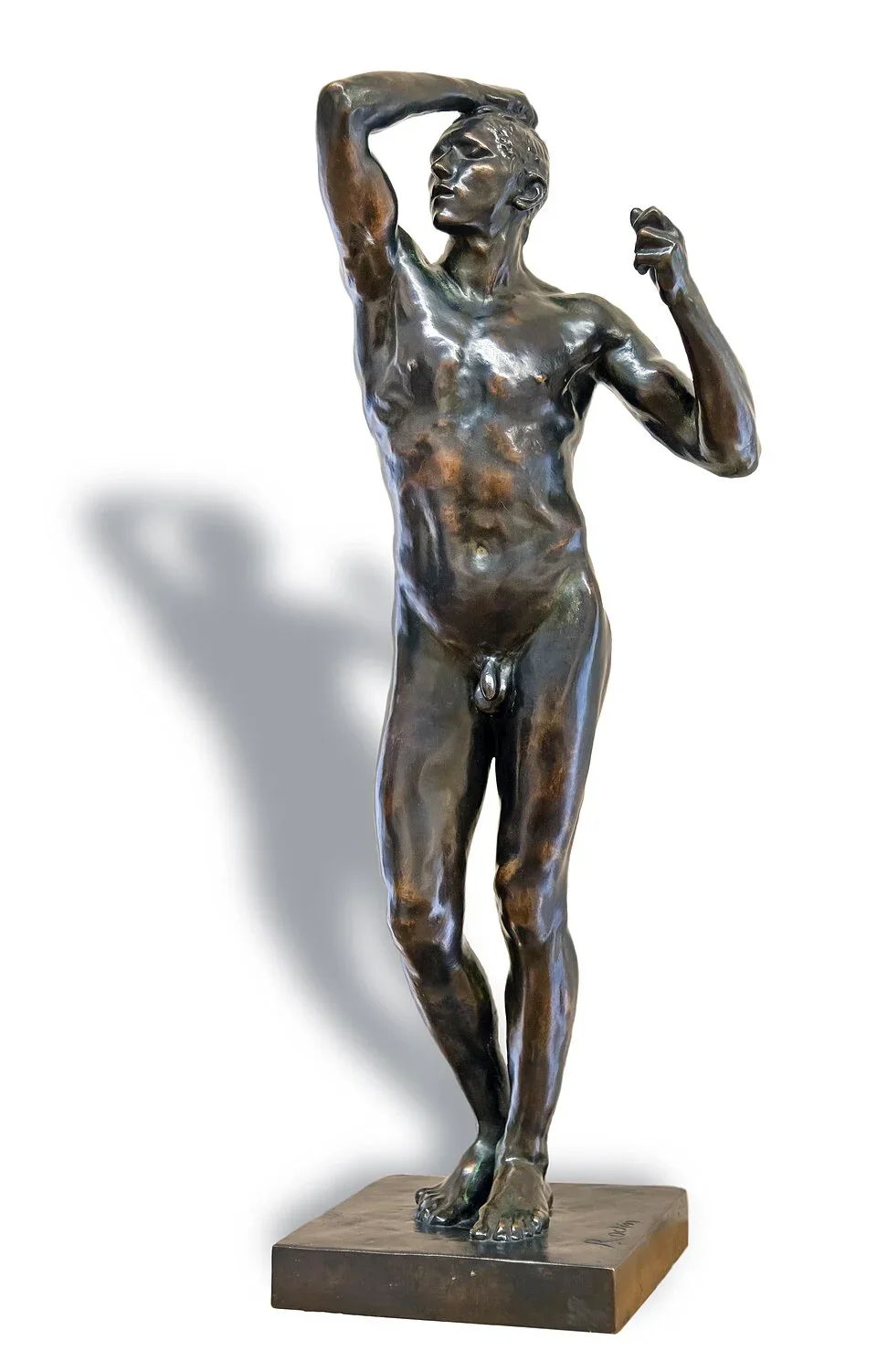
The Age of Bronze
This figure looks so alive that, when it first appeared, people could not believe a sculptor had shaped it. They thought it had been cast directly from a living body. The suspicion drew people in, eager to judge for themselves. Natural life was what Rodin was after. He had grown tired of professional models, who could not hold the natural poses he wanted. So he asked a young Belgian soldier named Auguste Neyt, who was twenty two, to pose for him, and kept photographs of the man. The life he wanted is there in the weight shifted to his right side, the relaxed lips, and the head resting on his shoulders. He first gave the figure a spear, making him a warrior near defeat, then took it away before showing the work. The body and its inner state were left to carry the meaning. What this man represents was never explained.
Listen in the appDidier Descouens · Public domain
05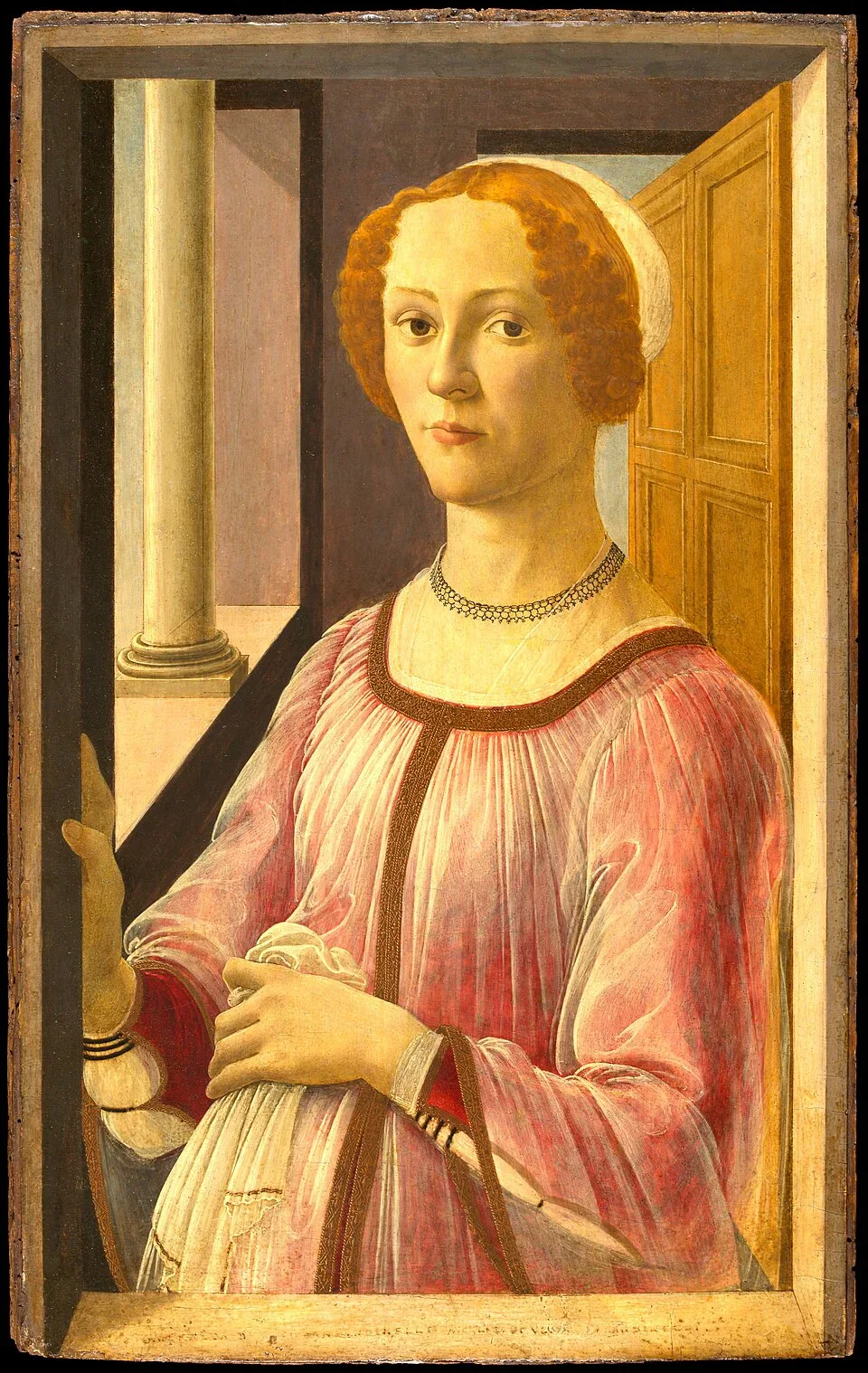
Portrait of a Lady known as Esmeralda Brandini
Who is this woman? She faces you at an angle, with one hand on the window frame. Earlier Florentine portraits showed their sitters in profile, and this pose seems to have been Botticelli's own idea. Her other hand lies across her body, holding a handkerchief, the mark of a woman of rank. On the window frame runs an inscription naming her Smeralda Bandinelli. That seems to answer the question. It even makes her the grandmother of the sculptor Baccio Bandinelli. But the name was probably added later, not when the portrait was painted between 1470 and 1475. Baccio did not take that surname until 1530, more than fifty years after she sat here.
Listen in the appSandro Botticelli · Public domain
06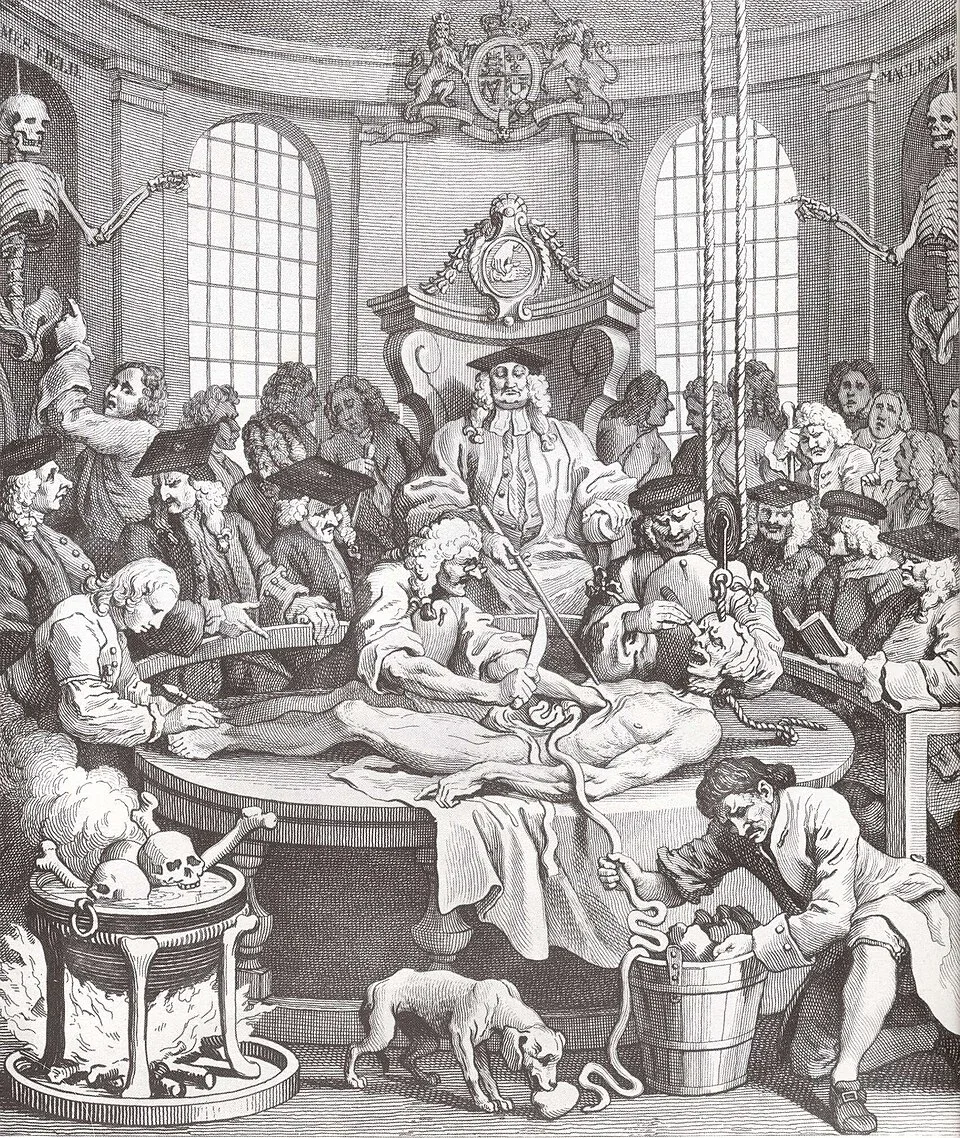
The Four Stages of Cruelty
An arrow is being pushed into a dog, and other boys are helping. A gentler boy, perhaps the dog's owner, is begging Tom Nero to stop, even offering him food. But Tom, in the centre, keeps at it. There is a chalk drawing of a man hanging from the gallows, with Tom's name written under it. A schoolboy in the scene points towards Tom. Then Tom is a grown man, driving a hackney coach. His horse has collapsed, its leg broken after years of overloading, and he has beaten it until one eye is gone. What was a boy's game is now his work. By the third print, Tom has killed Ann Gill, the pregnant woman he talked into robbing her mistress. The cuts are at her neck and wrists. Her forefinger, nearly cut off, points to words in a fallen book, God's Revenge against Murder. In the last print, Tom has been hanged. His body comes down from the gallows and is carried to the anatomical theatre, where surgeons take it apart. Hogarth was sickened by the cruelty on London streets and wanted a warning of where it leads. So he drew the prints roughly and put them on cheap paper that a shilling could buy for a workshop wall.
Listen in the appWilliam Hogarth · Public domain
07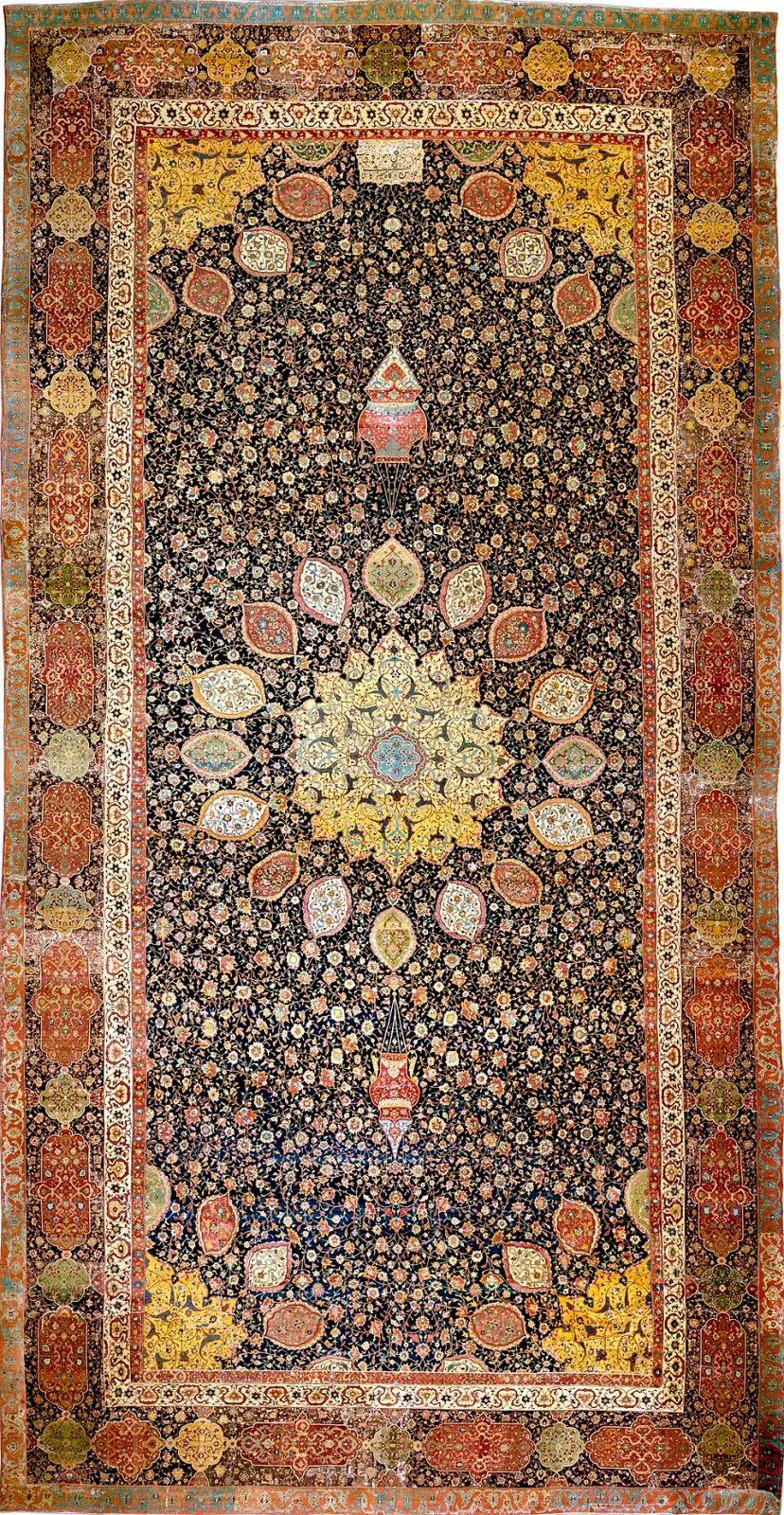
Ardabil Carpet
Nobody is sure this carpet was ever made for the shrine it is named after. It was sold as the holy carpet of the mosque at Ardabil, and the name stayed. But at its full size it would not have fitted the shrine there. It also matches none of the carpets listed in an inventory from 1795. At that size, the pair would have fitted a space in the more important shrine at Mashad. In the border, a cartouche carries two lines from the poet Hafiz. The lines read I have no refuge in the world but your threshold, and nowhere to rest my head but at your door. The word for refuge is one used both for a sanctuary and for the shah. So the lines could praise a holy place, or the shah. The same cartouche also gives a signature, a court servant named Maksud of Kashan, and a date that works out to about 1539. It may be the earliest date written on any Persian carpet. The pair took about four years to weave. Later, worn and damaged, they were sold, and this one was repaired using sections of the other. Whatever was left of that second carpet became the smaller one now in Los Angeles.
Listen in the appUnknown author · Public domain
08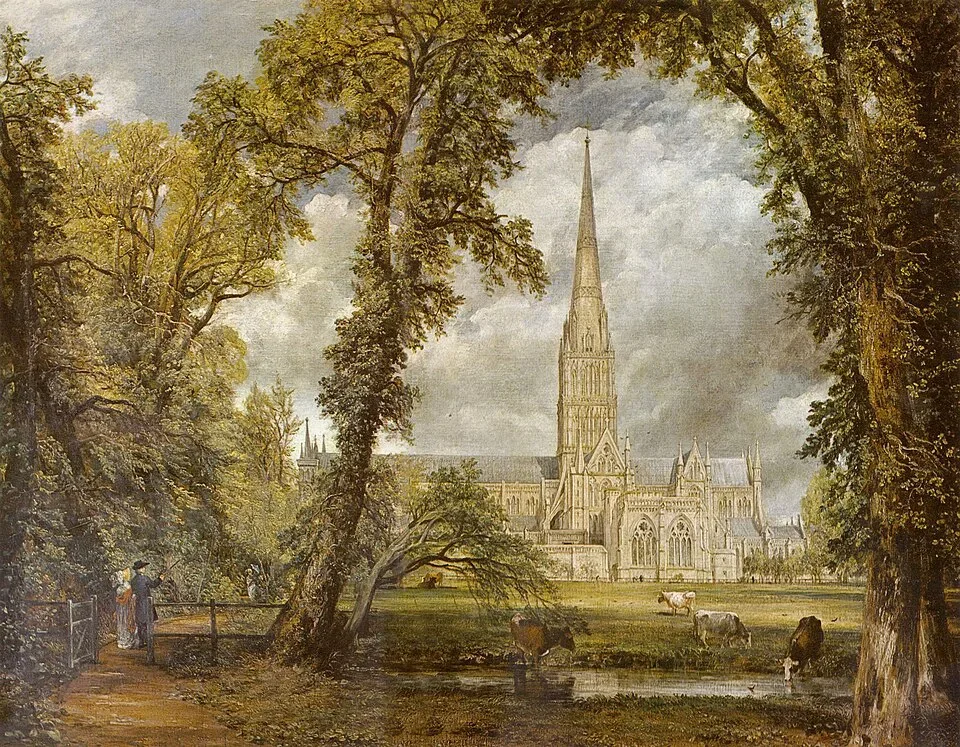
Salisbury Cathedral from the Bishop's Grounds
Two small figures at the bottom left, walking. The man points toward the cathedral. That is John Fisher, the Bishop of Salisbury, with his wife, and this is his garden. He is pointing out the view he wanted painted. When he asked Constable to make the picture, he chose where the painter stood and how much of the scene you see. Constable had first come to Salisbury in 1811, sketching the cathedral from several sides. He came back in 1820 and settled on this view from the bishop's garden. He made an oil sketch outdoors that became the model for this painting. When he showed it at the Royal Academy in 1823, he called it the hardest landscape subject he had ever had on his easel. He said he had not flinched from the windows and buttresses, but had escaped, as usual, into the shifting light and shade. Fisher was not happy with the sky. He asked for a calmer one in a smaller copy. Then he wrote to Constable, asking him to paint the sky again in this very picture. He died before that was done. And the dark cloud is still here, right over the cathedral, the very thing he wanted changed.
Listen in the appJohn Constable · Public domain
09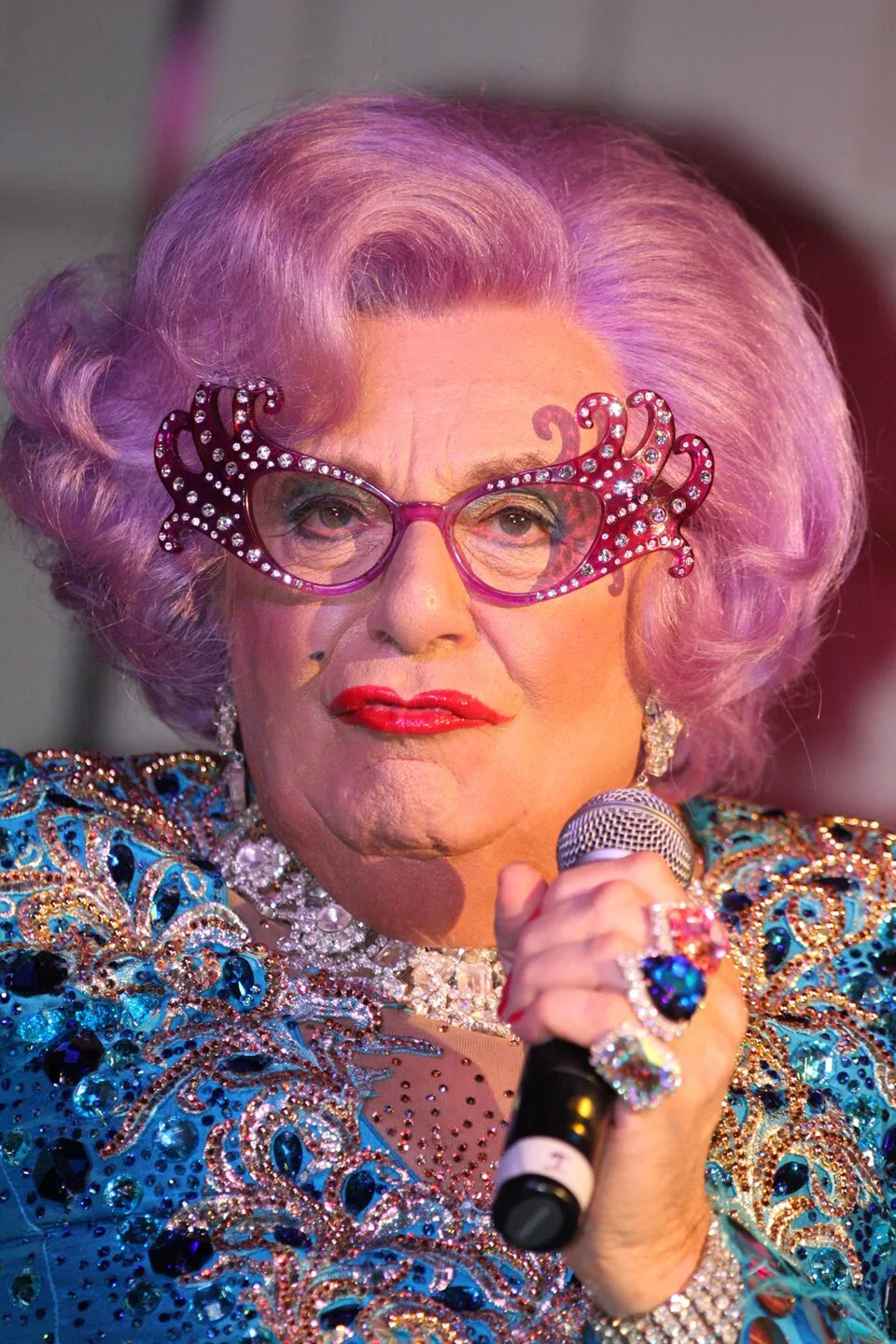
Dame Edna Everage
Lilac hair, huge cat eye glasses she calls face furniture, a gladiolus she calls gladdies, and the greeting Hello, Possums. She is a character, created and played for decades by the Australian comedian Barry Humphries, who said so openly. Edna disagreed. She called him her entrepreneur, the manager of her career, and denied she was a fiction or a drag act at all. His staff played along. They spoke of her only as she and her, and never mixed the woman with the man. Her autobiography, My Gorgeous Life, was written by him but credited to her, and Macmillan published it as nonfiction. In 2016, comments he made drew criticism. On her own social media, she said she had fired him years earlier. He refused to accept dismissal, she wrote, and was losing the plot. She began in 1955 on a Melbourne stage as an average Australian housewife named Everage, after the Australian way of saying average.
Listen in the appEva Rinaldi · CC BY-SA 2.0
10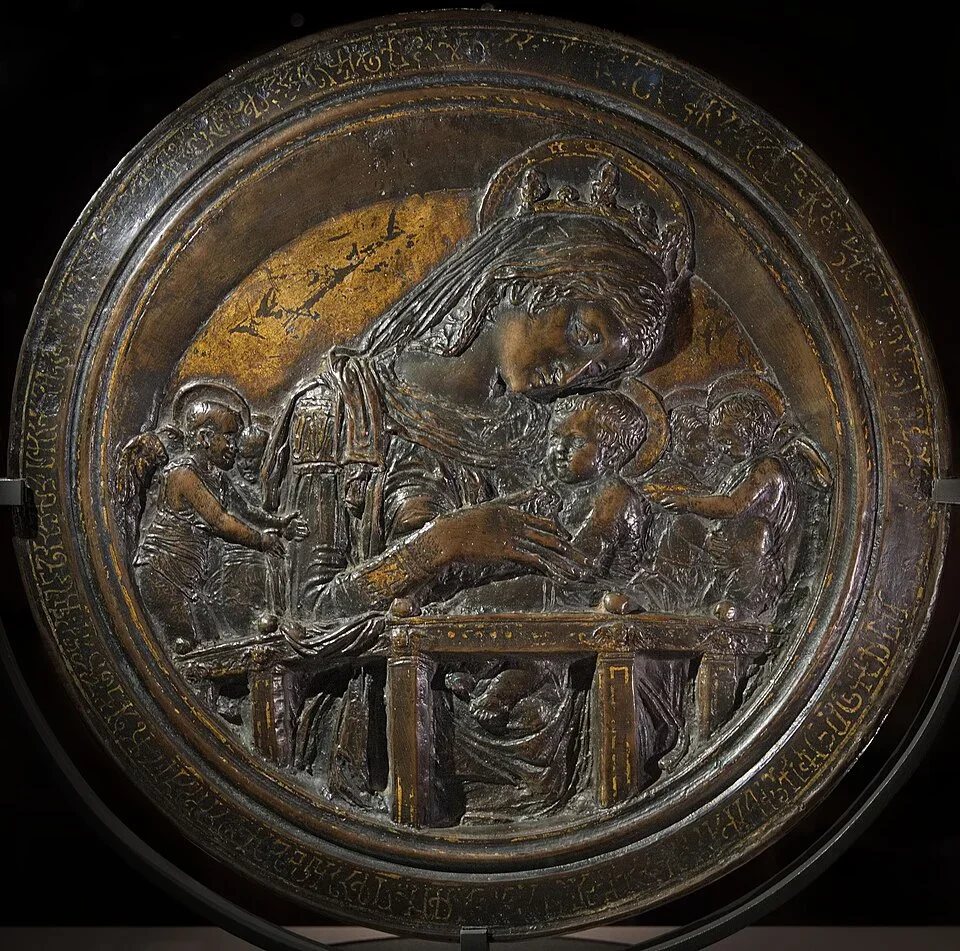
Chellini Madonna
Nobody knows quite when this little bronze was made. The nearest thing to a date is a line in a doctor's book. On the twenty seventh of August, 1456, Giovanni Chellini wrote that he had treated Donatello for an illness. The sculptor gave him this roundel in thanks and payment. So 1456 is the year of the gift, not of the making. What the doctor received tells us no more. The Virgin rests her head over the child at her neck. Four angels, two on each side, honour them. Chellini understood sculpture. He owned a bust by Antonio Rossellino, and Bernardo Rossellino carved his tomb. He was very pleased with this gift. The back of the roundel is hollowed out and shaped as a mould. Molten glass could be poured in and the image cast again. Copies were made, and glass ones cast from them. This little roundel was an original and a mould at once.
Listen in the appPhoto: MenkinAlRire · CC BY-SA 4.0
- 11
The Day Dream
Dante Gabriel Rossetti · 1880
- 12
Samson Slaying a Philistine
Giambologna · 1560–1562
- 13
Altarpiece of Saint George
Andrés Marzal de Sas, Miguel Alcañiz the Elder · 1400–1420
- 14
Bust of Thomas Baker
Gian Lorenzo Bernini · 1638
- 15
Kalpasutra
Unknown Artist
- 16
Olivetti Valentine
Ettore Sottsass · 1968–1969
- 17
Beer Street and Gin Lane
William Hogarth · 1751
- 18
I'm Just Wild About Harry
Noble Sissle and Eubie Blake · 1921
- 19
Valley of the Shadow of Death
Roger Fenton · 1855
- 20
Mae West Lips Sofa
Salvador Dalí · 1936–1938
- 21
The Three Trees
Rembrandt · 1643
- 22
Boat-building near Flatford Mill
John Constable · 1815
- 23
Theseus and the Minotaur
Antonio Canova · 1781–1783
- 24
Dedham Lock and Mill
John Constable · 1817–1820
- 25
Great Bed of Ware
Hans Vredeman de Vries · 1590
- 26
Madonna with the Laughing Child
Antonio Rossellino, Leonardo da Vinci · c. 1460
- 27
Madonna and Child
Carlo Crivelli · c. 1480
- 28
Venice from the Giudecca
J. M. W. Turner · 1840
- 29
The Departure of the Shunammite Woman
Rembrandt · 1640
- 30
The Ascension with Christ Giving the Keys to Saint Peter
Donatello · c. 1428–1430
- 31
The Sultan Mehmet II
Gentile Bellini · 1480
- 32
Erasmus of Rotterdam
Albrecht Durer · 1526
- 33
Lamentation over the Dead Christ
Donatello · 1455–1460
- 34
Hildburgh Madonna
Donatello · c. 1426
- 35
Christ's Charge to Peter
Raphael · 1515–1516
- 36
The Death of Ananias
Raphael · 1515–1516
- 37
Liber Studiorum
J. M. W. Turner · 1807–1819
- 38
The Prodigal Son
Auguste Rodin · c. 1885–1887
- 39
St Paul Preaching at Athens
Raphael · 1515–1516
- 40
The Healing of the Lame Man
Raphael · 1515–1516
- 41
The Conversion of the Proconsul
Raphael · 1515–1516
- 42
The Sacrifice at Lystra
Raphael · 1515–1516
- 43
Adoration of the Magi
Andrea della Robbia · c. 1500–1510
- 44
Bozzetto for the Young Slave
Michelangelo · c. 1516–1519
- 45
Golden Bed
William Burges · 1879
- 46
Mendicants of the Roman Campagna
Edward Villiers Rippingille · 1840
- 47
Beresford Hope Cross
Unknown Artist · 900
- 48
The Alarm
Jean-François de Troy · 1723
- 49
A Just View of the British Stage
William Hogarth · 1724
- 50
The Enraged Musician
William Hogarth · 1741
- 51
East Cowes Castle, the Seat of John Nash, Esq.; the Regatta Starting for their Moorings.
J. M. W. Turner · 1828
- 52
Lifeboat and Manby Apparatus Going off to a Stranded Vessel Making the Signal (Blue Lights) of Distress
J. M. W. Turner · 1831
- 53
There is No Natural Religion
William Blake · 1788
- 54
Charles Dickens in his Study
William Powell Frith · 1859
- 55
V&A Rotunda Chandelier
Dale Chihuly · 1999–2001
- 56
The Battle of Waterloo: The British Squares Receiving the Charge of the French Cuirassiers
Henri Félix Emmanuel Philippoteaux · 1874
- 57
Portrait of Frances Anne Vane, Marchioness of Londonderry
Alexandre Jean Dubois-Drahonet · 1831
- 58
Devonshire Hunting Tapestries
Unknown Artist · 1440
- 59
The Mill
Edward Burne-Jones · 1870–1882
- 60
South view of Salisbury Cathedral from the Cloisters
J. M. W. Turner · 1802
- 61
Autolycus
Charles Robert Leslie · 1836
- 62
Dulcinea del Toboso
Charles Robert Leslie · 1839
- 63
The Ballet from "Robert le Diable"
Edgar Degas · 1876
- 64
Becket Casket
Unknown Artist · c. 1180–1190
- 65
The Temptation of Andrew Marvell
Charles Landseer · 1841
- 66
The Presentation of British Officers to Pope Pius VI, 1794
James Northcote · 1800
- 67
Disappointed Love
Francis Danby · 1821
- 68
The Thames from Millbank
Richard Redgrave · 1836
- 69
Waterfall at St Nighton's Kieve, near Tintagel
Daniel Maclise · 1842
- 70
Mr Honeywood Introduces the Bailiffs to Miss Richland as His Friends (from Oliver Goldsmith's 'The Good-Natured Man', Act III, Scene 1)
William Powell Frith · 1850
- 71
Victoria and Albert Akbarnama
Unknown Artist · 1600
- 72
Bashaw
Matthew Cotes Wyatt · 1831–1834
- 73
Saint Cecilia and the Angels
Paul Delaroche · 1836
- 74
Hampstead Heath, Branch Hill Pond
John Constable · 1828
- 75
Line Fishing, off Hastings
J. M. W. Turner · 1835
- 76
Hampstead Heath
John Constable · 1820
- 77
Satan calling up his legions
William Blake · 1808
- 78
George Frederick Handel
Louis-François Roubiliac · 1738
- 79
Pizarro Seizing the Inca of Peru
John Everett Millais · 1846
- 80
A Thames Wharf
Samuel Scott · c. 1757
- 81
Mont Saint-Michel, Normandy
Edward William Cooke · 1838
- 82
Edmund Kean as Richard III
John James Halls · 1814
- 83
Suspense
Edwin Landseer · 1834
- 84
Blackheath Park
William Mulready · 1852
- 85
Charles II (1630–1685), and Nell Gwyn (1650–1687)
Edward Matthew Ward · 1854
- 86
Auguste Rodin (1840–1917)
John Lavery · 1913
- 87
Utopia, Limited
Unknown Artist · 1893
- 88
Tekno the Robotic Puppy
Unknown Artist · 2000
- 89
The White Heather (play)
After William Hatherell · 1897
- 90
Prince Consort Gallery
Unknown Artist
- 91
2026 Victoria and Albert Museum strikes
Unknown Artist
- 92
Daddy Wouldn't Buy Me a Bow Wow
Scan by NYPL · 1892
- 93
Layton jacket
Unknown Artist · 1610–1615
- 94
Mary Salome and Zebedee
Tilman Riemenschneider · 1501–1505
- 95
WereBear
Unknown Artist · 1983
- 96
The Fight Interrupted
William Mulready · 1816
- 97
Dedham Vale
John Constable · 1802
- 98
The Cottage in a Cornfield
John Constable · 1833
- 99
The Governess
Richard Redgrave · 1844
- 100
St Michael's Mount, Cornwall
J. M. W. Turner · 1834
- 101
The Old Shepherd's Chief Mourner
Edwin Landseer · 1837
- 102
The Village Post Office
Frederick Goodall · 1849
- 103
View of Lower Terrace, Hampstead
John Constable · 1822
- 104
Old Sarum
John Constable · 1834
- 105
A Jack in Office
Edwin Landseer · 1833
- 106
The Falls of the Rhine at Schaffhausen
Philip James de Loutherbourg · 1788
- 107
Ludlow Castle, Shropshire
William Hodges · 1778
- 108
'Lion', a Newfoundland Dog
Edwin Landseer · 1824
- 109
A Market Boat on the Scheldt
Clarkson Frederick Stanfield · 1826
- 110
A Highland Breakfast
Edwin Landseer · 1834
- 111
The Stone Breaker and His Daughter
Edwin Landseer · 1830
- 112
Maria
Charles Landseer · 1836
- 113
My Uncle Toby and the Widow Wadman
Charles Robert Leslie · 1831
- 114
Lady Blessington's Dog: The Barrier
Edwin Landseer · 1832
- 115
Florizel and Perdita
Charles Robert Leslie · 1837
- 116
Rustic Civility
William Collins · 1832
- 117
Old Buildings on the Darro, Granada
David Roberts · 1834
- 118
The Drover's Departure: A Scene in the Grampians
Edwin Landseer · 1835
- 119
The Enchanted Castle
Francis Danby · 1841
- 120
Portsmouth Harbour: The Hulks
Edward William Cooke · 1836
- 121
There's No Place Like Home
Edwin Landseer · 1842
- 122
Cinderella About to Try On the Glass Slipper
Richard Redgrave · 1842
- 123
The Sonnet
William Mulready · 1839
- 124
The Rival Performers
John Callcott Horsley · 1839
- 125
Queen Katherine and Patience
Charles Robert Leslie · 1842
- 126
Ophelia Weaving Her Garlands (from William Shakespeare's 'Hamlet')
Richard Redgrave · 1842
- 127
Dolly Varden
William Powell Frith · 1842
- 128
The Gate of Metawaley
David Roberts · 1843
- 129
Scene on the Tummel, Perthshire
Thomas Creswick · 1844
- 130
Palpitation
Charles West Cope · 1844
- 131
A Dutch Dogger Carrying away Her Sprit
Clarkson Frederick Stanfield · 1846
- 132
A Village Choir
Thomas Webster · 1847
- 133
Macready as Werner
Daniel Maclise · 1850
- 134
Trajan's Arch, Ancona
Clarkson Frederick Stanfield · 1851
- 135
The Opening of the Great Exhibition by Queen Victoria on 1 May 1851
Henry Courtney Selous · 1852
- 136
Cranmer at Traitor's Gate
Frederick Goodall · 1856
- 137
The Hay Field
Thomas Armstrong · 1869
- 138
The Royal Commissioners for the Exhibition of 1851
Henry Wyndham Phillips · 1850
- 139
The Tinker
Alphonse Legros · 1874
- 140
The Action and Capture of the Spanish Xebeque Frigate El Gamo
Clarkson Frederick Stanfield · 1845
- 141
An English Merrymaking a Hundred Years Ago
William Powell Frith · 1847
- 142
The Miraculous Draft of Fishes
Raphael · 1515–1516
- 143
Veroli Casket
Unknown Artist
- 144
Henry VIII's writing case
Unknown Artist · c. 1525–1526
- 145
John Evelyn's cabinet
Unknown Artist · 1644
- 146
The Constructor
El Lissitzky · 1924
- 147
Resurrection
Gerhard Remisch · 1540–1542
- 148
Crucifixion
Gerhard Remisch · 1539–1540
- 149
Entombment
Gerhard Remisch · 1539–1542
- 150
Stonehenge
John Constable · 1835
- 151
Frederick the Wise, Elector of Saxony
Albrecht Durer · 1524
- 152
Butler-Bowdon Cope
Unknown Artist · 1330–1350
- 153
The Eagle's Nest
Edwin Landseer · 1833
- 154
Contrary Winds
Thomas Webster · 1843
- 155
Gilbert Collection
Unknown Artist · 1996
- 156
You'd Be Surprised
Unknown Artist · 1919
- 157
Leistler Bookcase
Unknown Artist · 1850–1851
- 158
The Nativity: The Virgin, Saint Joseph and the Shepherds Adoring the Infant Christ
Pietro Perugino · 1523
- 159
Mérode Cup
Unknown Artist · c. 1400
- 160
The Small Horse
Albrecht Durer · 1505
- 161
The Lady Riding and the Landsknecht
Albrecht Durer · c. 1497
- 162
Ewer depicting the Triumph of Neptune
Massimiliano Soldani Benzi · 1721
- 163
Portrait of the Painter's Two Daughters
Thomas Gainsborough · 1758–1761
- 164
GJ chair
Unknown Artist · 1963
- 165
The Crucifixion with the Virgin Mary and Saint John
Alberto Sotio · 12th century
- 166
No Man's Land
Charles Sargeant Jagger · 1919–1920
- 167
Norfolk House, music salon
Unknown Artist · 1748–1756
- 168
Karuselli
Unknown Artist · 1964–1965
- 169
Panel
Gerhard Remisch · 1525–1526
- 170
Khyrdagul Chi Chi
Unknown Artist
- 171
Manchester Tiara
Unknown Artist · 1903
- 172
Sion Gospels Book Cover
Unknown Artist · c. 1140–1150
- 173
The Crucifixion
Albrecht Durer · 1508
- 174
Sudarium Displayed by Two Angels
Albrecht Durer · 1513
- 175
The Bagpiper
Albrecht Durer · 1514
- 176
Cardinal Albrecht of Brandenburg - The Small Plate
Albrecht Durer · 1519
- 177
Federico da Montefeltro
Sperandio di Bartolommeo de' Savelli · c. 1482
- 178
Madame de Pompadour (1721-1764), Mistress of Louis XV
François Boucher · 1758
- 179
Young Man Among Roses
Nicholas Hilliard · c. 1587
- 180
Giovanni Gioviano Pontano, 1426-1503, Poet [obverse]
Adriano Fiorentino · 1488
- 181
The Swing
Nicolas Lancret · c. 1735
Victoria and Albert Museum
Frequently asked questions
How much does the guide cost?
Free app download. Free until 1 January. Listed guide price: $2.99. Audio guide only. Venue admission is separate.
Can I listen without internet?
Yes. Download the guide’s audio, images, and maps in the app before your visit. Your downloaded content is then available offline.
Can I listen in my language?
In English for now. More languages soon.
Do I need to follow a schedule?
No. This is a self-guided experience. Choose your stops, pause whenever you like, and return to a story at your own pace.
Which artworks are in the Victoria and Albert Museum audio guide?
181 artworks, including Tipu's Tiger (Victoria and Albert Museum), bean bag chair (Daniela De Ponti), Neptune and Triton (Gian Lorenzo Bernini), The Age of Bronze (Auguste Rodin), Portrait of a Lady known as Esmeralda Brandini (Sandro Botticelli), The Four Stages of Cruelty (William Hogarth), Ardabil Carpet (Unknown Artist), and Salisbury Cathedral from the Bishop's Grounds (John Constable). The full list is on this page.
Is this the museum’s official audio guide?
No. Stanza is an independent audio guide app and is not affiliated with Victoria and Albert Museum. Museum admission is separate.
At your own pace
Explore Victoria and Albert Museum.
Download Stanza, then search for “Victoria and Albert Museum”.
Free app download · Guide price shown in the app
Keep exploring
Nearby audio guides
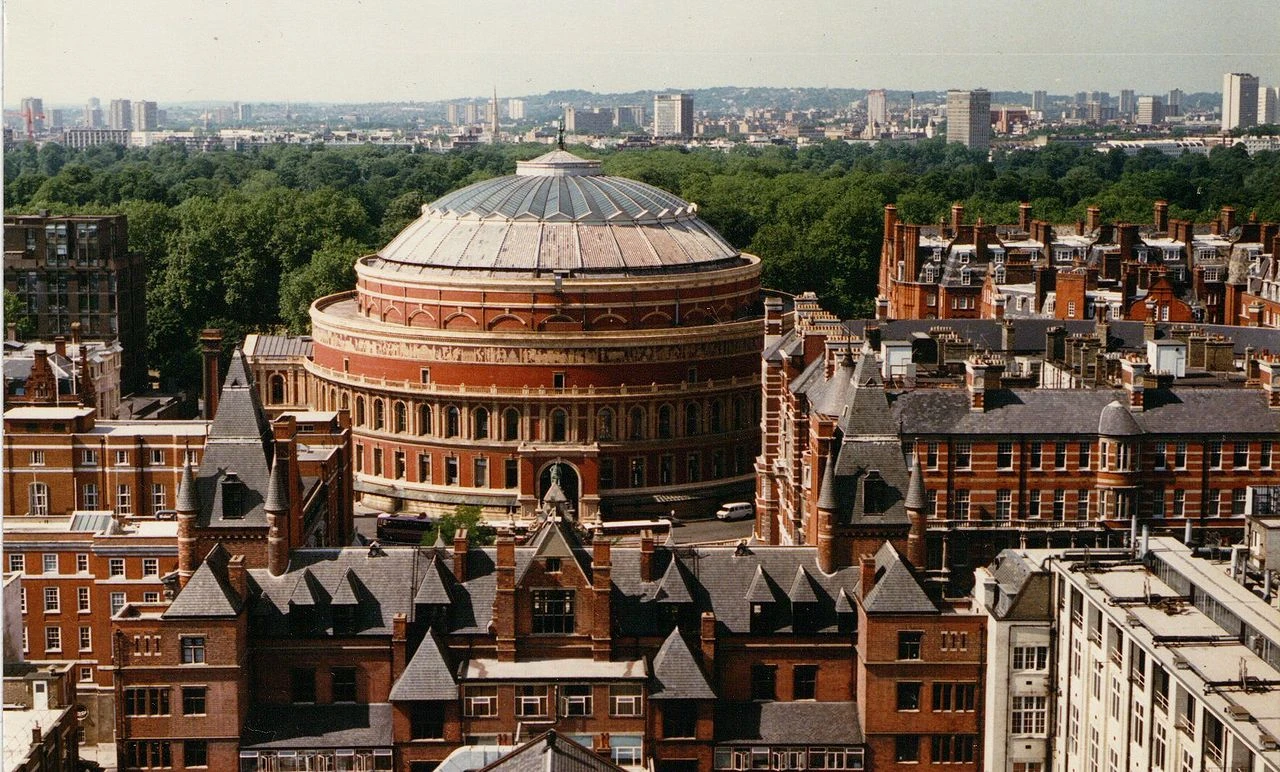
London · 1 km
Royal Albert Hall
Content & sources
Sandpiper · Public domain
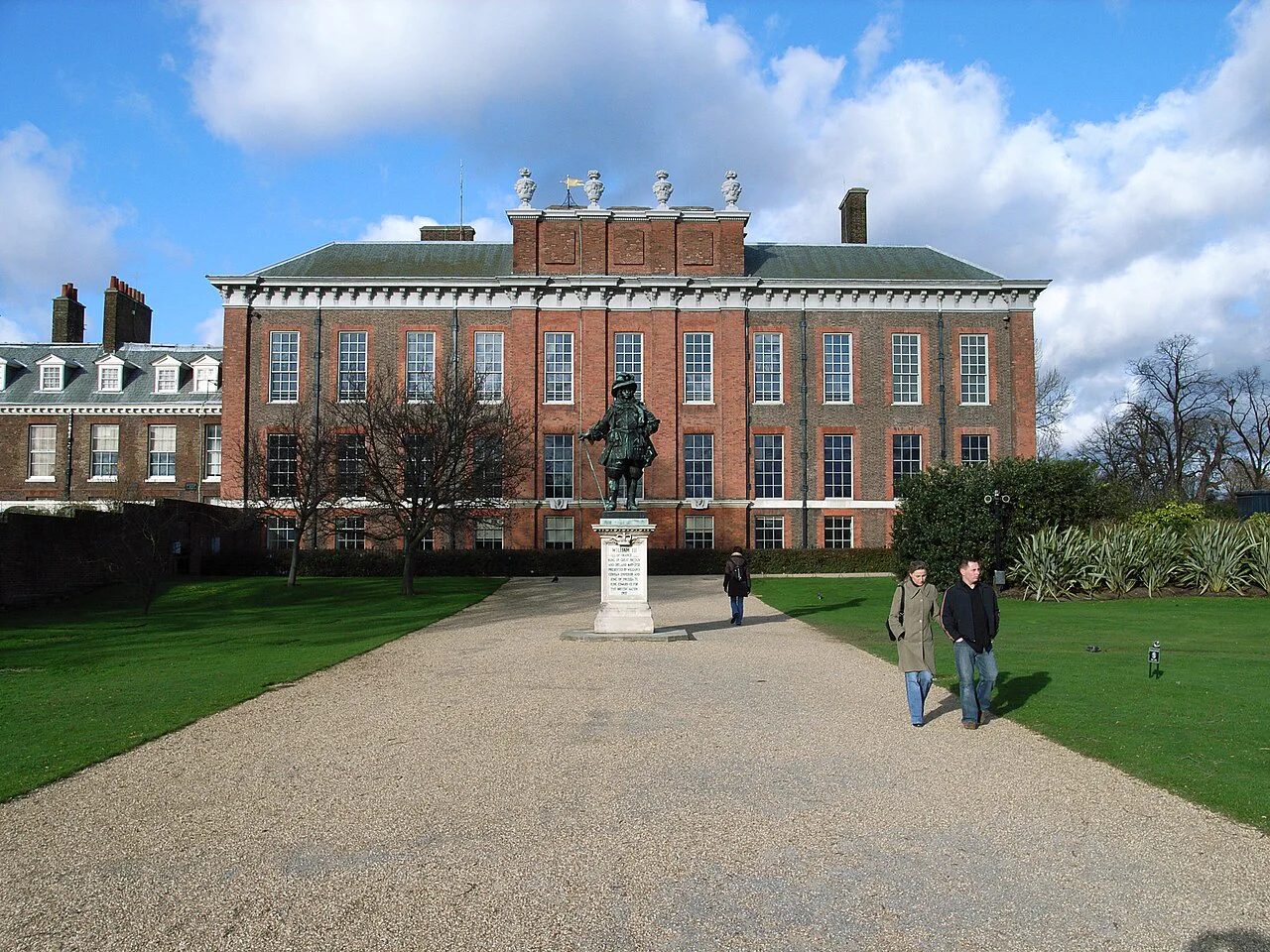
London · 1 km
Kensington Palace
Content & sources
Steve Cadman from London, U.K. · CC BY-SA 2.0
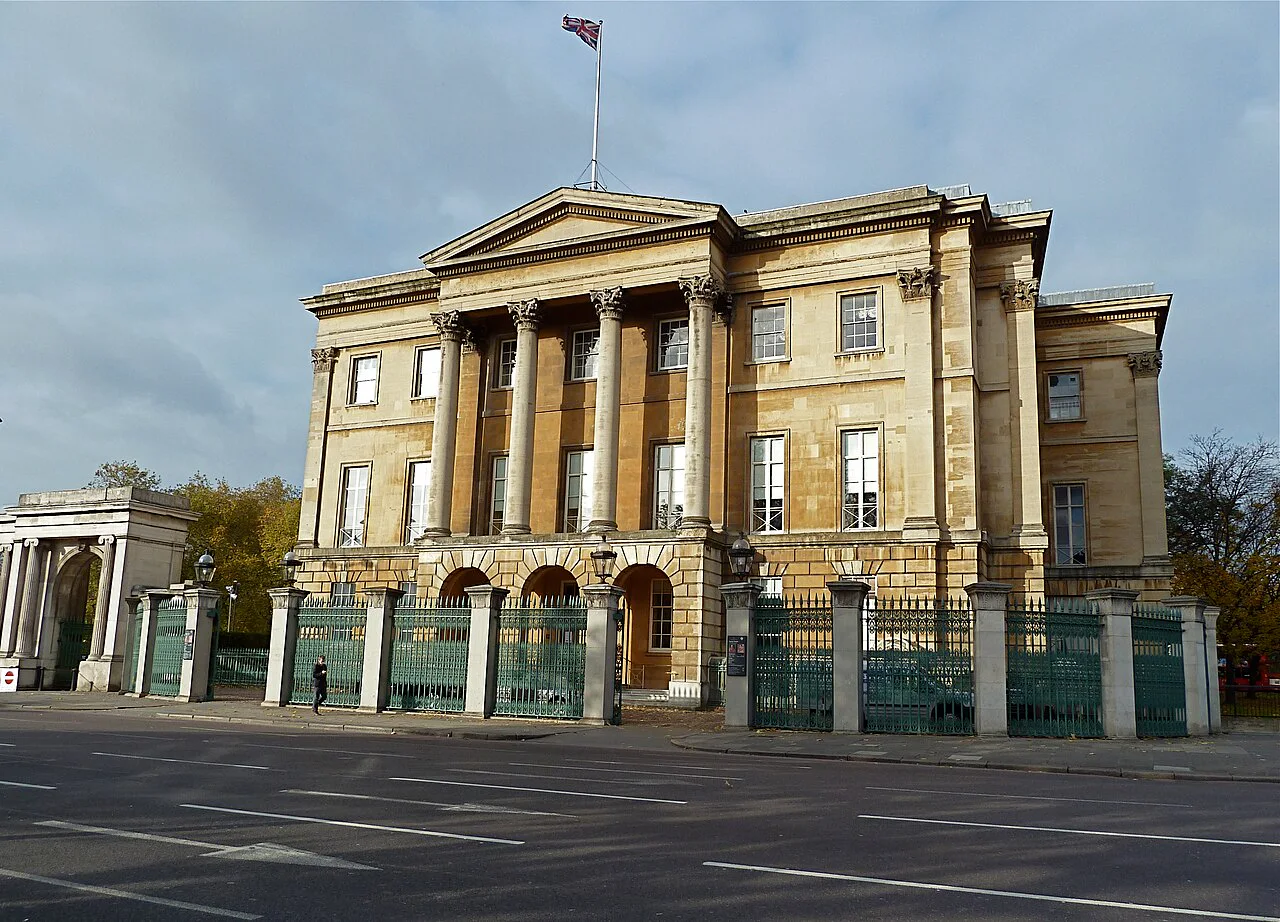
Greater London · 2 km
Apsley House
Content & sources
Anthony O'Neil · CC BY-SA 2.0
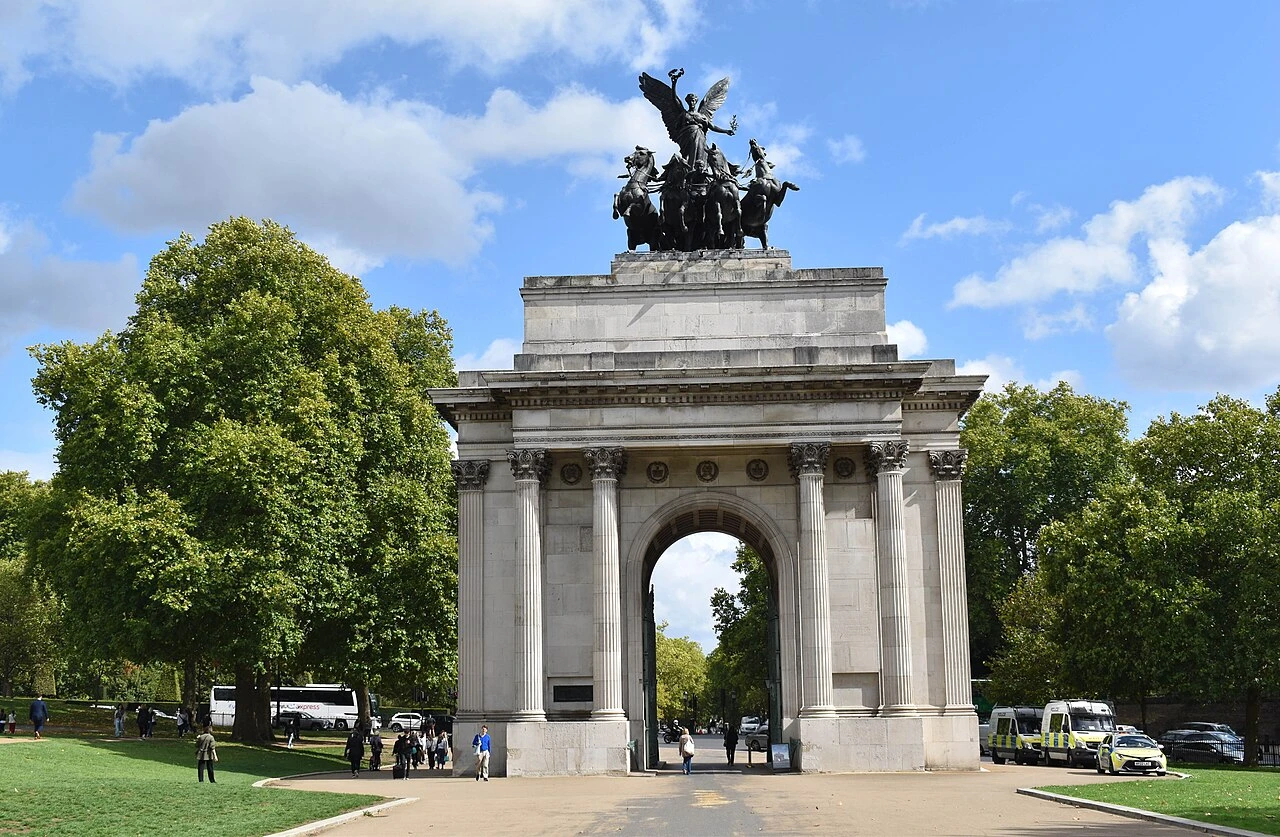
London · 2 km
Wellington Arch
Content & sources
Photo: Canaan · CC BY-SA 4.0
Art museums
More art museum audio guides
London · 24 artworks
Apsley House
Content & sources
Anthony O'Neil · CC BY-SA 2.0
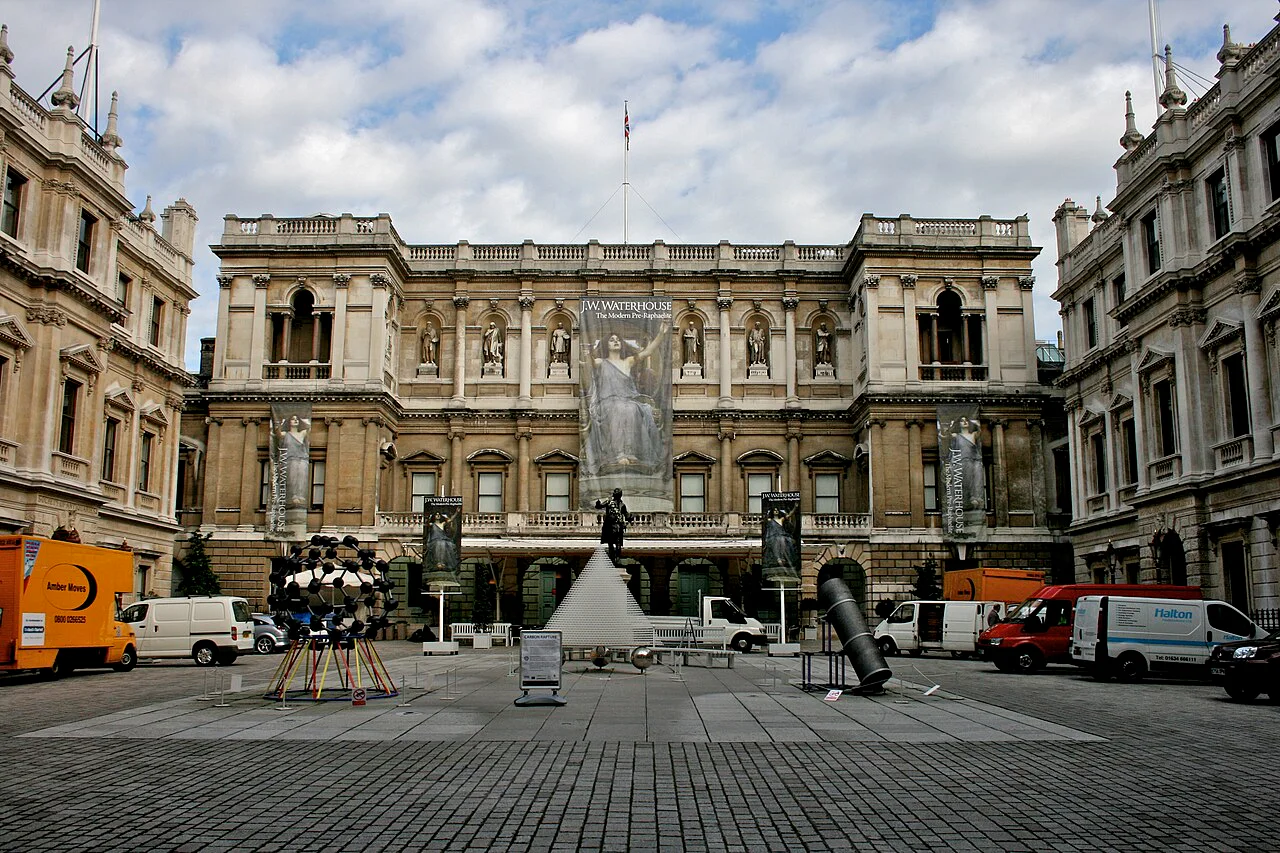
London · 50 artworks
Royal Academy of Arts
Content & sources
Photograph by Mike Peel (www.mikepeel.net). · CC BY-SA 4.0
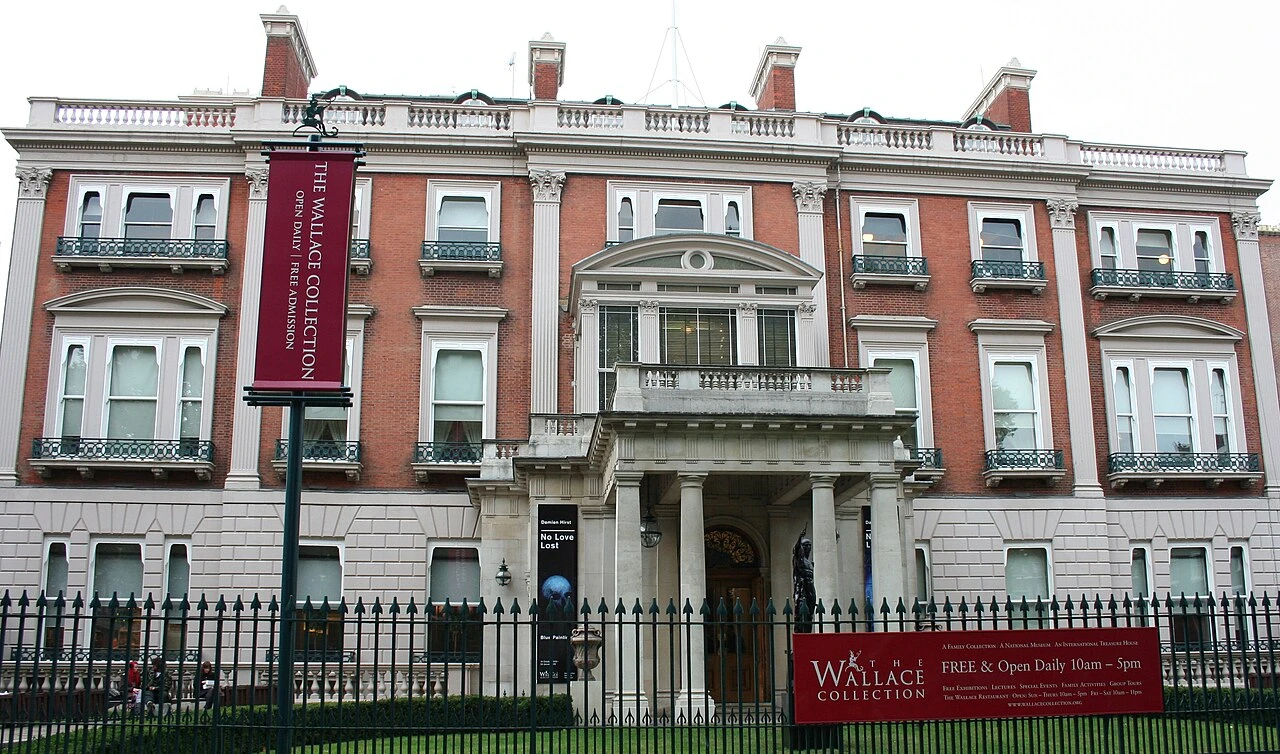
London · 605 artworks
Wallace Collection
Content & sources
Photo: Peter Clarke · CC BY-SA 3.0
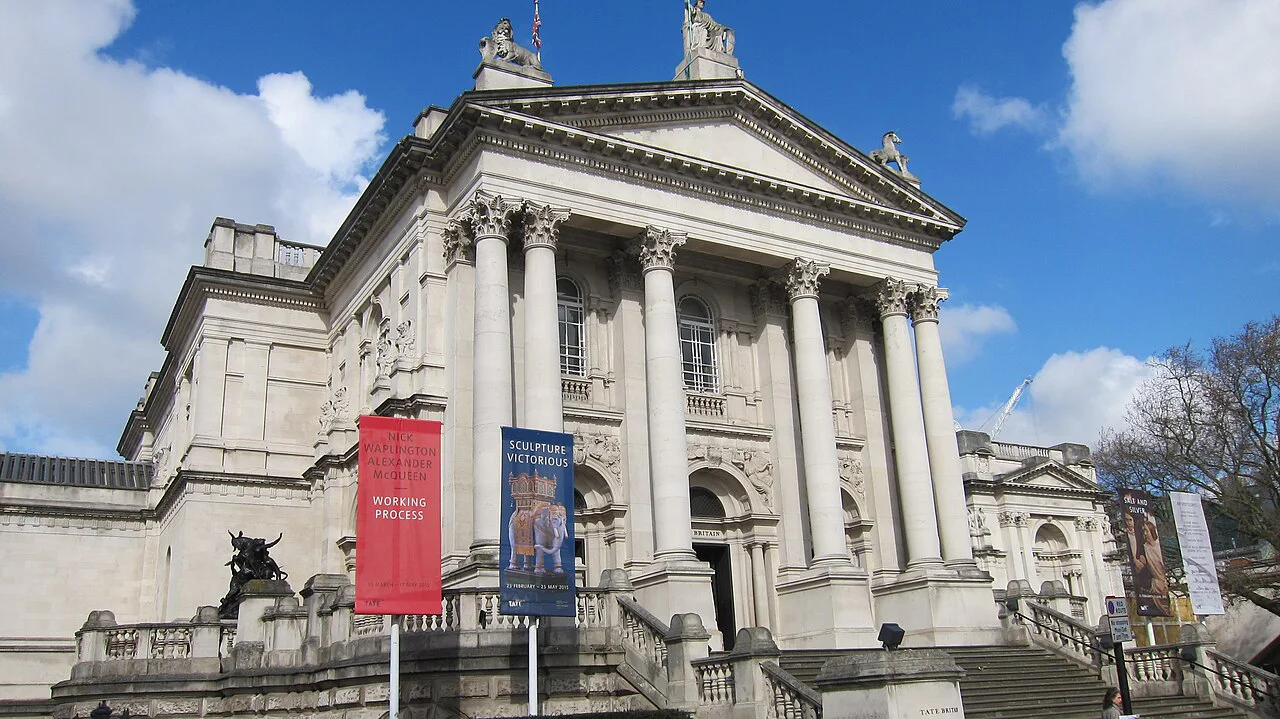
London · 133 artworks
Tate Britain
Content & sources
Carlos Cunha · CC BY-SA 3.0
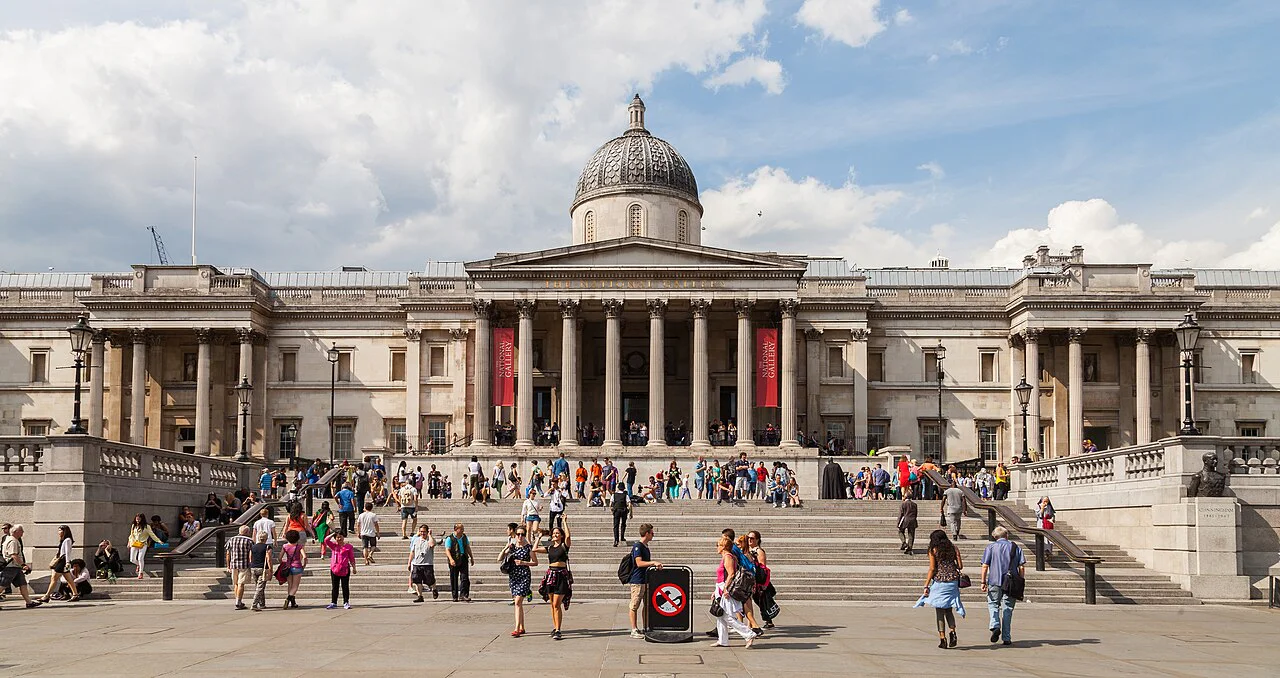
London · 617 artworks
National Gallery, London
Content & sources
Diego Delso · CC BY-SA 4.0
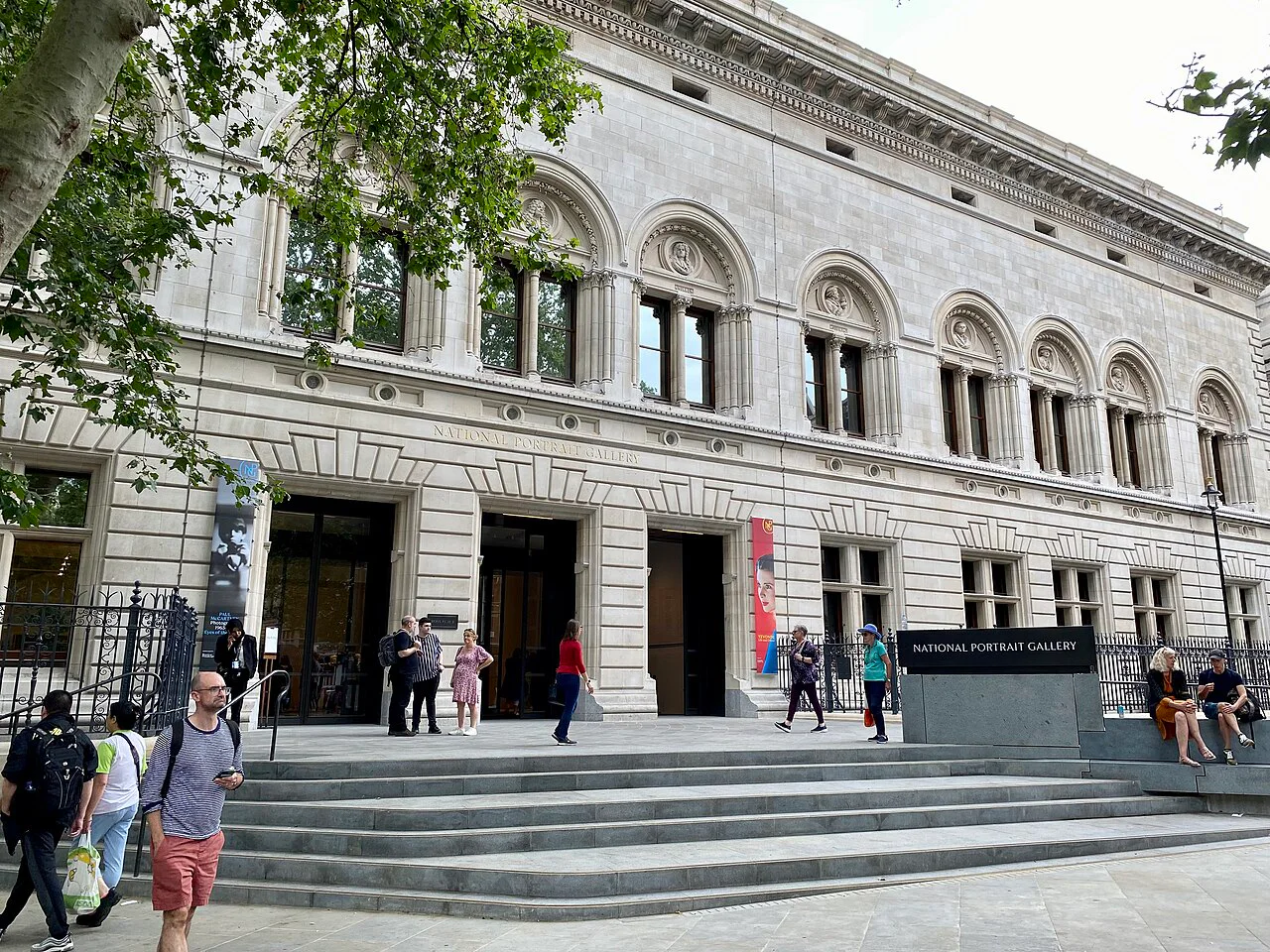
London · 164 artworks
National Portrait Gallery, London
Content & sources
Photo: No Swan So Fine · CC BY-SA 4.0