Stanza · Audio guide
National Gallery of Armenia Audio Guide
A place to remember. A story to take with you.
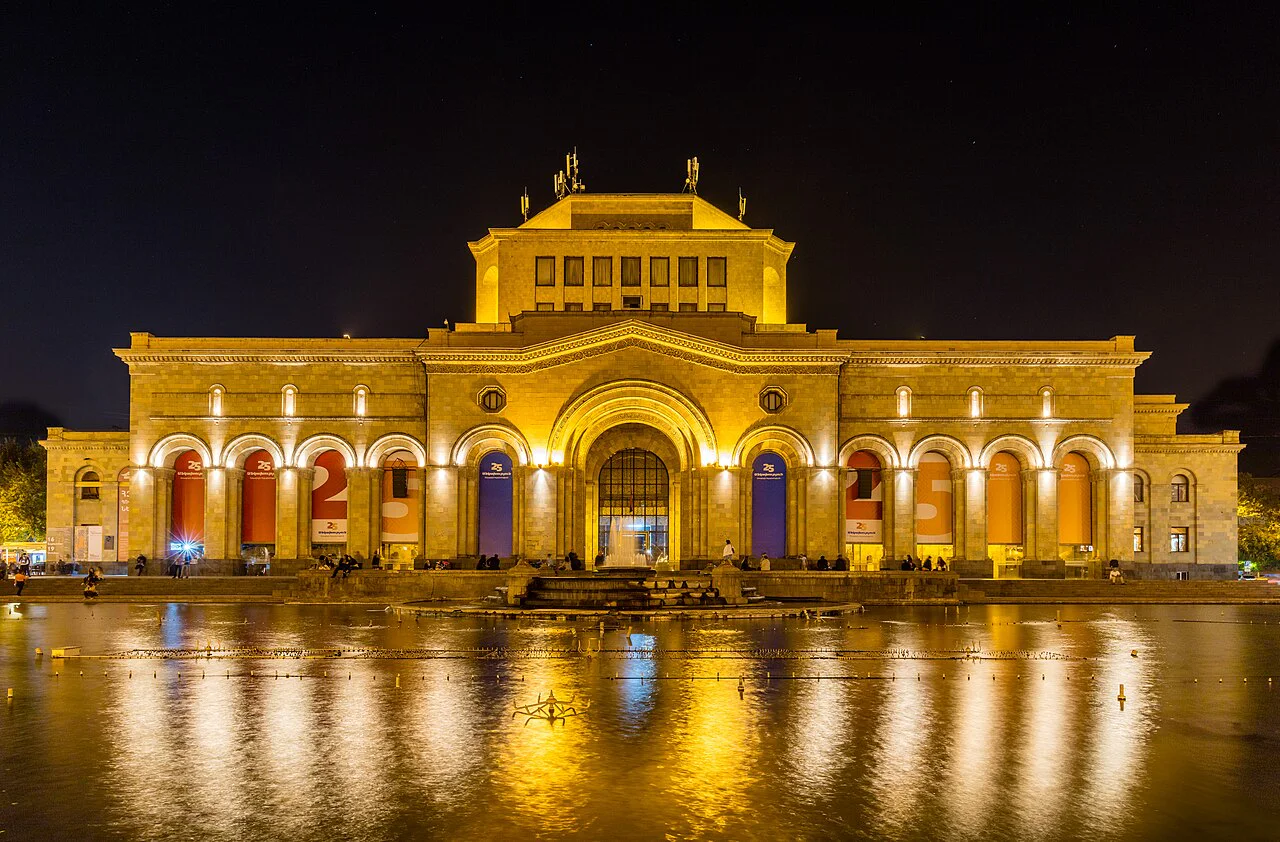
It is the largest fine arts museum in Armenia, located on Republic Square in Yerevan. Its collections include works by Hovhannes Aivazovsky, Marc Chagall and Wassily Kandinsky, fragments of medieval Armenian…
Download Stanza, then search for “National Gallery of Armenia”.
About the tour
One guide. Your kind of visit.
It is the largest fine arts museum in Armenia, located on Republic Square in Yerevan. Its collections include works by Hovhannes Aivazovsky, Marc Chagall and Wassily Kandinsky, fragments of medieval Armenian church frescoes, and an archive of approximately 200,000 items.
The National Gallery of Armenia guide tells the stories of 36 artworks, including Descent of Noah from Ararat (Ivan Aivazovsky), Byron's visit to the Mekhitarists in Surb Ghazar Island (Ivan Aivazovsky), Return of Queen Zabel of Armenia (Vardges Sureniants), Head of Christ: Sudarium (Vardges Sureniants), Ferdowsi is reading "Shahnameh" poem to Shah Mahmud of Ghazni (Vardges Sureniants), Hripsime monastery (Vardges Sureniants), By the sea (Charles Garabed Atamian), and Portrait of Maria Akimova (Valentin Serov). Every artwork is free to hear in the Stanza app until 1 January.
Ready when you are.
- 01Get the free Stanza app.
iOS & Android
- 02Find your guide.
“National Gallery of Armenia”
- 03Download before you go.
Works offline
Audio guide / 36 artworks
Inside the guide
Get to know a few of the stories before you go. Open a stop to read more.
01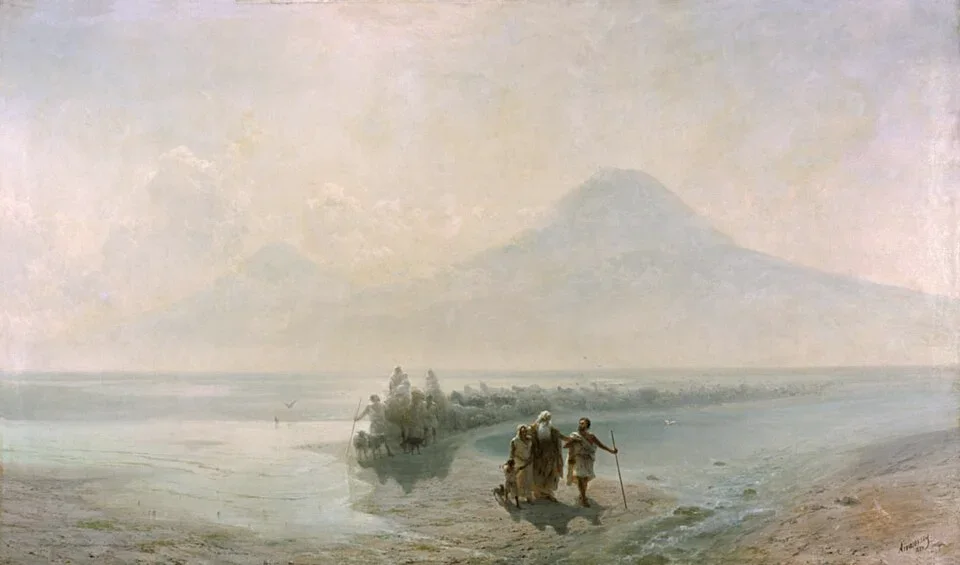
Descent of Noah from Ararat
Aivazovsky first drew the survivors walking straight down the mountain. Then he changed it, curving their path into a wide arc. In the painting, people and animals come down in single file, moving left, and the line bends round. Noah and his family, apart from them, turn to the right. This is the moment after the flood, when the waters had fallen and the ark had settled on Ararat. Noah himself wears plain clothes and looks tired and confused before the emptiness the flood left behind. Around him the figures are small and the mountain rises huge, its peaks steep and covered in snow. The line of animals goes on and on, its last figures vanishing toward the horizon. Out of that bend comes the sense that Noah and his family guide the survivors who lost their way down from Ararat.
Listen in the appIvan Aivazovsky · Public domain
02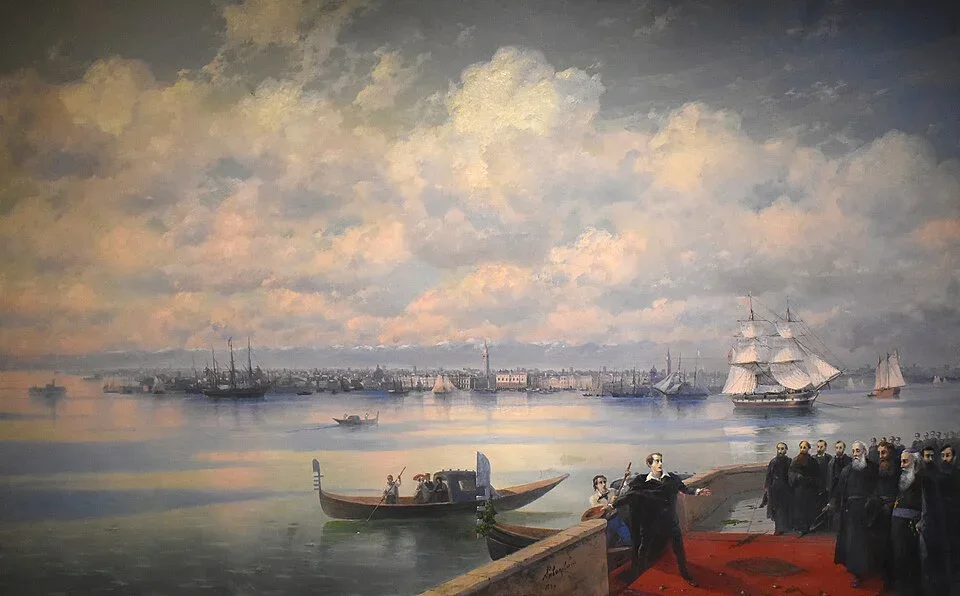
Byron's visit to the Mekhitarists in Surb Ghazar Island
Byron wanted to learn Armenian. He wanted to translate its old writings and help make dictionaries. That is what brought him to this island in the Venetian lagoon. Here he steps off a gondola decorated with flowers, both arms open, one hand holding his hat, greeting the Armenian monks coming toward him. A red carpet has been laid out for him. The older monks stand closest, among them Harutiun Avgherian, who taught him the language, and the young students are gathered behind. Morning light spreads over the water. Byron made that visit between 1816 and 1817. Aivazovsky painted the scene in 1899, more than eighty years later. In those same years he was painting the massacres of Armenians. In this poet who learned their language and wrote about their country, he put his own love for Armenia. He sent the painting to an exhibition in Baku, and it sold. Years later a Russian general brought it to a museum in Tbilisi. He asked them to take it, and in exchange they gave him a carved French case for a table clock. Where the painting was in all the years between, no one knows.
Listen in the appIvan Aivazovsky · Public domain
03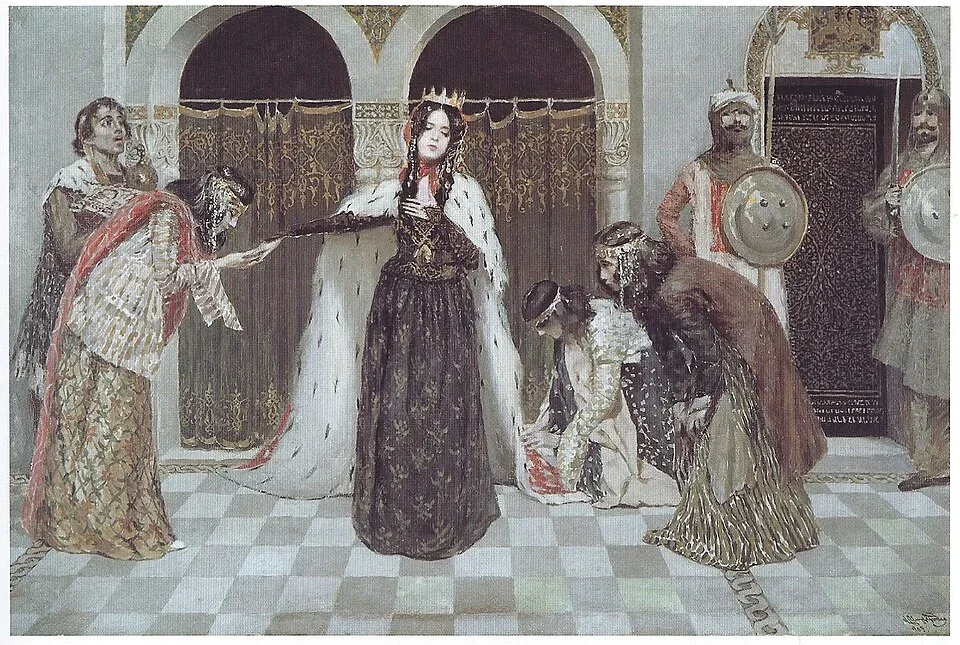
Return of Queen Zabel of Armenia
At the center is a queen, with the marks of royalty around her, and maidservants kneel before her. The picture has also been called Zabel's coronation. She was crowned in 1219, when she was still a child, so she was already queen. Two armed soldiers stand by the doors, a sign of force. One hand lies on her chest, her head is tilted, her eyes are half closed. Together they show despair and helplessness. Vardges Sureniants painted her return to Sis. Zabel was the daughter of Leo the Second, named heir by her father's own wish. Because she was a child, Constantine Gundstabl became her guardian. After Leo died, the princes of Cilicia married her in 1222 to Philip of Antioch and handed him the Armenian throne. Philip soon turned against the Armenians, and Armenian lords imprisoned him and drove him out of the country. In her grief, Zabel left worldly life and went to Seleucia, intending to become an abbess. Constantine Gundstabl and the princes urged her back to Sis, to marry Constantine's son Hethum. Against her will, she accepted.
Listen in the appVardges Sureniants · Public domain
04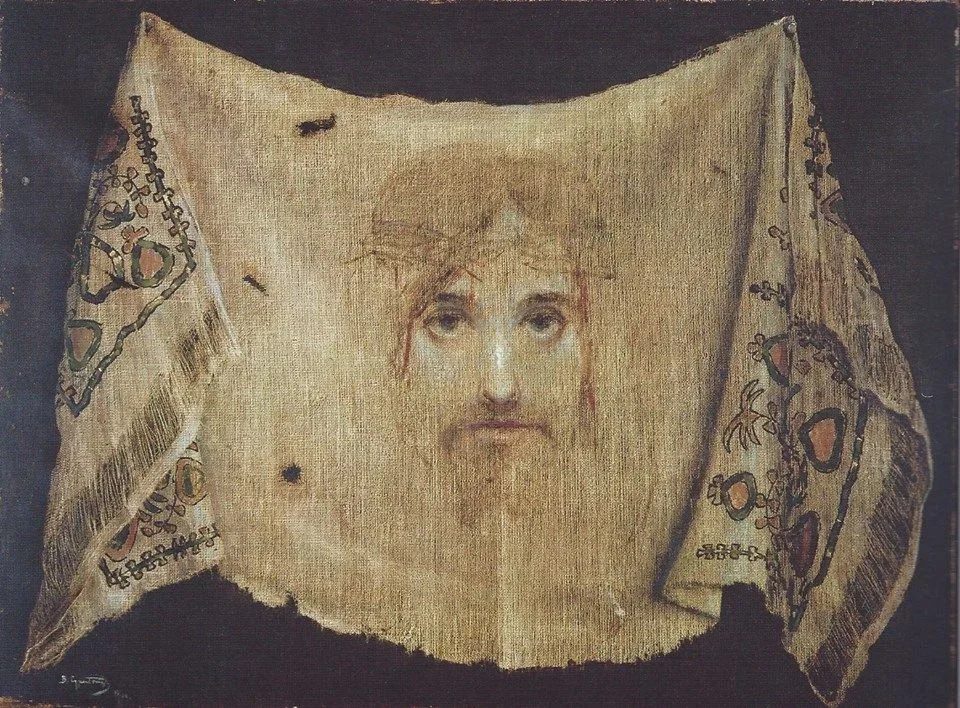
Head of Christ: Sudarium
The face has just come through the cloth, as though the canvas itself gave it up. The eyes have found yours, and a quiet conversation is beginning. The story begins with a king of Edessa, Abgar the Fifth. He was ill and could not be cured, so he sent Christ a letter, asking him to come and heal him. Christ pressed his face to a cloth, and his likeness stayed on it. He sent it back with the king's messenger, Ananias. For centuries the cloth has been kept in Genoa, in the Armenian Church of Saint Bartholomew. Sureniants painted it so the face would seem to arrive on its own. He drew out the eyes and brows, the nose and lips, and let the outline fade away in places. The towel is nailed up, faded and yellowed, damaged in two or three places. Eastern patterns along the borders recall the palm and the fig. He painted it all to look as old as the story behind it. The features may be those of a man he knew well, his close friend the poet Alexander Tsaturian.
Listen in the appVardges Sureniants · Public domain
05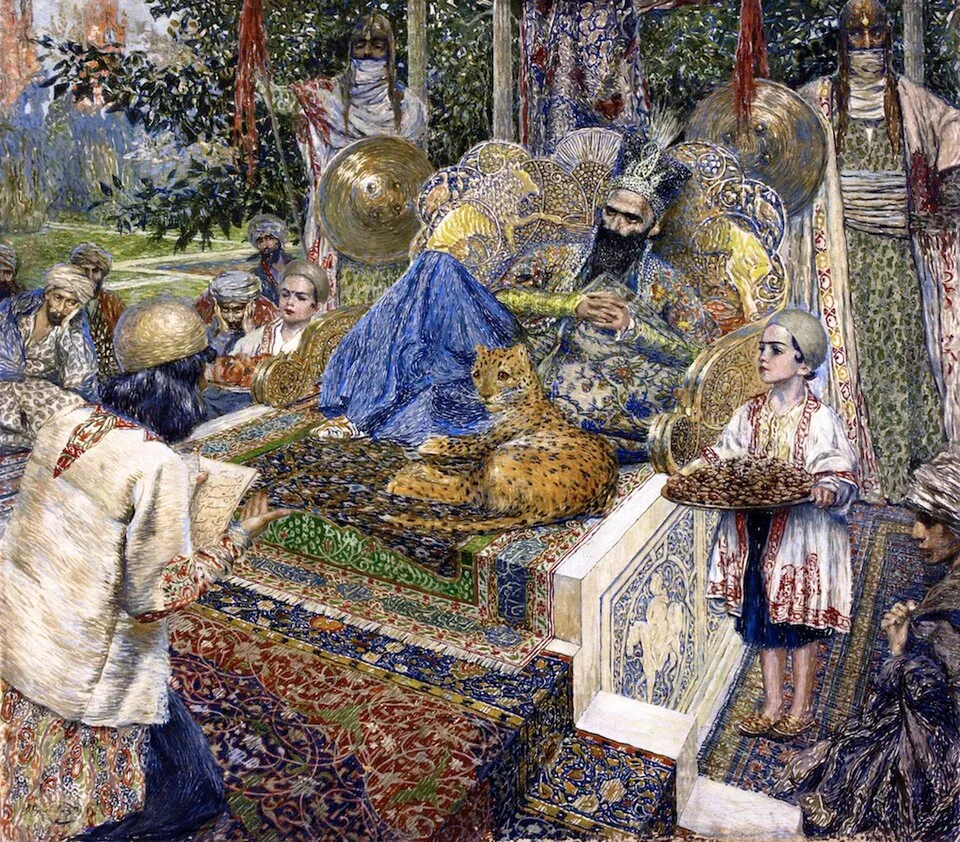
Ferdowsi is reading "Shahnameh" poem to Shah Mahmud of Ghazni
The patterns on the robes, the carpet and the throne use the tricks of pointillism, a style of small dots of colour. The faces are done with quiet, careful realism. Vardges Sureniants had travelled to Persia between 1885 and 1886 and brought back sketches meant for large paintings. Here he took a Persian story. Ferdowsi kneels before Shah Mahmud and reads from the Book of Kings, the poem he had worked on for about thirty five years. He had sent it to the shah and was waiting for the reward he had been promised. It never came, and in disappointment he wrote mocking lines about the shah. The shah listens from his throne with stern eyes. A leopard sits at his feet, a sign of his power. The courtiers' looks are crafty, and sometimes dull. All of this mirrors the life written in the coloured pages Ferdowsi holds. His face is not visible. Yet you can feel the excitement that filled him as he read.
Listen in the appVardges Sureniants · Public domain
06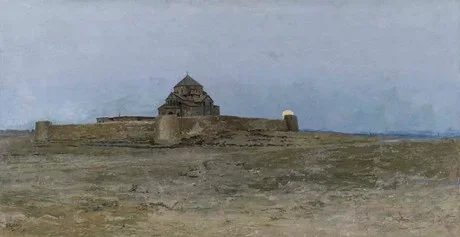
Hripsime monastery
In Moscow in 1897, Vardges Sureniants had a small sketch he had made from life beside him. This landscape stands equal to his other pictures of that year. The church at its center had stood since the seventh century. But he was not painting a holy place. He was after what the building meant to Armenians. The church and the dry ground are painted in nearly the same tone, so they read as one solid mass. A moon in the blue sky draws attention to the church. It is autumn dusk. The sun has set and darkness spreads gently over the church, the wall and the field, until outlines blur and the colors turn grey. Landscape was rare for him in those years. But this picture grew out of a series he made through the 1890s, fed by sad, tragic impressions of Armenian life. He wanted it to hold the fate of his people at that time. The dry, stony fields stand for a homeland laid waste. The building rising out of them stands for the monuments the Armenian people built.
Listen in the appVardges Sureniants · Public domain
07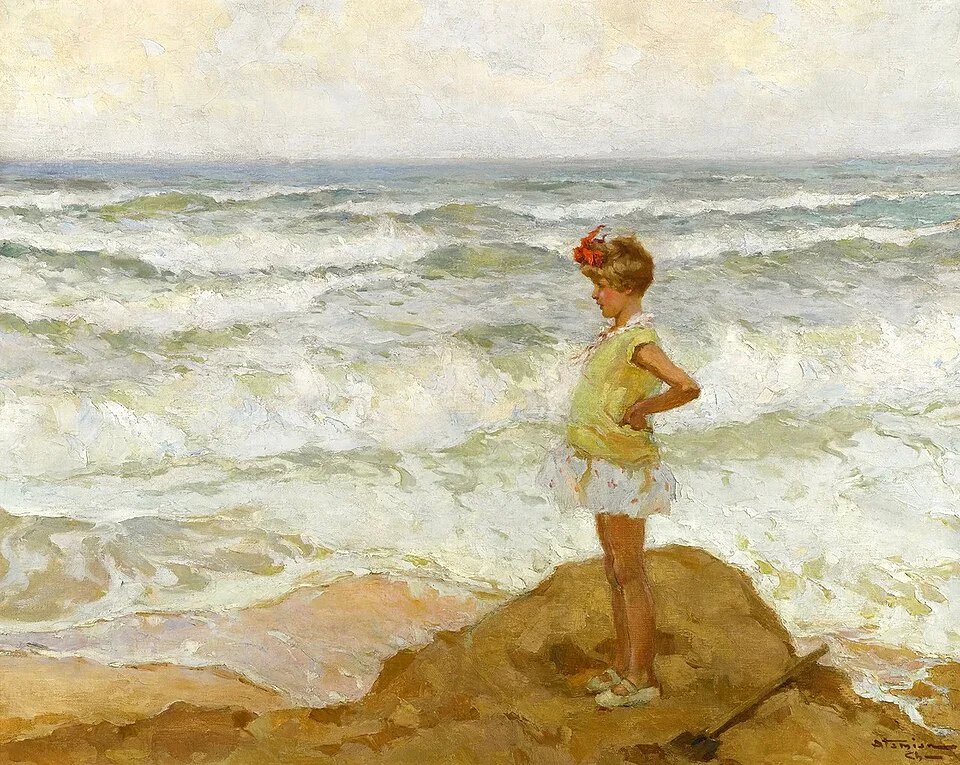
By the sea
A few dark parts of the girl's figure are small enough to pass by. Yet they are all that keep her from dissolving into the light and being no more than a patch of color against the water. She stands on a small stretch of sand with her back to us, lost in her thoughts. The sea is made of shifting color. Gray and yellow and violet melt together with the sky reflected in them. You cannot say where one color ends and the next begins. That was what interested Atamian. He was drawn to the colors that light makes on the water, and he never tried to give the water weight. Wave after wave of white foam runs the whole width of the picture, pushing toward the shore. The girl was painted the other way. She has real, touchable form, worked out as carefully as a portrait. Her yellow dress catches reflected blue and green and ochre, and might have merged into the light. Those dark parts of her body are what make her definite and solid in all that open space. The whole picture was painted outdoors.
Listen in the appCharles Garabed Atamian · Public domain
08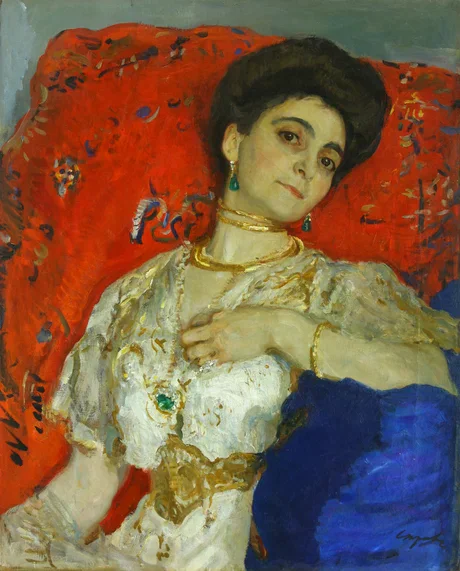
Portrait of Maria Akimova
The woman in this portrait moved in the bohemian circles of the Russian capital. Valentin Serov painted her, and the work went on show at the Union of Russian Artists, then in other exhibitions. Her name is Maria Akimova, and her family reaches back to Armenia. Her grandfather, Hovhannes Ananov-Hovhanyan, was a wealthy Moscow Armenian known for his giving, above all to education. One of the streets in Moscow carries his name. After those exhibitions, the portrait ended up with Maria and her mother, Varvara. Galleries wanted to keep it, the Tretyakov among them, but the two women refused. Then the Armenian government offered to buy the painting for eight thousand rubles. Mother and daughter were already short of money, and the offer was hard to turn down. Instead, they gave the portrait to the land of their ancestors, to its main exhibition hall.
Listen in the appValentin Serov · Public domain
09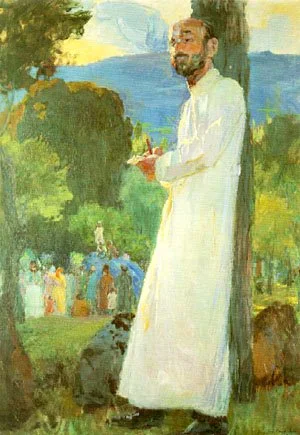
Komitas
Yeghishe Tadevosyan was after something bigger than a likeness. He wanted Komitas, the great musicologist who founded Armenia's national school of music, to stand for an ideal human being. In the painting, Komitas leans against a tree. That is how the painter pictured him. The image took a long time to reach this size. In 1903 he made a study of Komitas in Byurakan. More than thirty years later, in 1936, he returned to that study and painted this large canvas from it. It was his last canvas. And his feet are set firmly on his native soil, where the ideal stands.
Listen in the appYeghishe Tadevosyan · Public domain
10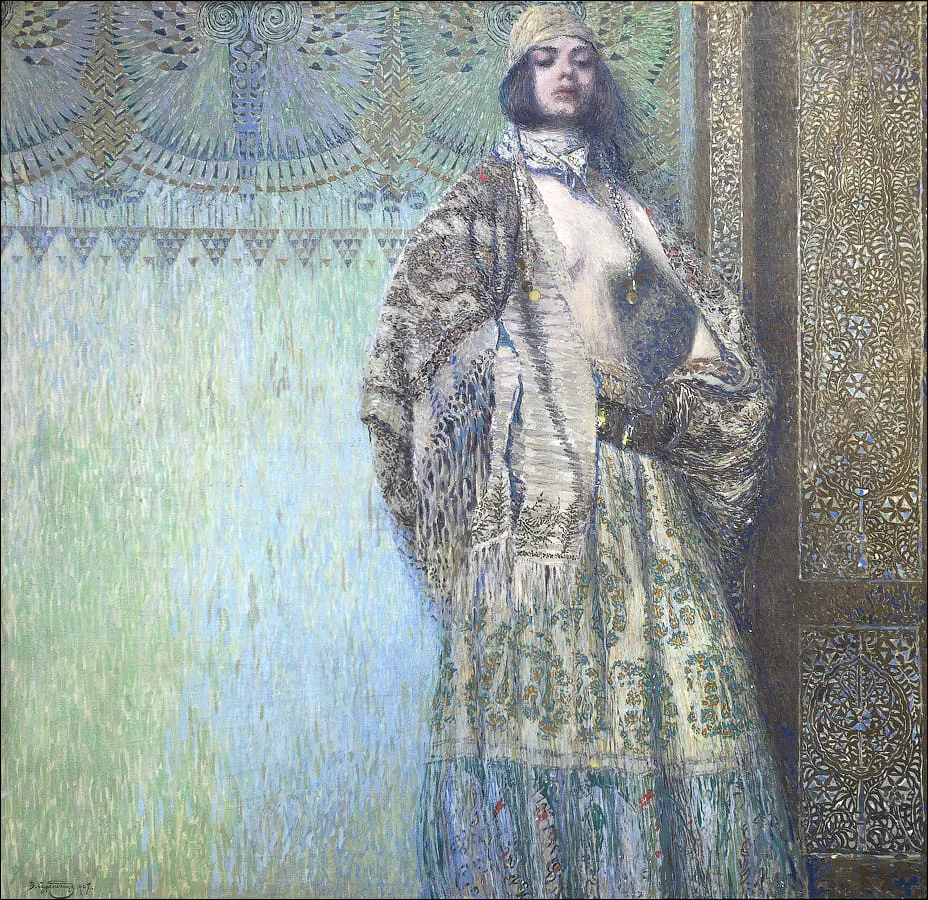
Salome
Why has she been pushed so far to one side, with the rest of the canvas left empty? She is on the left, against a dark brown door, and the space beside her is greenish and bluish. The oval of her face, her shoulders, her hat and her cloak all follow the curves of her clothing. They leave her soft and graceful. Red, black and brown brushstrokes keep an anxious, musical rhythm moving through it all. She is Salome. In the 1900s, the heroine of Oscar Wilde's play in one act held the attention of Armenian intellectuals. Vahan Teryan translated it, and an actress took the role on the Armenian stage. Sureniants was drawn into Wilde's philosophical depth, and painted this dream of love and death under the rule of fate, close to a nightmare. In 1912 the canvas was shown at the Munich Academy of Arts for its hundredth anniversary. It also went to the Venice International Exhibition.
Listen in the appVardges Sureniants · Public domain
- 11
Portrait of Mkrtich Khrimian
Vardges Sureniants · 1906
- 12
Bust of Toros Toramanyan
Ara Sargsyan · 1938
- 13
Semiramis at the corpse of Ara the Beautiful
Vardges Sureniants · 1899
- 14
Egyptian masks
Martiros Saryan · 1911
- 15
Young David
Eduard Isabekyan · 1956
- 16
Talent and the crowd
Yeghishe Tadevosyan · 1909
- 17
David of Sassoon
Hakob Kojoyan · 1922
- 18
Desecrated Shrine
Vardges Sureniants · 1895
- 19
The Departure of the Procession from St. Etchmiadzin Cathedral
Vardges Sureniants · 1895
- 20
After the Massacre
Vardges Sureniants · 1899
- 21
The knight woman
Vardges Sureniants · 1909
- 22
Women Leaving the Church at Ani
Vardges Sureniants · 1905
- 23
Serenade
Vardges Sureniants · 1888
- 24
Alhambra. Spain
Vardges Sureniants · 1898
- 25
Turbulence
Arsen Shapanyan
- 26
Shalyapin head sculpture
Hakob Gyurjian · 1915
- 27
Sculpture of Nikoghayos Tigranyan
Ara Sargsyan · 1934–1941
- 28
Sea port
Eugène Louis Boudin · 19th century
- 29
Self-portrait
Martiros Saryan · 1942
- 30
Wind
Charles Garabed Atamian
- 31
Reply to Hazkert
Eduard Isabekyan · 1960
- 32
Sayat Nova
Eduard Isabekyan · 1964
- 33
Portrait of Axel Bakunts (1932)
Panos Terlemezyan · 1932
- 34
Ալեքսանդր Մելիք-Փաշայանի դիմաքանդակ
Unknown Artist · 1940–1941
- 35
Tide
Vartan Makhokhian
- 36
Statue General Antranik
Unknown Artist
National Gallery of Armenia
Frequently asked questions
How much does the guide cost?
Free app download. Free until 1 January. Listed guide price: $1.99. Audio guide only. Venue admission is separate.
Can I listen without internet?
Yes. Download the guide’s audio, images, and maps in the app before your visit. Your downloaded content is then available offline.
Can I listen in my language?
In English for now. More languages soon.
Do I need to follow a schedule?
No. This is a self-guided experience. Choose your stops, pause whenever you like, and return to a story at your own pace.
Which artworks are in the National Gallery of Armenia audio guide?
36 artworks, including Descent of Noah from Ararat (Ivan Aivazovsky), Byron's visit to the Mekhitarists in Surb Ghazar Island (Ivan Aivazovsky), Return of Queen Zabel of Armenia (Vardges Sureniants), Head of Christ: Sudarium (Vardges Sureniants), Ferdowsi is reading "Shahnameh" poem to Shah Mahmud of Ghazni (Vardges Sureniants), Hripsime monastery (Vardges Sureniants), By the sea (Charles Garabed Atamian), and Portrait of Maria Akimova (Valentin Serov). The full list is on this page.
Is this the museum’s official audio guide?
No. Stanza is an independent audio guide app and is not affiliated with National Gallery of Armenia. Museum admission is separate.
At your own pace
Explore National Gallery of Armenia.
Download Stanza, then search for “National Gallery of Armenia”.
Free app download · Guide price shown in the app
Keep exploring
Nearby audio guides
Yerevan · 1 km
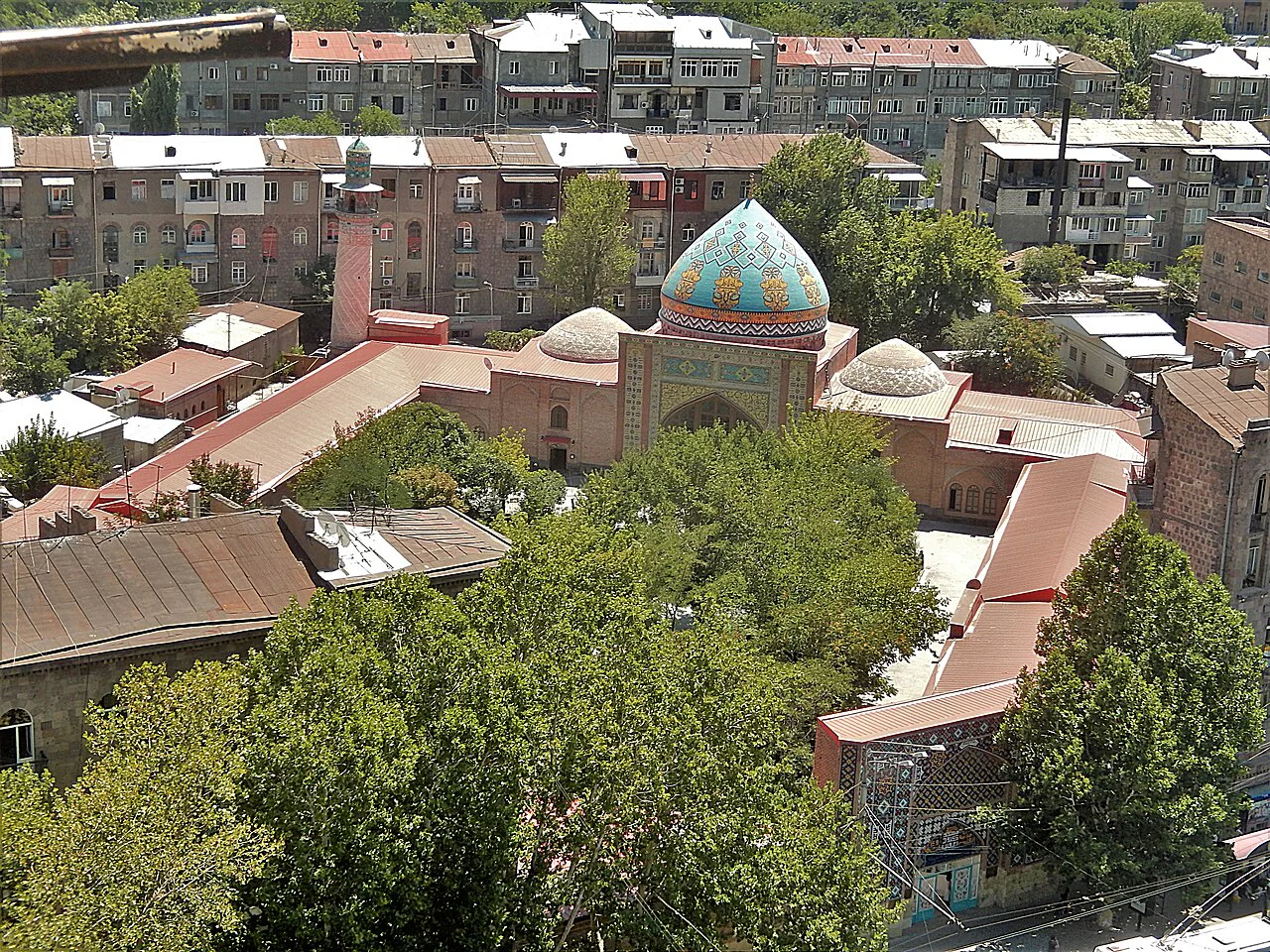
Blue Mosque, Yerevan
Content & sources
Armineaghayan · CC BY-SA 4.0
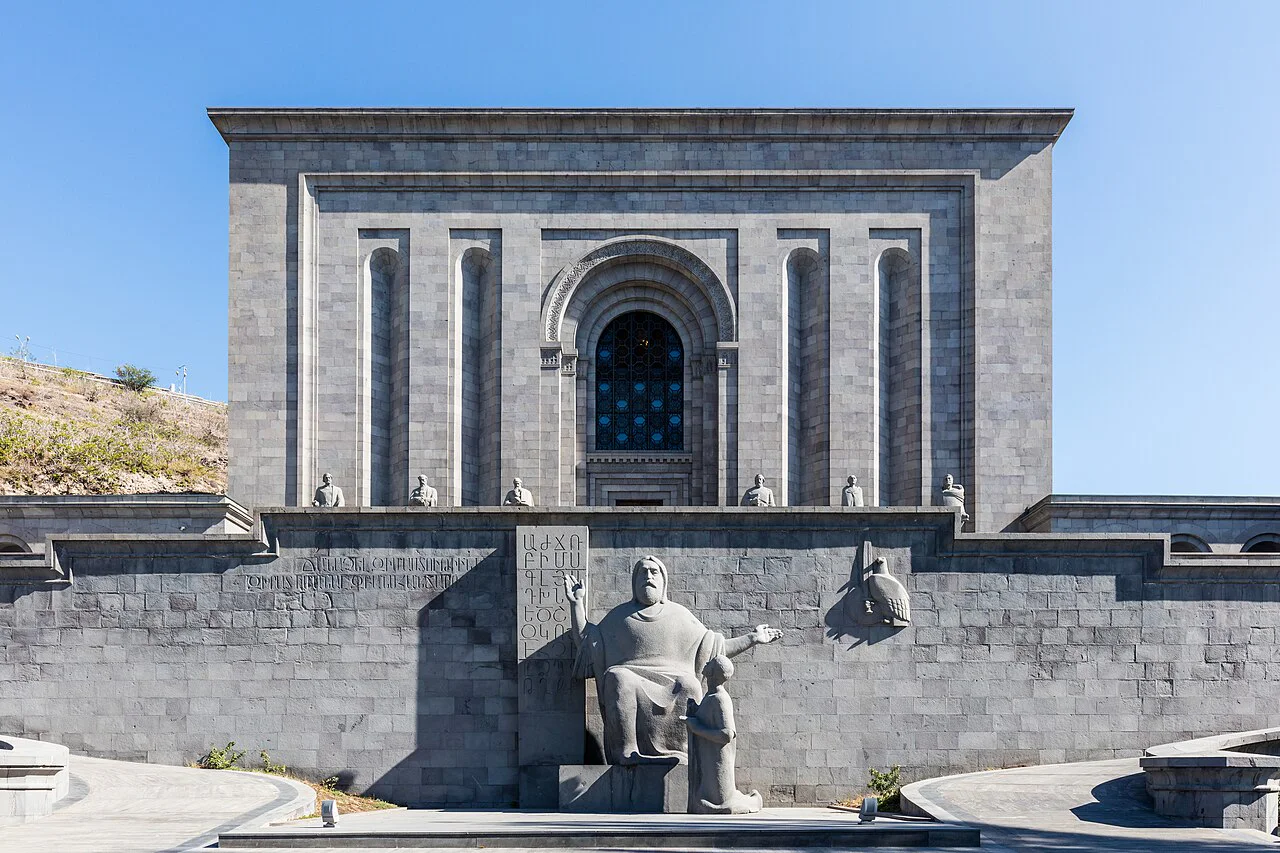
Yerevan · 2 km
Matenadaran
Content & sources
Diego Delso · CC BY-SA 4.0
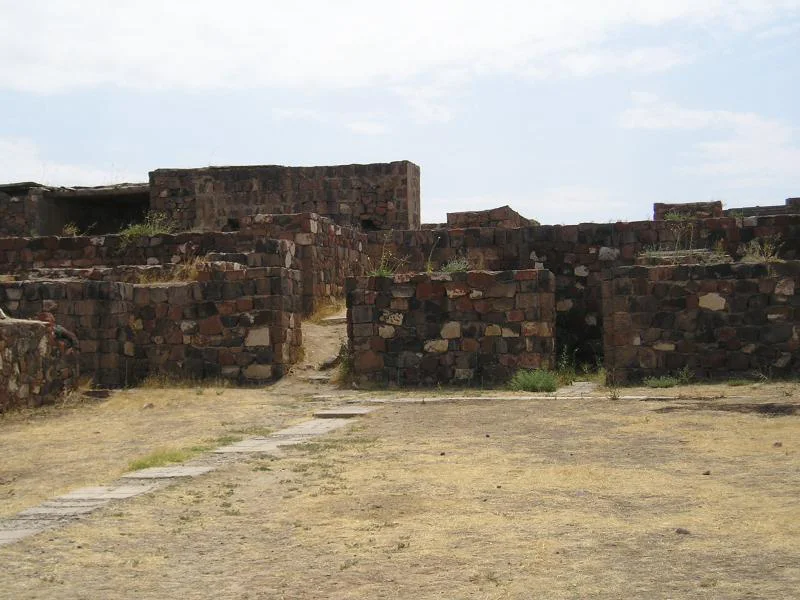
Yerevan · 5 km
Erebuni Fortress
Content & sources
Photo: Numerius Negidius · Public domain
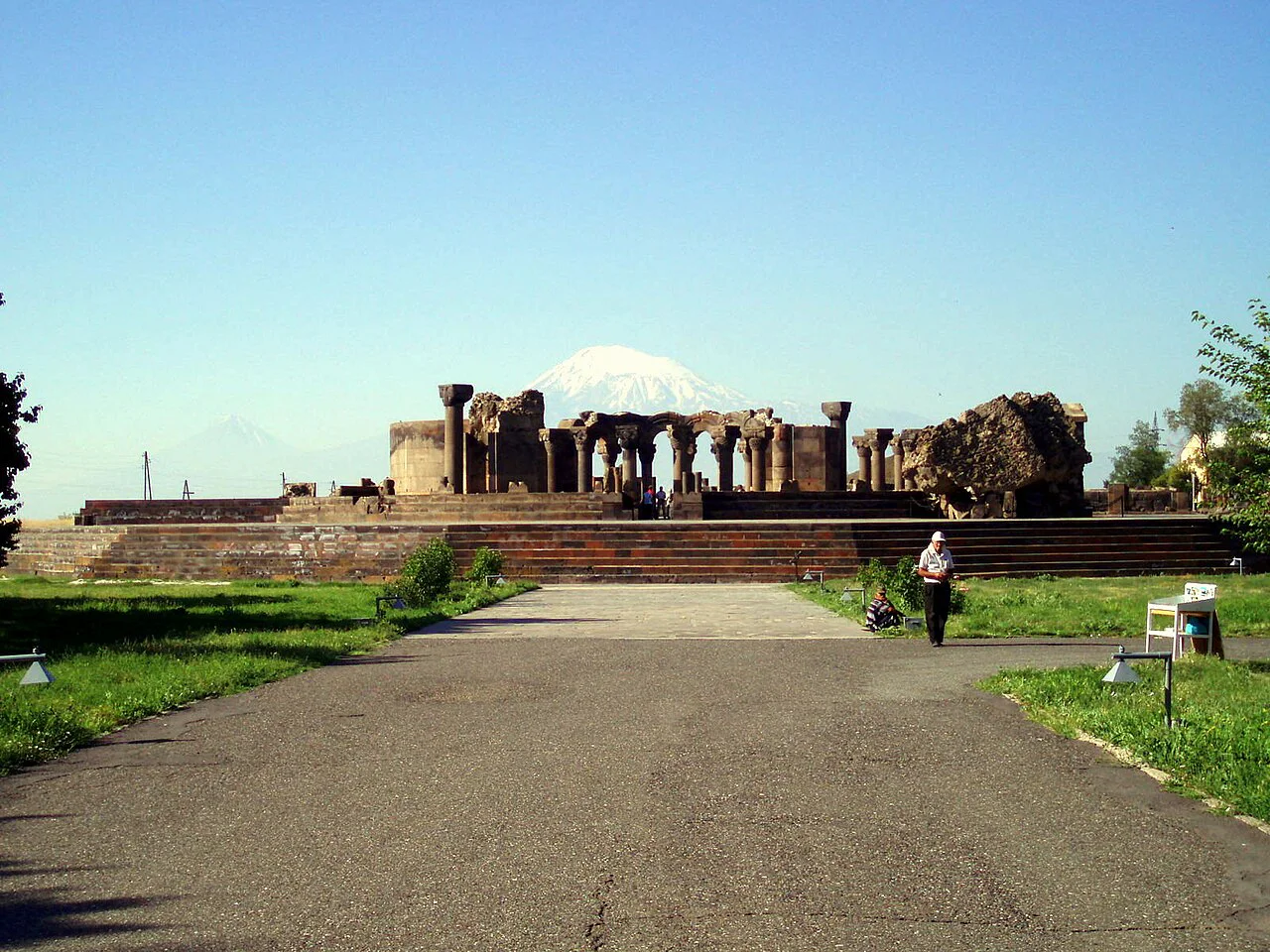
Vagharshapat · 15 km
Zvartnots Cathedral
Content & sources
DAVID HOLT · CC BY-SA 2.0
Art museums
More art museum audio guides
Yerevan · 20 artworks
Matenadaran
Content & sources
Diego Delso · CC BY-SA 4.0
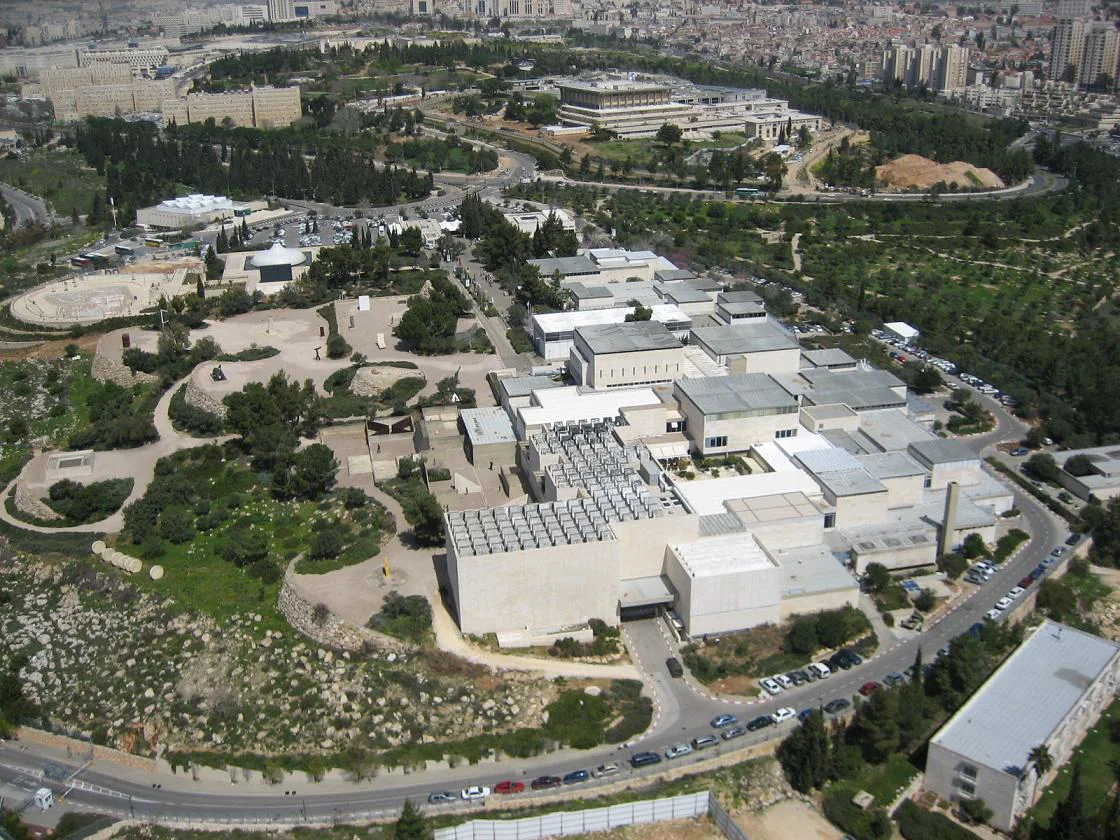
Jerusalem · 93 artworks
Israel Museum
Content & sources
Original uploader was אסף.צ at he.wikipedia · CC BY-SA 3.0
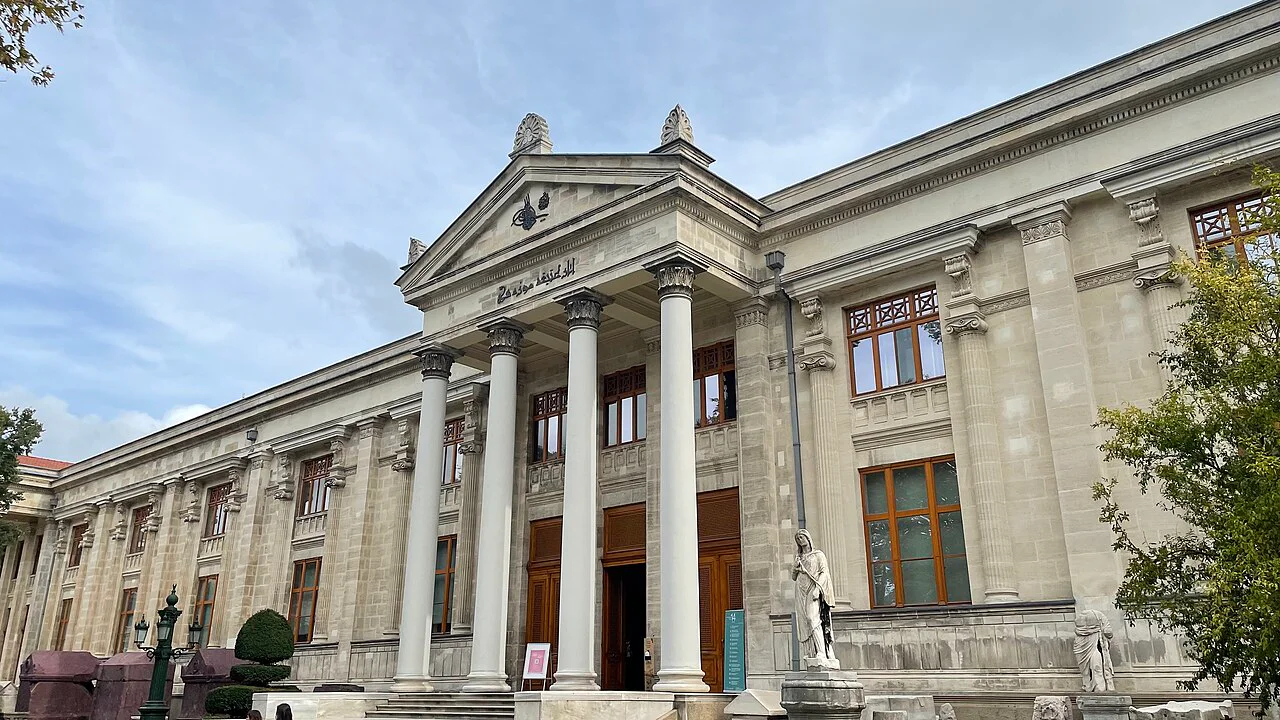
Istanbul · 16 artworks
İstanbul Arkeoloji Müzeleri
Content & sources
Photo: Metuboy · CC BY-SA 4.0
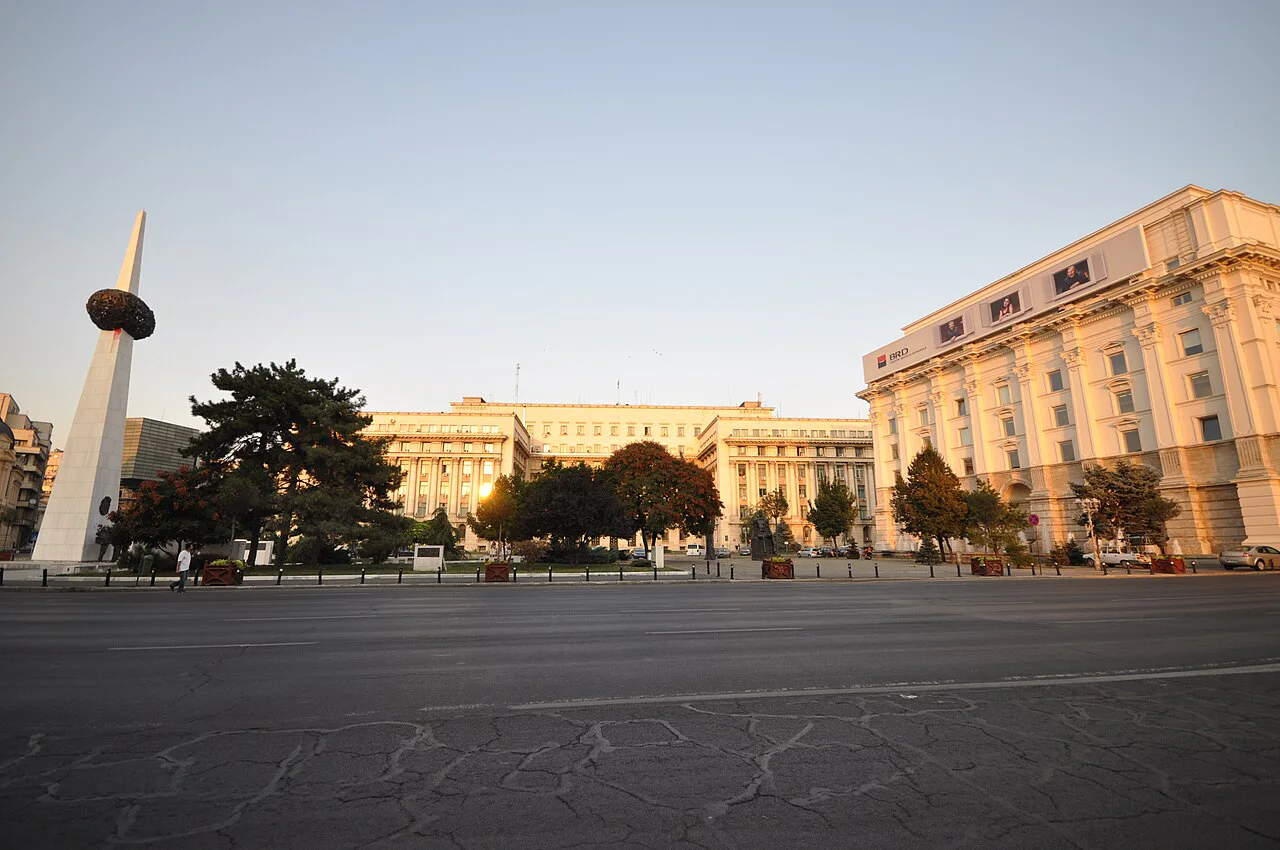
Bucharest · 28 artworks
National Museum of Art of Romania
Content & sources
Jorge Láscar from Australia · CC BY 2.0
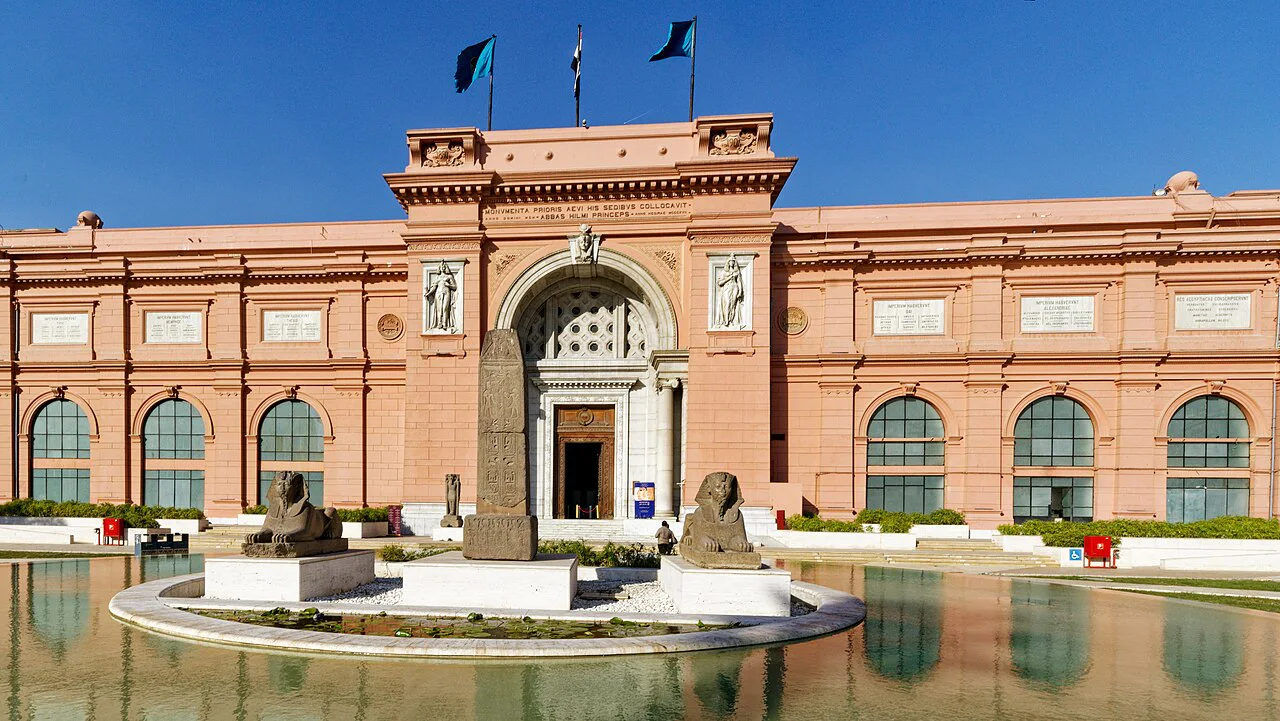
Cairo · 36 artworks
Egyptian Museum
Content & sources
Photo: Holger Uwe Schmitt · CC BY-SA 4.0
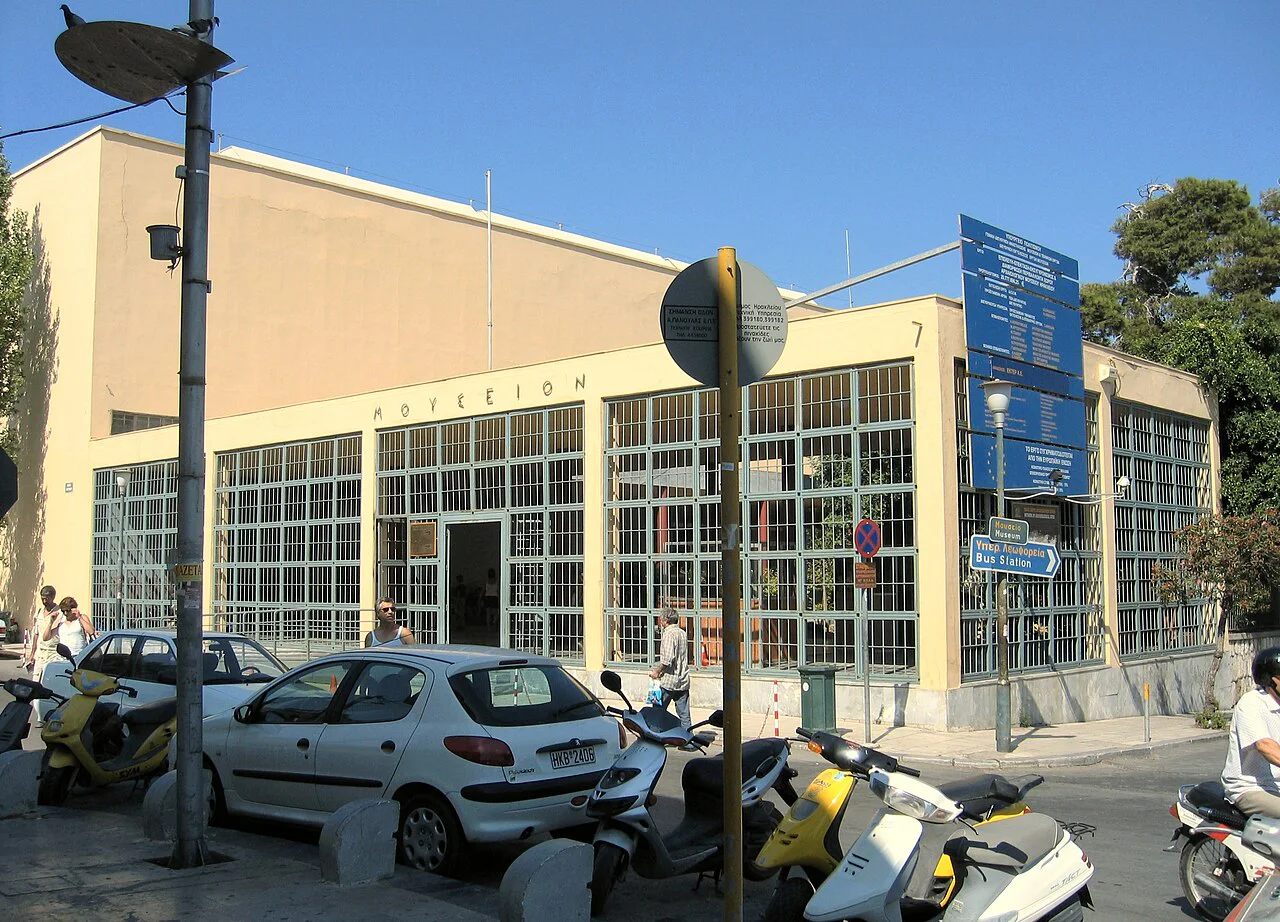
Heraklion · 13 artworks
Αρχαιολογικό Μουσείο Ηρακλείου
Content & sources
Photo: Zde · CC BY-SA 4.0