Languages
15Valley of the Kings Audio Guide
Valley of the Kings is an archaeological site in Luxor, Egypt. Explore it with Stanza's guided offline audio tour — narrated in 15 languages.
Quick Facts
65
Stops
15
Languages
100%
Offline
📍 Luxor, Egypt · 25.7402°N, 32.6024°E
About Valley of the Kings
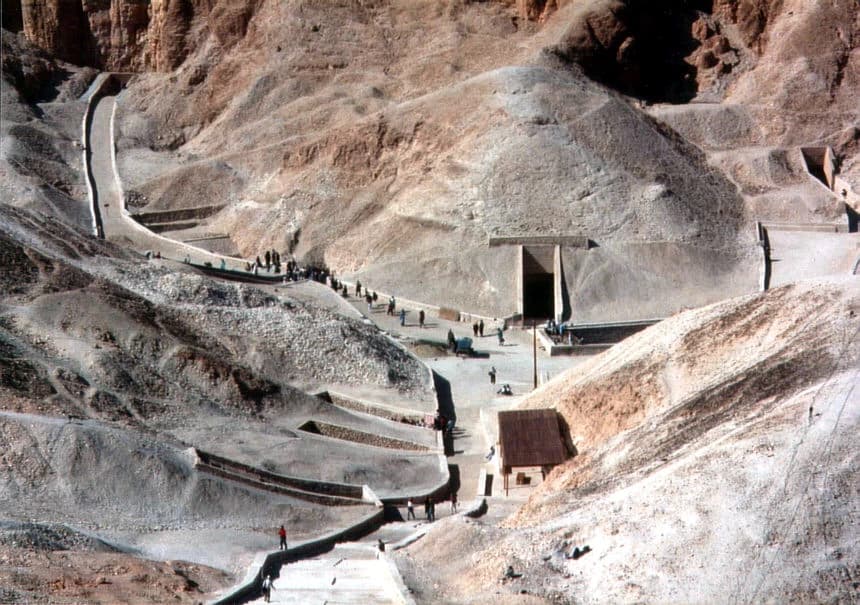
The Valley of the Kings is an ancient necropolis and archaeological site in Egypt. It served as the primary burial ground for pharaohs and powerful nobles of the New Kingdom.
This self-guided audio tour features 65 narrated stops organized across 5 sections, including Tomb of Ramesses VII (KV1), Tomb of Ramesses IV (KV2), Tomb of Ramesses II (KV7), Tomb of Ramesses IX (KV6), Tomb of Tutankhamun (KV62). As a archaeological site, Valley of the Kings offers a unique cultural experience in the heart of Luxor, Egypt.
The Stanza audio guide is available in 15 languages and works entirely offline — download the complete tour including audio narration, maps, and images before your visit. As you walk through Valley of the Kings, GPS-triggered narration plays automatically at each point of interest.
Last updated:
What you will hear
Tomb of Ramesses VII (KV1)
The first tomb encountered upon entering the valley, this site was open since antiquity and served as a dwelling for Coptic monks.

KV1
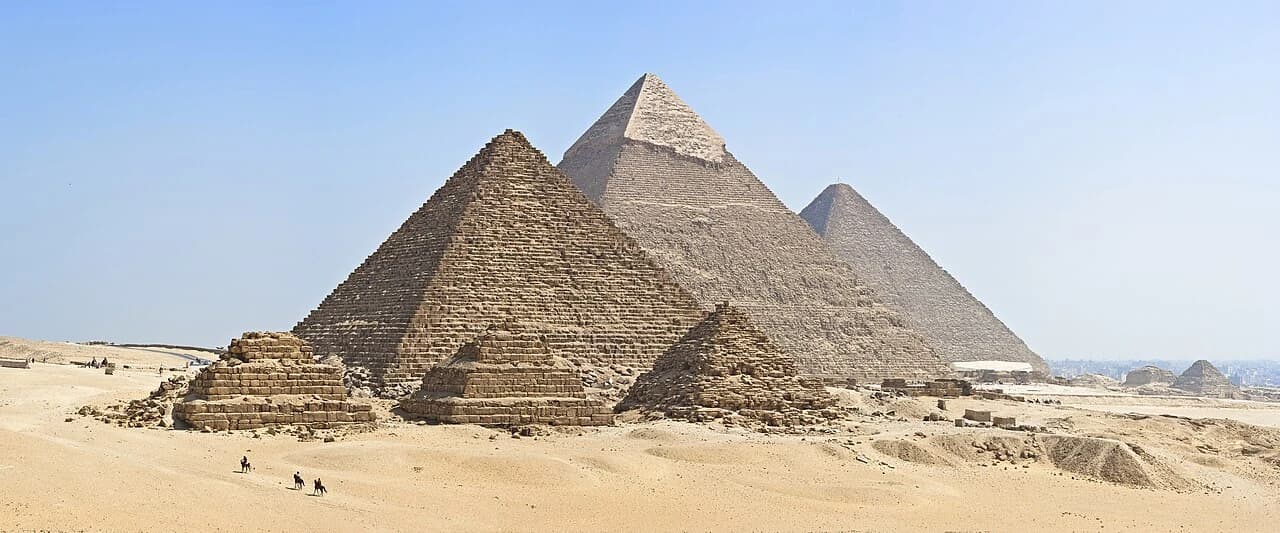
Welcome to one of the most famous archaeological sites on Earth. This secluded valley was chosen by the pharaohs of the 18th Dynasty for its natural defenses and sacred geography. Dominating the landscape is the peak known as Al-Qurn, which resembles a natural pyramid. By burying their kings here, rather than in visible pyramids, the ancient Egyptians hoped to keep the royal bodies and their vast treasures hidden from tomb robbers. This shift toward rock-cut tombs represents a major turning point in Egyptian history, as the visible power of the pharaoh was replaced by the need for secrecy and spiritual protection. The construction here began in the New Kingdom and continued for nearly five centuries. As you move through the valley, you are following in the footsteps of the ancient priests, builders, and eventually the early explorers who rediscovered these 'houses of eternity' after they had been forgotten for thousands of years.

Tomb of Ramesses VII
As the first tomb visible upon entering the site, KV1 belongs to Ramesses VII. It is considerably smaller than many of the other royal burials because the Pharaoh only reigned for seven years. Work on a royal tomb began the moment a king took the throne, and because he died unexpectedly early, the craftsmen had to cut the work short and finish the burial chamber in haste. While the royal remains are long gone, the tomb took on an interesting second life in later centuries. During the early Christian era, Coptic monks used these corridors as dwellings, and early Greek tourists often explored the chambers. You can still see ancient graffiti left by these visitors scratched into the plaster. These marks serve as a layered timeline of human history, showing how the valley has fascinated travelers for over two thousand years, long before modern archaeology began to systematically document the site.
Tomb of Ramesses IV (KV2)
Known for its exceptionally wide corridors and vibrant 'Book of Nut' ceiling, this tomb contains one of the largest sarcophagi in the valley.

KV2
Notice the massive, wide entrance of KV2, the tomb belonging to Ramesses IV. This entryway illustrates a major transition in Egyptian funerary architecture known as the 'Straight Axis' design. In earlier dynasties, tombs often featured 'Bent Axis' layouts with sudden turns and hidden chambers meant to confuse potential thieves. However, by the 20th Dynasty, the theological focus shifted. The tomb was designed as a direct, straight-line path intended to mirror the journey of the sun god through the sky and the underworld. The wide, high corridors were easier to carve and allowed for more expansive surfaces to be decorated with sacred texts and images. This architectural choice made the pharaoh’s spiritual ascent more literal and direct. The sheer scale of this doorway suggests the power and ambition of Ramesses IV, even as the empire he ruled began to face increasing economic and political pressures from both internal and external forces.

Corridors of Eternity
These passages were far more than mere hallways; they were ritual spaces where the pharaoh was believed to transform from a mortal ruler into an immortal god. The walls are covered in high-quality low reliefs, where the stone was painstakingly carved away to leave the figures and hieroglyphs raised above the background. To complete these scenes, artists used expensive, imported pigments. The vibrant 'Egyptian Blue' was a synthetic pigment made from ground silica and copper, while the brilliant yellows were often sourced from orpiment, a toxic mineral valued for its gold-like luster. Every figure and spell on these walls had a functional purpose, intended to be activated through ritual and prayer. As the pharaoh's funeral procession moved down these ramps, the static images on the walls were thought to come to life, providing the spiritual protection and nourishment the king would need in the next world. This combination of fine carving and rich color marked the height of royal craftsmanship in the New Kingdom.

The Birth of the Sun
The central figure visible on this ceiling is the goddess Nut, whose body is painted in deep blues to represent the night sky. This artwork depicts a core theological concept: the daily cycle of the sun. According to Egyptian myth, Nut would swallow the solar disk every evening, initiating the twelve hours of the night. Her body served as a protective corridor through which the sun traveled before she gave birth to it again at dawn. This cycle ensured that light would always return to the world and that life would always follow death. For the pharaoh, being buried beneath this image meant that his own fate was tied to that of the sun. Just as the sun was reborn every morning, the king would be reborn into the afterlife every single day. This mural transformed the burial chamber into a site of perpetual resurrection, where the architecture and art worked together to conquer the finality of death through the power of cosmic repetition.
Tomb of Ramesses II (KV7)
The tomb of Egypt's most legendary pharaoh; though heavily damaged by ancient floods, its scale remains a testament to his long reign.

KV7
The stark, sun-baked terrain surrounding the tombs may look empty today, but during the New Kingdom, this area was the most important construction site in Egypt. Just over the ridge lies the village of Deir el-Medina, where the specialized artists, scribes, and stonemasons lived. Unlike the laborers who built the earlier pyramids, these were elite craftsmen who were paid in high-quality rations and lived in a state-sponsored community. Their lives are remarkably well-documented through thousands of ostraca, or inscribed pottery shards, found in the village. These records reveal that the valley was once the site of the world's first recorded labor strike, which occurred when the royal grain shipments were delayed. The workers refused to enter the valley until their wages were paid, demonstrating that even in an era of absolute pharaohs, the skilled laborers held significant leverage. Their expertise is visible in every carved relief and painted figure you see throughout the necropolis today, reflecting a level of craftsmanship that was passed down through generations of families.
Tomb of Ramesses IX (KV6)
A popular stop for its beautiful wall paintings that depict the sun god's journey through the underworld.

KV6
The Tomb of Ramesses IX, known as KV6, was one of the last great burials constructed in the valley. By this period, the New Kingdom was entering a phase of economic and political decline. You can see evidence of this in the tomb's construction. While the earlier tombs featured deep, time-consuming stone carvings, much of the decoration here was painted directly onto plaster in a hurry. As the Pharaoh's health declined or resources grew scarce, the focus shifted from permanence to completion. Despite the speed of the work, the paintings are strikingly detailed, particularly the depictions of the king before various deities. The decline in the quality of the stone carving doesn't diminish the spiritual intent; the spells and scenes were still believed to be fully effective for the king's journey. However, the move away from labor-intensive carving foreshadowed the eventual end of the Valley of the Kings as a royal burial site, as the central government's ability to fund such massive projects slowly began to collapse.

Spells for the Afterlife
The colorful murals on these walls are taken from the 'Book of Caverns,' one of several sacred texts found in royal tombs. These images were not meant for decoration; they were functional tools. The ancient Egyptians believed the underworld was divided into a series of caverns and gates, each guarded by fearsome monsters and divine entities. To pass safely, the king needed to know the specific names and secret passwords for each guardian. These paintings acted as a permanent cheat sheet, ensuring the pharaoh's soul would never forget the necessary spells. You can see rows of figures in various states of transformation, representing the different stages the soul must undergo. The use of bright reds, yellows, and blacks created a high-contrast environment intended to be viewed by the flickering light of oil lamps. By surrounding himself with these images, the king transformed his tomb into a fortress of knowledge, providing him with the magical protection required to reach the hall of judgment and achieve eternal life among the stars.
Tomb of Tutankhamun (KV62)
The most famous archaeological discovery in history, this small tomb held the nearly intact treasures of the Boy King.

Guardian of the Sarcophagus
Sitting at the center of the burial chamber is the original quartzite sarcophagus. While the many layers of gilded shrines and coffins that once nested inside are now in Cairo, the stone box remains where it was placed over three thousand years ago. At each corner, you can see a female figure with her wings outstretched, literally embracing the stone. These are the four protective goddesses: Isis, Nephthys, Selket, and Neith. Their presence was meant to physically and spiritually shield the king's body from all harm for eternity. The sarcophagus is made from a single massive block of quartzite, a very hard stone that was difficult to carve but highly valued for its durability. The lid, interestingly, is made of granite and was cracked during its initial placement—a defect the ancient workmen patched with plaster. This small imperfection is a rare human touch in an otherwise flawless royal monument. The goddesses’ delicate features and protective stance provide a sense of maternal guardianship over the boy king as he lay in his final resting place.

The Boy King Himself
This is a rare opportunity to see an ancient Egyptian king in situ. Tutankhamun is the only pharaoh who still resides in the valley where he was buried, resting in a temperature-controlled glass case. While his legendary treasures traveled the world, his body has stayed here. In 2005, a team of scientists performed a CT scan on the mummy to investigate the long-standing mystery of how he died. The results revealed that he was about 19 years old and had a badly broken leg that had occurred shortly before death. Rather than being murdered, as some had speculated, it is now believed he likely died from an infection caused by this fracture. The mummy itself shows the signs of the complex embalming process, with the head and feet exposed to show the dark, resin-soaked skin. Seeing him here, just a few feet from his sarcophagus, emphasizes the reality of the people who built this valley—they were not just names in history, but individuals whose lives and deaths were commemorated with unparalleled devotion.
Want to hear the rest?
Download the Stanza app to unlock all 65 stops and the complete guided audio tour.
Frequently Asked Questions
How long does the Valley of the Kings audio tour take?
The Valley of the Kings audio guide includes 65 narrated stops. Most visitors spend 45 minutes to 1.5 hours exploring the complete tour, though you can listen at your own pace and skip or revisit any stop.
Is the Valley of the Kings audio guide available in my language?
Stanza supports 15 languages: English, Spanish, French, German, Italian, Portuguese, Russian, Japanese, Chinese, Korean, Arabic, Hindi, Polish, Dutch, Hebrew. Check the guide in the app to confirm the languages currently available for this tour.
Can I use the audio guide offline at Valley of the Kings?
Yes! Download the complete Valley of the Kings tour — including all audio, maps, and images — before your visit. The Stanza app works completely offline, so you don't need WiFi or mobile data at the venue.
How much does the Valley of the Kings audio guide cost?
The Stanza app is free to download. The current listed price for the Valley of the Kings audio guide is $5.99; app-store region and currency may affect the final price.
How do I use the Stanza audio guide at Valley of the Kings?
Download the free Stanza app, search for "Valley of the Kings", and download the tour. When you arrive at the venue, the app uses GPS to detect your location and automatically plays the relevant narration as you move between points of interest — completely hands-free.
What makes the Stanza audio guide different from other Valley of the Kings tours?
Stanza offers GPS-triggered narration that plays automatically as you walk through Valley of the Kings — no need to manually select stops. The tour is available in 15 languages, works fully offline, and includes 65 expertly narrated stops with images and historical context.
What other audio guides are available near Valley of the Kings?
Stanza offers multiple audio guides in Luxor, Egypt and nearby areas. After downloading the app, browse the map to discover all available tours near Valley of the Kings. Each guide can be downloaded for offline use.