Stanza · Audio guide
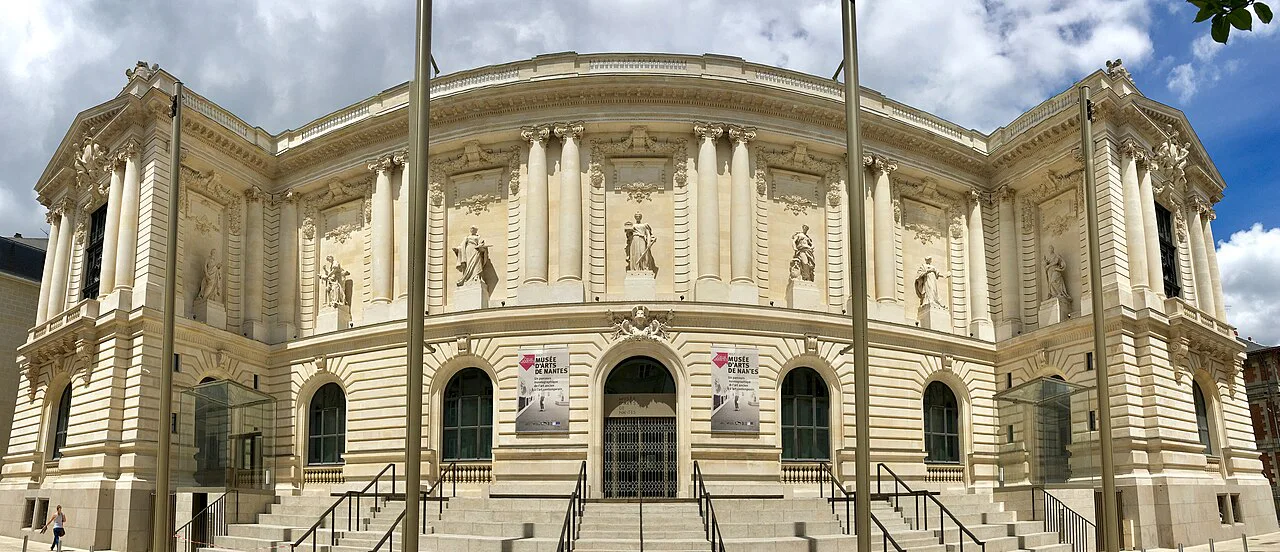
Musée d'Arts de Nantes Audio Guide
A place to remember. A story to take with you.
The Fine Arts Museum of Nantes was created by consular decree in year IX along with 14 other provincial museums. Today, it is one of the largest museums in the region.
Download Stanza, then search for “Musée d'Arts de Nantes”.
About the tour
One guide. Your kind of visit.
The Fine Arts Museum of Nantes was created by consular decree in year IX along with 14 other provincial museums. Today, it is one of the largest museums in the region.
The Musée d'Arts de Nantes guide tells the stories of 57 artworks, including The Wheat Sifters (Gustave Courbet), Portrait de Madame de Senonnes (Jean-Auguste-Dominique Ingres), The Hurdy-gurdy Player or The Hurdy-gurdy Player With A Fly (Georges de La Tour), Moroccan caid visiting his tribe (Eugène Delacroix), The Dream of Saint Joseph (Georges de La Tour), Charlotte Corday (Paul-Jacques-Aimé Baudry), The Battle of Nazareth (Antoine-Jean Gros), and The Denial of Saint Peter (Georges de La Tour). Every artwork is free to hear in the Stanza app until 1 January.
Ready when you are.
- 01Get the free Stanza app.
iOS & Android
- 02Find your guide.
“Musée d'Arts de Nantes”
- 03Download before you go.
Works offline
Audio guide / 57 artworks
Inside the guide
Get to know a few of the stories before you go. Open a stop to read more.
01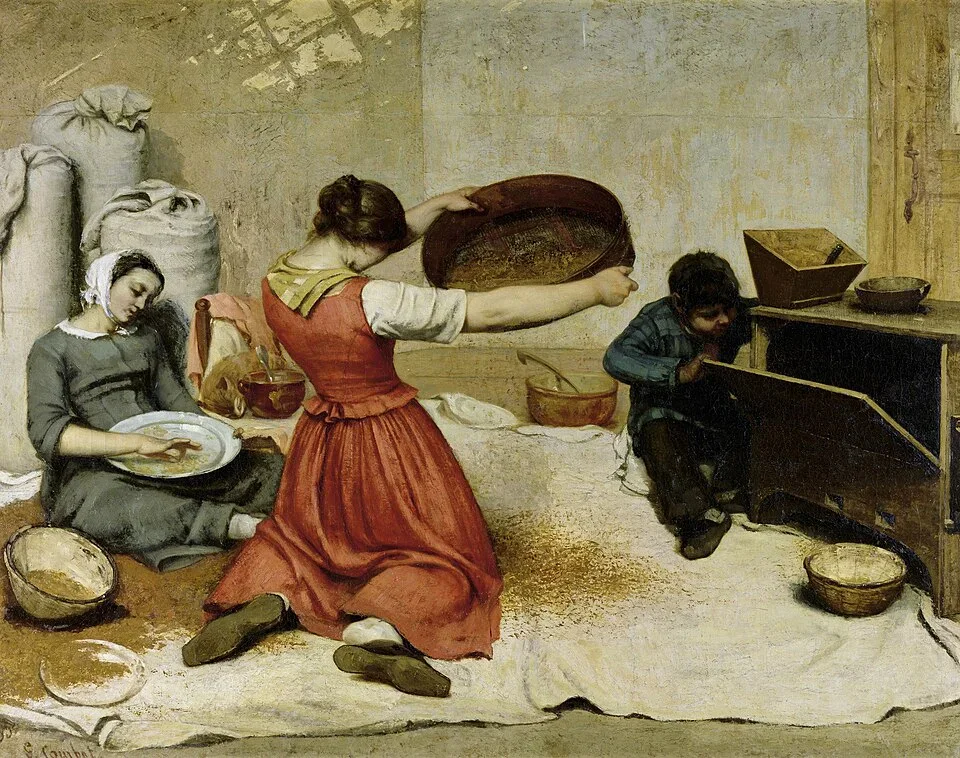
The Wheat Sifters
Courbet wanted the ordinary work of his home region to carry the weight that paintings of heroes and saints once did. So he turned to the people closest to him, and set them to sifting grain. The woman at the centre, thought to be his sister Zoé, kneels with her back to us. Her face is hidden. Her arms drive a big round sieve, and her body takes up nearly the whole canvas. That sheer physical power is what set people off. When the painting reached the Paris Salon in 1855, critics called it indecent. He had written to a friend that he had made a strange painting. One cartoonist drew the sifter as filthy, with a caption saying she could never find time or space to clean herself. To the left, another woman sits with her legs crossed in a white bonnet, picking grain by hand from a wide dish. She is believed to be his sister Juliette. But on the right, a boy peers inside a machine called a tarare, which cleaned grain mechanically. He is most likely the painter's own son, about six. The tarare was the newest way to do this work, and on better farms it was already pushing women out of harvesting and winnowing.
Listen in the appGustave Courbet · Public domain
02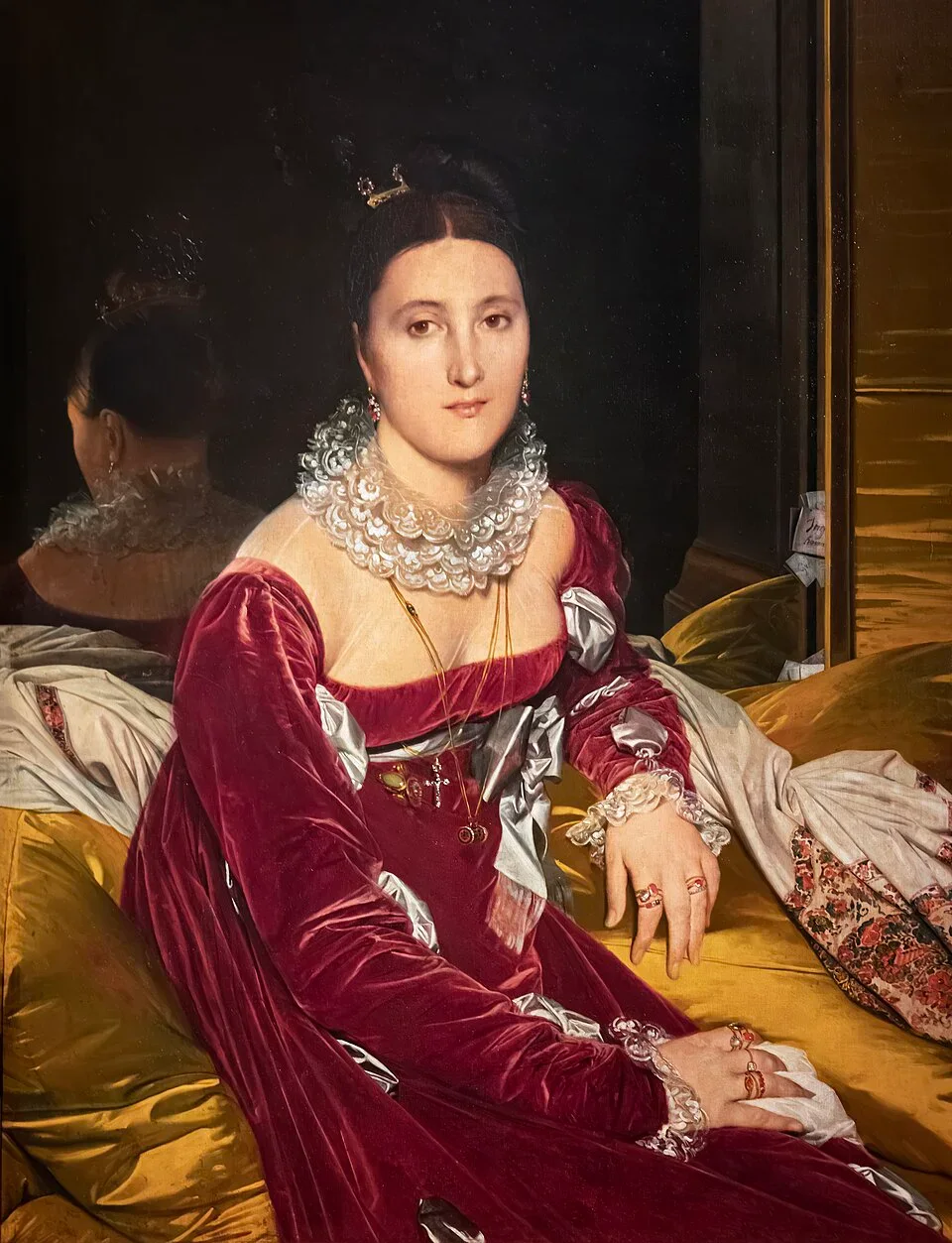
Portrait de Madame de Senonnes
Why does a portrait show you the back of a woman's head? Behind her is a large dark circle, a mirror. It catches the back of her head and the curve of her neck. This was the first portrait in which the painter fully used a mirror to open up space. In the border he tucked a visiting card with one corner turned down, and wrote his signature on it. He painted her in bright red and gold, her hands with thirteen rings resting on a white pillow. Ingres said he disliked portraiture, but he needed money, so he worked hard here, hoping for more commissions. The woman is Marie Marcoz. The Viscount of Senonnes ordered the portrait in Rome while she was still his mistress. He married her in 1815. His family never welcomed her. She was divorced, from a merchant family. After she died in 1828, her husband kept it. In 1831, pursued by creditors, he sent it to his brother's château at Feneu, where it stayed for years. Then a widow in Angers wanted to erase all trace of a marriage she thought unequal. She sold it to a broker for one hundred and twenty francs and a small table. In 1853 a Nantes artist spotted it by chance on the pavement outside the shop. He told the curator, and it was bought for four thousand francs.
Listen in the appDidier Descouens · Public domain
03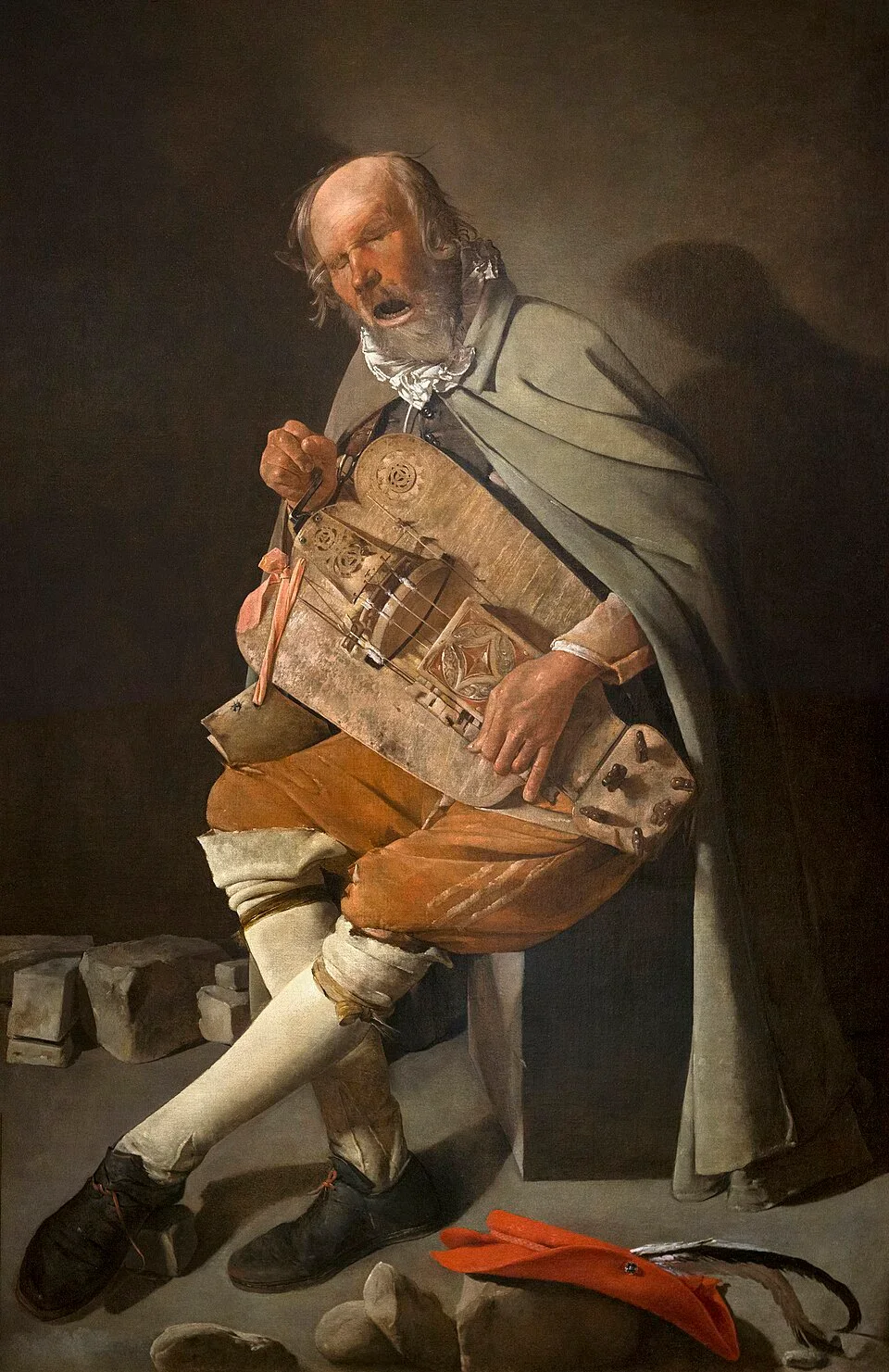
The Hurdy-gurdy Player or The Hurdy-gurdy Player With A Fly
A blind man sings in the street, playing a hurdy-gurdy. The instrument is painted with the greatest care, its strings and the little wedges that change the pitch. His face is twisted and his clothes are worn, and the painter meant both to win your sympathy. Just above his right knee, on his jacket, sits a fly. That fly is why the picture has a second name. Next to the finely made instrument, it may say something about how fragile life can be. For a century, this scene of a street singer was thought to be Spanish. When the diplomat François Cacault died, an inventory of his collection in 1808 praised the picture. It credited the work to the Spanish painter Murillo and valued it at six thousand francs. The city bought it and hung it in the mayor's office, then moved it to the museum in 1830, still as a Murillo. Its catalogues kept calling it Spanish until 1903. Mérimée came in 1836 and Stendhal the next year, both wondering whether it was really by Velasquez. Doubts began in 1923. Georges de La Tour painted it, a man better known for candlelit religious scenes than for a beggar in daylight. Between 1934 and 1935, shown beside two other hurdy-gurdy players, it was finally accepted as his work. It became the emblem of his daylight paintings.
Listen in the appGeorges de La Tour · CC BY-SA 4.0
04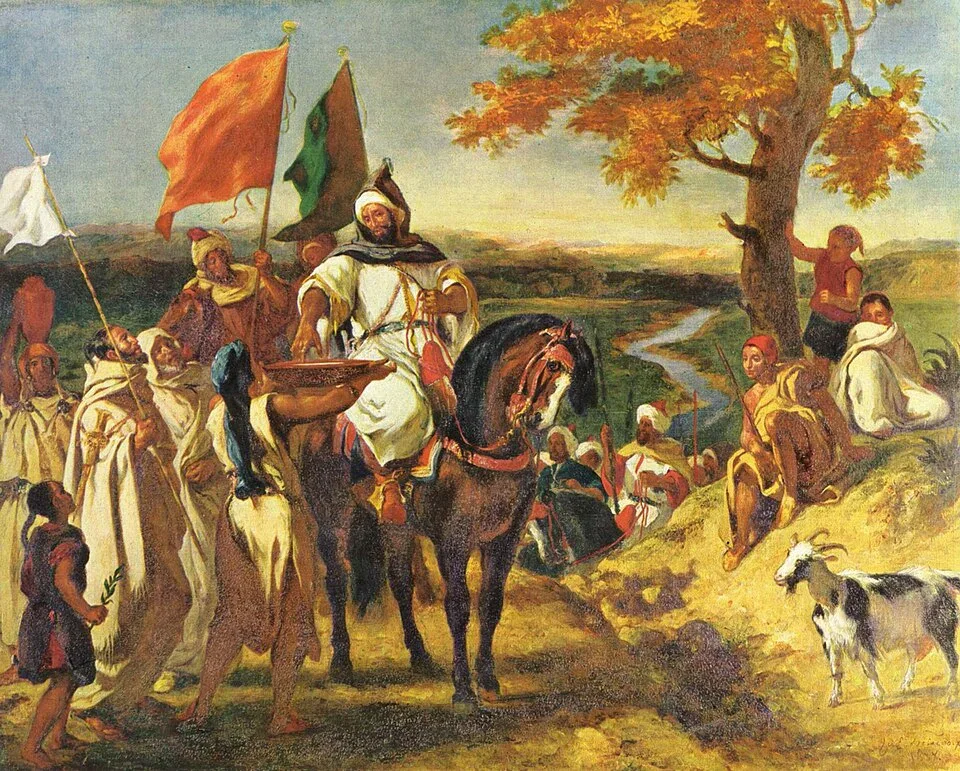
Moroccan caid visiting his tribe
Milk is offered, and the chief accepts it. That one small gesture is what the picture is about, and it has gathered names. It has been called Offering Milk, and The Halt, and the chief accepting the shepherds' hospitality. Every name points back to that same moment. It looks more like a sketch than a finished painting. The drawing is only suggested, and the colour is spread freely across the whole scene. From a distance the colours hold together. Up close, the shapes disappear under thick dabs of paint. The picture went to the Salon in Paris in 1838, and to Nantes the following year, where the museum here bought it. Delacroix painted it after a stop at Ksar el Kebir, on the ninth of April, 1832. There he watched a Moroccan chief give a peaceful welcome.
Listen in the appEugène Delacroix · Public domain
05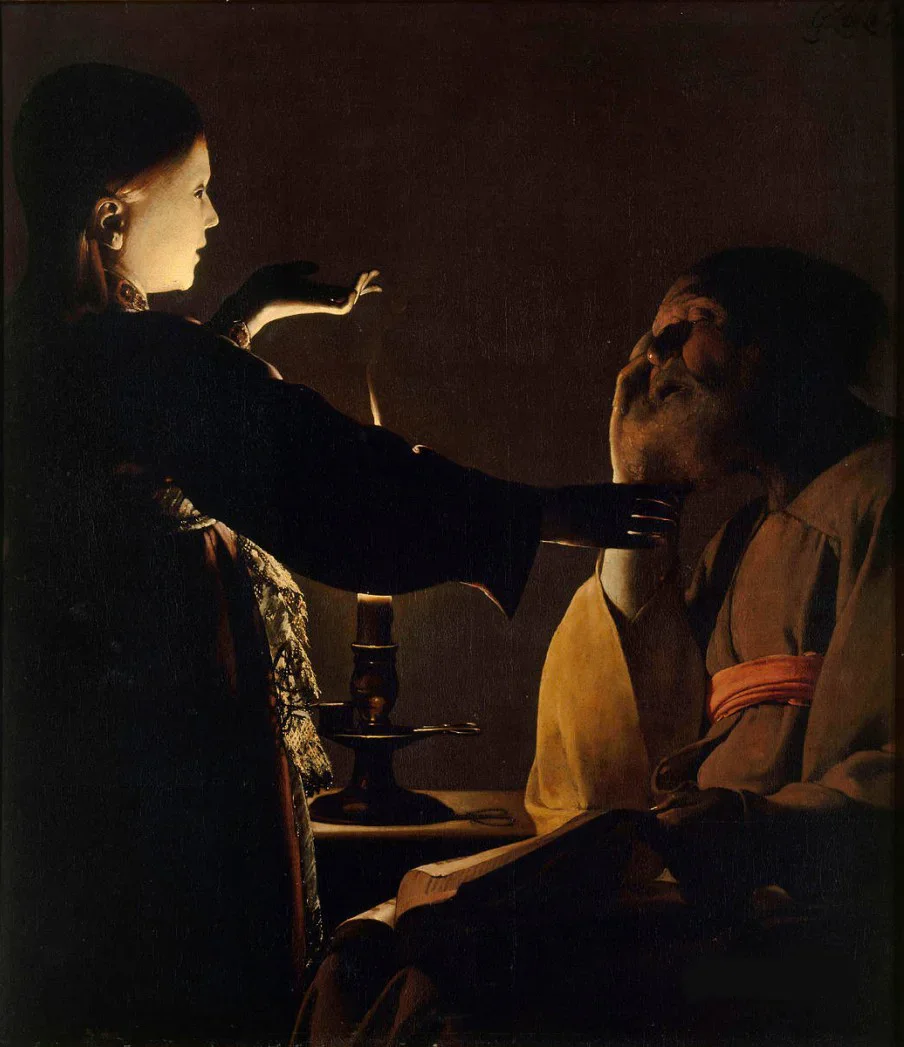
The Dream of Saint Joseph
In 1913 this picture was still being called a Rembrandt. Georges de La Tour had signed it in the top right corner the whole time. People seem to have wanted a grander name for it. The subject was just as hard to settle. Here a young figure makes a gesture toward an old man who has fallen asleep over an open book. For a long time this was read as an everyday scene, a girl waking a sleeping man. A religious meaning came later. Now it is seen as Saint Joseph, visited in a dream. The gesture is one an angel makes when bringing news. But this figure has no wings to give it away. The candle stands in the middle of the scene, its flame almost entirely hidden behind the young figure's outstretched arm. The light on that face cannot be coming from the candle. It comes from the figure itself. And there are jet beads on the belt, rich enough that they, with the light and the gesture, mark a visitor from heaven.
Listen in the appGeorges de La Tour · Public domain
06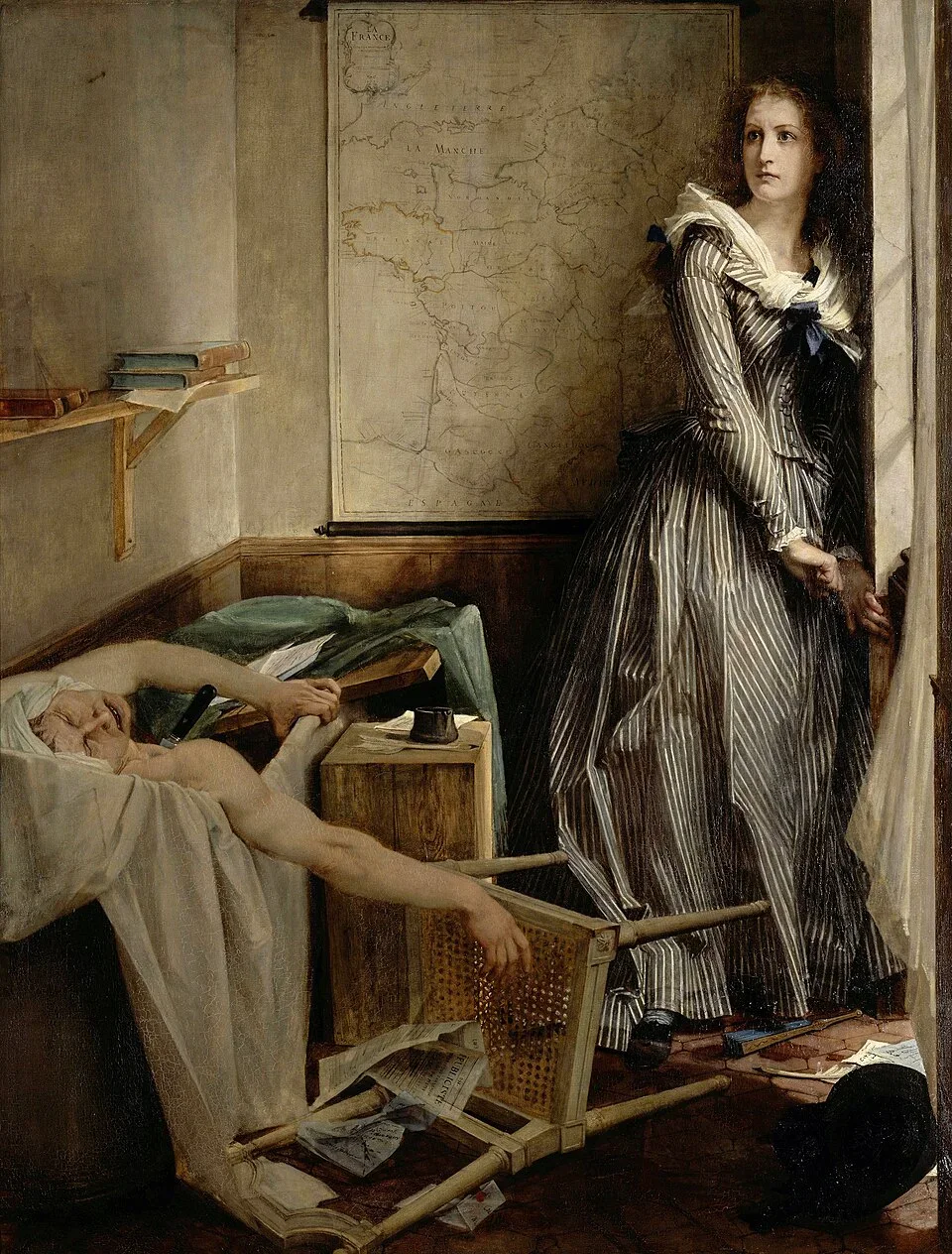
Charlotte Corday
She came to kill a man, and now he is dead, she is the one who fills the picture. Charlotte Corday stands life size in a corner of the room, her gaze on nothing, while Marat lies dead in his bath. She was a Girondin, and the killing took place in July of 1793, during the French Revolution. Paul Baudry painted this in 1860. By then Corday had been executed, and many people saw her as a martyr. Baudry took her side. The map of France on the wall suggests she had saved the nation from Marat. A chair is overturned beside the bath, and letters lie scattered on the floor, marks of the violence that seems to haunt her. In David's earlier painting of the same killing, all the feeling was on the murdered man. Here it is on the woman. What is not certain is whether Baudry took the figure of the dead Marat from David's painting.
Listen in the appPaul-Jacques-Aimé Baudry · CC0
07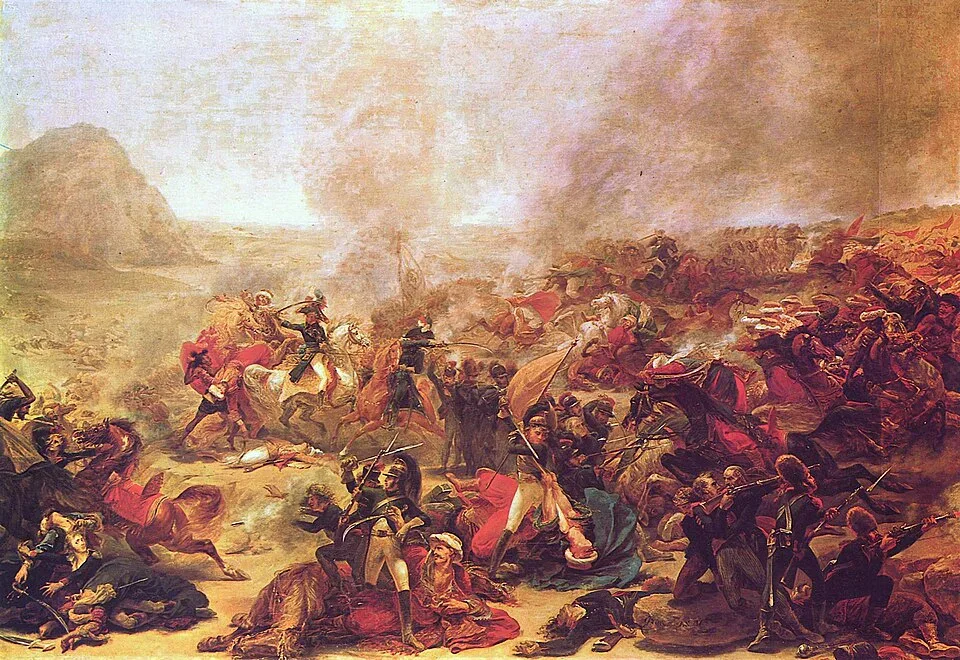
The Battle of Nazareth
General Junot has just fired his pistol into a Mamluk's head. Now he wounds another Ottoman soldier with his sword. He is at the left, in profile, on his white horse, and at his feet is the son of the former Pasha of Acre. This is the French victory at Nazareth, in Palestine, on the eighth of April, 1799. In 1800 a jury chose the painter for a work commemorating that victory, and Junot himself sat on the jury. The commission went to Antoine-Jean Gros. He showed a sketch at the Salon in 1801, and the finished painting was to be eight meters long. Then Napoleon, as First Consul, had the size cut back sharply. Apparently he wanted less attention on Junot, an outspoken republican. The great canvas intended for Junot's triumph was handed to another subject. Gros used it for Bonaparte Visiting the Plague Victims of Jaffa, completed in 1804.
Listen in the appAntoine-Jean Gros · Public domain
08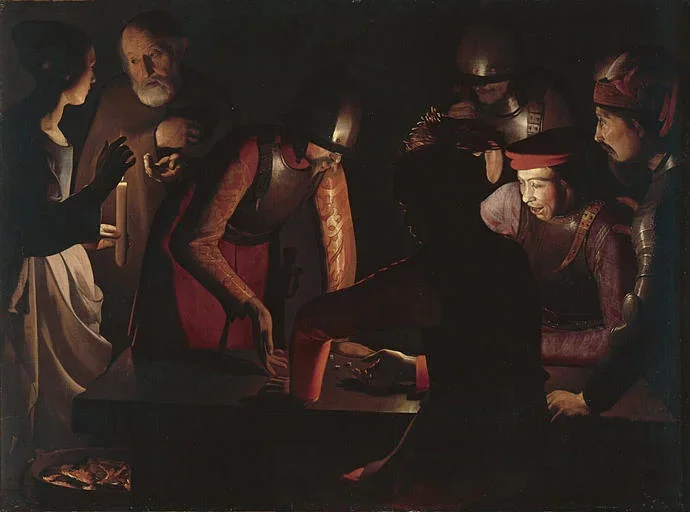
The Denial of Saint Peter
Soldiers gamble around a table at the centre of this picture, and they fill the main place in it. Peter is pushed to the edge, though the painting bears his name. Christ has been arrested by Roman troops, and those close to him are threatened too. Peter faces the moral choice of denying his master to save his life. In the France of the seventeenth century, gambling went with luxury and a carelessness about salvation. That carelessness takes the centre of the picture, while the denial sits off at the side. The soldiers leave their fate to chance and stake earthly things. They point forward to the soldiers who cast lots for Christ's clothing at the foot of the cross. Henri de La Ferté-Senneterre governed Lorraine, where Georges de La Tour lived and worked, and was one of the most important collectors of his paintings. In 1650 he paid six hundred and fifty francs for a Denial of Saint Peter, possibly this very picture. The signature and date are the painter's own, and they place the painting near the end of his life. His son Étienne may have helped him make it.
Listen in the appGeorges de La Tour · Public domain
09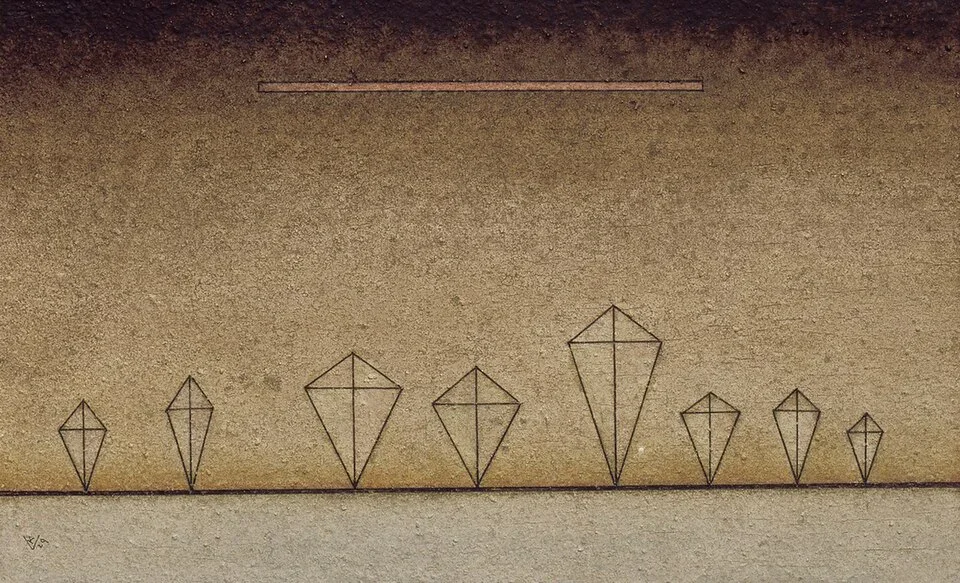
Eight Times
Two lines cross at right angles inside each of these eight shapes. It is a small thing, easy to walk past. Those crossed lines are what let a kite also read as a cross. The shapes sit in the lower half of the painting, drawn in black. Their bottom points are spaced at fairly regular intervals along one horizontal line. Each is a different size, with the sharp angle pointing down. As kites, they seem to share a single string. Follow the crossed lines instead, and the row can become a cemetery, a cross on every stele. The brown behind them darkens as it rises, from beige to very dark brown. Kandinsky painted it in oil on plywood in December 1929.
Listen in the appWassily Kandinsky · Public domain
10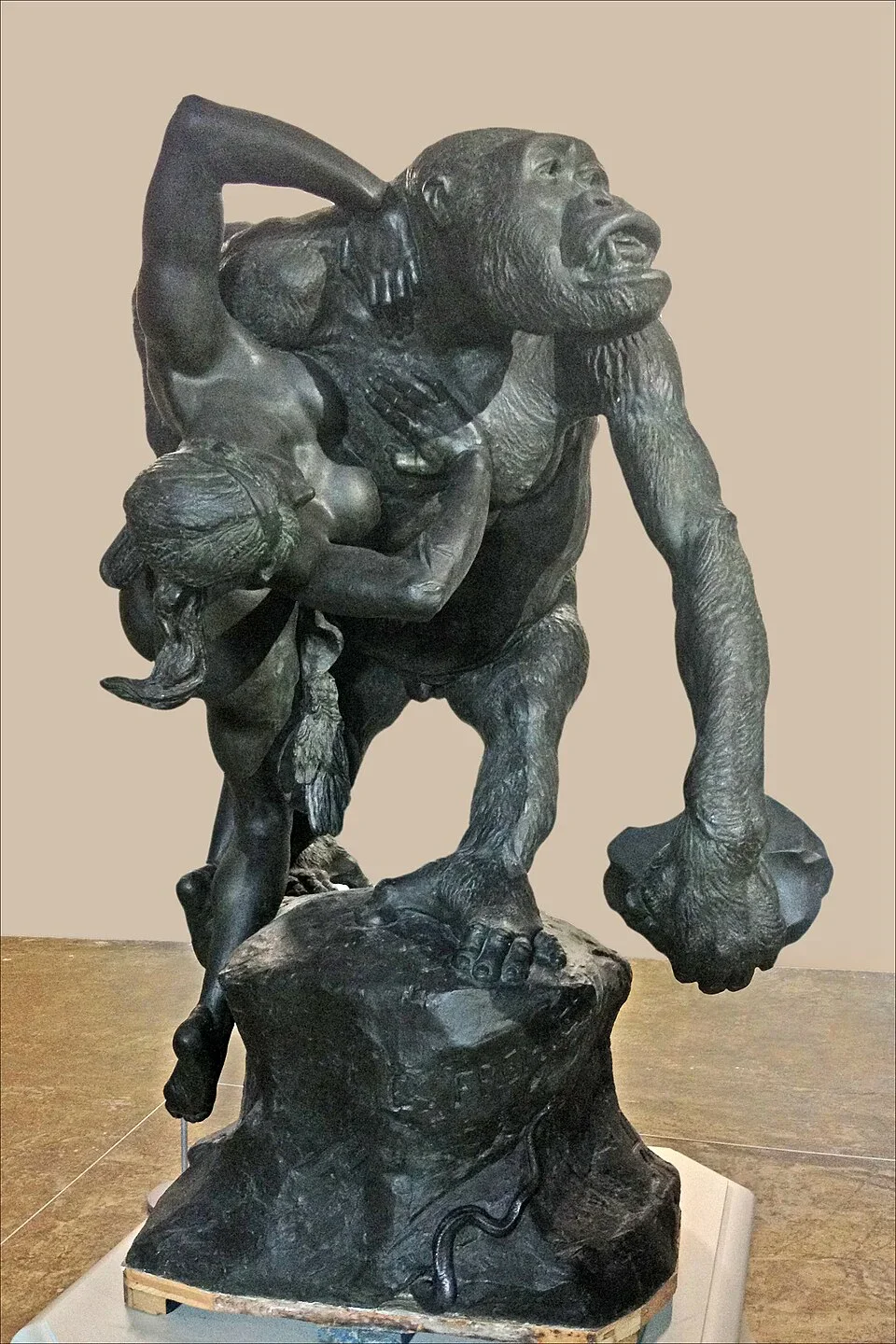
Gorilla Abducting a Woman
Emmanuel Frémiet wanted the art world to see him as more than a sculptor of animals. He had studied the stone tools of the earliest people, and this scene seems to be set in prehistory. The gorilla holds a large stone in one forepaw, and an arrow sticks in its arm, perhaps from hunters in the woman's own group. She is naked and alive, pushing against the animal, and its arm is almost a man's. But that is not what people saw. They saw a bestial assault, and the uproar was such that he claimed to have carved a female gorilla. The plaster says otherwise. It was to be cast in bronze and shown in Paris, but the natural history museum there withdrew, afraid of public disorder. By then it was known that real gorillas are peaceful and tend to avoid people. That was one reason the government refused to have it cast. A bronze was eventually made for New York, and small copies sat on mantelpieces across America. In 1917 the image became a poster attacking Germans, and sixteen years later the same subject helped inspire King Kong.
Listen in the appJean-Pierre Dalbéra from Paris, France · CC BY 2.0
- 11
The White Slave
Jean-Jules-Antoine Lecomte du Nouÿ · 1888
- 12
Gentle Event
Wassily Kandinsky · 1928
- 13
Chateaubriand Meditating on the Ruins of Rome
Anne-Louis Girodet · c. 1809
- 14
The Feast in the House of Simon the Pharisee
Philippe de Champaigne · c. 1656
- 15
Gondola in Venice
Claude Monet · 1908
- 16
Black Grid
Wassily Kandinsky · 1922
- 17
The prophet David
Pietro Perugino · 1496–1499
- 18
Saint Jerome
Matthias Stom · c. 1635
- 19
Water Lilies in Giverny
Claude Monet · 1917
- 20
Herunter 476
Wassily Kandinsky · 1929
- 21
The Ballad of Lenore
Horace Vernet · 1839
- 22
Prophet Isaiah
Pietro Perugino · 1496–1500
- 23
The Prisoner
Jean-Léon Gérôme · 1861
- 24
Woman's head with ram horns
Jean-Léon Gérôme · 1853
- 25
Diana the Huntress
Orazio Gentileschi · 1624–1630
- 26
Portrait of Luisa Vertova Agosti
Giovanni Battista Moroni · c. 1560
- 27
The bathers
Suzanne Valadon · 1923
- 28
The Soul of the Forest
Edgar Maxence · 1898
- 29
Virginie Géo-Rémy, Grandmother's Fan, 1886
Virginie Géo-Rémy · 1887
- 30
Arabian horse
Antoine-Jean Gros · 1817
- 31
Gérôme, The Plain of Thebes in Upper Egypt 74
Jean-Léon Gérôme · 1857
- 32
Gérôme, Statue of Baudry
Jean-Léon Gérôme · c. 1896
- 33
Penitent Magdalene
Paul-Jacques-Aimé Baudry · 1858
- 34
The Artist's Wife, Louise Vernet, on Her Deathbed
Paul Delaroche · 1846
- 35
Saint Jean Baptiste caressant l'agneau sans tache
Guido Reni · 1650
- 36
The Frivolous Ones
Jacqueline Marval · c. 1914
- 37
The Great Beach in Biarritz
Jacqueline Marval · 1923
- 38
Apple harvesting
Émile Bernard · 1890
- 39
September Evening
Maurice Denis · 1911
- 40
The Transatlantic Roll
Jean Emile Laboureur · 1907
- 41
Lady Frances Balfour, by Edward Burne-Jones
Edward Burne-Jones · 1880
- 42
Christ Carrying the Cross
Andrea Solari · 1513
- 43
Tintoretto - Portrait of a Man, Known as Soranzo
Jacopo Tintoretto · 16th century
- 44
The Adoration of the Shepherds
Matthias Stom · 1625–1649
- 45
Eruption of Vesuvius and View of Portici
Pierre-Jacques Volaire · c. 1767
- 46
Judith
Virginia Vezzi · 1624–1626
- 47
Saint Sebastian and a Franciscan Saint
Pietro Perugino · 1475
- 48
The Embroiderer, by Paul Sérusier
Paul Sérusier · 1925–1927
- 49
Café du commerce
Jean Emile Laboureur · 1913
- 50
Peace
Francois Tortebat, Simon Vouet · 17th century
- 51
Gazelle Hunt in the Hodna
Eugène Fromentin · 1856
- 52
The Table in the Sun
Henri Le Sidaner · 1911
- 53
The Triumph of Judas Maccabeus
Peter Paul Rubens · 17th century
- 54
La Cène
Gérard Douffet · 17th century
- 55
Landscape with Hunters
Jan Brueghel the Elder · 1594–1595
- 56
The Supper at Emmaus
Claude-Guy Hallé · 18th century
- 57
Outdoor Banquet for Henry IV of France and His Family
Unknown Artist · c. 1610
Musée d'Arts de Nantes
Frequently asked questions
How much does the guide cost?
Free app download. Free until 1 January. Listed guide price: $1.99. Audio guide only. Venue admission is separate.
Can I listen without internet?
Yes. Download the guide’s audio, images, and maps in the app before your visit. Your downloaded content is then available offline.
Can I listen in my language?
In English for now. More languages soon.
Do I need to follow a schedule?
No. This is a self-guided experience. Choose your stops, pause whenever you like, and return to a story at your own pace.
Which artworks are in the Musée d'Arts de Nantes audio guide?
57 artworks, including The Wheat Sifters (Gustave Courbet), Portrait de Madame de Senonnes (Jean-Auguste-Dominique Ingres), The Hurdy-gurdy Player or The Hurdy-gurdy Player With A Fly (Georges de La Tour), Moroccan caid visiting his tribe (Eugène Delacroix), The Dream of Saint Joseph (Georges de La Tour), Charlotte Corday (Paul-Jacques-Aimé Baudry), The Battle of Nazareth (Antoine-Jean Gros), and The Denial of Saint Peter (Georges de La Tour). The full list is on this page.
Is this the museum’s official audio guide?
No. Stanza is an independent audio guide app and is not affiliated with Musée d'Arts de Nantes. Museum admission is separate.
At your own pace
Explore Musée d'Arts de Nantes.
Download Stanza, then search for “Musée d'Arts de Nantes”.
Free app download · Guide price shown in the app
Keep exploring
Nearby audio guides
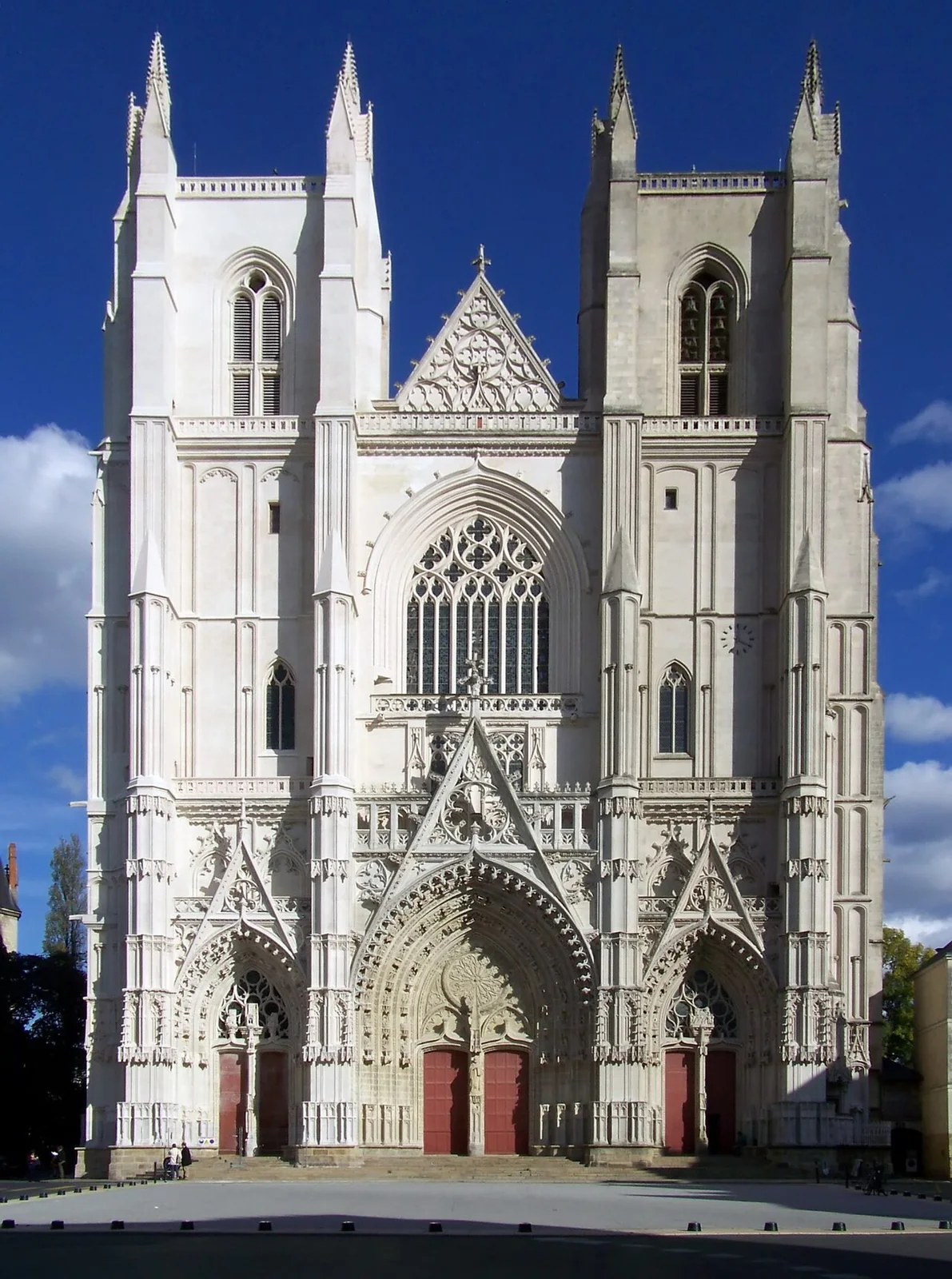
Nantes · 1 km
Cathédrale Saint-Pierre-et-Saint-Paul de Nantes
Content & sources
Photo: Eusebius · Public domain
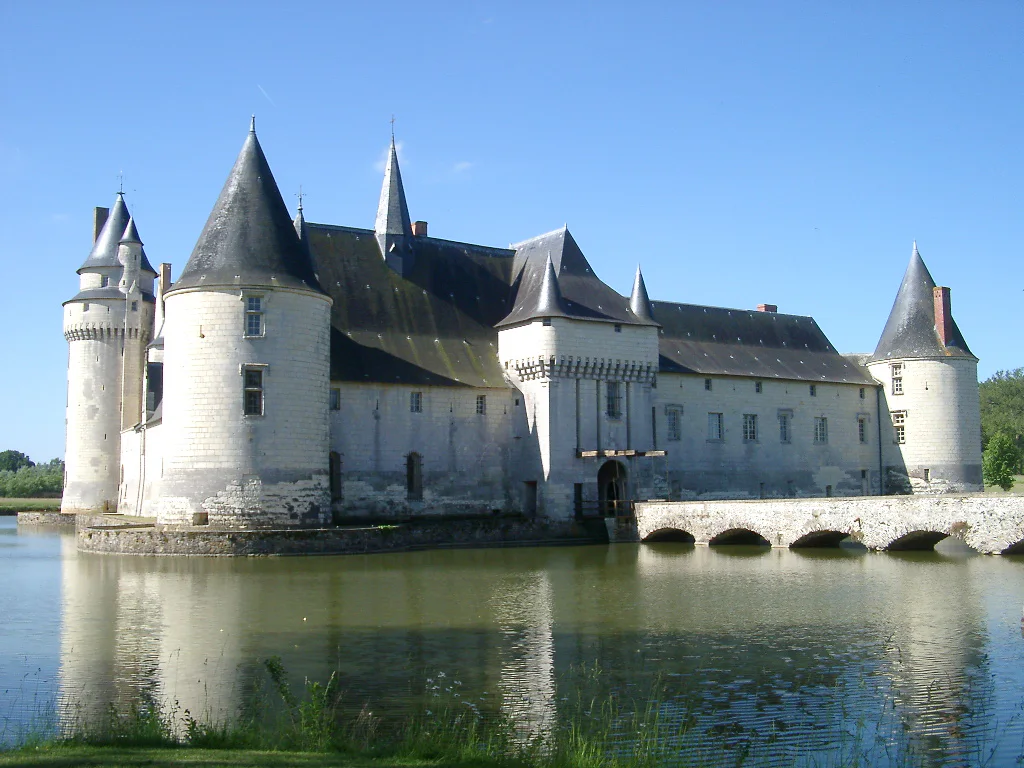
Écuillé · 87 km
Château du Plessis-Bourré
Content & sources
The original uploader was NonNobis at French Wikipedia. · CC BY-SA 3.0

Montsoreau · 122 km
Château de Montsoreau
Content & sources
Photo: Suavemarimagno · CC BY-SA 4.0
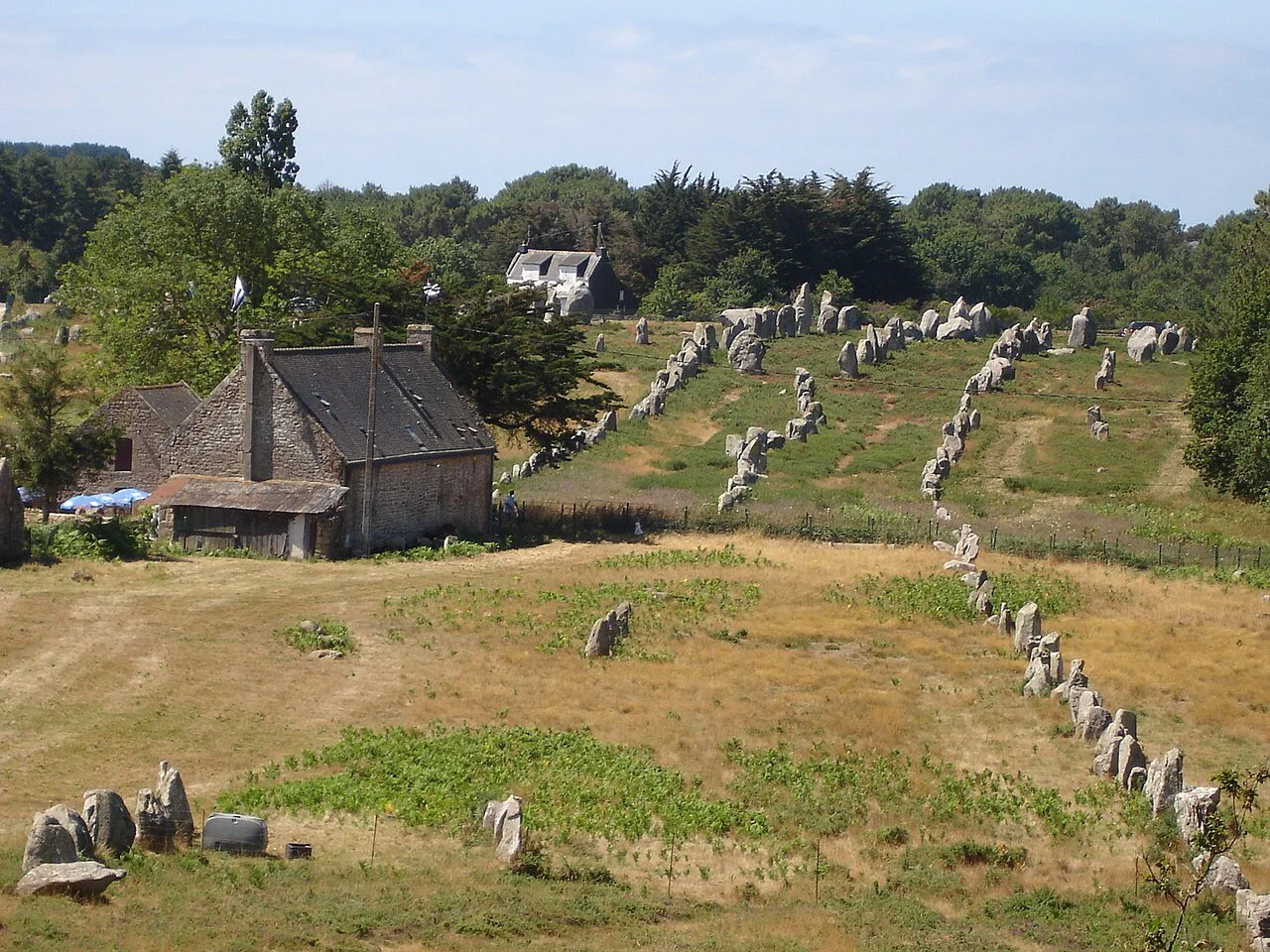
Carnac · 123 km
Alignements de Carnac
Content & sources
--Pinpin 17:43, 1 August 2006 (UTC) · CC BY-SA 3.0
Art museums
More art museum audio guides
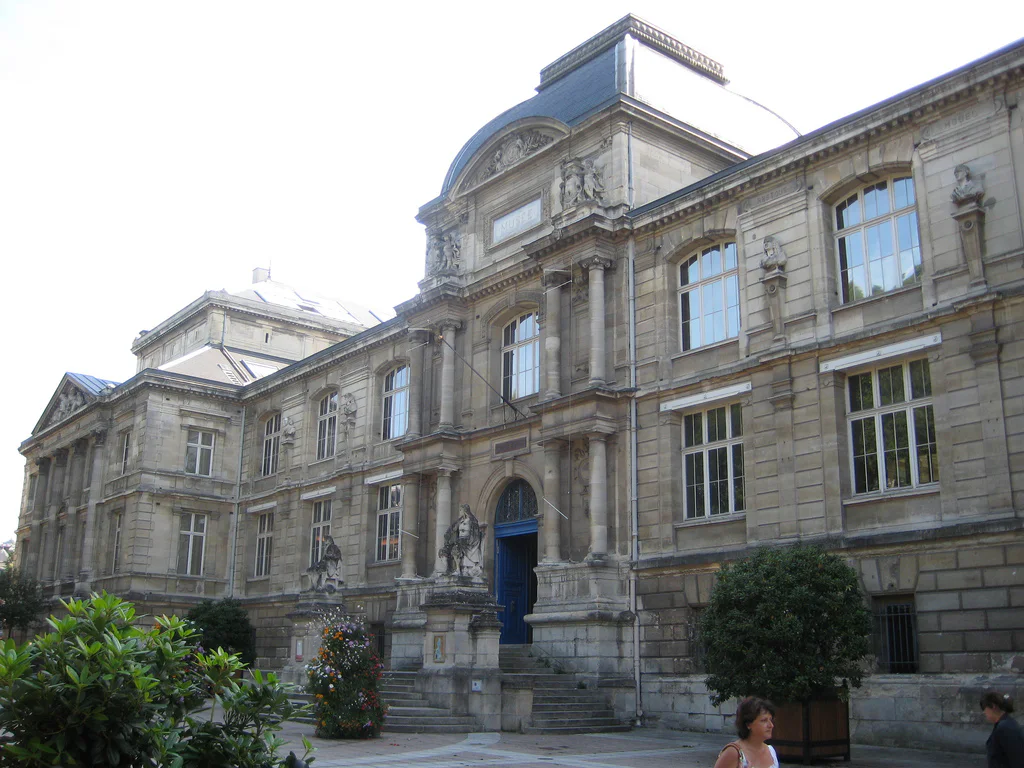
Rouen · 45 artworks
Musée des Beaux-Arts de Rouen
Content & sources
Allie_Caulfield · CC BY 2.0
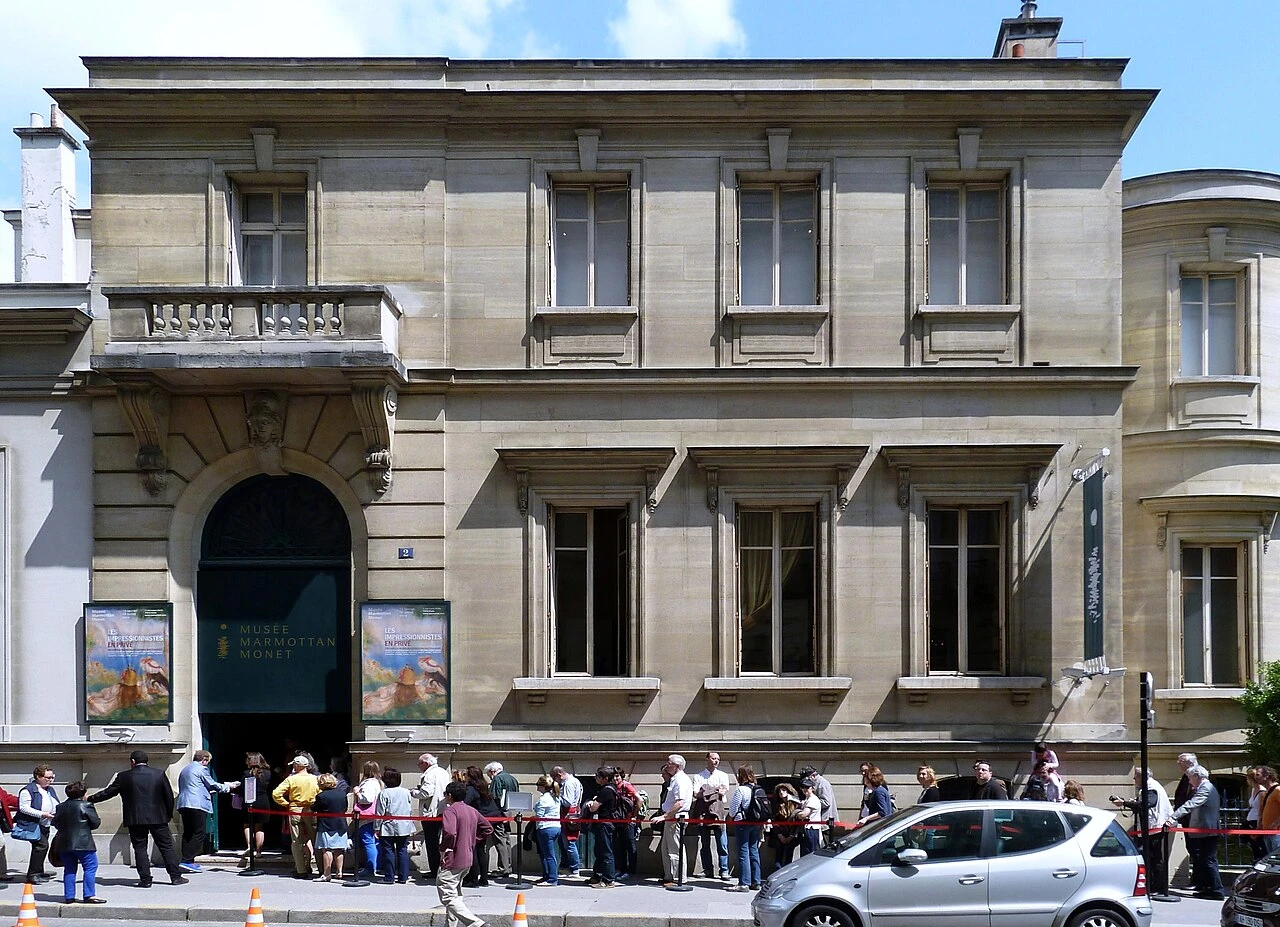
Paris · 25 artworks
Musée Marmottan Monet
Content & sources
PIERRE ANDRE LECLERCQ · CC BY-SA 4.0
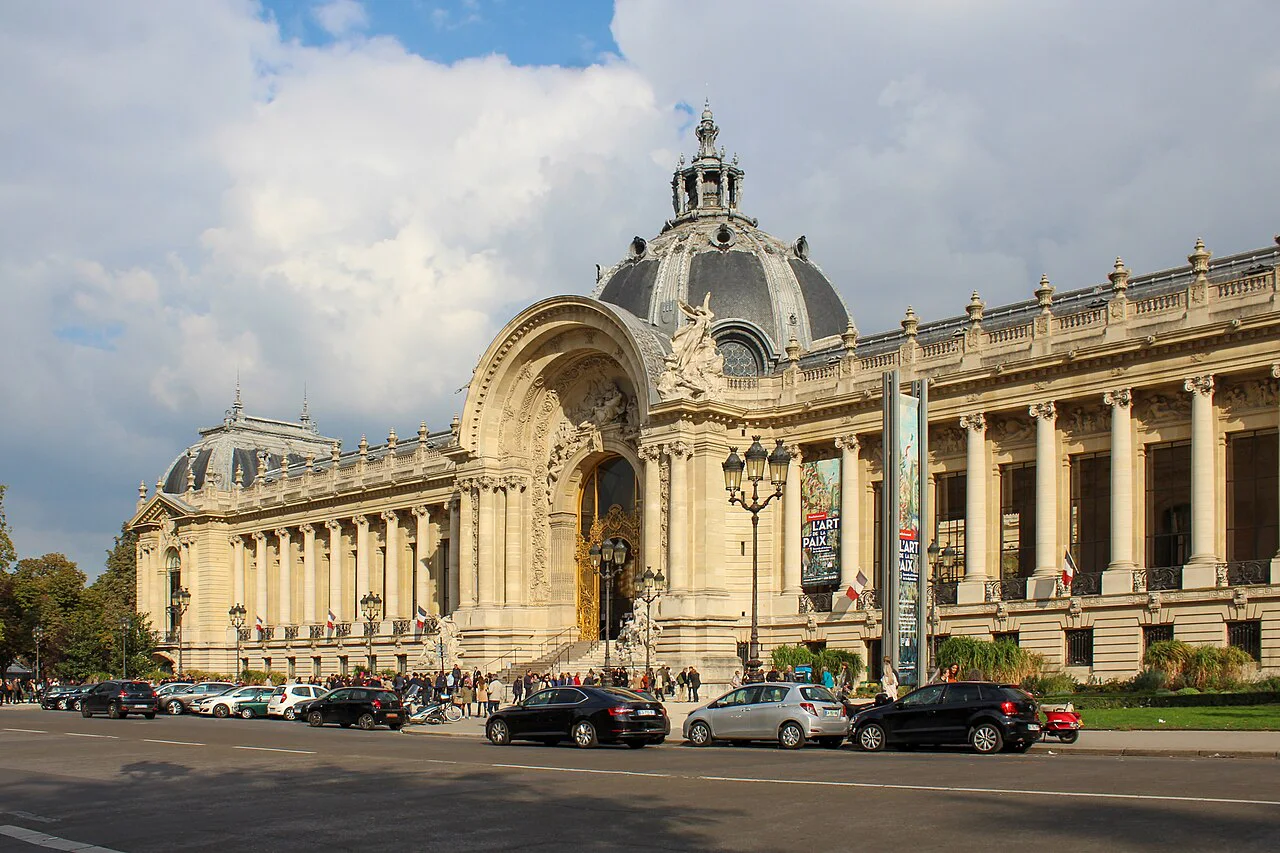
Paris · 77 artworks
Petit Palais
Content & sources
Chabe01 · CC BY-SA 4.0
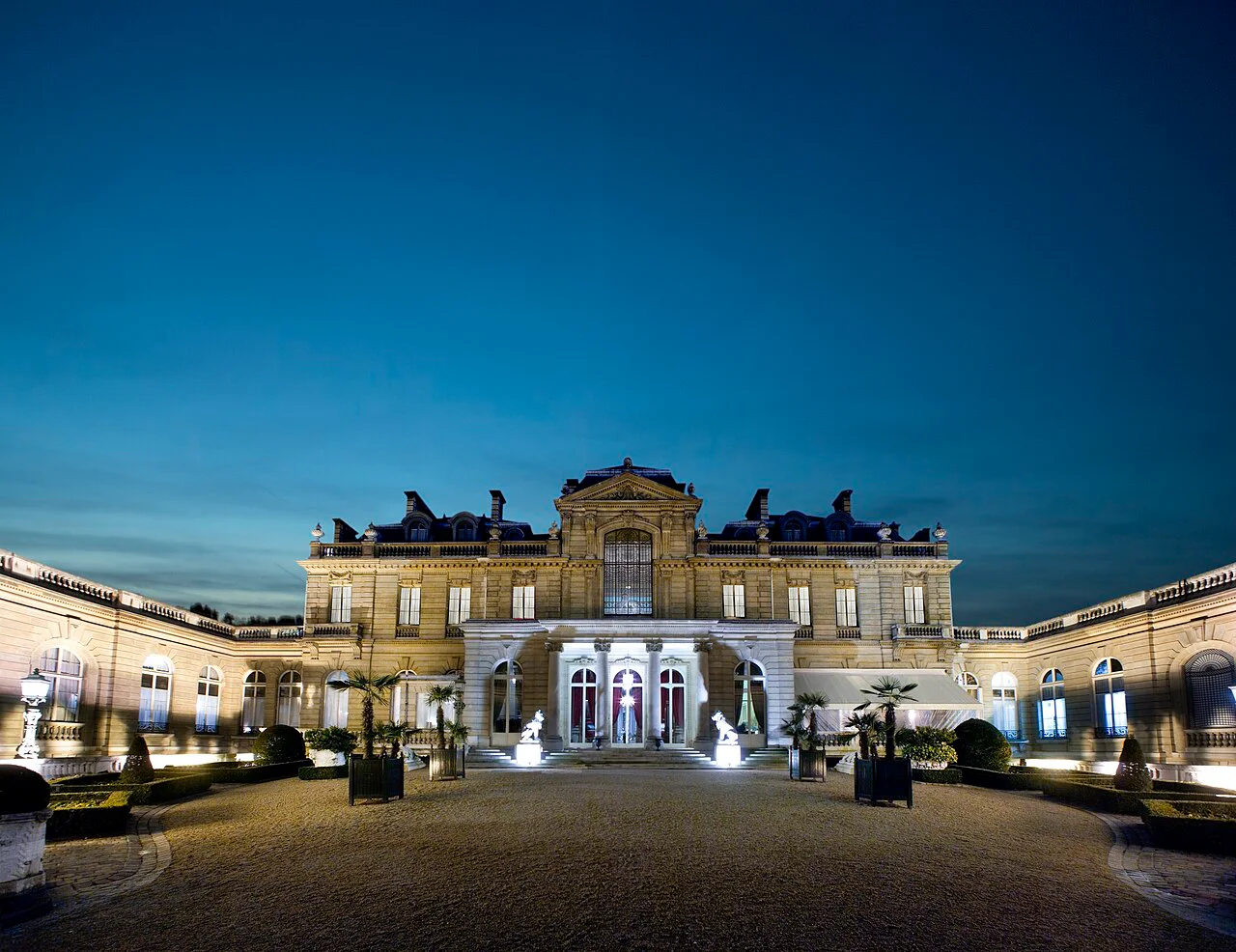
Paris · 24 artworks
Musée Jacquemart-André
Content & sources
Christophe Recoura · CC BY-SA 3.0
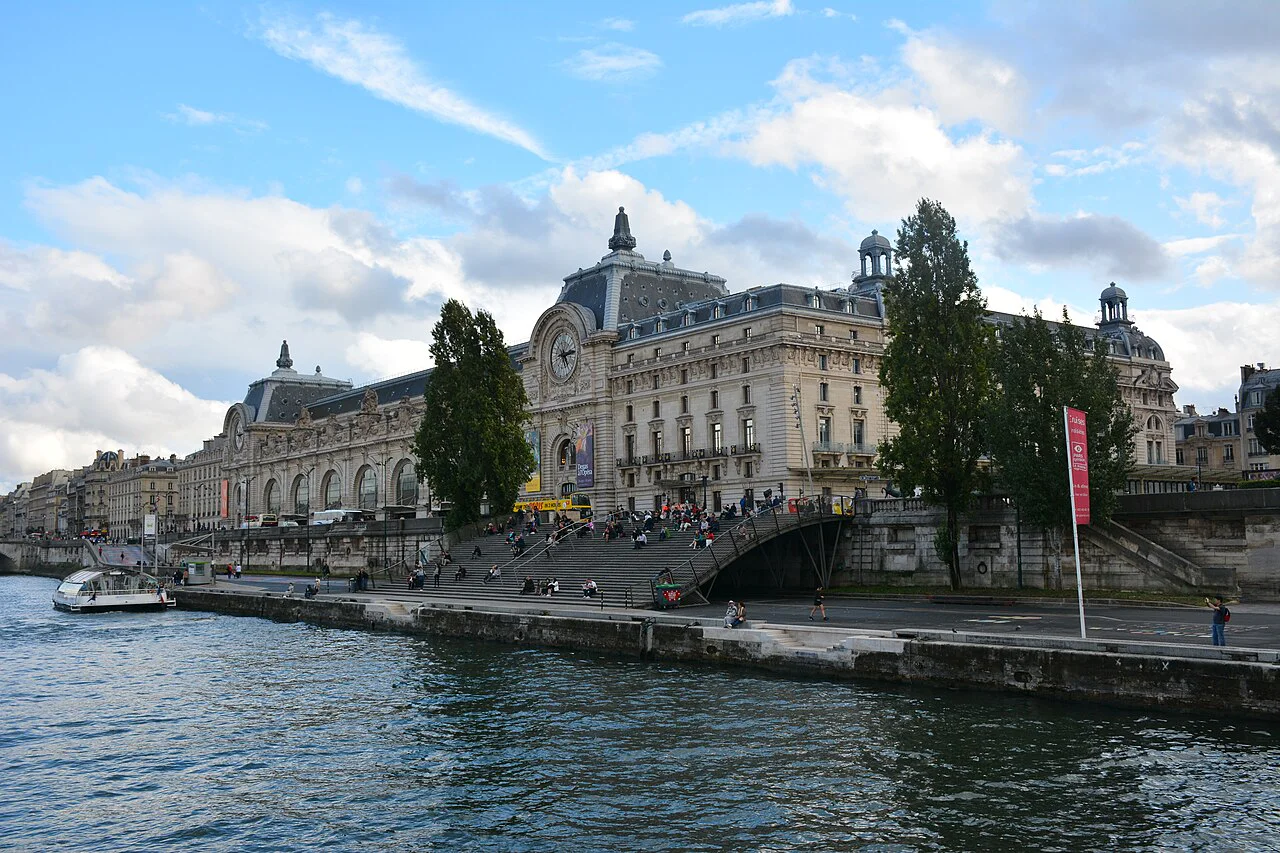
Paris · 205 artworks
Musée d'Orsay
Content & sources
Cheng-en Cheng from Taichung City, Taiwan · CC BY-SA 2.0
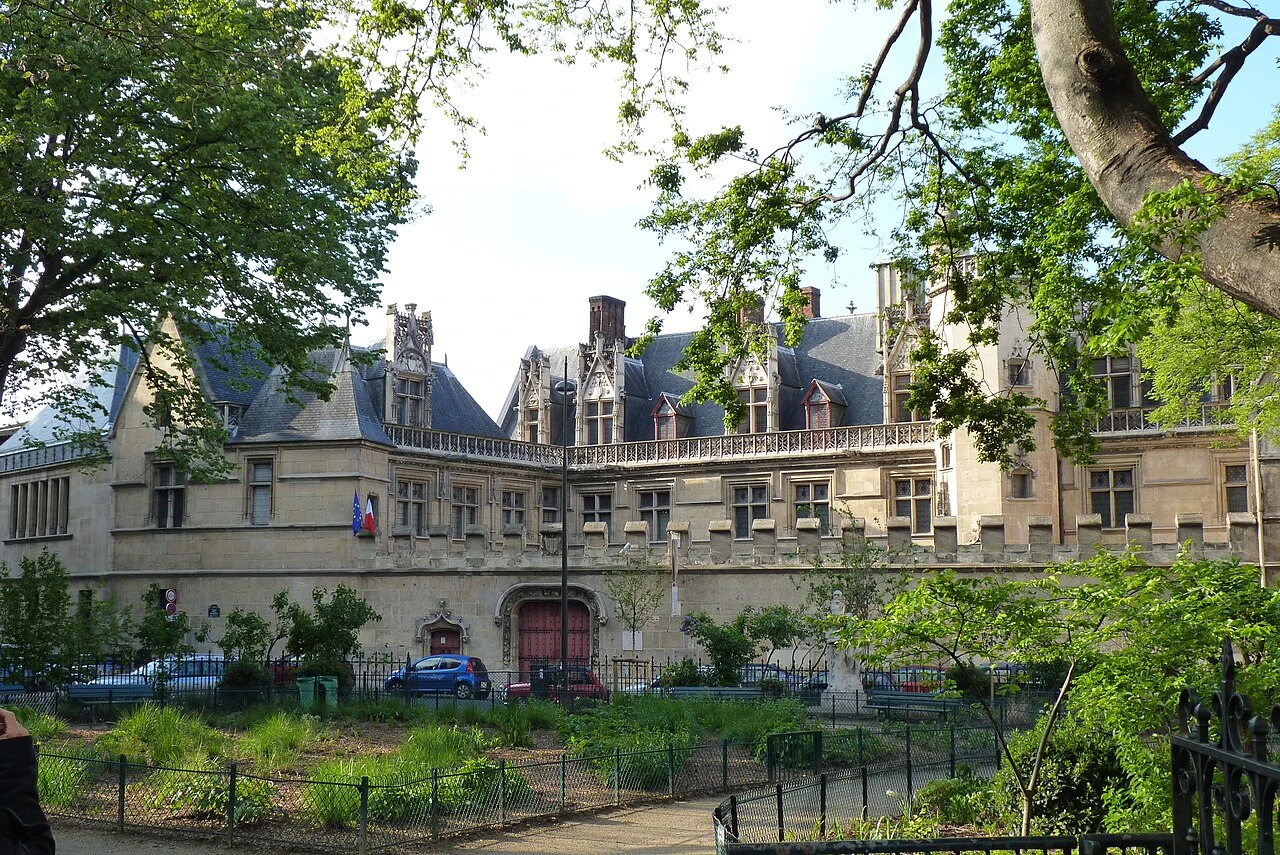
Paris · 29 artworks
Cluny Museum
Content & sources
ctj71081 · CC BY-SA 2.0