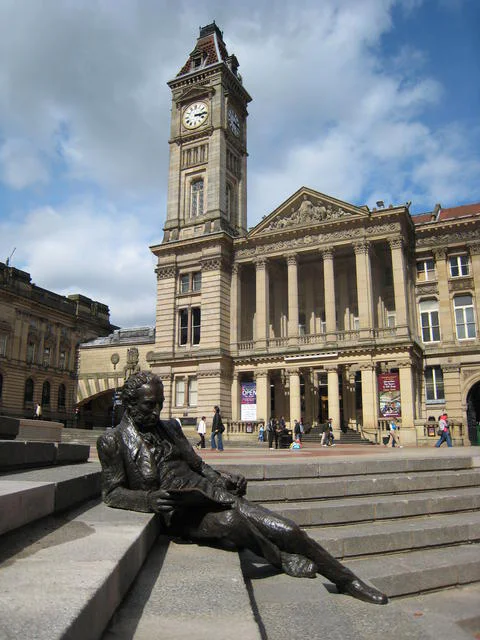
Stanza · Audio guide
Birmingham Museum and Art Gallery Audio Guide
A place to remember. A story to take with you.
Birmingham Museum and Art Gallery is a museum and art gallery in Birmingham, England. It holds a collection of international importance covering fine art, ceramics, metalwork, jewellery, natural history…
Download Stanza, then search for “Birmingham Museum and Art Gallery”.
About the tour
One guide. Your kind of visit.
Birmingham Museum and Art Gallery is a museum and art gallery in Birmingham, England. It holds a collection of international importance covering fine art, ceramics, metalwork, jewellery, natural history, archaeology, ethnography, local history and industrial history.
The Birmingham Museum and Art Gallery guide tells the stories of 42 artworks, including The Last of England (Ford Madox Brown), The Blind Girl (John Everett Millais), Sultanganj Buddha (Unknown Artist), The Finding of the Saviour in the Temple (William Holman Hunt), Pygmalion and the Image series (Edward Burne-Jones), The Long Engagement (Arthur Hughes), Medea (Frederick Sandys), and The Merciful Knight (Edward Burne-Jones). Every artwork is free to hear in the Stanza app until 1 January.
Ready when you are.
- 01Get the free Stanza app.
iOS & Android
- 02Find your guide.
“Birmingham Museum and Art Gallery”
- 03Download before you go.
Works offline
Audio guide / 42 artworks
Inside the guide
Get to know a few of the stories before you go. Open a stop to read more.
01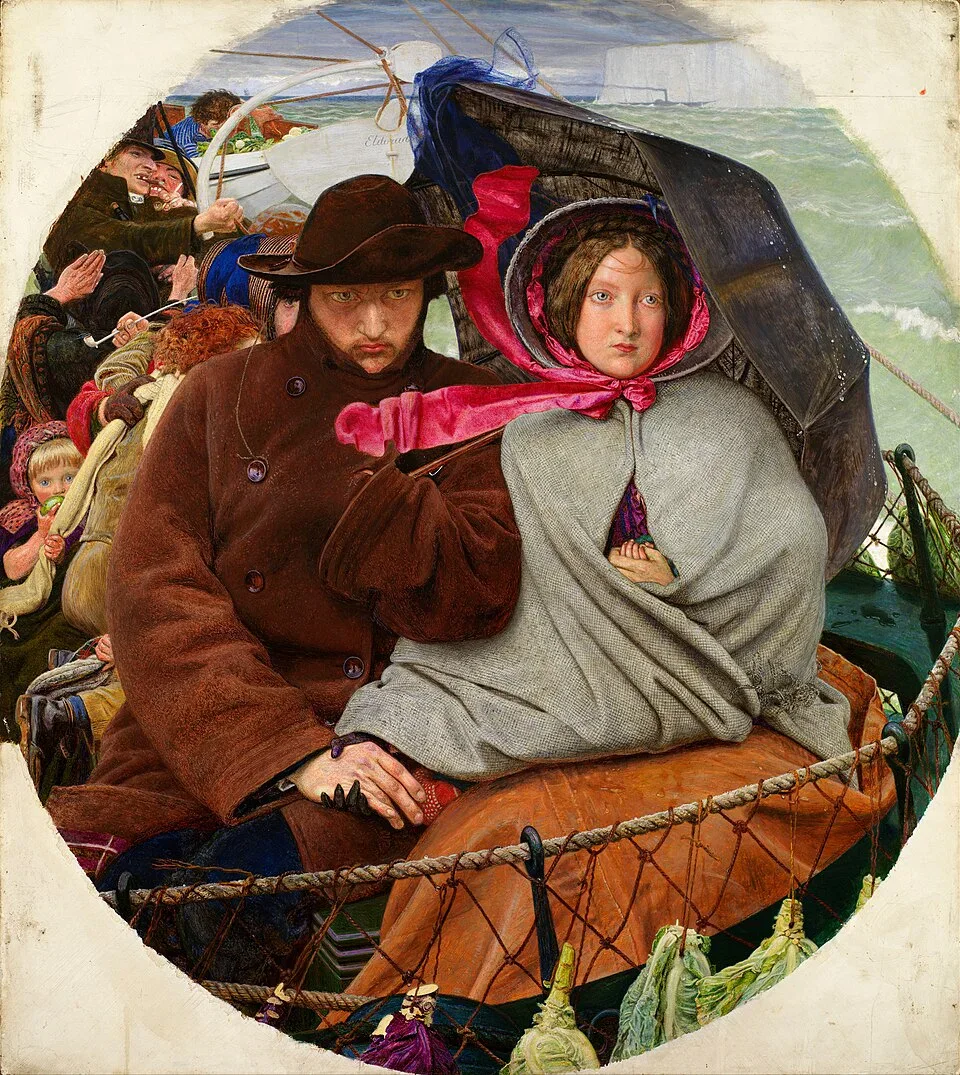
The Last of England
How do you leave your own country behind? These two do it in silence. They huddle under one umbrella, glistening with sea spray, staring straight ahead, past you. Above and behind them the white cliffs of Dover slip from sight, and neither turns around. The man is Brown himself, and the woman is Emma. He used his own family as models. Tucked under her cloak, her free hand closes on a baby's hand, thought to be their son Oliver. He had drawn that tiny hand in 1852, three years before the boy was born. It began in 1852, when his friend the sculptor Thomas Woolner left for Australia. Emigration was at its peak, and Brown, short of money, was weighing a move to India with his family. Their warm clothes and the books beside them mark them as educated. Brown wrote that educated people are tied to their country by other bonds than those who leave just for food and comfort. His verse for the picture makes the woman the hopeful one. Through her tears she sees a brighter gleam, and cannot picture a future without him. To catch the feel of that cold crossing, Brown painted them outdoors in his garden, in every kind of weather. He was delighted when the cold turned his hand blue, because that was the look he wanted.
Listen in the appFord Madox Brown · Public domain
02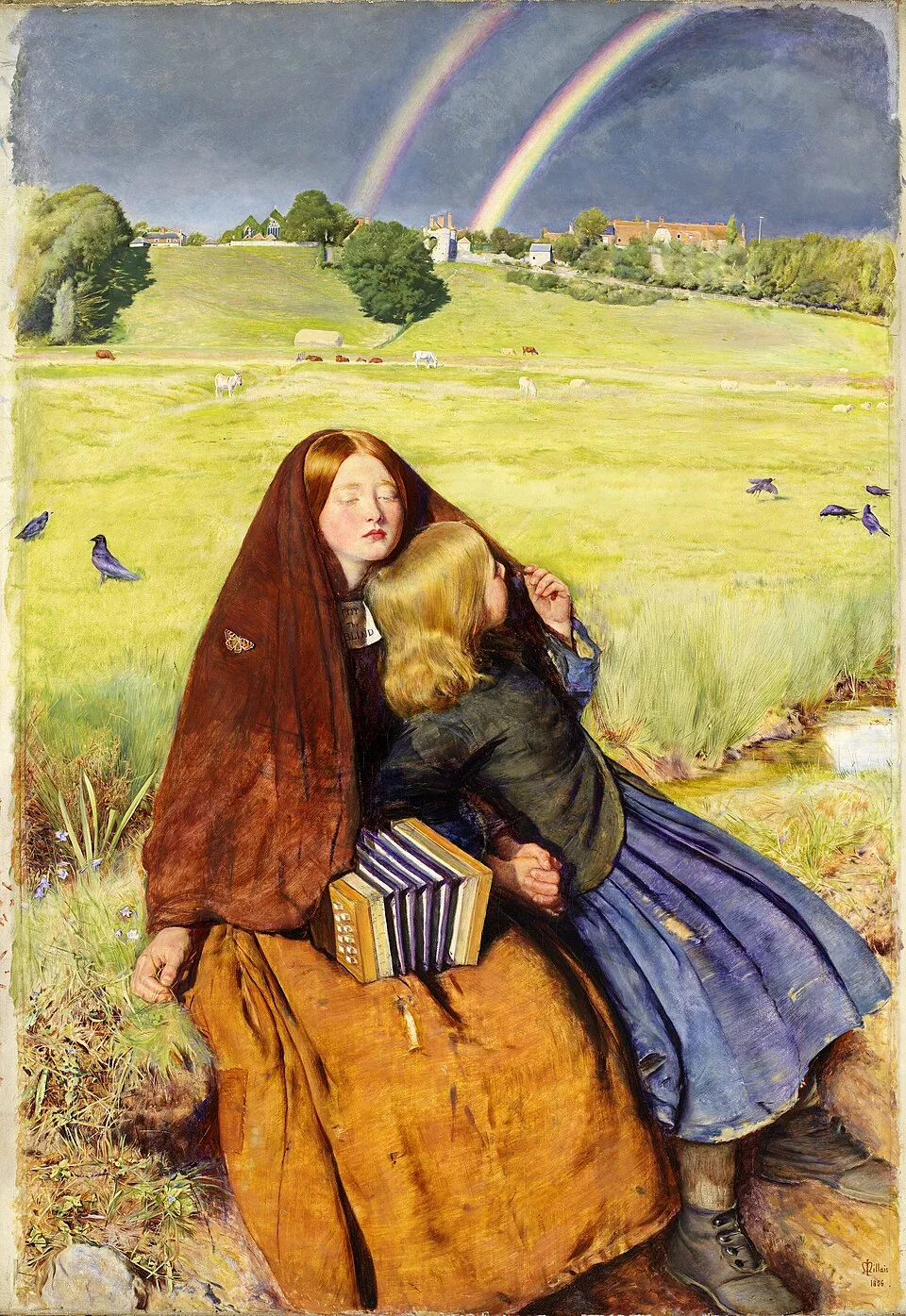
The Blind Girl
What passes behind this girl's eyes, no one can say. She has turned her face toward the sun and feels its warmth. Her fingers move over a blade of grass. A butterfly has settled on her shawl, a sign of how still she sits, and she has no way of knowing it is there. The girl beside her shades her eyes and looks at a double rainbow, newly appeared after the rain. The blind girl has her back to it. The two are travelling beggars, thought to be sisters. The storm caught them on the road, and they stopped before going on to Winchelsea, which lies behind them. The blind one, the elder, plays the concertina on her lap to support them both. Millais chose an ordinary moment here, not a scene from a book or from history as in his earlier work. He wanted the scene itself to carry the feeling. Around the blind girl's neck hangs a sign that asks people to pity the blind.
Listen in the appJohn Everett Millais · Public domain
03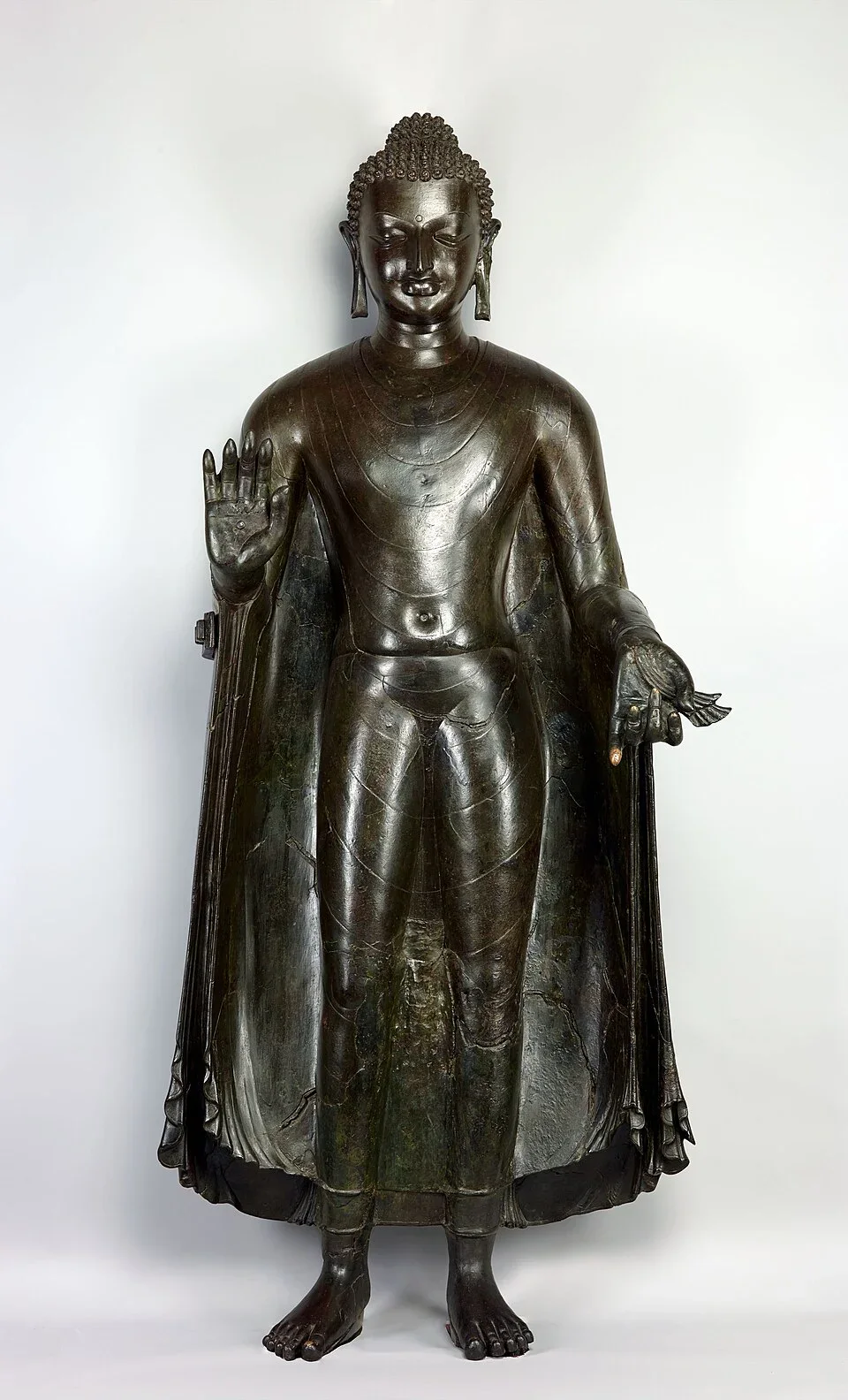
Sultanganj Buddha
To make this Buddha, they built a wax model and melted it away, letting copper run into the space it left. That is the lost wax method. At over two metres tall, it is the largest copper Buddha known from its time. It pushed the workshop to the edge of what it could do. Parts were repaired, and some of it was cast again, less skilfully, just to finish it. Metal Buddhas were probably once as common as stone or stucco ones. This is the only large one left from that time. Most of the copper has gone dark, coated in fine clay from long burial and open air. But the fingertips of the left hand are pale and bright, almost gold. Visitors kept touching them and wore the coating away. That is probably how the whole figure once looked, except the hair. It was polished after casting, giving the Buddha a shining body like the one early Buddhist writings describe. Other images of the Buddha were gilded instead. Found in 1861, during the building of a railway, it was sent here. A Birmingham manufacturer, Samuel Thornton, paid to bring it over and gave it to the city for a museum still to be built. The city was full of trades then, and that museum was meant to inspire its metalworkers. When it was made is still not known.
Listen in the appUnknown author · CC0
04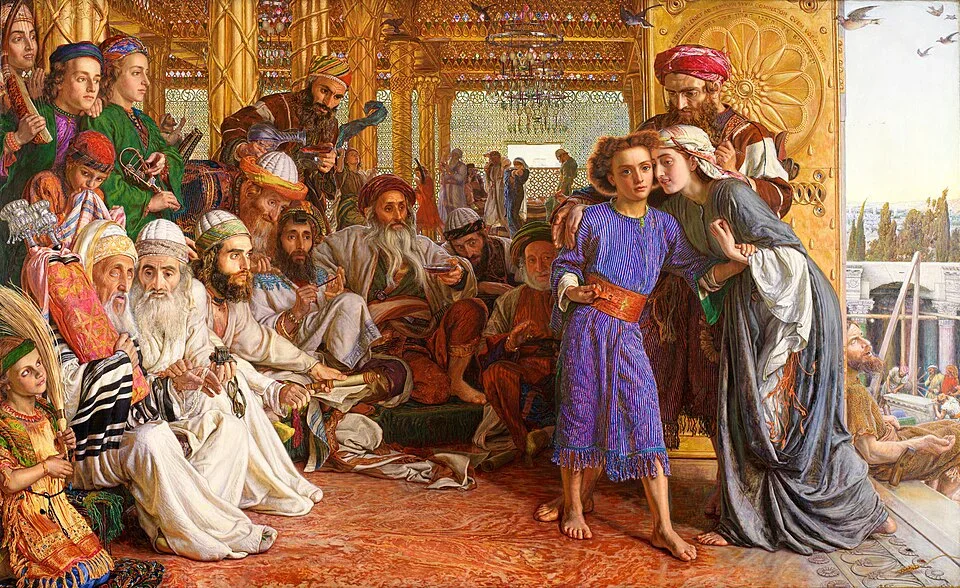
The Finding of the Saviour in the Temple
The three days are over. Mary and Joseph have searched through Jerusalem, and here in the temple courts they find him. The boy is twelve, sitting among the teachers, listening and asking questions. Around him the rabbis react in different ways. Some are curious, others angry or dismissive. His mother asks why he has treated them this way, and tells him how anxiously they searched. He asks why they searched at all. Did they not know he had to be in his Father's house? But they do not understand what he is telling them. The English painter William Holman Hunt wanted this moment to be true to life. He believed religious art could be made new by getting the details right and filling the scene with Bible symbolism. So he travelled to the Middle East, used local people as models, and studied ancient Jewish customs and rituals. But the models were reluctant to pose, and the work slowed. He set it aside to paint The Scapegoat instead, finishing this one in 1860, back in England. A friend of his wrote a pamphlet explaining the characters and the details in the picture. A dealer arranged a series of travelling exhibitions. Visitors could buy the pamphlet there and subscribe to an engraved reproduction of the painting, and the exhibitions made a great deal of money.
Listen in the appWilliam Holman Hunt · Public domain
05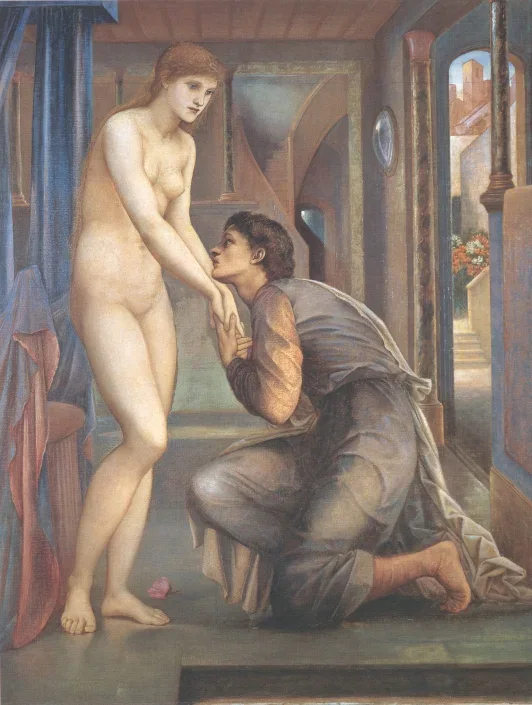
Pygmalion and the Image series
Can you love someone you made yourself? A sculptor stands in his studio, three carved figures behind him shaped like the Three Graces. They echo the two real women who peer through the doorway, their ankles and thighs reflected on the floor and pedestal before him. He looks past them. He pictures the perfect woman he wants to carve. He chose to live alone, disliking local women's lives. Burne-Jones painted these four pictures from Ovid's tale, which William Morris had also retold. In the next picture she stands finished. He holds his cold chisel to his face, as though afraid to touch her again. His expression has softened. He has fallen for a woman made of marble. At the base lie the tools that made her, a hard mallet, a chisel, a file, and a soft brush with almost transparent bristles. All that work could shape an ideal figure, but could not give her life. At Aphrodite's temple, he asks for a wife as perfect as his marble woman. In his absence, the goddess comes into the studio and gives Galatea life. Their arms twine, and Aphrodite's gaze rests on the statue, just like the intertwined women he once despised. He returns, finds her alive, and bows before her. At Aphrodite's feet lies water. It recalls the goddess born from the sea, and stands for Galatea, born fully formed as a woman.
Listen in the appEdward Burne-Jones · Public domain
06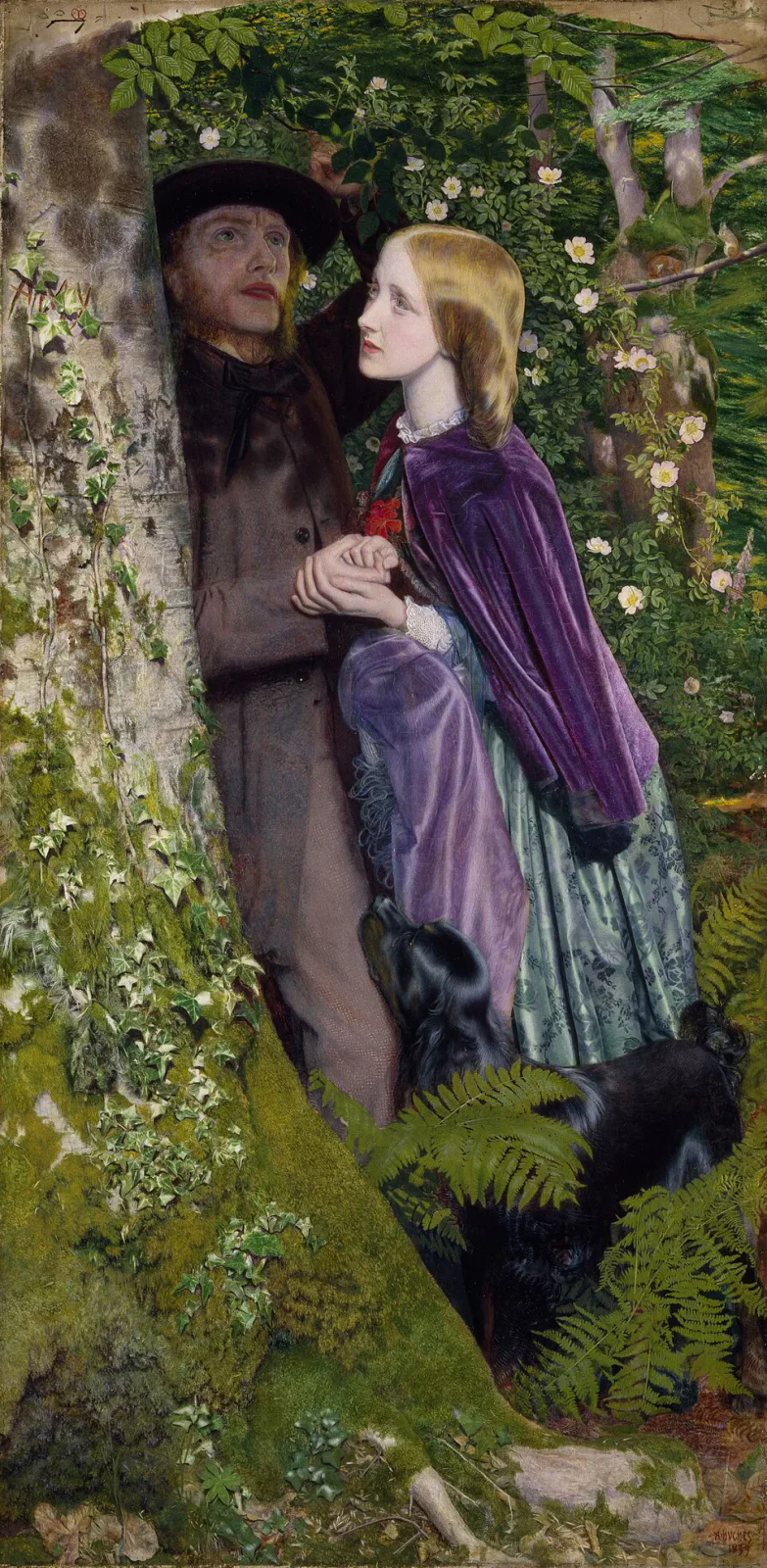
The Long Engagement
Cut into the bark of that tree is a name you can barely make out. It is Amy, carved there by the young man beside her years ago, as a sign of his love. Ivy has climbed the trunk and is closing over the letters, and she is looking straight at it, put out. The two lean against the tree with a black dog at their feet. They are engaged, and still not married. He is a curate, paid so little that her parents withhold their consent until he gains a better place in the church. In those years a young man could not marry and keep the standing he hoped for until he had a certain sum in the bank. He is worn down by the impossibility of providing for a family, and she tries to cheer him up.
Listen in the appArthur Hughes · Public domain
07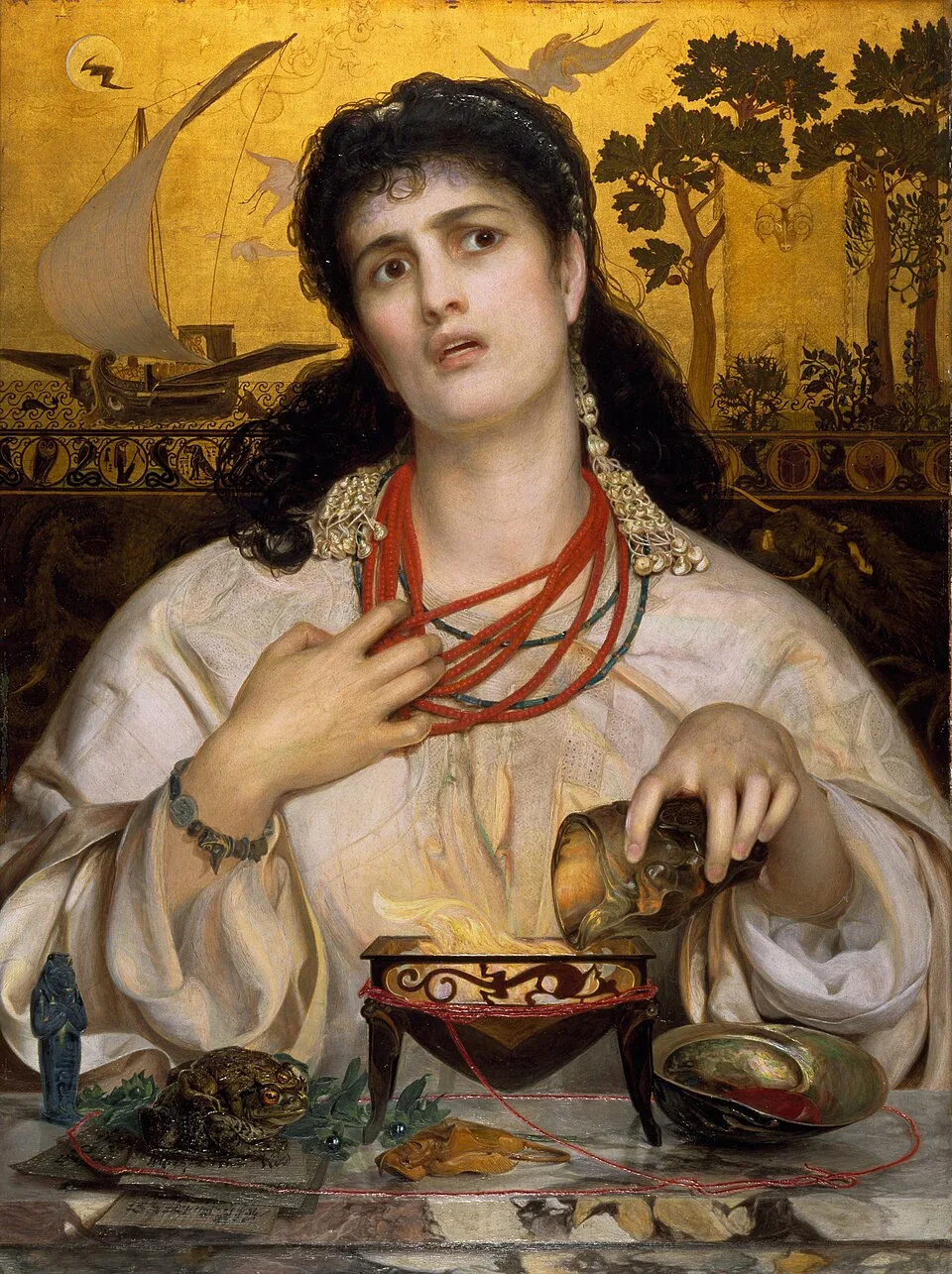
Medea
Toads sit by the tripod. They are part of the spell Medea is casting. The light from her chafing dish falls into her robe's folds and makes her pale cheeks paler, her lips the colour of ash. Around the tripod are strange roots, images of strange gods, and shells filled with evil compounds. Sandys sent this painting to the Royal Academy in 1868, hoping it would hang in the Summer Exhibition. They turned it down, most likely because of politics and jealousy inside the Academy, not because of the picture. A year later they accepted it. The Times wrote warmly about it and made a point of saying the Academy had first refused it. The face is Keomi Gray, a Romani woman he met in Norwich and brought to London to sit for him.
Listen in the appFrederick Sandys · Public domain
08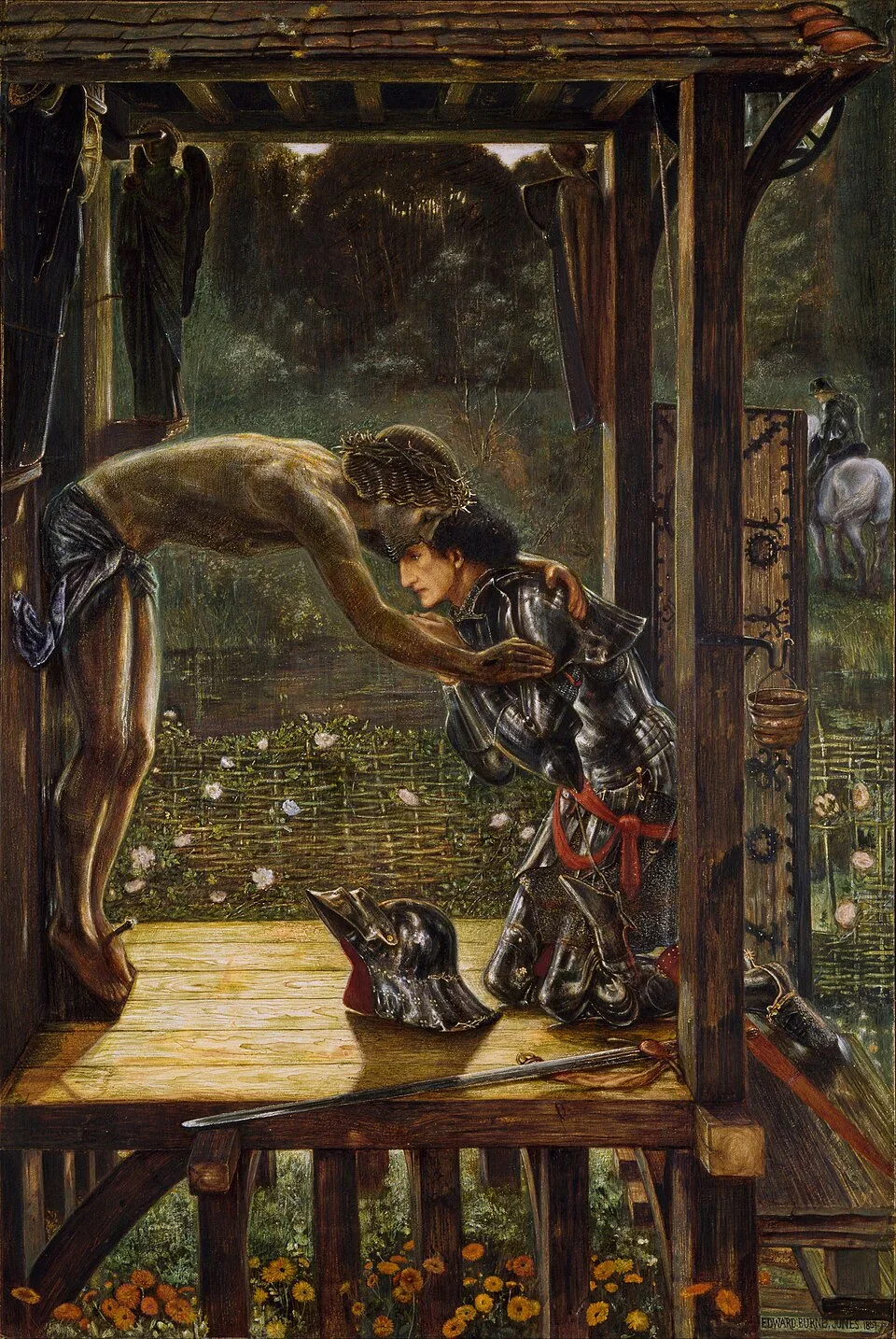
The Merciful Knight
In his first sketches for this picture, Christ kisses the knight far more passionately. Burne-Jones changed his mind. By the time he finished it, the kiss had turned protective and deeply caring, with nothing sexual in it. Christ's beard spreads over the knight's forehead and his deeply sad face like a shield. The wounds in Christ's hands draw your eye to the knight's own hands, bare and exposed, while his armoured gauntlets hang from his waist. The knight is John Gualbert, a nobleman from Florence. One Good Friday he entered Florence with armed followers. In a narrow lane he met the man who had killed his brother. He was about to strike the man down. The other fell to his knees with arms held out in the form of a cross and begged for mercy in Christ's name. Gualbert forgave him. Later, praying in the Benedictine church at San Miniato, he saw the figure on the crucifix bow its head to him. He was made a saint. Burne-Jones also wrote an inscription to explain the scene. It tells how Christ's image kissed the knight, to show that what he had done pleased God. What is still not known is when he first thought of this picture. It was probably on one of his trips to Italy.
Listen in the appEdward Burne-Jones · Public domain
09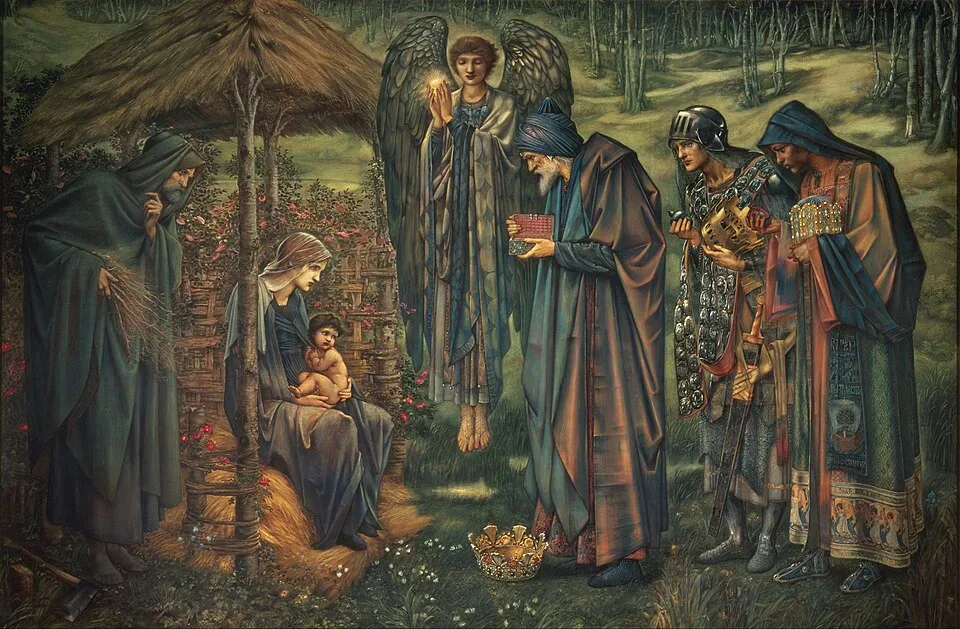
Star of Bethlehem
An angel holds the star of Bethlehem, and the Magi adore the infant Jesus. This scene had an earlier life as a tapestry. In 1886 William Morris and Burne-Jones were asked to make one as a gift for their old college, Exeter College, Oxford. Burne-Jones made a small watercolour design, and Morris and his assistant John Henry Dearle turned it into woven hangings at Merton Abbey. They sold better than any other tapestry the firm made, with ten versions woven. Then Birmingham's new museum asked for the design again, this time as a full-size painting. It gave Burne-Jones a second chance at the subject, and he chose rich blue-greens quite unlike the weaving. He worked from a ladder, and wrote that going up and down his steps was physically tiring. The great size let him put a wealth of fine detail into the clothing, the kind a loom could never hold.
Listen in the appEdward Burne-Jones · Public domain
10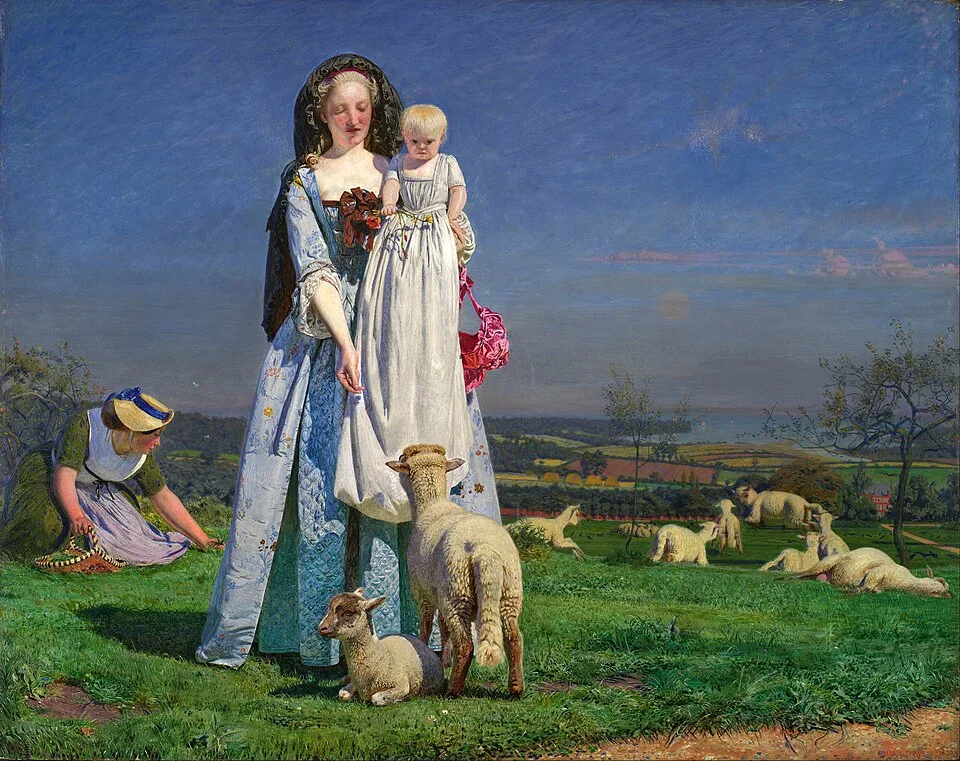
Pretty Baa-Lambs
The grass is held out, and the lambs come to take it. A little girl feeds one, and beside her a woman in clothes from the eighteenth century feeds another. Behind them the nursemaid is on her knees, pulling up more grass. The woman is his model and mistress, Emma Hill, and the child is their baby daughter Catherine. He painted them in the garden of their house in south London, in bright sunshine, outdoors for the first time, a new idea then. A farmer brought the lambs each day. The view of Clapham Common behind was added afterward. People asked him what its moral was, even whether it was a Madonna and child. Brown was irritated. In his notes for its first exhibition in 1852 he said there was no hidden meaning at all. It was just a woman, her baby, a couple of lambs, a maid and some grass.
Listen in the appFord Madox Brown · Public domain
- 11
The Travelling Companions
Augustus Egg · 1862
- 12
Valentine Rescuing Sylvia from Proteus
William Holman Hunt · 1851
- 13
Morgan le Fay
Frederick Sandys · 1864
- 14
The Stonebreaker
Henry Wallis · 1857
- 15
The Man of Sorrows
Petrus Christus · 1444–1450
- 16
The Distrest Poet
William Hogarth · c. 1736
- 17
The Israelites Leaving Egypt
David Roberts · 1829
- 18
Manfred on the Jungfrau
John Martin · 1837
- 19
Portrait of Sir John Franklin, RN (1770-1847)
Thomas Phillips · 1825
- 20
Garden of an Inn, Capri
Frederic Leighton · 1859
- 21
Waiting
John Everett Millais · 1854
- 22
The Hunting of Chevy Chase
Edwin Landseer · 1826
- 23
Warwick Castle, East Front from the Courtyard
Giovanni Antonio Canal · 1752
- 24
Portrait of James Watt (1736-1819)
Thomas Lawrence · 1813
- 25
Jane Shore Led In Penance To Saint Paul's
Edward Penny · 1776
- 26
Portrait Of The Rt. Hon. Henry Pelham (1695?-1754)
John Shackleton · 1751
- 27
Portrait of Elizabeth, Marchioness Conyngham
Thomas Lawrence · 1802
- 28
Grace Before Meat
David Wilkie · 1839
- 29
Manlius Hurled From The Rock
William Etty · 1818
- 30
A North West Gale off the Longships Lighthouse
John Brett · 1873
- 31
Musidora Bathing
Arthur Hughes · 1849
- 32
The Champion
Charles Lock Eastlake · 1824
- 33
The Angry Father or The Discovery of the Clandestine Correspondence
John Opie · 1802
- 34
The Piazza of Saint Mark's, Venice
William Logsdail · 1883
- 35
Coastal Scene with the Embarkation of Saint Paul
Claude Lorrain · 1654
- 36
Charity
William-Adolphe Bouguereau · 1865
- 37
Work
Ford Madox Brown · 1859–1863
- 38
Erminia and the Shepherd
Guercino · c. 1619–1620
- 39
Landscape near Rome with a View of the Ponte Molle
Claude Lorrain · 1645
- 40
Phidias Showing the Frieze of the Parthenon to his Friends
Lawrence Alma-Tadema · 1868–1869
- 41
Warwick Castle, East Front from the Outer Court
Giovanni Antonio Canal · 1752
- 42
Jephthah and his Daughter
Henri Mauperché · 1675
Birmingham Museum and Art Gallery
Frequently asked questions
How much does the guide cost?
Free app download. Free until 1 January. Listed guide price: $1.99. Audio guide only. Venue admission is separate.
Can I listen without internet?
Yes. Download the guide’s audio, images, and maps in the app before your visit. Your downloaded content is then available offline.
Can I listen in my language?
In English for now. More languages soon.
Do I need to follow a schedule?
No. This is a self-guided experience. Choose your stops, pause whenever you like, and return to a story at your own pace.
Which artworks are in the Birmingham Museum and Art Gallery audio guide?
42 artworks, including The Last of England (Ford Madox Brown), The Blind Girl (John Everett Millais), Sultanganj Buddha (Unknown Artist), The Finding of the Saviour in the Temple (William Holman Hunt), Pygmalion and the Image series (Edward Burne-Jones), The Long Engagement (Arthur Hughes), Medea (Frederick Sandys), and The Merciful Knight (Edward Burne-Jones). The full list is on this page.
Is this the museum’s official audio guide?
No. Stanza is an independent audio guide app and is not affiliated with Birmingham Museum and Art Gallery. Museum admission is separate.
At your own pace
Explore Birmingham Museum and Art Gallery.
Download Stanza, then search for “Birmingham Museum and Art Gallery”.
Free app download · Guide price shown in the app
Keep exploring
Nearby audio guides
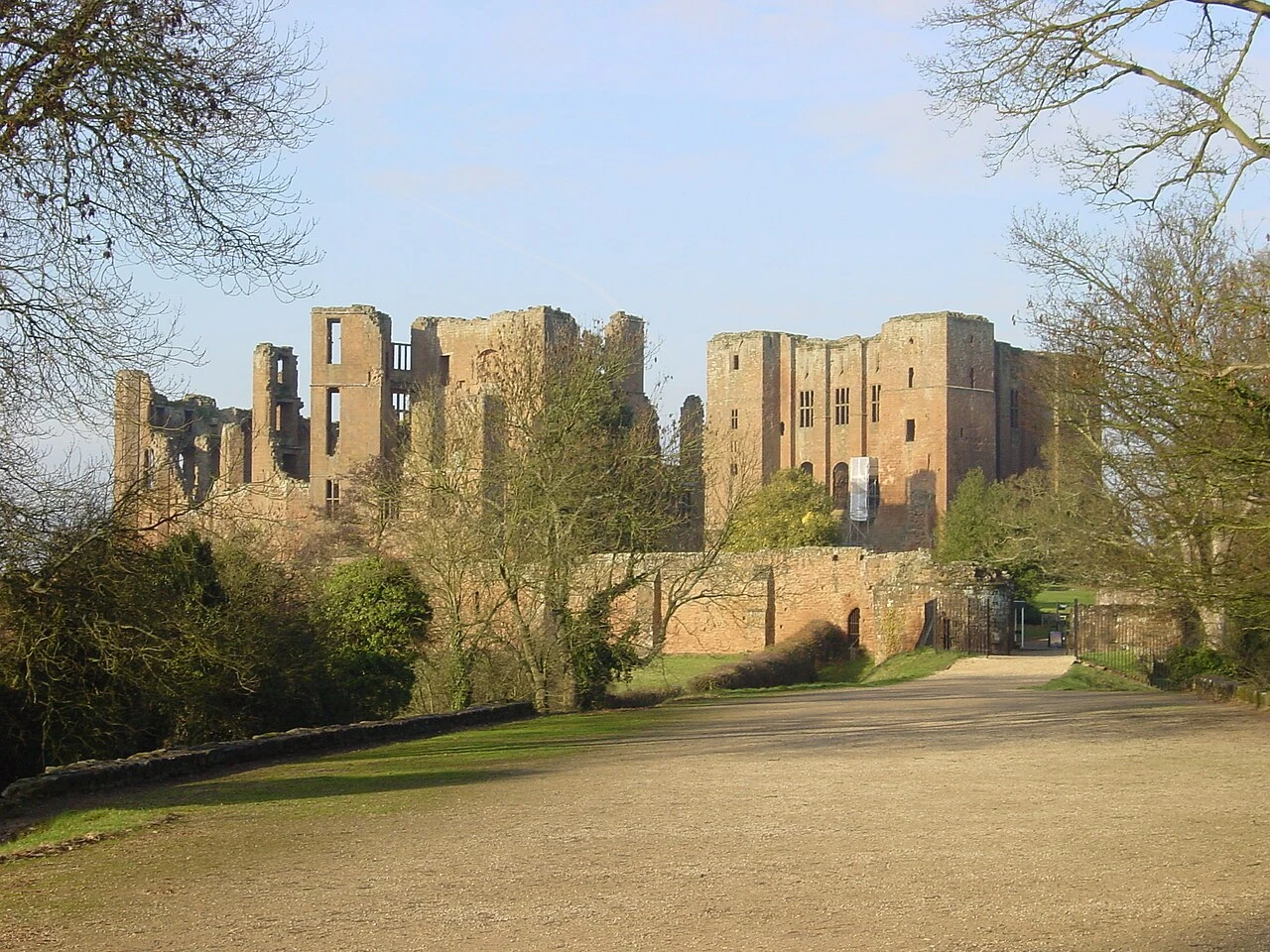
Kenilworth · 26 km
Kenilworth Castle
Content & sources
Photo: Jdforrester · CC BY 1.0
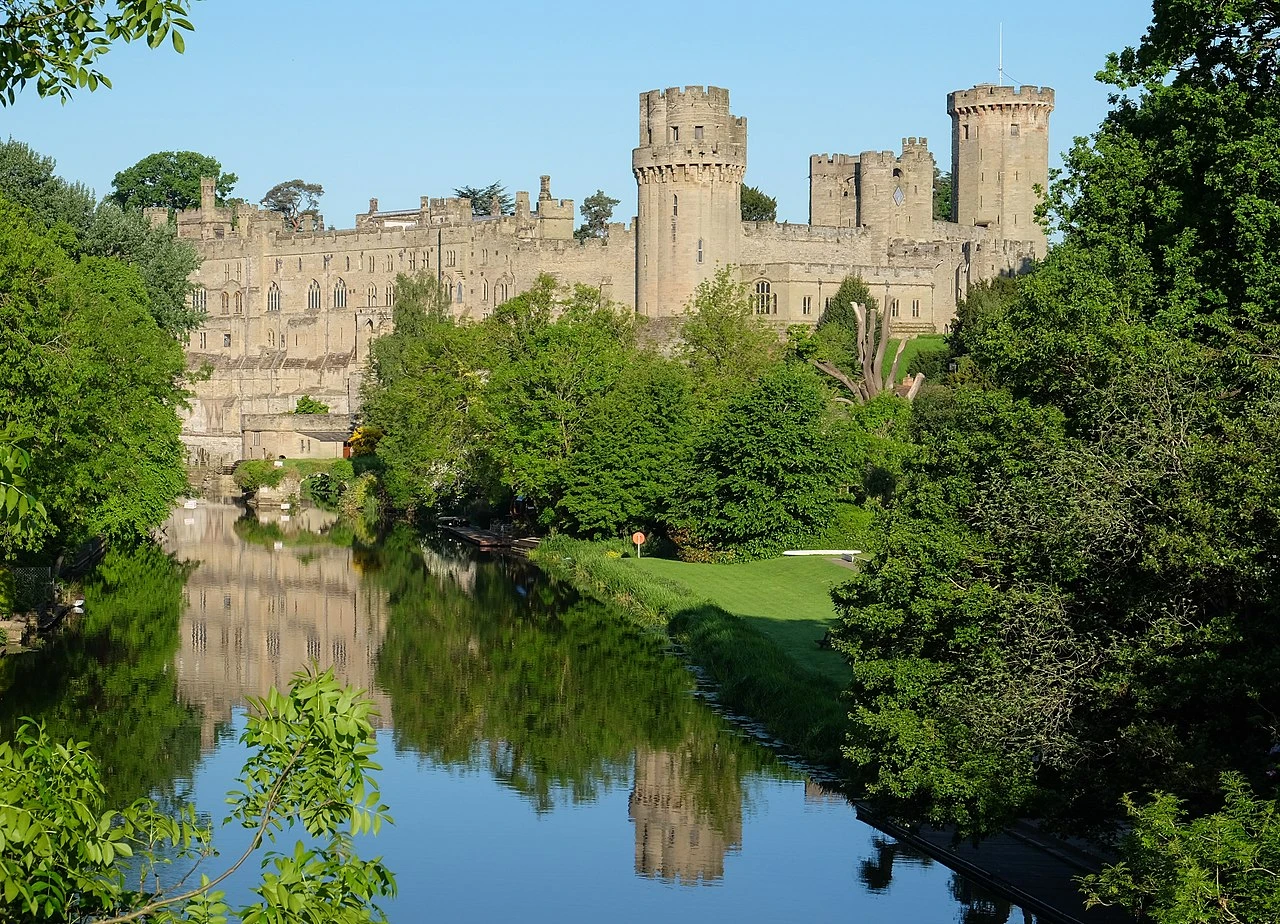
Warwick · 31 km
Warwick Castle
Content & sources
Photo: DeFacto · CC BY-SA 4.0
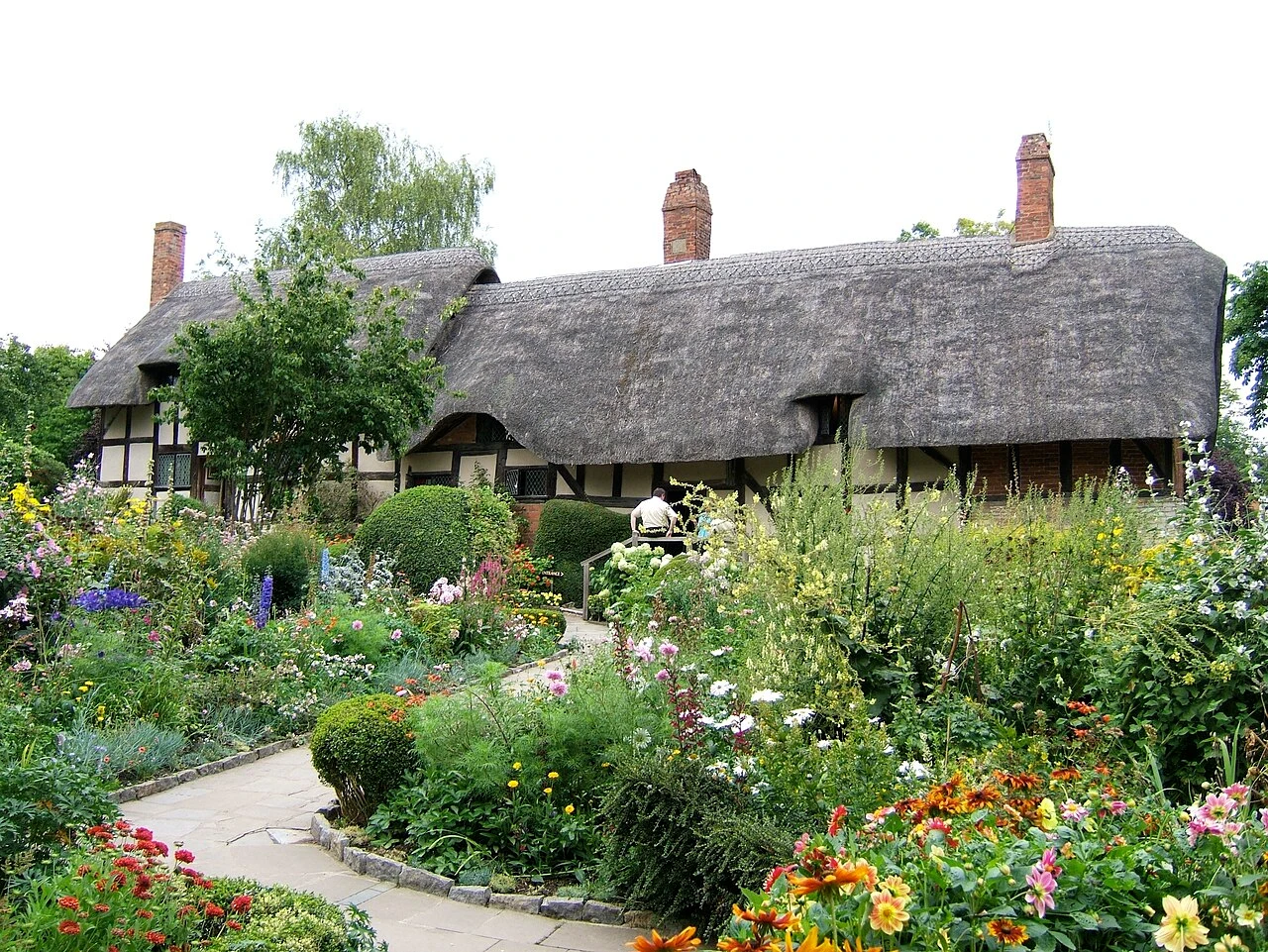
Stratford-on-Avon · 34 km
Anne Hathaway's Cottage
Content & sources
Richard Peat · CC BY-SA 2.0
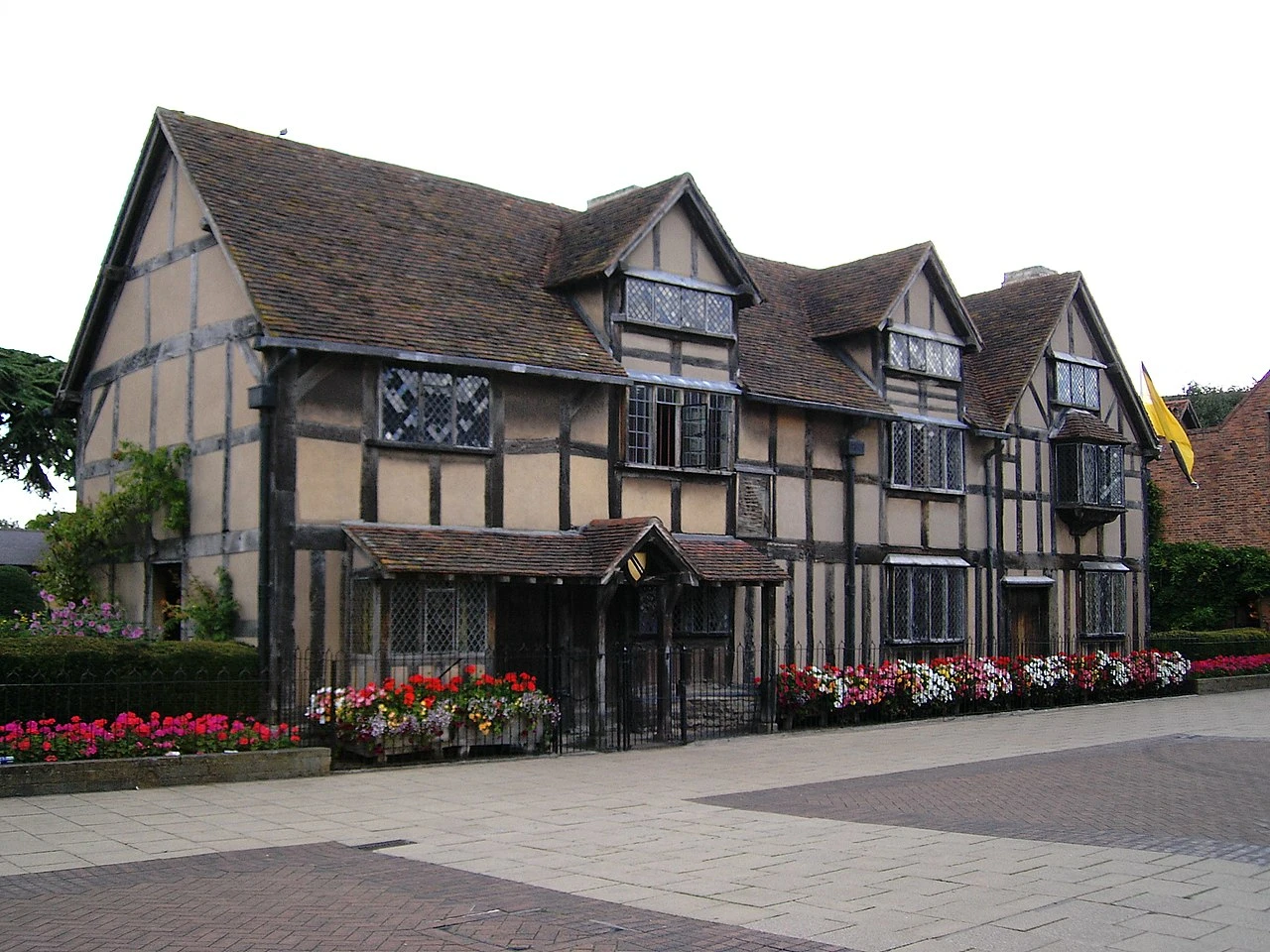
Stratford-on-Avon · 35 km
Shakespeare's Birthplace
Content & sources
Stuart Yeates [1] · CC BY-SA 2.0
Art museums
More art museum audio guides
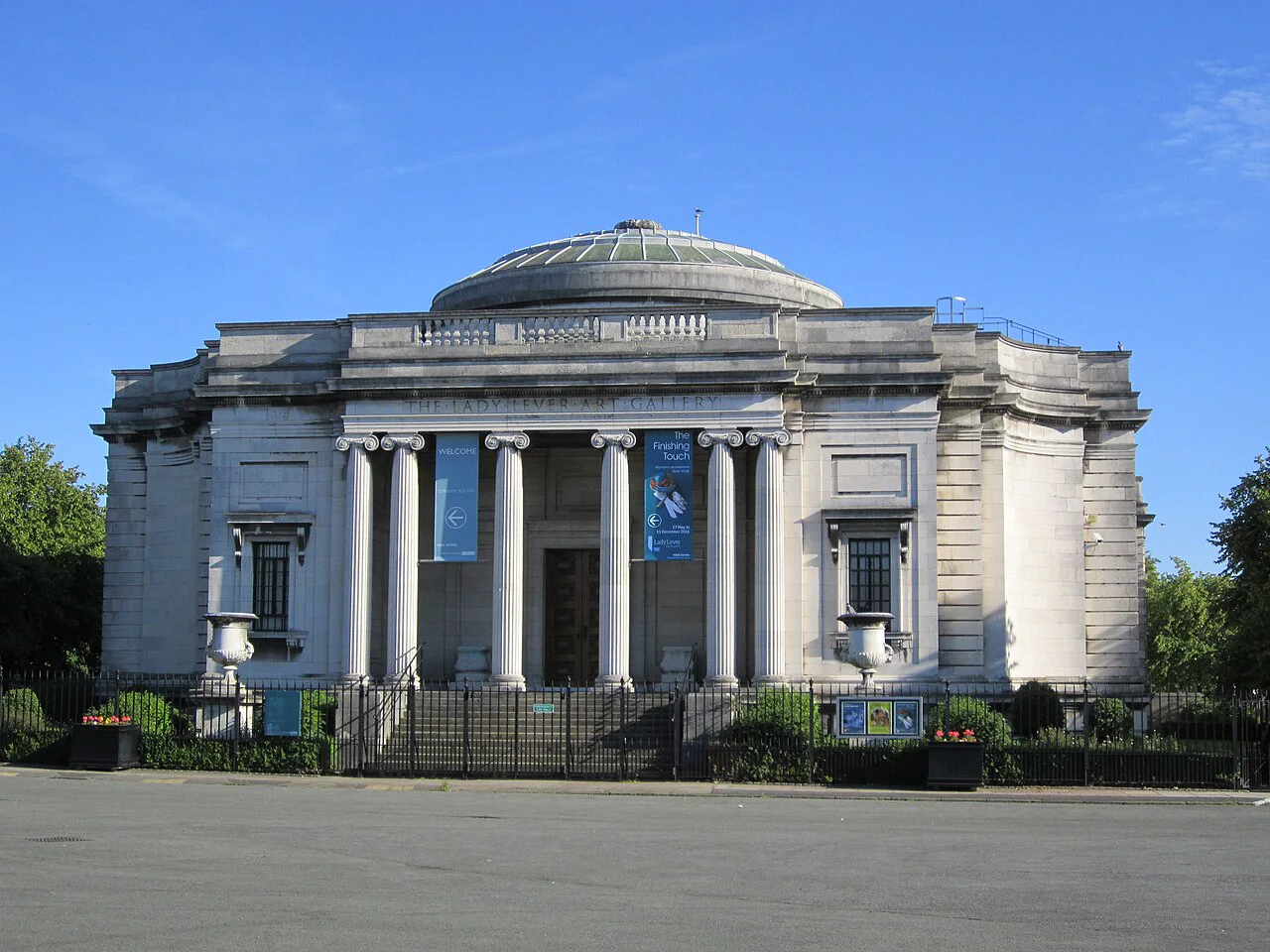
Port Sunlight · 28 artworks
Lady Lever Art Gallery
Content & sources
Rept0n1x · CC BY-SA 3.0
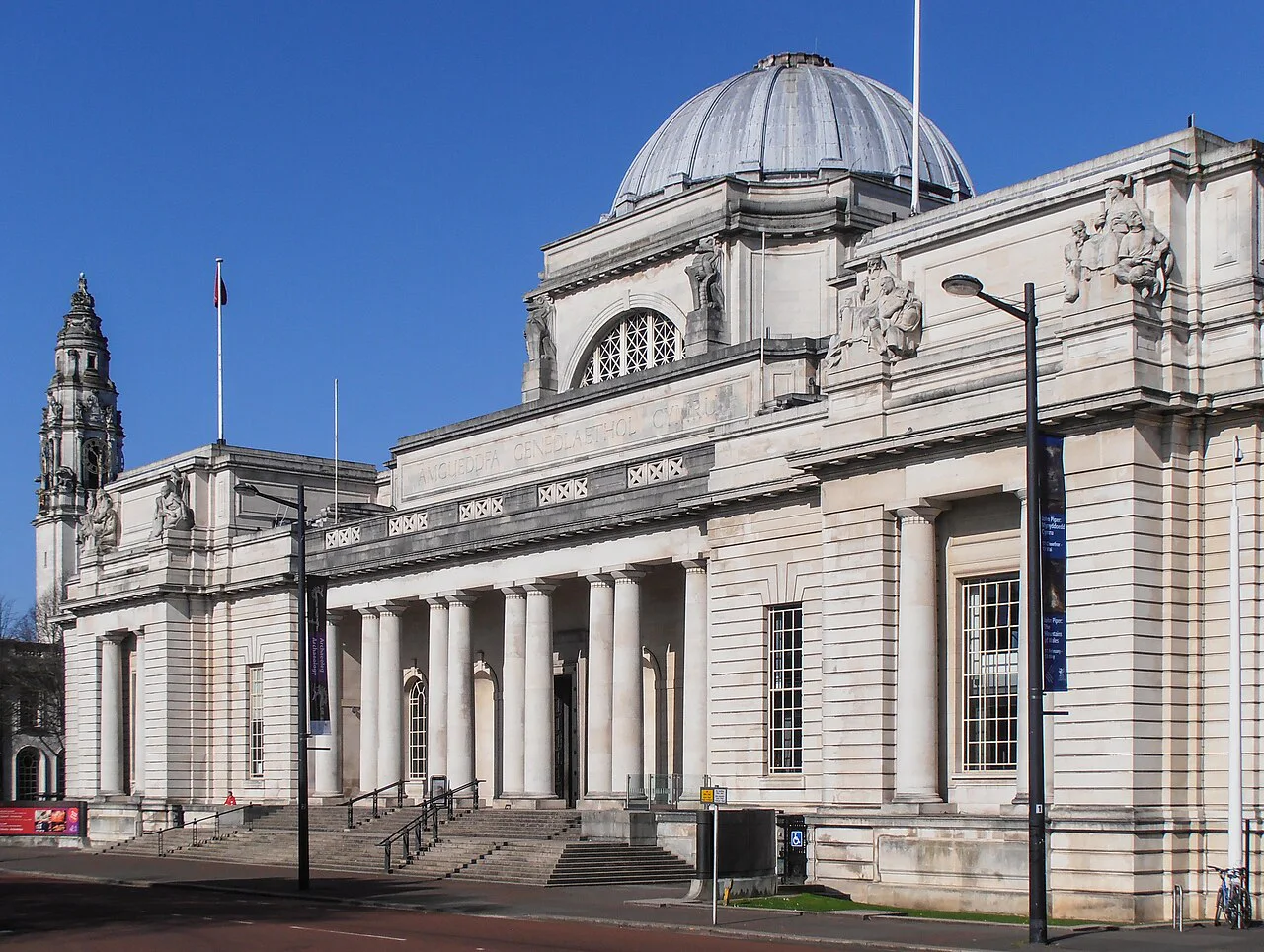
Cardiff · 23 artworks
National Museum Cardiff
Content & sources
Ham II · CC BY-SA 3.0
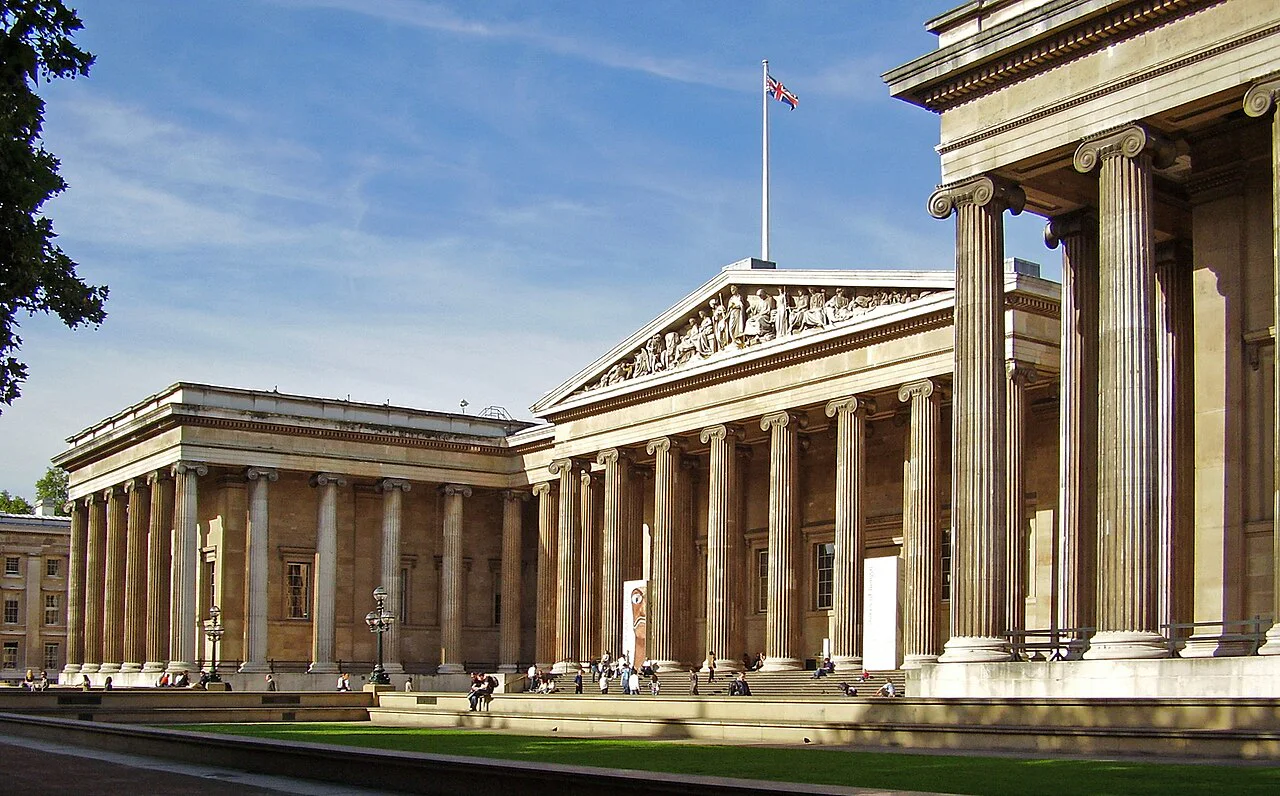
London · 68 artworks
British Museum
Content & sources
Ham · CC BY-SA 3.0
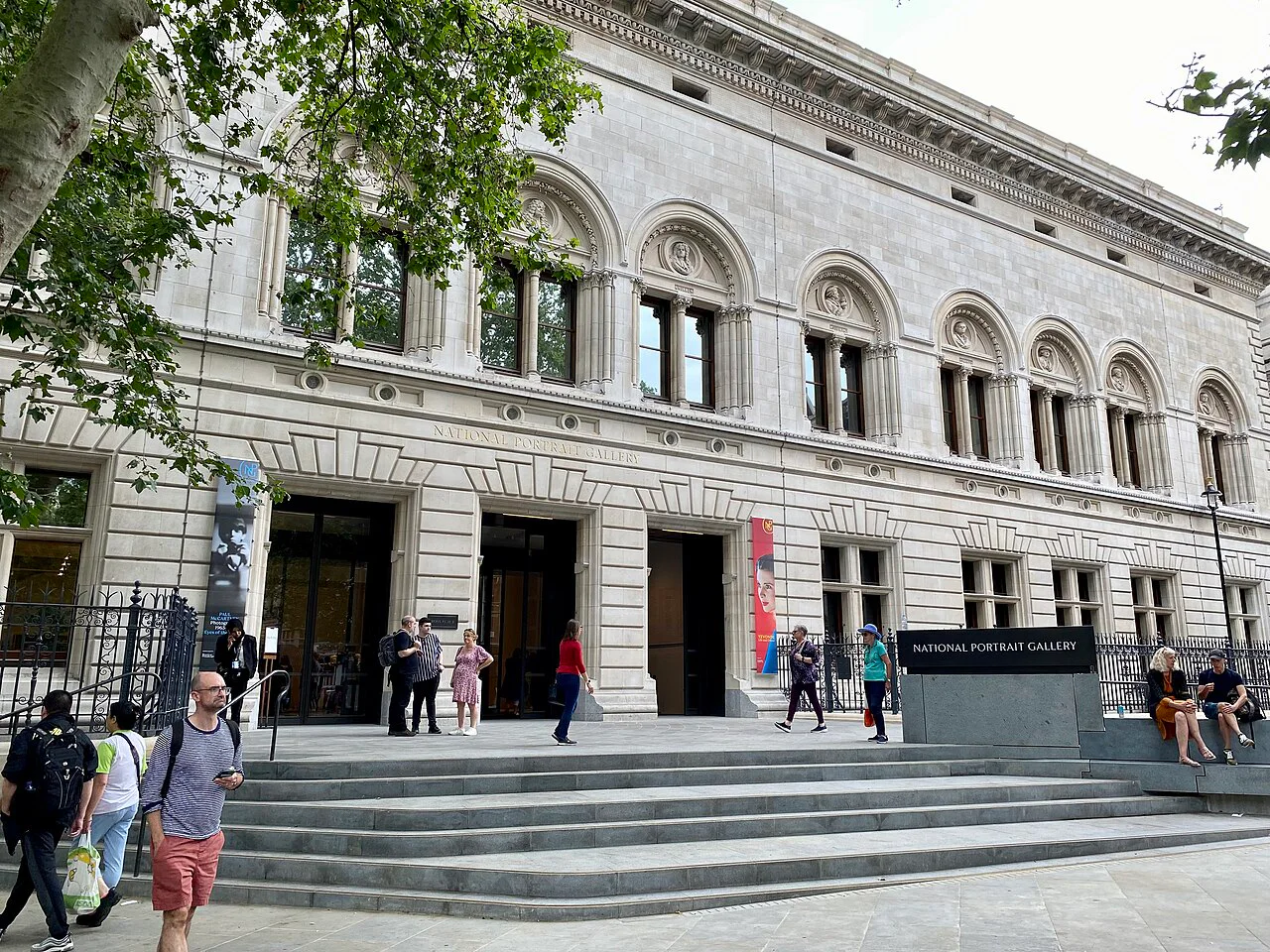
London · 164 artworks
National Portrait Gallery, London
Content & sources
Photo: No Swan So Fine · CC BY-SA 4.0
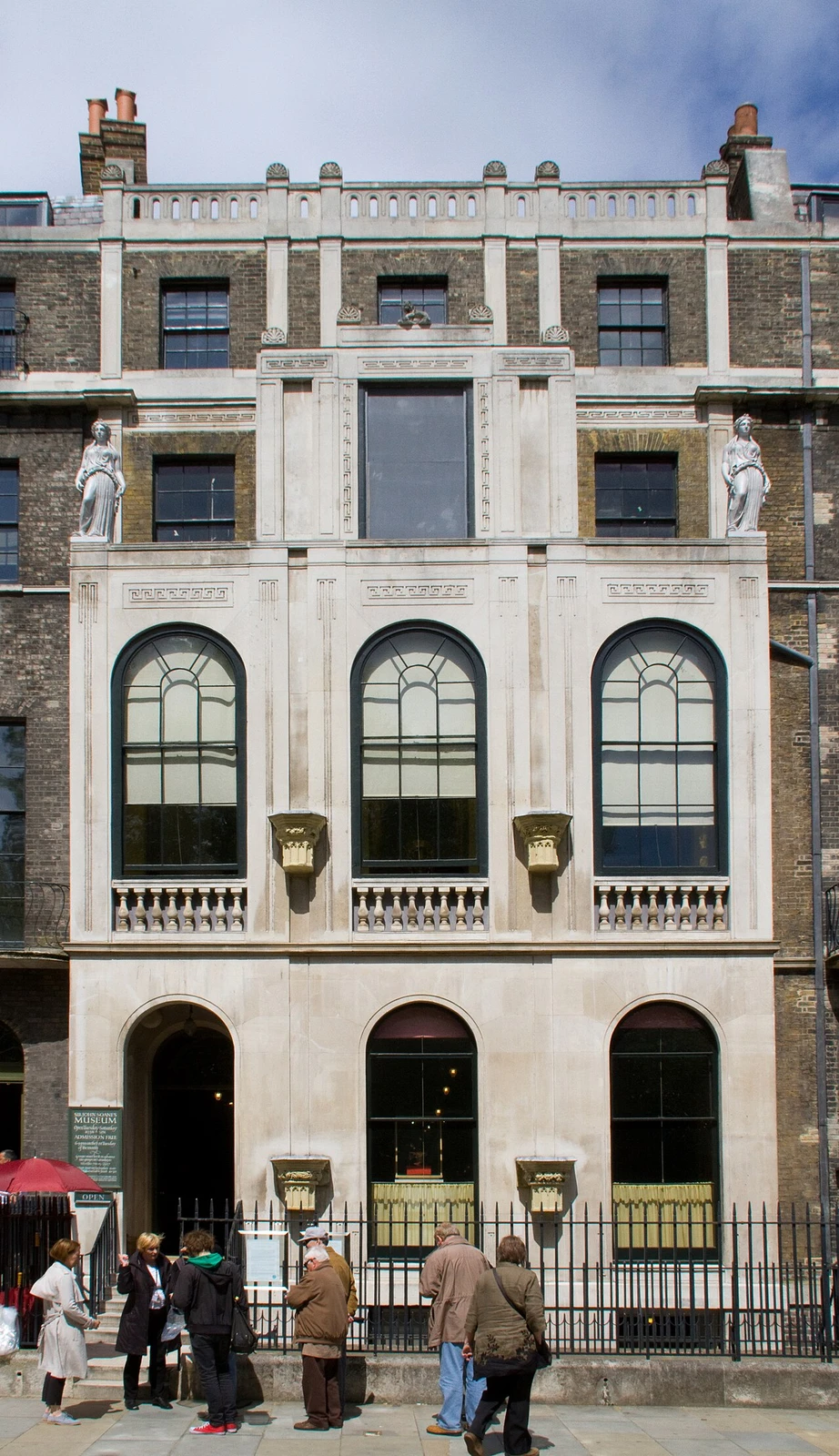
London · 8 artworks
Sir John Soane's Museum
Content & sources
Tony Hisgett from Birmingham, UK · CC BY 2.0
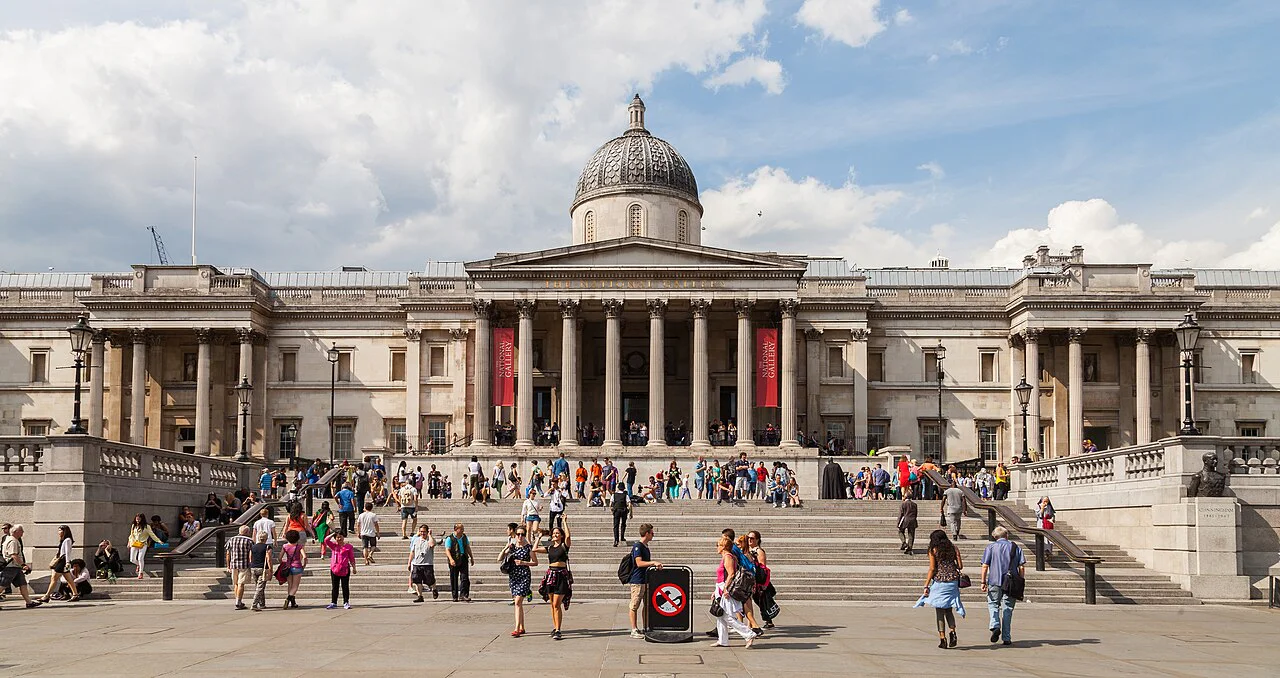
London · 171 artworks
National Gallery, London
Content & sources
Diego Delso · CC BY-SA 4.0