Stanza · Audio guide
National Museum Cardiff Audio Guide
A place to remember. A story to take with you.
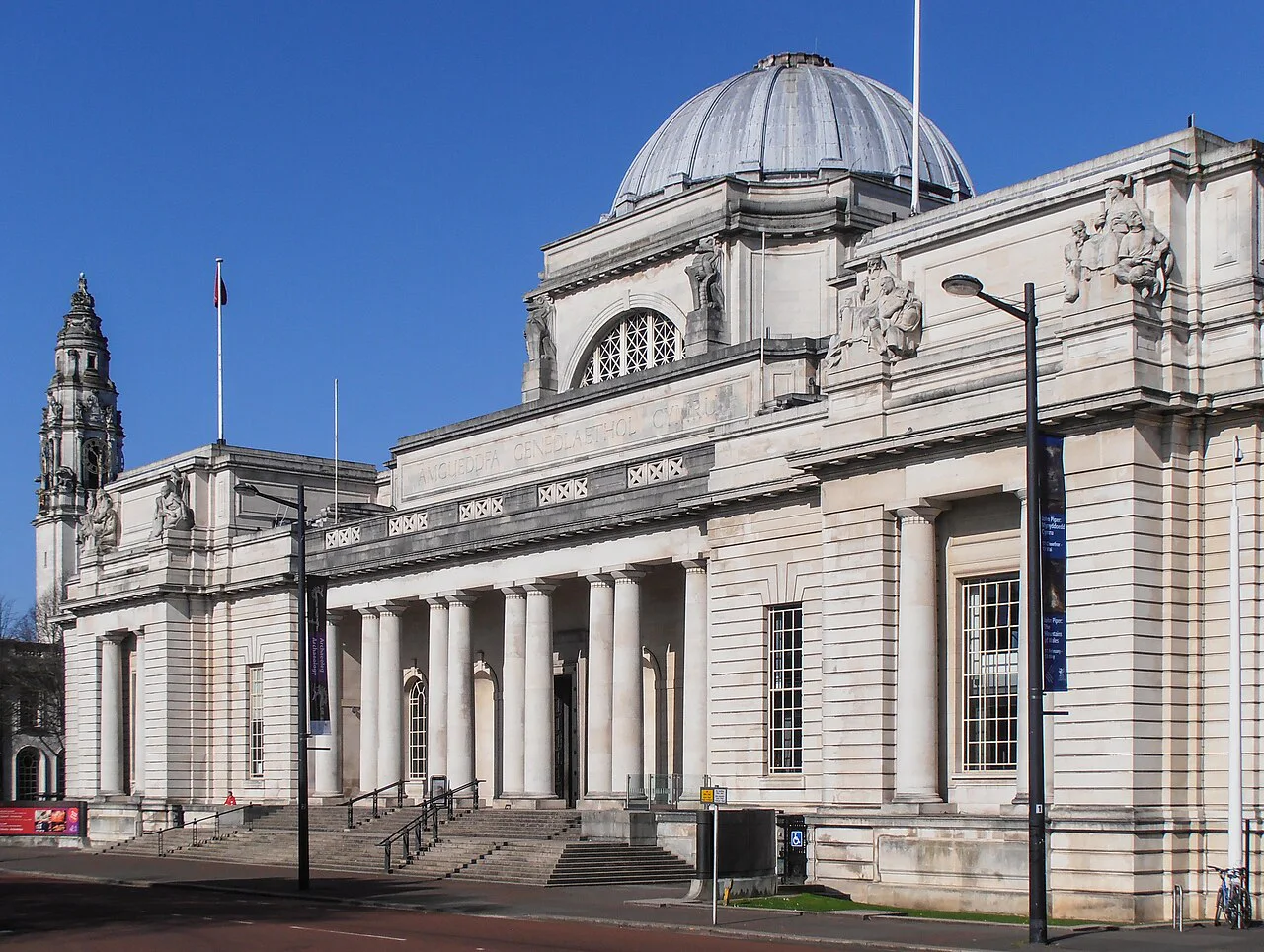
National Museum Cardiff is a museum and art gallery located in Cardiff, Wales. It is part of the Amgueddfa Cymru – Museum Wales network and provides free entry to visitors.
Download Stanza, then search for “National Museum Cardiff”.
About the tour
One guide. Your kind of visit.
National Museum Cardiff is a museum and art gallery located in Cardiff, Wales. It is part of the Amgueddfa Cymru – Museum Wales network and provides free entry to visitors.
The National Museum Cardiff guide tells the stories of 23 artworks, including San Giorgio Maggiore at Dusk (Claude Monet), La Parisienne (Pierre-Auguste Renoir), Rain, Auvers (Vincent van Gogh), Effect of Snow on Petit-Montrouge (Édouard Manet), Still Life with Teapot (Paul Cézanne), Duria Antiquior (Henry De la Beche), The Rabbit (Édouard Manet), and The Funeral of Phocion (Nicolas Poussin). Every artwork is free to hear in the Stanza app until 1 January.
Ready when you are.
- 01Get the free Stanza app.
iOS & Android
- 02Find your guide.
“National Museum Cardiff”
- 03Download before you go.
Works offline
Audio guide / 23 artworks
Inside the guide
Get to know a few of the stories before you go. Open a stop to read more.
01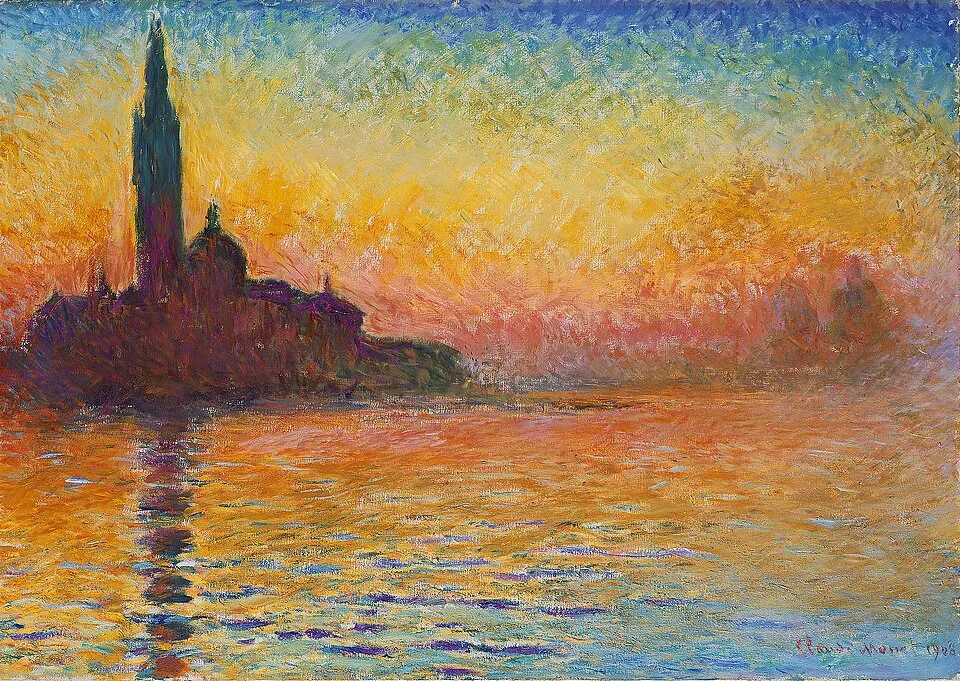
San Giorgio Maggiore at Dusk
Monet did not paint this dusk in front of the subject. He had stopped working that way, and he finished his Venetian pictures at home in France. It began with one trip, in 1908, the only time he went to Venice. He thought the city too beautiful to paint, and brought the canvases back to Giverny unfinished. His wife Alice died in 1911, and that seems to have played a part in getting them finished. So this evening was put together far from the place it shows. The buildings seem to appear out of the landscape and float. Their forms are set down so gently they never quite hide what they are. The church stays clear enough to know, its bell tower running up to the top of the picture. To the right, the domes of Santa Maria della Salute and the mouth of the Grand Canal are only faintly visible.
Listen in the appClaude Monet · Public domain
02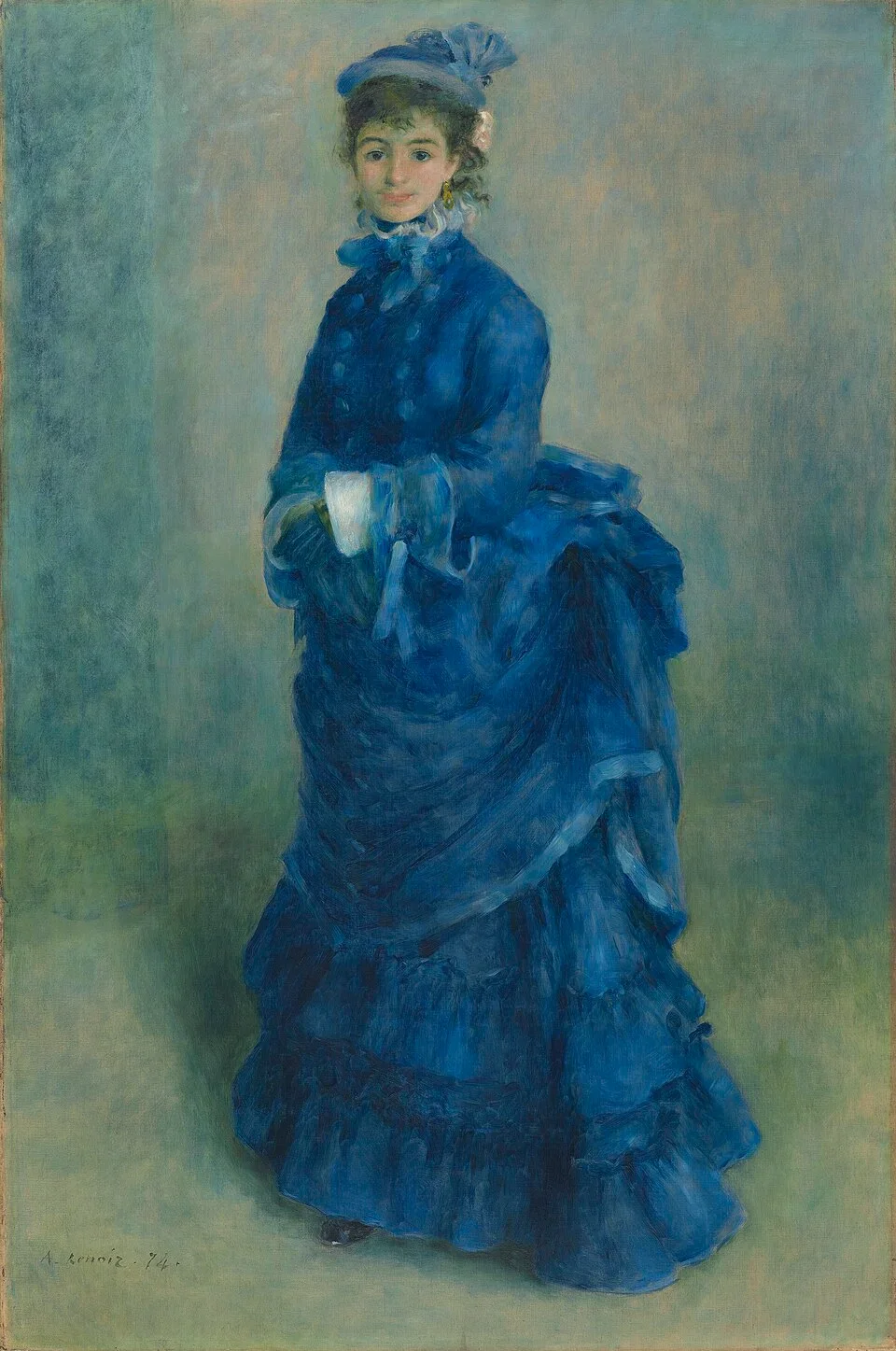
La Parisienne
Behind the woman there is almost nothing. Just a thin wash of blue, mauve and yellow grey, brushed far more loosely than she is. It was not always empty. Renoir first painted a doorway and a curtain in there, then painted them both out before the first showing. What is left is a young woman who almost floats in a neutral space, with nothing around her. She is putting on her gloves, her face turned toward you. All the careful work went into her, her dress built up in layer after layer of deep blue. The girl was Henriette Henriot, sixteen and unknown at the time. She would later become a well known actress. This was one of seven paintings he brought to the first Impressionist exhibition in 1874. Her hair against the hat, her earrings and the lashes above her eyes appear to have been added after the varnish was already on.
Listen in the appPierre-Auguste Renoir · CC0
03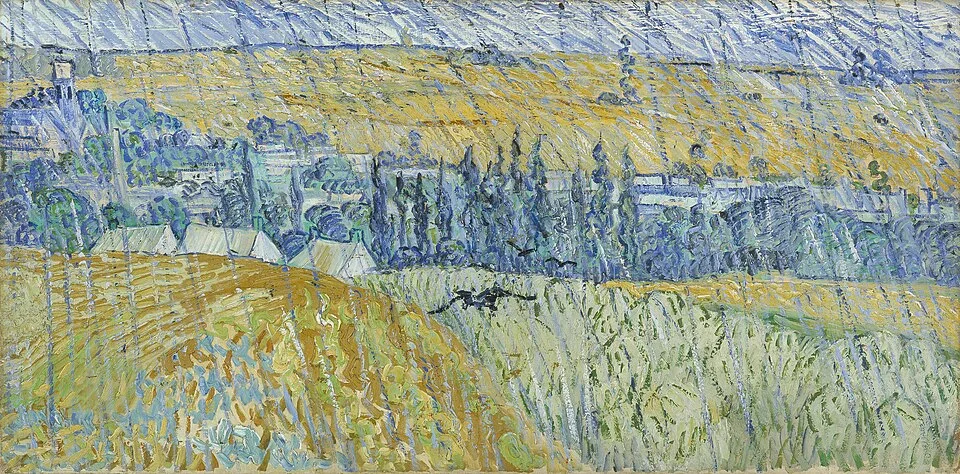
Rain, Auvers
Near the end of his life, Vincent van Gogh wanted to take in the whole plain of wheatfields around Auvers at once. He did it on a canvas twice as wide as it is high, so the fields could run on and on. He set the horizon high and tilted the ground toward you, so you feel above the wheat while still down in the grass. Lines of rain cut across the view on a slant. The rain was real. Auvers was cooler and wetter than the south, and that inspired him to paint it falling. But the dark strokes that stand for rain came from a print he had studied years before. In 1887 he copied a woodcut by the Japanese artist Hiroshige, a sudden shower on a bridge. Those same slanting lines cross this landscape. The broad bands of colour, fields, village and sky, came from those prints too. He finished this painting three days before he died.
Listen in the appVincent van Gogh · CC0
04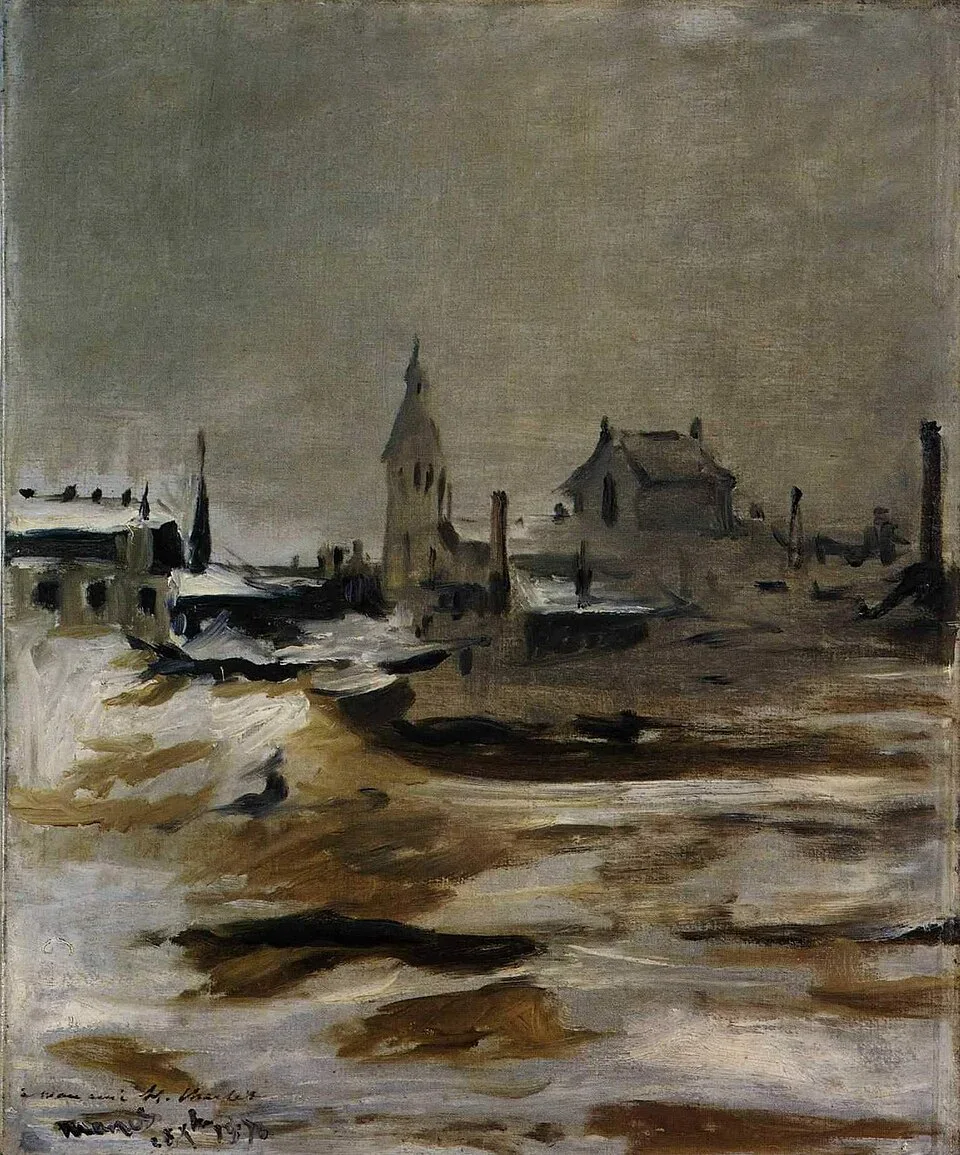
Effect of Snow on Petit-Montrouge
A grey sky takes up the upper half of the picture. Below it, snow lies in broad rough strokes of black, brown and white, and a church tower stands at the middle of the skyline. Manet painted this winter view of Petit-Montrouge while serving in the National Guard during the siege of Paris. Enemy troops had surrounded the city. There is no battle in it. No soldiers, no guns, no people, and no green anywhere. Painters of his time made battles look heroic. He painted the gloom of a battle still to come, and his loss of hope. An earth wall in the left foreground may stand for the war. There is no strong light, so nothing casts a shadow. It is one of the few landscapes he made, and among the first he painted outdoors. He signed it in December 1870. He dedicated it to a friend named H. Charlet, whose name is missing from his address book, so scholars take him for a comrade from the National Guard.
Listen in the appÉdouard Manet · Public domain
05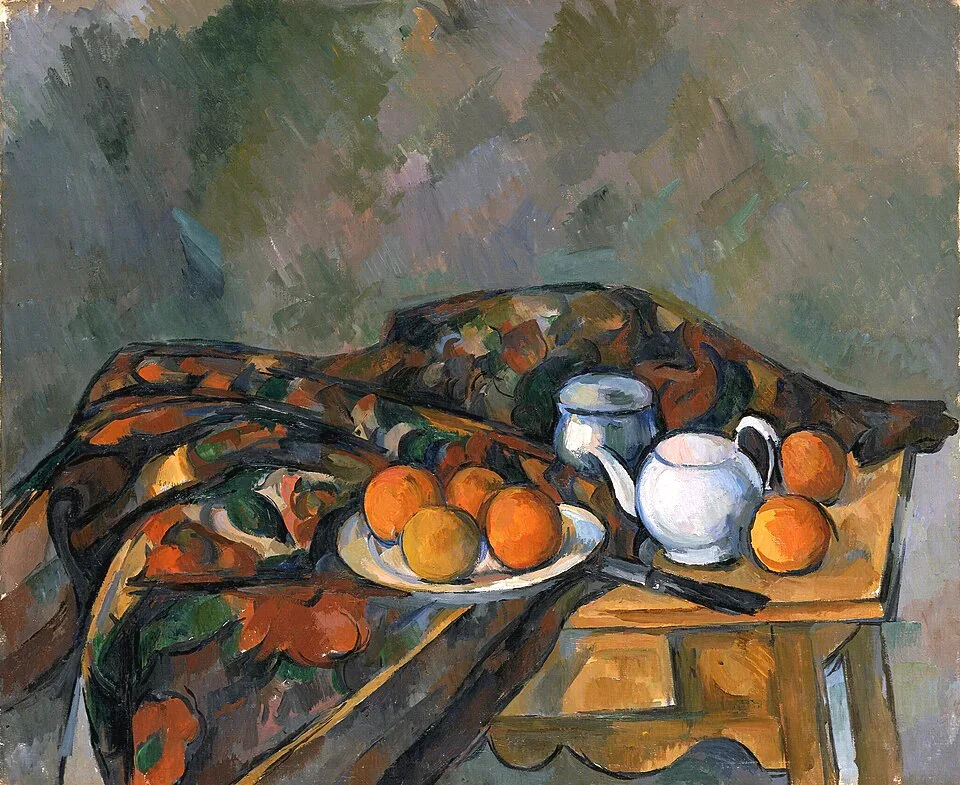
Still Life with Teapot
The plate looks bent. That tells you how Cézanne worked. He changed his position as he painted his later still lifes, studying each object on its own. The table legs do not line up with the top for the same reason. The table was in his studio at Aix en Provence, near the end of his life, and it is still there. A patterned cloth is draped over it in careful folds. Four fruit are on a plate on the cloth. The teapot rests on the uncovered part to the right. The fruit are hard to name. What you feel is the round, compact shape of a sphere. Gwendoline Davies, a Welsh philanthropist, bought the painting in 1920 for two thousand pounds. When she died in 1952, it went to the National Museum of Wales. In 1961 it was lent to an exhibition in France and stolen there. The insurance company paid sixty thousand pounds, and the museum put the money into a Cardiff Corporation mortgage fund. It had to give the money back when the police recovered the painting and it came back to Cardiff.
Listen in the appPaul Cézanne · CC0
06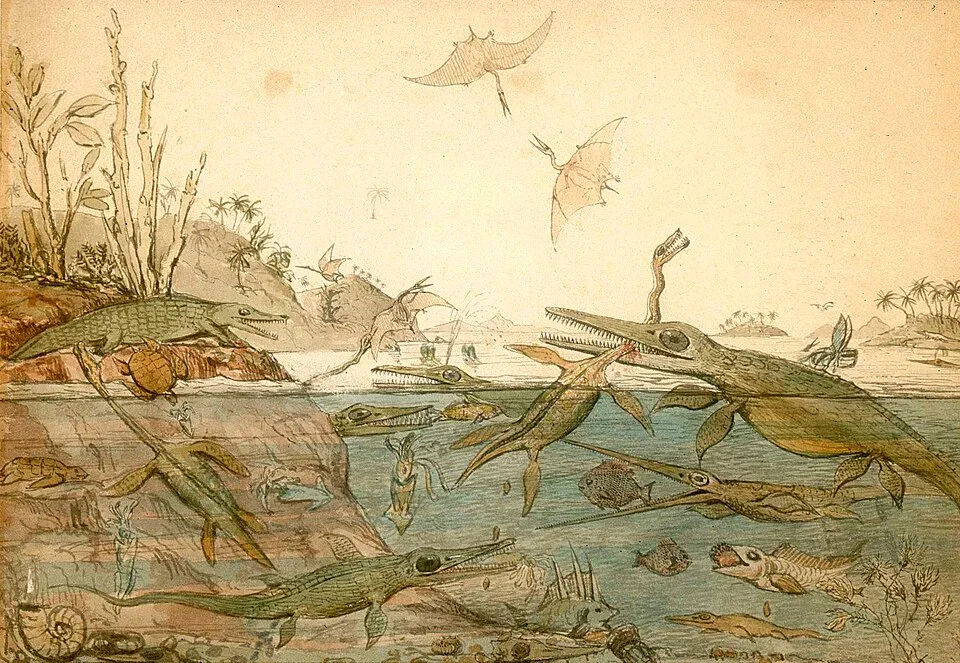
Duria Antiquior
Mary Anning had an eye for fossils in the rocks around Lyme Regis, on the Dorset coast. Most of these creatures come from fossils she found. She found the first ichthyosaur skeleton anyone recognised, and the first two plesiosaur skeletons. In the middle of the picture, a big ichthyosaur is biting into the long neck of a plesiosaur. Above the water, another plesiosaur uses that long neck to seize a pterosaur in flight. Anning also noticed odd fossils in the bellies of ichthyosaurs. The fossils there held fish scales and bones. William Buckland worked out that these were droppings, and wrote a lively account of the food chain of the Lias. That account is what moved the geologist Henry De la Beche to paint life in ancient Dorset. He even showed ichthyosaurs passing the droppings that would one day fossilize into the very fossils Anning had found. By 1830 Anning was short of money, with long gaps between important finds. De la Beche asked the professional artist Georg Scharf to make prints of the watercolour. He sold them to friends for two pounds ten shillings each, and gave the money to Anning. Those prints reached geologists in France and Germany. This was the first picture of prehistoric life drawn from fossil evidence.
Listen in the appHenry De la Beche (10 February 1796 – 13 April 1855) · Public domain
07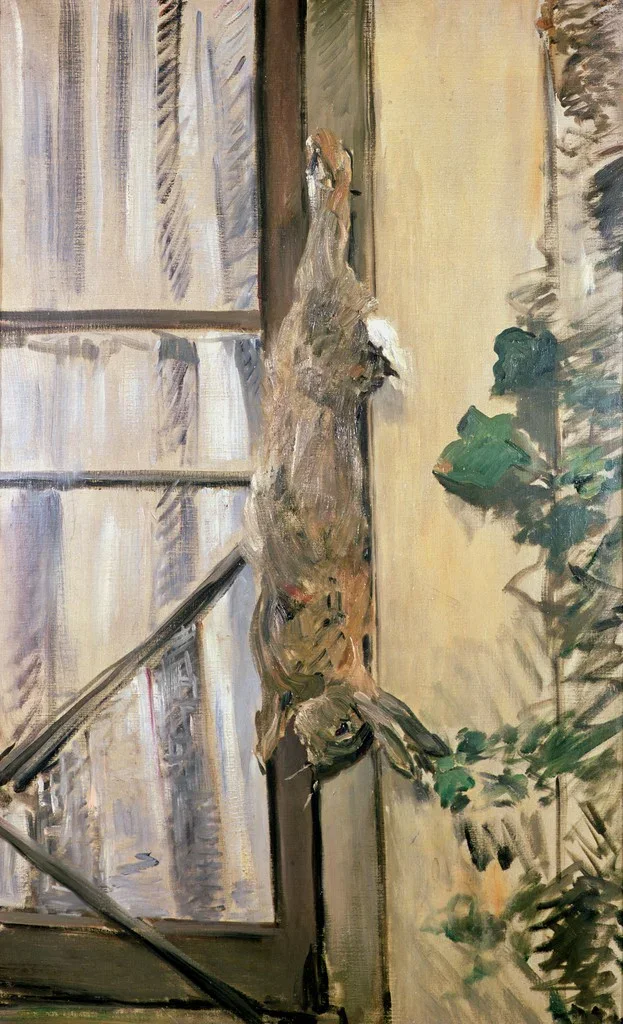
The Rabbit
The strokes are broad and quick, and the fur is only suggested, not spelled out. This rabbit was one of four decorative panels, painted to be taken in from a distance rather than studied up close. The curtain behind the window and the plant climbing the wall get the same loose treatment. In places the plant is just one zigzag of the brush, and the paint looks unfinished. Manet painted it in 1881 at Versailles, where he had gone to recover his health. His left leg hurt, and standing a long time at the easel was hard. He had meant to paint the park at the palace, but the rain went on for weeks. So he turned to his own garden, which he called the ugliest of all, and painted a few still lifes. This rabbit was one of them. Years before, he had treated the same subject in the careful style of Chardin. Here he left it bold and casual, much closer to Impressionism. When he sent it to the Paris Salon in 1882, they refused it. The rabbit hangs by its tied hind legs from a nail on the outside of the window frame. It is dead game, a hunting trophy, and with it comes the still-life idea that nothing lasts.
Listen in the appÉdouard Manet · Public domain
08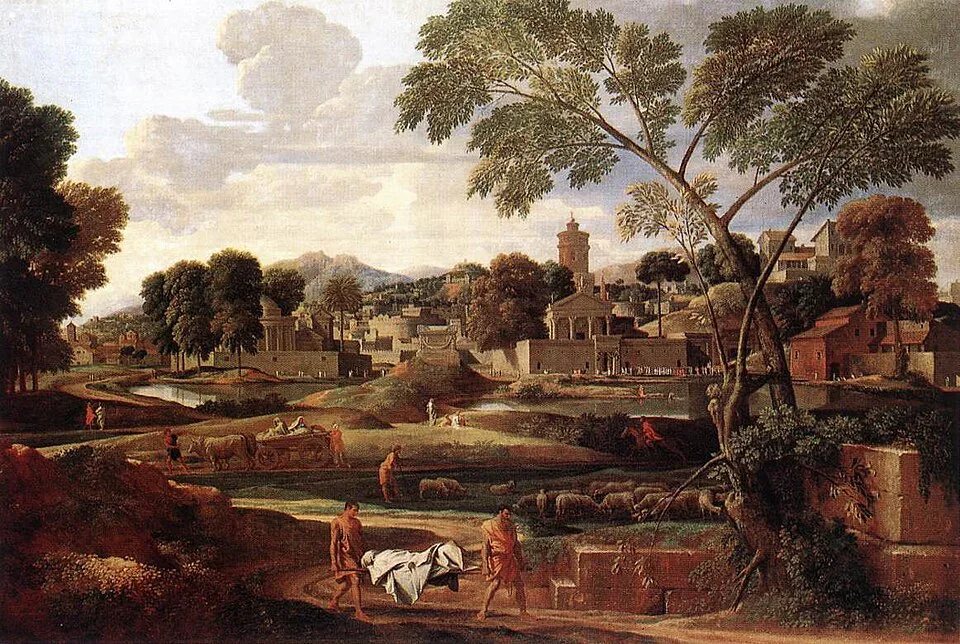
The Funeral of Phocion
Is this a funeral, or a landscape? Phocion's body is being carried out of Athens, and that is the subject. But the picture is full of trees, and people live among them at ease. Everything around the body is Attica. Phocion was an Athenian statesman of the fourth century before Christ. Poussin spent most of his working life in Rome and knew the Mediterranean countryside well, even if he may never have seen Greece. That is why this landscape may be closer to a real place than an imagined one. Some other painters of classical scenes rarely or never saw the Mediterranean, and built their settings from the northern landscapes they knew. It was made as one of a pair. The other, from the same year, shows the ashes of Phocion.
Listen in the appNicolas Poussin · Public domain
09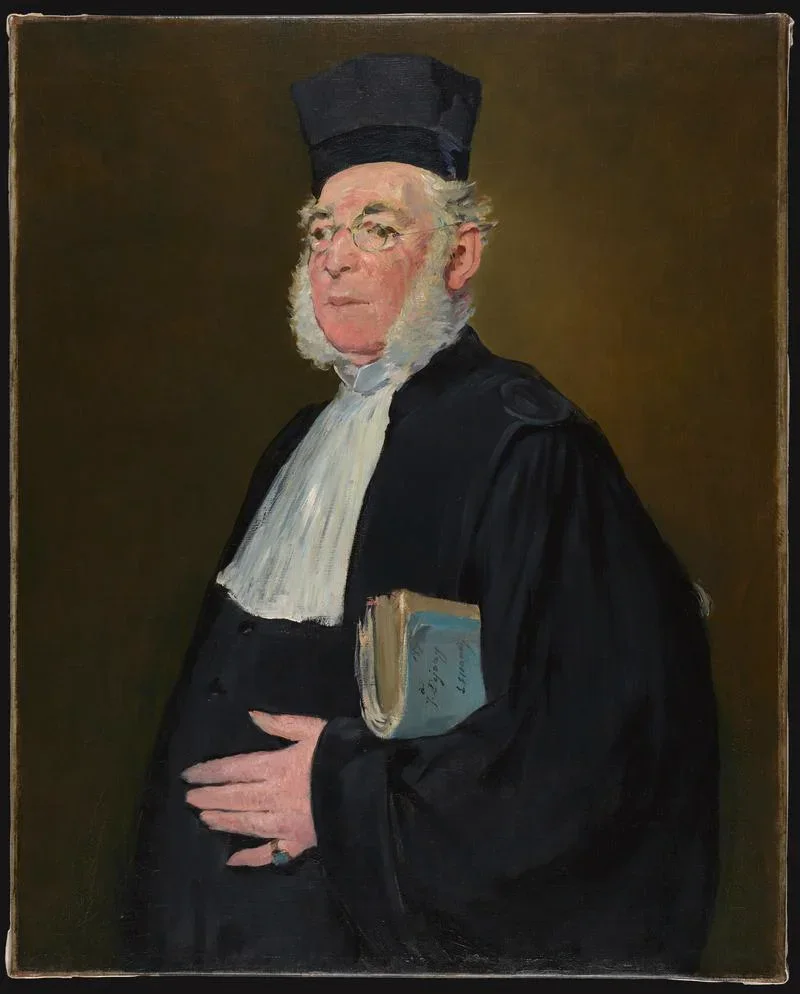
Portrait of Jules de Jouy
A man in a black lawyer's robe and beret turns a little to one side, a thick bundle of files under his arm. His left hand rests on his belly with a gold ring on the little finger and a big blue stone in it. That blue turns up again on the cover of the files. On that cover Manet wrote the date, 1879, and a short line for Jules de Jouy. De Jouy was his cousin, seventeen years older. A letter written from Rio de Janeiro in 1849 called him a dear friend. The family brought him all their legal questions, and he was named executor of the painter's will. After Manet died, de Jouy let the painter's widow use his house at Gennevilliers. The portrait stayed in that private circle. De Jouy kept it until his death in 1894, and it passed to a friend. It was rarely shown, and stayed in private hands for more than a hundred and forty years. In 1932 a textile businessman from Chemnitz lent it to a Manet exhibition in Paris. That was Erich Goeritz. He left Germany in 1934 because he was Jewish, and took the picture with him to London. It stayed in his family until 2020, when it went to National Museum Cardiff to cover an inheritance tax bill.
Listen in the appÉdouard Manet · Public domain
10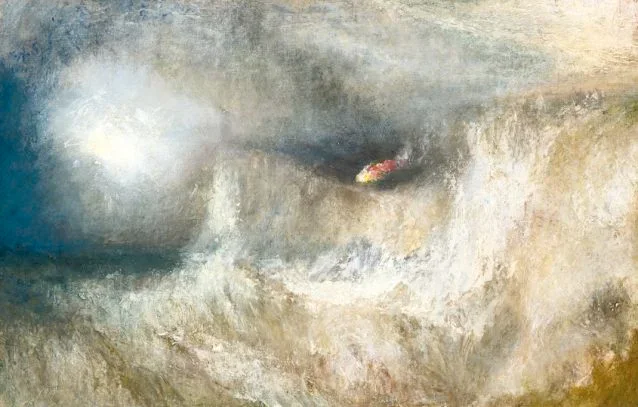
The Beacon Light
For years this painting hung out of sight. The Davies sisters bought it in 1922 as a genuine one, paying two thousand six hundred and twenty five pounds. Not long after the donation, doubts set in. People wondered if it was a fake, or partly finished by another hand. So it came down, and stayed down. Then a television programme took it up. Tests showed the paint was the kind Turner used, and the same paint ran right through the picture. The evidence went to the very man who had once doubted it, and he accepted it as genuine. An X ray found something else. At the top of the bluff there had been a lighthouse, painted over and hidden beneath the surface. The sea in front of you is rough, light shifting across it, spray breaking on the rocks. For a long time this coast was taken for the Needles, on the Isle of Wight. The buried lighthouse put that right. The scene was worked out to be in Kent, where the Goodwin Sands have long been a danger to ships. But whether this is really the coast at Saint Margaret's at Cliffe is still not known.
Listen in the appJ. M. W. Turner · Public domain
- 11
St John the Baptist
El Greco · 1610
- 12
The Welsh at Mametz Wood
Christopher Williams · c. 1917
- 13
Queen Eleanor
Frederick Sandys · 1858
- 14
Madonna and Child
Giovanni Battista Cima da Conegliano · 1500
- 15
The Family of Henry VIII: An Allegory of the Tudor Succession
Lucas de Heere, Ciao · c. 1572
- 16
Nocturne: Blue and Gold, St Mark’s, Venice
James McNeill Whistler · 1880
- 17
The Bard
Thomas Jones · 1774
- 18
Dover Castle
Richard Wilson · c. 1747
- 19
Rome from the Ponte Molle
Richard Wilson · 1754
- 20
Pembroke Town and Castle
Richard Wilson · c. 1765
- 21
Fair Rosamund
Dante Gabriel Rossetti · 1861
- 22
The Finding of Moses
Nicolas Poussin · 1651
- 23
Hagar and Ishmael in the Wilderness
Andrea Sacchi · c. 1630
National Museum Cardiff
Frequently asked questions
How much does the guide cost?
Free app download. Free until 1 January. Listed guide price: $0.99. Audio guide only. Venue admission is separate.
Can I listen without internet?
Yes. Download the guide’s audio, images, and maps in the app before your visit. Your downloaded content is then available offline.
Can I listen in my language?
In English for now. More languages soon.
Do I need to follow a schedule?
No. This is a self-guided experience. Choose your stops, pause whenever you like, and return to a story at your own pace.
Which artworks are in the National Museum Cardiff audio guide?
23 artworks, including San Giorgio Maggiore at Dusk (Claude Monet), La Parisienne (Pierre-Auguste Renoir), Rain, Auvers (Vincent van Gogh), Effect of Snow on Petit-Montrouge (Édouard Manet), Still Life with Teapot (Paul Cézanne), Duria Antiquior (Henry De la Beche), The Rabbit (Édouard Manet), and The Funeral of Phocion (Nicolas Poussin). The full list is on this page.
Is this the museum’s official audio guide?
No. Stanza is an independent audio guide app and is not affiliated with National Museum Cardiff. Museum admission is separate.
At your own pace
Explore National Museum Cardiff.
Download Stanza, then search for “National Museum Cardiff”.
Free app download · Guide price shown in the app
Keep exploring
Nearby audio guides
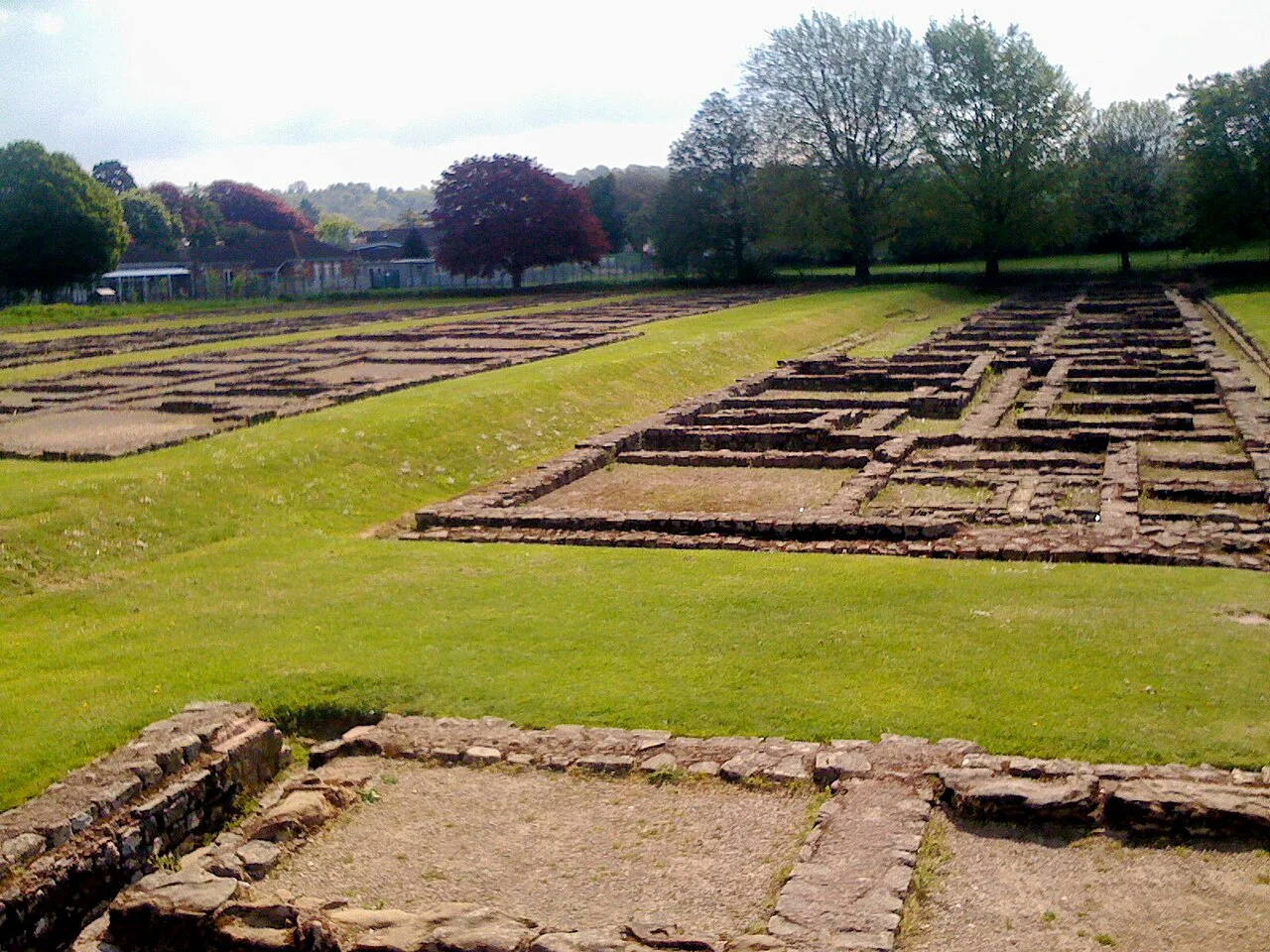
Newport · 21 km
Isca Augusta
Content & sources
Pwimageglow (talk) · Public domain
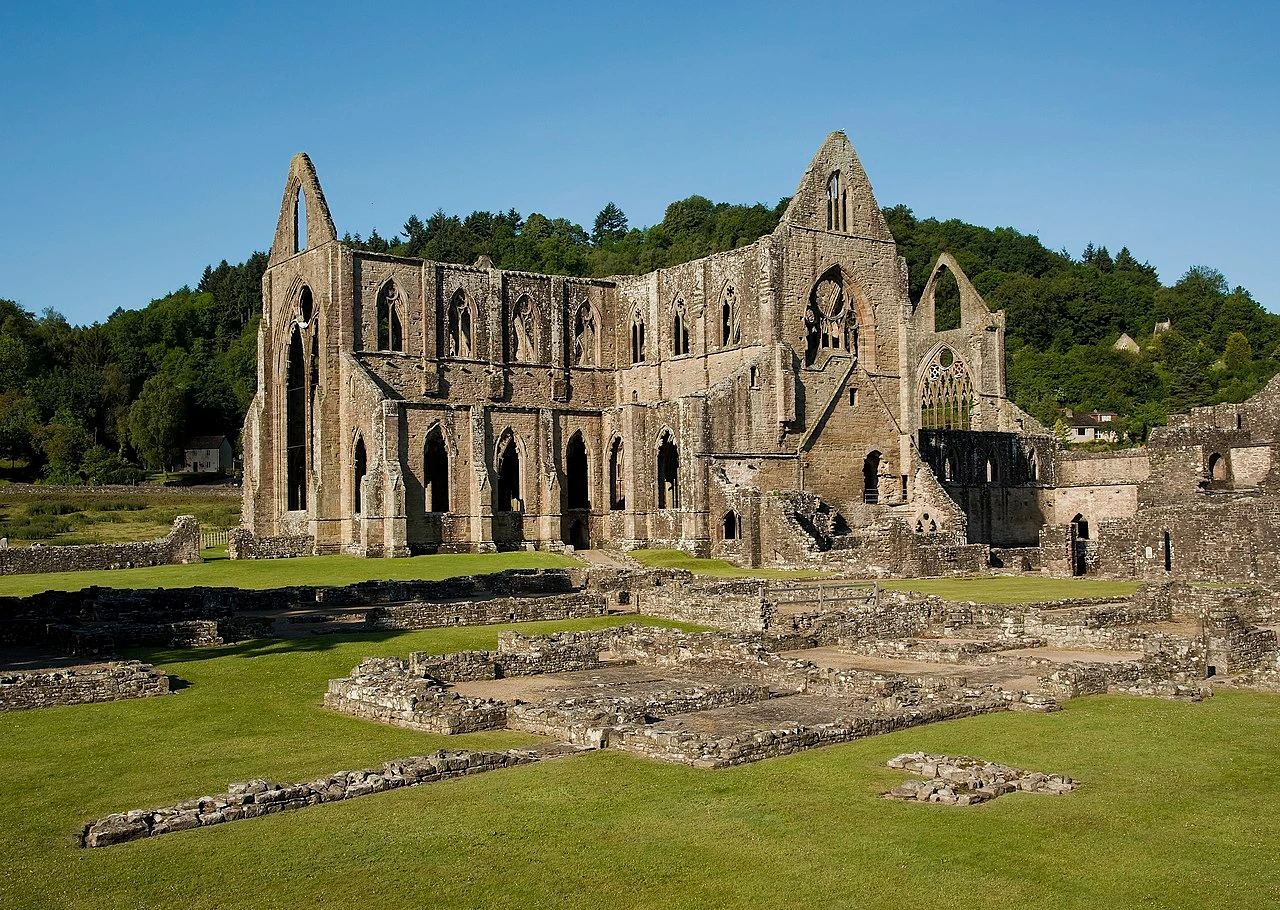
Tintern · 42 km
Tintern Abbey
Content & sources
Photo: Saffron Blaze · CC BY-SA 3.0
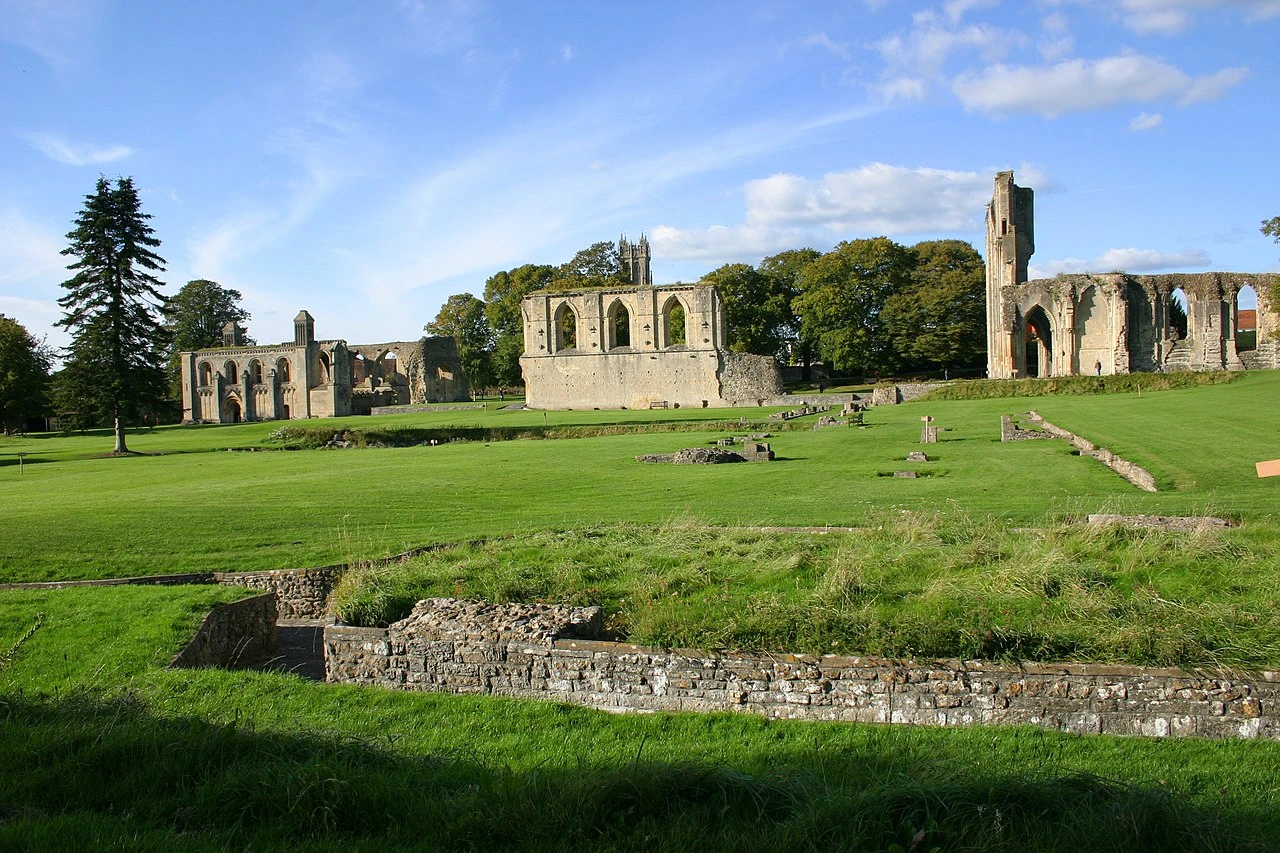
Glastonbury · 50 km
Glastonbury Abbey
Content & sources
Photo: Gerd Eichmann · CC BY-SA 4.0
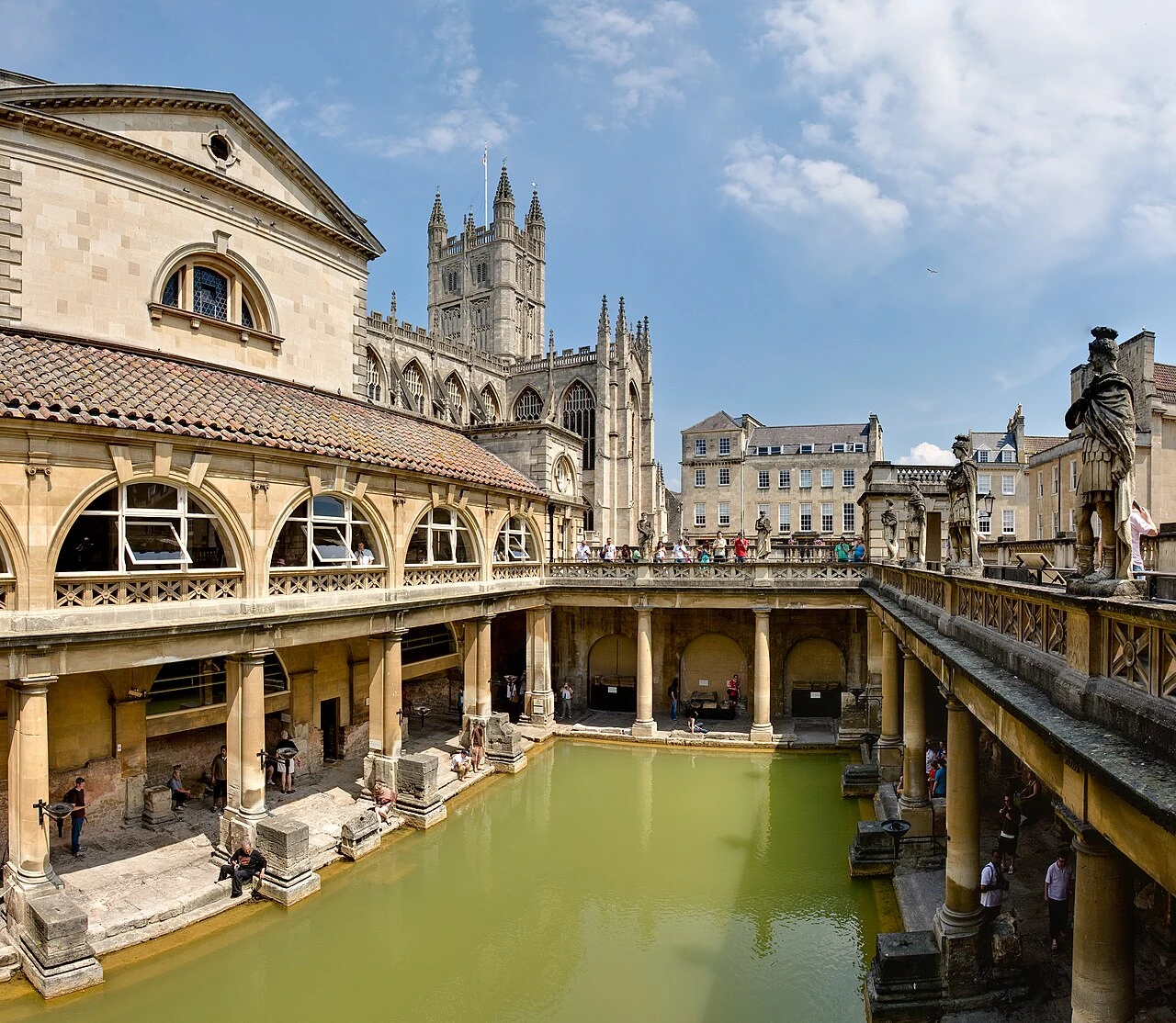
Bath · 58 km
Roman Baths
Content & sources
Photo: Diliff · CC BY 2.5
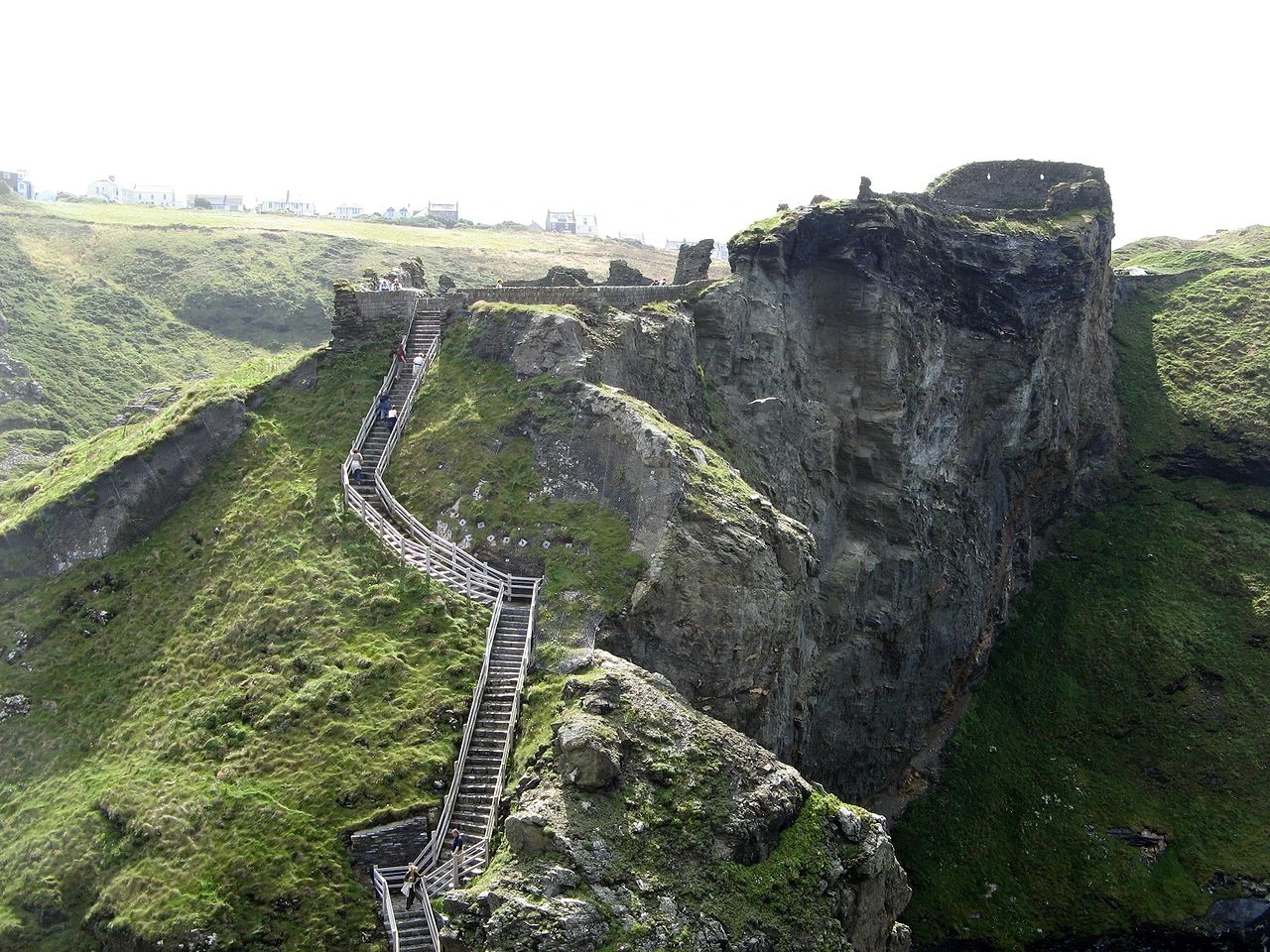
Tintagel · 143 km
Tintagel Castle
Content & sources
Photo: Rawac · CC BY-SA 3.0
Art museums
More art museum audio guides
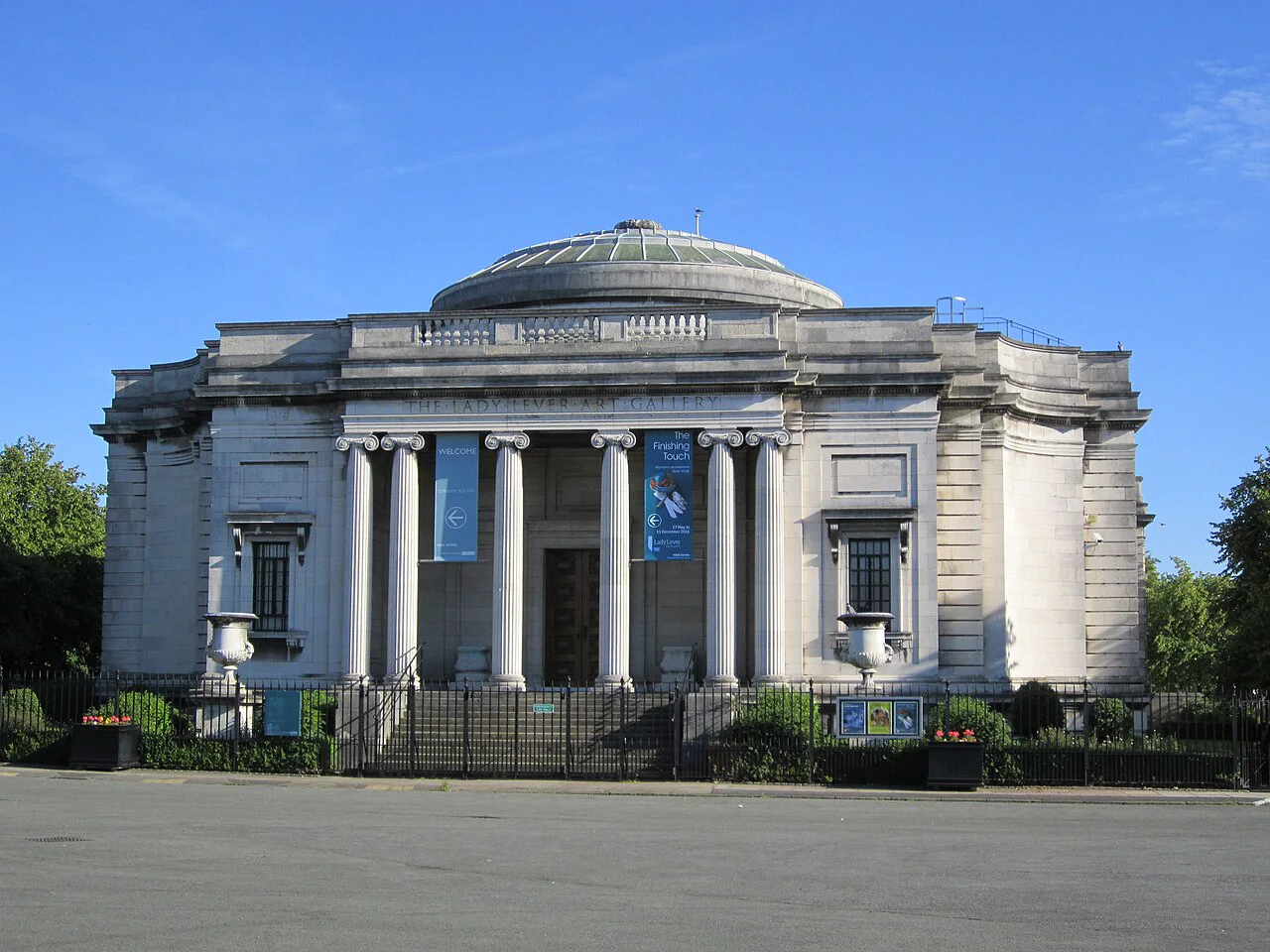
Port Sunlight · 28 artworks
Lady Lever Art Gallery
Content & sources
Rept0n1x · CC BY-SA 3.0
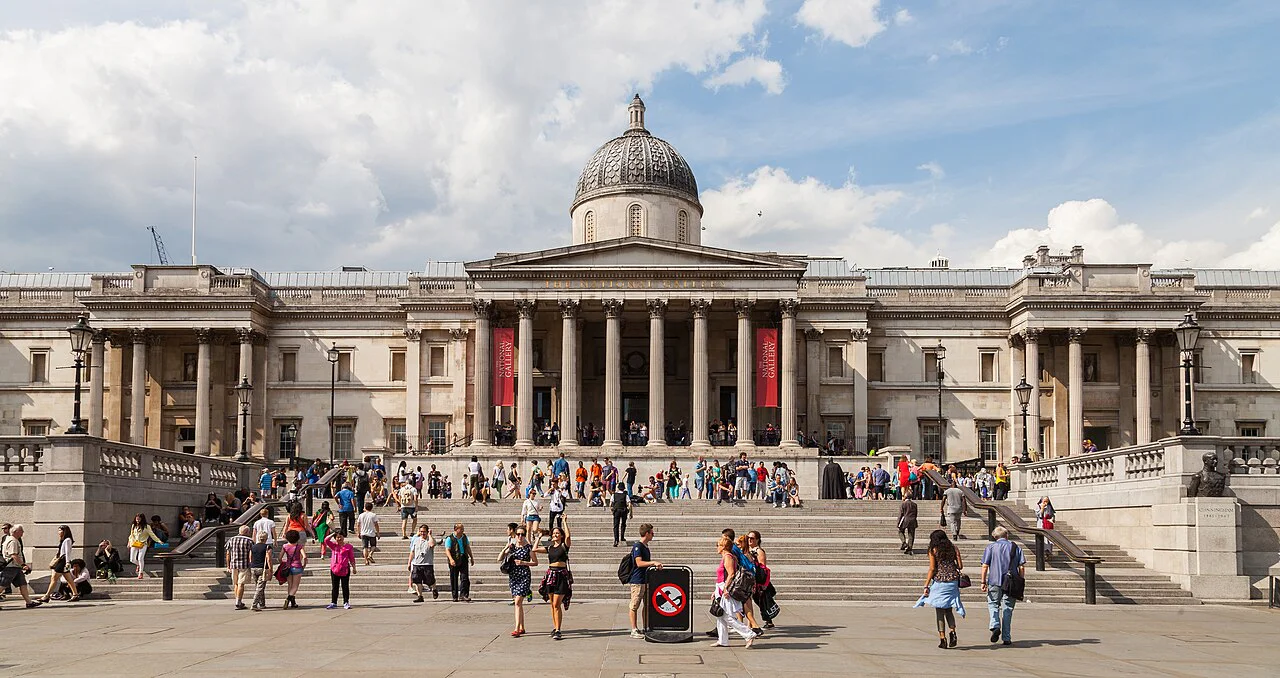
London · 171 artworks
National Gallery, London
Content & sources
Diego Delso · CC BY-SA 4.0
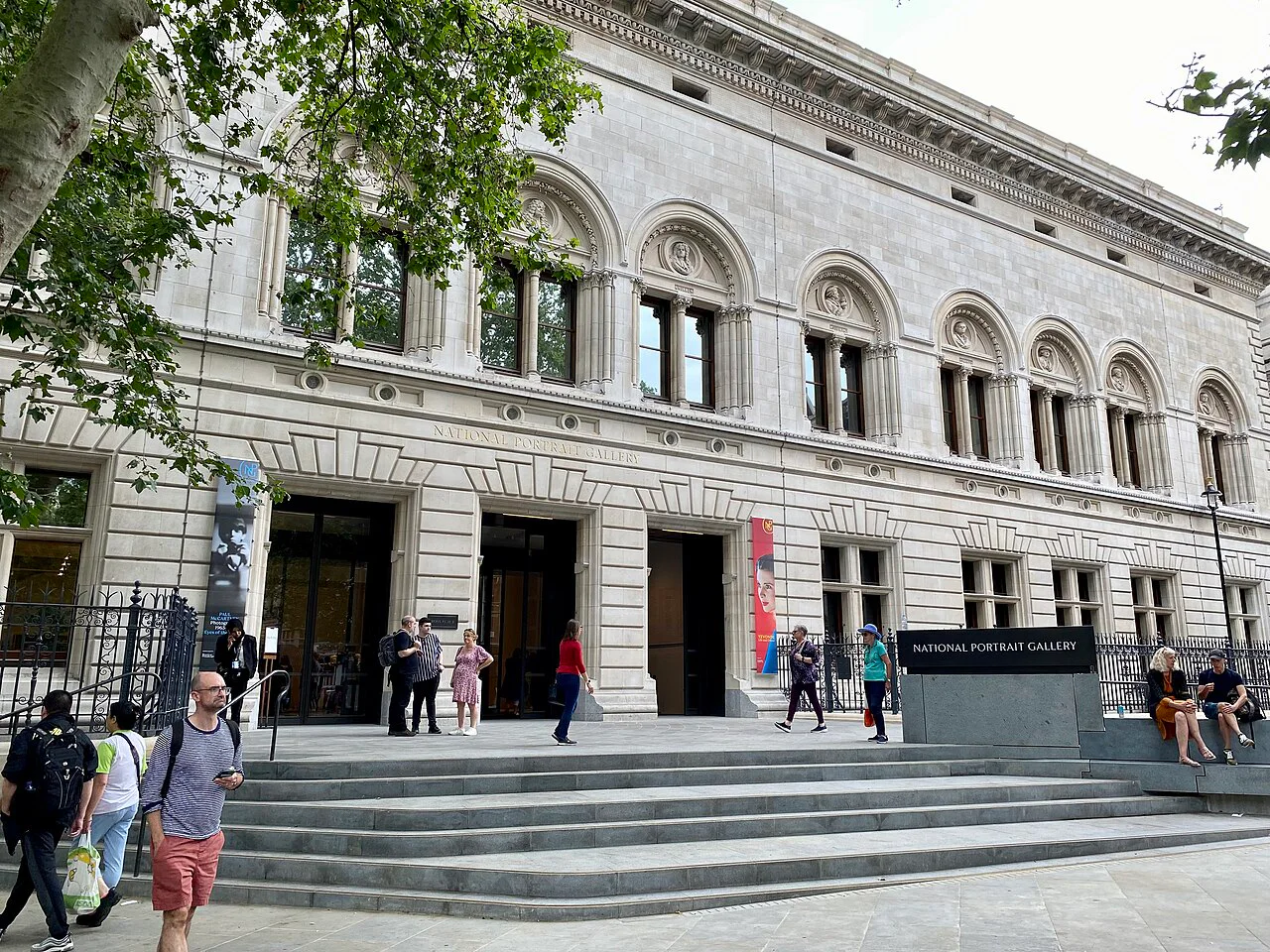
London · 164 artworks
National Portrait Gallery, London
Content & sources
Photo: No Swan So Fine · CC BY-SA 4.0
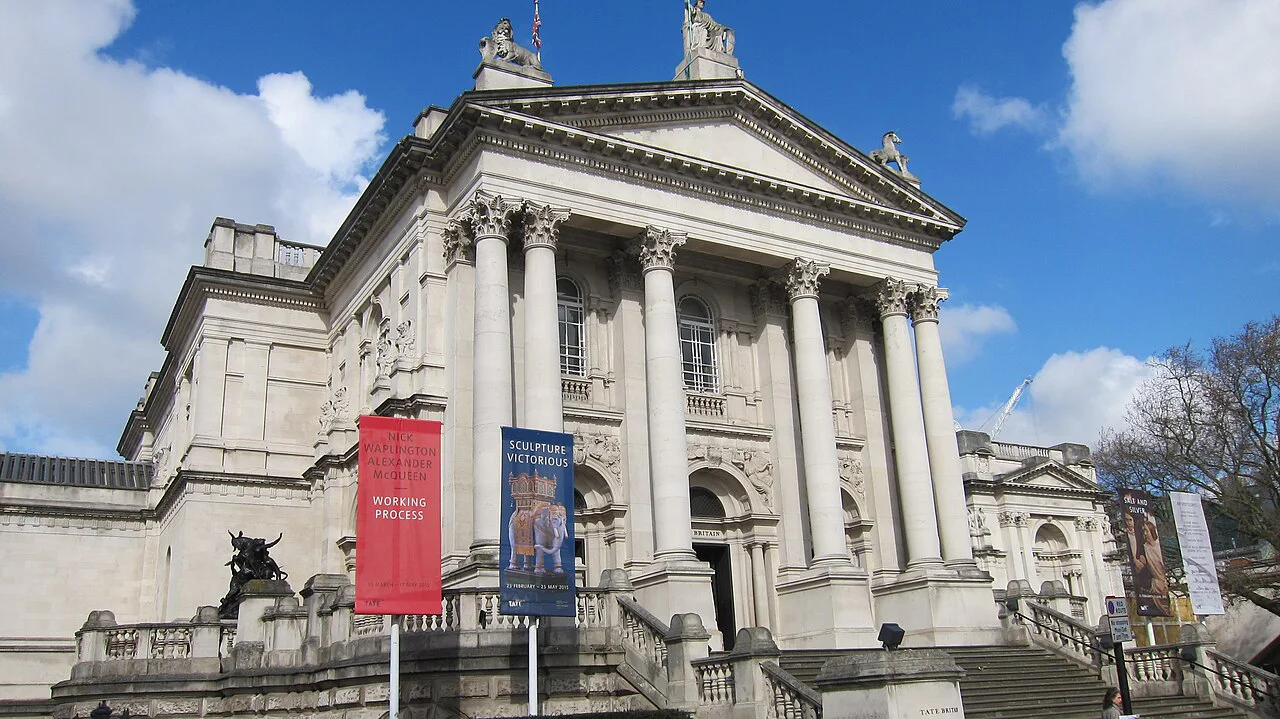
London · 69 artworks
Tate Britain
Content & sources
Carlos Cunha · CC BY-SA 3.0
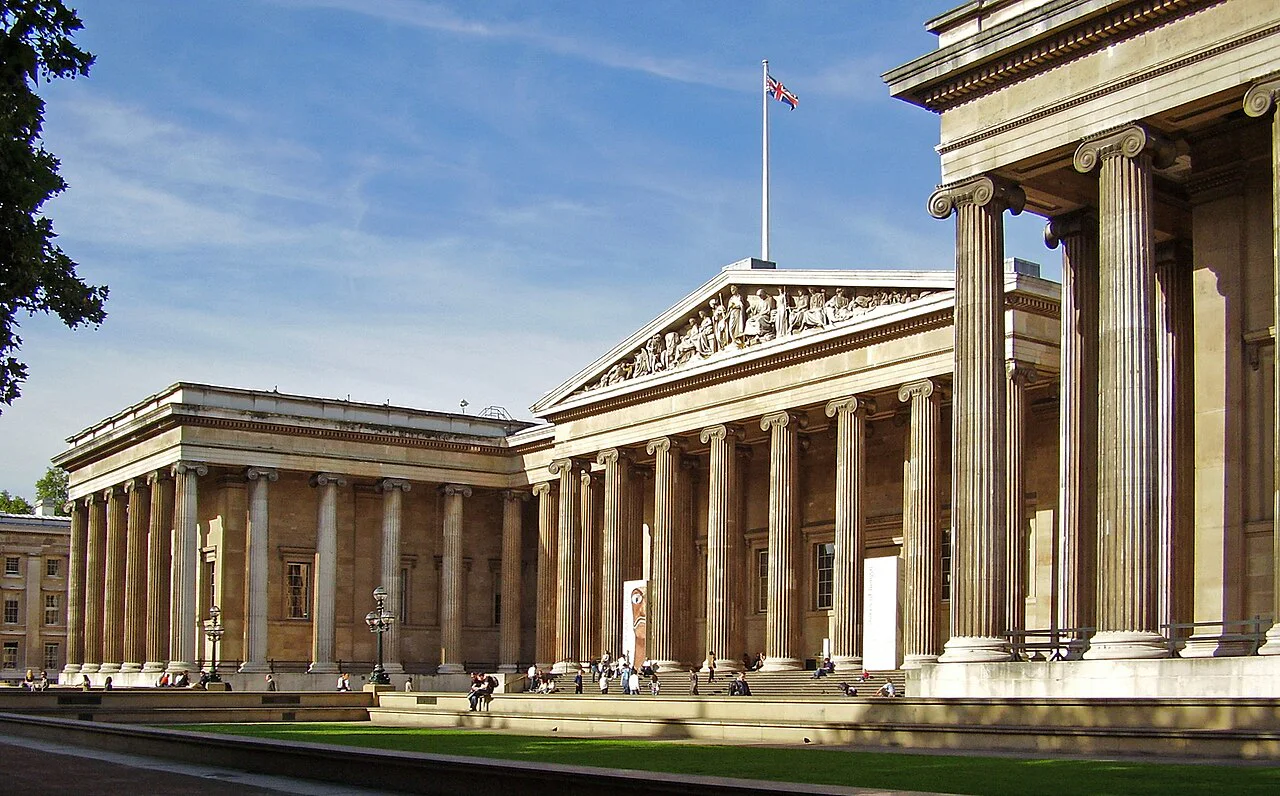
London · 68 artworks
British Museum
Content & sources
Ham · CC BY-SA 3.0
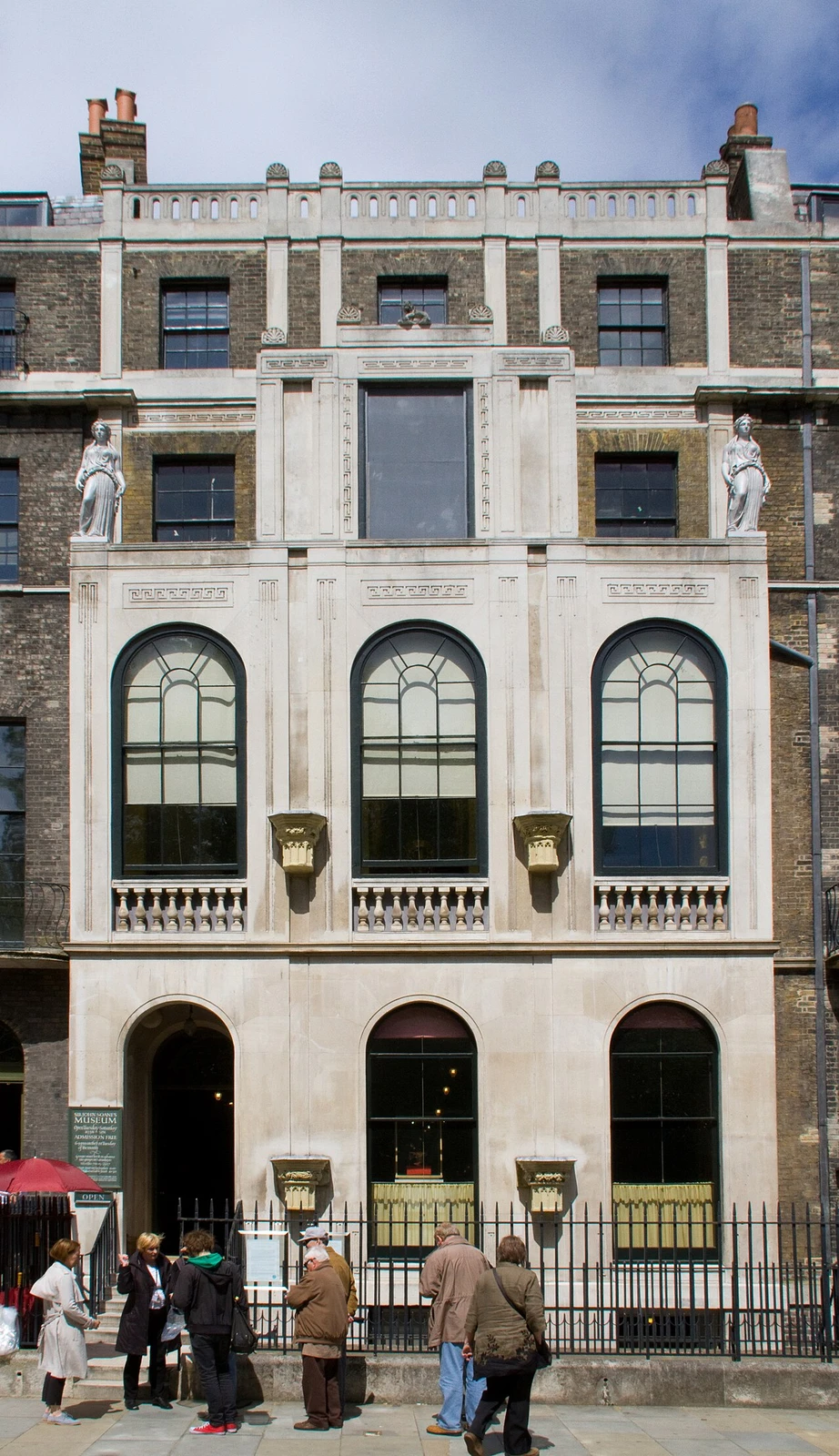
London · 8 artworks
Sir John Soane's Museum
Content & sources
Tony Hisgett from Birmingham, UK · CC BY 2.0