Stanza · Audio guide
Walker Art Gallery Audio Guide
A place to remember. A story to take with you.
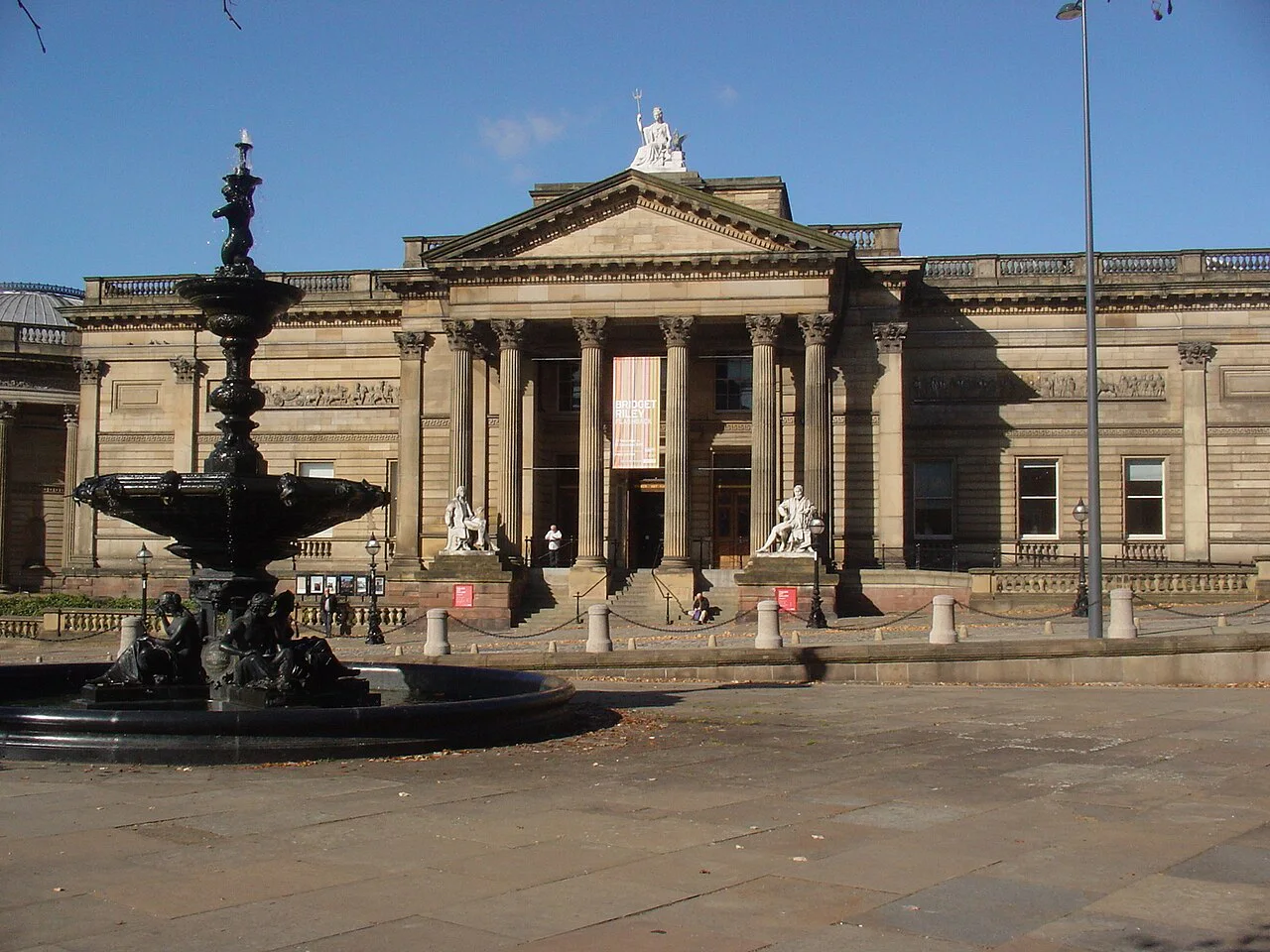
The Walker Art Gallery is a Grade II* listed art gallery in Liverpool. It houses one of the largest art collections in England outside London.
Download Stanza, then search for “Walker Art Gallery”.
About the tour
One guide. Your kind of visit.
The Walker Art Gallery is a Grade II* listed art gallery in Liverpool. It houses one of the largest art collections in England outside London.
The Walker Art Gallery guide tells the stories of 54 artworks, including Echo and Narcissus (John William Waterhouse), Isabella (John Everett Millais), Dante's Dream (Dante Gabriel Rossetti), Dante and Beatrice (Henry Holiday), Perseus and Andromeda (Frederic Leighton), The Death of Nelson (Benjamin West), Le Meurtre (The Murder) (Paul Cézanne), and The Nativity of the Virgin (Pietro Perugino). Every artwork is free to hear in the Stanza app until 1 January.
Ready when you are.
- 01Get the free Stanza app.
iOS & Android
- 02Find your guide.
“Walker Art Gallery”
- 03Download before you go.
Works offline
Audio guide / 54 artworks
Inside the guide
Get to know a few of the stories before you go. Open a stop to read more.
01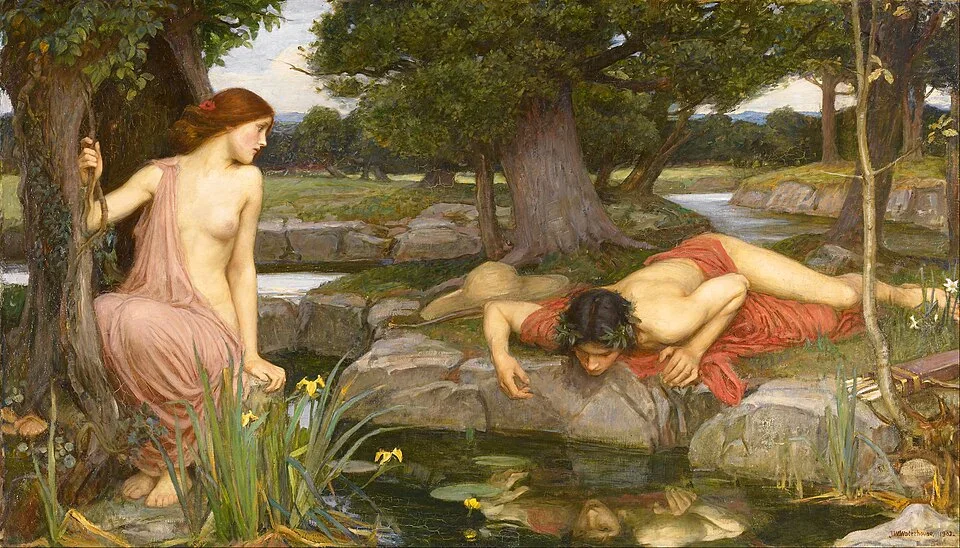
Echo and Narcissus
Waterhouse put the figures of two related myths at the same pool, on opposite banks, each locked in a love that cannot be returned. Narcissus lies with his head over the water, absorbed in his own reflection. His right hand reaches toward the face in the pool, but it can never touch it. In the myth, every time he stretched out to embrace that image, it broke into ripples and disappeared. He went on looking until he wasted away. Echo sits across the stream, clasping a tree with her right hand. Her posture is cramped and unsteady, the shape of a love that gets nothing back. She had been cursed so that she could only repeat other people's words. She could never begin a conversation or tell him what she felt. When he rejected her, she withdrew and faded until only her voice remained. He never turns toward her. His robe is red, the colour of his own burning desire. Hers is a milder pink, the colour of a less passionate, smouldering love. Beside his bare foot, white narcissi have already pushed up through the grass. In the myth, that flower grew where Narcissus died. Here it is already, while he is still gazing into the water, a sign that his wasting away has begun.
Listen in the appJohn William Waterhouse · Public domain
02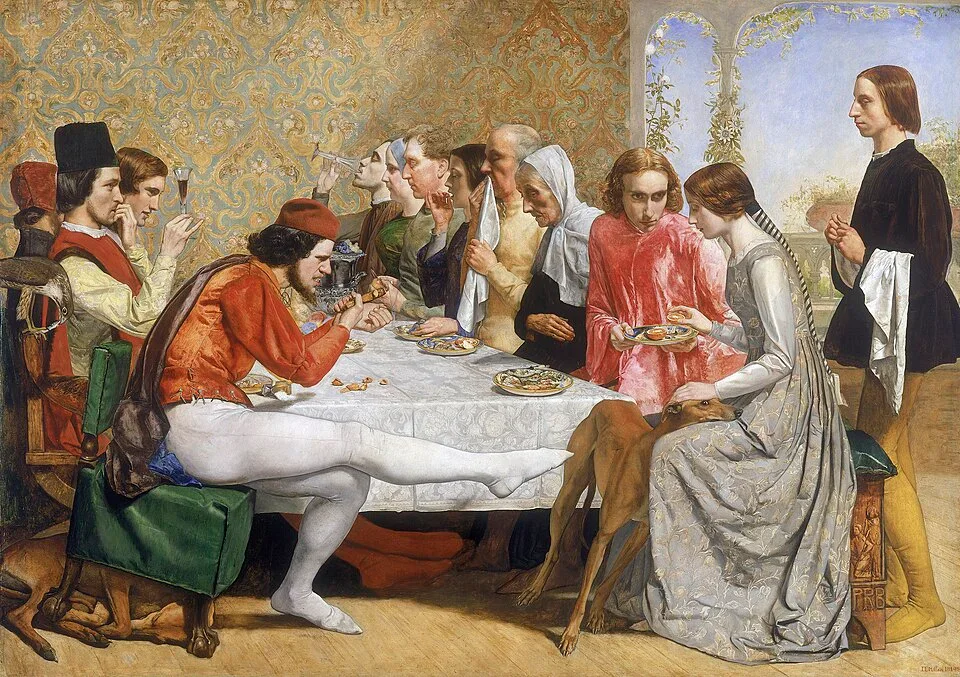
Isabella
A long table crowded with merchants and their household, nearly everyone in profile. At the right, a young woman in grey is handed a cut blood orange on a plate by the man beside her. This is the moment her brothers learn that she and Lorenzo love each other. Lorenzo works for them, and they plan to kill him so she can marry a wealthy nobleman. Cut open, the orange stands for a severed neck. Spilt salt lies in the shadow of the front brother's arm, standing for blood to be spilled and tying him to the killing. At the left, a hawk holds a white dove's feather in its beak. The dove stands for peace, and the hawk threatens it. One brother cracks a nut and kicks Isabella's greyhound, while his own dog sleeps quietly under his chair. A pot of herbs in the background points to what comes next. After Lorenzo is buried, Isabella digs up his body and cuts off his head. She buries the head in a pot of basil, and the basil grows with her tears. Then the brothers steal the pot, and she dies of grief.
Listen in the appJohn Everett Millais · Public domain
03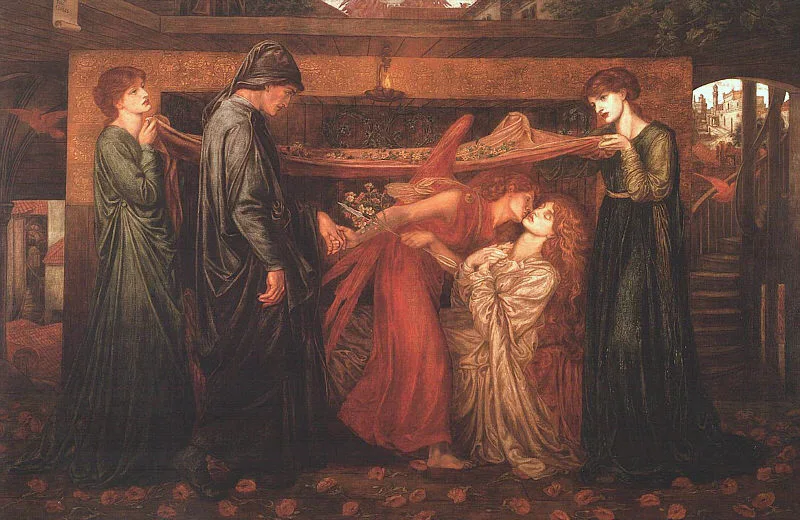
Dante's Dream
This painting was made for a man who would not take it. Rossetti had painted the scene once before, small, in watercolour, in 1856. Later he wanted it far bigger, and William Graham commissioned the oil painting in 1869. Rossetti even borrowed the watercolour back to use as his guide. Finished in 1871, it became his largest work, over two metres tall and more than three metres wide. But Graham refused it. The size was the reason. The painter kept working on it through the 1870s, and in 1881 the city of Liverpool bought it. Then he made a smaller copy for Graham after all. Dante stands in black before Beatrice, who lies dying on her bed. Two women in green hold a canopy over her, the green standing for hope. An angel in red takes Dante's hand and leans forward to kiss Beatrice, and the red doves stand for love. The scene comes from Dante's own poem, La Vita Nuova. He dreams he is led to the deathbed of Beatrice, the woman he loved and never had. Jane Morris, wife of William Morris, sat for Beatrice. Whose face Dante has is still not known.
Listen in the appDante Gabriel Rossetti · Public domain
04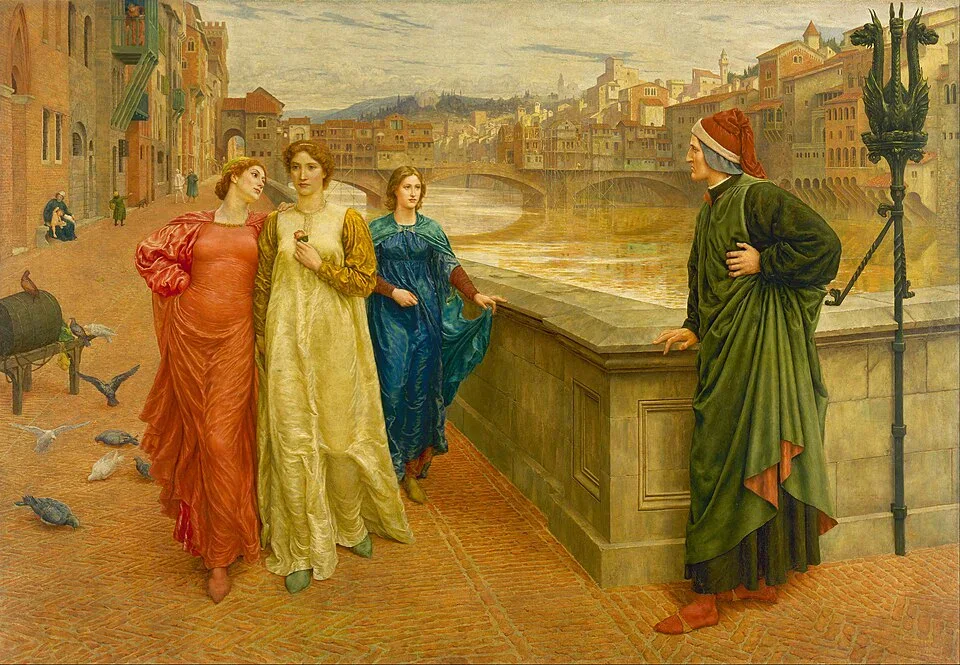
Dante and Beatrice
A woman in white walks beside her friend Monna Vanna, with her maidservant a step behind, past a bridge in Florence. She is Beatrice, and the man she passes is Dante. He loved her but kept it secret, pretending other women attracted him. Gossip about it reached her, and this is the moment she refuses to speak to him. The incident comes from La Vita Nuova, the book Dante wrote about Beatrice. Henry Holiday wanted the setting historically right, so in 1881 he travelled to Florence to research it. He learned the Ponte Vecchio in the background had been destroyed by a flood and was being rebuilt, so he painted it under scaffolding.
Listen in the appHenry Holiday (1839 - 1927) (British) Born in London, England. Died in London, England. Details on Google Art Project · Public domain
05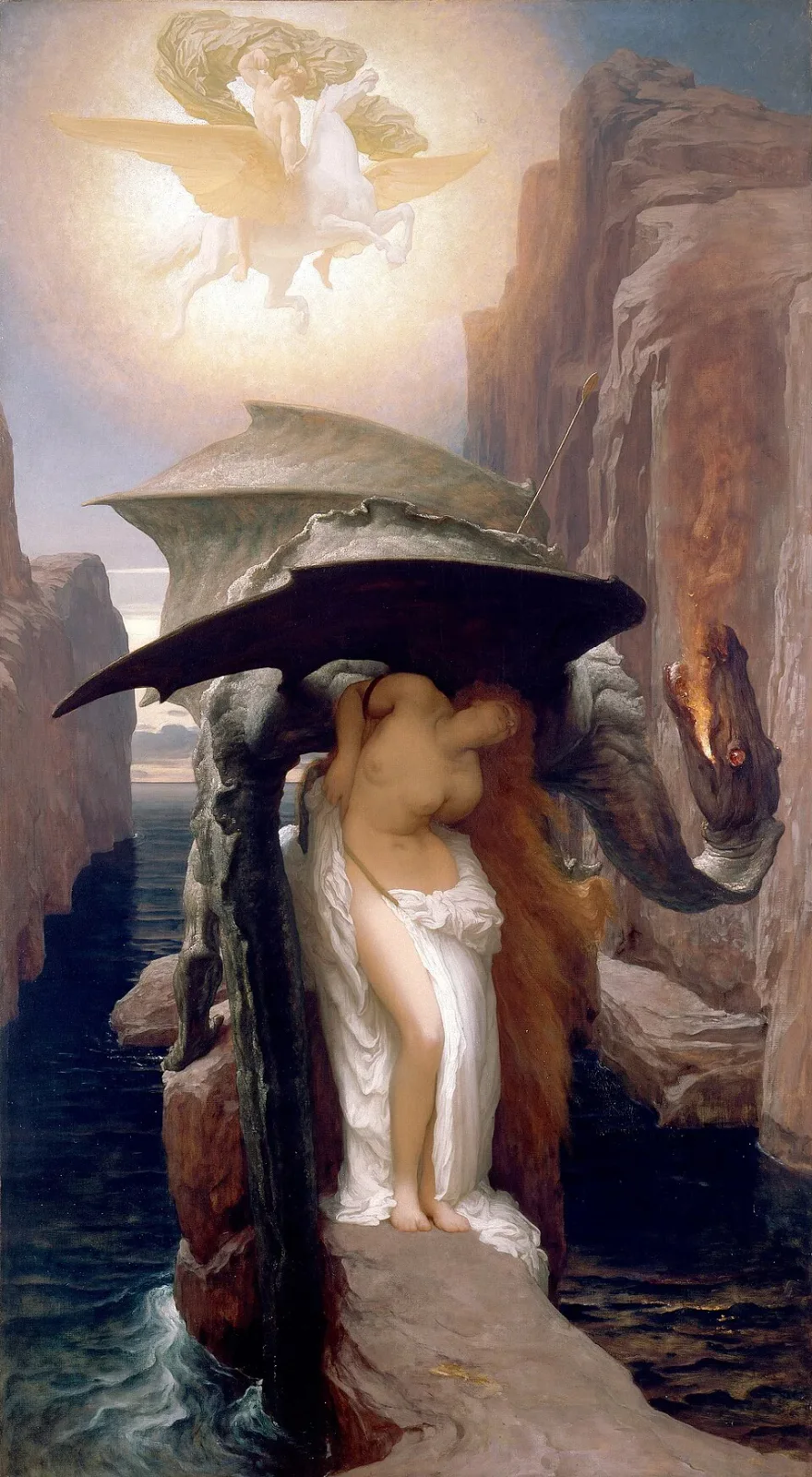
Perseus and Andromeda
A girl is chained to a rock on a rocky shore, almost naked, her body twisted. The wings of a dark creature shade her, its jagged mass against hers. She has been left as an offering to the sea monster. But the arrow is already in the creature, and it turns its head up toward the rider. High above her, Perseus flies on the winged horse Pegasus, fresh from defeating Medusa. A halo of light surrounds them and reaches to the girl on the rock. Leighton painted her white and untouched, a sign of her innocence. The punishment was never meant for her. It was meant for her mother, Queen Cassiopeia, who claimed she was more beautiful than the sea nymphs, the daughters of Poseidon. Poseidon sent the monster to ravage the coast. Andromeda was given up to it in her mother's place.
Listen in the appFrederic Leighton · Public domain
06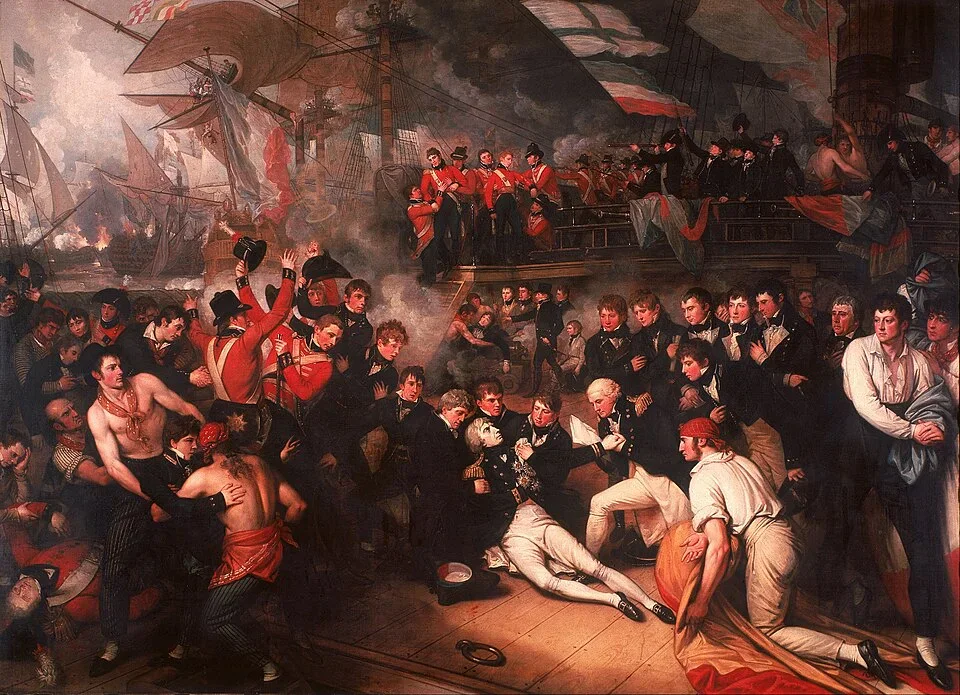
The Death of Nelson
Within six months of Nelson's death at Trafalgar, this was finished, and the faces belong to men who were really there. The painter based the portraits on more than fifty survivors of the battle. The idea came from Nelson himself. In 1801 he met Benjamin West and said how much he admired an earlier painting of a general's death. He asked why West had never painted another like it. West, then president of the Royal Academy, said he had found no subject important enough. Nelson told him he would be that subject. When Nelson was killed in 1805, West finally had his subject. Thirty thousand people came to the studio to see the painting in a little over a month. But the death itself was imagined. West said the scene showed the death as it might have been, not as it happened.
Listen in the appBenjamin West · Public domain
07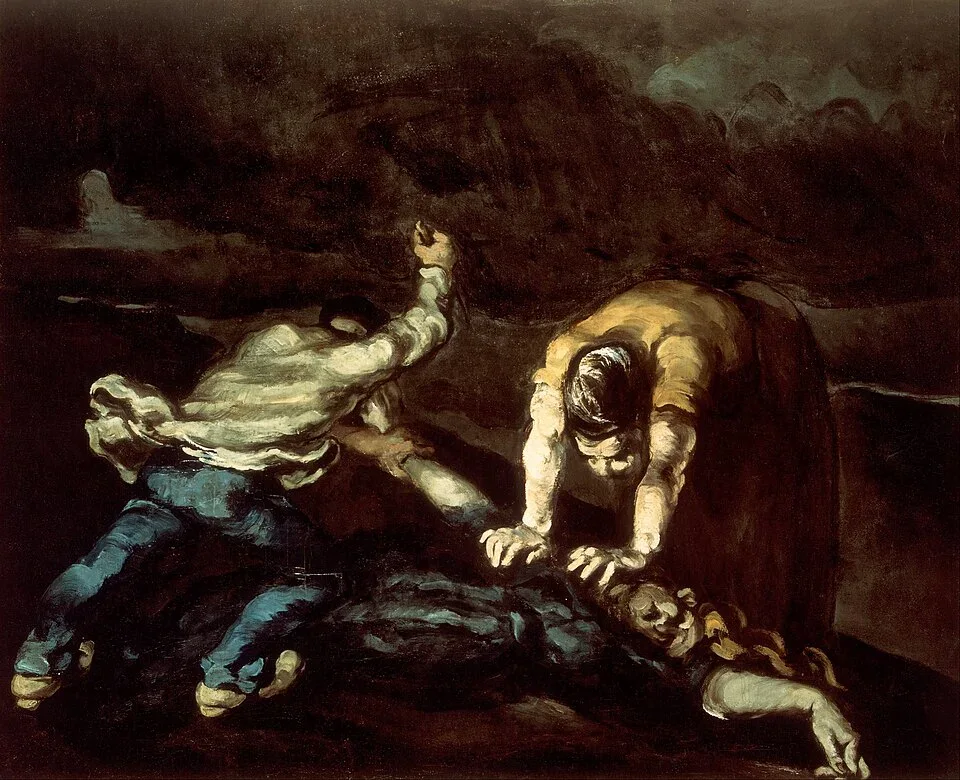
Le Meurtre (The Murder)
In places the paint has been spread with a palette knife, in wide, strong strokes. That is not a gentle way to put colour on a canvas. Two figures are attacking a woman beside turbulent water. One holds her, and the other seems about to strike the fatal blow. They are pressed close together, and nothing in the picture is steady. The colours are dark, the lighting dramatic, the surface agitated, and the whole thing feels like a nightmare. That violence in the paint belongs to the violence of the scene. Cézanne painted this early, between 1867 and 1870, when he was drawn to dramatic and violent subjects. It is far from the landscapes and still lifes he is known for. He was young, reading Romantic literature, and his childhood friend Émile Zola was writing violent novels. No one has quite pinned down which story, if any, lies behind it. It is an imagined act of violence, made to convey physical and emotional intensity.
Listen in the appPaul Cézanne · Public domain
08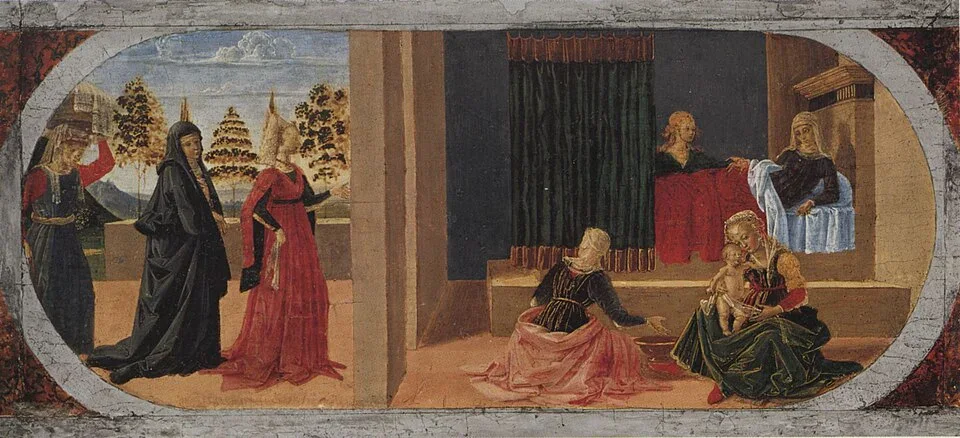
The Nativity of the Virgin
Which side holds the birth? A wall divides the picture in two. On the right, Saint Anne has just given birth. She lies on a curtained bed, and midwives are getting the newborn's bath ready in a metal basin. On the left, three women are heading toward the house to visit her. The panel has been mistaken more than once. It was once taken for the birth of John the Baptist. And at a London sale in 1804, William Roscoe bought it for nine guineas, believing it was by Masaccio. He was the one who read the scene as Mary's birth instead. The painter who actually made it was Perugino, around 1472, when he was still young and just beginning to win important commissions in Florence. This panel was once the bottom strip of an altarpiece. Its companion panel, the Miracle of the Snow, ended up in Surrey. The two had sat together in a chapel in Florence until John Campbell bought them in 1786. That London sale of 1804 pulled them apart. Light comes in through the door and touches only part of the bed, casting Saint Anne's shadow onto the headboard. That division of the scene let the painter study how light falls in a room.
Listen in the appPietro Perugino · Public domain
09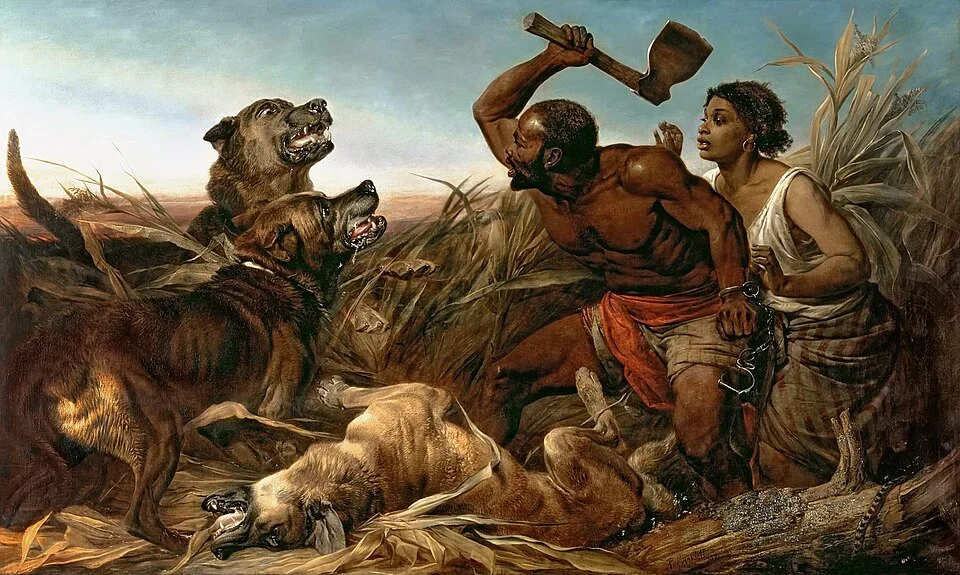
The Hunted Slaves
In a cotton field, three huge dogs, almost as large as the people themselves, face a man and a woman. One of the dogs lies wounded on the ground. The man stands in front of the woman with an ax raised. A broken handcuff still hangs from his wrist. It shows how recently he was held captive. In the American South, people who escaped slavery were hunted with specially trained dogs, and being caught usually meant death. The fear was deliberate, meant to keep others from running. Many pictures of enslaved people then showed them as passive victims. Richard Ansdell, a painter of animals, chose the moment when they fight back. When he showed it at the Royal Academy in 1861, verses from a poem by Longfellow stood beside the painting. The painting was sold in a lottery to raise money for cotton workers around Liverpool. But at that time, Liverpool's merchants were the Confederacy's main European allies, sending arms and ships despite Britain's official neutrality. And the banker who acquired the painting, Gilbert Winter Moss, came from a family deeply involved in the slave trade.
Listen in the appRichard Ansdell · Public domain
10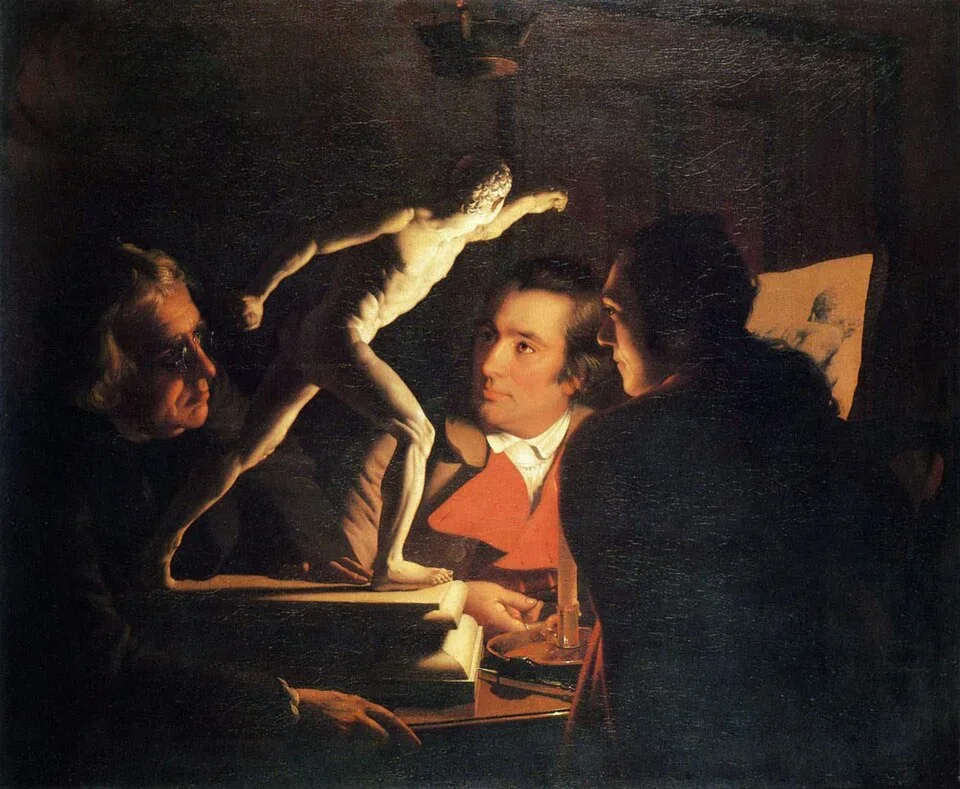
Three Persons Viewing the Gladiator by Candlelight
The old man on the left has just pushed the statue forward. Now his two pupils have the angle they need, and they are starting to sketch it. He has given up the best view for himself. One candle is the only light. Everything past it sinks into black, with edges that fade and vanish. A small lantern hangs from the ceiling, and that is nearly all there is of the room. The red on the center man's lapels draws the eye. The deep shadows those lapels cast lead up to his face, and his gaze carries on to the statue. Its neck and chest catch a bright white light. The sketching matters because a popular idea then held that seeing feeds the mind. Perhaps the dark room is the empty space a mind fills with what it sees. Even from where you stand, you miss the lit side of the statue. The scene was arranged to show you all three men, not to give you the best view. Wright put himself among the pupils on the right. This was among the first of the candlelight pictures he made.
Listen in the appJoseph Wright of Derby · Public domain
- 11
The Punishment of Lust
Giovanni Segantini · 1891
- 12
Elizabeth I
Nicholas Hilliard · c. 1575
- 13
The Death of Nelson
Daniel Maclise · 1859–1864
- 14
Landscape with the Ashes of Phocion
Nicolas Poussin · 1648
- 15
Sponsa de Libano
Edward Burne-Jones · 1891
- 16
And when did you last see your father?
William Frederick Yeames · 1878
- 17
David Garrick as Richard III
William Hogarth · 1745
- 18
The Finding of Moses
Workshop of Paolo Veronese · c. 1581–1582
- 19
The Ruins of Holyrood Chapel
Louis Daguerre · c. 1824
- 20
Faithful Unto Death
Edward Poynter · 1865
- 21
The Funeral of Shelley
Louis Édouard Fournier · 1889
- 22
A Street in Brittany
Stanhope Forbes · 1881
- 23
Fantine
Margaret Bernadine Hall · 1886
- 24
Eventide- A Scene at the Westminster Union
Hubert von Herkomer · 1878
- 25
The Eve of the Battle of Edge Hill, 1642
Charles Landseer · 1845
- 26
The Black Boy
William Lindsay Windus · 1844
- 27
The Martyr of the Solway
John Everett Millais · 1871
- 28
portrait of man with a Helmet
Rosso Fiorentino · c. 1520
- 29
Isabella,Viscountess Molyneux, later Countess of Sefton
Thomas Gainsborough · 1769
- 30
Ruins of the Temple of Bacchus
David Roberts · 1840
- 31
William Roscoe
Martin Archer Shee · 1817
- 32
Family Group (called 'The Sheridan Family': Richard Sheridan, 1751–1816, Elizabeth Linley, 1754–1792)
Benjamin West · c. 1776
- 33
Madonna Pietra degli Scrovigni
Marie Spartali Stillman · 1884
- 34
Linlithgow Palace
J. M. W. Turner · c. 1806–1807
- 35
Bathsheba at the Bath
David Wilkie · 1817
- 36
The Lincolnshire Ox
George Stubbs · 1790
- 37
The Lady in Milton's 'Comus'
Joseph Wright of Derby · 1783–1785
- 38
Nell Gwynn at the Tavern
Charles Landseer · 1840
- 39
London from Fleet Street, the Lord Mayor's Show
David Roberts · 1837
- 40
The Harbour of La Rochelle
Clarkson Frederick Stanfield · 1852
- 41
Self Portrait
Anton Raphael Mengs · 1774
- 42
Saint Bernardino Preaching
Francesco di Giorgio, Vecchietta · 1462–1463
- 43
Helen of Troy
Frederick Sandys · 1867
- 44
Elijah in the Wilderness
Frederic Leighton · 1877–1878
- 45
Predella of Stories of Christ: 2. Pietà
Ercole de' Roberti · 1482
- 46
Christ discovered in the temple
Simone Martini · 1342
- 47
Molly Long-legs with her Jockey
George Stubbs · c. 1762
- 48
Haymakers resting
François-Alfred Delobbe · 1901
- 49
The Stonebreaker
John Brett · 1857–1858
- 50
Atalanta and Meleager
Charles Le Brun · 1658
- 51
The Two Mothers
Dante Gabriel Rossetti · 1850–1852
- 52
Ville d'Avray, white houses
Georges Seurat · 1882
- 53
Portrait of Henry VIII
Workshop of Hans Holbein the Younger · 1537
- 54
Apollo and Coronis
Adam Elsheimer · 1607–1608
Walker Art Gallery
Frequently asked questions
How much does the guide cost?
Free app download. Free until 1 January. Listed guide price: $1.99. Audio guide only. Venue admission is separate.
Can I listen without internet?
Yes. Download the guide’s audio, images, and maps in the app before your visit. Your downloaded content is then available offline.
Can I listen in my language?
In English for now. More languages soon.
Do I need to follow a schedule?
No. This is a self-guided experience. Choose your stops, pause whenever you like, and return to a story at your own pace.
Which artworks are in the Walker Art Gallery audio guide?
54 artworks, including Echo and Narcissus (John William Waterhouse), Isabella (John Everett Millais), Dante's Dream (Dante Gabriel Rossetti), Dante and Beatrice (Henry Holiday), Perseus and Andromeda (Frederic Leighton), The Death of Nelson (Benjamin West), Le Meurtre (The Murder) (Paul Cézanne), and The Nativity of the Virgin (Pietro Perugino). The full list is on this page.
Is this the museum’s official audio guide?
No. Stanza is an independent audio guide app and is not affiliated with Walker Art Gallery. Museum admission is separate.
At your own pace
Explore Walker Art Gallery.
Download Stanza, then search for “Walker Art Gallery”.
Free app download · Guide price shown in the app
Keep exploring
Nearby audio guides
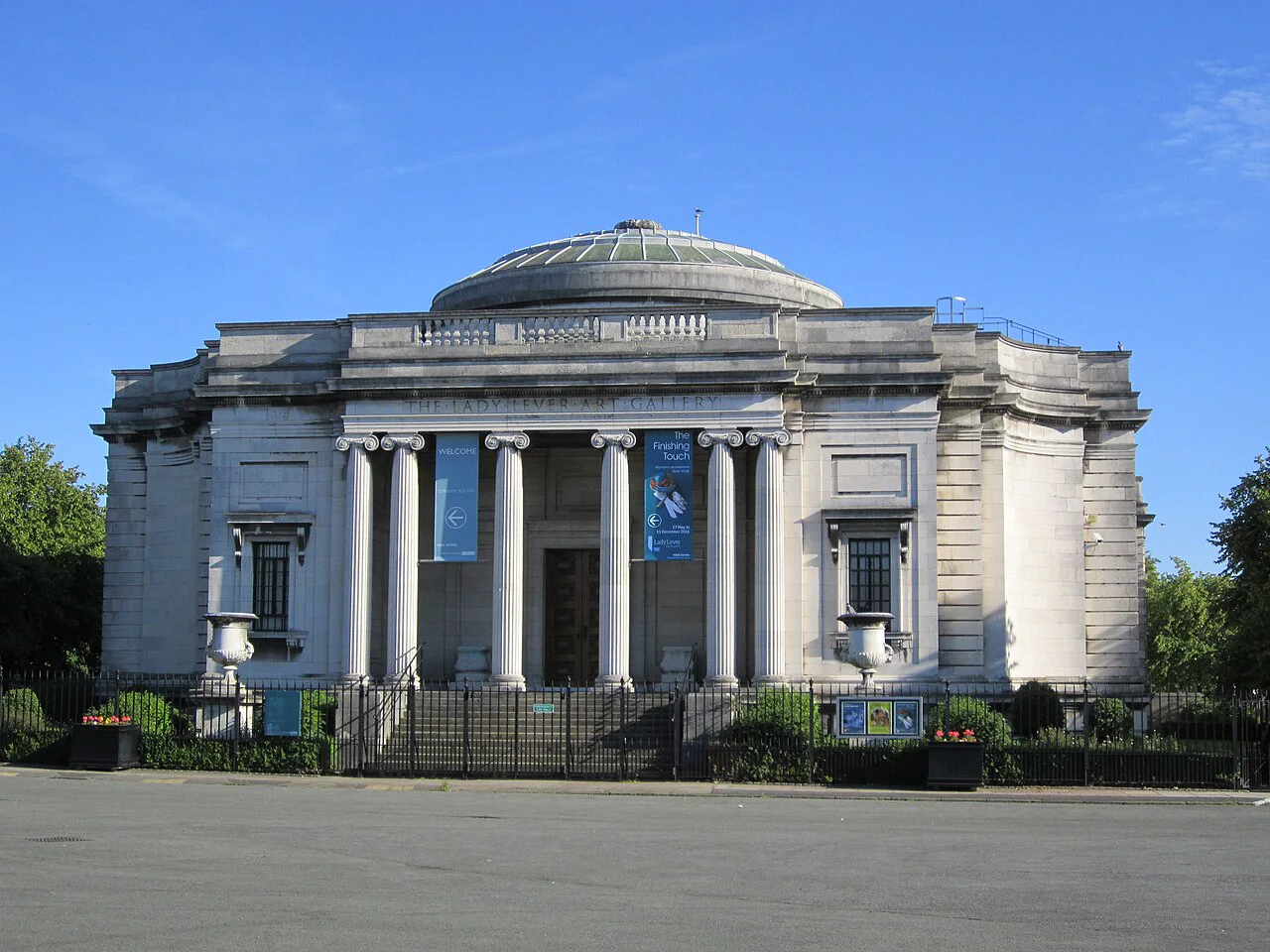
Port Sunlight · 6 km
Lady Lever Art Gallery
Content & sources
Rept0n1x · CC BY-SA 3.0
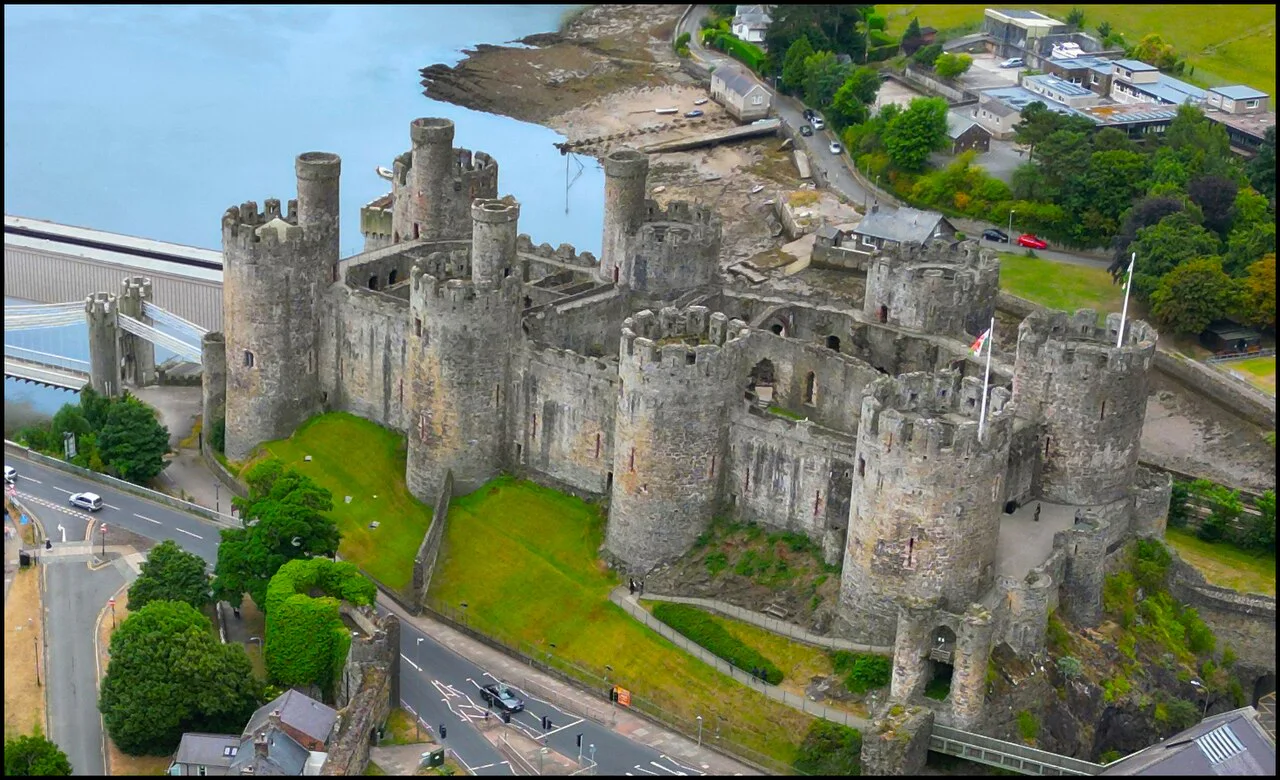
Conwy · 58 km
Conwy Castle
Content & sources
Source: Llywelyn2000Derivative: User:MathKnight · CC BY-SA 4.0
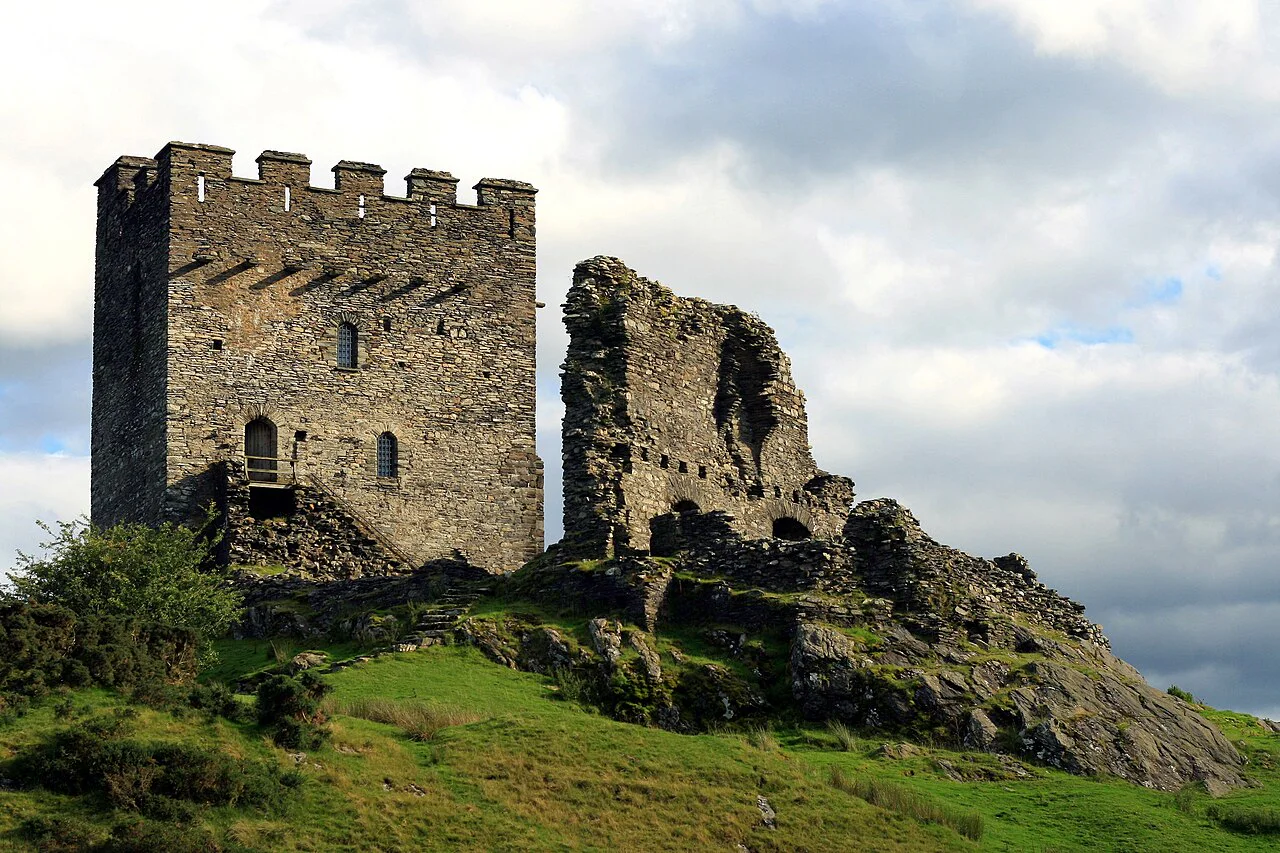
Dolwyddelan · 73 km
Dolwyddelan Castle
Content & sources
Jeff Buck · CC BY-SA 2.0
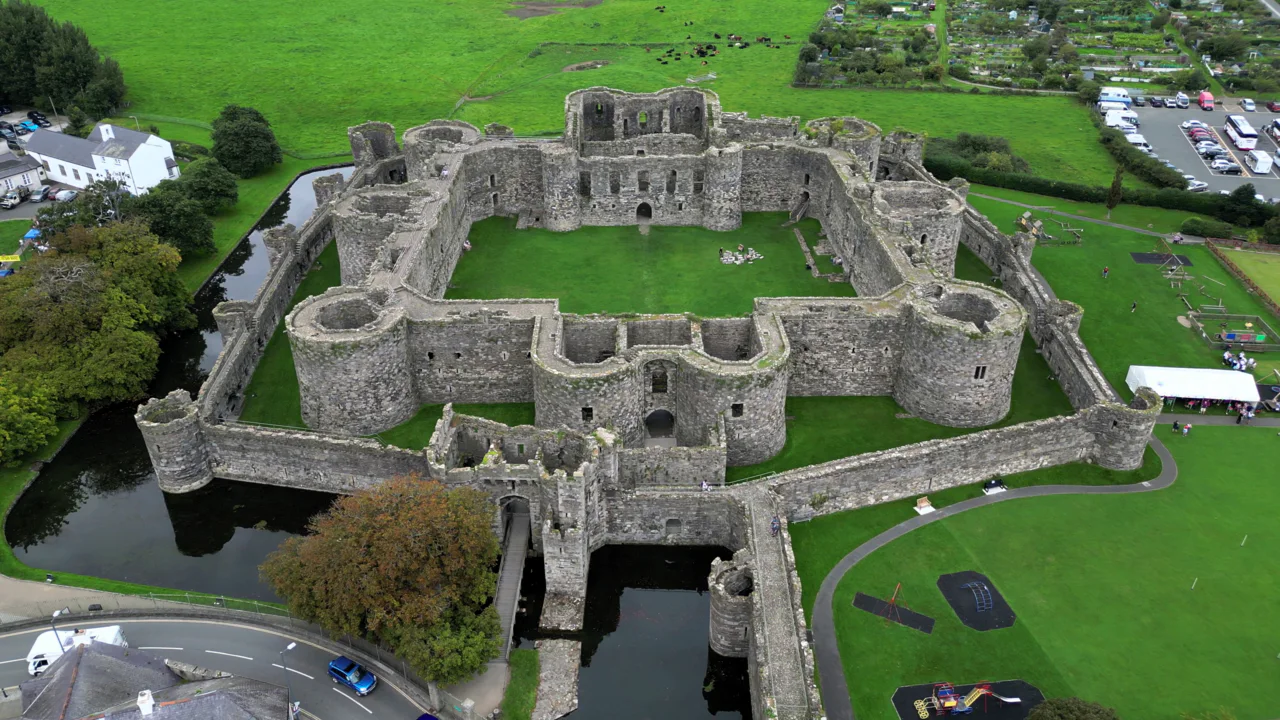
Beaumaris · 75 km
Beaumaris Castle
Content & sources
Photo: Llywelyn2000 · CC BY-SA 4.0
Art museums
More art museum audio guides
Port Sunlight · 28 artworks
Lady Lever Art Gallery
Content & sources
Rept0n1x · CC BY-SA 3.0
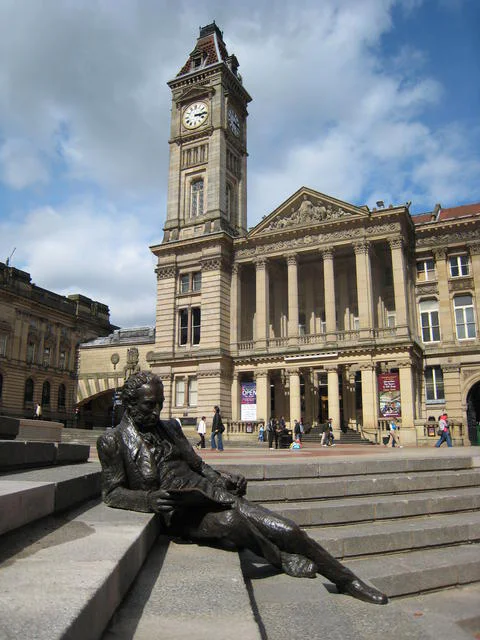
Birmingham · 42 artworks
Birmingham Museum and Art Gallery
Content & sources
David Stowell · CC BY-SA 2.0
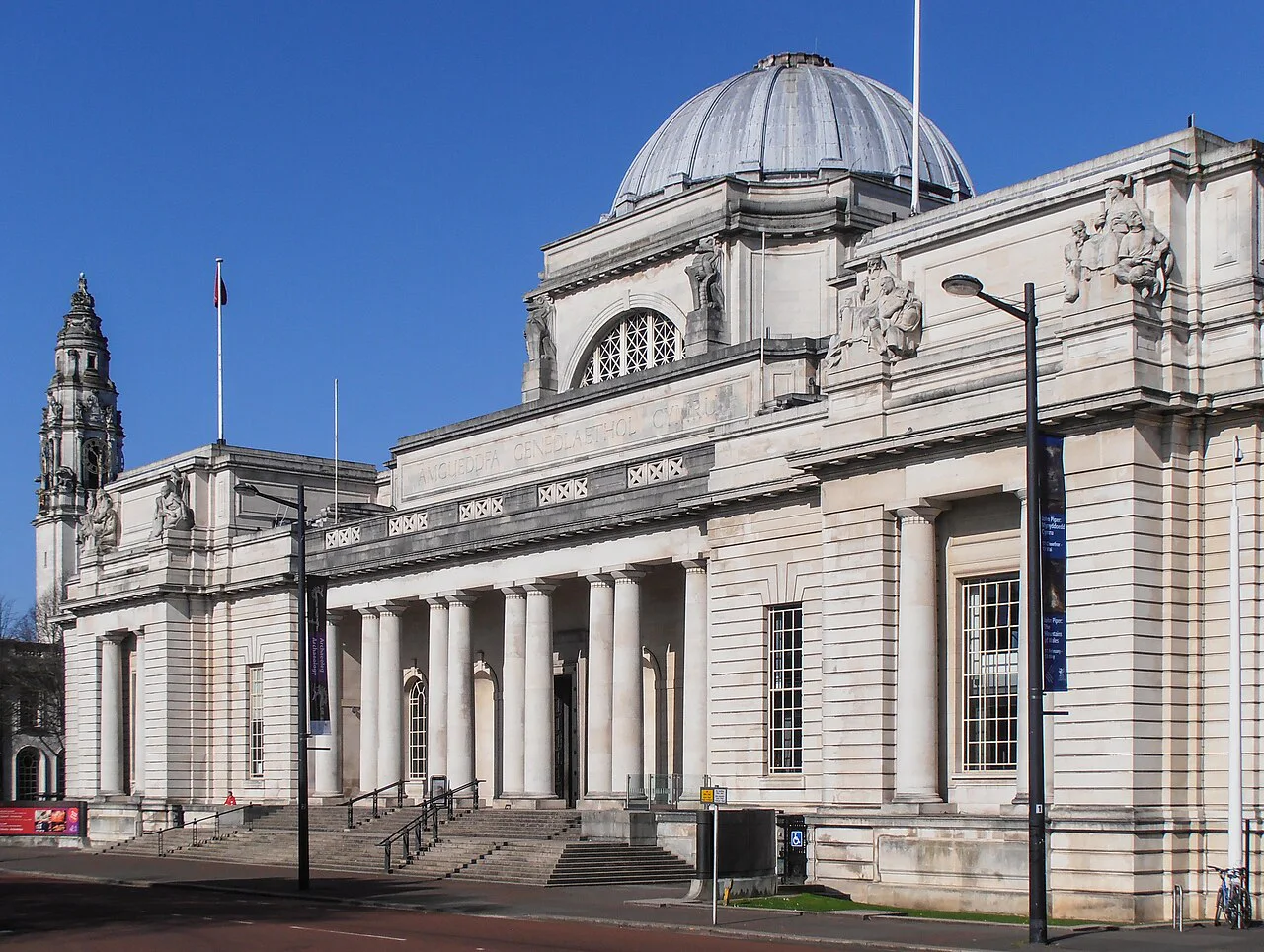
Cardiff · 23 artworks
National Museum Cardiff
Content & sources
Ham II · CC BY-SA 3.0
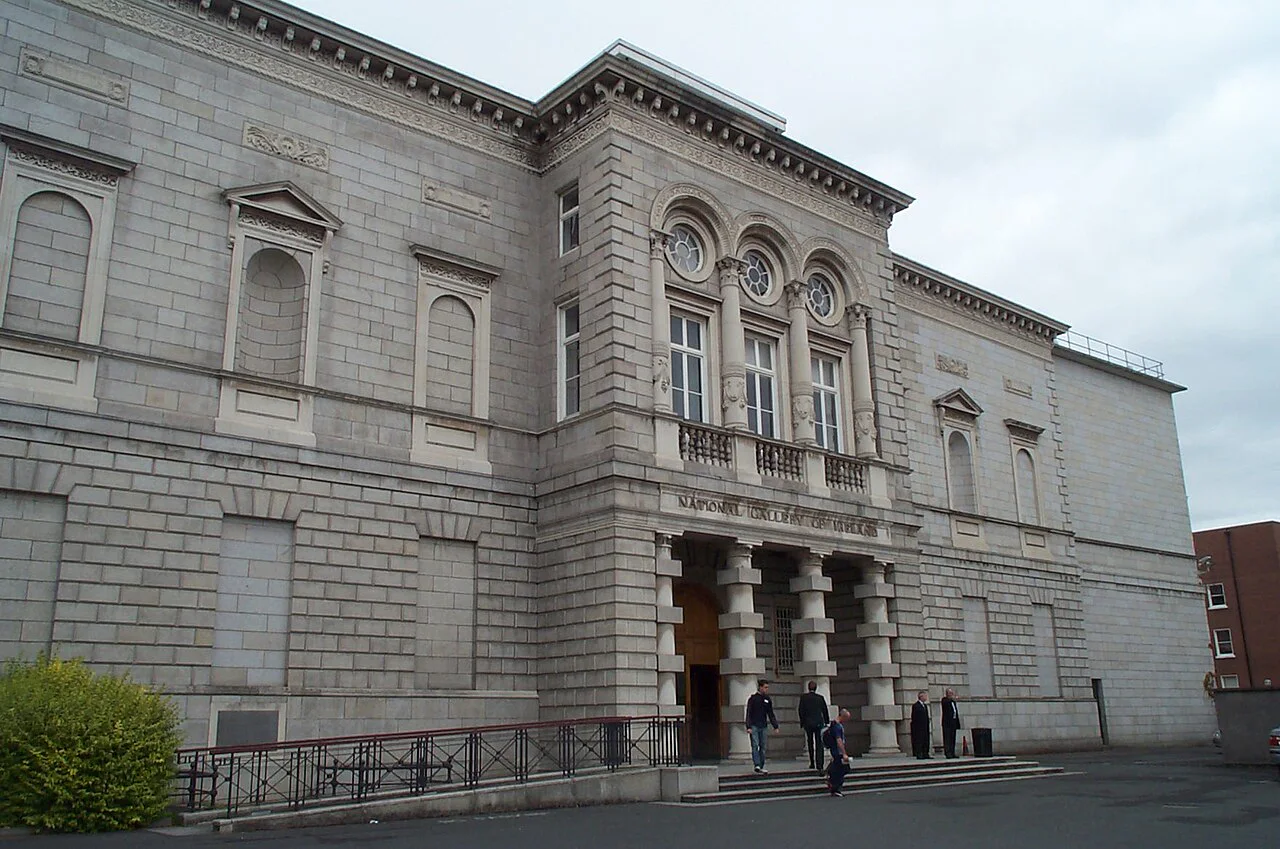
Dublin City · 55 artworks
National Gallery of Ireland
Content & sources
Copyright © 2006 Kaihsu Tai · CC BY-SA 3.0
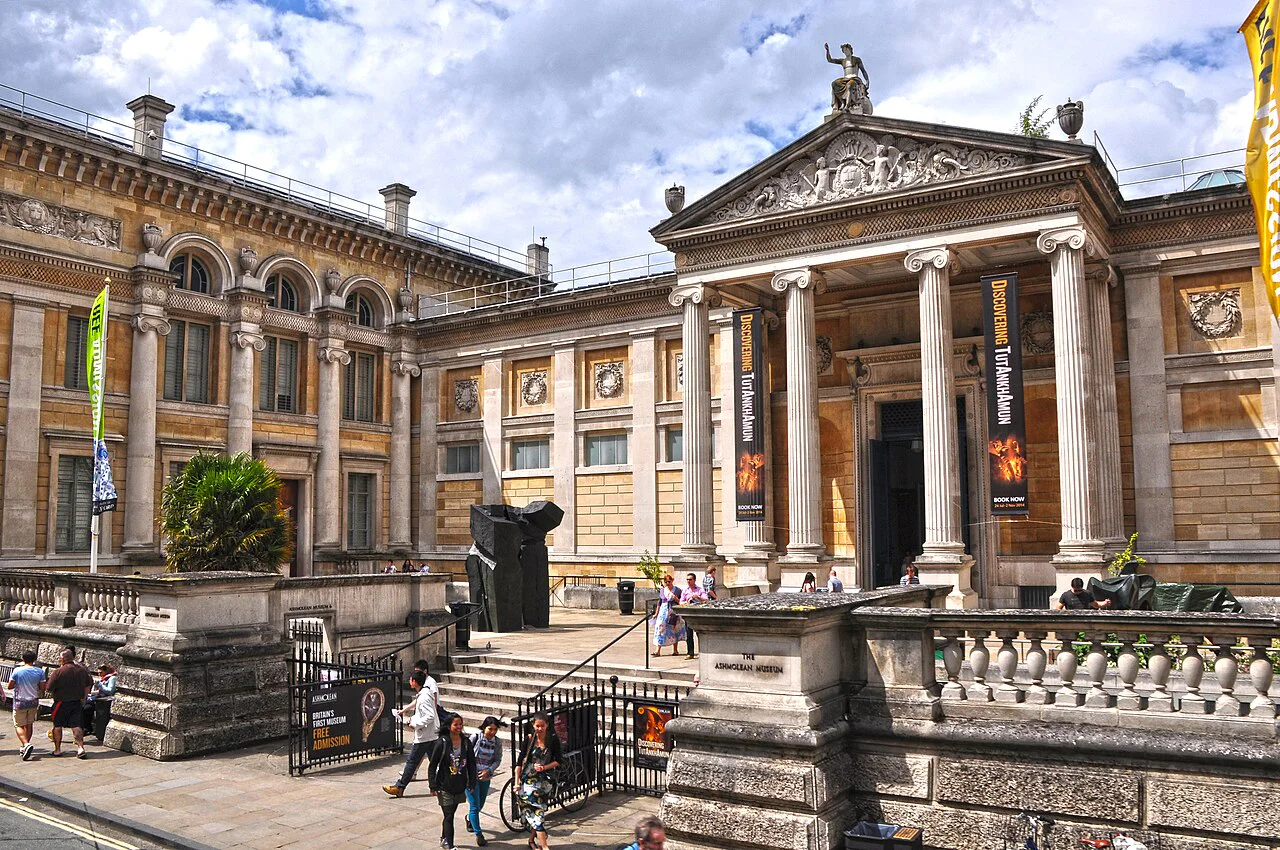
Oxford · 68 artworks
Ashmolean Museum
Content & sources
Lewis Clarke · CC BY-SA 2.0
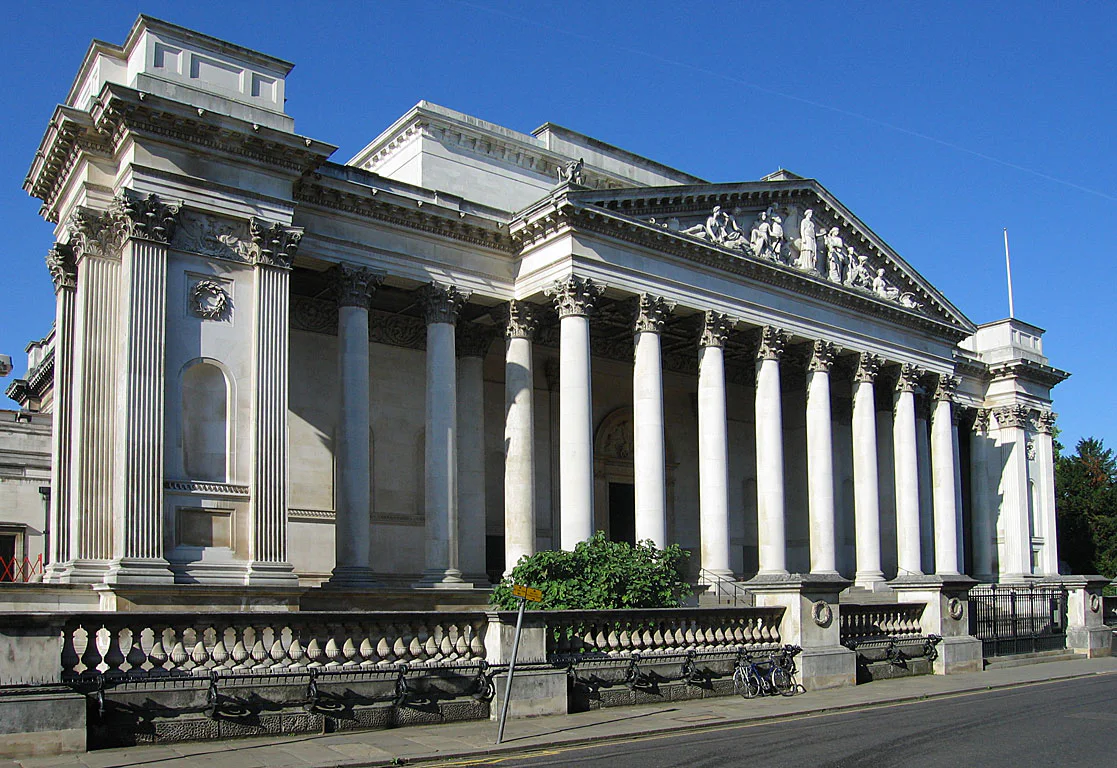
Cambridge · 51 artworks
Fitzwilliam Museum
Content & sources
Photo: Solipsist~commonswiki · CC BY-SA 2.0