Stanza · Audio guide
Ashmolean Museum Audio Guide
A place to remember. A story to take with you.
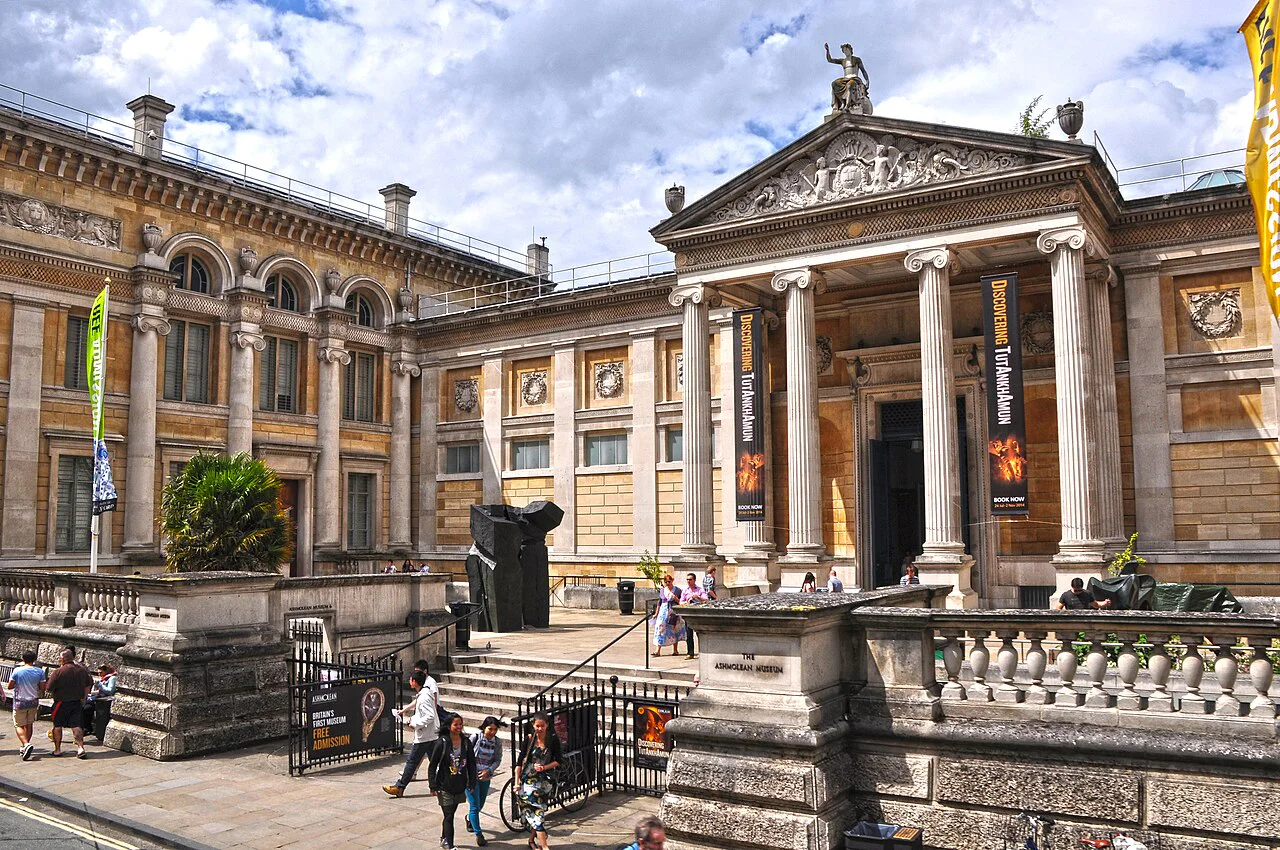
The Ashmolean Museum of Art and Archaeology in Oxford is Britain's first public museum. It was established to house the cabinet of curiosities given to the University of Oxford by Elias Ashmole.
Download Stanza, then search for “Ashmolean Museum”.
About the tour
One guide. Your kind of visit.
The Ashmolean Museum of Art and Archaeology in Oxford is Britain's first public museum. It was established to house the cabinet of curiosities given to the University of Oxford by Elias Ashmole.
The Ashmolean Museum guide tells the stories of 68 artworks, including Didache (Unknown Artist), Oxyrhynchus Papyri (Unknown Artist), Parian Chronicle (Unknown Artist), Narmer Macehead (Jon Bodsworth), The Return of the Dove to the Ark (John Everett Millais), Alfred Jewel (Unknown Artist), Papyrus Oxyrhynchus 5101 (Unknown Artist), and Scorpion Macehead (akhenatenator). Every artwork is free to hear in the Stanza app until 1 January.
Ready when you are.
- 01Get the free Stanza app.
iOS & Android
- 02Find your guide.
“Ashmolean Museum”
- 03Download before you go.
Works offline
Audio guide / 68 artworks
Inside the guide
Get to know a few of the stories before you go. Open a stop to read more.
01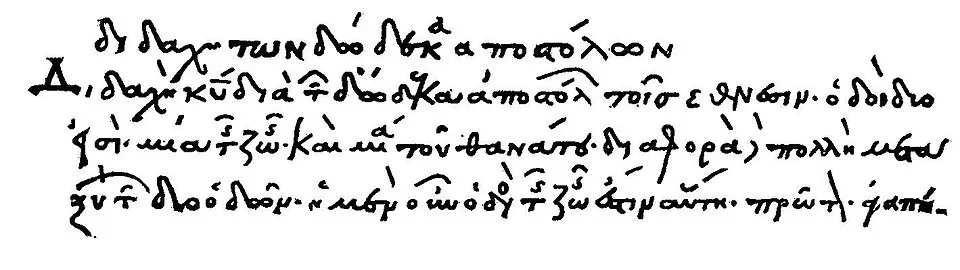
Didache
Two ways open this text, one to life and one to death, and a wide difference between them. What follows is a short guide for Christians, written by someone whose name we do not know. It tells its readers how to be baptised, by immersion or by pouring water where that is not possible. It names the fast days, Wednesdays and Fridays, writes out the Lord's Prayer in full, and gives two prayers for the Eucharist. For a time it came close to being counted among the books of the New Testament, before it was left out. For centuries it was lost, and its words survived in the writings of later authors who quoted them. Then in 1873 a metropolitan named Philotheos Bryennios found a Greek copy in Constantinople. It lay in the library of the Jerusalem Monastery of the Most Holy Sepulchre, in a collection copied in 1056. He published the text in 1883, and an English translation followed in 1884.
Listen in the appPhoto: Dodo78 · Public domain
02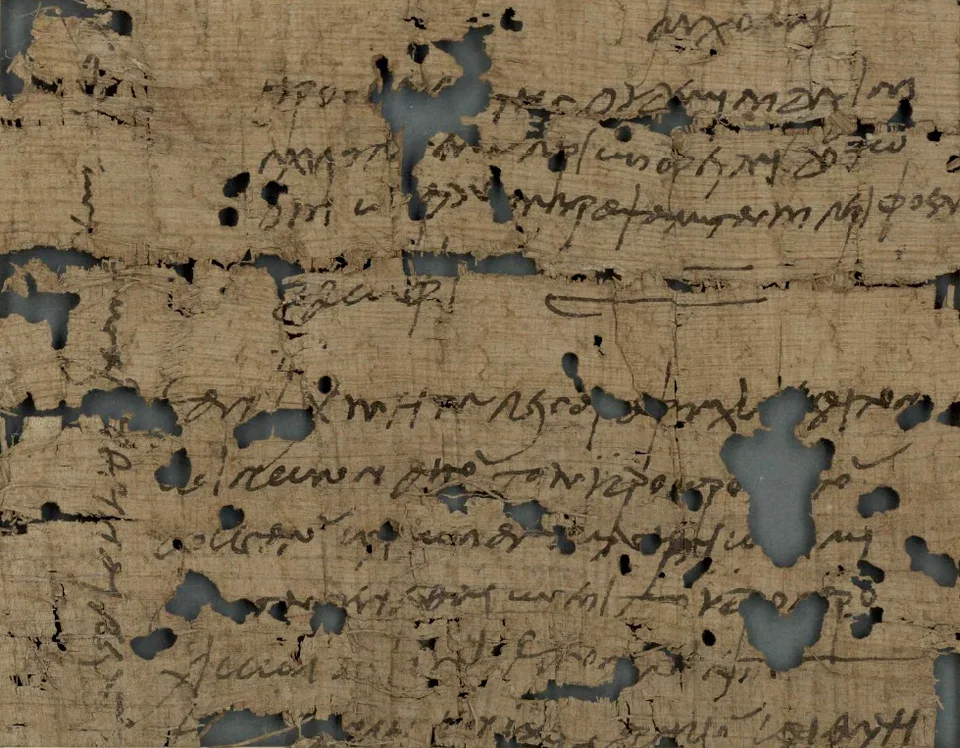
Oxyrhynchus Papyri
These fragments survived because people threw them away. Near Oxyrhynchus in Egypt, the paperwork of a whole town went into an ancient rubbish heap. The air was dry and windy, and the place never flooded, so the papyrus lay there for centuries. Bernard Grenfell and Arthur Hunt dug it up around the turn of the twentieth century. What came out were hundreds of boxes of fragments, each about the size of a large cornflake. Since 1898, more than five thousand documents have been read and copied out. But only about one in ten is a poem, a play or a history. The rest is everyday writing, and the ordinary people behind it keep reappearing. Take Tryphon and Saraeus. In the year 37, their marriage contract is almost entirely about her dowry. In the year 49, Saraeus is summoned before the magistrate. Her employer says she kidnapped the foundling she was nursing and passed it off as her own. The magistrate rules that the living child is hers, and that she must pay back her wages. Two years later, Tryphon complains that he and Saraeus were attacked in the street by women. We never learn who they were.
Listen in the appUnknown author · CC0
03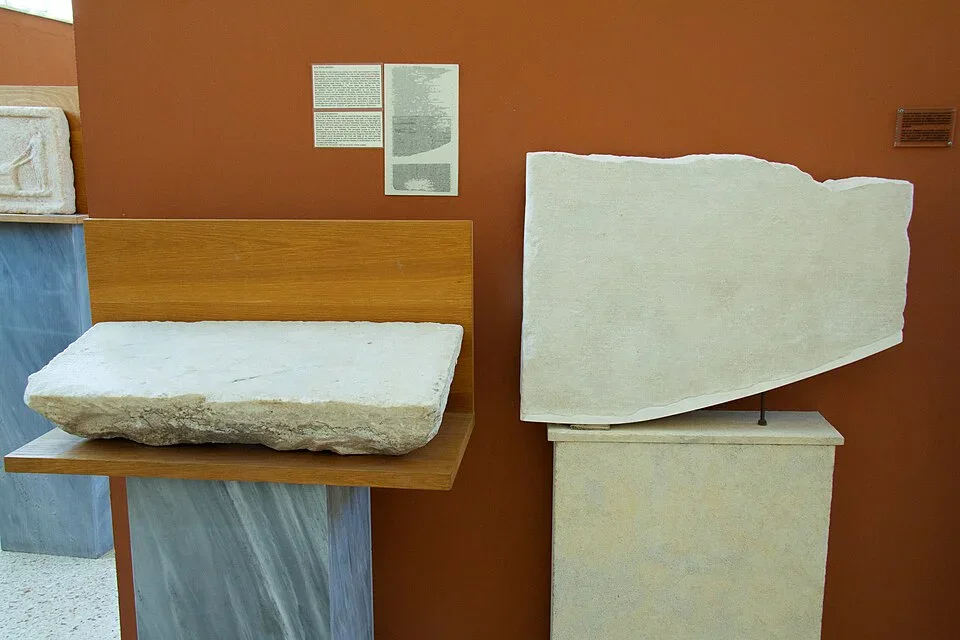
Parian Chronicle
Carved into this broken stone, almost every line sets a year beside an event. The first entries go back to 1582 BC, well over a thousand years before the stone was probably put up, around 264 BC. Among those early entries are events we would now call myth. The flood of Deucalion is dated to about 1529 BC. The Trojan War is given the years between 1217 and 1208 BC. To the Greeks, these were real events from their own distant past. Giving each story a year, and naming the archon then ruling in Athens, is how the stone makes them stand as fact. It counts the years back to the year it was made. Whoever cut the stone spent more space on the age of heroes than on events that had happened much closer to their own time. Cecrops is the first name here. Later stories made him a creature half human. His entry says none of that. All the stone keeps of him is the year he became first king of Athens.
Listen in the appPhoto: Zde · CC BY-SA 4.0
04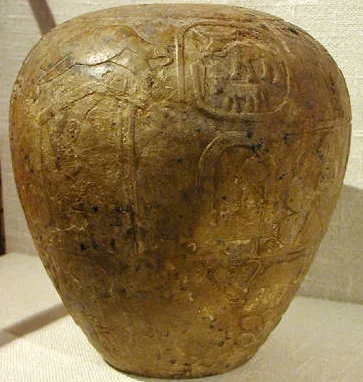
Narmer Macehead
Nobody can tell you who sits facing the king on this stone. The king sits under a canopy on a raised platform, wrapped in a long cloak. He wears the Red Crown and holds a flail. A vulture hovers above the canopy with its wings spread. Directly in front of him, on a second platform, another cloaked figure sits turned toward him. Behind the throne, the signs spell Narmer's name. Perhaps this is Narmer's wedding, and the princess before him may be Queen Neithhotep. The whole carving may record the year this stone was made. It was then given to the temple at Nekhen, the city where it was found.
Listen in the appJon Bodsworth · Copyrighted free use
05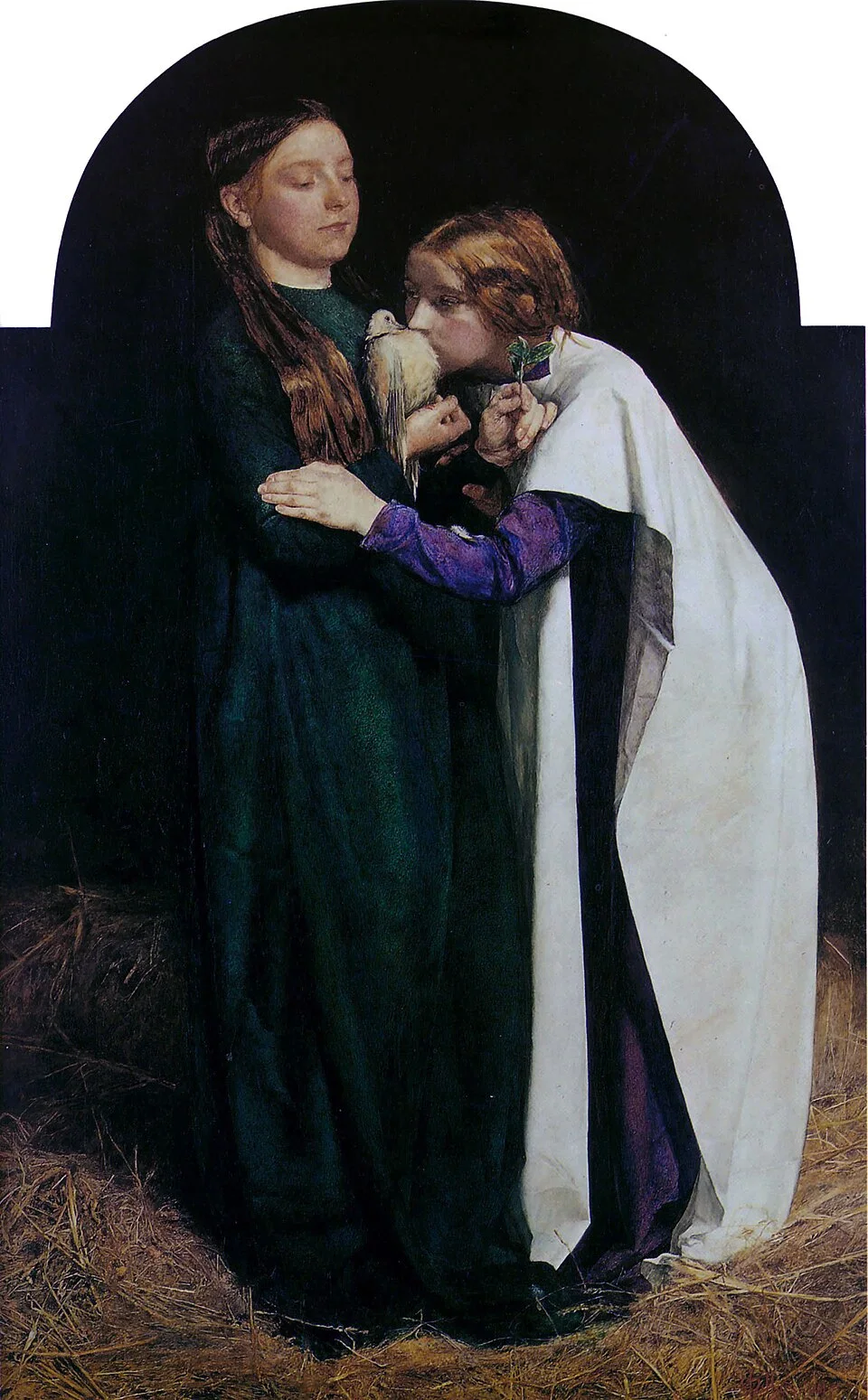
The Return of the Dove to the Ark
Two women tend a dove that has come back to the ark carrying an olive branch. They are Noah's daughters-in-law. Millais had meant to include Noah and some animals in the background. He left them out, probably to get the picture ready for the Royal Academy exhibition of 1851. It first went on public view that April. Some Roman Catholics who saw it there took it as an allegory for the country returning to what they called the true faith. That surprised him. Four years later, in 1855, a French satirical magazine printed a cartoon making fun of the painting.
Listen in the appJohn Everett Millais · Public domain
06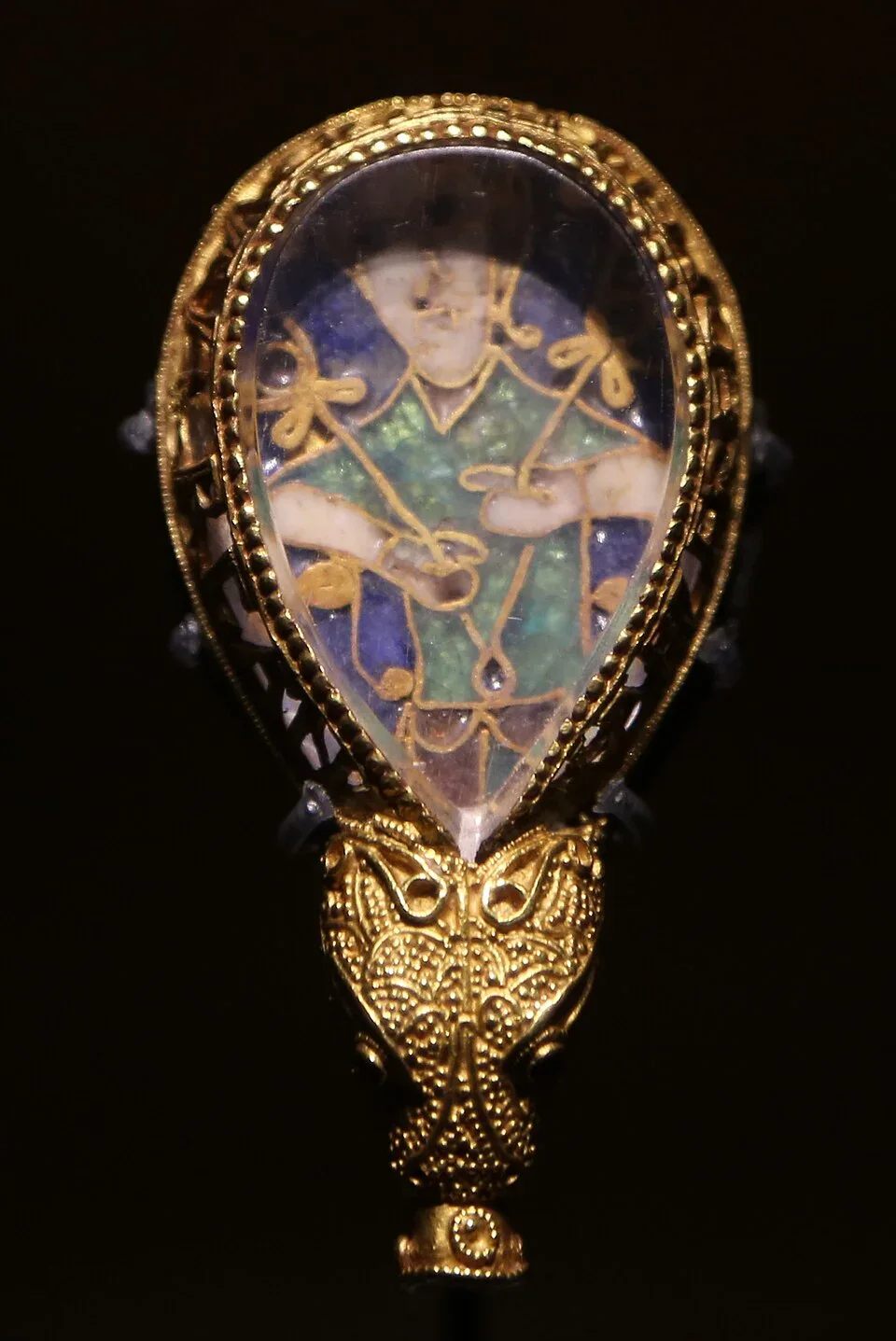
Alfred Jewel
What was this for? At first it looks like something to wear, gold around a piece of clear quartz with a small enamel figure beneath, perhaps Christ. But at the base, where an animal's snout should be, there is a hollow socket, made to hold a thin stick. The back is a flat gold plate, smooth enough to slide across a page. So this was probably the handle of a pointer, a little stick for following words as you read. Around the crystal, an inscription reads Alfred ordered me made. Alfred had staffs like this sent to every bishopric in his kingdom. Each went with a copy of his translation of Gregory the Great's Pastoral Care. These staffs were called aestels. And in his preface, he commanded that no one take the staff from the book, or the book from the church. Staff and book were meant to stay together. A plough turned it up in 1693 in Somerset, about eight miles from Athelney, where Alfred founded a monastery.
Listen in the appPhoto: Johnbod · CC BY-SA 4.0
07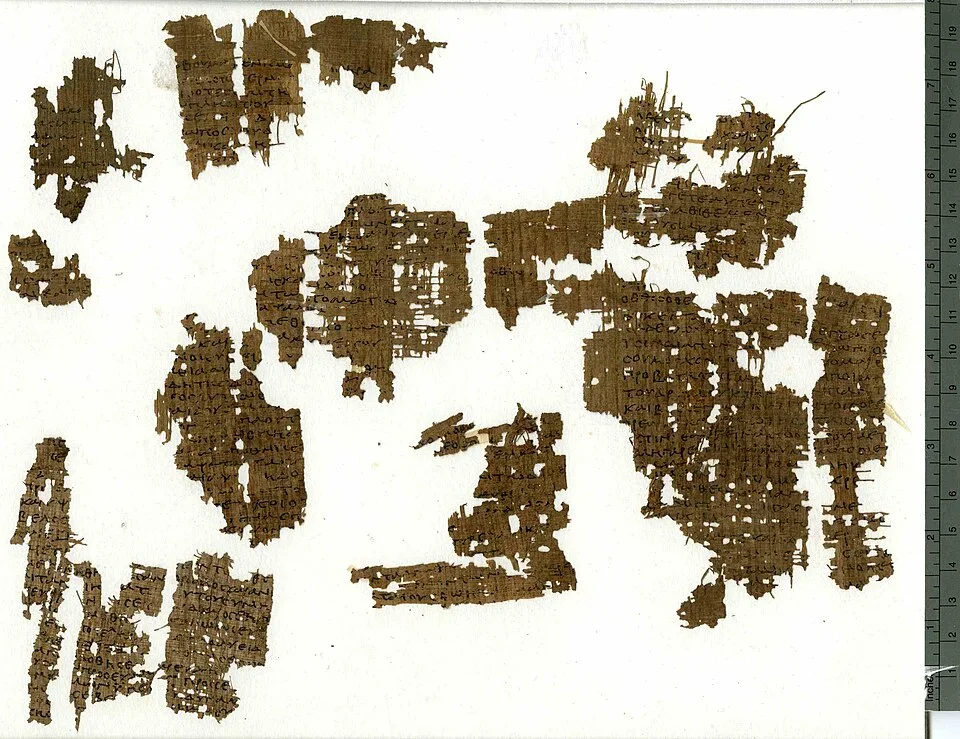
Papyrus Oxyrhynchus 5101
Most of the letters on this scrap are Greek. A few are not. They are Hebrew, written in the old Hebrew script, and together they spell the name of God. A Greek copy of the Psalms would usually give that name as the Greek word for Lord. Here it stays in Hebrew. This is the Psalms in Greek, the ancient translation called the Septuagint, written on a papyrus roll. Only pieces survive, from six columns, holding parts of several Psalms. We do not know who copied it out. But it is probably the earliest copy of the Greek Psalms we have. Those few Hebrew letters may have been added later to draw the Greek text closer to the Hebrew Bible. If so, the Hebrew name is a later touch on the Greek text. But the pieces are too few to settle it. In one Psalm, the usual Greek text says God, and the Hebrew says God too. Only this fragment keeps the old Hebrew name in that verse.
Listen in the appUnknown author · Public domain
08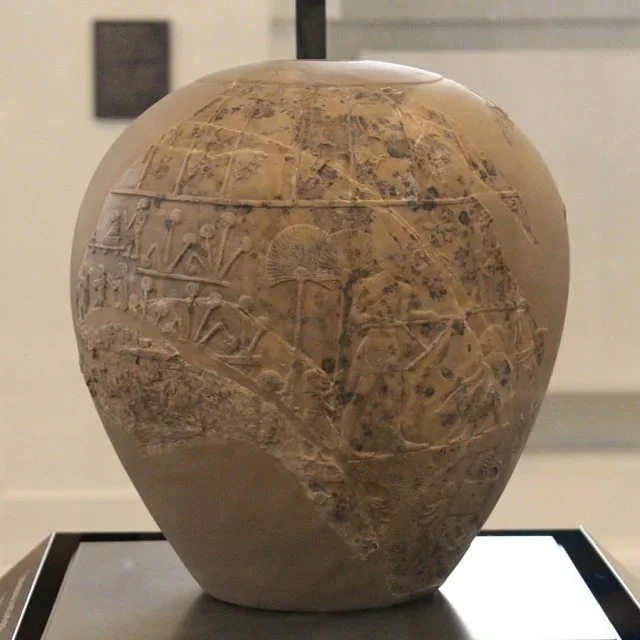
Scorpion Macehead
A king stands at the edge of a stretch of water, probably a canal, with a hoe in his hands. He seems to be opening an irrigation canal, and the whole scene turns on that one act. He is by far the largest figure here, wearing the White Crown of Upper Egypt. A bull's tail is fixed at his belt, a sign of his royal power. Beside his head are a scorpion and a seven-petalled flower, and that is where this king gets his name. In front of him a servant holds a basket, ready for the earth the king lifts out. Two men in the water dip in their hands while a third works with a hoe, and others are busy along the banks. Canal work like this mattered enormously in a farming country. This is the earliest picture of the rite, and Egyptian art kept showing it until the Greeks ruled Egypt.
Listen in the appakhenatenator · CC0
09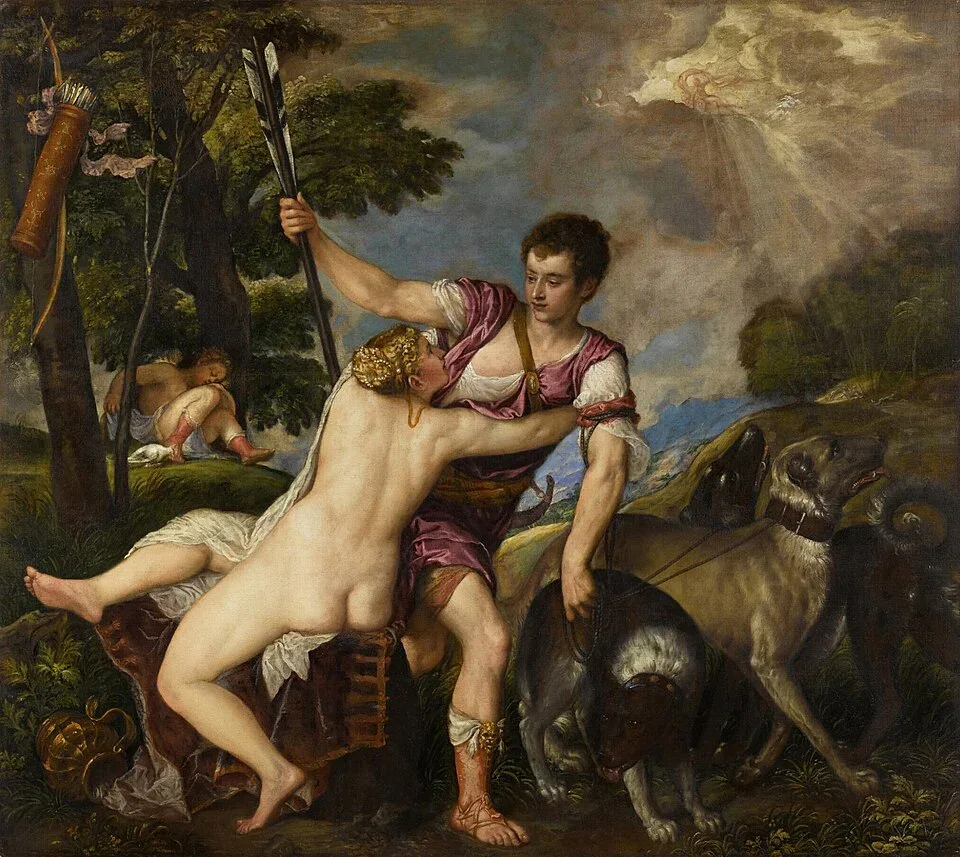
Venus and Adonis
Venus reaches to stop Adonis just as he turns to leave. He has started to pull away, and in a moment he will be gone, on the hunt that kills him. He already carries the spear, and the leads of his hounds are wound around his arm. Behind them, under the trees, Cupid lies asleep, his bow and quiver hanging from a tree. This is no time for love. In the background, the death that waits for him is already shown. High above, a chariot carries Venus across the sky, drawn by swans. From there she hears his cries, and cannot save him. The story most likely comes from Ovid. Venus warned Adonis about the fierce animals, but he hunted alone, and a wounded boar gored him. In Ovid, it is Venus who leaves first. Titian seems to have changed that. He made Adonis pull away and Venus reach to stop him, so her grief at his death sits inside this moment of parting. The scene was painted again and again, some thirty versions in all, by the painter, his workshop, and other painters. This canvas comes from the workshop. What is not known is whether it was the very first version sent to King Philip the Second, or a later copy.
Listen in the appTitian and workshop · Public domain
10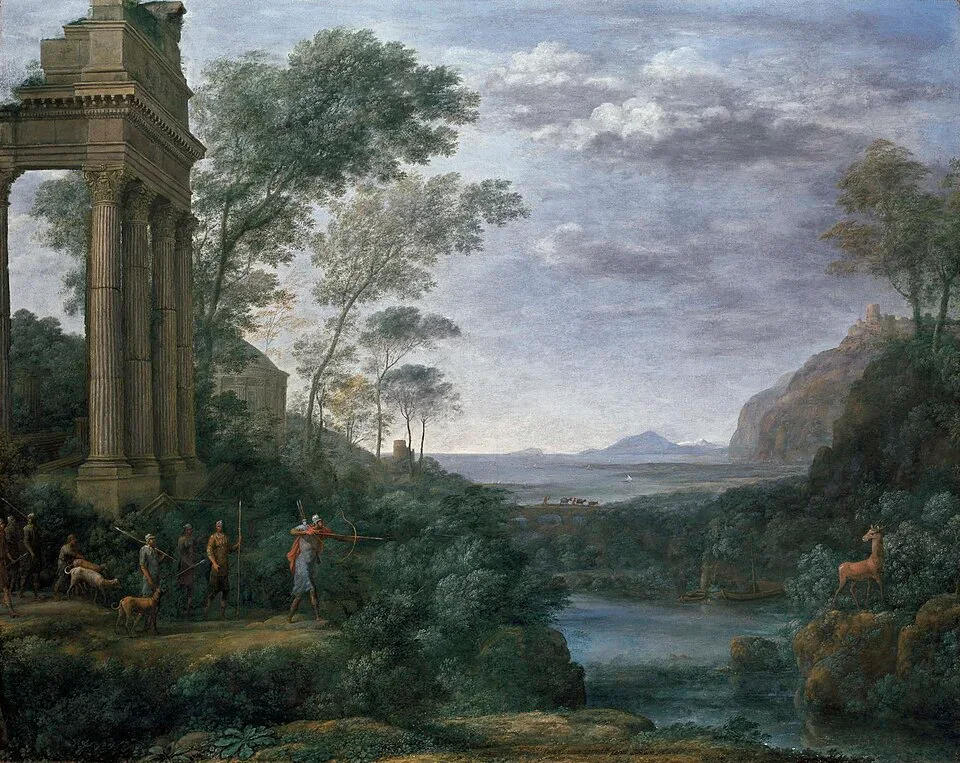
Ascanius Shooting the Stag of Sylvia
This painting once had a companion. The two were made to hang together, both scenes from Virgil's Aeneid, with the figures in each turned inward toward the other. Then in 1801 they were sold apart at auction. This one went for four hundred and sixty-two pounds, its companion for eight hundred and forty. They have not hung together since. Now on its own, the scene is all stillness. A river runs between the two figures. Ascanius takes aim, and the stag looks back at him, trusting the special place it holds. This is no wild creature but the household pet of Sylvia, daughter of the king's chief ranger. Virgil spends most of his lines on how close the two were. The arrow has not left the bow. Once it does, the calm coast behind them will very soon be disrupted by a war over where Rome would one day stand. Even the sky is heavy with storm clouds and the trees bend in a wind from the left, which is unusual for him. He painted this one for Prince Lorenzo Onofrio Colonna, his main patron in those last years. He put a large column into each picture as a joke on the Colonna name, and the family's coat of arms carries a column.
Listen in the appClaude Lorrain · Public domain
- 11
Papyrus Oxyrhynchus 3522
Unknown Artist · 100
- 12
Oxyrhynchus hymn
Unknown Artist
- 13
Papyrus 77
Unknown Artist
- 14
Weld-Blundell Prism
Unknown Artist · -1820
- 15
The Hunt in the Forest
Paolo Uccello · 1460–1470
- 16
John Ruskin
John Everett Millais · 1853–1854
- 17
Monument to Balzac
Auguste Rodin · 1891–1898
- 18
A Converted British Family Sheltering a Christian Missionary from the Persecution of the Druids
William Holman Hunt · 1850
- 19
Messiah Stradivarius
Antonio Stradivari · 1716
- 20
The Forest Fire
Piero di Cosimo · 1500–1505
- 21
London Bridge on the Night of the Marriage of the Prince and Princess of Wales
William Holman Hunt · 1864
- 22
Portrait of Mademoiselle Claus
Édouard Manet · 1868
- 23
Papyrus Oxyrhynchus L 3525
Unknown Artist · 3rd century AD
- 24
Convent Thoughts
Charles Allston Collins · 1850–1851
- 25
The Cardsharps
Caravaggio · 1595
- 26
Heracles Papyrus
Unknown Artist · 3rd century AD
- 27
The Annunciation
Paolo Uccello · c. 1425
- 28
High Street, Oxford
J. M. W. Turner · 1809–1810
- 29
Francis Osborne, 5th Duke of Leeds
Thomas Lawrence · 1791–1796
- 30
Thomas Combe (1796–1872)
John Everett Millais · 1850
- 31
Ring of Nestor
Unknown Artist
- 32
Ashmolean Parchment AN 1981.940
Apapolo · 600
- 33
Water Meadows near Salisbury
John Constable · 1820
- 34
The Holy Family with Saint John the Baptist
Michelangelo · c. 1540
- 35
Acme and Septimius
Frederic Leighton · 1868
- 36
Shrine of Taharqa
Unknown Artist
- 37
A View of Dolo on the Brenta Canal
Giovanni Antonio Canal · 1725–1729
- 38
David Garrick
Pompeo Batoni · 1764
- 39
Bath Road, London, (sketch)
Camille Pissarro · 1897
- 40
The Repentant Prodigal's Return to his Father
William Etty · 1841
- 41
Watlington Hoard
Anon
- 42
Elias Ashmole
John Riley · 1682
- 43
Sir Charles Frederick
Andrea Casali · 1738
- 44
The Marquis of Granby giving Alms to a sick Soldier and his Family
Edward Penny · 1764
- 45
Cicero and his two Friends, Atticus and Quintus, at his Villa at Arpinum
Richard Wilson · 1770
- 46
Katherine and Petruchio
Robert Braithwaite Martineau · 1855
- 47
Crondall Hoard
Unknown Artist · 700
- 48
Reading Madonna
Circle of Giorgione · c. 1505
- 49
The Abingdon Sword
Unknown Artist
- 50
Morning after a Snowfall at Koishikawa
Katsushika Hokusai · 1830–1832
- 51
birdcage vase
Rijksmuseum · 1690–1710
- 52
Metrological Relief
Unknown Artist · 460–430 BC
- 53
Papyrus Oxyrhynchus 3035
Unknown Artist · 256
- 54
The Meeting at the Golden Gate
Filippo Lippi · c. 1440–1445
- 55
Self-portrait of Gianlorenzo Bernini
Gian Lorenzo Bernini · 1625
- 56
Allegory of Joy and Melancholy
Abraham Janssens I · 1623
- 57
The pretty Baa-Lambs
Ford Madox Brown · 1851
- 58
Zhong Kui the Demon Queller with Five Bats
Unknown Artist
- 59
Head of an old Man
Guercino · c. 1619–1620
- 60
Moses exposed by the river
Nicolas Poussin · 1654
- 61
Still Life: A yellow Rose
Henri Fantin-Latour · 1871
- 62
Design for an heraldic panel of stained glass
Hans Holbein the Younger · 1522
- 63
rune stone Ashmolean AN1997.1
Unknown Artist · 1125
- 64
Upplands runinskrifter 104
Unknown Artist
- 65
Papyrus Oxyrhynchus 1782
Unknown Artist · 4th century AD
- 66
Interior of a Room with a young Man seated at a Table. A self-portrait.
Jan Davidsz. de Heem · 1628
- 67
Tobias and the Angel
Altobello Melone · 1521–1523
- 68
Young Woman with a Macaw
Giovanni Battista Tiepolo · 1760–1761
Ashmolean Museum
Frequently asked questions
How much does the guide cost?
Free app download. Free until 1 January. Listed guide price: $1.99. Audio guide only. Venue admission is separate.
Can I listen without internet?
Yes. Download the guide’s audio, images, and maps in the app before your visit. Your downloaded content is then available offline.
Can I listen in my language?
In English for now. More languages soon.
Do I need to follow a schedule?
No. This is a self-guided experience. Choose your stops, pause whenever you like, and return to a story at your own pace.
Which artworks are in the Ashmolean Museum audio guide?
68 artworks, including Didache (Unknown Artist), Oxyrhynchus Papyri (Unknown Artist), Parian Chronicle (Unknown Artist), Narmer Macehead (Jon Bodsworth), The Return of the Dove to the Ark (John Everett Millais), Alfred Jewel (Unknown Artist), Papyrus Oxyrhynchus 5101 (Unknown Artist), and Scorpion Macehead (akhenatenator). The full list is on this page.
Is this the museum’s official audio guide?
No. Stanza is an independent audio guide app and is not affiliated with Ashmolean Museum. Museum admission is separate.
At your own pace
Explore Ashmolean Museum.
Download Stanza, then search for “Ashmolean Museum”.
Free app download · Guide price shown in the app
Keep exploring
Nearby audio guides
West Oxfordshire · 12 km
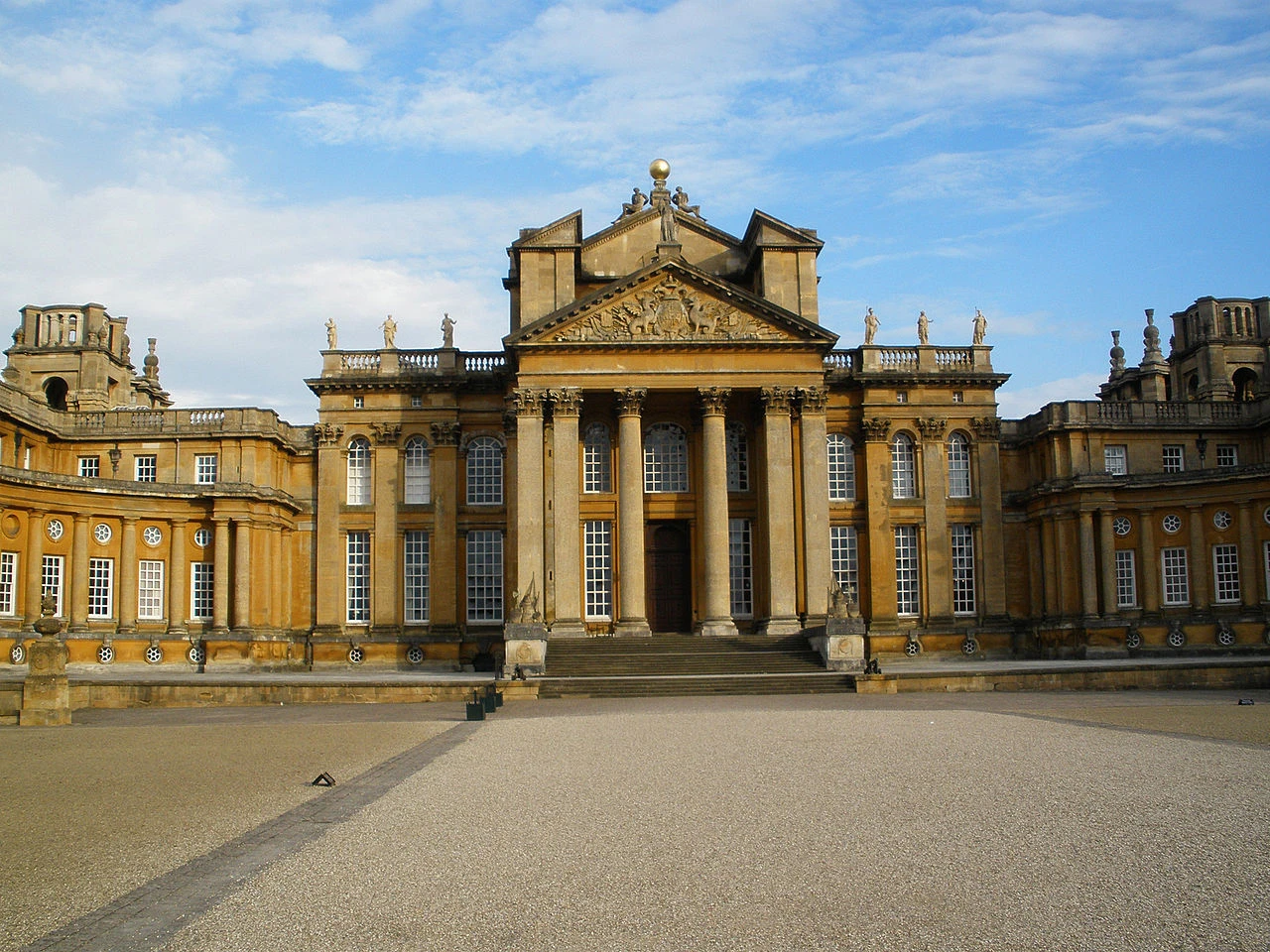
Blenheim Palace
Content & sources
Photo: Jvhertum · Public domain
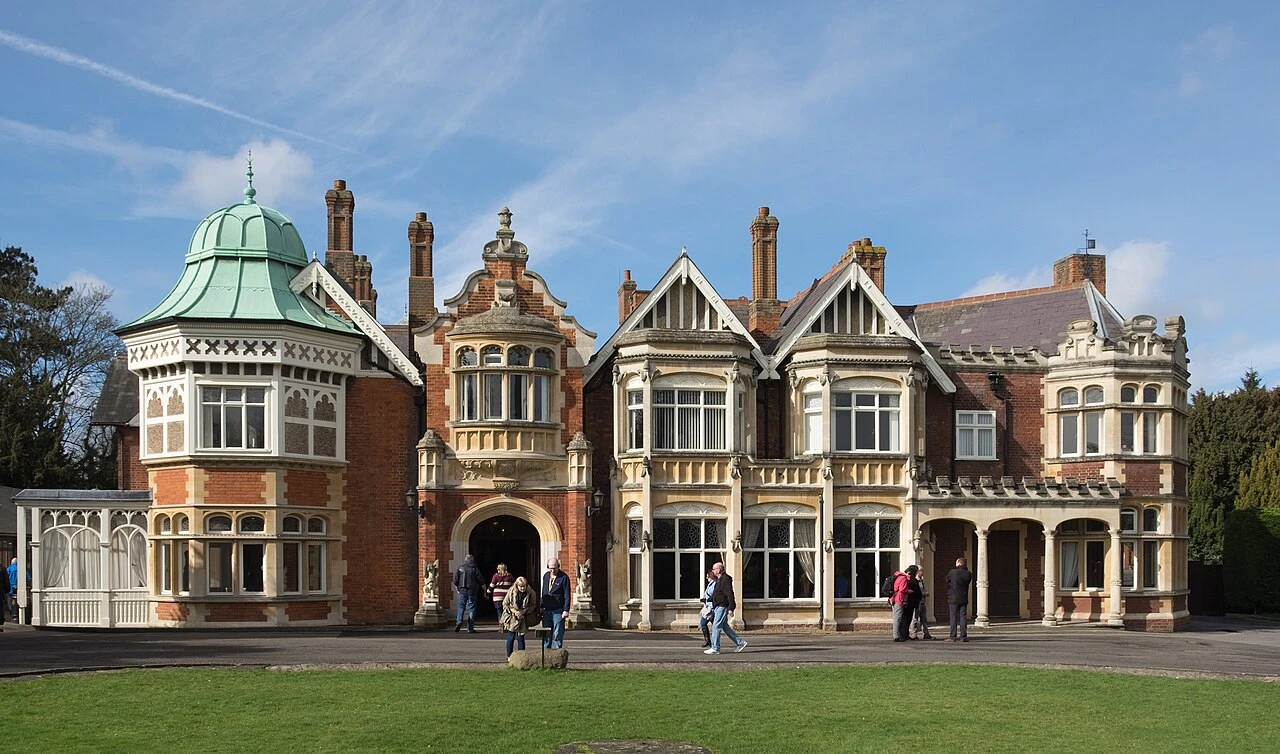
Milton Keynes · 45 km
Bletchley Park
Content & sources
Photo: DeFacto · CC BY-SA 4.0
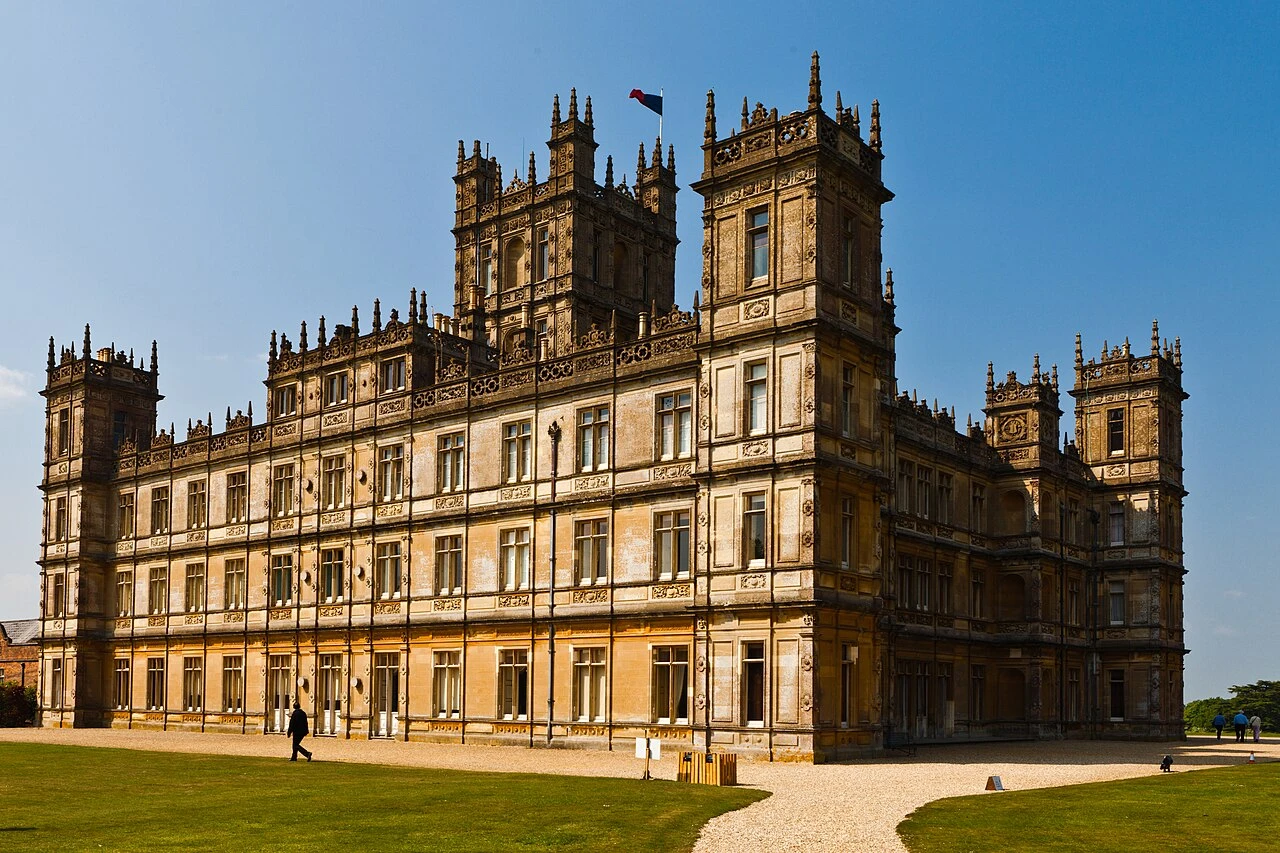
Basingstoke and Deane · 48 km
Highclere Castle
Content & sources
Richard Munckton from Windsor, Melbourne, Australia · CC BY 2.0
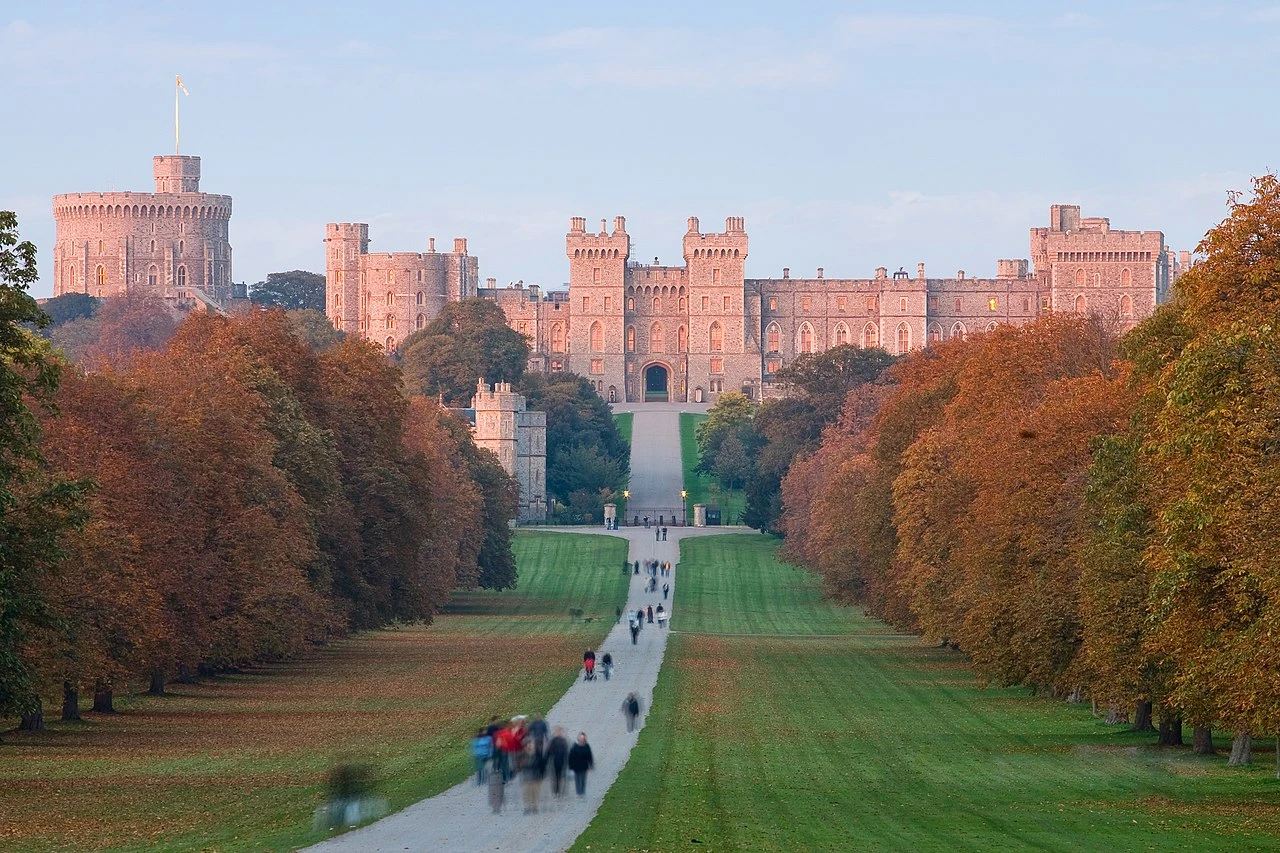
Windsor · 54 km
Windsor Castle
Content & sources
Diliff · CC BY 2.5
Art museums
More art museum audio guides
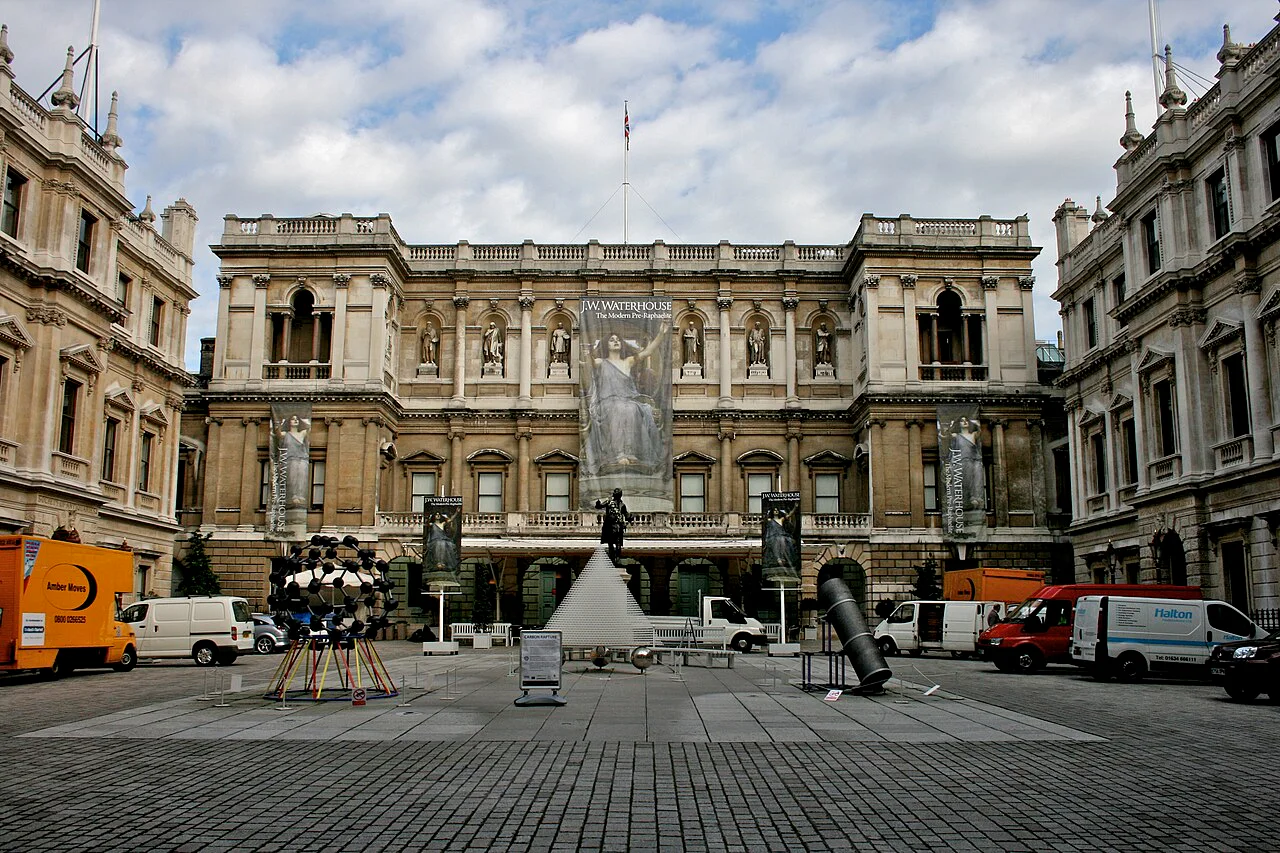
London · 50 artworks
Royal Academy of Arts
Content & sources
Photograph by Mike Peel (www.mikepeel.net). · CC BY-SA 4.0
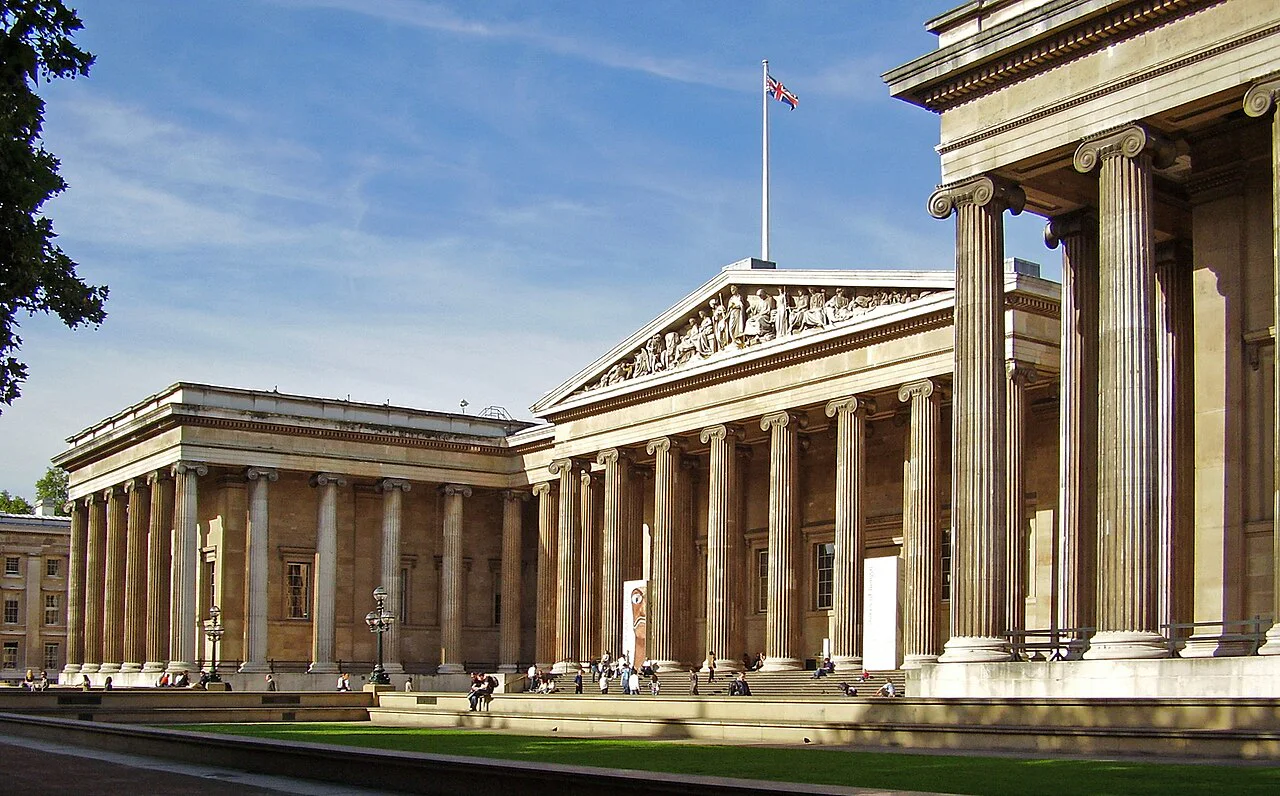
London · 68 artworks
British Museum
Content & sources
Ham · CC BY-SA 3.0
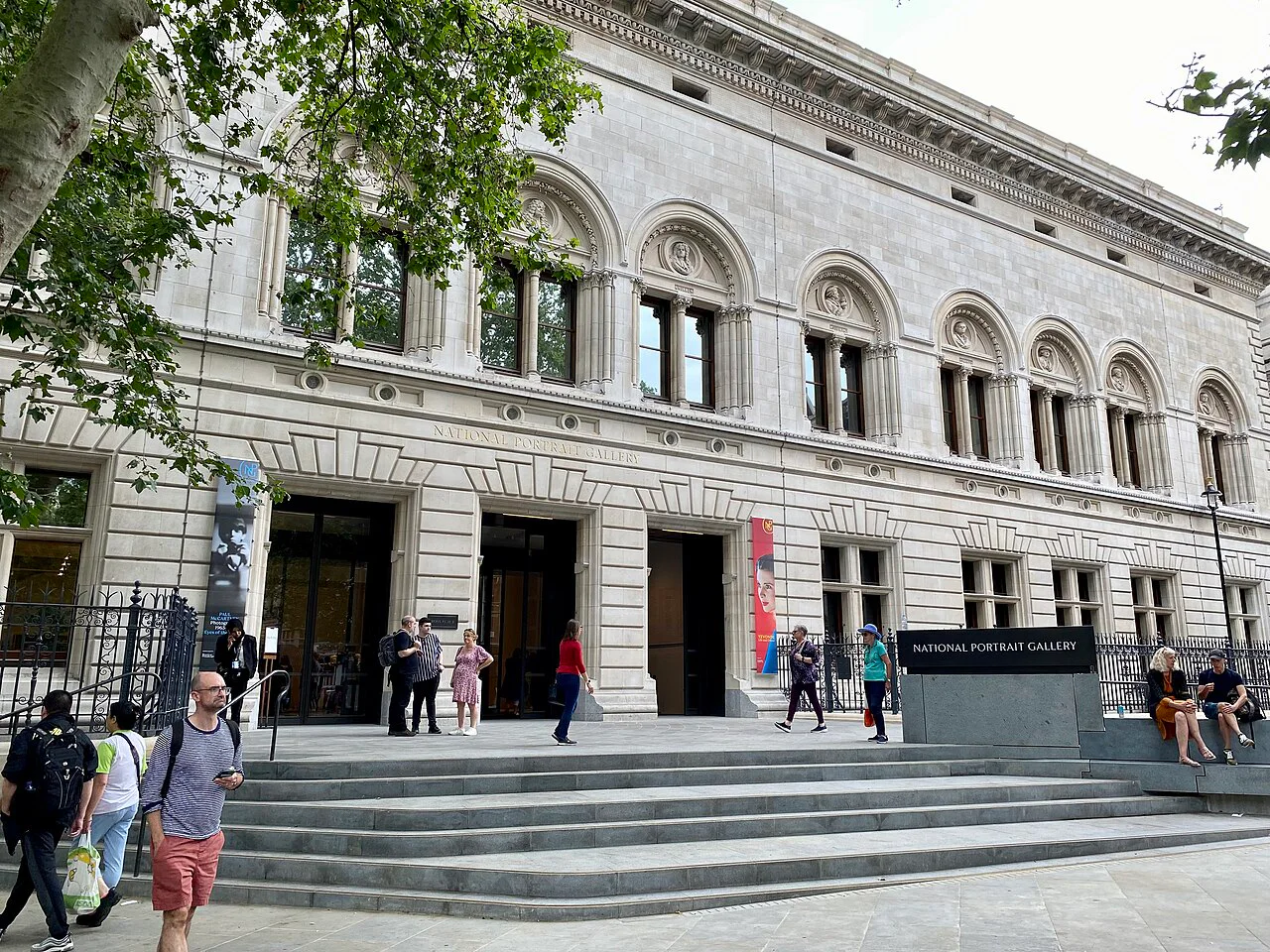
London · 164 artworks
National Portrait Gallery, London
Content & sources
Photo: No Swan So Fine · CC BY-SA 4.0
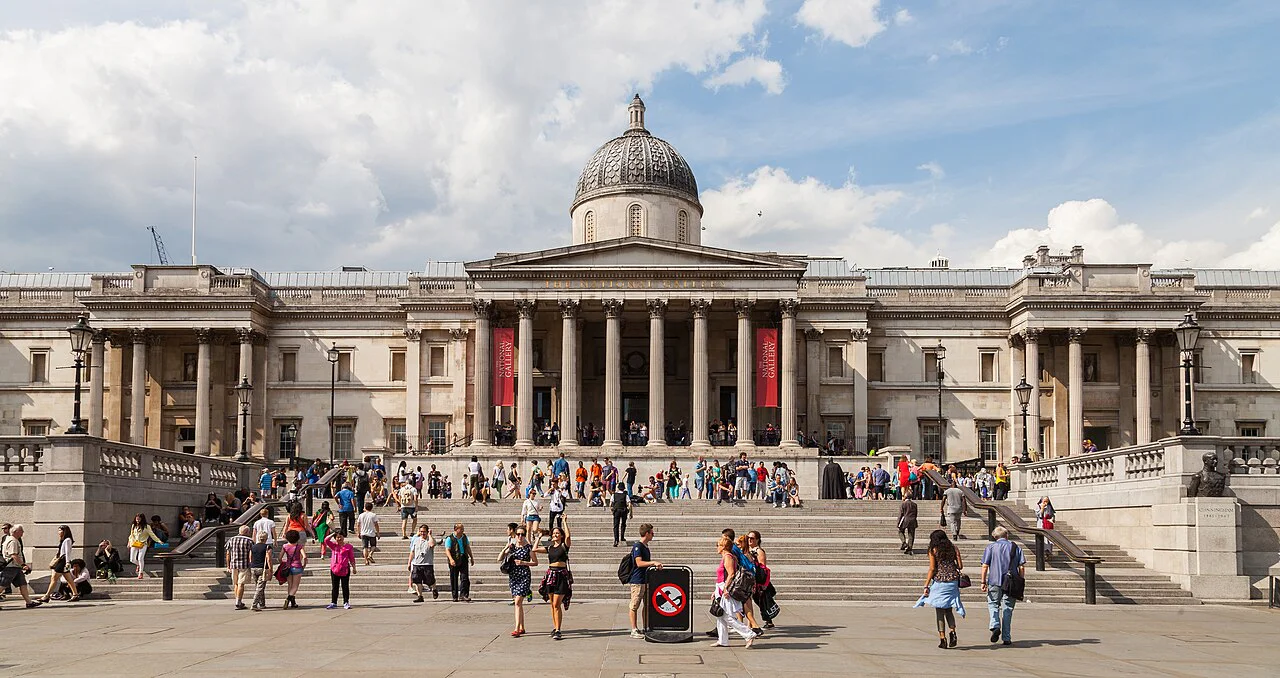
London · 171 artworks
National Gallery, London
Content & sources
Diego Delso · CC BY-SA 4.0
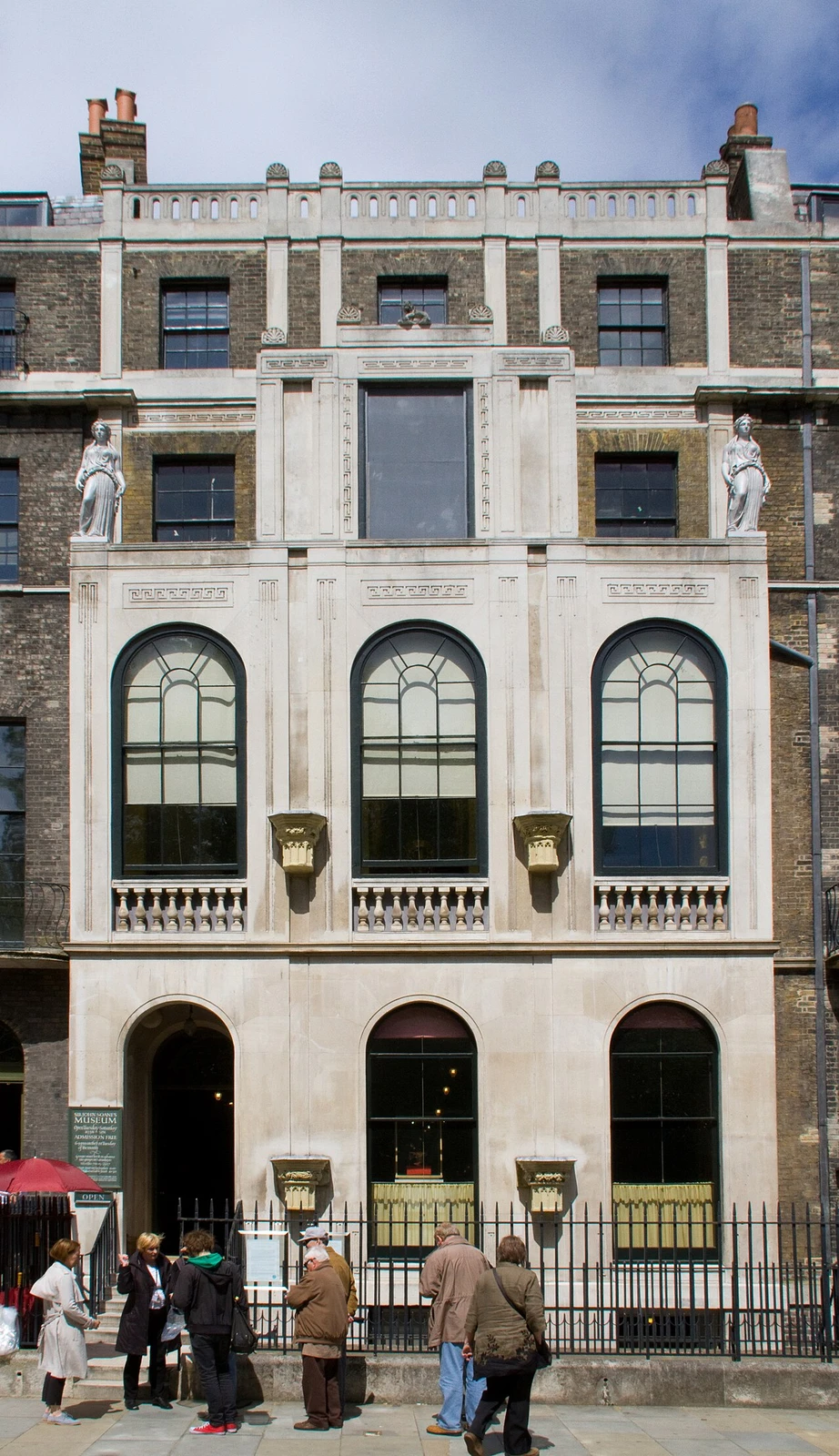
London · 8 artworks
Sir John Soane's Museum
Content & sources
Tony Hisgett from Birmingham, UK · CC BY 2.0
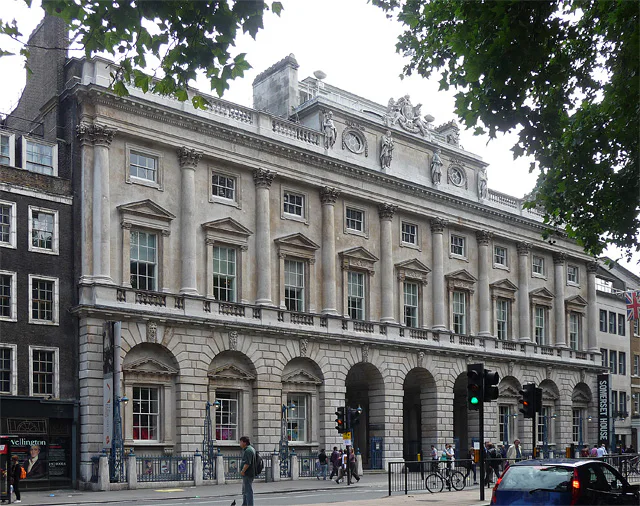
London · 33 artworks
Courtauld Gallery
Content & sources
Stephen Richards · CC BY-SA 2.0