Stanza · Audio guide
Ateneum Audio Guide
A place to remember. A story to take with you.
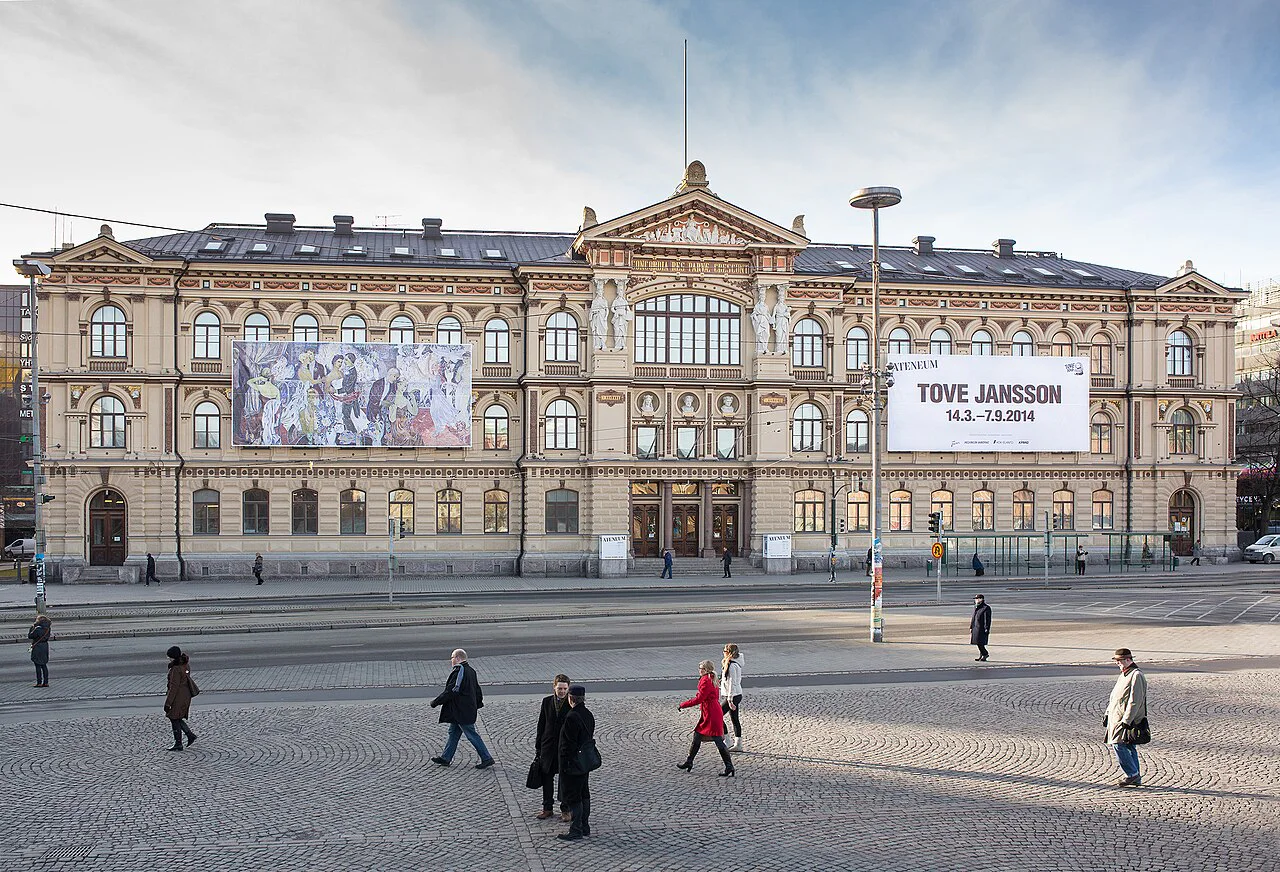
Ateneum is an art museum in Helsinki, Finland and one of the three museums forming the Finnish National Gallery. It holds the biggest collections of classical art in Finland.
Download Stanza, then search for “Ateneum”.
About the tour
One guide. Your kind of visit.
Ateneum is an art museum in Helsinki, Finland and one of the three museums forming the Finnish National Gallery. It holds the biggest collections of classical art in Finland.
The Ateneum guide tells the stories of 171 artworks, including The Wounded Angel (Hugo Simberg), The Garden of Death (Hugo Simberg), Hiva Oa (Paul Gauguin), The Luxembourg Gardens, Paris (Albert Edelfelt), Road in Häme (Werner Holmberg), Lemminkäinen's Mother (Akseli Gallen-Kallela), Queen Blanche (Albert Edelfelt), and In the Sauna (Akseli Gallen-Kallela). Every artwork is free to hear in the Stanza app until 1 January.
Ready when you are.
- 01Get the free Stanza app.
iOS & Android
- 02Find your guide.
“Ateneum”
- 03Download before you go.
Works offline
Audio guide / 171 artworks
Inside the guide
Get to know a few of the stories before you go. Open a stop to read more.
01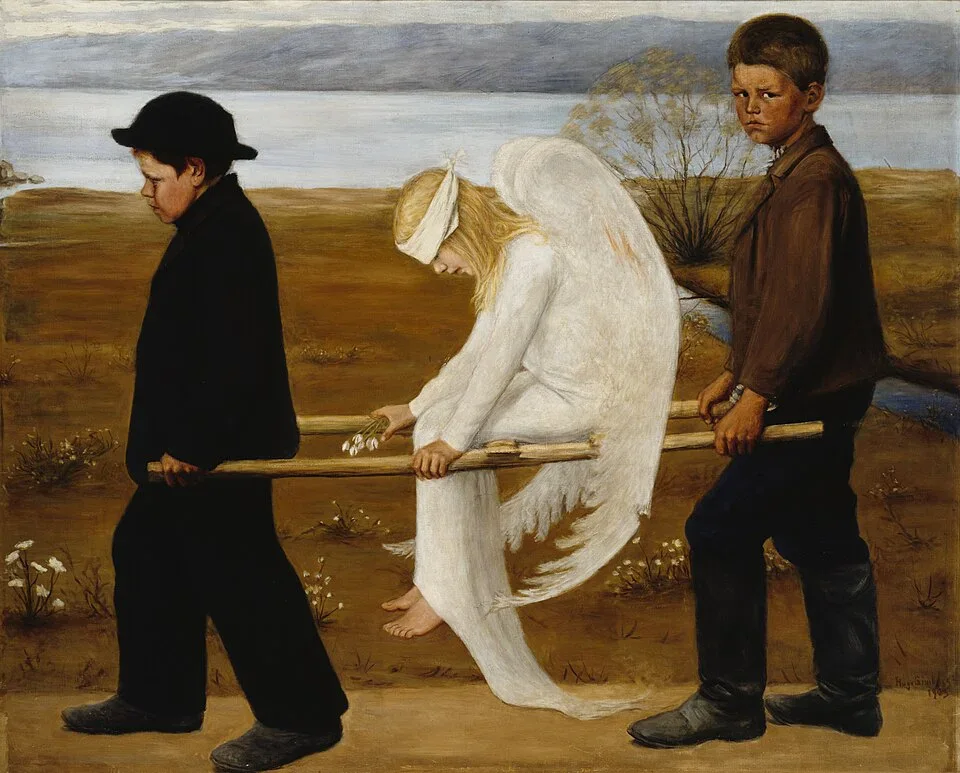
The Wounded Angel
Two boys in dark clothes carry an angel through a park on a stretcher. Her forehead is bandaged, there is blood on her wings, and she bends forward with her head lowered. Behind them lies Töölönlahti Bay. This is Eläintarha, where working people came to relax in those years, and charity homes stood all around. Perhaps the boys are taking her to the home for blind girls. Simberg painted this while recovering from meningitis, and the painting gave him strength. Yet he never said what the picture meant. In 1903, when it was first shown, he put a dash in the catalogue where the title should have been. He left everyone to find their own meaning. In her right hand she holds a few snowdrops, and more grow in the dry meadow. Snowdrops stand for healing and new life, so these flowers say the angel will recover.
Listen in the appHugo Simberg · Public domain
02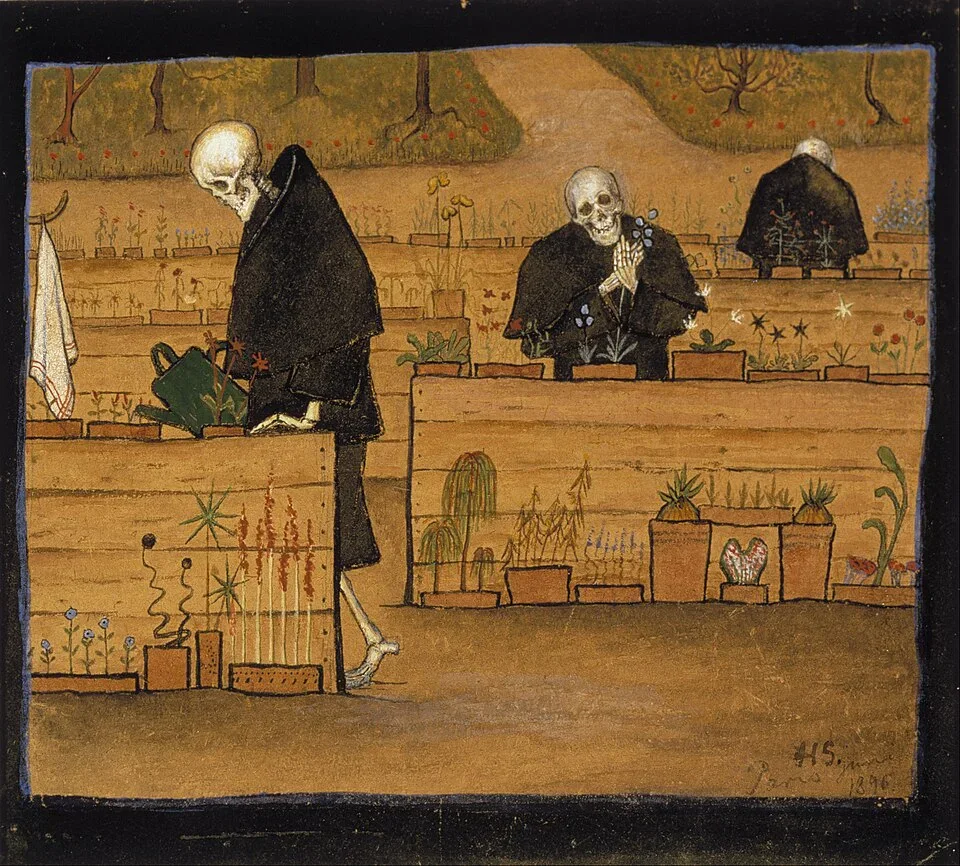
The Garden of Death
The garden is already being tended. Skeletons care for what grows, figures that recall the Grim Reaper. More are on their way, and the gardeners wait for them. There is an old idea, going back at least to the Middle Ages, of the dead resting in a flowery garden. Here, they are the ones tending it, not reapers cutting people down. They are the dead themselves, keeping house and doing a garden's ordinary work. Simberg almost never explained his paintings, leaving people to find their own meaning. This one he did explain. In a note on a sketch, he wrote that this is the place the dead come to before Heaven. He knew rural life from childhood, and that is why life and death could be ordinary things to him.
Listen in the appHugo Simberg · Public domain
03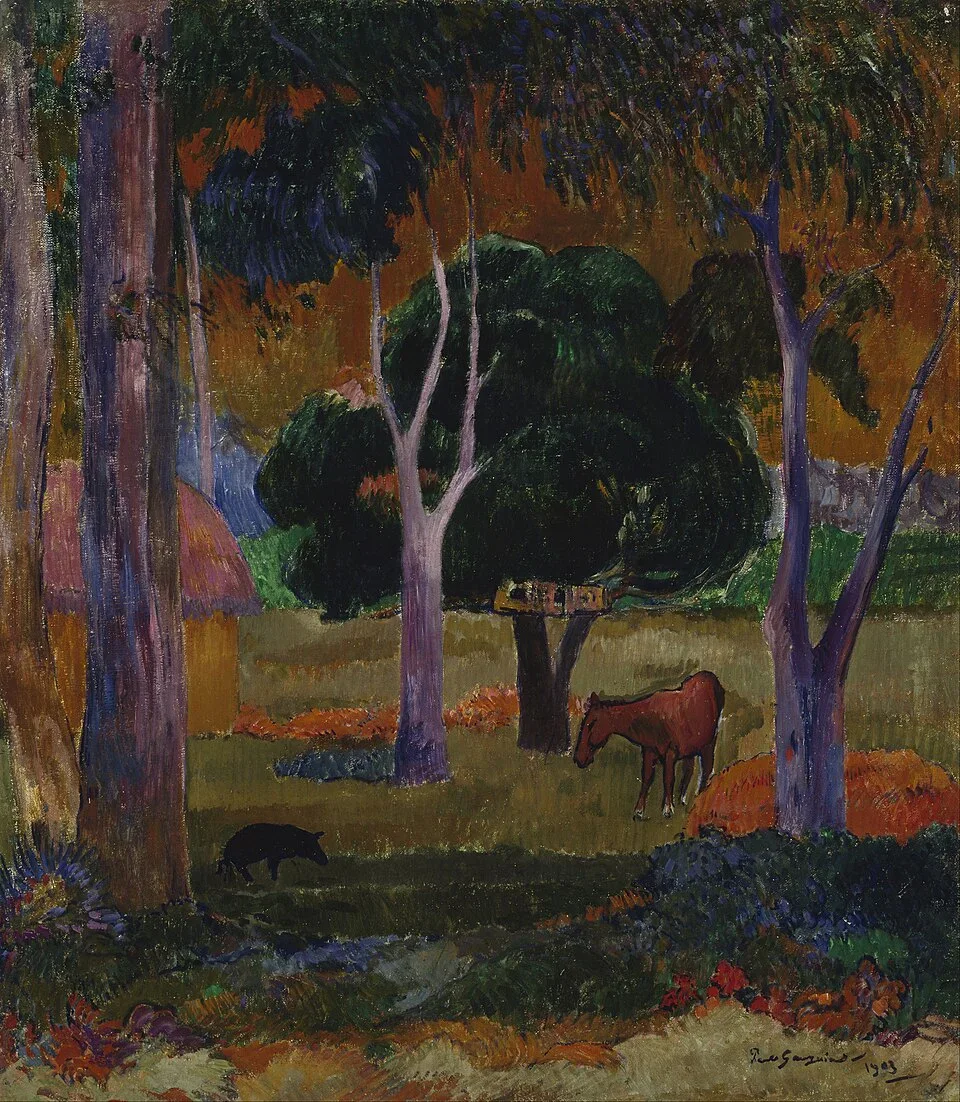
Hiva Oa
A pig and a horse share this landscape, yet the picture is named for neither. Its title is Hiva Oa, the island where Paul Gauguin was working when he painted it in 1903. It was among the last works he made. It has another name too, Landscape with a Pig and a Horse, but Hiva Oa is the title here. Only five years later, in 1908, the painting reached Helsinki and entered the Ateneum, where it has stayed ever since.
Listen in the appPaul Gauguin · Public domain
04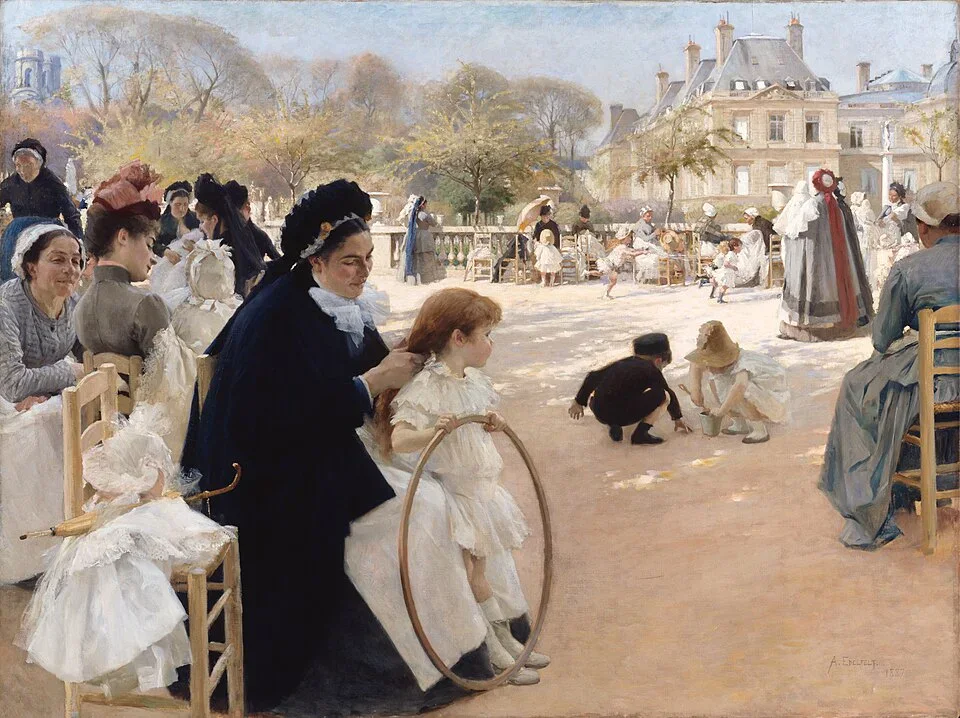
The Luxembourg Gardens, Paris
This sunlit garden scene took a year and a half to make. Again and again Edelfelt went out into the Luxembourg Gardens to sketch, chasing the effect of the sunlight. Then he took the sketches back to Haikko in Finland and finished most of the painting there. Trying to catch a fleeting moment was new for him. That was the Impressionist way of working. The fabrics of the clothes are spelled out in careful detail, and the figures in shadow at the front are painted just as closely. He despaired when it would not come right, and felt real satisfaction when one detail worked. He had lived in Paris for ten years, and this is his only large painting of the city. Among the children, the nurses stand out in their long robes and ruched hats. They tell you these are the children of wealthy Parisian families.
Listen in the appAlbert Edelfelt · Public domain
05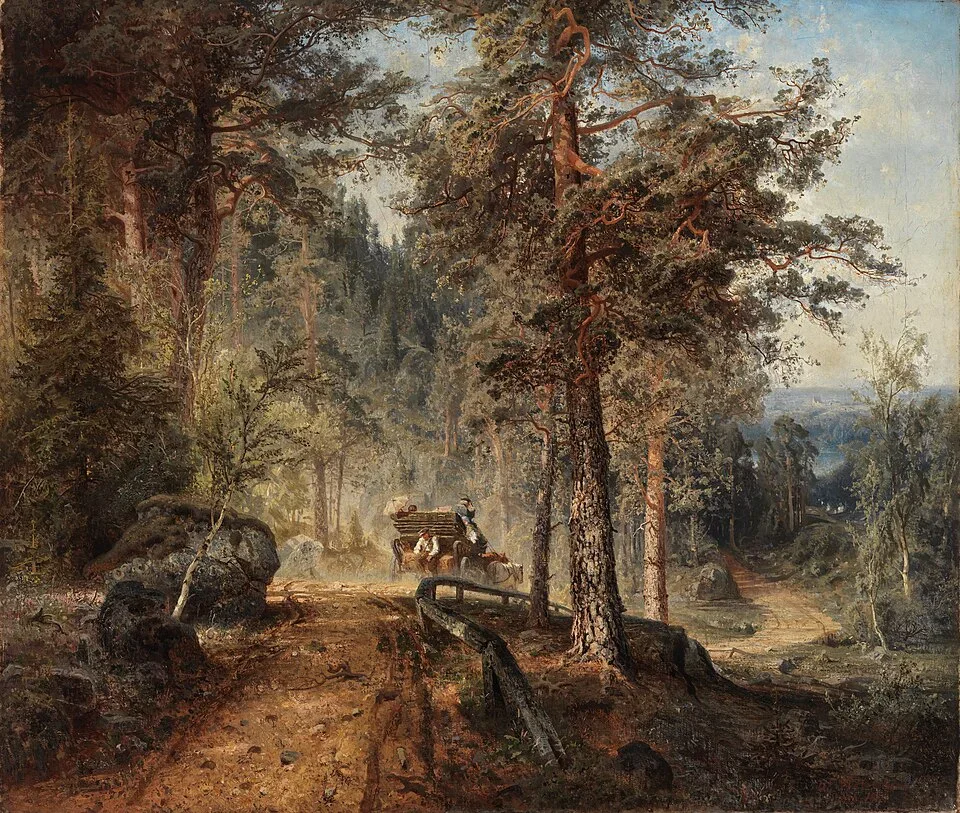
Road in Häme
Fresh wheel marks run through the dirt behind the wagon, and they make the whole scene feel as if it is moving. The wagon heads away from us down a rolling country road, through a pine forest, on a hot day. You can almost smell the dust and the pine needles under the wheels. It looks as if the painter stood out here in the heat and worked in the open air. But the trees and the vegetation are painted with a care that belongs to the studio. Holmberg was the first Finnish artist to study in Düsseldorf, in 1853. He brought that training with him. His was a short career, but it helped shape Finnish landscape painting. Where exactly he painted it is still not known, though the surviving sketches suggest he probably worked around Tampere.
Listen in the appWerner Holmberg · Public domain
06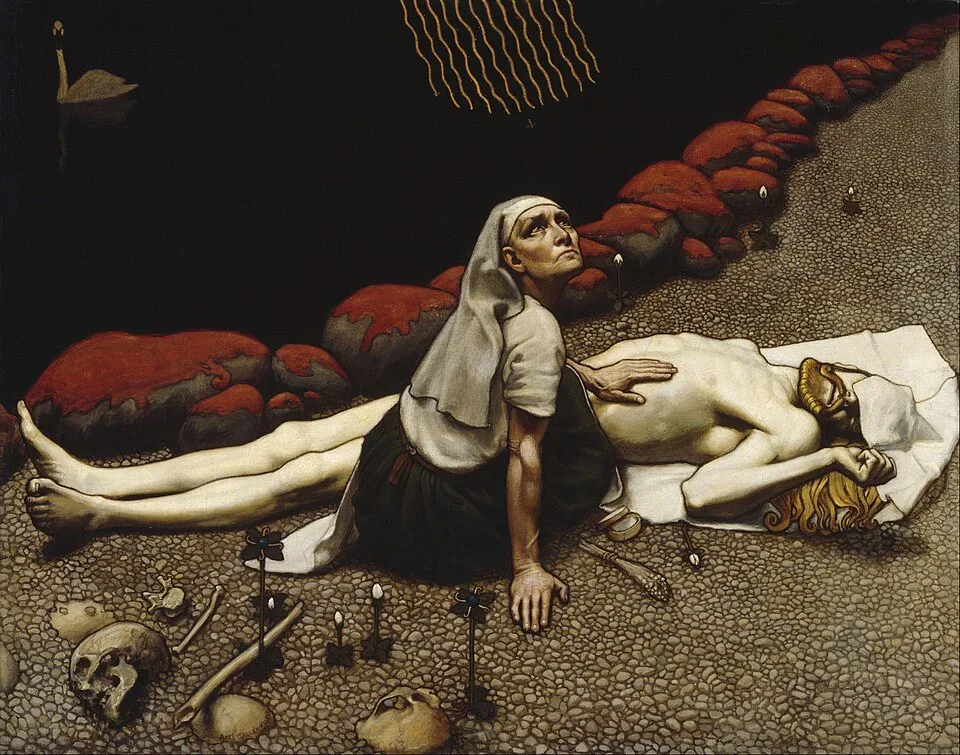
Lemminkäinen's Mother
What is this woman waiting for, holding a dead man at the water's edge? Her face is turned to the sky, and a small bee is flying toward her in front of a beam of light. The bee is a messenger from Ukko, the god of sky and thunder, and she believes it carries honey from the gods. When it reaches her with that honey, her son will live again. She holds him the way Mary cradles the dead Jesus. The man is Lemminkäinen. He was killed and torn apart, and she gathered his pieces from the river and sewed them together. Gallen-Kallela modeled her on his own mother, Matilda, and called the painting an ode to her. Behind her, a swan swims on the black river of Tuonela, the river of the underworld.
Listen in the appAkseli Gallen-Kallela · Public domain
07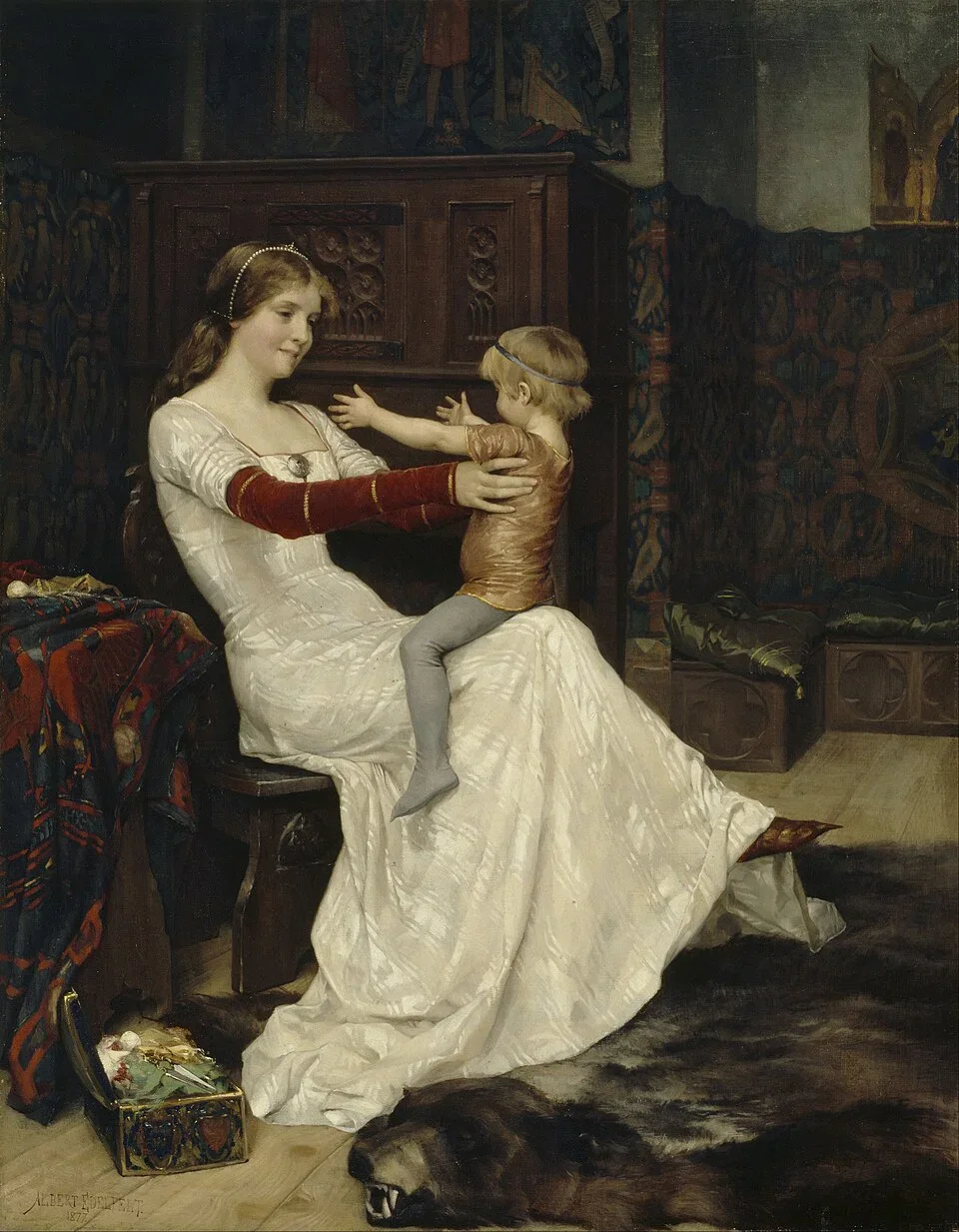
Queen Blanche
A young blond woman sits with a little boy on her knee. She sings him the old song Rida, rida ranka, bouncing him on her knees. This is Queen Blanche of Namur and her son Haakon, from a story by Zacharias Topelius. But the woman is a girl of eighteen from Alsace, and the boy is a blond Italian child. Albert Edelfelt hired them and painted the scene in Paris. His teacher there demanded complete accuracy, so Edelfelt read books about medieval furniture and costumes and went to the museum at Cluny. He wrote to his mother about the trouble with his model. He waited with his heart pounding for her note, and despaired when she could not come. He even complained that the boy's arms looked like little sausages. The painting got into the Salon of 1877, the show every Paris painter longed to get into. There it was a success. No picture or sculpture of the real Queen Blanche has ever been identified for certain, so no one knows what she truly looked like.
Listen in the appAlbert Edelfelt · Public domain
08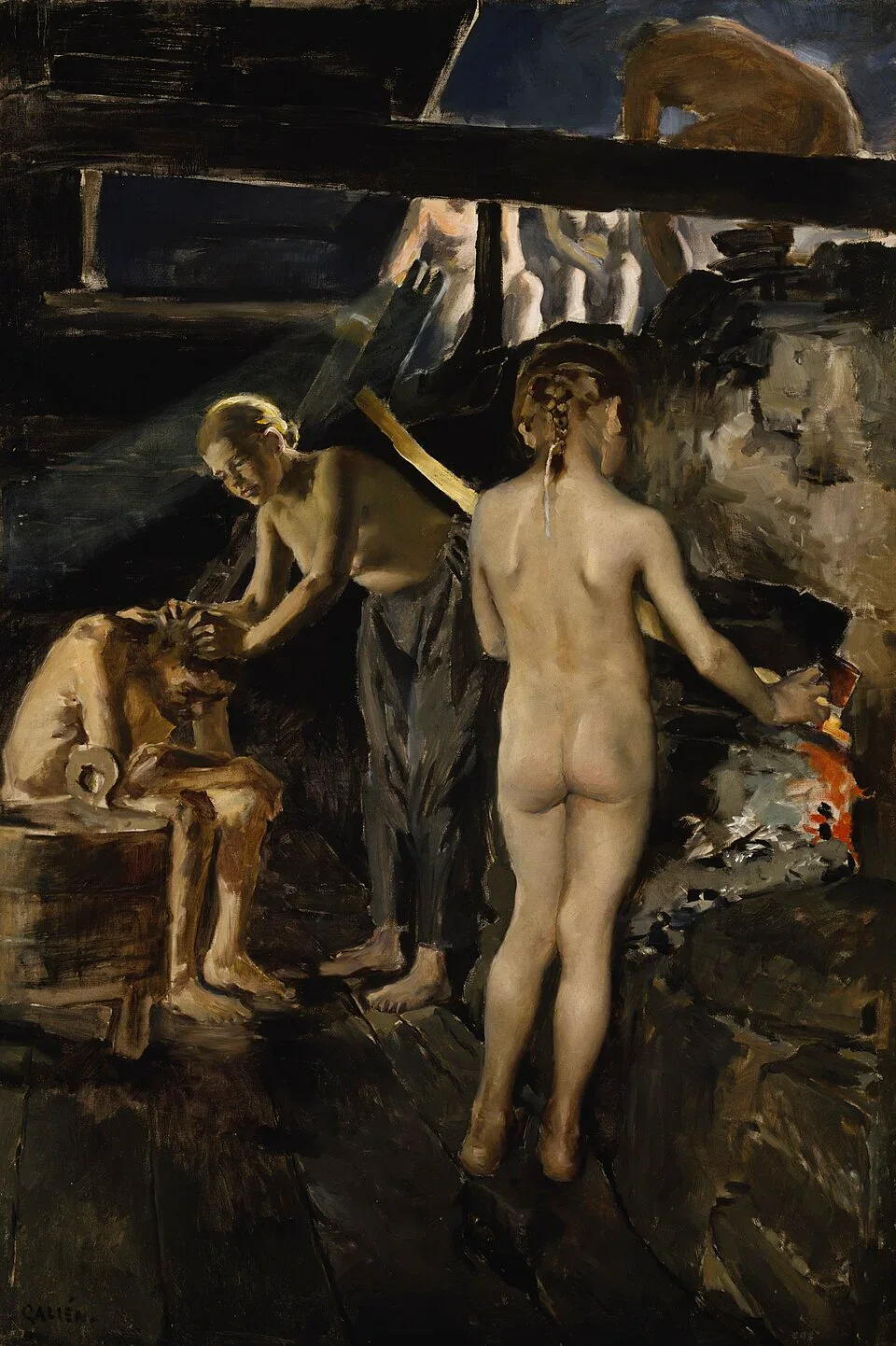
In the Sauna
You are standing in front of a picture its painter did not want on a gallery wall. He thought it was unfinished. Six people share the sauna, and every one of them is naked. At the front, a girl is seen from behind, stoking the fire. She is the central figure. He was praised for the way he painted a child, and for the shimmer in her. A young woman washes her father's hair, and he sits behind a basin. The other three are up on the high benches, which you reach by a ladder. The floorboards show this sauna had been used as a bath for a long time. He wanted to show traditional Finnish country life, and the sauna belonged to it. He kept any erotic feeling out, because the picture was meant to hang on its owner's wall. He knew that sauna well. At Ekola he went every evening with the people there and his friend, Count Louis Sparre. But the scene is not a single evening. He built it from memory and impressions, and painted it on the narrow porch of the sauna. He gave the picture to Knut Tilgmann. Tilgmann's brother Ernst passed it to the Ateneum in 1922. Gallen-Kallela then wrote to the curator, Thorsten Stjernschantz, telling him the picture was unfinished. He asked that it not stay on the walls forever. It has hung here all the same.
Listen in the appAkseli Gallen-Kallela · Public domain
09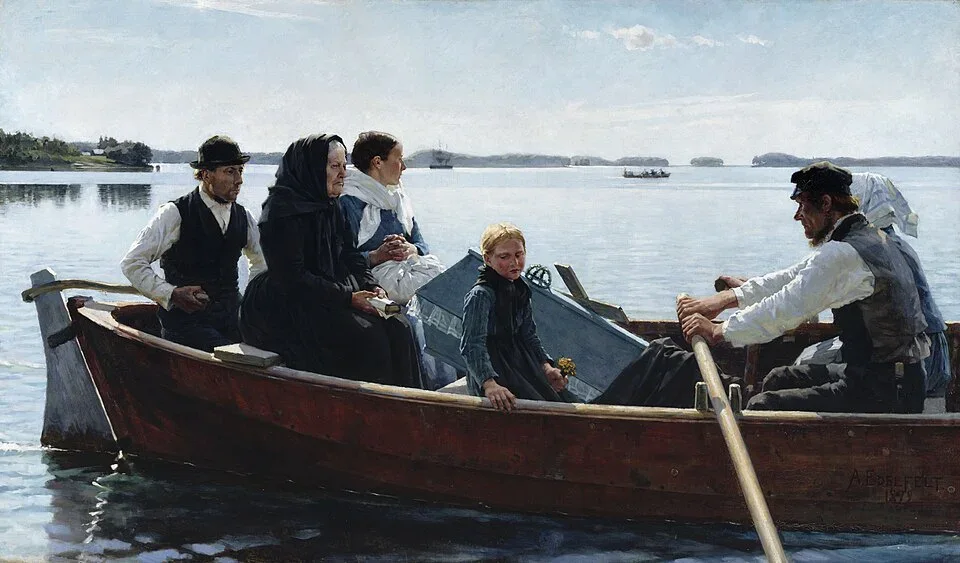
Conveying the Child's Coffin (A Child's Funeral)
We never learn who lies in the little coffin in this boat. Beside it, a small blond girl in blue holds yellow flowers in one fist and lowers her eyes toward the dark water. A wooden cross rests against the coffin. Six people carry the coffin out over calm blue water, on a sunny late summer morning off Haiko in Finland. They have put on their best clothes. The men wear white shirts and black vests, the young women white scarves. One of the two rowers is a woman, and a man steers. The people sit calmly, and the scene is quiet and solemn. Edelfelt painted this for the Paris Salon. In 1880 it won a third class medal, the first time a Finnish artist's work had been so highly rated there. He painted most of it outdoors, at a house near Porvoo that his mother rented for him. It was probably the first Finnish picture painted mostly outdoors.
Listen in the appAlbert Edelfelt · Public domain
10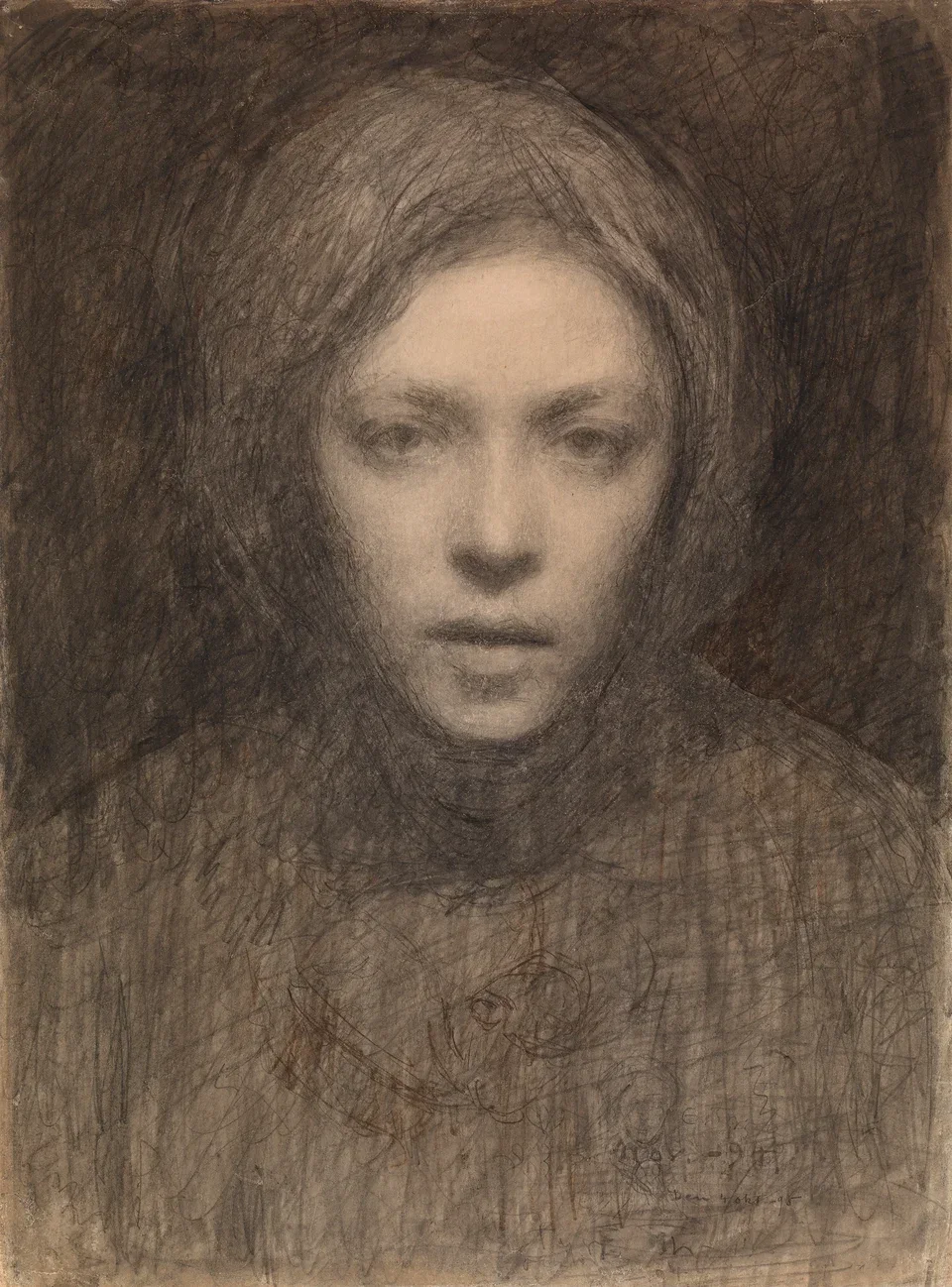
Self-Portrait
This drawing carries two signatures, and they are not from the same time. One is dated November 1894. The other is dated October 1895. That means it was made in two stages, almost a year apart. At twenty-five, Ellen Thesleff finished the first stage in pencil alone, and showed it in the spring of 1895. Fellow artists admired it. But she was not finished with it. Then she added sepia ink across the background, and that brown around her face came from this second stage. Her face is young and rounded, almost without color, and her eyes are open. Her body and clothes blur into the brown until you can hardly tell where they end. She showed this second version at the Ateneum that fall. Then she gave the drawing to Ernst Nordström, who had organized the exhibition. He had to promise that after his death it would go to a collection anyone could visit. She seems to have been unhappy about the gift. Nordström died in 1933, and the drawing came here. A large mirrored dressing table stood in the corner of the room where she worked. Whether she used that mirror to draw her own face is something we still do not know.
Listen in the appEllen Thesleff · Public domain
- 11
Kreeta Haapasalo Playing the Kantele in a Peasant Cottage
Robert Wilhelm Ekman · 1868
- 12
Aino Myth
Akseli Gallen-Kallela · 1891
- 13
Street in Auvers-sur-Oise
Vincent van Gogh · 1890
- 14
Out into the World
Maria Wiik · 1889
- 15
Bathing Men
Edvard Munch · 1907–1908
- 16
The Road Bridge at L'Estaque
Paul Cézanne · 1879–1882
- 17
Kullervo Cursing
Akseli Gallen-Kallela · 1899
- 18
Boys Playing on the Shore
Albert Edelfelt · 1884
- 19
Parisian backyard
Akseli Gallen-Kallela · 1884
- 20
Kaukola Ridge at Sunset
Albert Edelfelt · 1889–1890
- 21
The Great Black Woodpecker
Akseli Gallen-Kallela · 1893
- 22
Burning the Brushwood
Eero Järnefelt · 1893
- 23
The Fighting Capercaillies
Ferdinand von Wright · 1886
- 24
The Convalescent
Helene Schjerfbeck · 1888
- 25
Washing on the Ice
Pekka Halonen · 1900
- 26
A Clearing, Uusimaa Landscape
Fanny Churberg · 1872
- 27
Winter Landscape, Kinahmi
Pekka Halonen · 1923
- 28
Self-Portrait
Pekka Halonen · 1906
- 29
View from Haminalahti
Ferdinand von Wright · 1853
- 30
Imatra Falls in Snow
Akseli Gallen-Kallela · 1893
- 31
Kyröskoski
Werner Holmberg · 1857
- 32
Vallinkoski Rapids
Victor Westerholm · 1913
- 33
The Kyrö Rapids
Werner Holmberg · 1854
- 34
Breton Girl Holding a Jar
Amélie Lundahl · 1884
- 35
In the Garden of Haminalahti
Ferdinand von Wright · c. 1856–1857
- 36
Portrait of Jalo Sihtola
Yrjö Ollila · 1910
- 37
Moonlight, study
Fanny Churberg · 1878
- 38
Landscape Study from Eckerö
Victor Westerholm · 1884
- 39
The Bride's Song
Gunnar Berndtson · 1881
- 40
Mrs Heckford
Isak Wacklin · 1757
- 41
Self-Portrait
Elin Danielson-Gambogi · 1900
- 42
Self-Portrait
Väinö Kunnas · 1926
- 43
Autumn Landscape of Lake Pielisjärvi
Eero Järnefelt · 1899
- 44
Waterfall
Fanny Churberg · 1877
- 45
The Forging of the Sampo
Akseli Gallen-Kallela · 1893
- 46
Landscape in Korpilahti
Yrjö Ollila · 1913
- 47
Still Life with a Punch Bowl
Nils Schillmark · c. 1795–1797
- 48
Mimosa
Alvar Cawén · 1914
- 49
Under the Shadow of Masks
James Ensor · 1925
- 50
Maxim Gorky
Akseli Gallen-Kallela · 1906
- 51
Einar Reuter III
Helene Schjerfbeck · 1919–1920
- 52
Portrait of Mrs Bertha Stenman
Jalmari Ruokokoski · 1913
- 53
Landscape - Wiasholmen in the Pelling Islands
Aukusti Uotila · 1883
- 54
Musical Instruments
Fernand Léger · 1926
- 55
Girls Bathing in the Open Air (Out of Doors) ; Bathing Girls, Outside ; Outdoors
Anders Zorn · 1890
- 56
Women Outside the Church at Ruokolahti
Albert Edelfelt · 1887
- 57
Boys Playing
Verner Thomé · 1903
- 58
Echo
Ville Vallgren · 1887
- 59
Snow-Covered Pine Saplings
Pekka Halonen · 1899
- 60
Karl Knutson Bonde Leaving Vyborg Castle for the Royal Election in Stockholm 1448
Severin Falkman · 1886
- 61
Summer Night
Otto Mäkilä · 1938
- 62
Andromeda
Johannes Takanen · 1879–1882
- 63
Annankatu on a Cold Winter Morning
Magnus von Wright · 1868
- 64
Apollo and Marsyas
Walter Runeberg · 1874
- 65
In the Borély Park
Verner Thomé · 1908
- 66
Ester Sihtola
Eero Järnefelt · 1934
- 67
Francesca
Väinö Blomstedt · 1897
- 68
Aspens
Ellen Thesleff · 1893
- 69
Fanatics
Tyko Sallinen · 1918
- 70
Everywhere a Voice Invites Us...
Beda Stjernschantz · 1895
- 71
Flower of Death
Akseli Gallen-Kallela · 1895
- 72
The Chefs
Ester Helenius · 1924
- 73
The Strawberry Girl
Nils Schillmark · c. 1782
- 74
Boy with a Crow
Akseli Gallen-Kallela · 1884
- 75
The Cliffs of Dover ; The Cliffs at South Foreland
Alfred William Finch · 1892
- 76
Interior, Woman Playing the Piano
Sulho Sipilä · 1931
- 77
A Peasant Dance in Finland
Aleksander Lauréus · 1816
- 78
Pond Water Crowfoot ; Pond Weed
Eero Järnefelt · 1895
- 79
The Violin Player
Ellen Thesleff · 1896
- 80
Girls Reading
Helene Schjerfbeck · 1907
- 81
The Seamstress (The Working Woman)
Helene Schjerfbeck · 1905
- 82
The Door
Helene Schjerfbeck · 1884
- 83
Portrait of Marie Hagelstam (von Heiroth)
Albert Edelfelt · 1899
- 84
The Gipsy Woman
Helene Schjerfbeck · 1919
- 85
Abandoned ; Orphan
Albert Gebhard · 1895
- 86
An August´s Night
Alfred William Finch · 1898
- 87
The Awakening
Magnus Enckell · 1894
- 88
Buying National Dresses at Säkylä
Arvid Liljelund · 1878
- 89
Death´s Walk
Magnus Enckell · 1896
- 90
Scrubbing the Floor
Juho Rissanen · 1907–1908
- 91
The Poor Devil by the Fire ; The Devil by the Pot
Hugo Simberg · 1897
- 92
Costume Picture I (Girl with Orange, The Baker's Daughter)
Helene Schjerfbeck · 1908–1909
- 93
Le Franc, Wine Merchant, Boulevard de Clichy, Paris
Eero Järnefelt · 1888
- 94
Mrs. Anni Lagerborg
Magnus Enckell · 1914
- 95
At the Vestry Door
Karl Jansson · 1874
- 96
Sifting Grain
Juho Rissanen · 1908
- 97
Blind
Juho Rissanen · 1899
- 98
Dancing Natalie Nordmann
Ilya Repin · early 20th century
- 99
The Variety Theatre in Paris
Magnus Enckell · 1912
- 100
Shadow on the Wall II (Green Bench)
Helene Schjerfbeck · 1928
- 101
Alpine Lake
Fanny Churberg · 1872
- 102
Lullaby
Alvar Cawén · 1921
- 103
Self-Portrait with Black Background
Helene Schjerfbeck · 1915
- 104
The Short-Cut
Pekka Halonen · 1892
- 105
The Violinist
Pekka Halonen · 1900
- 106
Pioneers in Karelia
Pekka Halonen · 1900
- 107
Portrait of Elizabeta Zvantseva
Ilya Repin · 1889
- 108
Christ and Mary Magdalene, a Finnish Legend
Albert Edelfelt · 1890
- 109
Portrait of the Artist's Wife Ellan Edelfelt
Albert Edelfelt · 1896
- 110
Frost
Hugo Simberg · 1895
- 111
Winter Landscape, Myllykylä
Pekka Halonen · 1896
- 112
The Lynx Hunter
Pekka Halonen · 1900
- 113
Rock Covered in Ice and Snow
Pekka Halonen · 1911
- 114
The Kantele Player
Pekka Halonen · 1892
- 115
Great Pine of Kotavuori
Pekka Halonen · 1916
- 116
Sublieutenant Anton af Tengström
Gustaf Wilhelm Finnberg · 1826
- 117
River Landscape
Yrjö Ollila · 1921
- 118
Lake Shore with Reeds
Eero Järnefelt · 1905
- 119
Summer Night
Elin Danielson-Gambogi · 1890
- 120
Spring Evening During the Break-Up of the Ice
Hugo Simberg · 1897
- 121
Landscape in Kajaani
Tyko Sallinen · 1919
- 122
Portrait of a Woman
Alvar Cawén · 1915
- 123
Winter Landscape, Sunset
Fanny Churberg · 1878
- 124
Interior from the Home of the Artist
Vilhelm Hammershøi · 1901
- 125
Fantasy
Magnus Enckell · 1895
- 126
Reclining Boy
Magnus Enckell · 1892
- 127
Folk-Healer
Juho Rissanen · 1899
- 128
Rabbi Reading
Albert Edelfelt · 1899
- 129
The Fortune-Teller
Juho Rissanen · 1899
- 130
Tomatoes
Pekka Halonen · 1913
- 131
Wounded Warrior in the Snow
Helene Schjerfbeck · 1880
- 132
Old Woman with a Chip Basket
Albert Edelfelt · 1882
- 133
Aino Looking out to Sea
Johannes Takanen · 1886
- 134
The Giant Pike
Akseli Gallen-Kallela · 1904
- 135
Cupid Tormenting Hearts
Johannes Takanen · 1881
- 136
Arne Cederholm with a Model
Magnus Enckell · 1905
- 137
Clear Day
Yrjö Ollila · 1907–1910
- 138
Hunter
Magnus Enckell · 1919
- 139
Storm on Lake Näsijärvi
Werner Holmberg · 1860
- 140
Woman in Profile
Alfred William Finch · 1915
- 141
Mail Road in Häme
Werner Holmberg · 1860
- 142
The Flower of Love
Ville Vallgren · 1894
- 143
Ruissalo Bridge
Elin Danielson-Gambogi · 1891
- 144
Ducks
Magnus von Wright · 1853
- 145
Mother of the Artist
Magnus Enckell · 1904
- 146
The Barn Dance
Tyko Sallinen · 1918
- 147
Modern Schoolgirl
Helene Schjerfbeck · 1928
- 148
Decaying Sander
Akseli Gallen-Kallela · 1884
- 149
Draining the Sap
Juho Rissanen · 1916
- 150
Bermuda
Albert Gleizes · 1917
- 151
The School Girl II (Girl in Black)
Helene Schjerfbeck · 1908
- 152
Summer Night Moon
Eero Järnefelt · 1889
- 153
Spring Night
Ellen Thesleff · 1894
- 154
Woman in her Petticoat
Magnus Enckell · 1912
- 155
Decorative Landscape
Ellen Thesleff · 1910
- 156
Singer in Black
Helene Schjerfbeck · 1916–1917
- 157
Boy with Skull
Magnus Enckell · 1893
- 158
On the Shore
Alvar Cawén · 1912
- 159
Churchgoers (Easter Morning)
Helene Schjerfbeck · 1895–1900
- 160
First Lesson
Akseli Gallen-Kallela · 1887–1889
- 161
Shepherdess
Yrjö Ollila · 1915
- 162
Children Playing
Eero Järnefelt · 1895
- 163
Guitarist
Albert Gebhard · 1902
- 164
Portrait of a Woman
Jalmari Ruokokoski · 1913
- 165
Cottage of the Artist in Kilo
Magnus Enckell · 1921
- 166
The artist Juvela
Onni Muusari · 1912
- 167
Launching the Boat
Otto Mäkilä · 1939
- 168
Omega I
Otto Mäkilä · 1945
- 169
Charing Cross Bridge
Robert Charles Goff
- 170
Two Women at a Coffee Table
Ernst Josephson
- 171
Entering the party
Jean-Louis Forain
Ateneum
Frequently asked questions
How much does the guide cost?
Free app download. Free until 1 January. Listed guide price: $1.99. Audio guide only. Venue admission is separate.
Can I listen without internet?
Yes. Download the guide’s audio, images, and maps in the app before your visit. Your downloaded content is then available offline.
Can I listen in my language?
In English for now. More languages soon.
Do I need to follow a schedule?
No. This is a self-guided experience. Choose your stops, pause whenever you like, and return to a story at your own pace.
Which artworks are in the Ateneum audio guide?
171 artworks, including The Wounded Angel (Hugo Simberg), The Garden of Death (Hugo Simberg), Hiva Oa (Paul Gauguin), The Luxembourg Gardens, Paris (Albert Edelfelt), Road in Häme (Werner Holmberg), Lemminkäinen's Mother (Akseli Gallen-Kallela), Queen Blanche (Albert Edelfelt), and In the Sauna (Akseli Gallen-Kallela). The full list is on this page.
Is this the museum’s official audio guide?
No. Stanza is an independent audio guide app and is not affiliated with Ateneum. Museum admission is separate.
At your own pace
Explore Ateneum.
Download Stanza, then search for “Ateneum”.
Free app download · Guide price shown in the app
Keep exploring
Nearby audio guides
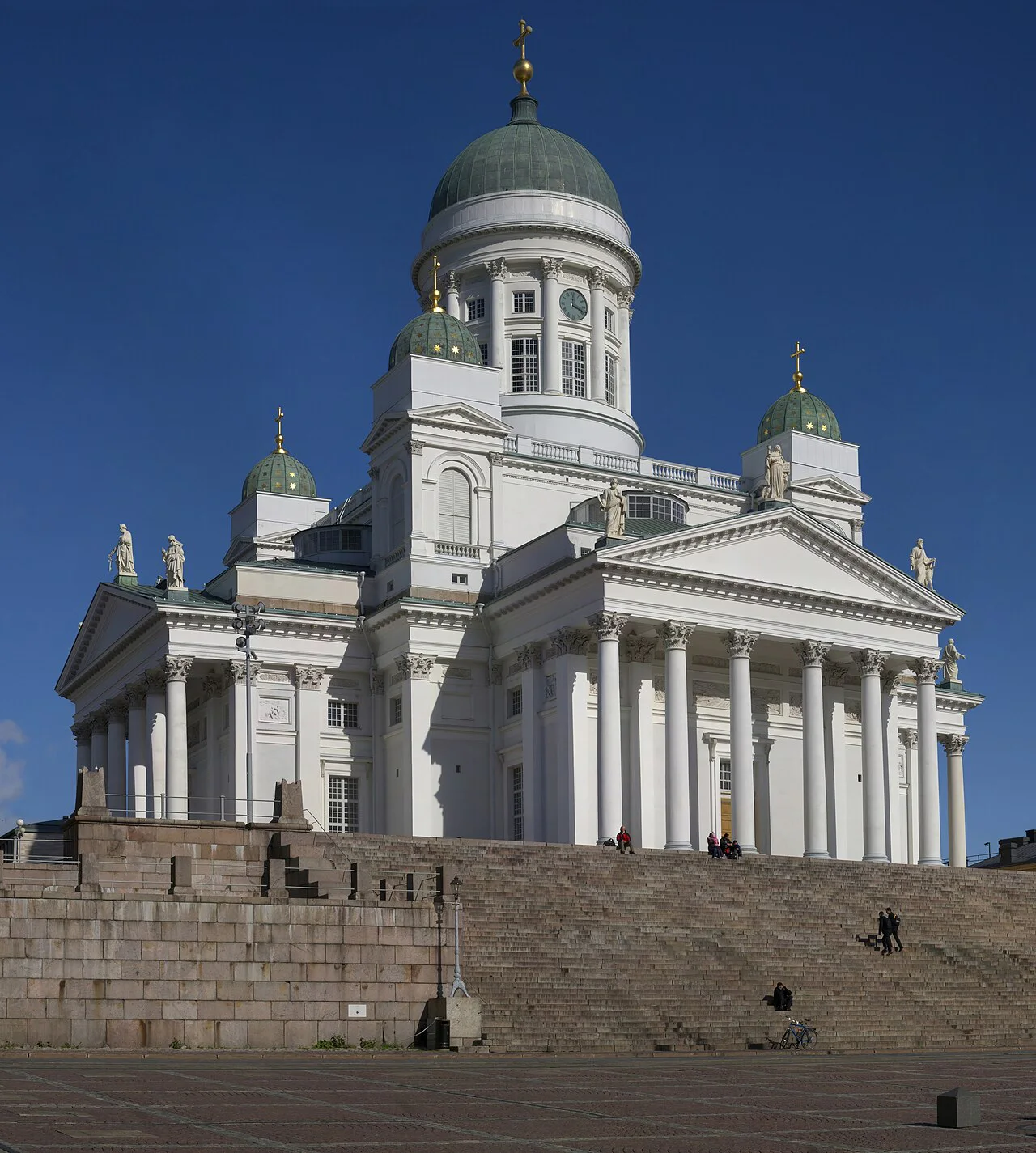
Helsinki · 1 km
Helsinki Cathedral
Content & sources
Hans Hillewaert · CC BY-SA 3.0
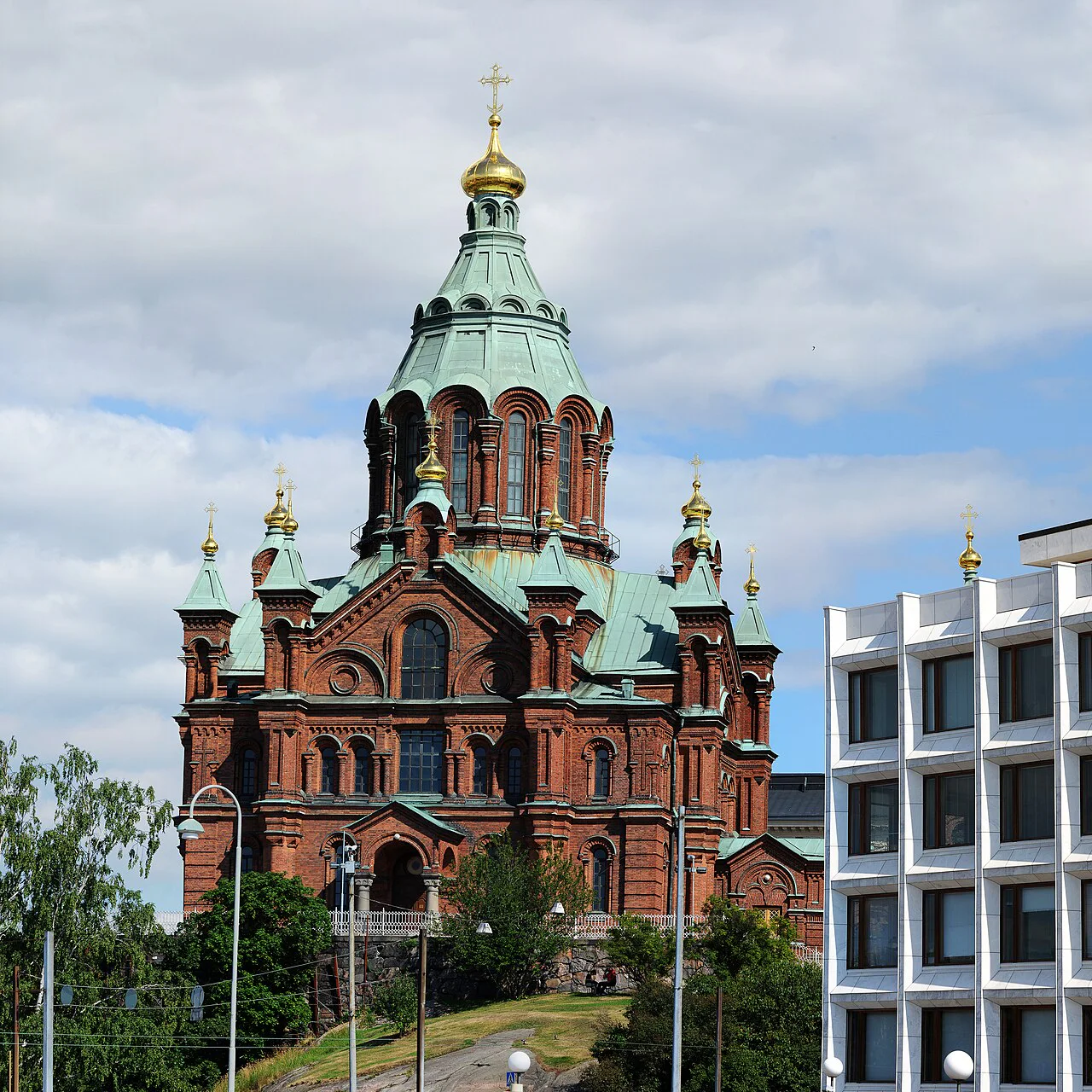
Helsinki · 1 km
Uspenski Cathedral
Content & sources
Ralf Roletschek (talk) - Fahrradtechnik auf fahrradmonteur.de · FAL
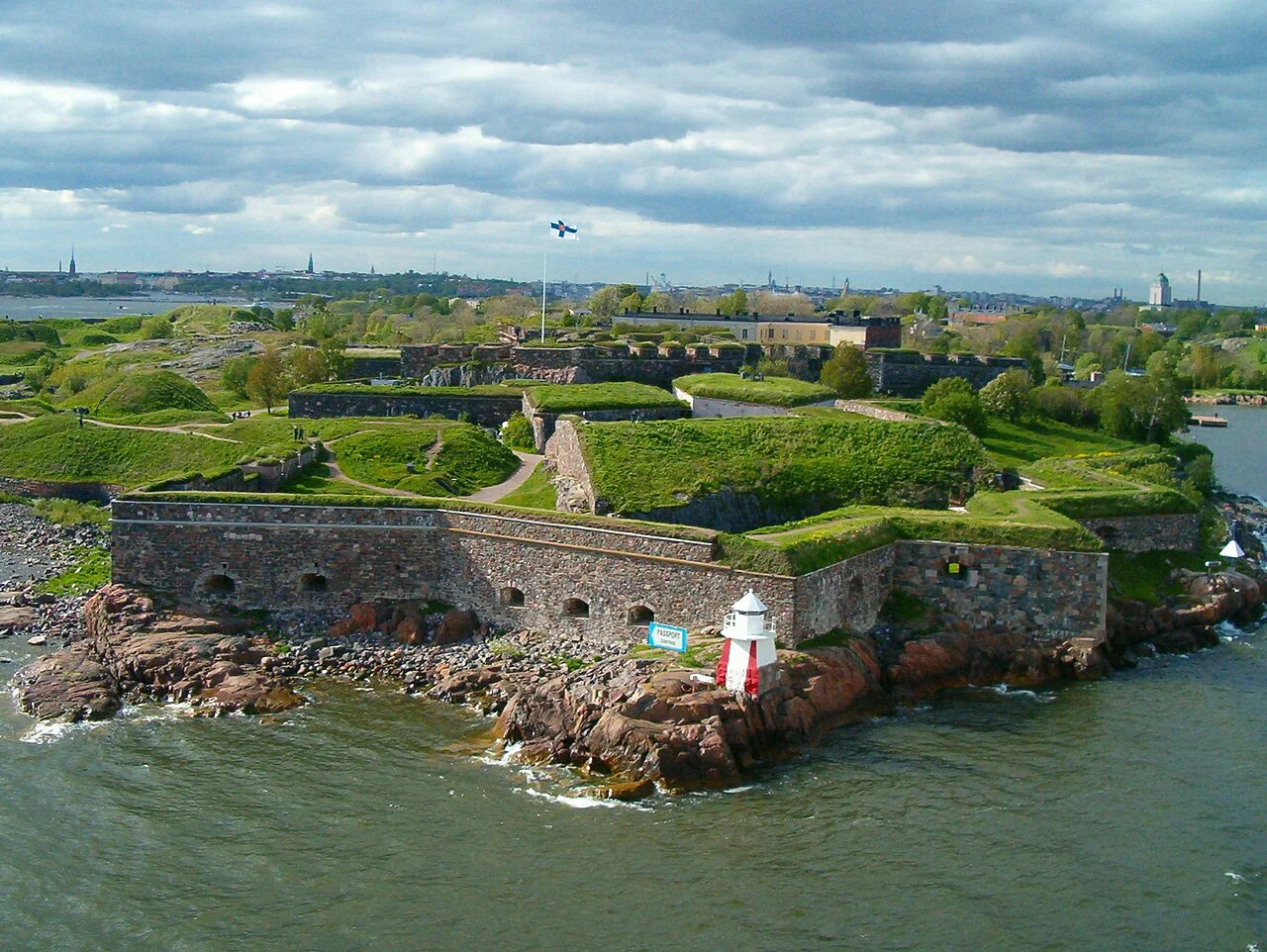
Helsinki · 4 km
Suomenlinna
Content & sources
Michal Pise, Michal.Pise · CC BY 2.0
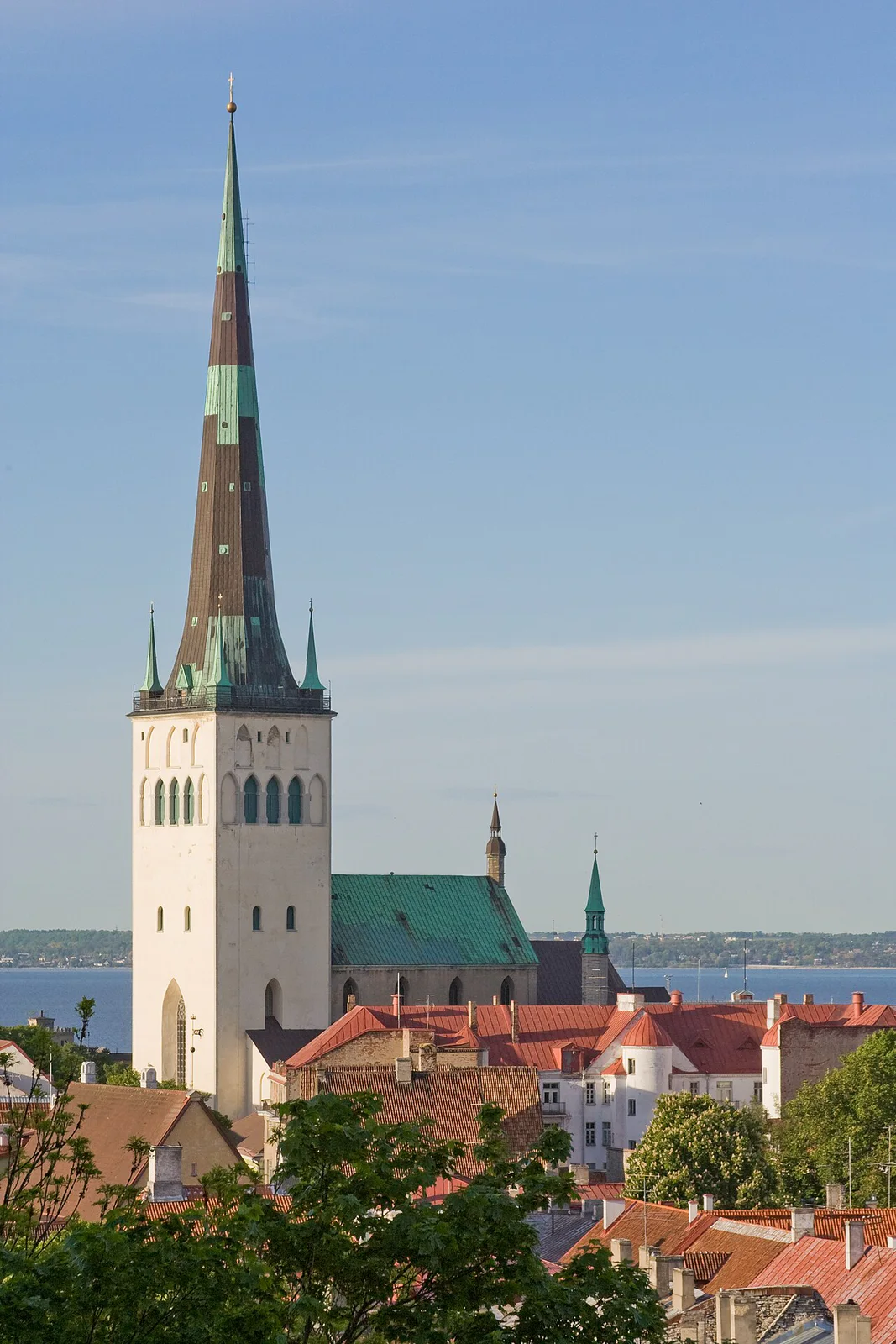
Tallinn · 82 km
St. Olaf's Church, Tallinn
Content & sources
Olga Itenberg · CC BY 2.0
Art museums
More art museum audio guides
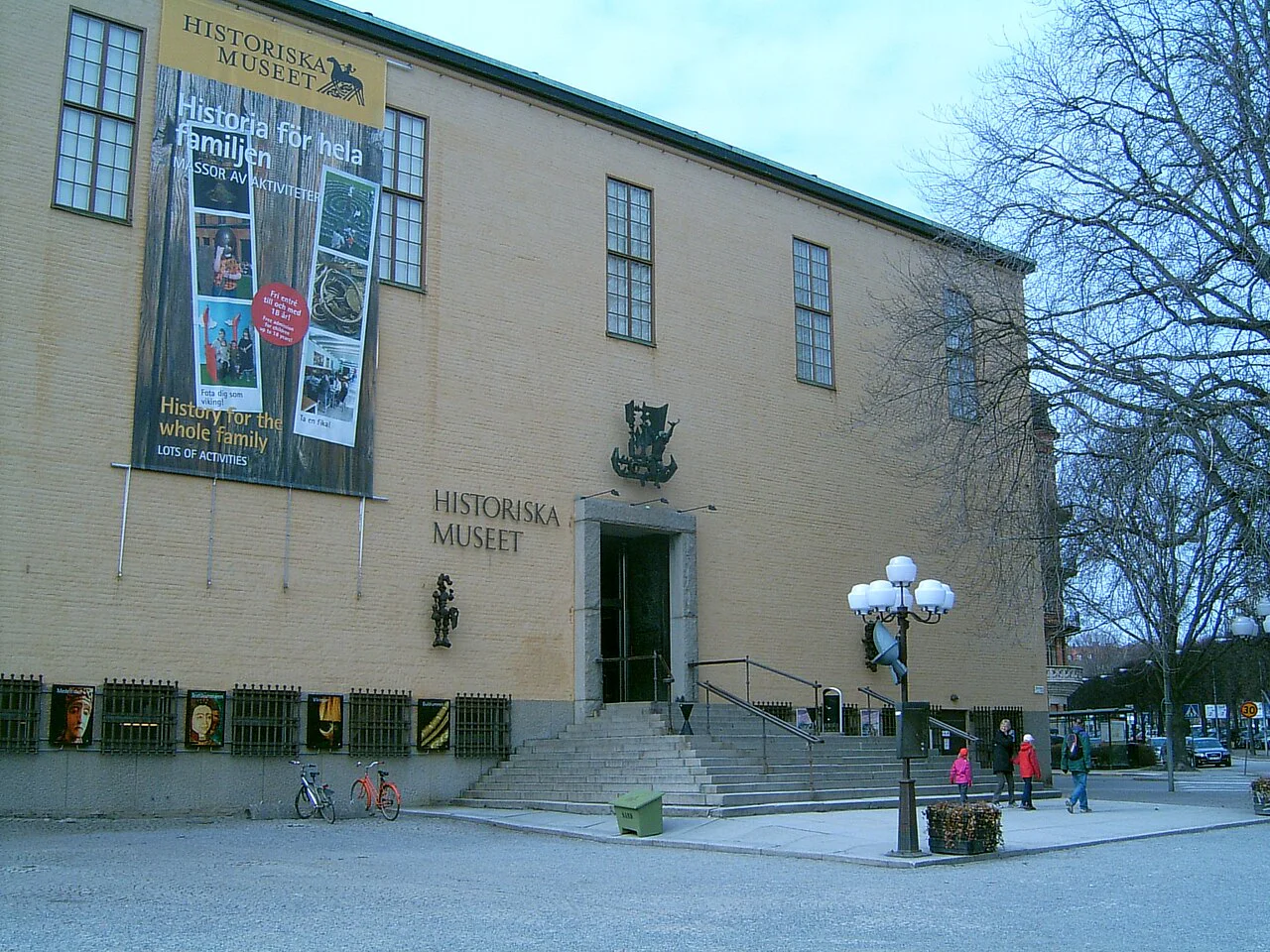
Stockholm · 55 artworks
Swedish History Museum
Content & sources
Mr Bullitt · CC BY-SA 3.0
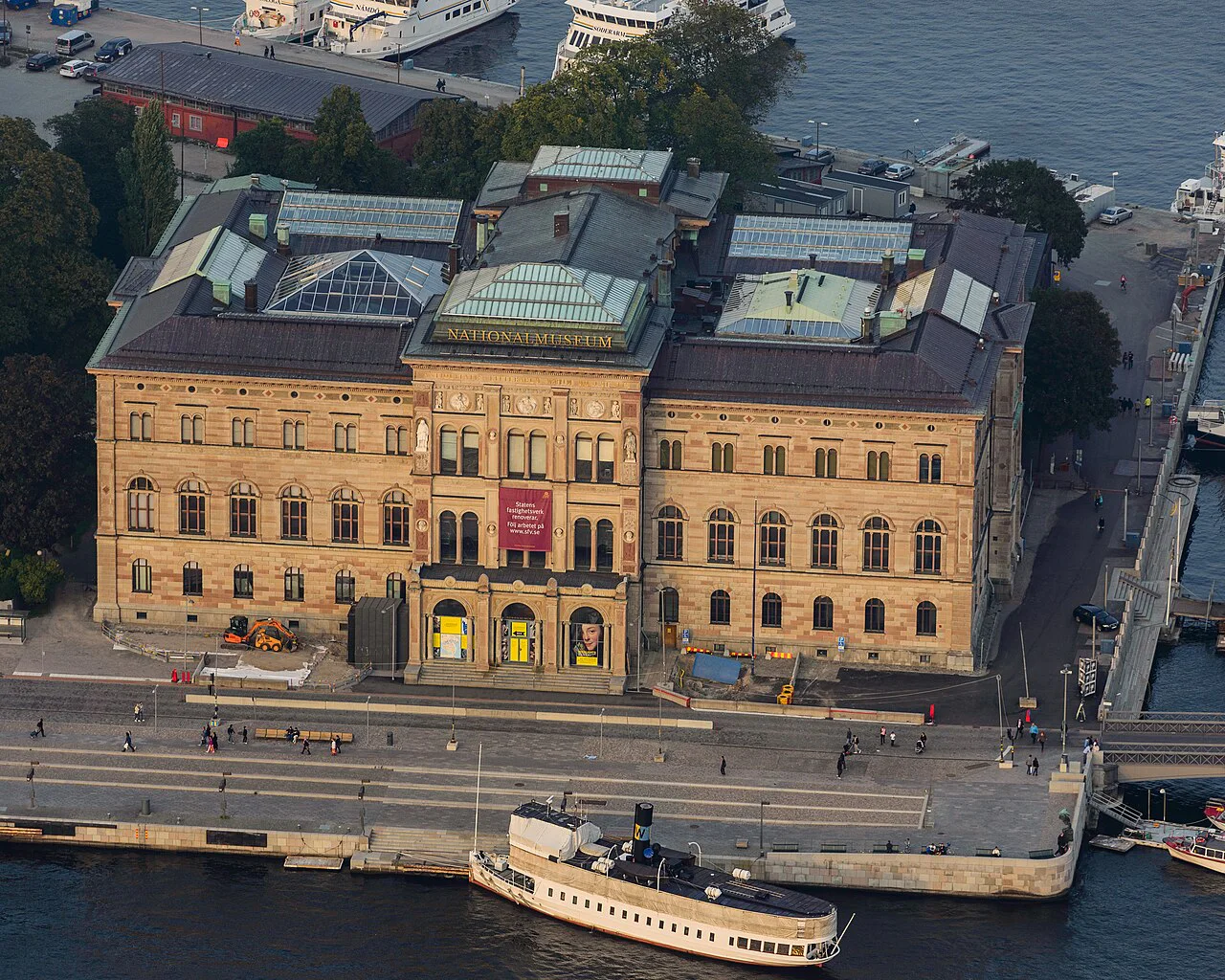
Stockholm · 164 artworks
Nationalmuseum
Content & sources
Arild Vågen · CC BY-SA 4.0
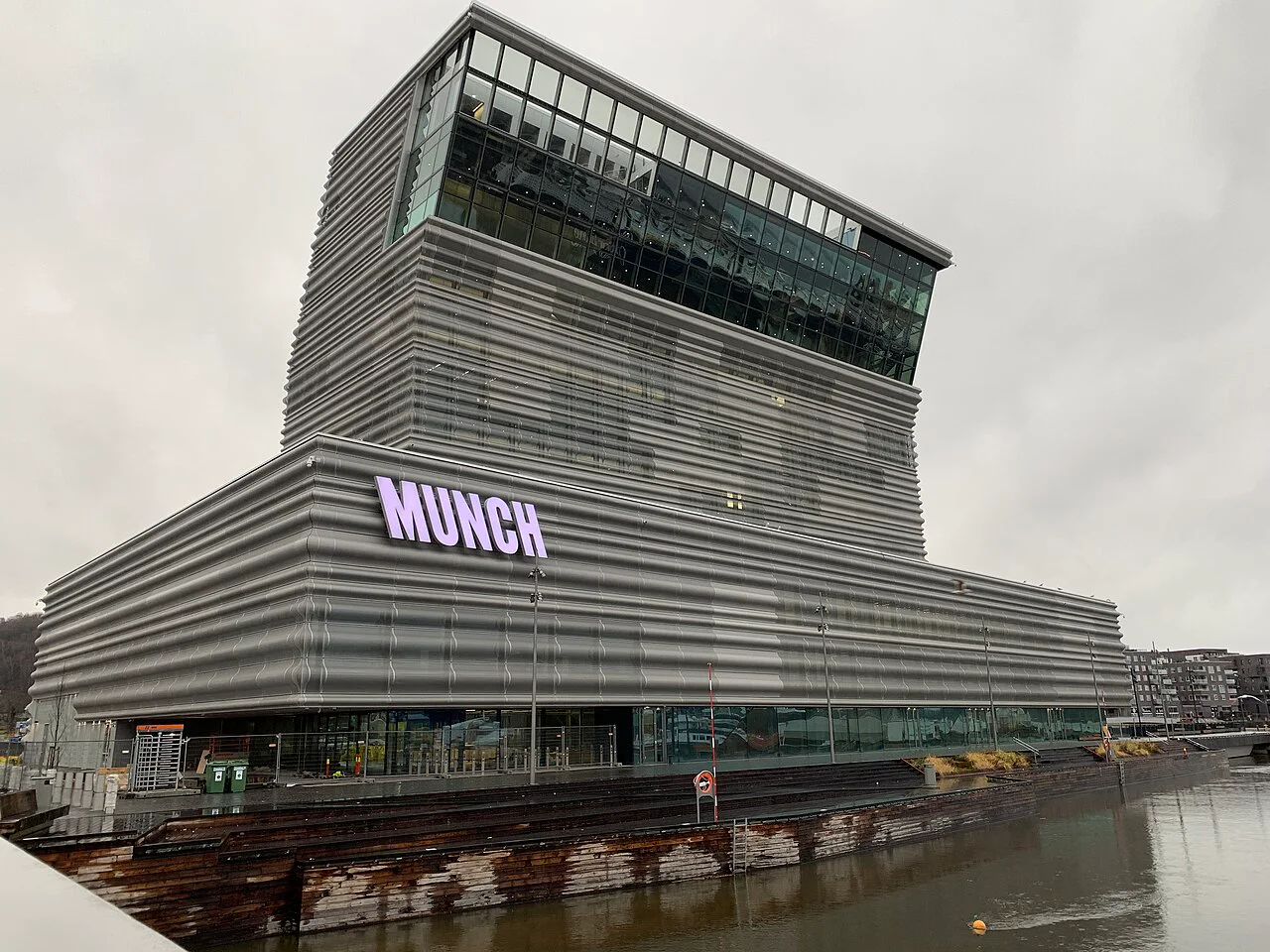
Oslo · 20 artworks
Munch Museum
Content & sources
Photo: Premeditated · CC BY-SA 4.0
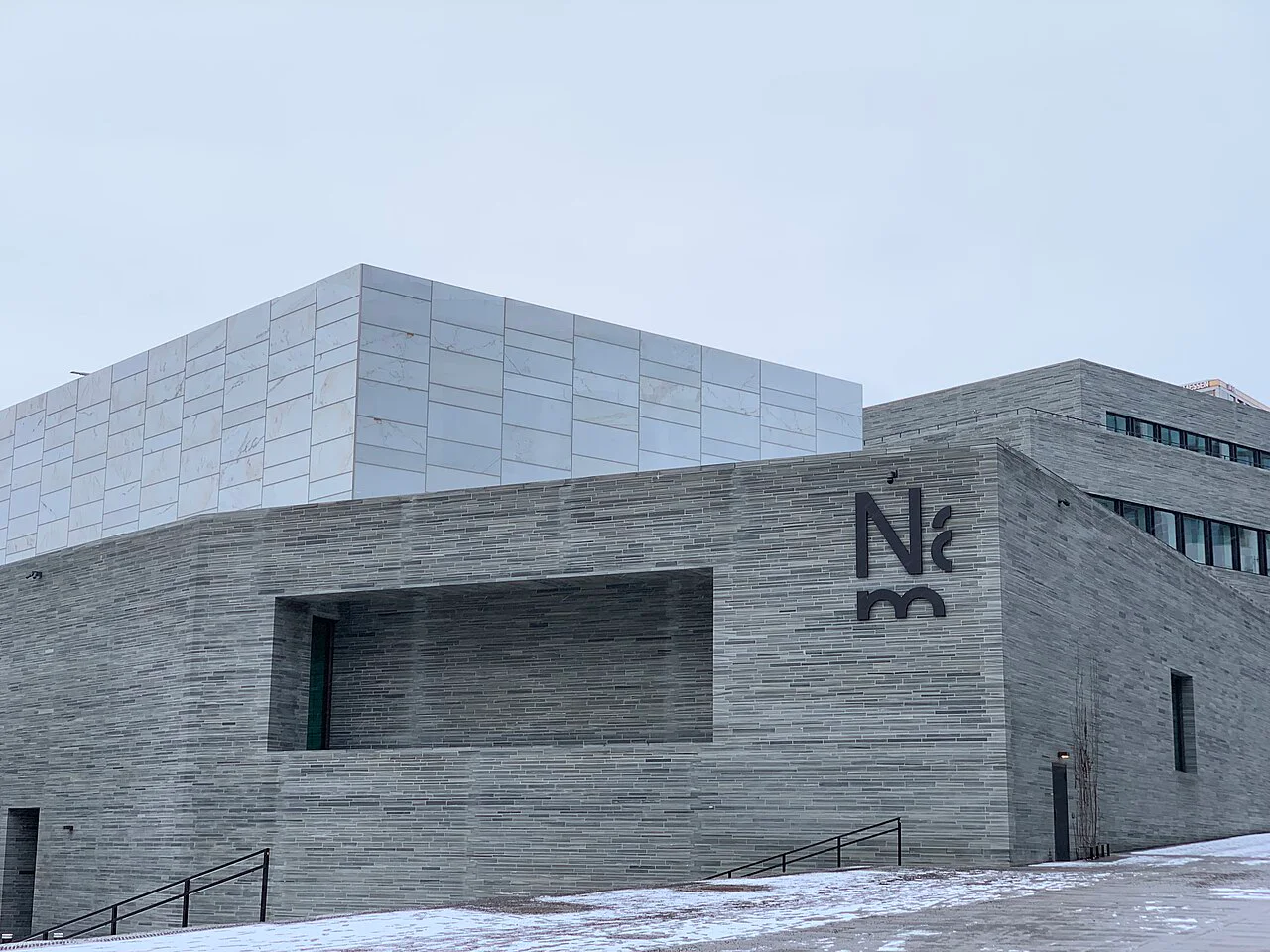
Oslo · 60 artworks
National Museum of Norway
Content & sources
Photo: Premeditated · CC BY-SA 4.0
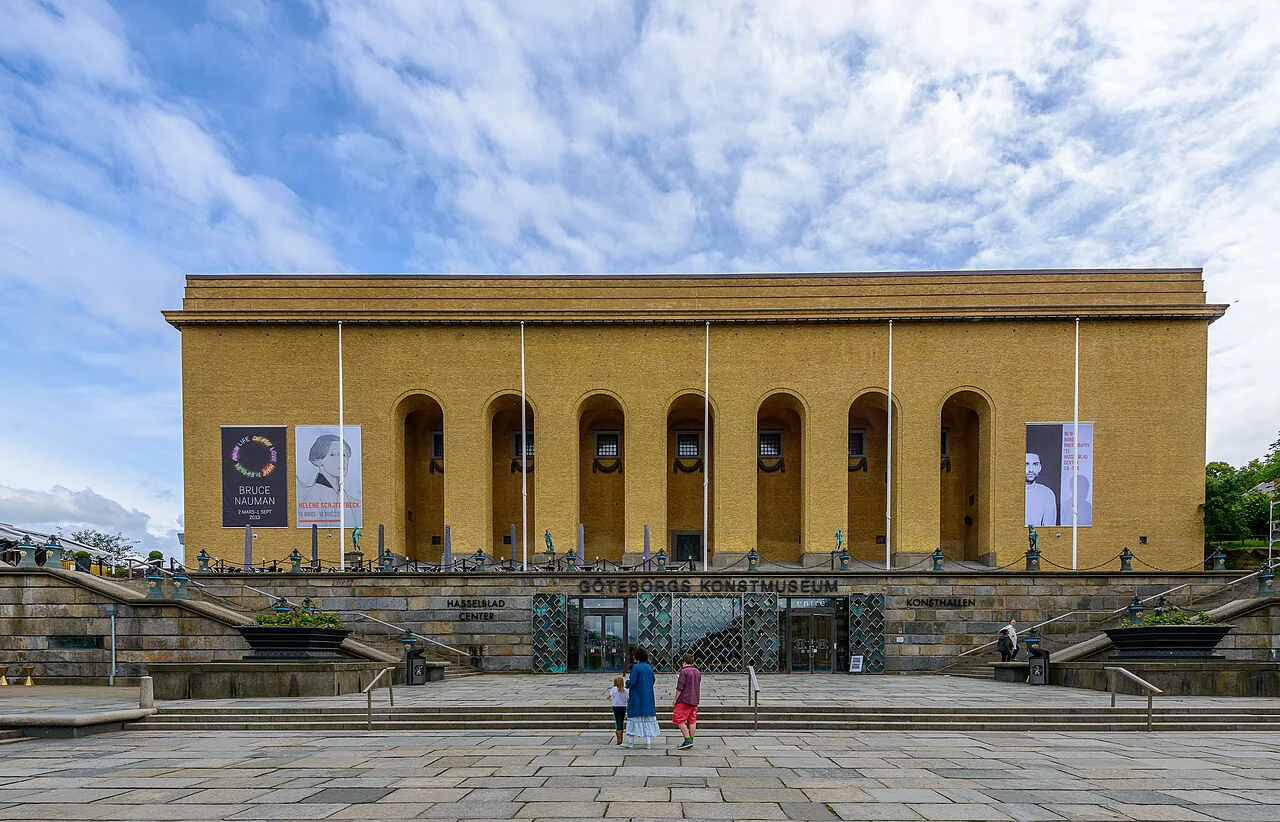
Gothenburg · 21 artworks
Gothenburg Museum of Art
Content & sources
Photo: Bolstermage · CC BY-SA 3.0
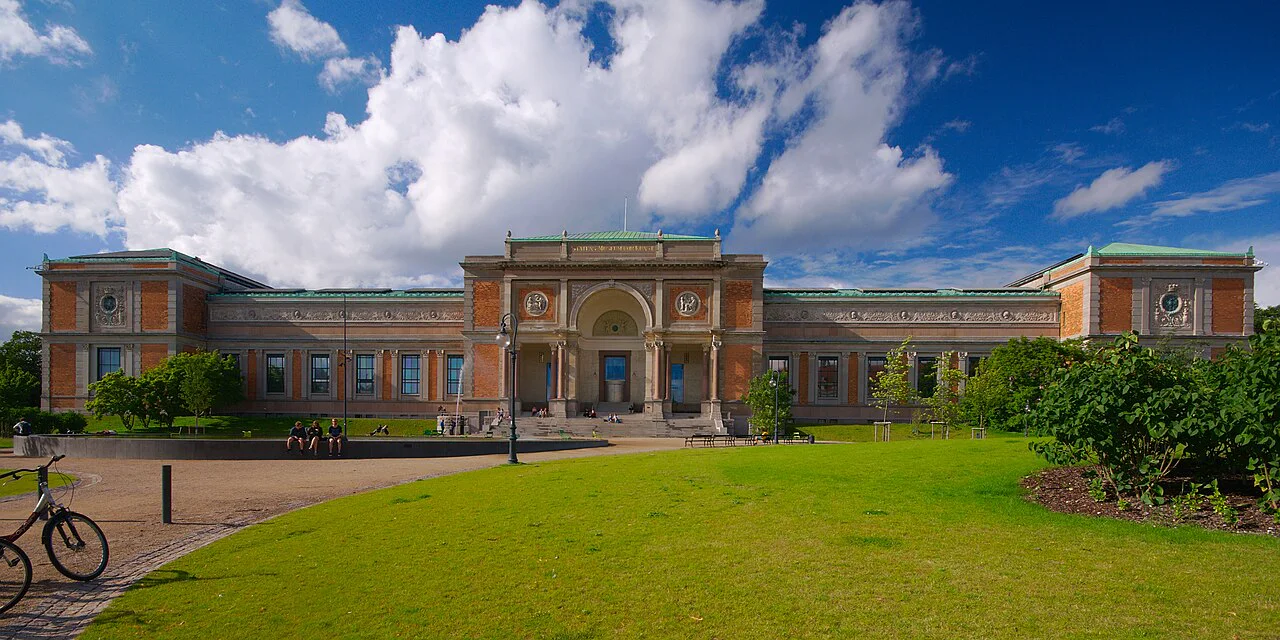
Copenhagen · 101 artworks
National Gallery of Denmark
Content & sources
Photo: Jiří Komárek · CC BY-SA 4.0