Stanza · Audio guide
Musée de Picardie Audio Guide
A place to remember. A story to take with you.
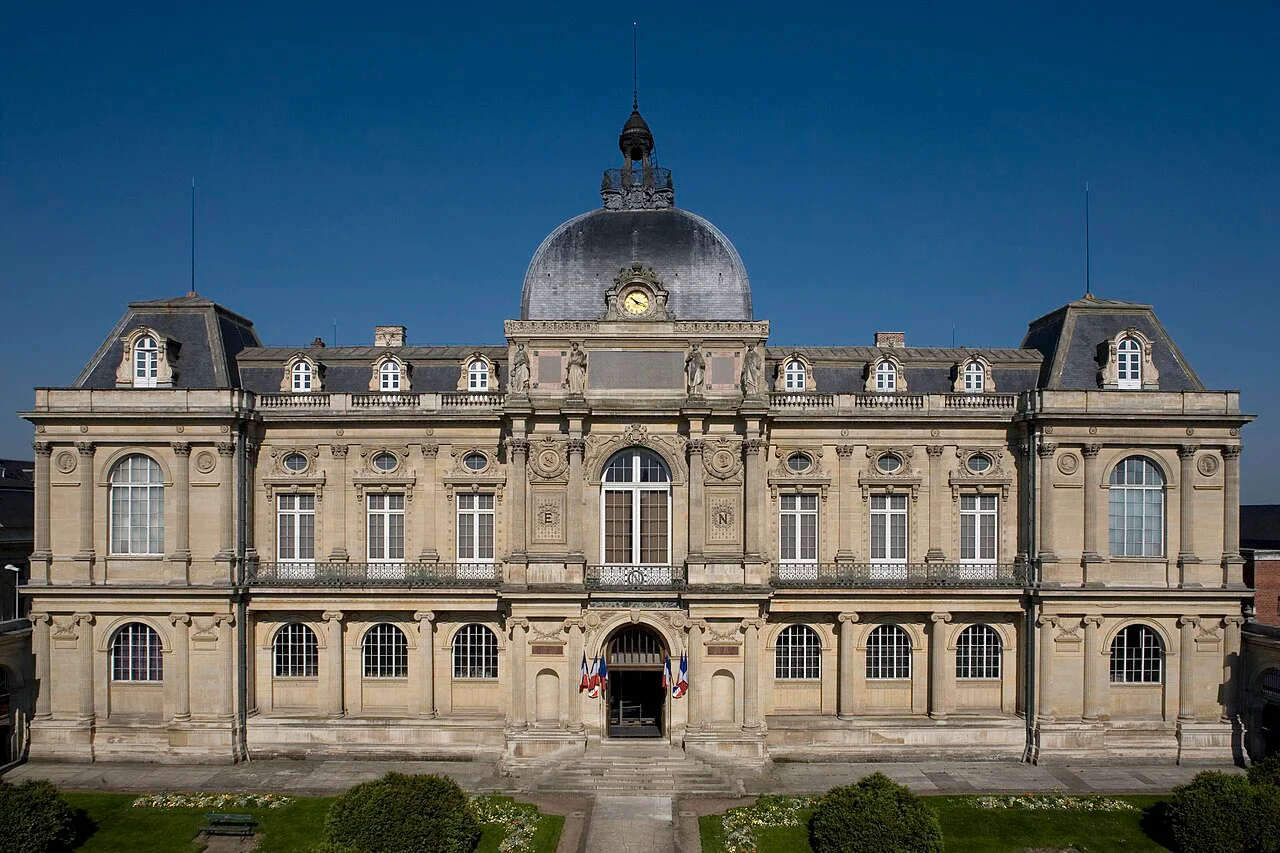
The Musée de Picardie is the main museum of Amiens and Picardy in France, located at 48, rue de la République, Amiens. Its collections include artifacts ranging from prehistory to the 19th century and form…
Download Stanza, then search for “Musée de Picardie”.
About the tour
One guide. Your kind of visit.
The Musée de Picardie is the main museum of Amiens and Picardy in France, located at 48, rue de la République, Amiens. Its collections include artifacts ranging from prehistory to the 19th century and form one of the largest regional museums in France.
The Musée de Picardie guide tells the stories of 45 artworks, including Portrait of a man, possibly Alonso de Herrera (El Greco), Lady Godiva (Jules Lefebvre), Le massacre des mamelouks ordonné par Méhémet Ali Pacha (1811) (Horace Vernet), Diana and Endymion (Jérôme-Martin Langlois), God of Amiens (Unknown Artist), Moses presenting the tablets of the law (Philippe de Champaigne), Le prévôt et les échevins de la ville de Paris délibérant d'une fête en l'honneur du dîner de Louis XIV à l'hôtel de ville après sa guérison en 1689 (Hyacinthe Rigaud), and Century of Augustus: Birth of Jesus Christ (Jean-Léon Gérôme). Every artwork is free to hear in the Stanza app until 1 January.
Ready when you are.
- 01Get the free Stanza app.
iOS & Android
- 02Find your guide.
“Musée de Picardie”
- 03Download before you go.
Works offline
Audio guide / 45 artworks
Inside the guide
Get to know a few of the stories before you go. Open a stop to read more.
01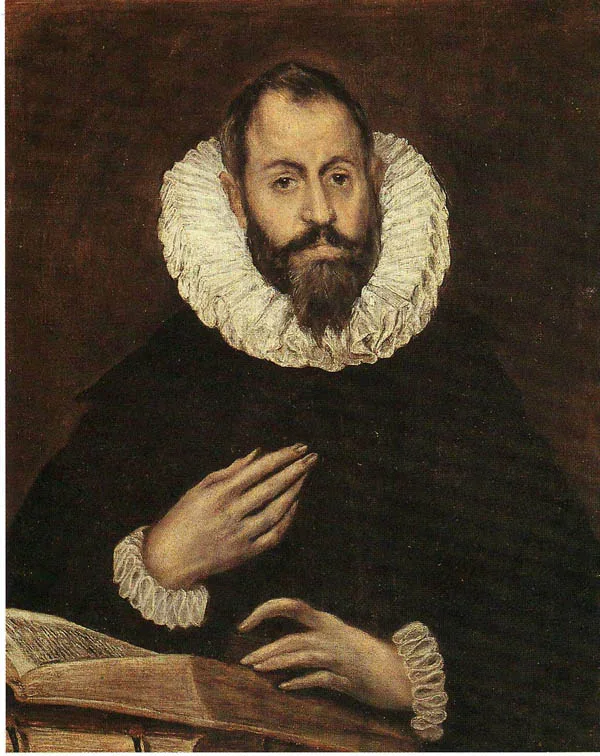
Portrait of a man, possibly Alonso de Herrera
Who is this man? No one can say for certain, but the answer lies in his hands. His right hand folds back against his chest, a way of presenting himself, almost an assertion. His left rests on a book, and that makes him a man of letters, a scholar, perhaps a professor or a magistrate. The letters V and T in the book's margin are hard to explain. Over time he has been called a master, an unknown gentleman, and Alonso de Herrera. His face is long and his forehead high, and that stretching of the features may come from El Greco's years in Rome. He painted this near the end of his life. But the left hand on the book is soft and misshapen in a way his portraits had never shown before. It may be that his son Jorge Manuel painted that hand.
Listen in the appEl Greco · Public domain
02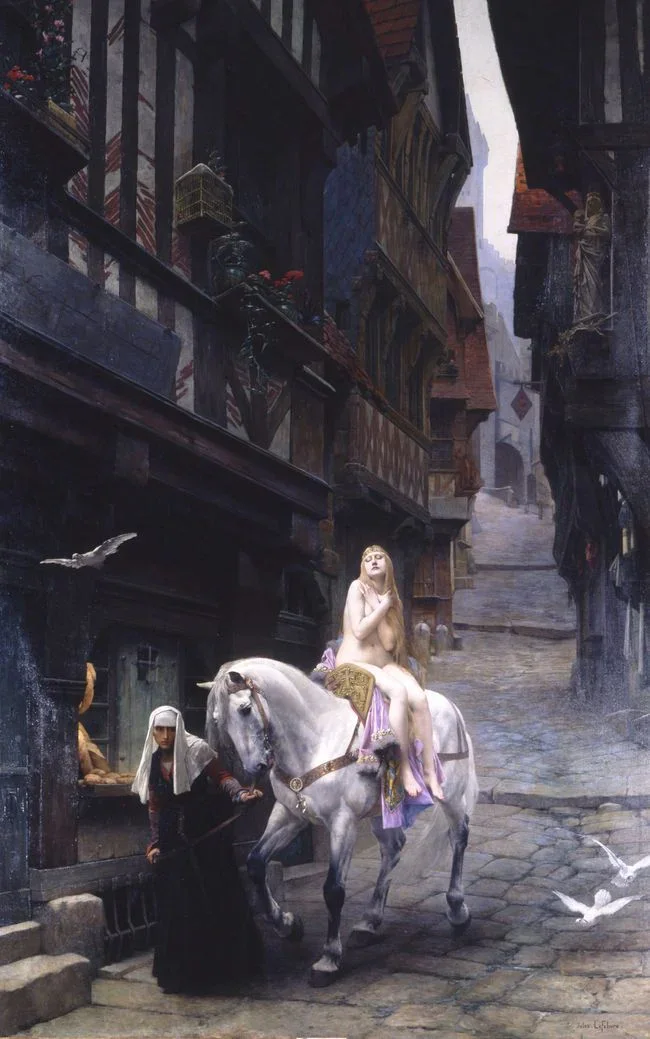
Lady Godiva
A naked woman rides a white horse through an empty medieval street. Her arms are crossed over her chest and her eyes are closed. A servant in a long black coat leads the horse, looking wary. The street is empty on purpose. The people of Coventry stayed indoors so they would not see her ride naked, out of respect for her modesty. Her long hair was all that protected her. She is Lady Godiva, and the legend makes this ride a bargain. Her husband Leofric, Earl of Mercia, had loaded the city with heavy taxes. She begged him again and again to ease them. At last he said he would grant her wish only on the day she crossed the city with no clothes on. So she took him at his word. And after the ride, Leofric kept his promise and lowered the taxes. Coventry later offered to buy the painting for a large sum. Lefebvre sold it to Amiens instead, for a quarter of the price. He chose that city out of gratitude. Amiens had once helped pay for his studies.
Listen in the appJules Lefebvre · Public domain
03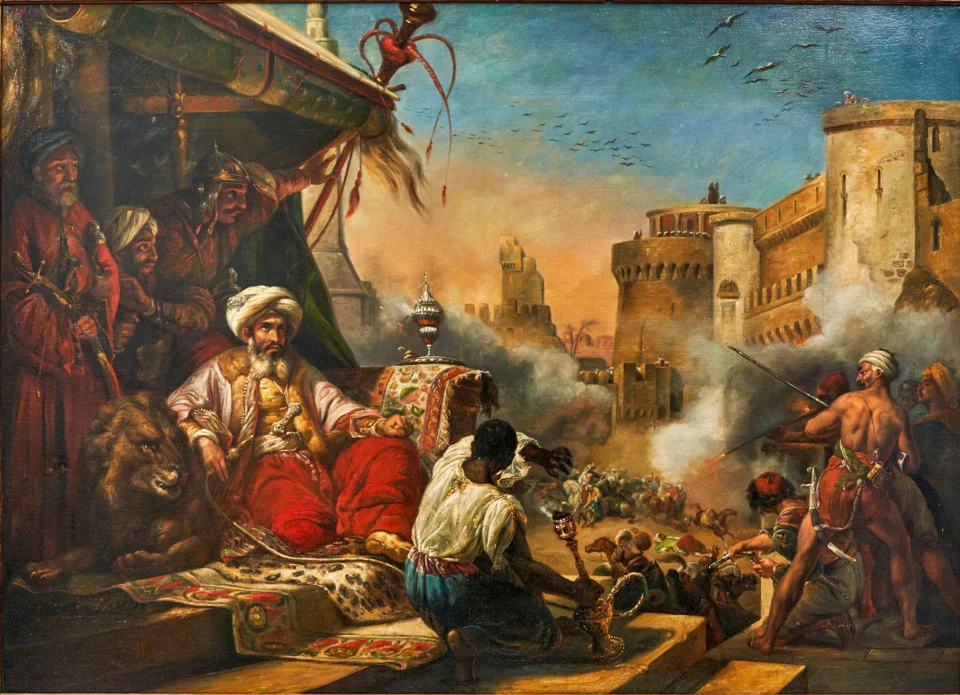
Le massacre des mamelouks ordonné par Méhémet Ali Pacha (1811)
Muhammad Ali wanted power in Egypt. The killing in this picture was the last step toward it. He ordered it himself, and he sits smoking his water pipe as he watches the violence unfold. The scene is the massacre of the Mamelukes at the Citadel of Cairo in 1811. Horace Vernet had made his name on scenes of the Napoleonic era, not Egypt. In 1819 he brought this, one of his first paintings of the East, to the Paris Salon. Perhaps Vernet meant the calm ruler and the killing to echo the White Terror that followed the Second Bourbon Restoration in France after Waterloo. A tapestry made from the painting was shown at the Great Exhibition at the Crystal Palace in 1851.
Listen in the appHorace Vernet · Public domain
04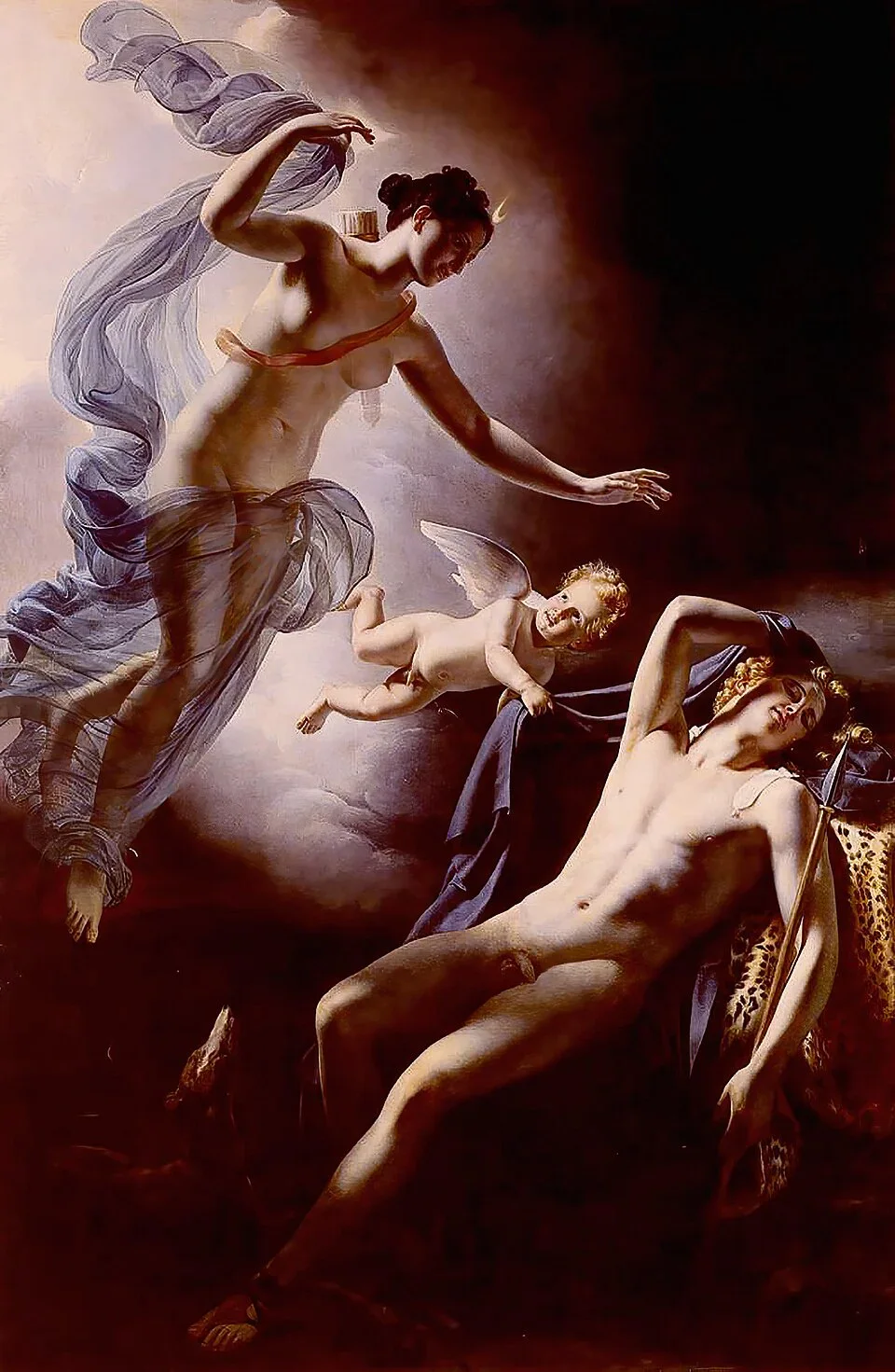
Diana and Endymion
Endymion sleeps on a tiger skin, one arm folded under his head. Just above him a winged cupid lifts the cloth that covered the young shepherd. And Diana hangs in the air to the left, a quiver on her shoulder, a transparent blue veil around her, watching him. She has fallen in love with him. Louis the Eighteenth ordered it in 1817 for his Salon of Diana at Versailles, and Langlois finished it in 1822. It later went to Amiens. By 1911 it was already missing from the museum's inventories. The collection was evacuated to the Louvre during the war. When the works came back to Amiens in 1920, this painting was not among them. A bomb that fell on the museum in 1918 seemed to explain it. But the canvas had disappeared years before the war started. In 1989 the singer Madonna bought a painting at a New York auction for more than a million dollars. It looked almost exactly like this one, but it was three centimetres smaller, with no date or signature. In 2015 a curator from Amiens recognised it in a magazine photograph of Madonna at home. The city opened a theft case, though Madonna was not involved. The mayor of Amiens has asked her to lend it back. What no one can say is whether the painting she owns is the lost original or a copy.
Listen in the appJérôme-Martin Langlois · Public domain
05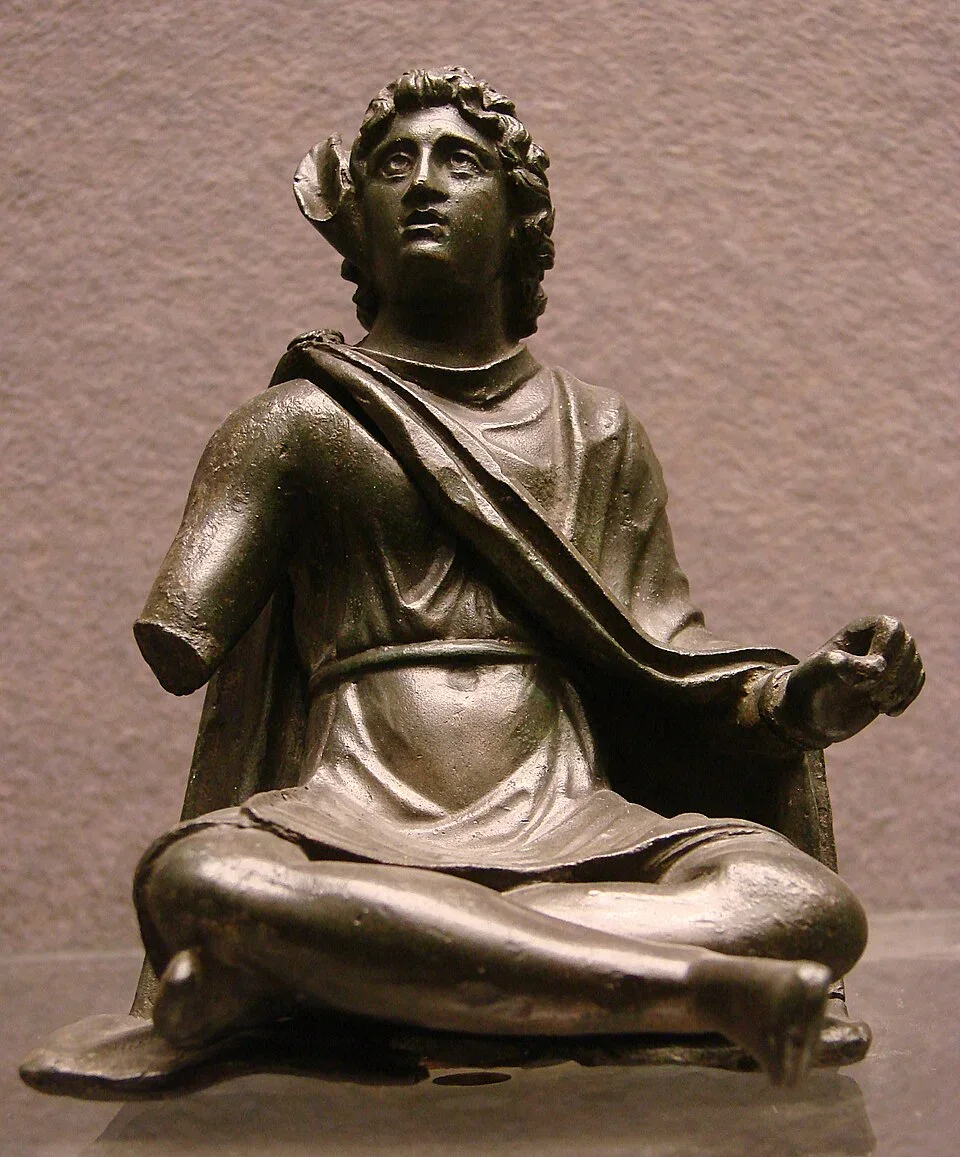
God of Amiens
This god was cast in two pieces. One gives him his head, curly hair, left arm and the cloak over his shoulders. The other, his torso, right arm and crossed legs. The cloak fastens at the right shoulder, a belt draws the tunic tight, and the legs are crossed in the pose of Celtic gods. The face is beardless with heavy features, and he gazes upward. On the left, only the lobe shows beneath the hair. On the right, an ear rises out of it, long and shaped like a horn, probably a deer's. That ear first suggested King Midas and his donkey's ears. That did not hold. The crossed legs and heavy face pointed to a native Gaulish god. He dates to the end of the first century, when Gaul was under Roman rule. No one knows who made him. The objects that would have named him are gone. The right arm ends at the forearm, and the left hand is a closed fist with nothing in it. A similar statuette from Besançon holds grapes and a serpent, so this one likely held the same. The long ear may be there to hear the prayers of worshippers, and he could be Cernunnos, the Celtic stag god. He lay in a burial ground at Amiens until 1845, when he was dug up beside Roman coins and a bronze spoon.
Listen in the appPhoto: Vassil · Public domain
06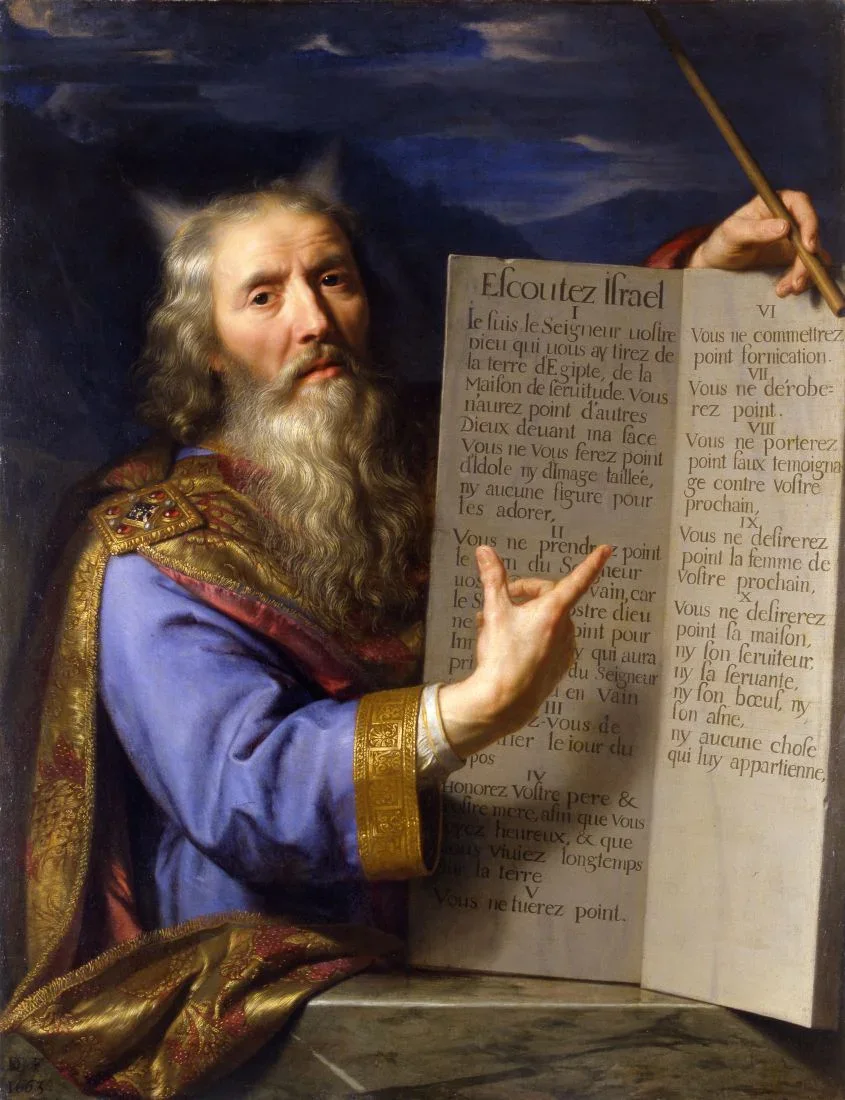
Moses presenting the tablets of the law
The landscape behind Moses is probably Mount Sinai. Clouds fill the twilight sky, and mountains rise below it. The scene is the moment after the Hebrews left Egypt, when Moses received the Ten Commandments while leading his people toward the promised land. What holds your eye is his face. Horns of light surround his head, and he looks straight out at you. The tablets rest on the low wall before him, held by his left arm. With the index finger of his right hand he points to the words engraved on them, and those words are the first commandment. It forbids making an idol or any figure to worship. Philippe de Champaigne painted this while in the service of Queen Marie de Médicis and Cardinal Richelieu.
Listen in the appPhilippe de Champaigne · CC BY-SA 4.0
07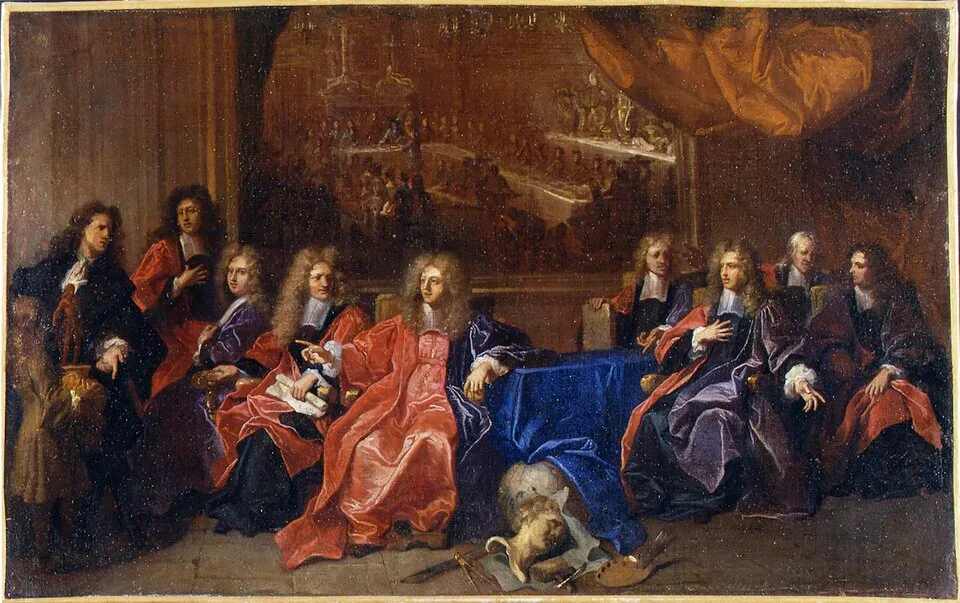
Le prévôt et les échevins de la ville de Paris délibérant d'une fête en l'honneur du dîner de Louis XIV à l'hôtel de ville après sa guérison en 1689
At the left of the table, a clerk holds a rolled drawing. It may be Coysevox's design for a new statue of the king, which the aldermen are debating. Paris had rebelled against the king. To mark the reconciliation, Louis the Fourteenth came to dine at the city hall in January 1687. The city decided to preserve the memory of that dinner in a painting, as was done at the close of every provost's term. This one was planned for the provost Henri de Fourcy. On the back wall, a large painting shows the king's dinner itself, so the discussion and the meal it honors appear together. Rigaud filled the foreground with emblems of the arts, a globe, a square and compass, a sculptor's bust and chisel, a painter's palette and brushes. He wanted every art present at that moment. He worked up the whole composition in sketches like this one, but the commission seems to have gone to Nicolas de Largillierre. Why this version never became a finished painting is still not known.
Listen in the appHyacinthe Rigaud · CC BY-SA 4.0
08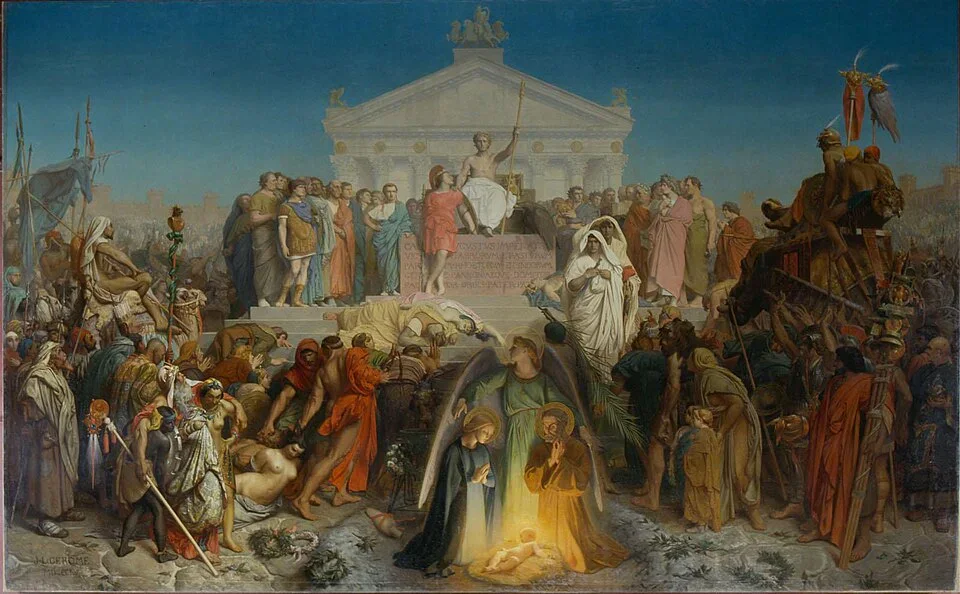
Century of Augustus: Birth of Jesus Christ
A young painter faced a canvas over ten metres wide. In 1852 the new French government asked Jean-Léon Gérôme to fill it for an exhibition in 1855. The regime had only just replaced the Republic, and it wanted a better image of itself. So he took his subject from a passage by Bossuet, written in 1681. It is about the peace that Rome's first emperor brought to the world. At the centre of the picture, he put that emperor, Augustus, on a throne as the god Jupiter, holding a sceptre. One hand rests on a woman who stands for Rome. Above him stands the temple of Janus, whose closed doors were the sign of peace. At the foot of the throne are scenes from the civil wars. Julius Caesar lies dead at the top of the steps, his triumphal crown on, his face to the sky. Brutus and Cassius go down the steps, Brutus holding his dagger. On the steps to the left lie Cleopatra and Mark Antony. These are the wars that ended when Augustus came to power. At the bottom edge, a little off centre, a newborn lies on straw, glowing orange. Mary and Joseph kneel around him, and an angel's wings keep the family apart from the crowd. For Bossuet, Christ is born at the moment the whole world is at peace.
Listen in the appJean-Léon Gérôme · Public domain
09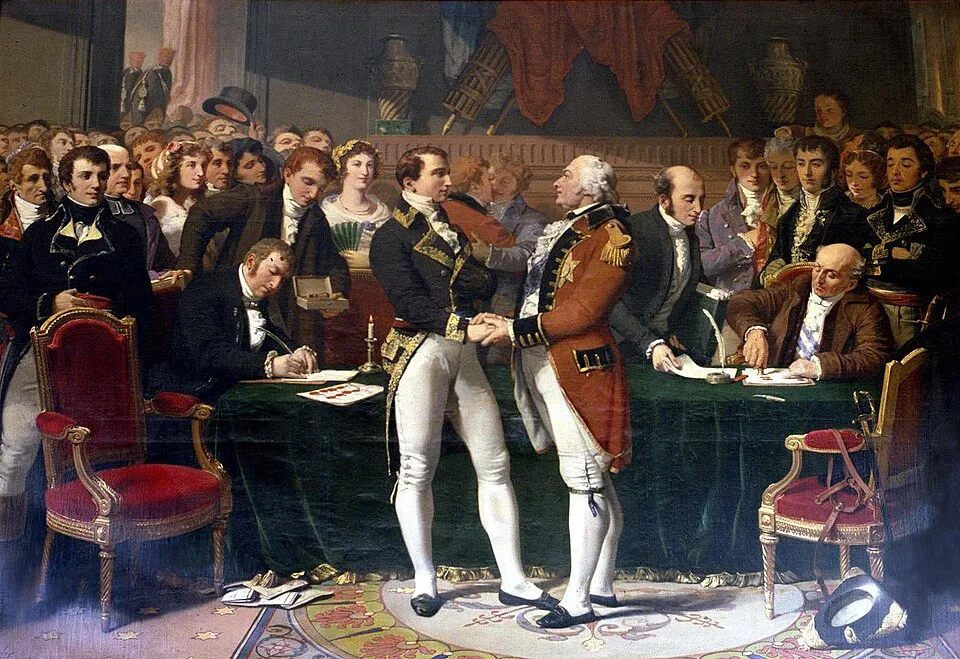
The Peace of Amiens
Two men sign a document in the town hall at Amiens. The date is the twenty-fifth of March 1802, and the document is the Treaty of Amiens. One signer is Joseph Bonaparte, Napoleon's older brother. The other is Lord Cornwallis, acting for Addington's government. The signing ends the French Revolutionary Wars, including the war with Britain that began on the first of February 1793. Yet that peace barely survives a year. The Napoleonic Wars break out on the twenty-fifth of May 1803. Ziegler does not paint this scene until early 1853, more than fifty years later. By then the two countries are on friendlier terms. And in October of that year, the same former enemies enter the Crimean War as allies.
Listen in the appJules-Claude Ziegler · Public domain
10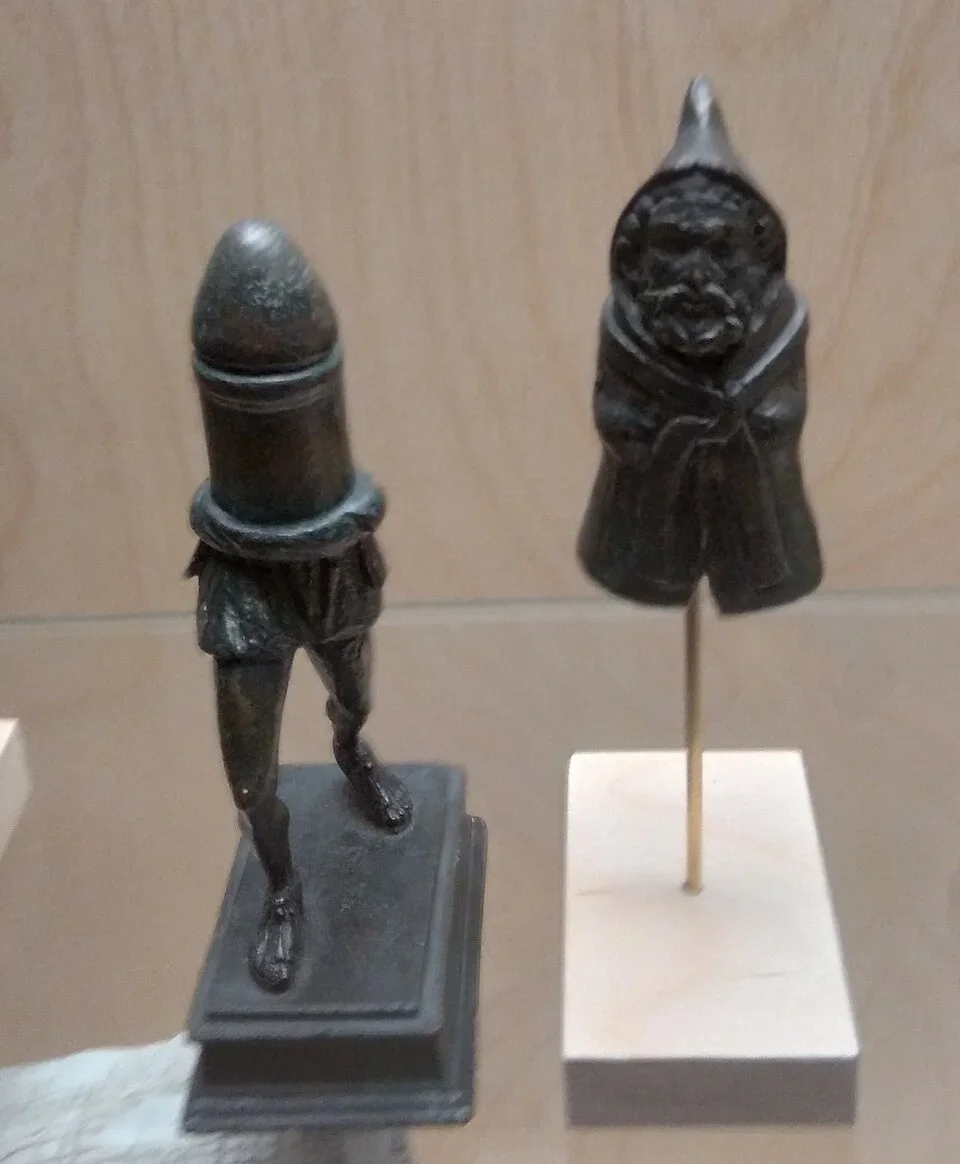
Priapus of Rivery
A bearded man is walking, caught between one step and the next. His hair curls, his short tunic leaves his thighs and legs bare, and sandals with wooden soles carry him along. A short hooded cloak covers his shoulders, the kind of cape men and women wore in Gaul. That cloak is a lid. The figure comes apart in two pieces. The head lifts off, and so does the cloak, and underneath is a phallus. He is Priapus, the god of fertility, of gardens and the countryside, whose worship spread through the Roman world. He was found in 1771 in a tomb at Rivery, on the eastern edge of Amiens. The grave held ceramics and glassware, and seems to have belonged to someone important. Traces of gilding were found on it. It stayed in the town hall at Amiens until 1864, and it is now one of the oldest pieces here, made in the first century. Who made it, we do not know.
Listen in the appPhoto: Bycro · CC BY-SA 4.0
- 11
Allégorie de la ' Vanitas ' et de la Pénitence
Guido Cagnacci · c. 1640
- 12
The Insult to the Prisoners: Episode of the Crusade against the Albigensians in 1211
Albert Maignan · 1875
- 13
The Cradle
Jean-Honoré Fragonard · 1760–1765
- 14
Albert Maignan - The Green Muse
Albert Maignan · 1895
- 15
Amiens (Somme) - Musée de Picardie - Dante Meets Matilda (Albert Maignan, 1845-1908)
Albert Maignan · 1881
- 16
Leda and the swan
Auguste Clésinger · 1864
- 17
Salem, nègre du Soudan
Paul Louis Émile Loiseau-Rousseau · 1897
- 18
Portrait of Herman Langelius
Frans Hals · c. 1660
- 19
The Washerwomen
Hubert Robert · 1757–1761
- 20
Girl as Shepherdess
Jan Baptist Weenix · c. 1650
- 21
Self-portrait with Lace Jabot
Maurice Quentin de La Tour · 1751
- 22
Bust of an old man
Jacob Jordaens · c. 1618–1620
- 23
The Mourners of Etaples
Francis Tattegrain · 1883
- 24
Melancholy
Constance Marie Charpentier · 1801
- 25
Retable composé de neuf panneaux
Stefano Sparano · c. 1508–1509
- 26
Dice Players and Courtesans in a Tent
Cornelis de Vos · 1630–1635
- 27
Le Miracle de saint Donat
Jusepe de Ribera · 1652
- 28
La Madeleine repentante
Simon Vouet · 1633–1634
- 29
The Execution of Charles I of England
Gonzales Coques · c. 1650
- 30
Plato
Jusepe de Ribera · 1630
- 31
The African Water Carrier
Georges Henri Guittet · 1900
- 32
Amiens (Somme) - Musée de Picardie - Carpeaux (Albert Maignan, 1845-1908)
Albert Maignan · 1892
- 33
Corybante étouffant les cris de Jupiter enfant
Louis-Léon Cugnot · 1867
- 34
Les Voix du tocsin
Albert Maignan · 1888
- 35
Neolithic vase of Belloy-sur-Somme
Cerny culture · -2499
- 36
Miracles de saint Benoit
Unknown Artist · c. 880
- 37
Amiens Patera
Unknown Artist
- 38
La chasse chinoise
Jean-Baptiste Pater · 1736
- 39
Lycurgus
Merry-Joseph Blondel · 19th century
- 40
Chasse du taureau
Charles Parrocel · 1738
- 41
Marcus Aurelius Distributing Bread to the People
Joseph-Marie Vien · 1765
- 42
Christ before Pilate
Master of Monte Oliveto · 1480
- 43
Annunciation
Master of Monte Oliveto · 1480
- 44
Descent from the Cross
Master of Monte Oliveto · 1475
- 45
Chasse du lion
Jean-François de Troy · 1735–1736
Musée de Picardie
Frequently asked questions
How much does the guide cost?
Free app download. Free until 1 January. Listed guide price: $0.99. Audio guide only. Venue admission is separate.
Can I listen without internet?
Yes. Download the guide’s audio, images, and maps in the app before your visit. Your downloaded content is then available offline.
Can I listen in my language?
In English for now. More languages soon.
Do I need to follow a schedule?
No. This is a self-guided experience. Choose your stops, pause whenever you like, and return to a story at your own pace.
Which artworks are in the Musée de Picardie audio guide?
45 artworks, including Portrait of a man, possibly Alonso de Herrera (El Greco), Lady Godiva (Jules Lefebvre), Le massacre des mamelouks ordonné par Méhémet Ali Pacha (1811) (Horace Vernet), Diana and Endymion (Jérôme-Martin Langlois), God of Amiens (Unknown Artist), Moses presenting the tablets of the law (Philippe de Champaigne), Le prévôt et les échevins de la ville de Paris délibérant d'une fête en l'honneur du dîner de Louis XIV à l'hôtel de ville après sa guérison en 1689 (Hyacinthe Rigaud), and Century of Augustus: Birth of Jesus Christ (Jean-Léon Gérôme). The full list is on this page.
Is this the museum’s official audio guide?
No. Stanza is an independent audio guide app and is not affiliated with Musée de Picardie. Museum admission is separate.
At your own pace
Explore Musée de Picardie.
Download Stanza, then search for “Musée de Picardie”.
Free app download · Guide price shown in the app
Keep exploring
Nearby audio guides
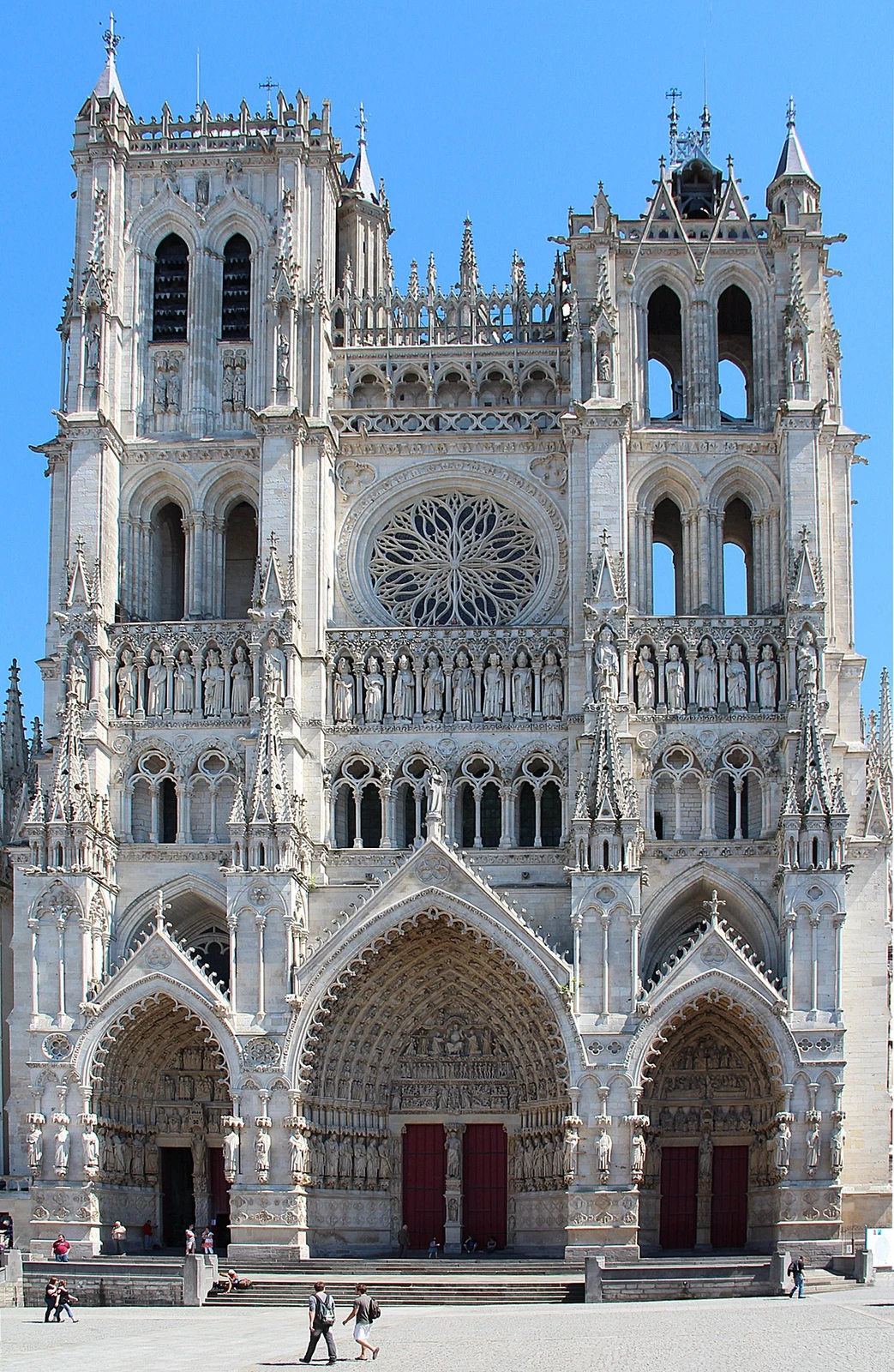
Amiens · 1 km
Amiens Cathedral
Content & sources
Photo: Jean-Pol GRANDMONT · CC BY 3.0
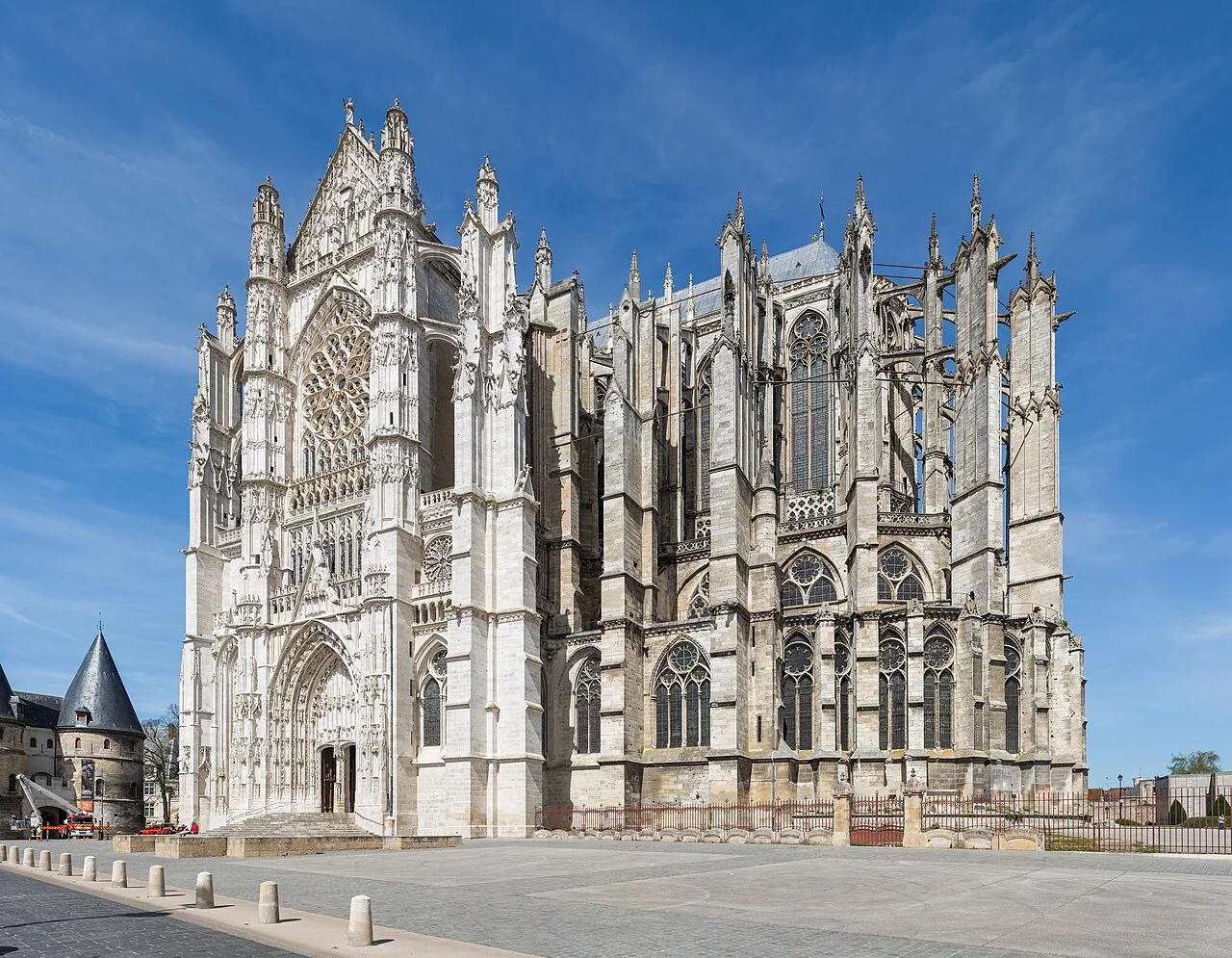
Beauvais · 53 km
Cathédrale Saint-Pierre de Beauvais
Content & sources
Photo: Diliff · CC BY-SA 3.0
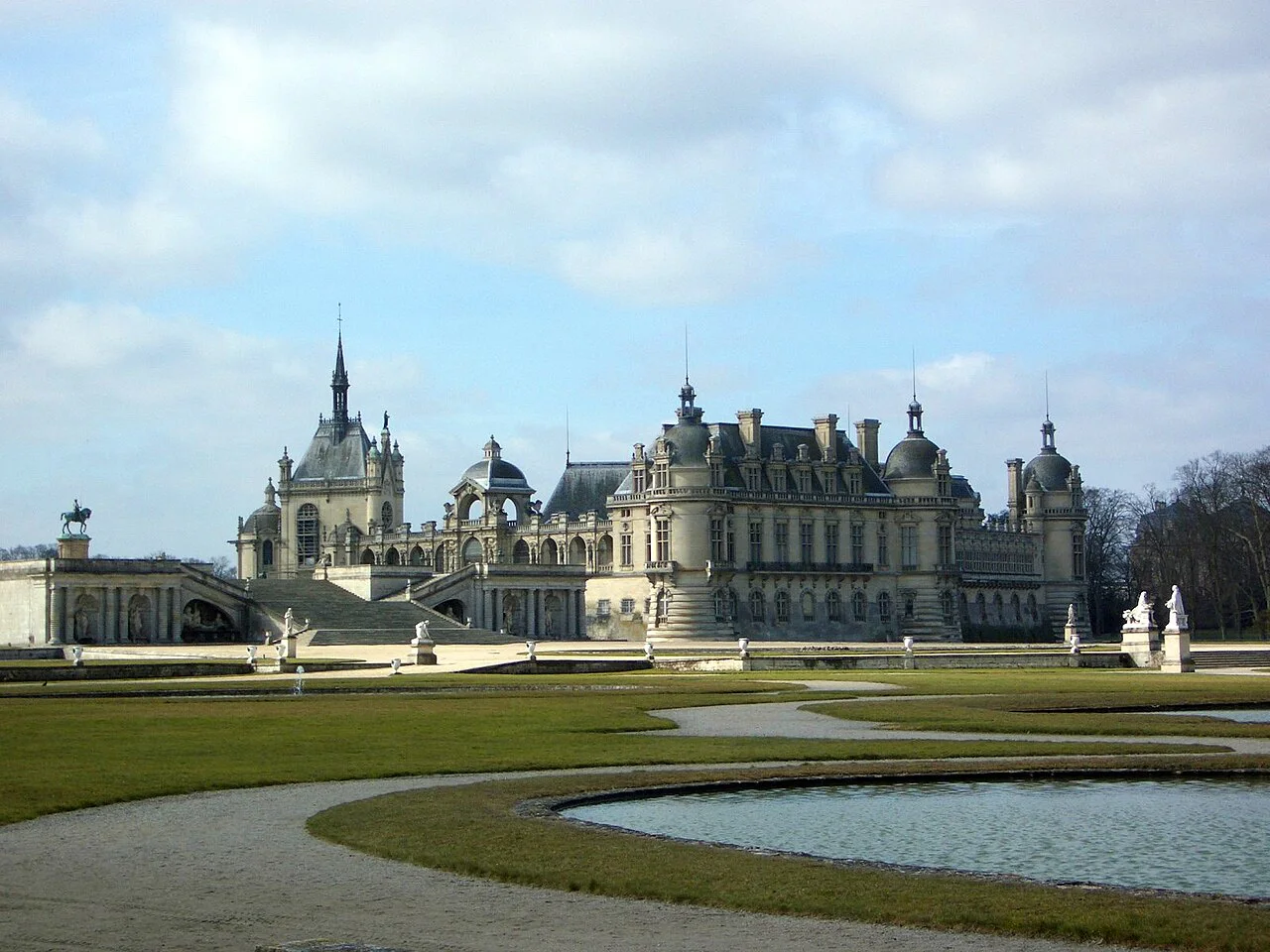
Chantilly · 79 km
Musée Condé
Content & sources
Craig Patik (Patik) · Public domain
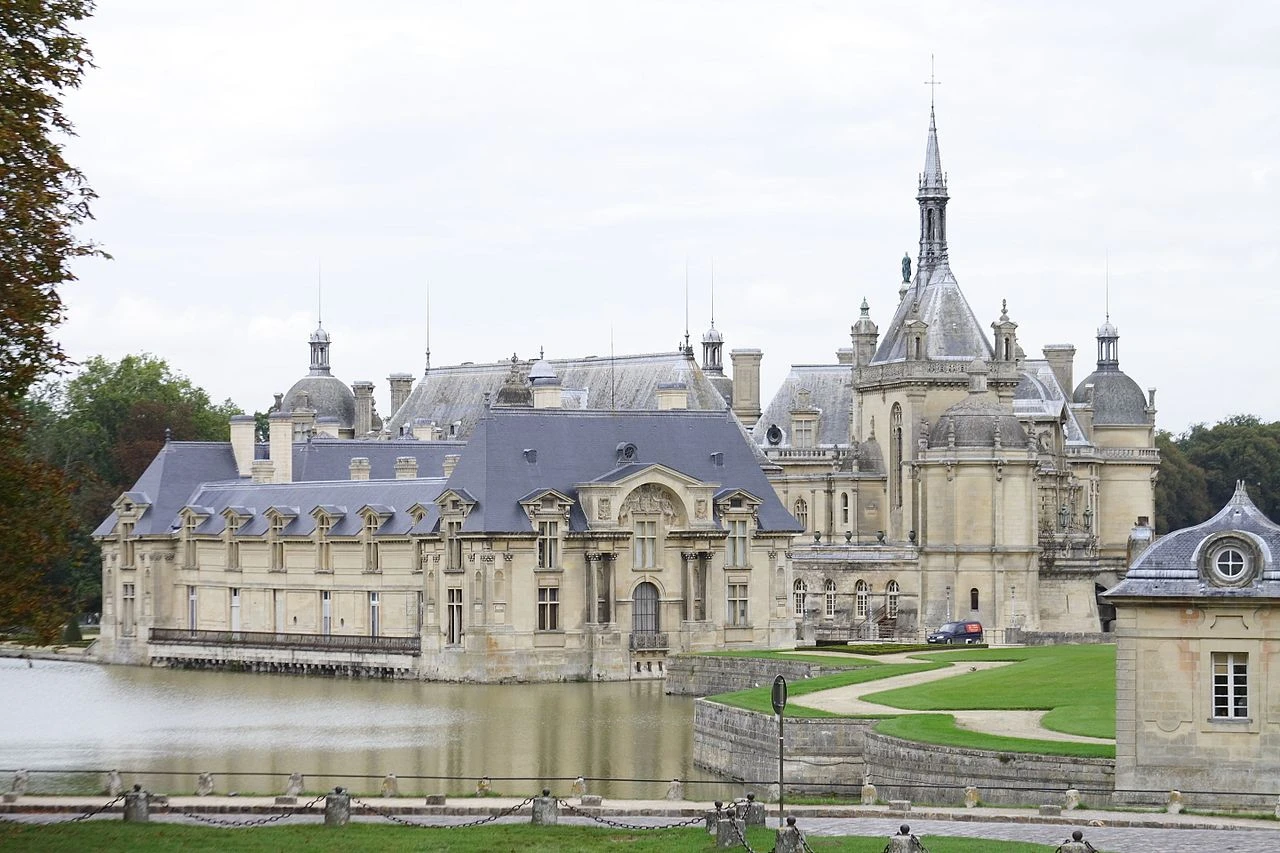
Chantilly · 79 km
Château de Chantilly
Content & sources
Photo: Ignis · CC BY-SA 3.0
Art museums
More art museum audio guides
Chantilly · 60 artworks
Musée Condé
Content & sources
Craig Patik (Patik) · Public domain
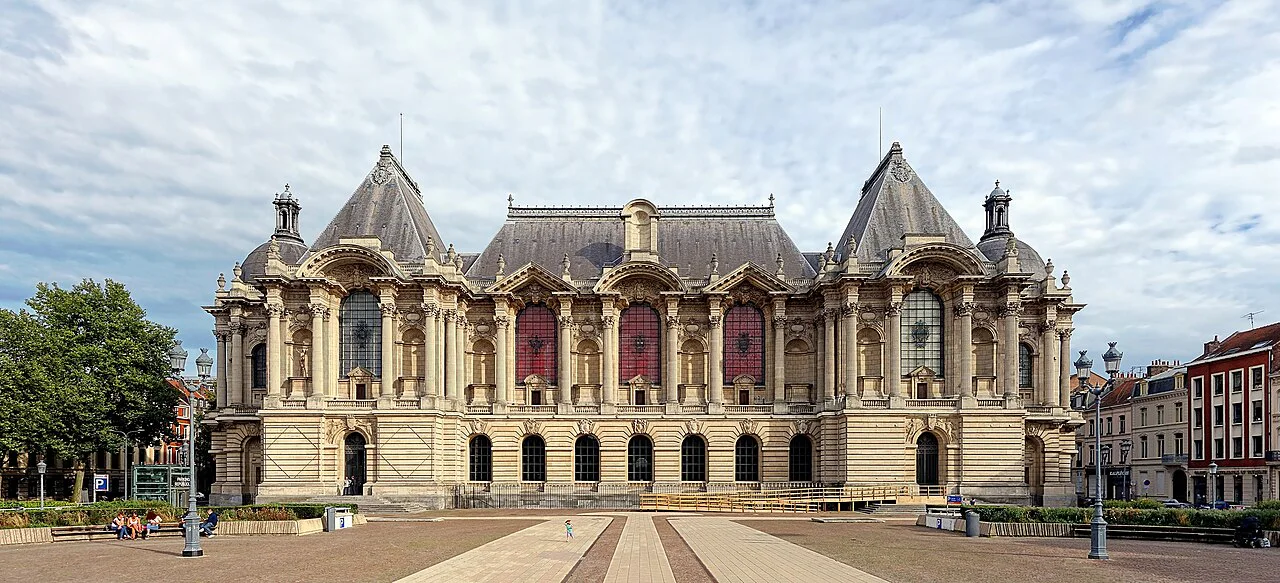
Lille · 96 artworks
Palais des Beaux-Arts de Lille
Content & sources
Photo: Velvet · CC BY-SA 3.0
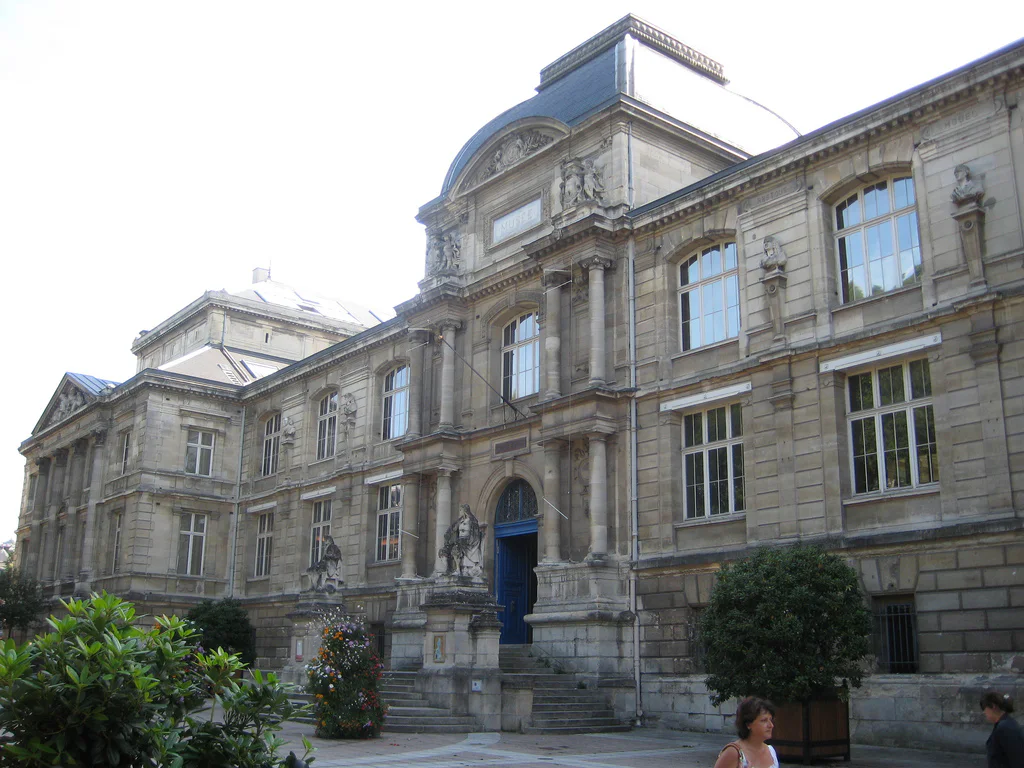
Rouen · 45 artworks
Musée des Beaux-Arts de Rouen
Content & sources
Allie_Caulfield · CC BY 2.0
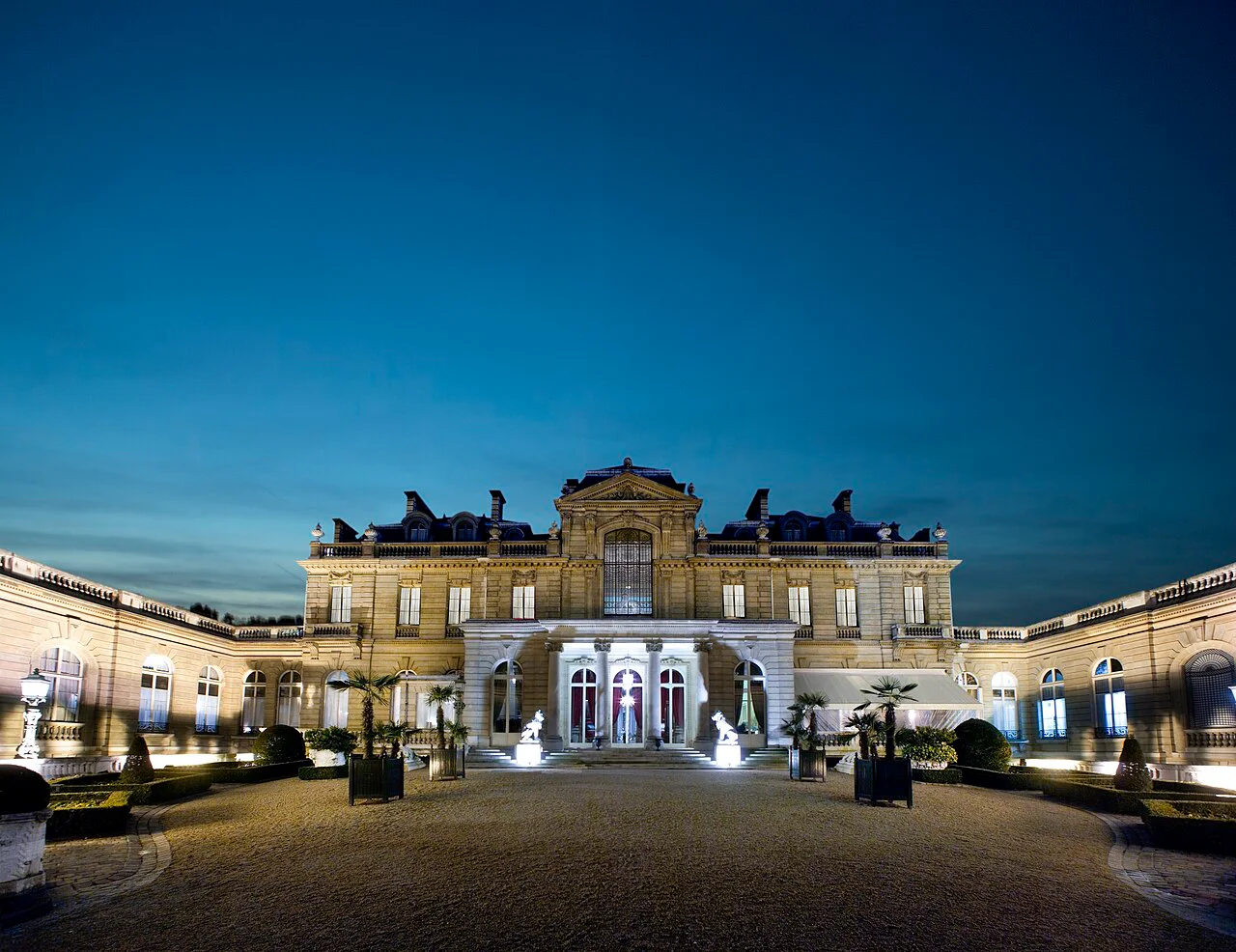
Paris · 24 artworks
Musée Jacquemart-André
Content & sources
Christophe Recoura · CC BY-SA 3.0
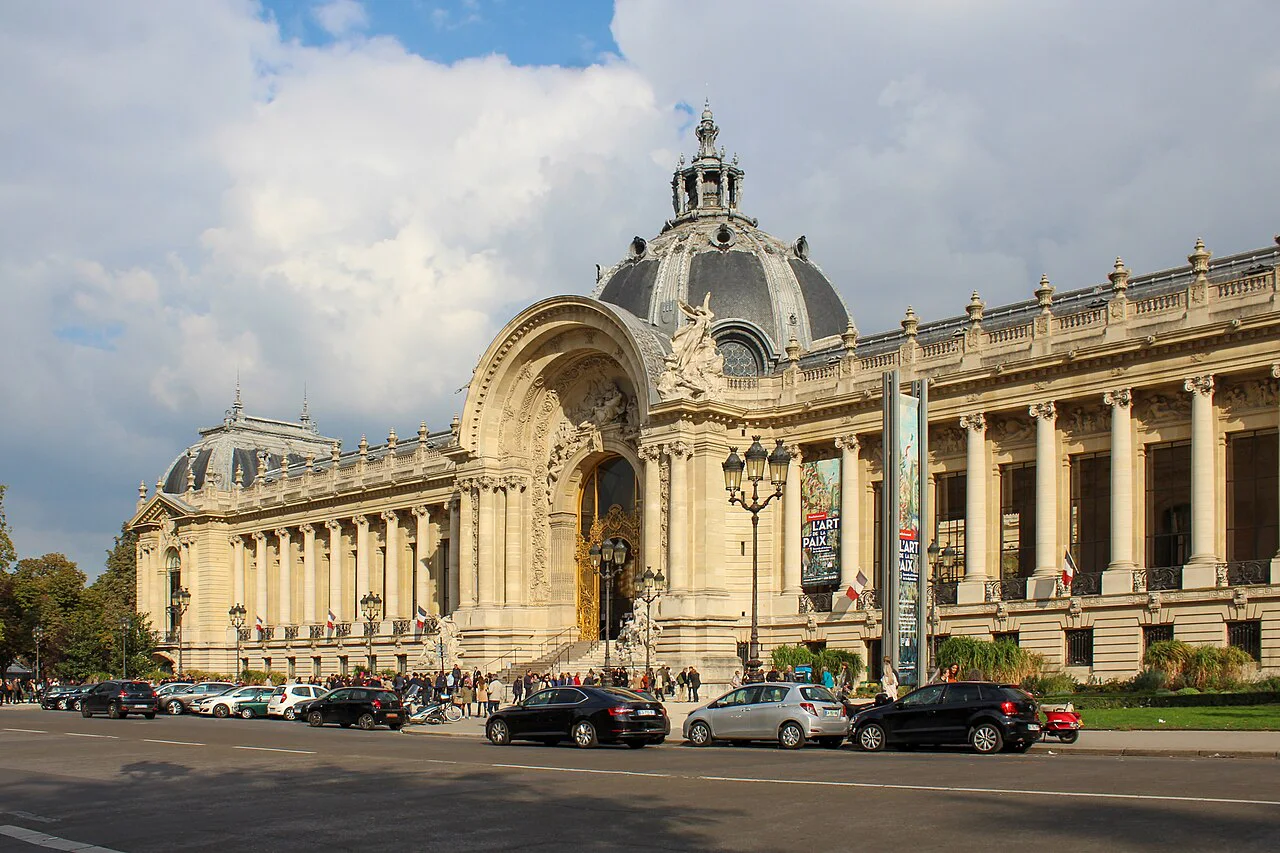
Paris · 77 artworks
Petit Palais
Content & sources
Chabe01 · CC BY-SA 4.0
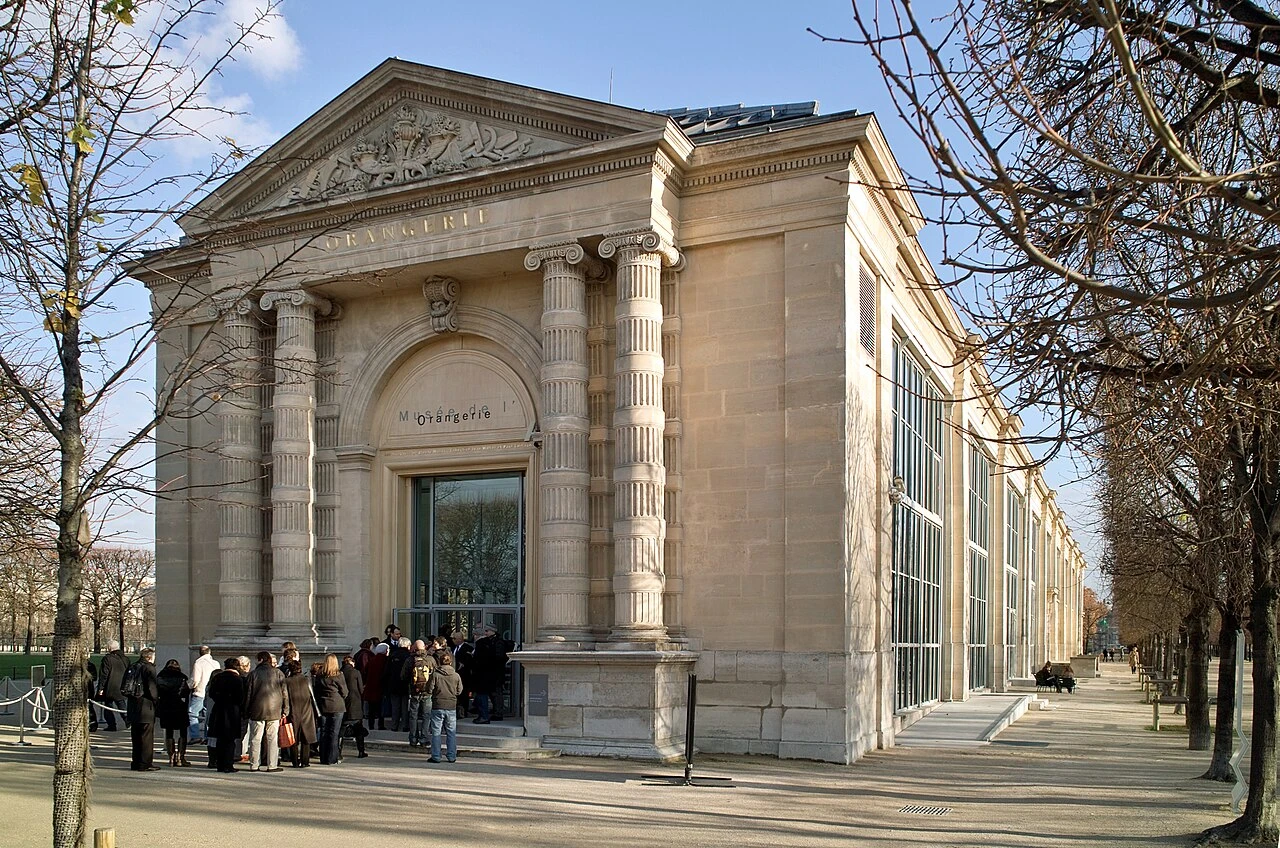
Paris · 68 artworks
Musée de l'Orangerie
Content & sources
Photo: Traktorminze · CC BY-SA 3.0