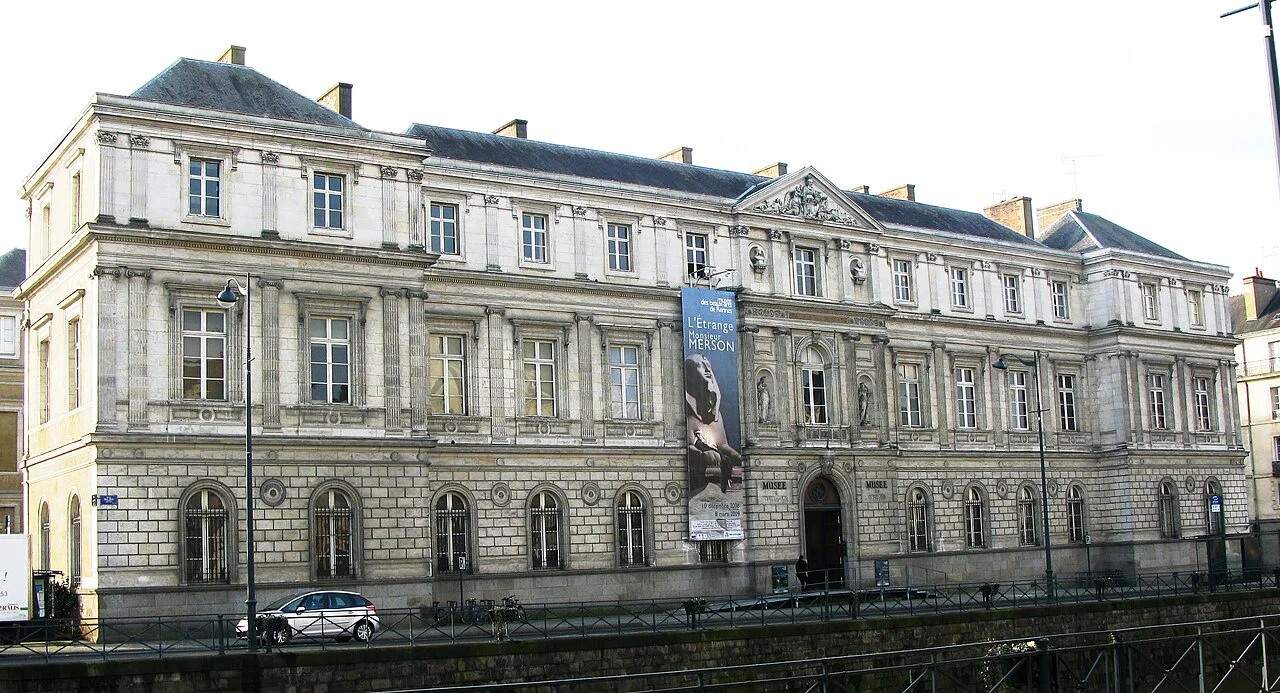
Stanza · Audio guide
Musée des Beaux-Arts de Rennes Audio Guide
A place to remember. A story to take with you.
The Musée des Beaux-Arts de Rennes is a municipal museum of fine arts in the French city of Rennes, the capital of Brittany. Its collections range from ancient Egyptian antiquities to modern art and make the…
Download Stanza, then search for “Musée des Beaux-Arts de Rennes”.
About the tour
One guide. Your kind of visit.
The Musée des Beaux-Arts de Rennes is a municipal museum of fine arts in the French city of Rennes, the capital of Brittany. Its collections range from ancient Egyptian antiquities to modern art and make the museum one of the most important in France outside Paris, notably for its holdings of paintings and drawings.
The Musée des Beaux-Arts de Rennes guide tells the stories of 27 artworks, including The Tiger Hunt (Peter Paul Rubens), The Newborn (Georges de La Tour), Alexander the Great Giving Campaspe to Apelles (Charles Meynier), St Luke Painting the Virgin (Maarten van Heemskerck), The Assumption of the Virgin (Simon Vouet), The yellow tree (Émile Bernard), The Count of Comminges Recognizing Adélaïde (Claudius Jacquand), and Solitude (Paul Sérusier). Every artwork is free to hear in the Stanza app until 1 January.
Ready when you are.
- 01Get the free Stanza app.
iOS & Android
- 02Find your guide.
“Musée des Beaux-Arts de Rennes”
- 03Download before you go.
Works offline
Audio guide / 27 artworks
Inside the guide
Get to know a few of the stories before you go. Open a stop to read more.
01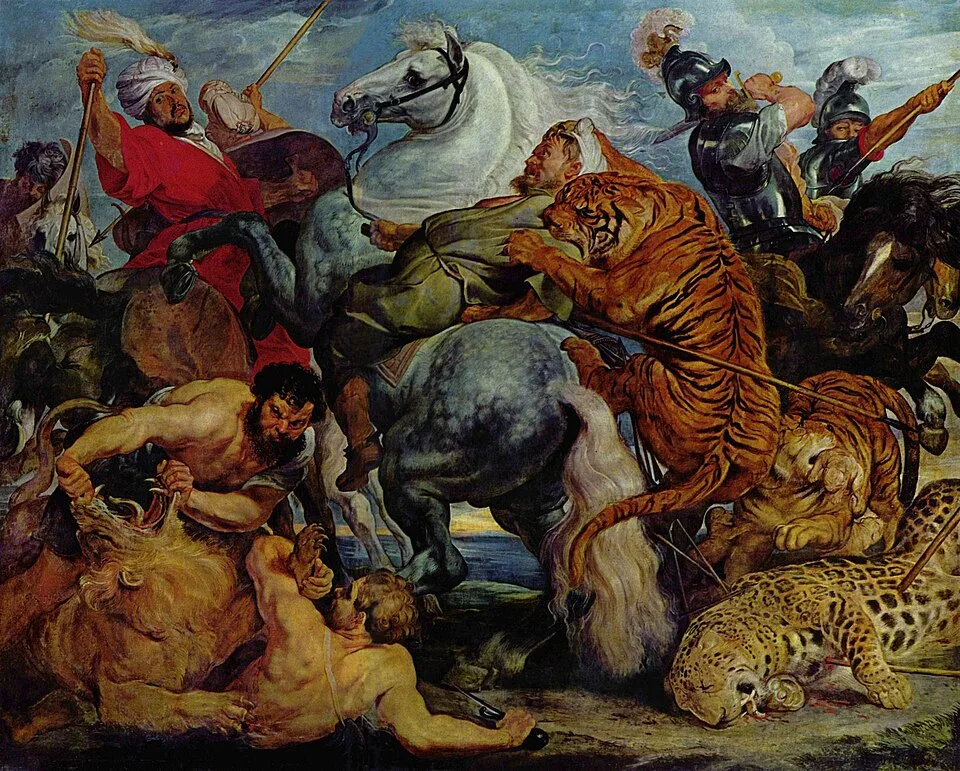
The Tiger Hunt
In 1800 this painting left Munich for Paris, sent among seventy-two works. The letter that went with it, signed by Napoleon, called these hunts gifts, a token of the government's esteem. But they had been taken from the palace they were made for. Maximilian of Bavaria had asked Rubens for them, to decorate his old Schleissheim Palace. In Paris they were received as copies and shown only briefly. Then the four were separated. In 1811 this tiger hunt was sent here to Rennes. Here the fight has no clear winner. Men press in on the animals, riders in armor like conquistadors, others in Ottoman dress. At the center a horse twists in an unusual, almost contorted pose. Its body is worked out in careful detail, its coat shading toward blue, and that blue speaks of the tearing and the suffering. In the lower right corner a leopard lies dead. There is very little blood. And a tiger fights desperately to defend her cubs. She is the instinct set against the men's reason.
Listen in the appPeter Paul Rubens · Public domain
02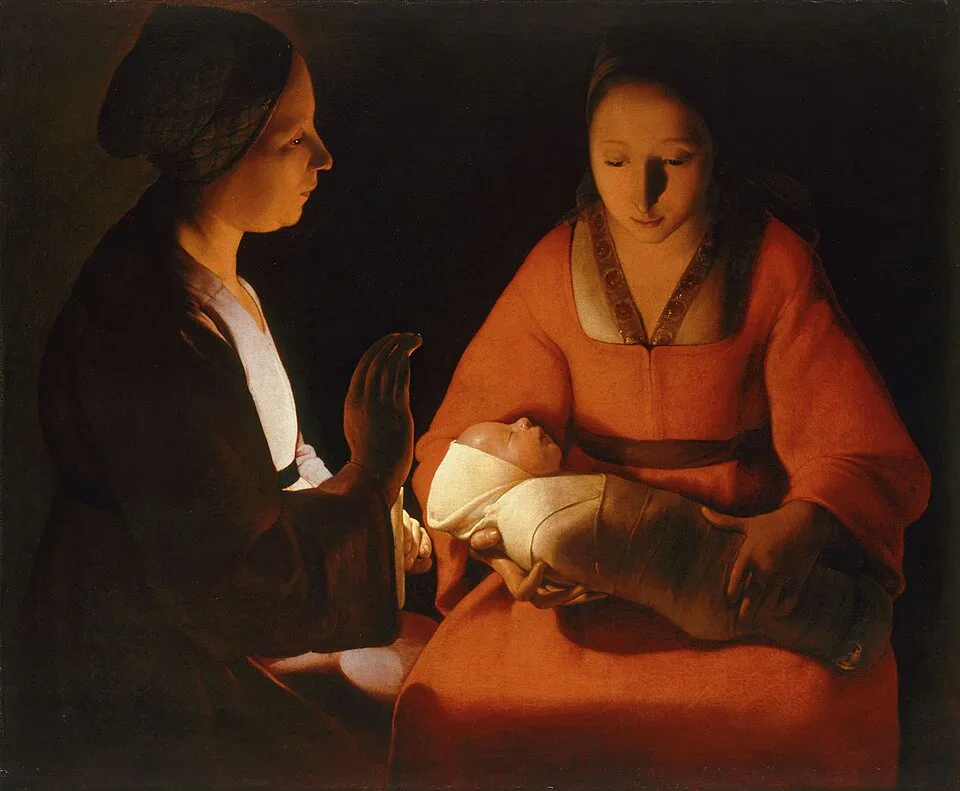
The Newborn
A child has just been born and is held, wrapped in cloth, in a woman's arms. A second woman holds a candle, ready to light the scene. Her hand hides the flame, so the light has no visible source. The three figures are close up against black, and their faces are very calm. For a long time the painting was called a Nativity, and nobody knew who had made it. It was given first to a Dutch painter, Godfried Schalken, then to the Le Nain brothers. People admired it anyway. What held them was the hush of a birth, something every family knows. In 1915 Hermann Voss gave the picture back to Georges de La Tour, who had painted it and slipped from memory. It was among the first to come back to him. The painting had reached Rennes in 1794, taken from an émigré's house during the revolution. Before that, no one knows where it came from.
Listen in the appGeorges de La Tour · Public domain
03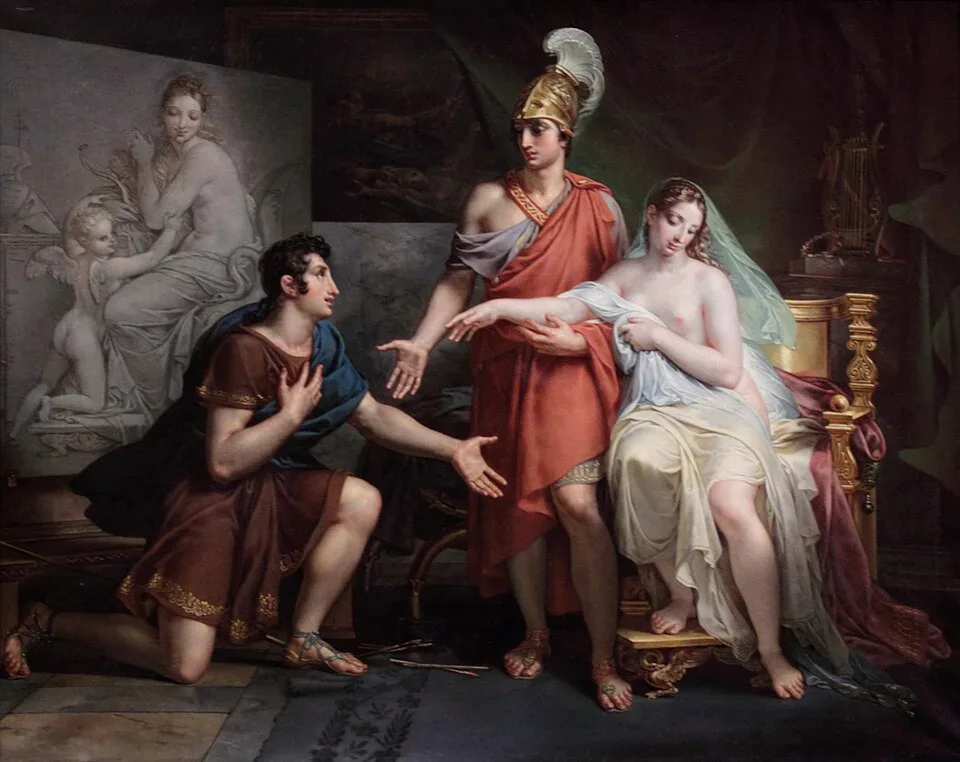
Alexander the Great Giving Campaspe to Apelles
Campaspe may never have lived. Her name is in none of the five main accounts of Alexander's life. Yet here she is, in this painting, and the whole story turns on her. Alexander the Great had commissioned the Greek painter Apelles to paint a portrait of his favourite mistress. When he came to see it, the portrait told him something he did not know. Apelles and Campaspe loved each other in secret. Until that moment, Alexander had seen nothing of it. Charles Meynier, a French painter, took that moment as his subject. Campaspe belonged to the king, his favourite. Yet he did not keep her. He gave the couple his blessing, and gave Campaspe to Apelles.
Listen in the appCharles Meynier · Public domain
04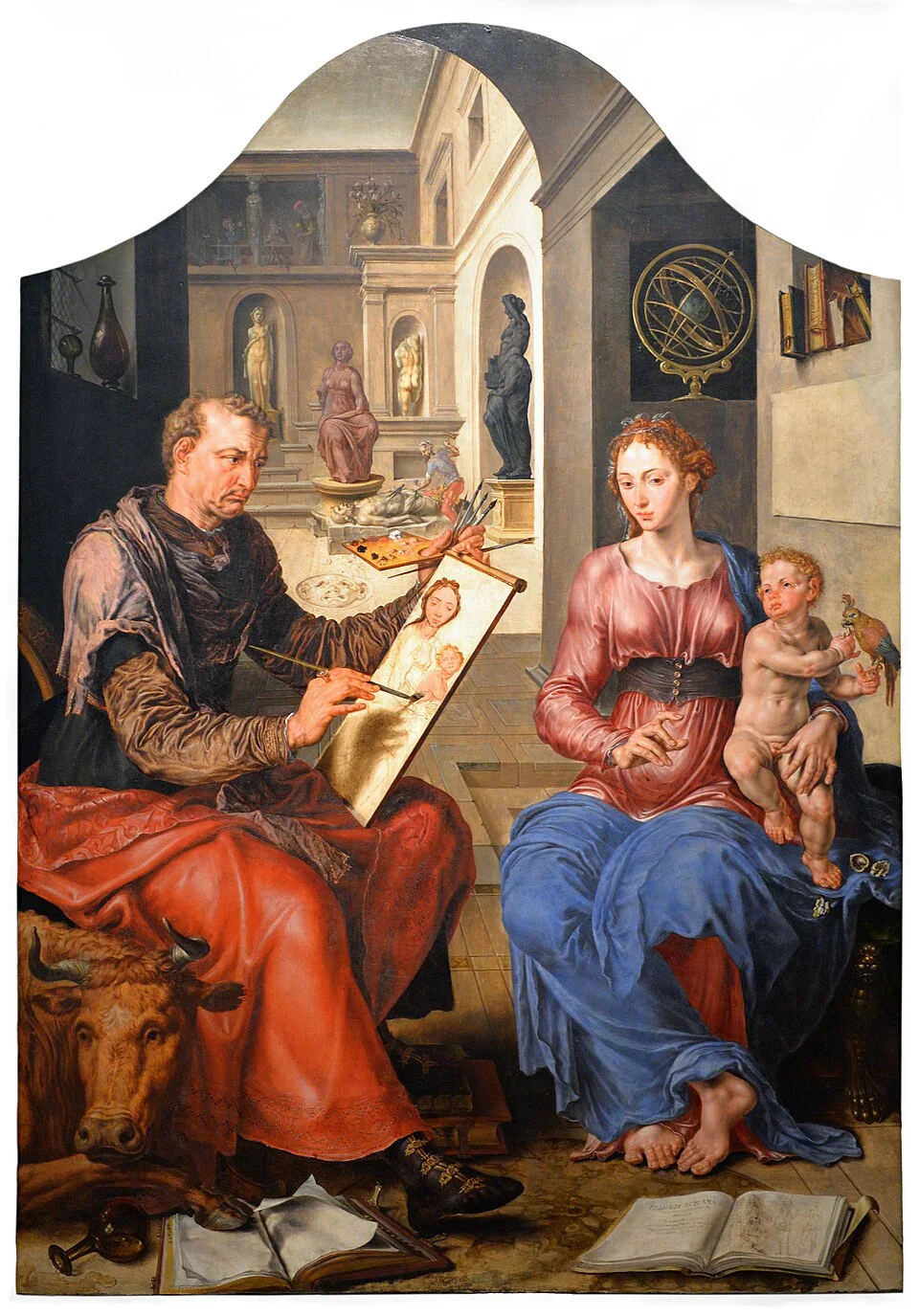
St Luke Painting the Virgin
At the painter's feet lies a book with nothing written in it. The pages are blank, and they seem to stand for the search for knowledge. It is where a scholar will write down what he has seen and what he thinks. The man painting is Saint Luke, the patron saint of painters. Heemskerck gave him his own face, and dressed him as a Renaissance artist. So the scene is his own idea of what a painter does. Around him lie objects from two ways of knowing. The urinal and the sphere marked with the zodiac belong to the older one. Luke was a doctor, and doctors read urine and the stars to judge the humors. The earth still sits at the center of the universe, though Copernicus had shown it circles the sun. The books on the shelf point the other way, to knowledge spreading through print. At the Virgin's feet is a book of anatomy by Vesalius, whose treatise the Church had condemned. And at Luke's feet, the blank one. Behind them, the pale courtyard comes from his visits to courtyards in Rome, full of antiquities newly dug out of the ground.
Listen in the appMaarten van Heemskerck · CC BY-SA 4.0
05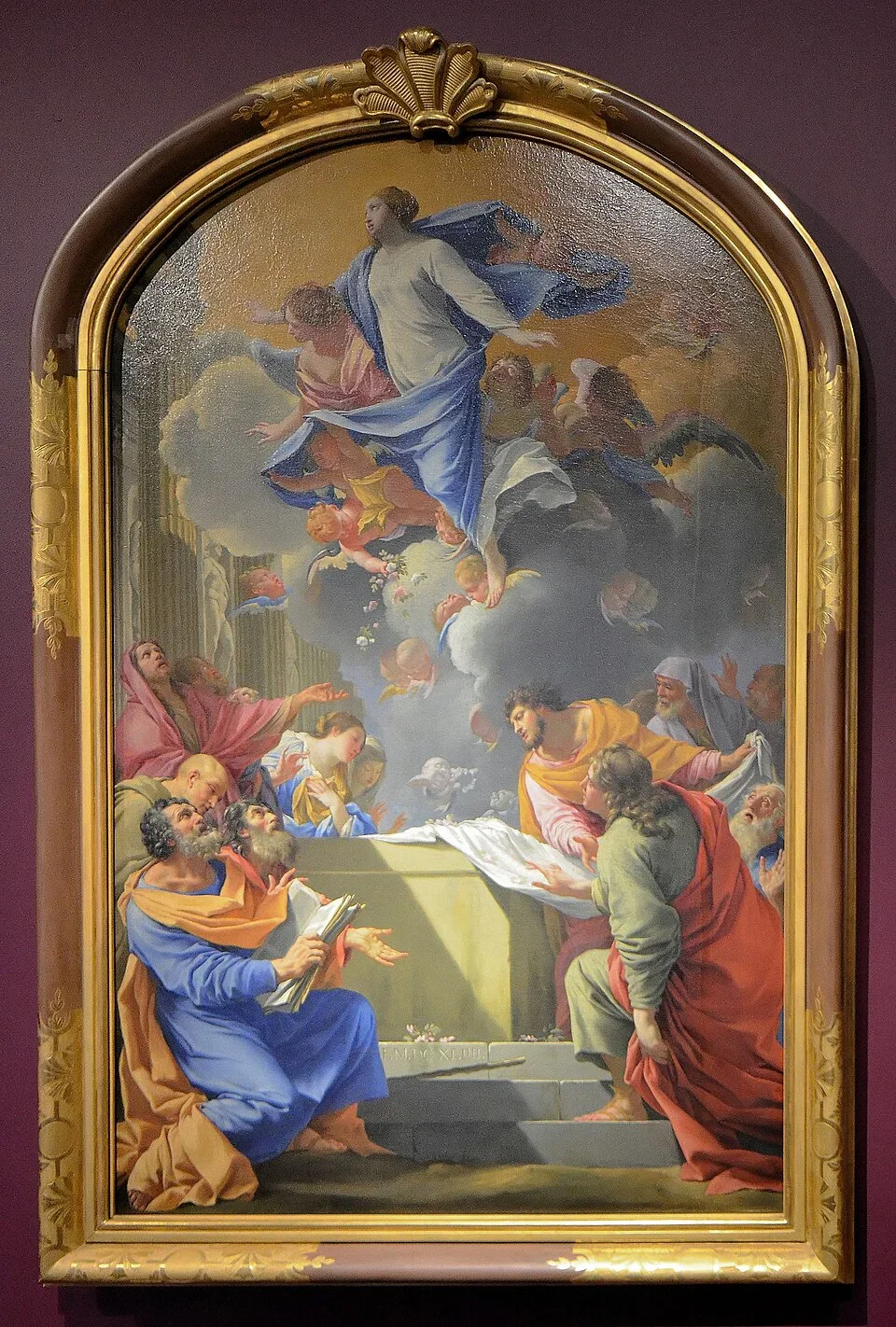
The Assumption of the Virgin
Anne of Austria wanted one moment for the Palais Royal, the moment Mary rises into heaven. Simon Vouet built the whole picture around that rising. In the foreground, a group of men and women watch her go, their faces turned toward Mary, some with their mouths open. That is what surprise looks like when it catches a whole crowd. Above them, in the part of the picture that stands for heaven, angels gather around Mary. One of those angels throws white roses, which stand for purity. In the eighteenth century, painters copied it as a teaching model. Vouet's own son-in-law and pupil, Michel Dorigny, made a copy himself. On the step of the tomb, an inscription gives the year 1644.
Listen in the appSimon Vouet · CC BY-SA 2.0
06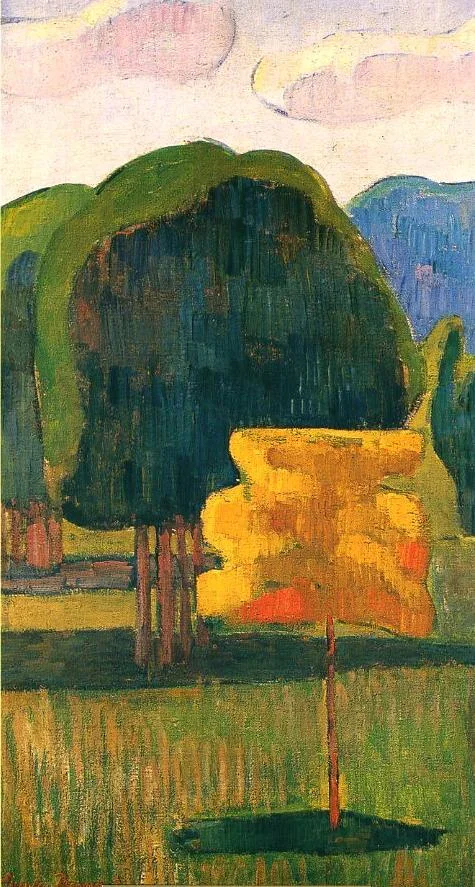
The yellow tree
A tree of blazing yellow fills the picture, set against deep greens with a bluish cast. The clouds are white and pink, flattened into shapes with dark outlines around them. Even the shadows, on the ground and on the trees, are flat geometric forms, marked out like everything else. But there is no one here. No Breton figures, no religious vision, none of the landmarks that fill so many paintings from Pont-Aven. What is left is the tree, the sky, the shadows, nature cut down to flat color and dark outline. It is a lesson in painting carried out in front of the subject. Émile Bernard painted this in 1888, when he and Paul Gauguin were together at Pont-Aven in Brittany. They were turning away from the Impressionists and their naturalism, building pictures instead from broad flats of bright color edged in dark lines. The example behind all of this was Japanese prints and medieval stained glass.
Listen in the appÉmile Bernard · Public domain
07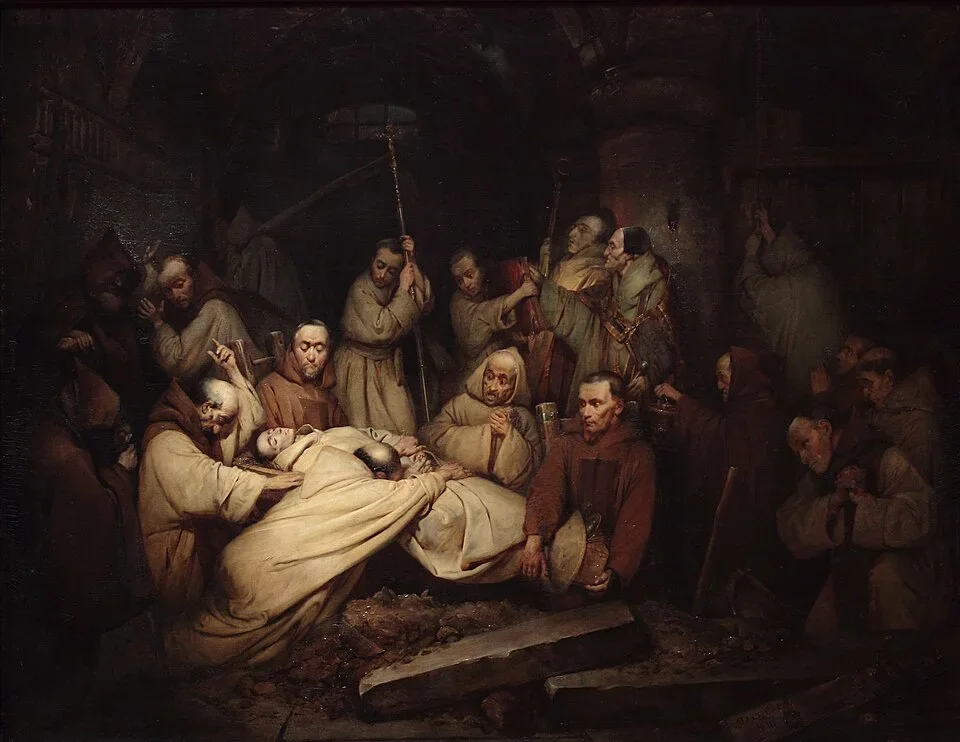
The Count of Comminges Recognizing Adélaïde
A monk is dying, and the monks around him are getting ready to bury him. The count bends over the body and slumps there in despair. The whole scene is a sickly greenish yellow, almost one tone, the colour of a hospital or a morgue. Claudius Jacquand showed it at the Salon of 1836 as an answer to his old teacher, who had painted the same unhappy lovers. For the count, this is the end of a long ignorance. He had loved a woman, until their families kept them apart and he came to believe her dead. To escape the pain, he withdrew into a Trappist monastery. She found him and entered it disguised as a monk, living at his side while he never guessed who she was. Only as she lies dying does he learn the truth. The monk they are about to bury is Adélaïde.
Listen in the appClaudius Jacquand · Public domain
08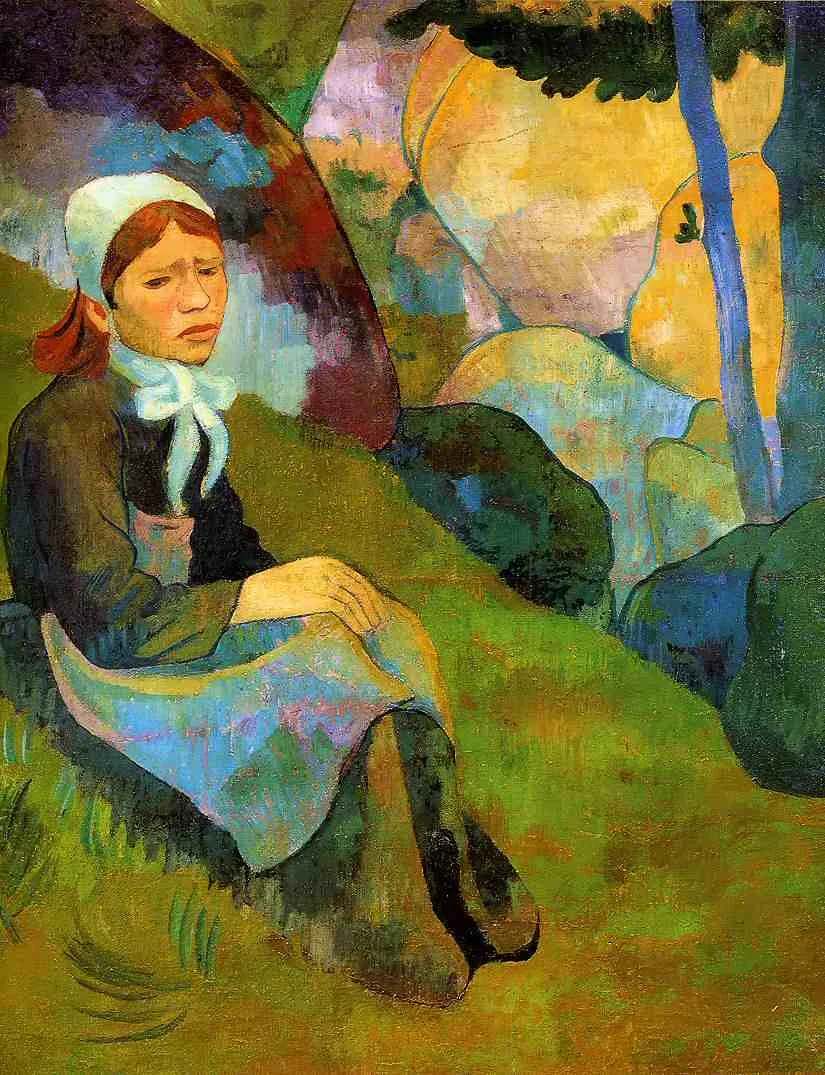
Solitude
Behind the young woman, rocks are heaped in a jumble, and there is nobody else in the picture. That emptiness is what the title calls solitude. Paul Sérusier painted this at Huelgoat in Brittany between 1890 and 1892. She is a young Breton peasant with a melancholy face, and the picture has a second name, the Fern Gatherer, which tells you what she was doing. It may have been shown at the second Nabis exhibition in 1892, where it was connected with Joan of Arc listening to voices.
Listen in the appPaul Sérusier · Public domain
09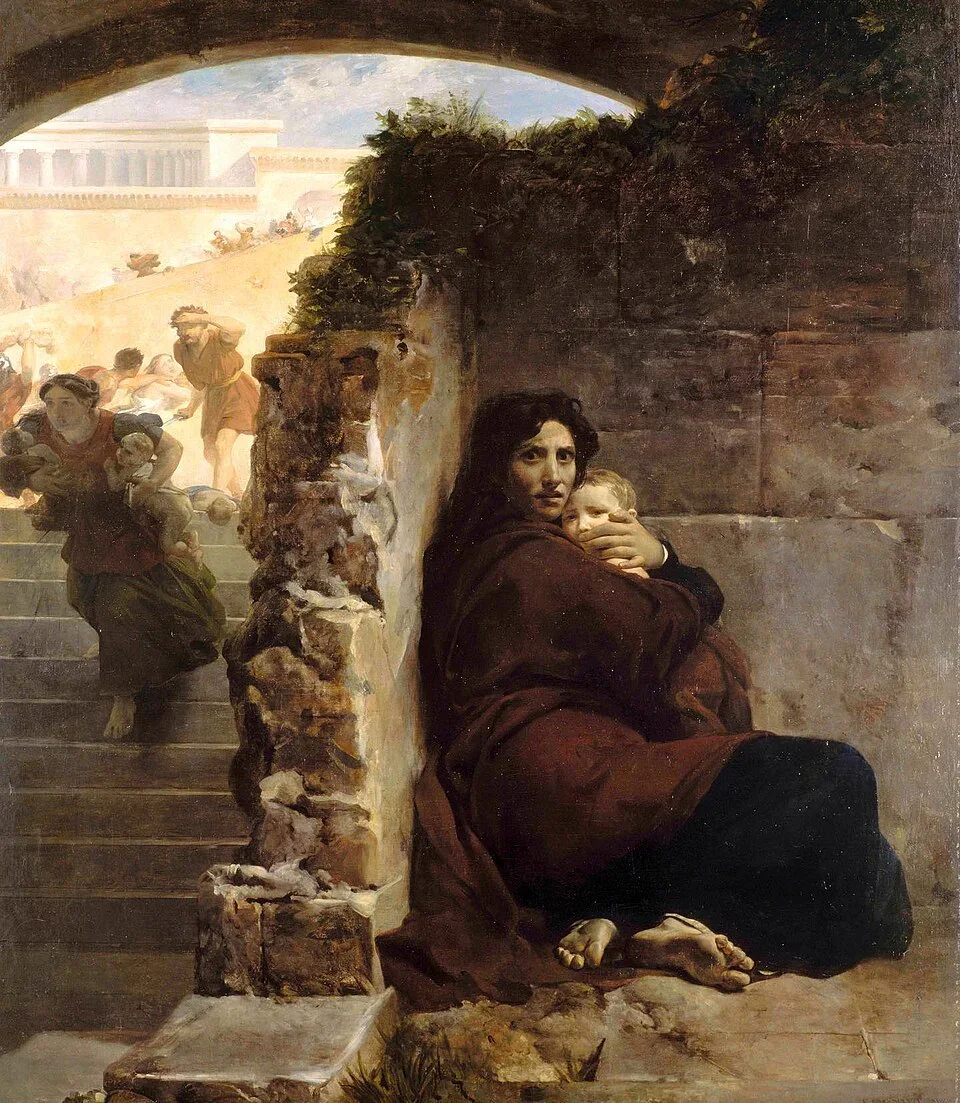
Massacre of the Innocents
How do you keep a baby quiet when a soldier with a sword is close? A frightened woman crouches behind a stone wall, one hand pressed over her infant's mouth to stop the cries. She looks straight at you. That soldier is in the background. He and the others came to kill every boy in Bethlehem under two, because Herod, king of Judea, ordered it. Cogniet left out the crowds other painters put in this scene, to make the fear feel close and human. The wall cuts the picture in two. On the left, another woman flees by the stairs, holding two babies. Both women are barefoot. And if the soldier chases her, she will lead him right to the mother behind the wall.
Listen in the appLéon Cogniet · Public domain
10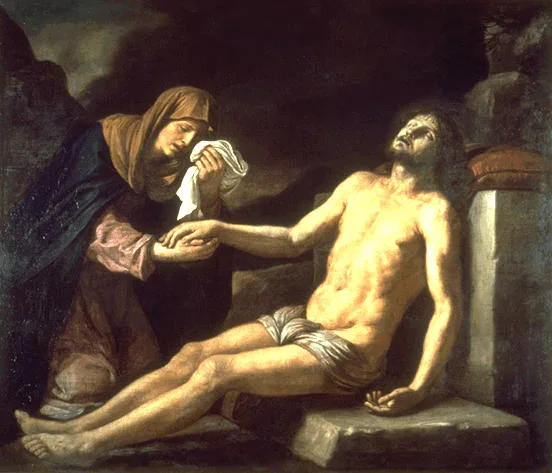
Pietà
For more than a hundred years after it was painted, no one can say where this picture was. The Virgin kneels beside her son, supporting his right arm and wiping her tears with a handkerchief. Her robes were once red and blue. Now they are faded brown and black. On the right is a dark patch, hard to make out, perhaps a storm cloud, with a sliver of brighter sky beyond it. Its trail picks up around 1770, when it may be the Pietà recorded in a chapel of the ducal palace in Modena. In 1796 the French requisitioned it and carried it into France. In 1798 it was examined and found in poor condition, with modern repainting. It came to rest here in Rennes and never went on display at the Louvre. Guercino painted it in 1638 for Cardinal Ciriaco Rocci, the papal legate in Ferrara. The town of Cento paid two hundred ducatoni for it as a gift for the cardinal, on the seventh of December that year.
Listen in the appGuercino · Public domain
- 11
Saint Jude Thaddeus
Jusepe de Ribera · c. 1609–1610
- 12
Head of an Andalusian Horse - Alfred Philippe Roll
Alfred Philippe Roll · c. 1904
- 13
Messalina
Eugène Cyrille Brunet · 1884
- 14
Les Périssoires
Gustave Caillebotte · 1877–1878
- 15
Salome receiving the head of John the Baptist
Guercino · c. 1637
- 16
Perseus Freeing Andromeda
Paolo Veronese · c. 1575–1580
- 17
Young Girl with a Blue Ribbon
Jean-Baptiste Greuze · 18th century
- 18
Golden cylinder
Paul Sérusier · c. 1910
- 19
Madeleine repentante
Girolamo Scaglia · 1700
- 20
Wolf Hunting
Alexandre-François Desportes · 1725
- 21
Sleeping Bacchante
Jean-Baptiste Marie Pierre · 1763
- 22
Still life with peaches
Lubin Baugin · c. 1630
- 23
Arts of Islam exhibition
Benoît Prieur
- 24
Portrait of the children of Habert de Montmor
Philippe de Champaigne · 1649
- 25
The Virgin, the Child Jesus and Saint Martina
Pietro da Cortona · 17th century
- 26
Le Sueur Hagar and Ishmael Rennes
Eustache Le Sueur · 1648–1649
- 27
Presentation of Jesus Christ at the Temple
Luca Giordano · 17th century
Musée des Beaux-Arts de Rennes
Frequently asked questions
How much does the guide cost?
Free app download. Free until 1 January. Listed guide price: $0.99. Audio guide only. Venue admission is separate.
Can I listen without internet?
Yes. Download the guide’s audio, images, and maps in the app before your visit. Your downloaded content is then available offline.
Can I listen in my language?
In English for now. More languages soon.
Do I need to follow a schedule?
No. This is a self-guided experience. Choose your stops, pause whenever you like, and return to a story at your own pace.
Which artworks are in the Musée des Beaux-Arts de Rennes audio guide?
27 artworks, including The Tiger Hunt (Peter Paul Rubens), The Newborn (Georges de La Tour), Alexander the Great Giving Campaspe to Apelles (Charles Meynier), St Luke Painting the Virgin (Maarten van Heemskerck), The Assumption of the Virgin (Simon Vouet), The yellow tree (Émile Bernard), The Count of Comminges Recognizing Adélaïde (Claudius Jacquand), and Solitude (Paul Sérusier). The full list is on this page.
Is this the museum’s official audio guide?
No. Stanza is an independent audio guide app and is not affiliated with Musée des Beaux-Arts de Rennes. Museum admission is separate.
At your own pace
Explore Musée des Beaux-Arts de Rennes.
Download Stanza, then search for “Musée des Beaux-Arts de Rennes”.
Free app download · Guide price shown in the app
Keep exploring
Nearby audio guides
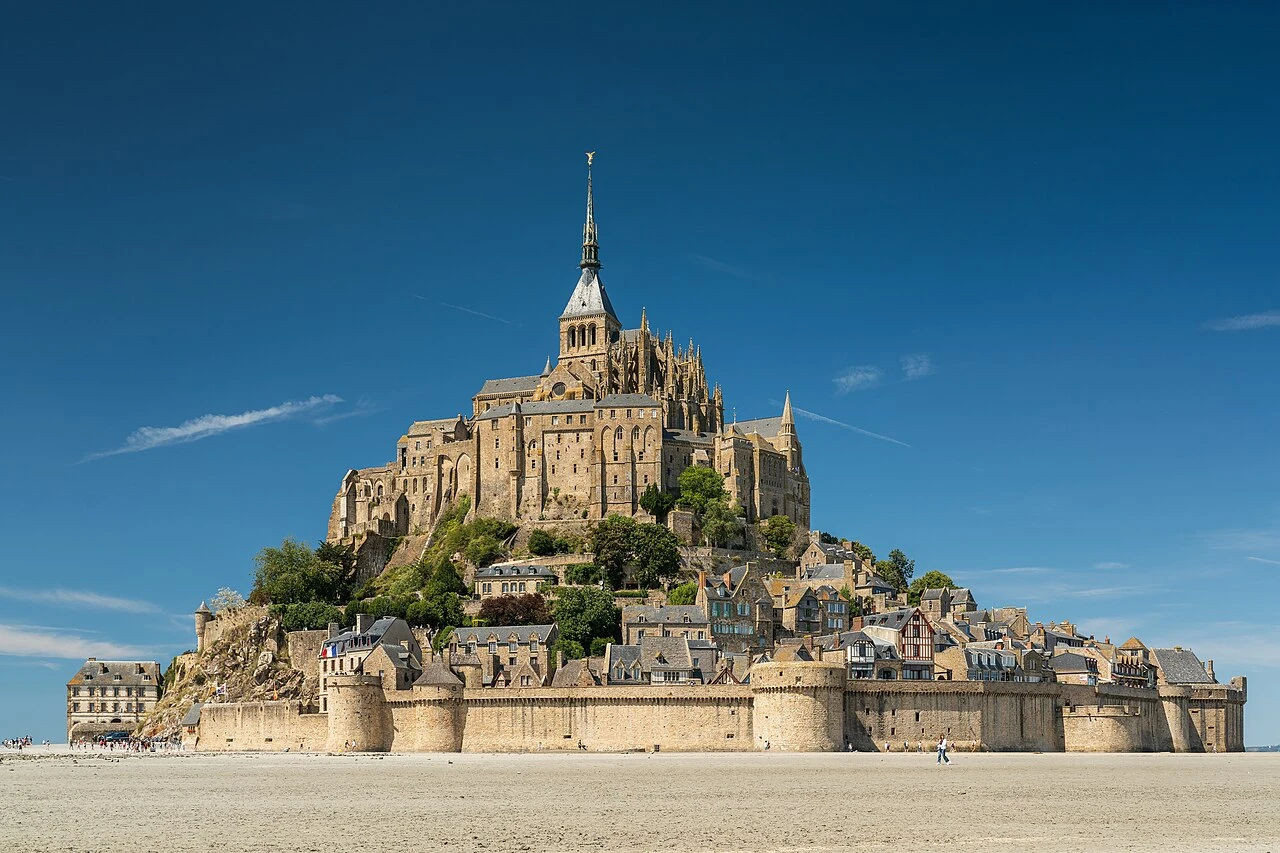
Le Mont-Saint-Michel · 60 km
Le Mont-Saint-Michel, Mont-Saint-Michel Abbey
Content & sources
Photo: Lynx1211 · CC BY-SA 4.0
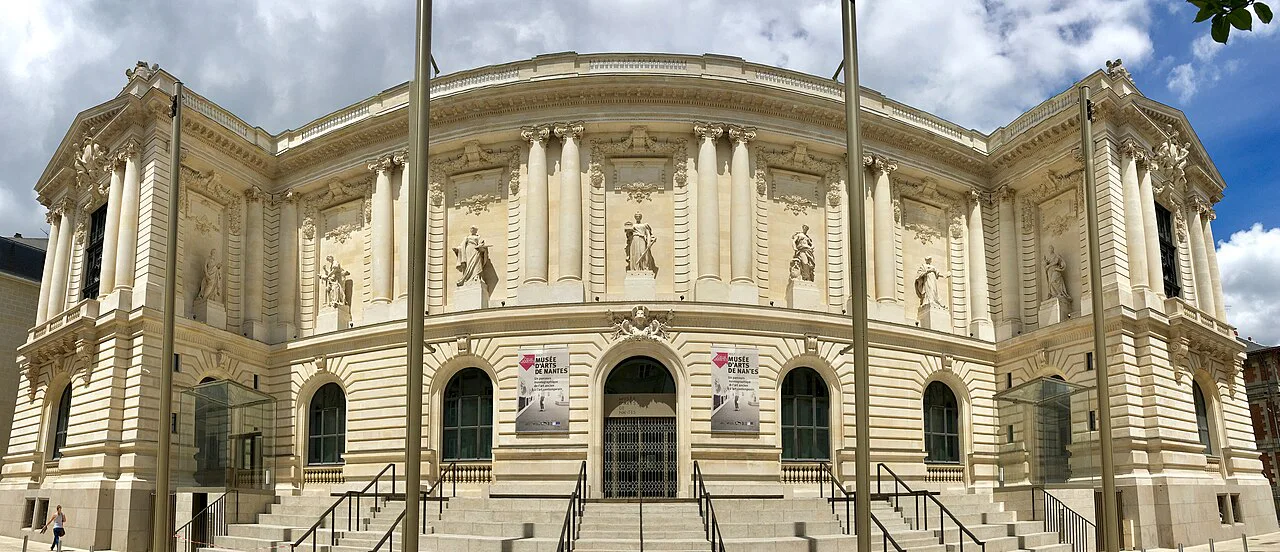
Nantes · 99 km
Musée d'Arts de Nantes
Content & sources
Vincent Valentin · CC BY-SA 4.0
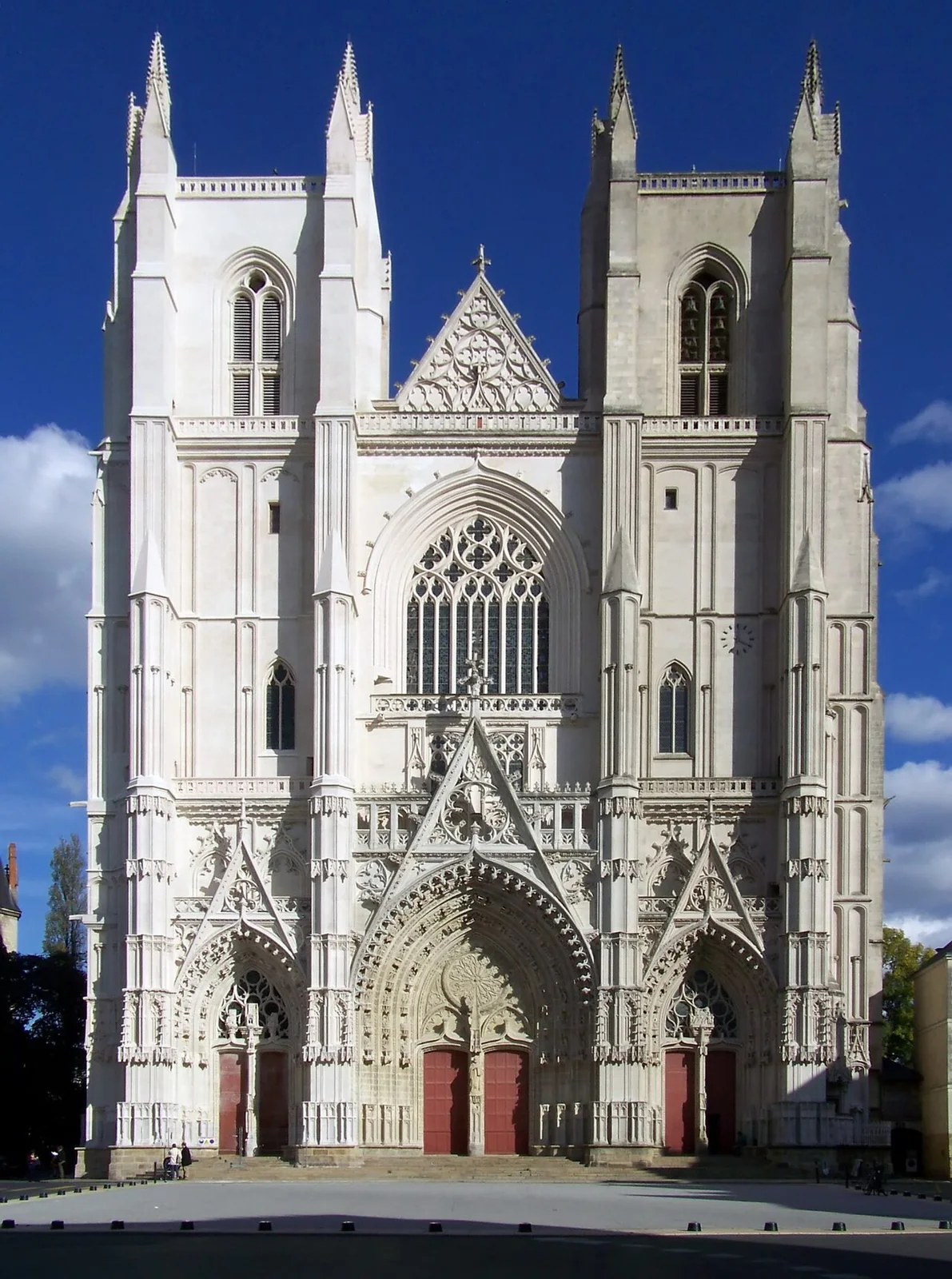
Nantes · 100 km
Cathédrale Saint-Pierre-et-Saint-Paul de Nantes
Content & sources
Photo: Eusebius · Public domain
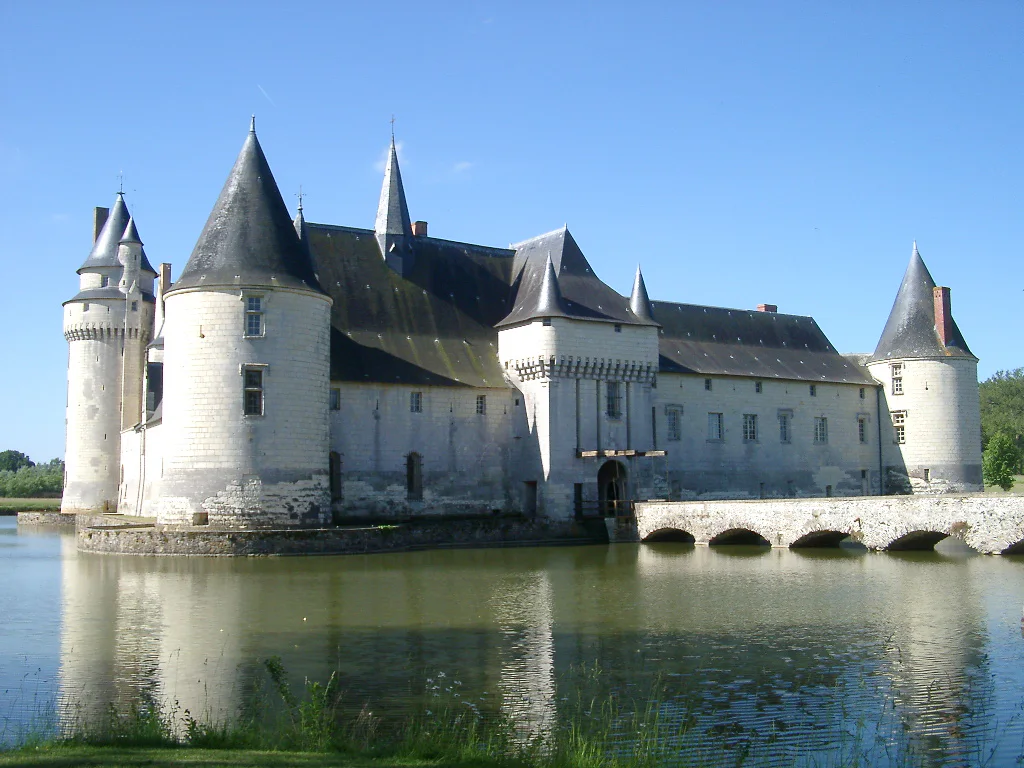
Écuillé · 102 km
Château du Plessis-Bourré
Content & sources
The original uploader was NonNobis at French Wikipedia. · CC BY-SA 3.0
Art museums
More art museum audio guides
Nantes · 57 artworks
Musée d'Arts de Nantes
Content & sources
Vincent Valentin · CC BY-SA 4.0
Caen · 19 artworks
Musée des Beaux-Arts de Caen
Content & sources
Own work · CC BY-SA 3.0
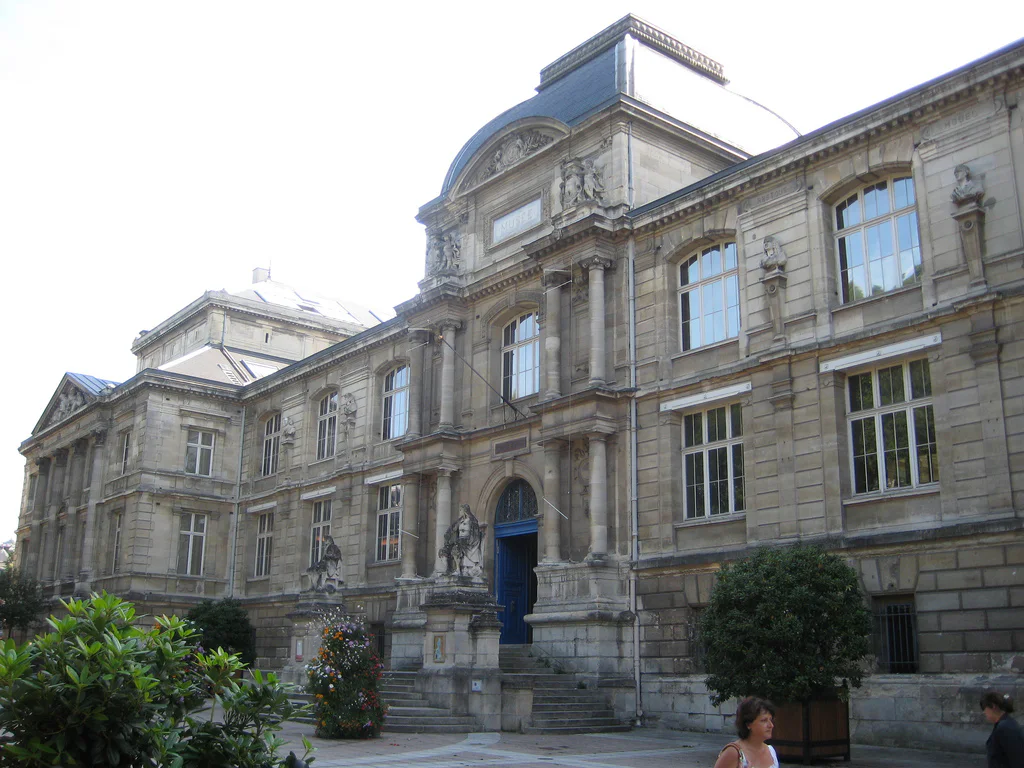
Rouen · 45 artworks
Musée des Beaux-Arts de Rouen
Content & sources
Allie_Caulfield · CC BY 2.0
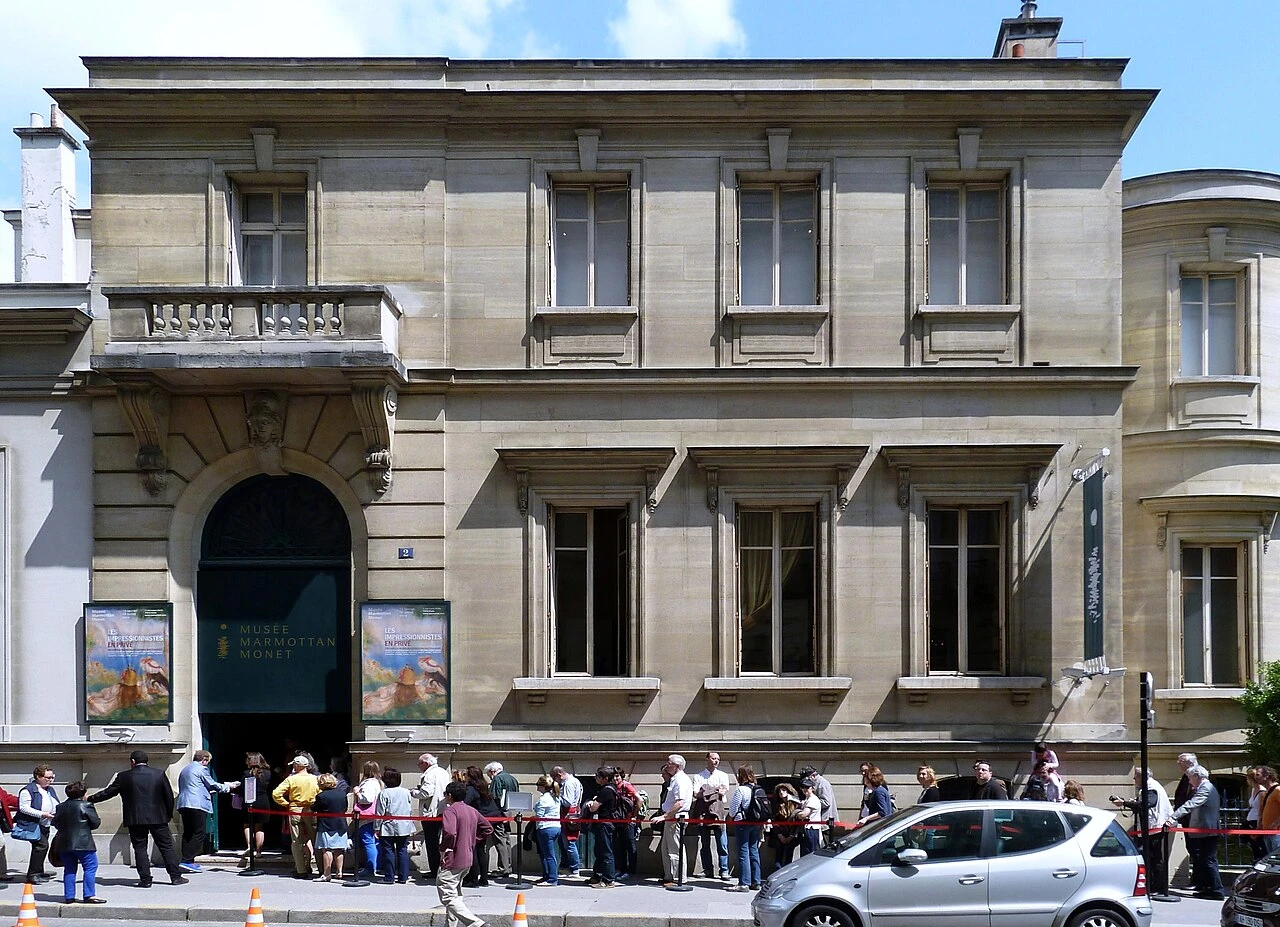
Paris · 25 artworks
Musée Marmottan Monet
Content & sources
PIERRE ANDRE LECLERCQ · CC BY-SA 4.0
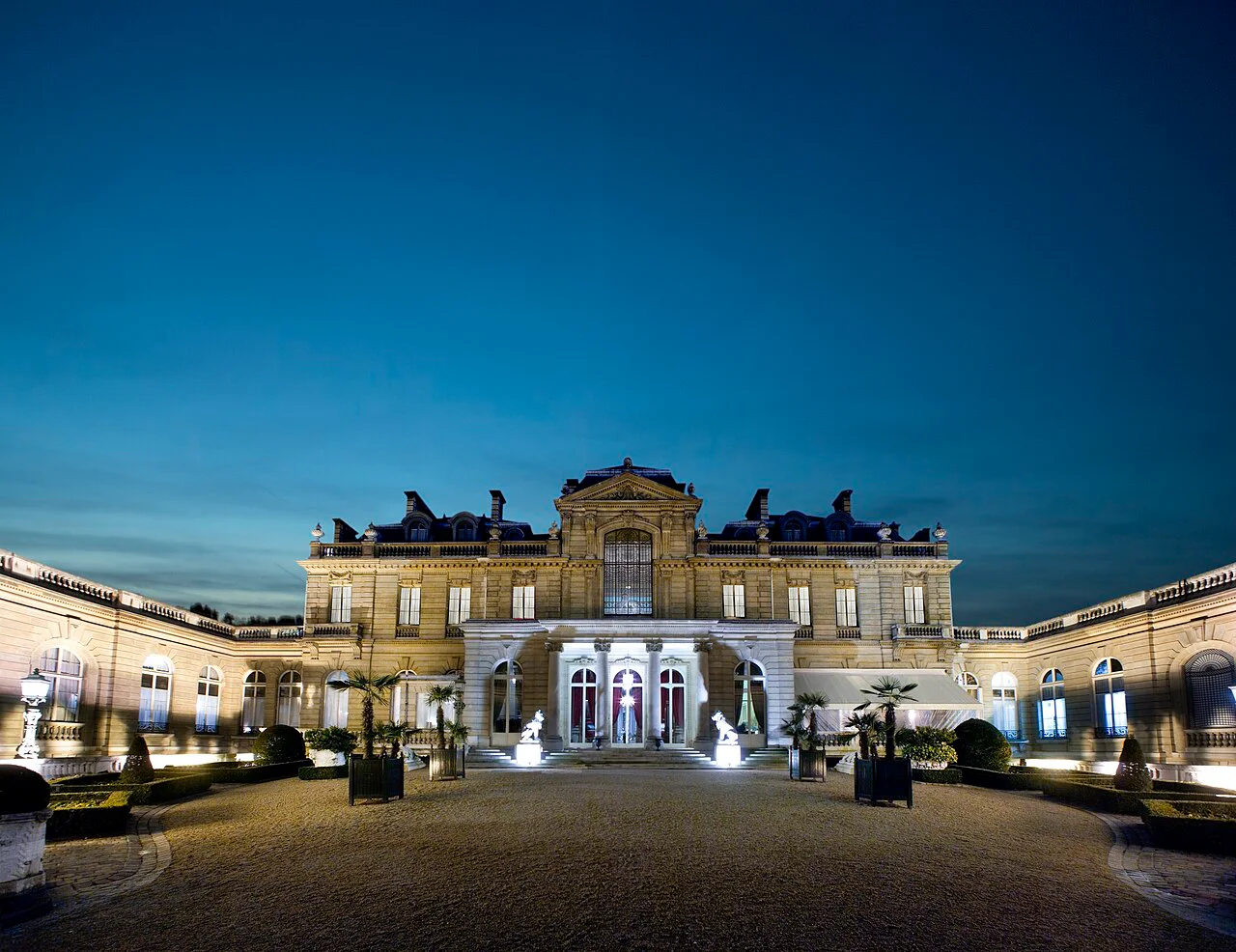
Paris · 24 artworks
Musée Jacquemart-André
Content & sources
Christophe Recoura · CC BY-SA 3.0
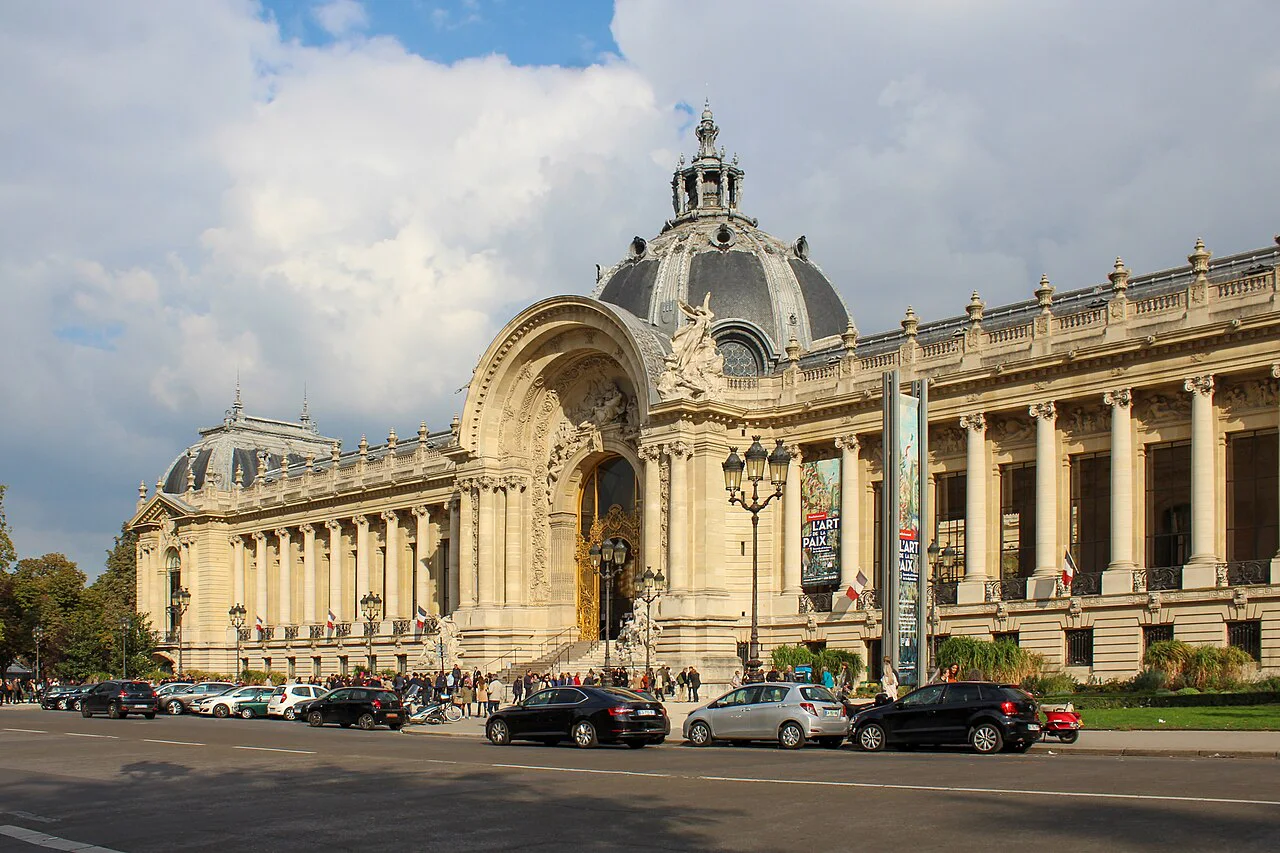
Paris · 77 artworks
Petit Palais
Content & sources
Chabe01 · CC BY-SA 4.0