Stanza · Audio guide
Palazzo Pitti Audio Guide
A place to remember. A story to take with you.
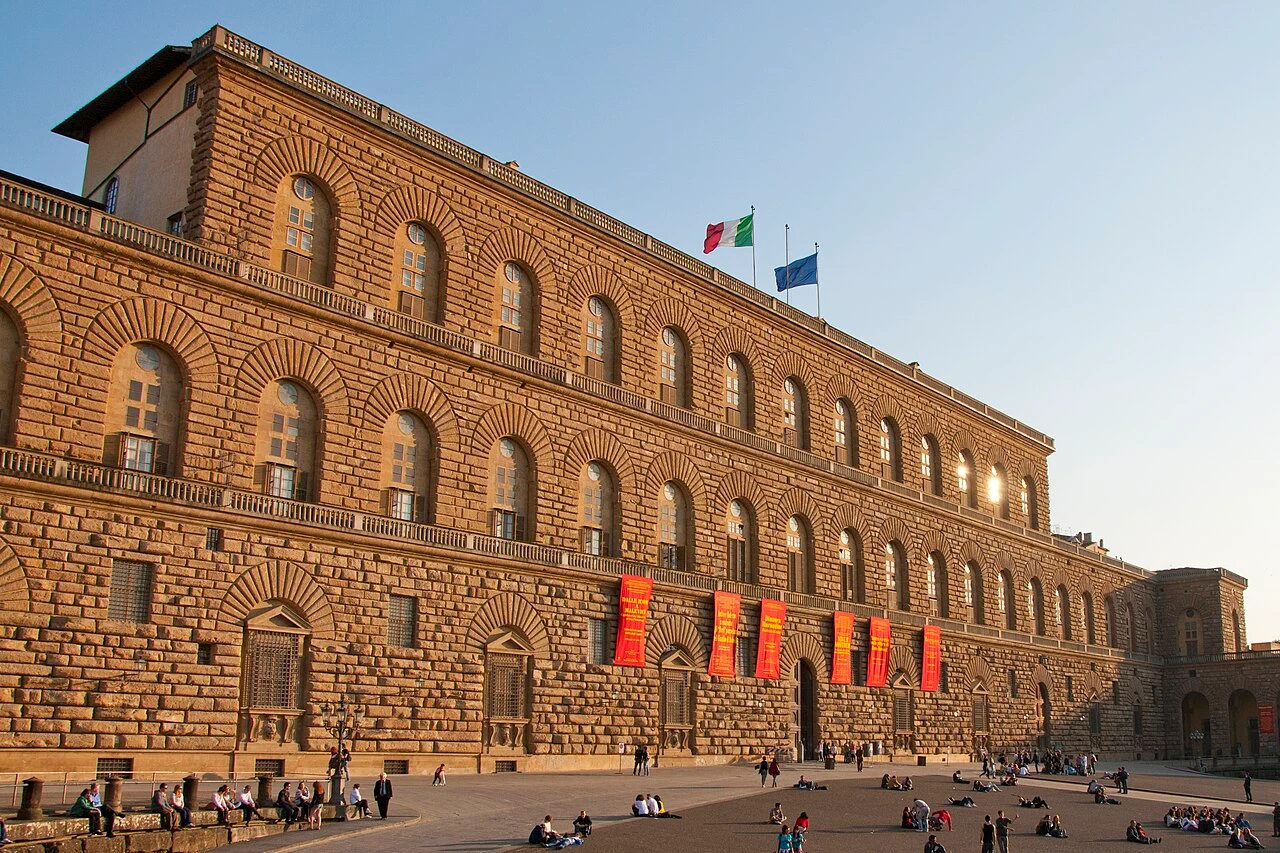
Palazzo Pitti is a vast Renaissance palace located in Florence, Italy, which now houses several museums. It features notable collections, including the Palatine Gallery and the Gallery of Modern Art.
Download Stanza, then search for “Palazzo Pitti”.
About the tour
One guide. Your kind of visit.
Palazzo Pitti is a vast Renaissance palace located in Florence, Italy, which now houses several museums. It features notable collections, including the Palatine Gallery and the Gallery of Modern Art.
The Palazzo Pitti guide tells the stories of 167 artworks, including Madonna della Seggiola (Raphael), Portrait of Leo X (Raphael), La velata (Raphael), Madonna del Granduca (Raphael), La Bella (Titian), Consequences of War (Peter Paul Rubens), La donna gravida (Raphael), and Penitent Magdalene (Titian). Every artwork is free to hear in the Stanza app until 1 January.
Ready when you are.
- 01Get the free Stanza app.
iOS & Android
- 02Find your guide.
“Palazzo Pitti”
- 03Download before you go.
Works offline
Audio guide / 167 artworks
Inside the guide
Get to know a few of the stories before you go. Open a stop to read more.
01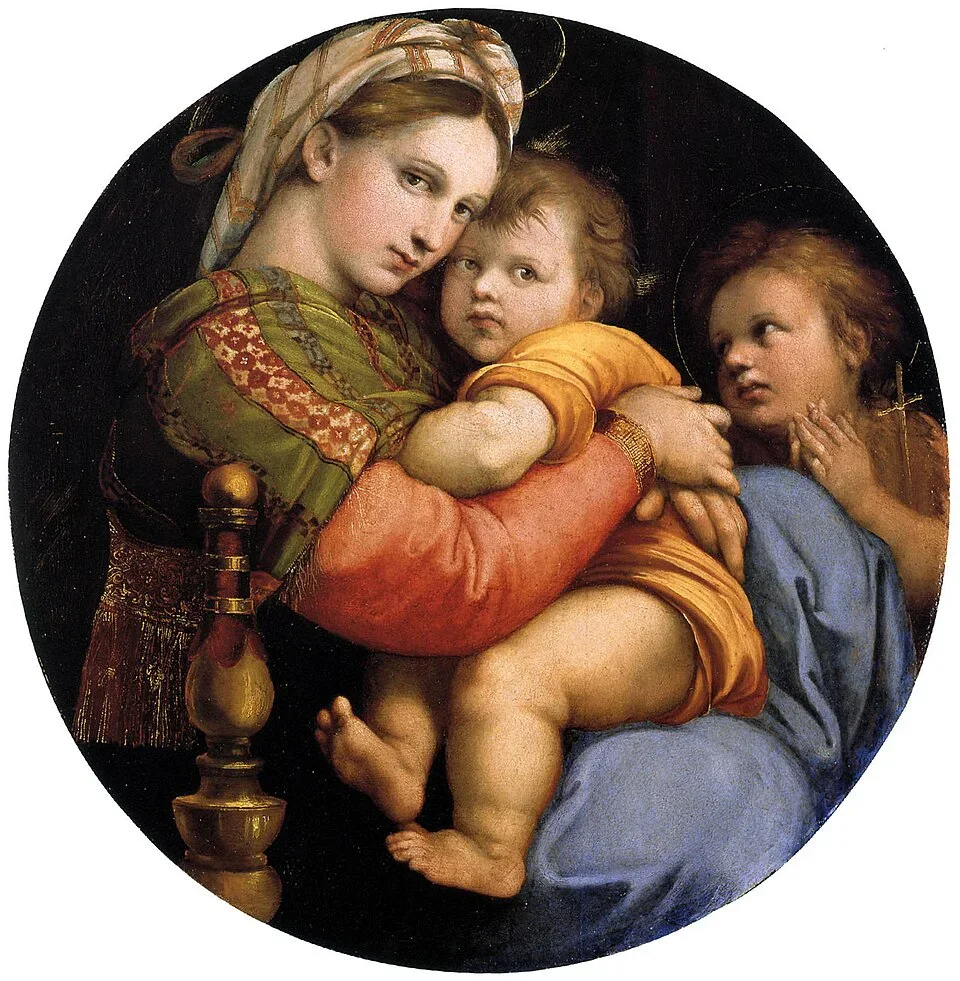
Madonna della Seggiola
At the top of Mary's chair sits a small round ball. Its shape matches the balls in the Medici family's coat of arms, the same ones in Pope Leo the Tenth's arms. Raphael was working in Rome, and Leo was one of his biggest patrons there. Perhaps the pope had this made for relatives in Florence. By 1589 it was already in the Medici collections. The picture is round, and the figures follow the curve, gathered together. Mary holds the child close, one leg lifted, her body curving like a cradle that rocks. Their heads touch. This is a mother with her baby, the sort of image you keep near you in a private room. Who first asked for this picture is still not known.
Listen in the appRaphael · Public domain
02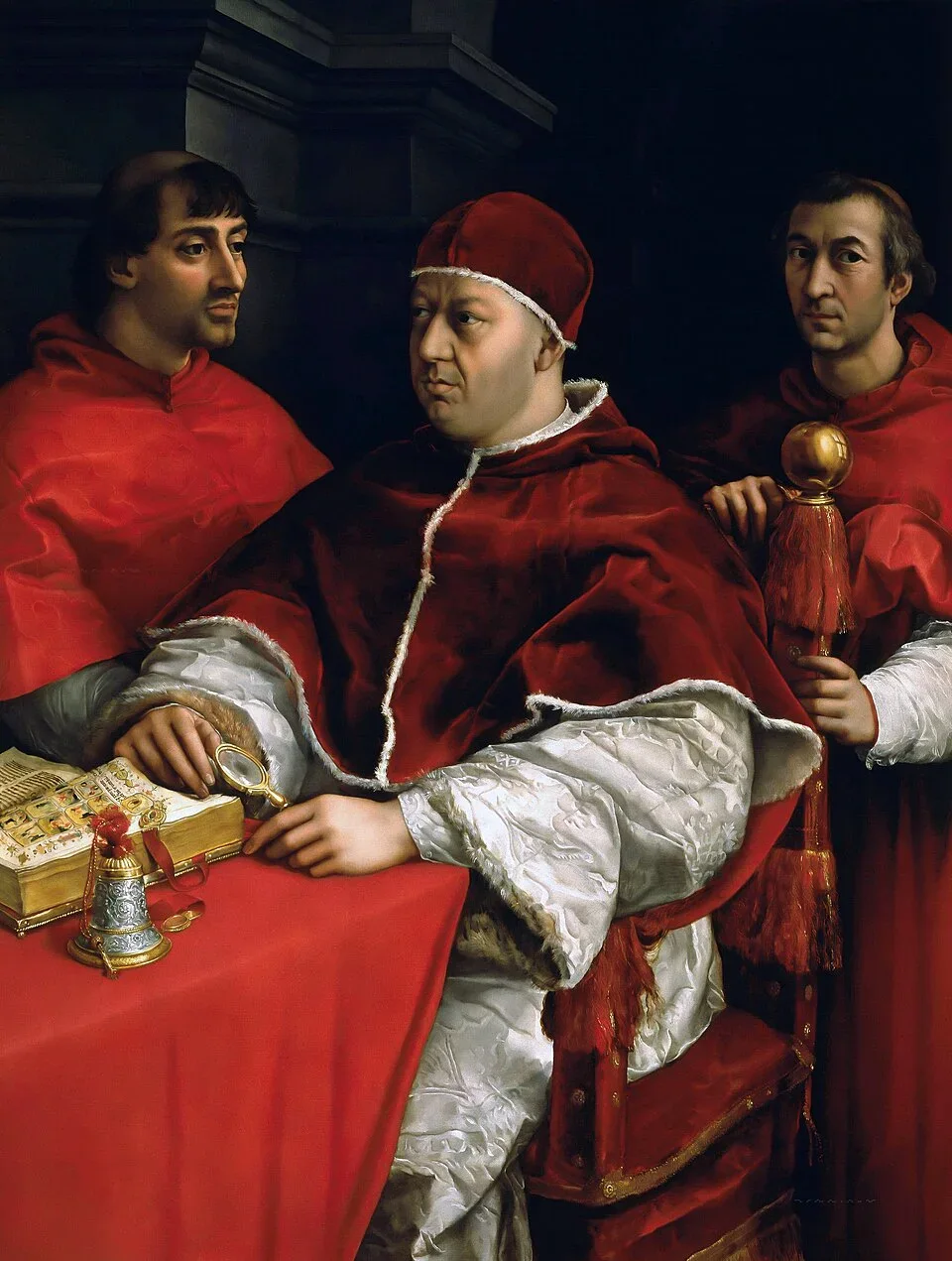
Portrait of Leo X
The pope could not be at his nephew's wedding, so he sent his own likeness in his place. It was 1518. The groom was Lorenzo de' Medici, Duke of Urbino, marrying Madeleine de La Tour d'Auvergne, a relative of King Francis the First. The painting travelled from Rome to Florence to stand in for him. It was hung in the Medici palace above the table where the Duchess and the other lords ate, and it gladdened everything. Raphael, whom Leo had put in charge of the new Saint Peter's, painted him as a real man, not an idealized figure. He holds a monocle with a gold rim, which he needed because he was near sighted. The illuminated book he has just been reading lies open on the table. Beside it is the silver bell he used to call his servants. His face is round, with a big curved nose and a worried frown. Martin Luther had attacked Leo in 1517 for selling indulgences to pay for that church. Two cardinals stand behind him, both his cousins. One of them, Giulio de' Medici, later became Pope Clement the Seventh.
Listen in the appRaphael · Public domain
03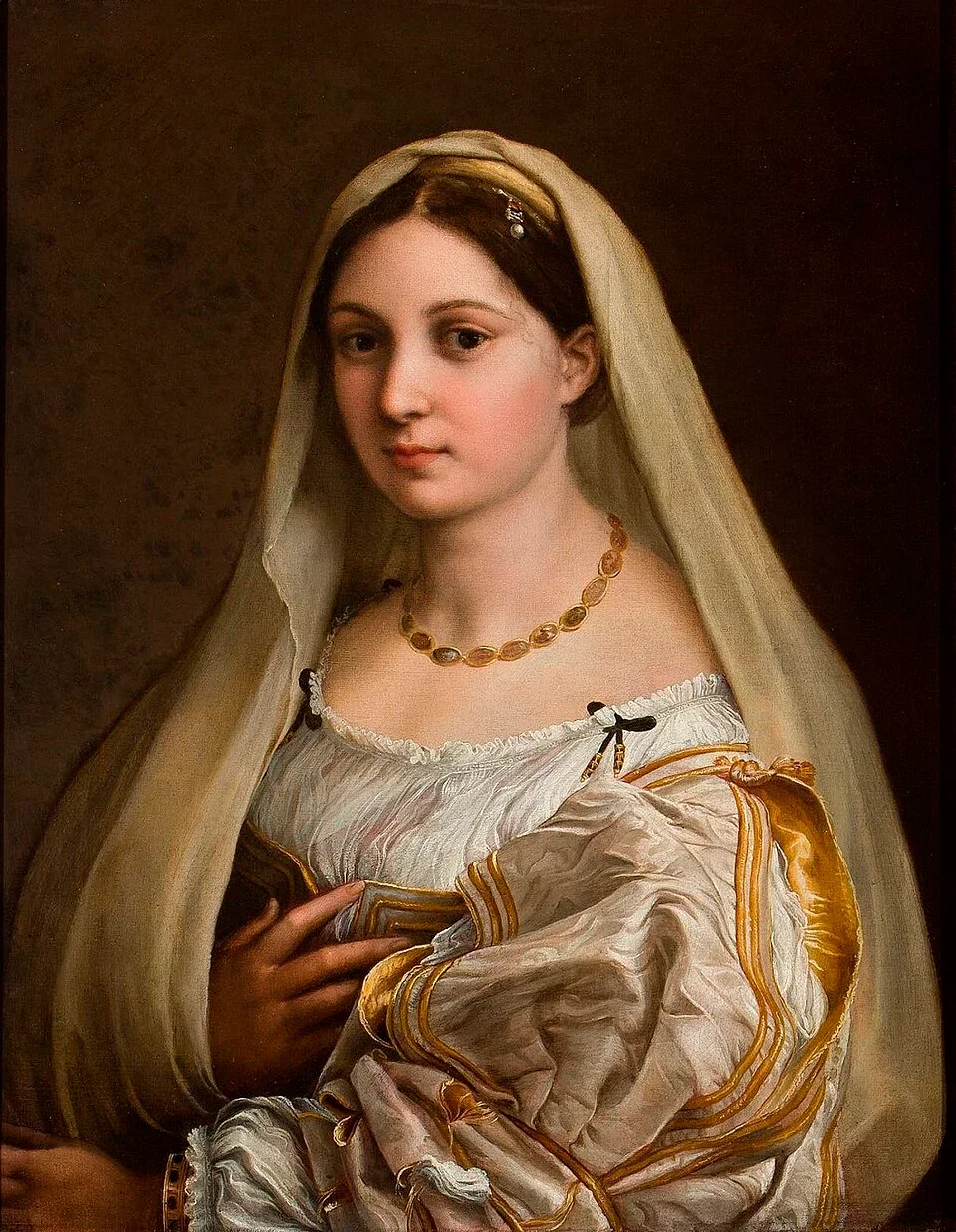
La velata
A young woman in a veil, turned a little to the left, one hand at her chest in a gesture of devotion. Her sleeve swells with deep folds of silk, white worked over white. Gold embroidery runs through her dress. The veil gives the portrait its name. A woman covered her head then, once she was married with children, and the veil brings the Virgin to mind. But nothing about the dress is modest, with its necklace of figured enamel and its jeweled diadem. The woman is probably Margherita Luti, the baker's daughter, Raphael's mistress. He painted her again in La Fornarina, and the pendant gives her away. It has a ruby cut square and a sapphire ending in a pearl. In the other portrait she wears the same pendant, with the stones in reverse order. Set one portrait over the other and the proportions of face and chest match exactly. Margherita means pearl in Latin, and perhaps he set pearls in her hair to say her name.
Listen in the appRaphael · Public domain
04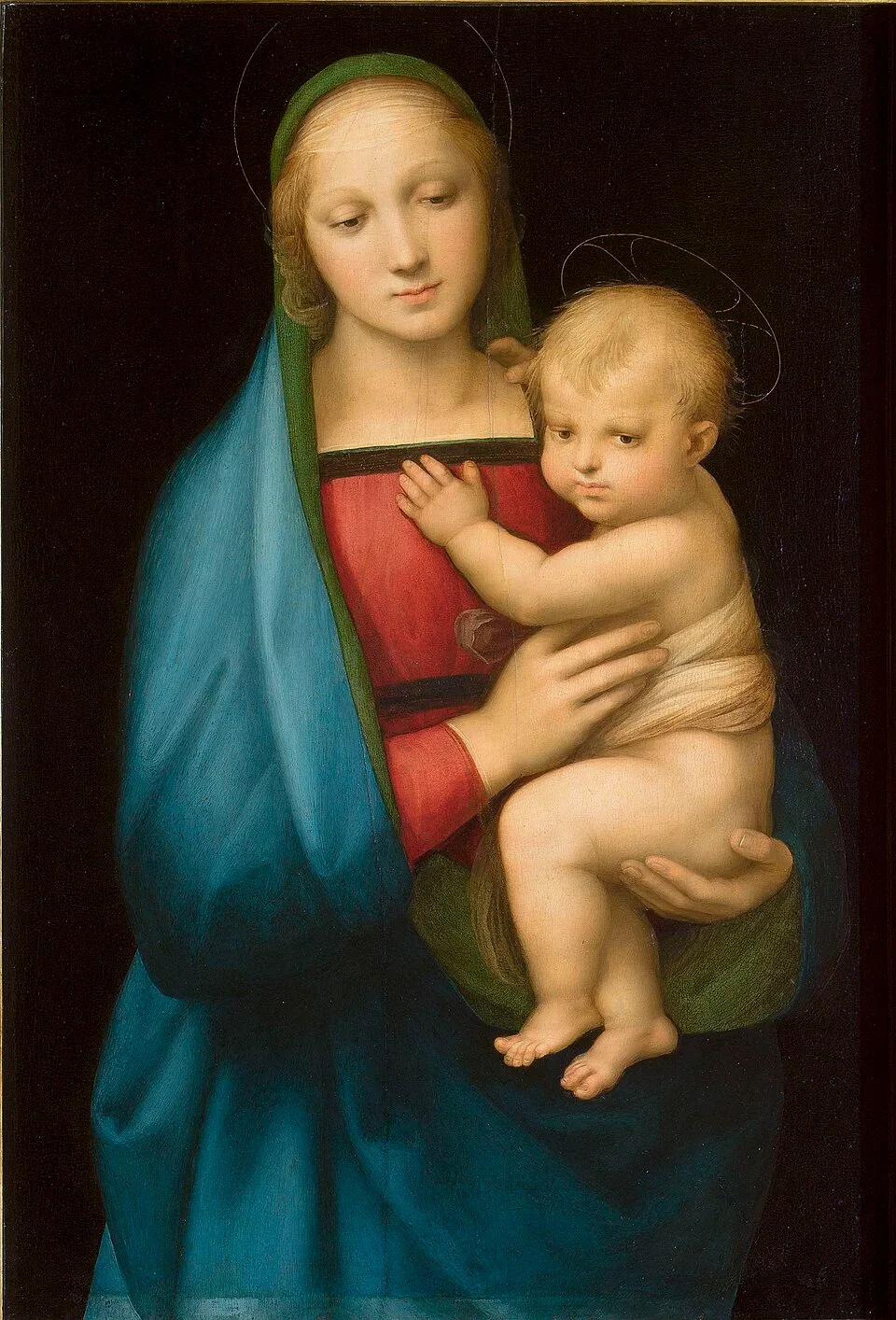
Madonna del Granduca
The darkness these two figures seem to emerge from was not always there. An X-ray found a different scene underneath. On the right was an arched window, and just below it a step or seat ran across the whole painting. That was the setting first painted here, and something later covered it over. Mary stands in a red dress and blue mantle, holding the child out as though to show him to you. She turns a little to one side and he turns the other way. His eyes meet yours while hers are lowered. That soft fading of light into shadow is something Raphael had picked up from Leonardo. He came to know his work when he arrived in Florence as a young man. Ferdinand, the Grand Duke of Tuscany, bought the picture after it turned up in a poor widow's house. He was so fond of it that he took it with him into exile, and its name comes from that love. He kept it in his bedroom for the rest of his life. Who painted the darkness that covers the first scene is still not known.
Listen in the appRaphael · Public domain
05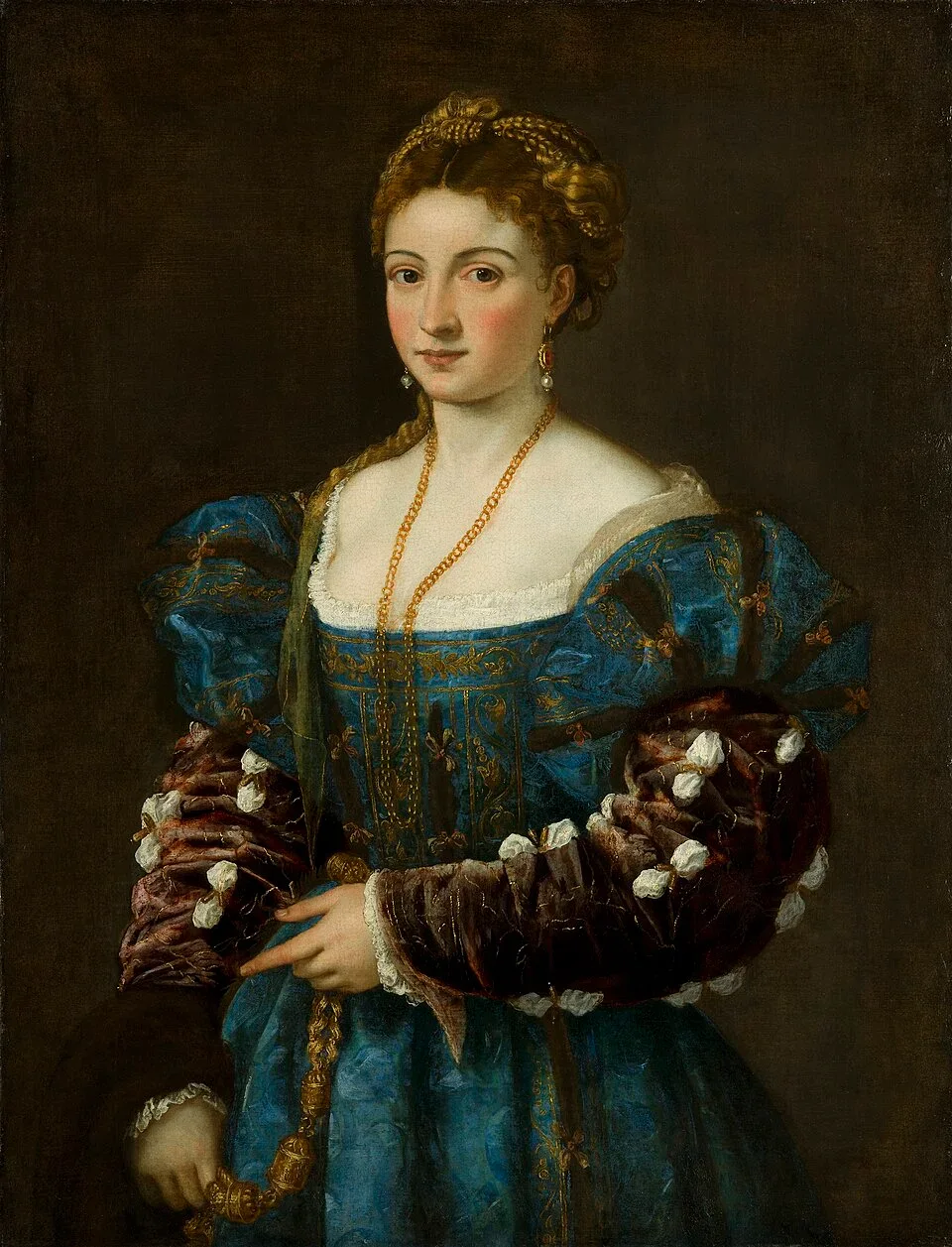
La Bella
Nobody can say for certain who this woman is. Her eyes meet yours against a dark background. She has a high forehead, black eyes, and honey-coloured hair in braids, the very picture of Renaissance beauty. Her blue dress is worked with gold, and her left hand points down to the fur lying over her right arm. She looks entirely real, and she is likely no one in particular, an ideal of beauty. In May 1536 the Duke of Urbino saw her almost finished in Titian's studio. In a letter to his agent in Venice he called her only the woman in the blue dress. He asked that she be finished beautifully, with a curtain to protect her. This one would show him how the others would turn out. A head very like hers appears in three other paintings Titian made around then. There is a girl in fur, a girl with a feathered hat, and the Venus of Urbino. Each is more openly sensual than the one before.
Listen in the appTitian · Public domain
06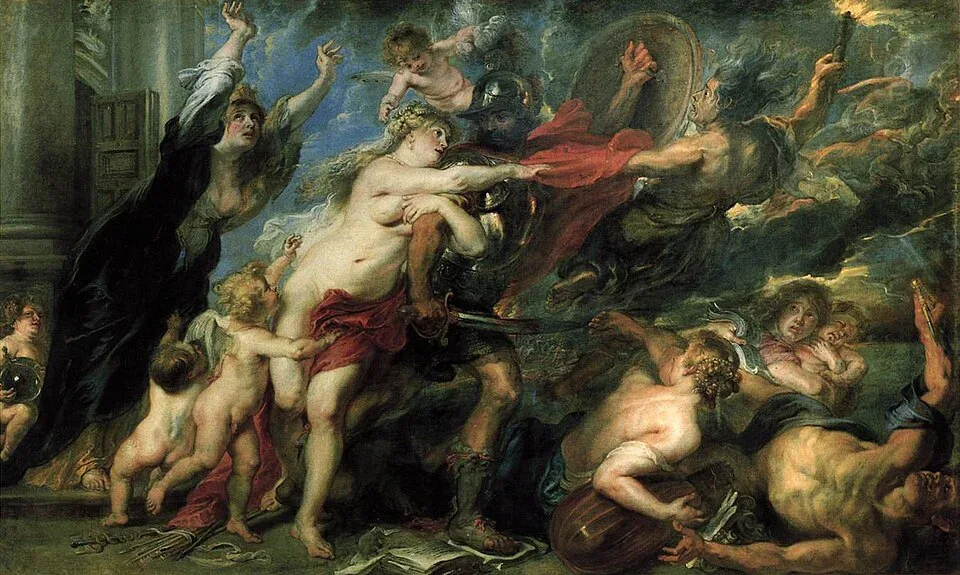
Consequences of War
There are no armies in this picture, though it is all about a war. Peter Paul Rubens left the real fighting out on purpose, and chose gods and goddesses to carry the warning. He believed the form reached people at once. And he knew the war in another role too. He worked as a diplomat, carrying messages between the kings of Spain and England, hoping to end it. At the centre Mars charges in helmet and breastplate, his sword drawn. The Fury Alekto grips him and drags him on, a burning torch held high, the anger that never lets the fighting stop. Venus, the goddess of love, loops her arm through his and pleads, but even love cannot hold him back. On the left, Europe raises her arms to the sky in grief, and a small angel beside her holds a globe and a cross. And at the far left, the Temple of Janus stands with its door ajar. In ancient Rome, an open door meant war. A closed one meant peace.
Listen in the appPeter Paul Rubens · Public domain
07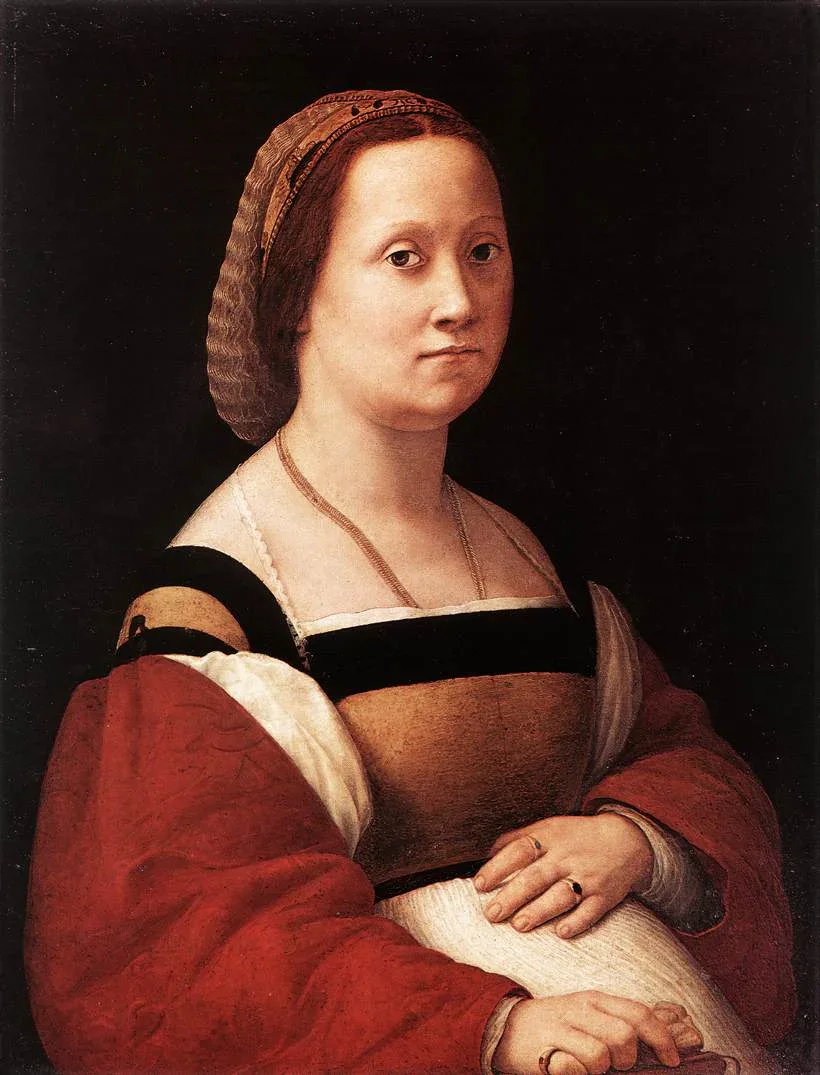
La donna gravida
Is she pregnant? It is the first question when you stand in front of her. She sits against a dark background, one hand resting on the round swell of her stomach. Her eyes meet yours, while her body turns to one side. The fingers touch the cloth and shift it a little, leaving a shadow. Rings cover her fingers. She is called the pregnant woman, a name she was only given in the nineteenth century. But perhaps she is not with child at all. The curve beneath her hand may be the fullness of a seated body. The rings, and her hand resting there, may say more about her place in society. Raphael painted her in Florence between 1505 and 1506, building the figure from broad, rounded shapes.
Listen in the appRaphael · Public domain
08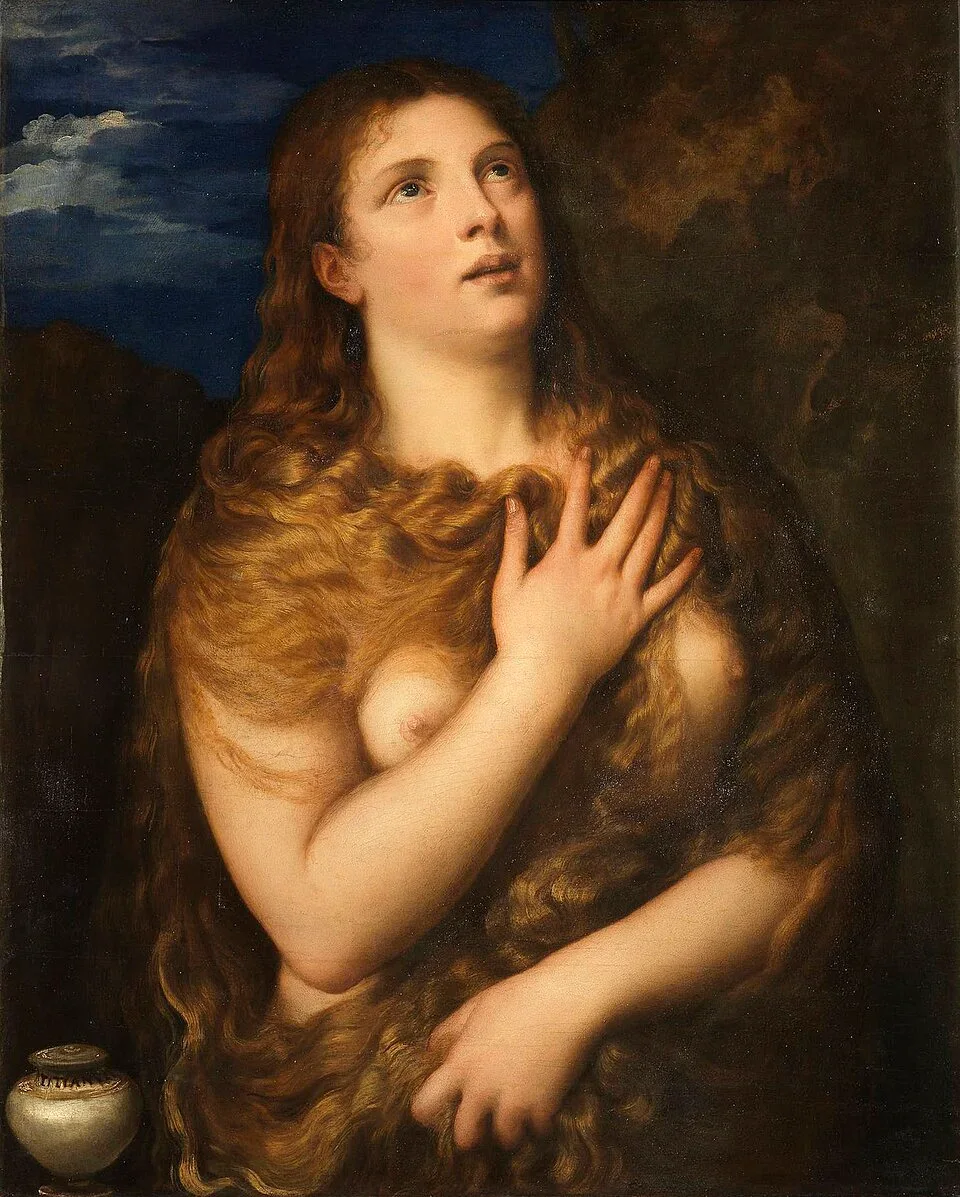
Penitent Magdalene
At the bottom left of the painting there is a small jar. On its rim Titian wrote his name. This is the jar of ointment that tells you the woman is Mary Magdalene. She brought it to the house of Simon the Pharisee, to ask Jesus to forgive her. She wept on his feet, dried them with her hair, and scented them with perfume from that same jar. Her eyes are wet with tears, and her gaze is raised to heaven. Her long blond hair falls over her bare body. Her nakedness speaks of the past she stripped away, of jewels and gold and worldly goods given up for Christ. The model may have been a Venetian courtesan. Women who had repented could take this picture as their example. It was copied again and again, both in the workshop and by other painters in the years that followed. The painting came to Florence in 1631, in the dowry of Vittoria Della Rovere. We still do not know who first ordered it, or for whom it was meant.
Listen in the appTitian · Public domain
09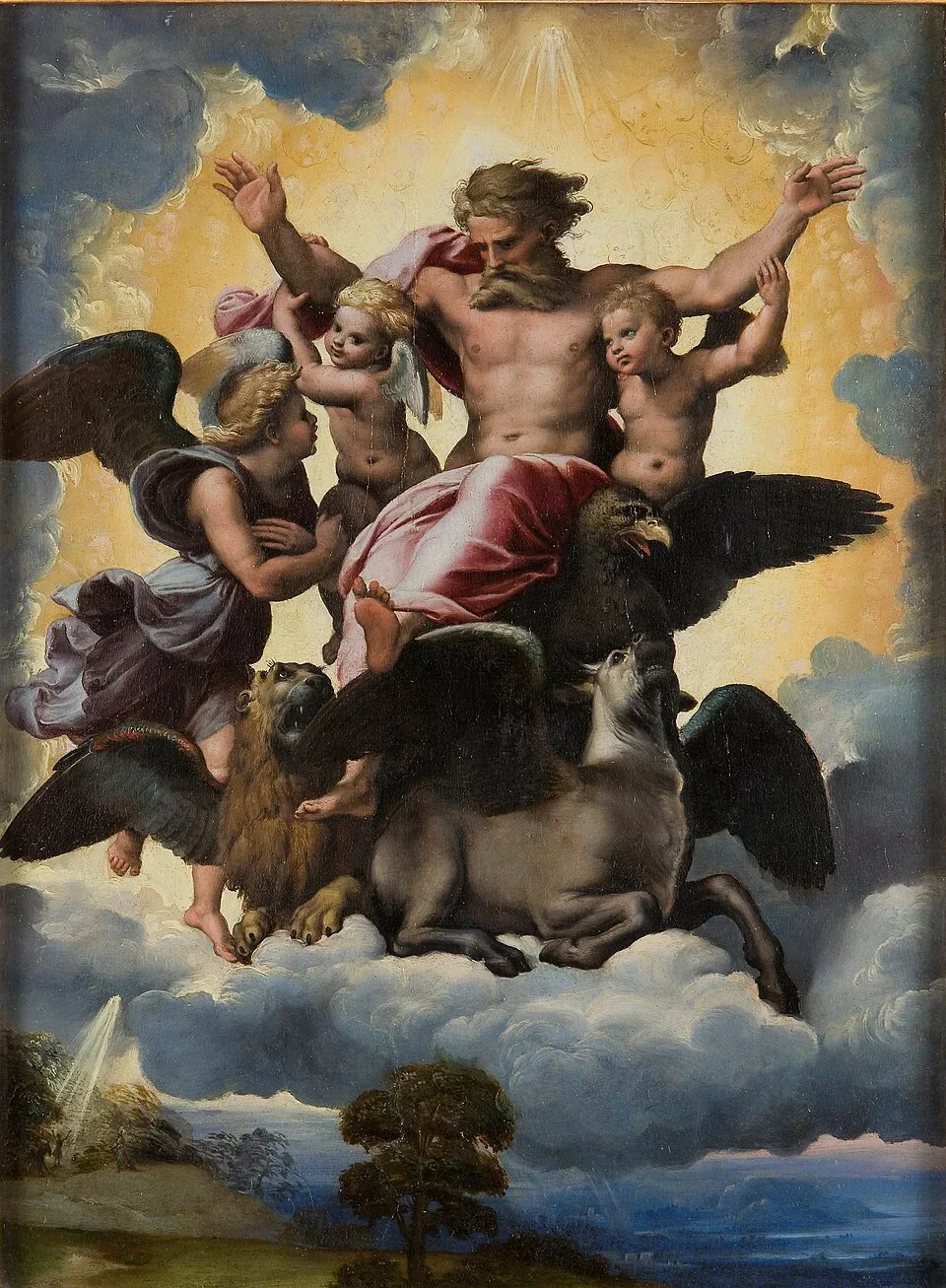
Ezekiel's Vision
Ezekiel was living among the exiles when a storm cloud came from the north and four living creatures appeared in it. Above them was the figure of God, glowing like bronze in fire. Ezekiel fell face down, and a voice told him to stand up and listen. In the painting, God hangs in the clouds with his arms raised, and two cherubs hold them up. Around him the four creatures circle. The lion, the ox and the eagle carry him from below, while the angel in pale blue and purple worships him. Cherubs in the bright light seem made of the very clouds, a whole crowd of them, and the sky is stormy. But at the bottom left, in one shaft of light, there is a tiny figure you can barely make out, thought to be Ezekiel himself. Vincenzo Ercolani, a nobleman in Bologna, wanted this picture. He paid eight ducats for it in 1510, probably only a deposit, because the painting recalls Michelangelo's Sistine Chapel ceiling and was made about 1518. Raphael was busy then with Saint Peter's and the papal rooms. This was one of the last works he painted entirely by his own hand. In 1799 the French carried it off to Paris, and after Napoleon fell it came back to Florence between 1815 and 1816.
Listen in the appRaphael · Public domain
10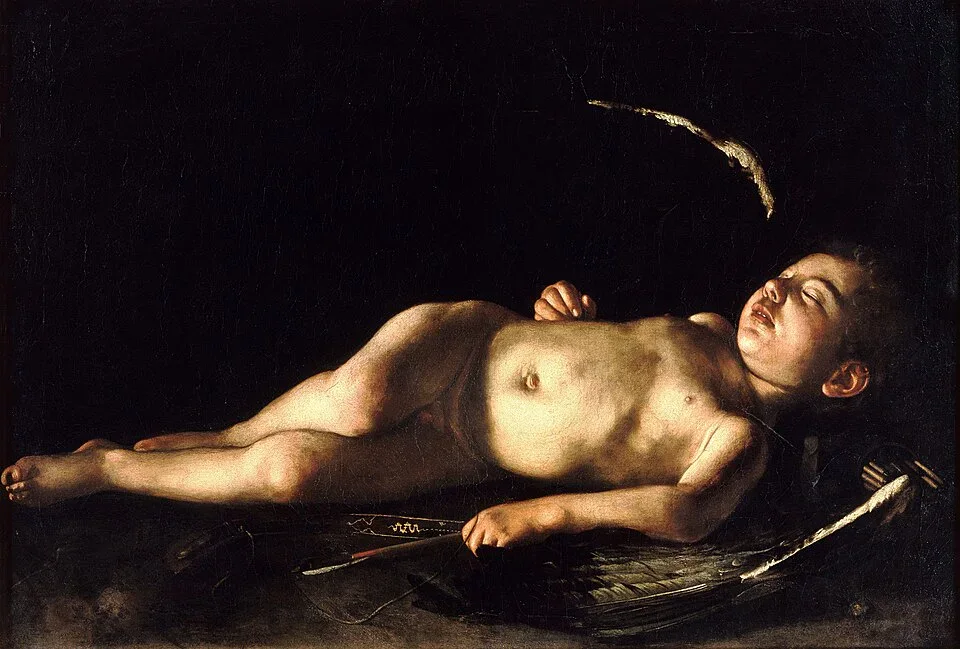
Sleeping Cupid
A plump child sleeps in a shaft of warm light. His skin is blotched. The dark around him holds wings, and he sleeps on a quiver of arrows. This is Cupid, and he is not in charge of fate. Caravaggio painted this on Malta in 1608 for Fra Francesco dell'Antella, the Florentine secretary to the Grand Master of the Knights of Malta. Dell'Antella may have asked for it as a reminder of his vow of chastity. Cupid's bow has a broken string, and the arrows lie cast aside. That usually means worldly pleasures have been given up. With Love asleep, lovers cannot manage their own desires, and they are lost. One arrow is still in his hand. It carries a trace of red. Beaten once, Love has the means to fight again.
Listen in the appCaravaggio · Public domain
- 11
Portrait of a Young Man with an Apple
Raphael · 1504–1505
- 12
Judith and Her Maidservant
Artemisia Gentileschi · 1614–1620
- 13
Conversion of the Magdalene
Artemisia Gentileschi · 1615–1620
- 14
Portrait of Tommaso Inghirami, called Fedra
Raphael · 1509–1516
- 15
Madonna of the Baldacchino
Raphael · 1506–1508
- 16
Portrait of Fra Antonio Martelli
Caravaggio · 1607–1609
- 17
The Concert
Titian · c. 1510–1511
- 18
Portrait of Vincenzo Mosti
Titian · 1520–1526
- 19
Portrait of Ippolito de' Medici
Titian · 1532–1534
- 20
Portrait of a Young Englishman
Titian · c. 1540–1545
- 21
Madonna dell'Impannata
Raphael · 1511–1514
- 22
Portrait of Cardinal Bibbiena
Raphael · c. 1516–1517
- 23
The Peasants Returning From The Fields
Peter Paul Rubens · 1640
- 24
Portrait of a Young Man
Sandro Botticelli · 1469–1475
- 25
Portrait of Pietro Aretino
Titian · 1545
- 26
Madonna of the Basket
Peter Paul Rubens · 1614–1615
- 27
Odysseus on the island of the Phaecians
Peter Paul Rubens · 1620–1635
- 28
Resurrection
Peter Paul Rubens · c. 1616
- 29
Lamentation over the Dead Christ
Pietro Perugino · 1495
- 30
The Disputation on the Trinity
Andrea del Sarto · c. 1517
- 31
San Gallo Annunciation
Andrea del Sarto · 1512–1514
- 32
Passerini Assumption
Andrea del Sarto · 1526–1529
- 33
Portrait of a gentleman in a fur
Paolo Veronese · 1558
- 34
Saint John the Baptist as a Boy
Andrea del Sarto · 1523–1525
- 35
Panciatichi Assumption
Andrea del Sarto · 1522–1529
- 36
Madonna with child, Saint John the Baptist, and an angel
Pietro Perugino · c. 1495–1500
- 37
Portrait of Cardinal Guido Bentivoglio
Anthony van Dyck · 1623–1625
- 38
Roman carts
Giovanni Fattori · c. 1872–1873
- 39
Venus Italica
Antonio Canova · 1804
- 40
Mary Magdalene
Pietro Perugino · c. 1500
- 41
Virgin with the Child and Scenes from the Life of St Anne
Filippo Lippi · 1452
- 42
The Three Graces
Peter Paul Rubens · 1620–1623
- 43
Christ in Glory
Annibale Carracci · 1597–1600
- 44
The Italian Camp after the Battle of Magenta
Giovanni Fattori · 1862
- 45
Portrait of a Young Woman
Sandro Botticelli · 1485
- 46
Portrait of Alvise Cornaro
Jacopo Tintoretto · c. 1560–1565
- 47
The Three Ages of Man
Giorgione · 1500–1501
- 48
Cousin Argia
Giovanni Fattori · 1861
- 49
The Toothpuller
Caravaggio · 1608–1610
- 50
Portrait of Giulia Varano
Titian · 1545–1547
- 51
The Entrance of Charles VIII into Florence
Giuseppe Bezzuoli · 1829
- 52
Portrait of the Dwarf Nano Morgante
Bronzino · 1552–1553
- 53
Portrait of a Man in Black
Rosso Fiorentino · c. 1520–1522
- 54
Madonna and Child and the Young St John the Baptist
Sandro Botticelli · 1490–1495
- 55
Adoration of the Magi
Pontormo · c. 1522–1523
- 56
Sacred conversation
Rosso Fiorentino · 1522
- 57
Holy Family with St. John and Mary Magdalene
Palma Vecchio · 1508–1512
- 58
Vase of Flowers in a flower pot and a bird's nest on a marble slab
Jan van Huysum · 1721
- 59
Portrait of Caspar Schoppe
Peter Paul Rubens · 1604–1606
- 60
Portrait of Maria Antonietta of Tuscany
Giuseppe Bezzuoli · 1836
- 61
Ecstasy of Saint Margaret of Cortona
Giovanni Lanfranco · 1622
- 62
Ritratto del Conte Arese in carcere
Francesco Hayez · 1828
- 63
The Oath of the Saxons
Pietro Benvenuti · 1812
- 64
Portrait of Infanta Isabella Clara Eugenia as nun
After Peter Paul Rubens · 1620–1625
- 65
The Holy Family with Saint
Luca Signorelli · c. 1490–1495
- 66
Pietà with Saints
Andrea del Sarto · 1523–1524
- 67
The Ten Thousand Martyrs
Pontormo · 1528–1530
- 68
Samson and the Lion
Francesco Hayez · 1842
- 69
Christ with the Four Evangelists
Fra Bartolomeo · 1514–1516
- 70
Holy Family with St. John the Baptist and Angels
Domenico Beccafumi · c. 1521–1522
- 71
Salvator Rosa, Seaport, 1641, Palatine Gallery
Salvator Rosa · 1641
- 72
The Palmieri baths roundabout
Giovanni Fattori · 1866
- 73
Apollo and Marsyas
Guercino · c. 1618
- 74
Gambassi Altarpiece
Andrea del Sarto · 1525–1528
- 75
The Mystic Marriage of Saint Catherine of Siena
Fra Bartolomeo · 1512
- 76
Della Scala Annunciation
Andrea del Sarto · c. 1528
- 77
Lamentation
Fra Bartolomeo · 1511–1512
- 78
Madonna with child, Saint Elizabeth, and Saint John
Andrea del Sarto · 1529
- 79
The Baptism of Christ
Paolo Veronese · 1580
- 80
Saint Sebastian
Guercino · 1652
- 81
Bracci Holy Family
Andrea del Sarto · 1520–1523
- 82
Annunciation with the saints Michael the Archangel and Godenzo
Andrea del Sarto · 1515
- 83
Boscaiole with fagots
Cristiano Banti · 1881–1889
- 84
The singing of the folk song
Silvestro Lega · 1867
- 85
Saint Mark
Fra Bartolomeo · c. 1514–1516
- 86
Assumption of the Virgin
Andrea del Sarto · 1530
- 87
Portrait of Alaide Banti in white dress
Giovanni Boldini · 1866
- 88
The rider who got entangled with one foot on a stirrup
Giovanni Fattori · c. 1880
- 89
The Three Fates
Francesco Salviati · 1543–1550
- 90
Martyrdom of Saint Agatha
Sebastiano del Piombo · 1520
- 91
Ecce Homo
Antonio Ciseri · 1871
- 92
Amor Vincit Omnia
Orazio Riminaldi · 1624–1625
- 93
Eve and the serpent
Giuseppe Bezzuoli · 1853
- 94
Self-Portrait
Tommaso Minardi · 1803–1807
- 95
Self-portrait
Ida Botti Scifoni · 1839
- 96
Saint Peter Resurrecting Tabitha
Guercino · 1618
- 97
Penal colony at Portoferraio
Telemaco Signorini · 1893–1894
- 98
Portrait of Cristiano Banti with his cane
Giovanni Boldini · c. 1866
- 99
Death of Lucretia
Filippino Lippi · c. 1478–1480
- 100
The Face of Saint Jerome
Andrea del Verrocchio · c. 1460
- 101
Still life with fruits and dishes
Willem van Aelst · 1653
- 102
The Crucifixion of Saint Andrew
Carlo Dolci · 1646
- 103
A series of violent bursts of the Libeccio a south-west wind
Giovanni Fattori · 1880
- 104
Martyrdom of St. Cecilia
Orazio Riminaldi · c. 1620–1625
- 105
Allegory of lie
Salvator Rosa · c. 1645–1648
- 106
Mattino delicato in Lierna
Vittore Grubicy de Dragon · 1872
- 107
Mary Queen of Scots, at the Battle of Langside, fought on 13 May 1568
Giovanni Fattori · 1859–1861
- 108
Portrait of Pope Julius II
Titian · 1545–1546
- 109
Portrait of Philip II of Spain
Titian · c. 1554
- 110
Christ the Redeemer
Titian · 1533–1534
- 111
Portrait of a Member of the House of Minerbetti
Titian · 1540s
- 112
Portrait of Guidobaldo II della Rovere
Bronzino · 1531–1532
- 113
Portrait of Andreas Vesalius
Workshop of Titian · c. 1545
- 114
Portrait of Leopoldo de’ Medici in swaddling
Jacopo Ligozzi · 1617
- 115
Portrait of Ferdinando II on the ninth day of smallpox
Justus Sustermans · 1626
- 116
Marie Adelaide of France as Diana
Jean-Marc Nattier · 1745
- 117
Portrait of Philip IV of Spain on Horseback
Juan Bautista Martínez del Mazo · c. 1635
- 118
Portrait of Claude of Lorraine, Duke of Guise (1496-1550)
Jean Clouet · 1528–1530
- 119
The Virgin Appearing to St Philip Neri
Carlo Maratta · c. 1675
- 120
Venus Combing Cupid's Hair
Giovanni da San Giovanni · c. 1630
- 121
Ecce Homo
Cigoli · 1607
- 122
Portrait of Gian Gastone de' Medici, Grand Duke of Tuscany
Franz Ferdinand Richter · 1737
- 123
Ferdinando de' Medici, Grand Prince of Tuscany
Niccolò Cassana · 1690s
- 124
Portrait of George Villiers (1592-1628), Duke of Buckingham
Workshop of Peter Paul Rubens · c. 1625
- 125
Judith with the Head of Holofernes
Cristofano Allori · 1615–1617
- 126
Portrait of a Woman
Paris Bordone · 1550s
- 127
Self-portrait at 29 years old
Giovanni Fattori · 1854
- 128
Sacrifice of Isaac
Cigoli · c. 1607
- 129
Portrait of Anna Maria Luisa de' Medici as a Young Woman
Anton Domenico Gabbiani · c. 1685
- 130
Apollo and the Muses
Baldassare Peruzzi · 1514–1523
- 131
Electress Palatine Dancing with Her Husband
Jan Frans van Douven · 1695
- 132
Nymph and Satyr
Dosso Dossi · 1510–1516
- 133
Portrait of the Noblewoman Marrocchi
Antonio Puccinelli · 1855–1860
- 134
Maria Magdalene
Domenico Puligo · c. 1523
- 135
Marine Landscape with Towers
Salvator Rosa · 1645
- 136
Portrait of Margherita Gonzaga (1591–1632), Princess of Mantua
Frans Pourbus the Younger · 1604–1605
- 137
Saint Sebastian
Il Sodoma · 1525
- 138
Portrait of Louis XV of France with his "fiancée" Mariana Victoria of Spain
François de Troy · 1723
- 139
The execution of Savonarola. Sketch
Stefano Ussi · 1850
- 140
Flowers, fruit, reptiles, and insects on the edge of a wood
Rachel Ruysch · 1716
- 141
Dutch Battleships
Willem van de Velde the Elder · 1672
- 142
Holy Family
Francesco Albani · 1630–1635
- 143
Flowers and Ducks
Andrea Belvedere · 1670
- 144
Portrait of Ferdinando II de' Medici
Justus Sustermans · 1627
- 145
Portrait of Marie Leszczynska
Charles André van Loo · c. 1748
- 146
Moses
Carlo Dolci · 1640–1645
- 147
Portrait of Pietro Carnesecchi as a Boy
Domenico Puligo · c. 1525
- 148
The Preaching of St John the Baptist
Alessandro Allori · 1601–1603
- 149
Portrait of Mattias de Medici
Justus Sustermans · c. 1660
- 150
Portrait of Vittoria della Rovere
Carlo Dolci · 1680s
- 151
Young Girl with a Candle
Godfried Schalcken · 1670–1675
- 152
Arabs on Horseback
Massimo d'Azeglio · c. 1840
- 153
Still-Life with Fruit and a Crystal Vase
Willem van Aelst · c. 1650
- 154
Satyr Dance
Cornelius van Poelenburgh · c. 1621
- 155
The Menorah
Luigi Ademollo · 1816
- 156
Transportation of the Ark of the Covenant Containing the Tablets of the Law
Luigi Ademollo · 1816
- 157
Women on a Terrace
Alessandro Allori · 1589
- 158
In the streets of Leith
Telemaco Signorini · c. 1881
- 159
Woman Sewing on the Terrace
Cristiano Banti · 1882
- 160
Three Peasant Women
Cristiano Banti · 1881
- 161
The Studio
Odoardo Borrani · 1850–1874
- 162
Landscape with Charcoal Burners
András Markó · 1861
- 163
Two-headed Lamb
Bartolomeo Bimbi · 1721
- 164
One of Father Arlotto's Tricks
Baldassare Franceschini · c. 1640
- 165
Double Portrait of Charles I of England and Henrietta of France
Unknown Artist · 1632
- 166
Portrait of Dogs with a Cat and a Rabbit
Unknown Artist · c. 1650
- 167
Porträt des Torquato Tasso
Unknown Artist · 1590s
Palazzo Pitti
Frequently asked questions
How much does the guide cost?
Free app download. Free until 1 January. Listed guide price: $2.99. Audio guide only. Venue admission is separate.
Can I listen without internet?
Yes. Download the guide’s audio, images, and maps in the app before your visit. Your downloaded content is then available offline.
Can I listen in my language?
In English for now. More languages soon.
Do I need to follow a schedule?
No. This is a self-guided experience. Choose your stops, pause whenever you like, and return to a story at your own pace.
Which artworks are in the Palazzo Pitti audio guide?
167 artworks, including Madonna della Seggiola (Raphael), Portrait of Leo X (Raphael), La velata (Raphael), Madonna del Granduca (Raphael), La Bella (Titian), Consequences of War (Peter Paul Rubens), La donna gravida (Raphael), and Penitent Magdalene (Titian). The full list is on this page.
Is this the museum’s official audio guide?
No. Stanza is an independent audio guide app and is not affiliated with Palazzo Pitti. Museum admission is separate.
At your own pace
Explore Palazzo Pitti.
Download Stanza, then search for “Palazzo Pitti”.
Free app download · Guide price shown in the app
Keep exploring
Nearby audio guides
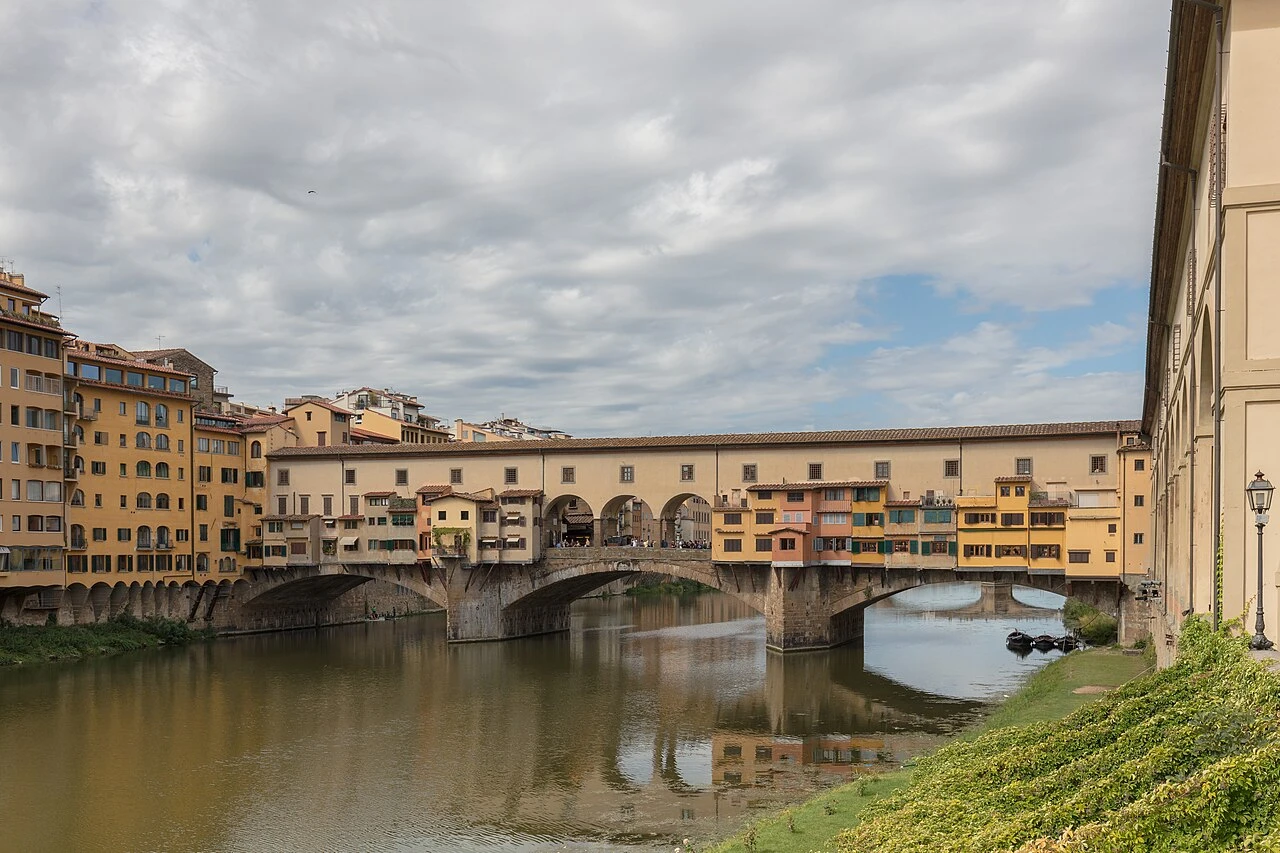
Florence · 1 km
Ponte Vecchio
Content & sources
Diego Delso · CC BY-SA 4.0
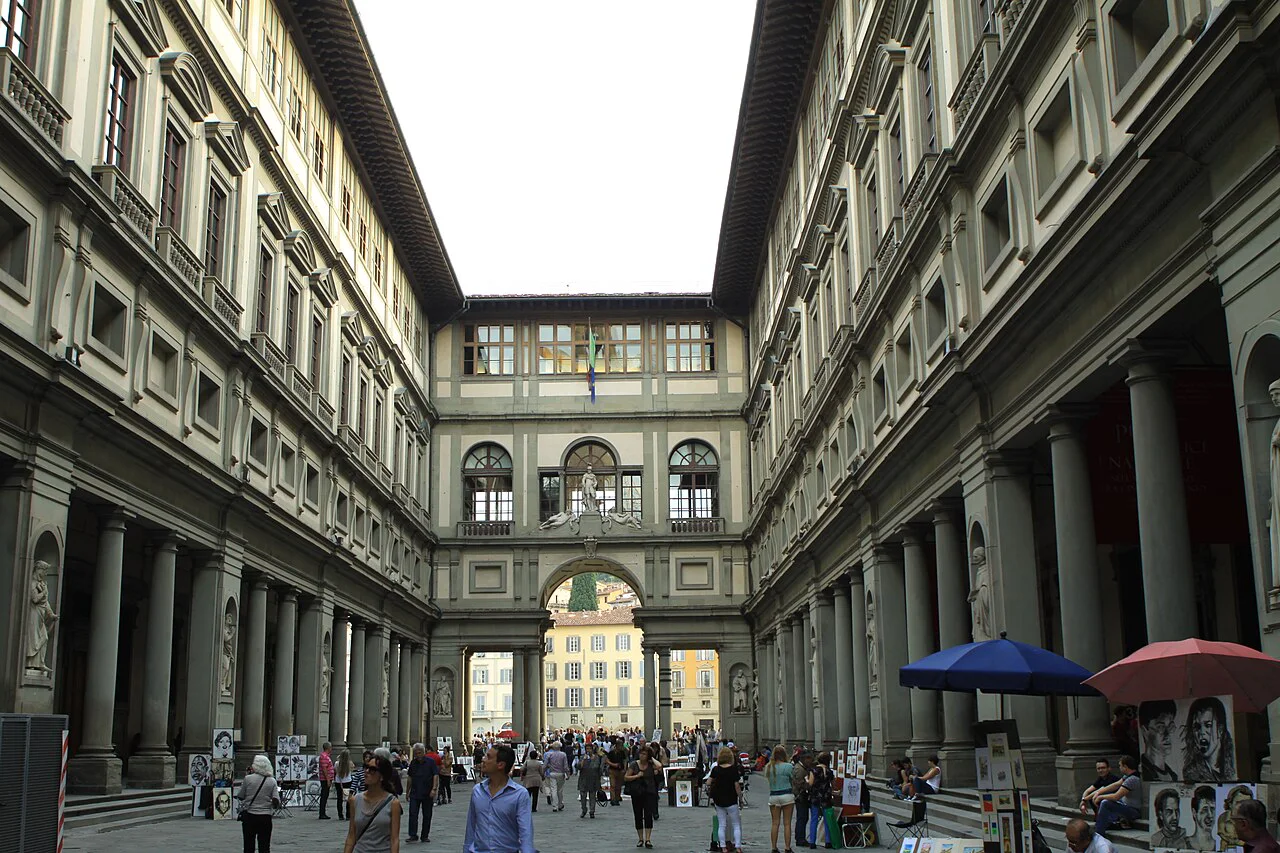
Florence · 1 km
Uffizi Gallery
Content & sources
Arek N. · CC BY-SA 3.0
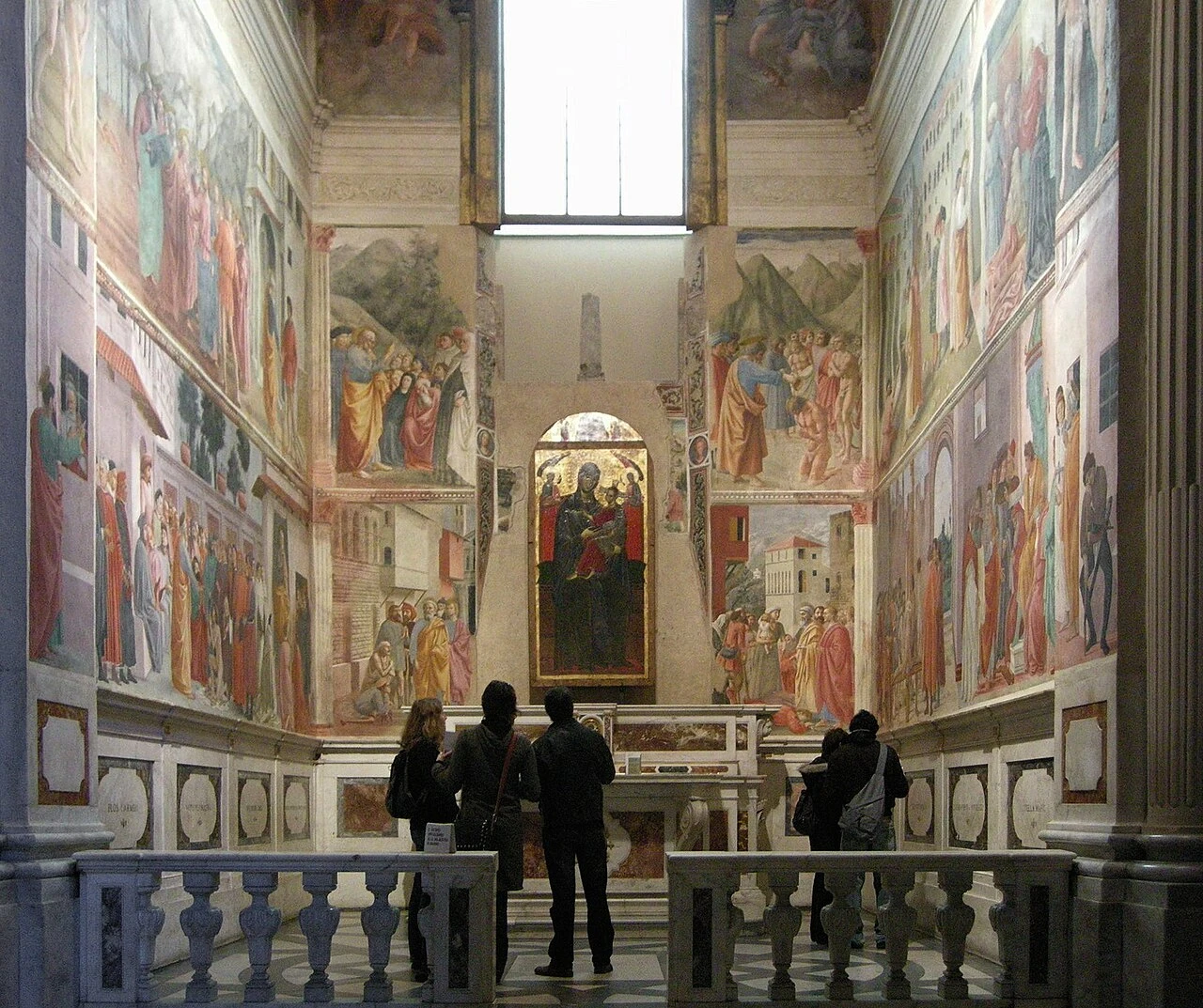
Florence · 1 km
Brancacci Chapel
Content & sources
Masaccio, Masolino und Fra Filippo Lippi · CC BY 2.5
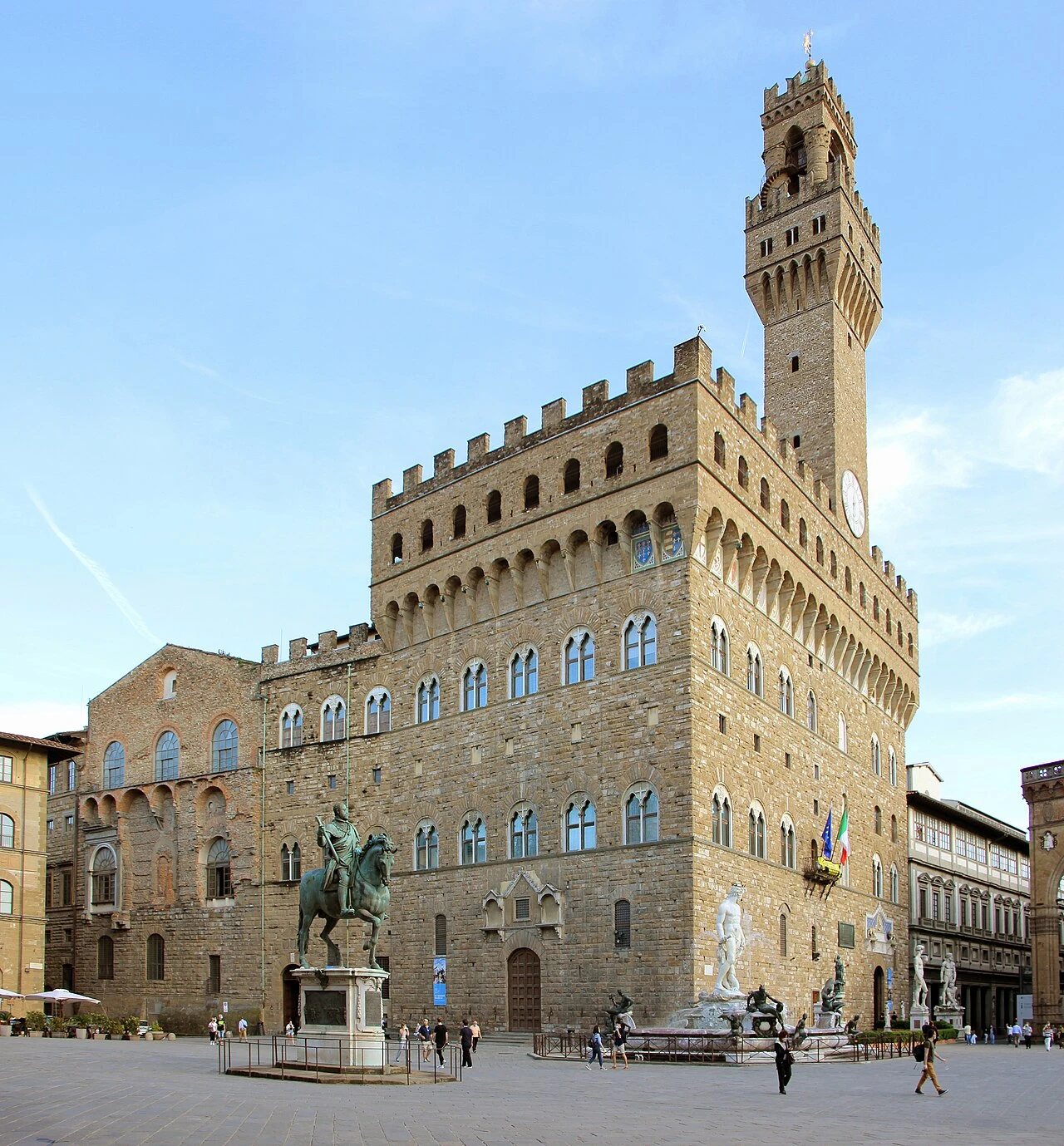
Florence · 1 km
Palazzo Vecchio
Content & sources
Francesco Bini · CC BY-SA 4.0
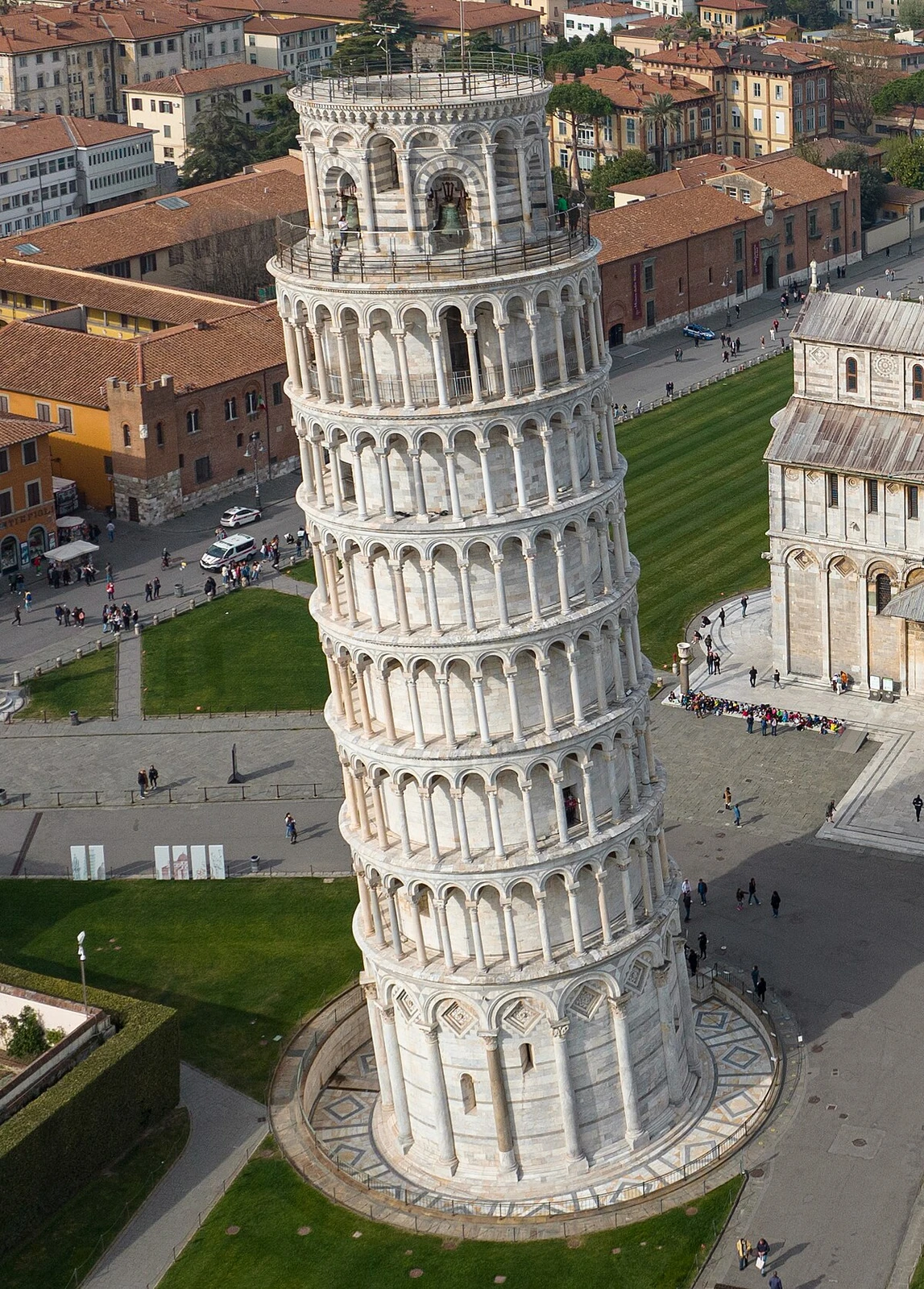
Pisa · 69 km
Leaning Tower of Pisa
Content & sources
Arne Müseler · CC BY-SA 3.0 de
Art museums
More art museum audio guides
Florence · 70 artworks
Uffizi Gallery
Content & sources
Arek N. · CC BY-SA 3.0
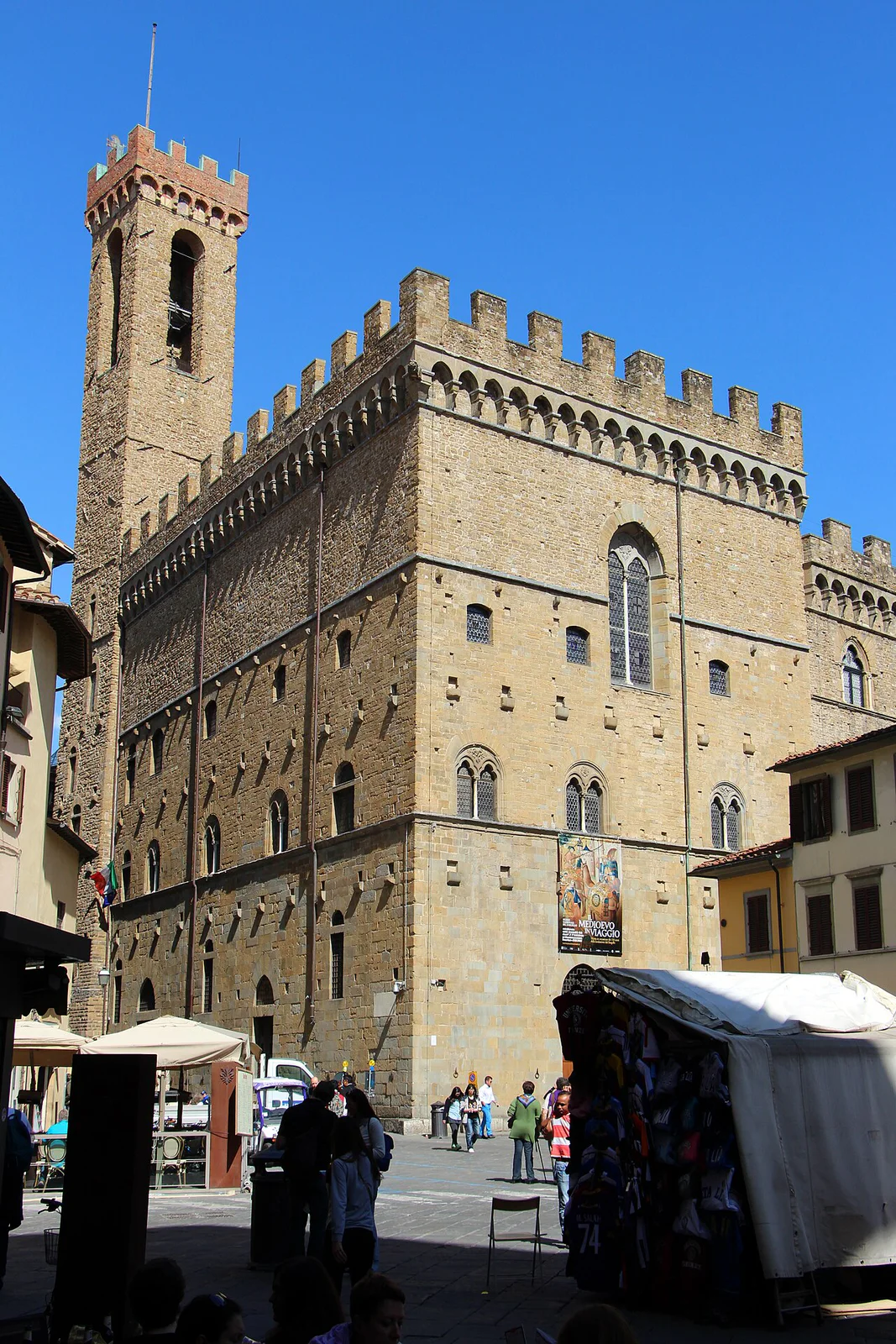
Florence · 37 artworks
Museo nazionale del Bargello
Content & sources
Photo: Sailko · CC BY 3.0
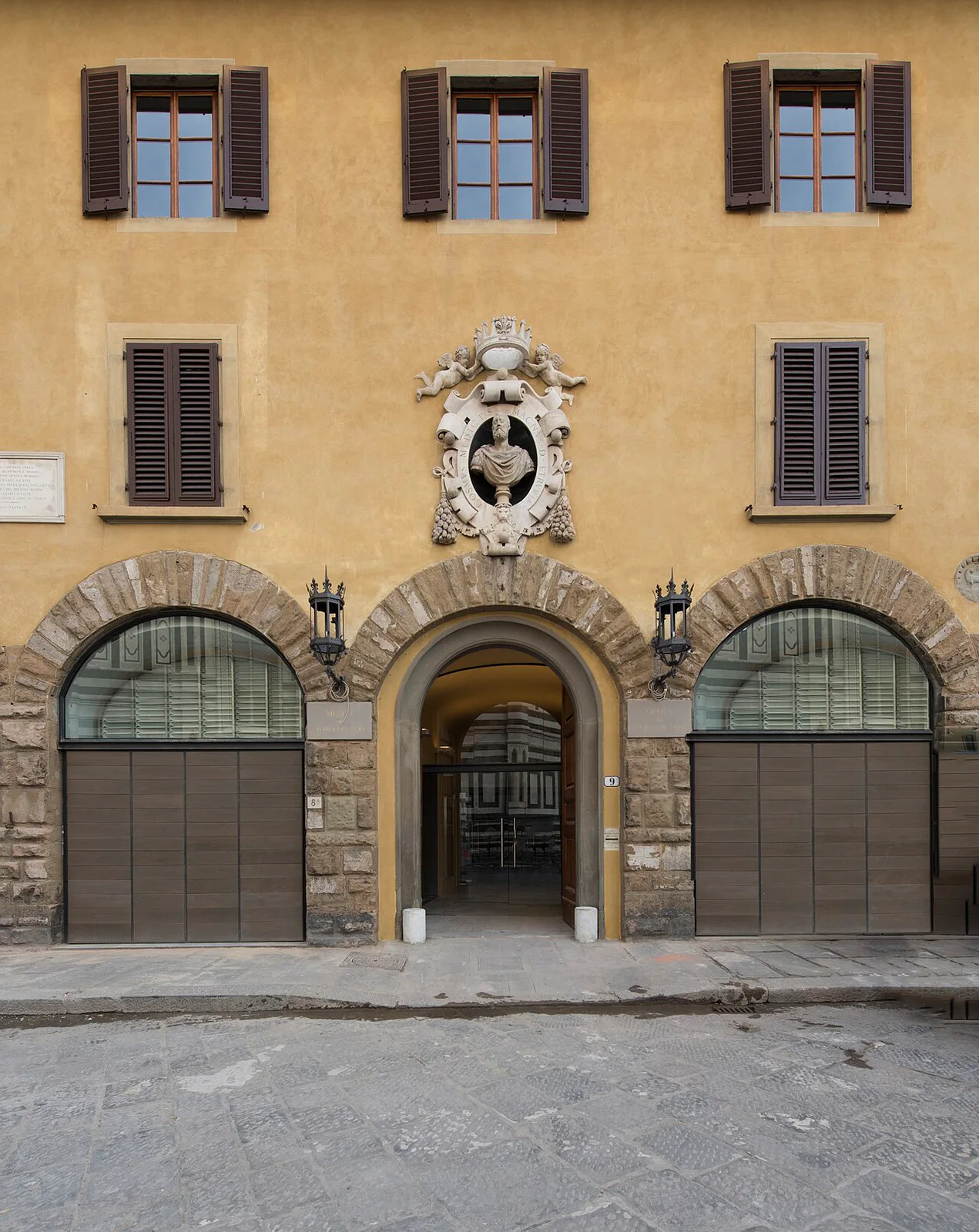
Florence · 27 artworks
Museo dell'Opera del Duomo
Content & sources
Photo: Giovanni Serafini · CC0
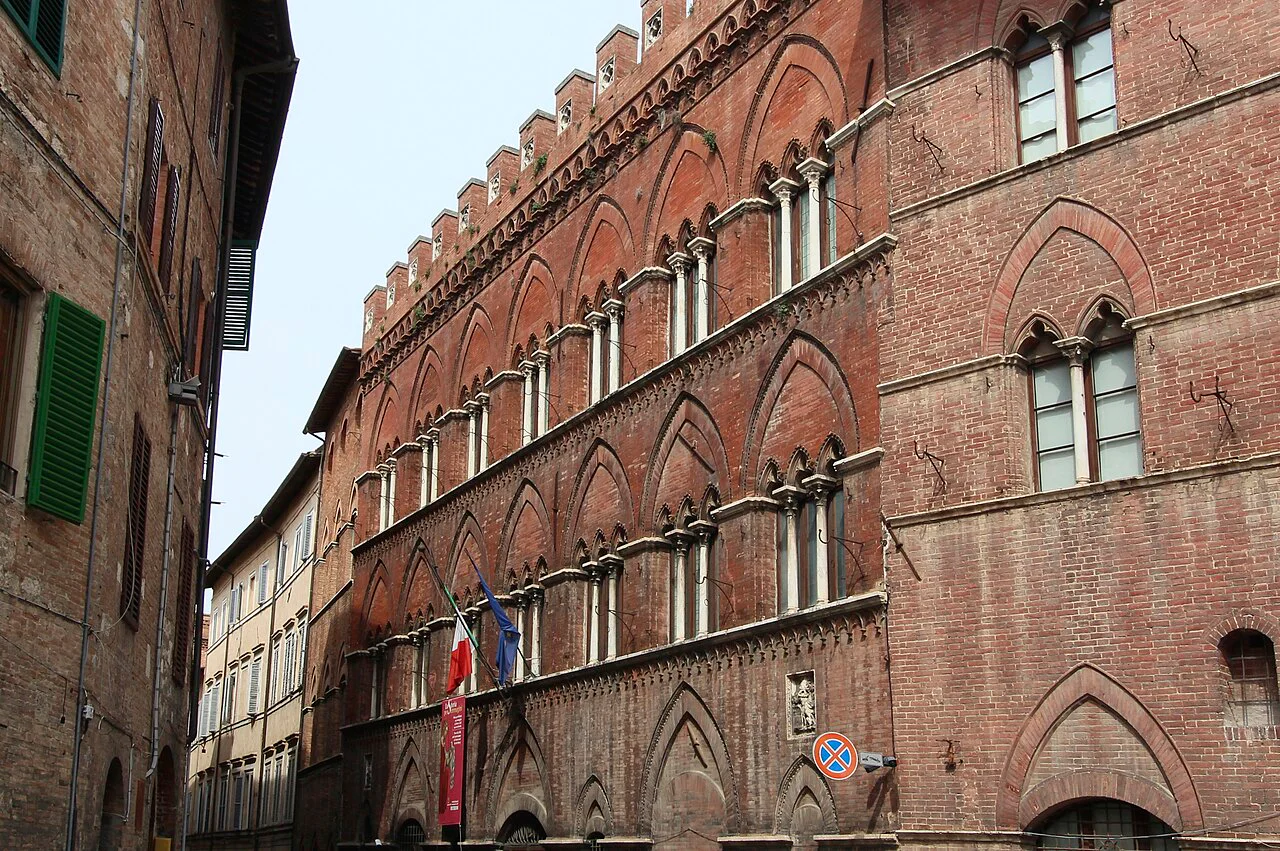
Siena · 37 artworks
Pinacoteca nazionale
Content & sources
Photo: LigaDue · CC BY-SA 4.0
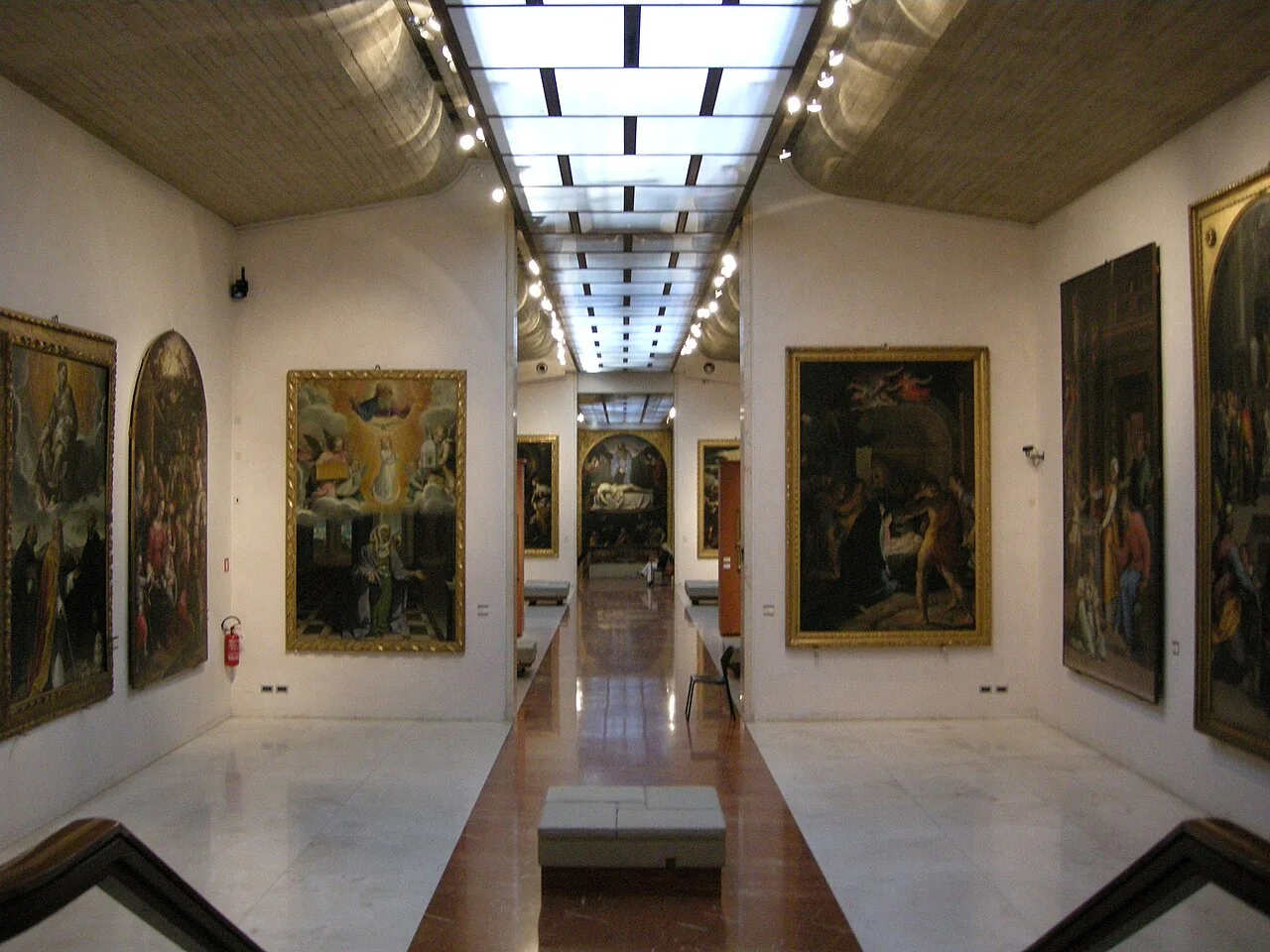
Bologna · 38 artworks
Pinacoteca nazionale di Bologna
Content & sources
Photo: Sailko · CC BY-SA 3.0
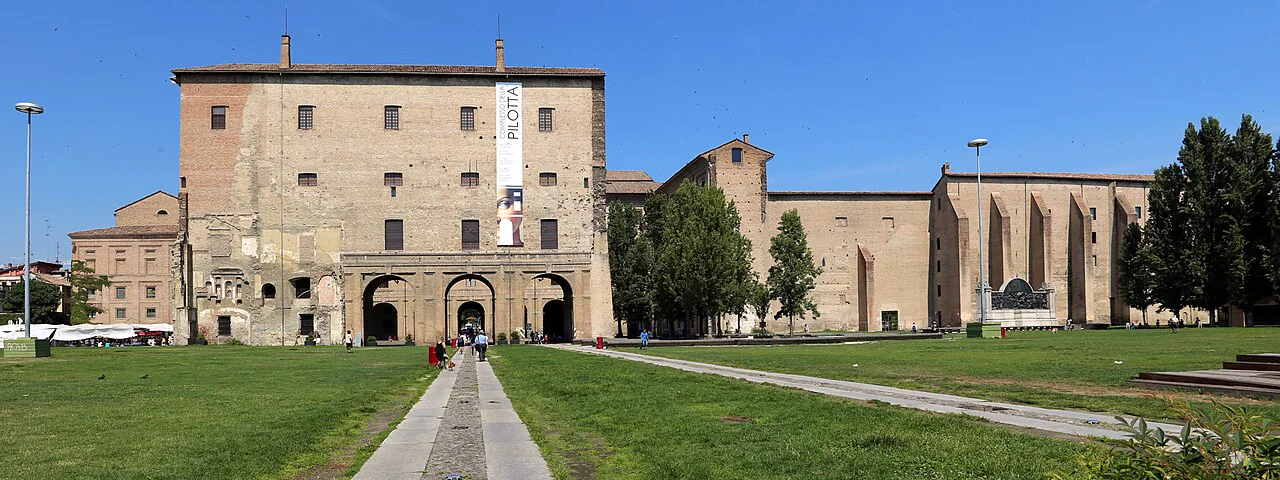
Parma · 62 artworks
Palazzo della Pilotta
Content & sources
Photo: Sailko · CC BY-SA 4.0