 Stanza / Audio guide
Content & sources
Stanza · Audio guide
Bristol Museum & Art Gallery Audio Guide
A place to remember. A story to take with you.
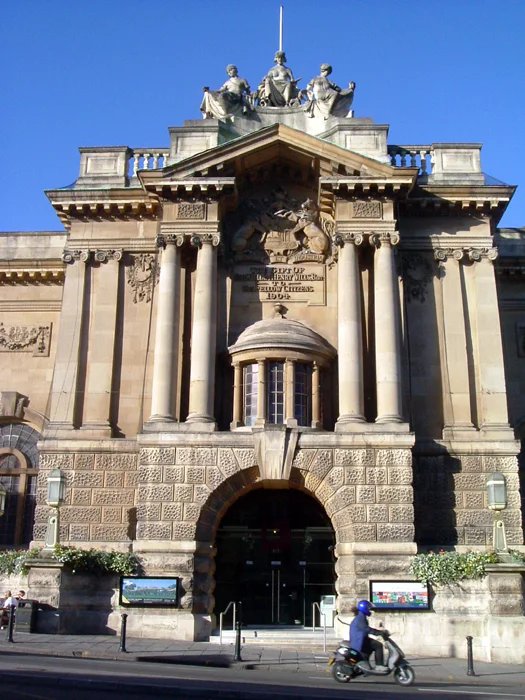
Bristol Museum & Art Gallery is a large museum and art gallery in Bristol, England, situated in Clifton about 0.5 miles (0.8 km) from the city centre. It is run by Bristol City Council as part of Bristol…
Download Stanza, then search for “Bristol Museum & Art Gallery”.
About the tour
One guide. Your kind of visit.
Bristol Museum & Art Gallery is a large museum and art gallery in Bristol, England, situated in Clifton about 0.5 miles (0.8 km) from the city centre. It is run by Bristol City Council as part of Bristol Culture and Creative Industries and has no entrance fee.
The Bristol Museum & Art Gallery guide tells the stories of 29 artworks, including The Fisherman and the Syren (Frederic Leighton), The Betrayal of Christ (Anthony van Dyck), The Wedding Register (Edmund Blair Leighton), The Discovery of Moses (Edwin Long), Diana and Callisto (Richard Wilson), Henry Cruger, of New York, Mayor of Bristol and Master of The Merchant Venturers Society, 1781 (Gilbert Stuart), William Henry Cavendish-Bentinck, 3rd Duke of Portland (Thomas Lawrence), and The Capture of the Chevrette (Philip James de Loutherbourg). Every artwork is free to hear in the Stanza app until 1 January.
Ready when you are.
- 01Get the free Stanza app.
iOS & Android
- 02Find your guide.
“Bristol Museum & Art Gallery”
- 03Download before you go.
Works offline
Audio guide / 29 artworks
Inside the guide
Get to know a few of the stories before you go. Open a stop to read more.
01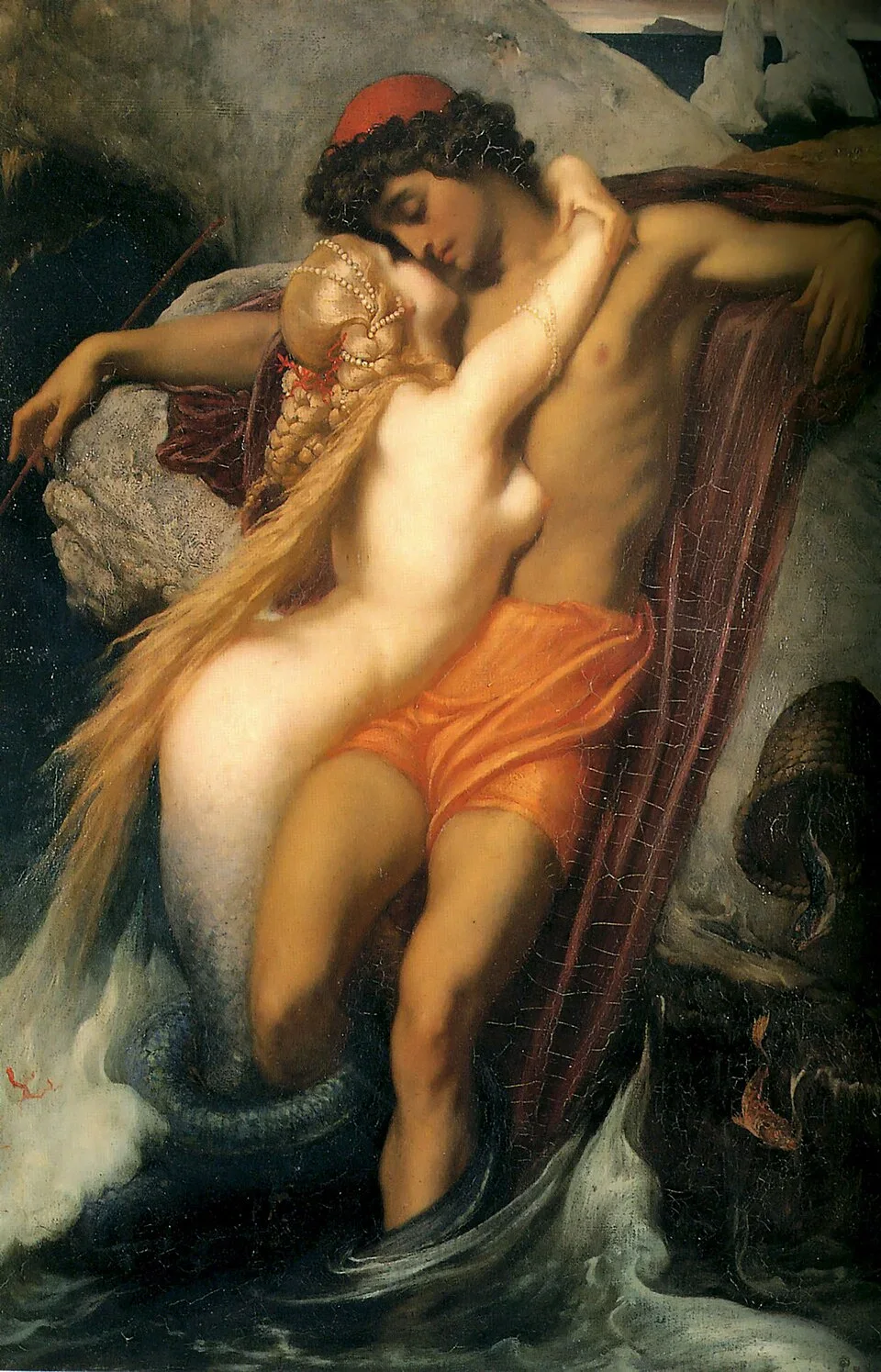
The Fisherman and the Syren
A siren has her arms around a fisherman's neck, and she means to pull him under. He is a young Sicilian, slipping in his sleep down the rock. She is blonde and naked, with long wavy hair. What looks like an embrace is the end of him. The scene comes from a ballad, The Fisherman, which Goethe wrote in 1779. Leighton painted this for a famous singer, Signor Mario, and showed it at the Royal Academy in 1858. The first response was mostly lukewarm. One review in the Daily Telegraph understood what he was after. It said she was impossible to resist and he was weak and fond. There was no doubt how it would end for him. In a letter to his father, he said the picture was as little naturalistic as anything could be. He wanted a legend, not something he had watched. Below the rock is the sea. In the ballad, she draws him halfway down, he sinks halfway in, and no one ever sees him again.
Listen in the appFrederic Leighton · Public domain
02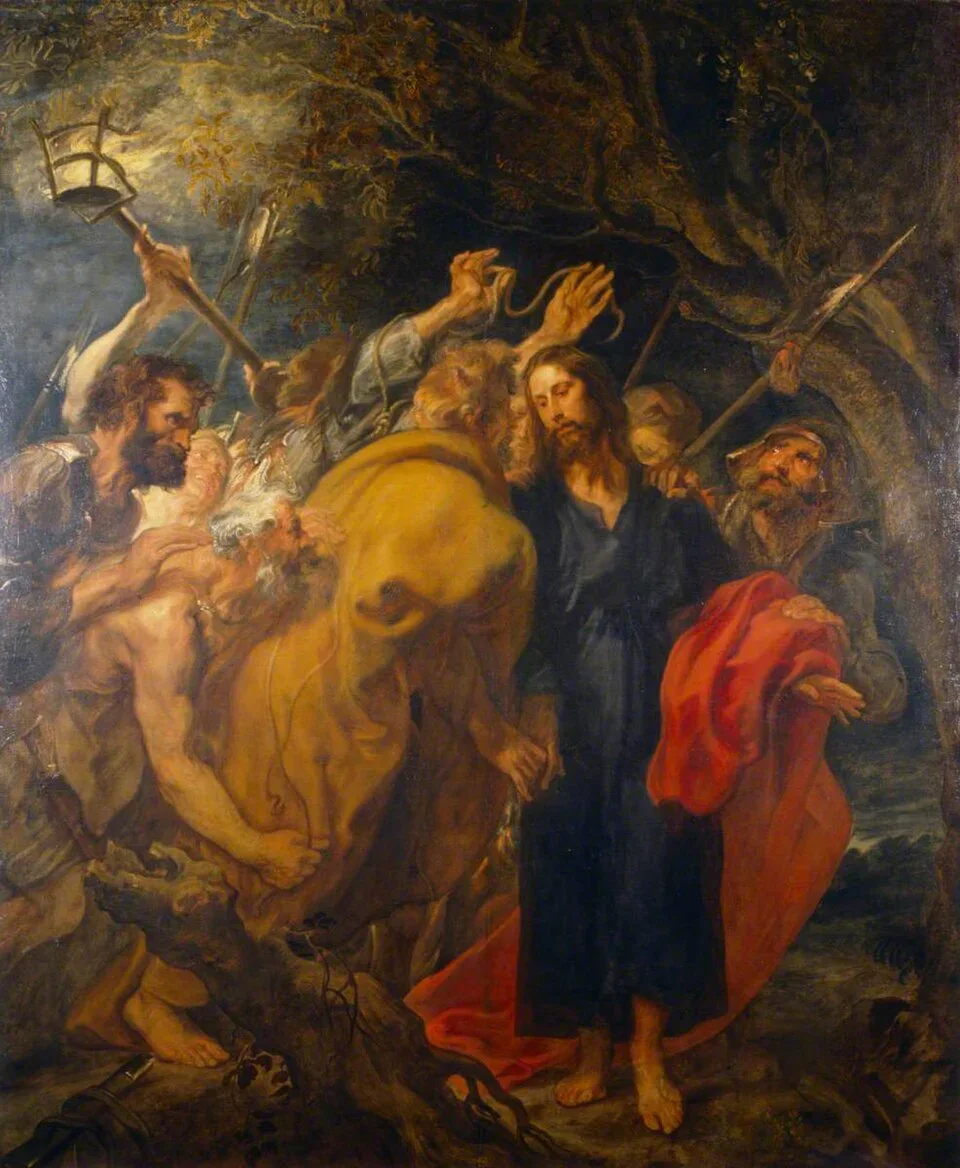
The Betrayal of Christ
Judas is about to kiss Jesus. At that same instant, one of his accomplices is about to slip a noose over Jesus's neck. The Last Supper is over. Judas has agreed with the chief priests to hand Jesus over, and this kiss is the betrayal. It is night, in an olive grove, and the place is crowded. This is the moment from the Gospel of John. Anthony van Dyck painted it three times, with only small differences. The other two are now in Madrid and Minneapolis. This one came to Paul Methuen. In 1757 he left it to his cousin and godson, also named Paul Methuen, and it hung at Corsham Court. It stayed in the family until 1984. That year the government took it in place of inheritance tax and gave it to Bristol Museum and Art Gallery.
Listen in the appAnthony van Dyck · Public domain
03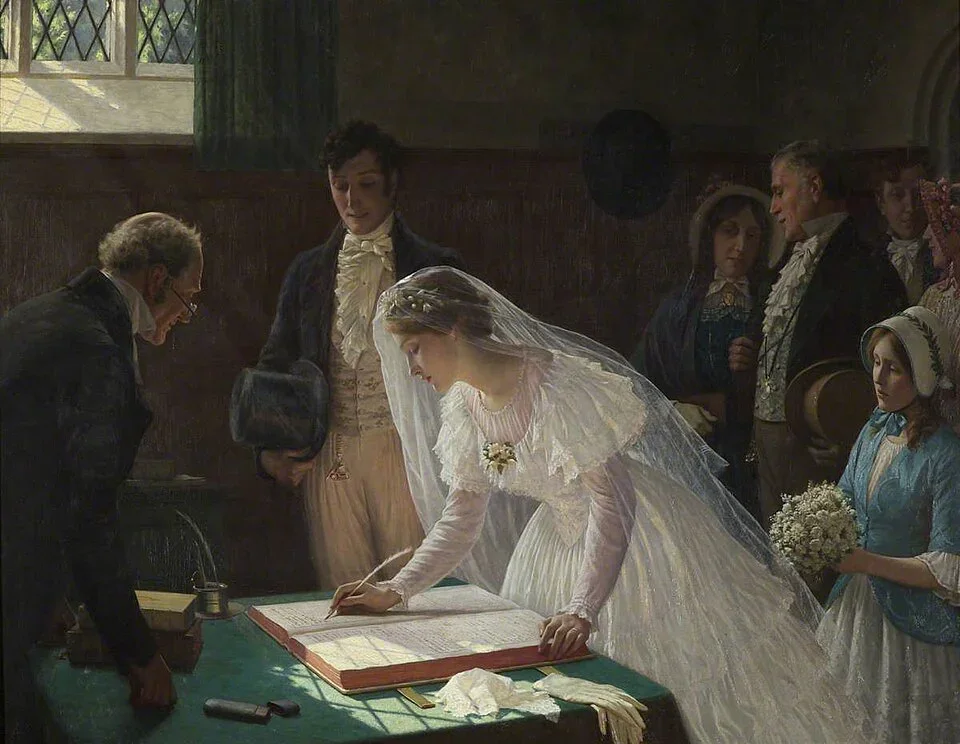
The Wedding Register
A bride bends over the wedding register, signing her name, while her groom stands a little behind, holding his hat and watching. But this is a legal contract as much as a ceremony, and the whole scene is arranged around it. The groom stands straight, there to represent her in society. The bride leans forward, her white dress standing for purity, her bowed posture for submission. Behind them the same order repeats. The women turn towards their husbands, and the men stand tall, facing forward, yet looking at their wives. A little girl leans in to watch the bride sign, perhaps thinking of her own wedding one day. Leighton showed the painting at the Royal Academy in 1920, one of his later paintings.
Listen in the appEdmund Blair Leighton · Public domain
04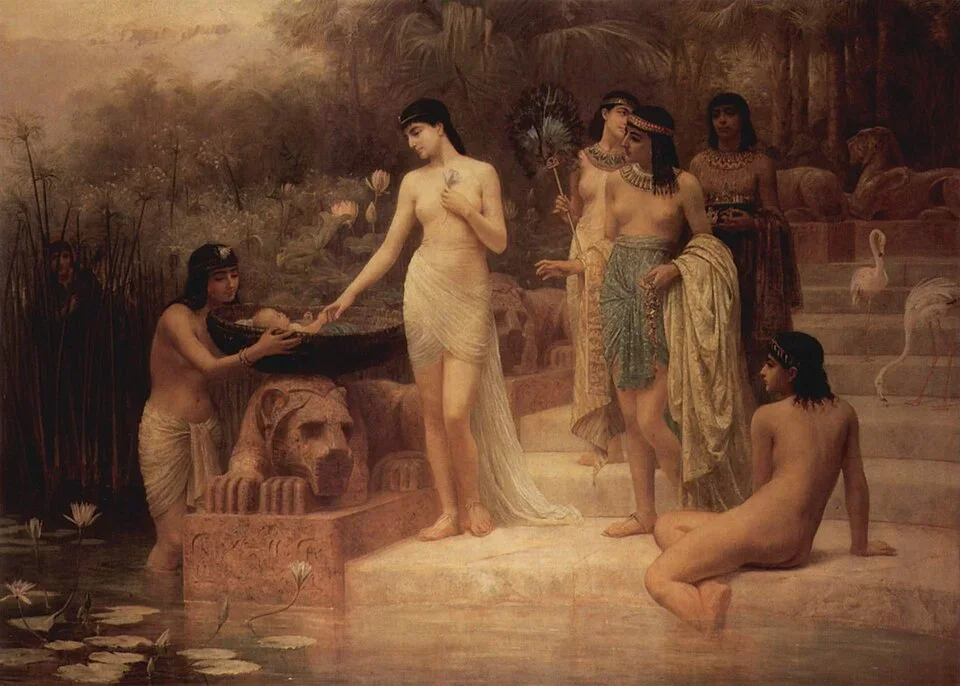
The Discovery of Moses
An epic silent film took its style from this picture. Pharaoh's daughter and her handmaidens are bathing in the River Nile when they find an infant in a basket. The child is Moses, who would lead the Israelites out of slavery in Egypt. That sensuous and exotic world is what Cecil B. DeMille put on screen in The Ten Commandments. Edwin Long, known for big Orientalist pictures that fetched high prices, painted this in 1886. He showed it that year at the Royal Academy's Summer Exhibition at Burlington House in London. It was acquired for Bristol in 1908.
Listen in the appEdwin Long · Public domain
05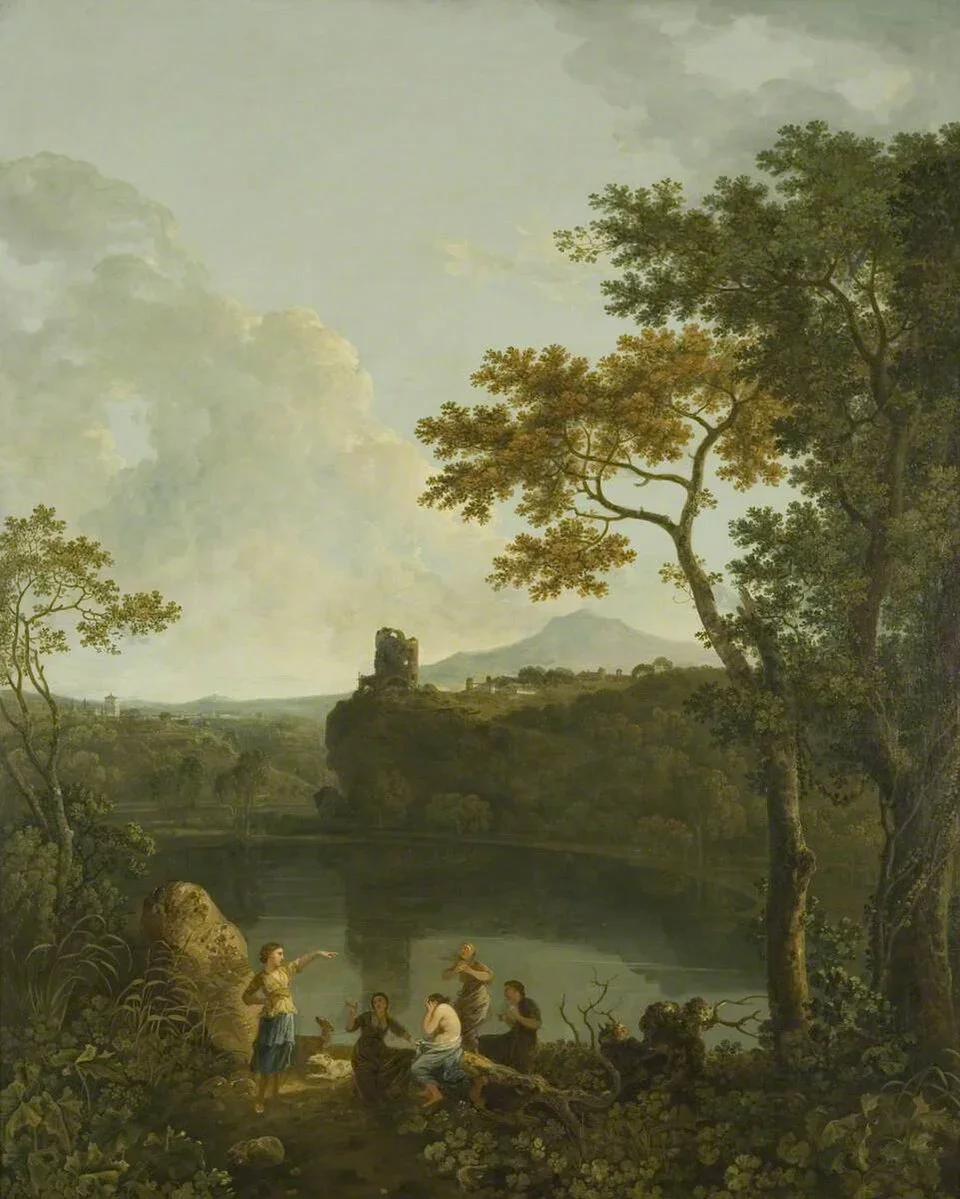
Diana and Callisto
Diana has found out what her maid Callisto did. Jupiter seduced Callisto, and now she is pregnant. Diana is furious, and rebukes her in front of the other nymphs. Ovid tells it in the Metamorphoses. For the collector Henry Blundell of Ince Hall, the Welsh painter Richard Wilson made four paintings with classical themes after years in Italy. This is one. Much of it is inspired by the countryside around Rome. But the stone ruins far off in the distance are the round tower of Dolbadarn Castle in North Wales. It is the tower of a Welsh castle, not a Roman ruin.
Listen in the appRichard Wilson · Public domain
06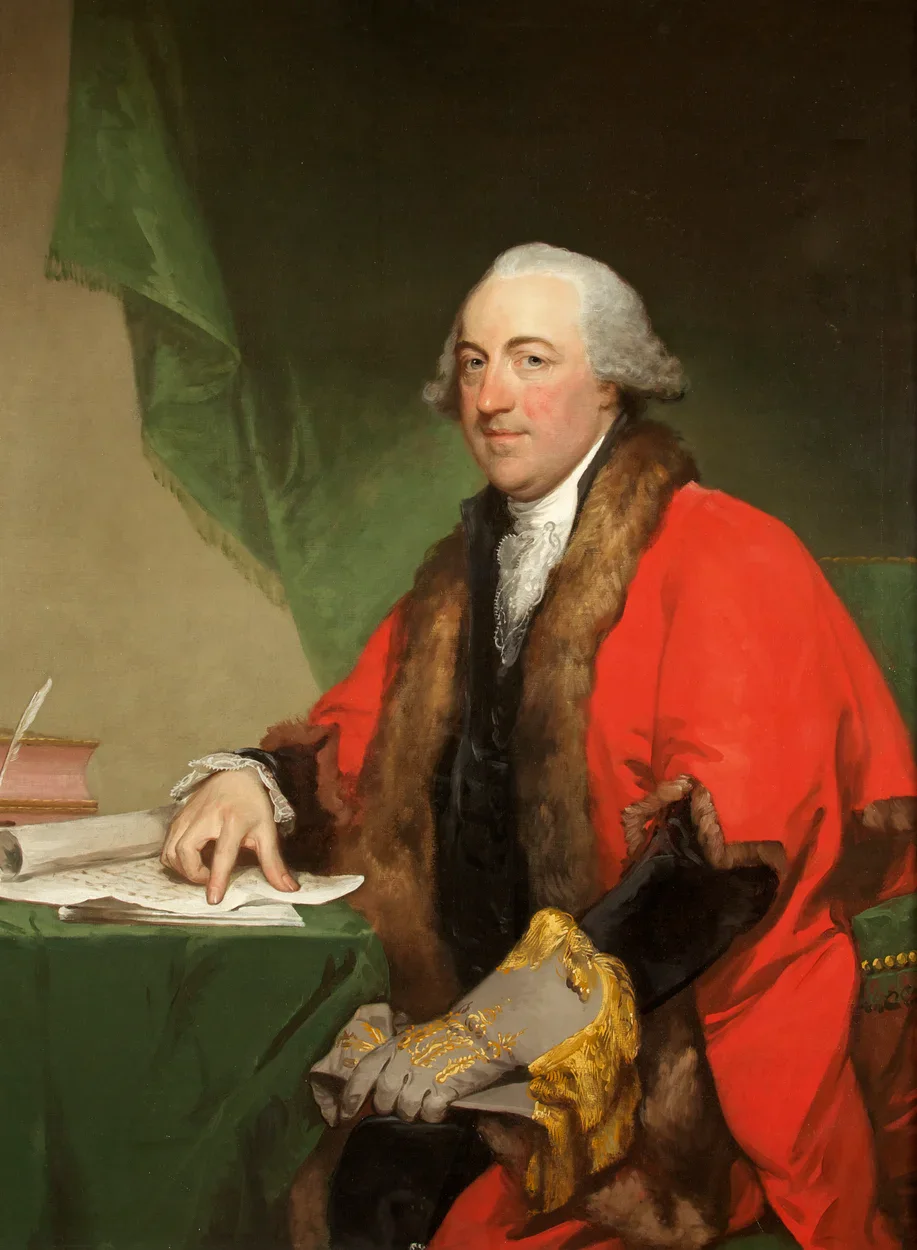
Henry Cruger, of New York, Mayor of Bristol and Master of The Merchant Venturers Society, 1781
The man in front of you is wearing the robes of Bristol's Lord Mayor. But Henry Cruger was a New Yorker to begin with, born into a wealthy family that moved to England in 1757. He sat in Parliament for Bristol. And when Britain and its American colonies went to war, he argued that the two sides should make peace. In 1790, after thirty three years away, he went back to America and was elected to the New York State Senate. Gilbert Stuart painted this portrait in New York. He meant to send it across the Atlantic to Bristol, to Cruger's eldest son Samuel. So the picture of a Bristol mayor was made in the city Cruger came from, and intended for the city he served. It stayed with the Cruger family until 1943, when it was bought and hung in Bristol's Mansion House. Today it is here in the Museum and Art Gallery. When this portrait was painted is uncertain, since it was once dated to 1781 but appears to be much later, about 1794.
Listen in the appGilbert Stuart · Public domain
07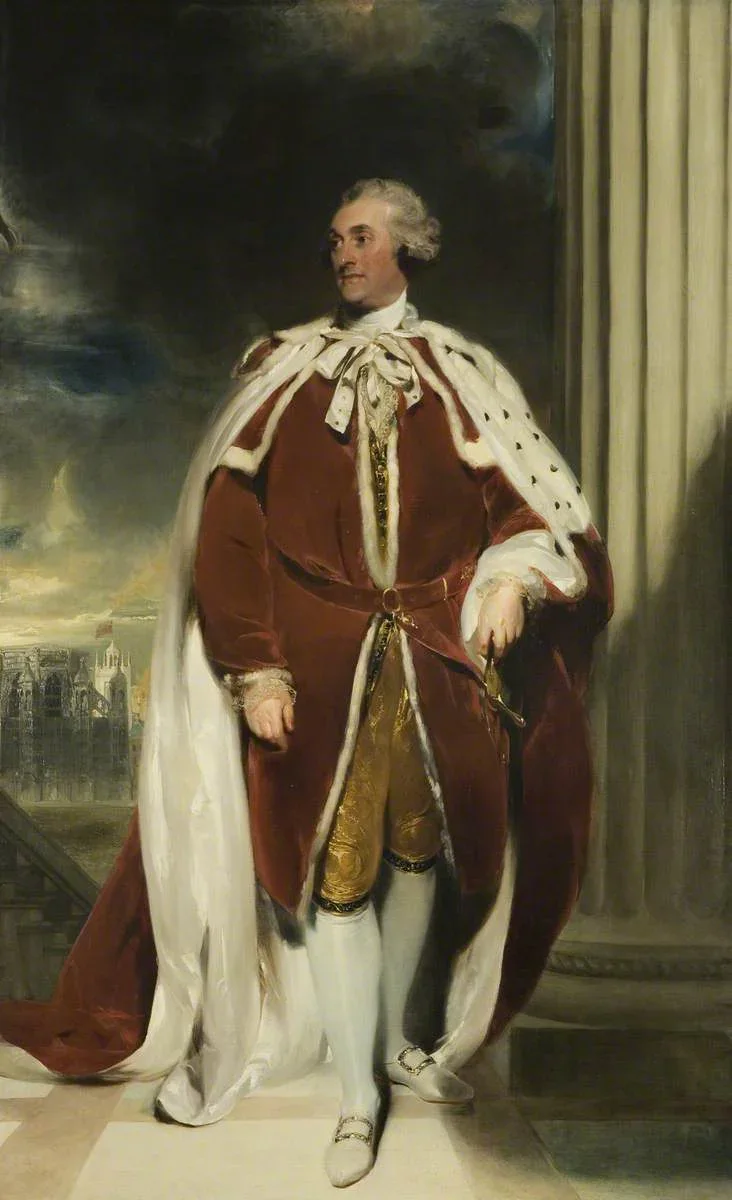
William Henry Cavendish-Bentinck, 3rd Duke of Portland
Why is a Prime Minister's portrait here in Bristol? Here he is at full length, in the robes of a peer. That is the Duke of Portland, who served twice as Prime Minister. But Bristol had a claim on him. He had been the city's Lord High Steward, and the city wanted a picture to mark the tie. It paid a hundred guineas to Thomas Lawrence, a painter born in Bristol, then making his name in London. He was about twenty-three when he took the commission. The portrait went up in the Mansion House in Queen Square. Then in 1831, after the second Reform Bill was defeated, riots broke out in Bristol. A mob attacked the Mansion House and burned it down. Some of what was inside was rescued in time, and this portrait was among them, but only just. It now hangs in the museum at Clifton.
Listen in the appThomas Lawrence · Public domain
08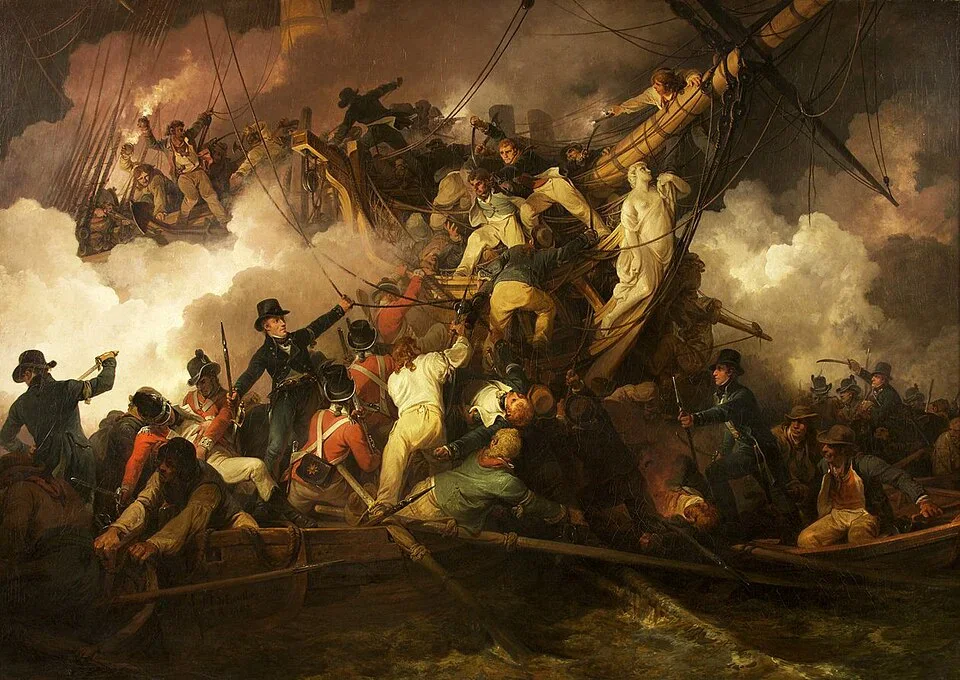
The Capture of the Chevrette
The small boats are the ones doing the capturing here. They are boats from the Royal Navy, and they are storming the Chevrette, a corvette of the French navy. That is a cutting out party, a raid in which boats take a ship. The moment itself is from 1801, during the French Revolutionary Wars. The Chevrette lay moored in Camaret Bay, in Brittany, under the protection of shore batteries on the nearby coast. The Royal Navy squadron was blockading Brest at the time, and boats from four of its ships went in. Loutherbourg painted this in 1802 and showed it at the Royal Academy's Summer Exhibition at Somerset House. They overpowered the crew and sailed the captured Chevrette out of the bay.
Listen in the appPhilip James de Loutherbourg · Public domain
09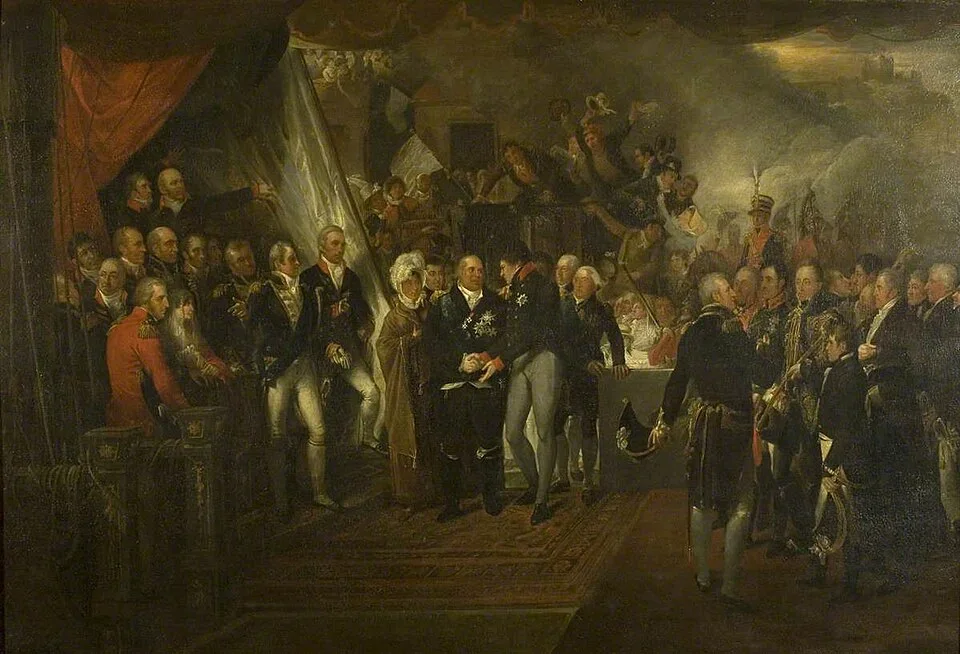
The Embarkation of Louis XVIII at Dover, 1814
These figures were drawn on the ship itself. Edward Bird got permission to board the royal yacht and sketch the people sailing on it. He was known for scenes of everyday life, and a grand historical subject was new ground for him. At the centre stands Louis the Eighteenth, beside the British Regent. On the twenty fourth of April 1814, after years of exile in the Napoleonic Wars, Louis was going home to France. The Allies had won, Napoleon had abdicated, and people compared the crossing to the return of Charles the Second in 1660. The Royal Sovereign flew the Bourbon flag for the crossing. But the painting was not finished until 1816. By then Napoleon had escaped from Elba and been defeated at Waterloo, and Louis was restored to his throne a second time. The painter had hoped the Regent would buy it. The Regent had bought one of his paintings before, but he never bought this one.
Listen in the appEdward Bird · Public domain
10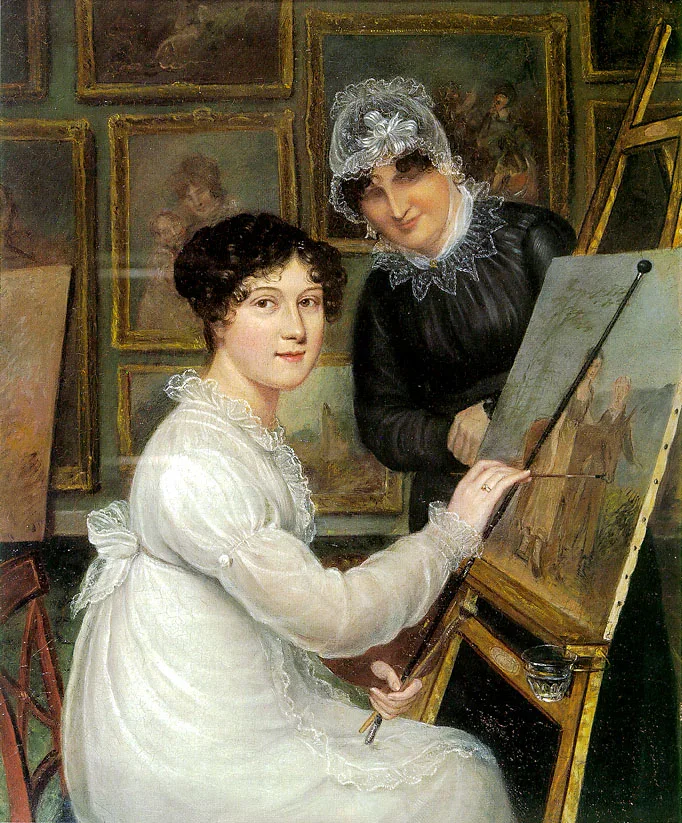
Self-portrait of Rolinda Sharples with her mother Ellen Sharples
A young woman is painting in her studio, and this is a self portrait. She is Rolinda Sharples, and she has not painted alone. Her mother, Ellen Sharples, is here in the picture too, and Ellen was a painter as well. Mother and daughter both worked in Bristol, so this is a portrait of two painters together. Rolinda belonged to the Bristol School, a loose group of artists in the city, and she became known for scenes of Regency life. Ellen would later give a substantial gift to found the Bristol Fine Arts Academy in 1844.
Listen in the appRolinda Sharples · Public domain
- 11
The Close of the Battle of the Saints
Nicholas Pocock · c. 1782
- 12
The Reading of the Will Concluded
Edward Bird · 1811
- 13
Unconscious Rivals
Lawrence Alma-Tadema · 1893
- 14
Les Adieux: The Farewells
James Tissot · 1871
- 15
The Temple of Dendera
David Roberts · 1841
- 16
La belle dame sans merci
Frank Bernard Dicksee · 1902
- 17
View on the Avon at Hotswells
Samuel Jackson · 1840
- 18
The Departure for London
Edward Bird · 1815
- 19
The Cloak-Room, Clifton Assembly Rooms
Rolinda Sharples · 1818
- 20
St James's Fair, Bristol
Samuel Colman · 1824
- 21
Sunset at Sea after a Storm
Francis Danby · 1824
- 22
The Clifton Racecourse
Rolinda Sharples · 1836
- 23
The Last Moments of Raphael
Henry Nelson O'Neil · 1866
- 24
The Bride of Lammermoor
John Everett Millais · 1878
- 25
Thornbury Hoard
Unknown Artist · 260–348
- 26
View of the Avon Gorge
Francis Danby · 1822
- 27
The Recruiting Party
Edward Villiers Rippingille · 1822
- 28
The Donkey Ride
Eva Gonzalès · 1880–1882
- 29
Portrait of an Unknown Man
Corneille de Lyon · c. 1545–1550
Bristol Museum & Art Gallery
Frequently asked questions
How much does the guide cost?
Free app download. Free until 1 January. Listed guide price: $0.99. Audio guide only. Venue admission is separate.
Can I listen without internet?
Yes. Download the guide’s audio, images, and maps in the app before your visit. Your downloaded content is then available offline.
Can I listen in my language?
In English for now. More languages soon.
Do I need to follow a schedule?
No. This is a self-guided experience. Choose your stops, pause whenever you like, and return to a story at your own pace.
Which artworks are in the Bristol Museum & Art Gallery audio guide?
29 artworks, including The Fisherman and the Syren (Frederic Leighton), The Betrayal of Christ (Anthony van Dyck), The Wedding Register (Edmund Blair Leighton), The Discovery of Moses (Edwin Long), Diana and Callisto (Richard Wilson), Henry Cruger, of New York, Mayor of Bristol and Master of The Merchant Venturers Society, 1781 (Gilbert Stuart), William Henry Cavendish-Bentinck, 3rd Duke of Portland (Thomas Lawrence), and The Capture of the Chevrette (Philip James de Loutherbourg). The full list is on this page.
Is this the museum’s official audio guide?
No. Stanza is an independent audio guide app and is not affiliated with Bristol Museum & Art Gallery. Museum admission is separate.
At your own pace
Explore Bristol Museum & Art Gallery.
Download Stanza, then search for “Bristol Museum & Art Gallery”.
Free app download · Guide price shown in the app
Keep exploring
Nearby audio guides
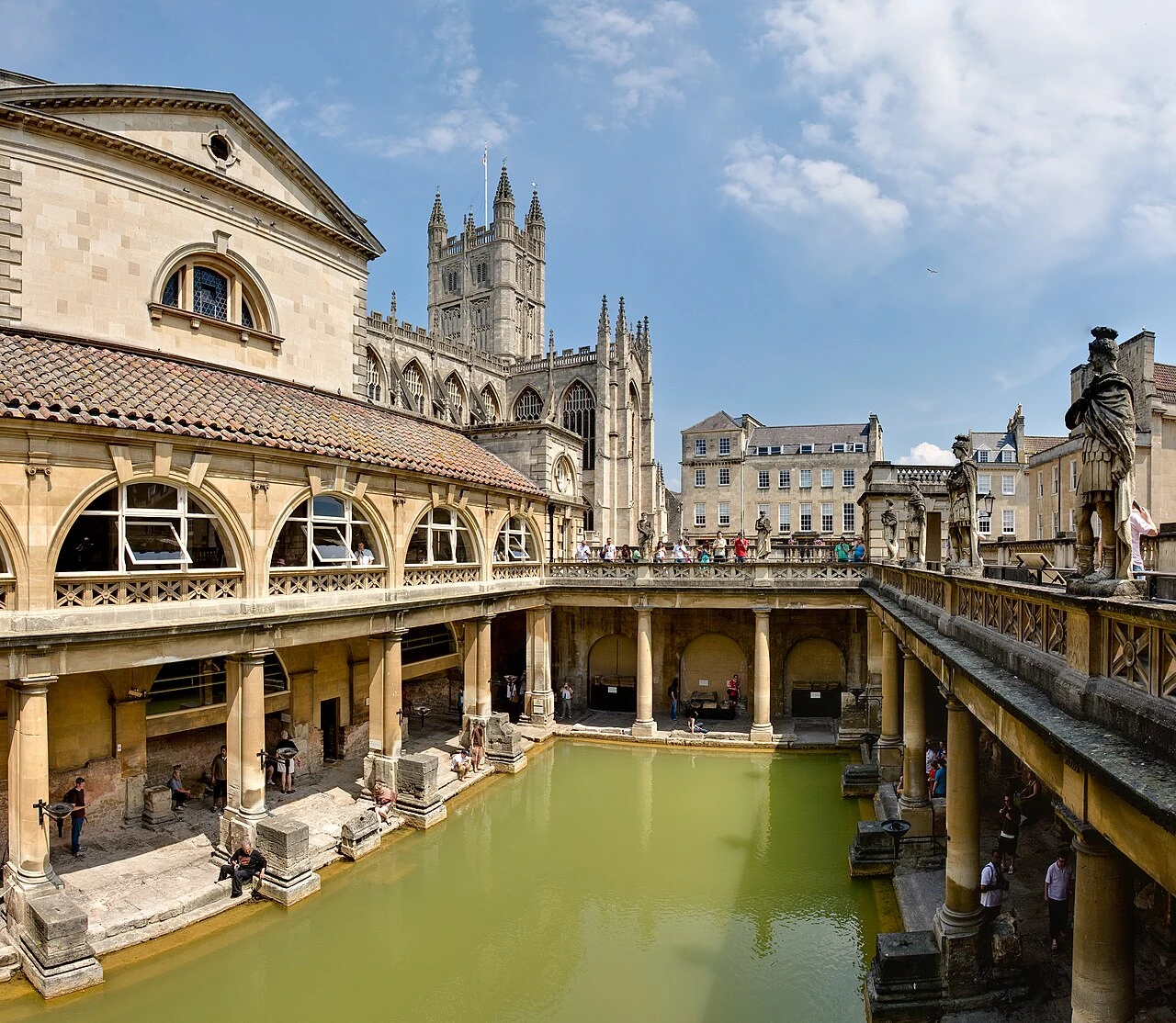
Bath · 19 km
Roman Baths
Content & sources
Photo: Diliff · CC BY 2.5
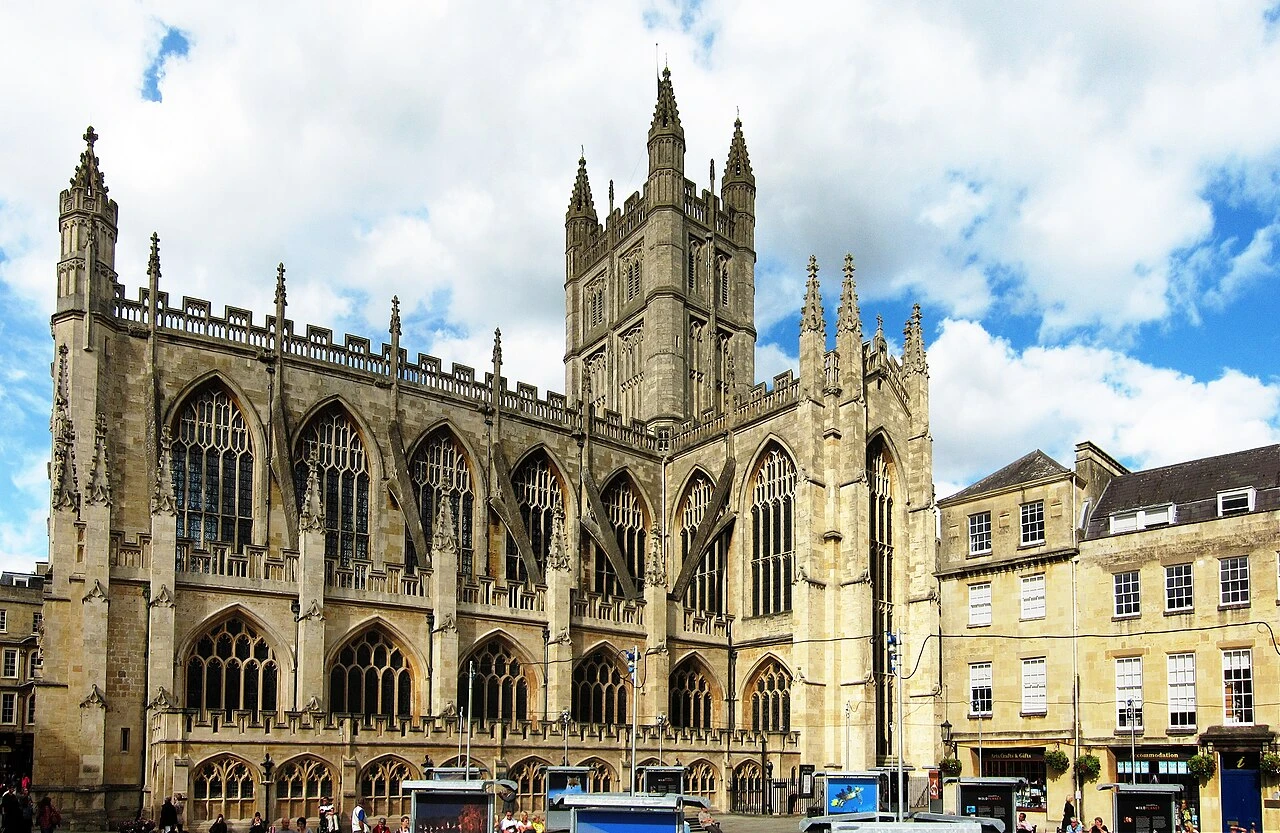
Bath · 19 km
Bath Abbey
Content & sources
Photo: Velvet · CC BY-SA 3.0
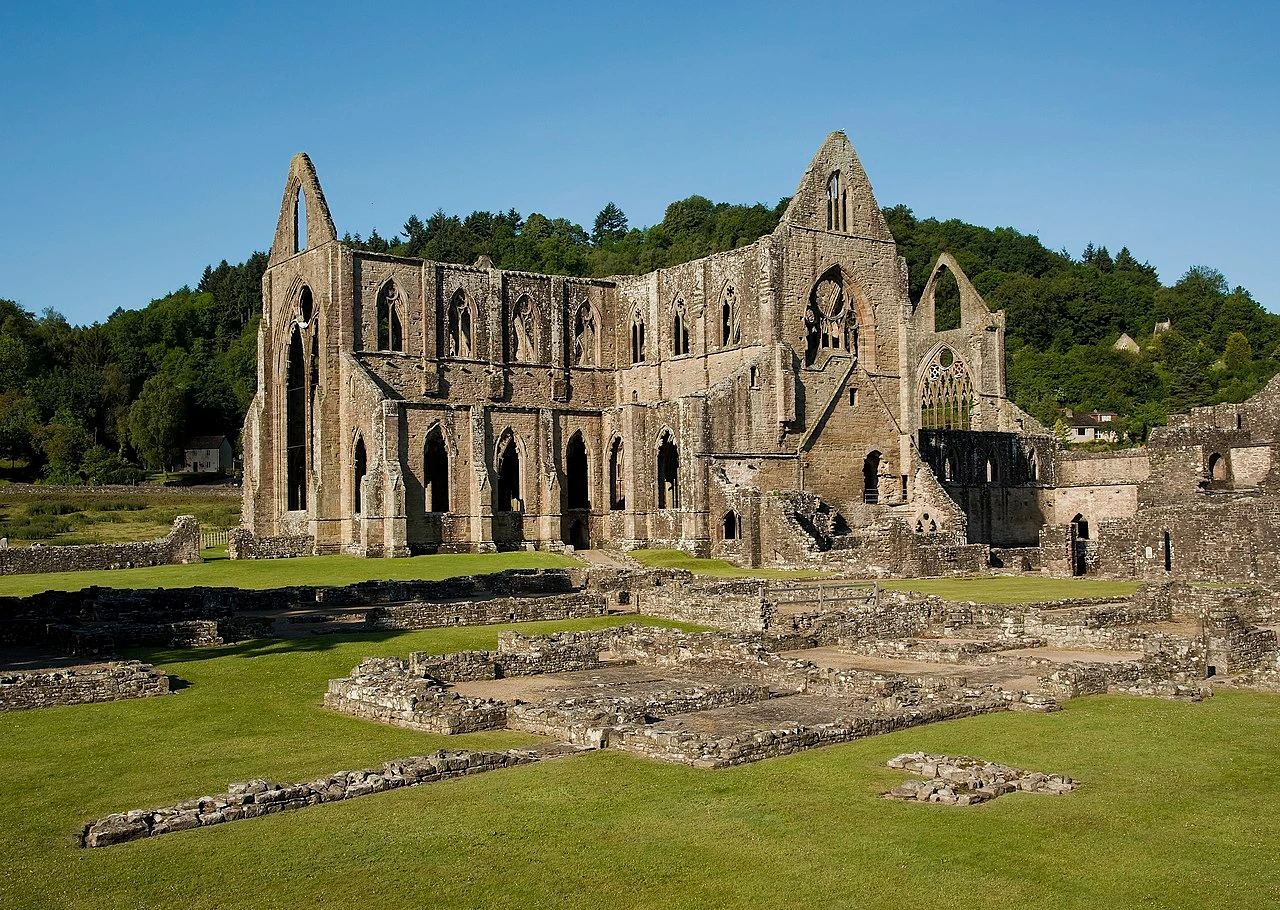
Tintern · 27 km
Tintern Abbey
Content & sources
Photo: Saffron Blaze · CC BY-SA 3.0
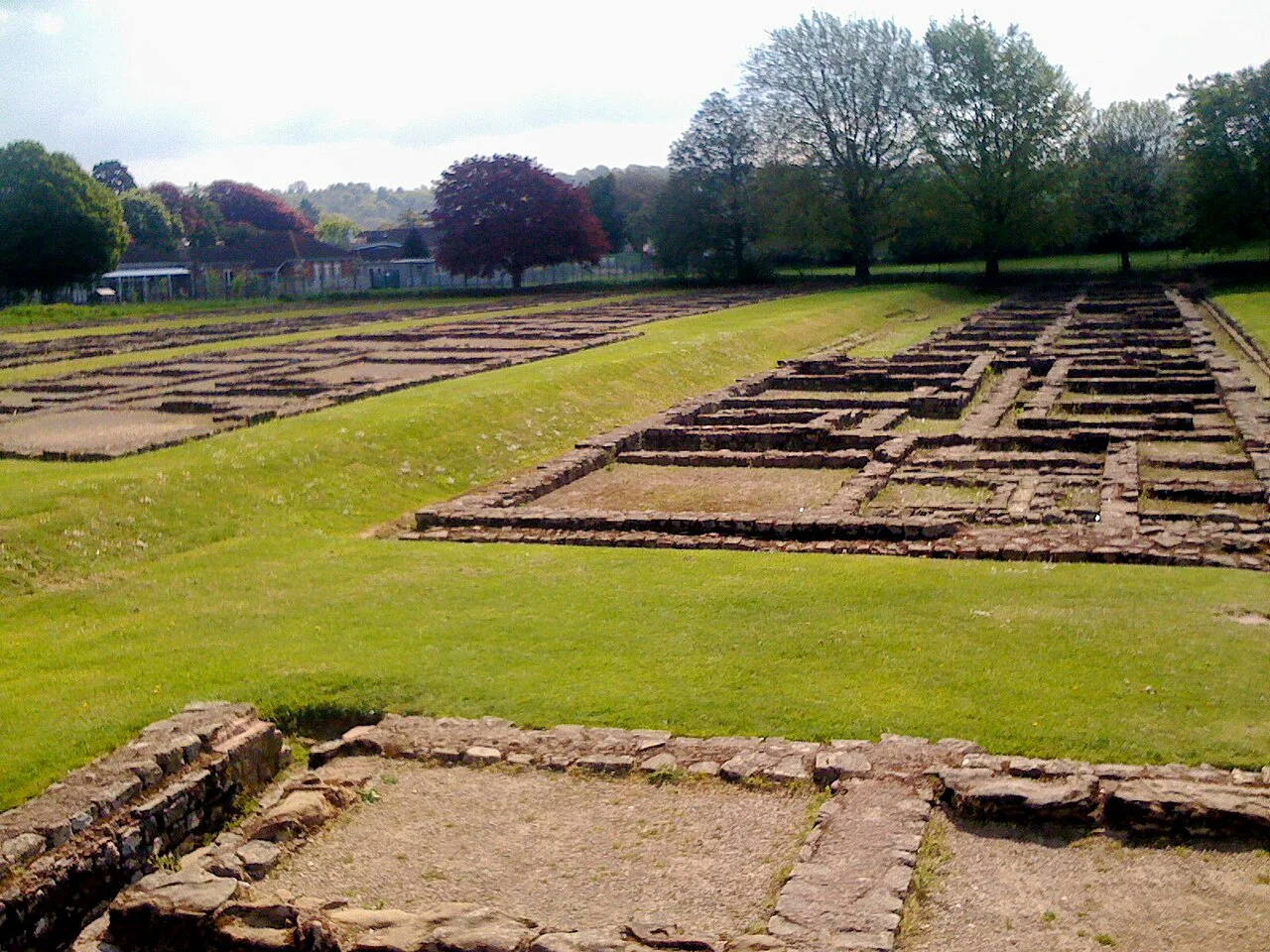
Newport · 30 km
Isca Augusta
Content & sources
Pwimageglow (talk) · Public domain
Art museums
More art museum audio guides
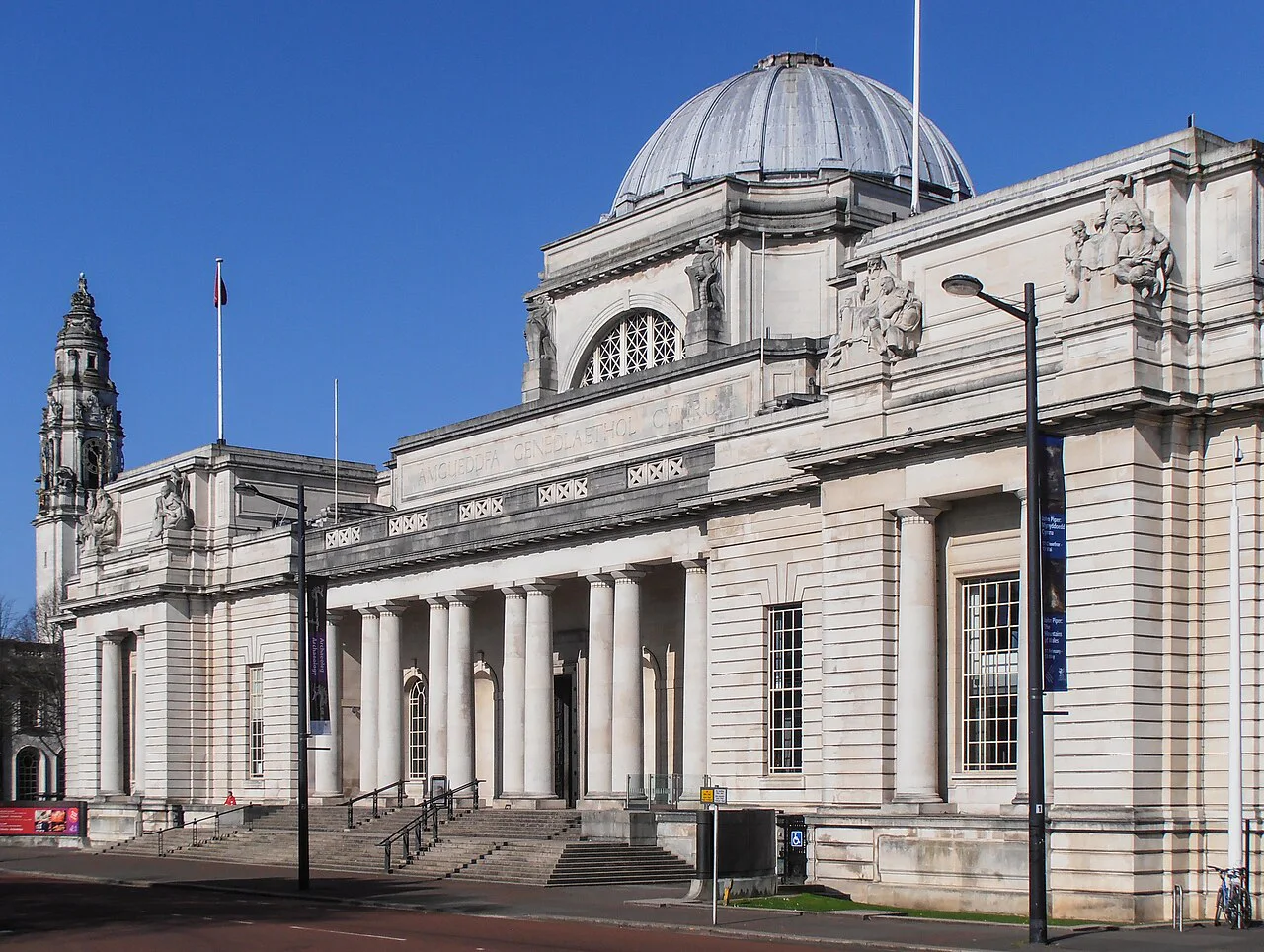
Cardiff · 23 artworks
National Museum Cardiff
Content & sources
Ham II · CC BY-SA 3.0
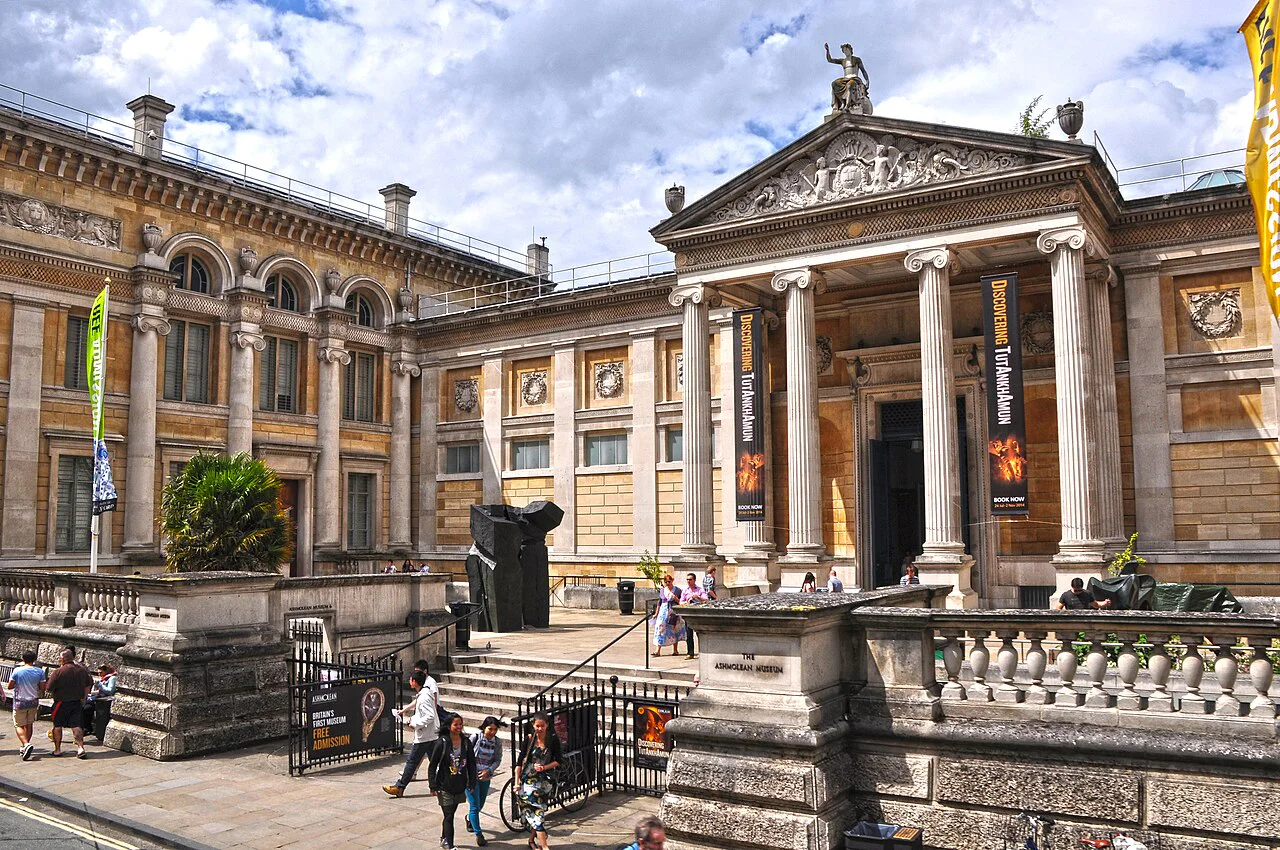
Oxford · 68 artworks
Ashmolean Museum
Content & sources
Lewis Clarke · CC BY-SA 2.0
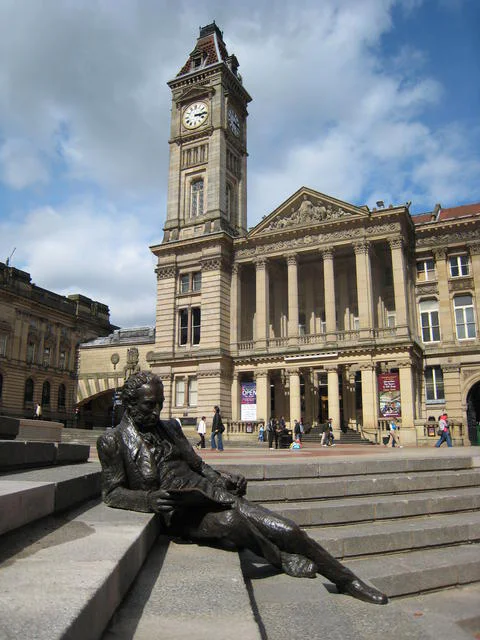
Birmingham · 42 artworks
Birmingham Museum and Art Gallery
Content & sources
David Stowell · CC BY-SA 2.0
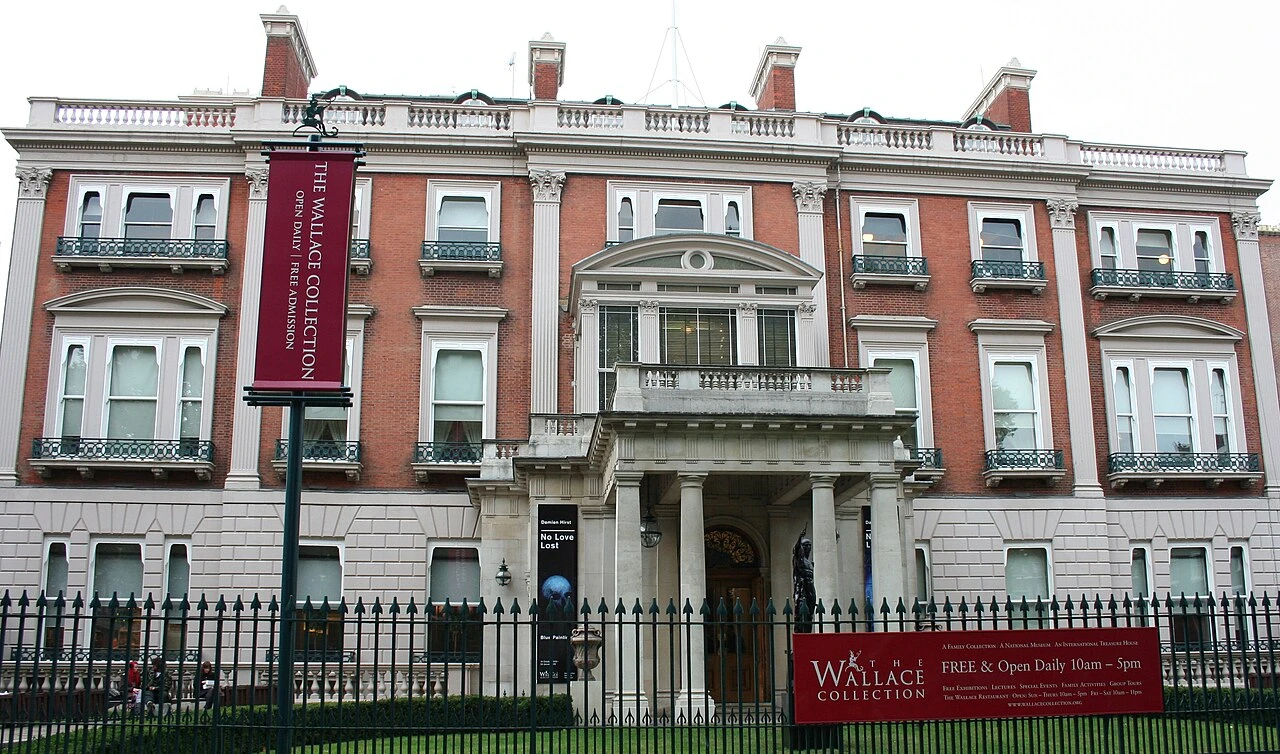
London · 605 artworks
Wallace Collection
Content & sources
Photo: Peter Clarke · CC BY-SA 3.0
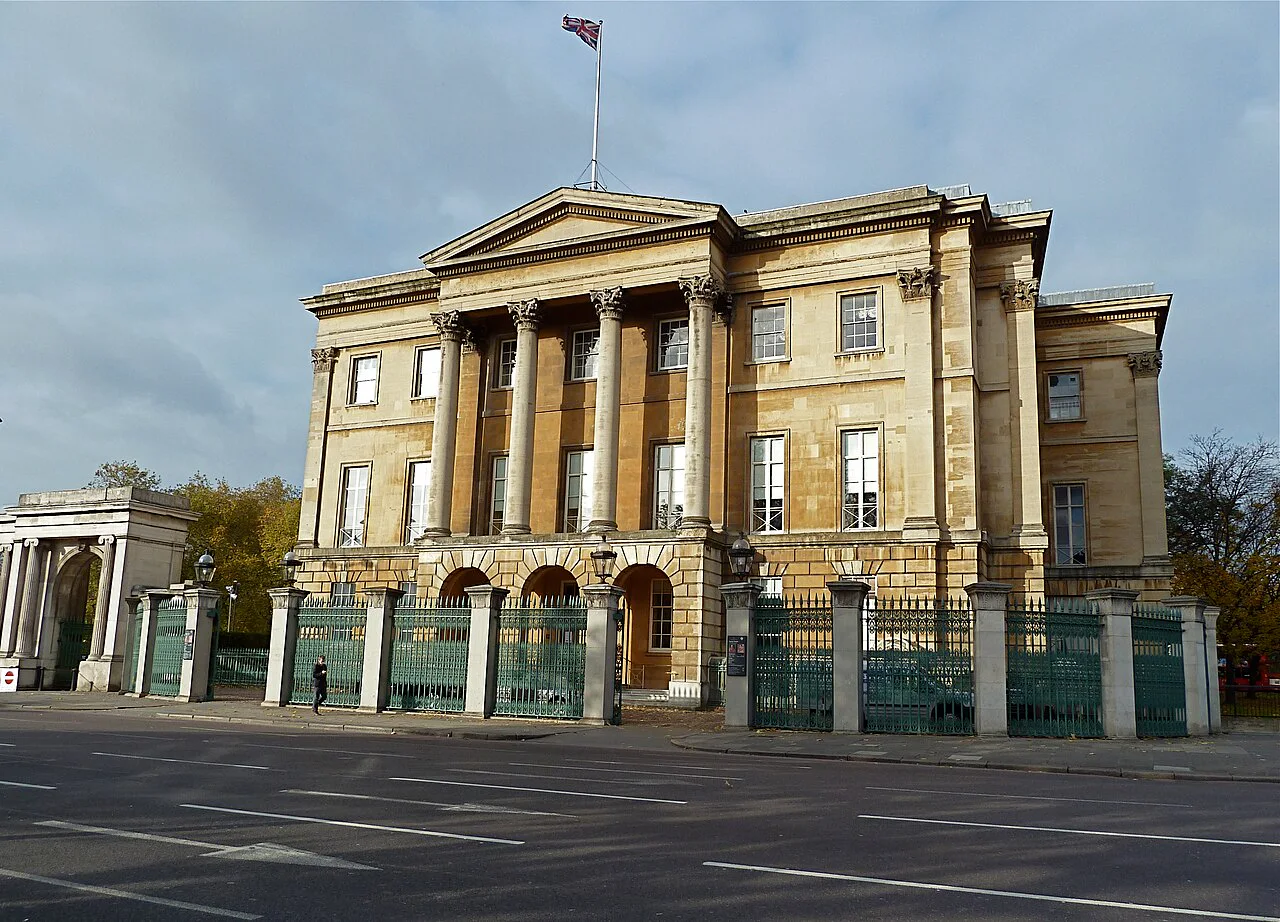
London · 24 artworks
Apsley House
Content & sources
Anthony O'Neil · CC BY-SA 2.0
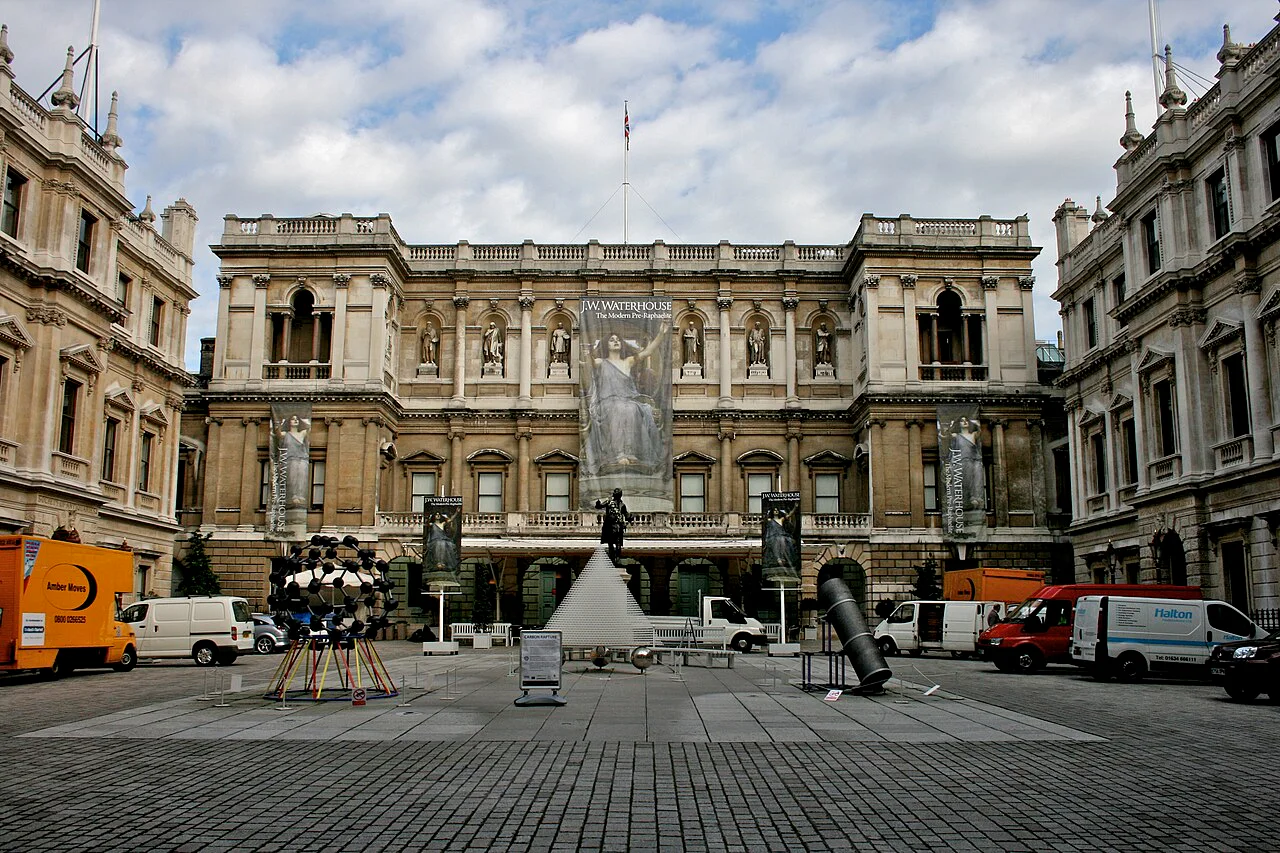
London · 50 artworks
Royal Academy of Arts
Content & sources
Photograph by Mike Peel (www.mikepeel.net). · CC BY-SA 4.0