 Stanza / Audio guide
Stanza · Audio guide
Legion of Honor Audio Guide
A place to remember. A story to take with you.
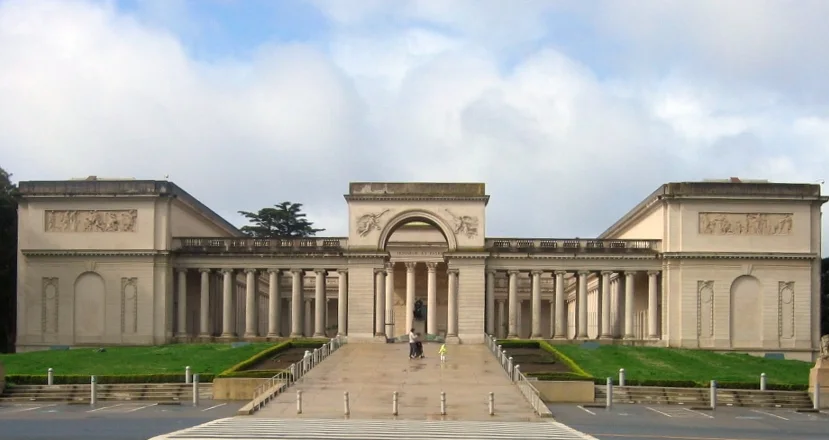
The Legion of Honor, formally known as the California Palace of the Legion of Honor, is an art museum located in San Francisco, on the West Side of the city. Located in Lincoln Park, the Legion of Honor is a…
Download Stanza, then search for “Legion of Honor”.
About the tour
One guide. Your kind of visit.
The Legion of Honor, formally known as the California Palace of the Legion of Honor, is an art museum located in San Francisco, on the West Side of the city. Located in Lincoln Park, the Legion of Honor is a component of the Fine Arts Museums of San Francisco (FAMSF), which also administers the de Young Museum, and in 2024 the two combined museums were ranked 15th in The Washington Post list of the best art museums in the United States.
The Legion of Honor guide tells the stories of 26 artworks, including The Age of Bronze (Auguste Rodin), Madame Clémentine Valensi Stora (Pierre-Auguste Renoir), St. John the Baptist (El Greco), The Tribute Money (Peter Paul Rubens), Don Ramon de Posada y Soto (Francisco Goya), Love and the Maiden (John Roddam Spencer Stanhope), Chestnuts and Pears (Vincent van Gogh), and The Eiffel Tower (Georges Seurat). Every artwork is free to hear in the Stanza app until 1 January.
Ready when you are.
- 01Get the free Stanza app.
iOS & Android
- 02Find your guide.
“Legion of Honor”
- 03Download before you go.
Works offline
Audio guide / 26 artworks
Inside the guide
Get to know a few of the stories before you go. Open a stop to read more.
01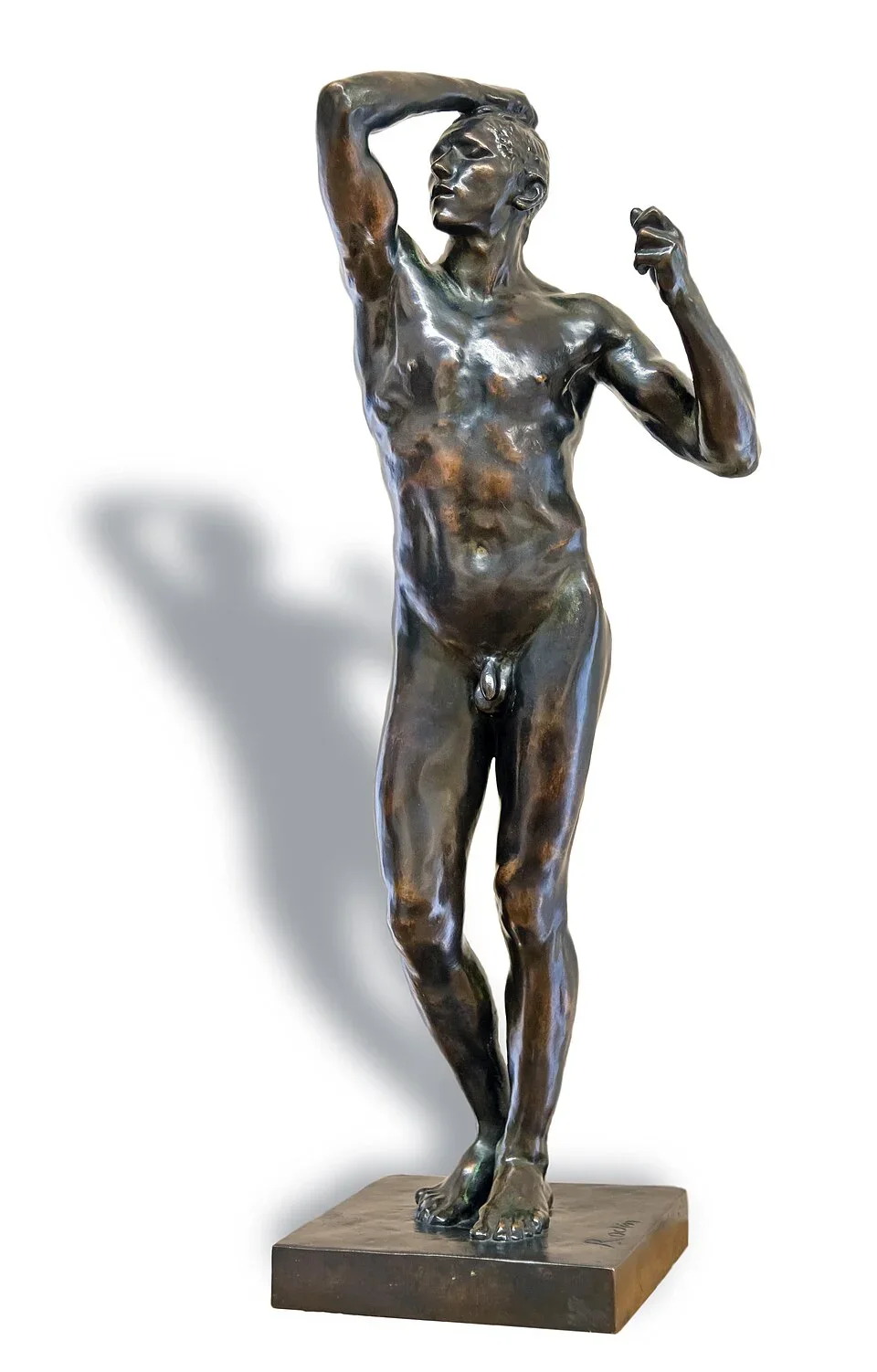
The Age of Bronze
No one can say for certain who this man is. When it was first shown, people could not tell what he was meant to be. One early viewer took him for a man about to take his own life. The figure itself gives no answer. His weight has shifted onto his right side, his lips are relaxed, and his head rests on his shoulders. Small details like these leave you wondering about his suffering. The raised arm owes something to Michelangelo's Dying Slave. Rodin studied Michelangelo's work on a trip to Italy. That lifelike quality caused trouble. People thought the statue had been cast from a living body, not shaped by hand. The rumor did him no harm. It brought crowds eager to see for themselves. He hoped this figure would make his name, after an earlier life size piece of his was destroyed while he moved studios. Professional models kept falling into stiff poses, so he asked a young Belgian soldier of twenty two, Auguste Neyt, to stand for him. Photographs of the soldier posing still survive. At first the figure held a spear, a warrior near defeat. He took it away before the statue was shown, so that the body and the man's own trouble would carry the meaning.
Listen in the appDidier Descouens · Public domain
02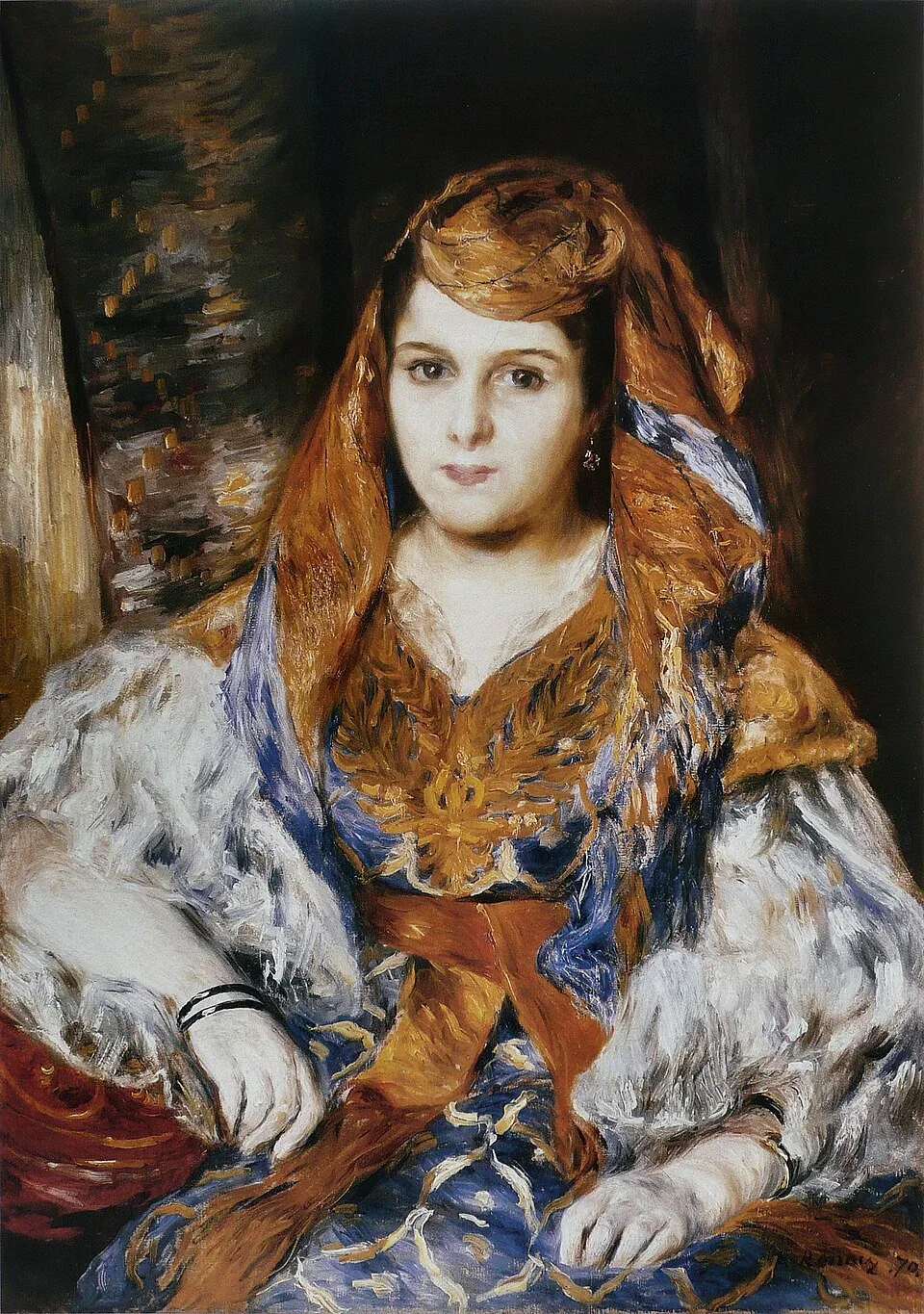
Madame Clémentine Valensi Stora
This was not the kind of picture Renoir usually painted. He was known for scenes of everyday French life. His other pictures of women in Algerian dress were reworkings of other paintings, not portraits of actual people. He had not even left the country yet. But this was a portrait of someone real, a woman with a name. The strokes are broad and the color is strong. It was a moment when he turned from the realism of Courbet and Manet toward Delacroix, whom he admired. And the costume is genuine. Photographs from the time confirm this is what a Jewish woman of Algeria really wore. But it was not the usual thing to wear in Paris in the 1870s, and she seems not entirely happy. Whether the Algerian theme was his idea or the family's is not certain. In the end neither of them wanted the portrait. She called it horrible and, around 1893, sold it for three hundred francs, even though his prices were high. He later rejected it too, complaining that collectors kept asking for his old manner. By 1906 it belonged to Monet, who showed it in Paris.
Listen in the appPierre-Auguste Renoir · Public domain
03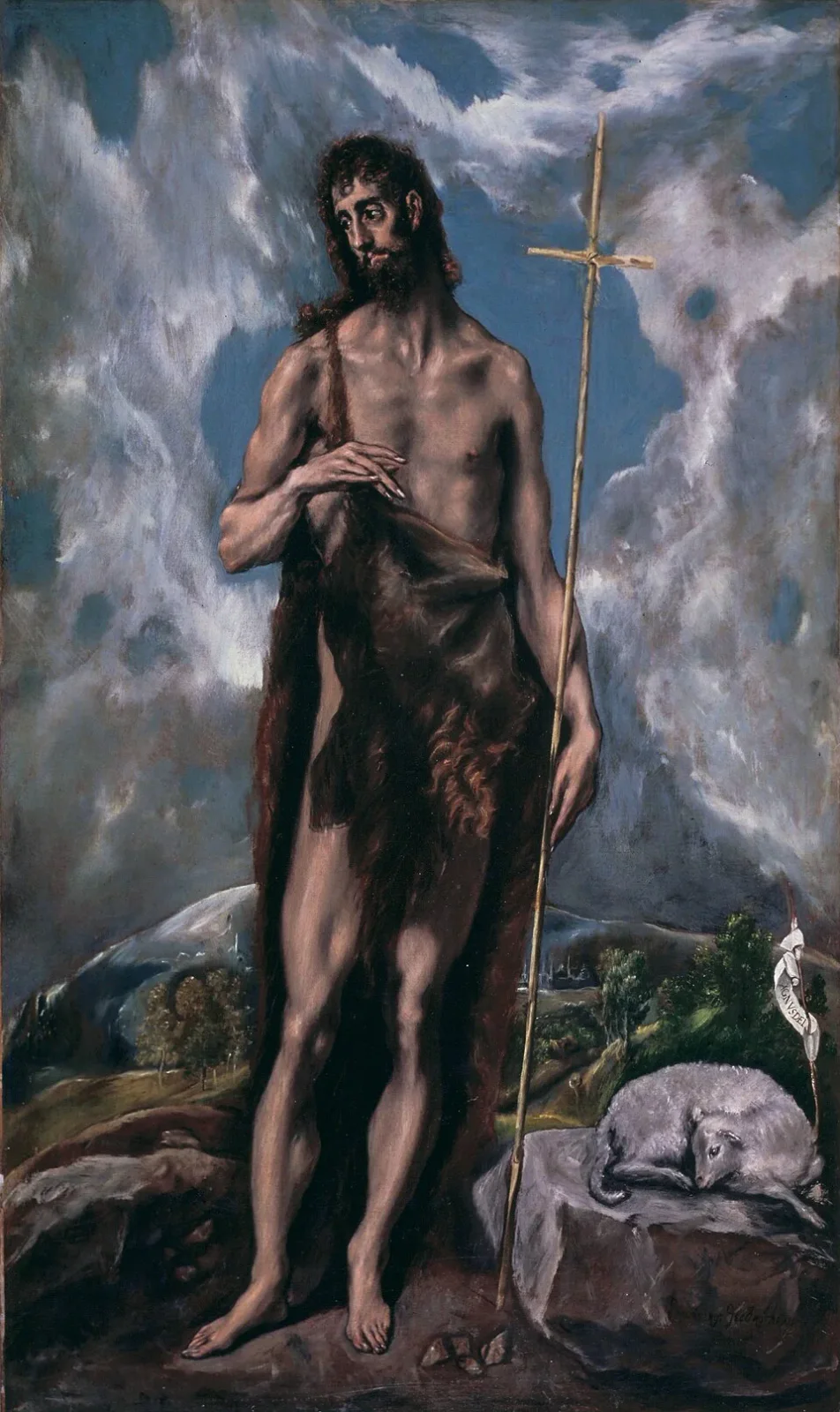
St. John the Baptist
Why does a lamb sleep on the rock beside this young man? He wears animal skins and carries a long staff with a cross at its top. Clouds gather around his head like a halo, and the sky above him is restless. The lamb is the answer. It is Christ, the Lamb of God, whose coming this man foretold. He is John the Baptist, the forerunner who went before the Lord to prepare his way. El Greco painted this saint more than once. Here he sets the lamb on the rock, and that one placement is what points to the sacrifice Christ would make. On that same rock he signed his name in large cursive Greek letters, the name he was born with.
Listen in the appEl Greco · Public domain
04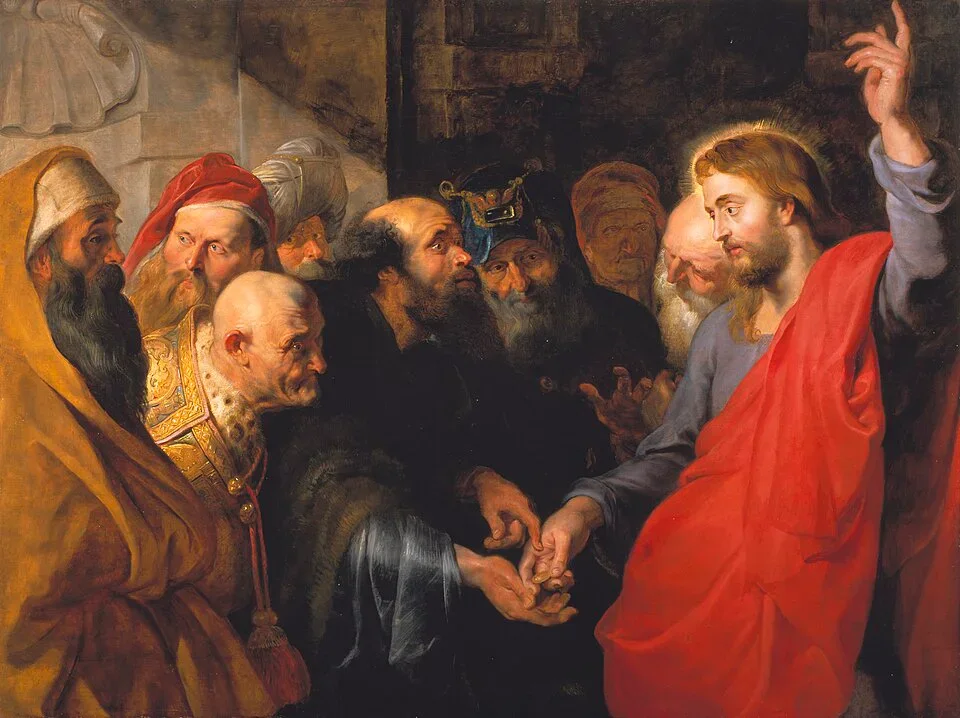
The Tribute Money
Jesus' left hand points up toward heaven. It is a small gesture, easy to pass over, and it carries half of an answer. It goes with the words about God. The Pharisees had asked him whether they should pay taxes to the Roman emperor. Give to Caesar what belongs to Caesar, Jesus answered, and to God what belongs to God. The answer goes in two directions at once. Rubens put both into the painting as two pointing hands, the left to heaven and the right to the coin. On that coin is the emperor's own image. That is the Caesar he is speaking of, and the picture on the money is why the answer begins with him.
Listen in the appPeter Paul Rubens · Public domain
05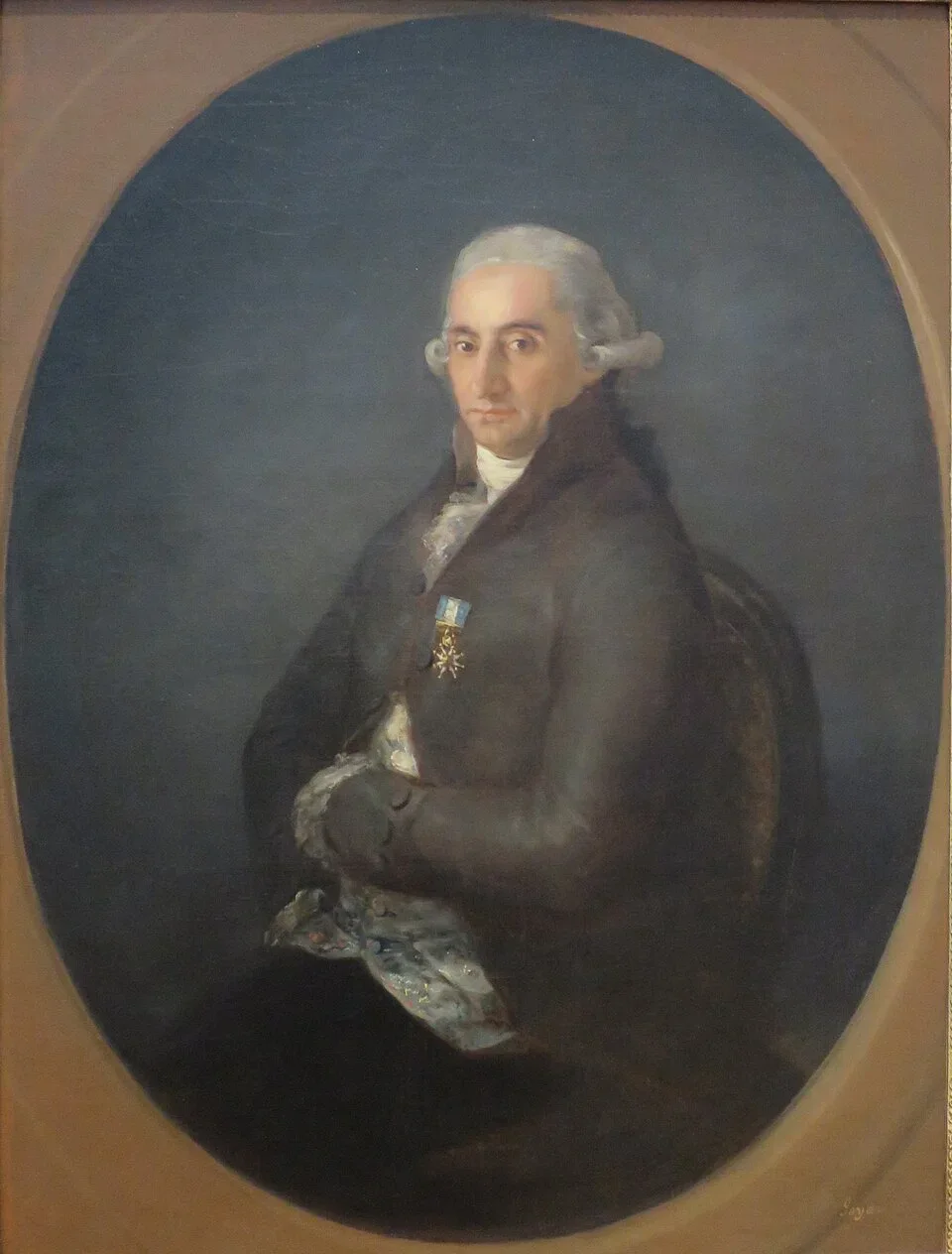
Don Ramon de Posada y Soto
A judge walked into the painter's studio in Madrid. He was an art lover, and he had come to meet the painter and see how a picture was coming along. The fine arts academy in Mexico had commissioned it. Goya had not even started. This portrait probably came out of that visit. He had come back to painting after an illness that left him deaf, and he wanted to prove he could still paint. The dark green coat is brushed in quick, energetic strokes. The judge sits upright, hands tucked under the coat tails. Light gathers on his face, on a prominent nose, thick brows and alert, intelligent eyes. A white and blue ribbon carries the Order of Charles the Third across his chest. What that picture for the academy was, and whether it was ever painted, is not known.
Listen in the appFrancisco Goya · Public domain
06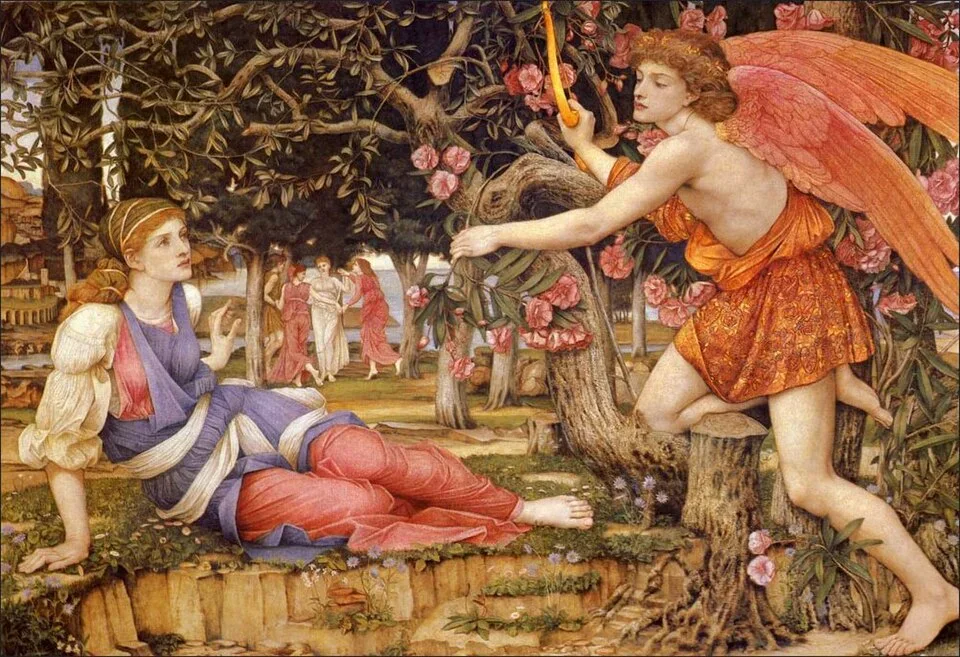
Love and the Maiden
The bodies here are neither clearly male nor female, and the clothing falls in Greek folds. Behind the two figures, a group of women dance. This painting holds two moments in the same painter's life. John Roddam Spencer Stanhope began as a fervent Pre-Raphaelite, then turned toward Aestheticism in the eighteen sixties. The dancing women behind them echo Rossetti's in The Bower Meadow, a thread back to his Pre-Raphaelite years. Those bodies, the Greek drapery, the faces, all bear Burne-Jones's mark. In Oxford in 1857, Stanhope spent most days painting at his side. Then in 1877 he showed it at the Grosvenor Gallery, the best-known showcase of Aestheticism. The faces probably came from the same models Burne-Jones used.
Listen in the appJohn Roddam Spencer Stanhope · Public domain
07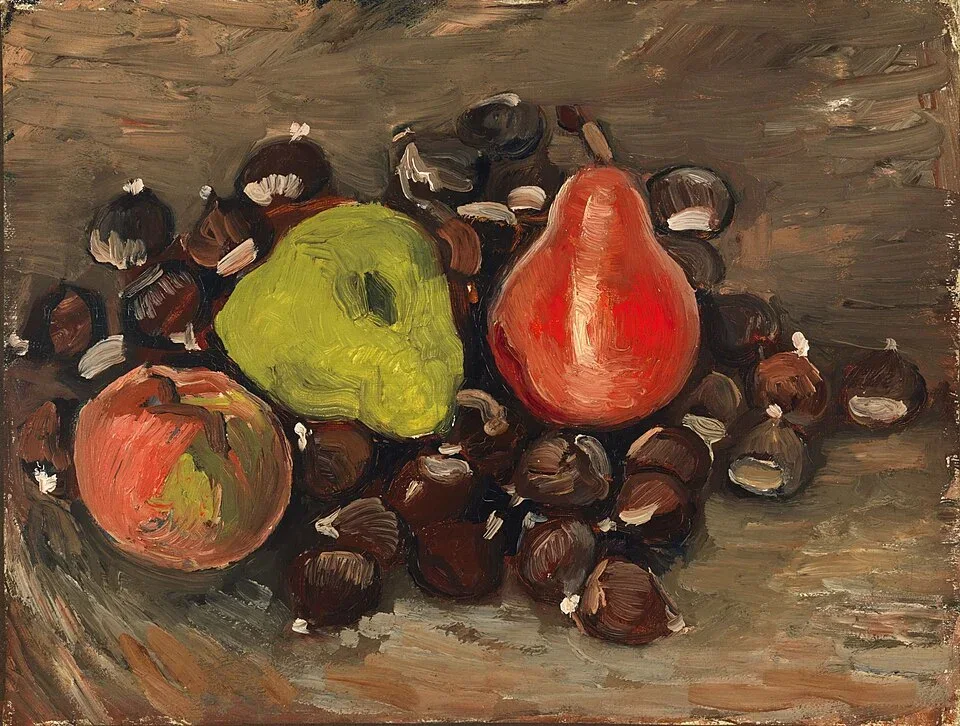
Chestnuts and Pears
For years, this painting was treated as a fake. It arrived here as a gift in 1960, thought to have been painted in 1884, in Nuenen. Its colours looked unusual for that early date, and doubt set in. Only in 2019 was it accepted as a genuine Van Gogh. Here is the still life at the centre of all that doubt. Two pears, an apple and a handful of chestnuts, set out like an autumn composition. On the back of the canvas, a line of writing calls it a still life painted by Vincent van Gogh. Once the doubt was settled, the canvas and the paint matched his work. The style fitted the still lifes he made in Paris between October and December 1886. The date moved from 1884 to the autumn of 1886, and the place from Nuenen to Paris. Then infrared scanning showed the canvas had been used before. Under the fruit, it revealed a portrait that seems to show a woman in a scarf. He probably painted it a few months earlier, in Antwerp.
Listen in the appAttributed to Vincent van Gogh · Public domain
08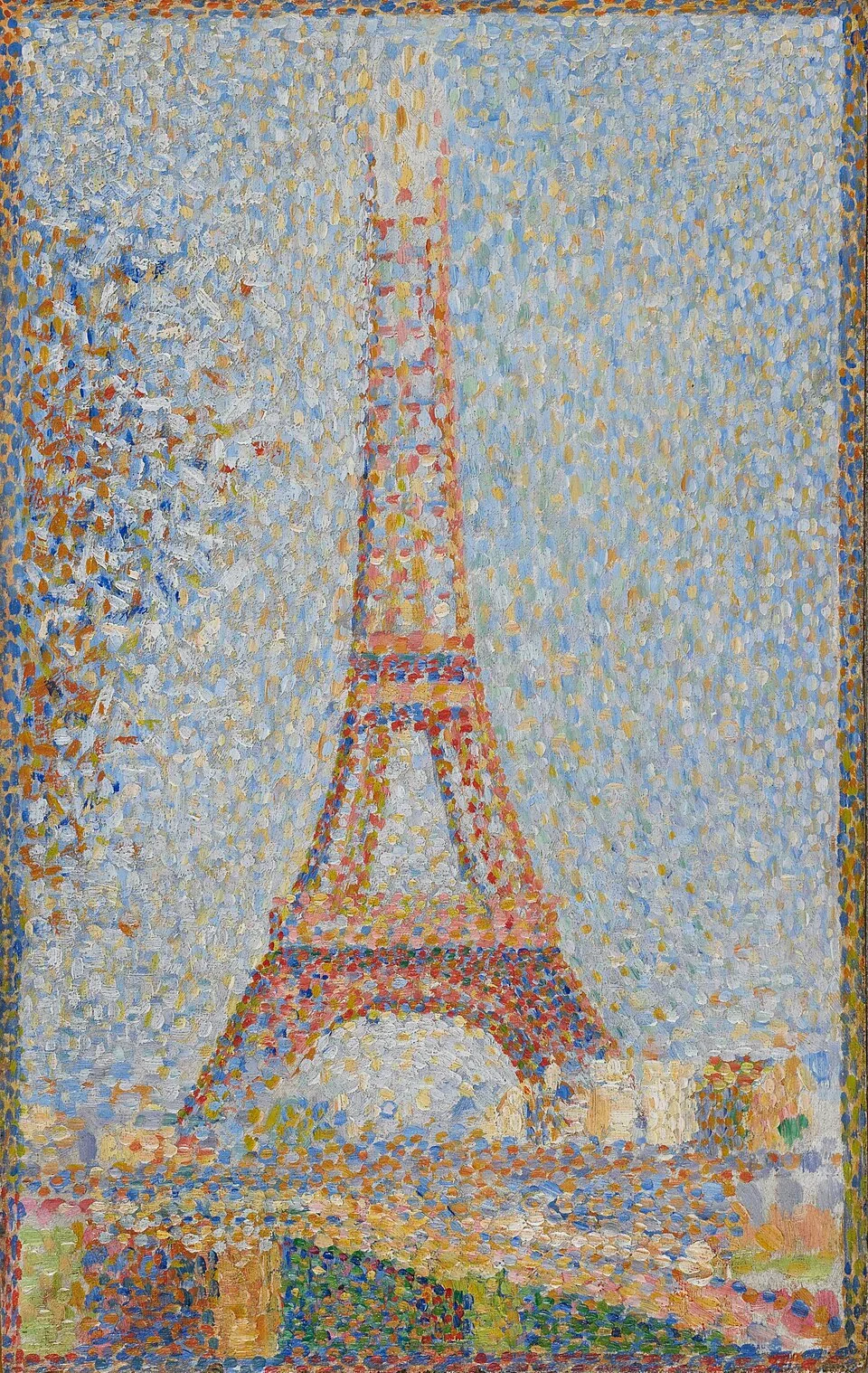
The Eiffel Tower
Small touches of pure color sit side by side, and the tower only comes together in your own eye. The neo-impressionists built their pictures from separate dots, working from studies of color and optics based on Chevreul's color circle. The result is the Eiffel Tower at the center of the canvas, in warm and cold colors. It was finished in 1889, the year the tower was inaugurated, for its exhibition at the Universal Exposition in Paris. Many painters of the day boycotted the tower because they opposed its construction, and Camille Pissarro was one of them. Seurat took it as his subject instead. There is no top floor on this tower. He painted it while it was still going up, before the finished structure stood.
Listen in the appGeorges Seurat · Public domain
09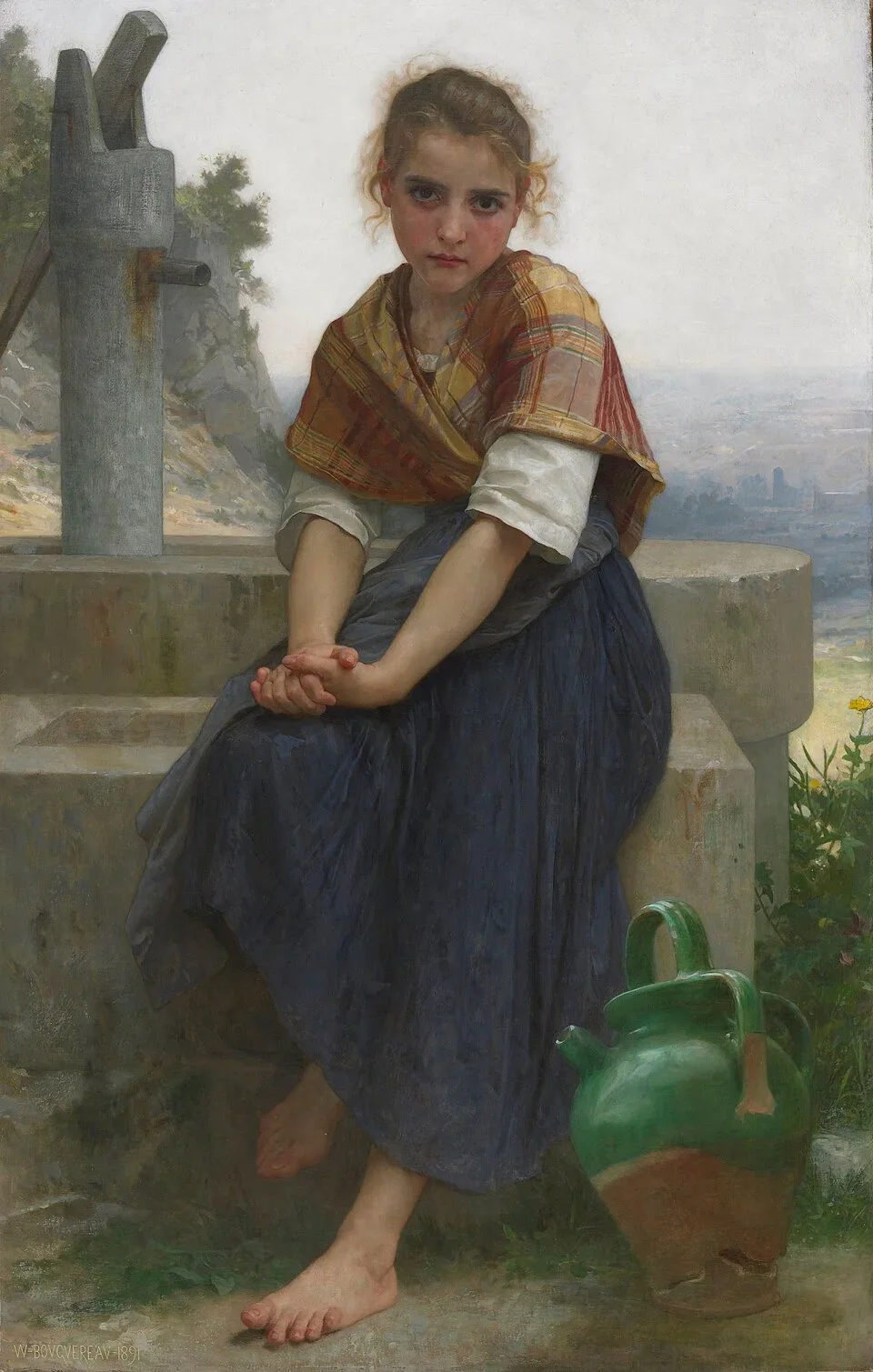
The Broken Pitcher
At the girl's feet lies a broken pitcher. Here it may stand for a girl's lost innocence. Painters of the time often used a broken pitcher for that, or for some turn a life had taken. She sits beside a stone well in plain peasant clothes, a light blouse with a shawl across her shoulders. Her pose is calm, her face thoughtful and a little sad. Behind her stretches a soft, quiet country landscape. The de Youngs brought this painting to California in 1893, the first of his works to reach the state. It had been finished just two years earlier. But Bouguereau never explained this girl or her broken pitcher in writing. What the scene was truly meant to say is still not known.
Listen in the appWilliam-Adolphe Bouguereau · Public domain
10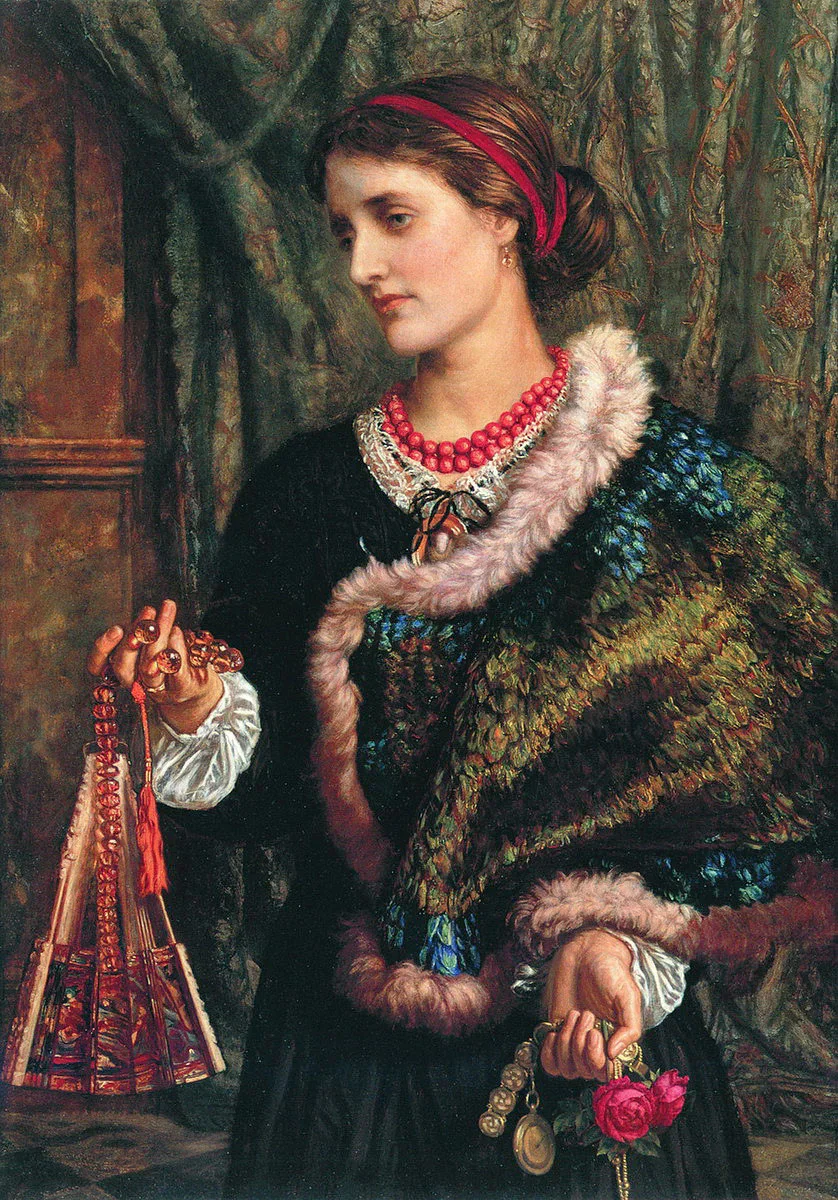
The Birthday
Who is this young woman, and why was she painted? This is Edith, and the painting marks her twenty-first birthday. William Holman Hunt painted it in eighteen sixty-eight. Edith was the younger sister of his first wife, who had died only two years before. In time she became his second wife. He showed the picture at the Royal Academy in London the following year. In twenty nineteen it came to the Legion of Honor in San Francisco.
Listen in the appWilliam Holman Hunt · Public domain
- 11
San Lucchese Madonna
Master of San Lucchese · c. 1345
- 12
At the Milliner's (La Modiste)
Édouard Manet · 1881
- 13
Portrait of Hyacinthe Gabrielle Roland by Élisabeth Vigée-Lebrun
Élisabeth Louise Vigée Le Brun · 1791
- 14
Death of the Virgin
Unknown Artist · late 15th century
- 15
Musicians in the Orchestra (Portrait of Desire Dihau)
Edgar Degas · 1870
- 16
Icon of Saints John the Baptist and Minias
Bicci di Lorenzo · early 15th century
- 17
Mary, Countess of Plymouth
Thomas Lawrence · 1817
- 18
The Empire of Flora
Giovanni Battista Tiepolo · c. 1743
- 19
Samson and the Honeycomb
Guercino · c. 1657
- 20
The Assuaging of the Waters
John Martin · 1840
- 21
Self Portrait
James Tissot · c. 1865
- 22
Portrait of Bianca degli Utili Maselli and Her Children
Lavinia Fontana · c. 1604–1605
- 23
Old Man
Georges de La Tour · c. 1618–1619
- 24
St. Francis Venerating the Crucifix
El Greco · c. 1595
- 25
Woman Nursing an Infant, with a Child and a Dog
Pieter de Hooch · 1658–1660
- 26
Peasants Before Their House
Louis Le Nain · 1640s
Legion of Honor
Frequently asked questions
How much does the guide cost?
Free app download. Free until 1 January. Listed guide price: $0.99. Audio guide only. Venue admission is separate.
Can I listen without internet?
Yes. Download the guide’s audio, images, and maps in the app before your visit. Your downloaded content is then available offline.
Can I listen in my language?
In English for now. More languages soon.
Do I need to follow a schedule?
No. This is a self-guided experience. Choose your stops, pause whenever you like, and return to a story at your own pace.
Which artworks are in the Legion of Honor audio guide?
26 artworks, including The Age of Bronze (Auguste Rodin), Madame Clémentine Valensi Stora (Pierre-Auguste Renoir), St. John the Baptist (El Greco), The Tribute Money (Peter Paul Rubens), Don Ramon de Posada y Soto (Francisco Goya), Love and the Maiden (John Roddam Spencer Stanhope), Chestnuts and Pears (Vincent van Gogh), and The Eiffel Tower (Georges Seurat). The full list is on this page.
Is this the museum’s official audio guide?
No. Stanza is an independent audio guide app and is not affiliated with Legion of Honor. Museum admission is separate.
At your own pace
Explore Legion of Honor.
Download Stanza, then search for “Legion of Honor”.
Free app download · Guide price shown in the app
Keep exploring
Audio guides — United States

San Francisco · 4 km
Golden Gate Bridge
Content & sources
Rich Niewiroski Jr. · CC BY 2.5
San Francisco · 8 km
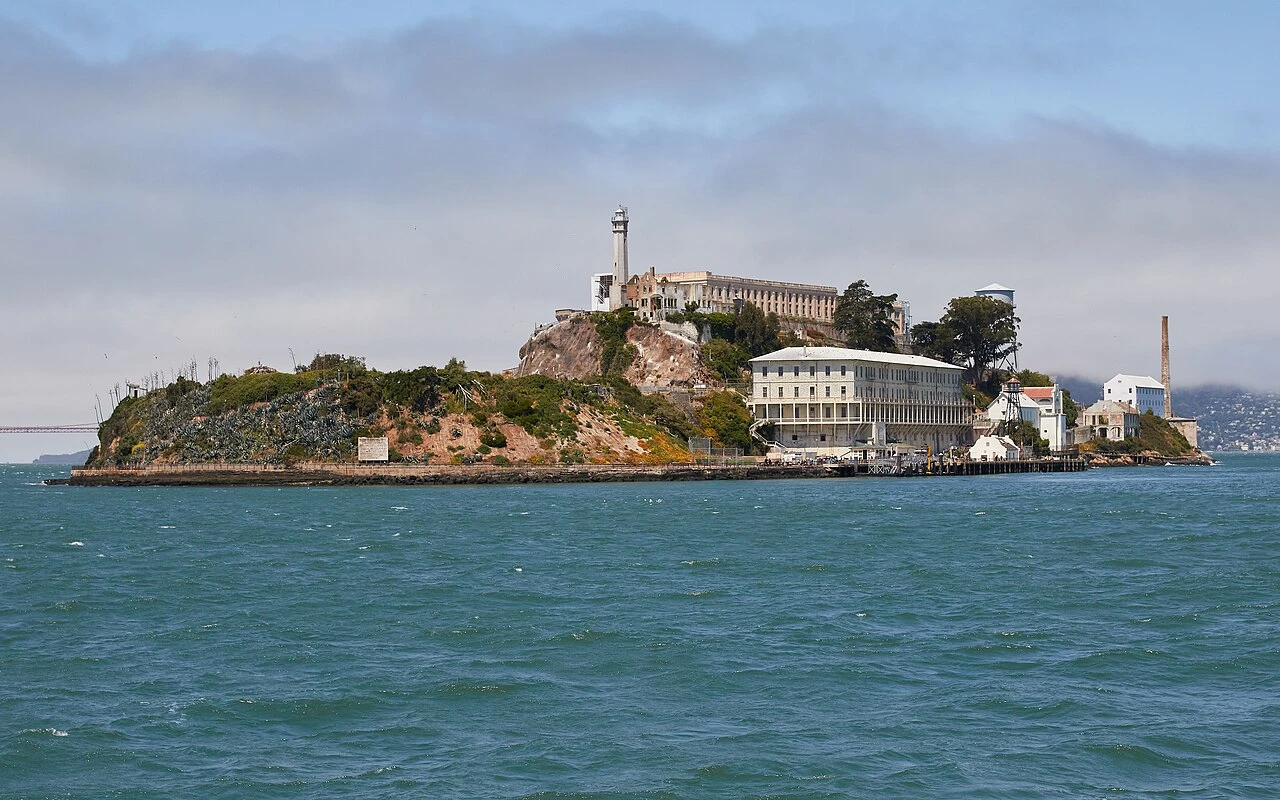
Alcatraz Island, Alcatraz
Content & sources
Photo: Frank Schulenburg · CC BY-SA 4.0
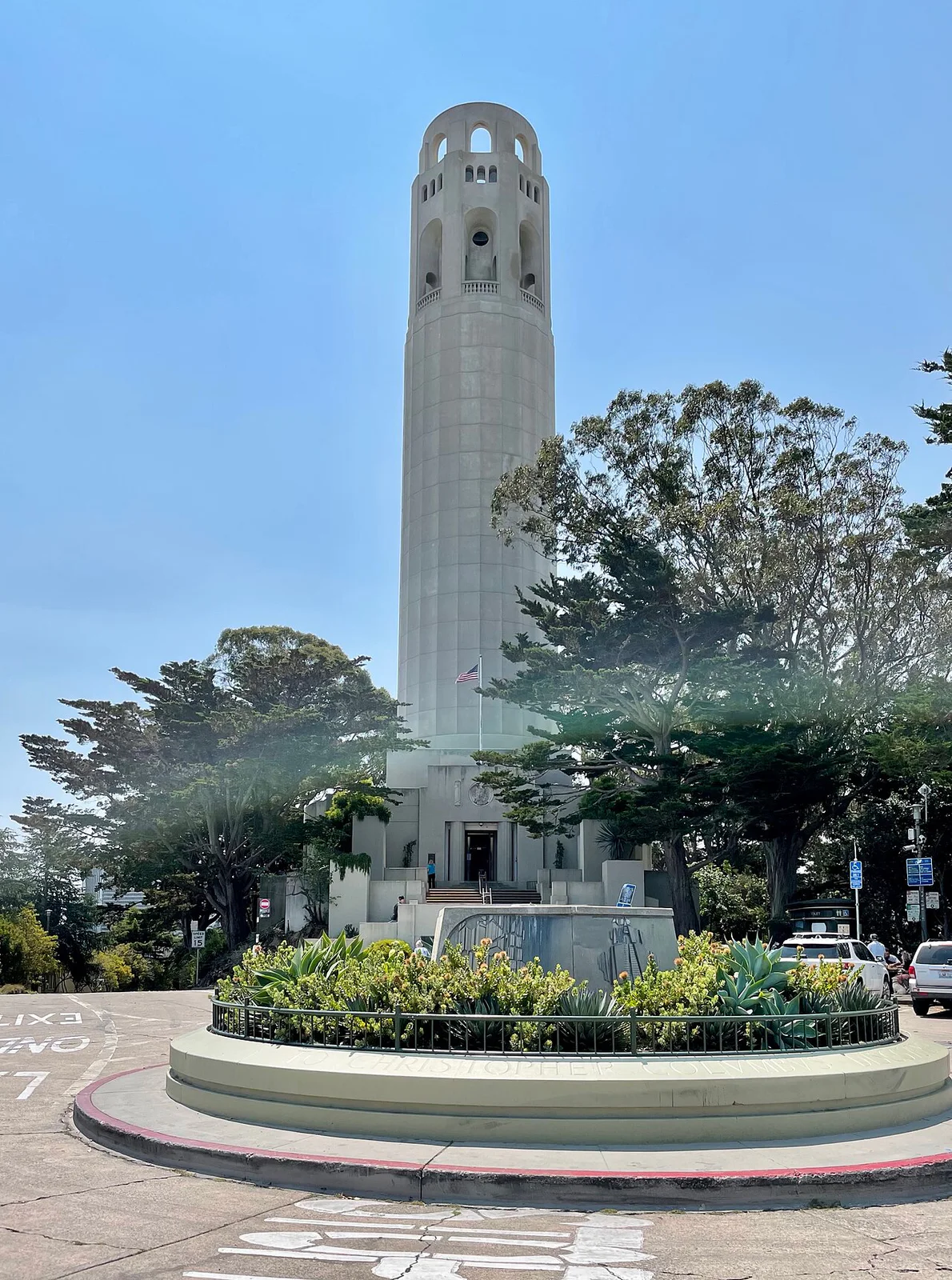
San Francisco · 9 km
Coit Tower
Content & sources
Photo: Chris6d · CC BY-SA 4.0
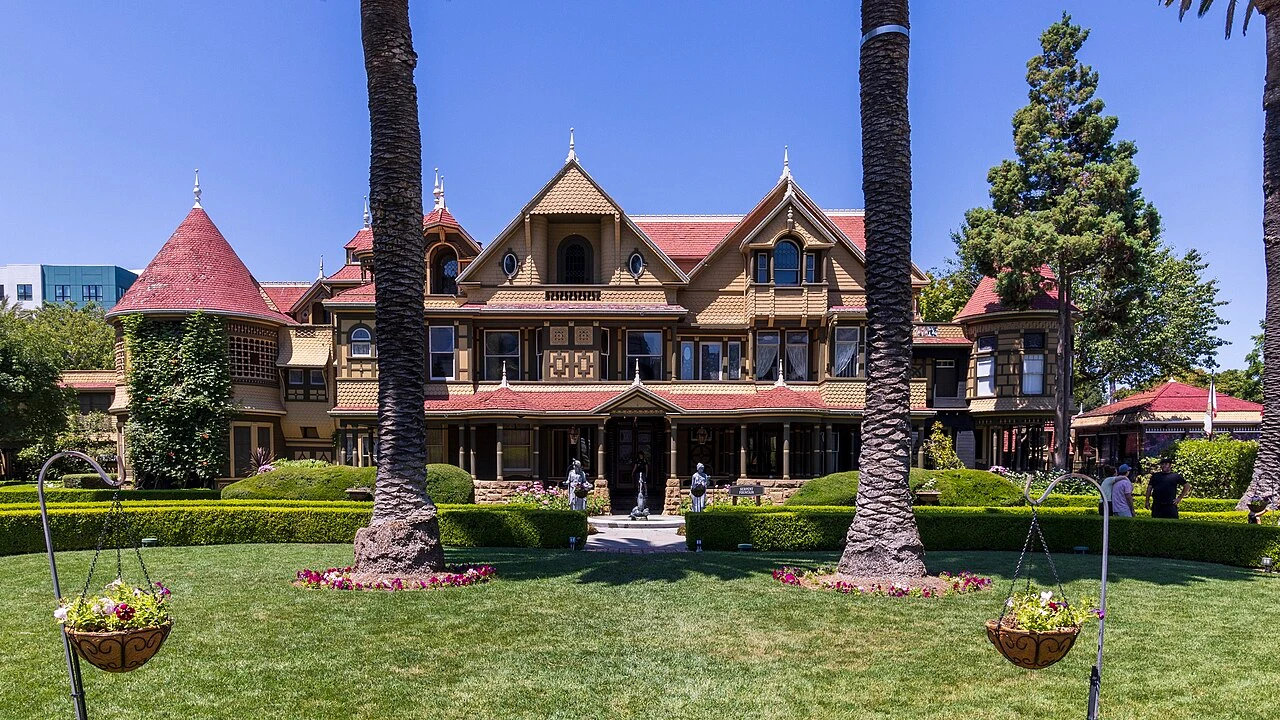
San Jose · 71 km
Winchester Mystery House
Content & sources
Photo: The wub · CC BY-SA 4.0
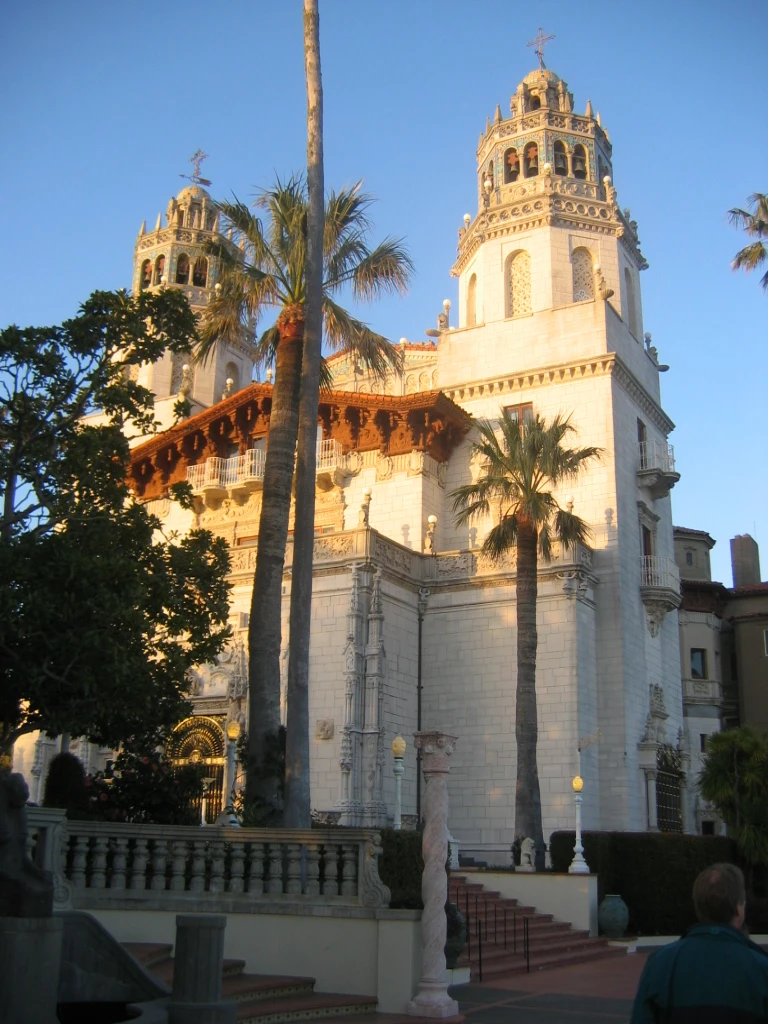
San Simeon
Hearst Castle
Content & sources
No machine-readable author provided. Urban~commonswiki assumed (based on copyright claims). · CC BY-SA 3.0
Art museums
More art museum audio guides

Los Angeles · 143 artworks
J. Paul Getty Museum
Content & sources
Jelson25 · Public domain
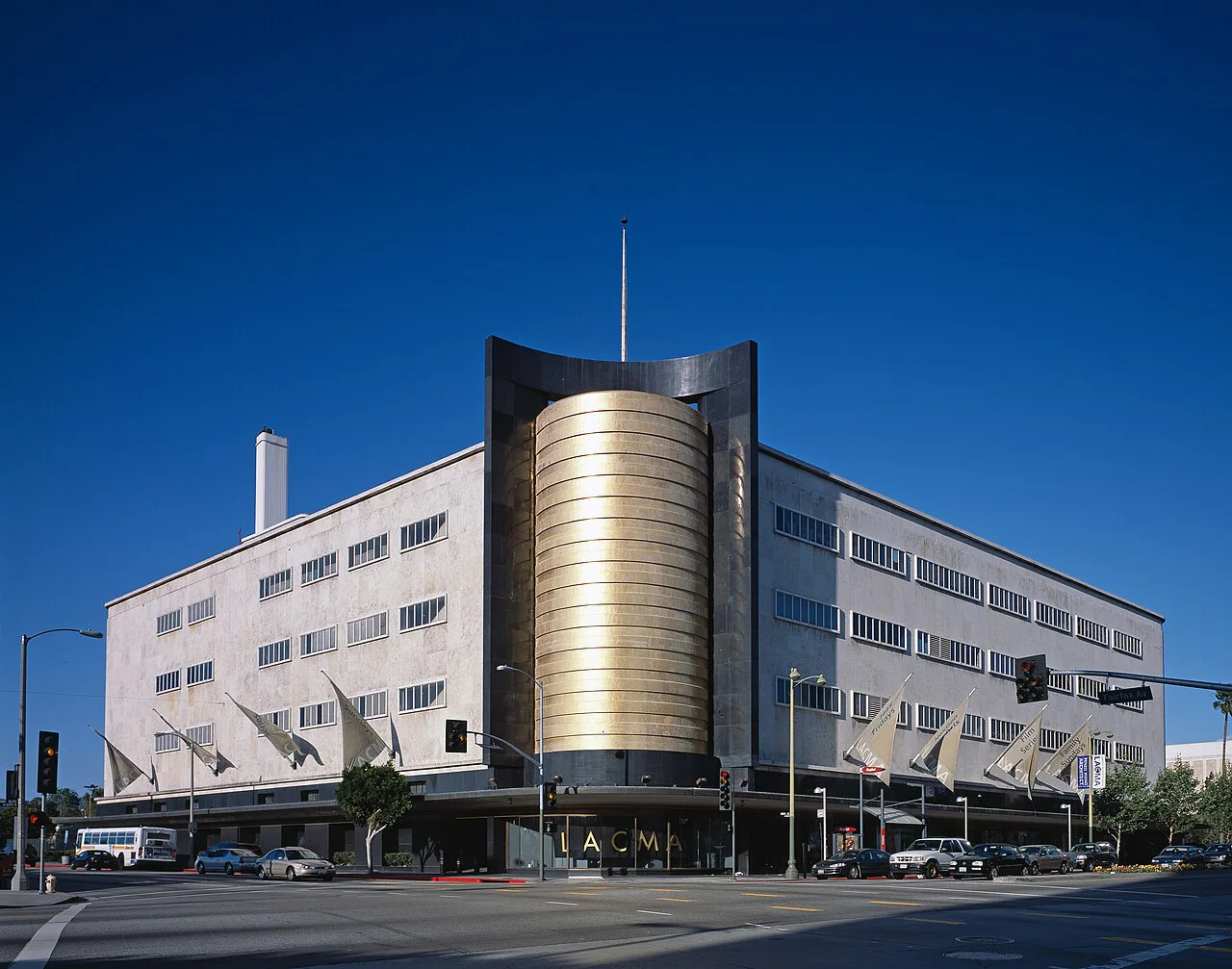
Los Angeles · 81 artworks
Los Angeles County Museum of Art
Content & sources
Carol M. Highsmith · Public domain
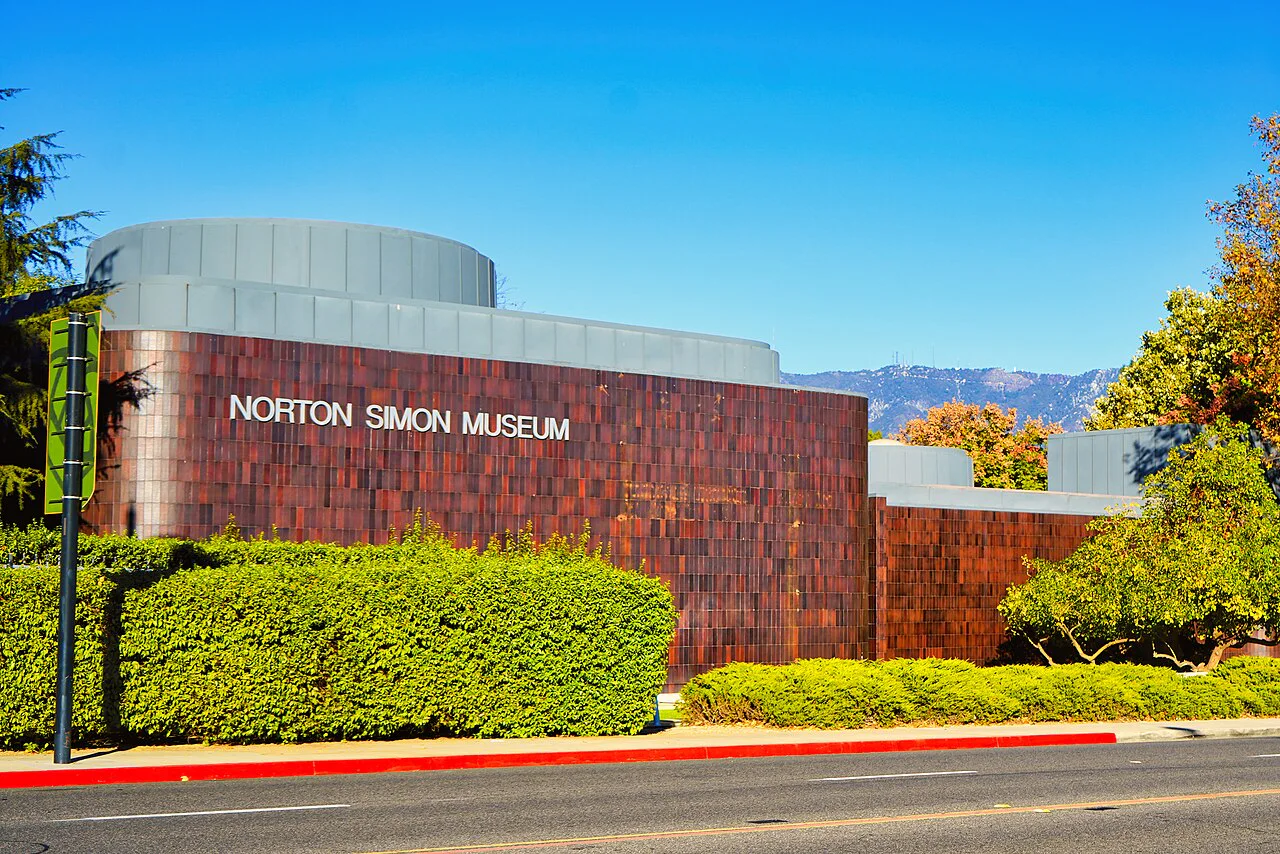
Pasadena · 29 artworks
Norton Simon Museum
Content & sources
Tony Mariotti from Los Angeles, United States · CC BY 2.0
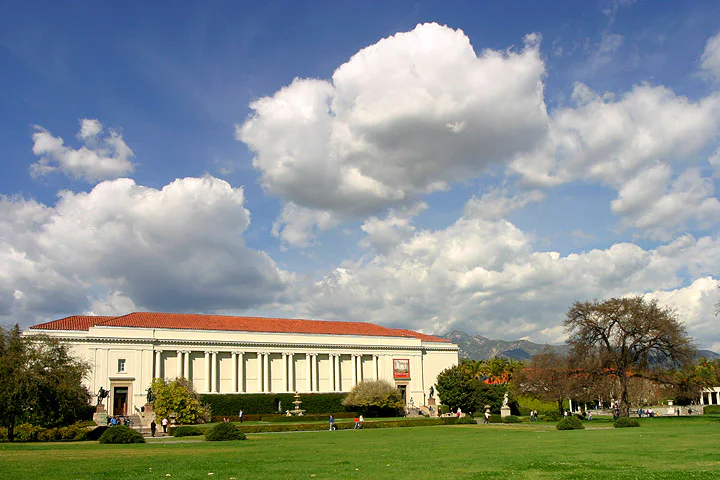
San Marino · 12 artworks
Huntington Library
Content & sources
By Aaron Logan · CC BY 1.0
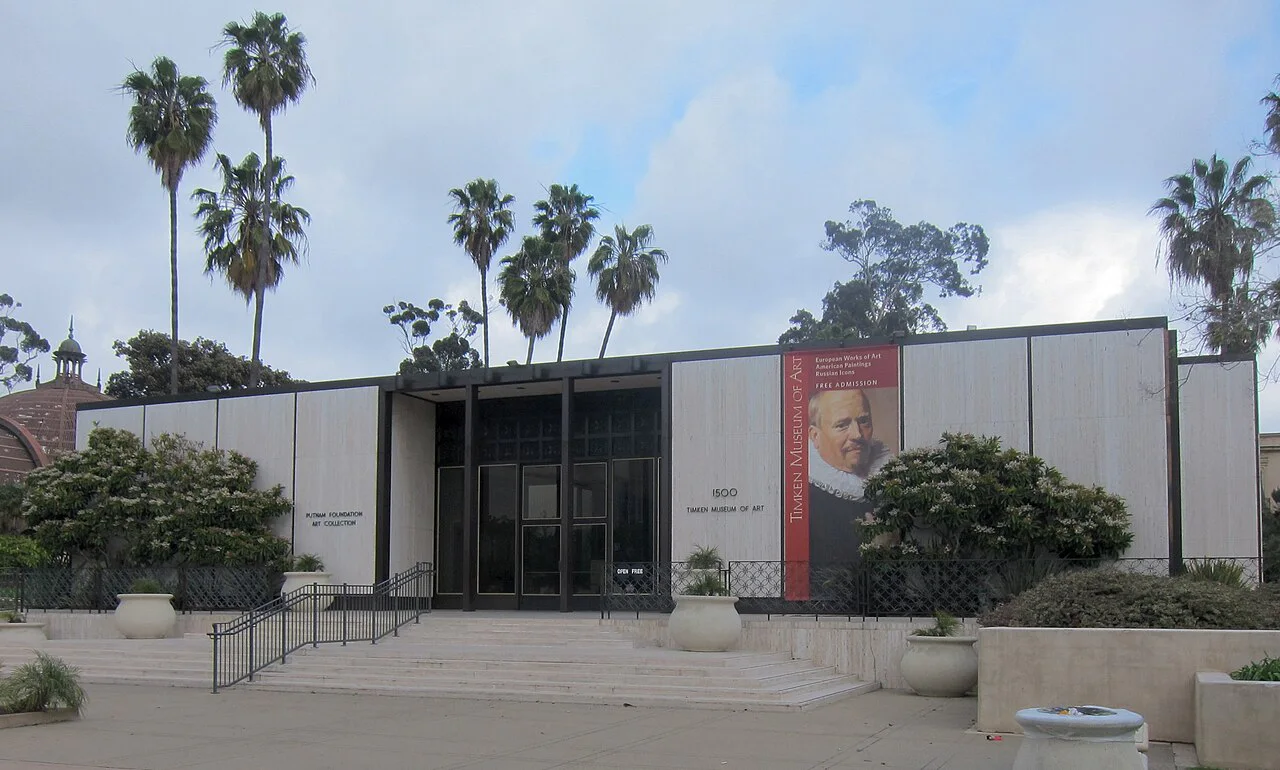
San Diego · 19 artworks
Timken Museum of Art
Content & sources
Photo: Wmpearl · CC0
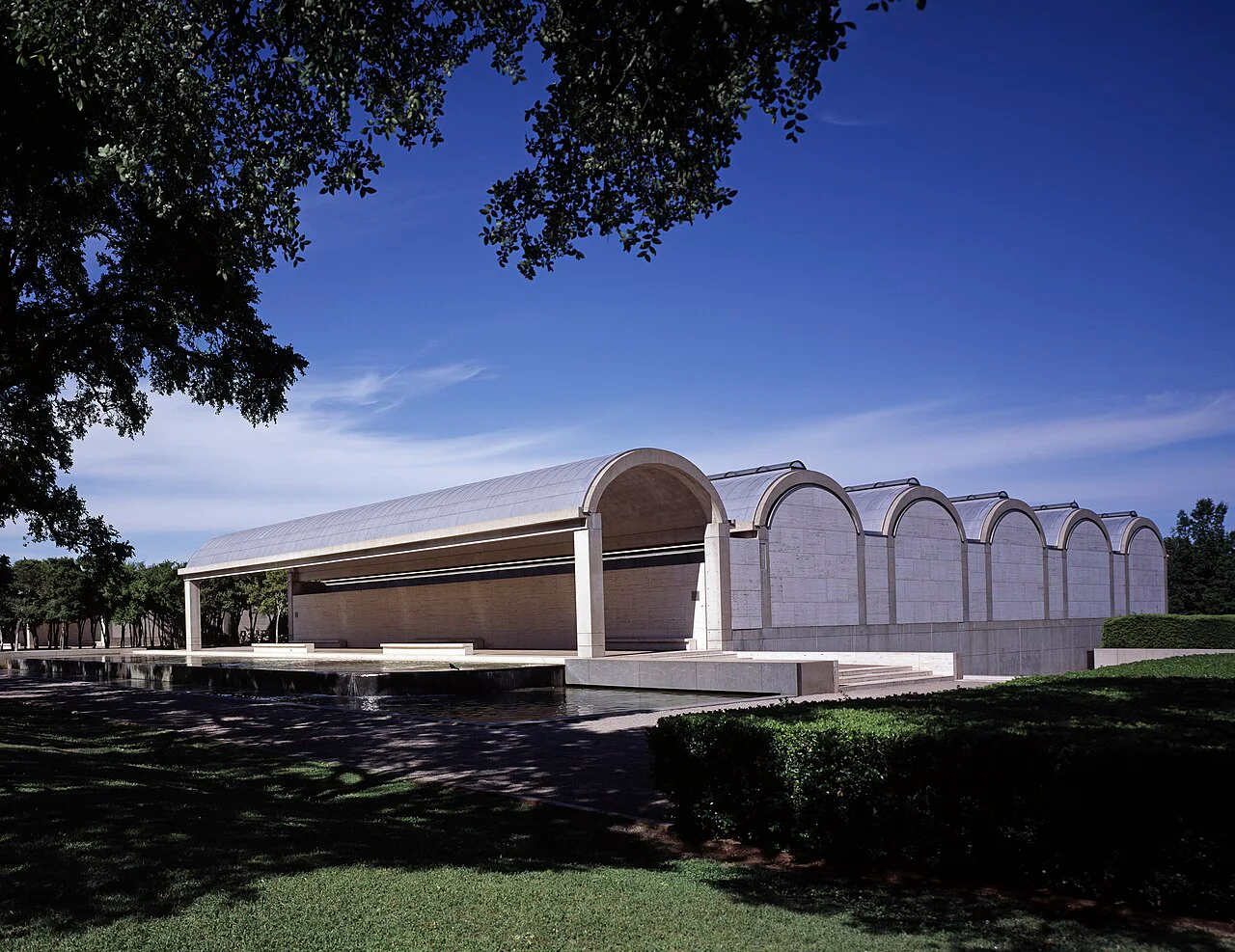
Fort Worth · 39 artworks
Kimbell Art Museum
Content & sources
Carol M. Highsmith · Public domain