关于导览
一份导览,你的游览方式。
自由女神像是纽约港自由岛上的一座巨大的新古典主义雕塑,是法国赠送给美国的礼物。
随时准备好出发。
- 01免费下载Stanza。
iOS & Android
- 02找到你的导览。
“自由女神像”
- 03参观前下载。
离线
语音导览 / 21 个解说站点
导览内容
出发前了解一些故事。展开站点,阅读更多内容。
01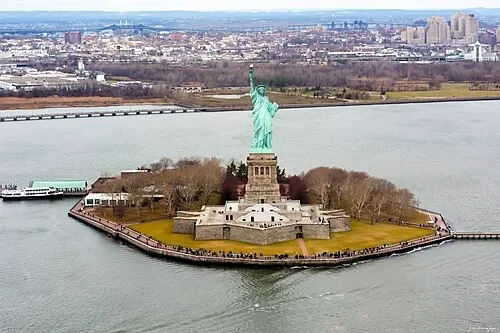 Arrival at Liberty Island自由女神像概览
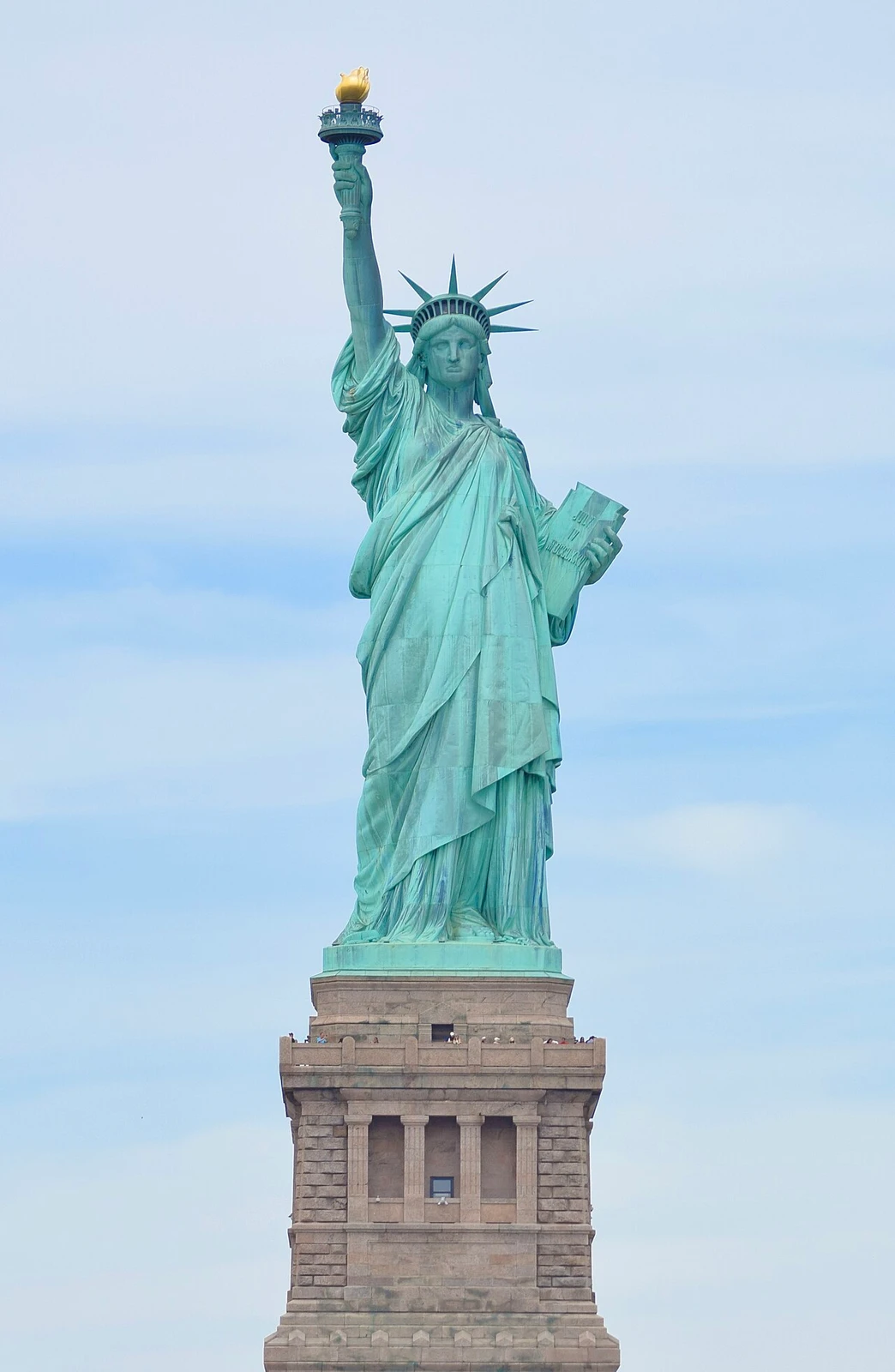
欢迎来到自由女神像所在的自由岛,这里矗立着地球上最知名的建筑之一。这座巨大的雕像曾是法国人民赠送给美国的历史性礼物,旨在纪念《独立宣言》发表一百周年以及两国之间持久的友谊。尽管完工时间比预期要长,但这座雕像最终于1886年10月28日在一场盛大的仪式上落成,数千人参加了庆典。 当您开始参观时,请考虑眼前这座工程壮举的宏大规模。从地面到火炬的尖端,整个结构高305英尺1英寸。这是19世纪的一项奇迹,融合了艺术构思和开创性的结构设计。虽然雕像看起来巨大而坚固,但其外部外观实际上相当精巧。铜皮——今天您看到的因自然氧化而呈现的绿色部分——非常薄。其厚度仅为2.4毫米,大约相当于两枚叠在一起的硬币的宽度。这层薄薄的金属保护着内部框架,使其免受纽约港咸涩海风的侵蚀。在接下来的几个站点,我们将探索这座标志性雕像内部和下方隐藏的历史和工程层,从底座的防御工事到高举的金色火炬。
Don Ramey Logan · CC BY 4.0
02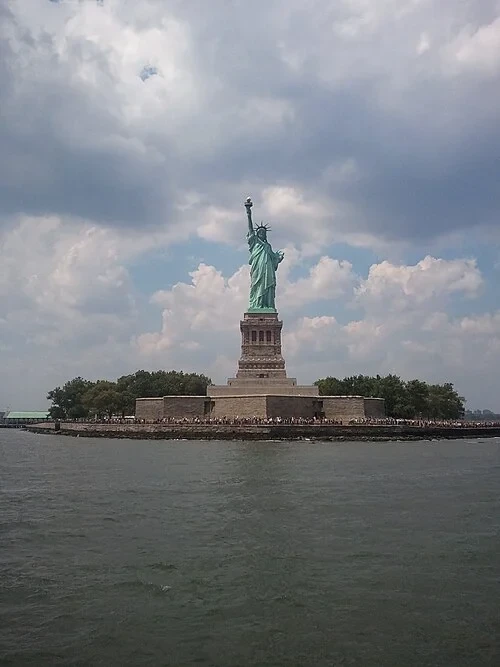 Arrival at Liberty Island从水上看自由女神像
从水路接近时,‘自由照耀世界’的雕像主宰着地平线,正如它多年来一直影响着一代又一代的游客和移民一样。这个项目是法国政治思想家和废奴主义者爱德华·德·拉布莱的构想。拉布莱对纪念碑的设想深深植根于美国内战的结束。他希望庆祝两项伟大的成就:美国最终废除奴隶制以及两个伟大共和国之间的统一得以幸存。 从这个有利位置,您可以欣赏雕像如何被设计来与景观互动。它不仅仅是岛上的一个雕像;它是一个位于大陆门户的灯塔。港口宏伟的入口营造出一种期待和敬畏的氛围。拉布莱希望通过颂扬美国的自由,也能激励法国人民追求自己的民主理想。雕像面向前方的姿态和高举的火炬经过精心设计,可以从数英里外看到,向所有进入这片水域的人们传递着启蒙和进步的信息。当渡轮将您带得更近时,请注意铜的绿色铜绿如何与水的蓝色和天空的灰色形成对比,创造出一个定义纽约市入口的视觉地标。
Photo: EgorovaSvetlana · CC BY-SA 4.0
03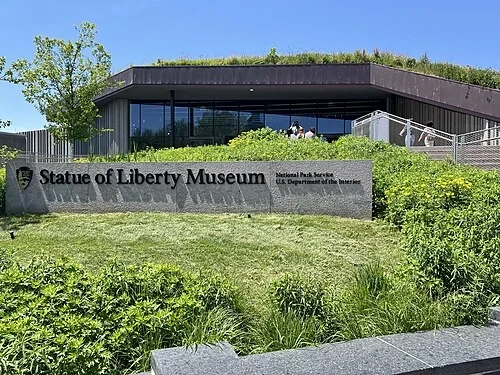 The Statue of Liberty Museum自由女神像博物馆
您看到的这座光滑、现代的建筑是自由女神像博物馆,它敞开大门,让人们更深入地了解这座纪念碑的复杂历史。馆内讲述的最重要的故事之一是普利策众筹活动。在19世纪80年代中期,该项目面临重大危机。法国提供了雕像,但美国负责建造基座,而资金已完全耗尽。工程停止了,项目陷入了危险之中。 这时,纽约世界报的出版商约瑟夫·普利策出现了。他利用自己的平台向公众发起了一项大规模的呼吁,承诺在他的报纸上刊登每一位捐赠者的名字,无论其贡献大小。反响是压倒性的。在短短五个月内,该活动从12万普通公民那里筹集了超过10万美元。这些捐赠者大多是儿童、劳动者和移民,他们捐赠的金额不到一美元。这是美国历史上的一个开创性时刻——第一次成功的众筹活动。这座博物馆纪念着那段历史,表明自由女神像确实是‘人民的’纪念碑,它不是由政府金库或富有的实业家建造的,而是由公众的集体意愿建造的。当您参观展览时,您会看到这种社区精神如何继续定义今天的这个地方。
在应用中收听Photo: 颐园居 · CC BY 4.0
04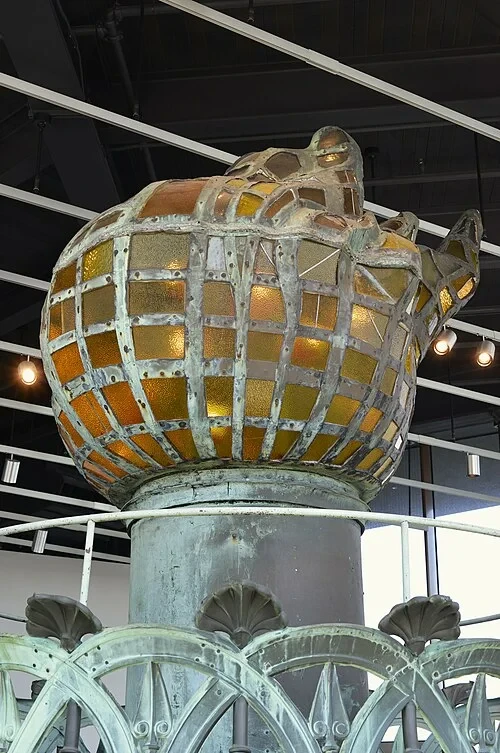 The Statue of Liberty Museum原版火炬(1886年)
在您面前的是一段重要的历史:这便是从1886年一直举到1984年被替换掉的原始火炬。仔细观察其设计,您可以看到它与雕像上目前使用的火炬有何不同。原始火炬采用琥珀色玻璃面板,旨在从内部点亮,但其亮度却从未达到雕塑家弗雷德里克·奥古斯特·巴特勒迪最初设想的程度。 这个文物也承载着一场戏剧性且危险事件的伤痕。1916年,第一次世界大战期间,德国破坏者袭击了新泽西州附近的黑汤姆铁路货场。由此引发的爆炸是历史上最大的非核爆炸之一。冲击波如此强大,以至于震碎了曼哈顿的窗户,并将弹片炸向自由岛。雕像的手臂和火炬在爆炸中严重受损。出于安全原因,事件发生后,火炬内部对公众永久关闭,这一限制至今仍然存在。到了20世纪80年代初,由于玻璃面板周围的泄漏,火炬已严重腐蚀。当雕像为百年庆典进行修复时,这件原始作品被移除并移至博物馆,让游客近距离欣赏其细节,同时一座新的镀金版本取而代之,高高耸立在港口上方。
在应用中收听Photo: Alberto-g-rovi · CC BY 3.0
05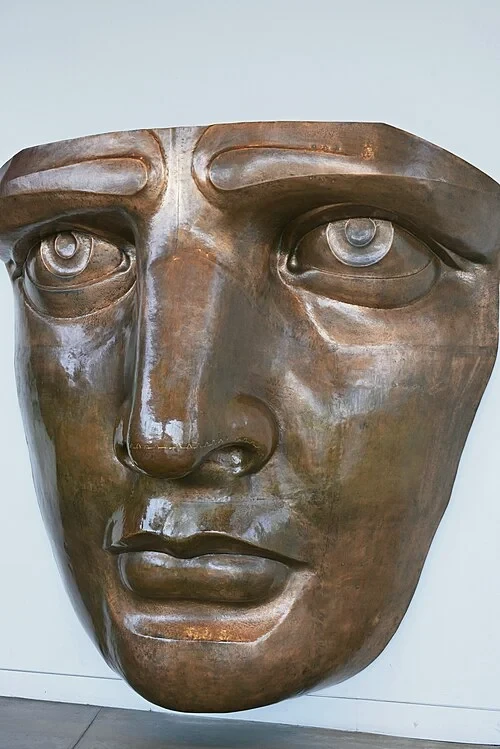 The Statue of Liberty Museum面部复制品
这座雕像面部的全尺寸复制品让您能够欣赏其创作中使用的'锤打成型'(repoussé)技术。由于纪念碑非常巨大,它无法像传统的青铜雕像那样一次铸造而成。相反,法国的工人们使用薄铜片,将其锤打进大型木制模具中。这一细致的过程使他们能够为人物的面部特征实现必要的细节和曲线,同时保持整体结构足够轻便,以便跨越大西洋运输。 当在视线高度看到时,其规模确实令人肃然起敬。想象一下,要将数千块手工锤打的铜片对齐,组合成一个超过150英尺高的巨大人物,需要付出多少努力。总而言之,这座雕像含有约60,000磅的铜。通过使用这种技术,艺术家们得以创造出既坚固又柔韧的'皮肤'。这种柔韧性对于一座注定要矗立在风港中的建筑至关重要。复制品还突显了面部的古典风格,其原型是罗马女神,代表自由的普世概念,而非任何特定个人。您可以清楚地看到那些从地面上看不见的细微凹痕和锤击痕迹,这提供了对塑造'流亡者母亲'的19世纪工业艺术的罕见一瞥。
在应用中收听Photo: Alberto-g-rovi · CC BY 3.0
06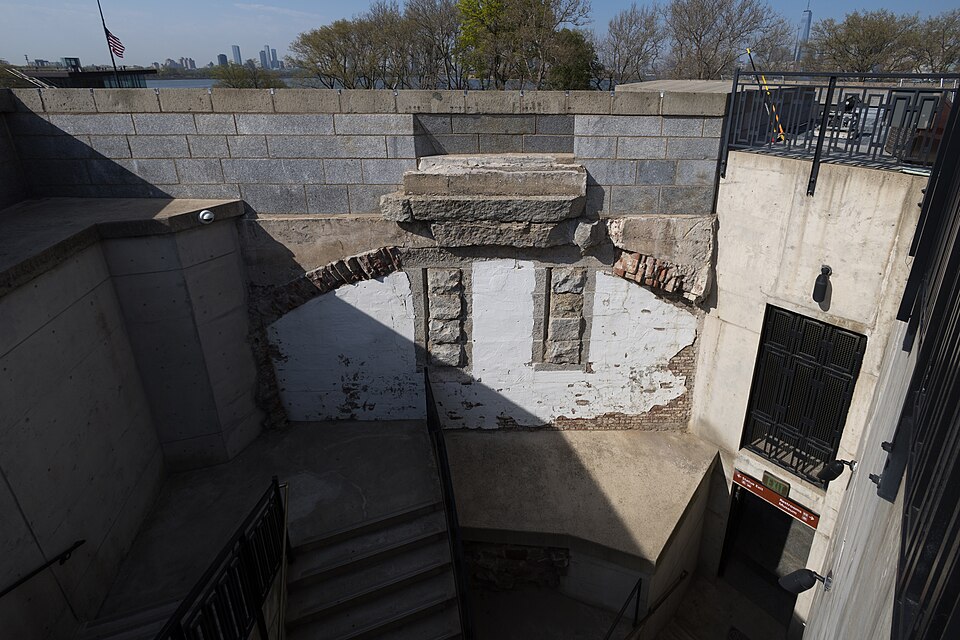 The Star of Fort Wood伍德堡墙
当您走近基座时,您实际上是踏入了一段军事历史。这座雕像坐落在伍德堡(Fort Wood)的花岗岩墙内,这是一座建于1811年的防御工事。这座堡垒建于1812年战争前夕,是旨在保护纽约市免受海军袭击的一系列沿海防御工事的一部分。这里看到的厚重石砌结构是为了抵御炮弹的冲击而建造的,这与上方雕像所传达的欢迎信息形成了鲜明对比。 请注意墙壁独特的11角星形。这种设计并非出于美观考虑;它是一种被称为'星形堡垒'的战略选择。这些尖角为防御者提供了清晰的射击视线,以便对试图进入港口的任何船只形成交叉火力。到雕像开始规划时,这座堡垒对于现代战争来说已经过时,而其独特的形状为新的纪念碑提供了一个完美、现成的基础。从战争之地转变为和平与自由之地,是该岛历史上最引人注目的方面之一。11角星形仍然是雕像最显著的特征之一,将这座巨大的铜像牢牢地固定在港口早期防御工事的坚实而持久的历史之上。
在应用中收听Clyde Charles Brown · CC BY-SA 4.0
07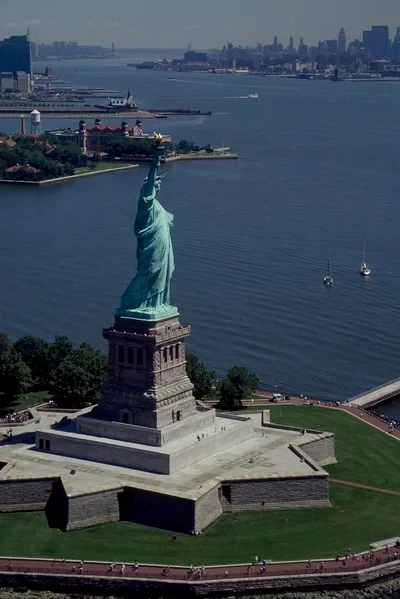 The Star of Fort Wood星形基座
从这个高度,基地的几何精度得到了充分展现。您可以看到基座的设计师理查德·莫里斯·亨特(Richard Morris Hunt)是如何巧妙地将他的作品融入现有的11角星形伍德堡(Fort Wood)的。亨特是他那个时代领先的美国建筑师之一,他的挑战是创造一个本身就具有纪念意义的基座,同时又不至于掩盖雕像本身的光彩。他选择了一种能够衬托堡垒独特角度的设计,从地面到自由女神的形象,创造了无缝的视觉过渡。 游客穿过古老堡垒厚重的花岗岩墙壁,到达雕像的核心,字面意义上穿越了美国历史的层层叠叠。基座本身就是建筑克制的杰作,运用了古典元素,呼应了雕像的风格。光线照射在石材和铜材的各个平面上,在您向下看时营造出一种深度和动感。这种布局也确保了雕像在其历史环境中完美居中。星形提供了稳定性和永恒感,作为上方45万磅结构的巨大锚点。这是一个19世纪艺术、19世纪工程和19世纪早期军事历史汇聚成一个单一、统一的地标的地方。
在应用中收听Carol M. Highsmith · Public domain
08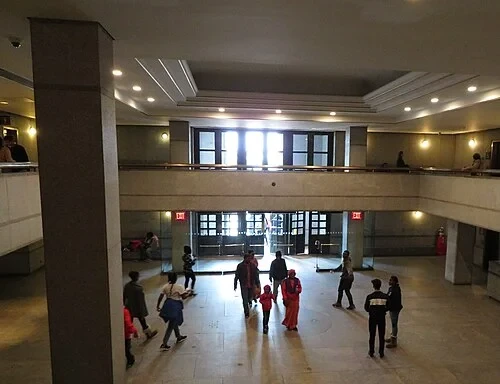 The Pedestal Entrance基座大厅
进入基座的大厅,您立刻会被周围结构的巨大体量所震撼。虽然外墙采用优雅的花岗岩装饰,但内部却是19世纪混凝土工程的典范。事实上,在建造时,这座基座是当时世界上最大的单次混凝土浇筑工程。它的设计旨在为雕像提供一个坚固、稳固的基础,能够承受巨大的重量并抵御港口强风的压力。 大厅是您向上攀登的门户。厚实的墙壁和高耸的天花板营造出一种庄严而令人印象深刻的氛围,让您为从坚实的石基过渡到雕像本身中空的金属内部做好准备。当您穿过这个空间时,您可以想象在19世纪80年代,成百上千的工人们在这里辛勤工作,实现了一个许多人认为不可能实现的愿景。这里的混凝土和石材工程规模之大,是为了将自由女神像高高托起,使其能够从遥远的北大西洋上被看见。这个空间标志着基座世界与雕像世界之间的界限。这是攀登的开始,将带您进入世界上最伟大纪念碑之一的思想和王冠之中。
在应用中收听Ken Lund from Reno, Nevada, USA · CC BY-SA 2.0
09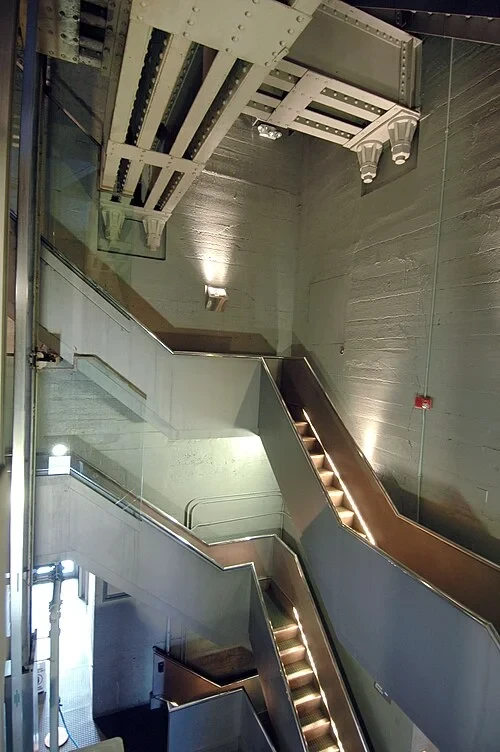 The Pedestal Entrance基座楼梯间
抬头仰望基座的垂直空间,您可以看到那条挑战过数百万游客的攀登之路的起点。要到达王冠的顶端,最终必须征服总共354级台阶。这座楼梯间是纪念碑的主要通道,将游客从坚实的基座引导至中空的、错综复杂的铜像内部。这种过渡为即将遇到的工程奇迹增添了期待感。 随着您的攀升,大厅的声音逐渐消失,取而代之的是金属楼梯上节奏的脚步声。楼梯本身就是一项设计上的壮举,蜿蜒穿过巨大的混凝土核心。这次攀登提供了对纪念碑内部空间的独特视角,而从外部很难把握。向上攀登的旅程不仅仅是一次体力挑战;它是一种从内部体验纪念碑规模的方式。每一段楼梯都让您更接近古斯塔夫·埃菲尔(Gustave Eiffel)设计的骨架结构,我们很快就会详细考察它。请花点时间欣赏这个空间的垂直感以及弥漫在每一步中的历史气息。这次攀登是来自世界各地游客的共同体验,他们都朝着同一个目标前进:从王冠窗户俯瞰的鸟瞰景象。
在应用中收听U.S. National Parks Service · Public domain
10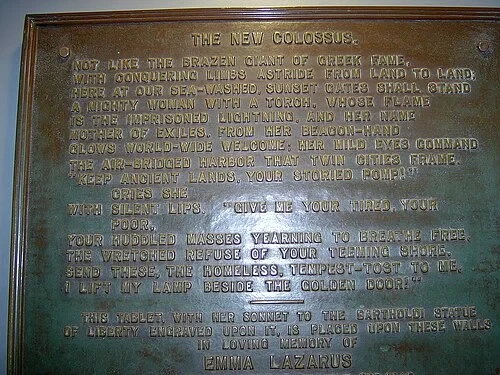 The New Colossus Plaque自由女神像的《新大陆颂》铭牌
高高悬挂在这些墙壁上的是包含诗歌《新大陆颂》的铜牌。这些文字或许是自由女神像最著名的组成部分,特别是诗句:“给我你疲惫、你贫困、你蜷缩着渴望呼吸自由的民众。”虽然雕像最初是作为一份政治礼物,以庆祝法国和美国共同的民主价值观,但这些诗句从根本上改变了它对世界的意义。 这首由艾玛·拉撒路创作的诗歌赋予了雕像声音和灵魂。它将这座巨大的雕像从一个遥远的自由象征,转变为一位站在新大陆门前、欢迎四方的“被遗弃者的母亲”。当数百万移民抵达附近的埃利斯岛时,他们看到的不仅仅是一件宏伟的艺术品,更是对更美好生活和摆脱压迫的承诺。诗中提到的“金门旁的灯”成为了希望的真正灯塔。这块铭牌提醒我们,一个纪念碑的意义会随着时间的推移而演变,受到与之互动的人们以及用来描述它的文字的影响。拉撒路的长诗至今仍是美国移民经历的基石,将雕像的身份锚定在同情和庇护的理想之中。
在应用中收听melanzane1013 · Public domain
自由女神像
常见问题
导览需要多少钱?
免费下载应用. 导览标示价格: $1.99. 导览价格以应用内显示为准. 仅含语音导览。景点门票需另行购买。
没有网络也能收听吗?
可以。在参观前通过应用下载音频、图片和地图。已下载的内容可离线使用。
可以用我的语言收听吗?
Stanza支持15种语言。请在应用中查看本导览的可用语言。
需要按固定时间参观吗?
不需要。这是自助导览。你可以选择站点、随时暂停,并按自己的节奏重听故事。
按自己的节奏
探索 自由女神像.
下载Stanza,然后搜索 “自由女神像”.
免费下载应用 · 导览价格以应用内显示为准
继续探索
附近的语音导览
Biltmore Estate
内容与来源
Blake Lewis · CC BY-SA 2.0
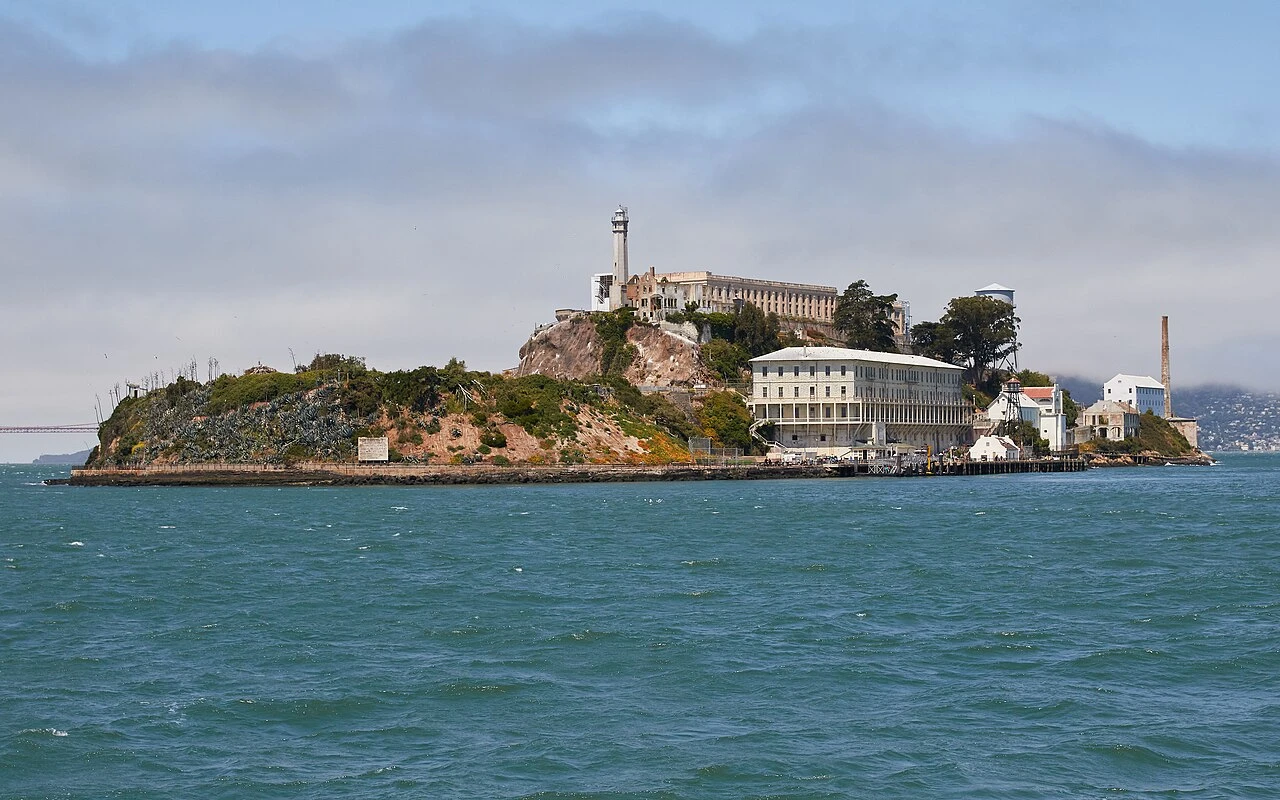
San Francisco
Alcatraz Island, Alcatraz
内容与来源
Photo: Frank Schulenburg · CC BY-SA 4.0
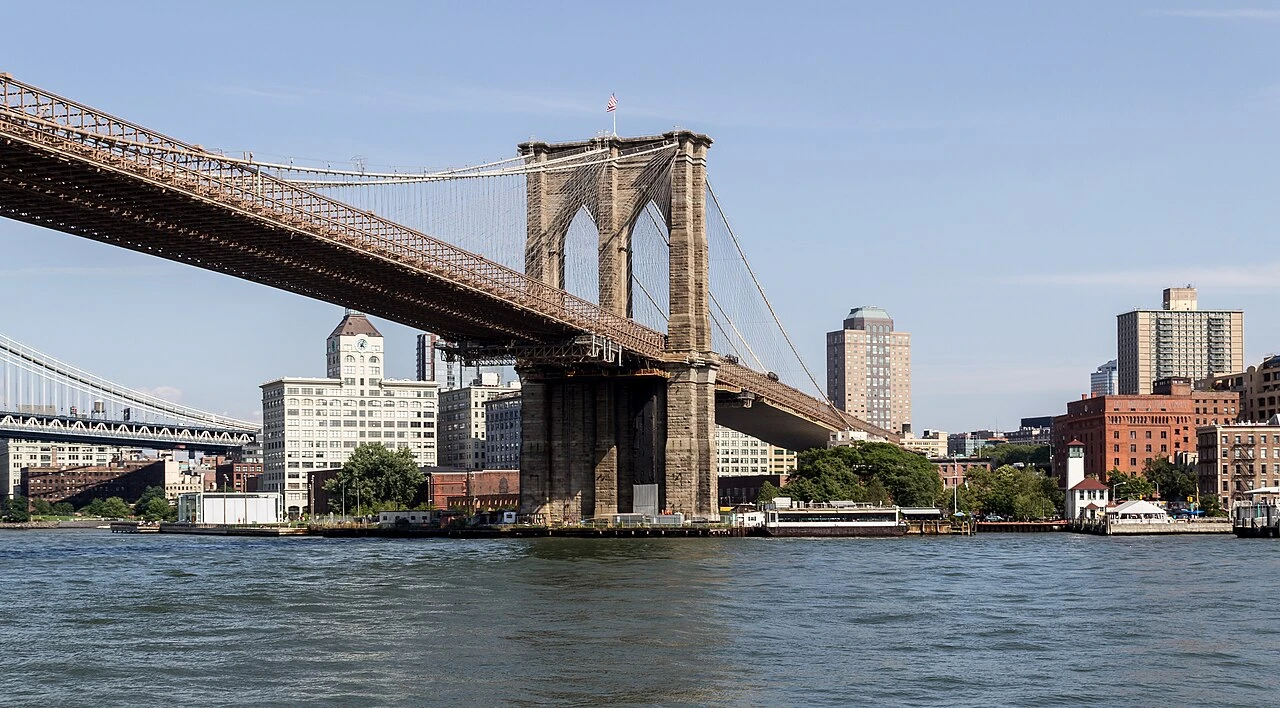
New York
Brooklyn Bridge
内容与来源
Dietmar Rabich · CC BY-SA 4.0
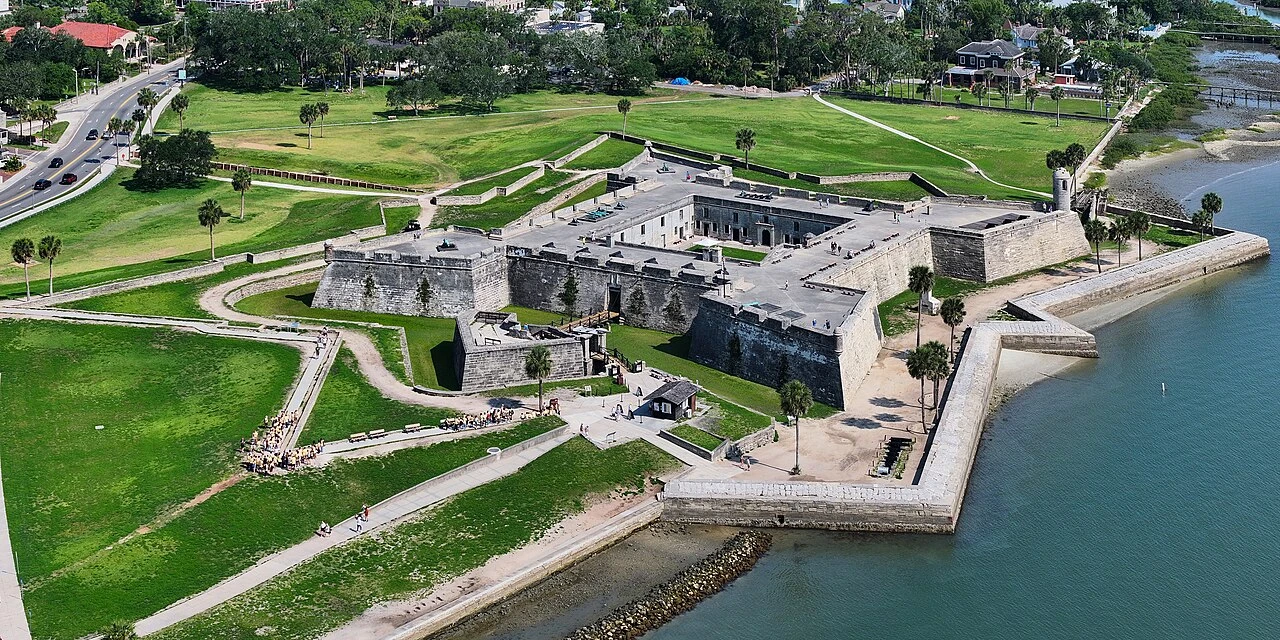
Saint Augustine
Castillo de San Marcos
内容与来源
Photo: Schwerdf · CC BY 4.0