 Stanza / Audio guide
Content & sources
Stanza · Audio guide
Germanisches Nationalmuseum Audio Guide
A place to remember. A story to take with you.
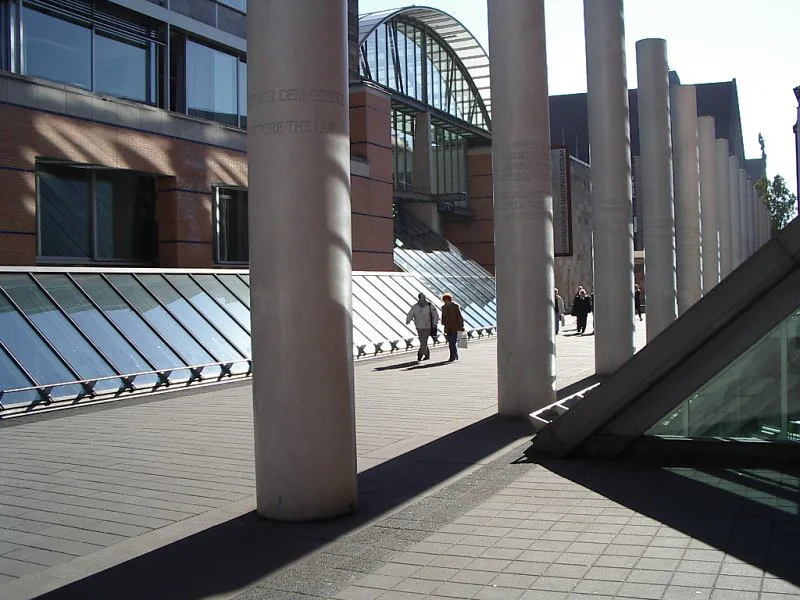
The Germanisches Nationalmuseum is a museum in Nuremberg, Germany. It is Germany's largest museum of cultural history and houses a collection of items relating to German culture and art.
Download Stanza, then search for “Germanisches Nationalmuseum”.
About the tour
One guide. Your kind of visit.
The Germanisches Nationalmuseum is a museum in Nuremberg, Germany. It is Germany's largest museum of cultural history and houses a collection of items relating to German culture and art.
The Germanisches Nationalmuseum guide tells the stories of 54 artworks, including The Rhinoceros (Albrecht Durer), Erdapfel (Martin Behaim, Georg Glockendon), Knight, Death, and the Devil (Albrecht Durer), Codex Aureus of Echternach (Master of Codex Aureus Epternacensis), Germania (Philipp Veit), Lamentation of Christ (Albrecht Durer), Hercules Killing the Stymphalian Birds (Albrecht Durer), and Portrait Diptych of Dürer's Parents (Albrecht Durer). Every artwork is free to hear in the Stanza app until 1 January.
Ready when you are.
- 01Get the free Stanza app.
iOS & Android
- 02Find your guide.
“Germanisches Nationalmuseum”
- 03Download before you go.
Works offline
Audio guide / 54 artworks
Inside the guide
Get to know a few of the stories before you go. Open a stop to read more.
01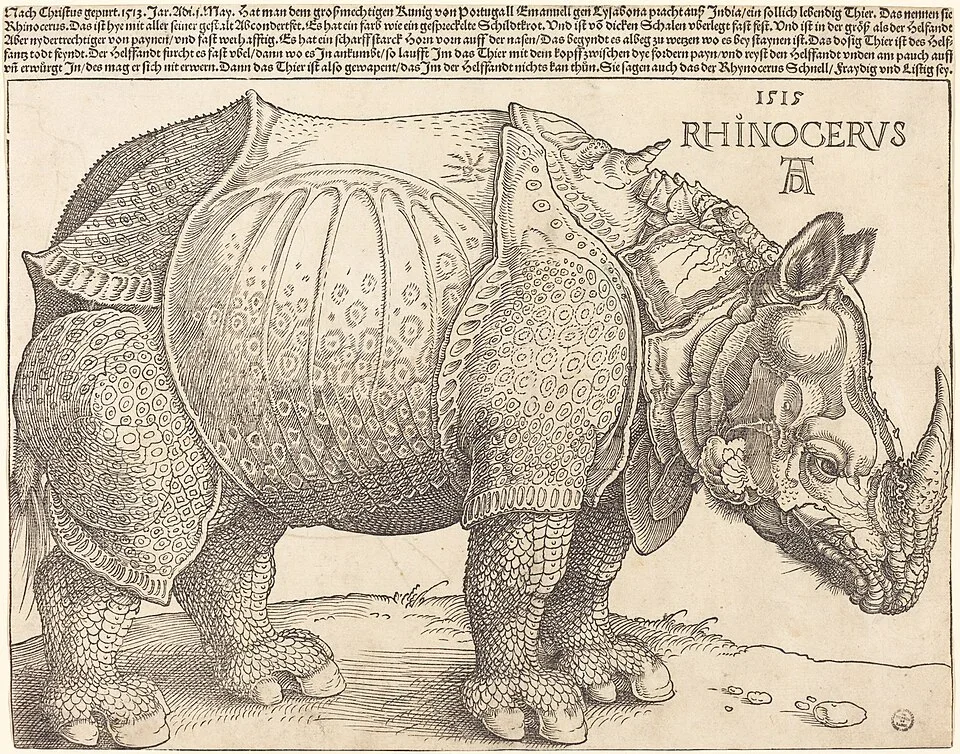
The Rhinoceros
This creature was drawn by a man who never saw one. In Nuremberg, all Dürer had was a letter and a sketch sent from Lisbon, where a living rhinoceros had arrived in 1515. From those he made a drawing, then printed its mirror image. The rest came from his own head. That shows in the details. Hard plates cover its body, fitted together like armor, with rivets along the seams. There is a small twisted horn on its back. The legs are scaly. A real rhinoceros has none of that. The animal was real enough. It had come from India as a gift, passed from the Sultan of Cambay to the Portuguese governor, and on to King Manuel. No rhinoceros had been seen alive in Europe since Roman times. Manuel meant it for the Pope, hoping to win his favour, and had it fitted with a green velvet collar. The ship went down in a storm off the Italian coast. Chained to the deck, the rhinoceros drowned. The print outlived the animal. Copied again and again, it stood as the true picture of a rhinoceros for nearly three centuries. What is still not known is why he covered it in armor.
Listen in the appAlbrecht Dürer · CC0
02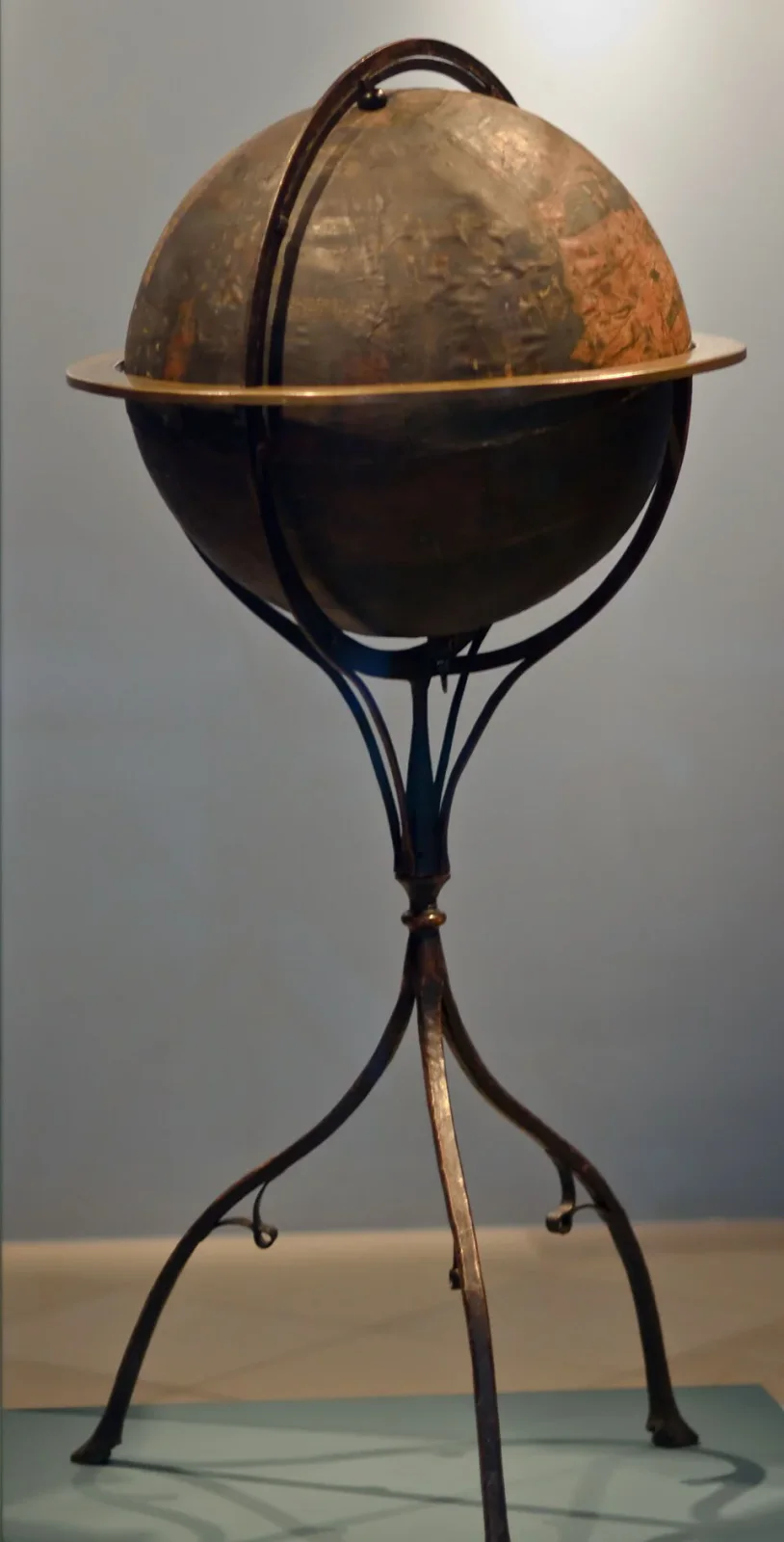
Erdapfel
Nobody knows for certain why this globe was made. Martin Behaim, a Nuremberg merchant and seafarer, seems to have wanted to win other merchants over to the idea of sailing west to reach India. A round world would make that idea feel close enough to touch. Europe and Asia are drawn extra large, with an empty ocean between them. Cipangu, the Japanese islands, is bigger than life and set far south of where it truly lies. The places that spices and other raw materials come from are marked across the surface. The Americas are nowhere on it, because Columbus had not yet returned to Spain. In 2023, the globe was admitted to UNESCO's Memory of the World.
Listen in the appMartin Behaim / Georg Glockendon · CC BY-SA 3.0
03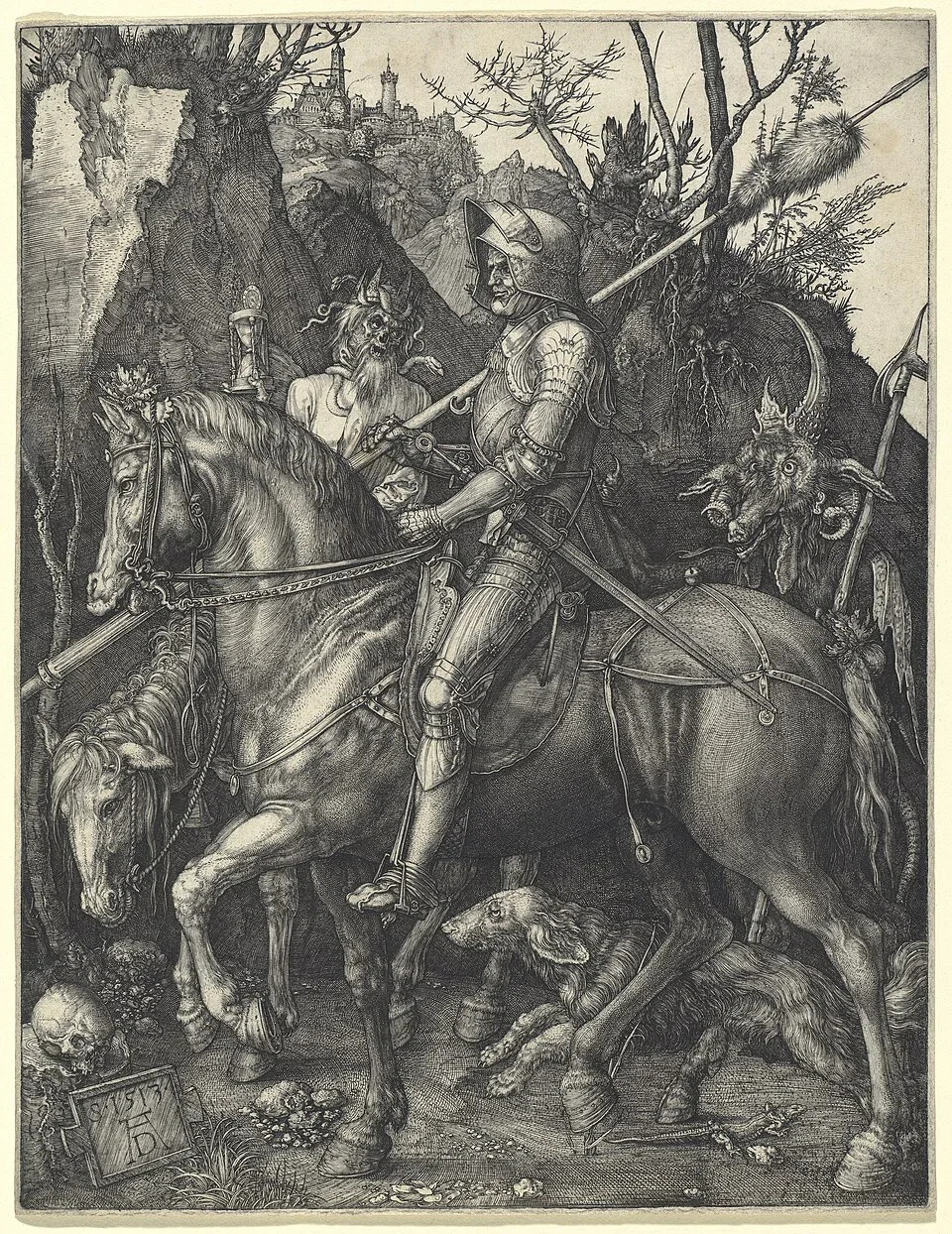
Knight, Death, and the Devil
A man in armour is riding through a narrow gorge, heading for a city on a hill. That city may stand for the Kingdom of Heaven, the place a faithful Christian is trying to reach. His eyes stay fixed on the way ahead, and he does not turn toward the creatures beside him. Death rides a pale horse, with a rotting face and a crown of snakes, and holds an hourglass. Its sand is exactly half full, which may mark a turning point in the choices of his life. A devil with a goat's head is on the other side, and still the knight holds his course. The scene follows a psalm about walking through a dark valley and fearing no evil. Between the two horses a dog runs, and the dog stands for faithfulness to God. Dürer, working for the Emperor Maximilian, made this on his own, and nobody asked him to. A skull lies in the knight's path, a sign that others did not keep to the road. At the bottom left, a small tablet carries an S, standing for Salus, grace, and the year 1513.
Listen in the appAlbrecht Dürer · CC0
04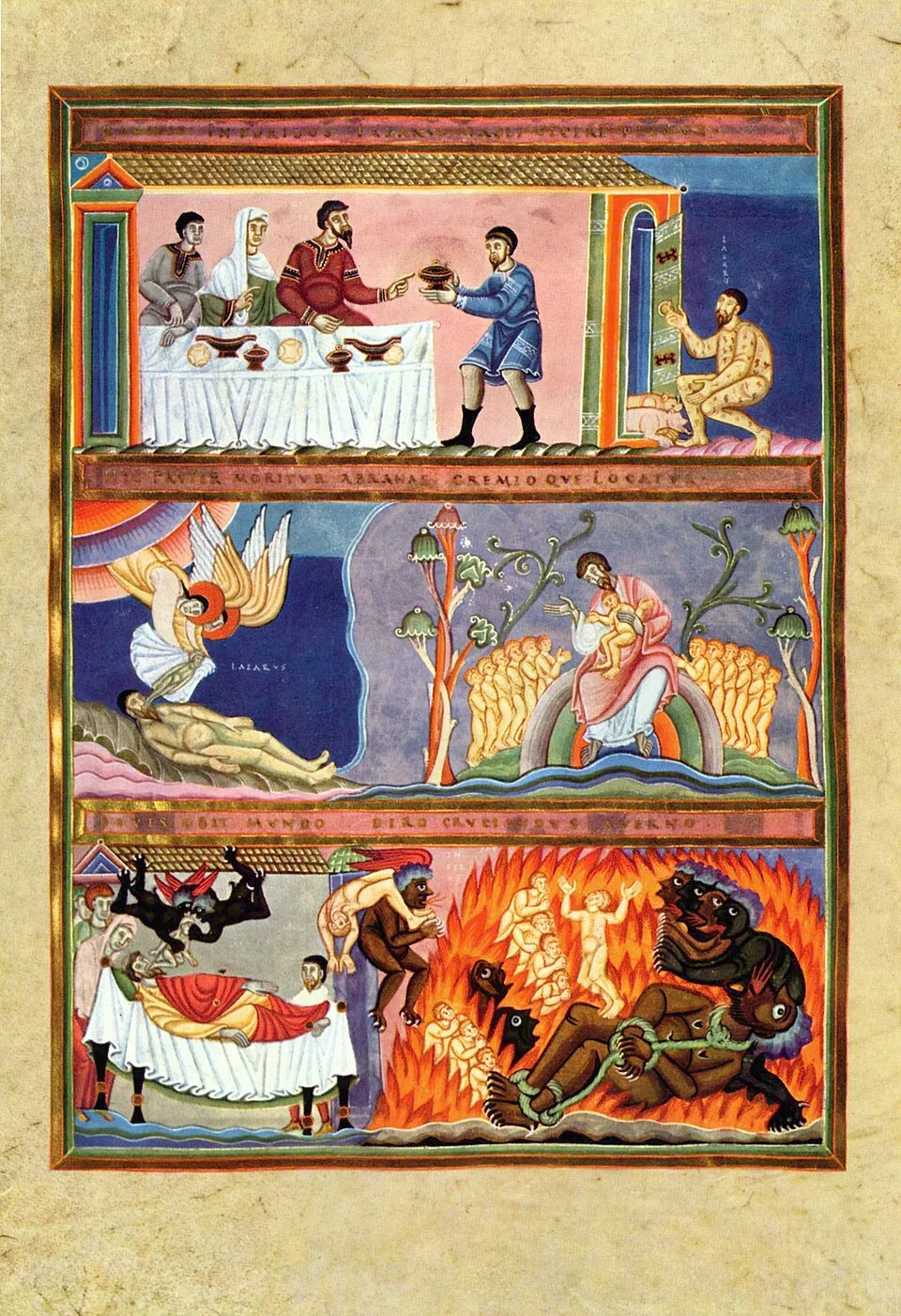
Codex Aureus of Echternach
Down at the very bottom of the front cover, in the lowest compartments, stand a woman and a boy. He is the boy emperor Otto the Third. She is Theophanu, his mother and regent. The cover was their gift. Perhaps it was a thank you. In the summer of 988 Theophanu fell ill at Lake Constance and recovered. She was devoted to Saint Willibrord, and the two hundred and fiftieth anniversary of his death was approaching. The cover was probably made in Trier, in the workshops of Archbishop Egbert. The figures around them point to Echternach too. Mary and Peter stand at the top, the abbey's two patron saints. Willibrord, who founded it, is there among the saints. The cover is about fifty years older than the book it holds. The book was written at Echternach between 1030 and 1050, with every word in gold. Only then was the older cover joined to the pages.
Listen in the appMaster of Codex Aureus Epternacensis · Public domain
05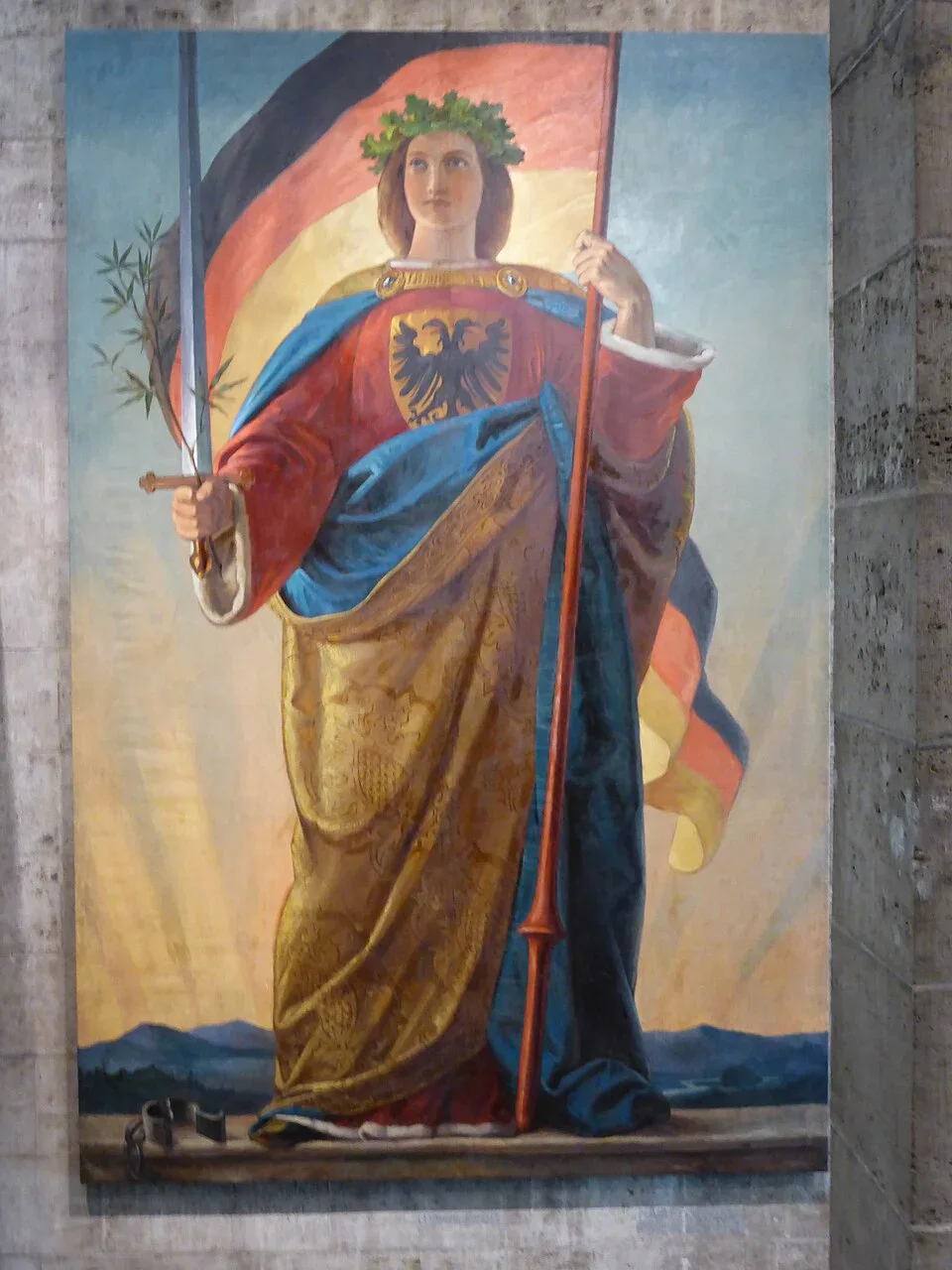
Germania
A woman stands on a stone pedestal high above a shadowy, hilly landscape, lit gold by the rising sun. In one hand she raises a bare sword. The other rests on a medieval lance with a black, red and gold flag. Broken chains lie at her feet. She is Germania, the figure who stands for Germany. It was probably finished at the end of March 1848. Nobody knew yet what form Germany would take. Painted so early, the picture holds back. There is no crown here, no emperor, no call to arms. The sword she lifts is bare, but an olive branch winds around it, peace joined to resolve. The chains at her feet mean freedom, and the sun behind her means a new era. The flag is the black, red and gold of the liberal nationalists of 1848, and it is still Germany's flag. It is attributed to Philipp Veit, who twelve years earlier had painted a seated, melancholy Germania. The painting hung in Saint Paul's Church in Frankfurt, above the lectern, where the National Assembly met, Germany's first national parliament. Members saw it at every session. When the assembly was broken up by force in May 1849, the painting came down. In September 1870 the museum hung it again, for the victories of German troops in the Franco-Prussian War.
Listen in the appAttributed to Philipp Veit · Public domain
06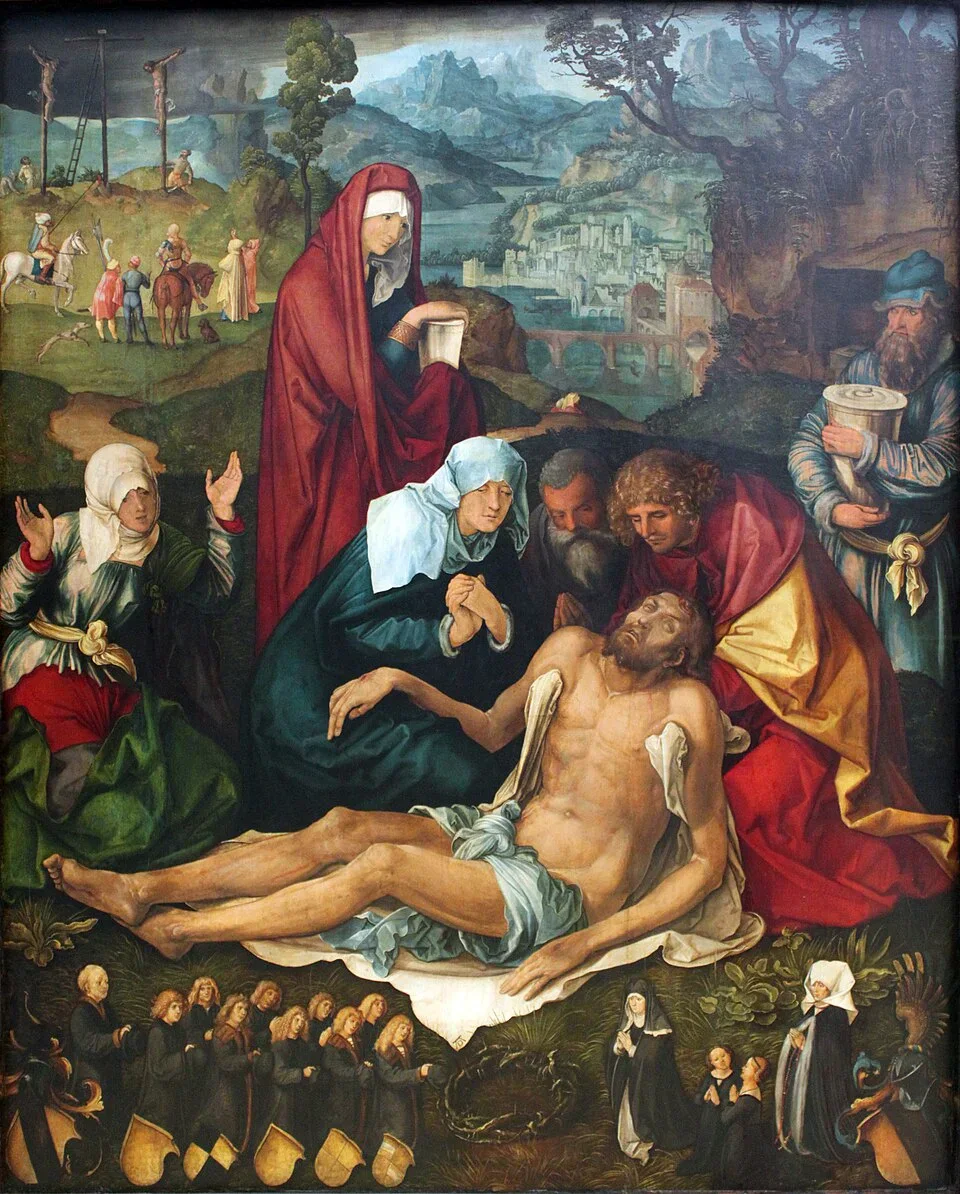
Lamentation of Christ
Christ has only just been taken down from the cross, and John is holding his body. It rests on a white shroud. Mary's hands are crossed as she grieves, and Nicodemus and a pious woman weep with her. Behind them, Mary Magdalene and Joseph of Arimathea stand with pots of balm, ready to anoint the body for burial. Below the group is the crown of thorns. And in one corner of the shroud is a small mark. It looks like Dürer's signature, though it probably is not his. But at the bottom of the picture are figures so small you could pass them by. These are the people who paid for the painting. On the left, Karl Holzschuher stands with his nine sons. On the right, his wife Gertrude kneels with three daughters, and coats of arms lie at their feet. Karl had this made for his family chapel in Sankt Johannis in Nuremberg, to remember his own death.
Listen in the appAlbrecht Dürer · Public domain
07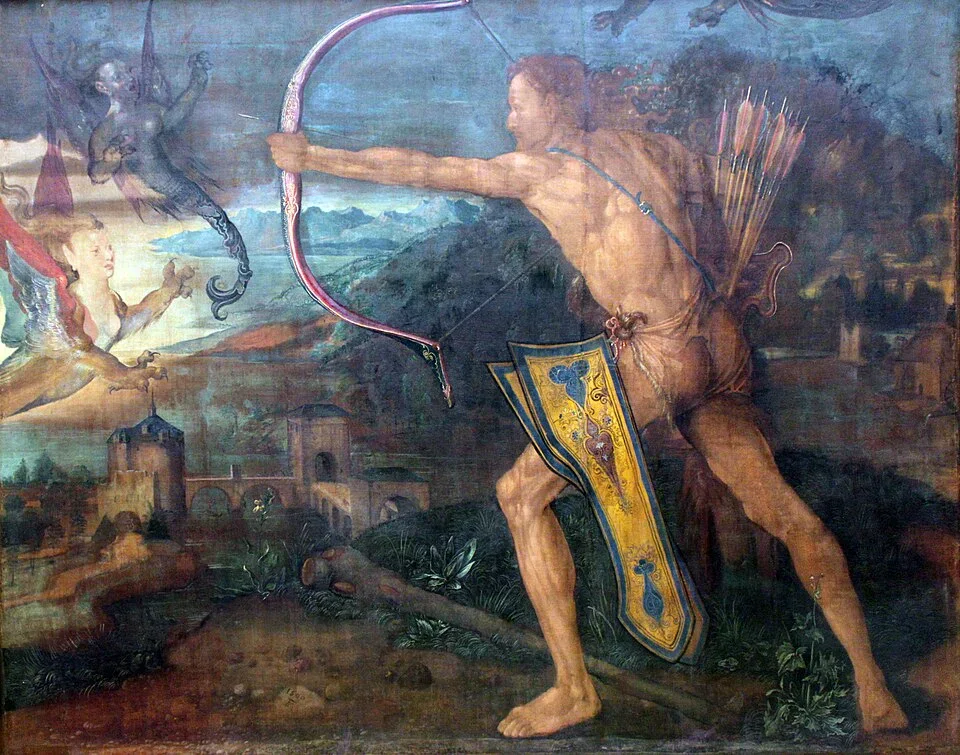
Hercules Killing the Stymphalian Birds
This is Albrecht Dürer's only surviving mythological painting. Hercules occupies the center, bow and arrow ready to shoot two winged monsters. They are harpies, the birds that fed on human flesh, and killing them was one of his twelve labours. The picture was probably painted for Frederick the Wise. It was meant for a room in his castle at Wittenberg, with three other paintings of the Labours of Hercules. Yet even here, he probably built it from other art. His figure of Hercules probably grew out of an Italian print, a Hercules and Deianira by Antonio del Pollaiuolo. The harpies probably come from Dante's description of them as strange hybrid creatures. The landscape follows Italian examples too, its dark palette and brilliant reds there to make the deadly swamps of Lake Stymphalia.
Listen in the appAlbrecht Dürer · Public domain
08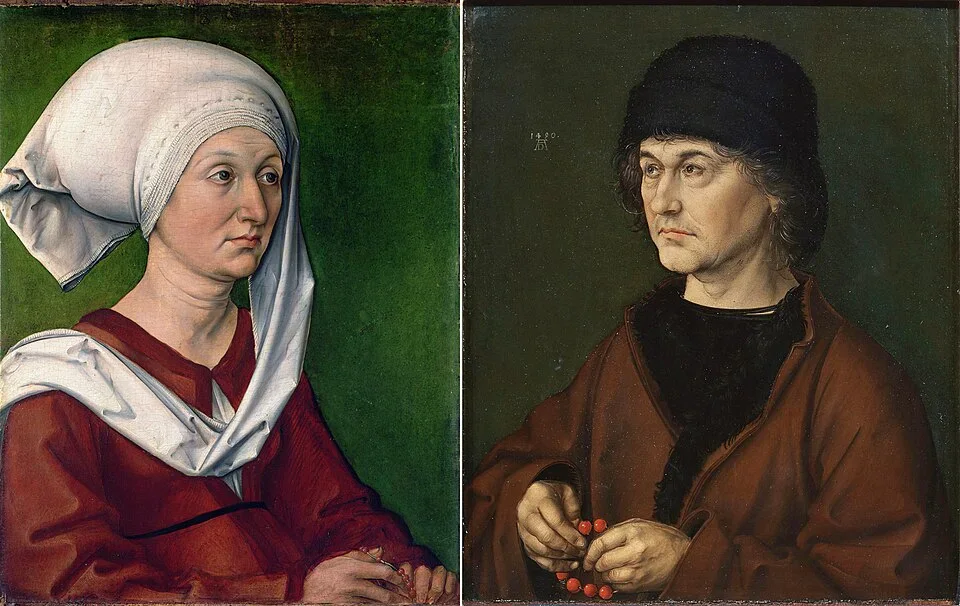
Portrait Diptych of Dürer's Parents
In those days a woman's portrait was expected to follow a set type with age left out. This one keeps every line. Around the eyes, along the bridge of the nose, at the upper lip, each one is touched with a little white paint to catch the light. To paint a woman like that was daring. Her son painted her. He was about eighteen, just out of his apprenticeship, about to set off as a travelling painter. The family was close, and he may have made the panels to show his parents his skill, or to carry with him. The father came first, early in 1490, when the old man was about sixty-three. The mother was painted later, at around thirty-nine. By then seventeen of their eighteen children had been born, and only three would live to be adults. Those losses sit in her face. The rosary on the father is large and glowing red. On the mother it is small and pushed into the background. His gown has a long seam worked down its full length. Hers is barely worked. That taste for close detail came from his father, who had learned it in Flanders. In paired portraits the husband usually sat on the left. Here the father is on the right. Whether the two panels were ever meant to hang together is still not known.
Listen in the appAlbrecht Dürer · Public domain
09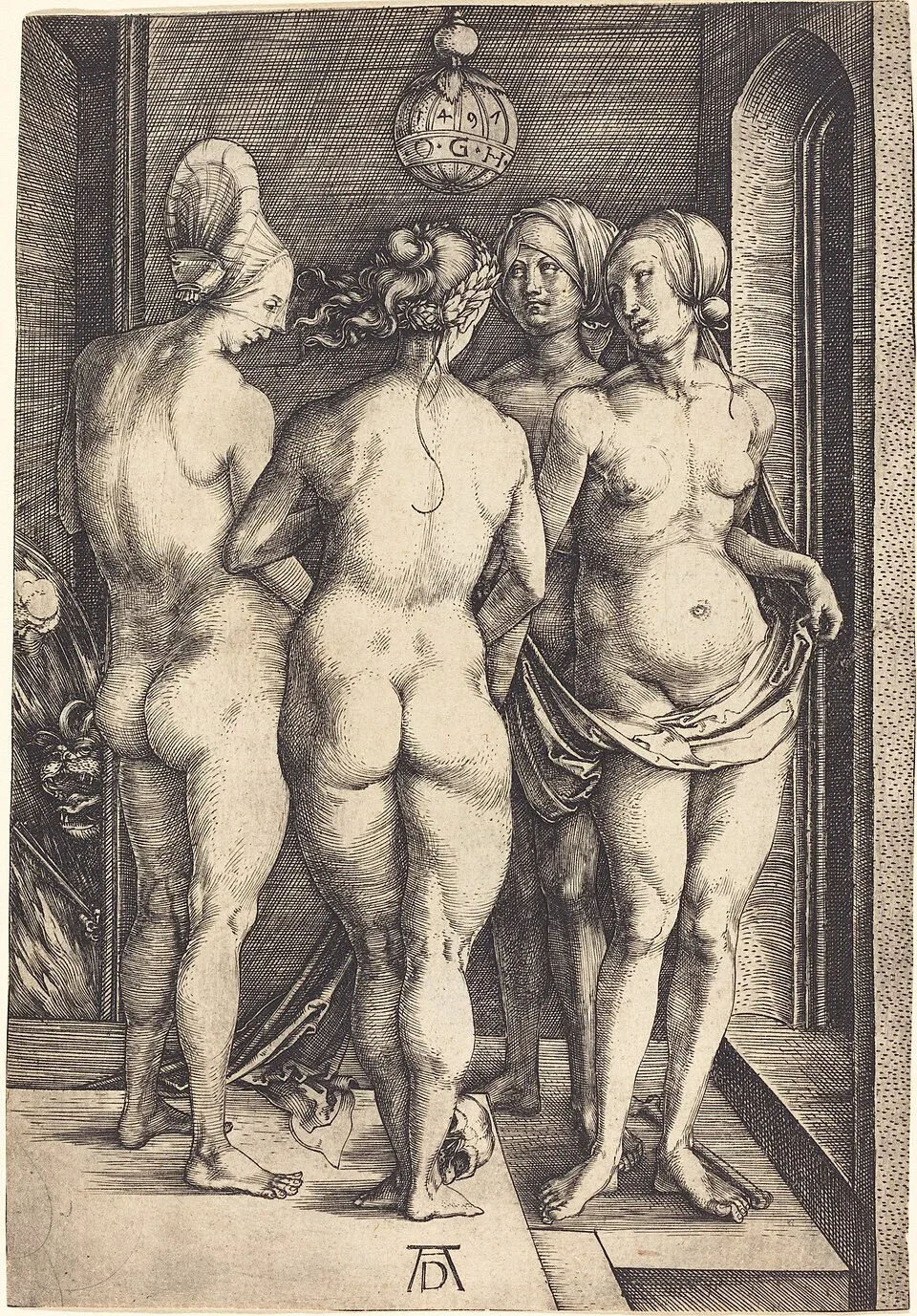
The Four Witches
On the floor by the opening on the right lie a skull and a thigh bone. They may mark that doorway as a gate to death. In the opening opposite, a small horned devil looks out, holding something like a trap for birds. Between the two openings stand four nude women, close together in a small room under a hanging globe. At first they resemble the Three Graces, a group from classical sculpture. But the devil and the bones change what the group means. It may show a girl with a wreath initiated into witchcraft by three older women. Such fears were in print at the time. A handbook for witch hunters came out between 1486 and 1487 and was reprinted again and again. Dürer engraved this in 1497, the only one of his engravings before 1503 that he dated.
Listen in the appAlbrecht Dürer · Public domain
10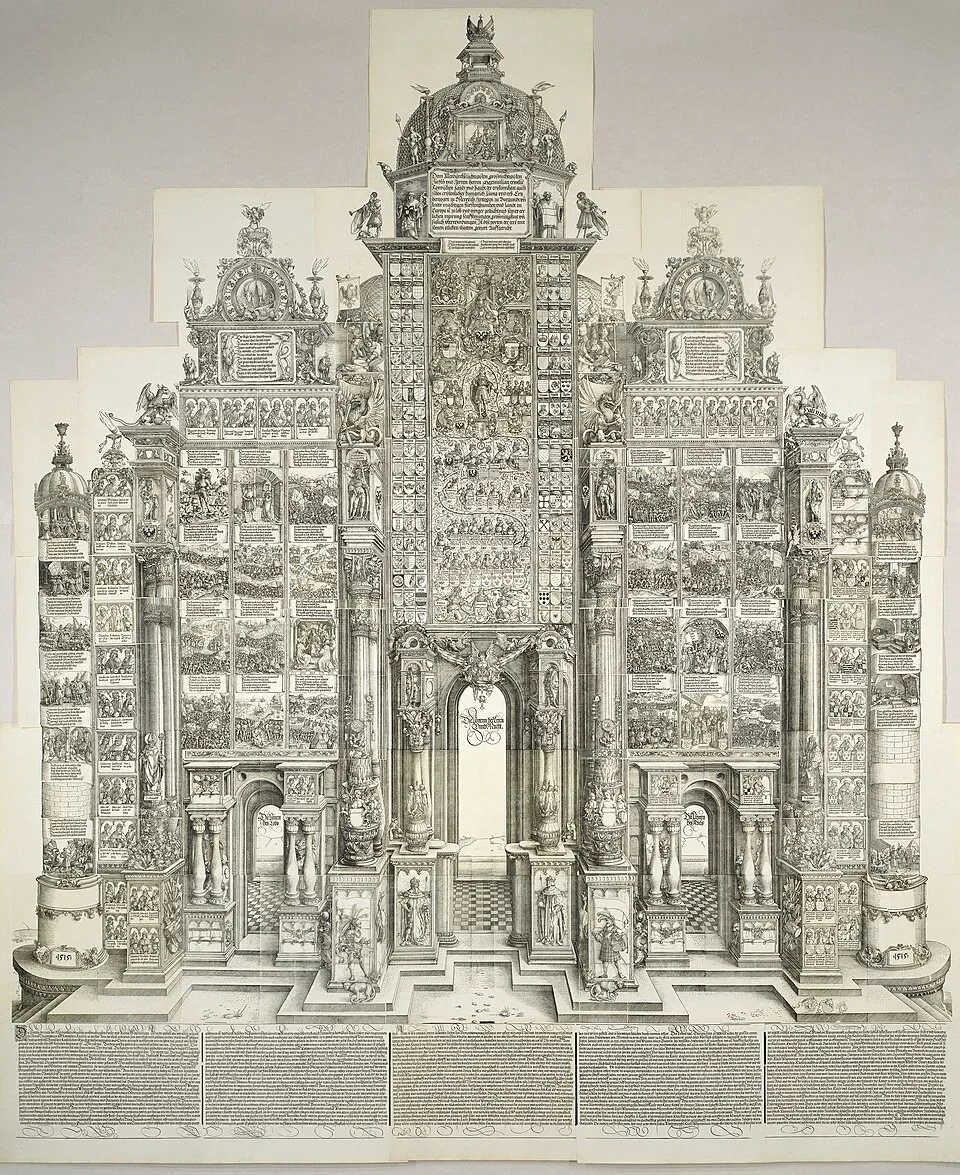
Triumphal Arch
Maximilian wanted a triumphal arch like the ones ancient Rome built for its emperors. He wanted it pasted to the walls of town halls and palaces. His conquests, his generosity and his nobility would be declared across his empire. The design gives him three gateways. The middle one is called Honour and Might. Above it, a family tree runs back to Clovis, first king of the Franks, and on into legendary beginnings. On one side stand busts of emperors and kings, Julius Caesar and Alexander the Great among them. On the other stand his own ancestors. None of it was built in stone. Dürer drew the central designs, working with other artists, and the blocks were cut in wood. Printed out, it ran to nearly two hundred blocks and thirty-six sheets, and stood almost twelve feet high. Maximilian had about seven hundred copies made and gave them to the cities and princes of his empire. Of the three great prints he planned, only this one was finished in his lifetime. One block was left blank. It was meant to show the emperor's tomb.
Listen in the appAlbrecht Dürer · CC0
- 11
Self-portrait with breastplate
Rembrandt · c. 1629
- 12
Portrait of the Nuremberg Painter Michael Wolgemut
Albrecht Durer · 1516
- 13
Battle of the Amazons
Anselm Feuerbach · 1871–1873
- 14
Ardennes Cross
Unknown Artist · c. 825–850
- 15
Portrait of Barbara Holper
Albrecht Durer · c. 1490
- 16
Golden Cone of Ezelsdorf-Buch
Unknown Artist · -949
- 17
Archangel Raphael and Young Tobias
Veit Stoss · 1516
- 18
The Victory of Charlemagne over the Avars near Regensburg
Albrecht Altdorfer · 1518
- 19
Madonna and Child with a Donor
After Jan van Eyck · 1442–1450
- 20
Nemesis
Albrecht Durer · 1501–1503
- 21
The Penance of St. John Chrysostom
Albrecht Durer · 1496–1497
- 22
Kneeling Woman
Wilhelm Lehmbruck · 1911
- 23
Schlüsselfelder Ship
Unknown Artist · 1500
- 24
The Little Fortune
Albrecht Durer · c. 1495–1496
- 25
Witch riding backwards on a goat
Albrecht Durer · c. 1500
- 26
Philipp of Melanchthon
Albrecht Durer · 1526
- 27
Altar of All the Saints
Albrecht Durer · c. 1511
- 28
The Lady Riding and the Landsknecht
Albrecht Durer · c. 1497
- 29
Still Life with a Self-portrait
Pieter Claesz · c. 1628
- 30
The Tower of Babel
Roelant Savery · 1602
- 31
The Abduction on a Unicorn
Albrecht Durer · 1516
- 32
Founder glass Lorenz Tucher
Workshop of Michael Wolgemut · 1484–1485
- 33
Tannenberg handgun
Unknown Artist · 1400
- 34
Woman in the Wind by the Sea
Franz Marc · 1907
- 35
Standing clock of Duke Philip the Good of Burgundy
Unknown Artist · 1430–1440
- 36
Judith with the Head of Holophernes
Hans Baldung Grien · c. 1525
- 37
Bartholomew the Apostle
Master of Nürnberger Apostel · c. 1420
- 38
Rosary with Angels
Unknown Artist · 1488–1489
- 39
Des dodes dantz
Unknown Artist · 1489
- 40
Emperor Charlemagne
Albrecht Durer · c. 1512
- 41
Emperor Sigismund
Albrecht Durer · c. 1512
- 42
Emperor Maximilian I
Albrecht Durer · 1519
- 43
Five Soldiers and a Turk on Horseback
Albrecht Durer · c. 1495
- 44
Saint George on Horseback
Albrecht Durer · 1505–1508
- 45
The Virgin with a Starry Crown
Albrecht Durer · 1508
- 46
Saint Bartholomew
Albrecht Durer · 1523
- 47
Saint Simon
Albrecht Durer · 1523
- 48
Saint Philip
Albrecht Durer · 1523–1526
- 49
The Angel with the Sudarium
Albrecht Durer · 1516
- 50
Saint John eating the book
Albrecht Durer · 1497–1498
- 51
The Whore of Babylon
Albrecht Durer · 1497–1498
- 52
Portrait of a Legal Scholar, probably Stephan Reuss, Rector of the University of Vienna
Lucas Cranach the Elder · 1503
- 53
Canon Count Georg of Lowenstein
Hans Pleydenwurff · c. 1457
- 54
Rest on the Flight to Egypt
Hans Baldung Grien · c. 1514
Germanisches Nationalmuseum
Frequently asked questions
How much does the guide cost?
Free app download. Free until 1 January. Listed guide price: $1.99. Audio guide only. Venue admission is separate.
Can I listen without internet?
Yes. Download the guide’s audio, images, and maps in the app before your visit. Your downloaded content is then available offline.
Can I listen in my language?
In English for now. More languages soon.
Do I need to follow a schedule?
No. This is a self-guided experience. Choose your stops, pause whenever you like, and return to a story at your own pace.
Which artworks are in the Germanisches Nationalmuseum audio guide?
54 artworks, including The Rhinoceros (Albrecht Durer), Erdapfel (Martin Behaim, Georg Glockendon), Knight, Death, and the Devil (Albrecht Durer), Codex Aureus of Echternach (Master of Codex Aureus Epternacensis), Germania (Philipp Veit), Lamentation of Christ (Albrecht Durer), Hercules Killing the Stymphalian Birds (Albrecht Durer), and Portrait Diptych of Dürer's Parents (Albrecht Durer). The full list is on this page.
Is this the museum’s official audio guide?
No. Stanza is an independent audio guide app and is not affiliated with Germanisches Nationalmuseum. Museum admission is separate.
At your own pace
Explore Germanisches Nationalmuseum.
Download Stanza, then search for “Germanisches Nationalmuseum”.
Free app download · Guide price shown in the app
Keep exploring
Nearby audio guides
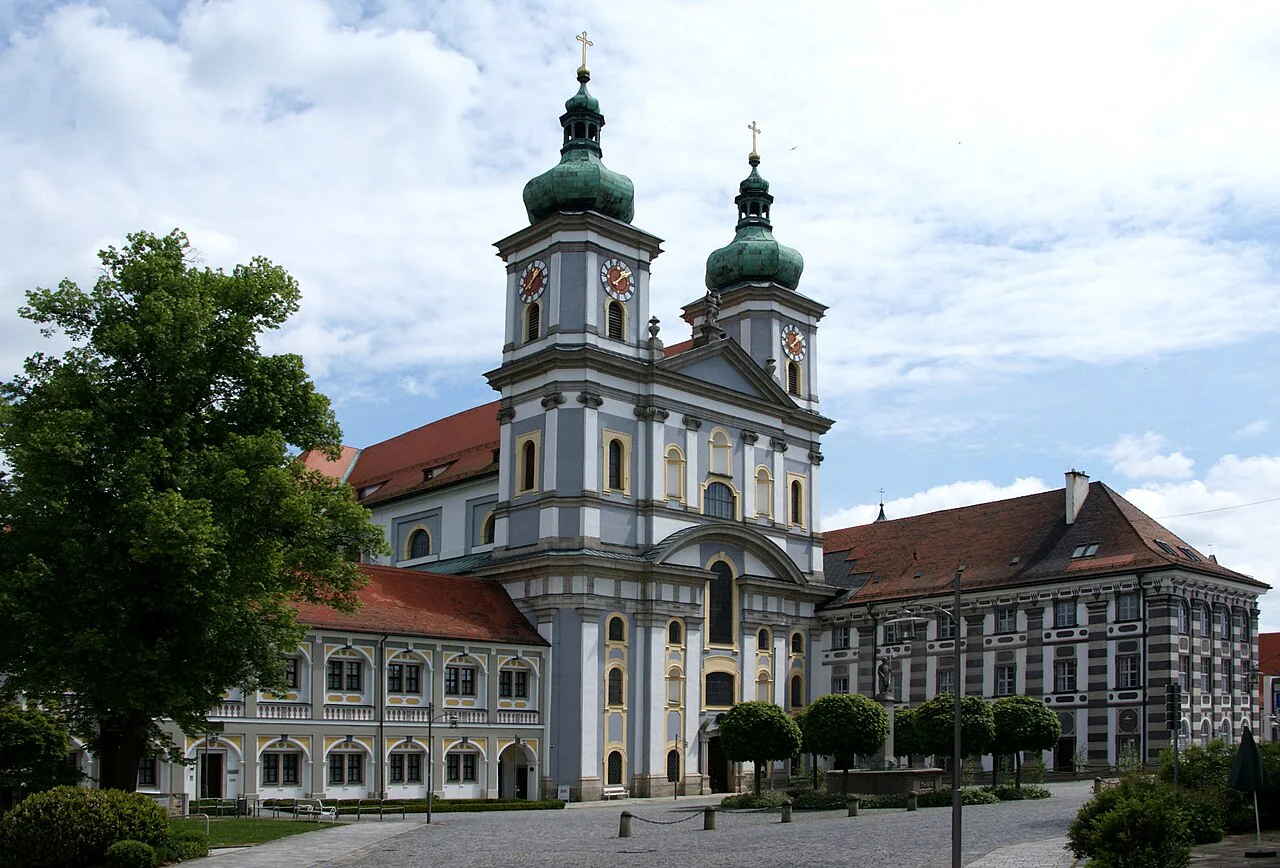
Waldsassen · 108 km
Kloster Waldsassen
Content & sources
Aconcagua (talk) · CC BY-SA 3.0
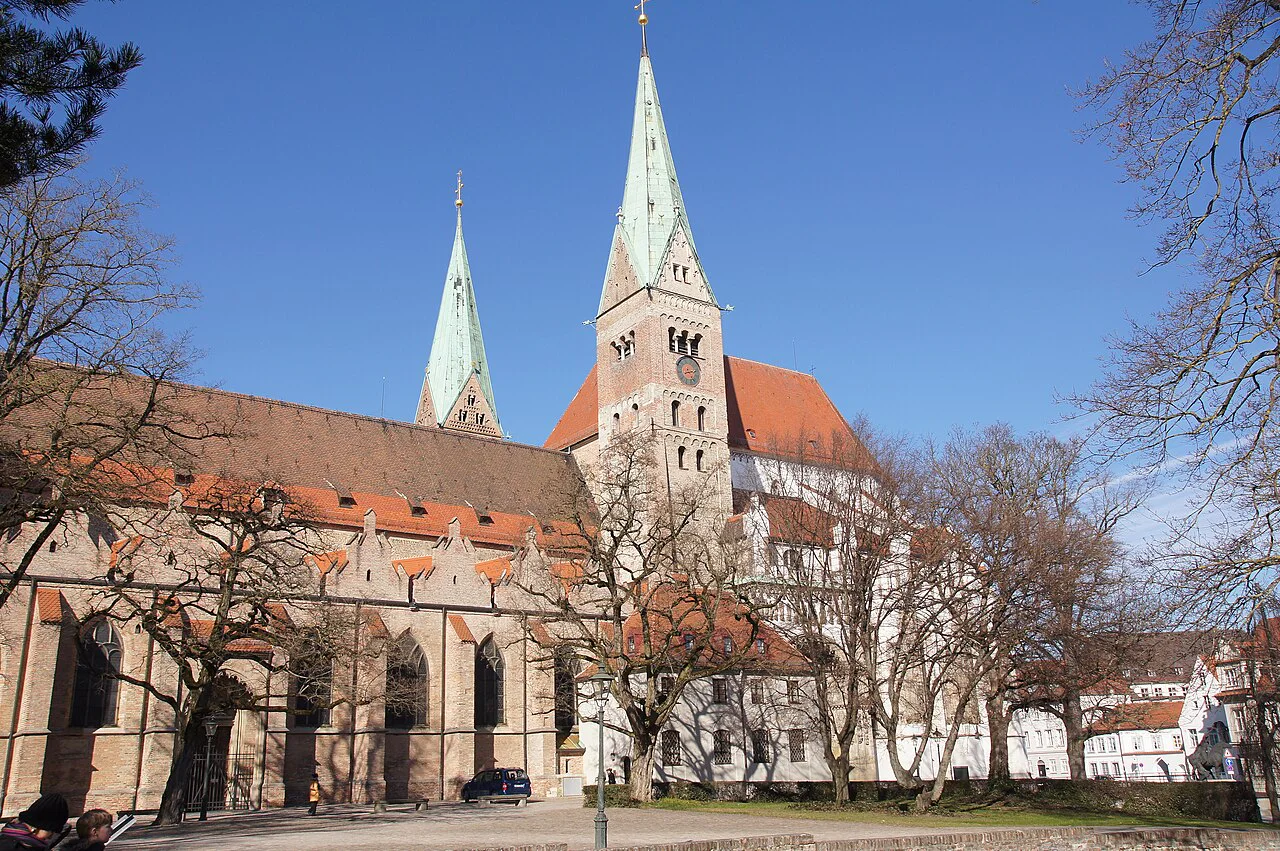
Augsburg · 120 km
Augsburger Dom
Content & sources
Allie_Caulfield from Germany · CC BY 2.0
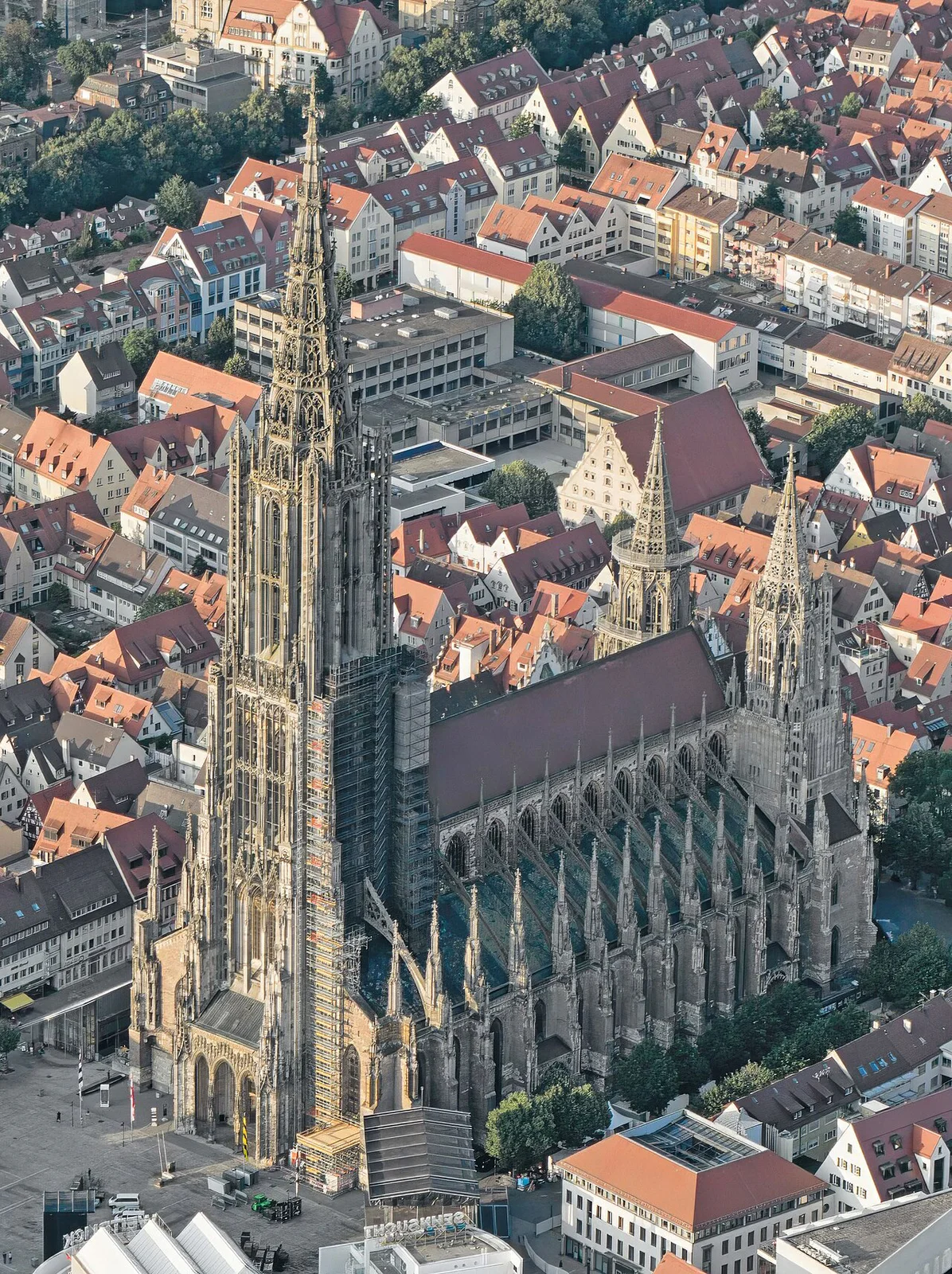
Ulm · 141 km
Ulmer Münster
Content & sources
Armin Appel · CC0
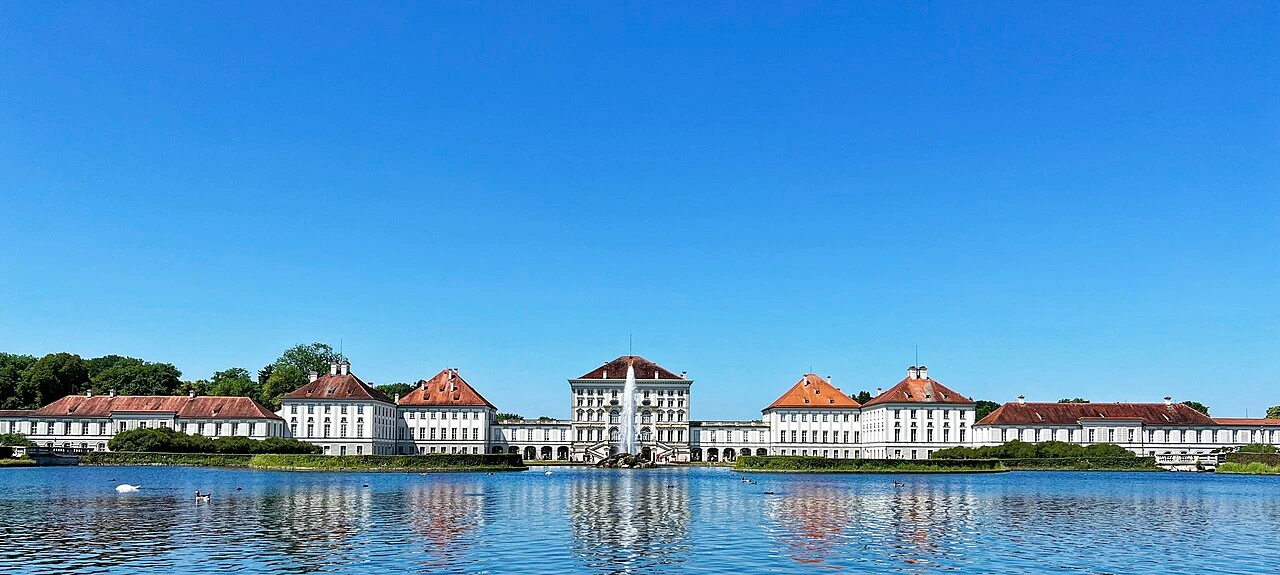
Munich · 147 km
Nymphenburg Palace
Content & sources
Burkhard Mücke · CC BY-SA 4.0
Art museums
More art museum audio guides
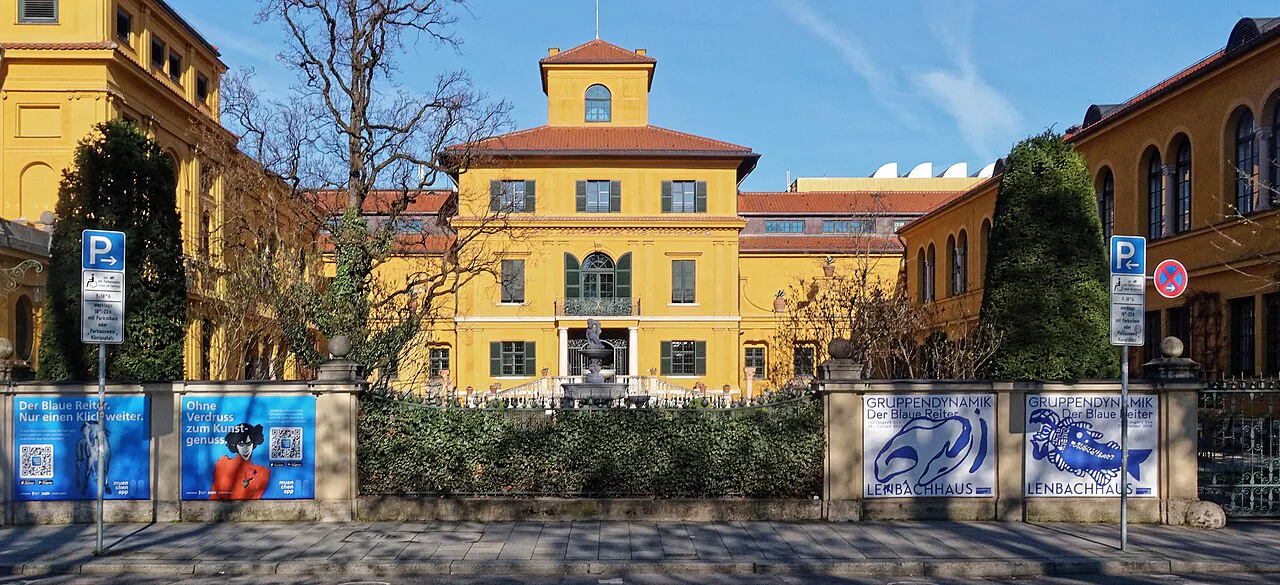
Munich · 33 artworks
Städtische Galerie im Lenbachhaus
Content & sources
Burkhard Mücke · CC BY-SA 4.0
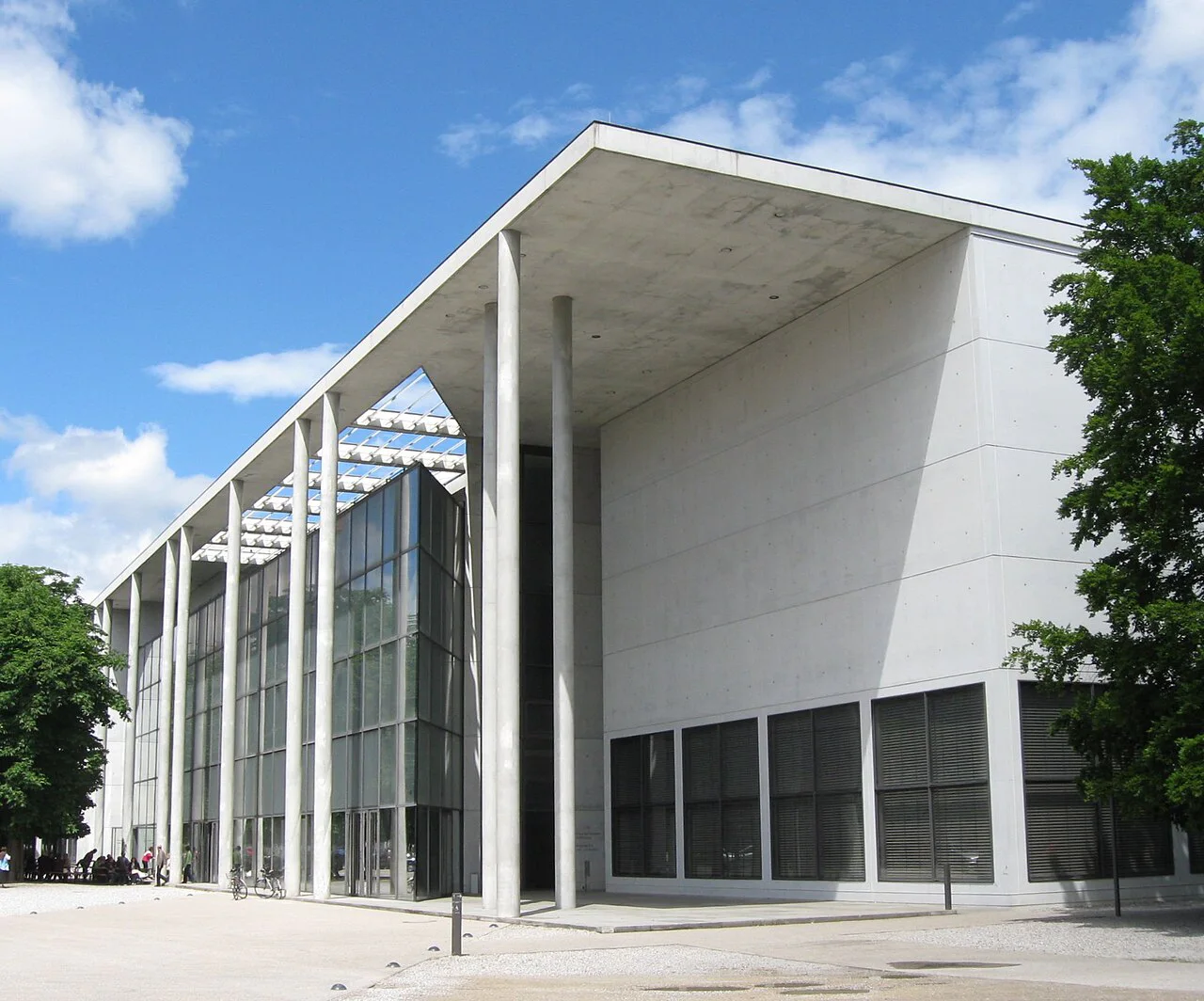
Munich · 6 artworks
Pinakothek der Moderne
Content & sources
Photo: Rufus46 · CC BY-SA 3.0
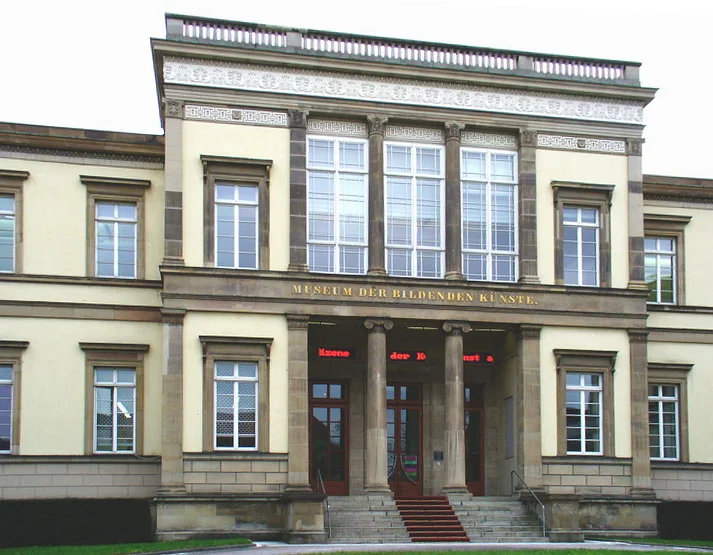
Stuttgart · 43 artworks
Staatsgalerie Stuttgart
Content & sources
Selbst fotografiert von user:Enslin · CC BY 2.5
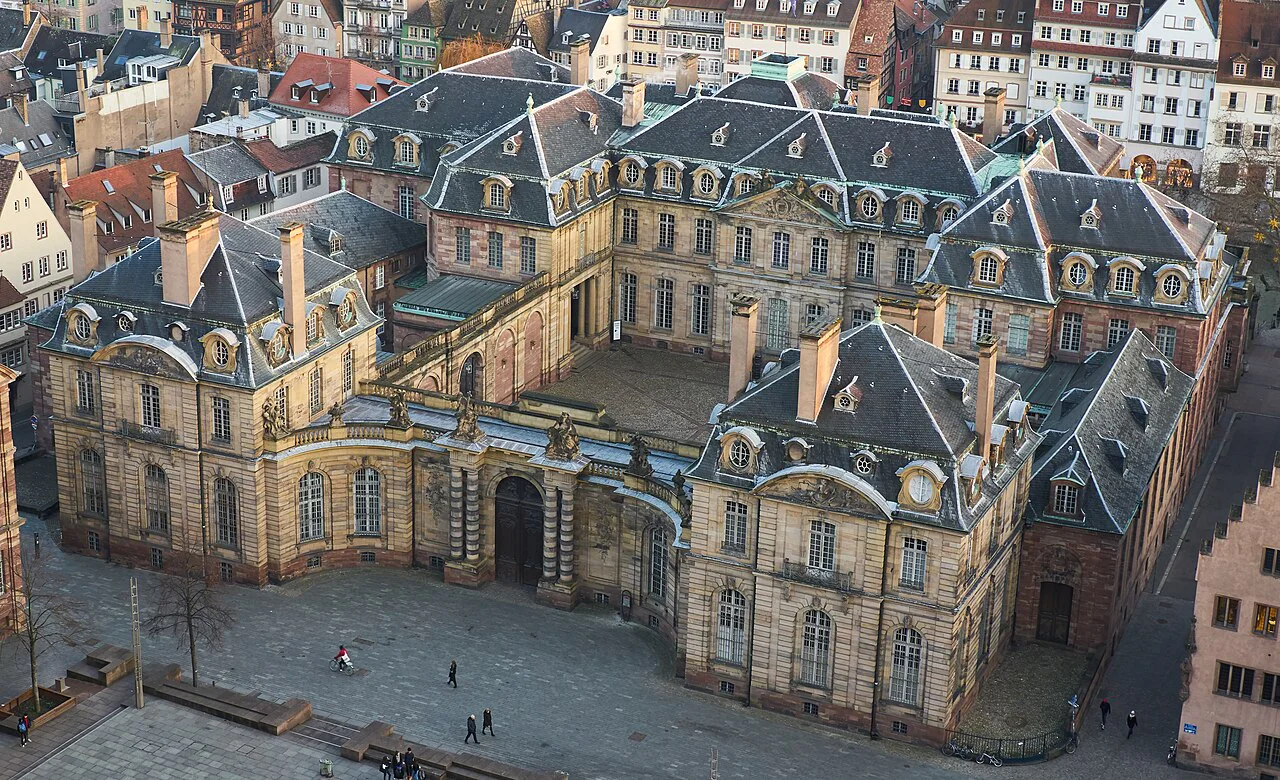
Strasbourg · 92 artworks
Musée des Beaux-Arts de Strasbourg
Content & sources
Radek Kucharski · CC BY 2.0
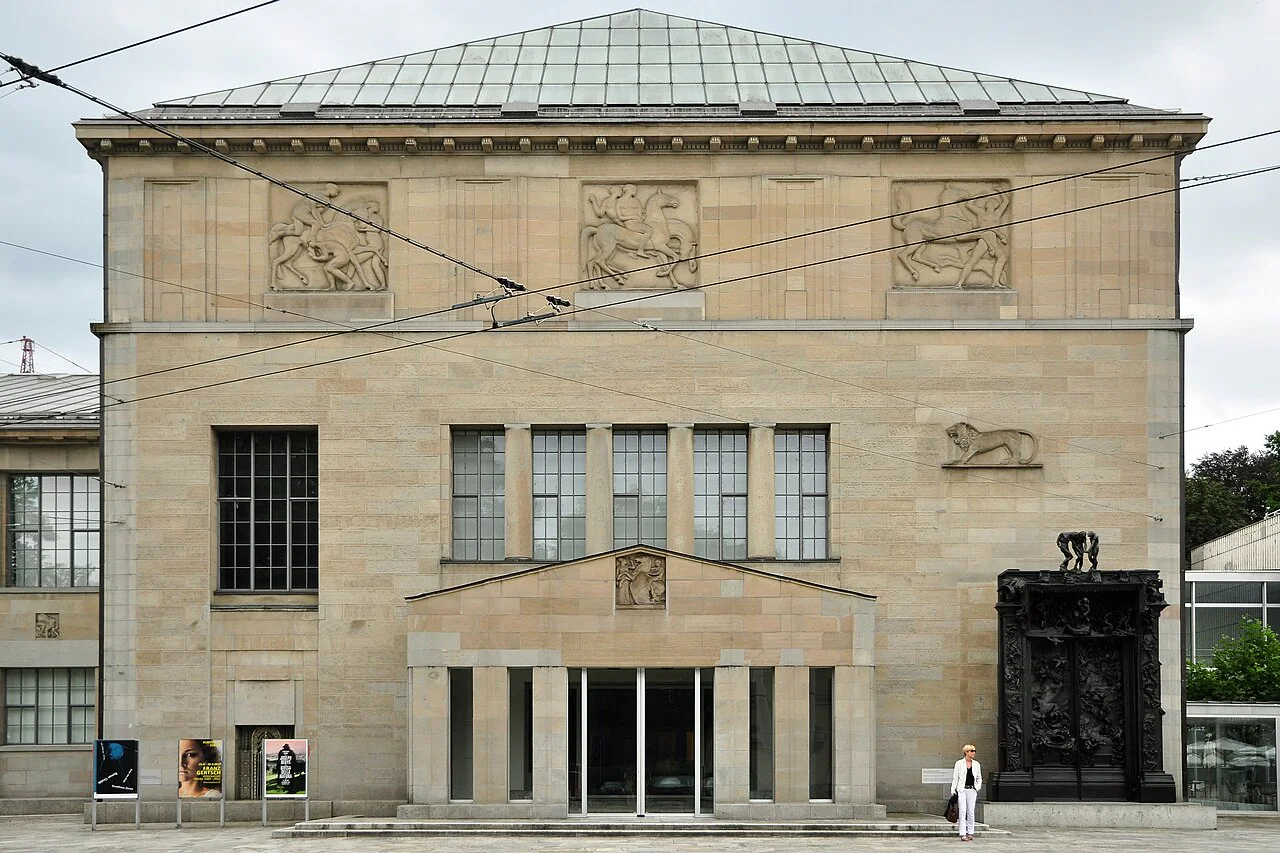
Zurich · 44 artworks
Kunsthaus Zürich
Content & sources
Photo: Roland zh · CC BY-SA 3.0
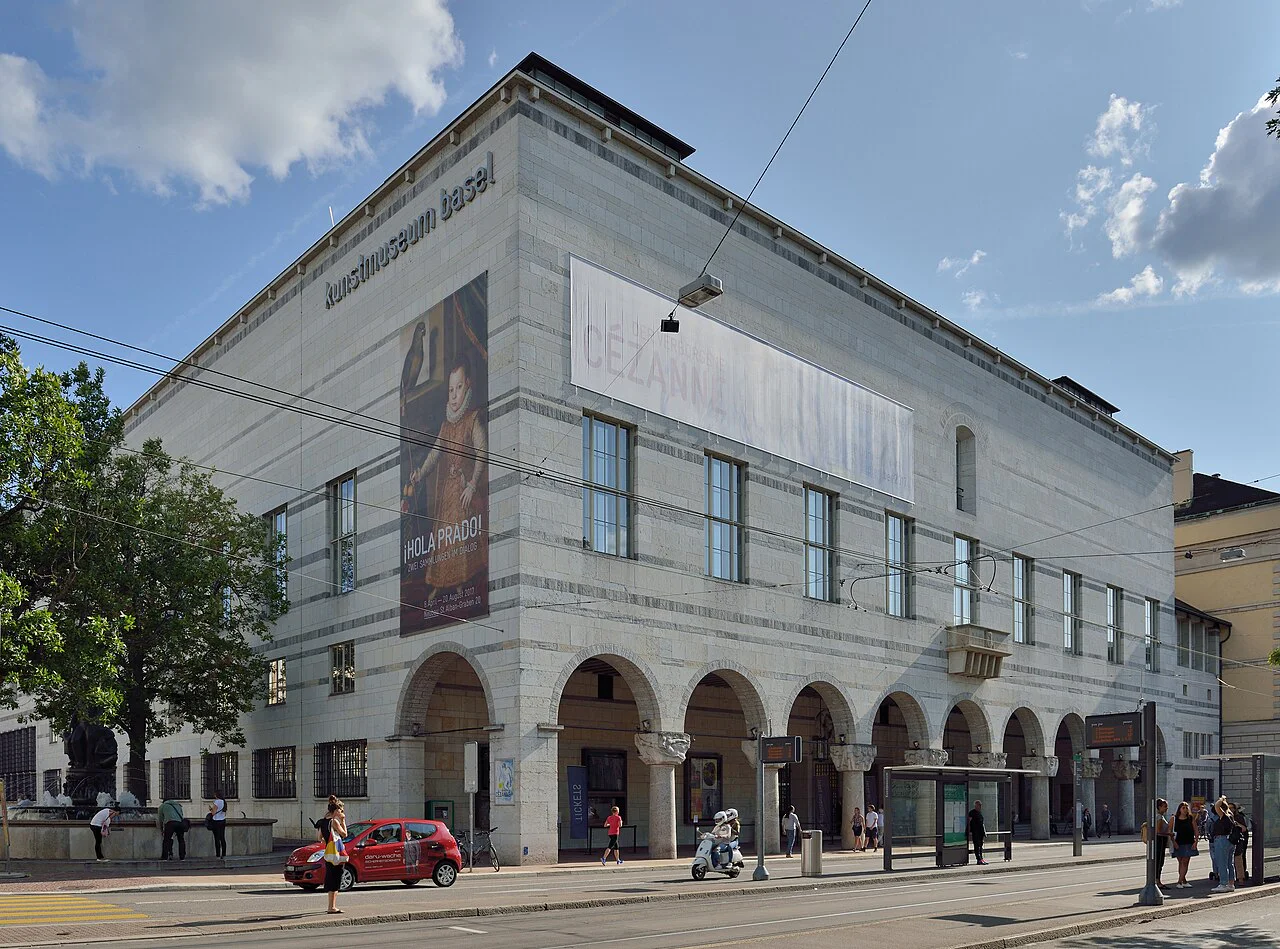
Basel · 61 artworks
Kunstmuseum Basel
Content & sources
Wladyslaw Sojka · FAL