Stanza · Audio guide
Αρχαία Στάγειρα Audio Guide
A place to remember. A story to take with you.
Stagira was an ancient Greek city located near the eastern coast of the peninsula of Chalkidice. It is chiefly known for being the birthplace of the philosopher Aristotle.
Download Stanza, then search for “Αρχαία Στάγειρα”.
About the tour
One guide. Your kind of visit.
Stagira was an ancient Greek city located near the eastern coast of the peninsula of Chalkidice. It is chiefly known for being the birthplace of the philosopher Aristotle.
Ready when you are.
- 01Get the free Stanza app.
iOS & Android
- 02Find your guide.
“Αρχαία Στάγειρα”
- 03Download before you go.
Works offline
Audio guide / 11 narrated stops
Inside the guide
Get to know a few of the stories before you go. Open a stop to read more.
01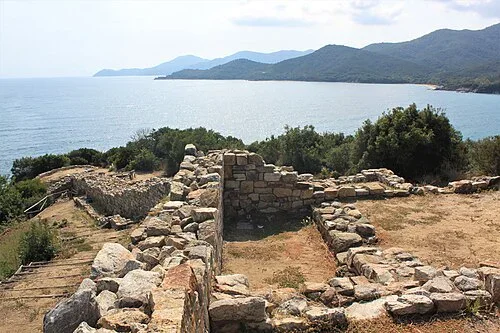 Peninsula Approach and Seaward Fortifications
Ancient Stageira and Its Bay
Welcome to Stageira, an ancient Greek colony near the eastern coast of Chalkidiki, in northern Greece. The city stood on a peninsula, beside the modern town of Olympiada. Ionian settlers from Andros founded it in 655 BC. It is best known as the birthplace of Aristotle, the philosopher, who was born here in 384 BC. The low walls in the foreground are the ruins of that city, and beyond them the sea opens out toward a line of wooded hills. It was the Danish archaeologist Karl Frederik Kinch who identified the site in 1886, working from ancient descriptions of the city.
Photo: Iolchos07 · CC BY-SA 4.0
02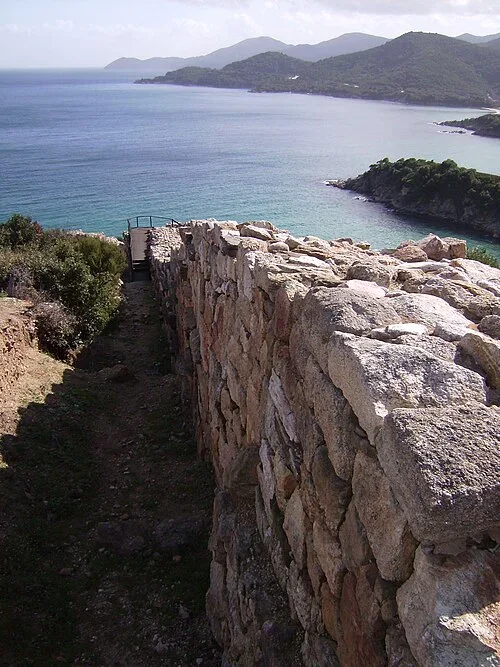 Peninsula Approach and Seaward Fortifications
Coastal Fortification Wall Above the Bay
The people of Stageira switched sides in 424 BC, in the middle of the Peloponnesian War. Since the Persian Wars, their city had belonged to the alliance led by Athens and had paid into its common treasury. Now they joined Sparta instead. Athens was angered by the move. The Athenian general Cleon, a controversial figure, hurried to besiege the city in 422 BC, but the siege brought no result. Cleon himself died later that same year, at the battle of Amphipolis. Stageira stayed on Sparta's side for the rest of the war. Walls like this one, along the cliff above the bay, were the kind of defence a siege like Cleon's would have tested. In 1995, restoration work was carried out on the city's fortification and its acropolis.
Photo: Teodoreh1 · CC BY-SA 4.0
03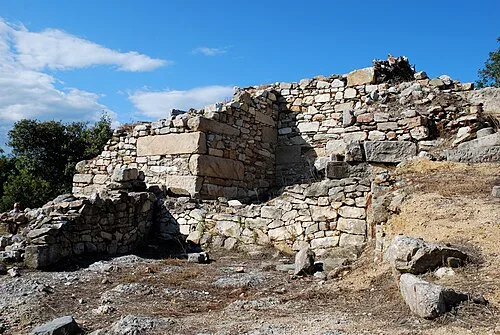 Philip II's Late Classical Fortress Walls
A Section of the City Wall
In 348 BC Philip the Second of Macedon occupied Stageira and destroyed it. Later he rebuilt the city, in return for Aristotle's tutoring of Philip's son, Alexander. He also resettled the old inhabitants, and many new structures went up, including an aqueduct. Parts of this wall could belong to that rebuilding. Its base is made of a few squared blocks, with smaller stones set among rubble above them. The masonry alone does not show who built it.
Listen in the appJean Housen · CC BY-SA 4.0
04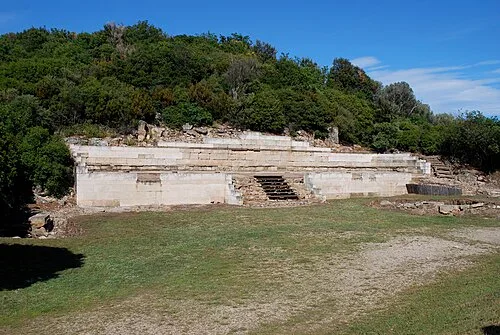 The Civic Agora and Classical Stoa
Stepped Platform with a Central Stair
By tradition, Aristotle was buried in a square in Stageira. After the burial, that square was set aside as the meeting place of the council, known as the boule. Here, a long base of pale stone rises in tiers, with a central flight of steps. Some describe such a base as a civic stoa, a colonnaded hall for public business. Whether this platform stood on that square is not certain.
Listen in the appJean Housen · CC BY-SA 4.0
05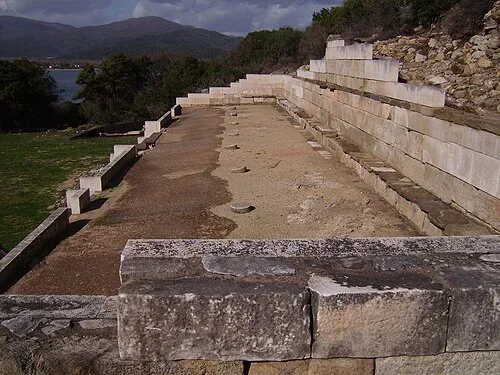 The Civic Agora and Classical Stoa
The Stoa Walkway
A stoa was a long, roofed colonnade, a place for walking and meeting. Here a level walking surface runs beside a row of stepped stone blocks. If this is part of a stoa, a raised stone base like this would have carried the walkway and the colonnade above it. Low stone blocks line the edge, and at the far end the sea shows between the hills.
Listen in the appPhoto: Teodoreh1 · CC BY-SA 4.0
06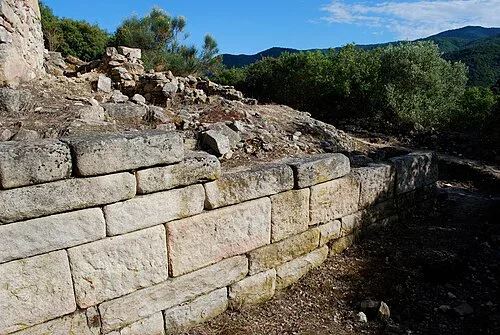 The Archaic Temple Sanctuary
Sanctuary Wall on the Hillside
Sanctuaries of Demeter, the goddess of grain, were typical features of Greek cities. When the city was rebuilt after Philip's destruction, two shrines to Demeter were among the new buildings. Here, large squared blocks form the base of the wall, laid in level rows. Above them, rougher stones and rubble climb toward a broken top. The wall may have enclosed a sacred space. Whether it belonged to one of those shrines, or to another building, is still unclear.
Listen in the appJean Housen · CC BY-SA 4.0
07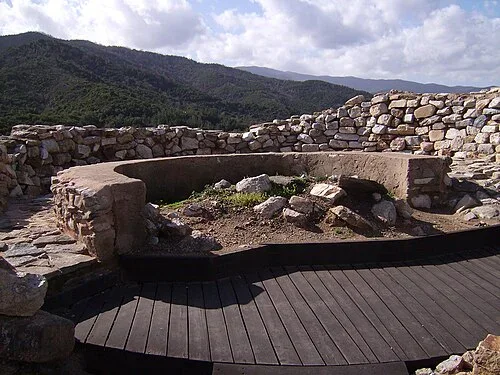 The Tomb-Heroon of Aristotle
Curved Stone Platform
Aristotle died in Chalcis in 322 BC, of a stomach illness, in sorrow and low spirits. Tradition holds that his body was brought back to Stageira with exceptional honours. His fellow citizens named him the city's founder, the oikistes, the word for the leader who founds a colony. They built an altar over his tomb and began a festival in his honour, the Aristoteleia. They also named one of their months after him. This curved platform could have been a setting for such honours, but nothing visible here is a tomb or an altar.
Listen in the appPhoto: Teodoreh1 · CC BY-SA 4.0
08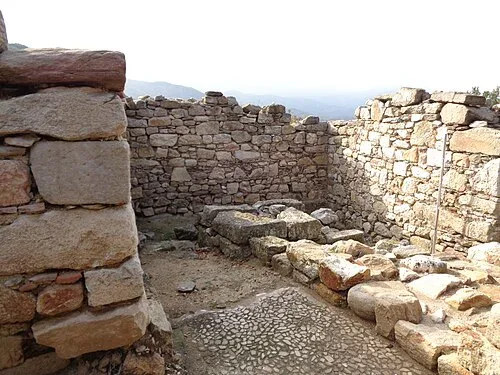 The Tomb-Heroon of Aristotle
The Proposed Tomb of Aristotle
Kostas Sismanidis led the systematic excavation of Stageira. The excavation began in 1990. It ran until 2000. This building was first discussed in 1996, at an archaeological conference, under the title 'A Problematic Building.' Twenty years later, at a world congress in Thessaloniki, Sismanidis argued that the building was Aristotle's tomb-heroon. A heroon was a shrine built to honour a hero, and in this claim the hero is Aristotle. He said he had explored other possibilities first, and that there are now strong indications for this one. The enclosure here has a floor of small stones set in a pattern, with low walls around it. Stones alone cannot settle the question.
Listen in the appDimitris Siskopoulos · CC BY 2.0
09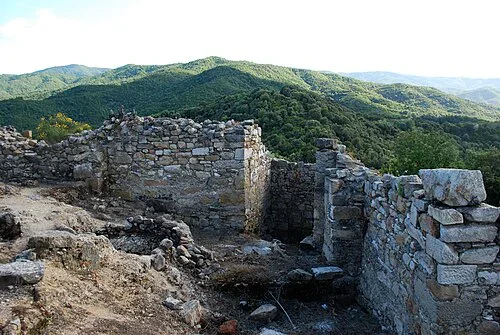 Hellenistic Residential Quarter
Houses on the Hillside
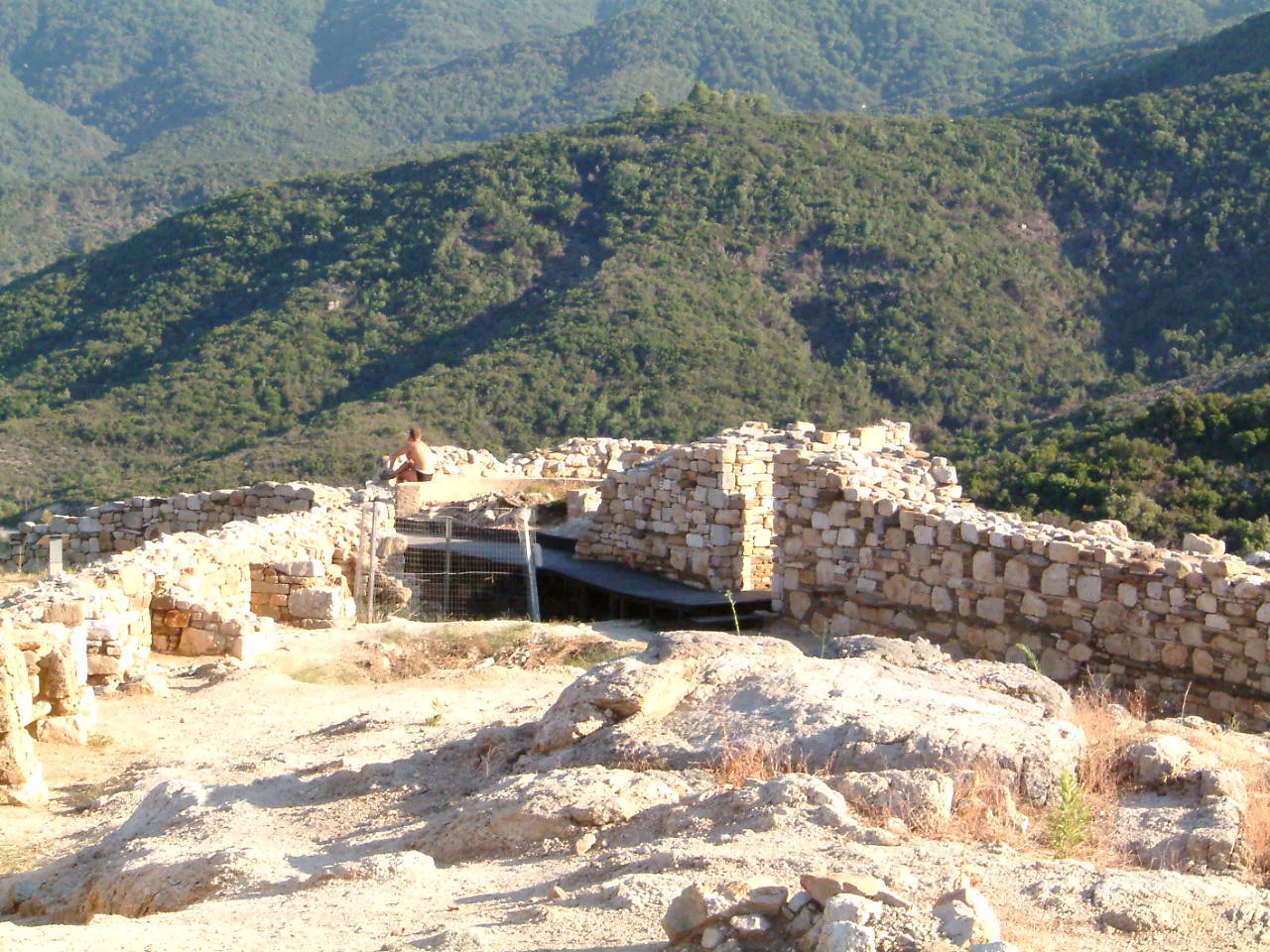
Walls of rubble and cut stone meet at corners here, marking out separate spaces. The stones show how those spaces were divided, though not what each one was used for. Wooded hills rise behind the walls.
Listen in the appJean Housen · CC BY-SA 4.0
10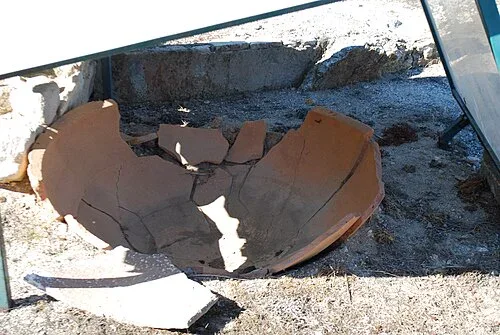 Hellenistic Residential Quarter
Clay Storage Jar
Large clay vessels were common household containers in Greek cities. This one has broken into several pieces, which still show the wide curve of its sides. Nothing visible here says which family owned it, or which room it stood in. Its clay is a warm reddish brown, and it is kept under glass.
Listen in the appJean Housen · CC BY-SA 4.0
- 11
Upper Ruins Overlooking the Bay
The bay from the high ruins, and what a coastal people chose to fortify, rebuild and honour.
Αρχαία Στάγειρα
Frequently asked questions
How much does the guide cost?
Free app download. Listed guide price: $1.99. Guide price shown in the app. Audio guide only. Venue admission is separate.
Can I listen without internet?
Yes. Download the guide’s audio, images, and maps in the app before your visit. Your downloaded content is then available offline.
Can I listen in my language?
This audio guide is available in 15 languages, including English.
Do I need to follow a schedule?
No. This is a self-guided experience. Choose your stops, pause whenever you like, and return to a story at your own pace.
At your own pace
Explore Αρχαία Στάγειρα.
Download Stanza, then search for “Αρχαία Στάγειρα”.
Free app download · Guide price shown in the app
Keep exploring
Nearby audio guides
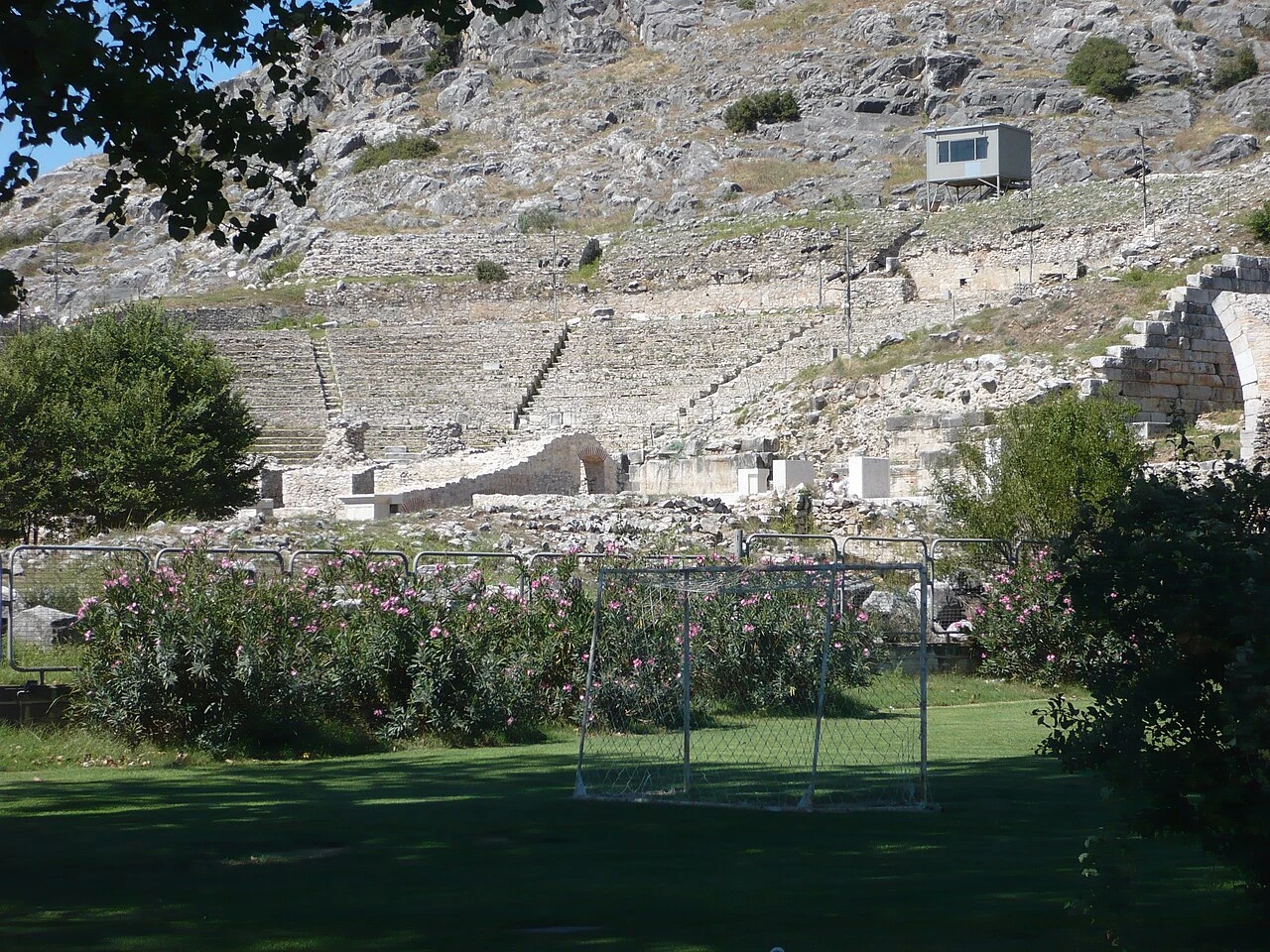
Philippi · 62 km
Philippi
Content & sources
Photo: Batr41 · CC BY-SA 4.0
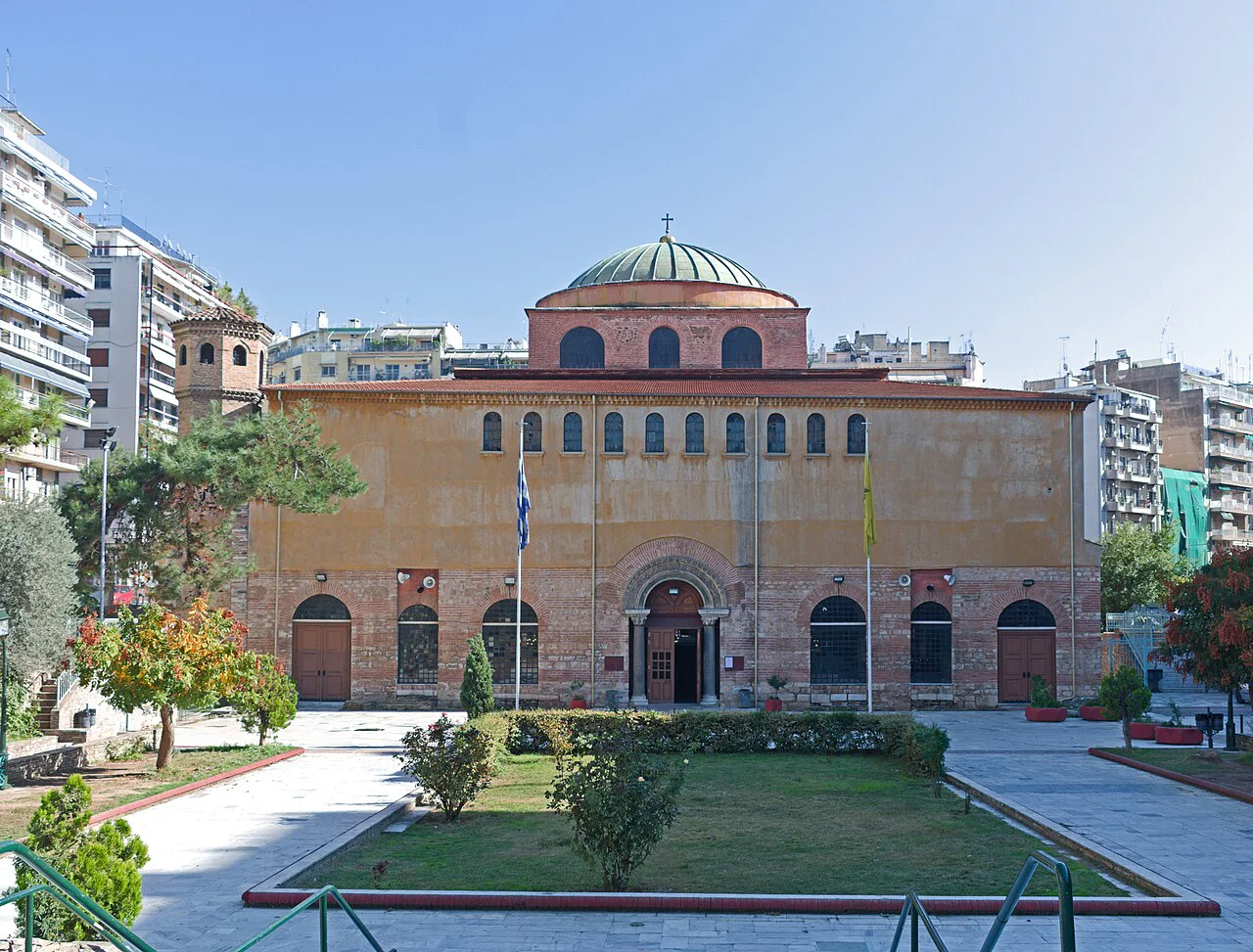
Thessaloniki · 72 km
Αγία Σοφία
Content & sources
Photo: Ymblanter · CC BY-SA 4.0
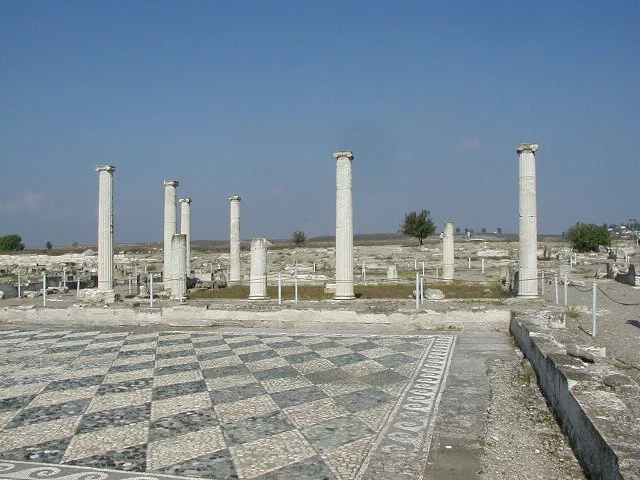
Pella · 109 km
Αρχαία Πέλλα
Content & sources
Brian Donovan · Public domain
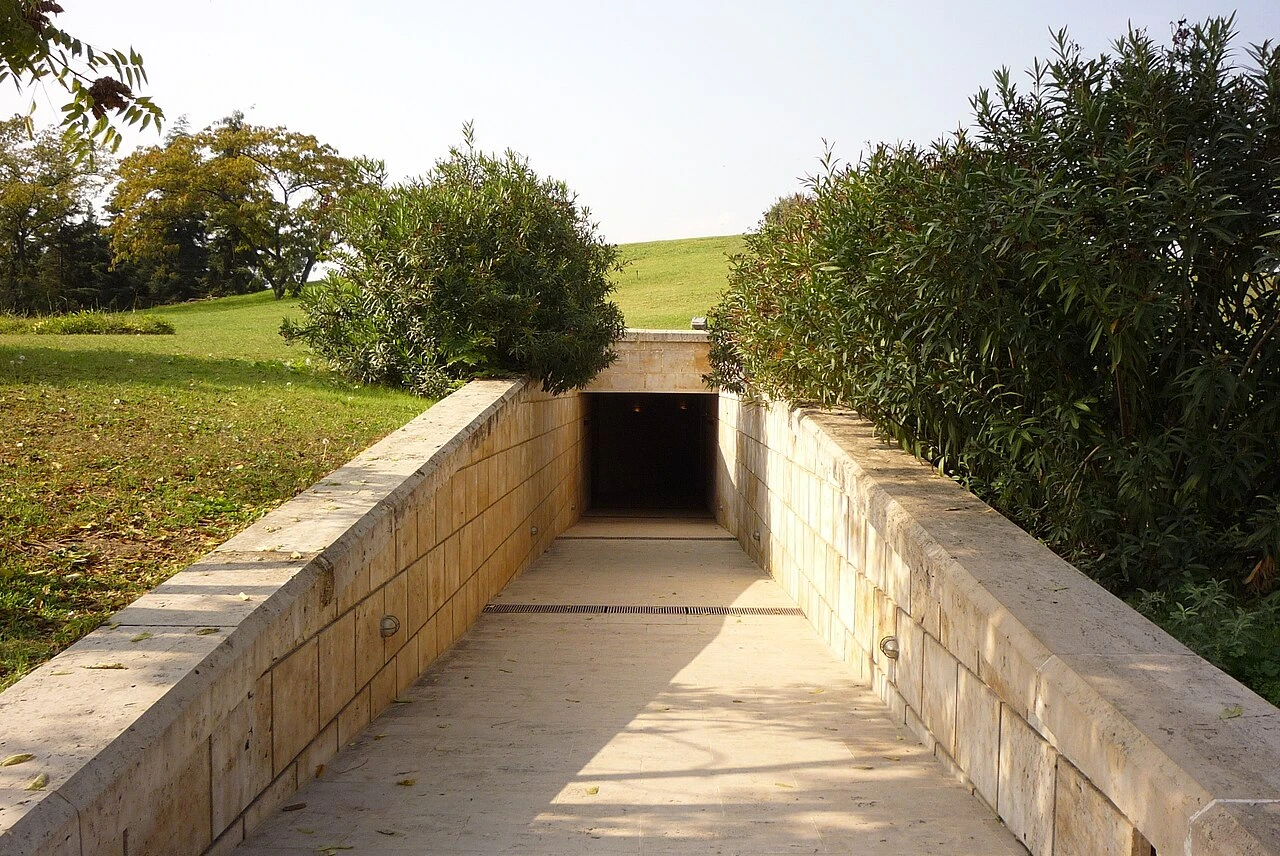
Vergina · 125 km
Royal Tombs of Vergina
Content & sources
Colin W · CC BY-SA 3.0