Languages
15东方明珠广播电视塔 Audio Guide
东方明珠广播电视塔 is a landmark in Pudong, China. Explore it with Stanza's GPS-triggered offline audio guide — available in 15 languages.
Quick Facts
15
Stops
15
Languages
100%
Offline
📍 Pudong, China · 31.2417°N, 121.4947°E
About 东方明珠广播电视塔
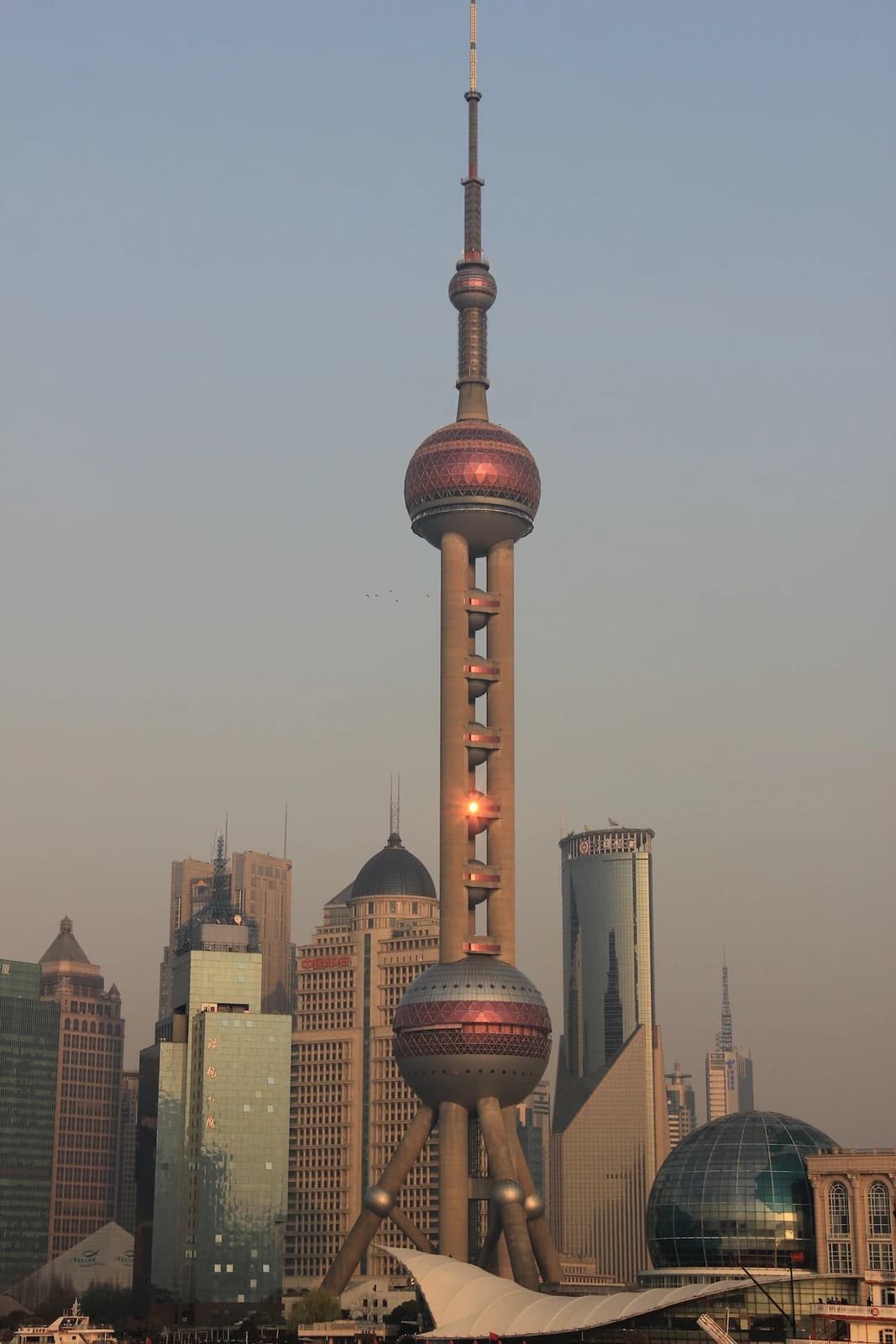
The Oriental Pearl Tower is a television and observation tower located in Shanghai, China. It is a prominent skyscraper and a major tourist attraction, featuring multiple observation decks.
This self-guided audio tour features 15 narrated stops organized across 7 sections. As a tower, 东方明珠广播电视塔 offers a unique cultural experience in the heart of Pudong, China.
The Stanza audio guide is available in 15 languages and works entirely offline — download the complete tour including audio narration, maps, and images before your visit. As you walk through 东方明珠广播电视塔, GPS-triggered narration plays automatically at each point of interest.
Last updated:
What you will hear
The Tower Base and Futuristic Lobby
Transitioning from the exterior plaza into the massive lobby where visitors begin their journey. Shows the scale of the concrete pillars.
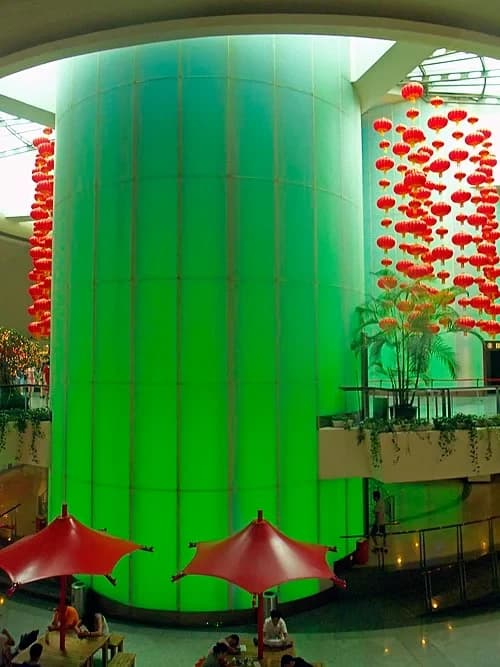
The Futuristic Lobby
Moving from the exterior plaza into the lobby marks a transition into the tower's interior world. The design of this space immediately introduces the dual identity of modern Shanghai. The contrast between the high-tech, green-lit columns that support the inner structure and the traditional red Chinese lanterns suspended from the ceiling is a deliberate choice. It merges the city's deep cultural heritage with its 21st-century technological ambitions. The green lighting gives the space a cinematic, science-fiction quality, while the lanterns serve as a reminder of the festive traditions that have defined Chinese life for centuries. This lobby serves as the gateway to the observation levels and the history museum below. It establishes the theme of the entire visit: Shanghai is not just a city of skyscrapers, but a place where ancient customs coexist with cutting-edge architecture. The materials and lighting used here are meant to impress upon visitors the speed and scale of China's growth. The use of traditional red, a symbol of luck and joy, alongside modern neon highlights the vibrant energy that drives the Lujiazui financial district today.
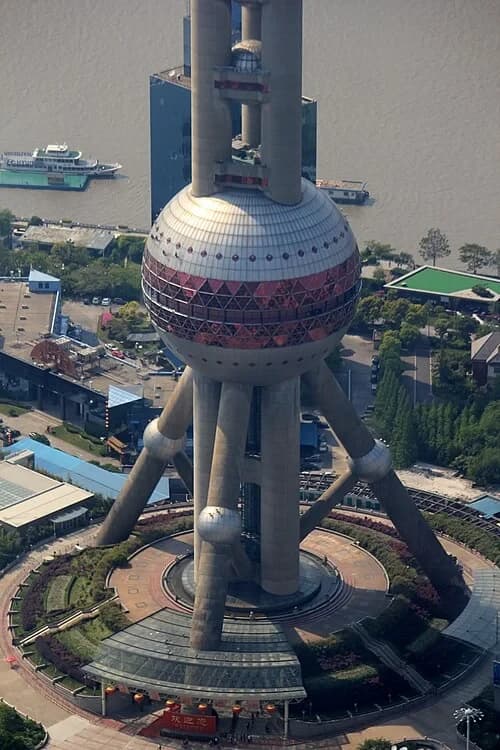
The Pedestal Plaza
From this bird's-eye perspective, the geometric precision of the tower's base becomes clearly visible. The plaza is anchored by three massive inclined columns, each seven meters in diameter. These columns lean inward to support the weight of the lower sphere, creating a tripod-like stability. In the context of the Tang Dynasty poem mentioned earlier, this plaza represents the "jade plate" upon which the pearls have fallen. The circular design of the base reinforces this literary metaphor, providing a literal and symbolic foundation for the entire structure. These inclined columns are not just aesthetic; they are essential for distributing the enormous load of the upper spheres and antenna. Their placement ensures that the tower can withstand the typhoons and seismic activity common to the region. The space between these legs forms a grand entrance plaza, emphasizing the scale of the structure to those approaching on the ground. The alignment of the plaza and the columns demonstrates a meticulous integration of structural engineering and classical symbolism, ensuring the tower remains a stable yet poetic fixture of the Lujiazui district.
Shanghai Urban History Development Museum
Located in the tower's pedestal, this museum tells the story of Shanghai's transformation. Features a model of the historic Bund and traditional artifacts.
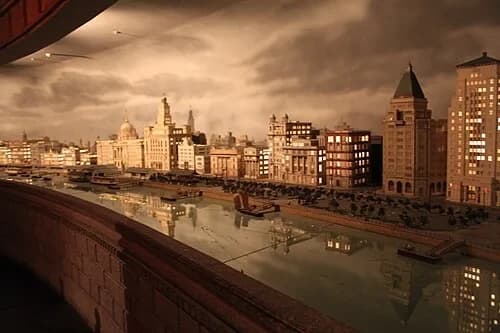
The Historic Bund in Miniature
Located within the tower's pedestal museum, this detailed model captures the Bund as it appeared in the early 20th century. While the Oriental Pearl Tower represents the future of the Pudong side, this model serves as a visual record of Shanghai's colonial-era history on the Puxi side. The distinct architectural styles of the historic concessions are visible, ranging from Neoclassical and Romanesque to Gothic and Art Deco. These buildings once housed the banks, trading houses, and consulates of various foreign powers, making the Bund the financial heart of Asia long before Lujiazui rose to prominence. The model highlights the "Museum of Architecture" that still stands today across the Huangpu River. By examining this miniature landscape, you can appreciate the scale of change the city has undergone. The low-rise, European-style buildings of the old city provide a sharp counterpoint to the towering steel structures that now surround you. This model allows for a close-up look at the intricate facades and street layouts of Old Shanghai, preserving a moment in time when the river was crowded with traditional junks and steamships.
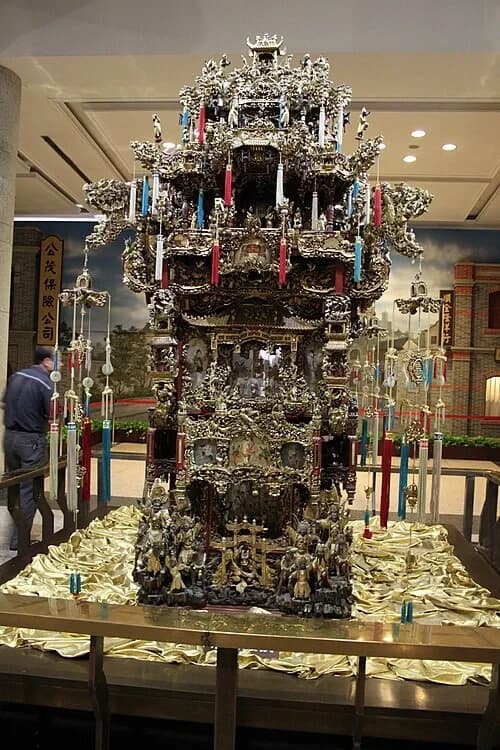
The Bride's Ornate Sedan Chair
This traditional bridal sedan chair represents the peak of craftsmanship in Old Shanghai. Covered in intricate gold-leaf decoration, it features thousands of tiny details, including miniature figures, mythical animals, and floral patterns. In a traditional Chinese wedding, the bride would be carried in such a chair from her family home to her husband’s house. This artifact tells the human stories of the city’s past, focusing on the rituals and social status that defined everyday life before the era of modern skyscrapers. The sheer amount of labor required to create such an object is staggering, with some chairs taking years for master carvers to complete. The red and gold color scheme was chosen to bring good fortune and prosperity to the new couple. As you look at the tiny carved scenes, imagine the weight of tradition that accompanied a wedding procession through the narrow lanes of the old city. This chair is a centerpiece of the museum's folk culture section, contrasting the slow, handmade beauty of the 19th century with the rapid, machine-driven growth of the modern world. It serves as a reminder that behind the city's neon lights lie centuries of deeply rooted family traditions.
Ascent: The High-Speed Elevators
The transition from the ground floor to the upper spheres via the tower's six high-speed elevators.
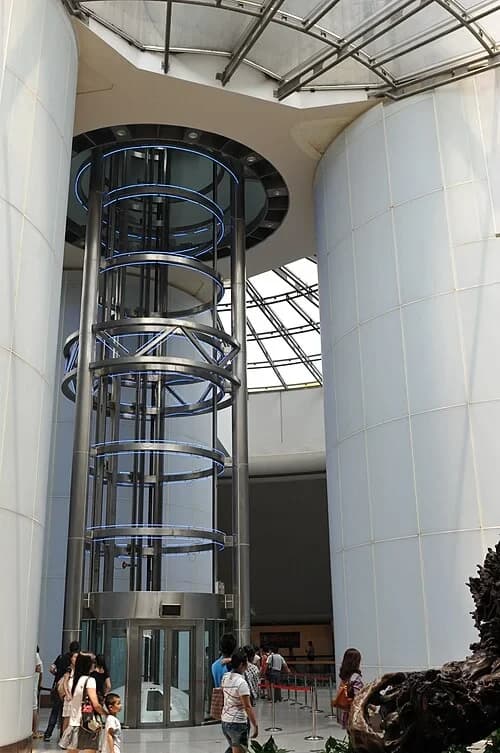
The Vertical Journey
The tower is serviced by six high-speed elevators that transport visitors toward the observation decks at impressive speeds. These lifts are designed to move hundreds of people an hour, ensuring a constant flow of traffic through the vertical structure. As you wait for your turn, look up through the glass dome at the base. From this angle, the internal structural skeleton of the tower is visible—a complex arrangement of steel and concrete that holds the spheres in place. This view provides a unique perspective on the engineering required to keep such a tall, slender building stable. The elevators themselves are a feat of technology, moving at several meters per second. During the ascent, you can feel the pressure change as you leave the ground behind and rise through the main columns. The transparent walls of some elevators allow for a brief view of the structure's inner workings before you reach the spheres. This vertical journey is the first step in experiencing the tower's height and provides a clear sense of the immense scale involved in its construction. The transition from the heavy base to the airy heights happens in less than a minute.
The Spheres and the Space Hotel
A closer look at the architectural spheres, including the location of the unique Space Hotel suspended between them.
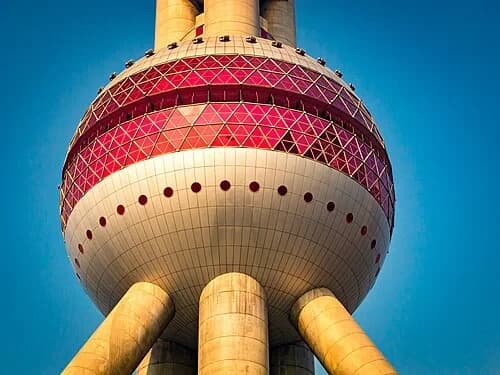
Spheres in the Sky
The signature aesthetic of the tower comes from the unique design of its spheres. Each one is covered in hundreds of triangular glass panels that catch the light at different angles throughout the day. This creates a shimmering effect, further emphasizing the "pearl" theme of the architecture. The distinct pinkish-red hue of the glass gives the tower its recognizable glow, especially during the "golden hour" at sunset. While most visitors come for the observation decks, the tower also offers a unique lodging experience. Located between the two largest spheres is the Space Hotel, which contains twenty individual rooms. Guests staying here have the rare opportunity to sleep inside this architectural icon, high above the city streets. The interior of these rooms follows the futuristic theme of the exterior, featuring rounded walls and windows that offer private views of the skyline. These spheres are the primary focal points of the structure, serving as the main functional areas for visitors. The combination of geometric glass patterns and the bold color choice ensures that the tower stands out even in a district crowded with other super-tall buildings. The lighting system allows the spheres to be illuminated from within at night.
The Glass Floor Observation Deck
The highlight of the visit: a thrilling walk on transparent floors at 263 meters with panoramic views of Lujiazui.
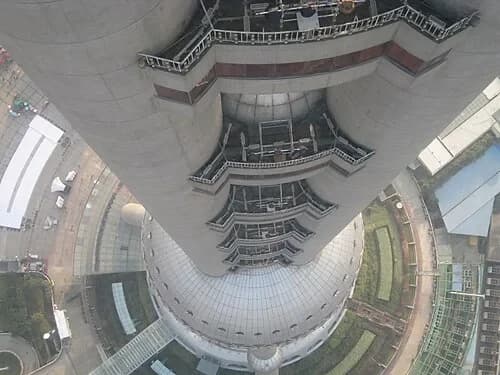
A Leap of Faith
Standing on the glass walkway, the sensory experience of looking directly down the side of the tower is unmatched. From this height, the lower spheres and the grand plaza far below are transformed into miniature versions of themselves, looking more like toys than massive pieces of architecture. This perspective emphasizes the sheer volume of air beneath your feet. The interior space of the tower is equivalent to a 103-story building, though much of that volume is contained within the hollow columns and open areas between the spheres. This creates a profound sense of verticality. As you gaze downward, you can trace the line of the main columns as they descend toward the riverbank. The river itself appears as a narrow ribbon of water, and the large cargo ships and ferries look like small scale models. This viewpoint allows you to appreciate the tower not just as a landmark you look at, but as a platform that changes your perception of the entire city. The height makes the bustle of Shanghai feel distant and silent, providing a moment of quiet observation high above the frantic pace of the financial district.
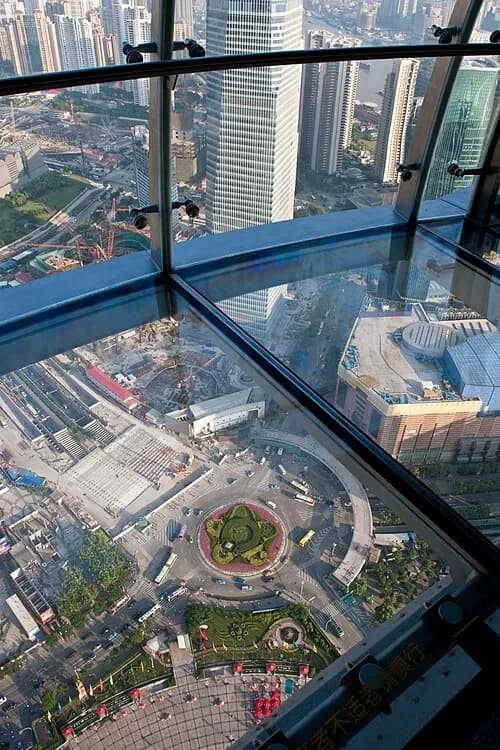
The Thrill of Transparency
Reaching the observation level at 263 meters brings you to the climax of the visit. This deck features a glass floor that allows you to look directly through the structure to the ground far below. Stepping onto these transparent panels can be a heart-pounding experience, as it creates the sensation of floating in mid-air. Each panel is engineered from multiple layers of high-strength tempered glass, capable of supporting the weight of dozens of visitors simultaneously. This engineering ensures safety while providing an entirely unobstructed view of the urban landscape. From here, you have a panoramic view of the Lujiazui financial district. You can see the intricate patterns of the streets and the tops of other, shorter buildings that would seem tall from the ground. The windows that wrap around this level provide a 360-degree look at the city, from the winding Huangpu River to the distant outskirts of Shanghai. This level is designed to provide maximum visibility, using minimal structural interference to allow the city itself to be the main attraction. The experience of standing on the edge of the glass walkway highlights the tower's height in a way that solid floors cannot.
The Revolving Restaurant
Dining at 267 meters in Asia's highest revolving restaurant, offering a rotating 360-degree view of Shanghai.
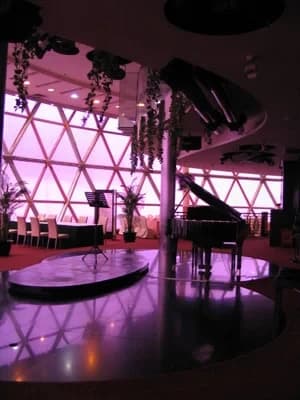
Dining with a 360-Degree View
Located just above the main observation level at 267 meters is the tower's revolving restaurant. This is one of the highest dining venues in Asia, offering a unique experience where the scenery outside the window is never the same for long. The floor of the restaurant completes a full 360-degree rotation approximately every two hours. This slow, steady movement allows diners to take in the entire city and the winding Huangpu River without ever leaving their seats. As you eat, the view might shift from the historic Bund to the modern skyscrapers of Lujiazui, then toward the sprawling residential districts that stretch to the horizon. This constantly changing panorama highlights the scale of Shanghai from every angle. The restaurant has been a popular destination since the tower opened, combining cuisine with the thrill of dining at a significant altitude. The rotation is so smooth that it is often only noticeable when you look back at a landmark and realize your position relative to it has shifted. This level serves as a social hub within the tower, providing a space to celebrate the city’s growth while enjoying a literal bird's-eye view of its ongoing transformation.
The Space Capsule: Shanghai's Highest Peak
Reaching the highest observation level at 351 meters, where the tower's functional broadcasting role is most apparent.
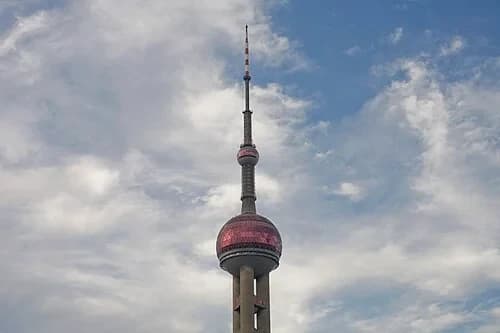
The Space Capsule
The highest observation level, known as the Space Capsule, is located at 351 meters. The interior design of this deck leans heavily into a sci-fi aesthetic, with metallic surfaces and futuristic lighting meant to mimic a spacecraft. However, despite its beauty, the tower serves a very practical, functional role. It is a vital broadcasting hub for television and radio. The long antenna that extends from the top of the tower is what allows signals to reach the massive population of the Yangtze River Delta, covering an area with tens of millions of people. While the spheres provide the visual and social spaces, this antenna is the core reason for the tower's existence. It transmits dozens of channels and radio frequencies, making it a critical piece of regional infrastructure. From this height, you are closer to the base of the antenna than anywhere else, allowing you to see the complex array of transmitters that keep the city connected. This dual purpose—as both a global cultural icon and a hardworking utility—is a hallmark of many of the world's great towers. The Space Capsule offers the most expansive views possible before the structure narrows into the functional transmission equipment above.
Want to hear the rest?
Download the Stanza app to unlock all 15 stops and full GPS-guided navigation.
Frequently Asked Questions
How long does the 东方明珠广播电视塔 audio tour take?
The 东方明珠广播电视塔 audio guide includes 15 narrated stops. Most visitors spend 45 minutes to 1.5 hours exploring the complete tour, though you can listen at your own pace and skip or revisit any stop.
Is the 东方明珠广播电视塔 audio guide available in my language?
Stanza supports 15 languages: English, Spanish, French, German, Italian, Portuguese, Russian, Japanese, Chinese, Korean, Arabic, Hindi, Polish, Dutch, Hebrew. Check the guide in the app to confirm the languages currently available for this tour.
Can I use the audio guide offline at 东方明珠广播电视塔?
Yes! Download the complete 东方明珠广播电视塔 tour — including all audio, maps, and images — before your visit. The Stanza app works completely offline, so you don't need WiFi or mobile data at the venue.
How much does the 东方明珠广播电视塔 audio guide cost?
The Stanza app is free to download. The current listed price for the 东方明珠广播电视塔 audio guide is $2.99; app-store region and currency may affect the final price.
How do I use the Stanza audio guide at 东方明珠广播电视塔?
Download the free Stanza app, search for "东方明珠广播电视塔", and download the tour. When you arrive at the venue, the app uses GPS to detect your location and automatically plays the relevant narration as you move between points of interest — completely hands-free.
What makes the Stanza audio guide different from other 东方明珠广播电视塔 tours?
Stanza offers GPS-triggered narration that plays automatically as you walk through 东方明珠广播电视塔 — no need to manually select stops. The tour is available in 15 languages, works fully offline, and includes 15 expertly narrated stops with images and historical context.
What other audio guides are available near 东方明珠广播电视塔?
Stanza offers multiple audio guides in Pudong, China and nearby areas. After downloading the app, browse the map to discover all available tours near 东方明珠广播电视塔. Each guide can be downloaded for offline use.