Stanza · Audio guide
Mortuary Temple of HatshepsutAudio guide
A place to remember. A story to take with you.
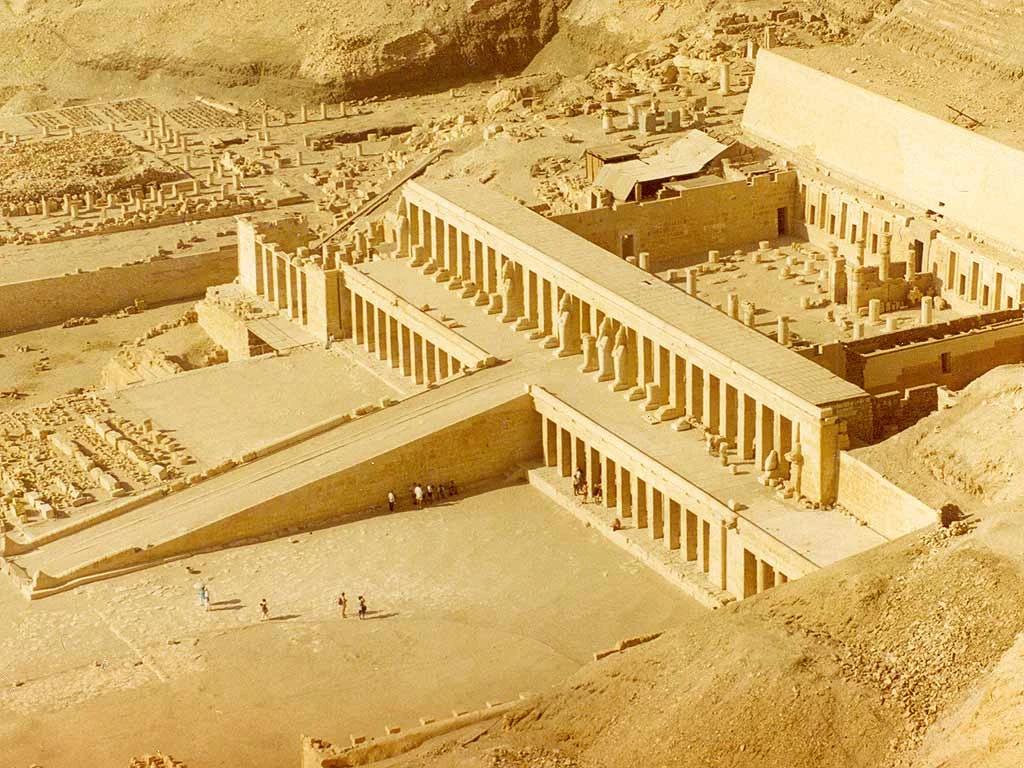
This iconic ancient structure is a mortuary temple built for the Eighteenth Dynasty Pharaoh Hatshepsut. It is located beneath the cliffs at Deir el-Bahari on the west bank of the Nile.
Download Stanza, then search for “Mortuary Temple of Hatshepsut”.
About the tour
One guide. Your kind of visit.
This iconic ancient structure is a mortuary temple built for the Eighteenth Dynasty Pharaoh Hatshepsut. It is located beneath the cliffs at Deir el-Bahari on the west bank of the Nile.
Ready when you are.
- 01Get the free Stanza app.
iOS & Android
- 02Find your guide.
“Mortuary Temple of Hatshepsut”
- 03Download before you go.
Works offline
Audio guide / 30 narrated stops
Inside the guide
Get to know a few of the stories before you go. Open a stop to read more.
01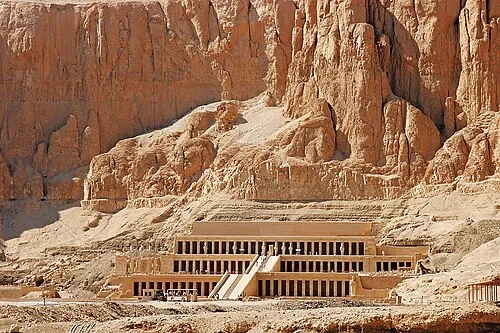 The Great Causeway and Theban CliffsThe Terraced Temple
Construction of this architectural wonder began around the seventh year of Queen Hatshepsut's reign, taking approximately 15 years to complete. The architect, Senenmut, broke away from traditional temple designs of the time. Instead of building massive stone pylon gateways, he created a structure that harmonizes with the dramatic limestone backdrop of the natural amphitheater. This innovative approach resulted in a series of colonnaded terraces that step up the desert floor toward the towering cliffs. Senenmut was a high-ranking official and a close confidant of the Queen, and his vision here represents a pinnacle of New Kingdom architecture. By integrating the building into the landscape, the temple serves as a bridge between the valley floor and the peaks above. As you look at the scale of the structure, you can appreciate the thousands of laborers required to carve and set the stones into the hillside. This site served as a mortuary temple for the Queen and was dedicated to the sun god Amun-Re. Today, it remains one of the most recognizable and striking landmarks in Egypt, surviving for over three millennia.
Photo: Mostafa 522004 · CC BY-SA 4.0
02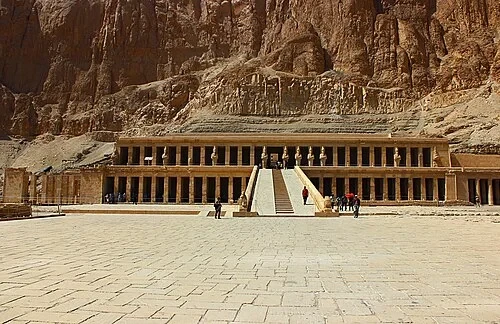 The Great Causeway and Theban CliffsA Landscape Masterpiece
Observe the stark contrast between the rigid, horizontal lines of the man-made colonnades and the rugged, vertical textures of the natural cliffs behind them. This juxtaposition was a deliberate choice by the designers. The layout was intended to symbolize a transition from the mortal world of the Nile Valley, where the temple begins, to the divine world associated with the mountain peaks. Each terrace is connected by a long central ramp, emphasizing a sacred axis that leads deeper into the cliffside. The width of 105 meters provided ample space for grand processions and royal rituals. In ancient times, the approach would have felt even more expansive, as the temple wasn't an isolated structure but part of a larger landscape design. The colonnades create a rhythmic pattern of light and shadow, softening the transition between the solid stone of the temple and the open desert sky. This integration of architecture and landscape was revolutionary for the 18th Dynasty, creating a unique sanctuary where the earthly presence of the Queen met the eternal power of the gods.
Photo: Heba otefy · CC BY-SA 4.0
03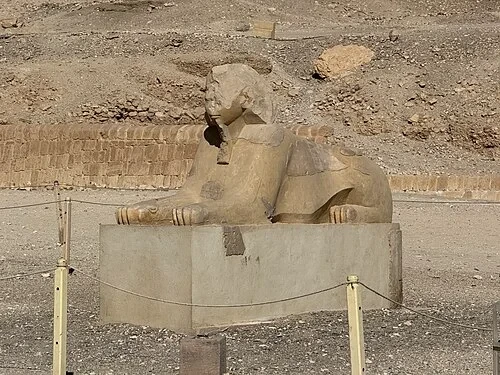 The Great Causeway and Theban CliffsThe Guardian Sphinx
Only a few fragments of these great guardians remain today, like the sandstone sphinx visible here. These statues were not merely decorative; they served as divine protectors of the sacred path. Each sphinx combined the body of a lion with the facial features of Queen Hatshepsut herself. By doing so, the Queen projected her power and her role as a protector of the temple. The causeway served as the main artery for festivals and religious processions, connecting the river's edge to the temple's entrance. Walking this kilometer-long path would have been an awe-inspiring experience, passing between rows of identical statues that reinforced the Queen's authority with every step. Although many were later destroyed or buried, researchers have identified several types of sphinxes at the site, some carved from limestone and others from sandstone. This specific figure shows the characteristic almond-shaped eyes and soft facial contours associated with Hatshepsut's portraiture. It stands as a silent remnant of the grand approach that once welcomed gods and pharaohs alike to this sacred precinct, marking the start of the journey into the temple.
Listen in the appPhoto: Chabe01 · CC BY-SA 4.0
04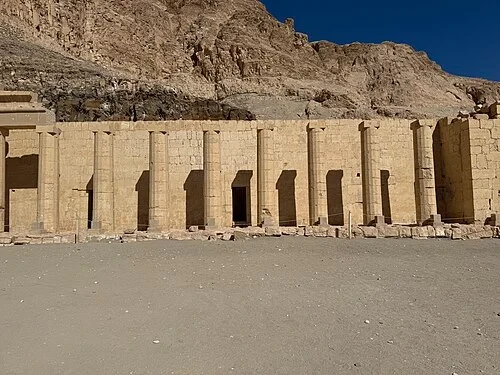 The Lower Portico and Royal GardensThe Lower Portico
The architecture of this lower level is defined by its wide, open spaces and the sturdy columns of the portico. Behind these columns, the walls hold detailed reliefs that tell the story of a massive engineering feat. The carvings depict the task of quarrying two enormous granite obelisks in Aswan and transporting them hundreds of miles down the Nile on a giant barge. You can see scenes of rows of oarsmen and the complex rigging required to move stones that weighed hundreds of tons. This narrative was meant to showcase the Queen's ability to mobilize the resources of the entire nation for the glory of the gods. The gardens that once filled this space were an equally impressive display of power, requiring constant irrigation to maintain exotic greenery in the middle of the desert. The presence of these gardens transformed the entrance into a living oasis, providing shade and fragrance for those entering the temple grounds. This combination of structural strength and natural beauty set the stage for the increasingly sacred spaces located on the levels above, marking the transition from the mundane desert to a royal sanctuary.
Listen in the appPhoto: Chabe01 · CC BY-SA 4.0
05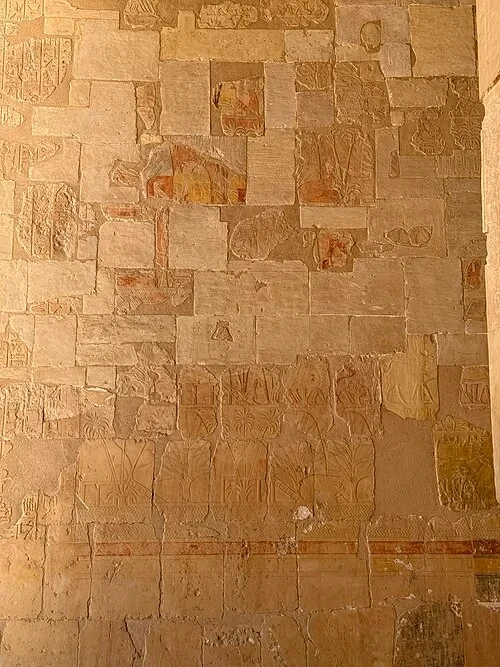 The Lower Portico and Royal GardensThe Punt Expedition Reliefs
The reliefs on the southern portico of the middle terrace provide a vivid, pictorial record of a real journey across the Red Sea. Hatshepsut ordered five ships to sail to Punt to trade Egyptian goods for exotic treasures like gold, ivory, and precious frankincense. Look closely at the details of the landscape; you can see stilt-houses with beehive-shaped roofs and tropical trees. One famous scene depicts the Queen of Punt, characterized by her unique physical appearance, greeting the Egyptian envoys. The artists took great care to document the flora and fauna of this distant region, showcasing a level of curiosity and realism that was rare in royal monuments. This expedition was a major highlight of Hatshepsut’s reign, demonstrating her success as a ruler who could secure wealth and trade for her people. By recording the event in stone, she ensured that her role in expanding Egypt's influence and prosperity would be remembered forever. The variety of goods brought back, including incense and rare woods, was essential for temple rituals and the luxury of the royal court, cementing her legacy through commercial success.
Listen in the appPhoto: Chabe01 · CC BY-SA 4.0
06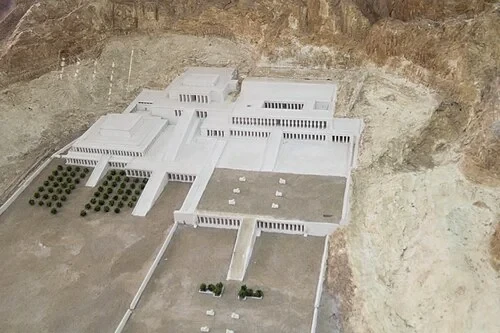 The Lower Portico and Royal GardensThe Architect's Vision
The architecture follows a strict axial plan, rising through the desert landscape in three distinct stages. The lower court was the most accessible area, while the middle and upper terraces became increasingly sacred and restricted to the priesthood and royalty. This vertical arrangement mirrored the Egyptian view of the cosmos, with the highest point being the most divine. The royal architect, Senenmut, was the mastermind behind this layout. He was so highly favored by Queen Hatshepsut that he was granted a rare and extraordinary privilege: the permission to build his own tomb secretly beneath the first terrace of his royal mistress's temple. While most officials were buried in the nearby valleys, Senenmut’s tomb, known as TT353, was physically linked to the temple itself. The model helps us visualize how the ramps align perfectly with the central axis, leading the eye and the spirit toward the sanctuary carved into the cliff. This design emphasizes the authority of the pharaoh as the intermediary between the people and the divine, a message reinforced by the temple's sheer verticality and the symmetry of its tiered construction.
Listen in the appPhoto: Djehouty · CC BY-SA 4.0
07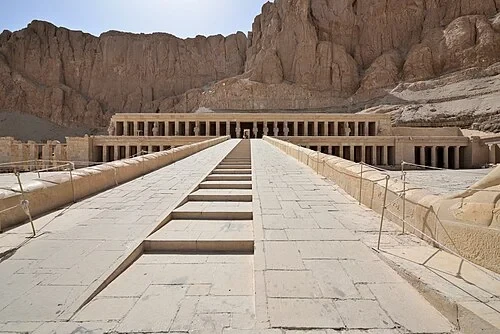 The Ceremonial Ramp of HorusThe Ceremonial Ramp
Walking up these ramps today allows you to follow the same path taken by priests and royalty thousands of years ago. One of the most important events held here was the Beautiful Festival of the Valley. During this annual celebration, a statue of the god Amun-Re was carried in a sacred boat from the East Bank of the Nile to visit the temples of the West Bank, including this one. The ramps were designed to handle the weight of the massive palanquins and the hundreds of people involved in the ritual. As the procession ascended, the participants moved from the bright, open desert into the increasingly shaded and colonnaded spaces of the upper terraces. This journey symbolized a spiritual ascent toward the divine presence of the god. The central position of the ramps ensures that everyone’s focus remains on the heart of the temple. The sense of movement and elevation was a key part of the religious experience, making the transition from the mundane world to the sacred sanctuary feel both physical and symbolic for all who attended the festivals.
Listen in the appPhoto: Hamerani · CC BY-SA 4.0
08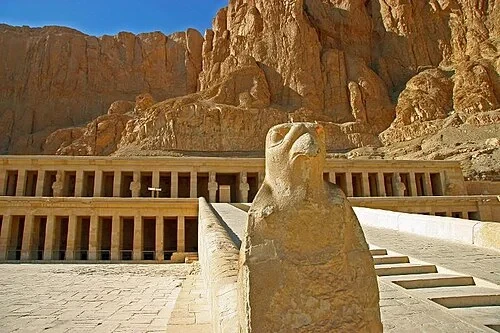 The Ceremonial Ramp of HorusThe Falcon of Horus
Horus was considered the divine model for every pharaoh, the legitimate heir to the throne of his father, Osiris. By placing this figure at the very start of the ascent, Hatshepsut was making a powerful political and religious statement. She was reinforcing her rightful place as a true successor to the royal line, despite the unconventional nature of her female reign. The falcon is shown here in a stoic, watchful pose, its sharp features and powerful wings representing the strength of the monarchy. In Egyptian mythology, the pharaoh was the living manifestation of Horus on earth. The presence of this protector at the threshold of the temple served to guard the sacred space and those who entered it. While many such statues have suffered from weather and wear over the millennia, the remaining form still conveys a sense of majesty. This guardian ensured that the transition from the lower court to the higher terraces was overseen by the most ancient of royal symbols, grounding Hatshepsut's authority in the deep traditions and divine ancestry of the Egyptian pharaohs.
Listen in the appPhoto: Mostafa 522004 · CC BY-SA 4.0
09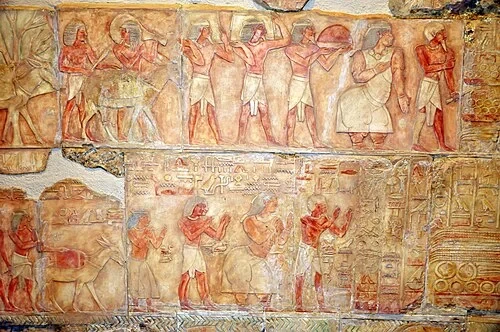 The Expedition to the Land of PuntVoyage to the Exotic South
Look closely at the figures depicted on the wall; they are shown carrying heavy sacks filled with trade goods like gold and aromatic resins. The artists used vivid red and ochre pigments, many of which are still visible today, to distinguish different skin tones and materials. This mission was more than just a commercial trade voyage; it was an act of royal propaganda. Hatshepsut wanted to demonstrate to her subjects and the gods that she could provide wealth and exotic materials that even her male predecessors had failed to secure. The scenes show the loading of the Egyptian ships with a wide variety of items, including ivory tusks, panther skins, and even live animals like baboons. The level of detail in the ships' rigging and the depictions of the sailors provides invaluable information for historians studying ancient maritime technology. By showcasing these riches on the walls of her mortuary temple, the Queen linked her political legitimacy to the economic prosperity and divine favor she brought to the kingdom, recorded here in permanent, colored stone.
Listen in the appMaksim Sokolov (maxergon.com) · CC BY-SA 4.0
10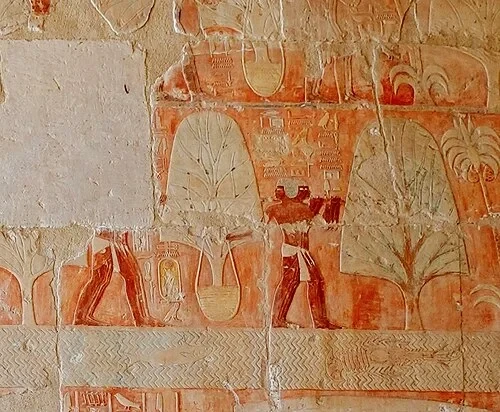 The Expedition to the Land of PuntThe Sacred Incense Trees
These trees were brought all the way from the Land of Punt with their root balls intact, specifically to be planted in the forecourt of this temple. Hatshepsut’s goal was to create a garden for Amun right here in the desert. If you look at the ground near the lower terraces today, you can still find the circular pits where these trees were once placed. They were kept alive with water carried up from the Nile, creating a fragrant and shady entrance that would have smelled of fresh myrrh and frankincense. This attempt to transplant foreign flora was an ambitious project that highlighted the Queen's desire to please the gods with the finest offerings. The reliefs show the trees being tended to with great care, emphasizing their value. This living legacy transformed the temple from a stone monument into a vibrant, living sanctuary. The scent of the trees would have filled the air during ceremonies, providing a sensory connection to the exotic lands the Queen had successfully reached through her maritime expeditions, and the dried pits serve as physical proof of the story.
Listen in the appIsmoon (talk) 22:02, 2 March 2020 (UTC) · CC BY-SA 4.0
Mortuary Temple of Hatshepsut
Frequently asked questions
How much does the guide cost?
Free app download. Listed guide price: $3.99. Guide price shown in the app. Audio guide only. Venue admission is separate.
Can I listen without internet?
Yes. Download the guide’s audio, images, and maps in the app before your visit. Your downloaded content is then available offline.
Can I listen in my language?
Stanza supports 15 languages. Check the app for the languages available for this guide.
Do I need to follow a schedule?
No. This is a self-guided experience. Choose your stops, pause whenever you like, and return to a story at your own pace.
At your own pace
Explore Mortuary Temple of Hatshepsut.
Download Stanza, then search for “Mortuary Temple of Hatshepsut”.
Free app download · Guide price shown in the app
Keep exploring
Nearby audio guides
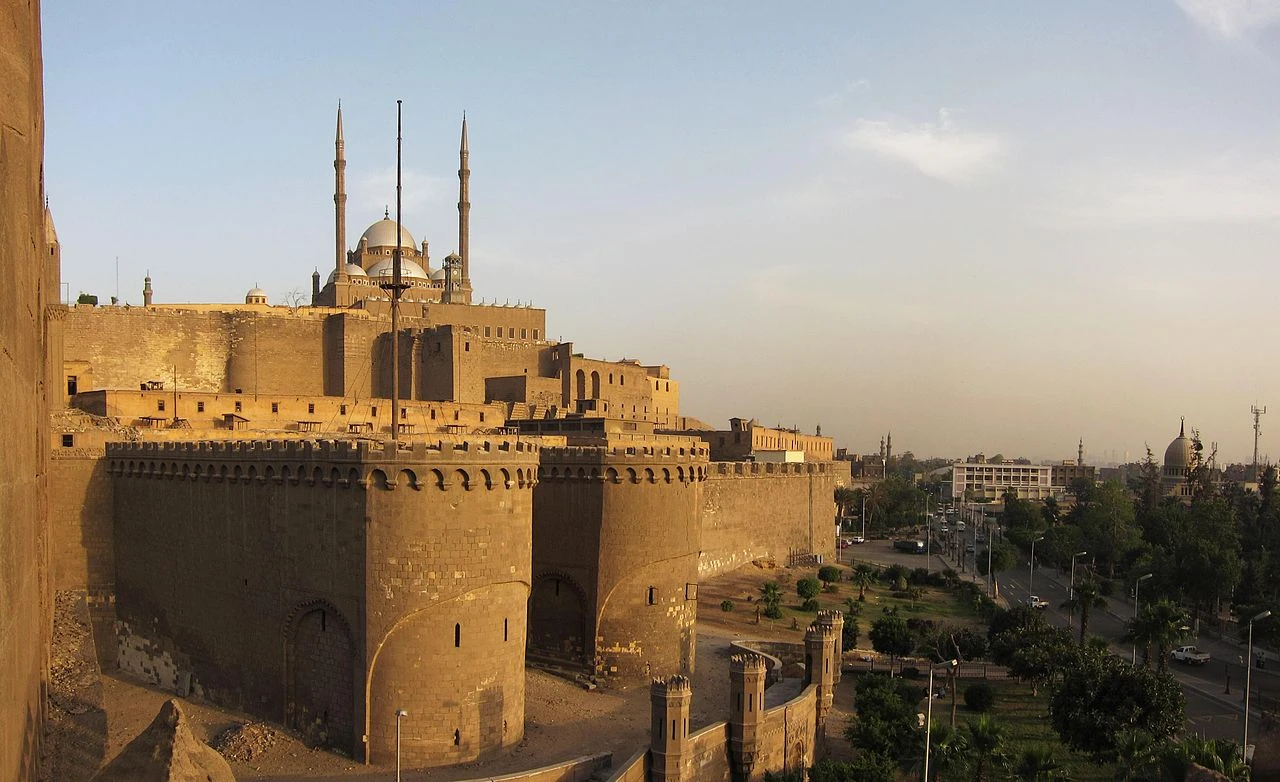
Cairo
Cairo Citadel
Content & sources
Ahmed Al.Badawy from Cairo, Egypt · CC BY-SA 2.0
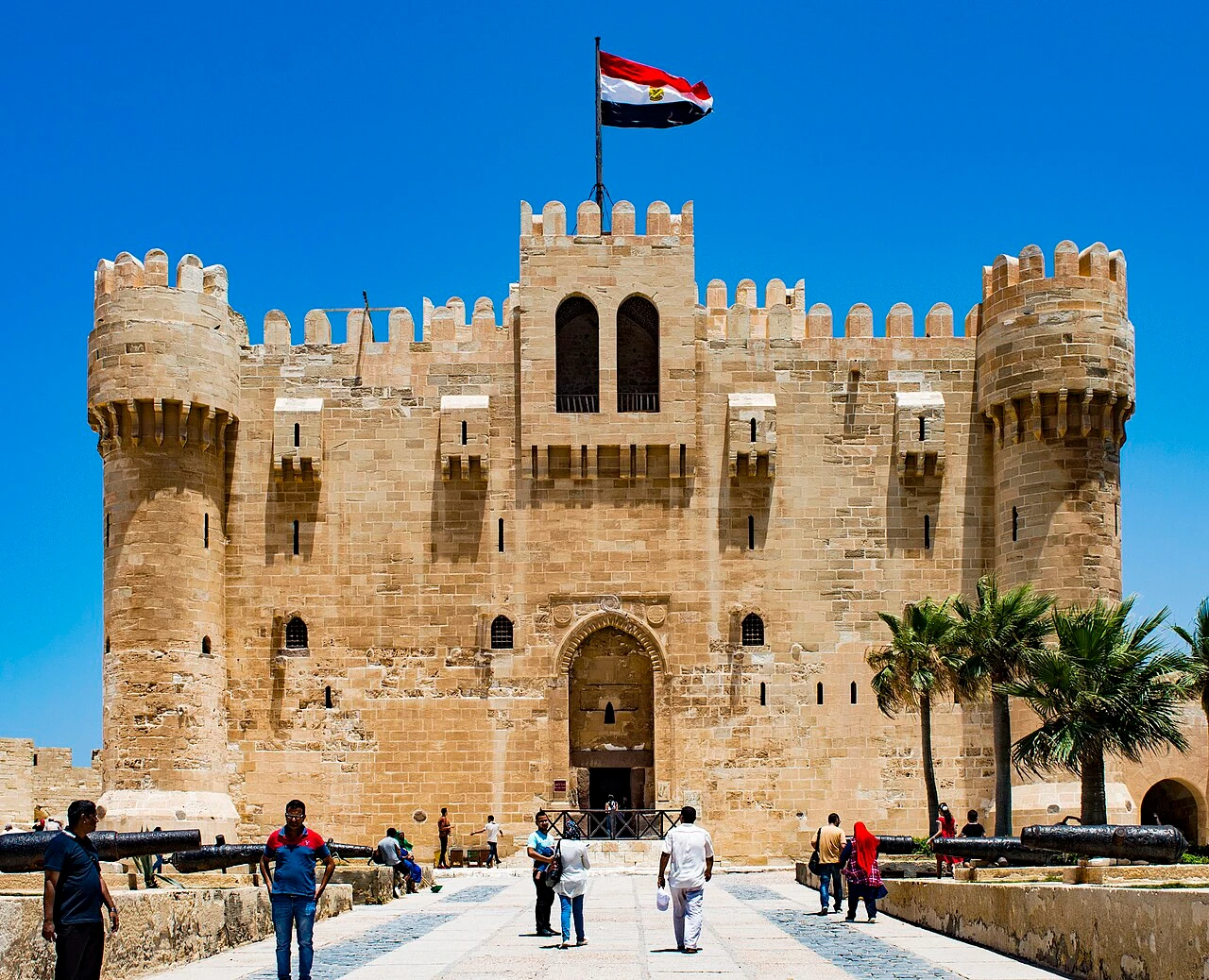
Alexandria
Citadel of Qaitbay
Content & sources
Ahnaf Saber · CC BY 3.0
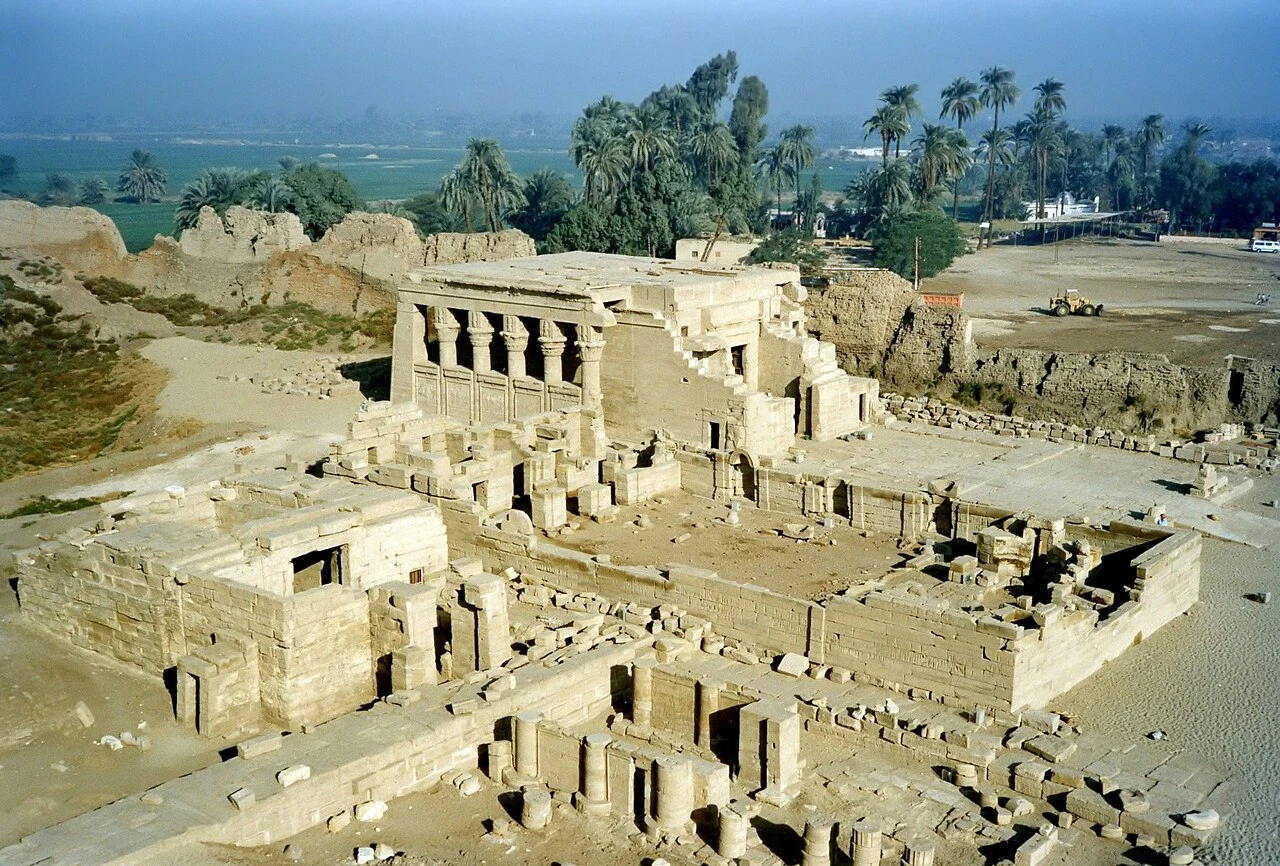
Dendera
Dendera Temple complex
Content & sources
Bernard Gagnon · CC BY-SA 3.0
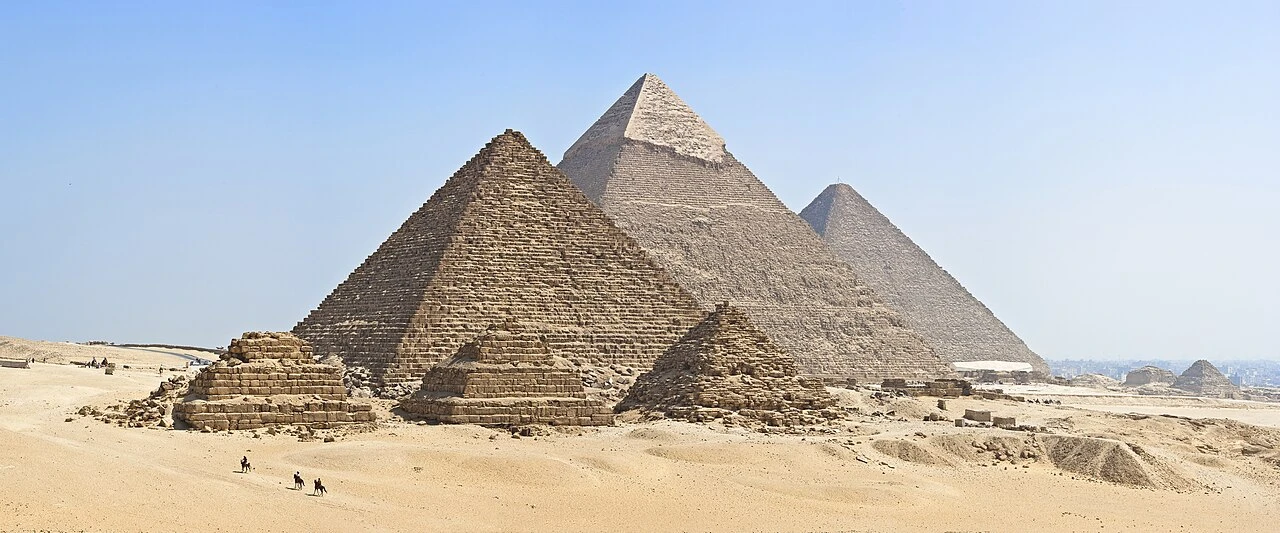
Giza
Giza pyramid complex
Content & sources
KennyOMG · CC BY-SA 4.0