Stanza · Audio guide
Kaunos Audio Guide
A place to remember. A story to take with you.
Kaunos was a city of ancient Caria in Anatolia. It is located a few kilometres west of the modern town of Dalyan in the Muğla Province of Turkey.
Download Stanza, then search for “Kaunos”.
About the tour
One guide. Your kind of visit.
Kaunos was a city of ancient Caria in Anatolia. It is located a few kilometres west of the modern town of Dalyan in the Muğla Province of Turkey.
Ready when you are.
- 01Get the free Stanza app.
iOS & Android
- 02Find your guide.
“Kaunos”
- 03Download before you go.
Works offline
Audio guide / 15 narrated stops
Inside the guide
Get to know a few of the stories before you go. Open a stop to read more.
01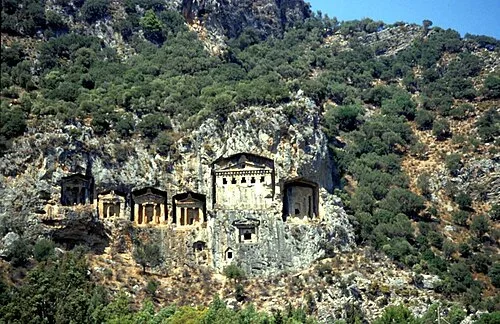 The River Approach and Temple-Faced Rock Tombs
The Rock Tombs above the Dalyan River
Welcome to Kaunos, an ancient city on the southwest coast of Turkey. Across the water, the cliff face carries six rock-cut tombs, the signature sight of Dalyan. They were carved between the fourth and second centuries BC. Kaunos stood on a border: the Calbys river, today's Dalyan, separated Caria from Lycia. The city began as a separate state, then belonged to Caria, and later still to Lycia. The Greeks explained its founding with a story of twins. King Kaunos, a grandson of Apollo, had a twin sister named Byblis, who fell in love with him. When she wrote him a letter confessing her feelings, he fled with some of his followers and settled elsewhere. Byblis went mad with sorrow and searched for him, trying to take her own life. Mythology says that the winding Calbys river rose from her tears.
HHHoffmann at German Wikipedia · CC BY-SA 3.0
02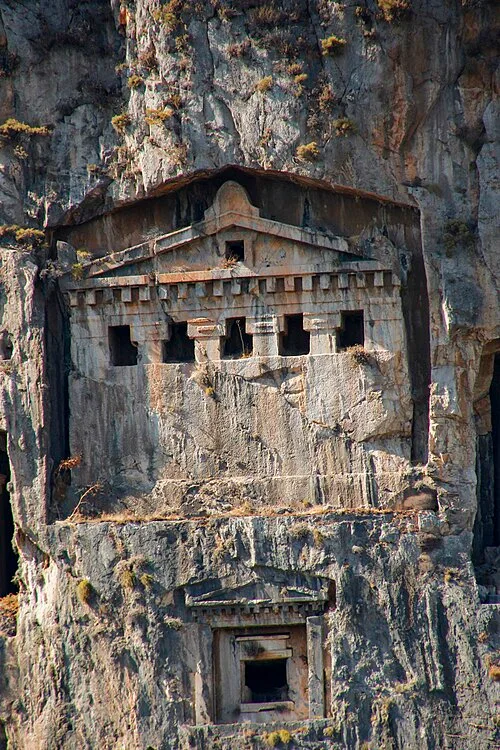 The River Approach and Temple-Faced Rock Tombs
Anatomy of a Temple Facade
The tombs were carved to look like temples. Each facade copies the front of a Hellenistic temple, cut straight out of the cliff. Two Ionic pillars flank the entrance, beneath a triangular pediment. Above the pillars runs an architrave with toothed friezes. At the corners, acroterions shaped like palm leaves crown the roofline. These elegant fronts belonged to a landscape of the dead. The Greeks and Romans buried their deceased at a considerable distance from their homes, so the heights around Kaunos were given over to necropoli. The most common tombs were humbler than these. In a niche tomb, the ashes of the deceased were placed in an urn, and the urn was set into a cut niche. Tens of them are hewn from the rock of Kızıltepe, near the port of Çandır beyond the site.
Photo: Tolga Alan · CC BY-SA 4.0
03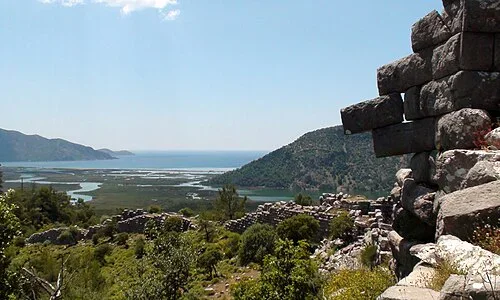 The Western Gate and Mausolean Fortification Walls
The Mausolean City Walls
In the fourth century BC, the Persian satrap Mausolos transformed Kaunos. The city was enlarged, modelled with terraces, and walled over a huge area. The walls were out of all proportion to the size of Kaunos and its population. The satrap expected the city to grow into a major marine and commercial port, and he built for that future. The regularly shaped rectangular blocks, and the way they are positioned, give a fine impression of Hellenistic building technique. Parts of the wall are well kept; other parts have been taken down and rebuilt. Under Persian rule the city also took on a Greek character, with an agora and temples to Greek deities. The wall looks out toward the coast and the sands of İztuzu beach.
Listen in the appPhoto: Kjf webmaster · CC BY-SA 3.0
04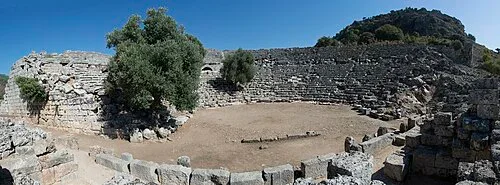 The Ancient Greco-Roman Theater
The Theater on the Acropolis Slope
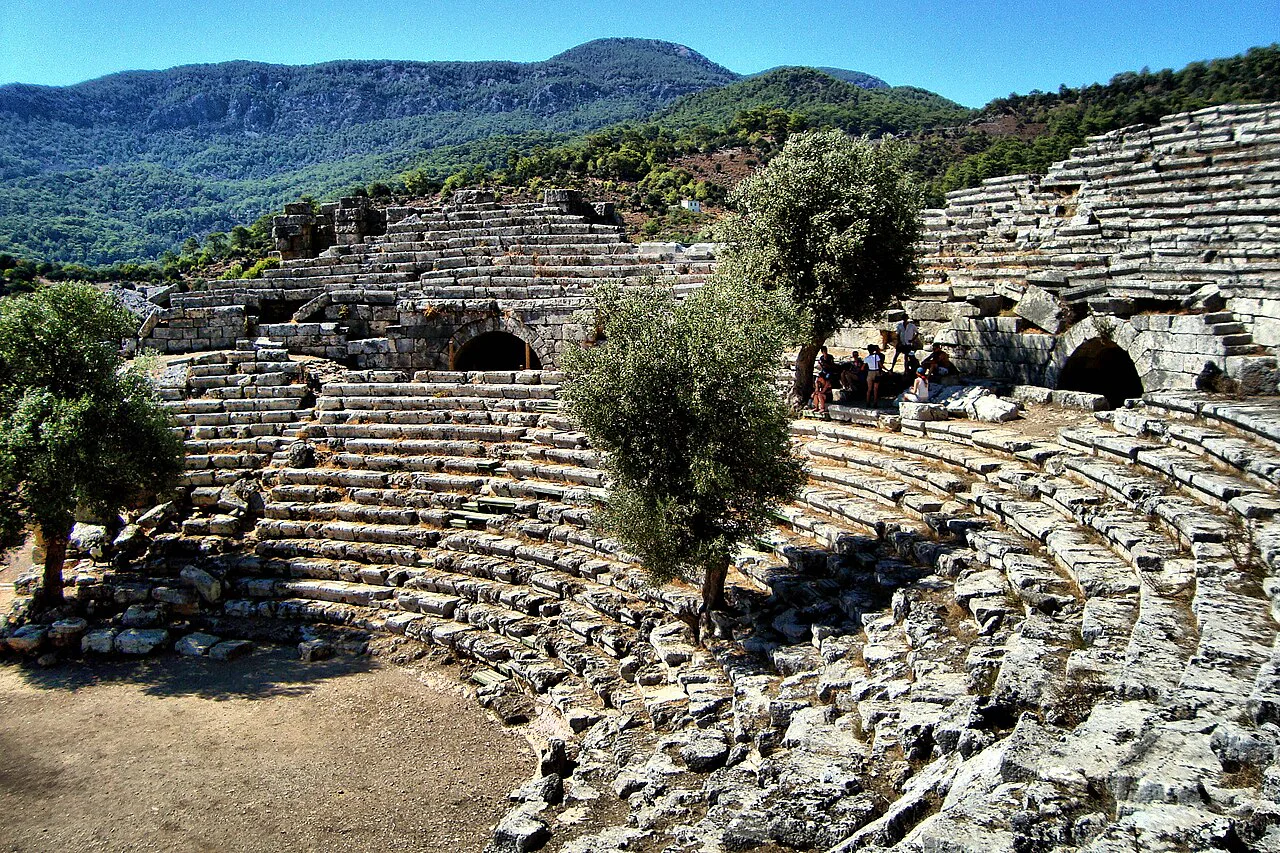
The theater was built against the slope of the acropolis, and the hillside shaped its form. It was constructed at an angle of twenty-seven degrees. The ring of seats measures seventy-five metres across. About five thousand spectators could find room here. That made it the great gathering place of the city, where the whole community sat as one audience. The building is still in fairly good condition.
Listen in the appPhoto: Dosseman · CC BY-SA 4.0
05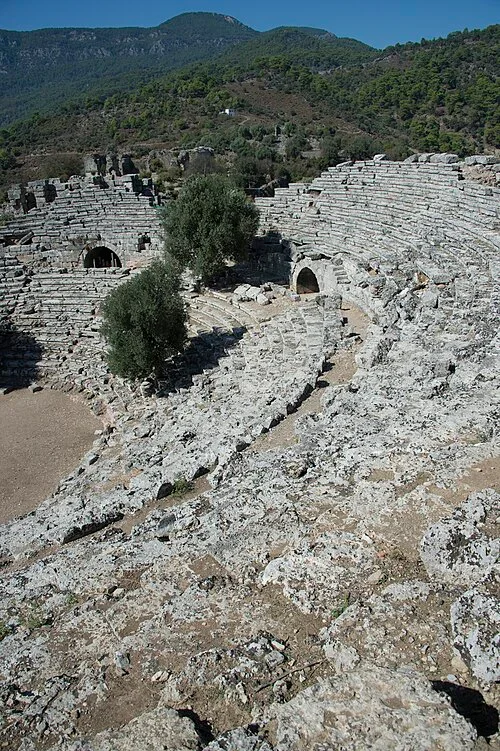 The Ancient Greco-Roman Theater
Vomitoria and a Stage Still in Use
The theater carries both Hellenistic and Roman characteristics. Under Roman rule, when Kaunos was a prospering sea port, the theater was enlarged. The vaulted entrances through the seating are the vomitoria, the passages that funnelled spectators to their places. Stone tiers and arches from both phases of the building's life stand side by side. Its original purpose has never quite ended: occasionally, performances are still held here.
Listen in the appPhoto: Dosseman · CC BY-SA 4.0
06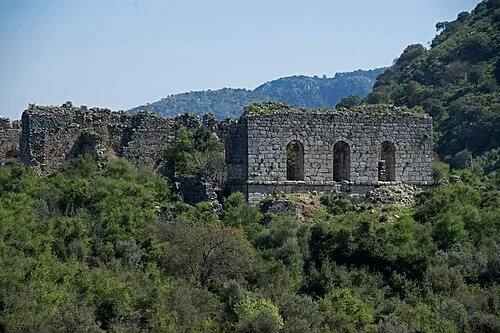 The Roman Bath Complex and Palaestra
The Roman Baths from Outside
Rome built these baths to make a statement. Under Roman rule the city grew rich as a sea port, and the baths and their palaestra rose as part of that chapter. Their sheer dimensions were meant to impress the Kaunians with the power of the Roman Empire. The baths also served as a social meeting place, where the city gathered to bathe and pass the hours. The tall arched openings in the standing wall once lit the halls.
Listen in the appPhoto: Dosseman · CC BY-SA 4.0
07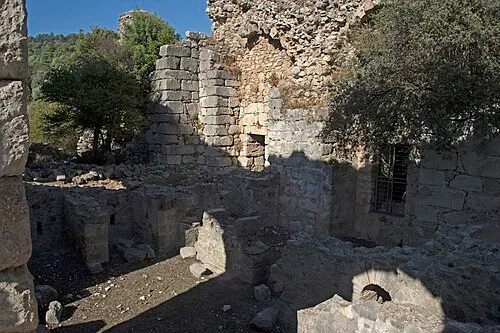 The Roman Bath Complex and Palaestra
Inside the Bath Halls
The bath halls hold a second story from a later age. In the Byzantine era the baths were dismantled, and the frigidarium, the cold room, was re-used as a church. The leisure architecture of Rome was turned to Christian worship on the same floor. Archaeological research has shown something older still. The palaestra was built over part of the old city that most probably had been a place of worship. Which deity was honoured there remains unknown.
Listen in the appPhoto: Dosseman · CC BY-SA 4.0
08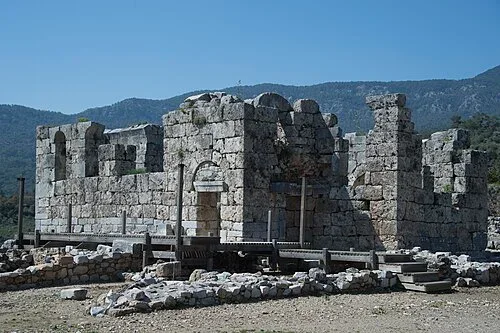 The Domed Byzantine Basilica
A domed basilica rose here in the fifth century AD. Its builders worked with materials taken from earlier buildings, fitting old blocks into new walls. Beneath it lies the foundation of a fourth-century structure, one the excavators consider probably a place of worship as well. Kaunos had turned Christian early. When the Roman Empire officially adopted the Christian faith, the city even changed its name, becoming Caunos-Hegia. Of all the Byzantine buildings at Kaunos, this basilica is the only one that still stands.
Listen in the appPhoto: Dosseman · CC BY-SA 4.0
09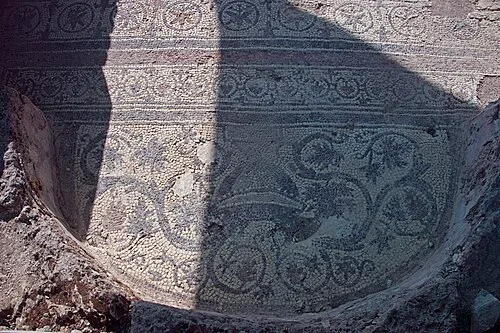 The Domed Byzantine Basilica
Mosaics beside the Basilica
Next to the basilica, mosaics have been uncovered in the floor. The pavement is polychrome, its pattern curling with vines and medallions. In the apse, a chalice motif sits at the centre of the design. The excavators believe the basilica's inner walls were plastered and painted with frescoes. The floor, then, was only part of a richer decorative scheme.
Listen in the appPhoto: Dosseman · CC BY-SA 4.0
10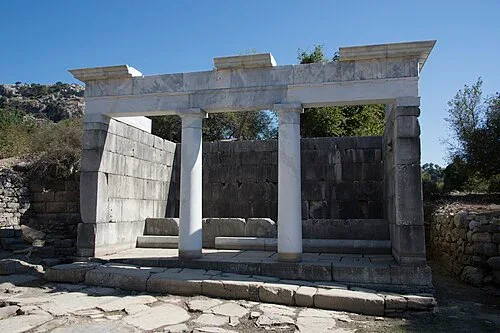 The Harbor Agora, Stoa, and Nymphaeum
The Nymphaeum and the Harbor's Fiscal Record
A monumental marble fountain, the nymphaeum, fronted the harbor square. It was built in the Hellenistic era, and its basin was extended during the Roman era. Inscriptions from the reign of Emperor Hadrian record something telling. The toll for merchants and boat owners was relaxed. The reason was the harbour itself: it was gradually silting, and the tax relief was meant to compensate. Cut into stone, it is the clearest sign that the port's fortunes were turning.
Listen in the appPhoto: Dosseman · CC BY-SA 4.0
- 11
The Harbor Agora and Its Stoa
The port agora, its stoa, and the massacre that cost Kaunos its freedom.
- 12
The Terrace Temple and the Circle of Columns
A third-century temple facing a circle of columns, with the founder's symbol at its centre.
- 13
A Silver Stater of Kbid
A silver stater of Kbid, the city's own name before Greece took over.
- 14
The Acropolis of Imbros
The acropolis of Imbros, refortified with medieval walls against Arabs, pirates and beyliks.
- 15
The Lost Coastline
The delta that pushed the sea away, the malaria that emptied the city, and the surveyor who found it again.
Kaunos
Frequently asked questions
How much does the guide cost?
Free app download. Listed guide price: $1.99. Guide price shown in the app. Audio guide only. Venue admission is separate.
Can I listen without internet?
Yes. Download the guide’s audio, images, and maps in the app before your visit. Your downloaded content is then available offline.
Can I listen in my language?
This audio guide is available in 15 languages, including English.
Do I need to follow a schedule?
No. This is a self-guided experience. Choose your stops, pause whenever you like, and return to a story at your own pace.
At your own pace
Explore Kaunos.
Download Stanza, then search for “Kaunos”.
Free app download · Guide price shown in the app
Keep exploring
Nearby audio guides
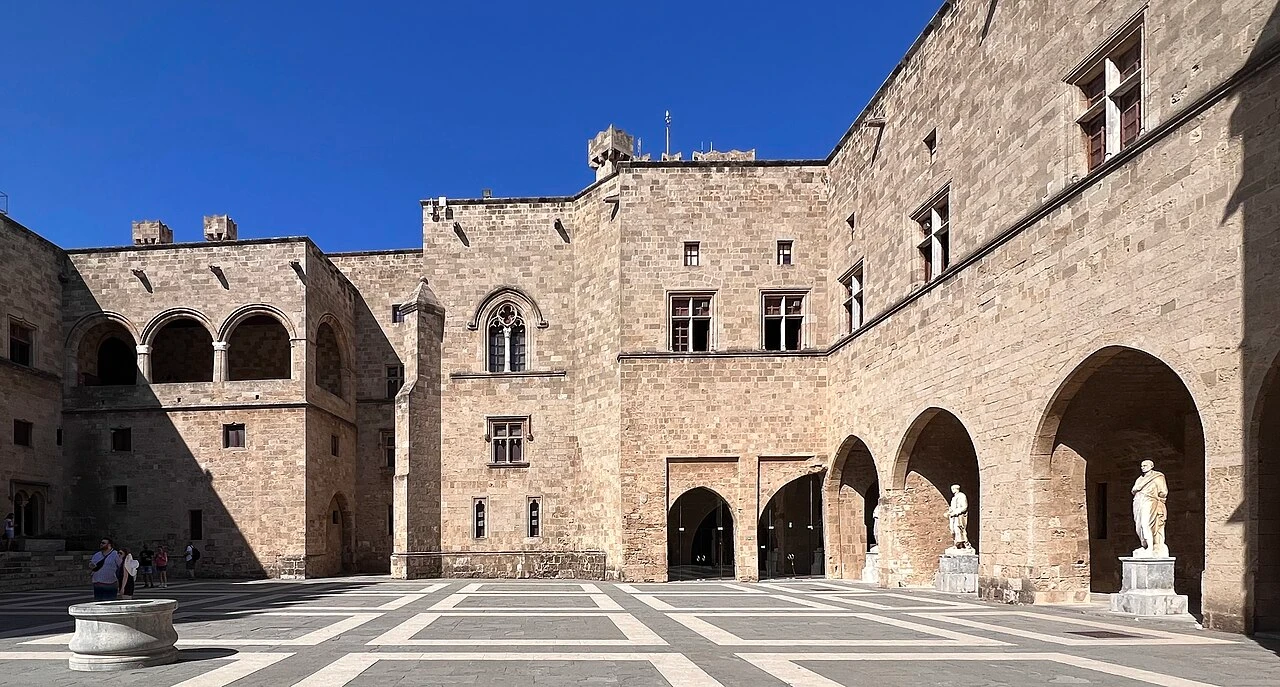
Rhodes · 56 km
Palace of the Grand Master of the Knights of Rhodes
Content & sources
Burkhard Mücke · CC BY-SA 4.0
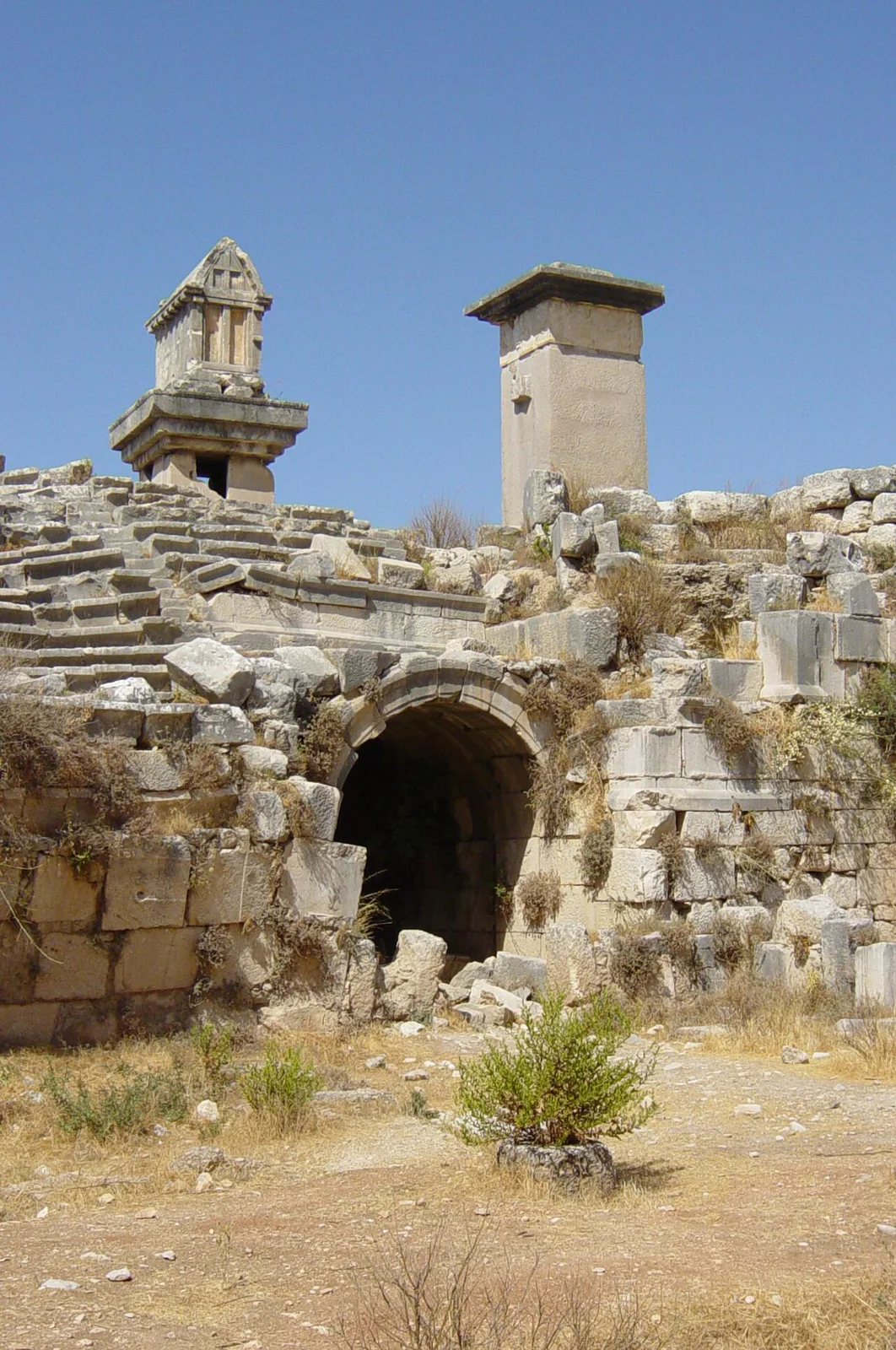
Kınık · 81 km
Ksanthos
Content & sources
Pot Noodle · CC BY 2.0
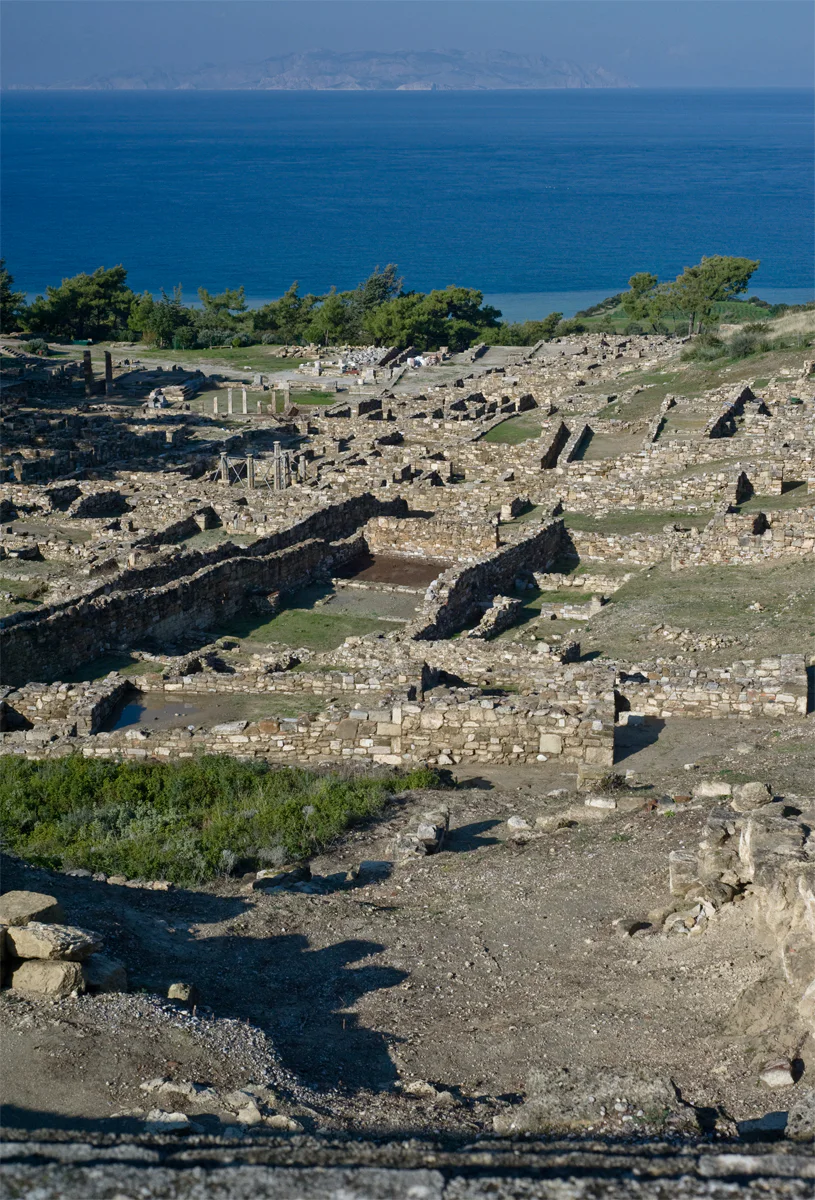
Kalavarda · 83 km
Κάμειρος
Content & sources
Photo: Thanasis Christodoulou · CC BY-SA 4.0
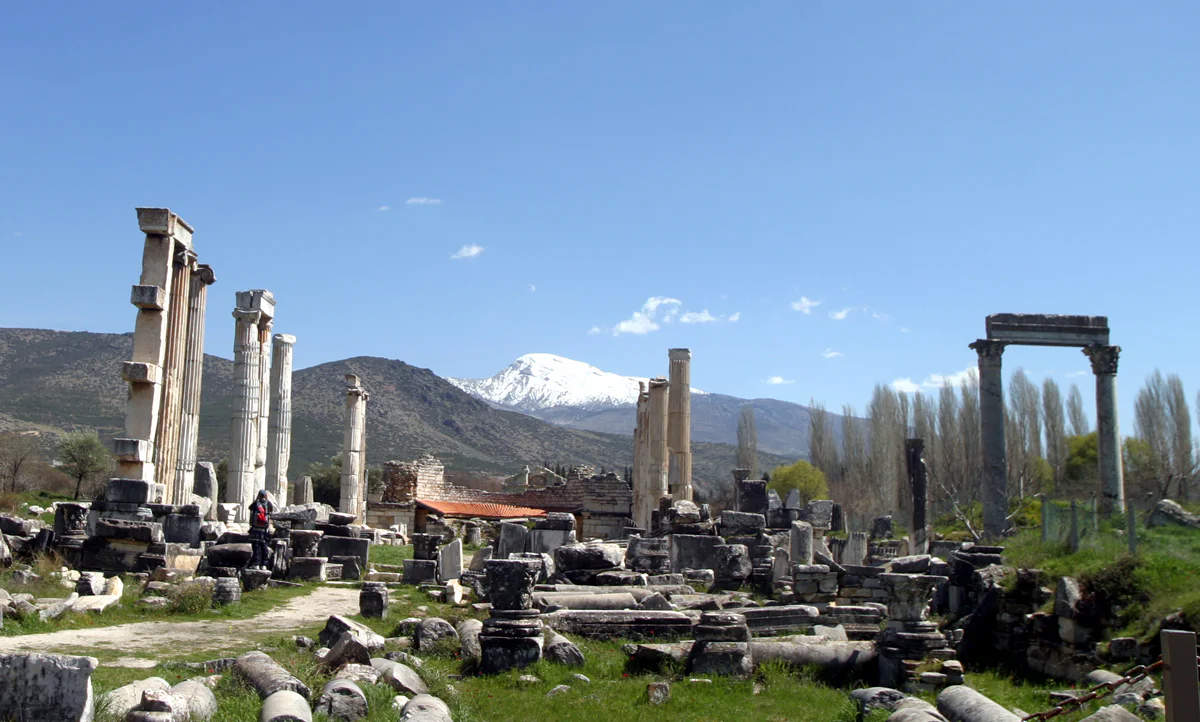
Geyre · 98 km
Afrodisias
Content & sources
Brocken Inaglory · CC BY-SA 4.0