Stanza · Audio guide
Stift Heiligenkreuz Audio Guide
A place to remember. A story to take with you.
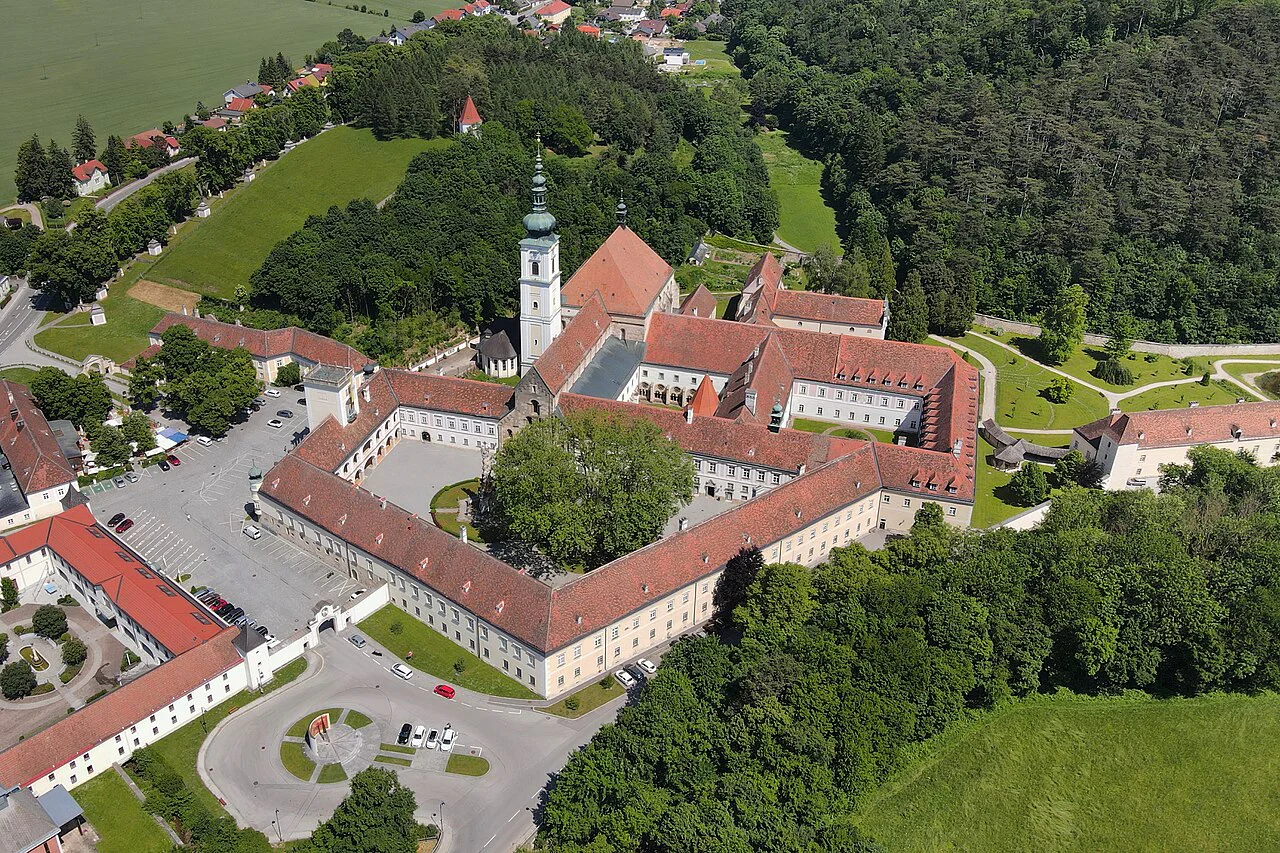
Heiligenkreuz Abbey is a Cistercian monastery located in the village of Heiligenkreuz in the Vienna woods. It is the oldest continuously occupied Cistercian monastery in the world.
Download Stanza, then search for “Stift Heiligenkreuz”.
About the tour
One guide. Your kind of visit.
Heiligenkreuz Abbey is a Cistercian monastery located in the village of Heiligenkreuz in the Vienna woods. It is the oldest continuously occupied Cistercian monastery in the world.
Ready when you are.
- 01Get the free Stanza app.
iOS & Android
- 02Find your guide.
“Stift Heiligenkreuz”
- 03Download before you go.
Works offline
Audio guide / 13 narrated stops
Inside the guide
Get to know a few of the stories before you go. Open a stop to read more.
01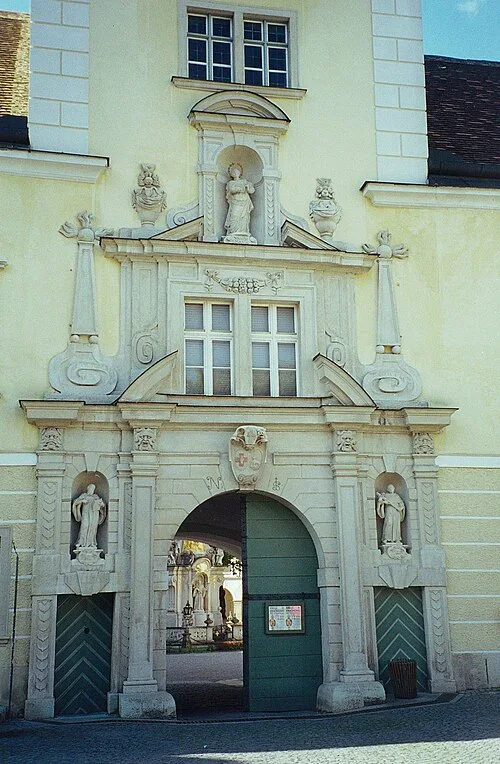 Abbey Gate and Stiftshof Courtyard
Main Gate under the Horn Tower
Welcome to Heiligenkreuz Abbey, in the Vienna Woods of Lower Austria. This tour follows the monastery from its gate to the monks' own halls. In 1133 Margrave Leopold the Third of Austria founded a Cistercian house here, at the request of his son Otto. Otto had joined the order at the abbey of Morimond in Burgundy. Twelve monks came from Morimond with their abbot, Gottschalk, to settle the new foundation. They called the place Heiligenkreuz, Holy Cross, a sign of their devotion to redemption through the Cross. By tradition, regular monastic life began on the eleventh of September that year. The foundation charter was only written down about a century later, so the exact date rests on tradition. What is certain is continuity: this is the oldest continuously occupied Cistercian monastery in the world. The portal itself is Baroque, with saints flanking the arch and a statue of the Virgin above. The tower overhead takes its name from an organ built there in 1720, called the Hornwerk. Its sound carried far across the countryside, played out through openings on two sides of the tower.
Helmuth Furch. Original uploader was Helmuth Furch at de.wikipedia · Public domain
02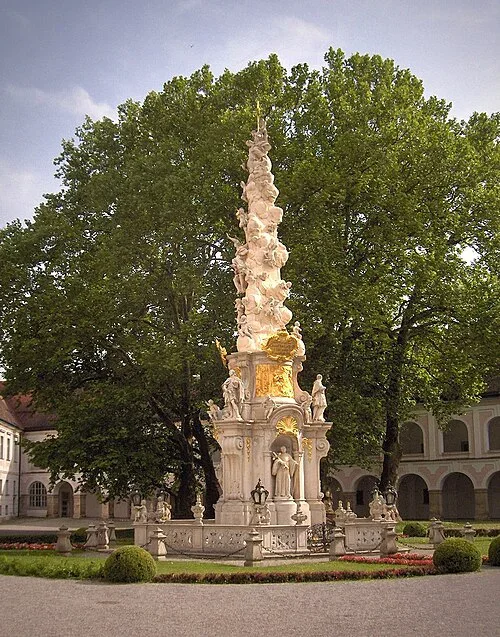 Abbey Gate and Stiftshof Courtyard
Trinity Column in the Stiftshof Courtyard
Turkish soldiers attacked the abbey in 1683 and set much of the precinct on fire. The rebuilding under Abbot Klemens Schäfer gave Heiligenkreuz its Baroque face. By 1691 new convent buildings had risen west of the old ones, around this great polygonal courtyard. In the middle stands the Holy Trinity Column, finished in 1730 by the sculptor Giovanni Giuliani. Columns like this one are often called plague columns, raised in thanks for deliverance. The white shaft climbs past figures and clouds toward a gilded crowning of the Trinity. A fountain of Saint Joseph stands in the courtyard too, added in 1739. The stone for both came from quarries including Kaisersteinbruch and Eggenburg.
Heiligenkreuz03.jpg: Georges Jansoone derivative work: Herzi Pinki (talk) · CC BY 2.5
03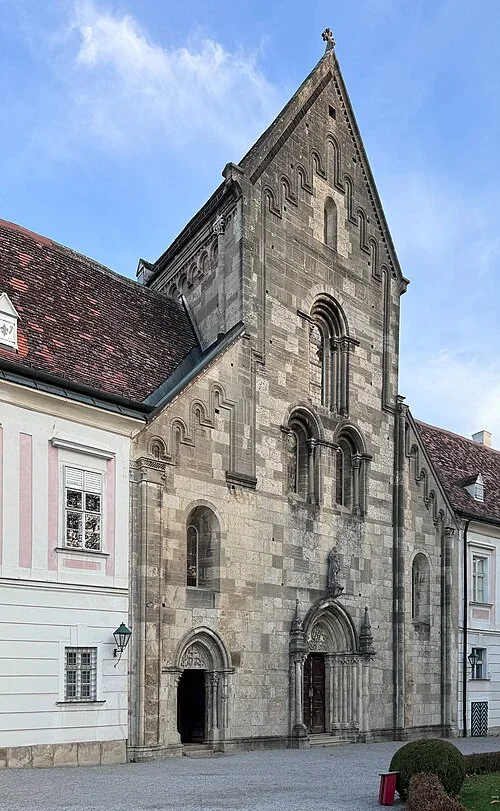 Romanesque Abbey Church and Nave
Romanesque Facade of the Abbey Church
The abbey church took about fifty years to build, and was consecrated in 1187. Its stone facade is typically Cistercian: three plain round-arched windows, one for each person of the Trinity. The order actually forbade tall bell towers, so the church originally stood without one. The Baroque tower was added much later, on the north side. The year after the consecration came the treasure that gave the abbey's name its full meaning. On the thirty-first of May, 1188, Duke Leopold the Fifth presented a relic of the True Cross. He had received it in 1182 as a gift from Baldwin the Fourth, King of Jerusalem. The fragment is small, twenty-three and a half centimetres, and is still shown today. Since 1983 it has been displayed in the chapel of the Holy Cross.
Listen in the appPhoto: Dguendel · CC BY 4.0
04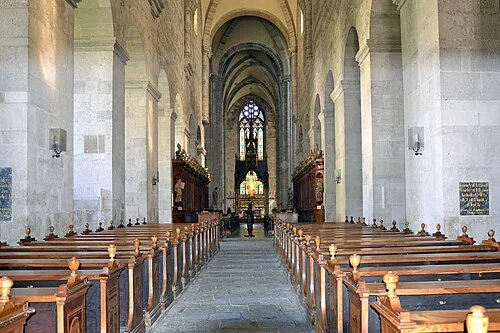 Romanesque Abbey Church and Nave
The Romanesque Nave
Inside, the nave keeps the severity the first Cistercians demanded. Ten bays of plain stone, dim light, no frescoes, no ornament. It is a rare and famous surviving example of Romanesque architecture in Austria. High on the west wall, three round-arched windows repeat the Trinity symbol from the facade. A Baroque organ loft once blocked those windows and changed the feel of the whole room. In 1949 Abbot Karl Braunstorfer had it taken down. The great organ of 1804, built by the court organ maker Ignaz Kober, moved to the north transept. Franz Schubert and Anton Bruckner both played that instrument.
Listen in the appPhoto: HeinzLW · CC BY-SA 3.0 at
05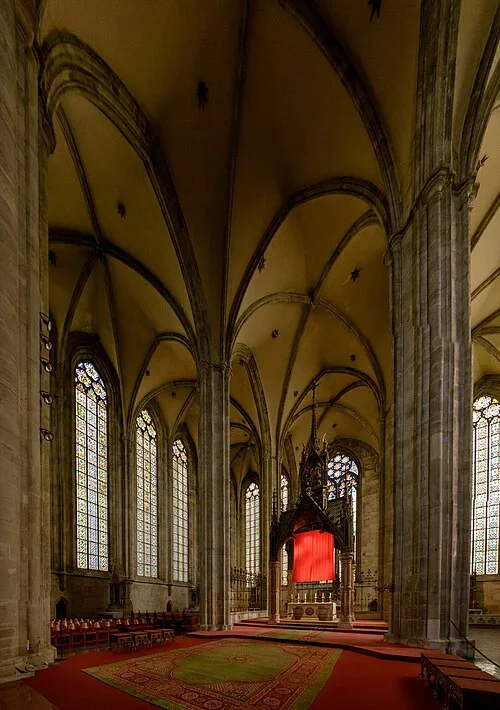 Gothic Hall Choir and Choir Stalls
The Gothic Hall Choir
Beyond the transept the architecture changes character completely. The choir is Gothic, tall and filled with light, finished in 1295. Nine square bays of equal height give it the feel of a hall rather than a distant apse. Its thirteenth-century window paintings count among the most beautiful remnants of medieval art. From the founding monks of 1133 to the dedication of choir and fountain house, the medieval building campaign ran about a hundred and sixty-two years. The names of the master builders have not come down to us.
Listen in the appHenry Kellner · CC BY-SA 4.0
06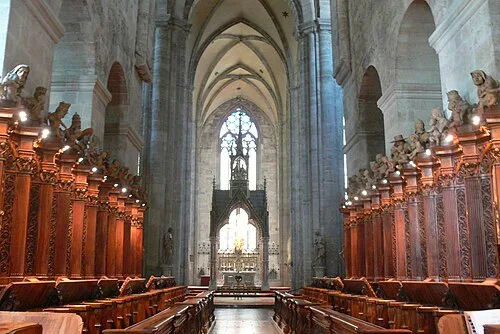 Gothic Hall Choir and Choir Stalls
Choir Stalls and the Singing Community
Between the wooden stalls of the choir, the community still sings. Gregorian chant in Latin is the centre of monastic life here, several times a day. The abbey has been an Austrian centre of music for more than eight hundred years. Today nearly a hundred monks belong to the community, a historic high point. In 2007 the monks' choir entered a talent search run by Universal Music, sending in a video through YouTube. The label signed them, and a recording team came to the abbey chapel itself in spring 2008. Chant: Music for Paradise climbed the pop charts across Europe. By April 2009 it had sold about eight hundred and fifty thousand copies worldwide. In Austria alone it went platinum six times over. The fame brought crowds from around the world to the monks' midday prayer. Television invitations followed, until one appearance on a German entertainment show struck the brothers as unworthy of their rule. They stepped back, and the singing went on as it had for centuries.
Listen in the appWolfgang Sauber · CC BY-SA 3.0
07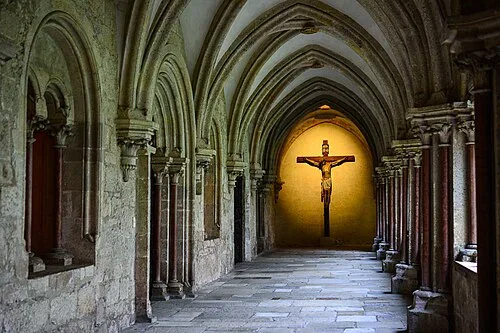 The Cloister and Grisaille Windows
The Medieval Cloister
The cloister is the hinge of the whole monastery. Completed in 1240, this covered walkway links the church to the monks' daily rooms. Around its quiet court lay the chapter house, the work hall and the fountain house. Monks passed this way countless times a day, between prayer, work and meals. The slender colonnettes along the walk are cut from red marble. At the end of the gallery a crucifix waits, lit against the wall.
Listen in the appPhoto: Fotoalfred · CC BY-SA 4.0
08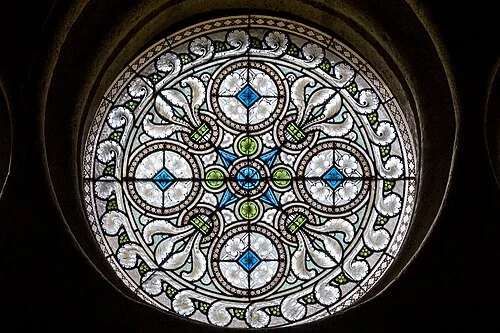 The Cloister and Grisaille Windows
Grisaille Window Glass
Much of the glass here is painted only in grey. The technique is called grisaille, and the Cistercians favoured it. Figures and bright colour were kept out, so the windows let in as much light as possible. Some of these panes date from the thirteenth century. The weather has taken its toll on the valuable glass over the centuries. In the fountain house, the colour returns.
Listen in the appHenry Kellner · CC BY-SA 4.0
09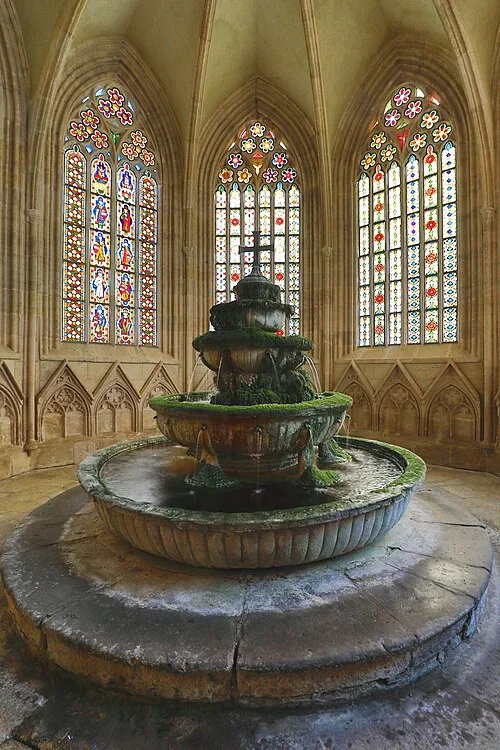 The Fountain House (Brunnenhaus)
This nine-sided room looks like a chapel, and it was built like one on purpose. In the Middle Ages it was the monastery's only source of drinking water. Monks drew water and washed here in the middle of their working day. At the centre stands a pyramid-shaped Renaissance fountain cast in lead. The keystone of the vault shows Christ enthroned; the original oak carving is kept in the abbey museum. The splendour carried a deliberate message. Even ordinary tasks like drawing water happen in the sight of Christ. The decoration reminded the monks to serve God with everything, everywhere.
Listen in the appC.Stadler/Bwag · CC BY-SA 4.0
10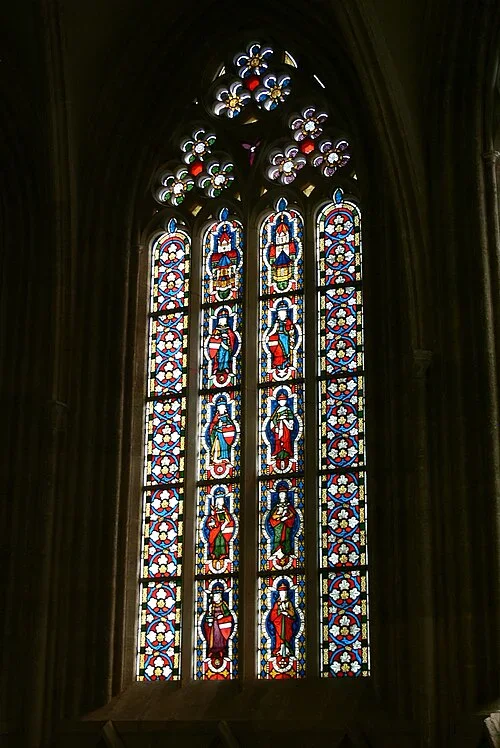 The Fountain House (Brunnenhaus)
The Babenberg Window
The figures in these windows are the family that paid for all of it. The Babenbergs, margraves and later dukes of Austria, founded Heiligenkreuz and endowed it richly. Their generosity shaped the monastery's rise, and their likenesses look down from the glass. The family's story continues in the Chapter House, where its graves lie.
Listen in the appWolfgang Sauber · CC BY-SA 3.0
- 11
The Chapter House - Babenberg Grablege
The monks' meeting room that became the burial place of Austria's medieval ruling dynasty.
- 12
The Totenkapelle (Chapel of the Dead)
From the one room of speech to a chapel of the dead, with Giuliani's candle-bearing skeletons.
- 13
The Fraterie - Nine Centuries Unbroken
The monks' work hall, and the story of nine centuries of unbroken prayer and work.
Stift Heiligenkreuz
Frequently asked questions
How much does the guide cost?
Free app download. Listed guide price: $0.99. Guide price shown in the app. Audio guide only. Venue admission is separate.
Can I listen without internet?
Yes. Download the guide’s audio, images, and maps in the app before your visit. Your downloaded content is then available offline.
Can I listen in my language?
This audio guide is available in 15 languages, including English.
Do I need to follow a schedule?
No. This is a self-guided experience. Choose your stops, pause whenever you like, and return to a story at your own pace.
At your own pace
Explore Stift Heiligenkreuz.
Download Stanza, then search for “Stift Heiligenkreuz”.
Free app download · Guide price shown in the app
Keep exploring
Nearby audio guides
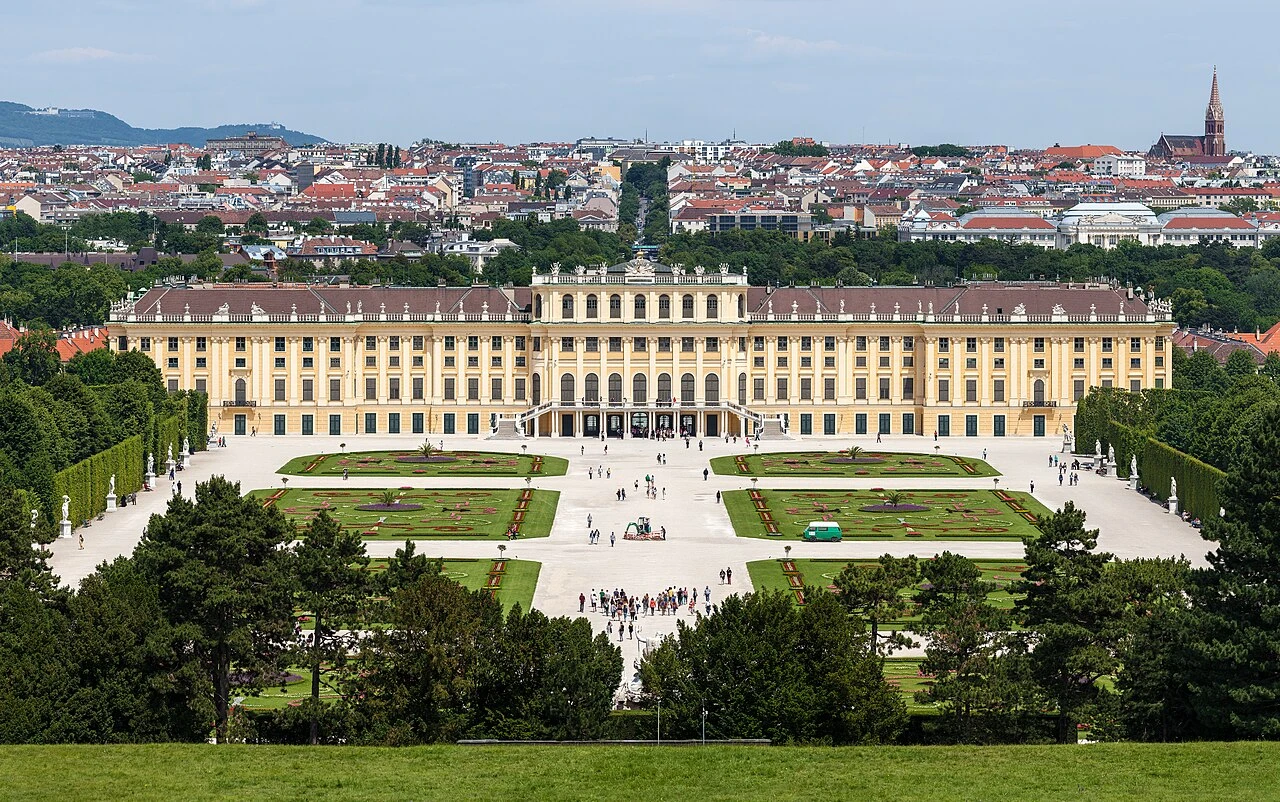
Vienna · 20 km
Schönbrunn Palace
Content & sources
Thomas Wolf, www.foto-tw.de · CC BY-SA 3.0 de
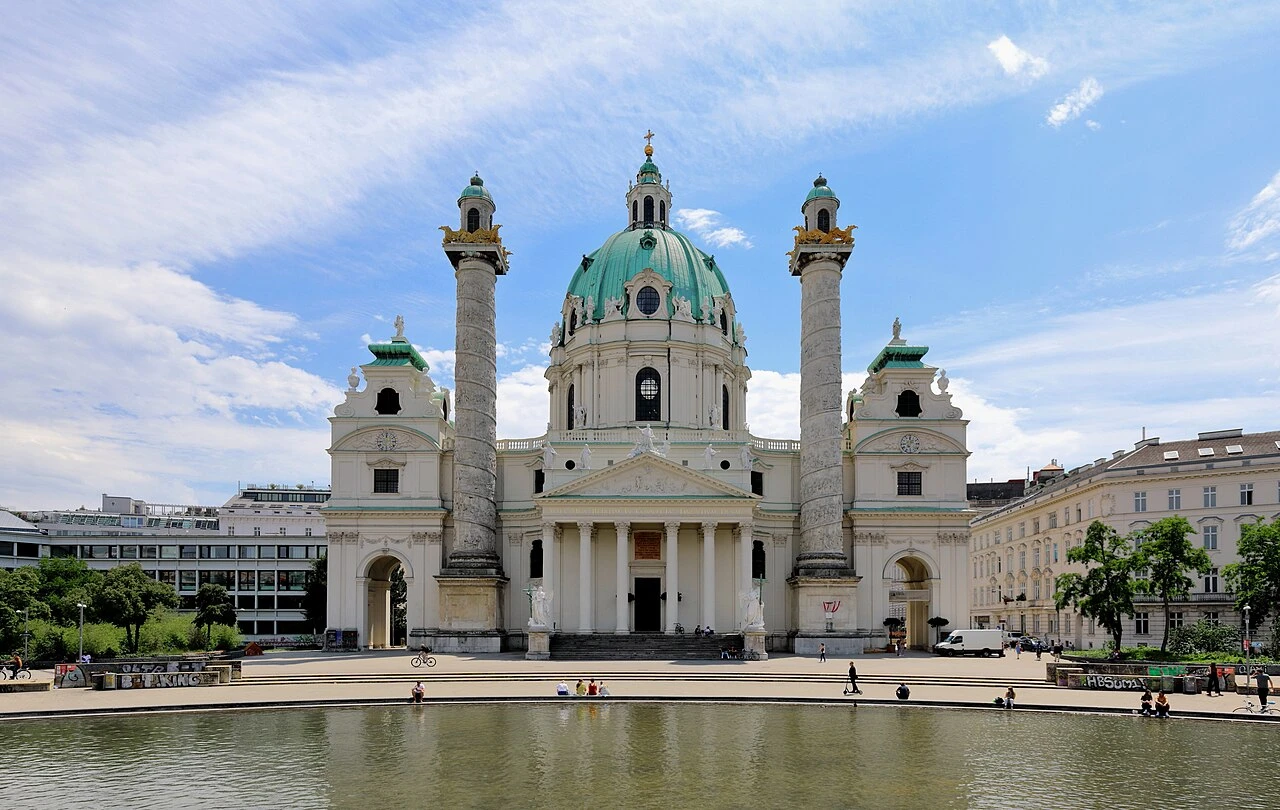
Vienna · 24 km
Wiener Karlskirche
Content & sources
C.Stadler/Bwag · CC BY-SA 4.0
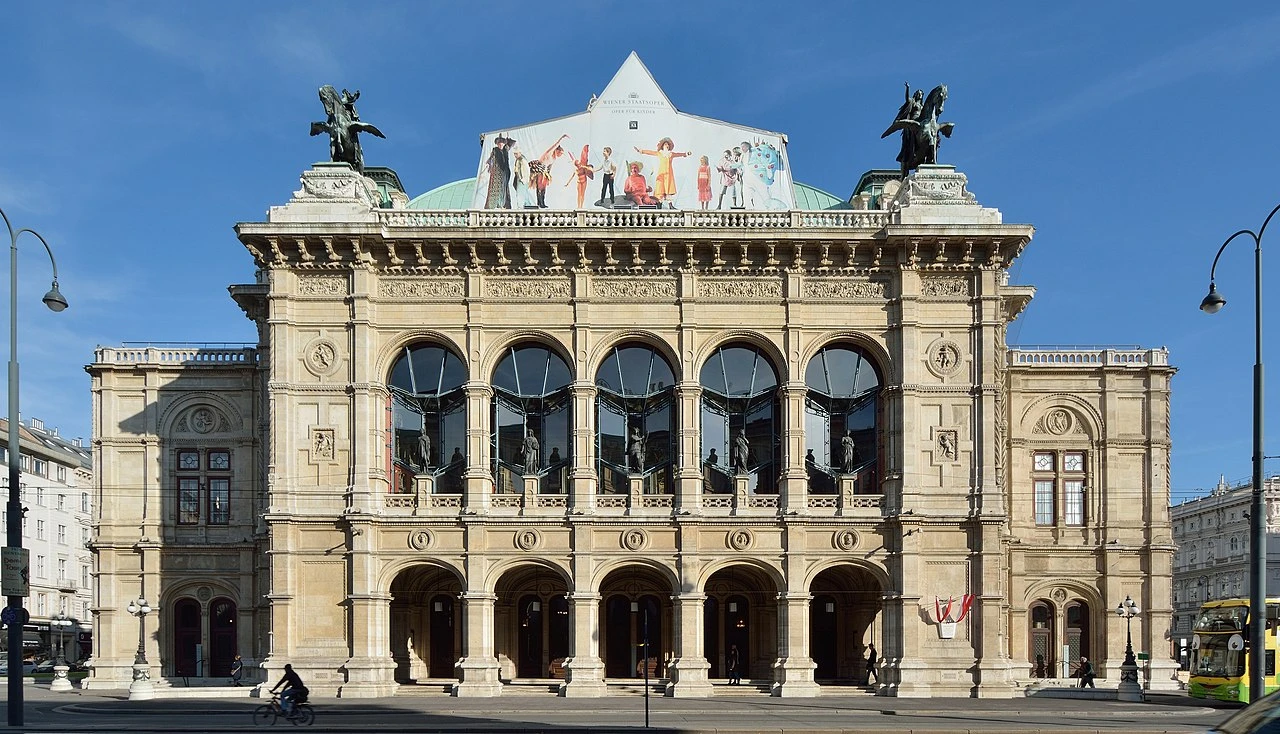
Vienna · 24 km
Vienna State Opera
Content & sources
Photo: P e z i · CC BY-SA 3.0 at
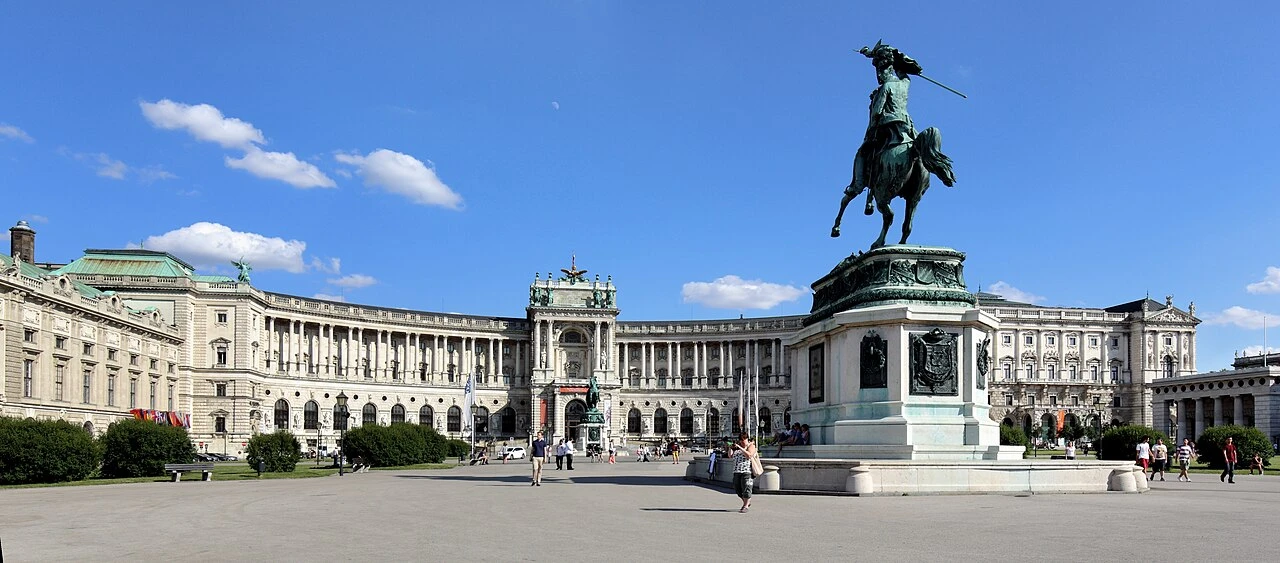
Vienna · 24 km
Hofburg
Content & sources
C.Stadler/Bwag · CC BY-SA 3.0 at