Stanza · Audio guide
Bodrum Kalesi Audio Guide
A place to remember. A story to take with you.
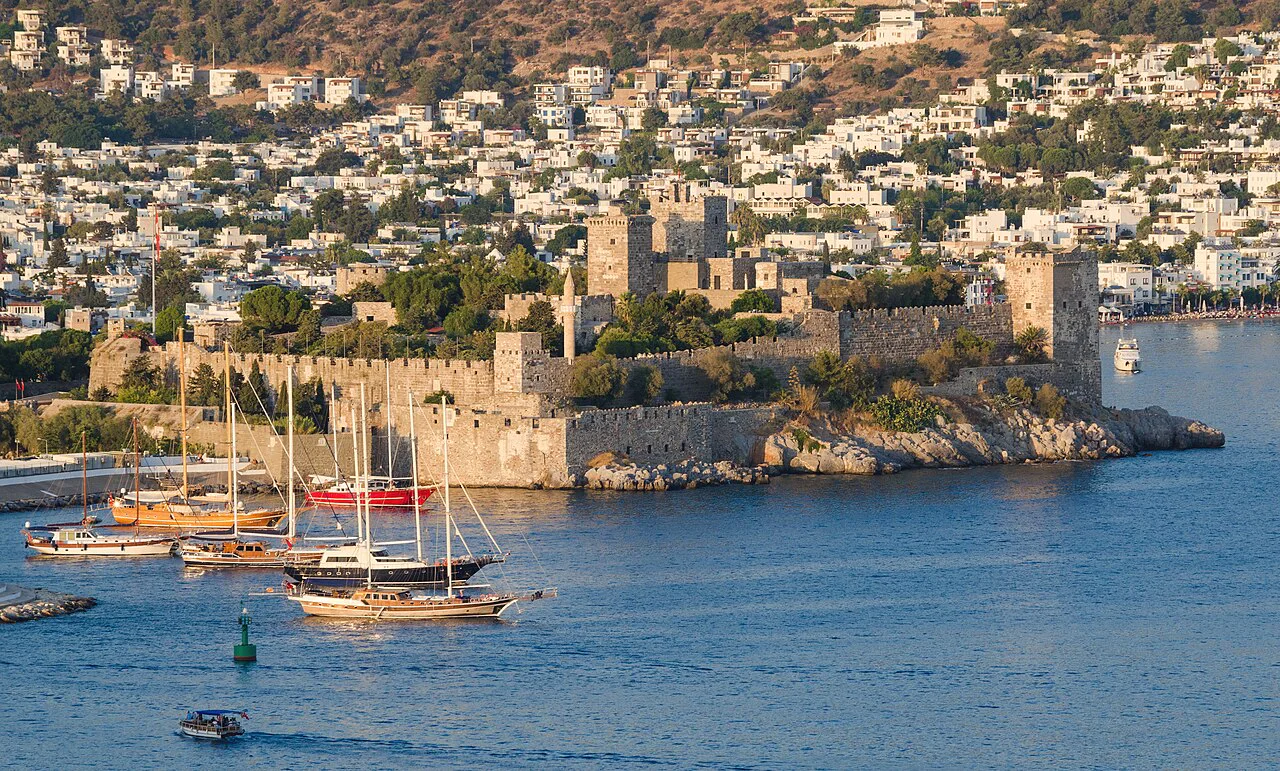
Bodrum Castle is a historical fortification in southwest Turkey built by the Knights of St John starting in 1402. It currently houses the Bodrum Museum of Underwater Archaeology.
Download Stanza, then search for “Bodrum Kalesi”.
About the tour
One guide. Your kind of visit.
Bodrum Castle is a historical fortification in southwest Turkey built by the Knights of St John starting in 1402. It currently houses the Bodrum Museum of Underwater Archaeology.
Ready when you are.
- 01Get the free Stanza app.
iOS & Android
- 02Find your guide.
“Bodrum Kalesi”
- 03Download before you go.
Works offline
Audio guide / 18 narrated stops
Inside the guide
Get to know a few of the stories before you go. Open a stop to read more.
01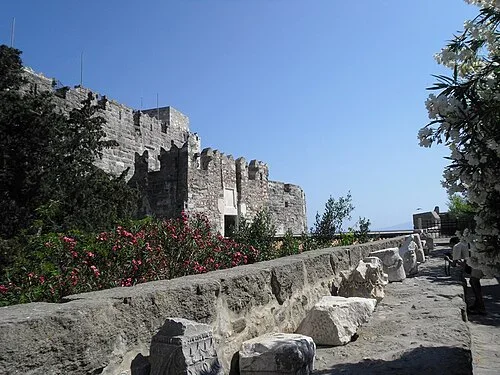 North Moat and Outer Defensive Gateways
Castle of St. Peter – A Crusader Fortress Built from an Ancient Wonder
Welcome to the Castle of Saint Peter, built by the Knights Hospitaller on a rocky promontory between two harbours. Their headquarters lay on Rhodes, and with the Ottoman Empire rising on the mainland, they needed a stronghold of their own across from the island of Kos. Grand Master Philibert de Naillac chose this spot, where a Doric fortification and a small Seljuk castle had stood before, and where King Mausolos of Caria may once have kept his palace. Building began in 1404 under a German knight and architect, Heinrich Schlegelholt. The ramparts hold a strange mixture of stone: squared green volcanic blocks, marble columns and classical reliefs. They came from the Mausoleum of Halicarnassus, one of the Seven Wonders of the Ancient World, which stood just a short distance away. The Knights quarried the fallen Wonder to raise their fortress. When they reinforced the walls in 1494, they went back to the Mausoleum for stone once more. The landward walls were thickened to withstand cannon, while the walls facing the sea stayed thinner. The Order's war fleet ruled the water, so an attack from the land was the danger they feared.
Robin & Bazylek · CC BY 2.0
02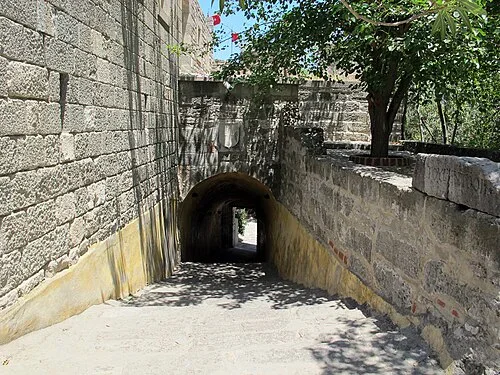 North Moat and Outer Defensive Gateways
The Seven Gates and the Promise of Heaven
The way into this fortress was itself a weapon. Seven gates stood between an attacker and the inner castle, and the passages leading to them twisted and turned without end. Assaulting soldiers could find no cover from the arrows, stones and heated projectiles raining down on them. Above the gateways, the Knights set hundreds of carved coats of arms and reliefs. Two hundred and forty-nine separate designs still survive, belonging to grand masters, castle commandants, countries and individual knights. The gateway arches pass under these stone shields, one after another. Building such a place took labour and money from across Europe, and the Church helped supply both. A papal decree of 1409 guaranteed the construction workers a reservation in heaven. For a medieval mason, it was hard to imagine better wages.
Photo: Sailko · CC BY-SA 3.0
03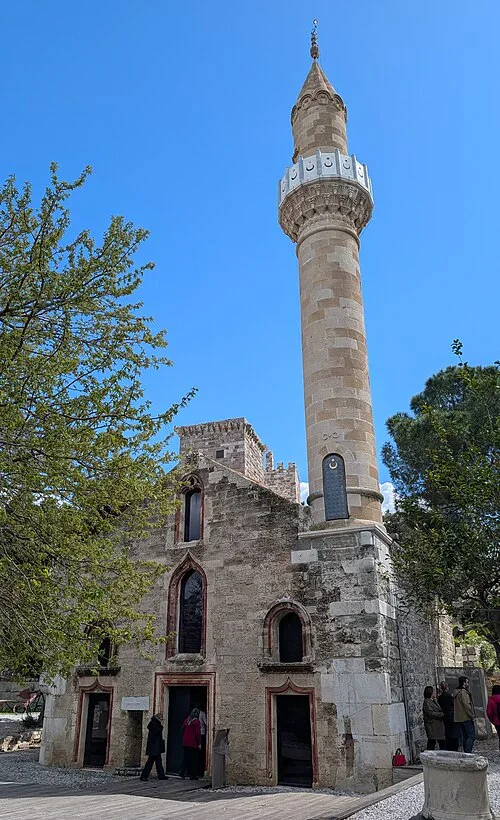 Lower Courtyard and the Chapel-Mosque
From Gothic Chapel to Süleymaniye Mosque
Among the first structures finished inside the new castle was its chapel, probably around 1406. It had a vaulted nave and an apse, the standard shape of a western church. Its Gothic character came later, with a rebuilding by Spanish knights in 1519. In 1522 the Order's headquarters on Rhodes fell to the sultan after a long siege, and the terms of surrender included handing over this castle. The Knights sailed away, and the chapel was converted into a mosque. A minaret was added, rising beside the old Gothic stonework. A traveller named Evliya Chelebi visited Bodrum in 1671 and recorded the mosque's name: the Süleymaniye Camii. Two faiths, two empires, one building, and both layers are still visible in its walls.
Listen in the appPhoto: Vano111ru · CC BY-SA 4.0
04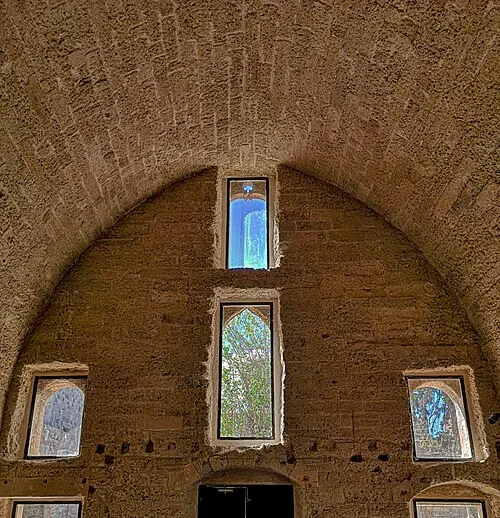 Lower Courtyard and the Chapel-Mosque
The Gothic Vault of the Spanish Knights
In 1519 and 1520, Spanish knights of the Order reconstructed the old chapel in the Gothic style of their homelands. They were the last great builders of the Knights' era here, working barely two years before the castle changed hands. Their names survive on two cornerstones of the façade, cut into the stone they raised. The vaulting overhead is the kind of work those masons practised in Spain's great cathedrals, translated into fortress stone on the Aegean coast.
Listen in the appGargarapalvin · CC BY 4.0
05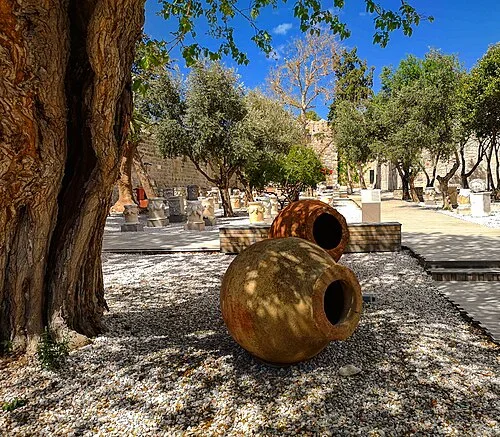 Lower Courtyard and the Chapel-Mosque
Gardens Above the Cisterns
Inside the fortress walls, the courtyards hold a garden that gathers almost every plant and tree of the Mediterranean region. Myrtle and plane trees give the shade, and peacocks parade beneath the branches. Ancient stonework and great terracotta jars are set out among the greenery, finds from the sea and the surrounding country. All this grows on top of careful engineering. Fourteen cisterns for collecting rainwater were excavated into the rock beneath the castle. They caught the winter rain and kept it cool and dark below ground. For a garrison on a dry promontory, that stored water mattered as much as any wall.
Listen in the appGargarapalvin · CC BY 4.0
06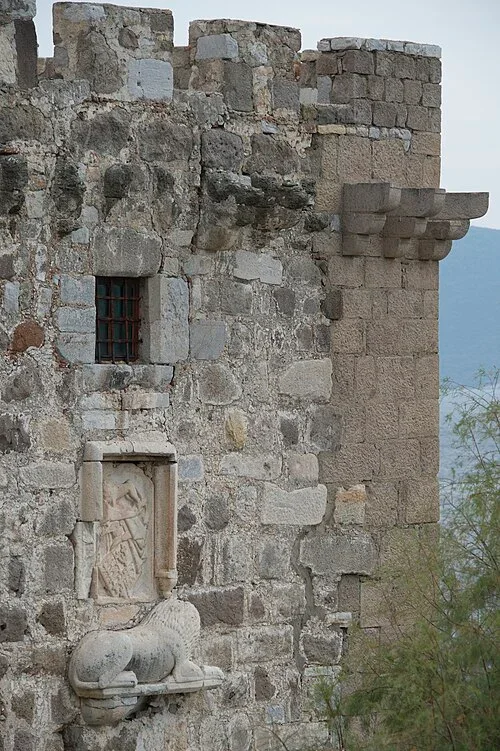 English Tower and the Lion Rampart
The English Tower – Lion and King's Arms
The English Tower was finished in 1413, the stronghold of the castle's English knights. It rises three storeys, and access ran through a single drawbridge, so the tower could be cut off and defended on its own. Its western façade carries an antique carved relief of a lion, a piece of classical sculpture reused in the medieval wall. That lion gave the tower its other name: the Lion Tower. Above the lion sits the coat of arms of King Henry the Fourth of England, marking the nation whose knights built and held this tower. A king's arms on a fortress wall, a world away from London.
Listen in the appPhoto: Dosseman · CC BY-SA 4.0
07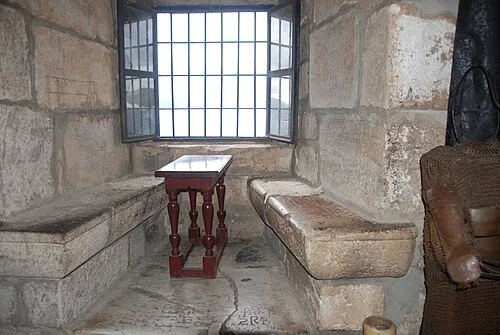 English Tower and the Lion Rampart
Inside the Garrison Hall
Inside the tower, the rooms are plain and thick-walled. Stone benches are built straight into the masonry, a wooden table stands between them, and a barred window opens toward the sea. The Knights Hospitaller lived as soldier-monks, bound by vows, sharing their meals and their duties as a community. A room like this one, with its benches set along the walls, fits that communal way of life. The order's own heraldry watched over them indoors too, in stained-glass coats of arms preserved in the tower. Men who spent their days on ramparts and ships slept and ate behind these same thick stones.
Listen in the appDavid Broad · CC BY 3.0
08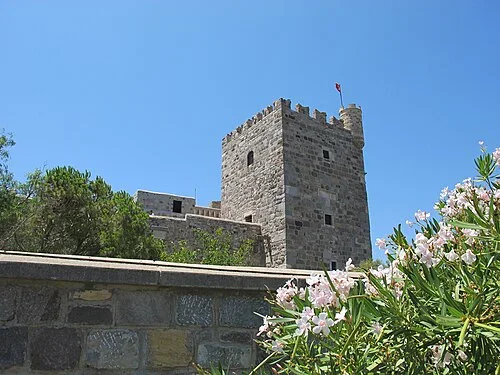 Upper Citadel and the French Tower
The French Tower
The French Tower is the highest point of the castle, rising forty-seven and a half metres above sea level. Each langue of the Order, each national brotherhood of knights, maintained and defended its own tower in its own style, and this one belonged to the French. From its height the garrison could watch both harbours, the town below and the neighbouring bays. Any sail approaching the coast came into view long before it reached the shore. That outlook let a few hundred knights hold a stretch of sea and coast.
Listen in the appPhoto: Sailko · CC BY-SA 3.0
09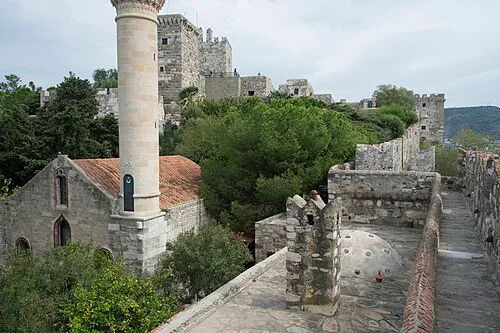 Upper Citadel and the French Tower
Ottoman Centuries and the Fall of the Minaret
From the ramparts, the castle's later centuries spread out below: the domed bath, the minaret, and the towers of the nations. Under Ottoman rule the fortress became a regional military post, and it served the Turkish Army as a base during the Greek Revolt of 1824. In the nineteenth century a hamam, a public bath, was installed inside the walls, and in 1895 the castle became a prison. Long before that, it had sheltered a runaway prince. In 1482 Cem Sultan, brother of the reigning sultan, took refuge here after his revolt failed, and the Knights handed him on as a diplomatic hostage. The twentieth century left its own scars. In May 1915, during the First World War, a French warship shelled the castle, toppling the mosque's minaret and damaging several towers. The minaret lay in ruins for decades before being rebuilt in its original shape in 1997.
Listen in the appPhoto: Dosseman · CC BY-SA 4.0
10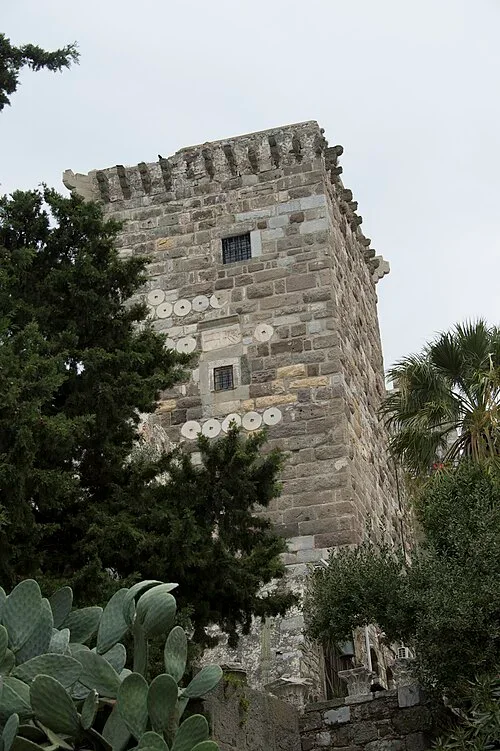 Italian Tower and Hellenistic Gold Collection
The Italian Tower and the Nations of the Order
The Italian Tower carries its nation's signature in stone. A Bailiff headed every langue, and his men answered for a specific stretch of the fortress: keeping it repaired, defending it, and manning it with enough knights and soldiers. That is why four towers here bear the names of nations — the English, the French, the German and the Italian. The roundels set into this tower's walls, and the projecting stonework near its top, give the Italian work a character all its own. Today the tower serves a quieter purpose. It houses the museum's Coin and Jewelry Hall.
Listen in the appPhoto: Dosseman · CC BY-SA 4.0
- 11
Hellenistic Funerary Gold
A hammered gold diadem from the Hellenistic age, made to be buried with the dead.
- 12
The Crown of the Carian Princess
A whole gallery devoted to one royal woman: her gold wreath, her jewelry, her rank.
- 13
The Burial in the Stone Tomb
The princess's own skeleton, lying in its stone tomb as the excavators found it.
- 14
The Serçe Limanı Glass Wreck
A medieval merchant ship raised from the seabed and rebuilt here, timber by timber.
- 15
A Carved Islamic Glass Beaker
An engraved Islamic glass beaker, and a collection ranked among the world's four greatest.
- 16
The Uluburun Shipwreck
How a Crusader castle became the world's leading museum of underwater archaeology.
- 17
Ten Tons of Copper – The Metal Trade of the Bronze Age
Ten tons of copper at the bottom of the sea: the raw business of the Bronze Age.
- 18
The Golden Figurine – What the Castle Means
A gold-covered Canaanite figurine, and the story the whole castle has been telling.
Bodrum Kalesi
Frequently asked questions
How much does the guide cost?
Free app download. Listed guide price: $1.99. Guide price shown in the app. Audio guide only. Venue admission is separate.
Can I listen without internet?
Yes. Download the guide’s audio, images, and maps in the app before your visit. Your downloaded content is then available offline.
Can I listen in my language?
This audio guide is available in 15 languages, including English.
Do I need to follow a schedule?
No. This is a self-guided experience. Choose your stops, pause whenever you like, and return to a story at your own pace.
At your own pace
Explore Bodrum Kalesi.
Download Stanza, then search for “Bodrum Kalesi”.
Free app download · Guide price shown in the app
Keep exploring
Nearby audio guides
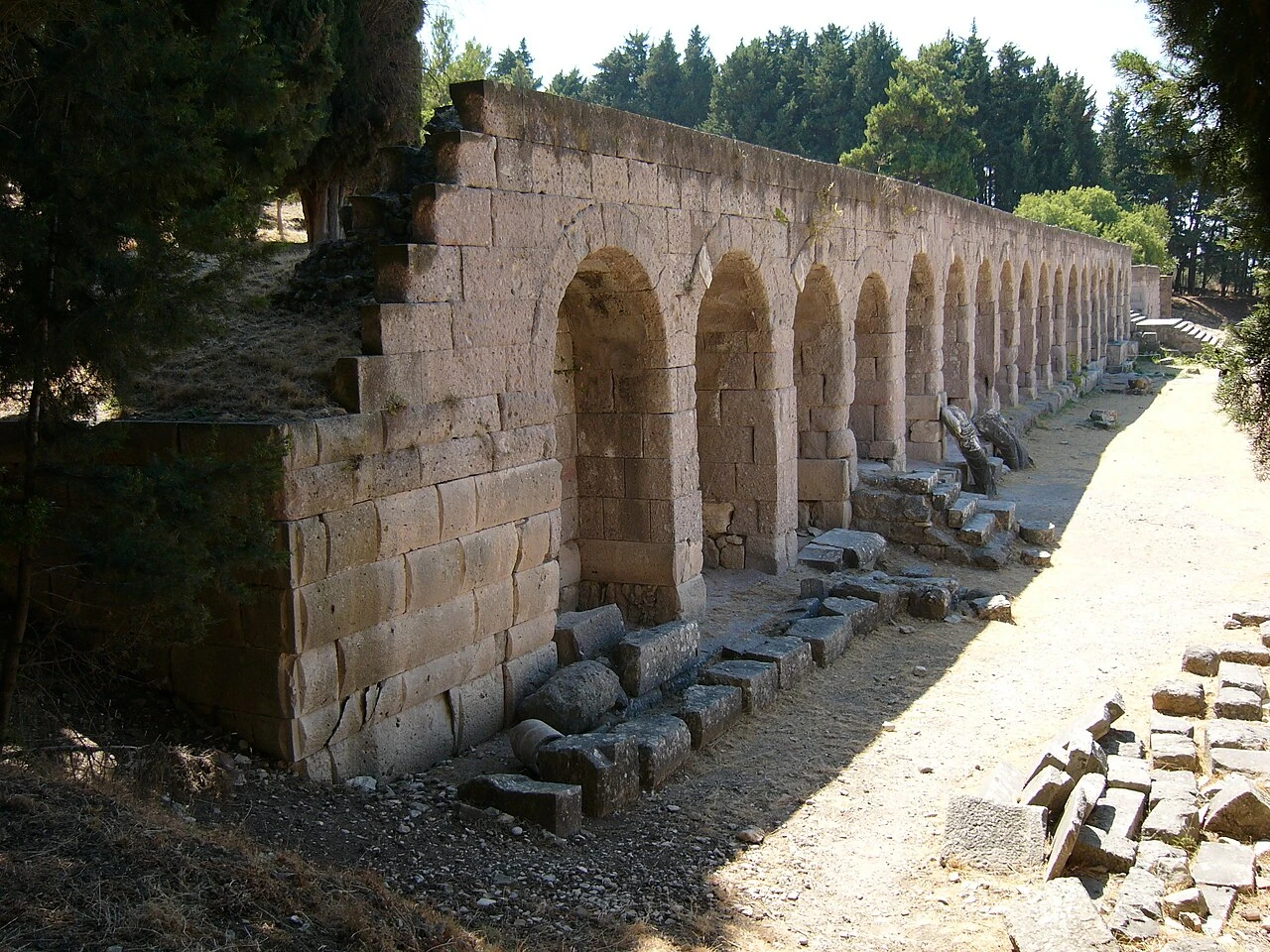
Kos · 23 km
Asclepeion of Kos
Content & sources
Photo: Cup of coffee · CC BY-SA 3.0
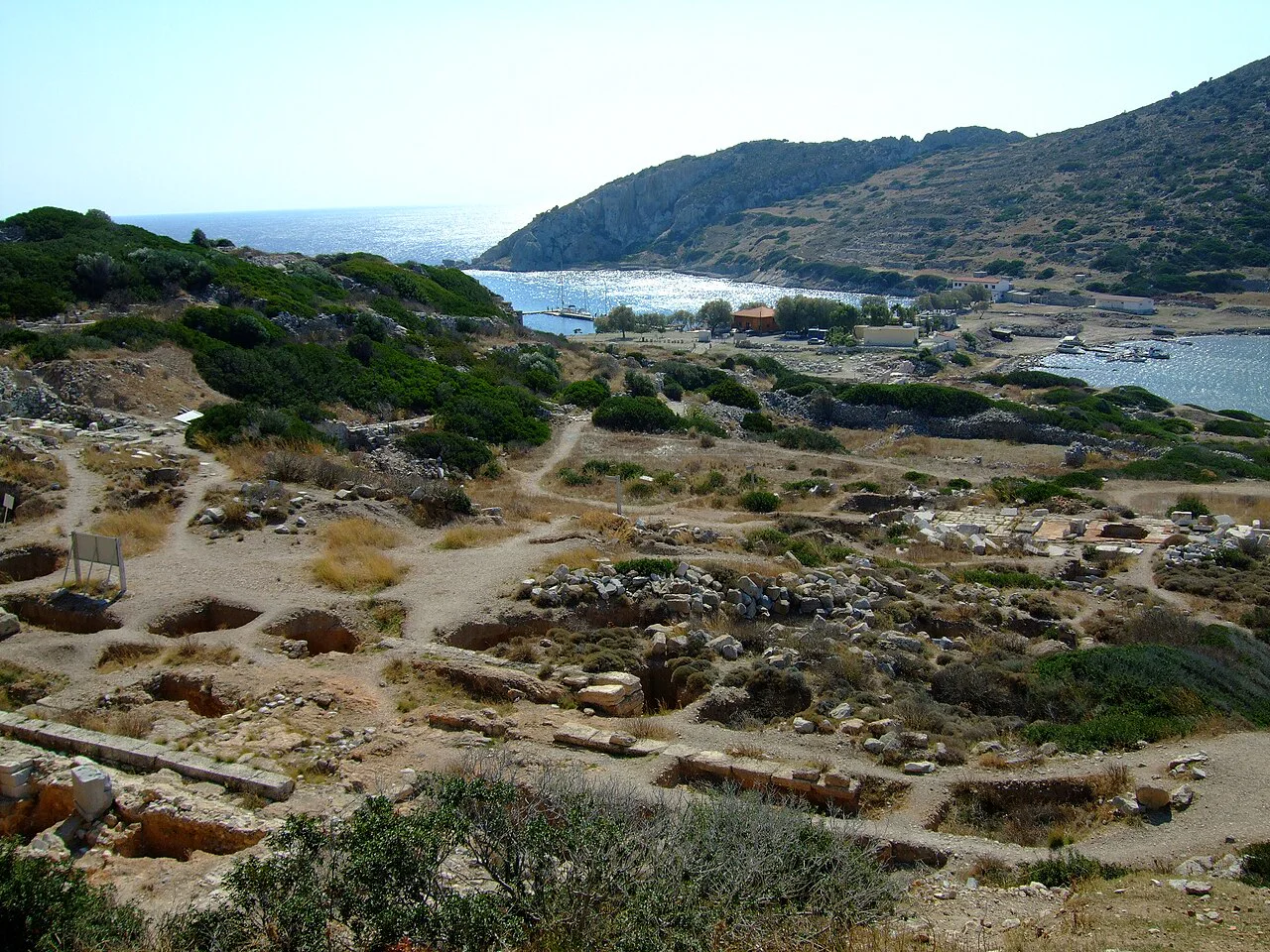
Datça · 39 km
Knidos
Content & sources
Tischbeinahe · CC BY-SA 3.0
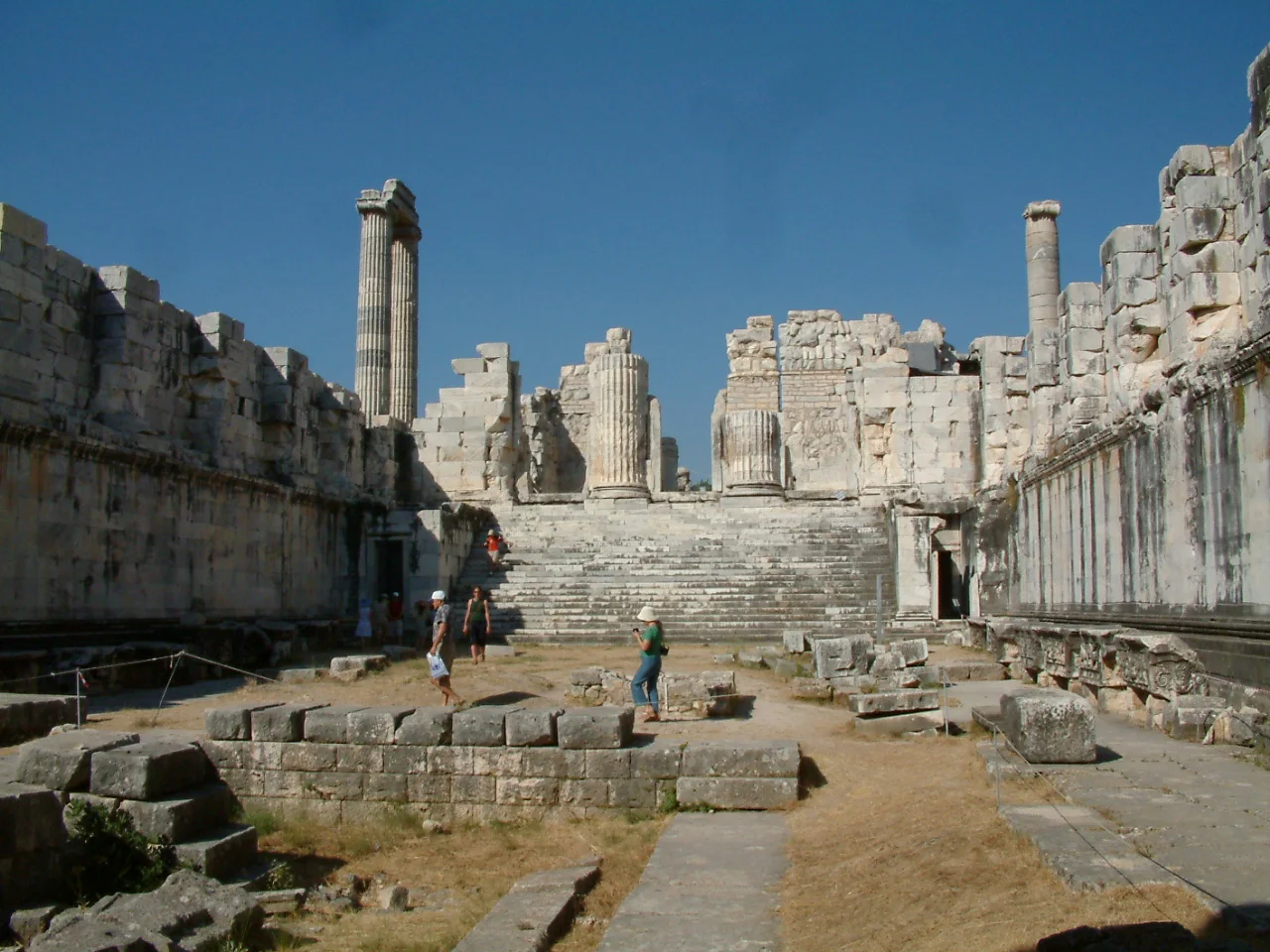
Didim · 42 km
Didyma
Content & sources
Photo: Radomil · CC BY-SA 3.0
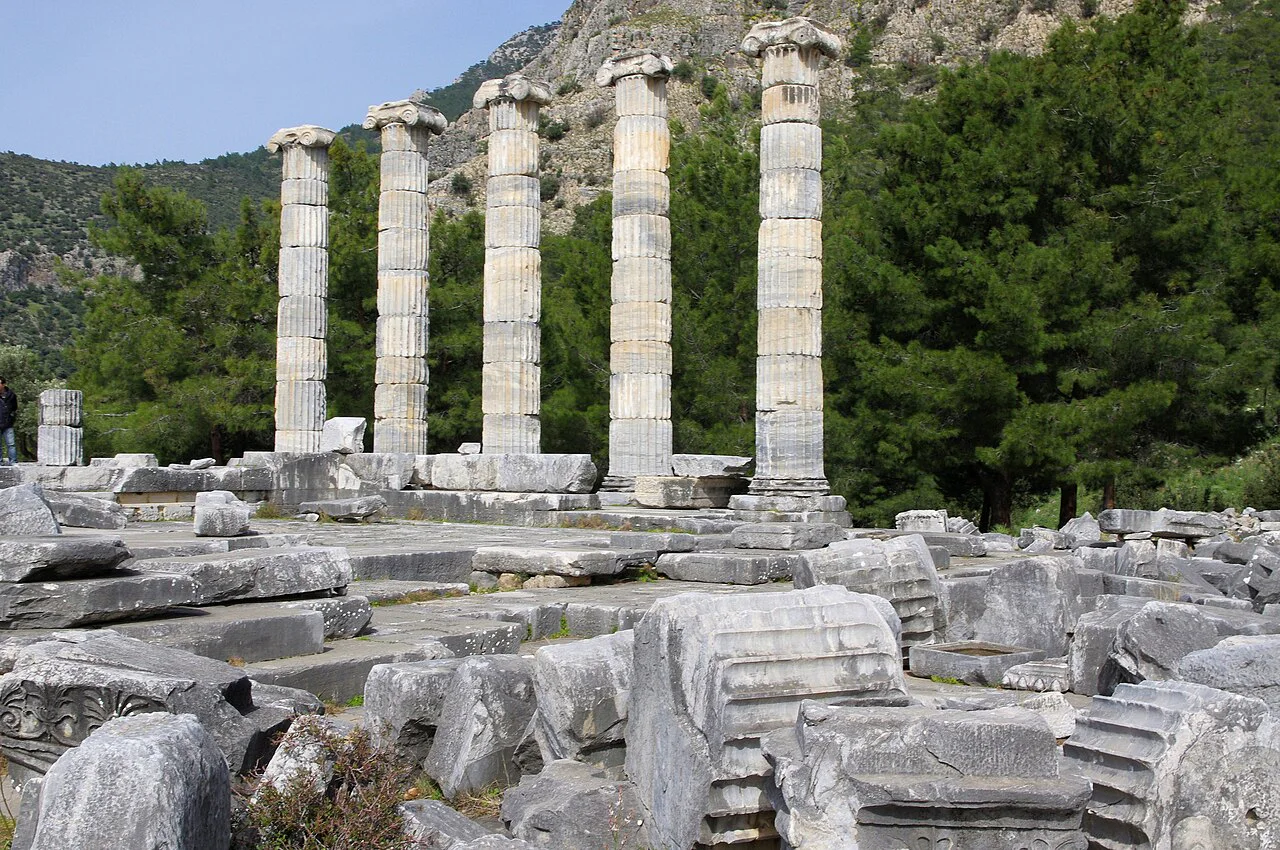
Söke · 71 km
Priene
Content & sources
Ken and Nyetta · CC BY 2.0