Stanza · Audio guide
Didyma Audio Guide
A place to remember. A story to take with you.
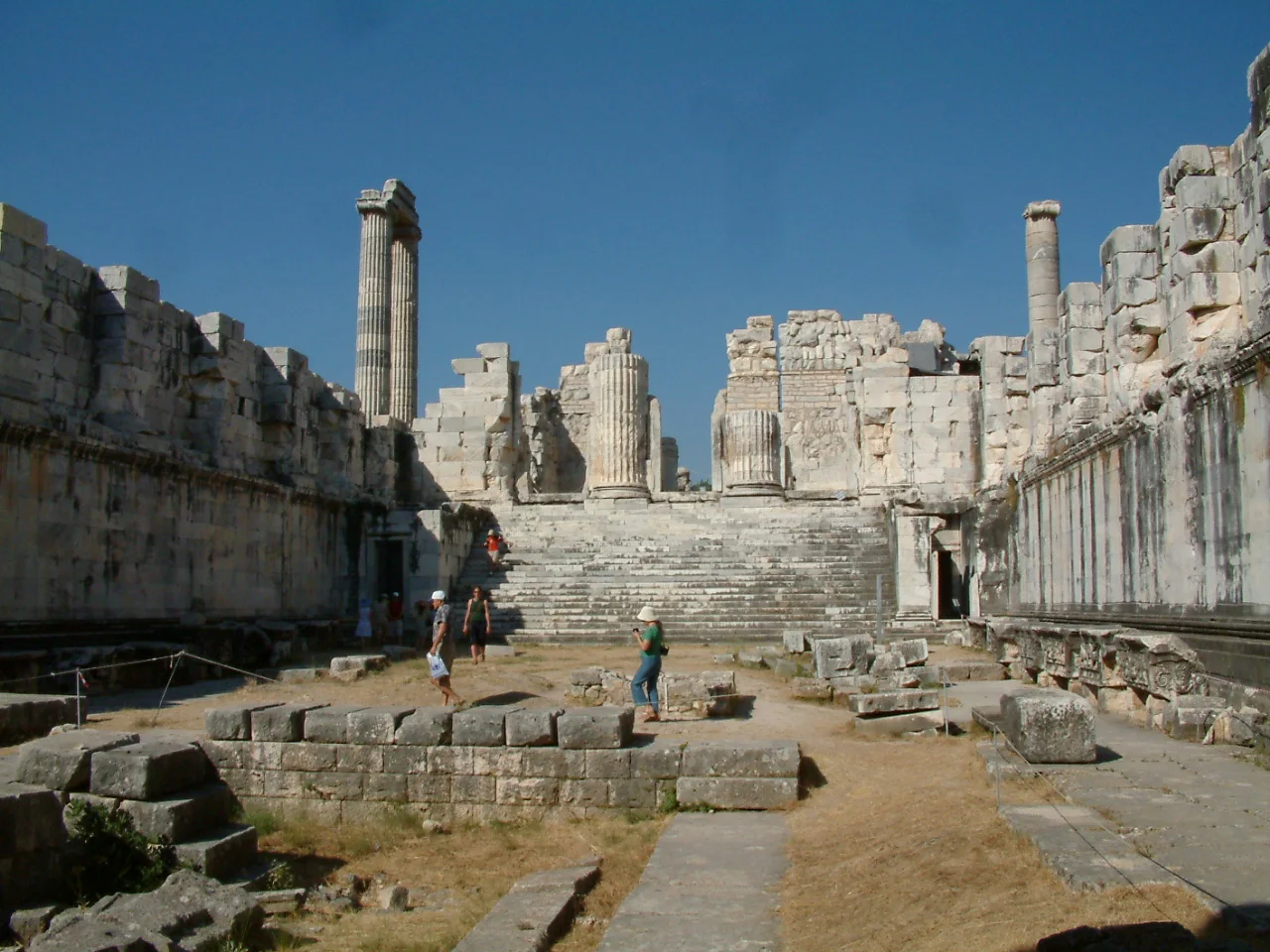
Didyma was an ancient Greek sanctuary on the coast of Ionia that included temples to Apollo and Artemis. It was known in antiquity for its famed oracle of Apollo and features some of the best-preserved…
Download Stanza, then search for “Didyma”.
About the tour
One guide. Your kind of visit.
Didyma was an ancient Greek sanctuary on the coast of Ionia that included temples to Apollo and Artemis. It was known in antiquity for its famed oracle of Apollo and features some of the best-preserved remains from classical antiquity.
Ready when you are.
- 01Get the free Stanza app.
iOS & Android
- 02Find your guide.
“Didyma”
- 03Download before you go.
Works offline
Audio guide / 16 narrated stops
Inside the guide
Get to know a few of the stories before you go. Open a stop to read more.
01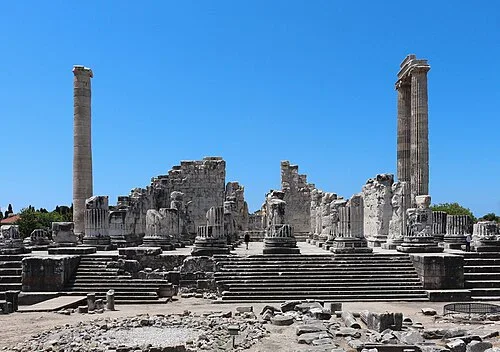 Temple Exterior & Medusa Frieze
Temple of Apollo at Didyma
Welcome to Didyma, the great sanctuary of Apollo in the territory of Miletus, on the Aegean coast of what is now Turkey. For centuries this was one of the Greek world's celebrated places to seek the god's word. The temple that dominates the site is Hellenistic, planned after Alexander the Great freed Miletus from the Persians in 334 BC. The Milesians resolved to build one of the greatest temples ever made. They never quite reached that goal, but they produced a temple with a plan unlike any other. Its platform rises in seven steps. That base measures almost sixty by a hundred and twenty meters. Only two Greek temples were larger: the Heraion of Samos and the Artemision of Ephesus. Vitruvius recorded a tradition that the architects were Paeonius of Ephesus and Daphnis of Miletus. Paeonius had also worked on the great temple of Artemis at Ephesus. The whole building was wrapped in a double file of Ionic columns. Every part of the plan followed ritual requirements, so the architecture itself shaped each visit to the god.
Bernard Gagnon · CC BY-SA 3.0
02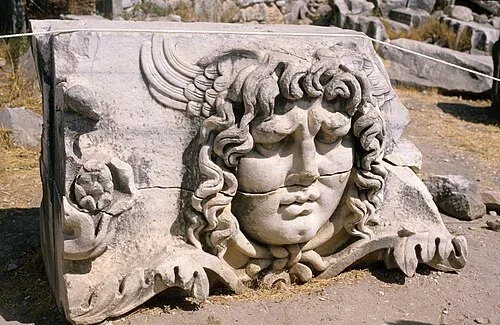 Temple Exterior & Medusa Frieze
Medusa Head of the Temple Frieze
A face with wings at its temples stares out of a fallen block of marble, its hair a mass of carved curls, a long crack running across it. This is one of the colossal Medusa heads that crowned the temple's frieze, set above the architraves on the outer colonnade. In Greek tradition such a face is called a gorgoneion. Medusa's gaze was said to turn anyone who met it to stone. Builders placed her image on temples and gateways so that the same power would repel harm before it could enter. Here the idea was carried to an enormous scale, the heads monumental rather than mere ornament. The carving still does its quiet work on everyone who passes by.
Photo: Dagmar Hollmann · CC BY-SA 3.0
03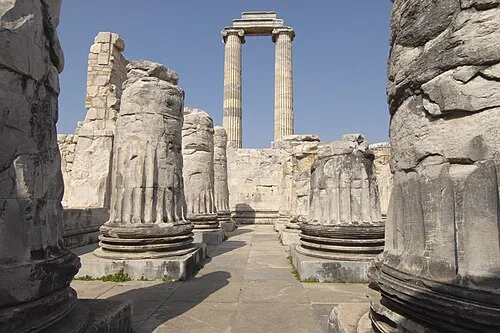 Pronaos (Entrance Hall)
Pronaos: The Entrance That Was Not an Entrance
A temple doorway normally leads inside. This one leads nowhere. The entrance hall, the pronaos, was built with three rows of four columns, so a visitor approached through something like a grove of stone. In a normal temple the far end would open into the god's room. Here that door was replaced by a blank wall. The threshold below it stands a meter and a half above the floor of the pronaos, too high to cross. The whole doorway reaches fourteen meters, and still no one passes. High up in the wall there is a single large opening. Through it a visitor could glimpse only the upper part of a small temple standing in the court beyond. The architecture was designed to stop people at the door, and to show them just enough of what they could not reach.
Listen in the appPhoto: Dosseman · CC BY-SA 4.0
04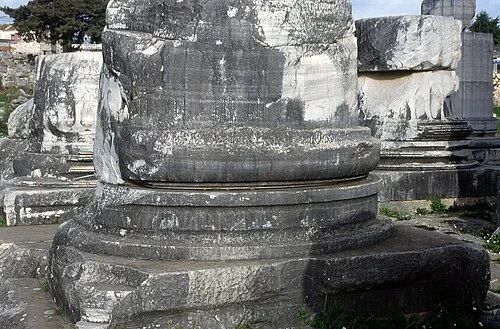 Pronaos (Entrance Hall)
Unfinished Column Base: A Building Site for Six Centuries
This column base never received its final shape. The work on it was arrested in the middle of the process. That is the story of the whole temple. Construction continued, with interruptions, for over six hundred years, and the building was never completed. The main body was finished around 100 BC, and after that Miletus went on erecting columns of the surrounding colonnade. The roof was never entirely finished, and the temple lacked its pediments, the sculpted gables at each end. Nothing else like it exists in Greek architecture. Because so much was left undone, the building reads like a handbook of every stage of constructing a temple. The trail of unfinished pieces runs from the quarries at the Latmian Gulf, today's Bafa Gölü, to the harbors there, along the road to the sanctuary, and finally inside it.
Listen in the appMark Landon · CC BY 4.0
05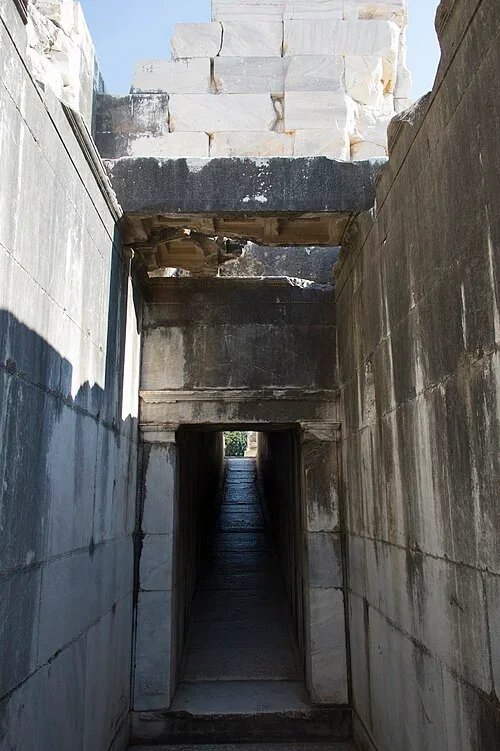 Sloping Tunnels
Sloping Tunnel into the Adyton
The great door of this temple was never meant to be crossed. So the builders hid the true entrance inside the walls themselves. Two long, constricted sloping tunnels lead down from the pronaos, cut through the full thickness of the masonry. A visitor left the bright public hall and stepped into stone corridors that narrow as they descend. The way is dark, close, and sloping, a slow descent into the god's hidden world. At the bottom the tunnels open into the inner court. The passage itself was the threshold: anyone who entered did so by leaving the daylight behind.
Listen in the appPhoto: Dosseman · CC BY-SA 4.0
06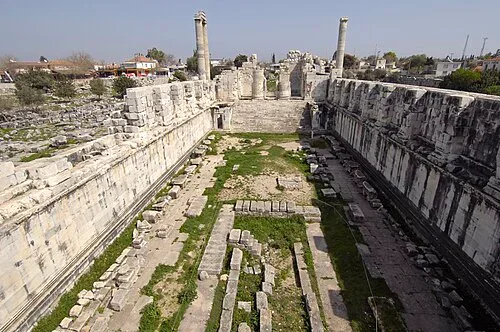 Sekos (Inner Open-Air Court)
The Sekos: Heart of the Oracle
Beyond the tunnels opens the court that inscriptions call the sekos, or sometimes the adyton. It is open to the sky, yet cut off from the world by walls twenty-five meters high. Here stood the oracle spring and the sacred laurel tree, with the small temple of the cult statue beside them. The priestess, seated above the spring, gave her utterances, and a priestly family made sense of them. These were the Branchidae, who claimed descent from Branchus, beloved of Apollo. In 494 BC, after the Greeks lost the naval battle of Lade, the Persians under King Darius burned the sanctuary. The story goes that the oracle spring then ceased to flow. The Branchidae surrendered the treasures and marched off into Persian territory, taking the oracle's whole tradition with them.
Listen in the appPhoto: Dosseman · CC BY-SA 4.0
07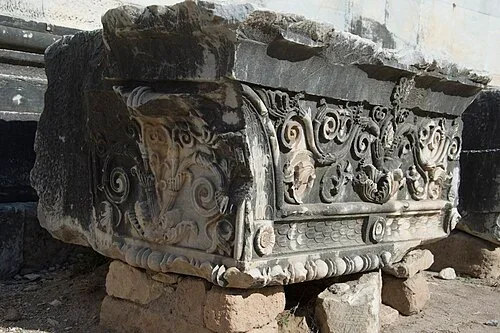 Sekos (Inner Open-Air Court)
Pilaster Capital with Griffins
The god's hidden court was not left as plain stone. Its inner walls were articulated with pilasters, flat columns built into the masonry. Their capitals carry griffins, the mythical creatures with a lion's body and an eagle's head and wings, woven together with flowers. This carved capital dates from the second century BC, and its scrollwork is still sharp after two thousand years. Running among the pilasters, a long frieze of griffins decorated the whole circuit of the sekos. From the ground far below, the ornament formed a continuous band around the god's enclosed world.
Listen in the appPhoto: Dosseman · CC BY-SA 4.0
08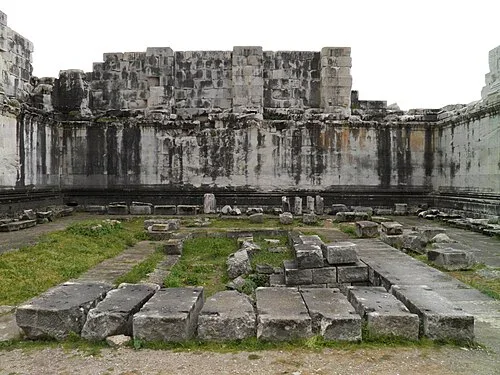 Naiskos & Sacred Spring
The Naiskos and the Cult Statue
At the heart of the court stood a temple within the temple. This is the naiskos, a small Ionic building whose foundations are just over eight meters wide. From end to end they run about fourteen meters. It was built around 300 BC, and ancient writers praised the exceptional quality of its ornament. Inside its own small room stood the bronze cult image of Apollo, traditionally attributed to Canachus of Sicyon in the sixth century BC. The Persians had carried that statue off to Ecbatana when they burned the sanctuary. Seleucus the First Nicator brought it back from Persia, at almost exactly the time the naiskos was raised. The image became famous enough to appear on the coins of Roman Miletus. And the oracle itself came back to life. Callisthenes, a court historian of Alexander, reported that the spring began to flow again as Alexander passed through Egypt in 331 BC. The sacred spring lay in the eastern half of the court, where its remains were later found beneath an early Byzantine church.
Listen in the appCarole Raddato · CC BY-SA 2.0
09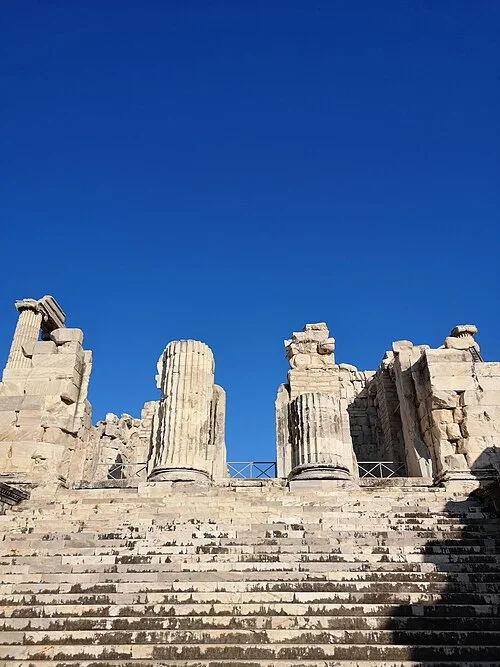 Monumental Staircase & Labyrinth Passages
Monumental Staircase and Oracle Hall
Halfway up the inner face of the temple, a monumental staircase climbs between the two tunnel openings to three doorways. Beyond them lies a hall whose roof was carried by two columns set on the central axis. The hall opened to the east, facing the great portal that no one could pass through. Beside its doors stood two half columns of the Corinthian order, their capitals richly carved. Those capitals survived intact into modern times, and were destroyed during the First World War. What the hall was actually used for, no one has been able to establish.
Listen in the appGargarapalvin · CC BY 4.0
10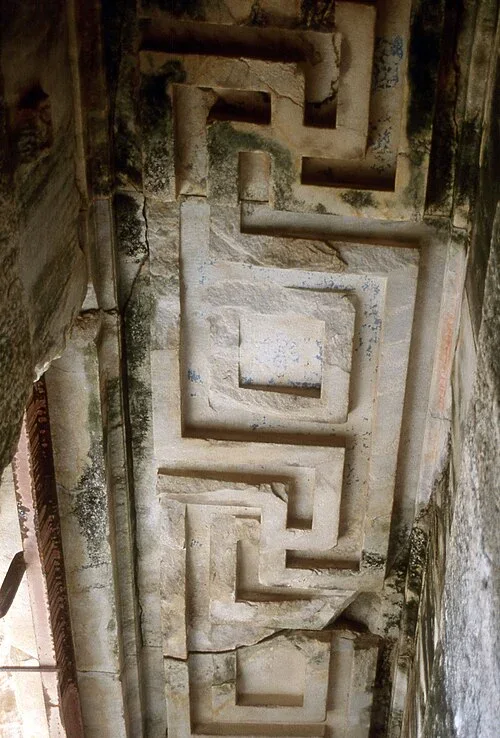 Monumental Staircase & Labyrinth Passages
Labyrinthoi: Stairwells and Ancient Blueprints
Flanking the hall, to the north and south, two stairwells climb through the masonry to the temple roof. The inscriptions call them labyrinthoi, labyrinths, probably after their ceilings, which are carved with a meander pattern coiling like the passages of a maze. What the builders wanted with a way onto the roof is still unclear. The walls nearby hold a greater surprise. The inner faces of the court were left unpolished, and in 1979 the scholar Lothar Haselberger noticed fine lines scratched into them. They turned out to be construction drawings from the Hellenistic builders themselves, the first ancient blueprints known. On the north wall runs a draft of a temple column, drawn at full size. On the west wall are inscribed instructions for the pediment of a small temple. The drawings cover at least two temples, Apollo's and Artemis's. One puzzle remains: the drawn pediment is wider than the building it seems to fit, and whether it was meant for the naiskos is still unresolved.
Listen in the appMark Landon · CC BY 4.0
- 11
The Two Standing Columns
Two columns at their full original height, and the emperor who finally raised the eastern facade.
- 12
Stadium of Didyma
The stadium tucked against the temple, where spectators sat on the god's own steps.
- 13
Seats of the Spectators: Topos Inscriptions
The ancient spectators who carved their names into the stone to keep their seats.
- 14
Theatre of Didyma: Excavation Plan
The theatre found only in 2010, built from recycled stadium stone for musical contests.
- 15
The Sacred Way from Miletus
The twenty-kilometer processional road from Miletus, lined with statues, some now in the British Museum.
- 16
Temple of Artemis: The Twin's Sanctuary
Apollo's twin sister had a temple here too, and its design was hiding in plain sight.
Didyma
Frequently asked questions
How much does the guide cost?
Free app download. Listed guide price: $1.99. Guide price shown in the app. Audio guide only. Venue admission is separate.
Can I listen without internet?
Yes. Download the guide’s audio, images, and maps in the app before your visit. Your downloaded content is then available offline.
Can I listen in my language?
This audio guide is available in 15 languages, including English.
Do I need to follow a schedule?
No. This is a self-guided experience. Choose your stops, pause whenever you like, and return to a story at your own pace.
At your own pace
Explore Didyma.
Download Stanza, then search for “Didyma”.
Free app download · Guide price shown in the app
Keep exploring
Nearby audio guides
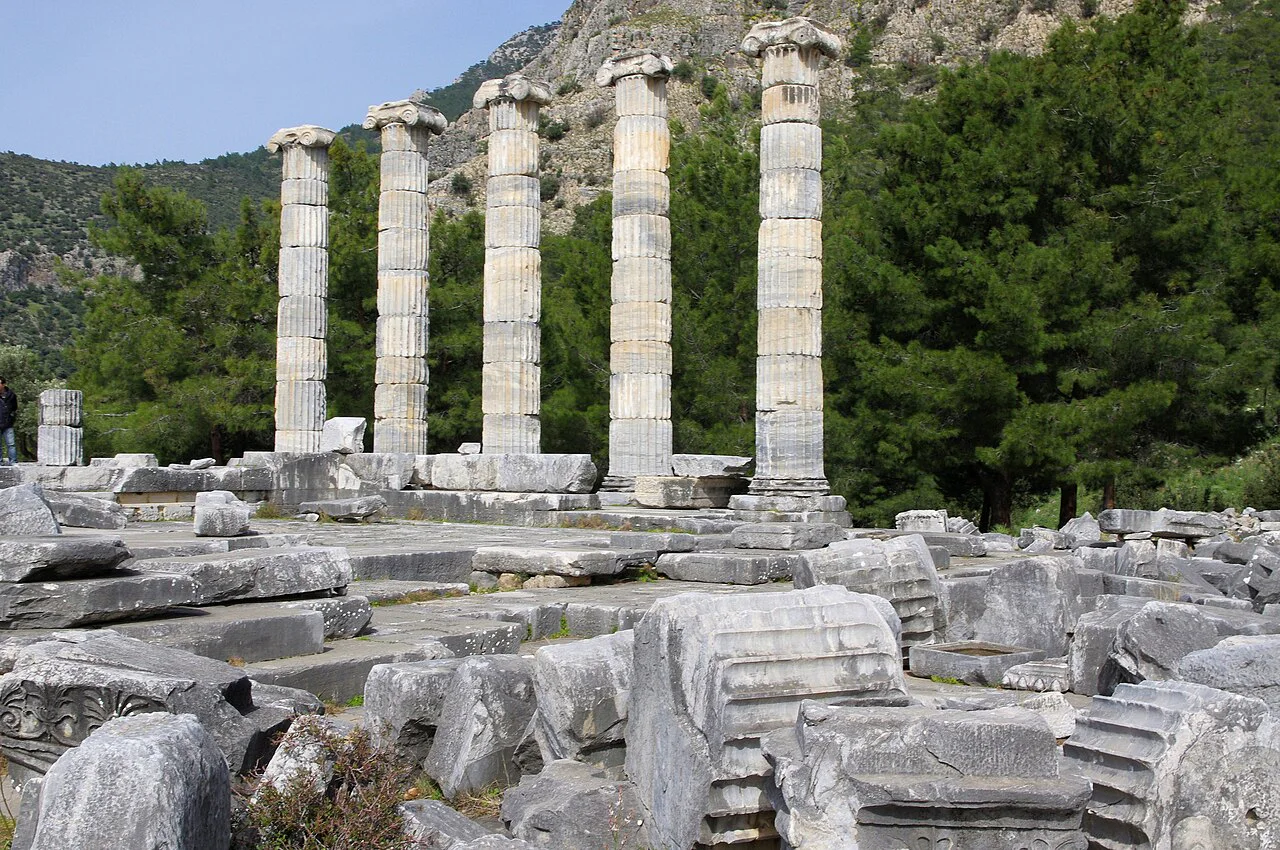
Söke · 31 km
Priene
Content & sources
Ken and Nyetta · CC BY 2.0
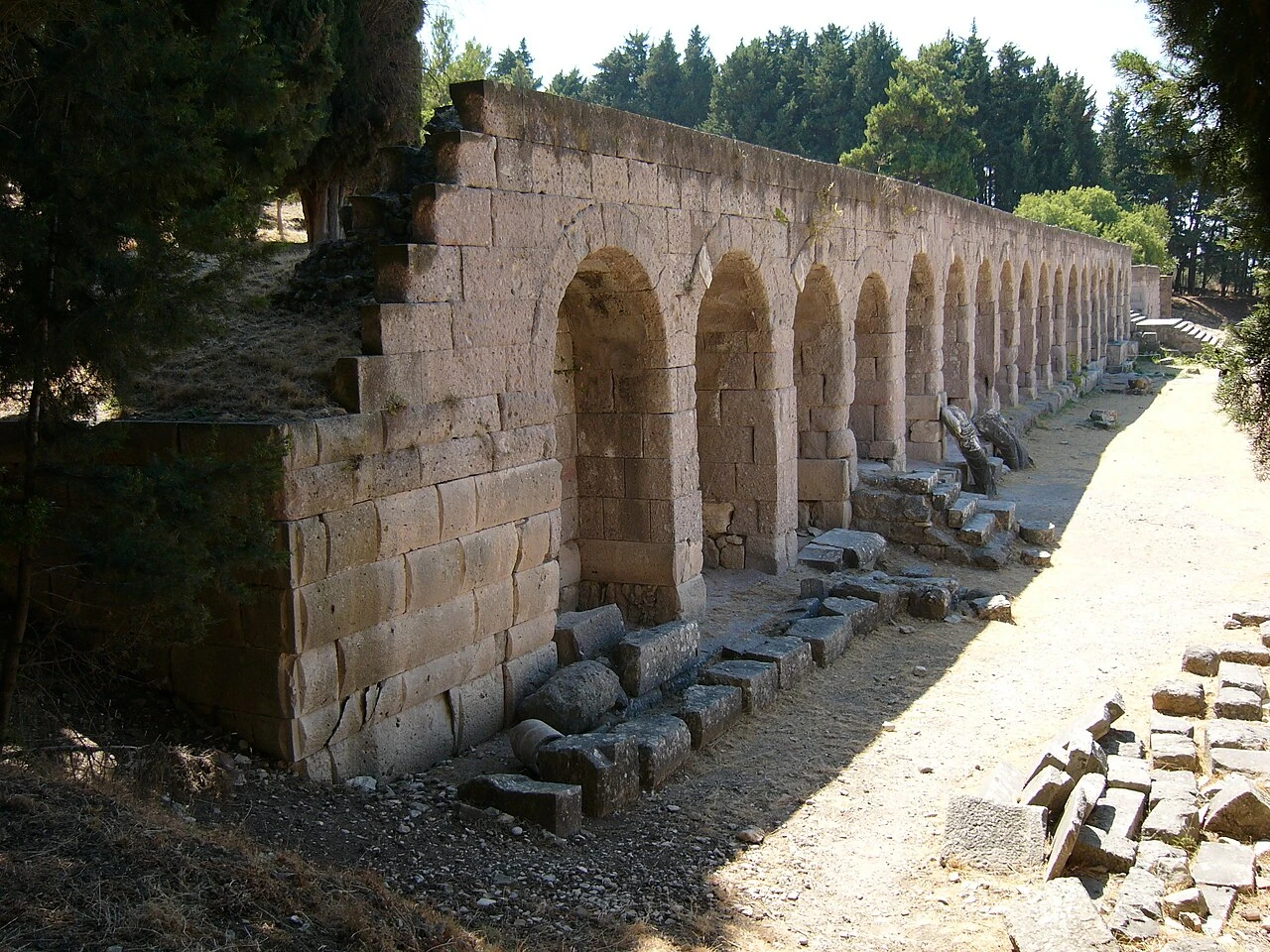
Kos · 57 km
Asclepeion of Kos
Content & sources
Photo: Cup of coffee · CC BY-SA 3.0
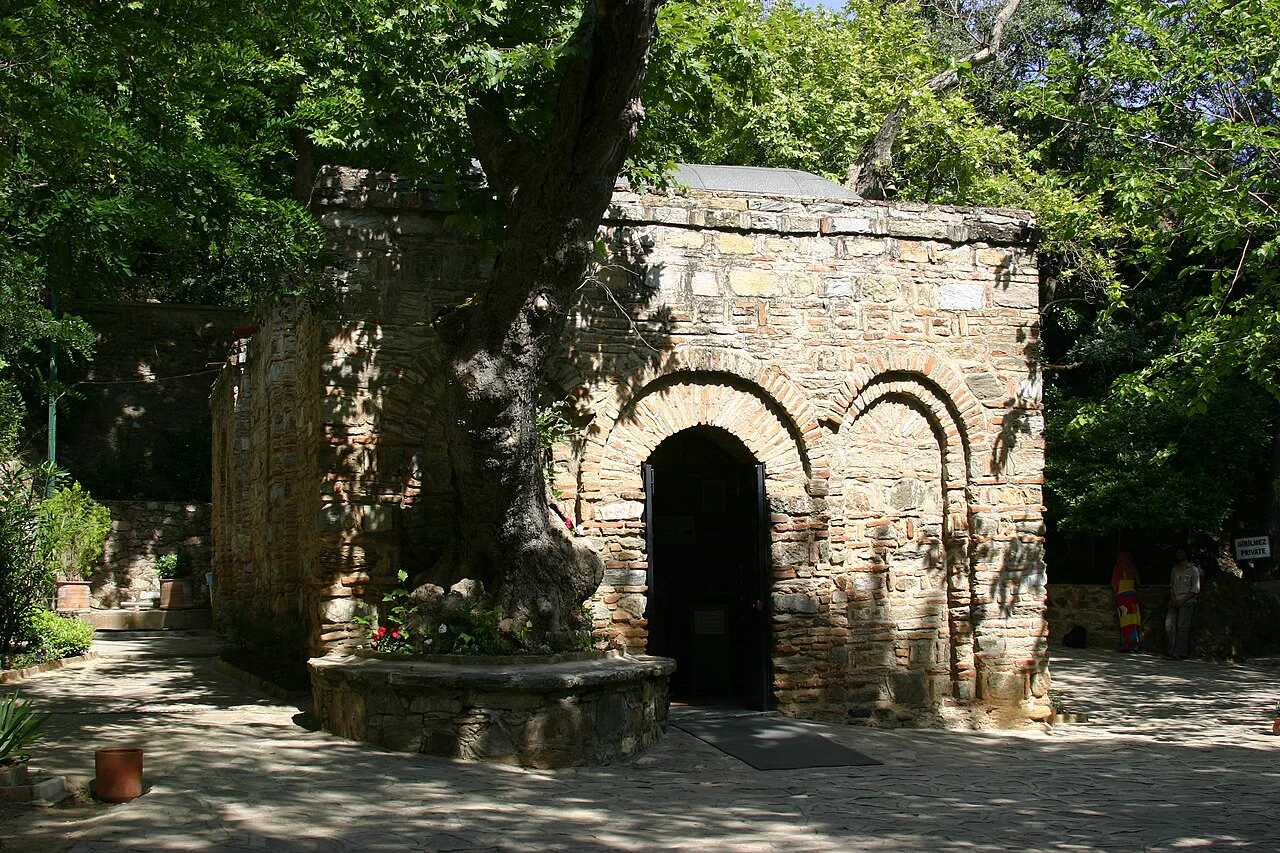
Selçuk · 59 km
Meryem Ana Evi
Content & sources
No machine-readable author provided. Mfryc assumed (based on copyright claims). · CC BY-SA 2.5
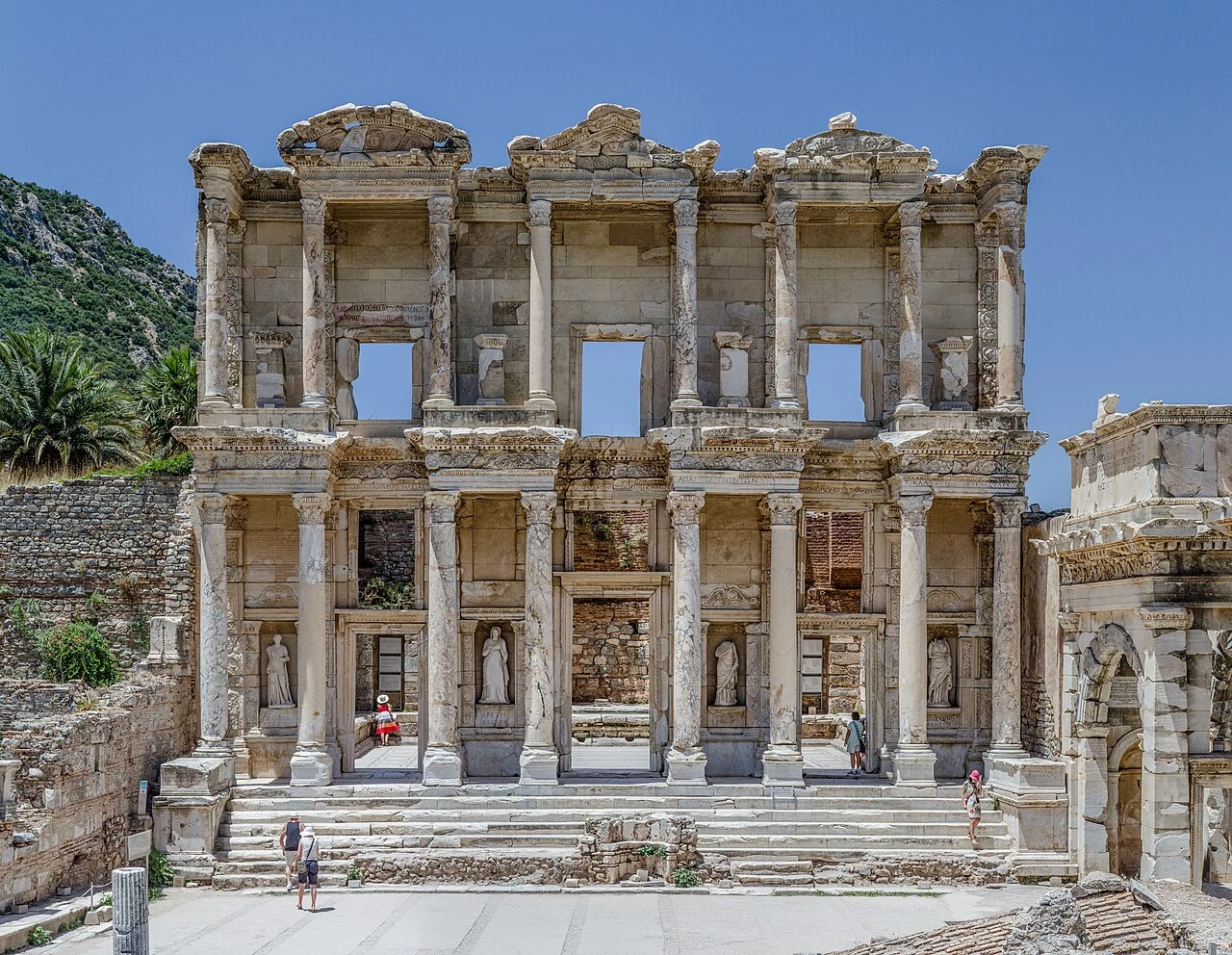
Selçuk · 62 km
Ephesus
Content & sources
Benh LIEU SONG · CC BY-SA 3.0