Stanza · Audio guide
Basilika Mariazell Audio Guide
A place to remember. A story to take with you.
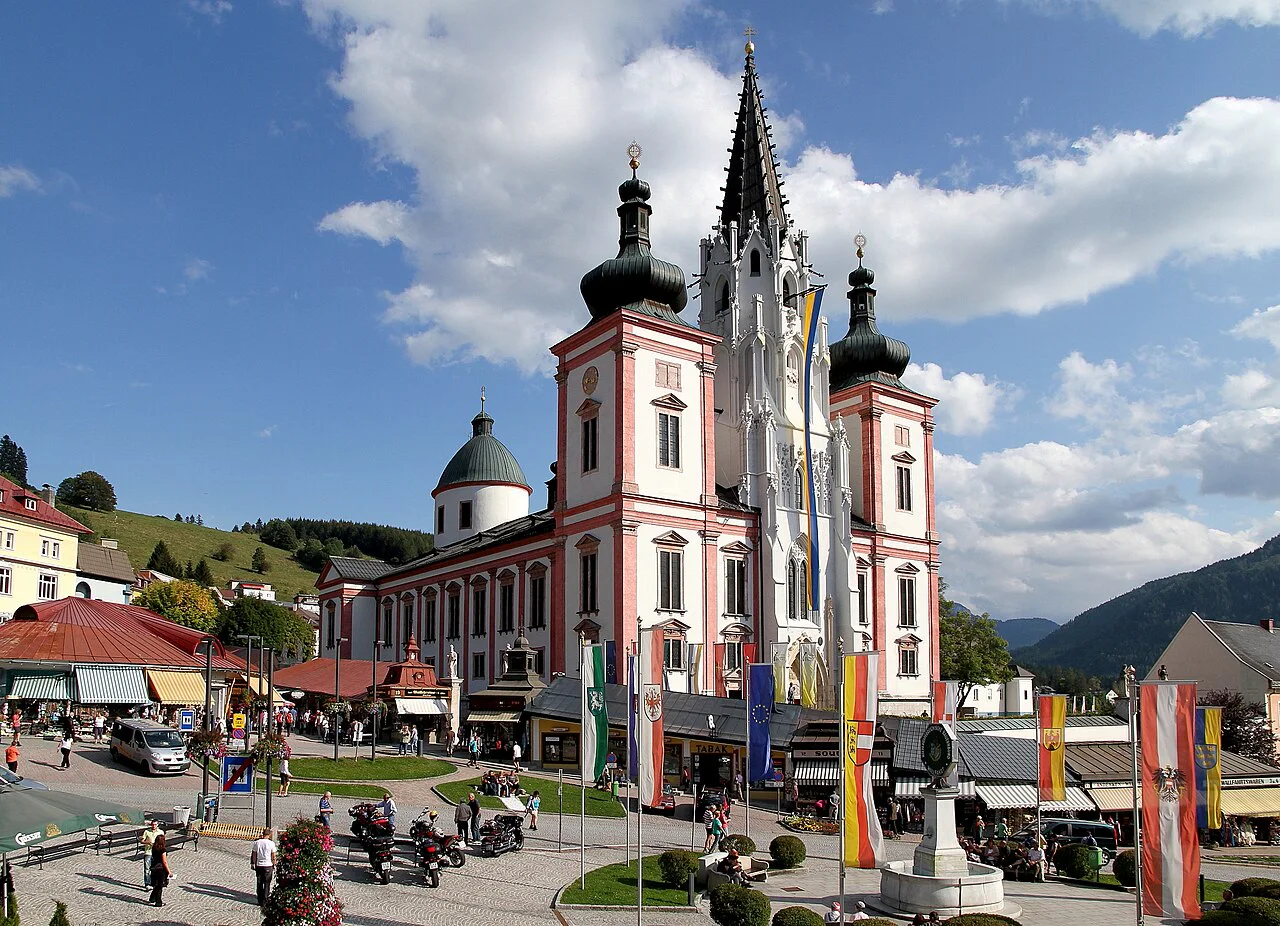
Mariazell Basilica is a Roman Catholic church building located in Mariazell, Austria. It is the most important Christian pilgrimage destination in Austria and one of the most visited shrines in Europe.
Download Stanza, then search for “Basilika Mariazell”.
About the tour
One guide. Your kind of visit.
Mariazell Basilica is a Roman Catholic church building located in Mariazell, Austria. It is the most important Christian pilgrimage destination in Austria and one of the most visited shrines in Europe.
Ready when you are.
- 01Get the free Stanza app.
iOS & Android
- 02Find your guide.
“Basilika Mariazell”
- 03Download before you go.
Works offline
Audio guide / 14 narrated stops
Inside the guide
Get to know a few of the stories before you go. Open a stop to read more.
01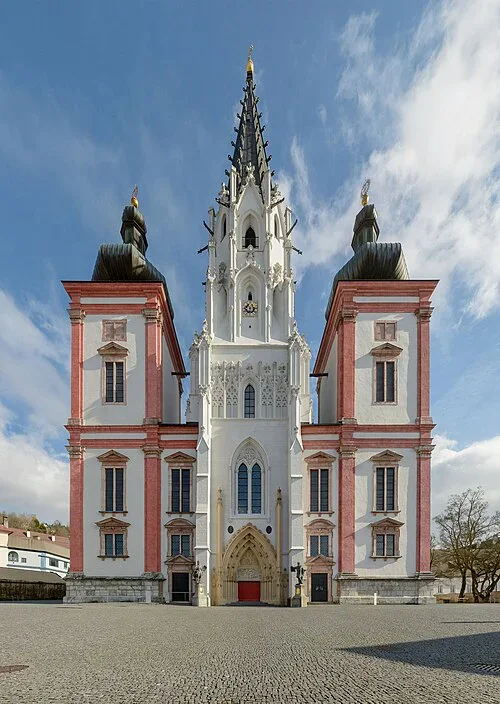 Main Square and the Three-Tower Facade
The Three-Tower West Facade
Welcome to Mariazell, high in the mountains of Styria. This basilica is the most important pilgrimage church in Austria, and the only shrine in the German-speaking world honoured as a national sanctuary. Its facade holds the whole biography of the building in a single view. A slender Gothic spire from the fourteenth century rises in the middle. Two broad Baroque towers flank it, built when the architect Domenico Sciassia enlarged the church between 1644 and 1683. A humble hermitage grew into one of the most visited shrines in Europe, and the building shows every stage of that growth. A wooden image of the Virgin has been venerated in this church since the twelfth century.
Photo: Uoaei1 · CC BY-SA 4.0
02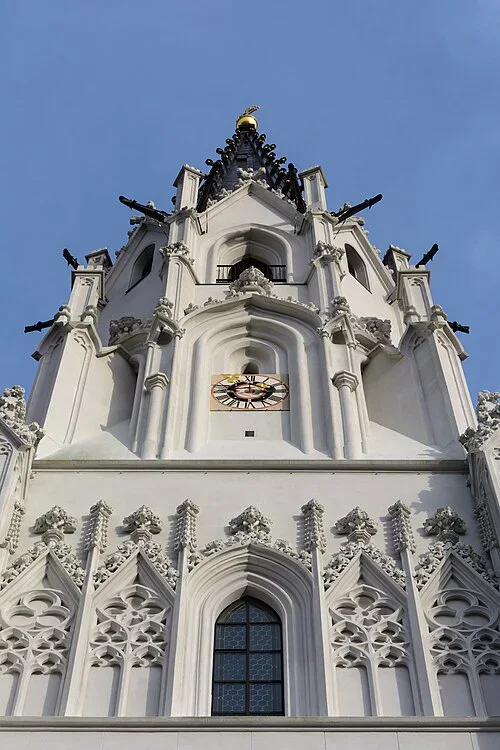 Main Square and the Three-Tower Facade
The Gothic Central Spire
The central tower is the oldest part of the facade. A Gothic church with a pointed portal and this ninety-metre tower stood at Mariazell by the fourteenth century. Fire struck twice in the Middle Ages, in 1420 and again in 1474. The worst came on the night of All Saints in 1827, when the roof and all three tower helmets burned. The interior of the church escaped the flames. Masons repaired the damage between 1828 and 1830, and the new roof went up flatter than the old one, a simple gable instead of the steep Baroque form. The tower still rings. Its great bell, the Grosse Mariazellerin, was cast in 1950 and weighs about five and a half tonnes, the heaviest in Styria.
Photo: Uoaei1 · CC BY-SA 4.0
03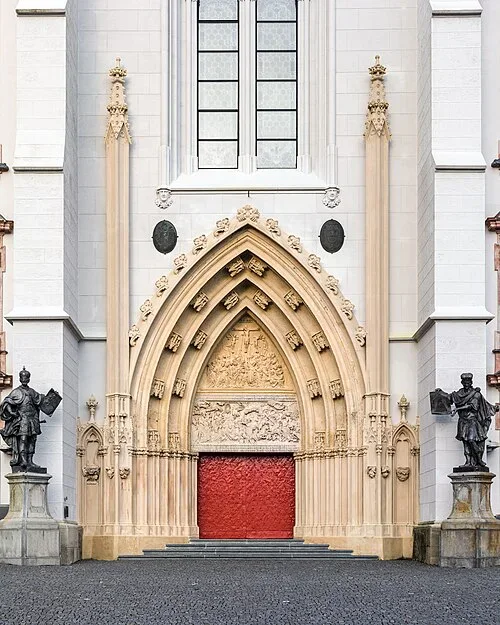 Gothic Main Portal and Royal Benefactors
The Gothic Main Portal
The main entrance keeps its Gothic pointed arch, and the sculpture over the doorway tells a story in stone. The tympanum shows a royal victory, whose tale is told by the lead king standing by the entrance. This doorway also marks an older chapter. The story goes that around 1200, Margrave Heinrich of Moravia and his wife suffered from severe gout. Prayers to Our Lady of Mariazell healed them, and the grateful couple made a pilgrimage to the place. In thanks they had the first stone church built on the site of the wooden chapel. That stone church set Mariazell on its way to becoming a destination for pilgrims from far beyond the valley.
Listen in the appPhoto: Uoaei1 · CC BY-SA 4.0
04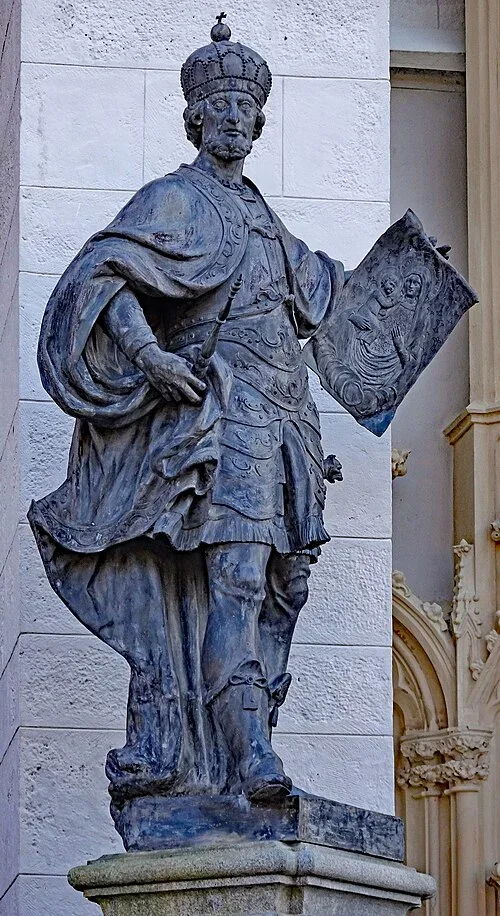 Gothic Main Portal and Royal Benefactors
Lead Statue of King Ludwig I of Hungary
The life-sized lead figure of a crowned king holds a painted image in his hand. He is King Ludwig I of Hungary, cast by the sculptor Balthasar Moll in 1757. His story is the third founding legend of Mariazell. Ludwig faced a Turkish army that outnumbered his own, the legend says, and prayed to the Virgin of Mariazell. Victory followed. In thanks he built the Gothic church, the spire that still rises over the facade, and endowed it with the Schatzkammerbild, the treasury image. That image, the story goes, had come to him in a dream, laid upon his chest. On the other side of the portal stands Margrave Heinrich of Moravia, the shrine's other great benefactor.
Listen in the appPhoto: Rollroboter · CC BY-SA 4.0
05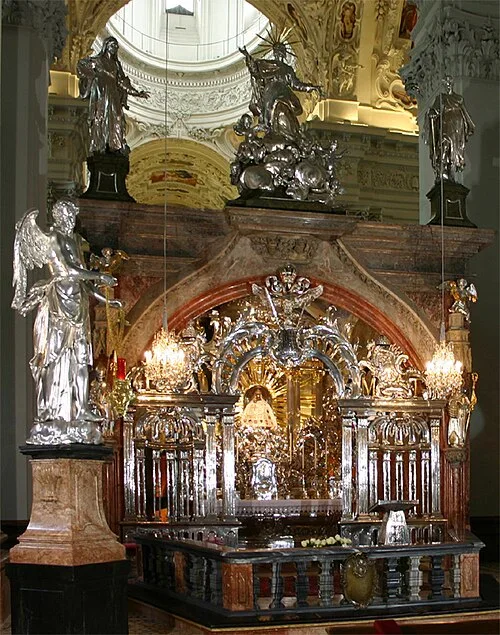 The Gnadenkapelle (Chapel of Grace)
The Gnadenkapelle and the Imperial Silver Grille
The Chapel of Grace stands at the heart of the basilica, and the founding legend belongs to this exact spot. In 1157, the story goes, a monk named Magnus was sent from St. Lambrecht Abbey to serve the people of this valley. A rock blocked his path. He set down the little Marian figurine he carried, and the rock split apart, clearing the way. On a rise nearby he placed the figurine on a tree trunk and built a wooden cell around it, a chapel and a home in one. The name Mariazell means Mary in the cell, and the chapel still stands where that first cell stood. Tradition gives the founding date as December 1157. The silver grille closing the chapel was a gift of Emperor Francis I and Empress Maria Theresa in 1756, for the church's six-hundredth anniversary. A mighty double eagle crowns it, the emblem of the Habsburgs, who claimed the shrine as their own.
Listen in the appPhoto: Inge-Lyubov~commonswiki · CC BY-SA 3.0
06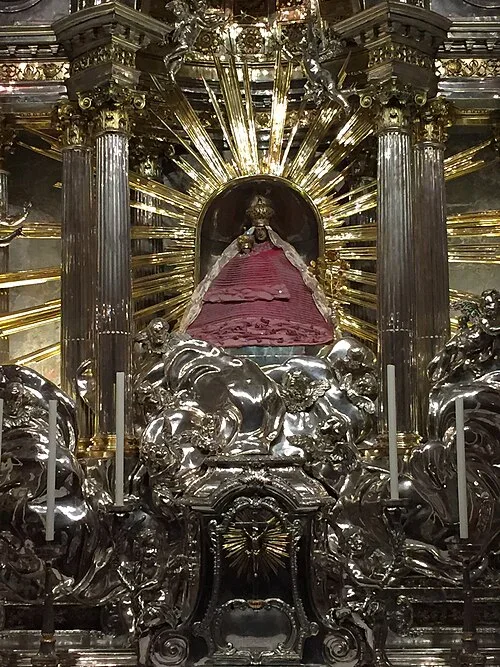 The Gnadenkapelle (Chapel of Grace)
The Magna Mater Austriae
Inside the silver shrine, small but radiant, sits the treasure itself. The Gnadenbild is a Madonna and Child carved from linden wood, just forty-eight centimetres tall, in the late Romanesque style of the thirteenth century. She is called the Magna Mater Austriae, the Great Mother of Austria. Crowned and robed in bright ceremonial dress, she hardly looks her age. The wardrobe is a living tradition. Each year the statue receives a new, elaborately designed mercy dress. More than a hundred and fifty of these dresses survive, either shown in the treasury or carefully conserved. Many were given as votive offerings, gifts of thanks, or by wealthy donors. Designing a mercy dress is still considered a great honour today.
Listen in the appPhoto: Launus · CC BY-SA 4.0
07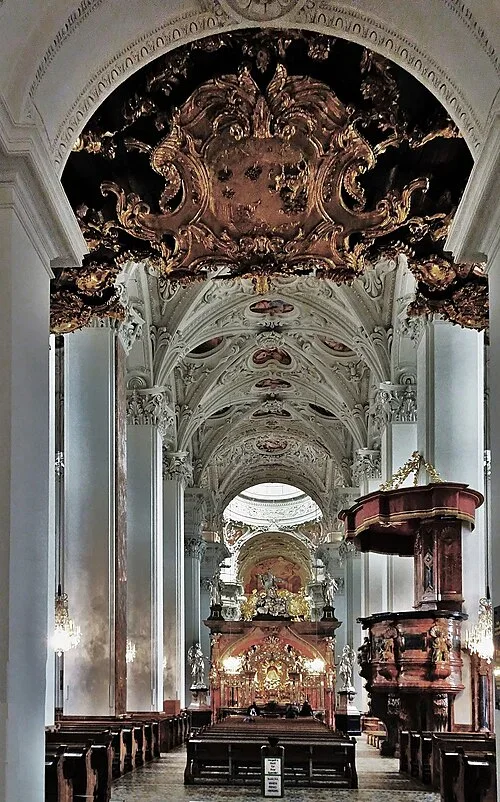 The Central Nave and Side Chapels
The Baroque Nave
Sciassia's Baroque campaign reshaped the inside as much as the outside. The old nave was lengthened and widened into a broad hall church. Twelve side chapels line the walls, six on the north side and six on the south, each with its own altar and its own dedication. The design served pilgrims above all. The wide nave held the crowds who came to the shrine. The chapels gave individual pilgrims a place for quiet devotion at the altar of their chosen saint. The frescoes and furnishings of each chapel refer to the saint it honours.
Listen in the appP. Stanka · CC BY-SA 4.0
08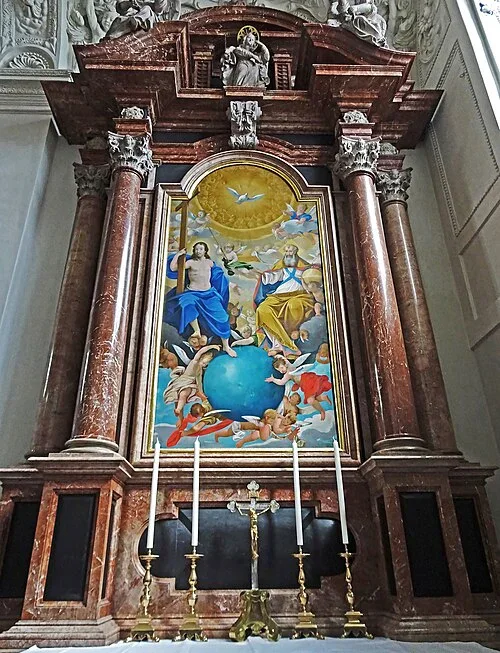 The Central Nave and Side Chapels
A Side Altar of the Holy Trinity
Each of the twelve chapels holds a Baroque altar of red marble, all made to the same scheme. They came from the workshop of Carlo Gianollo, working to designs by Domenico Sciassia himself. This one is dedicated to the Holy Trinity. Its altarpiece shows Christ, God the Father and the dove of the Holy Spirit above the blue globe of the world, attended by angels. Wrought-iron grilles of about 1675 close each chapel off from the nave, so pilgrims could pray undisturbed inside. Candles stand ready before the altar in brass holders.
Listen in the appPhoto: Rollroboter · CC BY-SA 4.0
09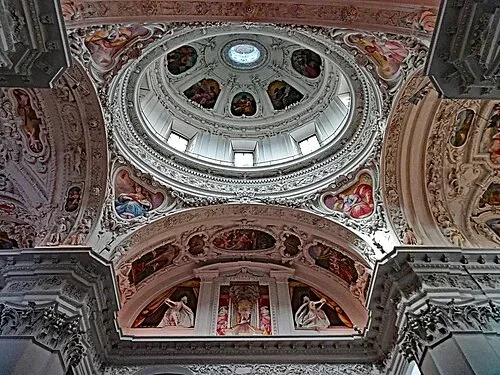 The Crossing and Transept Dome
The Transept Dome
At the crossing, where the nave meets the transept, the eye climbs into the dome. Sciassia's campaign added this dome on the eastern side, the hinge between the old Gothic hall and the new Baroque church. Light falls through the lantern at its crown. Stucco swirls around oval frescoes of figures in soft reds and blues, tiered one above the other toward the opening. Marble saints flank the storeys below. From the plain Gothic stonework of the nave, the dome lifts the interior into a Baroque image of heaven.
Listen in the appPhoto: Rollroboter · CC BY-SA 4.0
10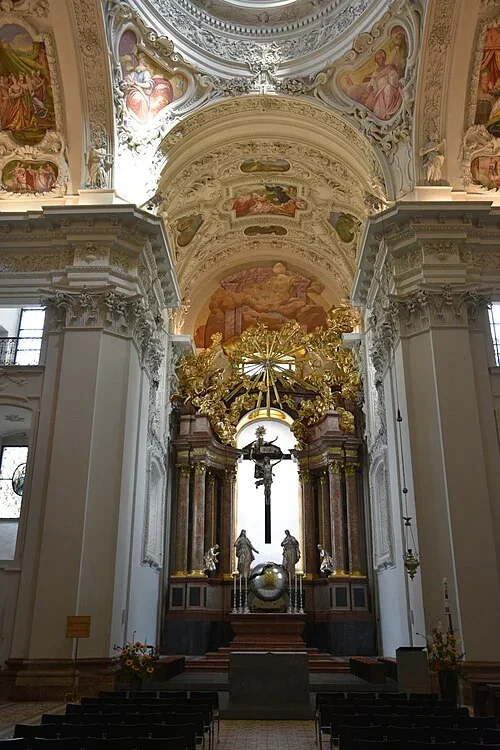 The High Altar of the Holy Trinity
The Sanctuary
The sanctuary at the east end still serves its original purpose. Between 1992 and 2007 the whole basilica underwent a general restoration, finished in time for a great anniversary. That September, Pope Benedict the Sixteenth came to Mariazell for the shrine's 850th anniversary and awarded it the Golden Rose, a high papal honour. The clean plaster, polished marble and bright gold of the sanctuary show the care behind that campaign. This is no museum piece but a working altar space, kept ready for the pilgrims who still fill the benches. The Golden Rose remains among the highest honours a pope can give a shrine.
Listen in the appPhoto: Nxr-at · CC BY-SA 4.0
- 11
The High Altar of the Holy Trinity
Fischer von Erlach's golden sunburst over the crucifixion, consecrated in 1704 to the Holy Trinity.
- 12
The Great Organ on the West Gallery
Three centuries of imperial patronage sound from one gilded organ case on the west gallery.
- 13
The Michaelskapelle and the Pilgrim Town
How the pilgrimage rose, was banned by an emperor, returned, and ended up inside a snow globe.
- 14
Inside the Michaelskapelle
A quiet Gothic chapel that shows what Mariazell was always about: one person at prayer.
Basilika Mariazell
Frequently asked questions
How much does the guide cost?
Free app download. Listed guide price: $0.99. Guide price shown in the app. Audio guide only. Venue admission is separate.
Can I listen without internet?
Yes. Download the guide’s audio, images, and maps in the app before your visit. Your downloaded content is then available offline.
Can I listen in my language?
This audio guide is available in 15 languages, including English.
Do I need to follow a schedule?
No. This is a self-guided experience. Choose your stops, pause whenever you like, and return to a story at your own pace.
At your own pace
Explore Basilika Mariazell.
Download Stanza, then search for “Basilika Mariazell”.
Free app download · Guide price shown in the app
Keep exploring
Nearby audio guides
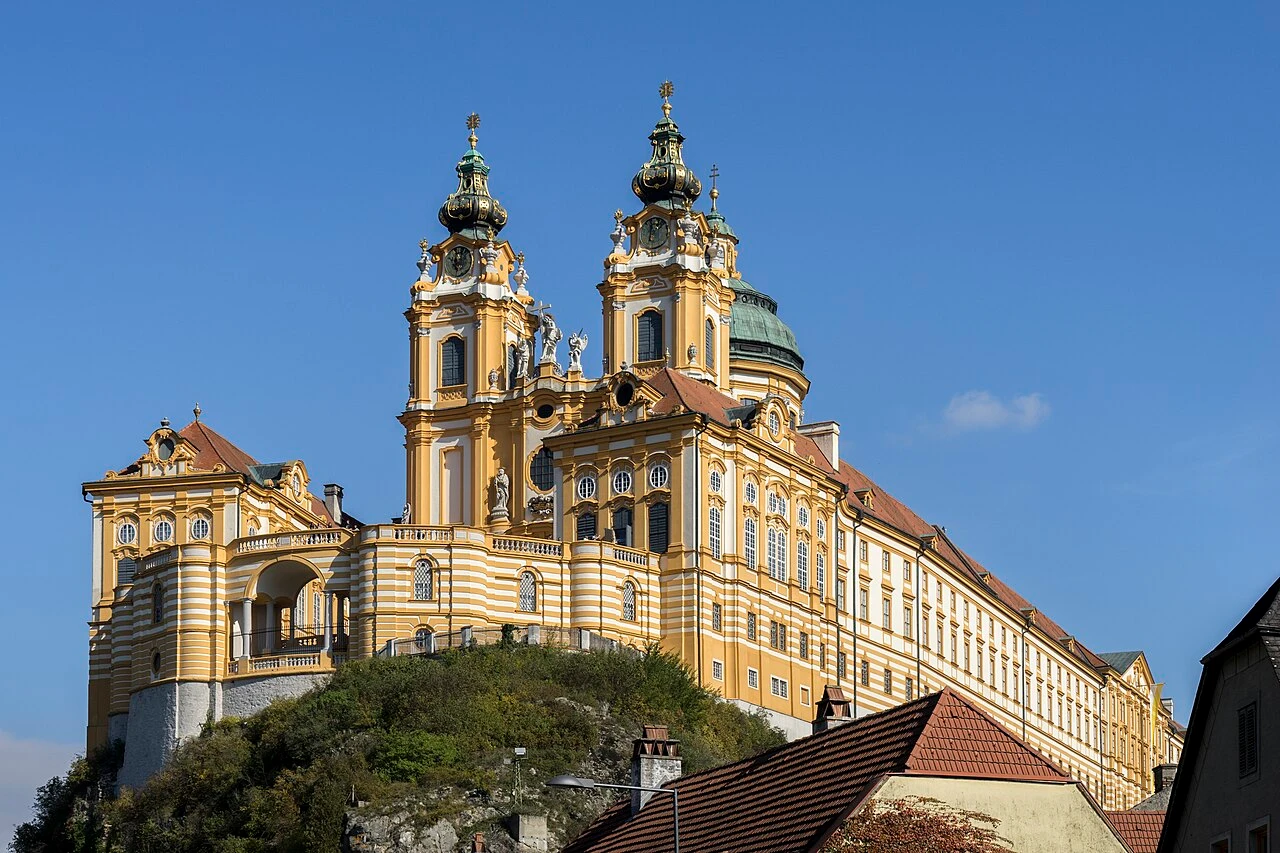
Melk · 51 km
Melk Abbey
Content & sources
Thomas Ledl · CC BY-SA 4.0
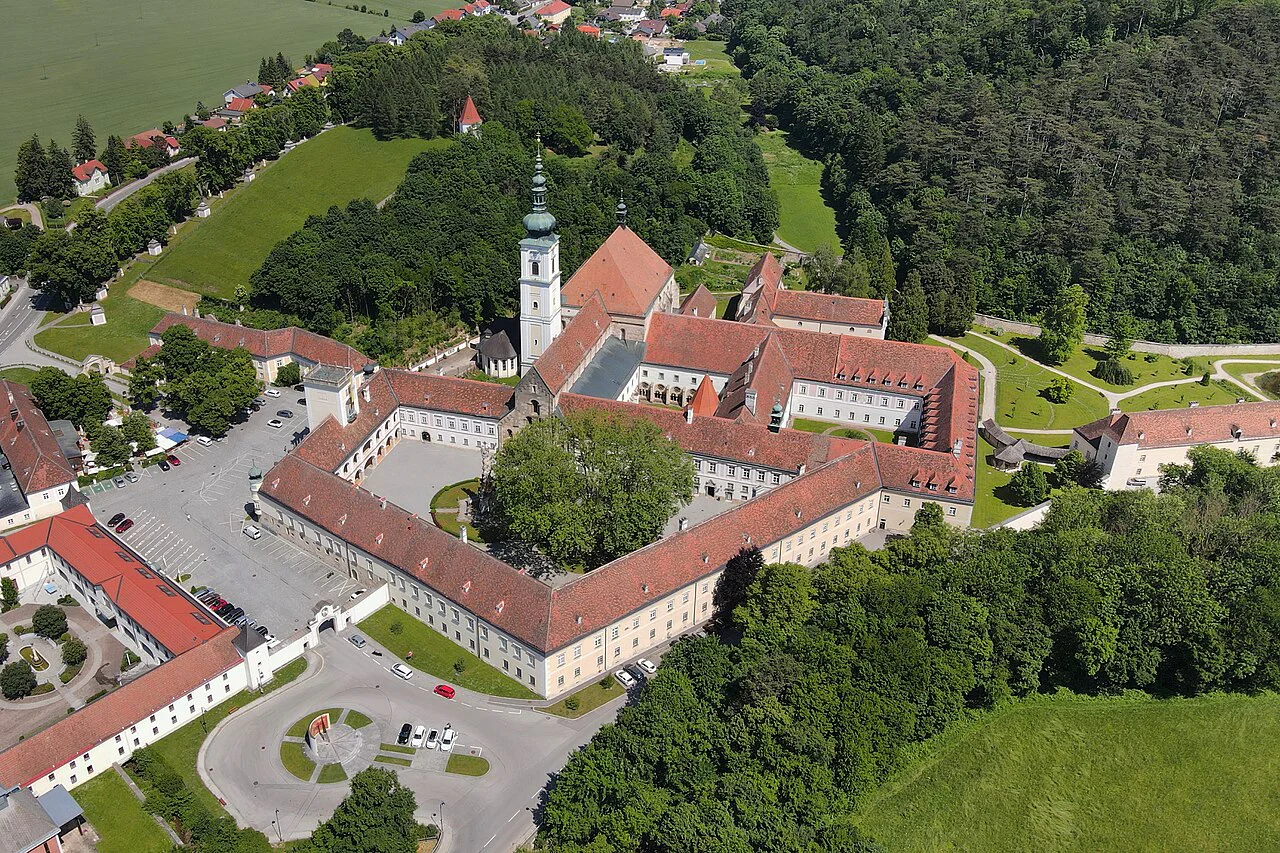
Heiligenkreuz · 68 km
Stift Heiligenkreuz
Content & sources
C.Stadler/Bwag · CC BY-SA 4.0
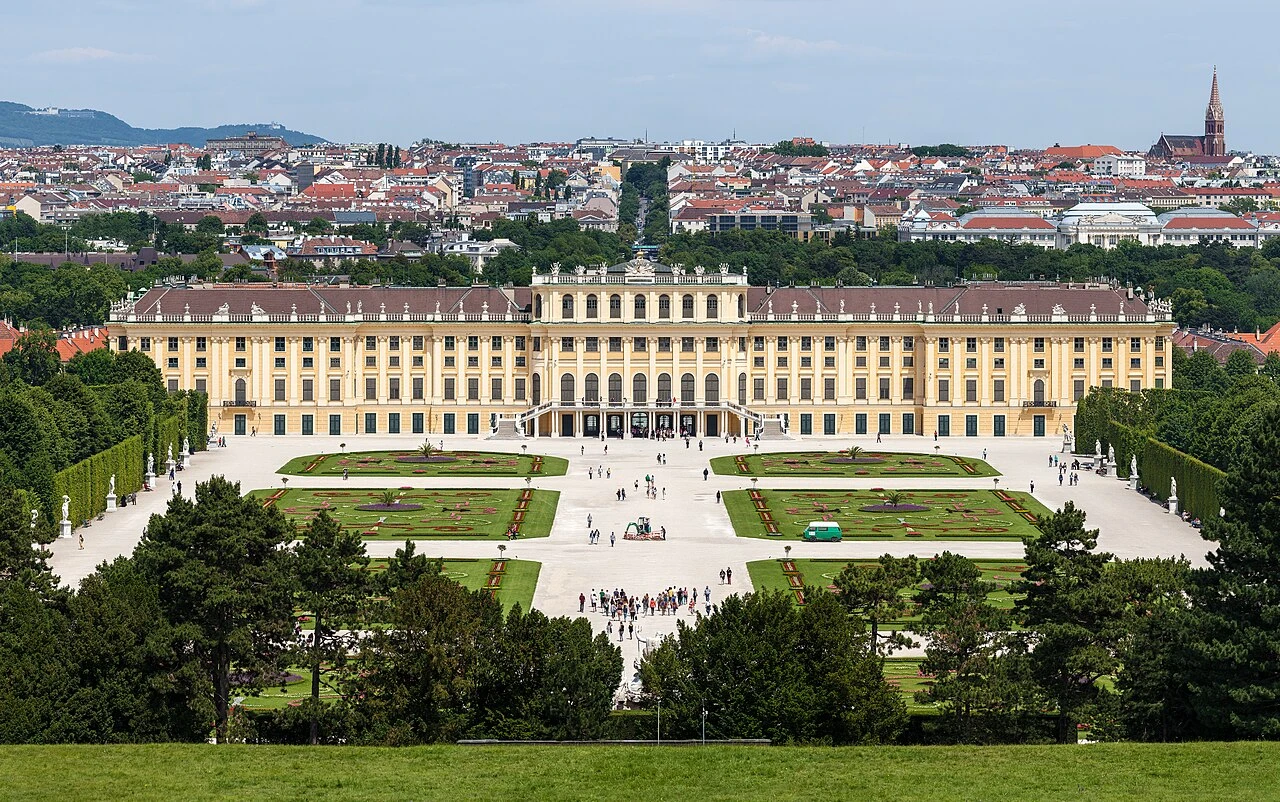
Vienna · 87 km
Schönbrunn Palace
Content & sources
Thomas Wolf, www.foto-tw.de · CC BY-SA 3.0 de
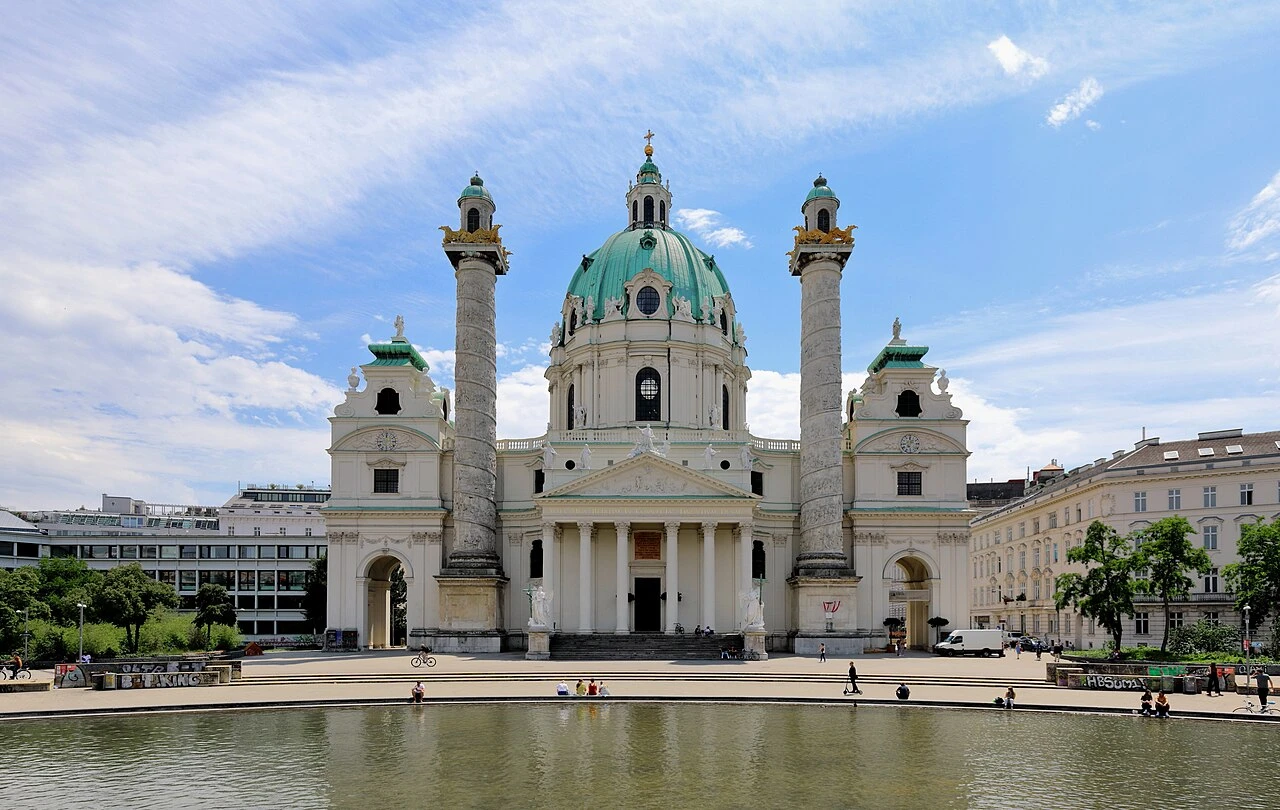
Vienna · 92 km
Wiener Karlskirche
Content & sources
C.Stadler/Bwag · CC BY-SA 4.0