Stanza · Audio guide
Chacchobén Audio Guide
A place to remember. A story to take with you.
Chacchoben is a Maya ruin located approximately 110 miles south of Tulum. It is situated 7 miles from the village from which it derives its name.
Download Stanza, then search for “Chacchobén”.
About the tour
One guide. Your kind of visit.
Chacchoben is a Maya ruin located approximately 110 miles south of Tulum. It is situated 7 miles from the village from which it derives its name.
Ready when you are.
- 01Get the free Stanza app.
iOS & Android
- 02Find your guide.
“Chacchobén”
- 03Download before you go.
Works offline
Audio guide / 7 narrated stops
Inside the guide
Get to know a few of the stories before you go. Open a stop to read more.
01 Welcome to the Land of Red Corn
Chacchobén from the Air
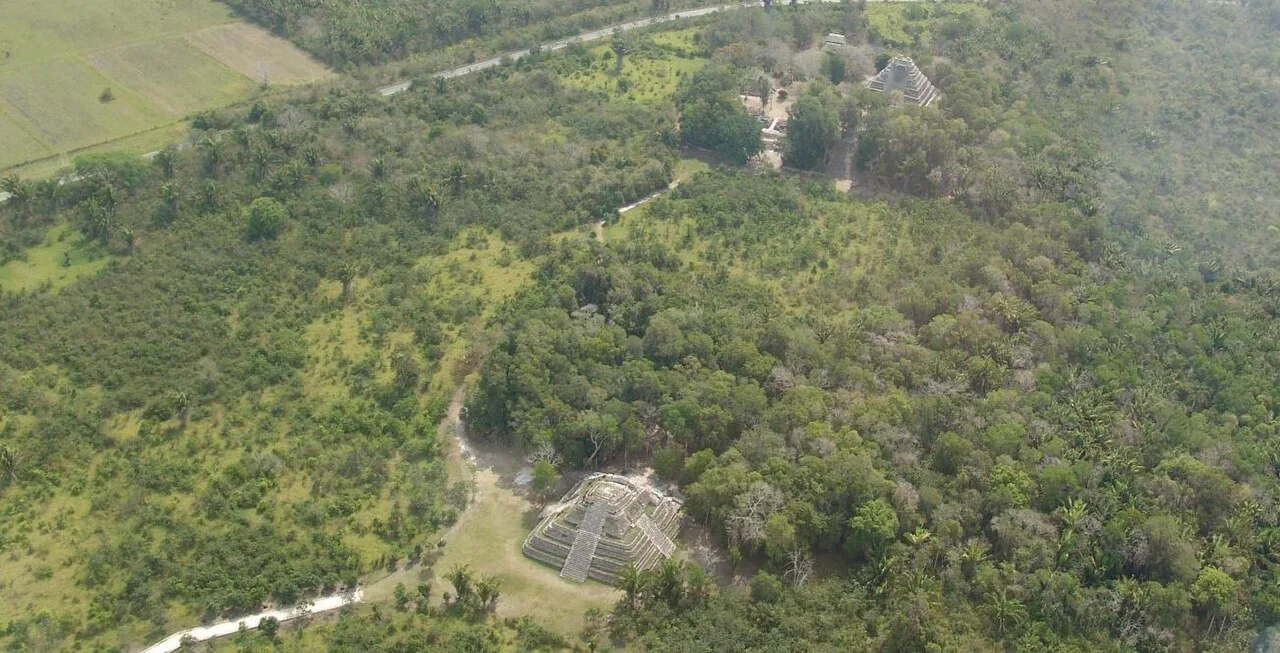
Welcome to Chacchobén, a Maya city in the far south of Quintana Roo, about a hundred and seventy-five kilometres from Tulum. The name is Maya for the place of red corn. It comes from the nearby ejido, the local farming community, because the city's original name is lost. What survives here is the largest settlement yet reported in the Lake Region, spread over roughly seventy hectares. From the air, the story of its rediscovery makes sense. In June 1972 the American archaeologist Peter Harrison was flying a helicopter over mostly flat country, working on a project for the Royal Ontario Museum. Below him, odd hills rose out of the forest. He realized temples lay beneath them and reported the site to the Mexican government. He also drew the first maps of Chacchobén. This tour follows those green mounds: a Maya city overtaken by forest, and found again from the sky.
-Luyten- · Public domain
02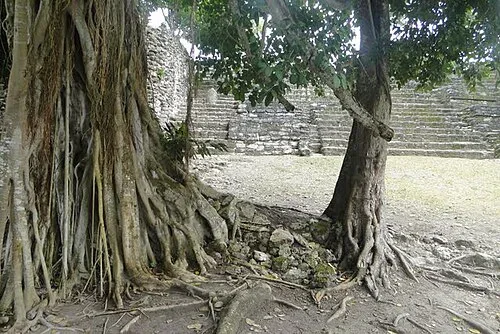 The Jungle Canopy and Las Vías
Tree Roots over the Ruins
The tree roots gripping this collapsed stonework tell the city's long silence. After the builders fell quiet, the forest slowly turned the temples into hills. In the 1940s the Cohuo family established a farm near the ruins and lived alongside them for decades, their fields spread among the overgrown mounds. When the archaeologist Loring Hewen visited in 1962, he described the site in a letter to the ethnohistorian Ralph Roys. He noted something remarkable: the principal pyramid apparently still served as a place of religious worship. The forest around the ruins is alive as well. Deer, peccary, armadillo and gray fox move through these woods, along with spider monkeys and howler monkeys. Deeper in the jungle live jaguar, ocelot, puma and tapir.
Photo: Leon petrosyan · CC BY-SA 3.0
03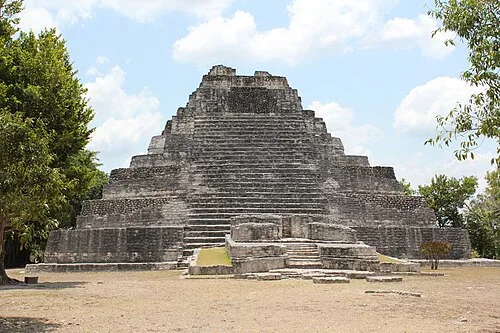 The Plaza of the Gran Basamento
The Gran Basamento and Temple I
The Gran Basamento is a huge raised platform, and the temples crowning it made this the religious heart of the city. Its story begins in the Late Preclassic, around two hundred years before Christ, when Maya families settled in small hamlets beside the perennial lakes, the Laguna del Ocho and the Laguna de Chacchoben. In the Early Classic the settlement grew monumental, and its main public buildings rose here. Major construction tapered off after about 700 AD, and the city was all but abandoned. Late in the Postclassic, people came back and lived here again, though only in part. The many fragments of effigy censers, incense burners shaped as figures, recovered from the platform's summit and from the two temples above it confirm this place served civic and religious ceremony.
Listen in the appArian Zwegers from Brussels, Belgium · CC BY 2.0
04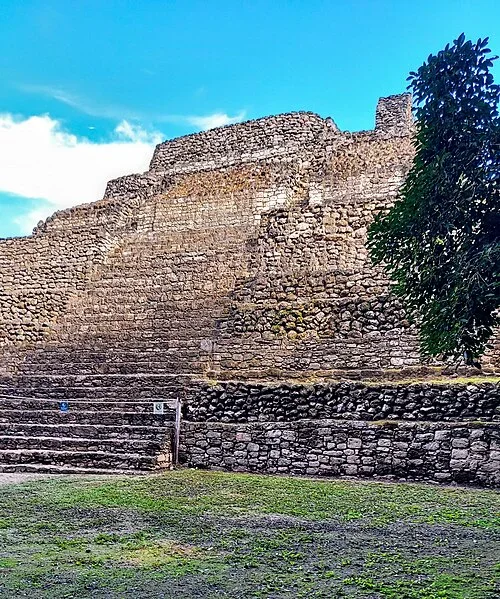 Templo I (Edificio 24)
 and the Petén Style
Building 24 wears its origins in its masonry. The earliest buildings at Chacchobén have inset corners in their wall panels. Later ones use rounded corners instead, with a low base molding called a zócalo and a projecting apron molding above it. Archaeologists read that style as a link to the Petén, in the southern Maya lowlands. The materials recovered here also resemble finds from sites in northern Belize more than those of northern Yucatán. Style and finds together support a supposition: that Chacchobén was a major site tied to a Petén regional capital. Every block in sight is heavy local limestone, cut and fitted by builders working far from any imperial center.
Listen in the appP. Hughes · CC BY 4.0
05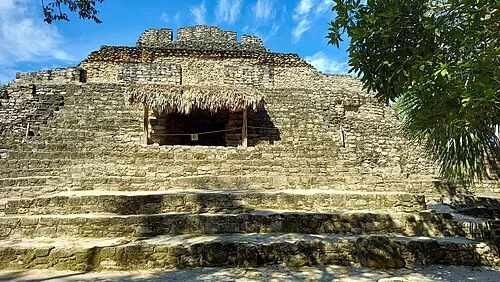 The Red Paint Protective Canopies
The Shelter over the Painted Temple
Traces of red still cling to some of these structures. The temples were originally coated in paint, and a little of it has survived centuries of rain and sun. In their day, color covered far more of the city than it does now. Sunlight is the enemy of what remains, degrading the old pigment bit by bit. So the Mexican National Institute of Anthropology and History, INAH, has set up shaded areas over the fragile spots. The thatched canopy rising over this temple is one of them. Rather than expose or rebuild everything, the conservators chose to shelter the survivors.
Listen in the appP. Hughes · CC BY 4.0
06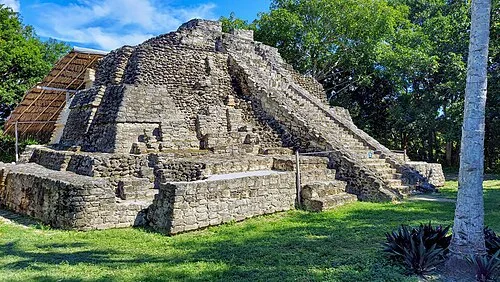 Group II and the Tallest Pyramid
Temple 2 and the Modern Excavation
Temple 2 belongs to Group II, one of the site's principal groups alongside the Gran Basamento and Las Vías. Group II holds the tallest building of the whole settlement. The city's modern recovery began in 1994, when the Mexican National Institute of Anthropology and History started excavating and consolidating the most important buildings. The site opened to the public in 2002. The work is not finished. Several mounds are still overgrown and unrestored, and excavation continues on the buildings known to lie inside them.
Listen in the appP. Hughes · CC BY 4.0
07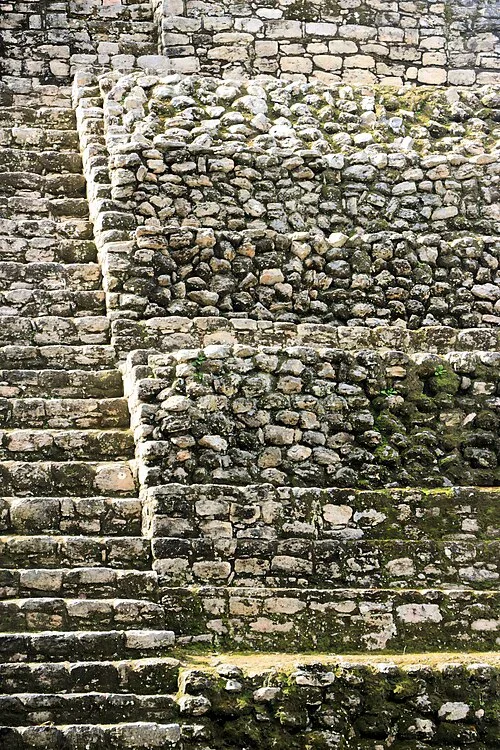 The Eroded Stelae and Lost History
The Masonry and the Lost Names
Near the base of the largest pyramid stands a large stone slab, a stela carved with Maya hieroglyphs. Only two inscribed stelae have ever been found at Chacchobén, and both texts are so eroded that they cannot be read. Whatever they once recorded is gone. That silence is why the city's ancient name remains unknown, and why its rulers and builders have no names here. Its history has to be read from stone, from architectural style and from pottery rather than from words. What survives of Chacchobén is its craft in limestone, hidden by the forest for centuries and uncovered again by careful modern hands.
Listen in the appPhoto: ImagePerson · CC BY 4.0
Chacchobén
Frequently asked questions
How much does the guide cost?
Free app download. Listed guide price: $0.99. Guide price shown in the app. Audio guide only. Venue admission is separate.
Can I listen without internet?
Yes. Download the guide’s audio, images, and maps in the app before your visit. Your downloaded content is then available offline.
Can I listen in my language?
This audio guide is available in 15 languages, including English.
Do I need to follow a schedule?
No. This is a self-guided experience. Choose your stops, pause whenever you like, and return to a story at your own pace.
At your own pace
Explore Chacchobén.
Download Stanza, then search for “Chacchobén”.
Free app download · Guide price shown in the app
Keep exploring
Audio guides — Mexico
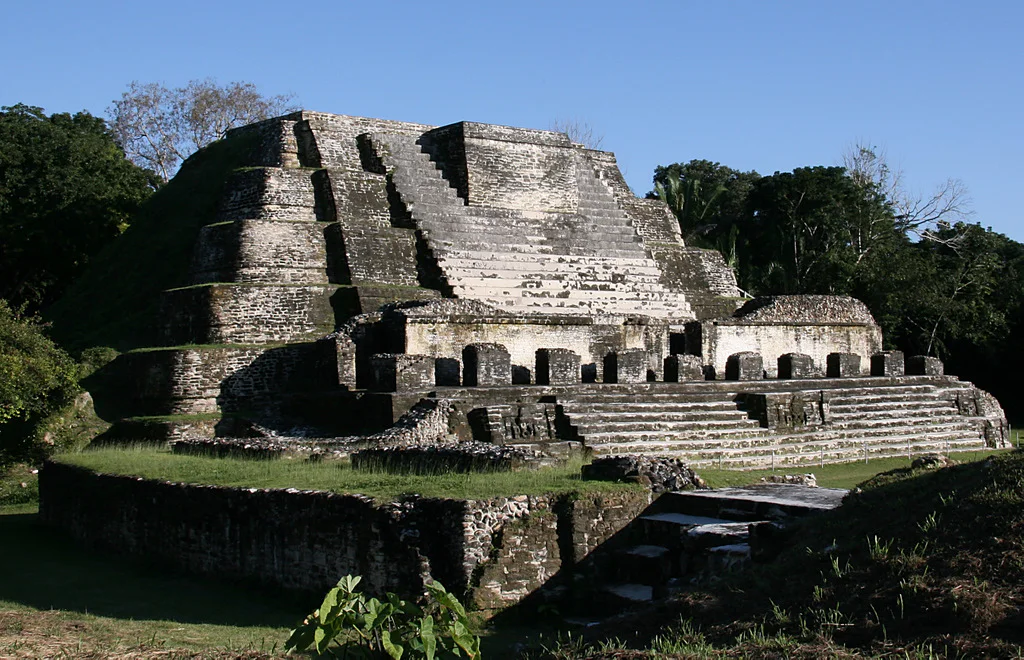
Rockstone Pond · 138 km
Altun Ha
Content & sources
Michael Lazarev (Asmadeus) · CC BY-SA 2.0
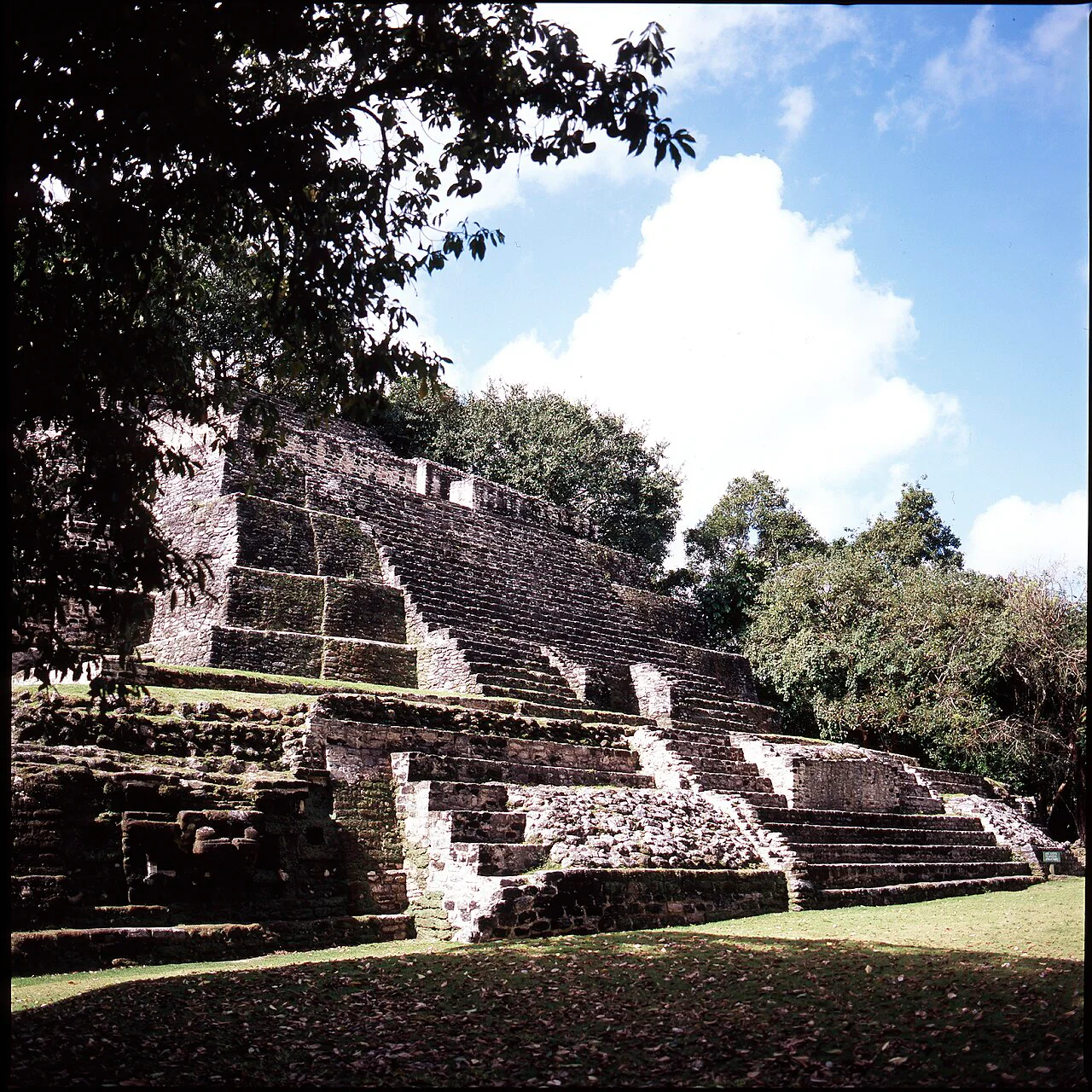
Indian Church · 144 km
Lamanai
Content & sources
Photo: Urbanarcheology · CC BY 3.0
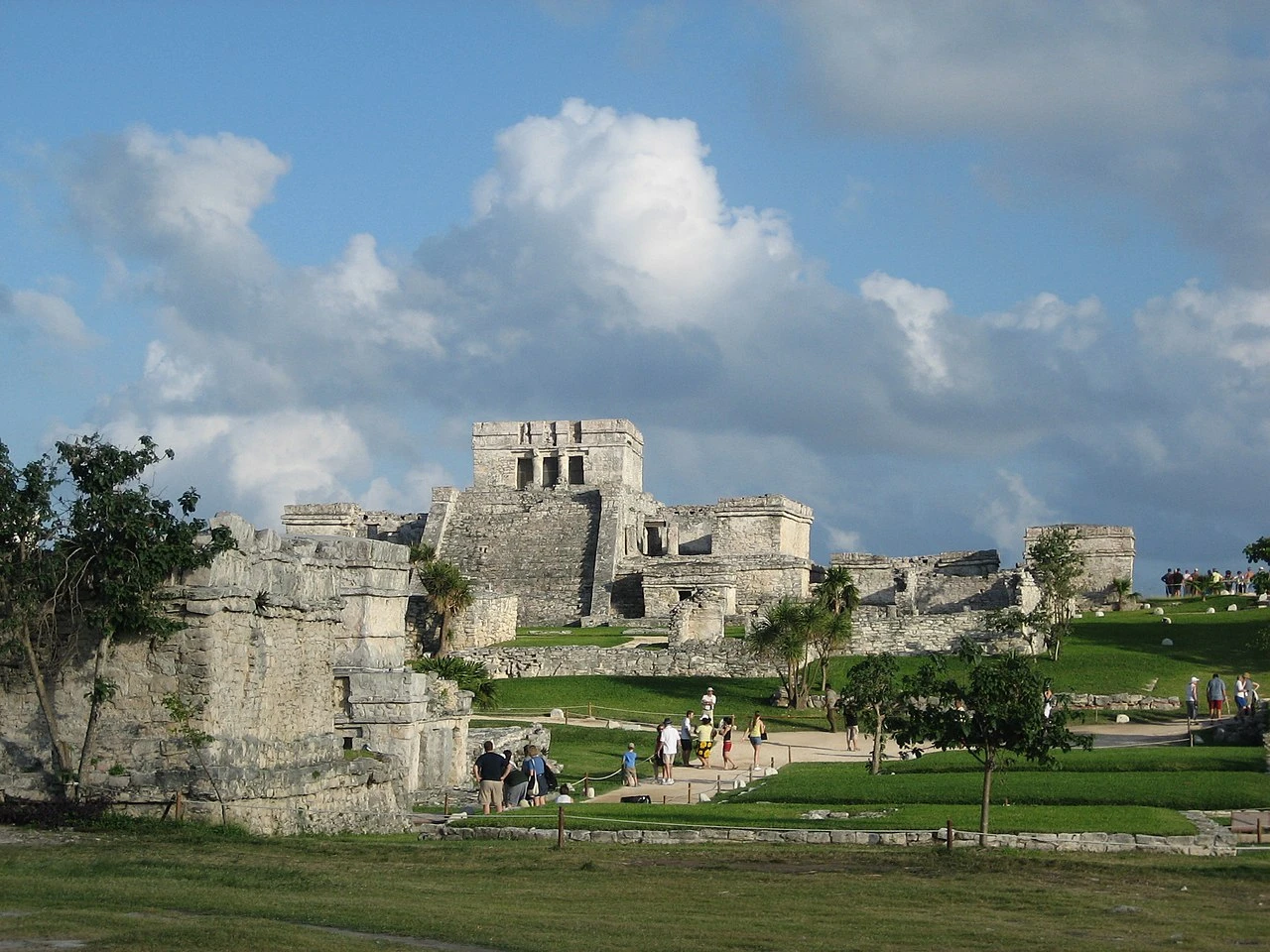
Tulum
Tulum Archaeological Site
Content & sources
Gennaro Conte · CC BY-SA 4.0
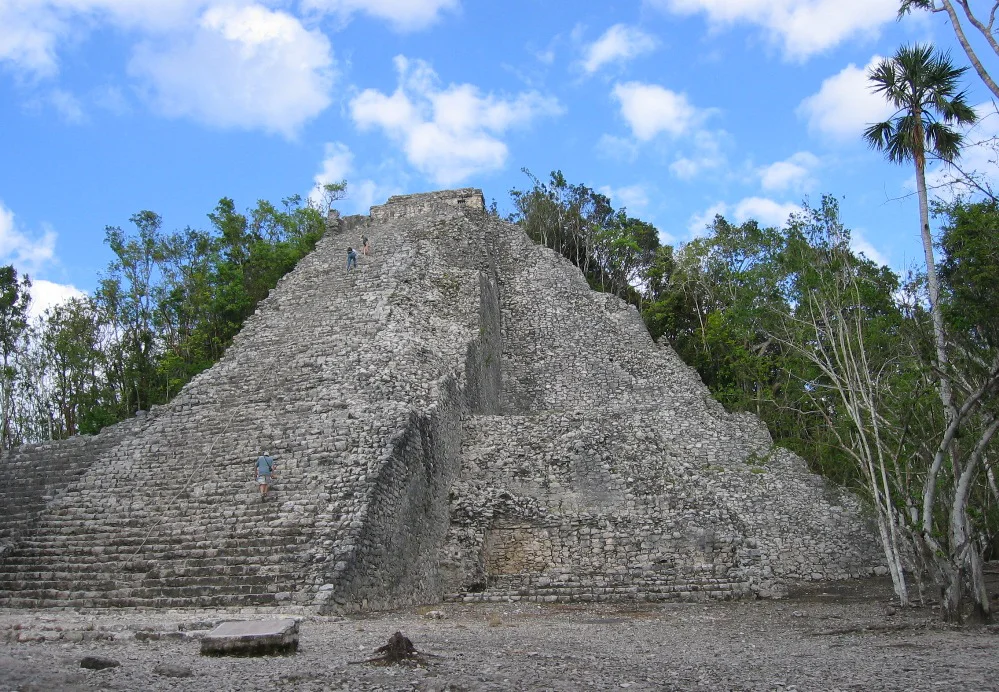
Cobá
Cobá
Content & sources
Photo: Elelicht · CC BY-SA 3.0