Stanza · Audio guide
Ankara Kalesi Audio Guide
A place to remember. A story to take with you.
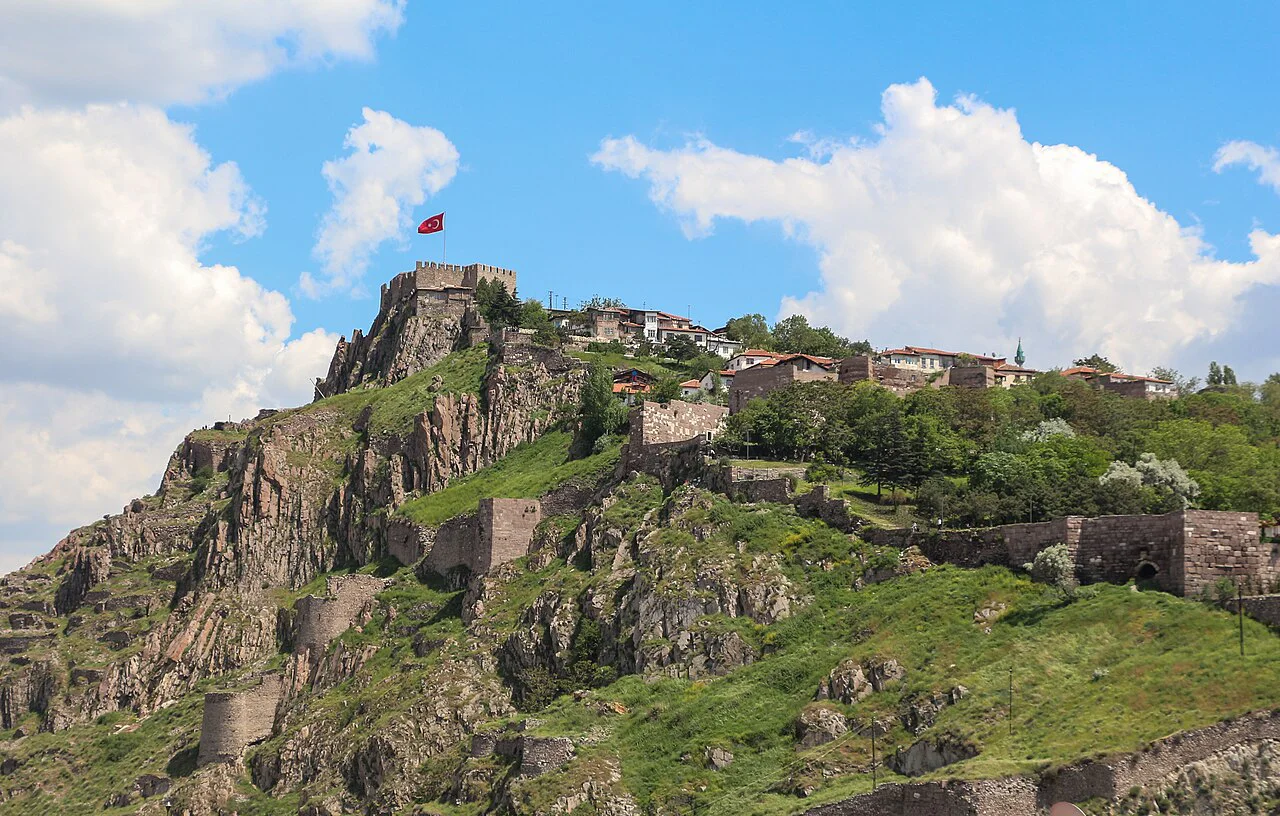
Ankara Castle is a historic fortification in the city of Ankara, Turkey, constructed in or after the 7th century. The site features fortifications originally built by the Phrygians and later rebuilt or…
Download Stanza, then search for “Ankara Kalesi”.
About the tour
One guide. Your kind of visit.
Ankara Castle is a historic fortification in the city of Ankara, Turkey, constructed in or after the 7th century. The site features fortifications originally built by the Phrygians and later rebuilt or renovated by the Galatians, Romans, Byzantines, Seljuks, and Ottomans.
Ready when you are.
- 01Get the free Stanza app.
iOS & Android
- 02Find your guide.
“Ankara Kalesi”
- 03Download before you go.
Works offline
Audio guide / 13 narrated stops
Inside the guide
Get to know a few of the stories before you go. Open a stop to read more.
01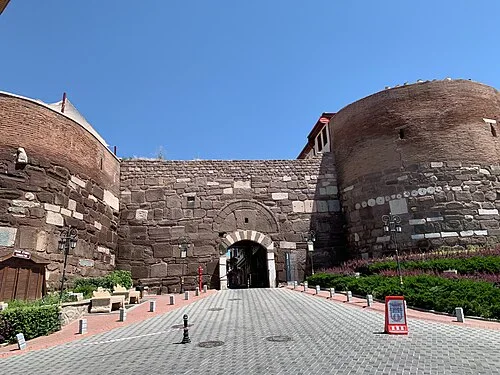 Hisar Kapısı and the Clock Tower
Hisar Kapısı, the Citadel Gate
Welcome to Ankara Kalesi, the old citadel on its rocky hill above the city. The defenses here go back a very long way. The earliest fortification on this hill is credited to the Phrygians, in the eighth century before Christ. Around 278 BC the Galatians rebuilt it, and they were only the first in a long line. Romans, Byzantines, Seljuks and Ottomans all left their mark on these walls. The inner castle has two great gates. One is called the Outer Gate, and the other, the one in front of you, is Hisar Kapısı, the Citadel Gate. Set into the stonework above the arch are inscriptions attributed to the Ilkhanids, the Mongol dynasty that ruled from Persia. There is a further inscription of Seljuk date on the northwest side of the fortress. This one hill has been defended and rebuilt for well over two thousand years.
Photo: Robot8A · CC BY-SA 4.0
02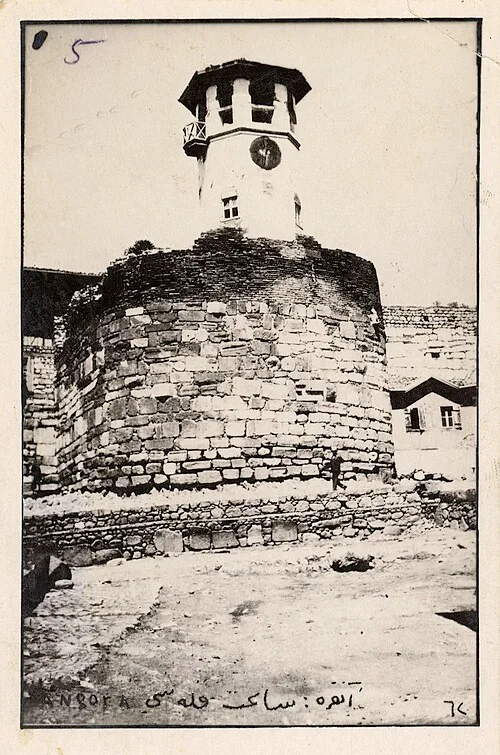 Hisar Kapısı and the Clock Tower
Ankara Clock Tower
High on the bastion beside the gate sits something that does not belong to any medieval army: a clock tower. The city raised it straight onto the old stonework, a piece of civic life carried up onto a military bastion. The tower has looked like this for generations. The white tower with its clock face and open bell chamber rests on a drum of rough, ancient masonry, and the two are worn into one silhouette. That is the pattern of this whole fortress. Each age used what the last one left standing, and simply built on top.
SALTOnline · No restrictions
03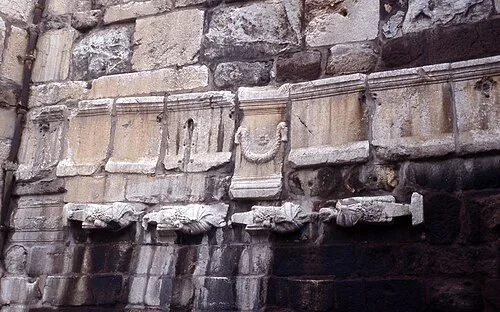 The Spolia Walls of Kale Kapısı
Recycled Roman Spolia in the Castle Walls
The wall itself is an exhibition. Set into the dark medieval masonry are pale carved panels from Roman monuments: garlands of fruit, classical reliefs, the ornament of grand buildings. They got here during an emergency. In the eighth and ninth centuries the city came under invasion, and the defenders had to repair the walls fast. So they used what lay at hand. Ruined Roman monuments stood around Ankara, and the builders stripped them for marble blocks, column capitals, and the stone channels of aqueducts. Statues, sarcophagi and carved panels all went into the ramparts, wherever they fitted. Nobody was restoring anything. They were building a wall out of a city's past, one block at a time.
Listen in the appMark Landon (photographed in 1993; digitized in 2021) · CC BY 4.0
04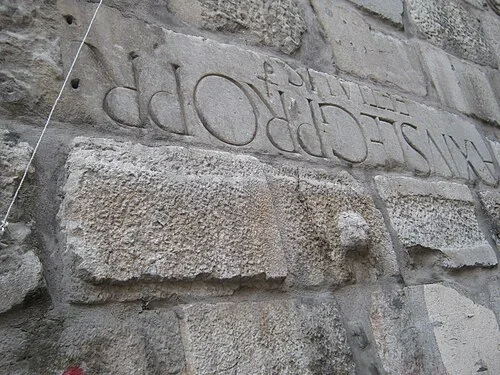 The Spolia Walls of Kale Kapısı
A Roman Inscription Rebuilt into the Wall
Here is a block that traveled here whole. A Roman inscription in carved Latin letters is built into the wall sideways, its lines running at an angle among the rough stones. Masons carted the monument here and set it in as it came, so the lines no longer run the way they were cut. The wall around it has a story of its own. The Persians captured and destroyed Ankara, probably in the year 622. Both lines of walls that stand today were built after that blow. Exactly when is debated. One scholar, Foss, argues the inner walls belong to the reign of the emperor Constans the Second, and that the outer walls went up a little later.
Listen in the appPhoto: Sanjageni · CC BY-SA 4.0
05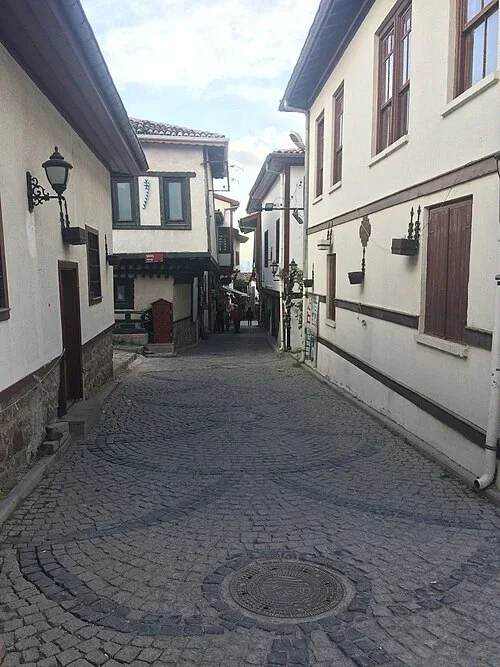 Kaleiçi Historic Neighborhood
Kaleiçi, the Neighborhood Inside the Walls
A castle is meant to keep people out, but this one kept people in. Inside the walls lies Kaleiçi, the quarter in the citadel, and its lanes are ordinary streets. They are narrow and cobbled, and they run between the traditional houses of old Ankara, white-walled and timber-framed, with overhanging upper stories and wooden shutters. Street lamps hang off the corners of the houses, and doorways open straight onto the stone. People have lived inside this fortress through its centuries of soldiers, and the houses grew as the walls grew old. This is a castle that became a neighborhood, and stayed one.
Listen in the appPhoto: Modern primat · CC BY-SA 4.0
06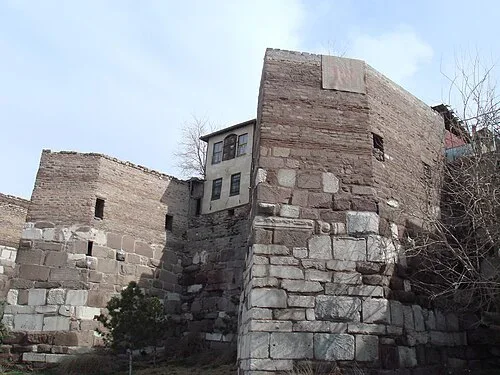 Kaleiçi Historic Neighborhood
Living Against the Ancient Wall
Some houses in the citadel do not stand next to the old wall. They stand against it, and on it. Here, a domestic facade rises straight out of the ancient stonework, its windows set above courses of masonry laid long before any of its residents were born. Generations of families have attached their homes to the ramparts this way, borrowing the fortress as part of their own walls. The space they live in gives a sense of the scale. The inner castle covers roughly forty-three thousand square meters, an enclosure big enough to be a district of the city in its own right. Within those bounds, the line between monument and home simply dissolved.
Listen in the appPhoto: Berserkerus · CC BY-SA 2.5
07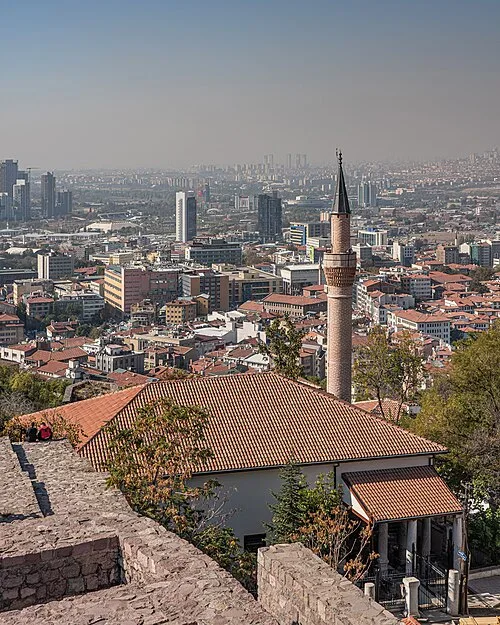 Sultan Alaeddin Mosque
Below the walls sits the spiritual center of the citadel, the mosque of Sultan Alaeddin. Its tiled roof and single minaret look out over the rooftops toward the modern city. The fortress around it changed hands violently in the Middle Ages. The Seljuk Turks took the castle in 1073. In 1101, during the Crusade of that year, Crusader forces seized it. It returned to Seljuk control in 1227, and after that the sultan Alaeddin Keykubad the First had the fortress renovated. Work did not stop with him. In 1249 the sultan İzzeddin Keykavus the Second added new constructions of his own. The mosque has stood beneath the walls through all of it, the place where the garrison and the townsfolk prayed.
Listen in the appPhoto: A.Savin · FAL
08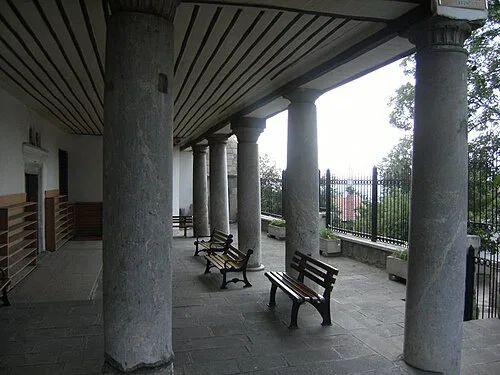 Sultan Alaeddin Mosque
The Mosque's Reused Columns
The porch of the mosque rests on columns that are not what they seem. They are recycled, carried over from earlier classical structures, just as the stones in the ramparts were. The same practice that filled the defenses with Roman marble reached sacred architecture here. Each shaft is a piece of some older building, trimmed and stood on end to hold up a Seljuk roof. The mosque builders simply followed the habit. A column that once served a Roman hall now carries a place of prayer.
Listen in the appPhoto: Nosferatü · Public domain
09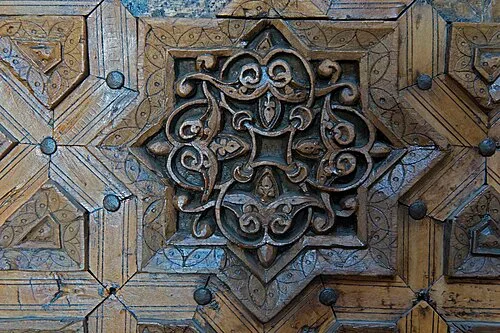 Sultan Alaeddin Mosque
The Wooden Minbar
Inside the mosque, the pulpit for the Friday sermon, the minbar, is carved from wood. Its panels are worked into interlacing geometric stars, each eight-pointed star framed by smaller triangles of pattern, the whole surface alive with scrolls and vines. This kind of carving belongs to a long Islamic decorative tradition, where geometry turns a flat panel into an endless lattice. Seljuk woodworkers were masters of it, and this minbar is among the most intricate fittings to survive in the citadel. It stands as the craft of the medieval citadel, held in wood rather than stone.
Listen in the appPhoto: Dosseman · CC BY-SA 4.0
10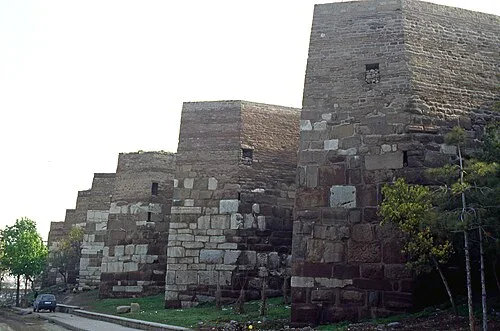 The Pentagonal Bastions and Şark Kalesi
The Pentagonal Towers
The signature of this fortress is its towers. The inner wall is crowned by forty-two bastions, and almost all of them are pentagonal, five-sided. They stand along the east, west and south walls at intervals of roughly fifteen to twenty meters, packed far closer than most fortifications bother with. The wall itself rises fourteen to sixteen meters high. The tight spacing had a purpose. Each tower could cover the face of the wall beside it, so attackers found no blind stretch of stone anywhere. The five-sided shape gave the bastions angles that broke up any assault. On the walls, the mixed masonry tells the rest: dark courses and pale blocks alternating, the layered building history of the hill made visible.
Listen in the appMark Landon (photographed in 1993; digitized in 2021) · CC BY 4.0
- 11
Zindan Tower
A modest arched doorway into Zindan Tower, where the inner and outer walls meet on the east side.
- 12
Akkale, the White Keep
Akkale, the four-story keep at the summit, and the fortress that once faced the nation on a banknote.
- 13
Ankara from the Castle Summit
From the summit, the hill rises about a hundred and ten meters over a city grown up around its oldest witness.
Ankara Kalesi
Frequently asked questions
How much does the guide cost?
Free app download. Listed guide price: $0.99. Guide price shown in the app. Audio guide only. Venue admission is separate.
Can I listen without internet?
Yes. Download the guide’s audio, images, and maps in the app before your visit. Your downloaded content is then available offline.
Can I listen in my language?
This audio guide is available in 15 languages, including English.
Do I need to follow a schedule?
No. This is a self-guided experience. Choose your stops, pause whenever you like, and return to a story at your own pace.
At your own pace
Explore Ankara Kalesi.
Download Stanza, then search for “Ankara Kalesi”.
Free app download · Guide price shown in the app
Keep exploring
Audio guides — Turkey
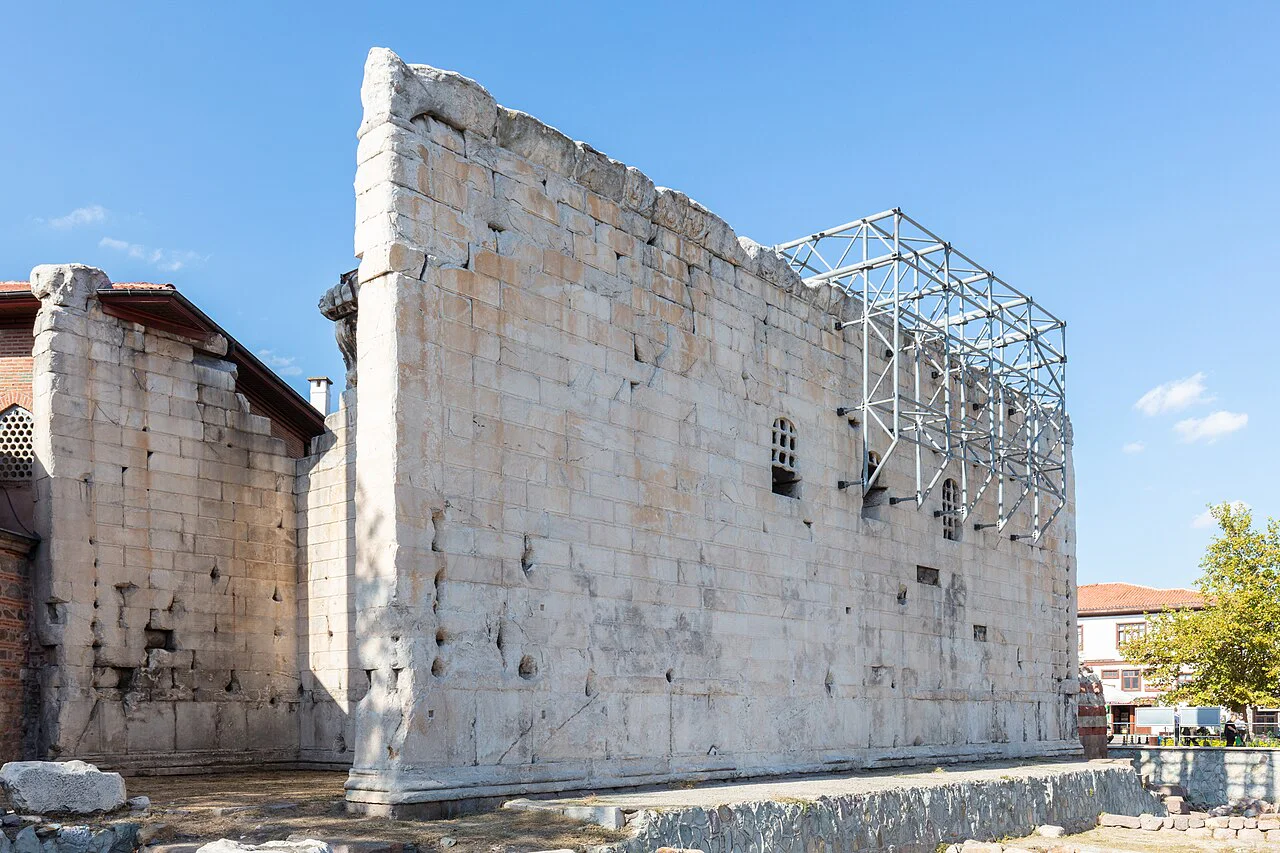
Altındağ · 1 km
Augustus Tapınağı
Content & sources
Diego Delso · CC BY-SA 4.0
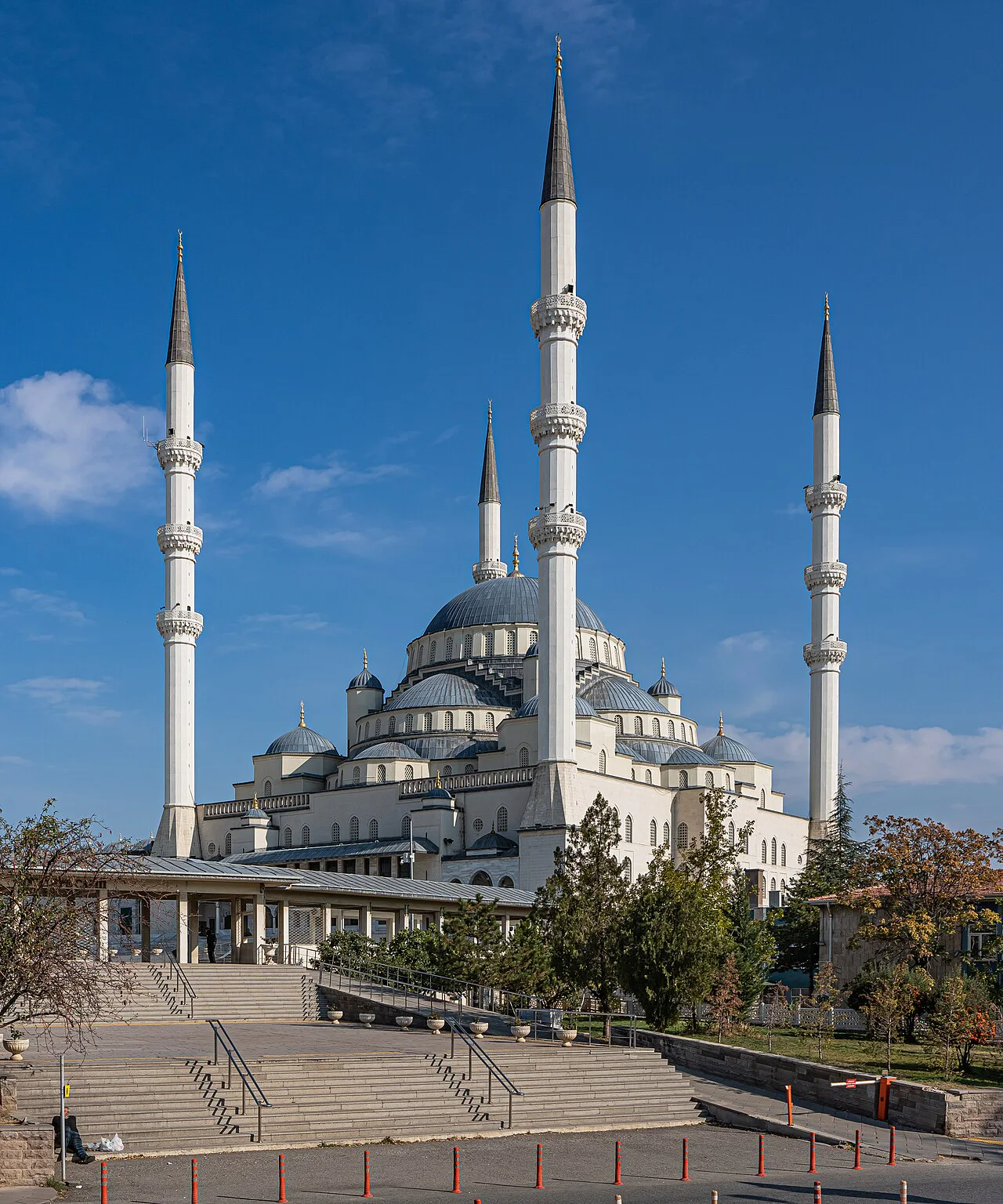
Ankara · 3 km
Kocatepe Camii
Content & sources
Photo: A.Savin · FAL
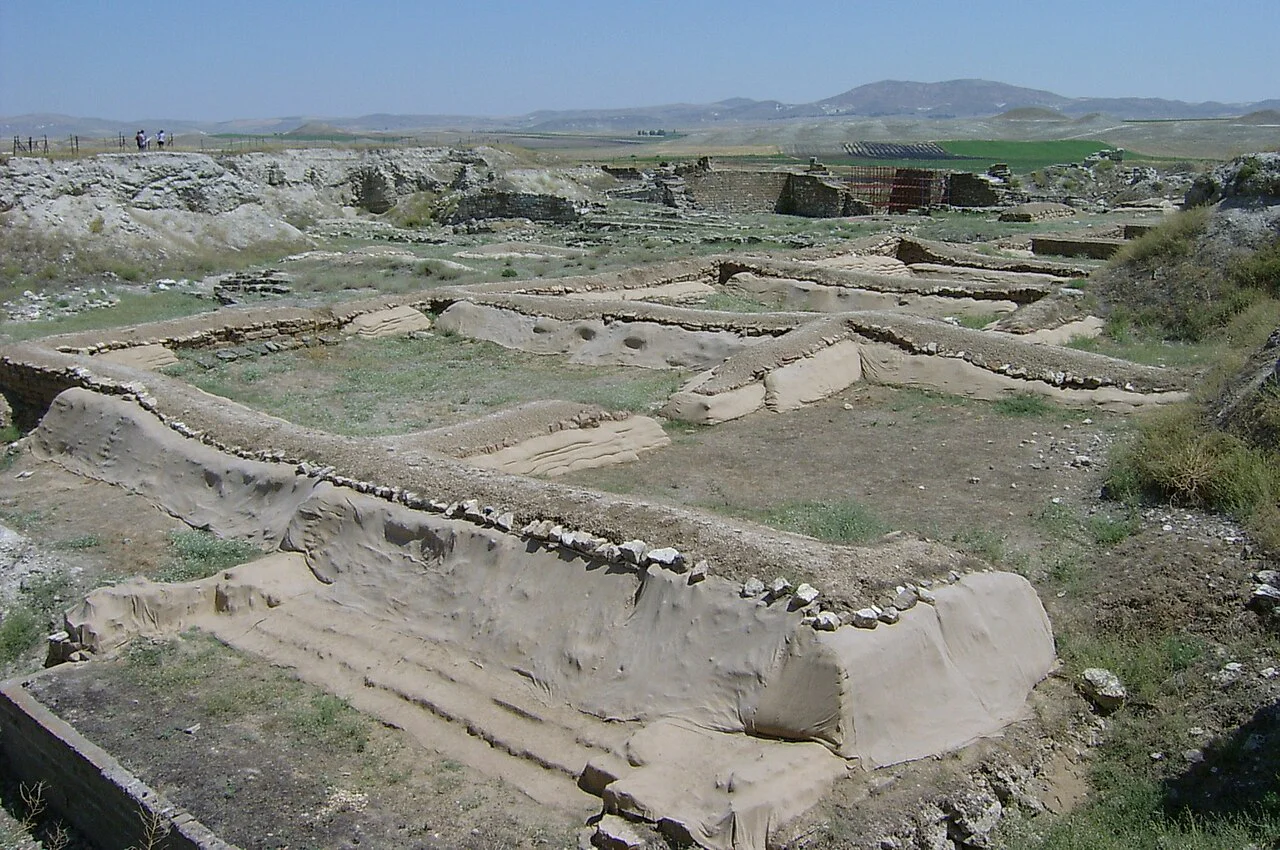
Polatlı · 82 km
Gordion
Content & sources
Stipich Béla · CC BY 2.5
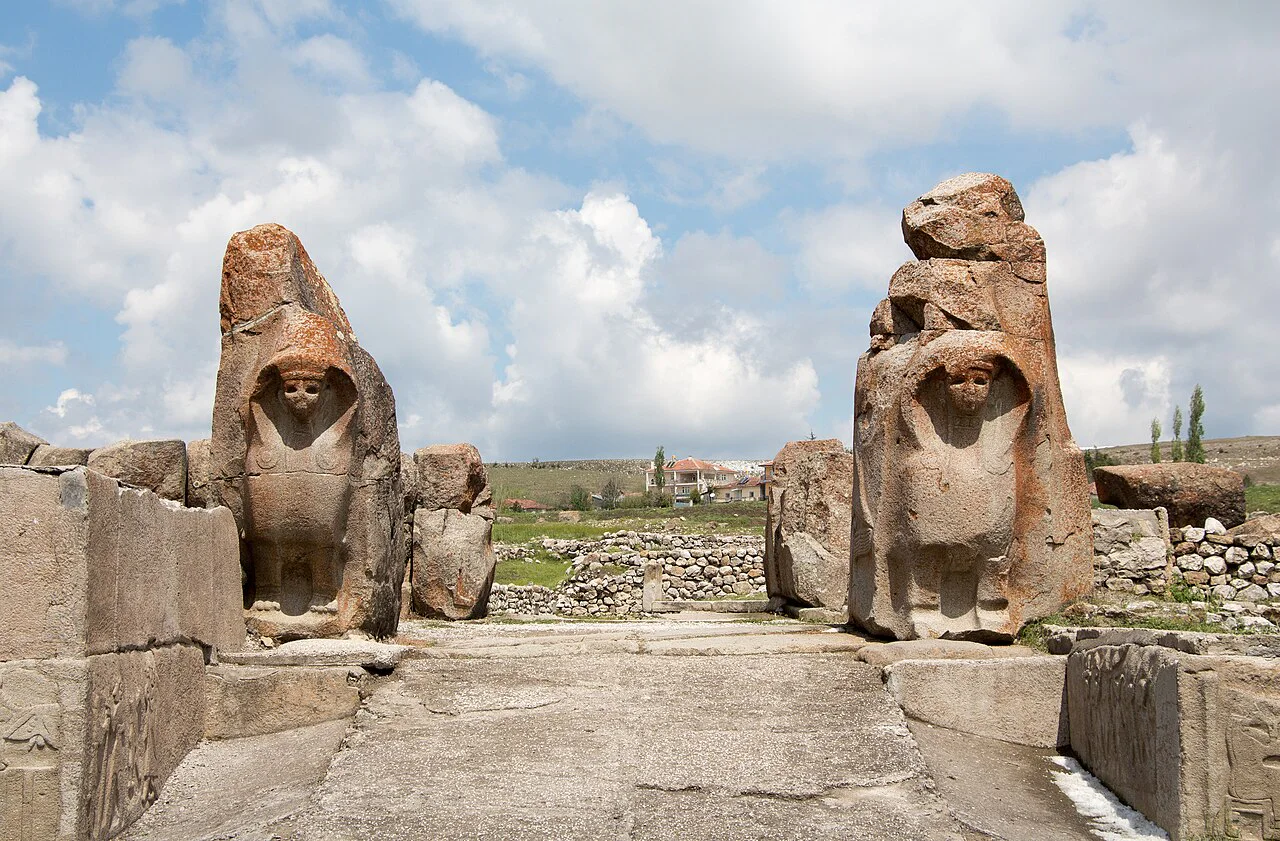
Alaca
Alacahöyük
Content & sources
Bernard Gagnon · CC BY-SA 3.0