Stanza · Audio guide
Assos Audio Guide
A place to remember. A story to take with you.
Assos was an ancient Greek city located on the Aegean coast in the Ayvacık district of Turkey. It was historically important for shipping in the Troad because it offered the only good harbour along 80…
Download Stanza, then search for “Assos”.
About the tour
One guide. Your kind of visit.
Assos was an ancient Greek city located on the Aegean coast in the Ayvacık district of Turkey. It was historically important for shipping in the Troad because it offered the only good harbour along 80 kilometres of coast.
Ready when you are.
- 01Get the free Stanza app.
iOS & Android
- 02Find your guide.
“Assos”
- 03Download before you go.
Works offline
Audio guide / 18 narrated stops
Inside the guide
Get to know a few of the stories before you go. Open a stop to read more.
01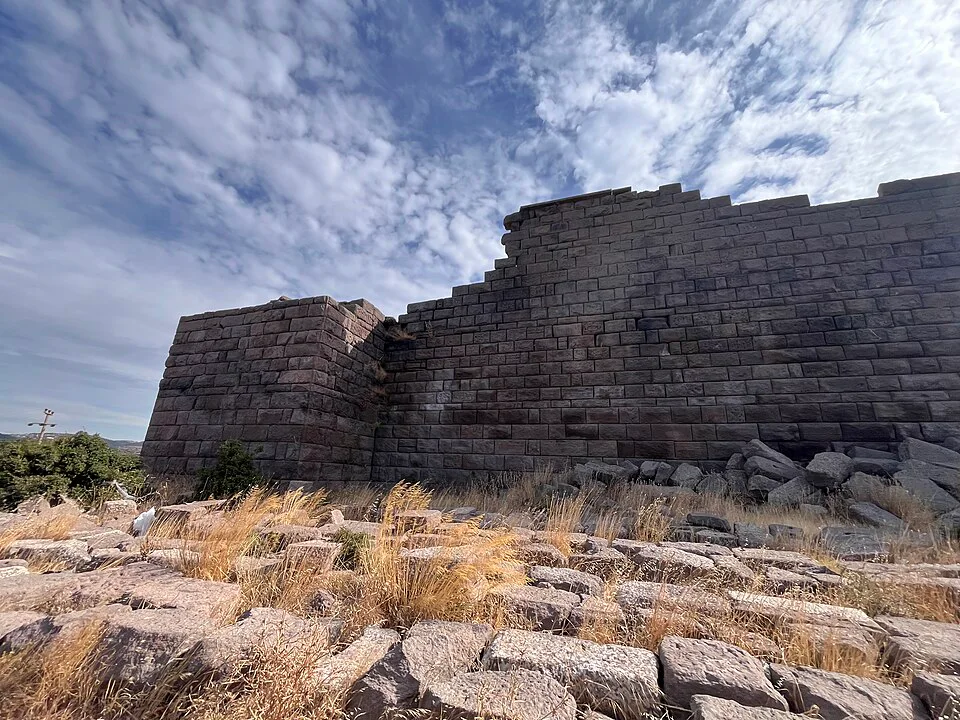 Behram Castle
Assos was founded by Aeolian colonists from Methymna on Lesbos, somewhere, tradition says, between the tenth and ninth centuries BC. They picked a volcanic crag that rises 238 meters above the sea. Along eighty kilometers of coast, this was the only good harbour, which made the town vital for shipping in the Troad. A stronghold like Behram Castle grew out of that position, guarding the village approach with walls raised again and again over the centuries. The masonry mixes its periods: heavy ashlar blocks low down, later battlements above them. Assos is a holiday retreat among the ruins now, and in 2017 it joined Turkey's UNESCO Tentative List. As for the ruins themselves, the Ottoman admiral Piri Reis was the first to single them out, back in 1521.
Photo: Emirhan Sağdır · CC BY-SA 4.0
02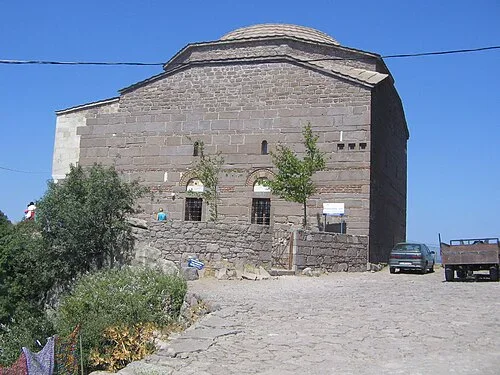 Murat Hüdavendigar Mosque
A mosque has stood on this hilltop since the second half of the fourteenth century, right beside the ruined temple. It carries the name of Sultan Murad the First, who took over Assos with the surrounding lands in 1359, when the Karesi beylik sold them to the Ottomans. The summit itself changed faiths more than once: a temple crowned it in antiquity, Byzantine times made the city a bishopric, and then came this mosque. The village name carries its own memory. In the Byzantine era the city was called Makhramion, after a Byzantine officer named Makhram. That name lives on in Behramkale, what the village is called today.
Photo: KureCewlik81 · Public domain
03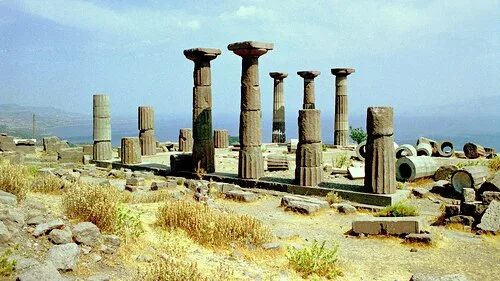 Temple of Athena
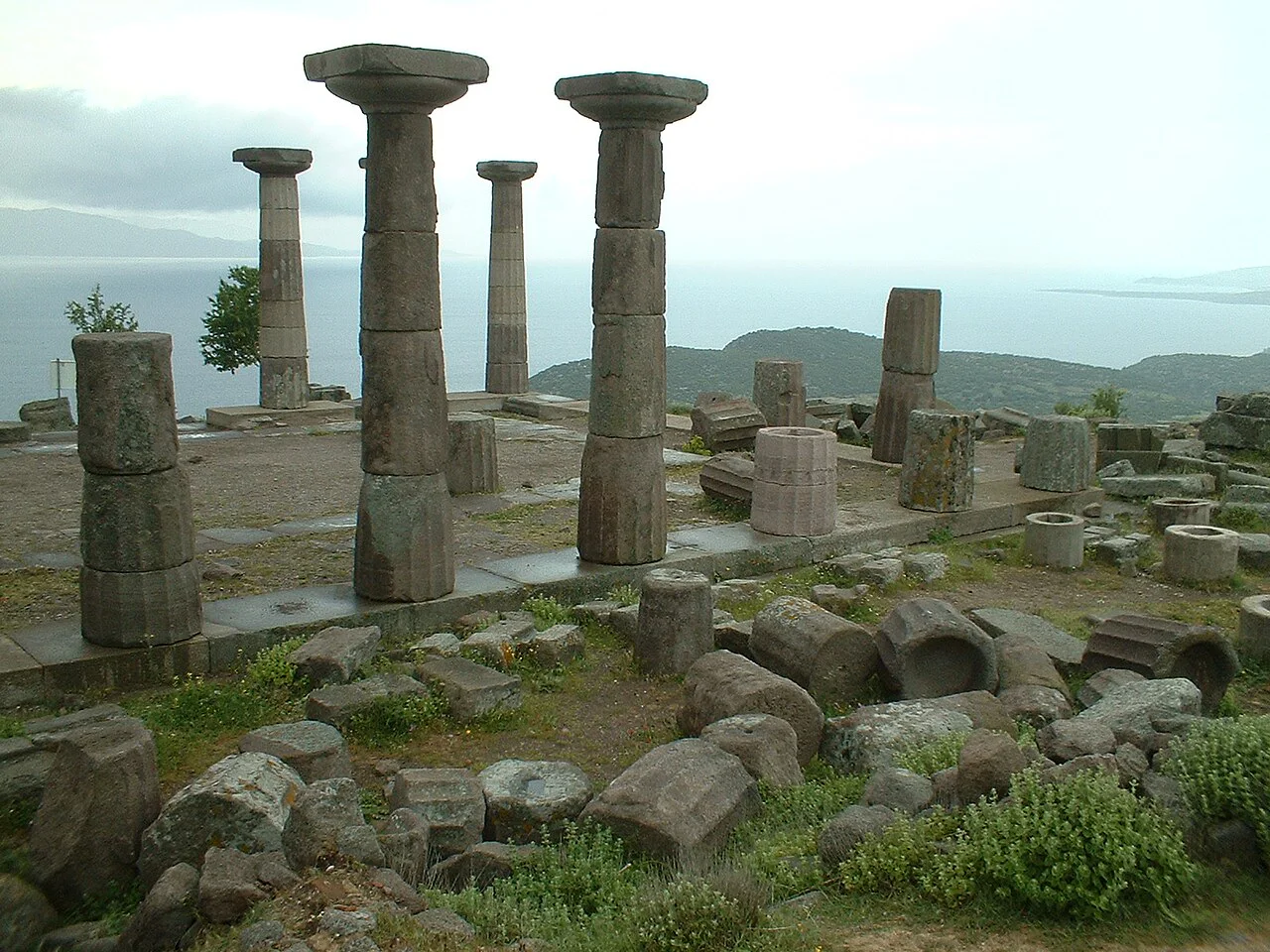
High on the acropolis, 238 meters above the sea, stand the last columns of the only Doric-order temple known in Asia Minor. It was dedicated to Athena and built around 530 BC. Thirty-eight columns once held up its roof. Six remain, with broken drums scattered across the bare rock around them. Later, Hermias of Atarneus ruled Assos, the Troad and Lesbos from here, during the town's greatest period of prosperity. He had studied under Plato, and had begun life, oddly, as a slave of the ruler of Atarneus. The view explains why the summit was chosen. It reaches to Lesbos in the south, to Pergamum in the southeast, and to Mount Ida in the east.
Listen in the appCarl Campbell from Santiago de Querétaro, México · CC BY 2.0
04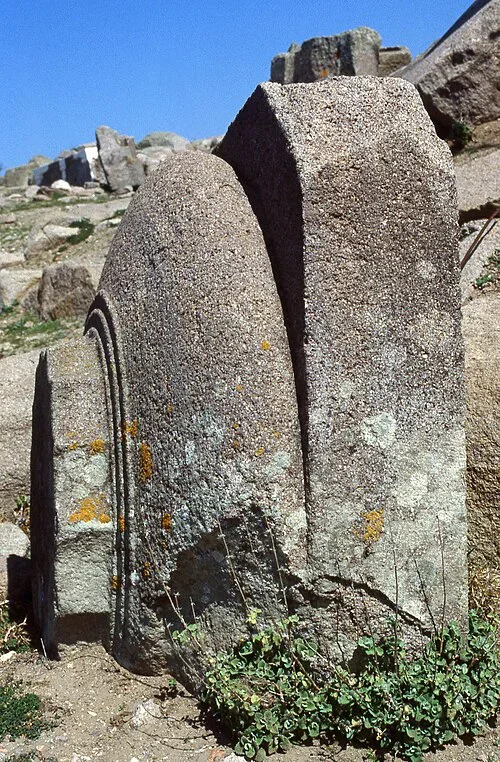 Temple of Athena
Doric Capital of the Temple of Athena
The temple was carved from andesite, a hard volcanic stone quarried locally, and centuries of weather have roughened this fallen capital into something almost organic. Its frieze was unusual for a Doric building. The frieze ran to thirty-four blocks. Fifteen survive in good condition, and their subjects mix freely: Lydian, Lycian, Athenian and Corinthian traditions sit side by side, with borrowings from the Ionic order too. It was an eastern-inflected Doric temple, unlike anything else in the region. The sculptures did not stay. In 1835 Charles Texier drew the friezes. Sultan Mahmud the Second then gave most of the surface sculpture to the French king, in 1838. Those works are in the Louvre now, including an architrave carved with a banquet of Herakles. In 1881 the Archaeological Institute of America began the first systematic digs, led by J. T. Clarke and F. H. Bacon. Three years of work uncovered the city's major buildings, and with Ottoman permission some finds sailed to the Museum of Fine Arts in Boston.
Listen in the appMark Landon · CC BY 4.0
05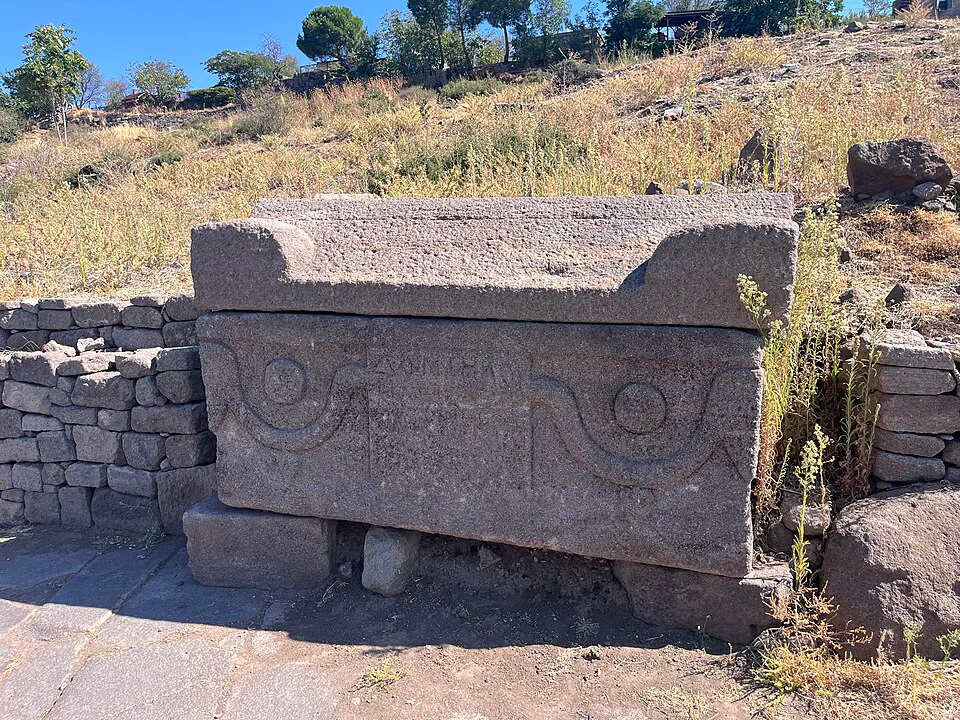 Assos Necropolis
Pliny the Elder had a blunt explanation for the sarcophagi of Assos: they were, he wrote, able to eat flesh. The very word sarcophagus means flesh-eater, and this hillside cemetery outside the West Gate was full of them, many broken. The local andesite was believed to speed the body's decay, and the story went that a corpse would be stripped within forty days. Whatever the chemistry, the tombs became a sought-after export. In 2018 archaeologists opened something rarer: an undamaged Hellenistic family grave with the name Aristios written on its cover. Twenty-one family members lay inside. One was buried. The other twenty were cremated, and their ashes went into urn-like vases sealed with cement, so that no foreign substance could reach them.
Listen in the appPhoto: Emirhan Sağdır · CC BY-SA 4.0
06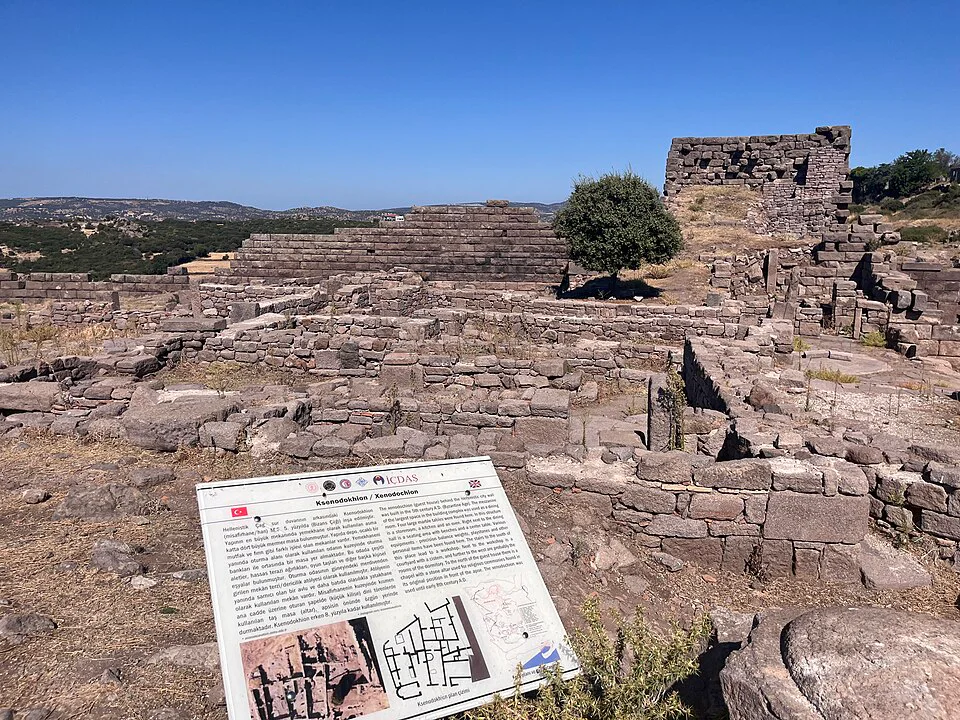 Assos Xenodochion
Just inside the western gate, Assos kept a public guesthouse in late antiquity, the xenodochion. Traveling merchants and Christian pilgrims lodged and ate here on their way through. The city's livelihood depended on traffic like theirs. The road through the gate carried everyone arriving by sea. The excavated walls trace the layout of rooms and courts where travelers were received. Assos appears more than once in early Christian travel history as a waypoint along this shore.
Listen in the appPhoto: Emirhan Sağdır · CC BY-SA 4.0
07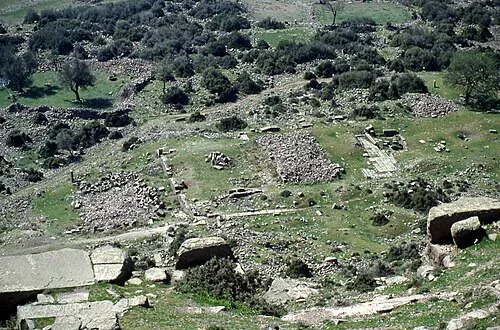 Gymnasium of Assos
Below the West Gate, on a terraced shelf of ground, lie the scattered remains of Assos's gymnasium, built in the second century BC. A Greek gymnasium trained the whole citizen, not just the body. Youths exercised and competed here, and in a Greek gymnasium the athletic training sat beside training in rhetoric and philosophy. The buildings have sunk into low lines of stone across the shelf, with the slope of the acropolis rising behind them. It was the sort of place where a boy might wrestle in the morning and practice speaking in the afternoon.
Listen in the appMark Landon · CC BY 4.0
08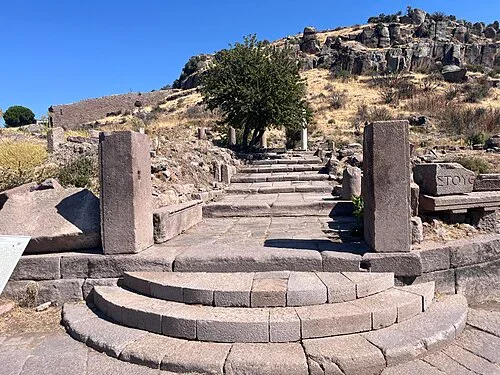 Gymnasium of Assos
Gymnasium Entrance Stairway
The ancient paved road ran northeast from the West Gate, and this monumental stairway carried it down into the lower city. Visitors coming through the gate reached the gymnasium, the second-century-BC agora and the bouleuterion along this route. Recent excavation seasons at Assos have turned up another trace of athletic life: many strigils, the curved scrapers athletes used, most of them bronze and some iron. They surfaced in the wider excavations, not necessarily here, so the link to this gymnasium is a light one. Even so, a scraper is a personal thing, and finding so many says something about how many people trained.
Listen in the appPhoto: Emirhan Sağdır · CC BY-SA 4.0
09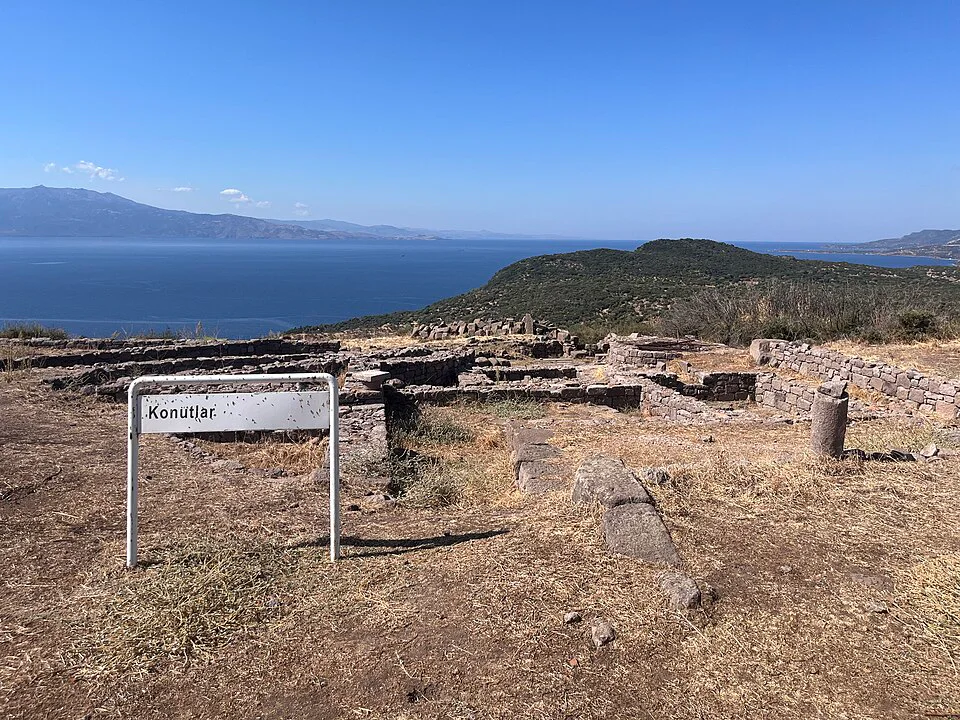 Assos Residential Quarter
Private houses stepped down the volcanic hillside at Assos, terrace by terrace, adapting domestic life to steep ground. Each home made its own arrangements for water: cisterns to hold it, courtyards and drainage to move it through the slope. The sea lies close below, and the houses faced down toward the harbour side. Excavation has caught families here in late antiquity. Among the Byzantine finds at Assos were a stone oven some fifteen hundred years old and a cooking stove that still held three pots when it came to light.
Listen in the appPhoto: Emirhan Sağdır · CC BY-SA 4.0
10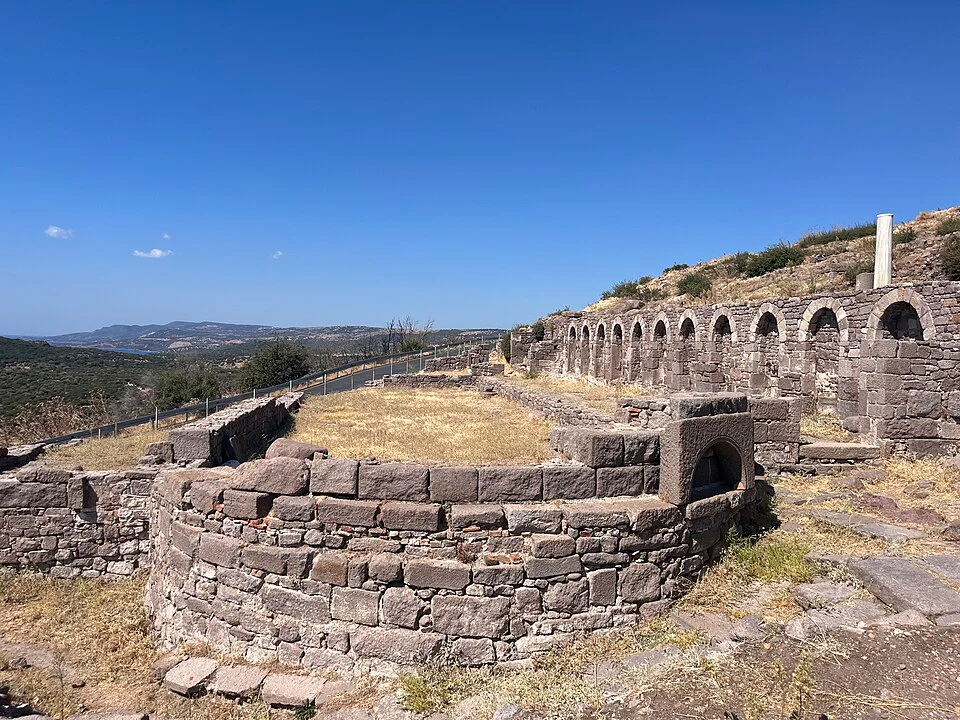 Western Church of Assos
By Byzantine times Assos was a bishopric, a city with its own bishop under the Metropolitan of Ephesus, and this three-aisled basilica served its growing Christian community. What remains is a long wall of arches, and one pale column standing against the sky. The city's best-known Christian story is a journey. On his third missionary journey through Asia Minor, Paul the Apostle passed this way. The book of Acts records the scene: Luke and his companions sailed ahead from Troas to Assos, intending to take Paul on board. Paul had gone overland on foot, and met them at Assos. From there the whole party sailed on to Mitylene on Lesbos. The story doesn't say exactly where he boarded the ship; only that the meeting happened at Assos.
Listen in the appPhoto: Emirhan Sağdır · CC BY-SA 4.0
- 11
Agora Temple
A small temple at the marketplace gate, where worship shared the space with everyday trade.
- 12
North Stoa
How Hellenistic builders turned the acropolis cliff into the back wall of a grand two-storey colonnade.
- 13
North Stoa Wall Detail
A row of beam sockets in the stoa's wall, showing the joinery behind the monumental front.
- 14
Bouleuterion
The council house of Assos, and the rise and execution of Hermias, the philosopher-ruler.
- 15
Assos Agora
Aristotle's school in the agora, his marriage to Pythia, and early studies of the natural world by the Aegean.
- 16
South Stoa
A four-level terraced market with storage and baths, the commercial engine of a harbour city.
- 17
Ancient Theatre of Assos
A theatre for five thousand, carved into a volcanic hollow and open straight onto the Aegean.
- 18
Theatre Cavea and Roman Works
How the theatre's tiers follow the slope, and the Roman masonry added when the building grew.
Assos
Frequently asked questions
How much does the guide cost?
Free app download. Listed guide price: $2.99. Guide price shown in the app. Audio guide only. Venue admission is separate.
Can I listen without internet?
Yes. Download the guide’s audio, images, and maps in the app before your visit. Your downloaded content is then available offline.
Can I listen in my language?
This audio guide is available in 15 languages, including English.
Do I need to follow a schedule?
No. This is a self-guided experience. Choose your stops, pause whenever you like, and return to a story at your own pace.
At your own pace
Explore Assos.
Download Stanza, then search for “Assos”.
Free app download · Guide price shown in the app
Keep exploring
Audio guides — Turkey
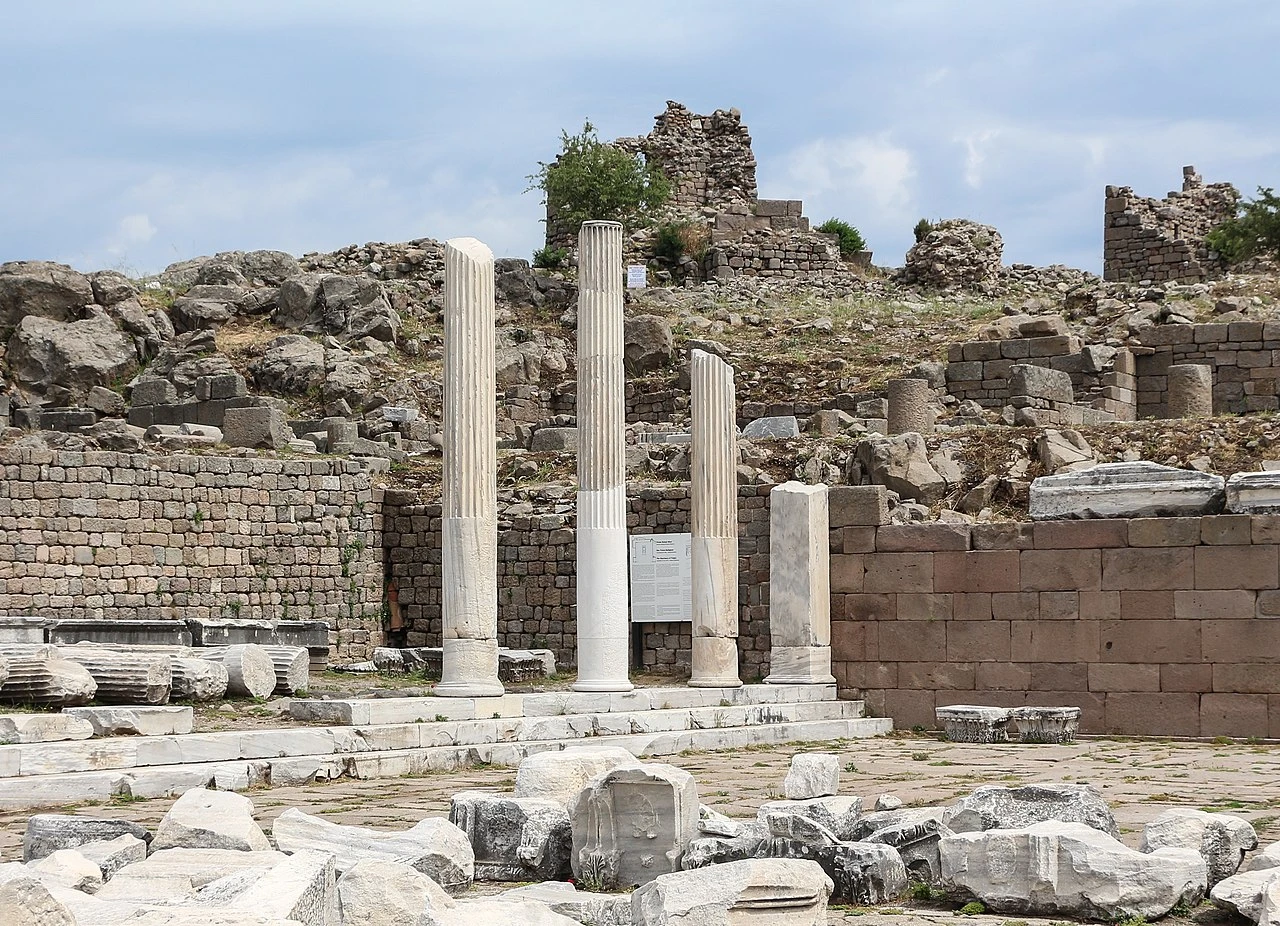
Bergama · 84 km
Pergamon
Content & sources
Bernard Gagnon · CC BY-SA 3.0
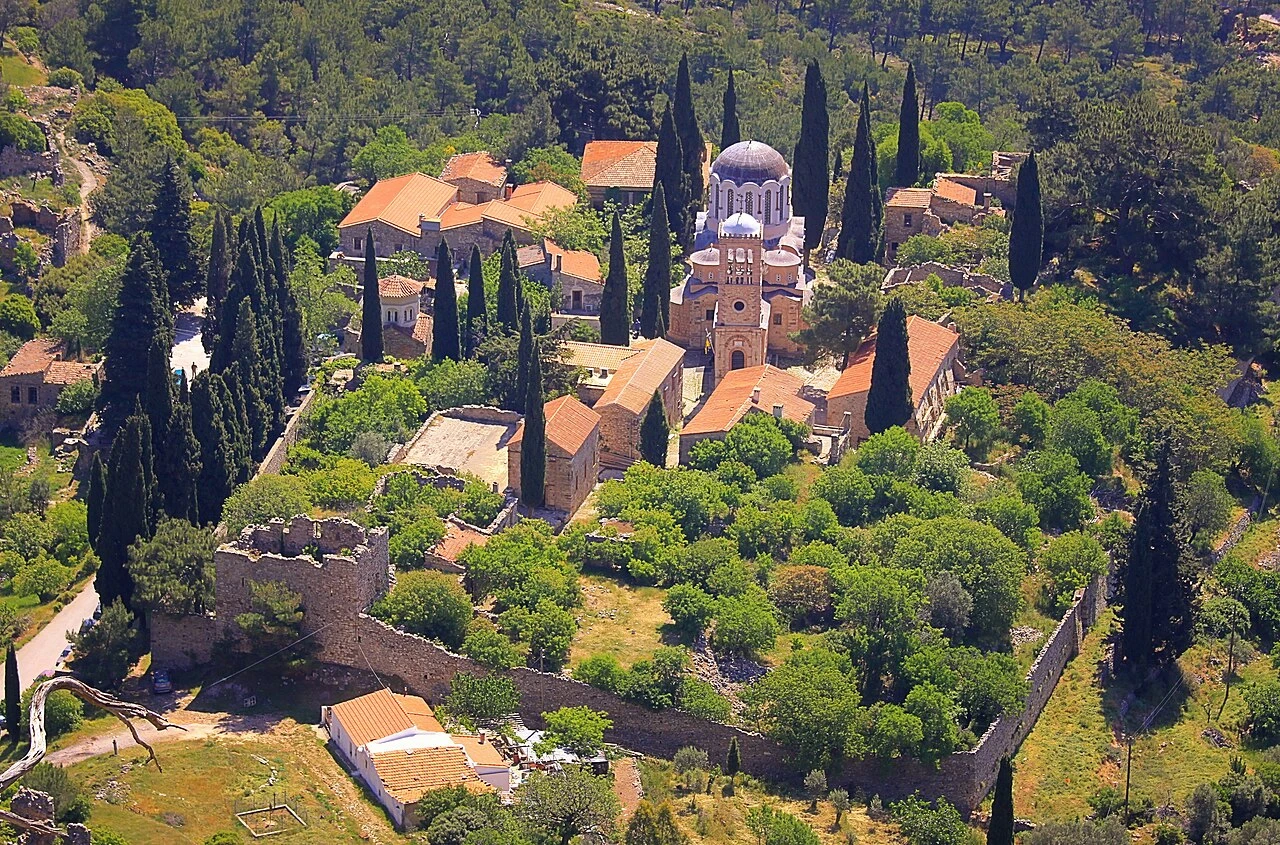
Chios · 127 km
Nea Moni of Chios
Content & sources
Photo: FLIOUKAS · CC BY-SA 4.0
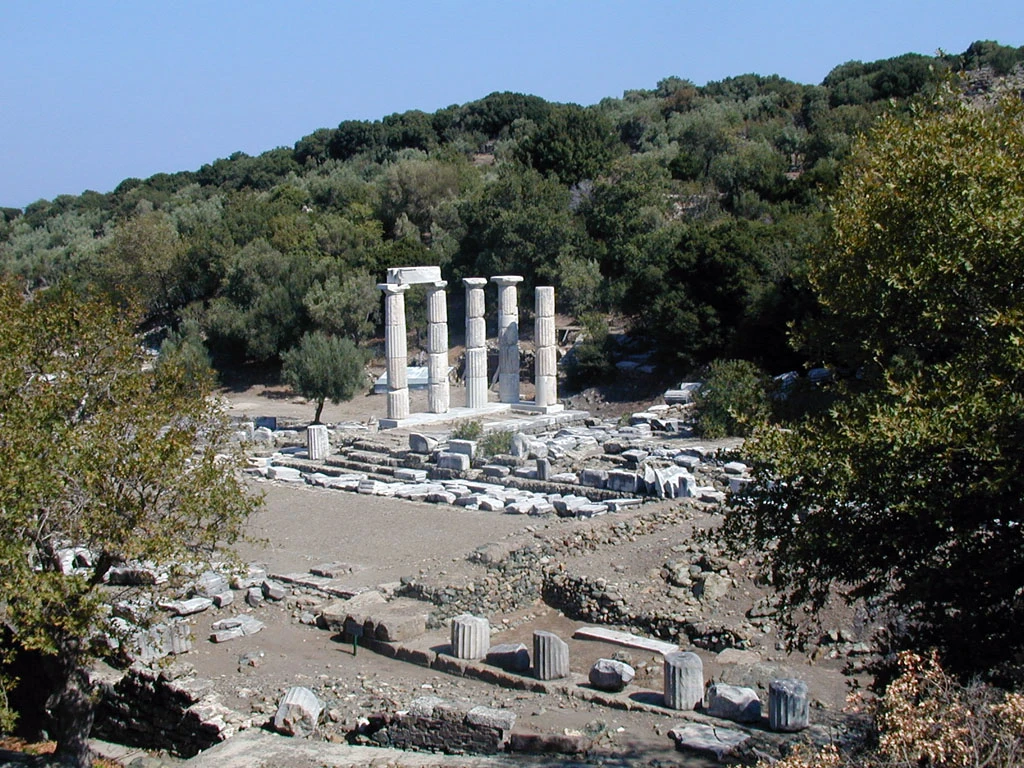
Kamariotissa · 132 km
Sanctuary of the Great Gods
Content & sources
No machine-readable author provided. Marsyas assumed (based on copyright claims). · CC BY-SA 3.0
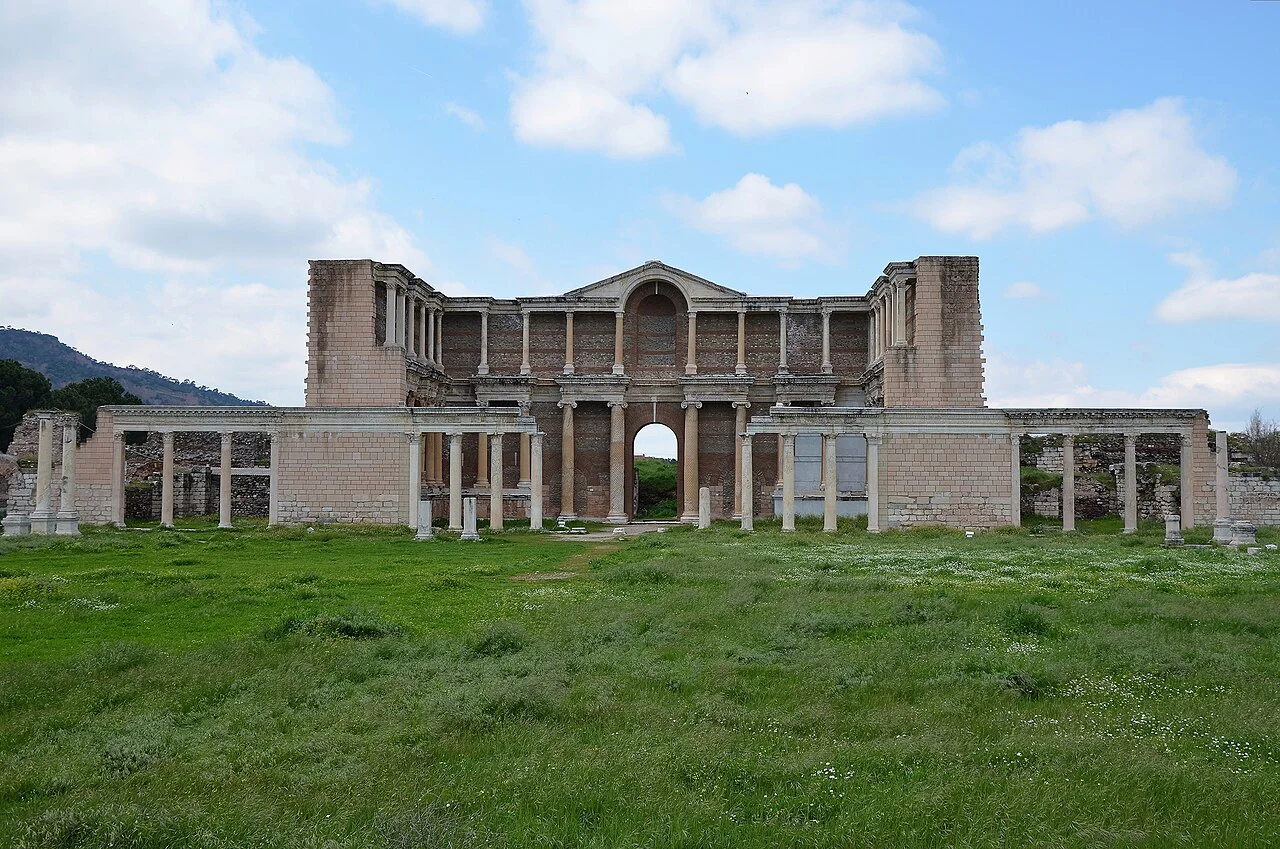
Salihli
Sardis
Content & sources
Carole Raddato from FRANKFURT, Germany · CC BY-SA 2.0