Stanza · Audio guide
Templo Mayor Audio guide
A place to remember. A story to take with you.
The Templo Mayor was the main temple of the Mexica people in their capital city of Tenōchtitlan. It was dedicated to the gods of war and rain and was rebuilt six times before being destroyed by the Spanish in…
Download Stanza, then search for “Templo Mayor”.
About the tour
One guide. Your kind of visit.
The Templo Mayor was the main temple of the Mexica people in their capital city of Tenōchtitlan. It was dedicated to the gods of war and rain and was rebuilt six times before being destroyed by the Spanish in 1521.
Ready when you are.
- 01Get the free Stanza app.
iOS & Android
- 02Find your guide.
“Templo Mayor”
- 03Download before you go.
Works offline
Audio guide / 16 narrated stops
Inside the guide
Get to know a few of the stories before you go. Open a stop to read more.
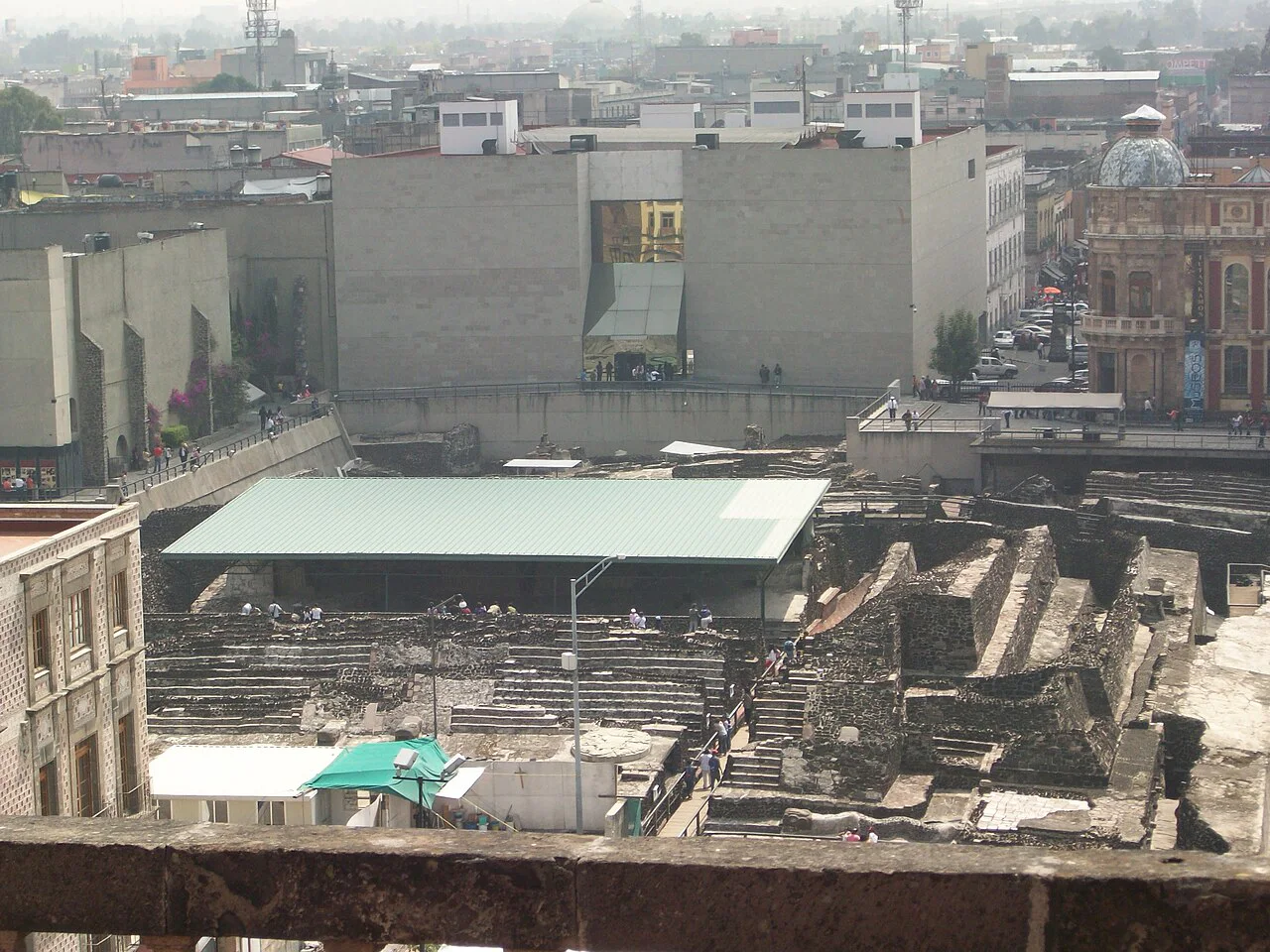
01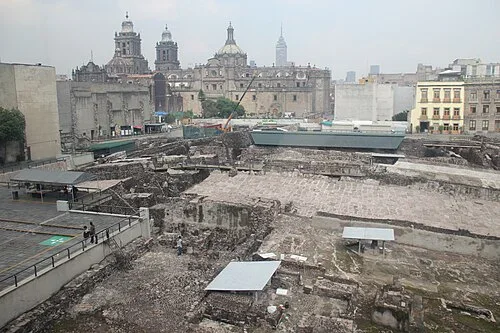 Archaeological Zone Entrance and Sacred Precinct OverviewThe Great Temple Beneath the Colonial City
Welcome to the Templo Mayor, and to the story of the great temple of the Mexica. When their capital, Tenochtitlan, was an island city in the lake, they called this building Huēyi Teōcalli, the great house of god. Two gods shared its summit. Huitzilopochtli, god of war, held one shrine. Tláloc, god of rain and agriculture, held the other. The pyramid towered over a walled Sacred Precinct. A friar named Bernardino de Sahagún counted seventy-eight buildings inside it, with the great temple above them all. Construction began sometime after 1325, when Tenochtitlan was still young. In 1521 the Spanish destroyed the temple almost completely. Its stones were carted away to build the colonial city, and its exact location was forgotten. A Spanish church, later the Metropolitan Cathedral, was built on the western half of the precinct. The stops ahead follow the temple from its building, through the conquest, to its rediscovery. The cathedral turned out to stand just southwest of the pyramid, not over it.
Gary Todd from Xinzheng, China · CC0
02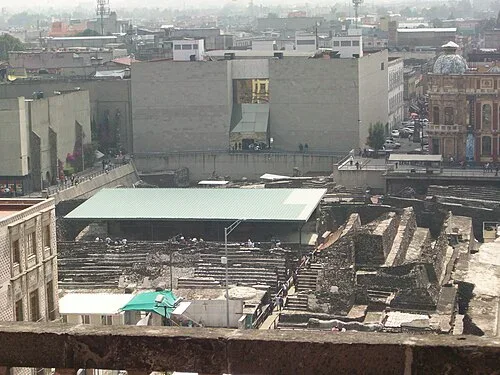 Archaeological Zone Entrance and Sacred Precinct OverviewThe Temple in Its Prime: Scale and Appearance
The temple's base covered about a hundred meters by eighty. Four sloped terraces rose in tiers, with a passage between each level. Two stairways climbed the front face, each leading to its own shrine at the top. The left shrine belonged to Tláloc, god of rain. The right one belonged to Huitzilopochtli, god of sun and war. Spanish-era accounts put the whole structure, pyramid and temples together, at about sixty meters high. Other estimates run lower, so the true height is uncertain. Balustrades flanked both stairways, ending in menacing serpent heads at the bottom. In its day the entire building wore a coat of stucco, painted in many colors. The summit stairways were reserved for priests and for those chosen for sacrifice. No one else ever climbed them.
Photo: GAED · CC BY-SA 3.0
03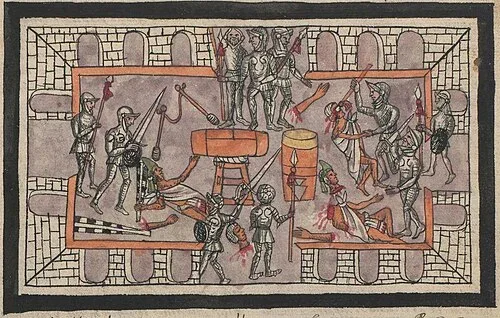 Archaeological Zone Entrance and Sacred Precinct OverviewThe Massacre in the Great Temple
In November 1519, the Spanish commander Hernán Cortés seized the emperor Moctezuma and ordered a Catholic cross raised on the Templo Mayor. While Cortés was away from the city, his lieutenant Pedro de Alvarado claimed to have uncovered a plot. In May 1520, during a religious festival, he attacked the Aztec nobility gathered in the Sacred Precinct. The celebrants were unarmed and trapped inside the precinct walls. Thousands were killed. Some accounts put the toll as high as ten thousand. When word spread, the people of the city turned on the Spaniards, killing seven and driving the rest back to their quarters. The Spaniards were driven out of the city. They returned with allied armies and laid siege to Tenochtitlan. During that siege, in 1521, dozens of Spaniards were captured alive in a failed assault and sacrificed at this temple, in view of the Spanish camps. Tenochtitlan fell in August 1521.
Listen in the appAutor desconocido · Public domain
04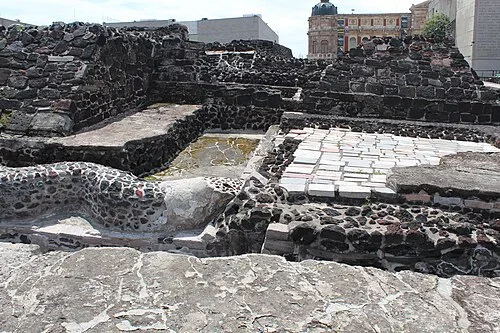 The Coatepantli Serpent Wall and Ceremonial PlatformsSerpents Guarding the Sacred Ground
Serpents coil all through this stonework. A carved serpent head rests beside the paved floor, jaws wide, stone fangs still sharp. Serpent sculpture guarded the thresholds of sacred space across Mesoamerica, and the Mexica followed the same rule. Along the temple's stairways, the balustrades that flanked the steps ended in just such heads at the base. Carved serpents also decorated the wall that ringed the Sacred Precinct. Climbers passed between the open jaws on their way to the shrines above.
Listen in the appDeror_avi · CC BY-SA 3.0
05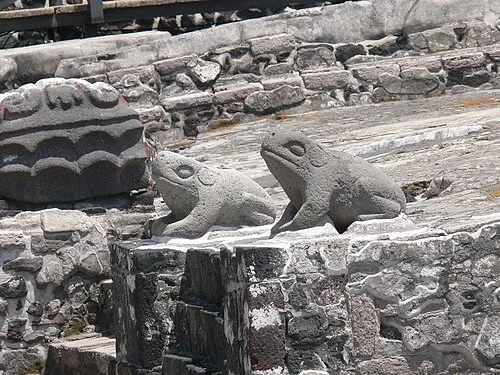 The Coatepantli Serpent Wall and Ceremonial PlatformsThe Altar of the Toads
Two plump stone toads sit side by side on a low altar. They belong to the fourth stage of the temple, raised under the emperors Moctezuma the First and Axayacatl. That building campaign ran from 1440 into the early 1480s. It is considered the richest of all the stages in sculpture and architectural decoration. At the shrine of Tláloc, the rain god, the middle of the platform held a small altar with a pair of sculpted frogs. Frogs and toads carried the symbolism of water and earth, which made them natural companions for the god of rain. The same stage added a platform adorned with undulating serpents, its stairway balustrades ending in serpent heads. Many of the objects unearthed across the site date from these decades.
Listen in the appWolfgang Sauber · CC BY-SA 3.0
06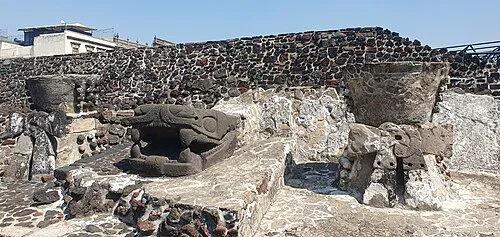 The Coatepantli Serpent Wall and Ceremonial PlatformsSacred Fires at the Summit
Worship at the Templo Mayor never let its fires die. Each of the two summit temples held a large stone brazier, and the sacred fire in it burned continuously. Smoke from the shrines hung over the Sacred Precinct. Braziers like these, carved with the face of Huitzilopochtli, stood at the temple's top. At the entrance of each temple, robust seated statues held up the standards, with banners of handmade bark paper. Fire had its own god, Huehueteotl-Xiuhtecuhtli, who with Tláloc presided over most of the offerings found at the temple. Together they expressed what the Mexica called burning water, a metaphor for warfare.
Listen in the appJosé Luiz · CC BY-SA 4.0
07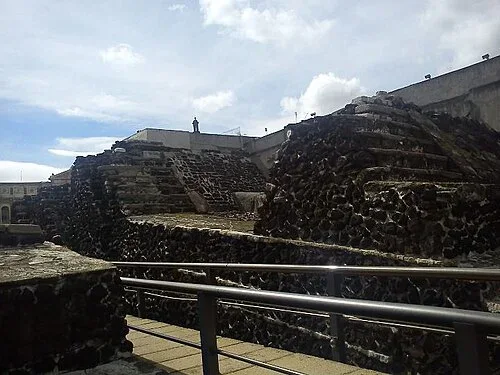 Superimposed Construction Layers and Phase III TerracesSeven Temples in One
Every pyramid on this site hides an older one beneath it. The Mexica began the first temple sometime after 1325 and rebuilt it six times, each new structure rising over the bulk of the last, like the layers of an onion. All seven stages except the first have been excavated, and each has been matched to the reign of the emperor who built it. The original temple was made of earth and perishable wood, and the wet ground of the old lakebed keeps it beyond reach. Moctezuma the First ordered the largest known expansion, in 1454. Later rulers kept adding their own. Tizoc replastered the great platform and paved the ceremonial plaza. Ahuizotl finished the sixth temple and celebrated its dedication in December 1487. A carved commemoration stone shows the two rulers presiding over the opening. Each layer was a statement: the bigger the empire grew, the bigger its temple had to be. The stacked stairways visible across the ruins are two centuries of that ambition, one built over the other.
Listen in the appPhoto: Ihiroalfonso · CC BY-SA 3.0
08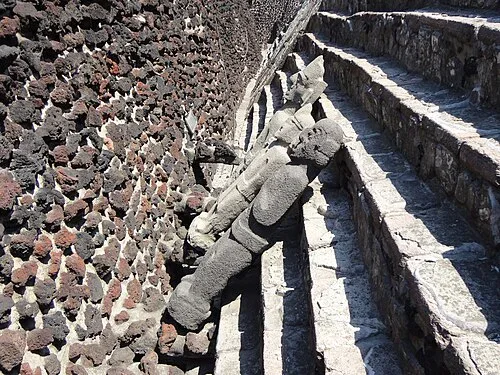 Superimposed Construction Layers and Phase III TerracesThe Standard-Bearers
Stone figures sit along the staircase, sturdy and cross-legged, made to carry weight. Descriptions of the temple place robust seated statues at the entrances of the summit shrines. Each one held a standard, a banner raised high during ceremonies. One staircase from the third stage of the temple had eight of these stone standard-bearers. The glyph of the year Four-Reed, 1431, marks their date. They acted as divine warriors, guarding the access to the upper shrines. Ceremony at the temple moved in procession, and figures like these held the standards that led it.
Listen in the appPhoto: Juan Carlos Fonseca Mata · CC BY-SA 4.0
09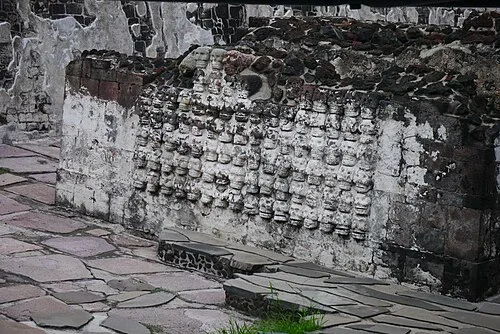 Superimposed Construction Layers and Phase III TerracesThe Tzompantli: Wall of Skulls
Rows of carved skulls cover this low wall, stacked in tight courses. A real version of this once stood nearby. Spanish-era accounts place the huey tzompantli, the great skull rack, beside the sacred ballcourt near the twin staircases. There the skulls of sacrifice victims were kept, coated in stucco and decorated. The ballcourt itself lay west of the temple, lined up east to west. Its players competed barefoot, using their hips to drive a heavy ball toward stone rings. The placement was no accident. The ballcourt and the skull rack stood at the foot of the twin stairways to echo the spot where myth says Huitzilopochtli set down his sister's severed head. Games and rites held there reenacted that mythical conflict. The skulls carved on this wall stand for the practice; the actual rack was a separate structure of its own.
Listen in the appPhoto: Luisalvaz · CC BY-SA 4.0
10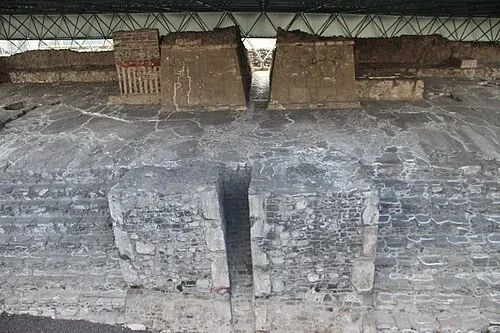 Stage II: The Twin Shrines of Tláloc and HuitzilopochtliStage II: The Twin Shrines
Of all the early building phases, these remains are the most intact. Two shrines once stood side by side at the top, each with its own staircase. Facing the temple, the left shrine belonged to Tláloc, god of rain and agriculture. The right one belonged to Huitzilopochtli, god of sun and war. Each half of the pyramid stood for a sacred mountain. The northern half was Tonacatepetl, the mountain home of Tláloc. The southern half was Coatepec, where Huitzilopochtli was born. The whole design mapped the Mexica cosmos. The temple aligned with the cardinal directions, its gates opening onto roads that ran out toward each of them. The human world met the thirteen levels of the heavens, called Topan. Below it lay nine levels of the underworld, called Mictlan.
Listen in the appGary Todd from Xinzheng, China · CC0
Templo Mayor
Frequently asked questions
How much does the guide cost?
Free app download. Listed guide price: $1.99. Guide price shown in the app. Audio guide only. Venue admission is separate.
Can I listen without internet?
Yes. Download the guide’s audio, images, and maps in the app before your visit. Your downloaded content is then available offline.
Can I listen in my language?
This audio guide is available in 15 languages, including English.
Do I need to follow a schedule?
No. This is a self-guided experience. Choose your stops, pause whenever you like, and return to a story at your own pace.
At your own pace
Explore Templo Mayor.
Download Stanza, then search for “Templo Mayor”.
Free app download · Guide price shown in the app
Keep exploring
Nearby audio guides
Mexico City · 1 km
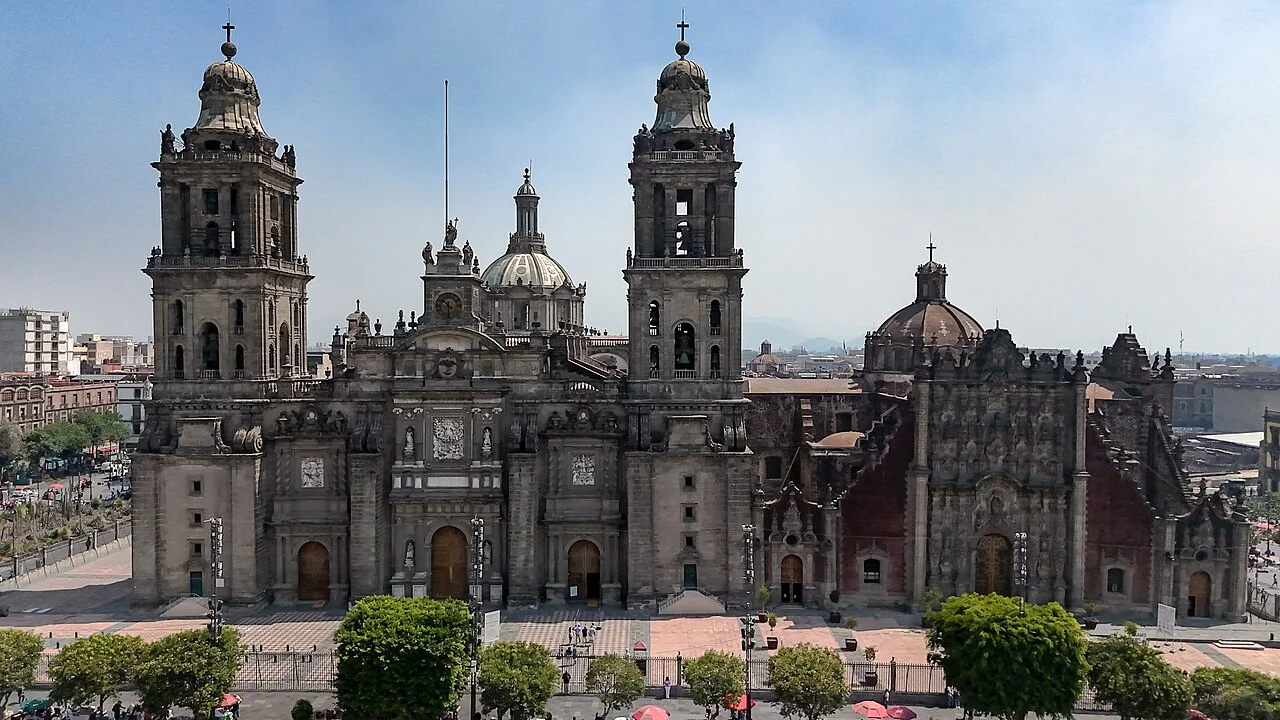
Catedral Metropolitana de la Ciudad de México
Content & sources
Photo: ProtoplasmaKid · CC BY-SA 4.0
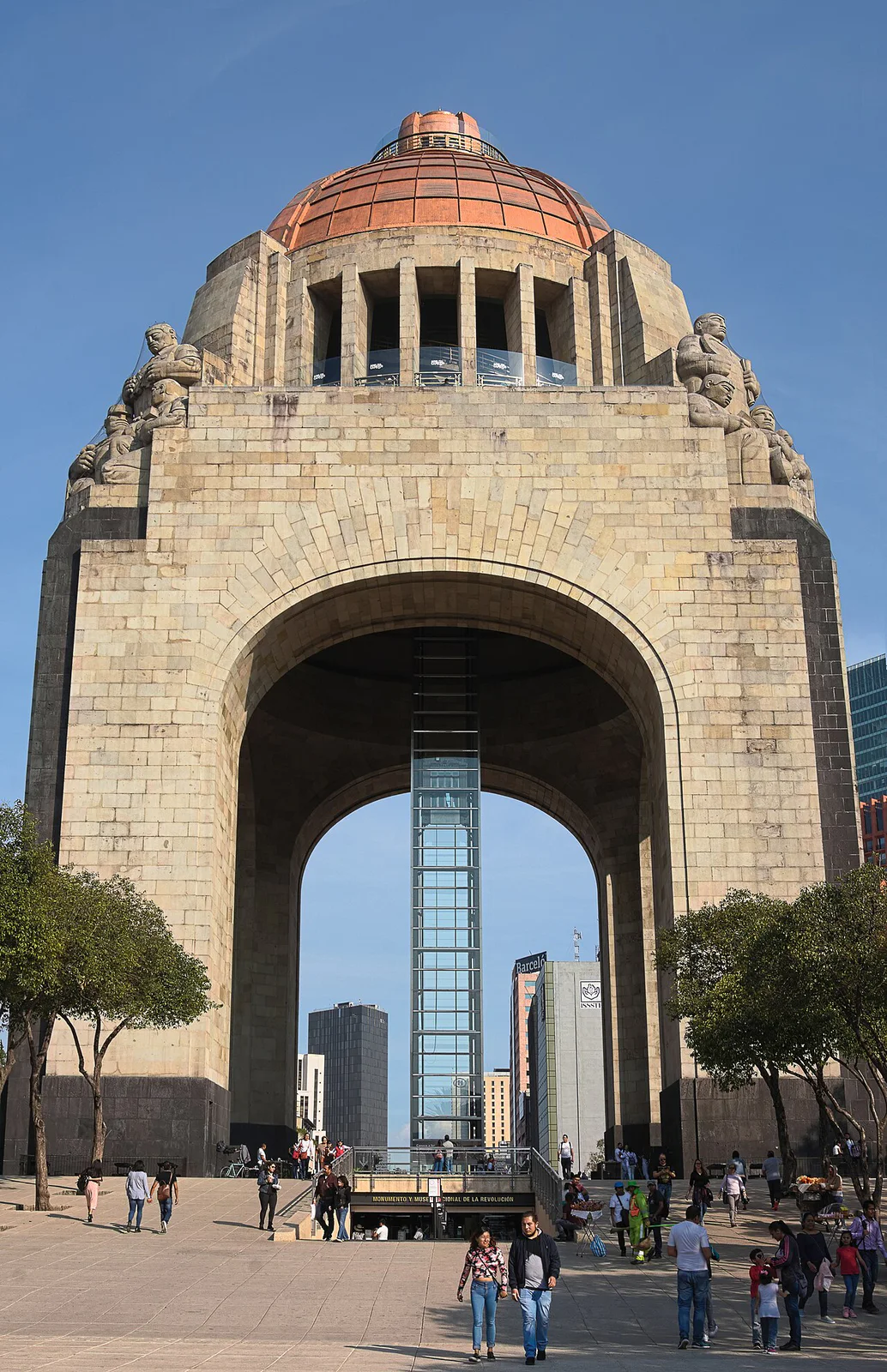
Mexico City · 2 km
Monumento a la Revolución
Content & sources
Carlos Valenzuela · CC BY-SA 4.0
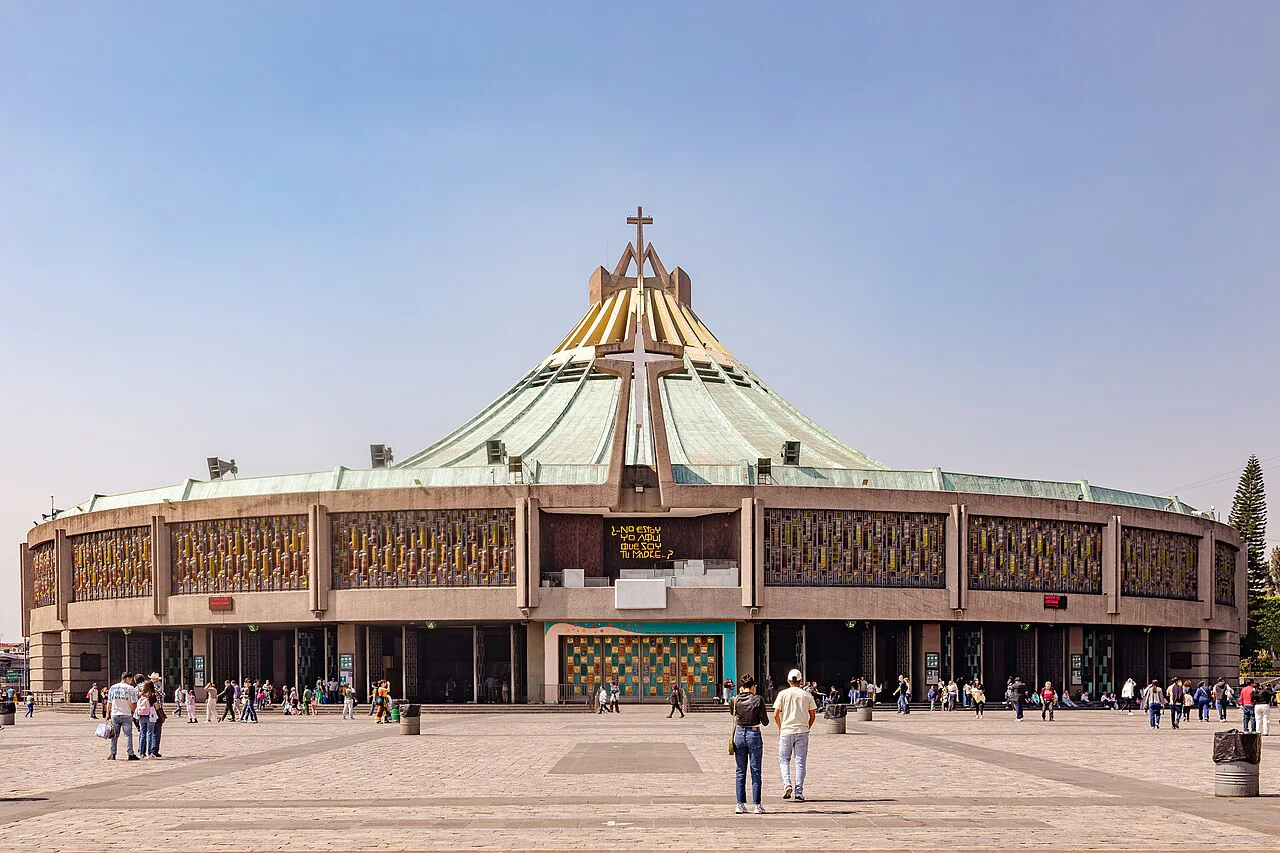
Mexico City · 6 km
Basílica de Santa María de Guadalupe
Content & sources
Photo: Arne Müseler · CC BY-SA 3.0 de
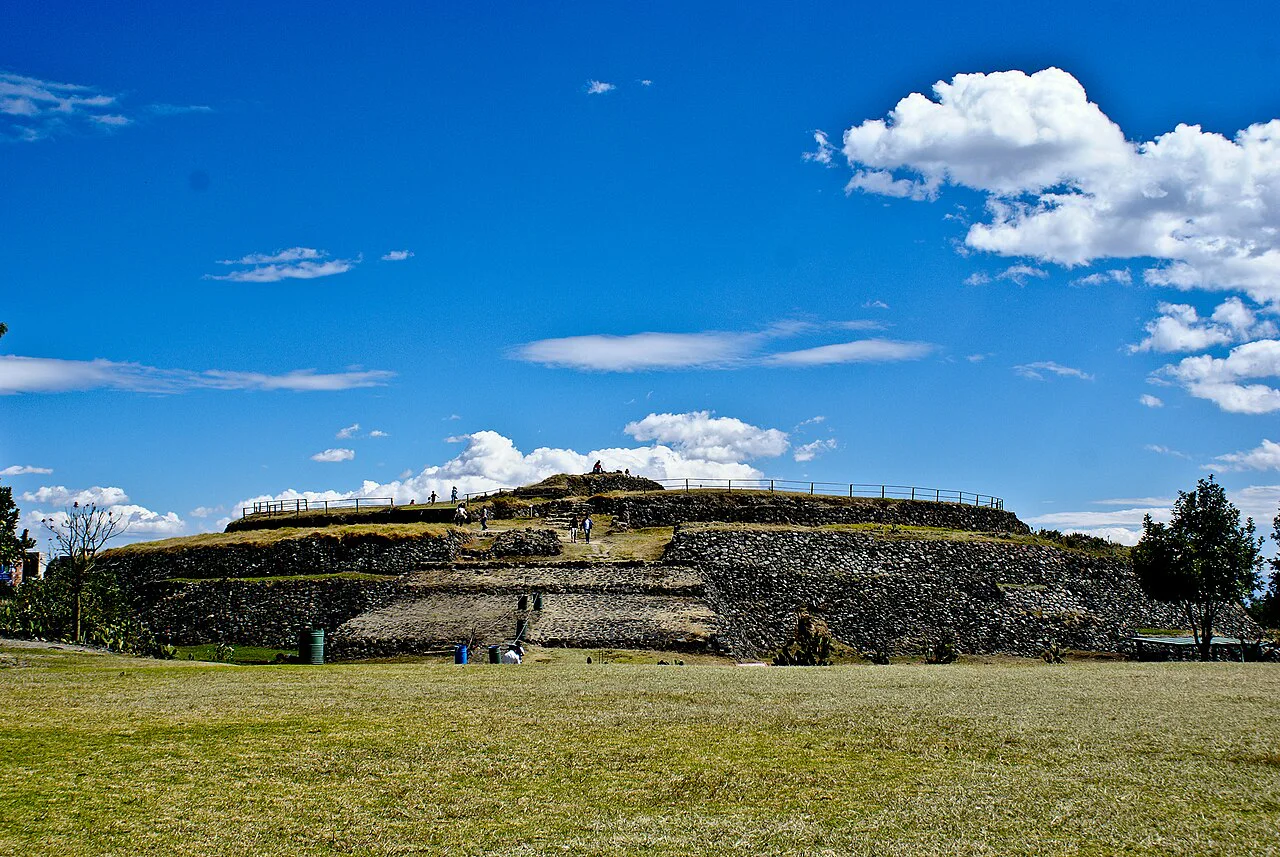
Mexico City · 16 km
Cuicuilco
Content & sources
Photo: Felipe huerta hdez · CC BY-SA 3.0