Stanza · Audio guide
Ampurias Audio guide
A place to remember. A story to take with you.
Empúries was an ancient Greek city founded in 575 BC on the Mediterranean coast of Catalonia. Its occupation by the Romans in 218 BC initiated the Roman conquest of Hispania.
Download Stanza, then search for “Ampurias”.
About the tour
One guide. Your kind of visit.
Empúries was an ancient Greek city founded in 575 BC on the Mediterranean coast of Catalonia. Its occupation by the Romans in 218 BC initiated the Roman conquest of Hispania.
Ready when you are.
- 01Get the free Stanza app.
iOS & Android
- 02Find your guide.
“Ampurias”
- 03Download before you go.
Works offline
Audio guide / 19 narrated stops
Inside the guide
Get to know a few of the stories before you go. Open a stop to read more.
01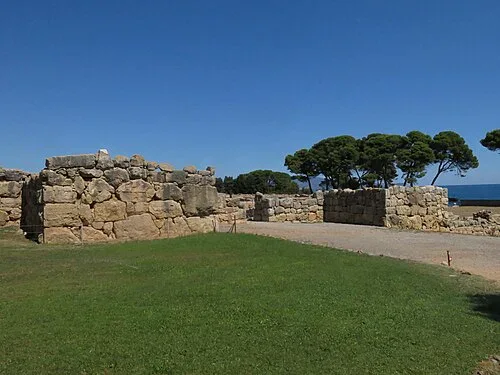 The South Gate and Greek Defensive WallsEntrance to the Greek City
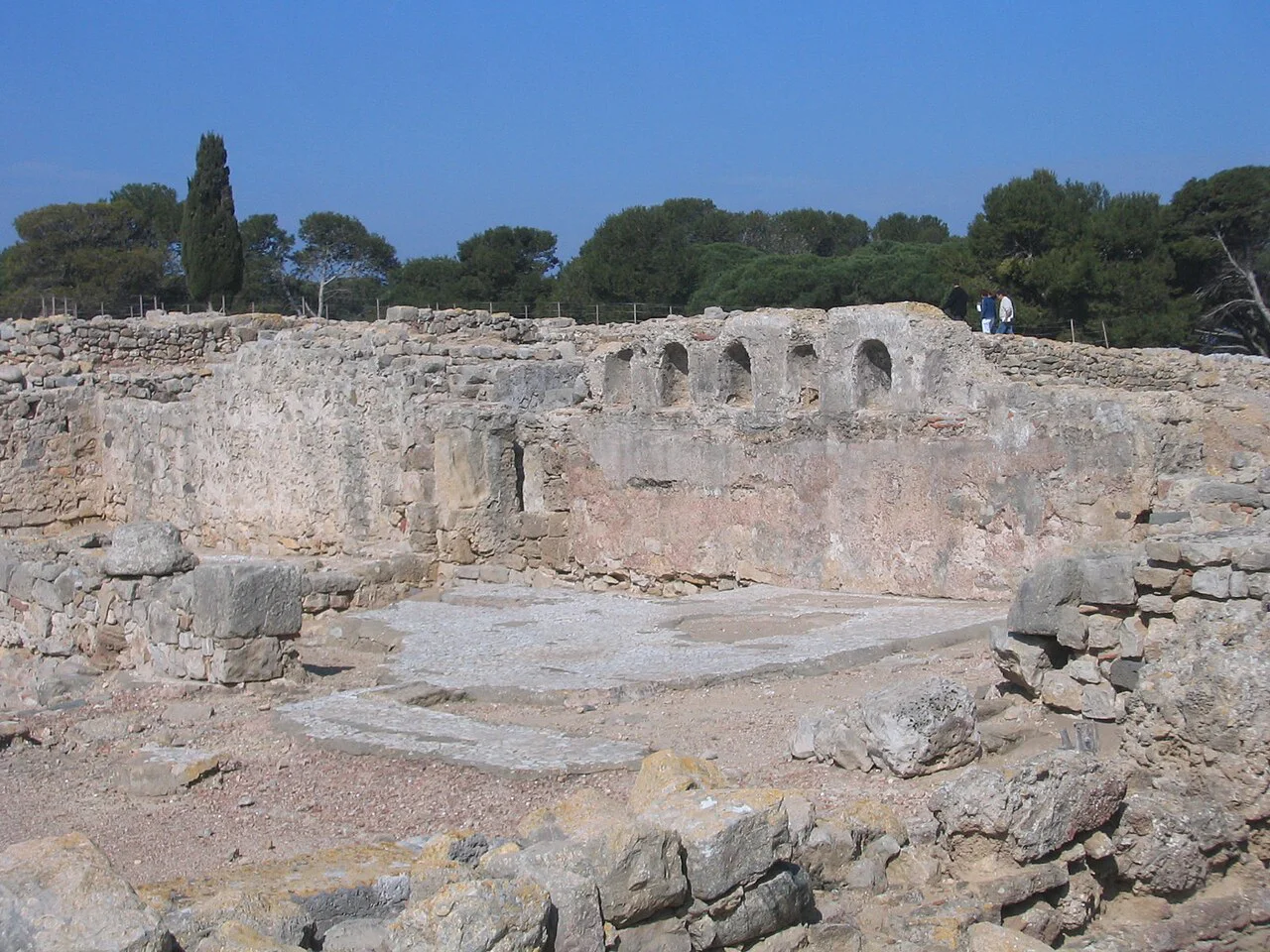
Welcome to Empúries, on the Costa Brava, the only place in the Iberian Peninsula where a Greek city and a Roman city lie on the same ground. The Greeks named it Emporion, the trading place. Colonists from Phocaea founded it in 575 BC, on a small island at the mouth of the river Fluvià. That first settlement became the Palaiápolis, the old city. Around 550 BC the inhabitants moved to the mainland and built the Neápolis, the new city, entered through this gate. The visit crosses three zones in all. First the old island, today the village of Sant Martí d'Empúries. Then the walled Greek Neápolis. Last, the raised Roman city. One question runs through the whole site. Traders, and later conquerors, kept choosing this shore, and each wave left its city behind. The largest Greek colony in the Iberian Peninsula grew here. Even the coastline has moved on. The river now meets the sea some six kilometres to the north.
Photo: Enric · CC BY-SA 4.0
02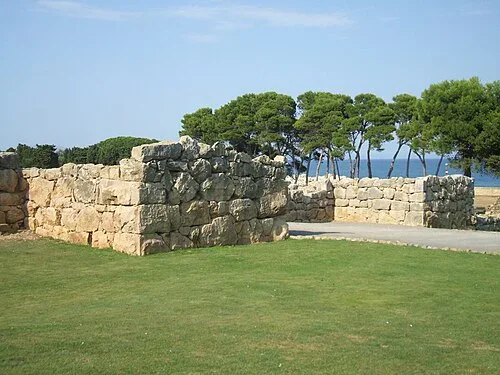 The South Gate and Greek Defensive WallsThe Southern Walls and the Divided City
These walls did more than keep enemies out. They kept neighbours apart. The Neápolis was a walled precinct, an irregular rectangle about two hundred metres on its long side. The short side ran roughly one hundred thirty. Its defences went up in the fifth century BC and were rebuilt again and again down to the second. To the west, the wall separated the Greek town from Indika, the settlement of the Indigetes, the native Iberian people of this coast. Strabo and Livy describe Greeks and Indigetes living together for centuries while keeping strictly apart. In time, Strabo says, the two communities merged into a single state. The southern face here shows the latest rebuilding, from the second half of the second century BC. Many of its great limestone blocks came from an older Greek wall of the fourth century BC. The remains of that earlier wall lie some twenty-five metres inside the town. When the defence line moved outward, its old stones built the new wall. The ground left behind was buried under a deep fill, which raised the level of the whole city considerably.
Photo: LeZibou · CC BY-SA 3.0
03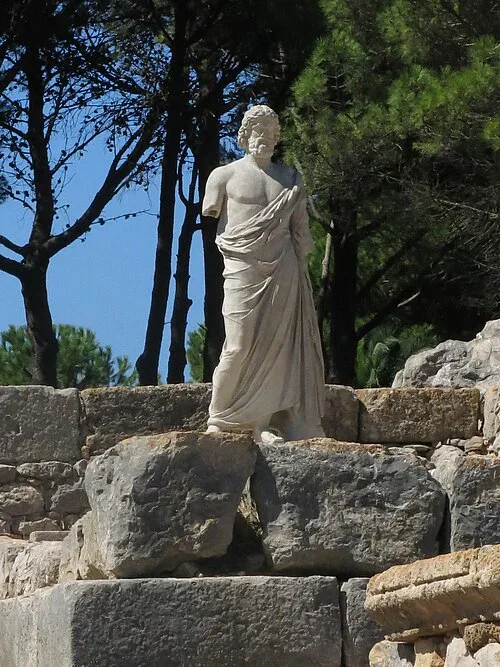 The Sanctuary of AsclepiusThe Sanctuary of Asclepius
The bearded figure wrapped in his mantle is Asclepius, the Greek god of medicine. His sanctuary here, an Asclepeion, was at once a religious centre and a place of healing. The sick came to put themselves in the god's hands. At healing shrines of this kind, the great hope was a dream. Patients slept in the sacred precinct and waited for the god to visit them in the night, then followed whatever he told them. Curing the body and honouring the god were a single act. The statue standing on the remains of a Greek rampart is a copy. The original marble waits in the site museum.
Listen in the appPhoto: Enric · CC BY-SA 4.0
04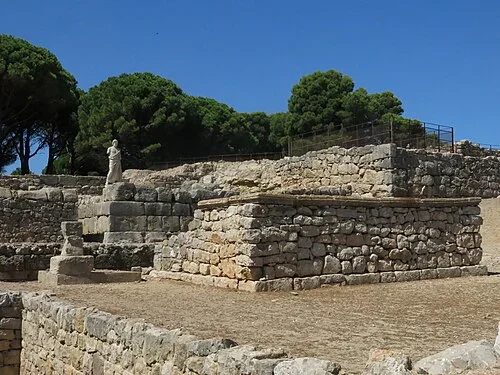 The Sanctuary of AsclepiusThe Sanctuary Terraces
These terraces hold the sanctuary's own biography. An early precinct of Asclepius stood here by the fourth century BC. Two hundred years later the city pushed its wall southward, and the sanctuary was completely remodelled. It now lay inside the defences. The new wall was flanked by two square towers, and its southwest corner was protected by a heavy bastion. The move was made most likely to open ground for a set of new temples. One of them stood in the south-east of the city, dedicated to Zeus-Serapis, an eastern god honoured here alongside Asclepius. A cult from the eastern Mediterranean taking root in a western Greek port says much about the shipping that called here. Under the Serapis precinct, excavators also found an outwork from the later third century BC. It was meant to keep enemy war machines back from the wall.
Listen in the appPhoto: Enric · CC BY-SA 4.0
05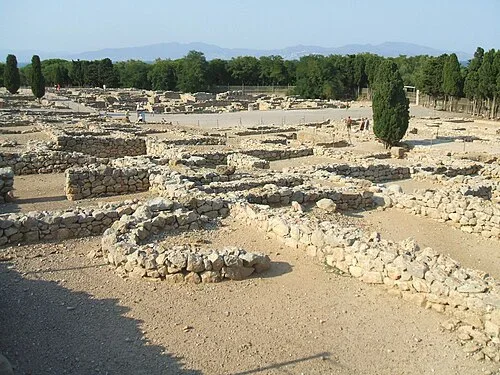 The Greek Agora and Civic StoaThe Greek Agora
Every Greek town arranged its public life around a square like this one. The agora was the heart of the Neápolis. Around it stood the principal buildings of the city, and its business was threefold, religious, administrative and commercial. Laws were argued out here. Goods changed hands here. The gods held their share of the space too. The square sits exactly where the town's two main streets converge, so anyone crossing the Neápolis passed through it. That is where a Greek city put its agora, at the crossing point of daily life.
Listen in the appPhoto: LeZibou · CC BY-SA 3.0
06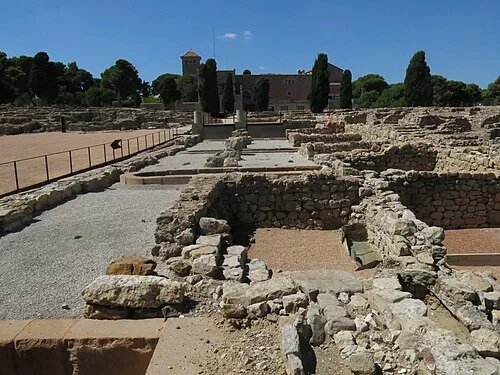 The Greek Agora and Civic StoaThe Stoa of the Agora
The stoa gave the city centre its final Greek shape. In the middle of the second century BC, builders reshaped this whole quarter. To make room, they tore down part of the neighbourhood already standing here. What replaced it was a matched ensemble, an agora, a long stoa and a market, together covering about half a hectare. A stoa was a long roofed colonnade, part shelter and part public walk. At the centre lay a porticoed plaza, fifty-two metres on its long side. Its width was a further forty. Beyond the ruins, the museum building is visible.
Listen in the appPhoto: Enric · CC BY-SA 4.0
07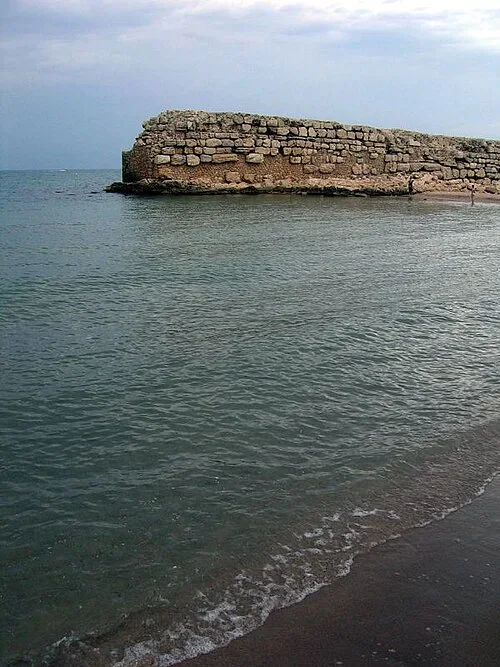 The Hellenistic Harbour MoleThe Hellenistic Harbour Mole
The sea made Emporion, and this breakwater kept the sea workable. The mole still runs along the beach, one of the most emblematic monuments of Empúries. Unlike most ruins on this coast, it has always stayed in sight. It was probably built in the first century BC. It stretches about eighty-two metres into the water. Its width is six metres, and its height reaches about six and a half. Behind it, merchant shipping could load and unload in shelter. Everything the city was, it owed to ships like those. Wine and Mediterranean goods moved through this harbour, out to the Iberian interior and back. One passenger of that trade sits in the museum, a great mixing bowl for wine, made in the ceramic workshops of Athens. The Greeks never drank their wine neat, only mixed with water in vessels of this kind. It crossed the sea to reach Emporion, and it arrived by the kind of shipping this mole protected.
Listen in the appMiguel · CC BY-SA 2.0
08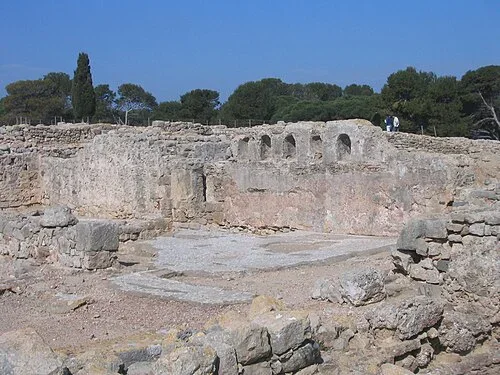 The Palaeochristian BasilicaThe Palaeochristian Basilica
At the end of the third century AD, Empúries became one of the first cities in Spain to admit Christian evangelists. This basilica belongs to that late chapter, built as the Greek town was abandoned. The Roman town was fading too, overshadowed by the power of Tarraco, today's Tarragona, and of Barcino, today's Barcelona. The ground around the basilica filled with burials, perhaps connected with worship here. What remained of the Roman town survived only as a mint, and as the largely ceremonial seat of a coastal county, Castelló d'Empúries. Viking raids in the middle of the ninth century ended even that. Minting returned under Count Hugh II, around the year 1100, in a county that no longer had an ancient city at its heart.
Listen in the appPhoto: David Mateos García · CC BY 2.0
09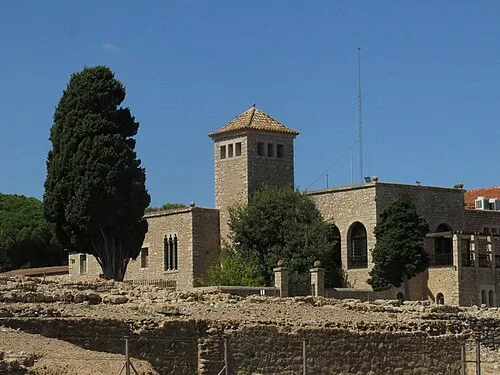 The Archaeology Museum of Catalonia (Empúries)The Archaeology Museum of Catalonia - Empúries
The museum stands in the former convent of Santa Maria de Gràcia, and it holds the finds of more than a century of digging. The exact location of the ancient city had been known since the fifteenth century. Systematic excavation only began in 1908, run by the Junta de Museus de Barcelona. Josep Puig i Cadafalch drove the project forward. The fieldwork itself fell to Emili Gandia. Gandia had no training in archaeology, so he developed his own stratigraphic method as he went. He recorded every detail as it surfaced, then copied his notes into the notebooks known simply as his Diaries. They were never published, yet every later study of the site has drawn on them. The excavations he started are still going on today.
Listen in the appPhoto: Enric · CC BY-SA 4.0
10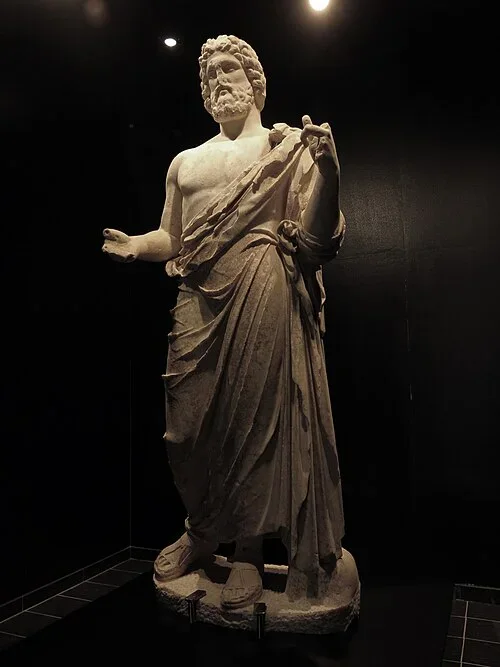 The Archaeology Museum of Catalonia (Empúries)The Asclepius Statue
The museum's centrepiece was made far from home. This bearded god in his mantle is traditionally identified as Asclepius. He was carved in a Hellenistic workshop of the eastern Mediterranean, in two pieces that interlock at the torso. He probably reached Emporion in the late second century BC. The parts came to light in 1909, on the upper terrace of the sanctuaries in the south of the Greek city. What fixed his identity was a combination of evidence. The statue's own features, together with fragments of a serpent figure found at the same spot, identified him as Asclepius, the god of medicine. A copy of him stands again on the sanctuary terrace. The Romans knew this same god as Aesculapius.
Listen in the appPhoto: Enric · CC BY-SA 4.0
Ampurias
Frequently asked questions
How much does the guide cost?
Free app download. Listed guide price: $1.99. Guide price shown in the app. Audio guide only. Venue admission is separate.
Can I listen without internet?
Yes. Download the guide’s audio, images, and maps in the app before your visit. Your downloaded content is then available offline.
Can I listen in my language?
This audio guide is available in 15 languages, including English.
Do I need to follow a schedule?
No. This is a self-guided experience. Choose your stops, pause whenever you like, and return to a story at your own pace.
At your own pace
Explore Ampurias.
Download Stanza, then search for “Ampurias”.
Free app download · Guide price shown in the app
Keep exploring
Nearby audio guides
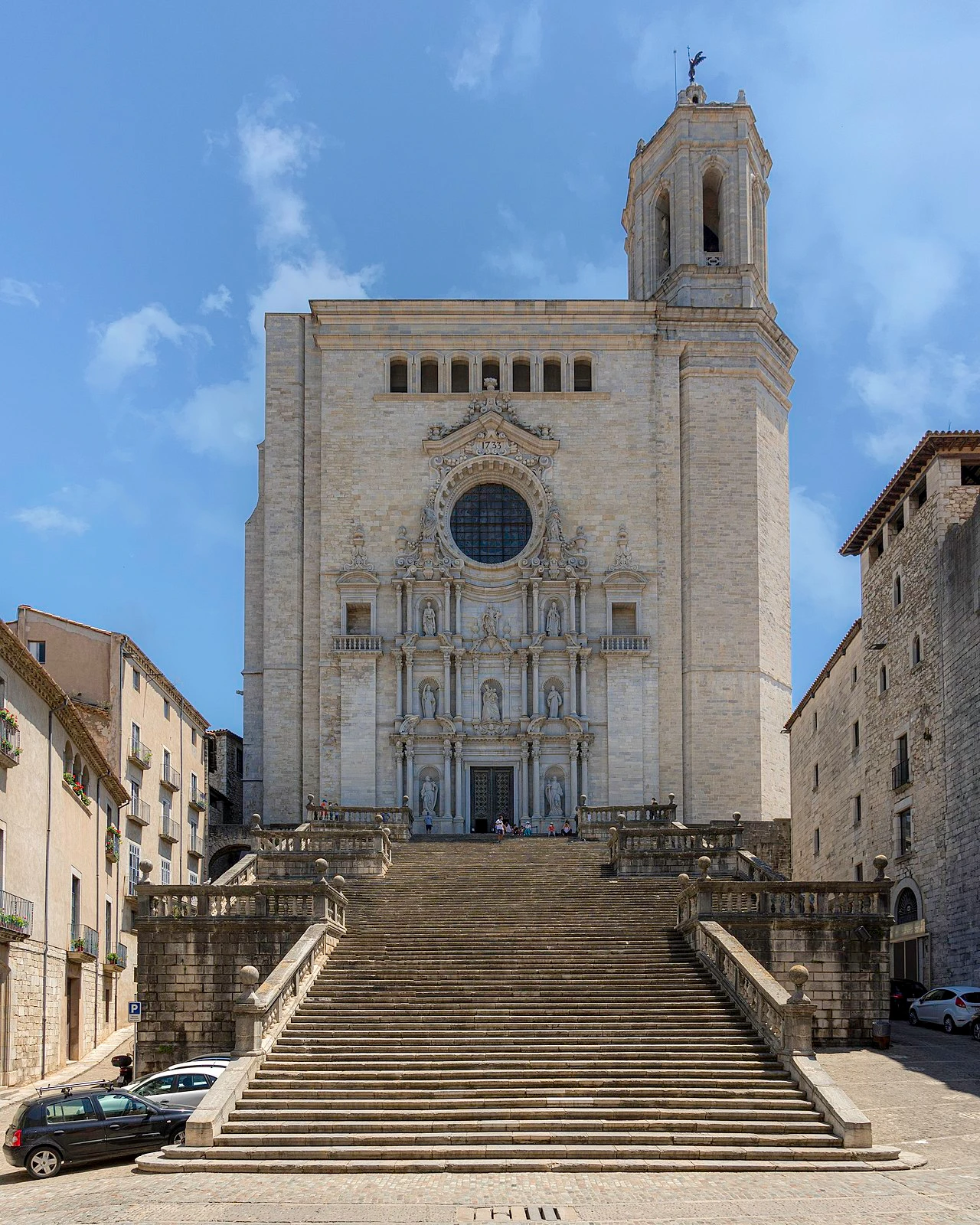
Girona · 29 km
Girona Cathedral
Content & sources
Photo: Fernando · CC BY-SA 4.0
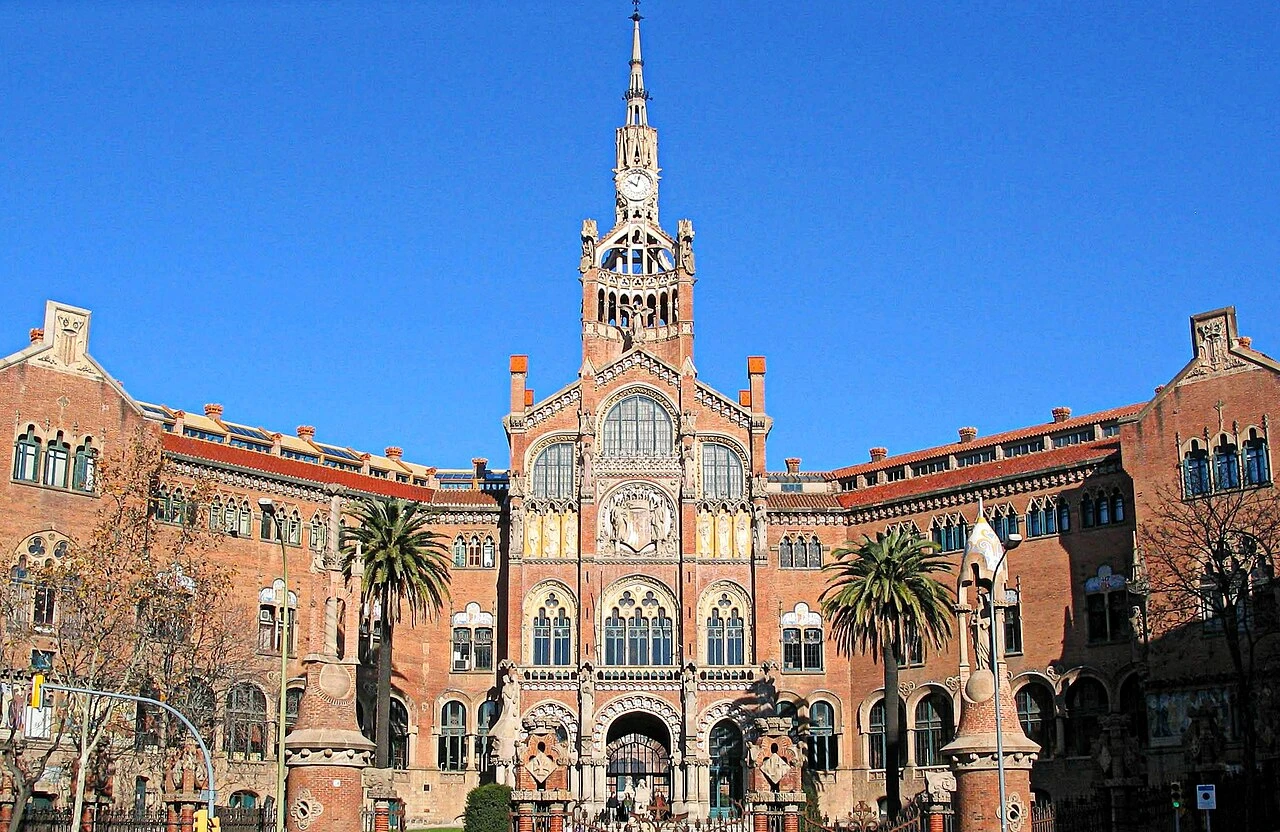
Barcelona · 112 km
Recinte Modernista de Sant Pau
Content & sources
Photo: Matinibz · CC BY-SA 3.0
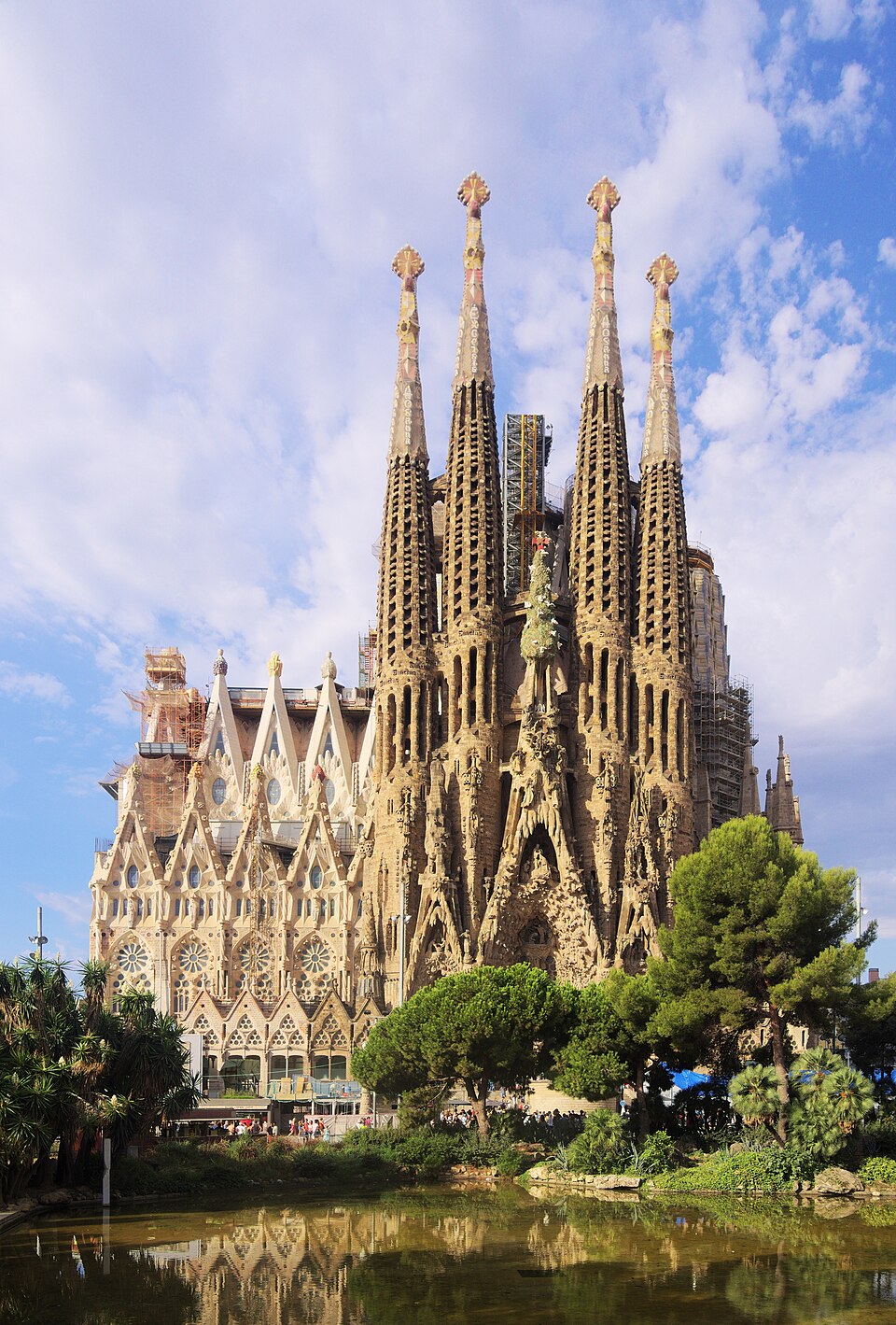
Barcelona · 113 km
Sagrada Família
Content & sources
Photo: C messier · CC BY-SA 4.0
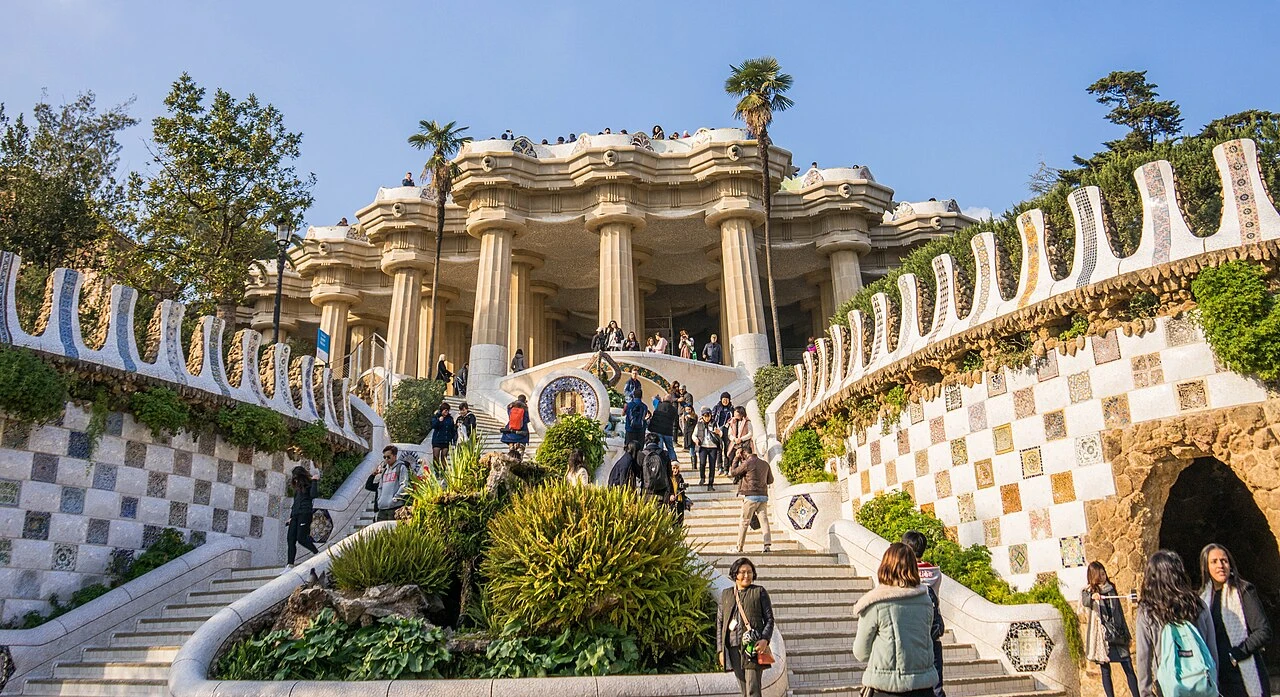
Barcelona · 113 km
Park Güell
Content & sources
Unknown author · CC0