 Stanza / Audio guide
Content & sources
Stanza · Audio guide
Korikos Audio Guide
A place to remember. A story to take with you.
Corycus was an ancient city in Cilicia Trachaea, Anatolia, located at the mouth of the valley called Şeytan deresi. The site is now occupied by the town of Kızkalesi in the Mersin Province of Turkey.
Download Stanza, then search for “Korikos”.
About the tour
One guide. Your kind of visit.
Corycus was an ancient city in Cilicia Trachaea, Anatolia, located at the mouth of the valley called Şeytan deresi. The site is now occupied by the town of Kızkalesi in the Mersin Province of Turkey.
Ready when you are.
- 01Get the free Stanza app.
iOS & Android
- 02Find your guide.
“Korikos”
- 03Download before you go.
Works offline
Audio guide / 19 narrated stops
Inside the guide
Get to know a few of the stories before you go. Open a stop to read more.
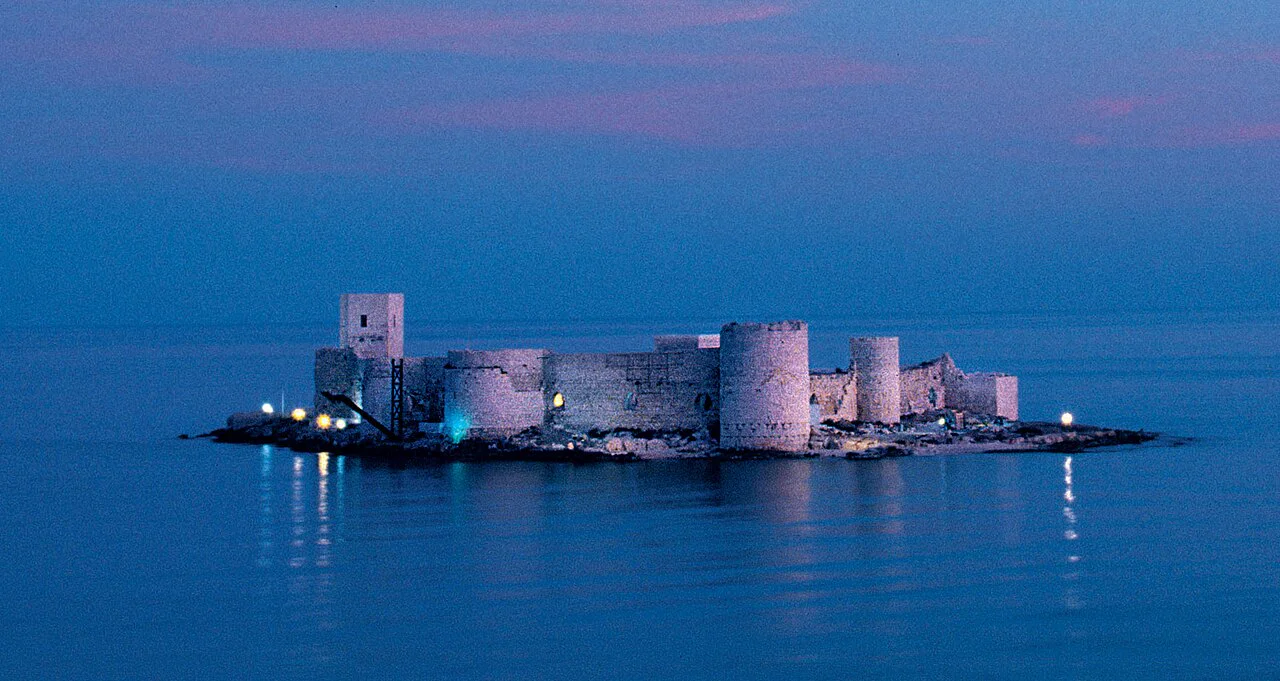
01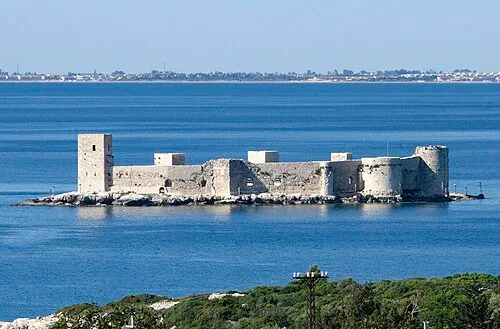 Kızkalesi (The Sea Castle)
Kızkalesi, the Sea Castle
A fortress sits on an island just off the Turkish shore, and the town behind it still carries the name Kızkalesi. Two thousand years ago this was Corycus, a harbor town in ancient Cilicia, where the valley called Şeytan deresi runs down to the Mediterranean. Ancient writers knew the place well. Livy, Pliny and Pomponius Mela all mention the town, and Strabo records the promontory, if not the town itself. Corycus served as the port of Seleucia, the great city inland. That role pulled it into war. In 191 BCE the fleet of Antiochus the Great was defeated by the Romans in the waters off this coast. Later, in Roman times, the emperors kept a fleet stationed here to watch for pirates, and the town even struck its own coins, some of which survive. In time the harbor was walled twice over, with a castle on the mainland and another on this island, once joined by a breakwater. The site lies today in Mersin Province, and UNESCO added it to its World Heritage Tentative List in 2014.
Zeynel Cebeci · CC BY-SA 4.0
02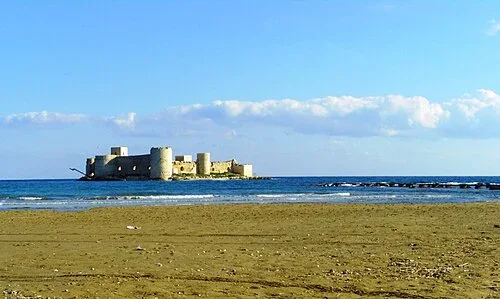 Kızkalesi (The Sea Castle)
The Maiden's Castle Legend
The Turkish name of this castle, Kız Kalesi, means maiden's castle, and a folk tale explains it. A king heard a prophecy that his daughter would die of a snake bite. To keep her safe, he shut her away on this island castle, ringed by water and far from any serpent on land. The prophecy found her all the same. A snake hidden in a basket of grapes was carried across to the castle, its bite killed her, and the prediction came true. It is a legend, not a documented event, and no one has tied it to a real princess or to a particular spot inside the walls. The stone itself has a firmer chapter. At the beginning of the twelfth century the Byzantine admiral Eustathios Kymineianos re-fortified the island, on the orders of Emperor Alexios I Komnenos. Soon after that rebuilding, the Armenians conquered Corycus.
Photo: Zcebeci · CC BY-SA 3.0
03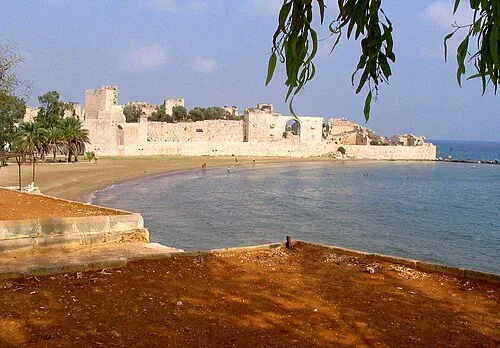 Land Castle of Korykos
Across the bay stands the Land Castle of Korykos, the mainland half of a paired defense. It follows a simple Byzantine plan, with rectangular double walls and square towers. A ship in the bay lay sheltered between two strongholds. Archaeological surveys in 1982, and again five years later, found that the Armenians kept that Byzantine plan going with occasional repairs. Two Armenian inscriptions discovered at the castles credit construction to King Levon I, and then to Hetum I. The Armenians held both castles until the mid-fourteenth century, guarding this strategic port for the Armenian Kingdom of Cilicia. One early figure is remembered by name. Simon, Baron of Korykos, attended the coronation of King Levon in 1198 or 1199. In 1360 Peter I, King of Cyprus, drove out the Mamelukes and took the port under his own overlordship.
Listen in the appPhoto: Dosseman · CC BY-SA 4.0
04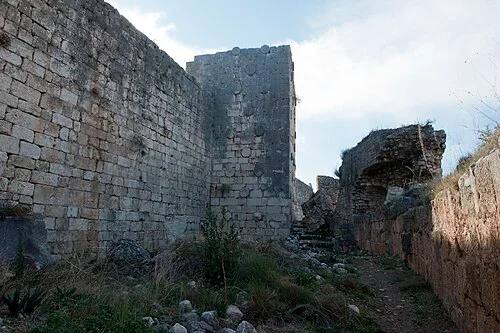 Land Castle of Korykos
Walls Built from a Roman City
Much of this wall was never quarried from a distant hillside. It is the old city, broken up and rebuilt as a fortress. The late antique town of Corycus stood close by, and the medieval builders took their masonry straight from it, out of temples, colonnades and public buildings. The walls contain many pieces of columns, and several round column drums show clearly in this stretch of stonework, set among the rougher blocks. The city they came from was still a going concern under the Byzantines. The emperor Justinian I restored its public baths and a hospital, which tells how much a Roman port could still matter in the sixth century. When the castles rose centuries later, the monuments of that port became their quarry.
Listen in the appPhoto: Dosseman · CC BY-SA 4.0
05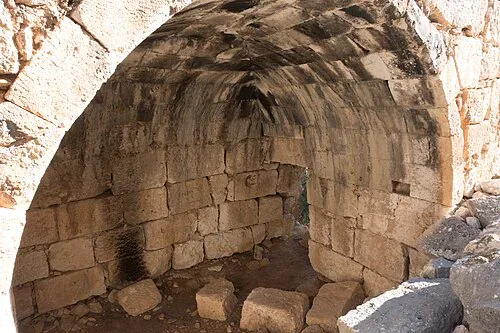 Land Castle of Korykos
Inside the Curtain Walls
A castle wall could be more than a shell. Built into the northeast walls of the Land Castle is a chamber roofed with a stone vault, its arch rising from heavy, well-fitted blocks. Spaces like this gave a fortress covered room inside its defensive ring, shelter from the weather and space to store what a garrison needed. What this particular chamber was used for, the ruins leave open.
Listen in the appPhoto: Dosseman · CC BY-SA 4.0
06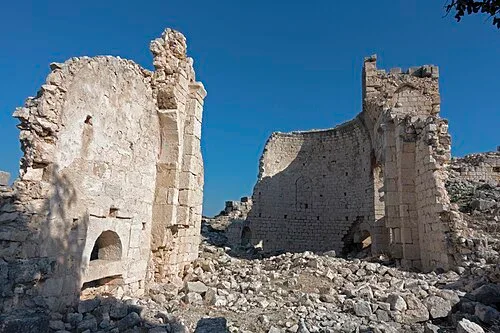 Land Castle of Korykos
The Chapels of the Garrison
Inside the double walls of the Land Castle stood two chapels, part of the simple Byzantine plan the Armenians maintained. A fortress here was not only a barracks. It was a settled Christian precinct, with its own places of worship inside the defensive ring. Only one small chapel is original Armenian construction; the rest of the sacred architecture was inherited from the earlier plan and kept in repair. The ruined church with its arched alcove still standing against the sky carries that long use in its stones. Which of the two chapels is the Armenian original, and to whom each was dedicated, the remains have not settled.
Listen in the appPhoto: Dosseman · CC BY-SA 4.0
07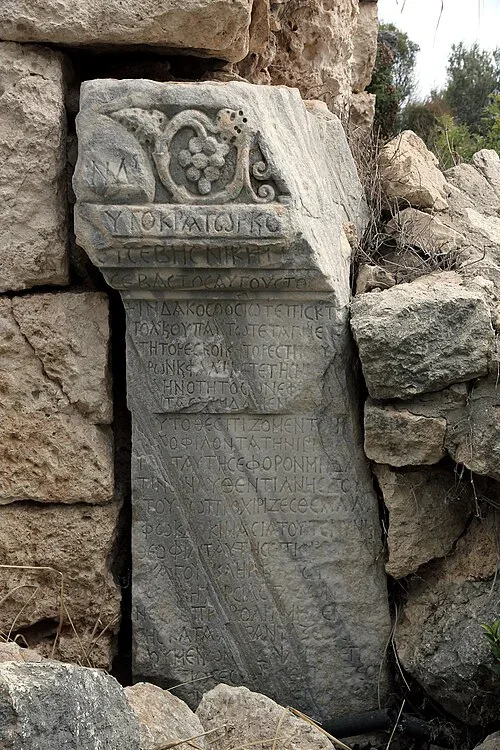 Land Castle of Korykos
A Recycled Inscription
One block in the castle wall still carries its own message. It is a carved stone bearing a long Greek inscription beneath a relief of a grape cluster curled in a vine scroll. The medieval builders set it into the masonry just as they found it, writing facing out. The stone was cut long before the castle, for some building of the older city, and its letters are one of the few surviving voices of that lost town. The full text, its date and the building it first stood in are all unknown. Even whether the vine carving points to a Christian or a pagan origin is undecided.
Listen in the appIngeborg Simon · CC BY-SA 3.0
08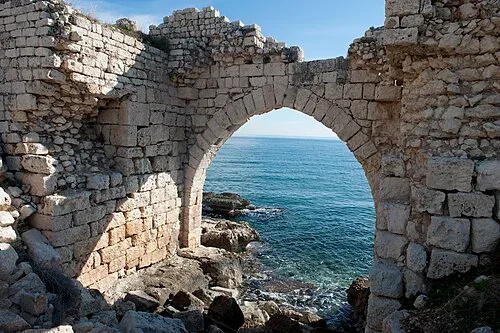 Land Castle of Korykos
The Harbor Front and the Sea Arch
An arch in the southwest walls opens straight onto the sea, framing the water this fortress existed to protect. From one angle of the castle, a mole of great unhewn rocks juts out across the bay, reaching about ninety metres. It stretched toward the island and helped give the harbor its shelter. The shore castle carried a formidable reputation. People called it impregnable. Views toward the bay hint at where the harbor entrance lay, but its exact position and workings are still argued over.
Listen in the appPhoto: Dosseman · CC BY-SA 4.0
09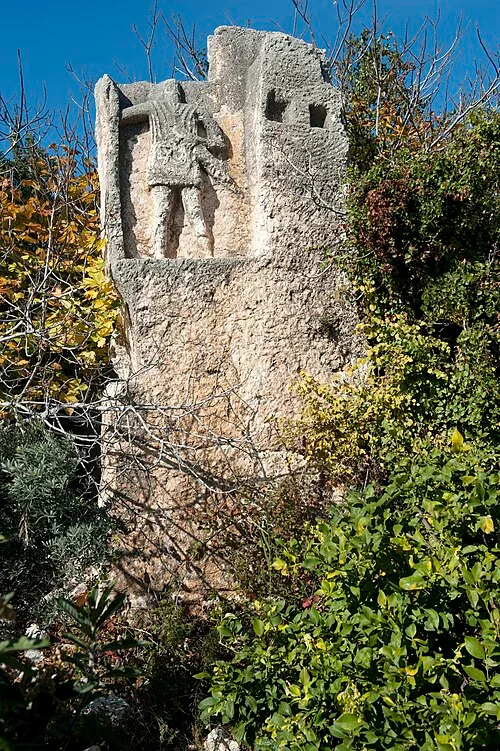 Korykos Necropolis I
Necropolis I: The Soldier Relief
Along the road out of the ancient city, the ground fills with the dead. Cemeteries flanked Corycus here, on a scale large enough to be called a necropolis, a city of the dead. The carved figure standing in this rock face is a soldier, cut in relief with his gear about him. It is a Roman-era grave marker, distinctive enough to be known simply as the soldier's grave. His name, his rank and the date he died have not survived. What remains is the figure itself, chiseled into the living rock, marking a grave beside the road out of town.
Listen in the appPhoto: Dosseman · CC BY-SA 4.0
10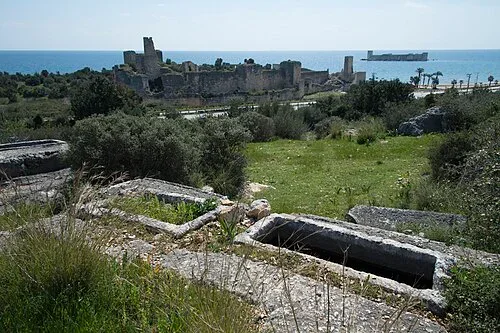 Korykos Necropolis I
Sarcophagi Above the Two Castles
Stone sarcophagi lie scattered across the ground of the necropolis, and beyond the road both castles show at once: the Land Castle on the shore, and the island fortress out in the sea. These are Roman-era coffins, hewn from solid blocks and set above ground. A cemetery on this scale points to a town with people to fill it. Cut-stone burials like these took means, and Corycus had means, as an important harbor and commercial town. Travelers in the eighteen-sixties described the ruins here as extensive, with the sarcophagi among what they saw.
Listen in the appPhoto: Dosseman · CC BY-SA 4.0
- 11
Necropolis II: The Rock-Cut Grave
A grave built from the hillside itself, where the necropolis shifts from coffins above ground to tombs cut into the rock.
- 12
A Sarcophagus Marked with Crosses
A stone coffin whose carved crosses announce that the people burying their dead here had become Christian.
- 13
Cennet: The Chasm of Heaven
The great chasm the ancients called the Corycian Cave, where saffron grew on the floor of a hole in the plateau.
- 14
From Zeus's Temple to a Basilica
A temple of Zeus at the chasm's edge, rebuilt as a Christian basilica, its curved apse still standing.
- 15
The Priest-List Inscription
A tall stone carved with long lines of names, and the trace of bishops who carried Corycus to the great church councils.
- 16
The Church at the Bottom of Heaven
The Church of the Virgin Mary, built against the rock at the bottom of the Cennet chasm, its arched windows facing the open sky.
- 17
Inside the Cave Church
Inside the rock-cut church, where carved arches and vaulted rooms give a natural cave the furniture of a building.
- 18
The Deep Cave Beneath Heaven
Deep under the chasm, a cavern of stalactites, and the underground river the ancients called the Bitter Water.
- 19
Cehennem: The Lair of Typhon
The chasm named Hell, which Greek poets made the lair of Typhon, the hundred-headed monster who once imprisoned Zeus himself.
Korikos
Frequently asked questions
How much does the guide cost?
Free app download. Listed guide price: $1.99. Guide price shown in the app. Audio guide only. Venue admission is separate.
Can I listen without internet?
Yes. Download the guide’s audio, images, and maps in the app before your visit. Your downloaded content is then available offline.
Can I listen in my language?
This audio guide is available in 15 languages, including English.
Do I need to follow a schedule?
No. This is a self-guided experience. Choose your stops, pause whenever you like, and return to a story at your own pace.
At your own pace
Explore Korikos.
Download Stanza, then search for “Korikos”.
Free app download · Guide price shown in the app
Keep exploring
Audio guides — Turkey
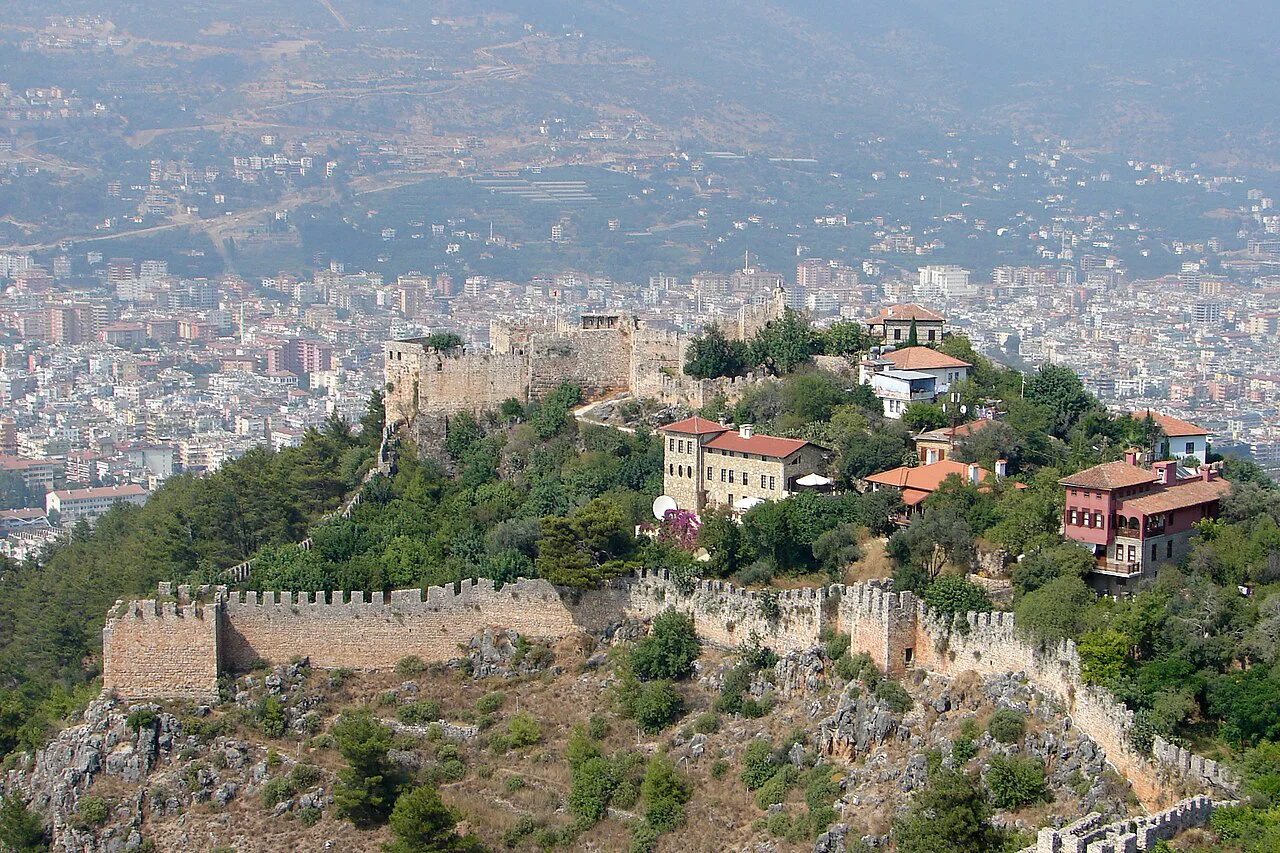
Alanya
Alanya Kalesi
Content & sources
Luke_33 · CC BY 2.5 pl
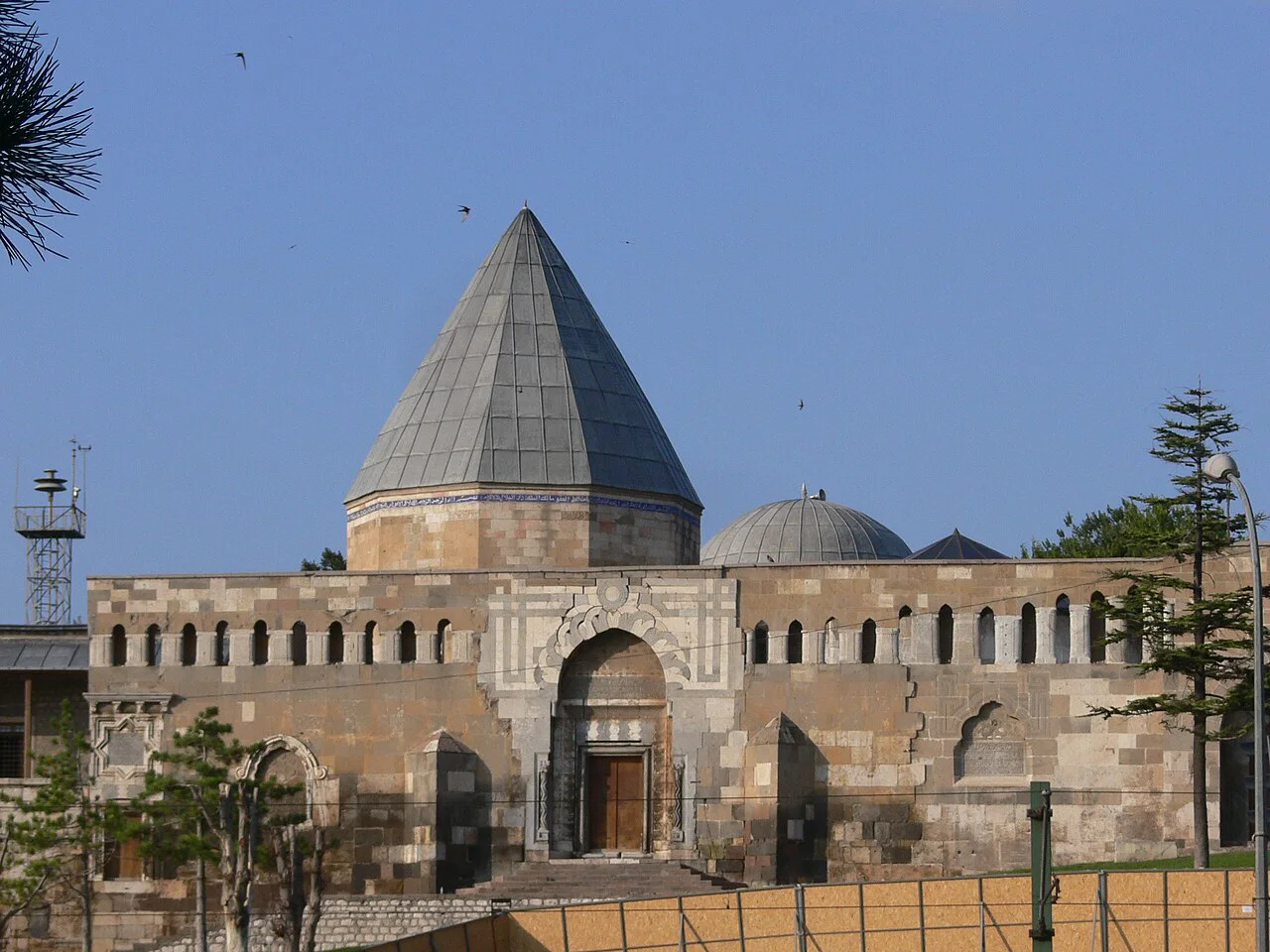
Konya
Alâeddin Camii
Content & sources
Photo: Christian Mathis · CC BY-SA 3.0
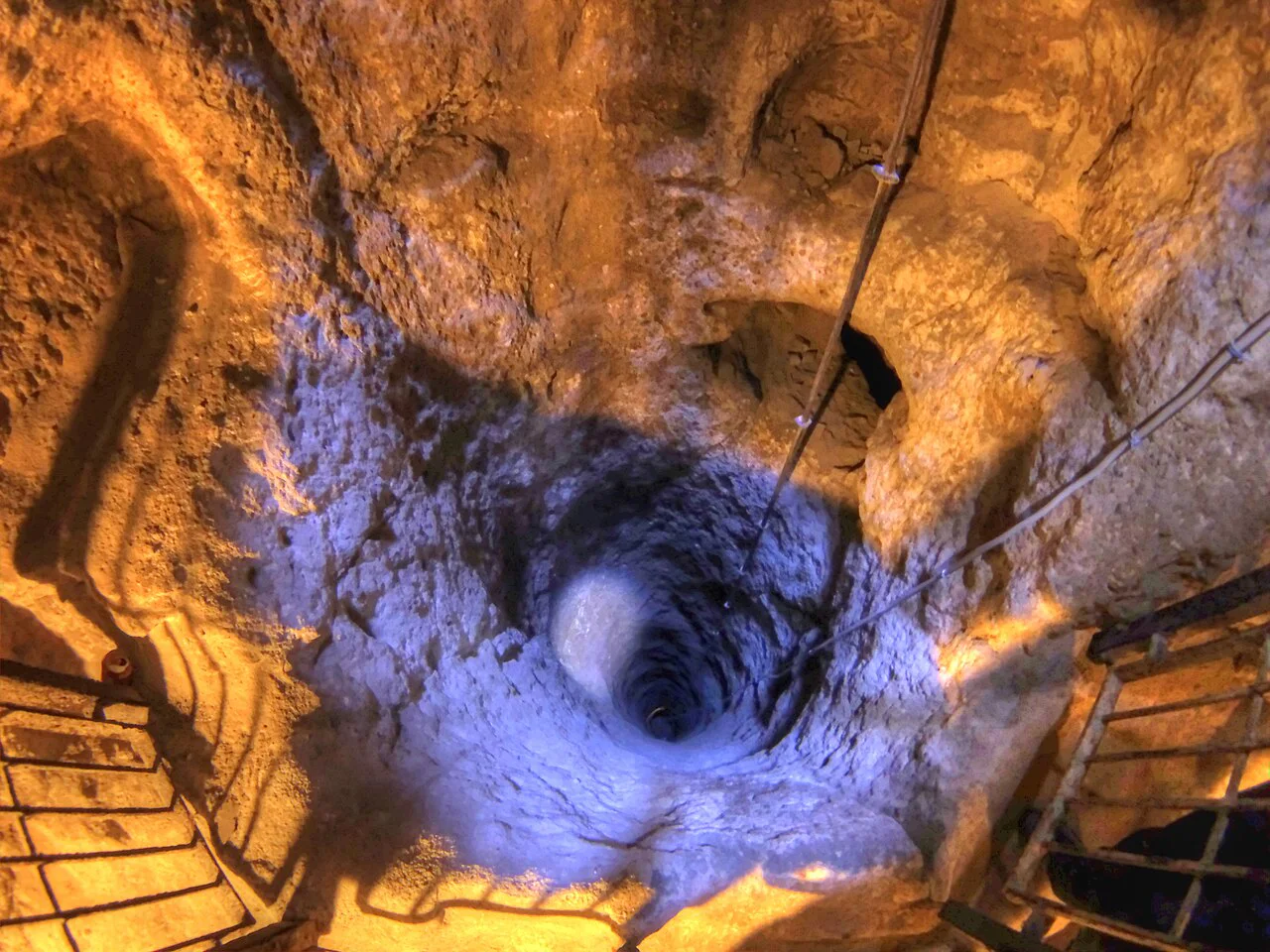
Derinkuyu
Derinkuyu Yeraltı Şehri
Content & sources
Nevit Dilmen (talk) · CC BY-SA 3.0
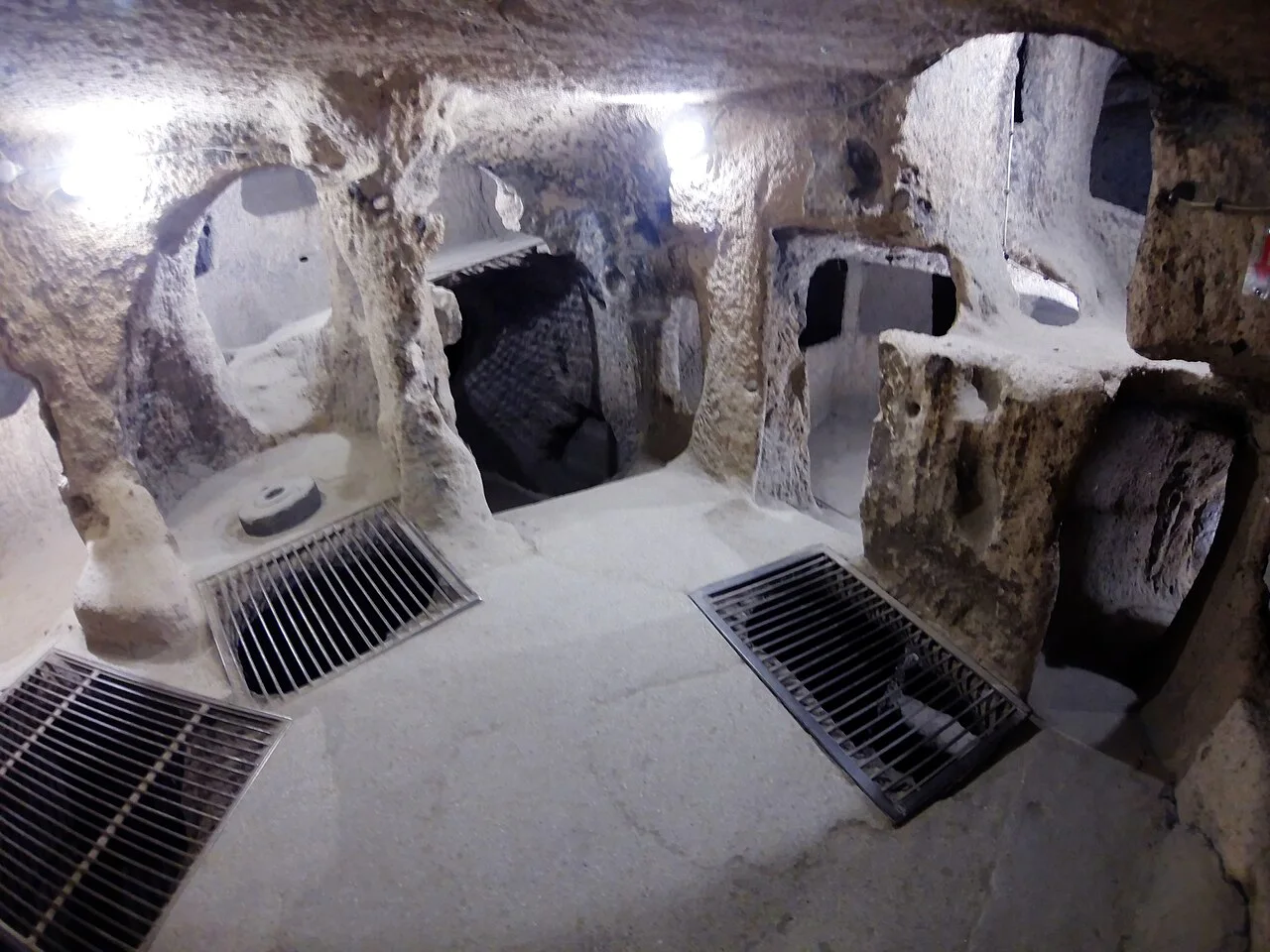
Nevşehir district
Kaymaklı Yeraltı Şehri
Content & sources
Nevit Dilmen (talk) · CC BY-SA 3.0